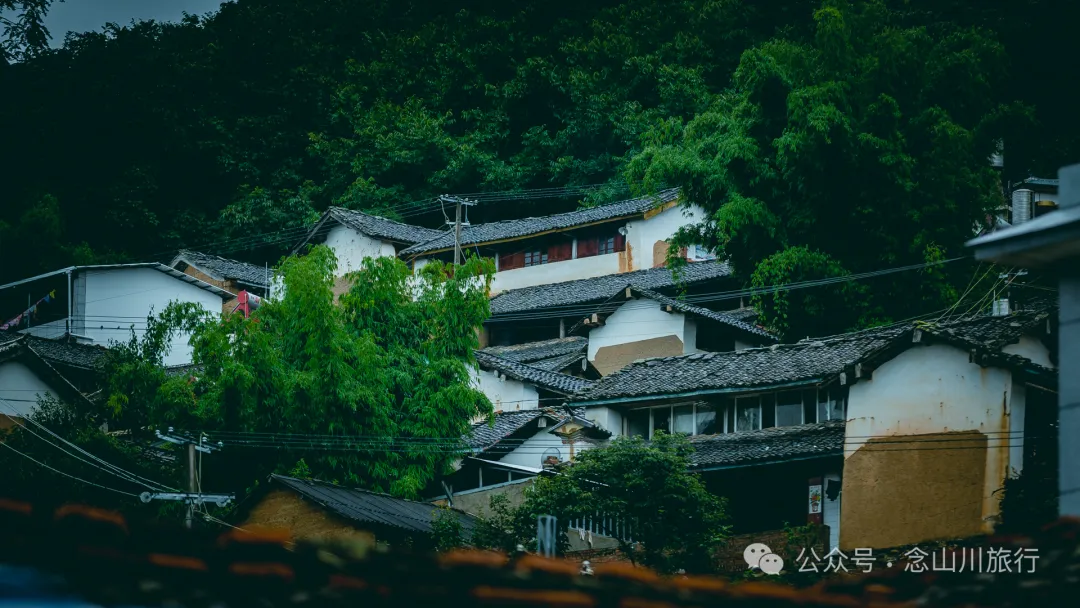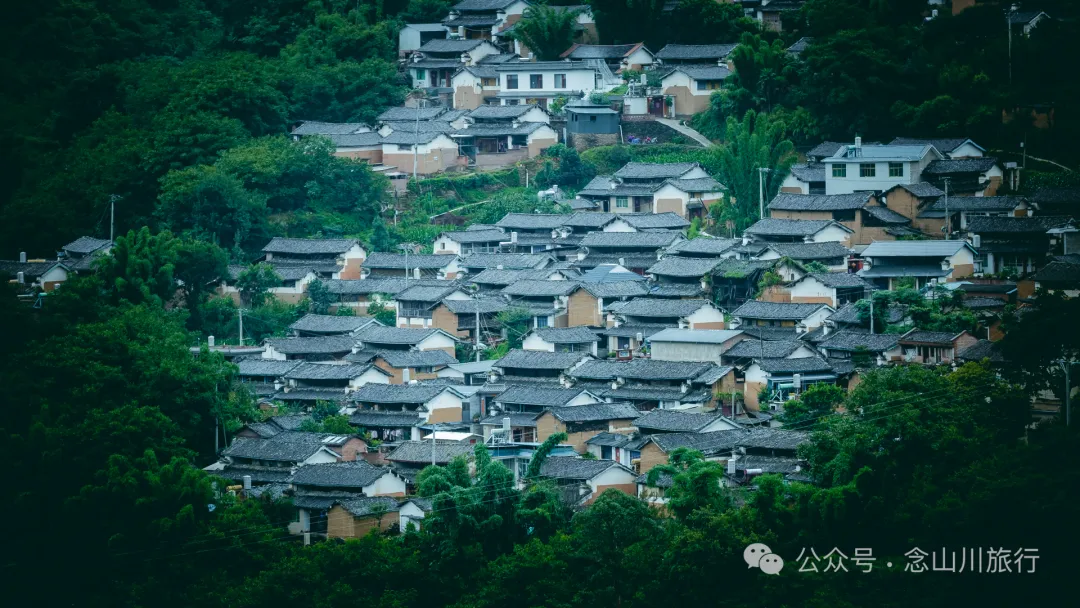

Between Laobuju Village and Mibila Village lies a meadow. We have been there twice. Without a guide, I wasn't sure if crossing the meadow southward would lead to Mibila, so we drove following the navigation. After parking the car on a relatively open roadside in front of the village, we walked through the misty rain in the village with umbrellas.
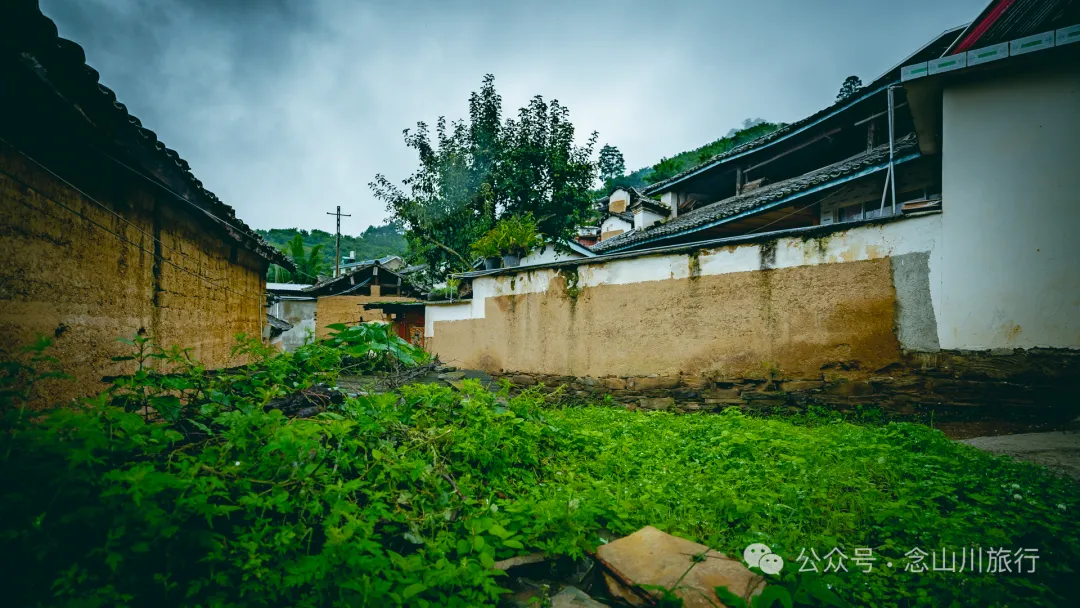
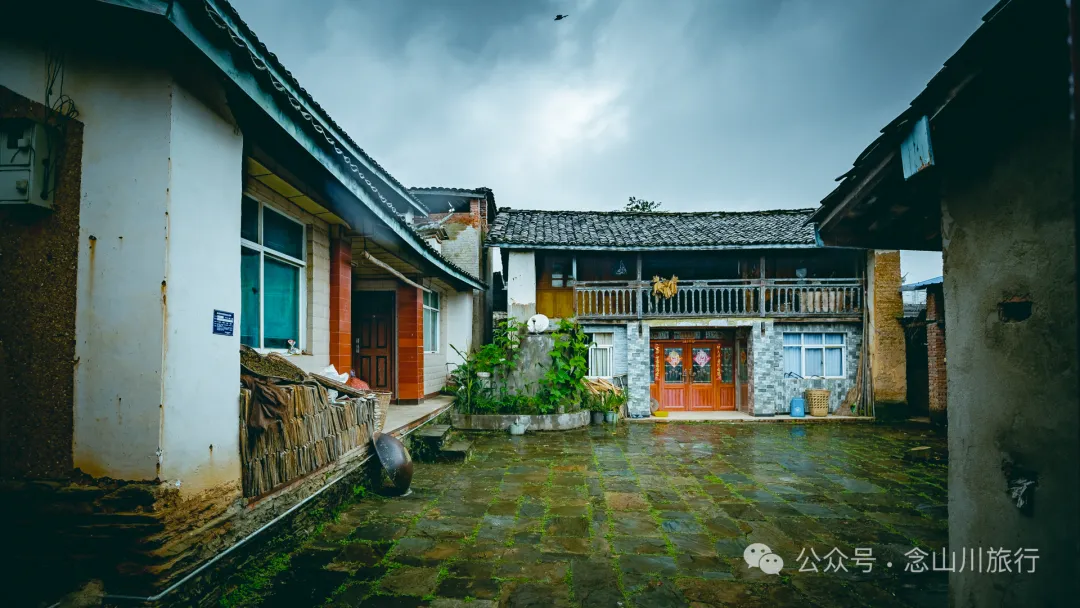
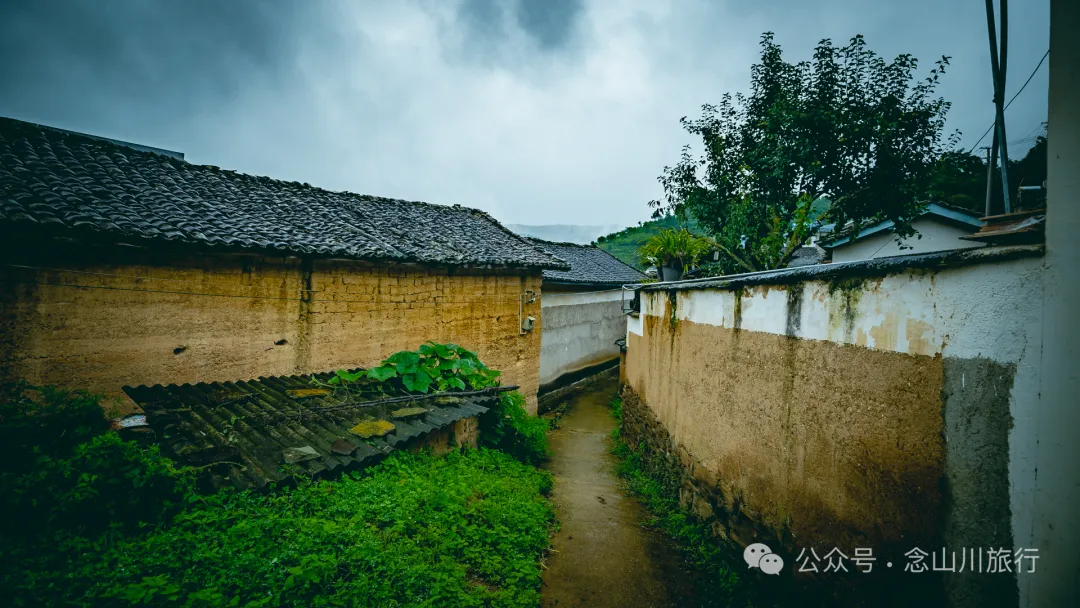
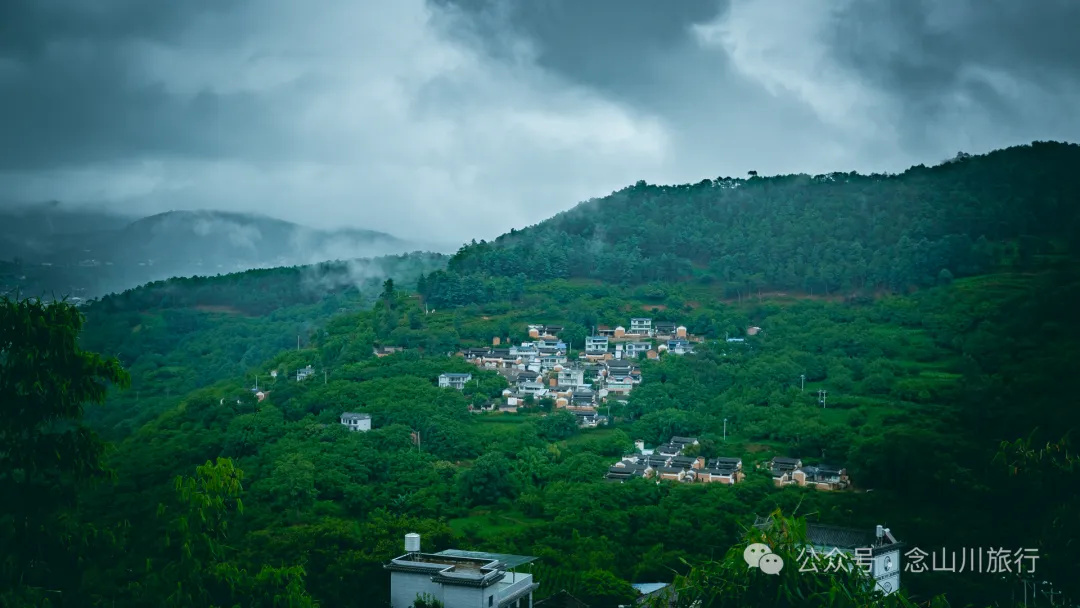
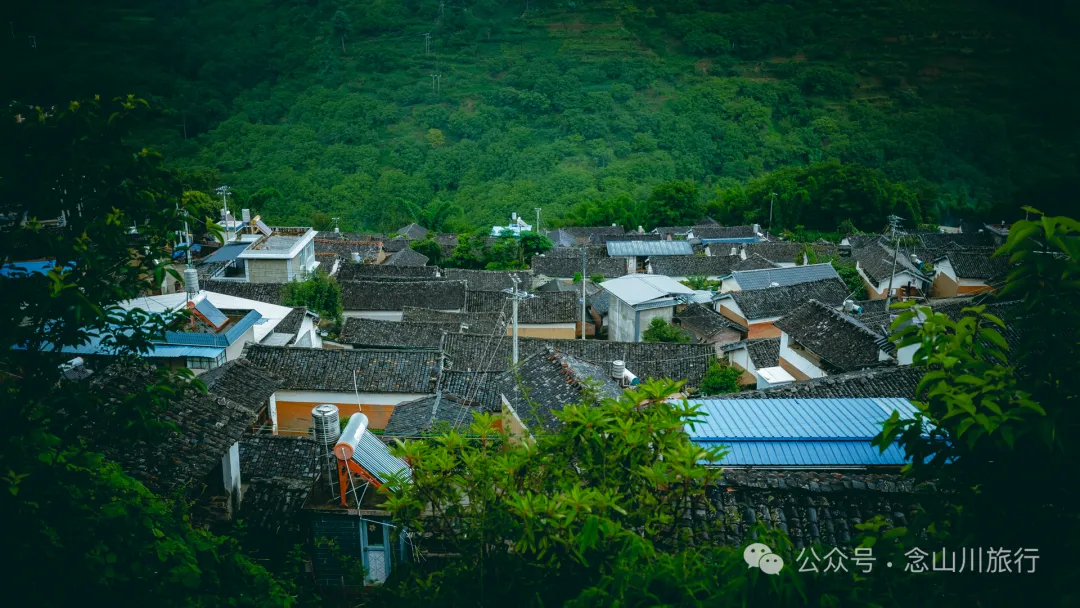
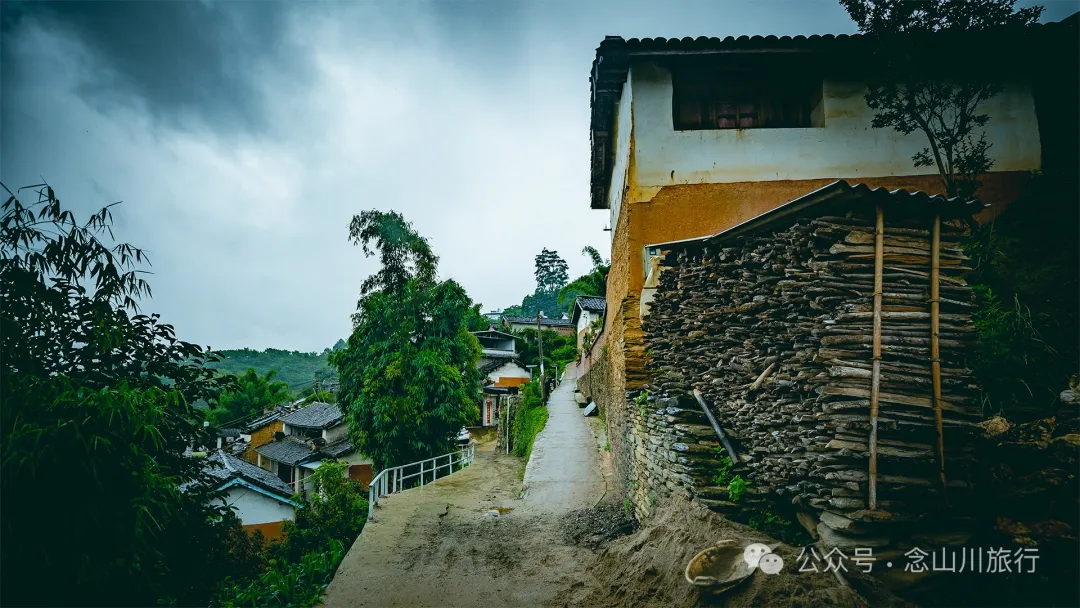
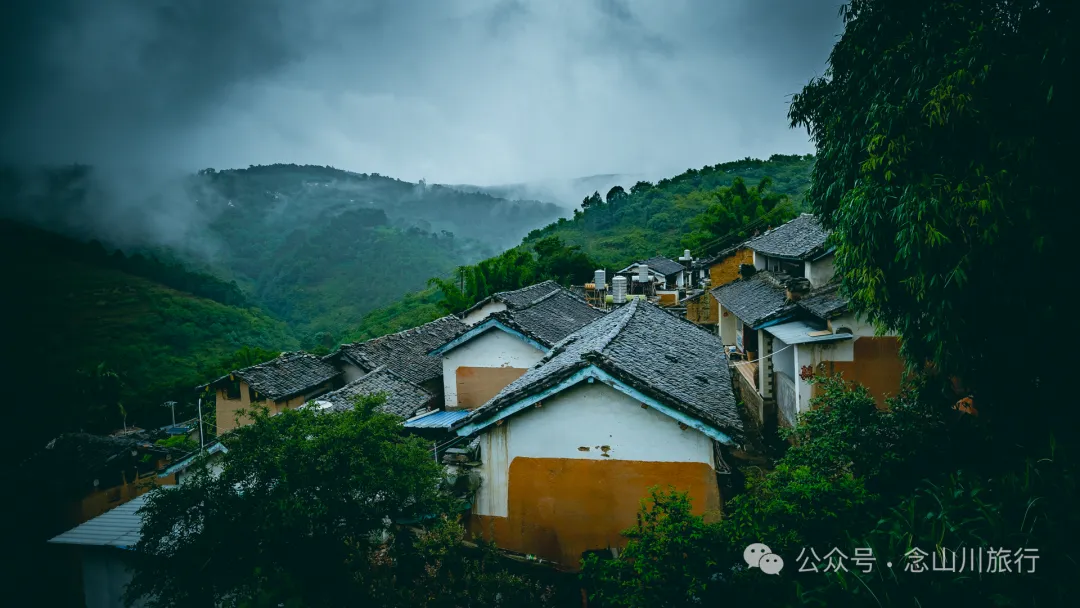
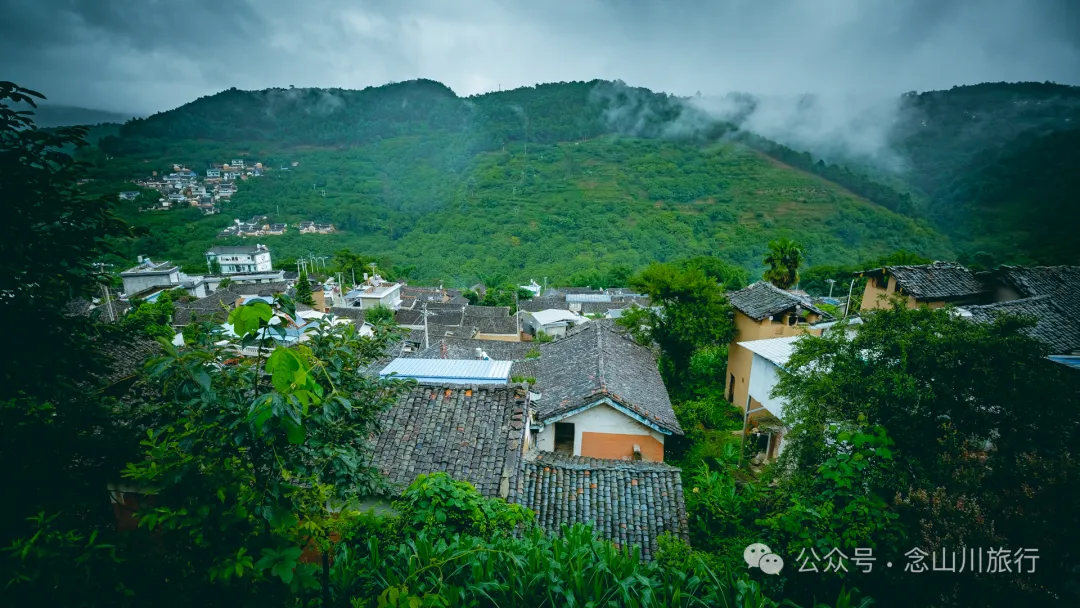
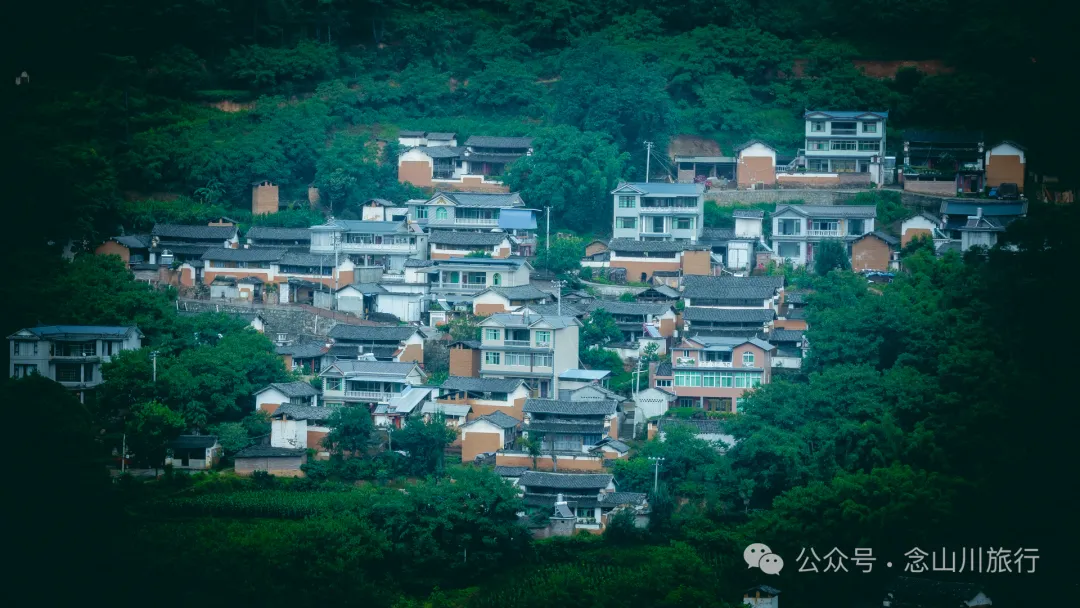
This is a completely unfamiliar village. If we hadn't found the alpine meadow between the two villages, we wouldn't have known that there was another Han Chinese village in the green mountains. Like Laobuju, most families in Mibila are surnamed Rao. According to Uncle Rao from Laobuju, I guess their ancestors might be the same person, but Mibila is obviously much larger, as we discovered during our in-depth visit. The houses are tightly packed, row after row of old rammed-earth and wood structures spreading from the hillside to the foot, like neat terraced fields, arranged in close order, similar to the layout of the ancient village of Nuodeng in Yunlong. We walked through the narrowest alleys of the village, where unfamiliar concrete paths led us into a maze-like village. The tiny details scattered everywhere lured us deeper until we reached the end.
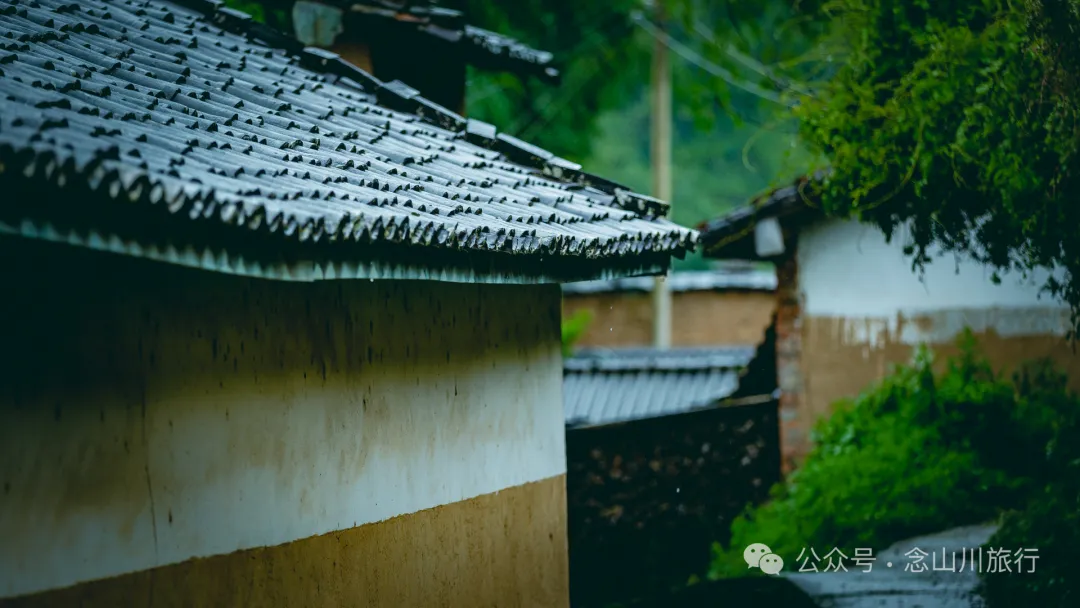
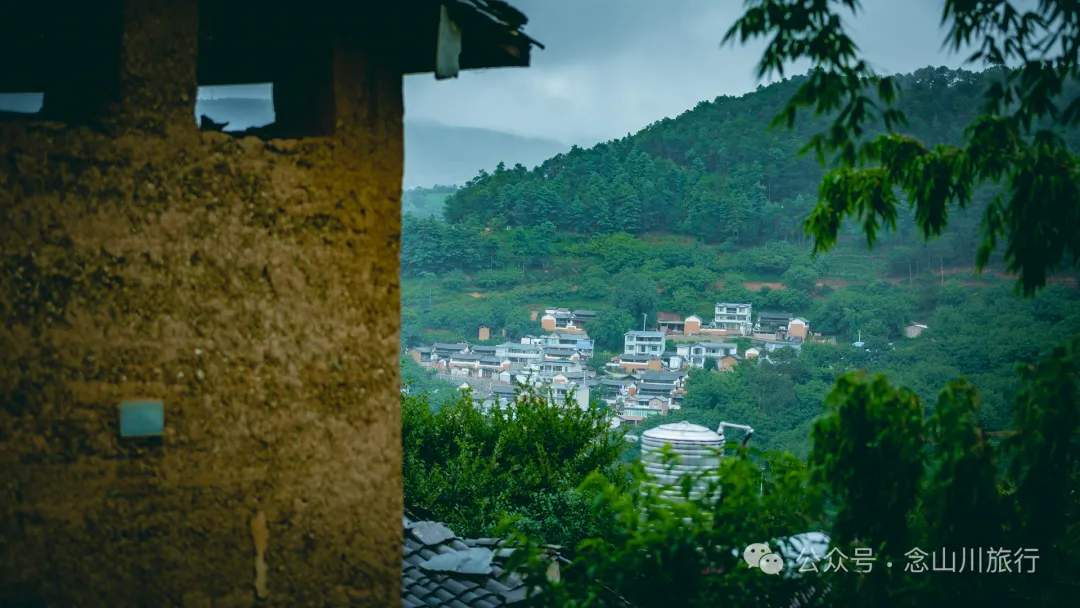
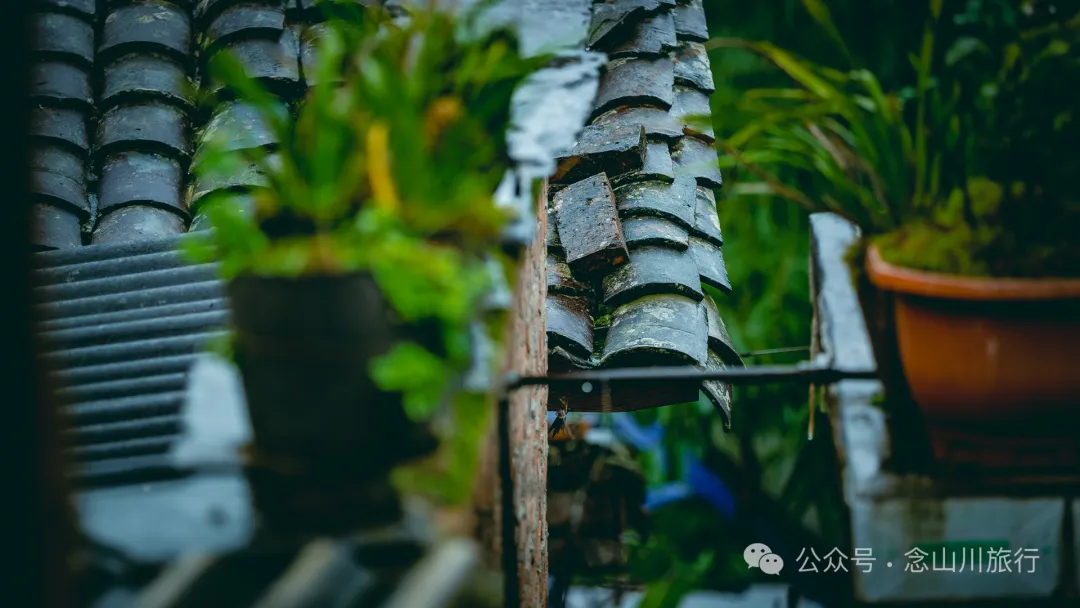
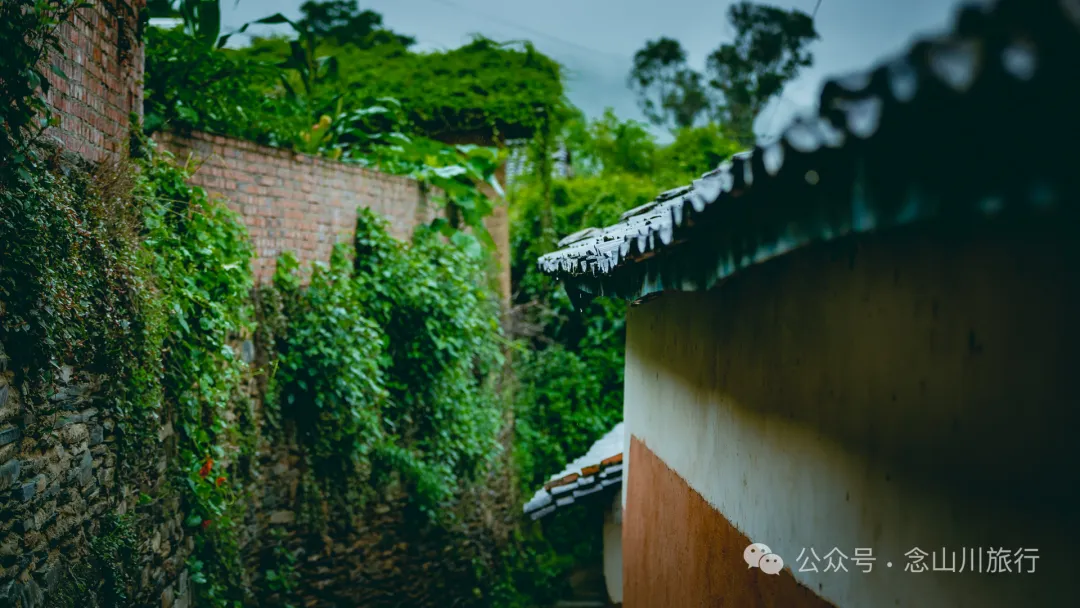
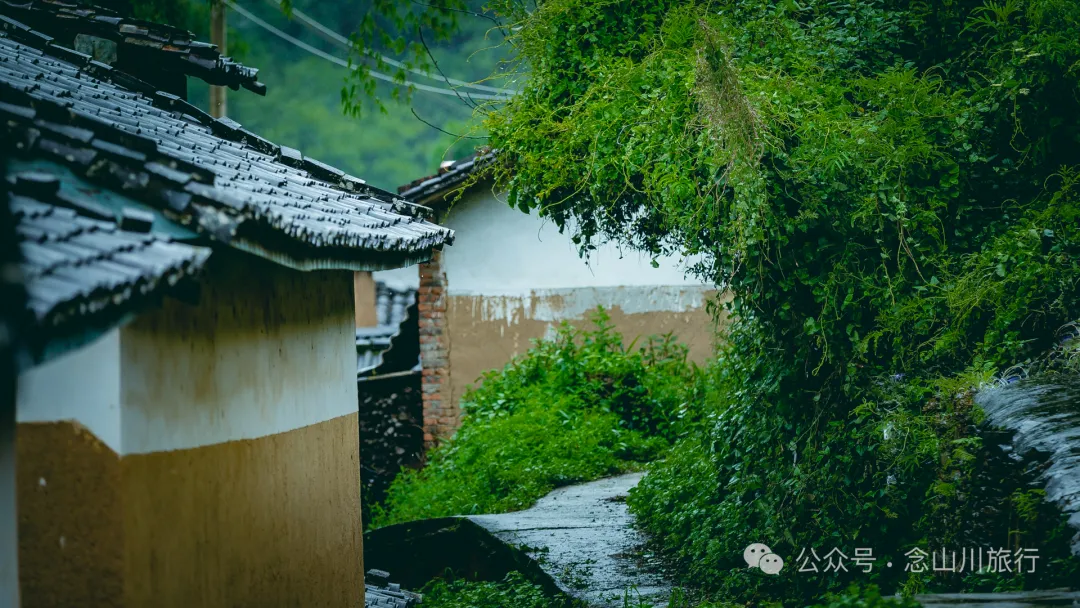
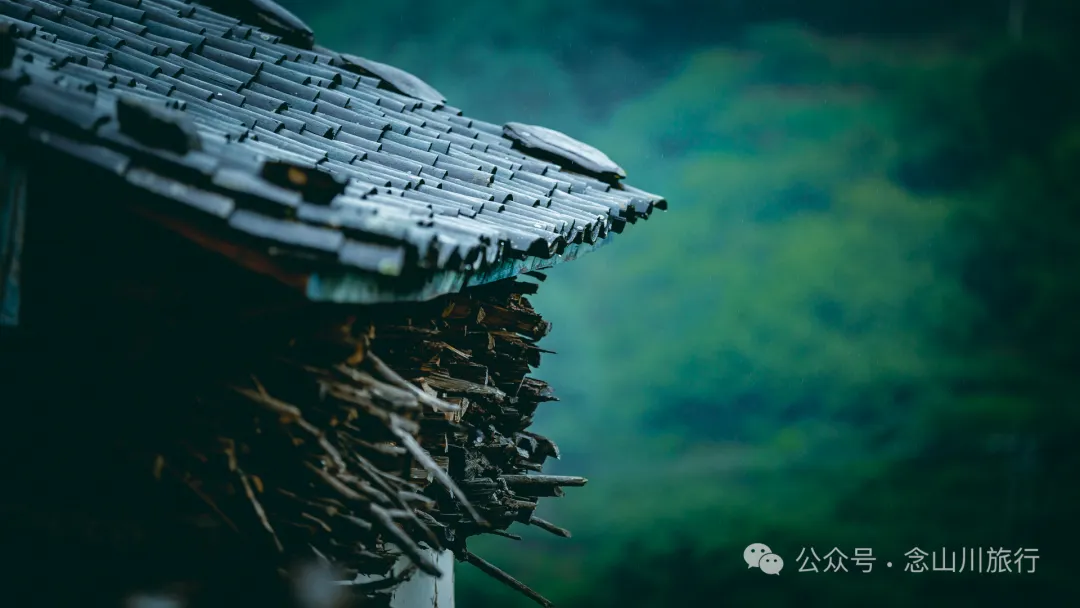
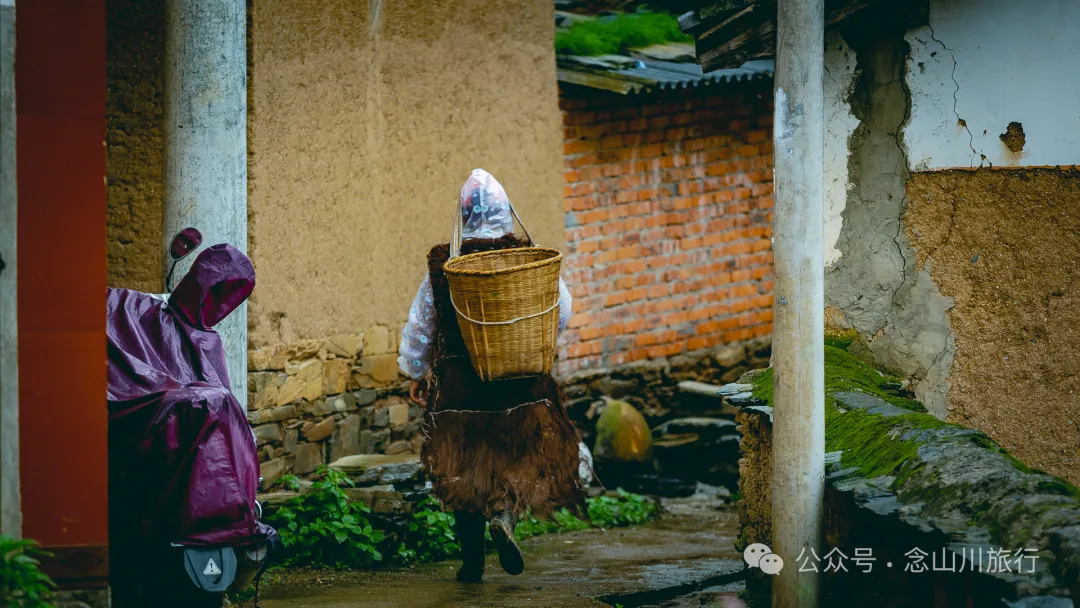
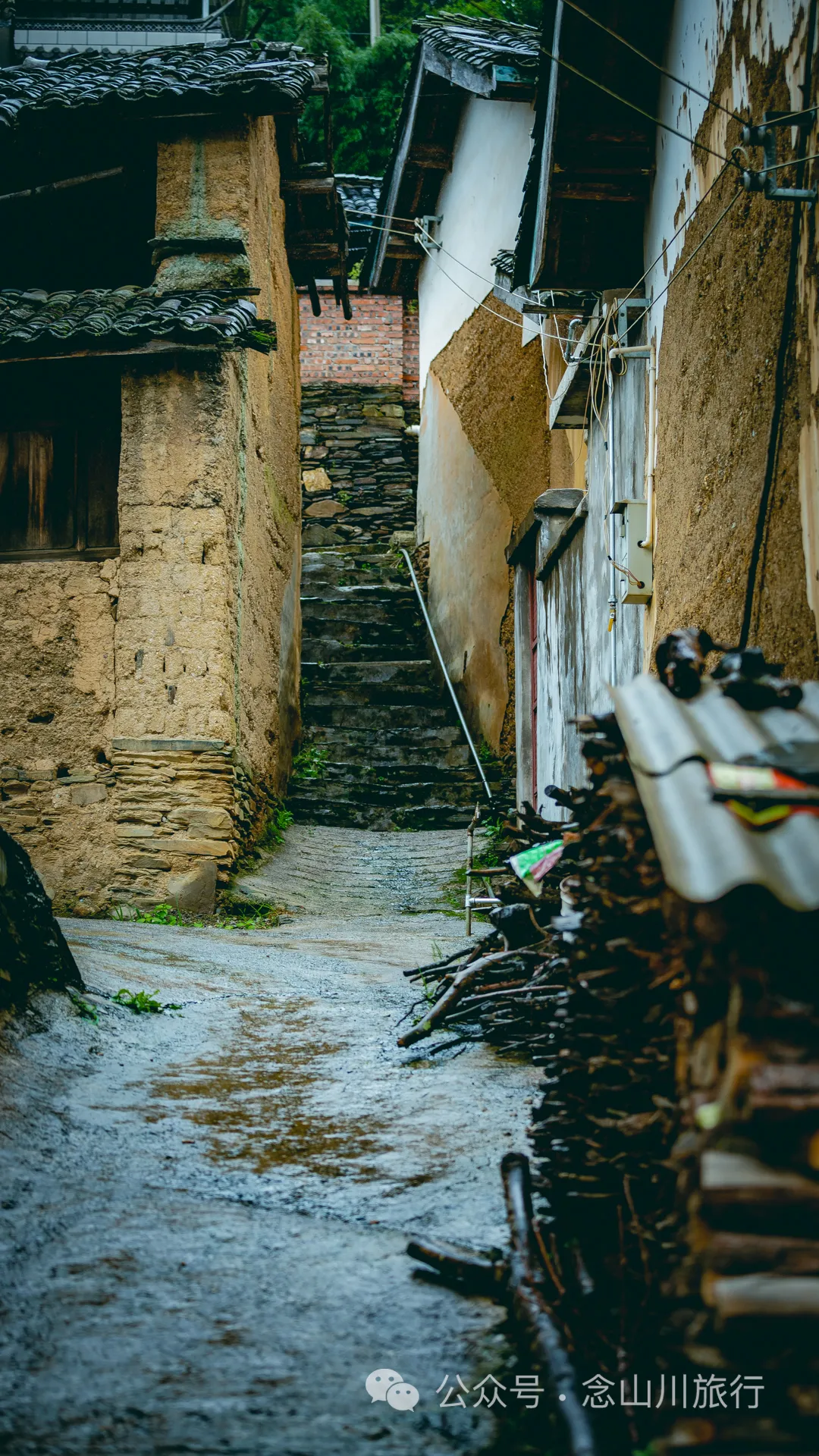
This village of over a hundred households is utterly quiet. Living deep in the mountains for generations, the people seem to have unconsciously absorbed the silent, simple nature of the mountains; even their conversations are not loud. Occasionally meeting in the narrow alleys, they greet each other, exchange a few words about daily life, then go their separate ways to their own tasks. The village clusters together like the blossoms of a tall catalpa tree in spring—interconnected and related, yet independent and non-intrusive.
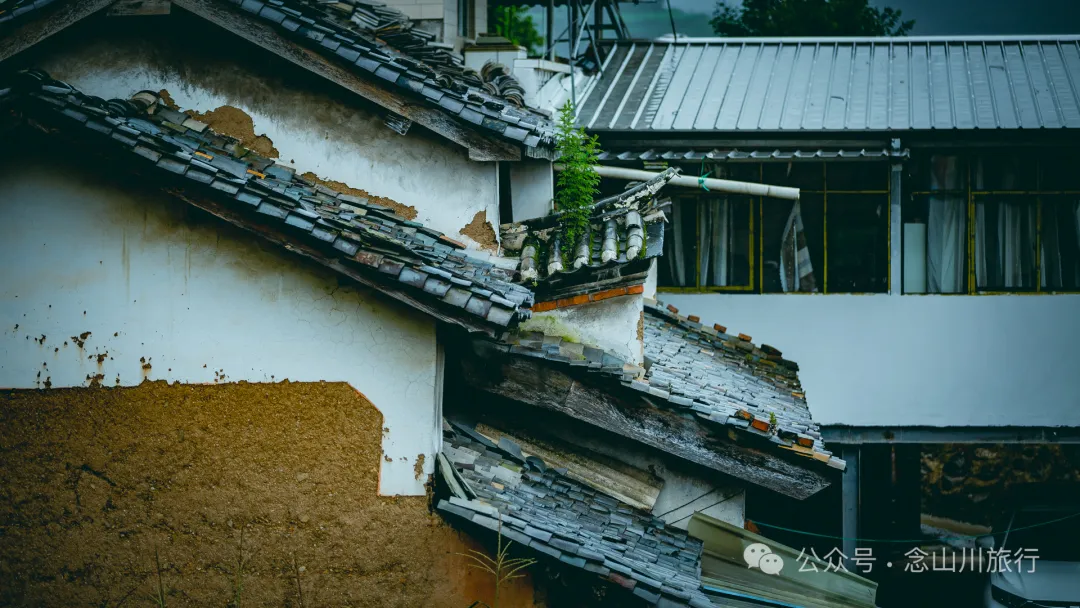
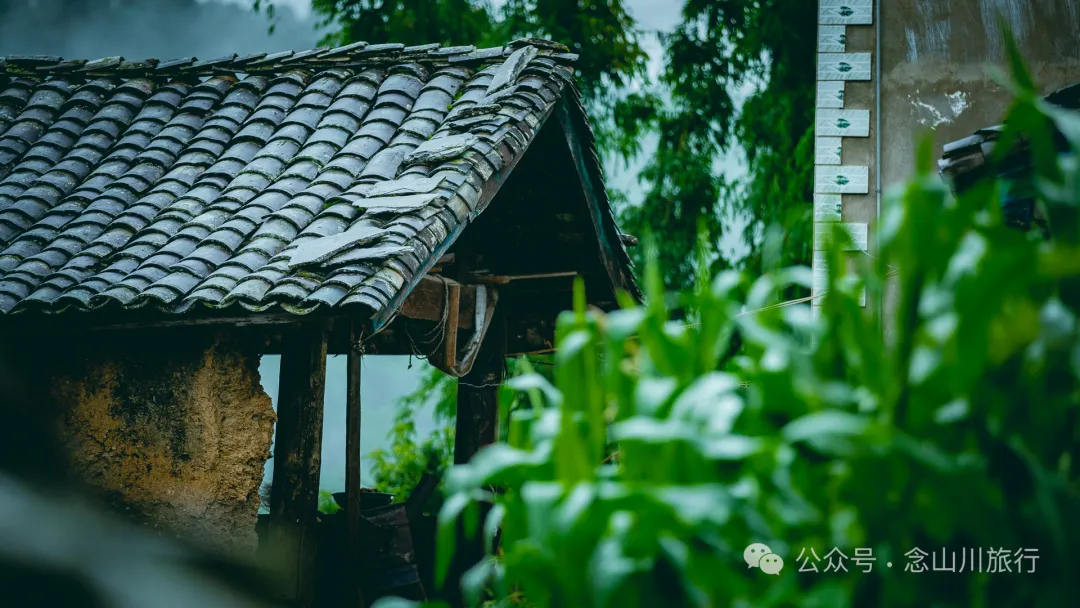
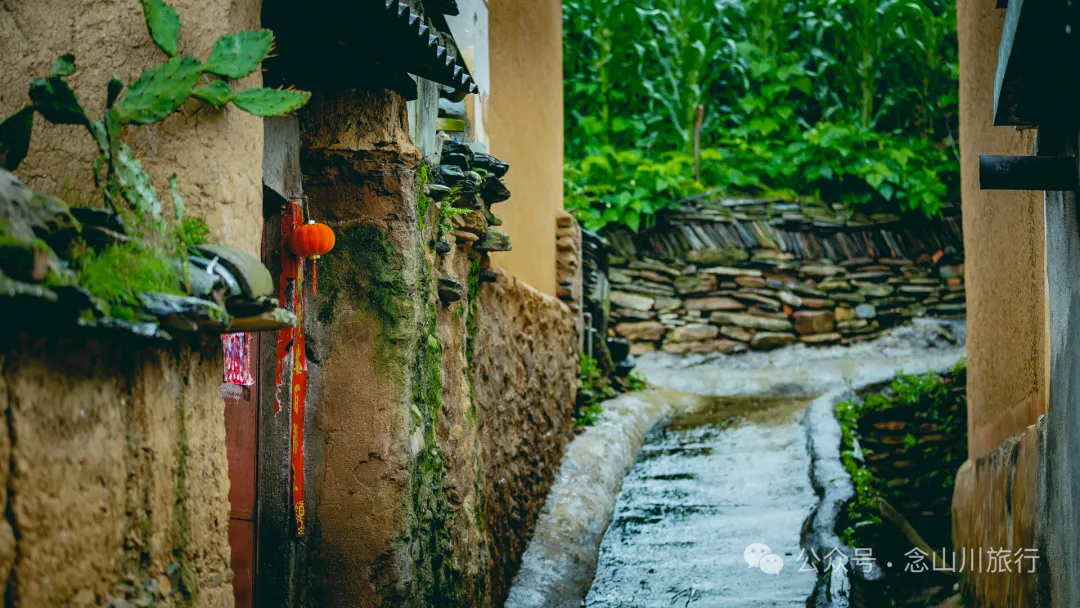
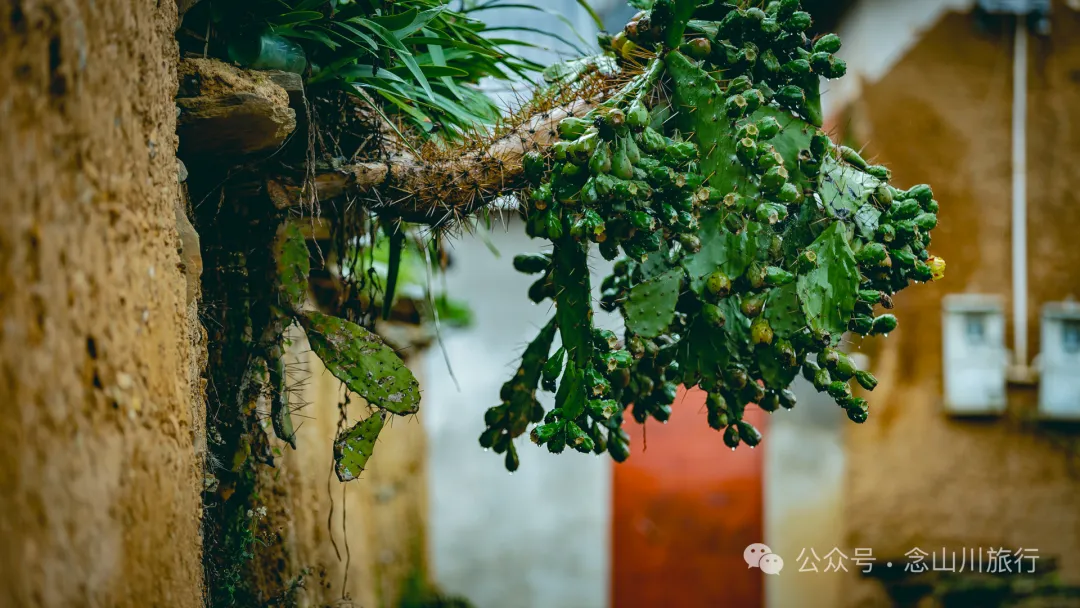
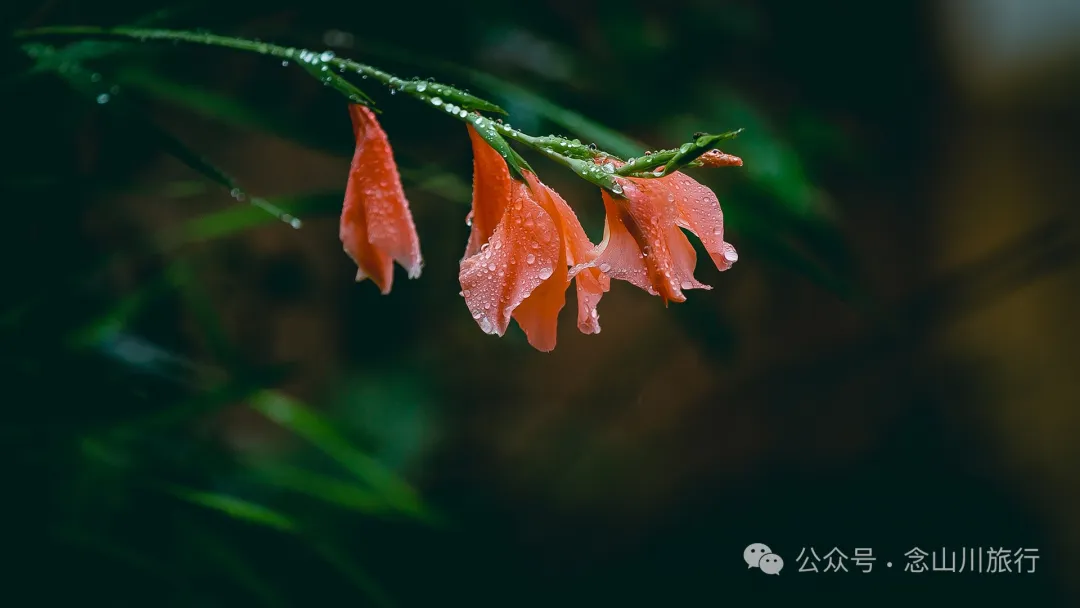
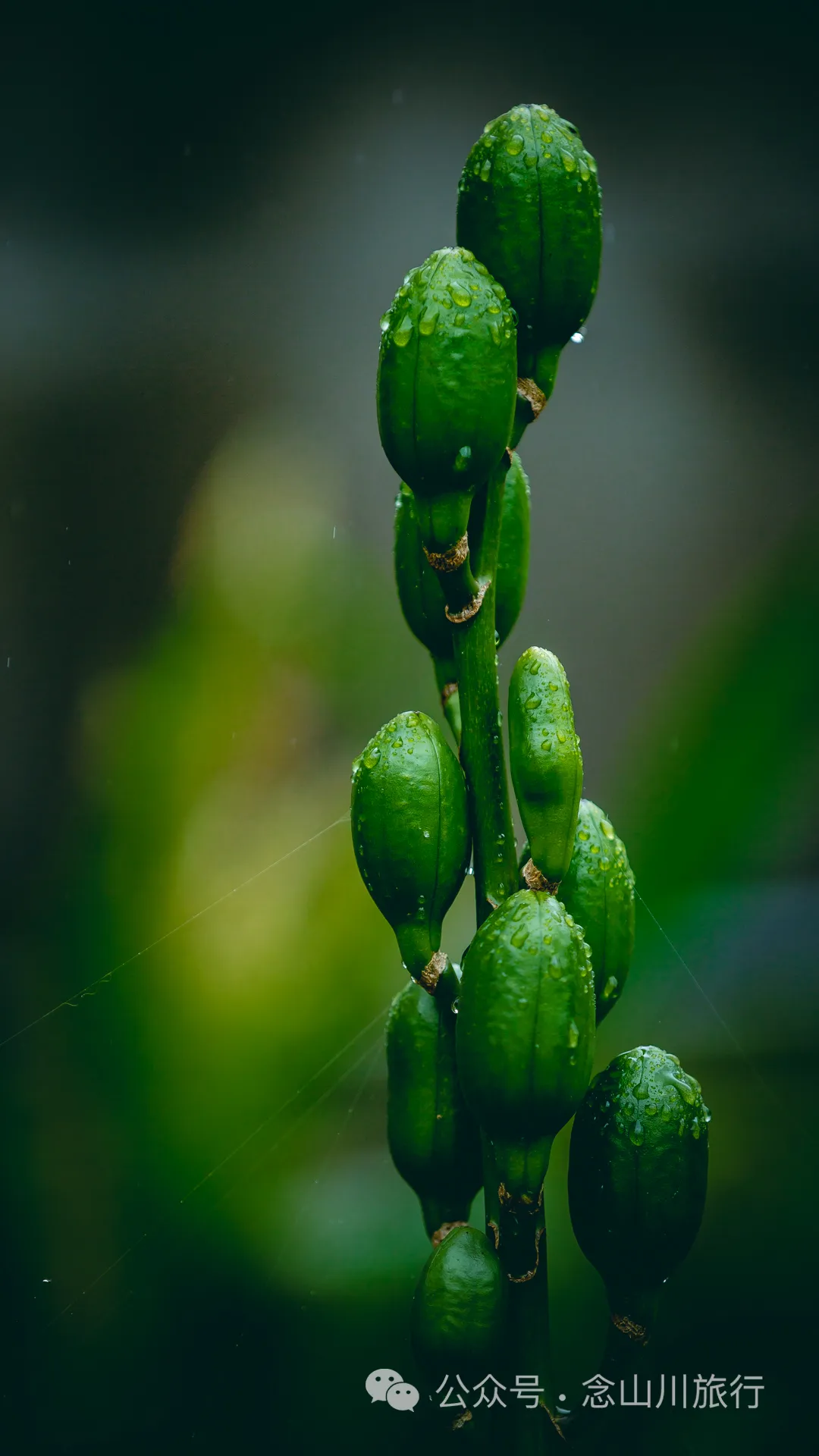
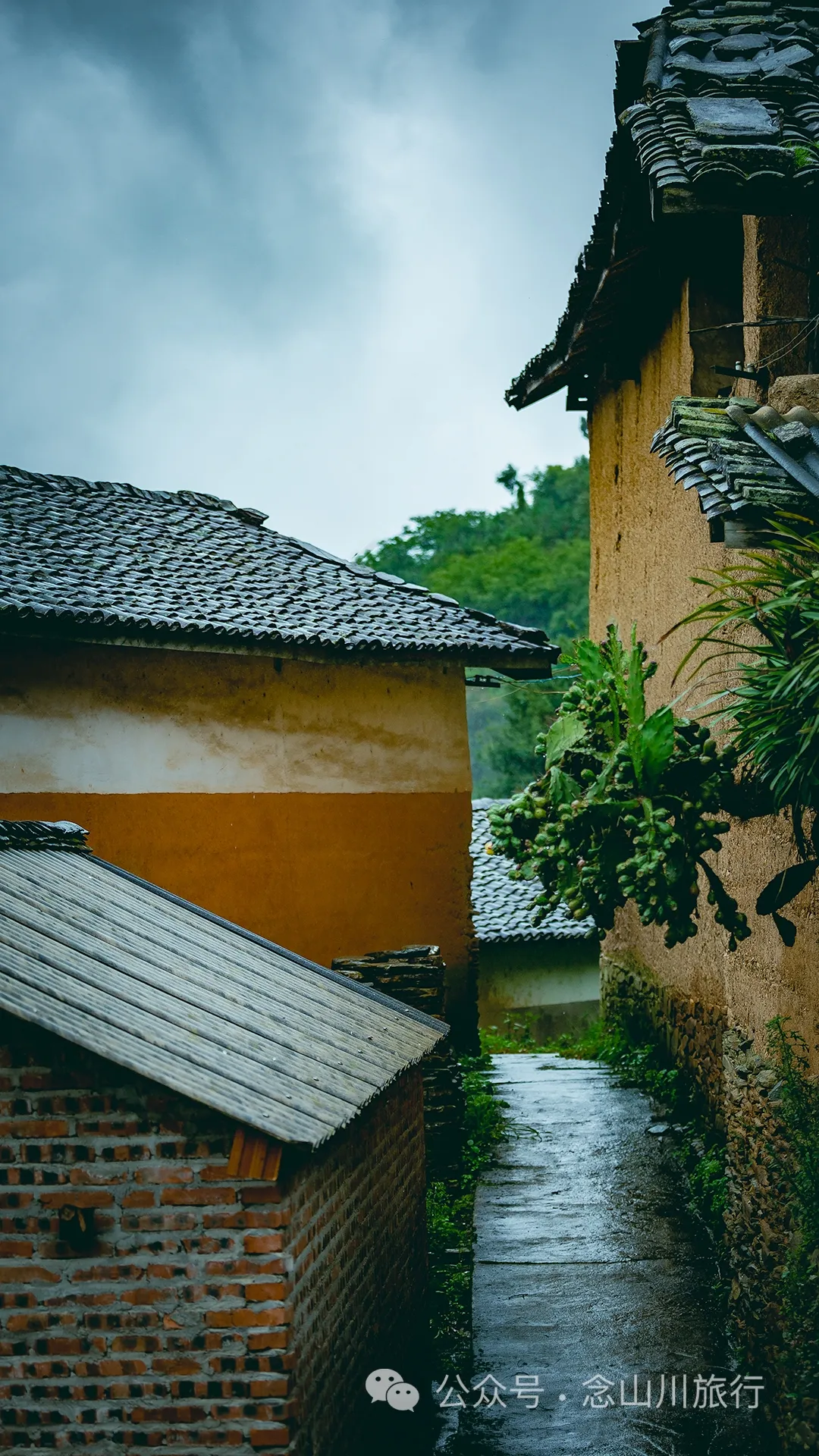
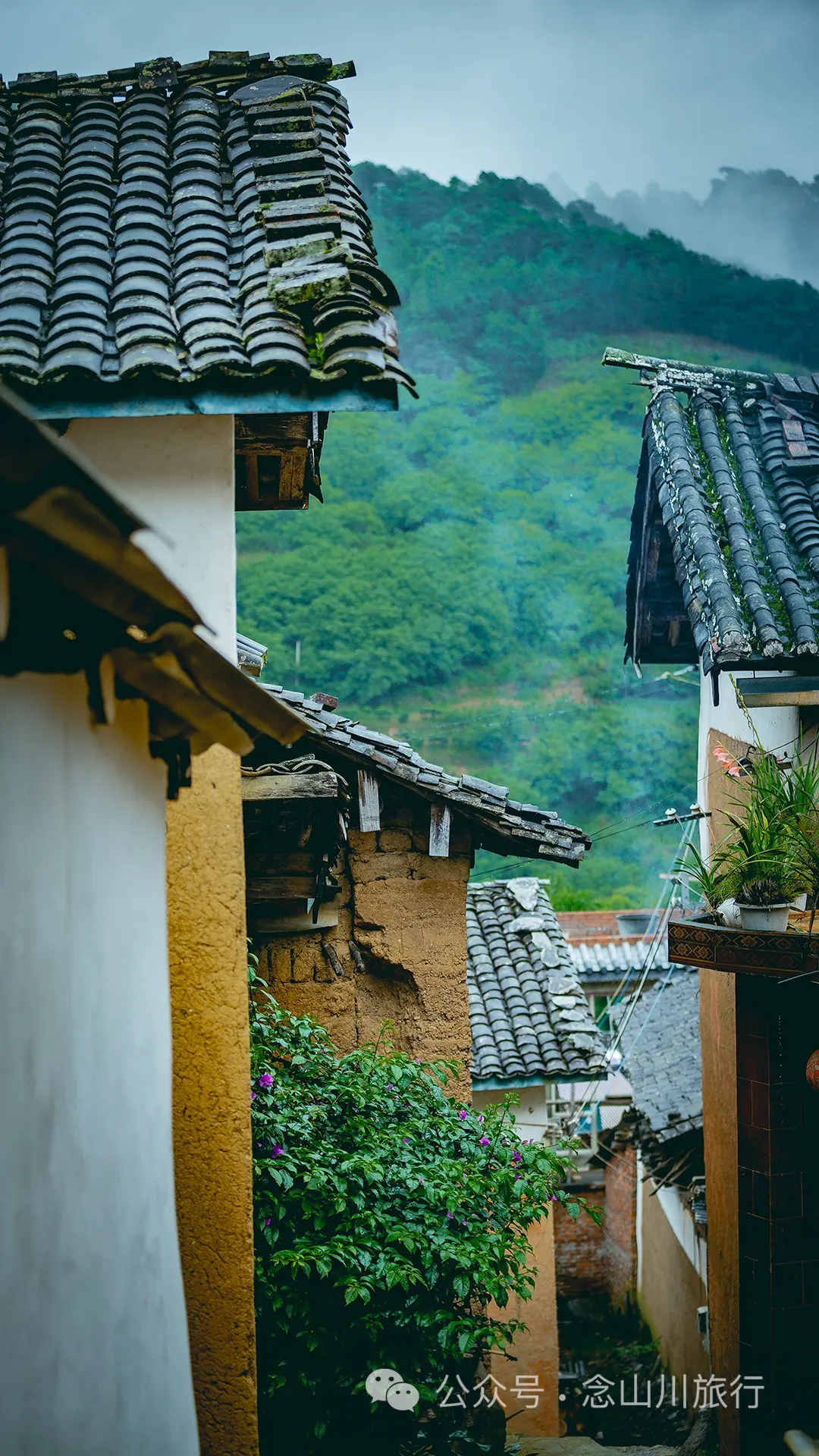
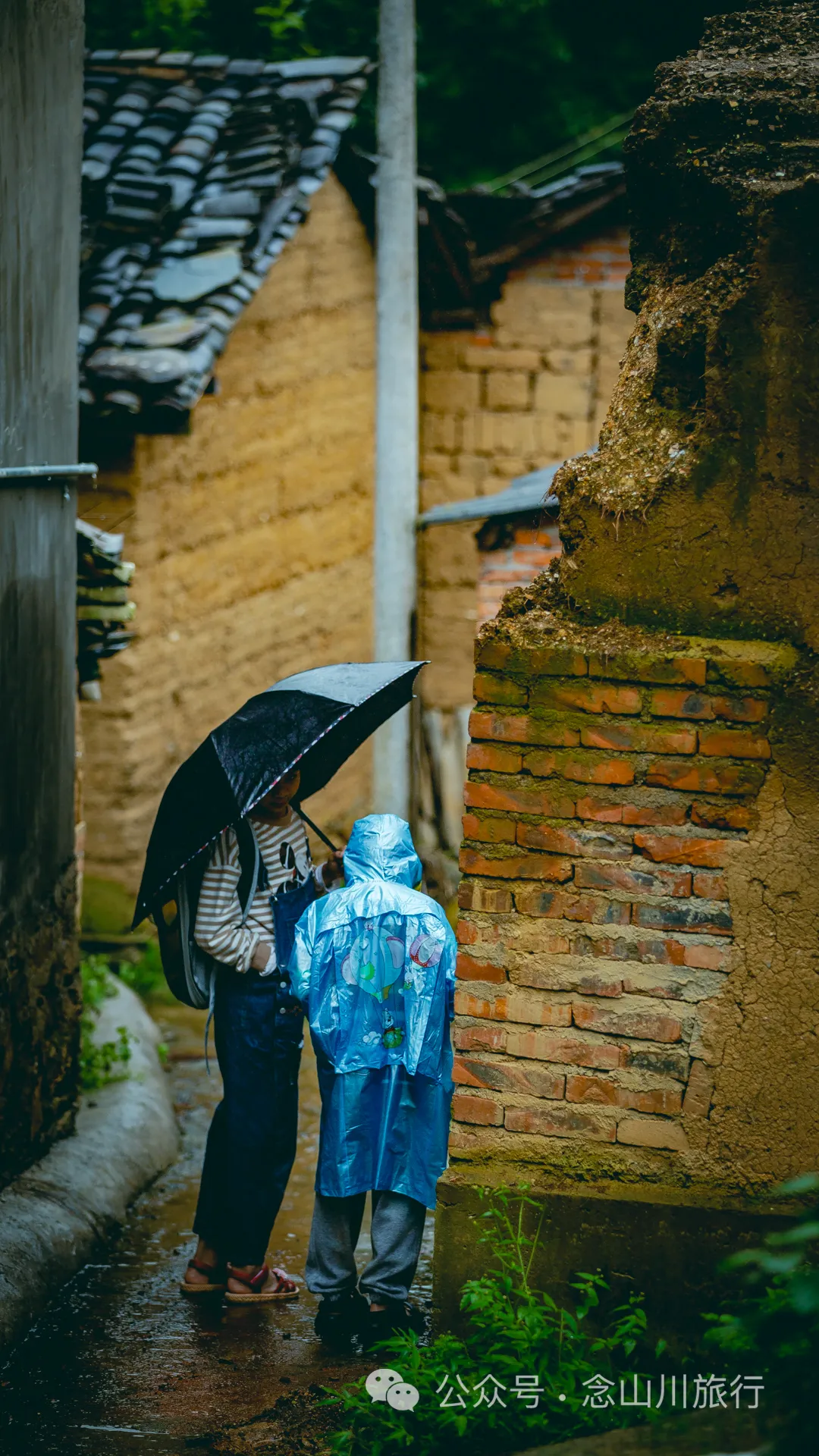
"Where is my hometown at dusk? The misty river makes me sad." This village, nestled in the vast mountains, is filled with scenes that evoke deep nostalgia for wandering travelers. Nostalgia is the wild fish mint by the roadside, which grandmother used to enrich the meager dinners of childhood; nostalgia is the big pumpkin hanging outside the courtyard wall, which a mischievous child once cut up to feed the chickens and ducks; nostalgia is a winding mountain path that seems endless, along which students returning late from school would travel under the stars to a place called home; nostalgia is the dim lamps lit by mottled wooden windows, shining into the hearts of wanderers even from thousands of miles away. Yes, the village is inscribed with nostalgia everywhere—a cluster of green bamboo, a group of chirping chicks, a wisp of drifting smoke, a tender call—all easily evoke endless longing and memories.
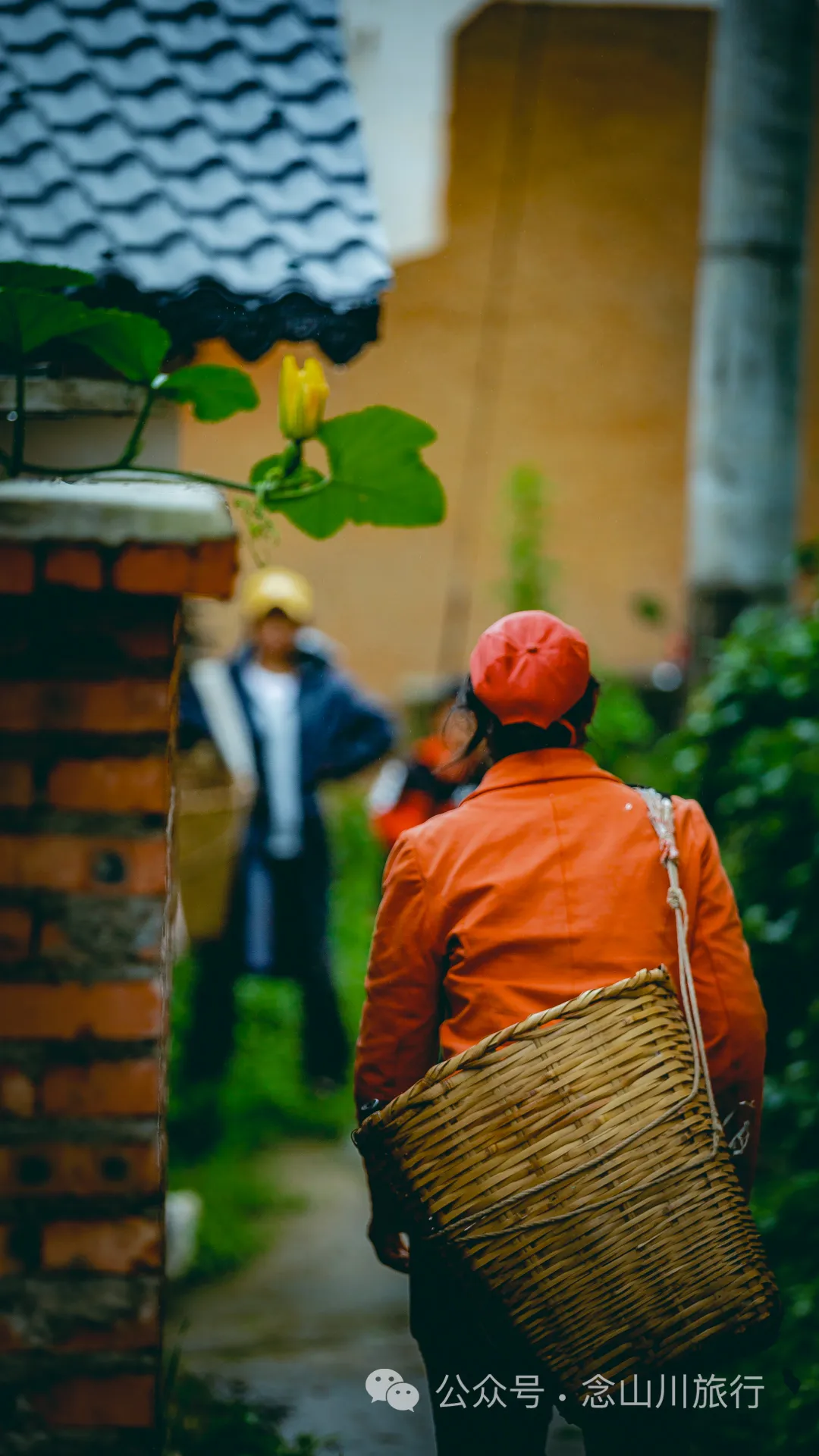
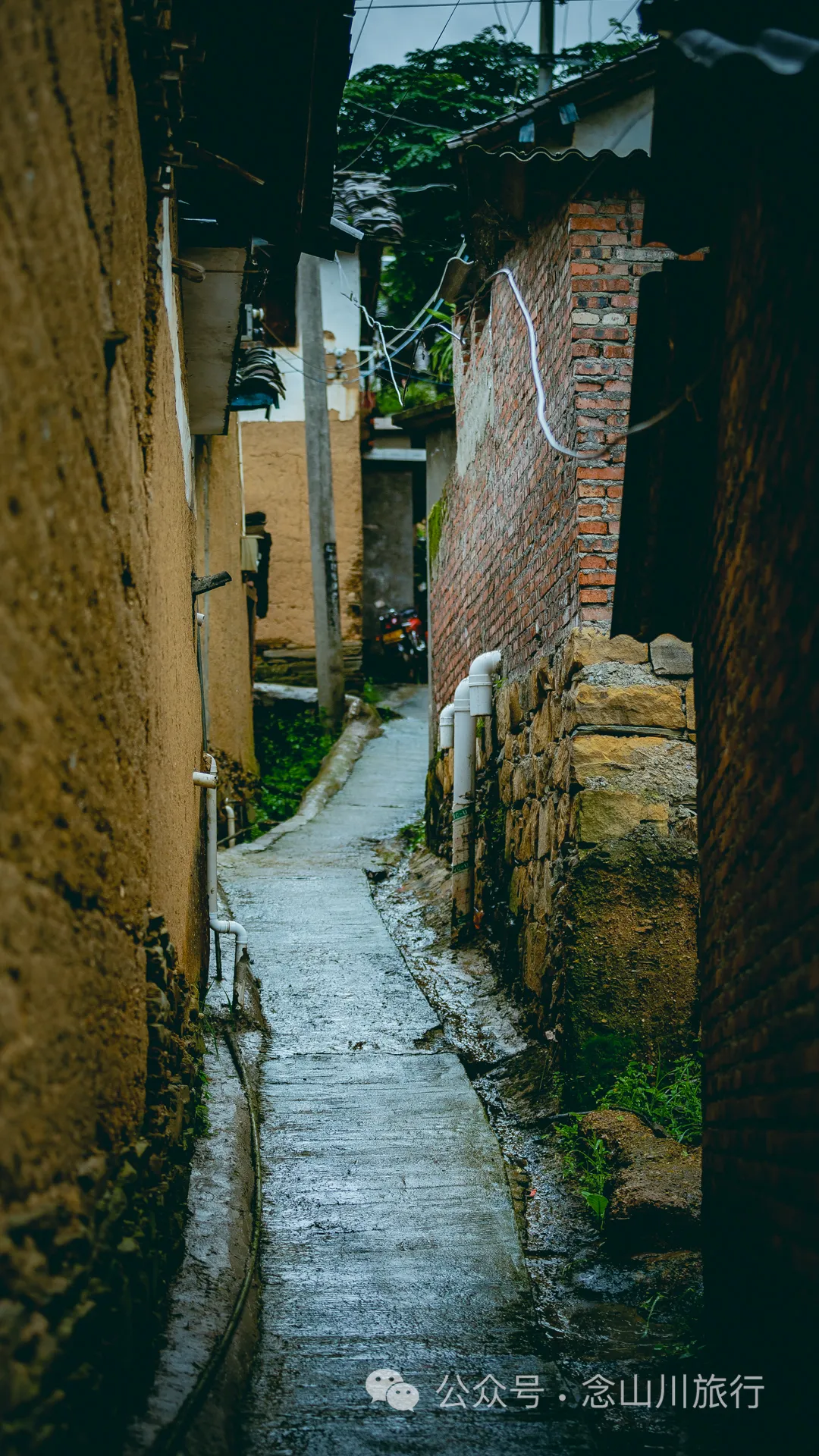
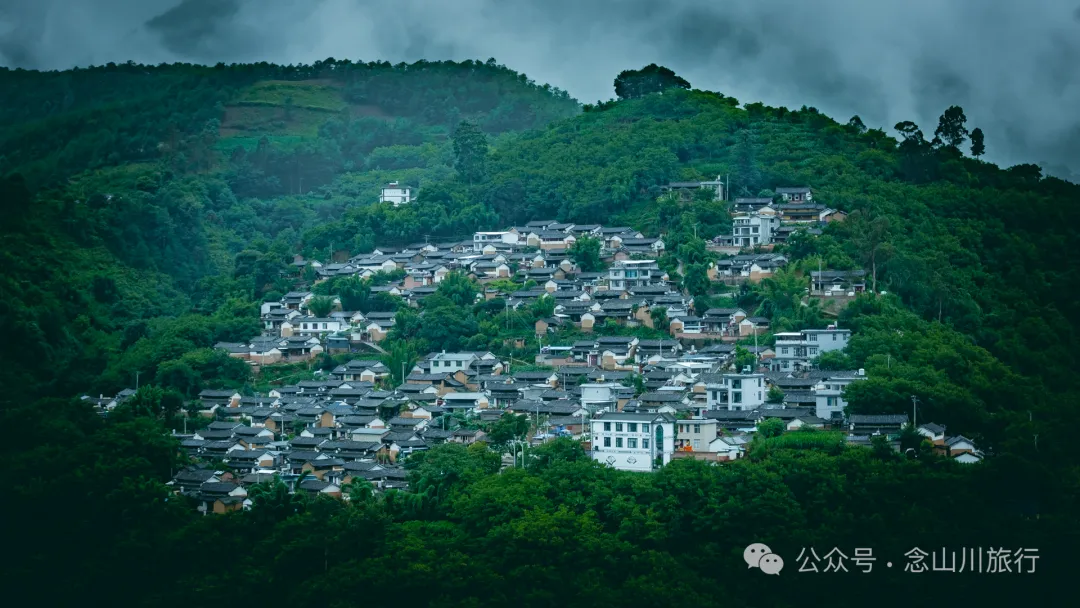
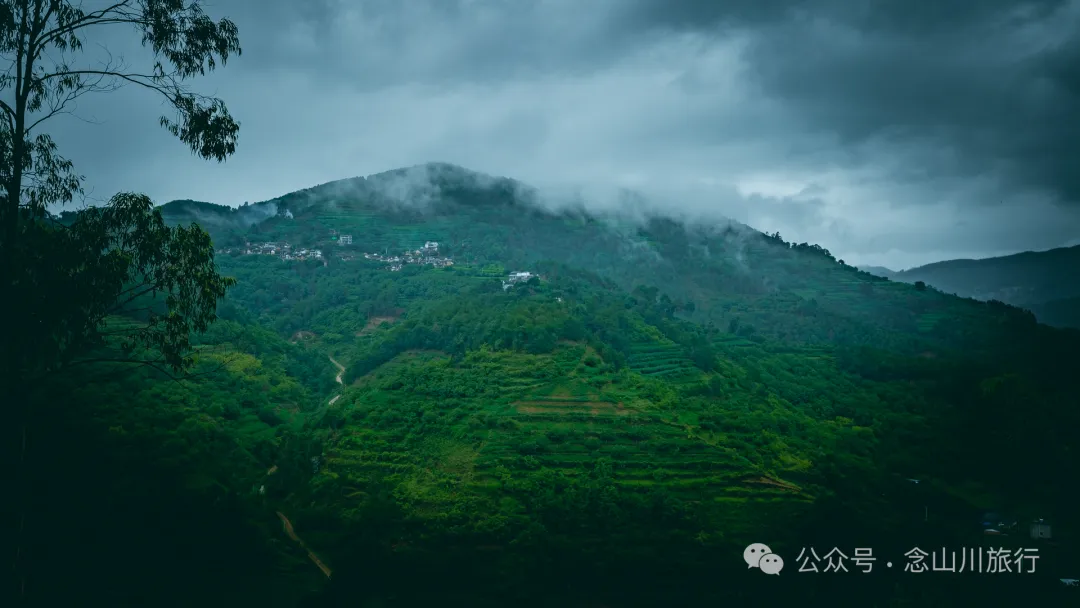
After walking through the entire Mibila Village, we followed a winding mountain road to another village, Yutangpo, opposite. From there, we could see the full view of Mibila. The village occupies the center of a huge slope, surrounded by lush greenery. The white walls and gray tiles of human dwellings contrast sharply with the natural shades of green, and the chirping of birds is occasionally mixed with the crowing of roosters and barking of dogs. This is the proper place for humans in nature: not to destroy, not to detach, not to annihilate, not to isolate. Only then can nostalgia flow like a stream in this season, endlessly pouring into the hearts of every sincere child.