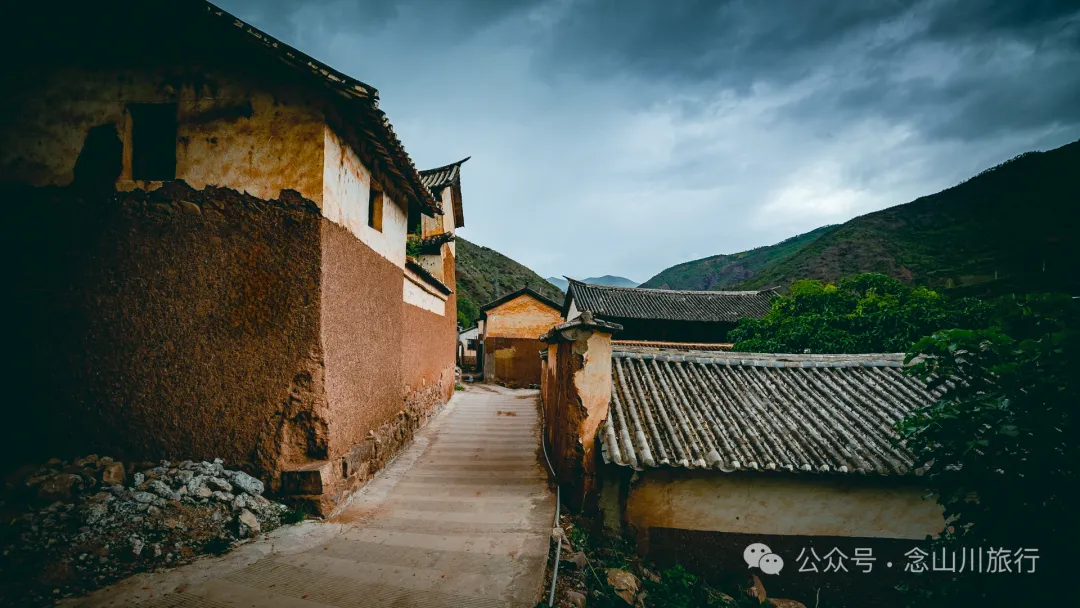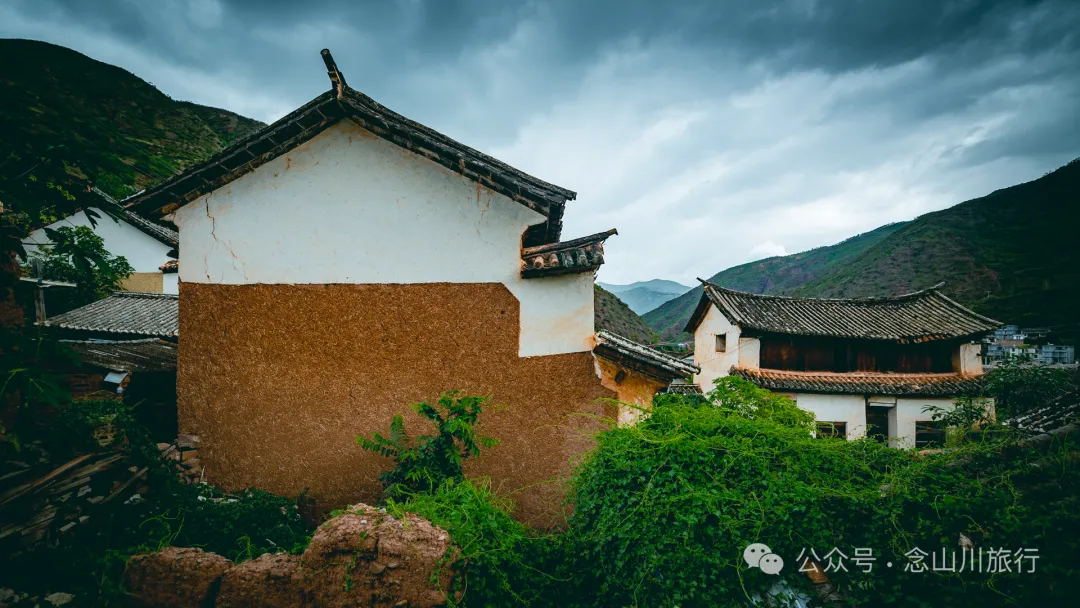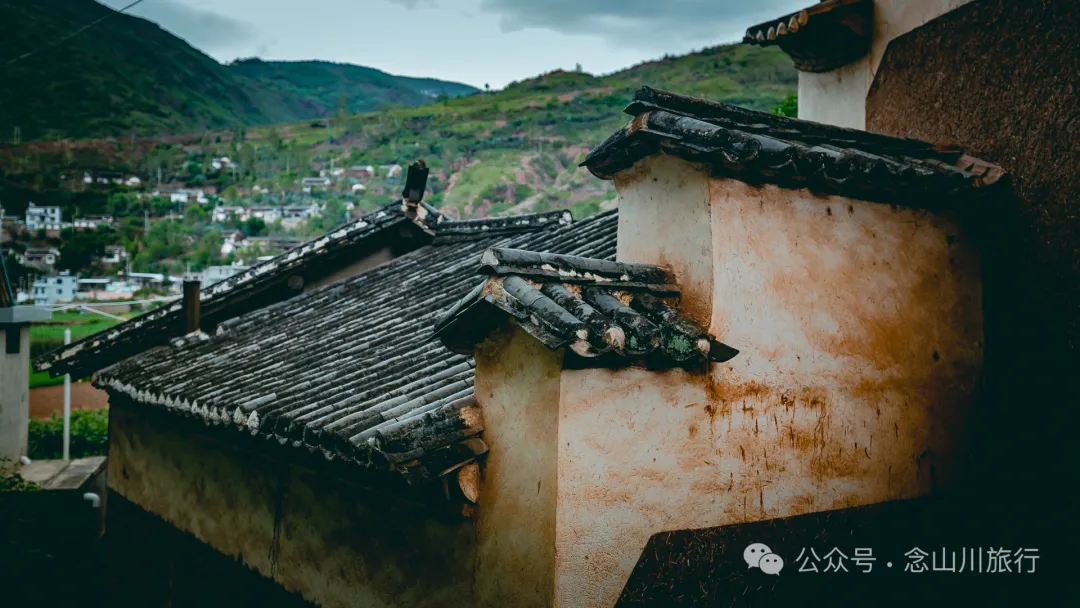

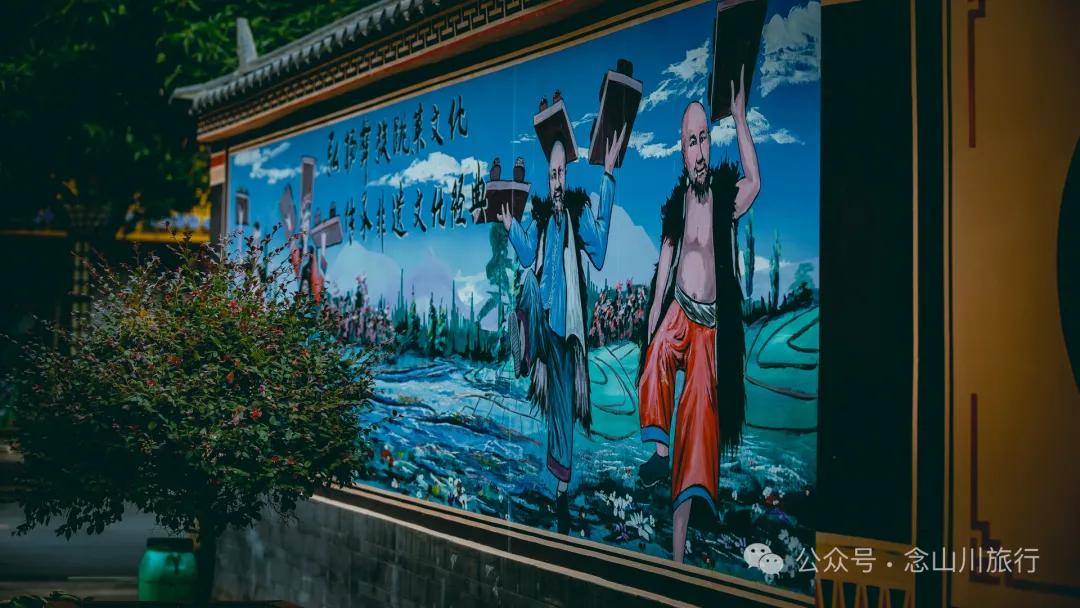
Nanjian, whose name dates back to the Tang Dynasty, is named so because it lies south of Mengshe, with mountains and water forming a large gully. It was called Dingbian in the Yuan Dynasty and later, under the jurisdiction of Menghua Prefecture. It was officially established as an independent autonomous county in the 1960s. Nanjian boasts rich natural resources, including the Wuliang Mountain Cherry Blossom Valley, ecological tea gardens, Nanjian Earth Forest, Taiping Mountain, Lingbao Mountain, and the Lancang River Menglong Ferry. It also has intangible cultural heritage such as the thousand-year-old Nanjian Tiaocai (dish-carrying dance), Yi folk songs, costume embroidery, traditional architecture, dragon lantern festivals, and mountain temple fairs.
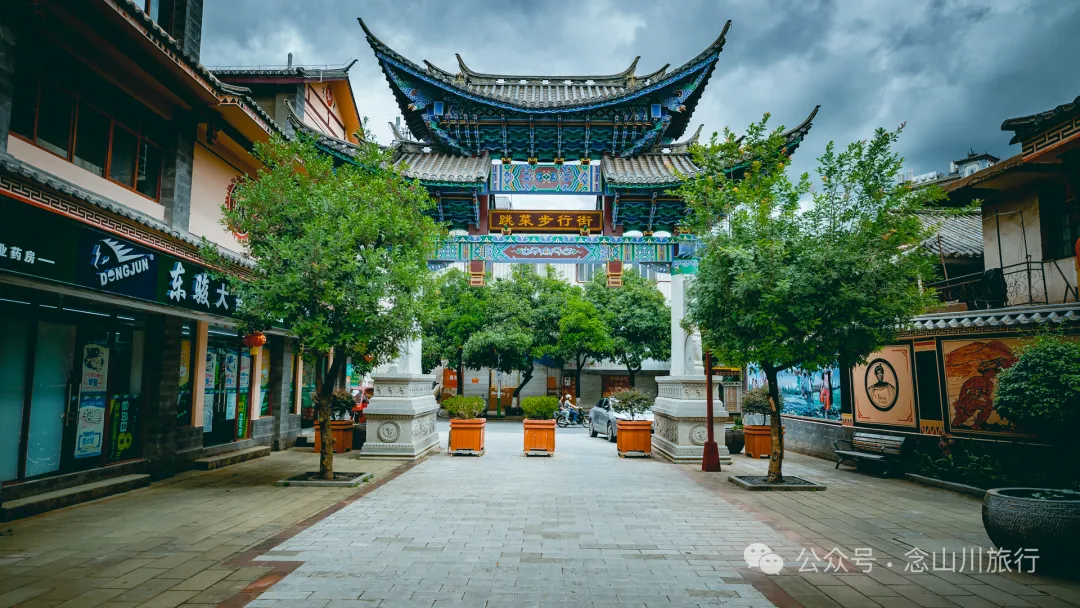
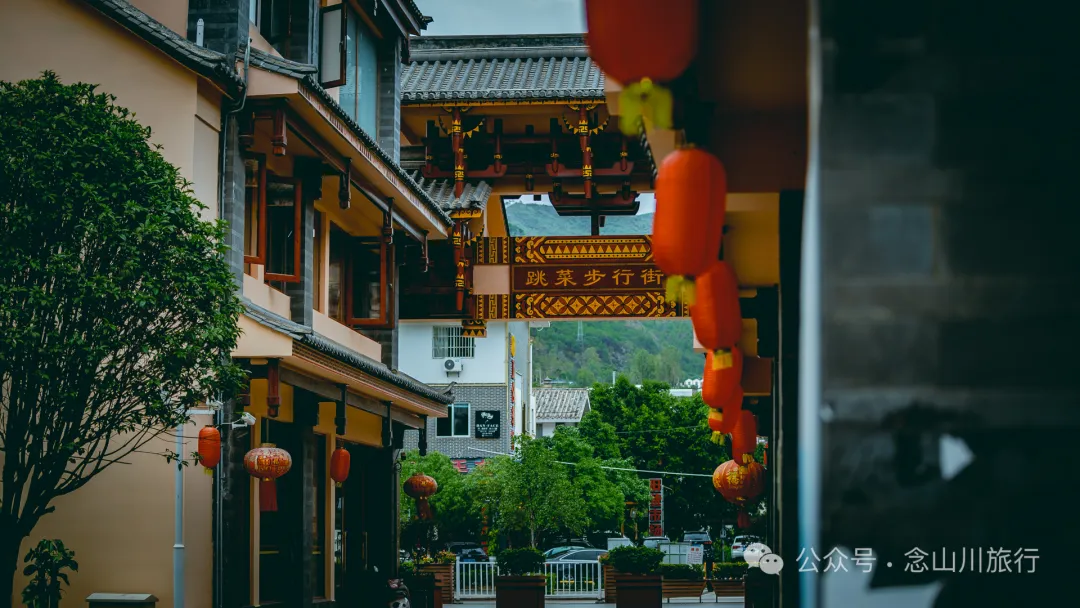
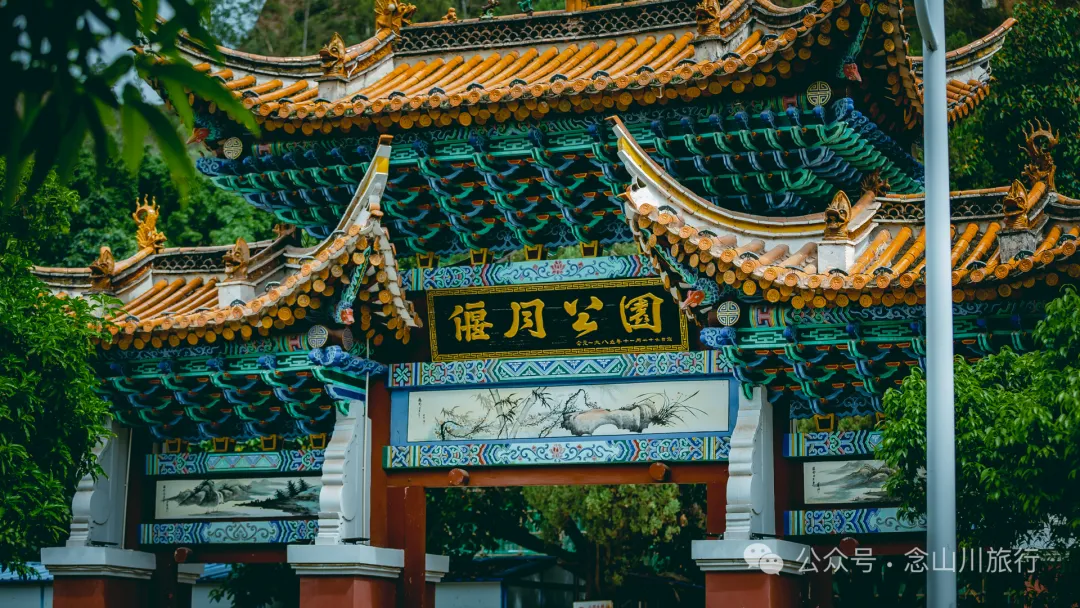
一,Nanjian County Town (Tiaocai Pedestrian Street, Yanyue Park)
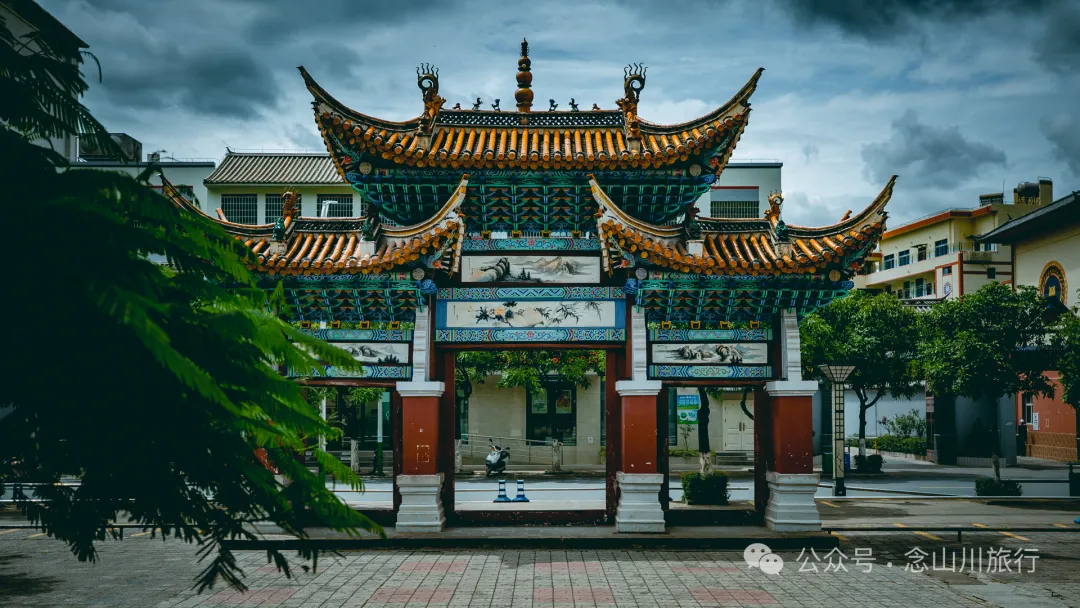
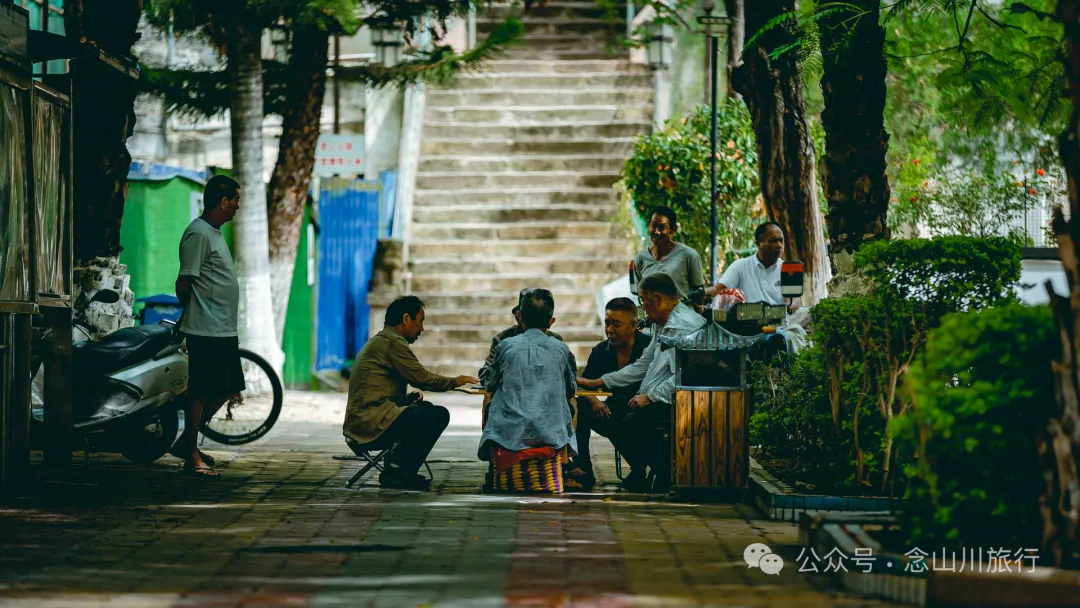
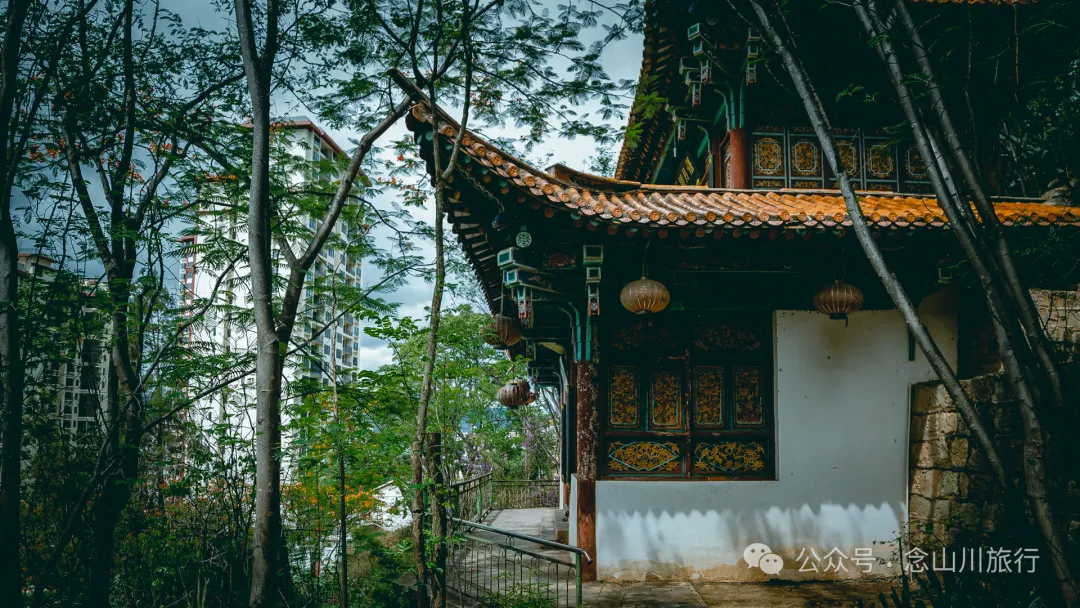
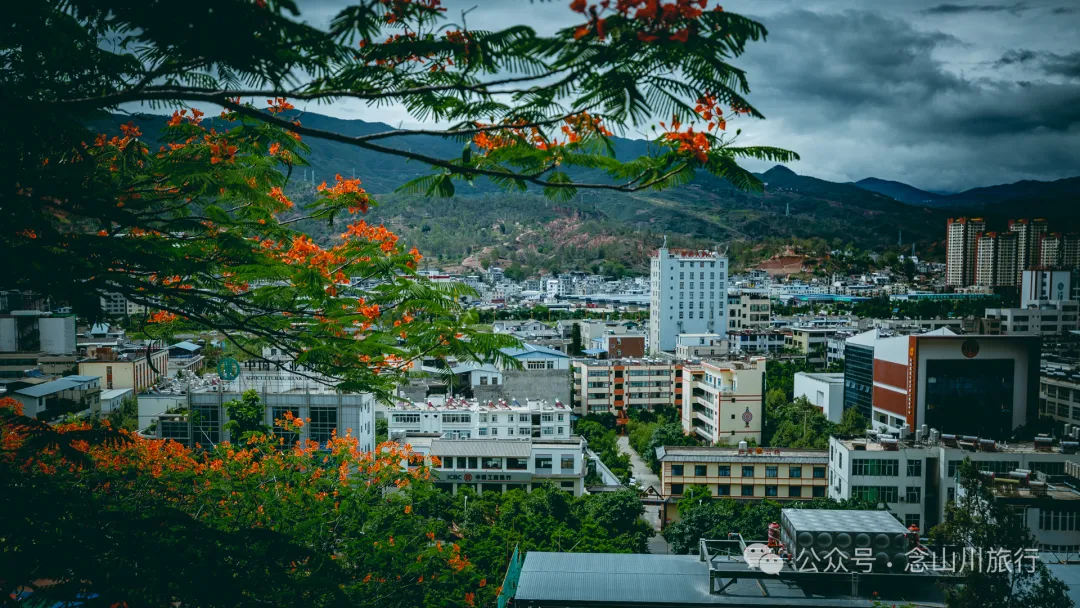
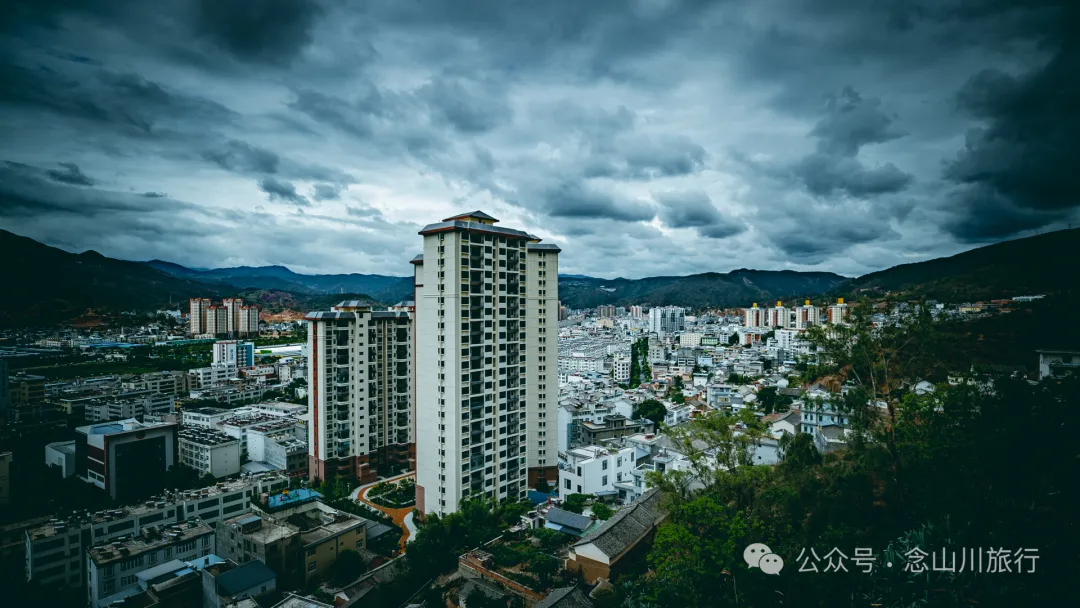
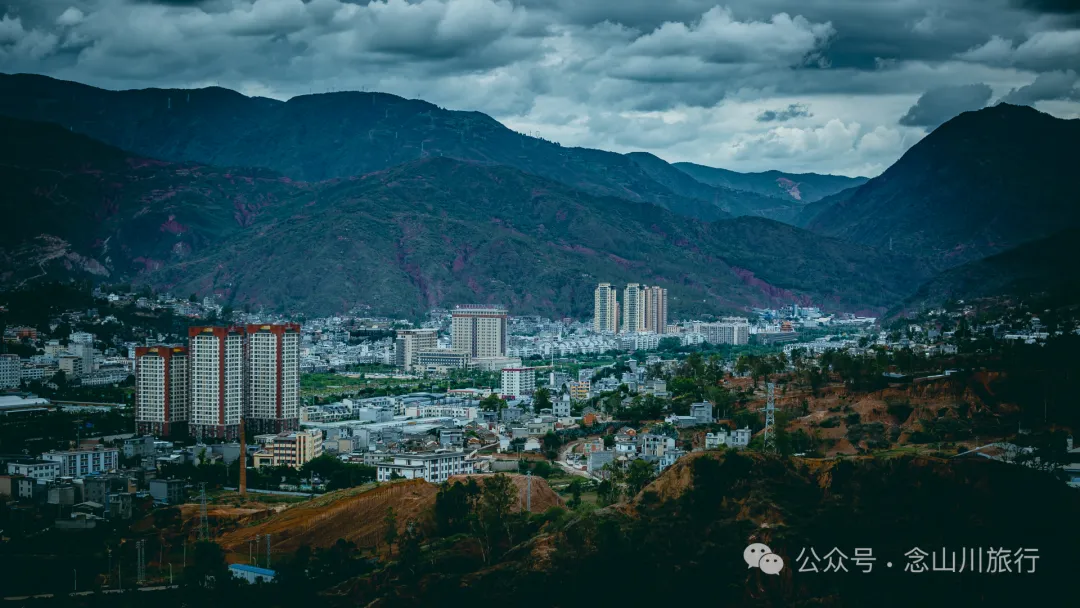
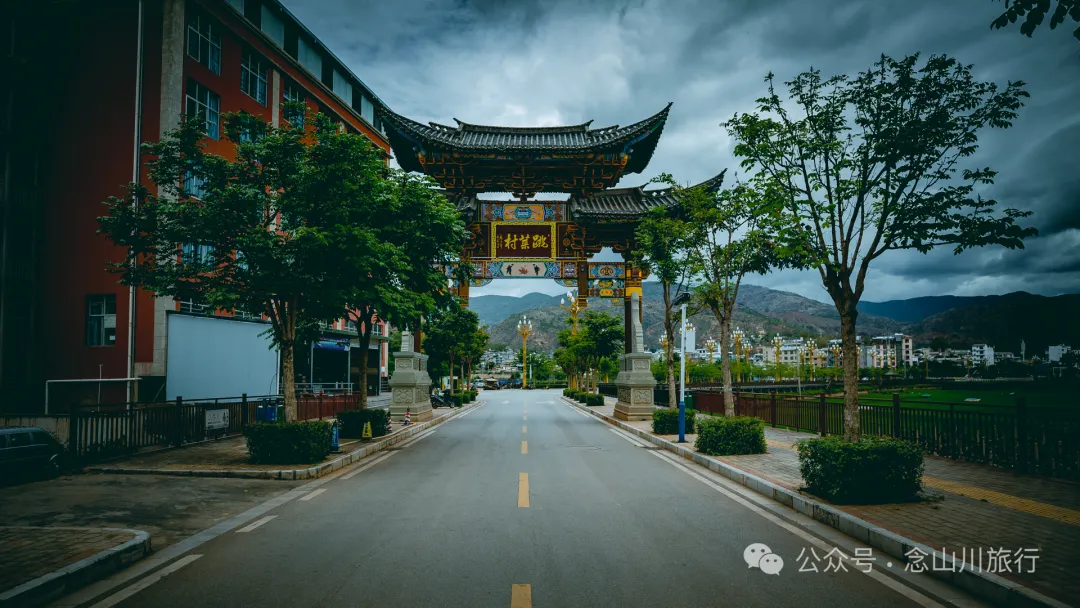
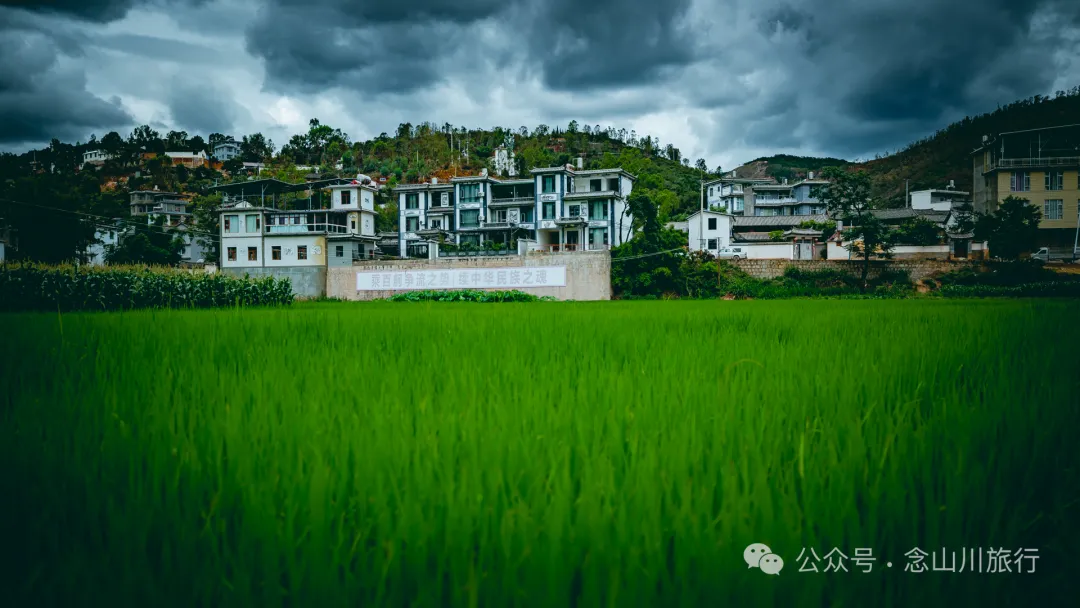
Nanjian Tiaocai Pedestrian Street is located at the intersection of Zhenxing North Road and Dingbian Road, featuring distinctive Yi architecture. It only becomes lively during major festivals. Climbing to the opposite Yanyue Park offers a panoramic view of the clean, modern Nanjian county town.
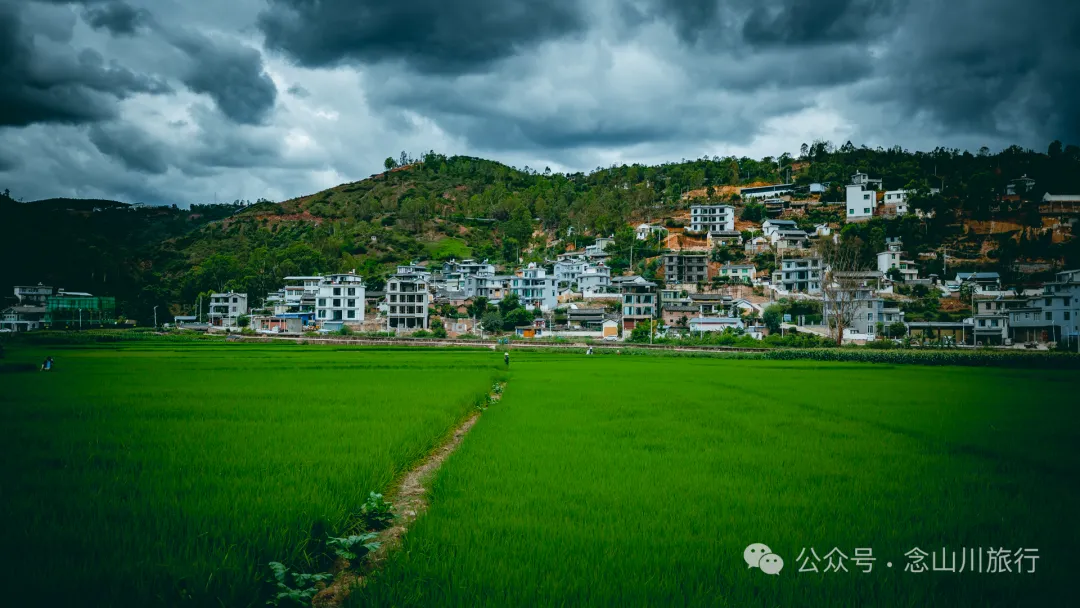
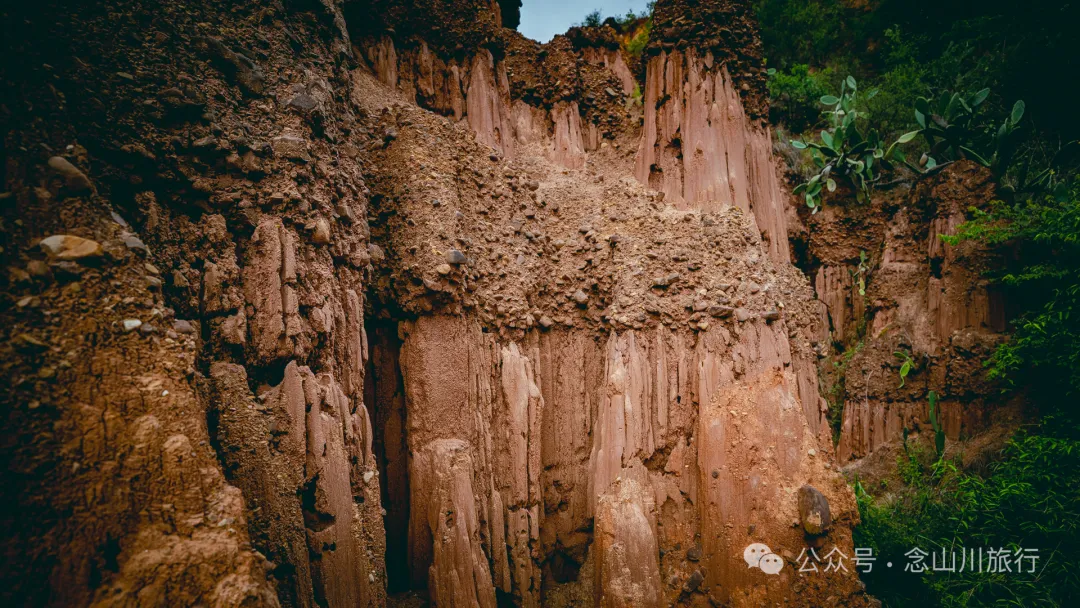
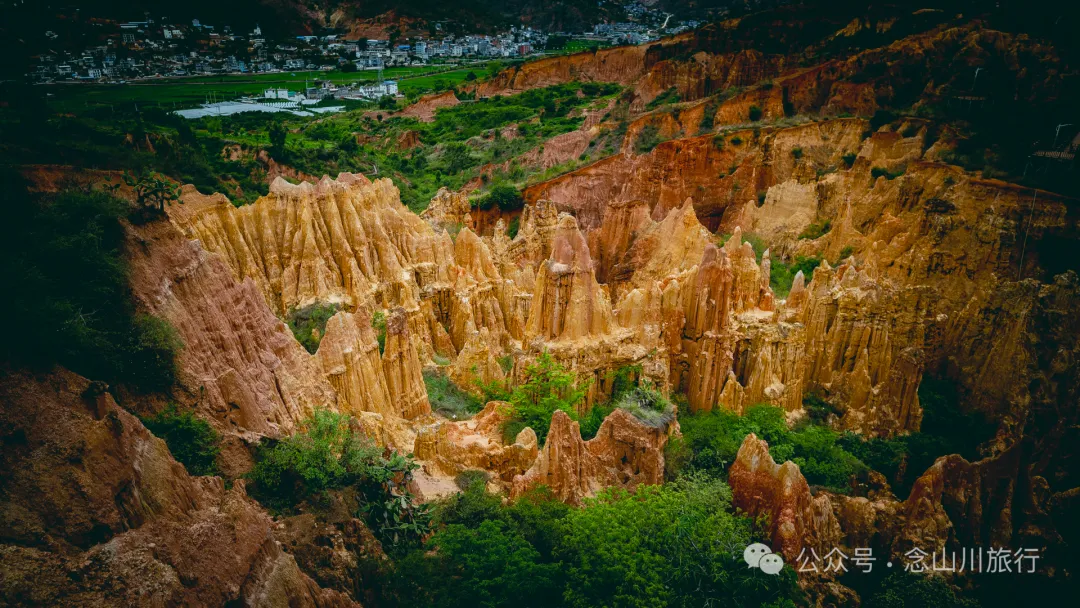
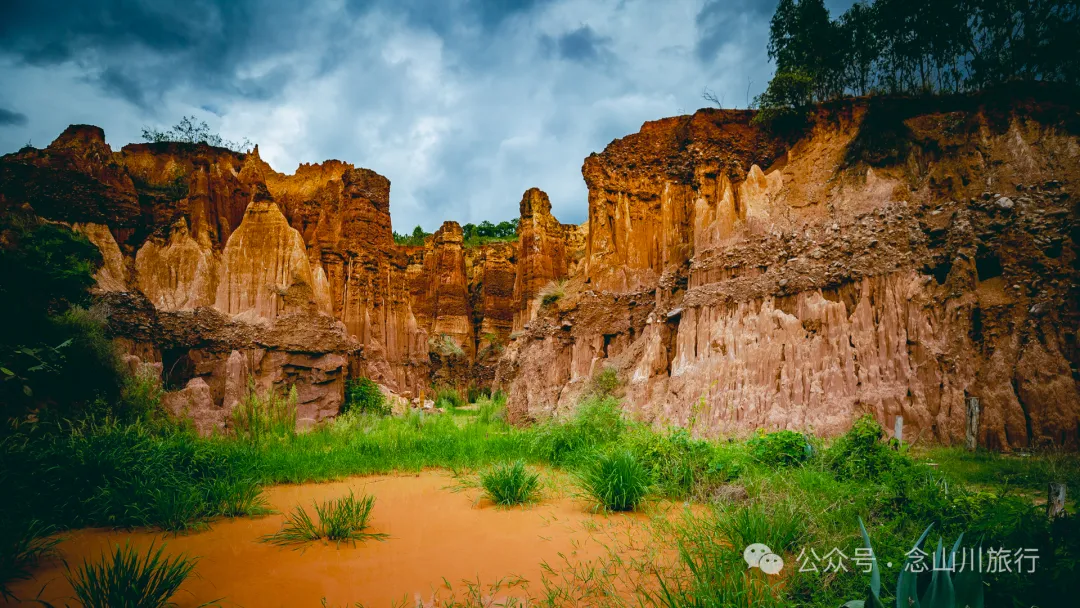
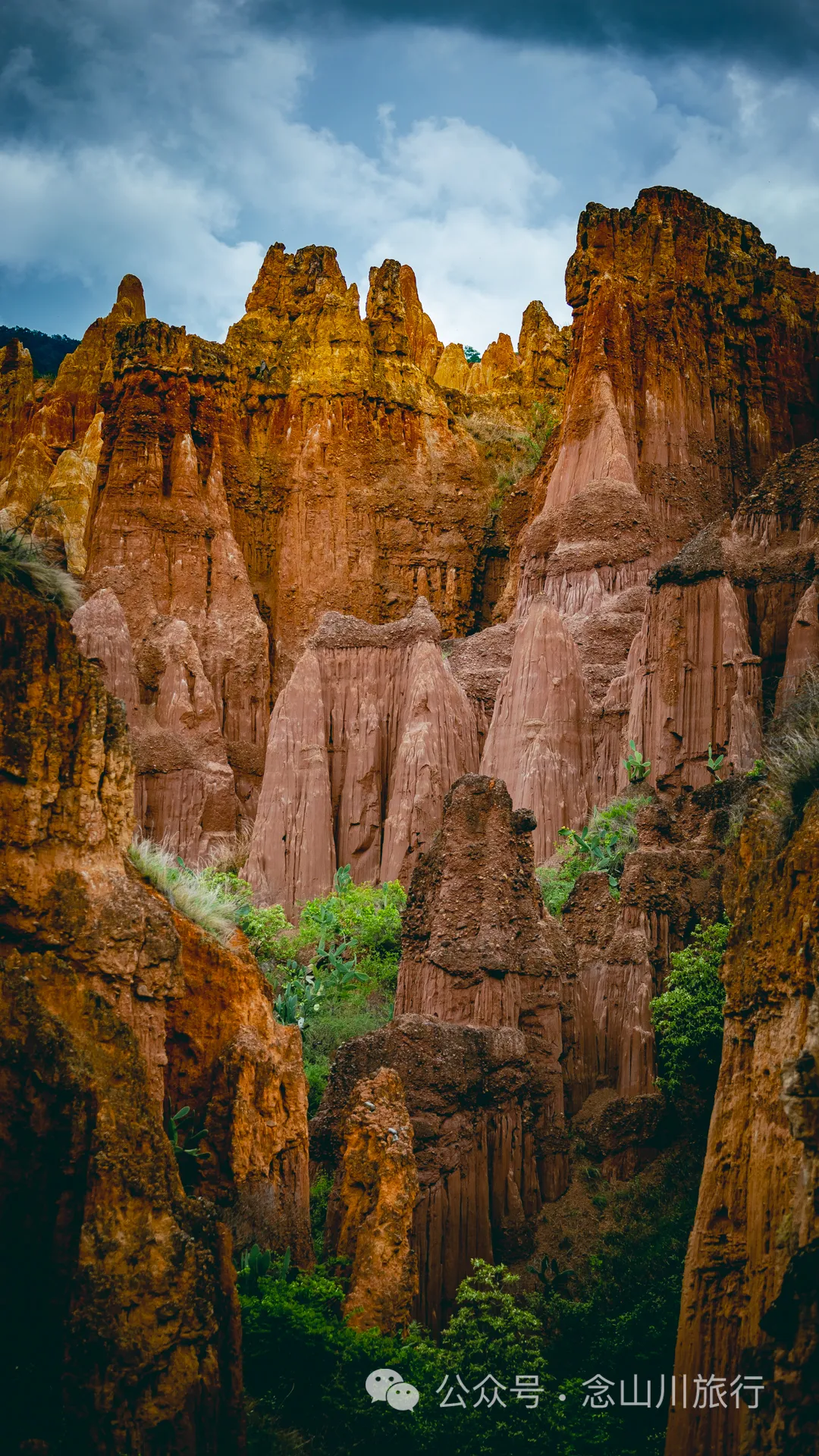
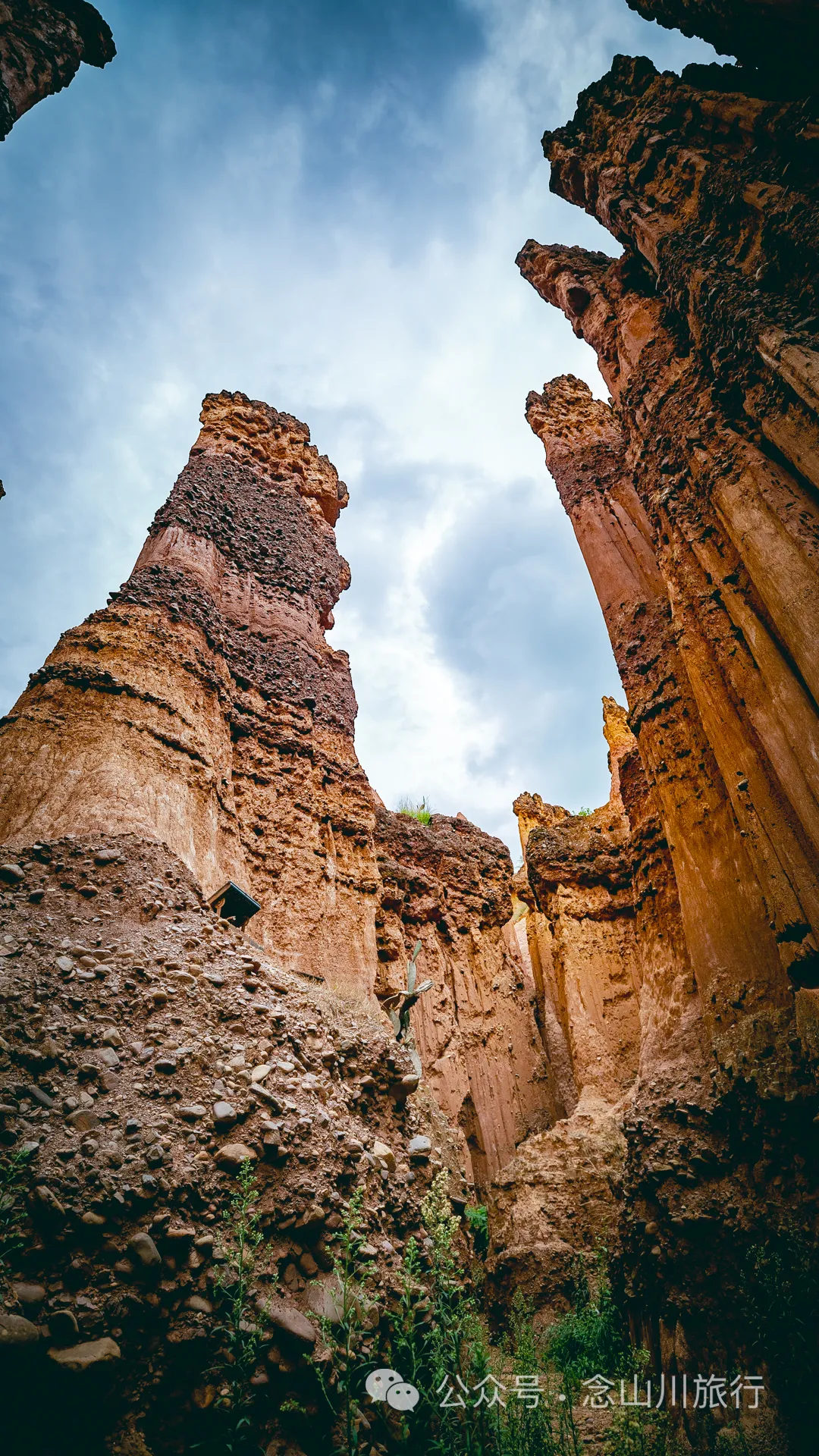
二,Nanjian Earth Forest
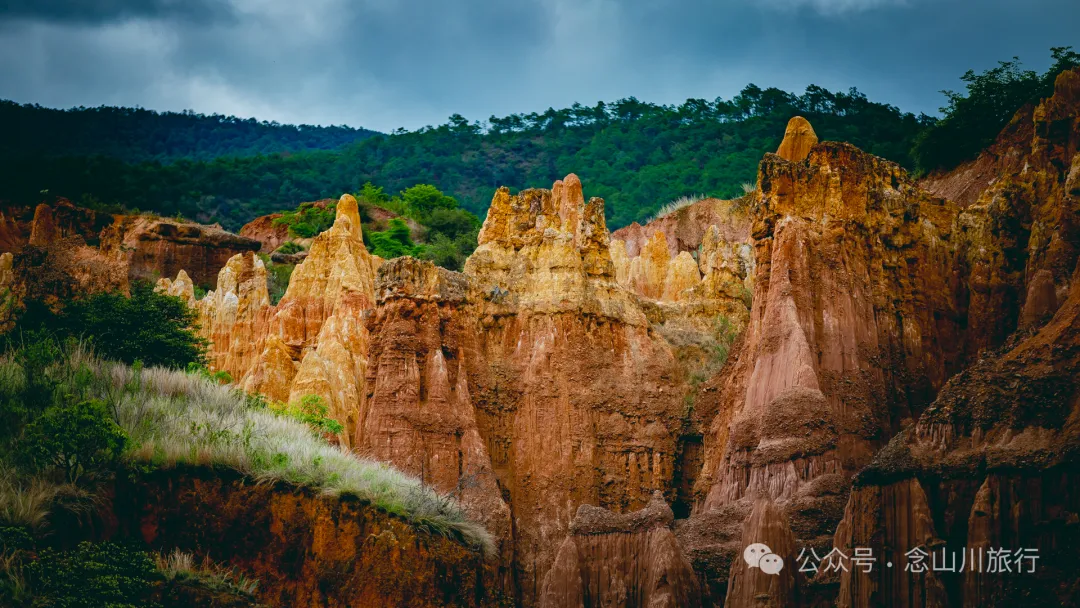
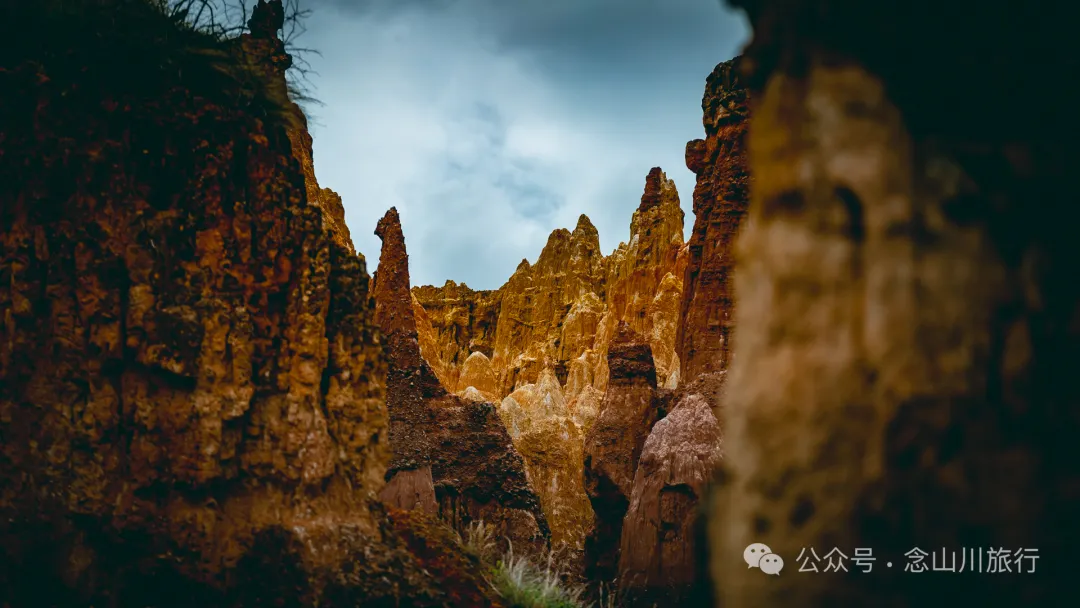
Located about 3-4 kilometers southeast of the county town, the Nanjian Earth Forest is a water-eroded landform formed during the Cretaceous Ice Age. The scenic area is free to visit, with free parking, few visitors, and suitable for year-round exploration.
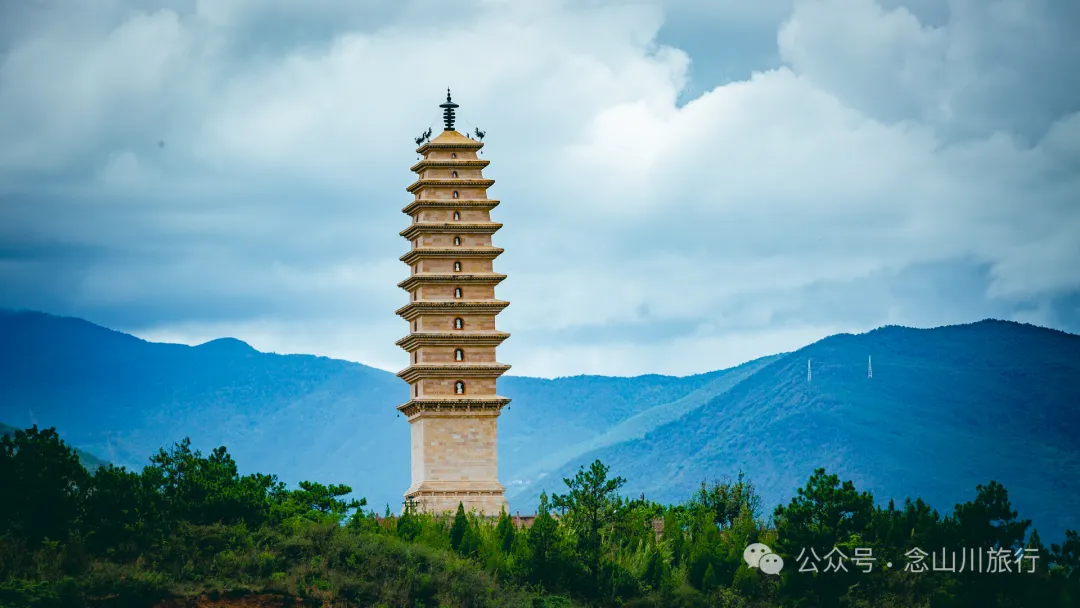
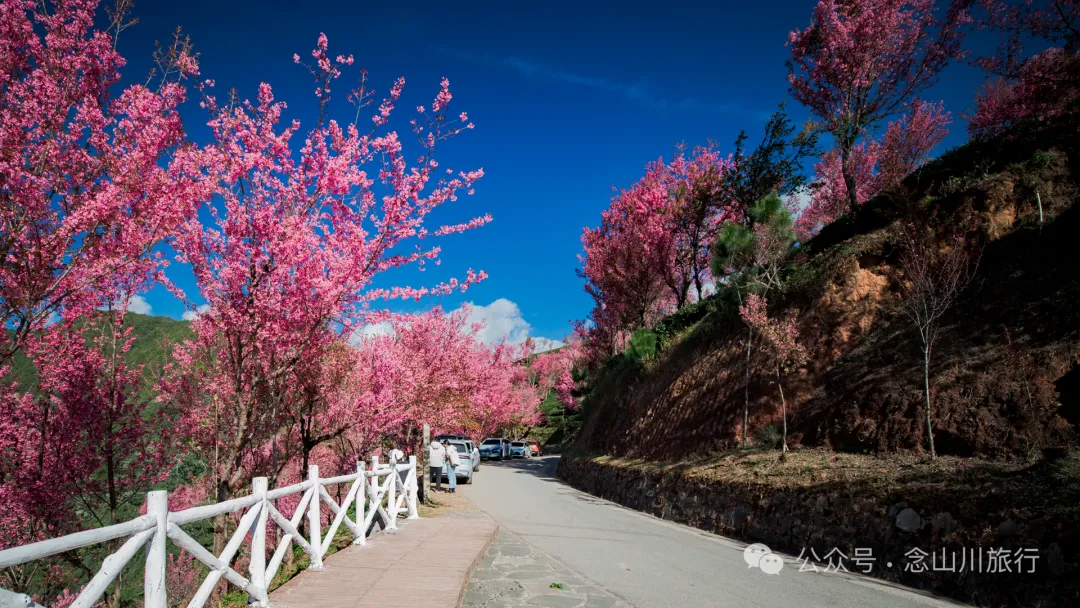
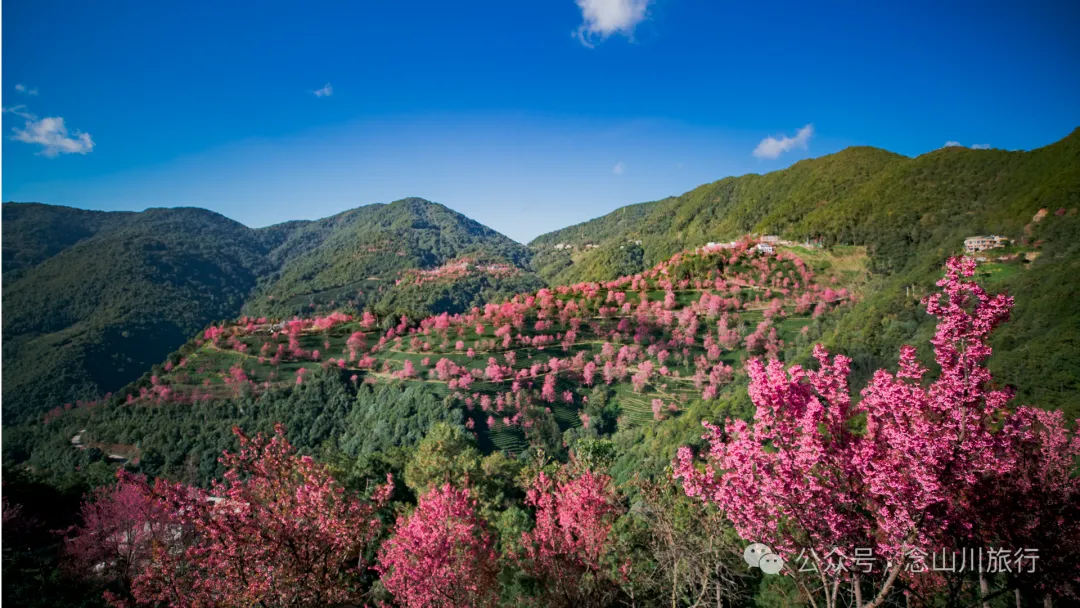
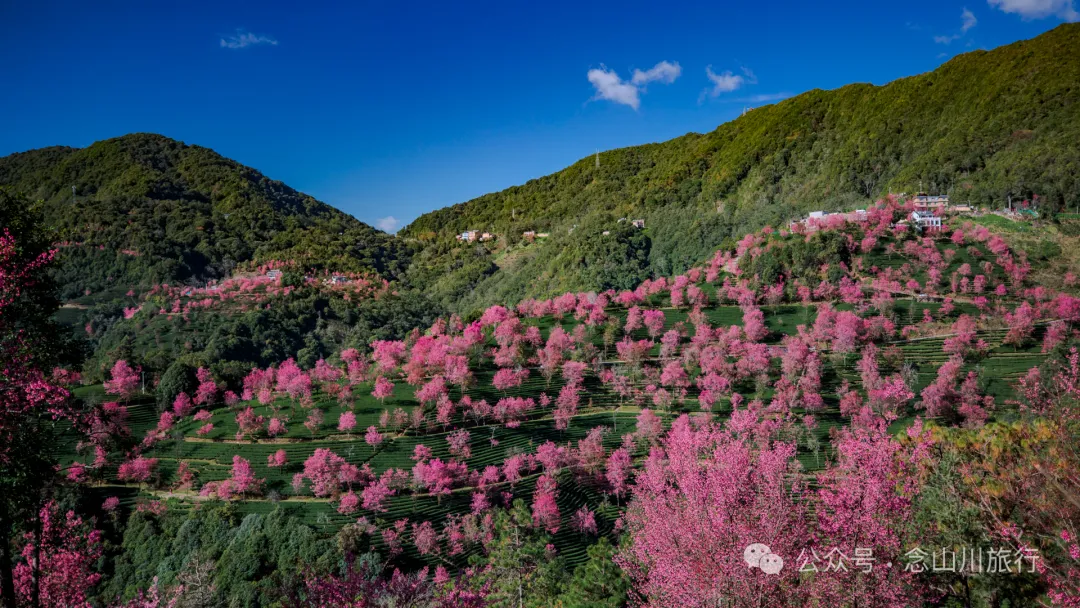
三,Wuliang Mountain Cherry Blossom Valley
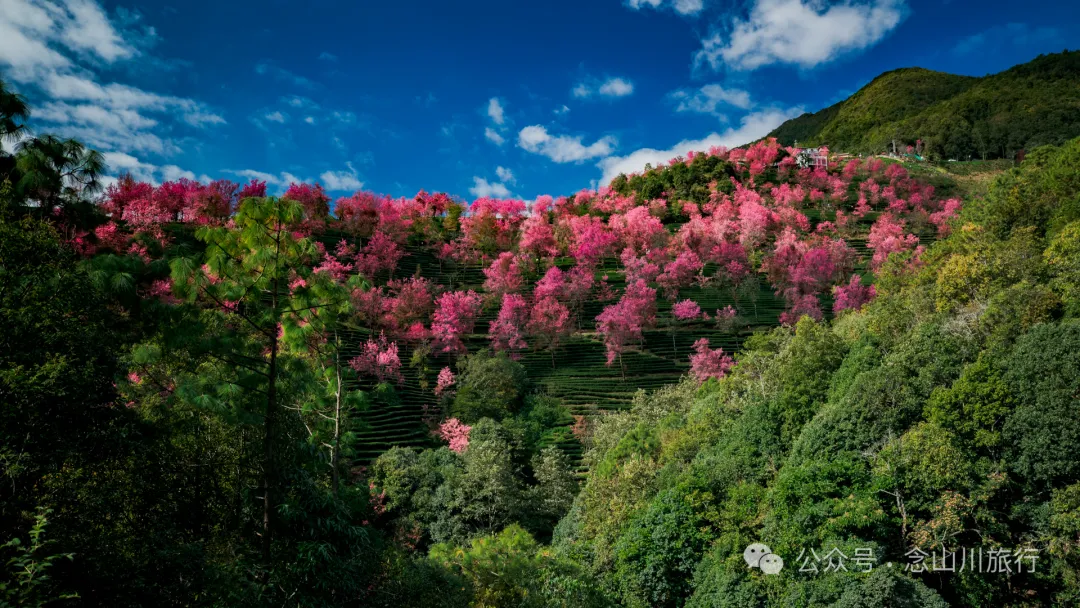
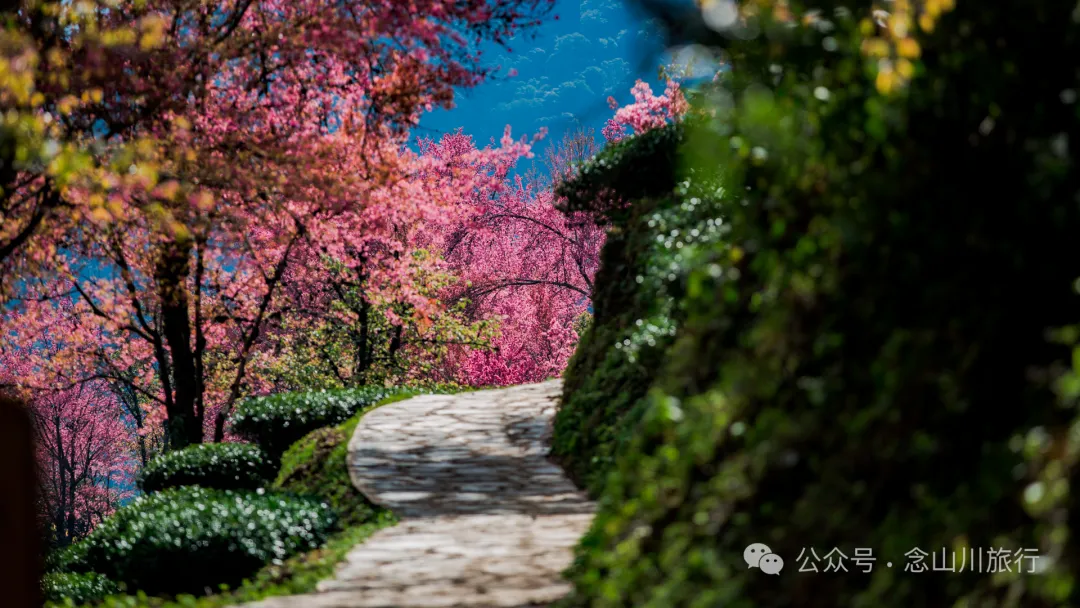
Located in De'an Village, Wuliangshan Town, about 56 kilometers from Nanjian county town, the cherry blossoms bloom from late November to early December, lasting about 25 days. The winter cherry blossoms intertwine with tea gardens, creating a beautiful natural landscape known as 'the place where spring arrives earliest.'
四,Wuliang Mountain Mibila Village Alpine Meadow
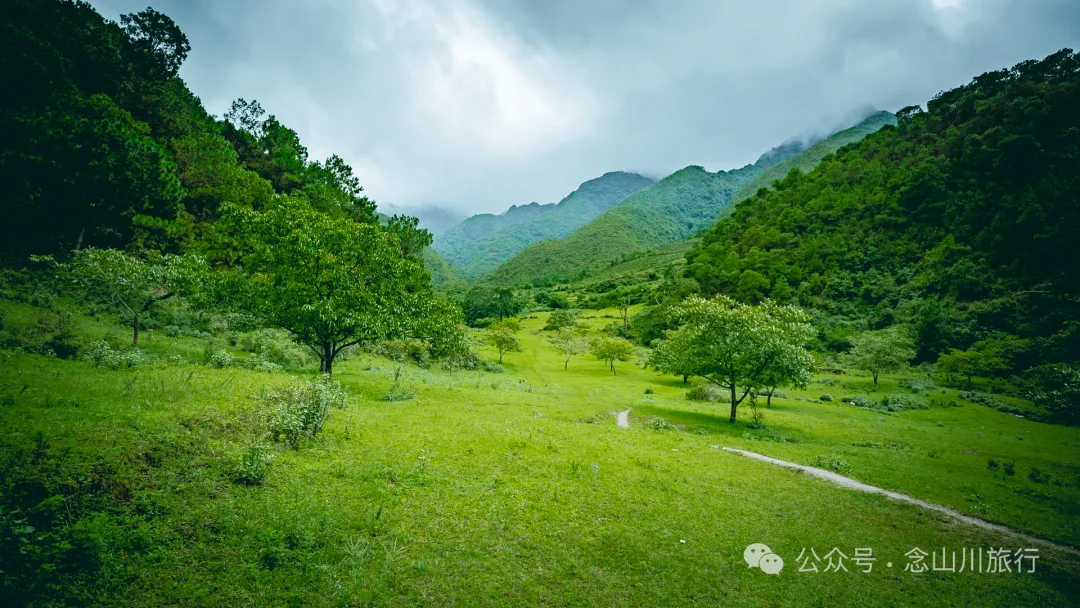
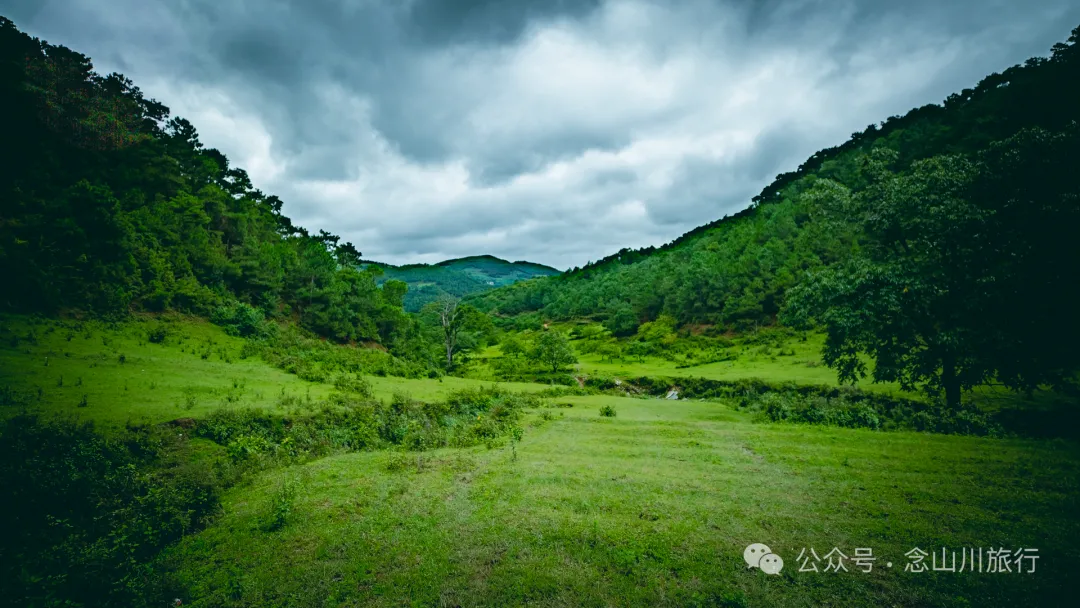
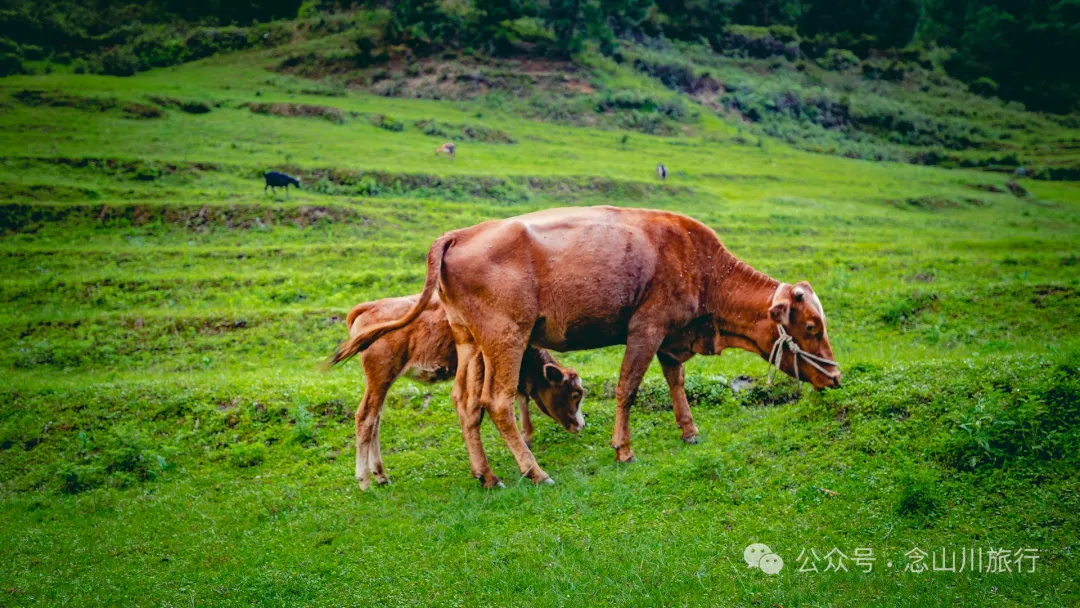
Located between Laobuju Village and Mibila Village in Baohua Town, this meadow is characterized by mist and clouds due to abundant rainfall, creating a hazy and charming scenery.
五,Wuliang Mountain Mountain Dwellings and Homestays
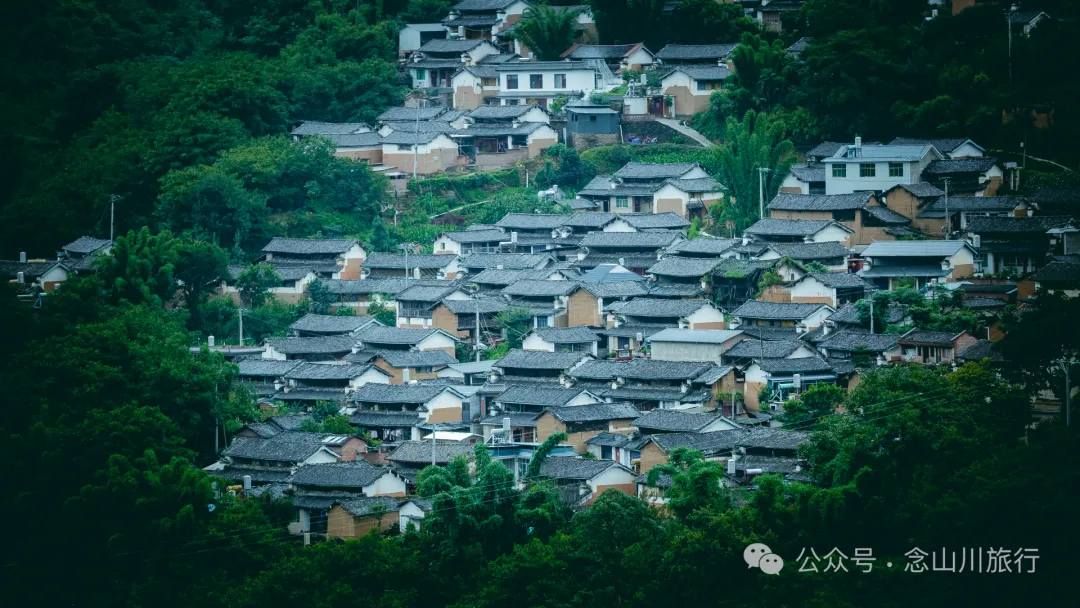
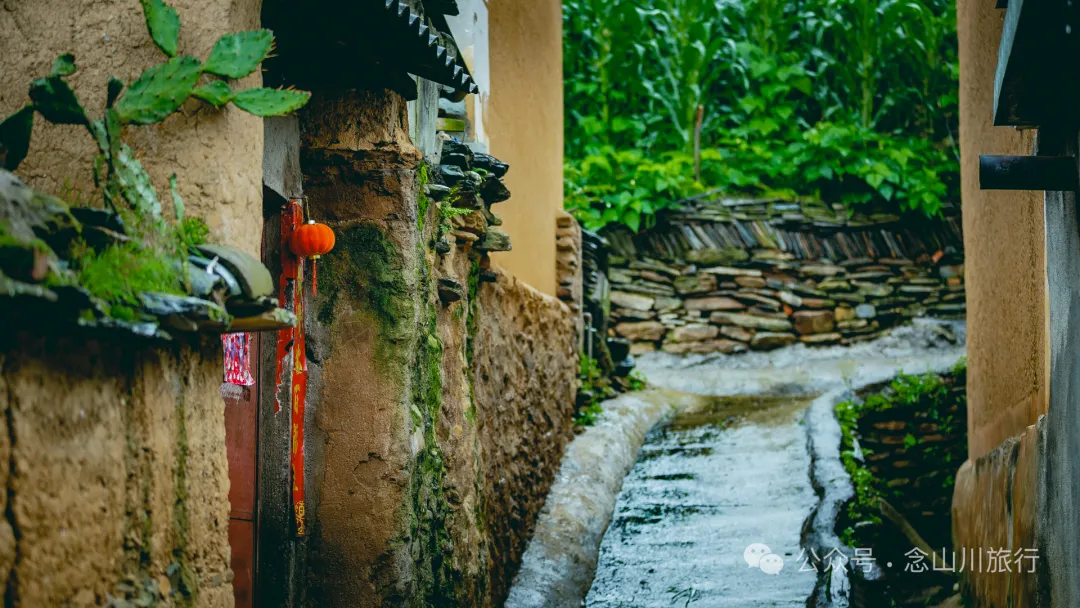
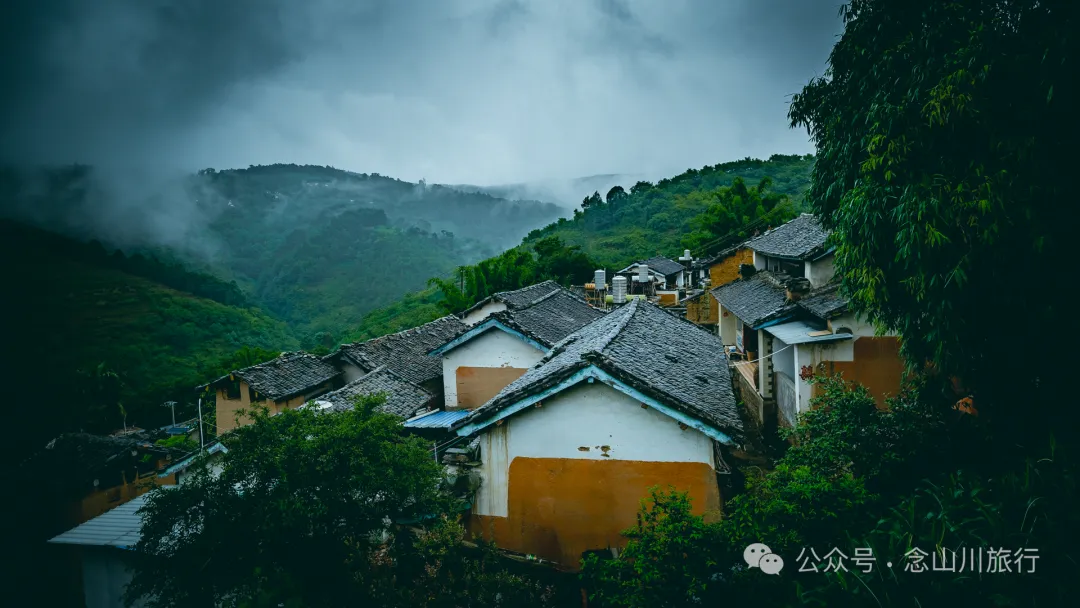
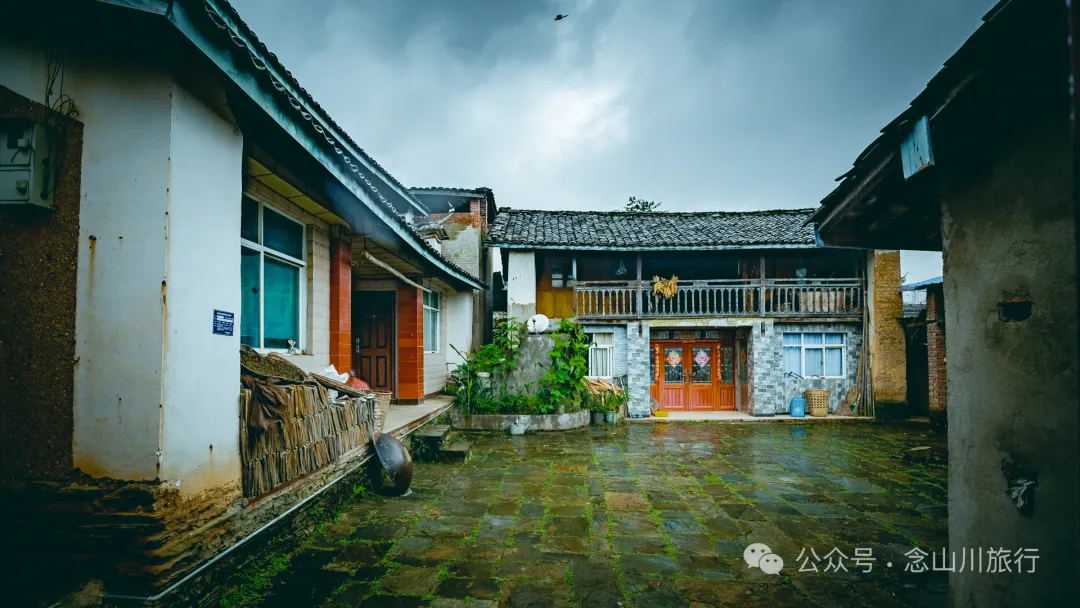
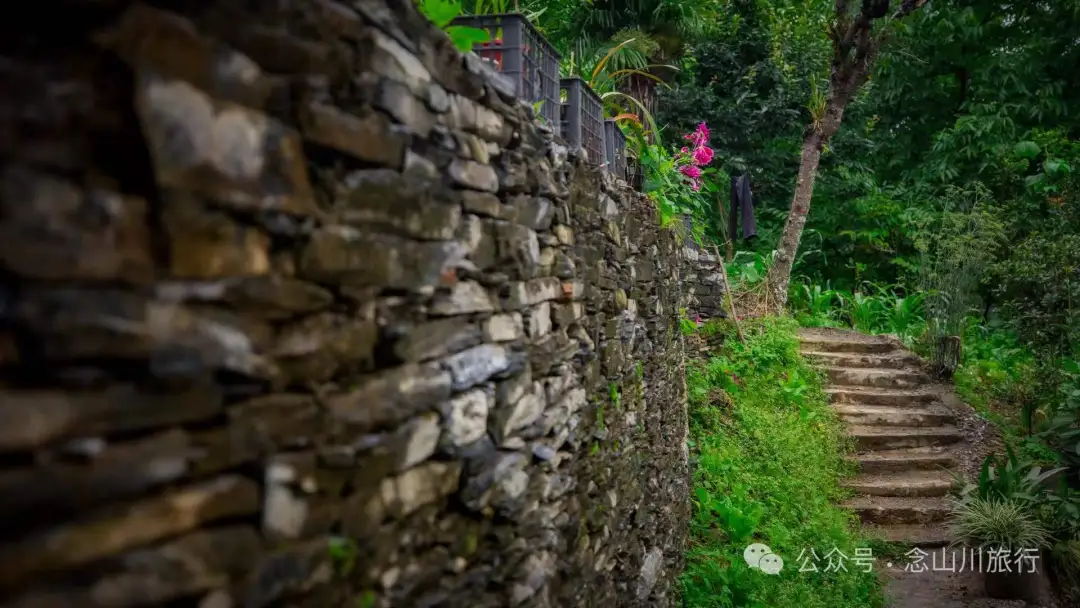
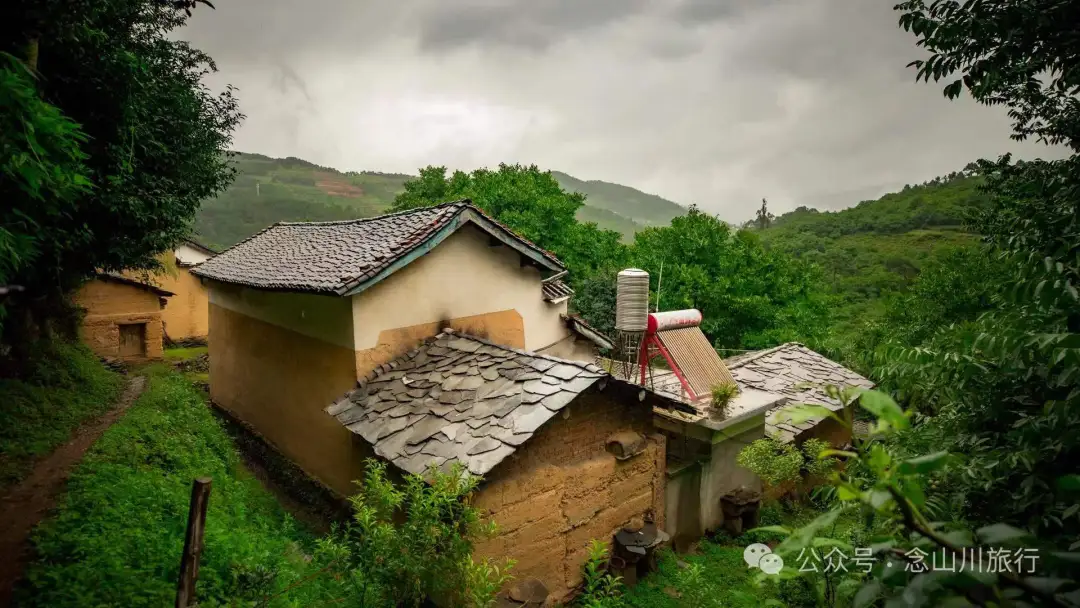
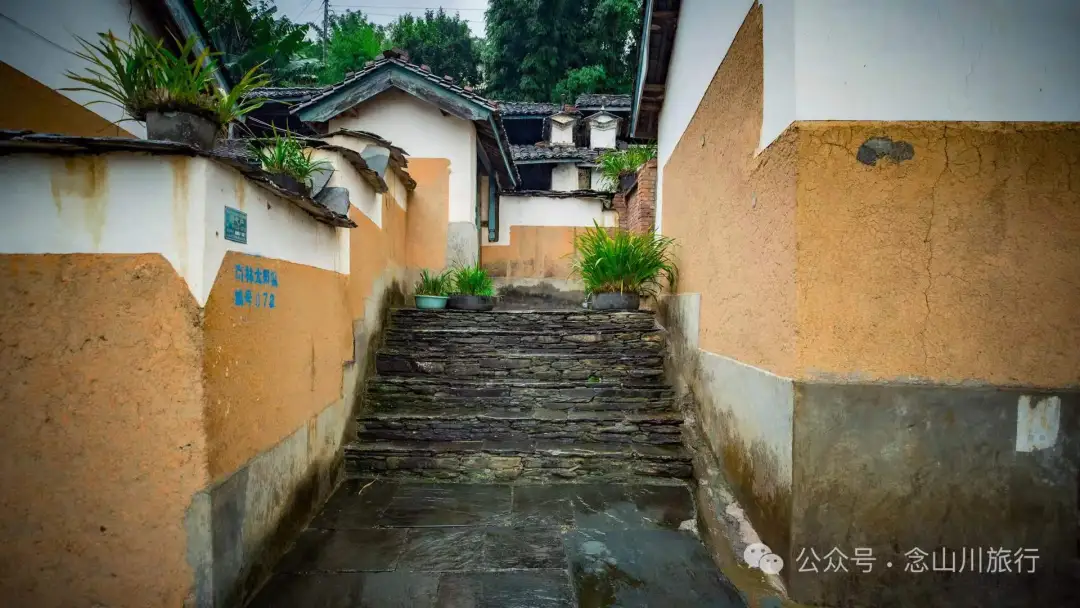
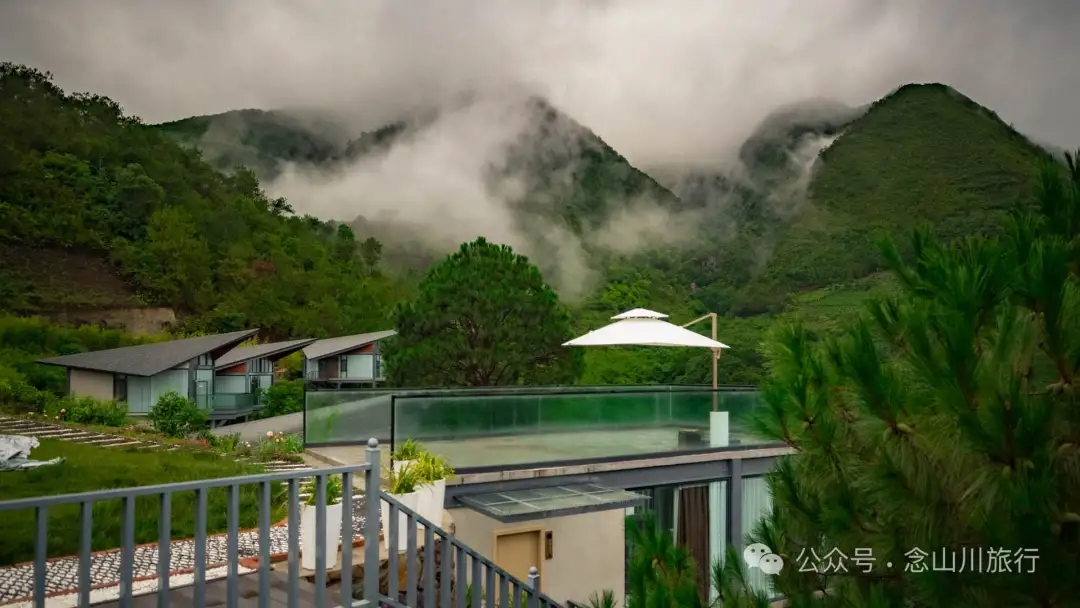
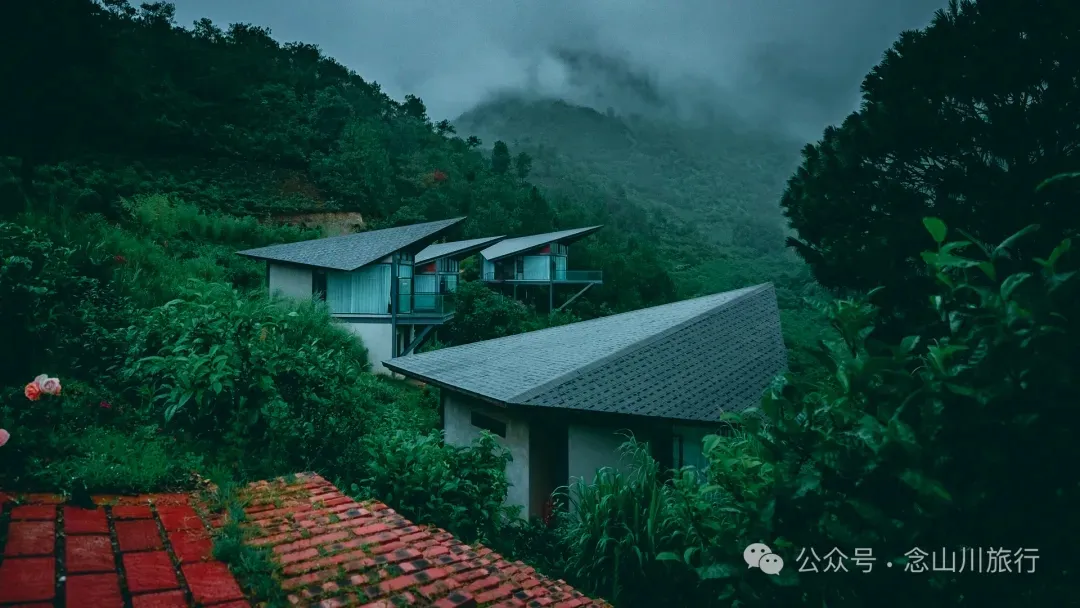
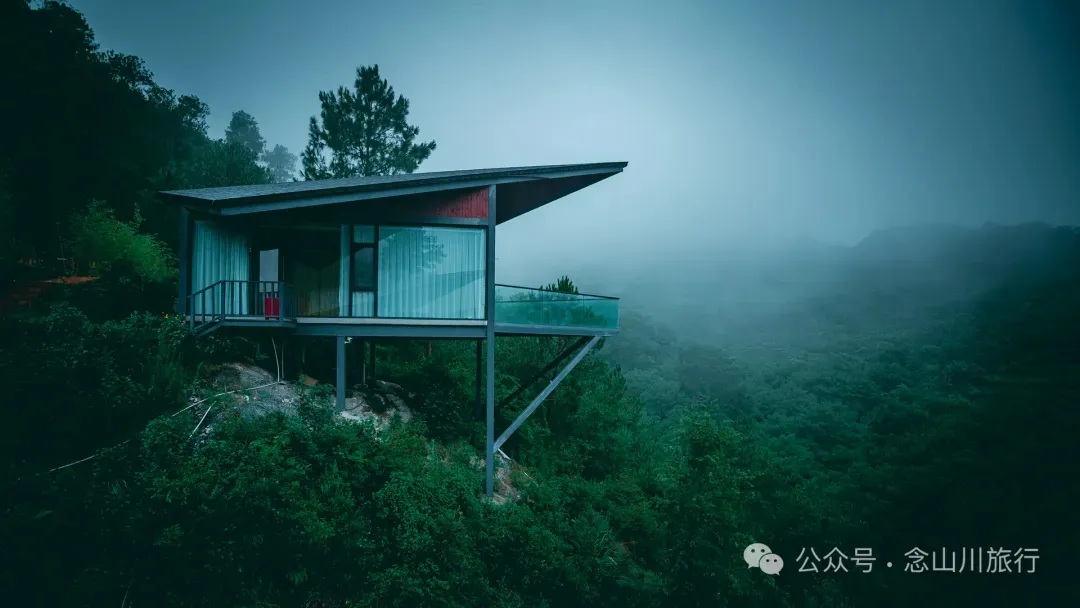
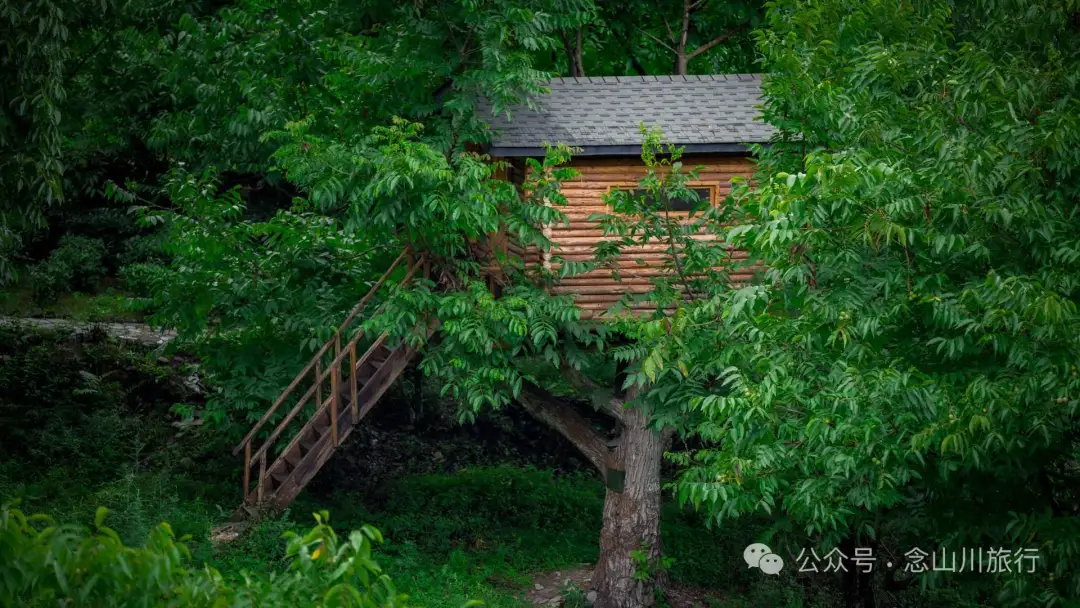
The Han and Yi folk houses in Wuliang Mountain are simple, quiet, clean, and tidy, fully demonstrating harmony between heaven and humanity. Modern homestays blend with the surrounding natural landscape, conveying the concept of harmonious coexistence between humans and nature.