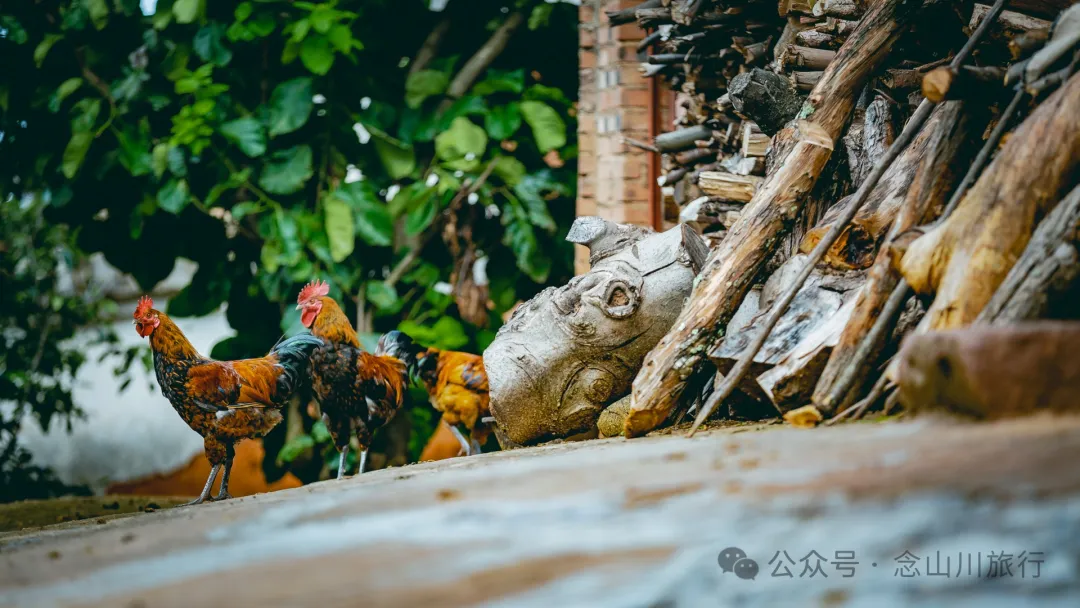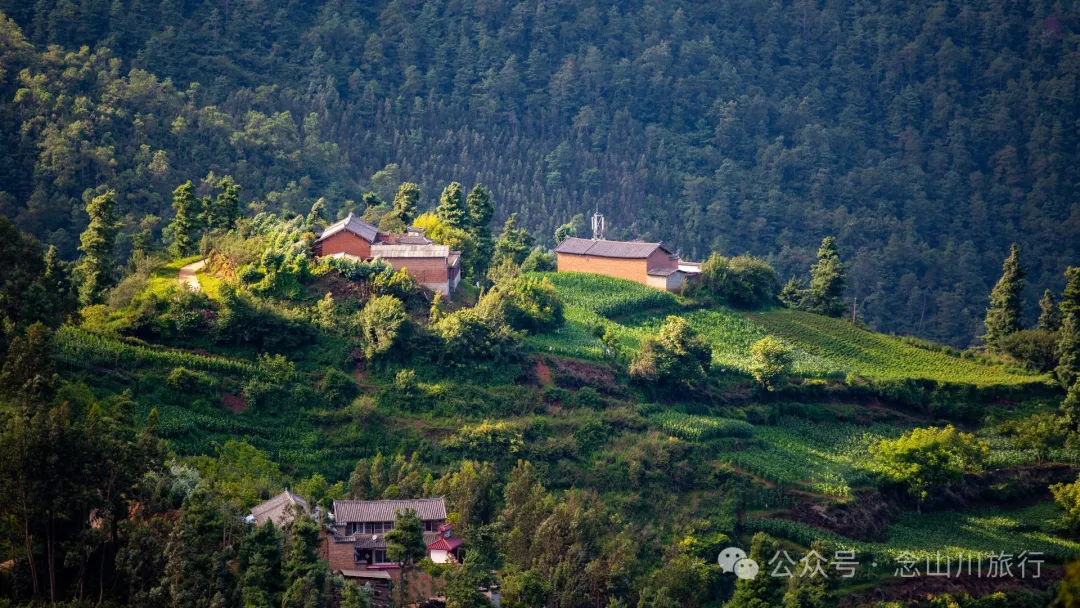




During the Chongzhen period of the Ming Dynasty (1639), Xu Xiake crossed the Bird Path Pass in Weishan and trudged through the rugged mountains for several miles before arriving at Shifoshao, a simple and honest Yi ethnic village in Midu County, where he was warmly welcomed by the villagers. The dust and rain of 385 years have long buried Xu's footprints, but the ancient mountain paths are still faintly visible.


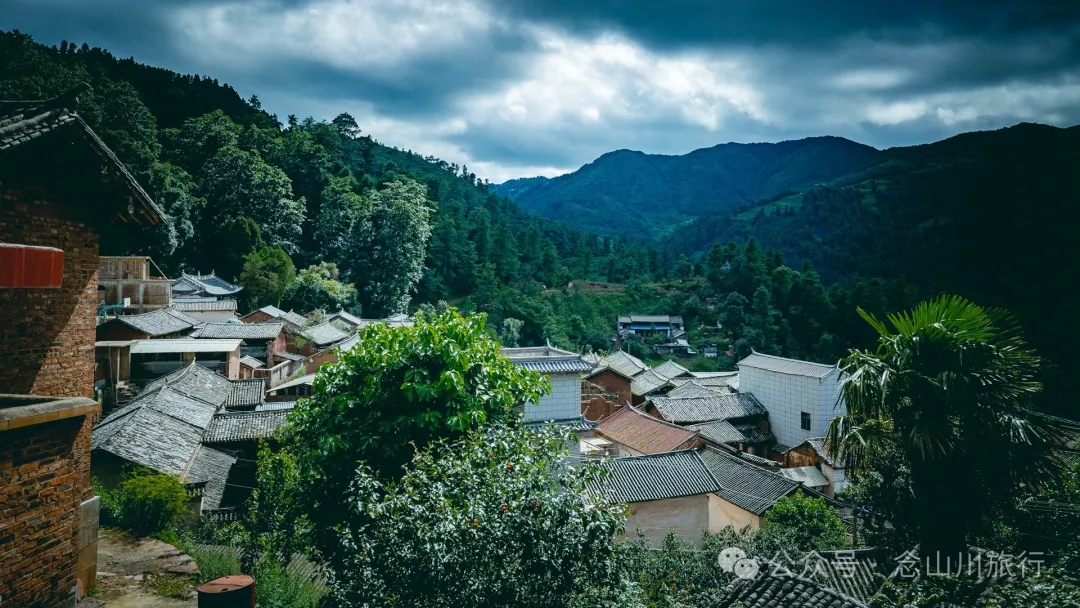
Standing at the Longqing Pass, also known as the Bird Path Pass, the village in the distance is Shifoshao. A shepherd squatting on the narrow mountain path gazes at the nearby village. We arrived a bit late and couldn't understand the shepherd's language. After a futile exchange, we followed the navigation along the main road, thus missing an opportunity for an ancient path adventure.
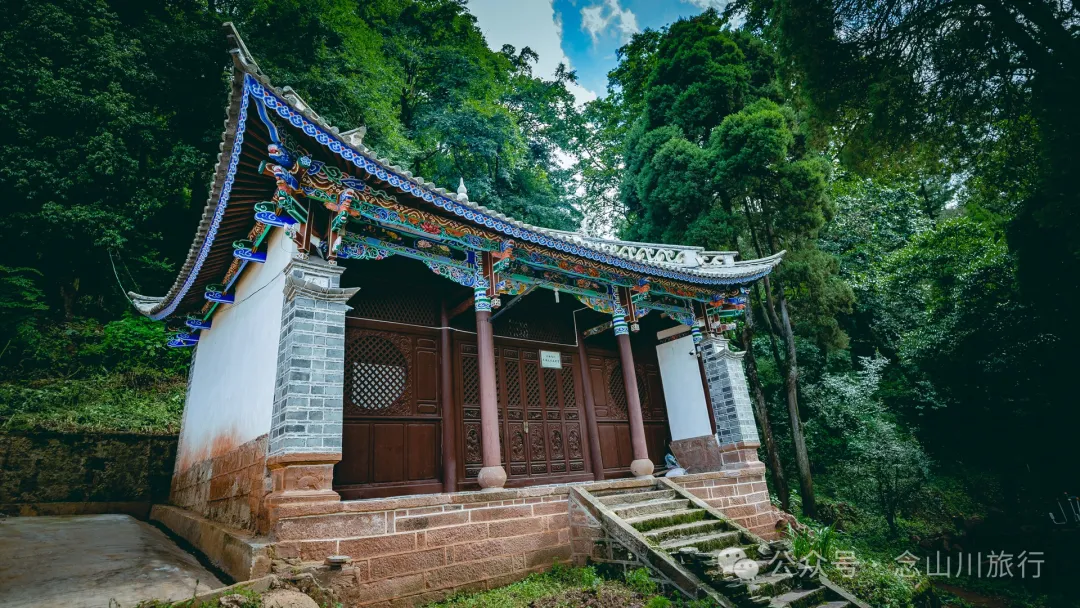
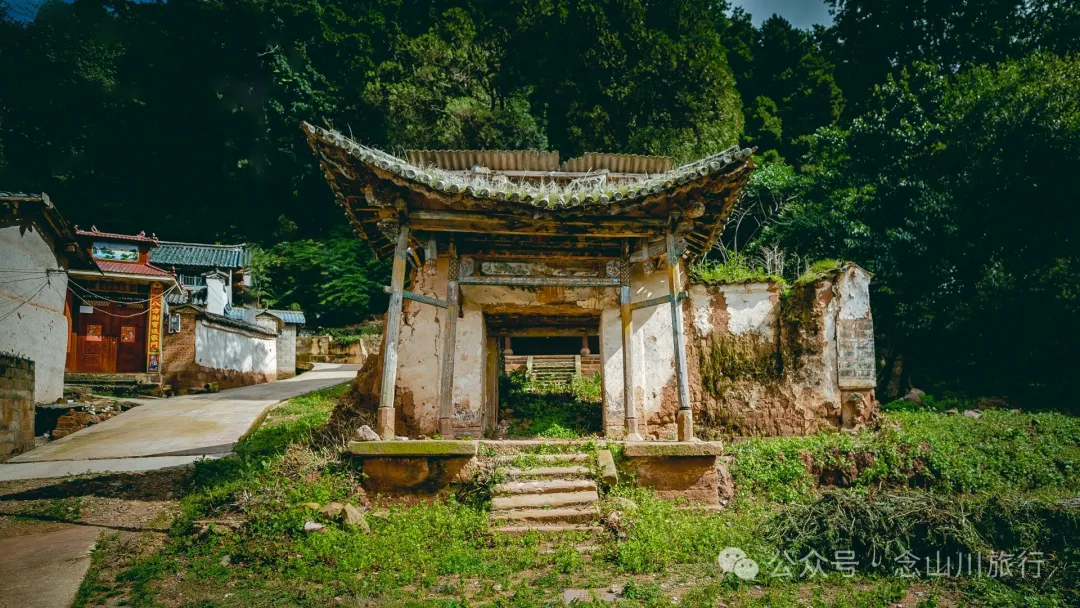
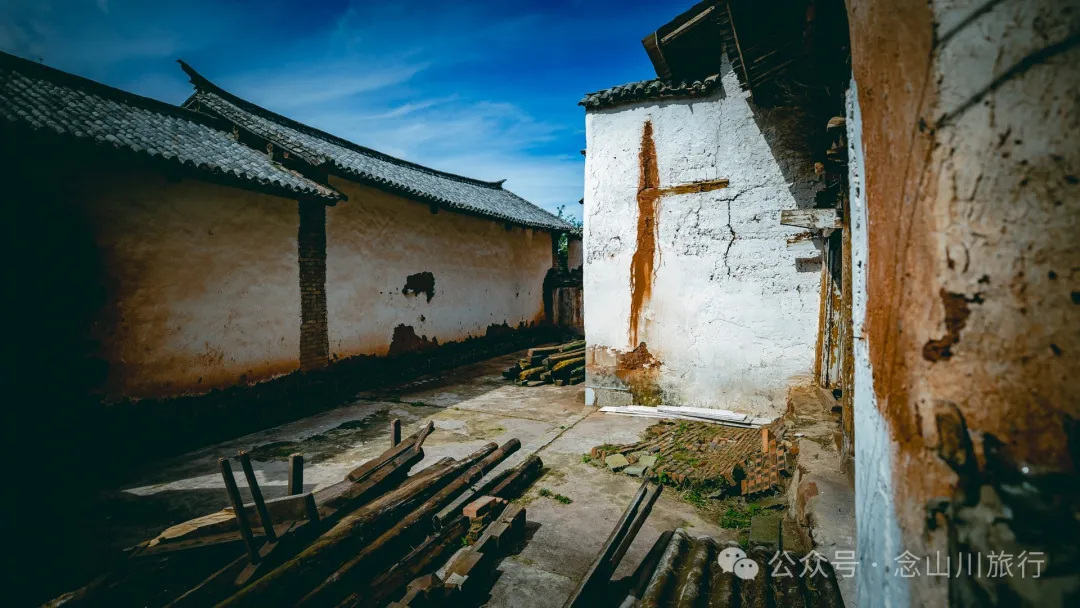



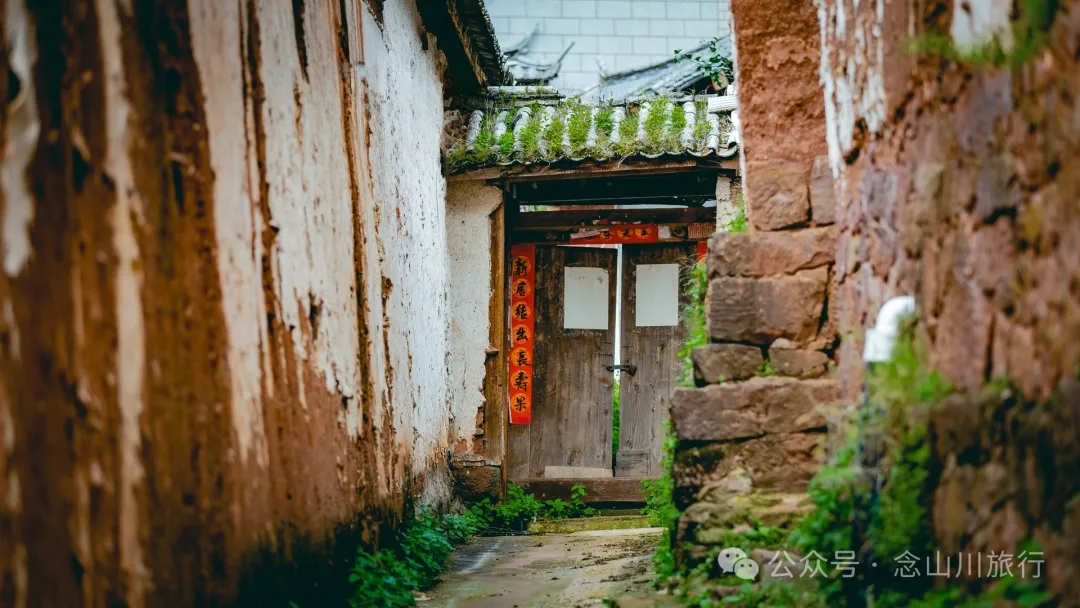
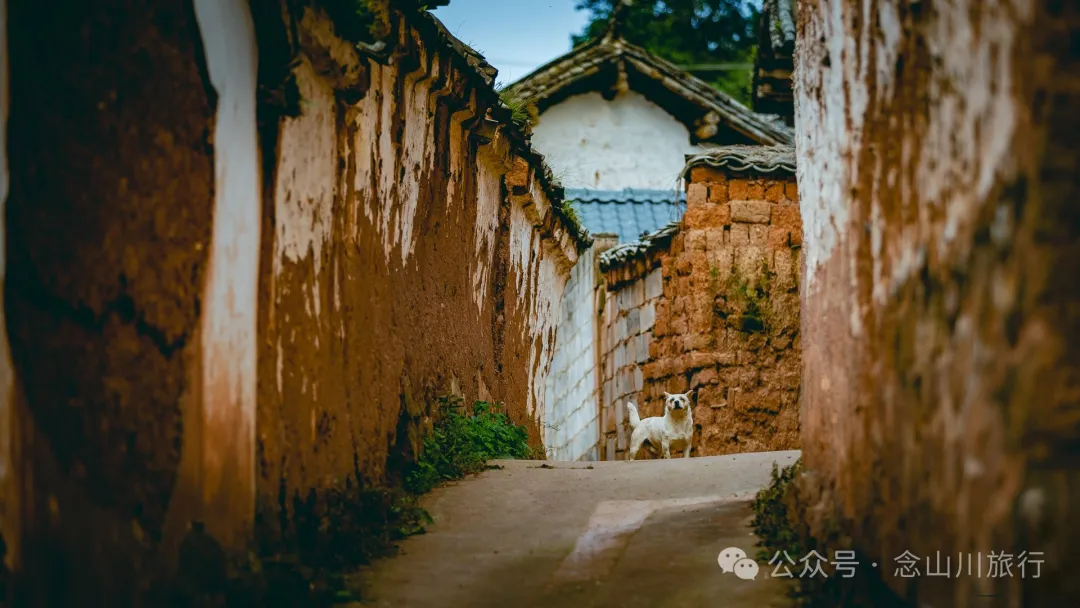

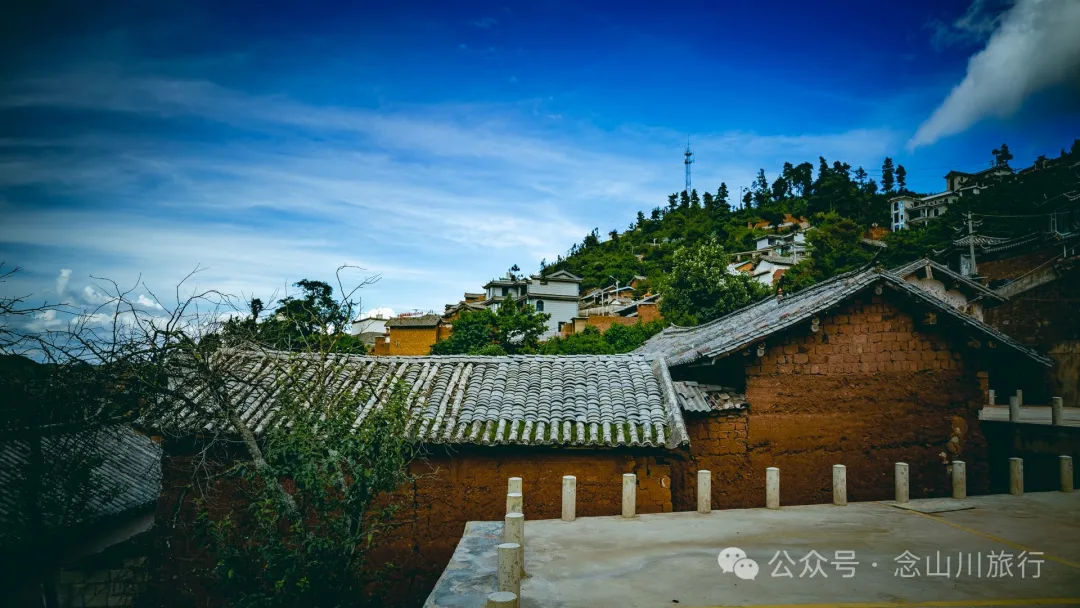
Shifoshao Village is an ancient village under the Shijia Village Committee. Most of the old houses with wood and earth structures are still preserved. Even though some farmhouses have been abandoned for years and are uninhabited, they still stand firm, like old trees that have witnessed countless sunsets and moonrises, and the comings and goings of people.
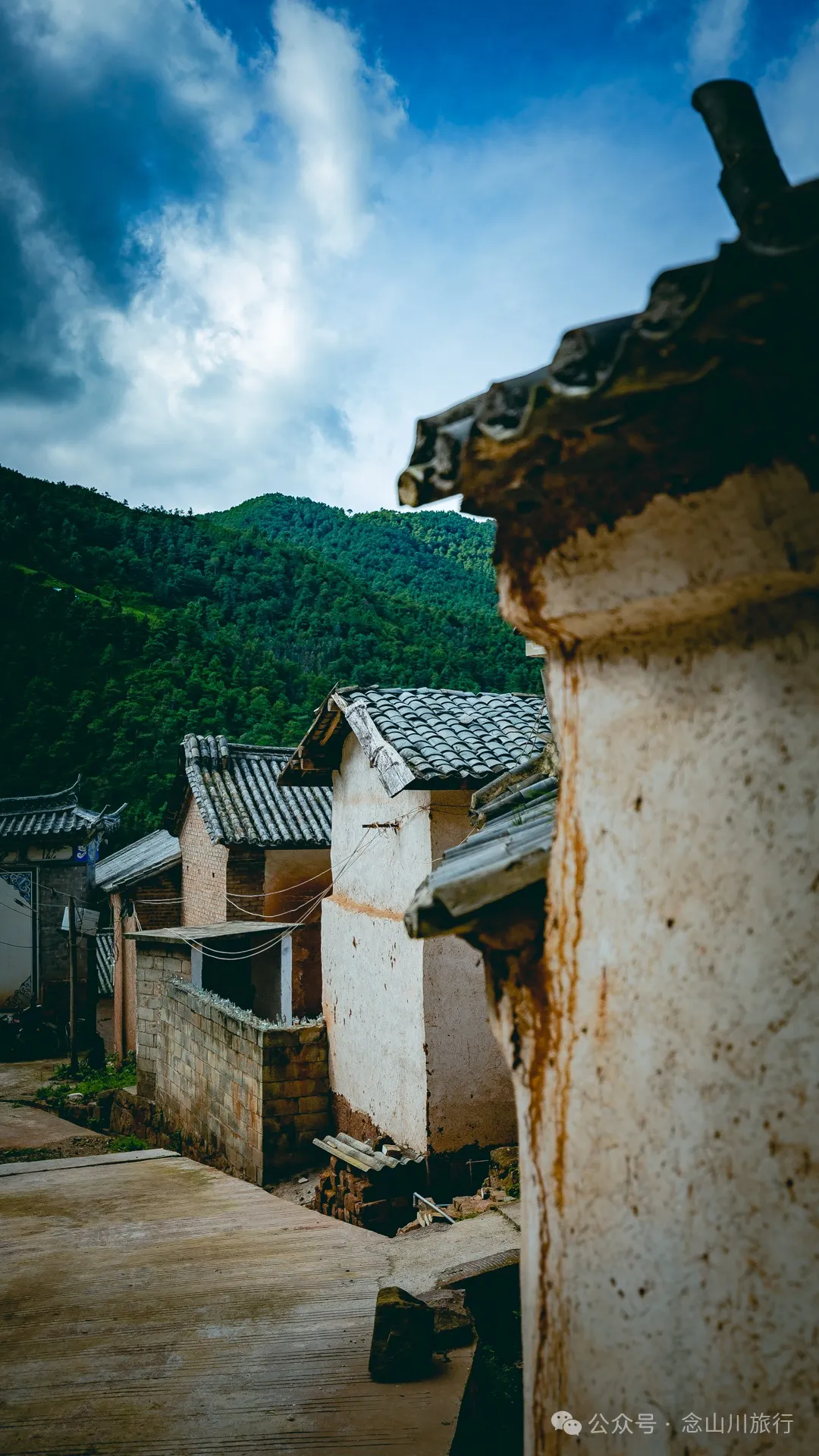
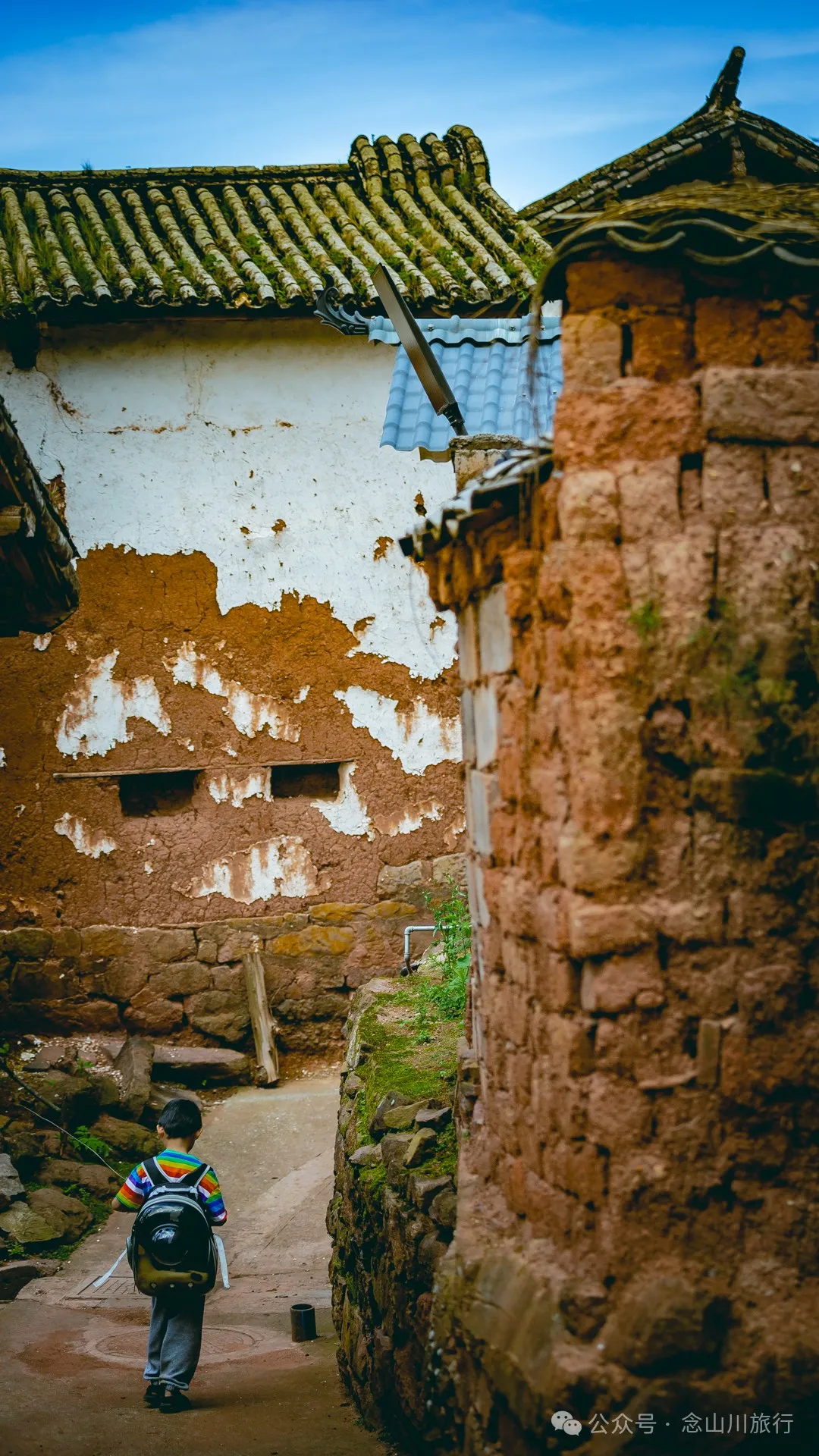
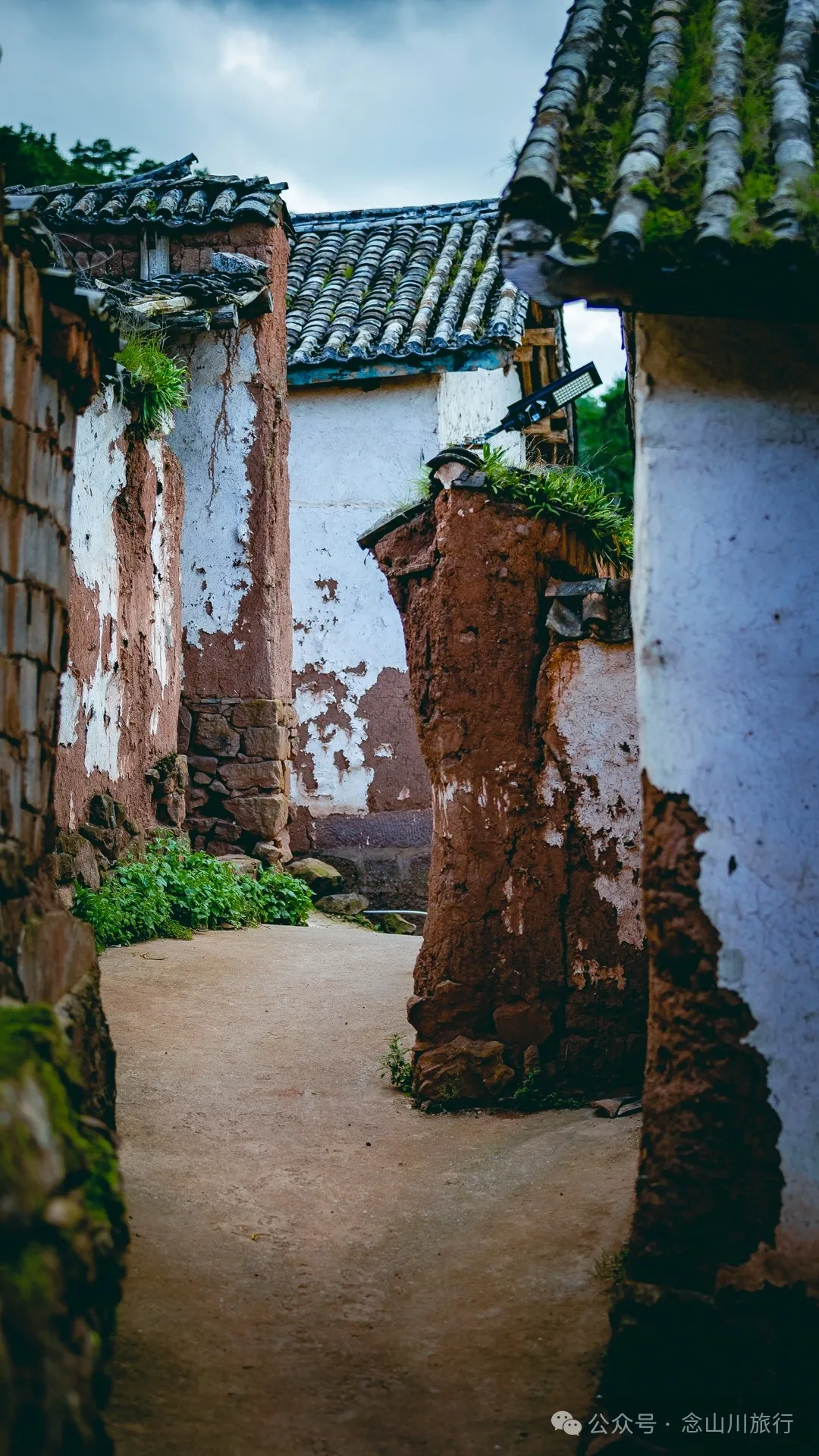
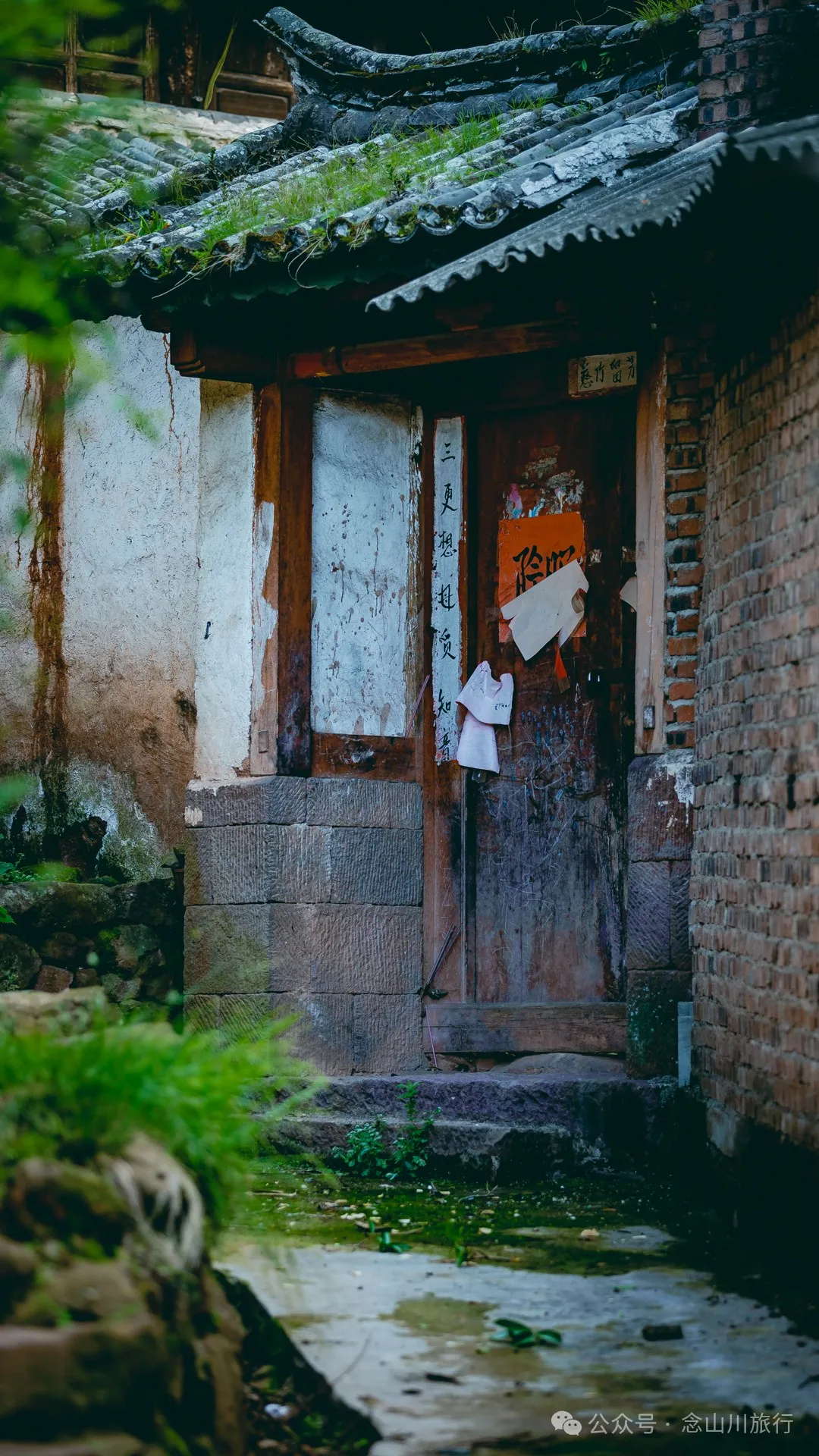
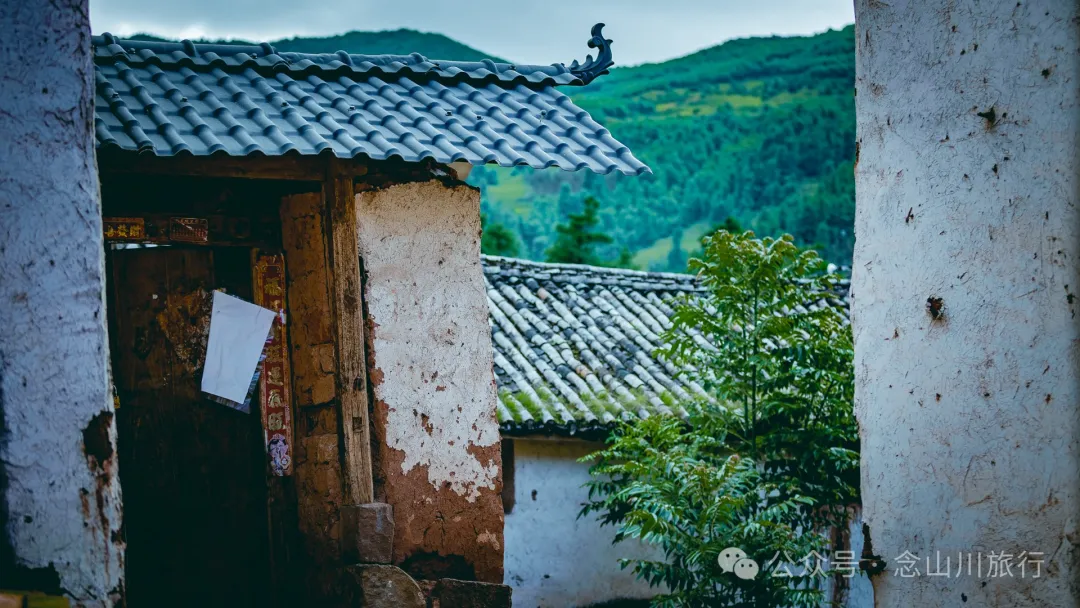

Pushing open a half-closed gate, a sense of antiquity rushes out. The homeowner's family has moved to a new house, leaving behind only some old items scattered on the steps. Perhaps among these dimly lit old objects in the small courtyard, there is one that the grandmother once treasured and carefully locked away in a box.
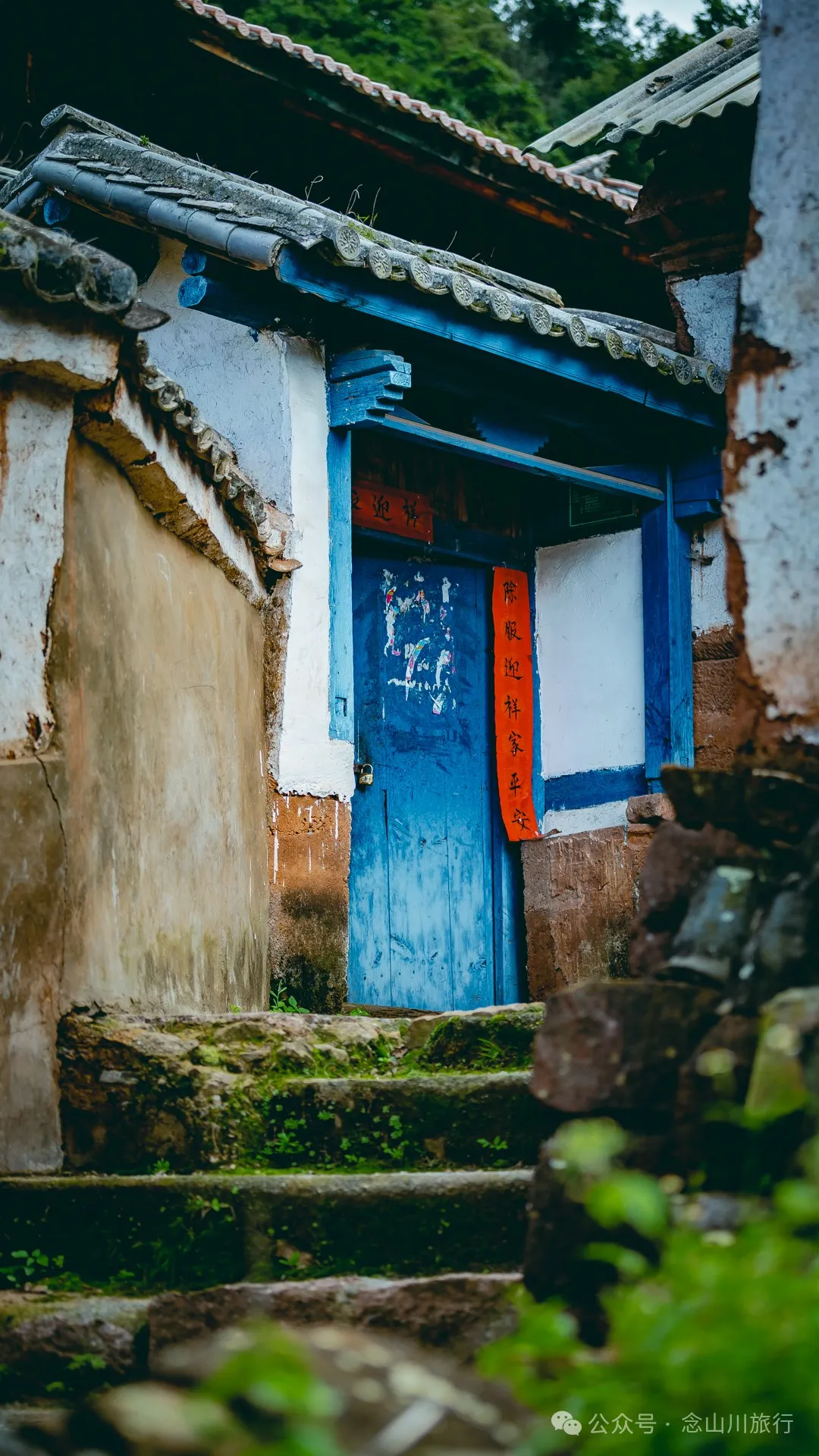
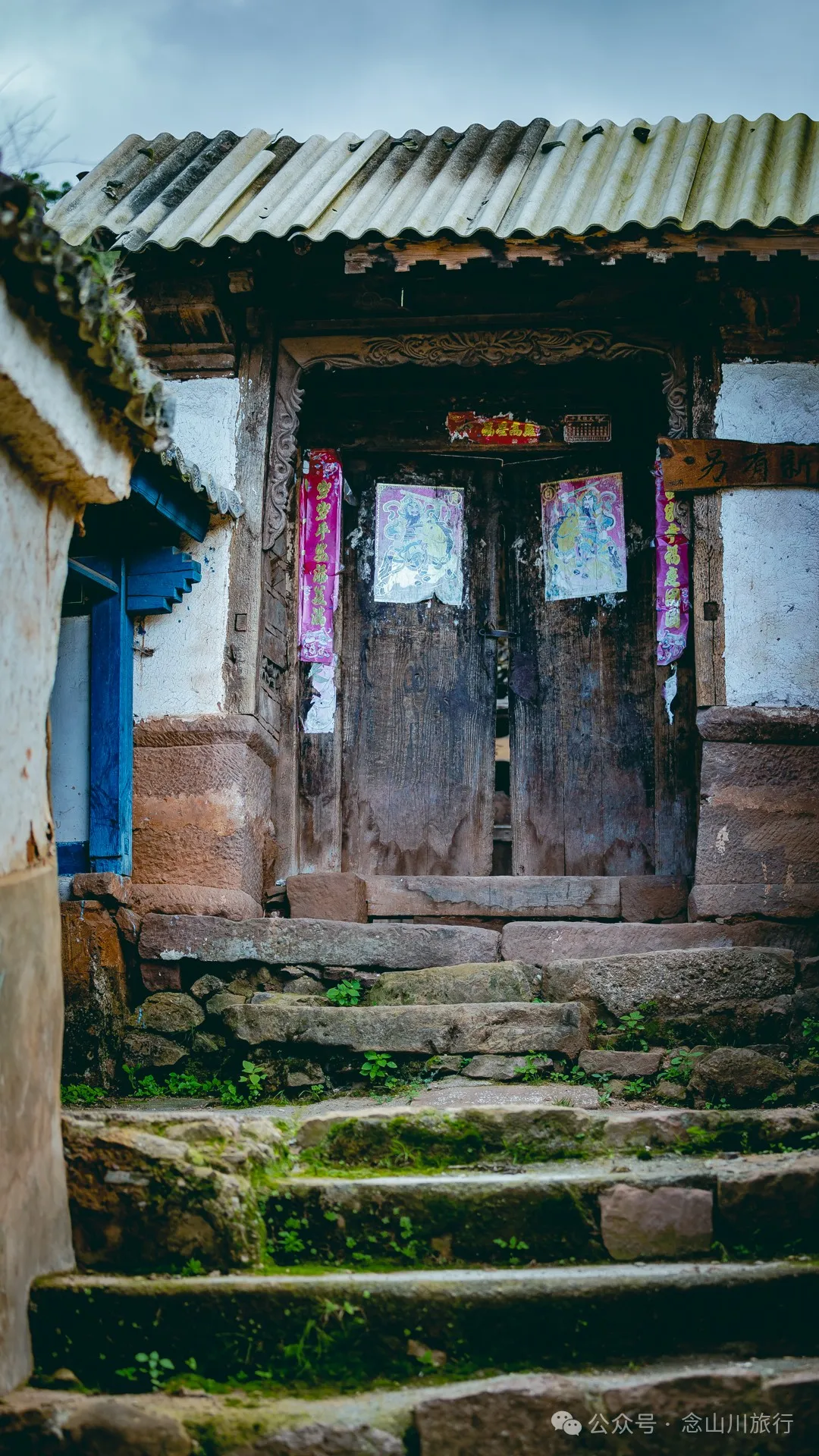
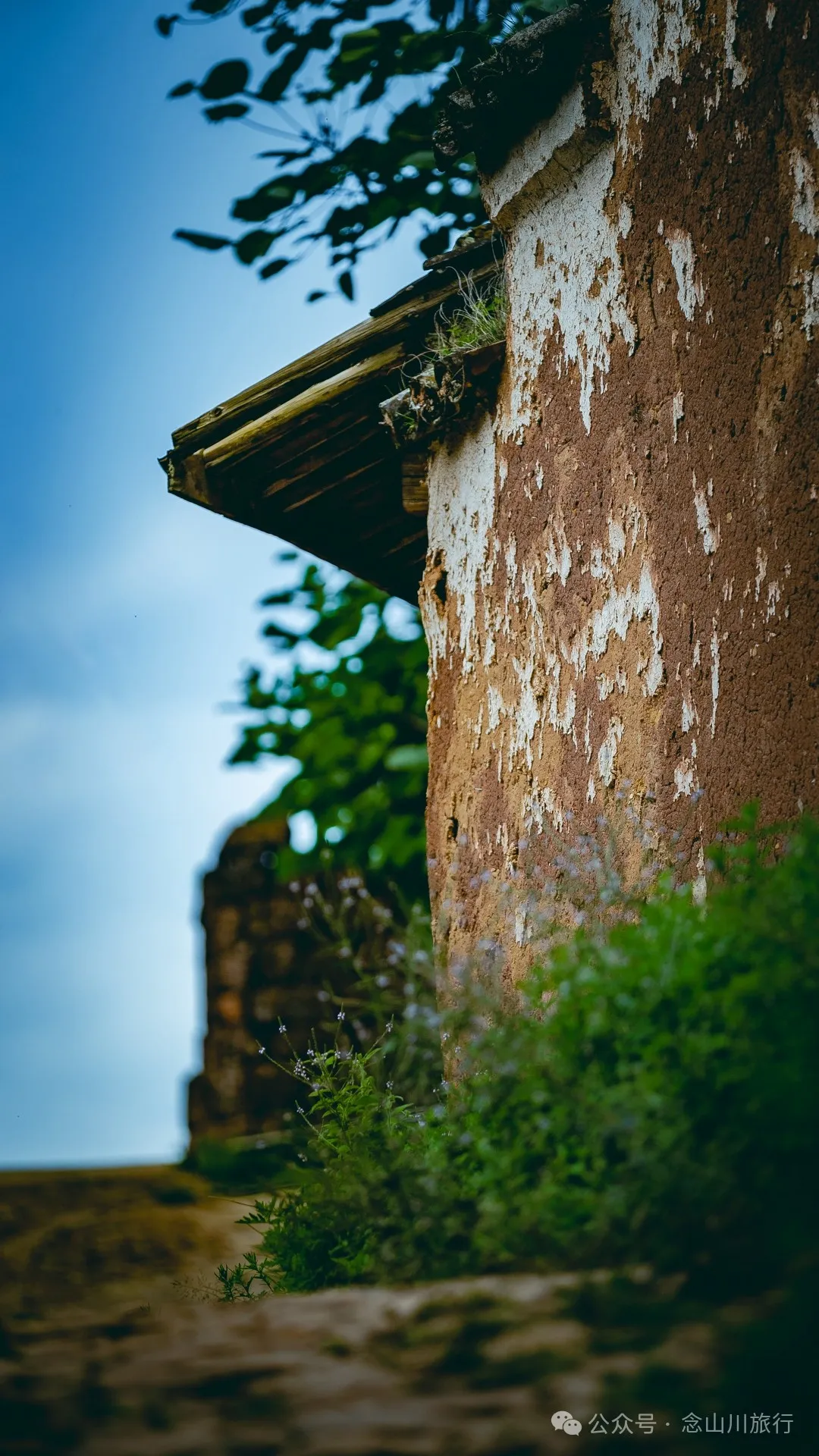
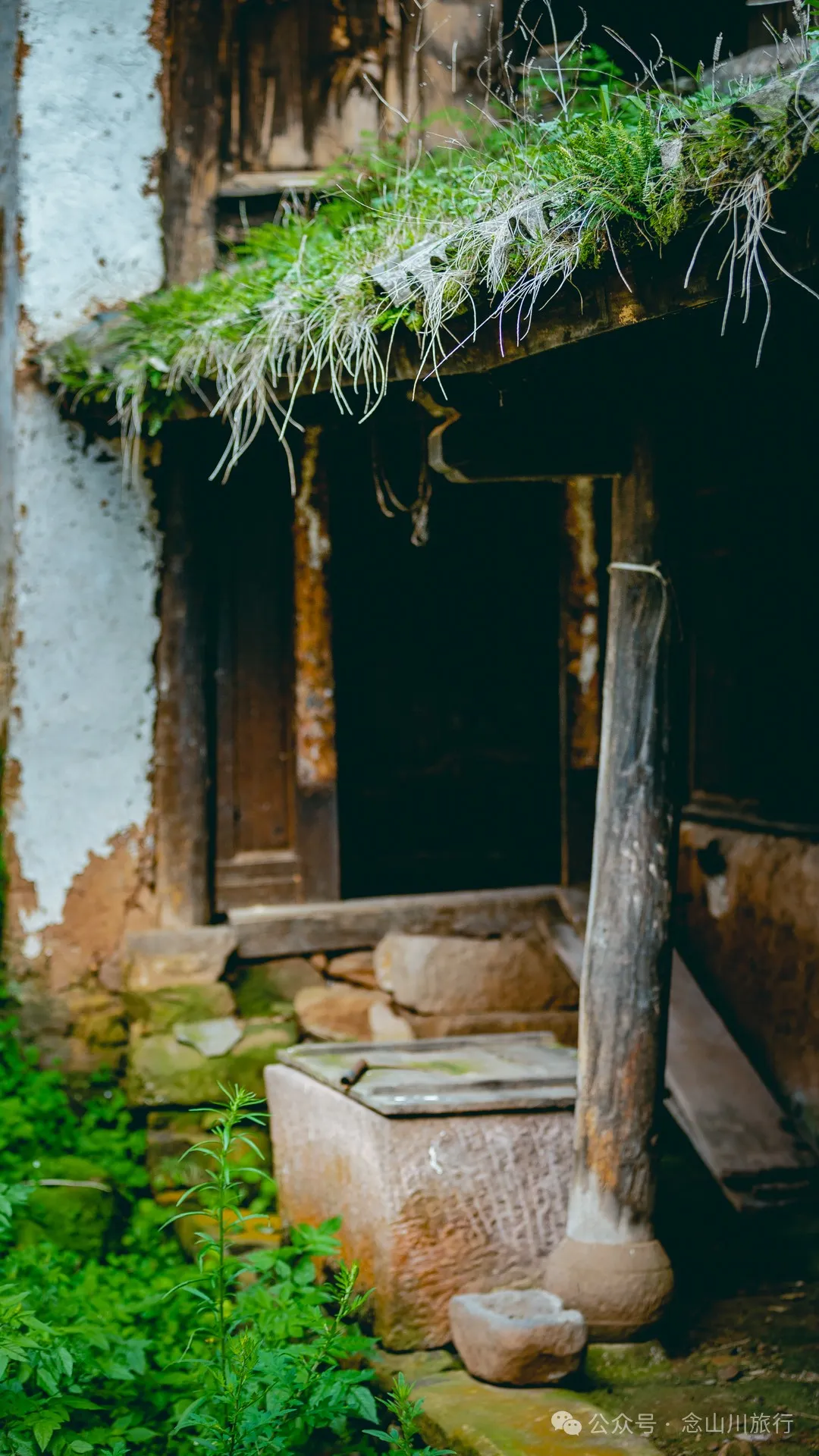


In the village, we only met a few elderly villagers. Due to the language barrier, we couldn't learn more about this mountain village on the Ancient Tea Horse Road. But we could quietly explore the simple and serene gates, the vibrant green trees, and the silent, guardian-like mountains surrounding the village. As the setting sun touches this peaceful village, a soft melody seems to float through the mountains, evoking a sense of nostalgia.