
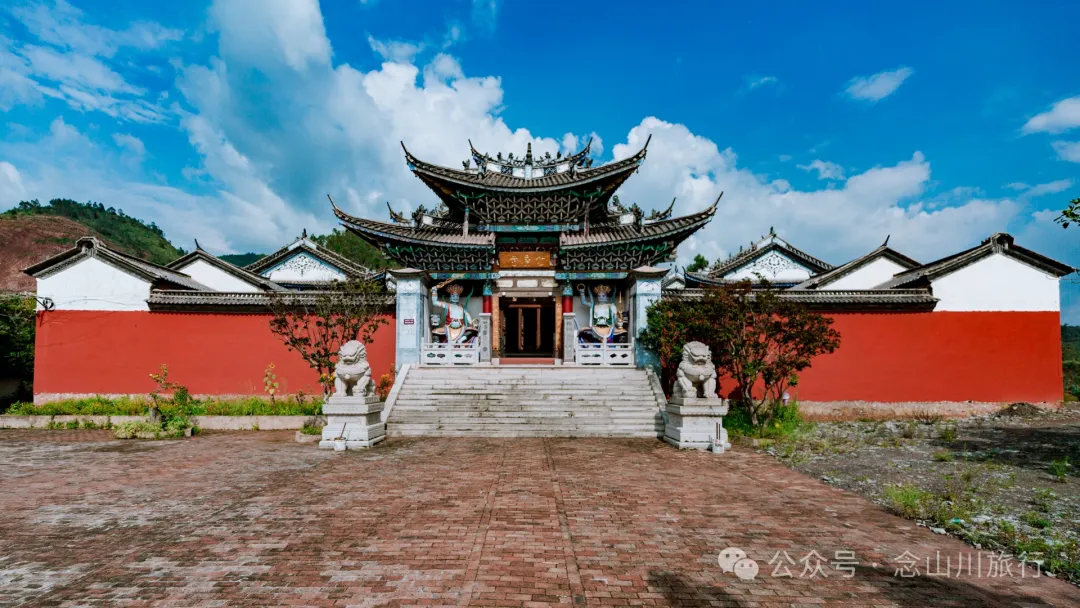
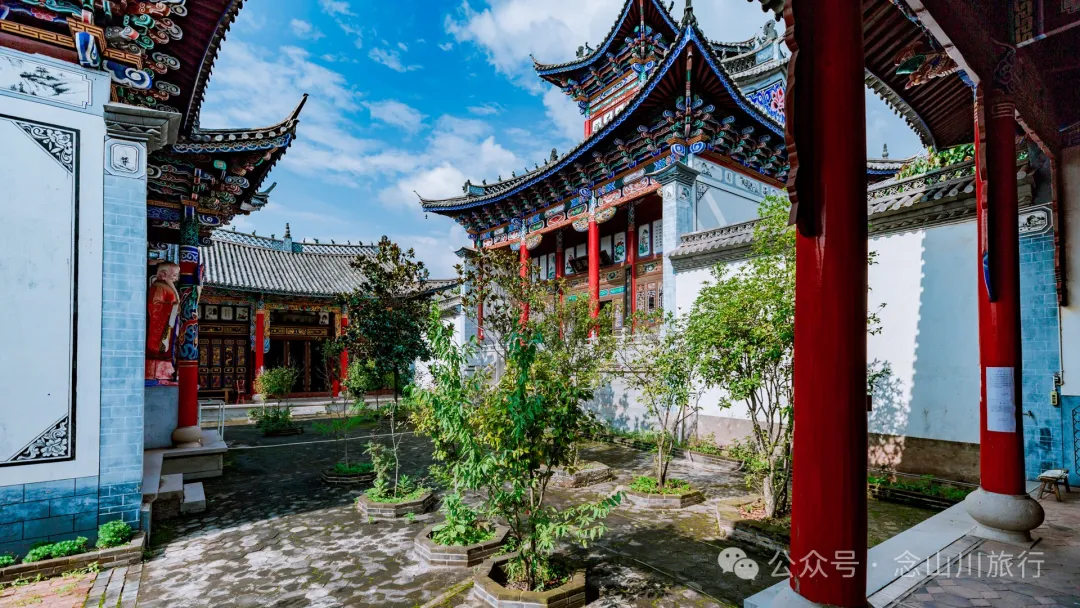
Zhuping Temple stands on the mountainside of Dongshan, ten kilometers north of the ancient city of Weishan. Whenever driving on the nearby roads, one can see this majestic and imposing temple from afar. Since it was not marked on the map, we searched along the way based on its location. Upon entering the temple, we met an elder sister who was practicing here. From her narration, we learned the origin of Zhuping Temple. The temple was first built in 2012 and took three years to complete. It is said that previously, several elderly women in the village built a simple adobe house here to worship Guanyin, naming it Guanyin House. One of the women's sons, who became the local richest man through successful business, invested millions to convert Guanyin House into the solemn and majestic Zhuping Temple as a filial act.
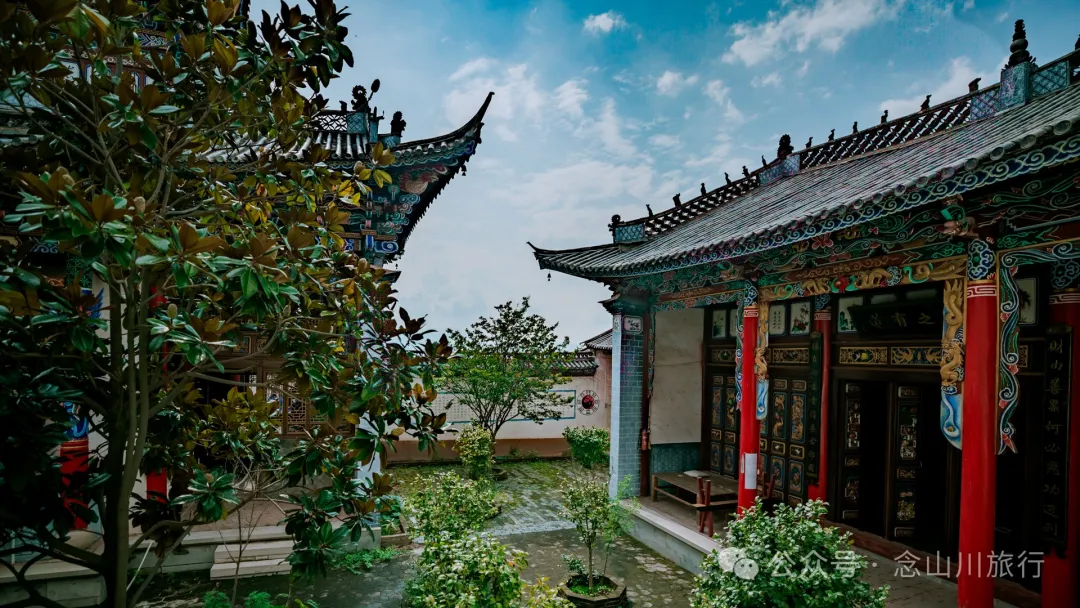
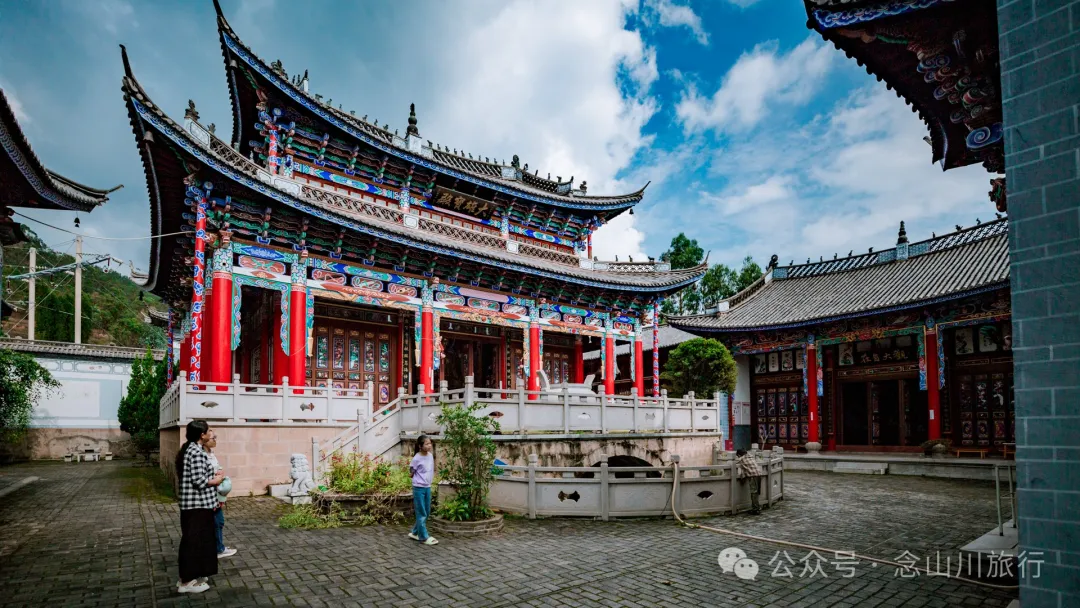
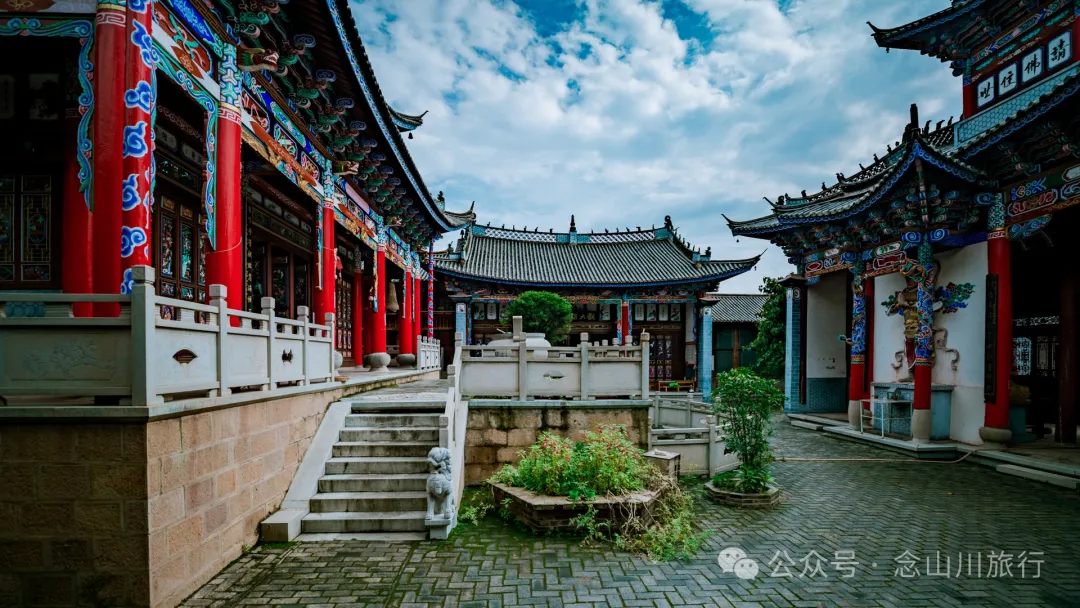
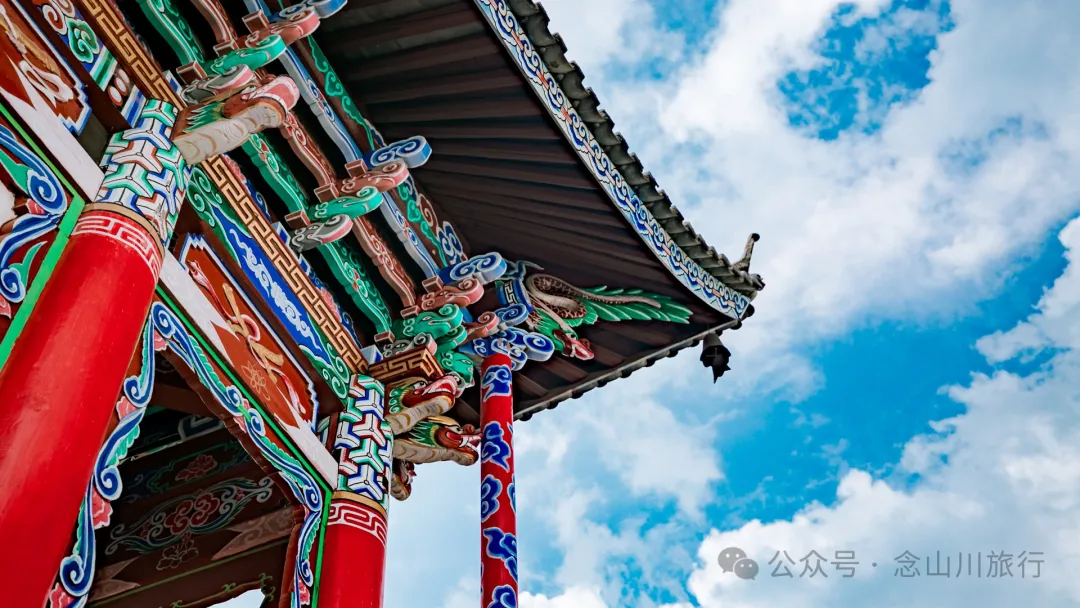
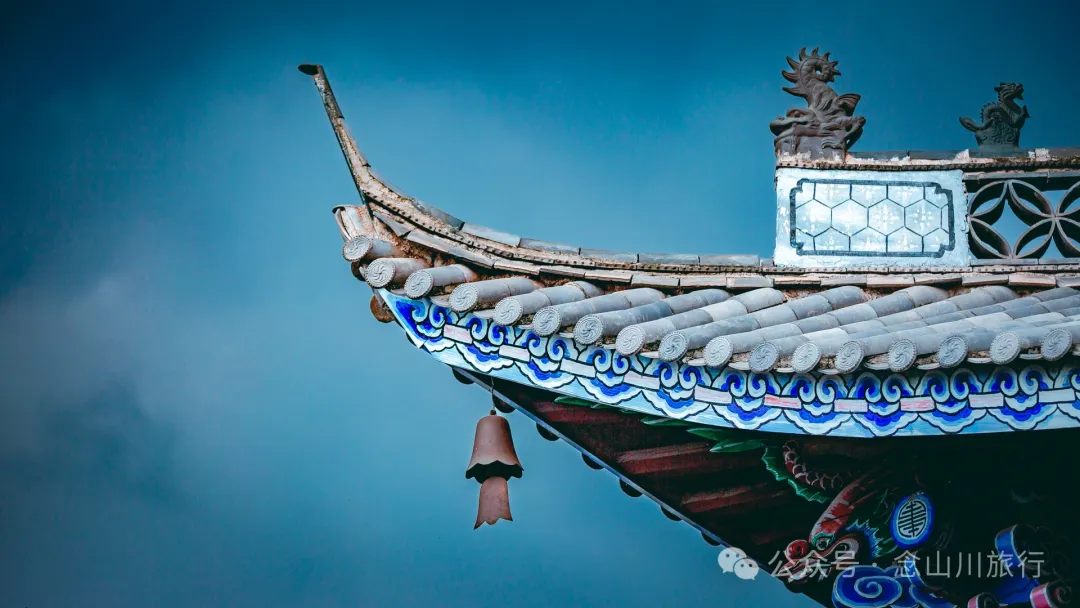
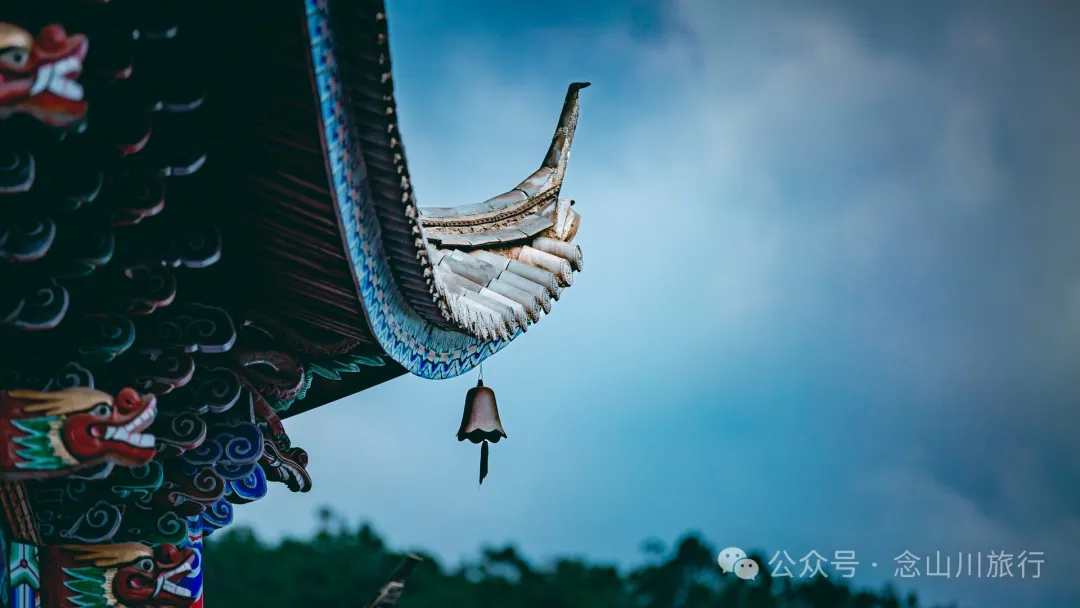
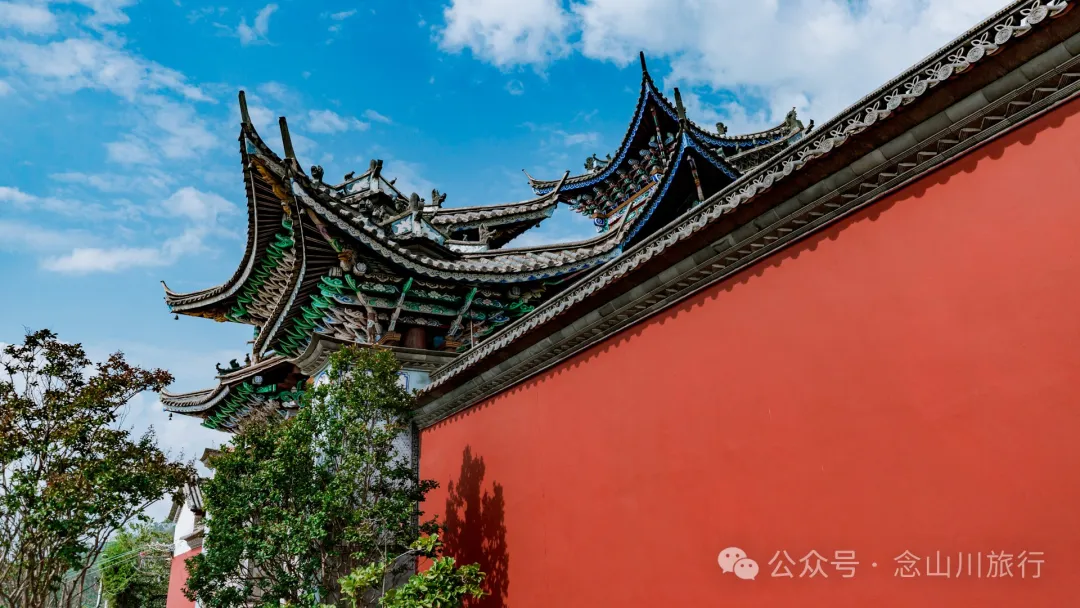
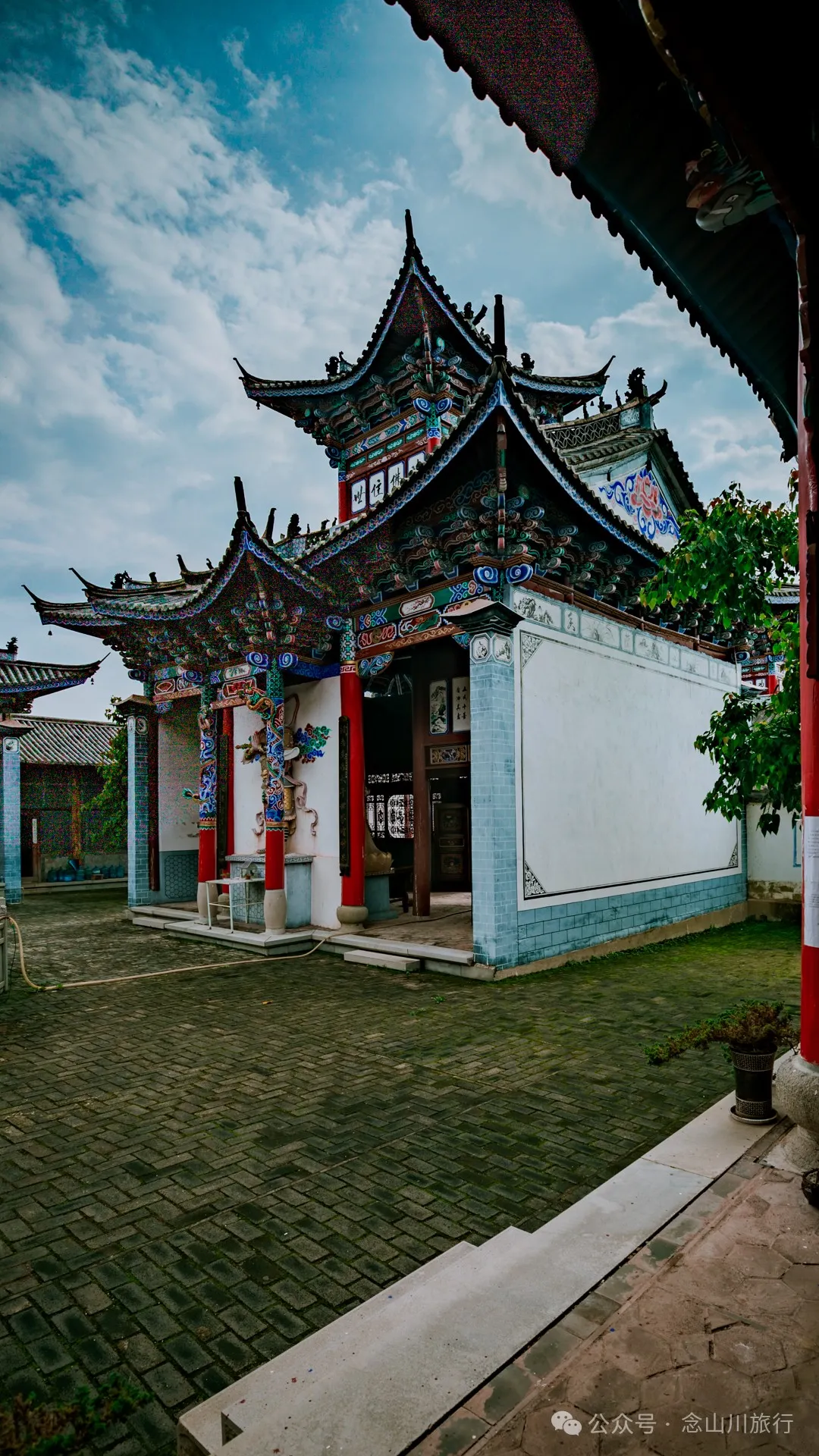
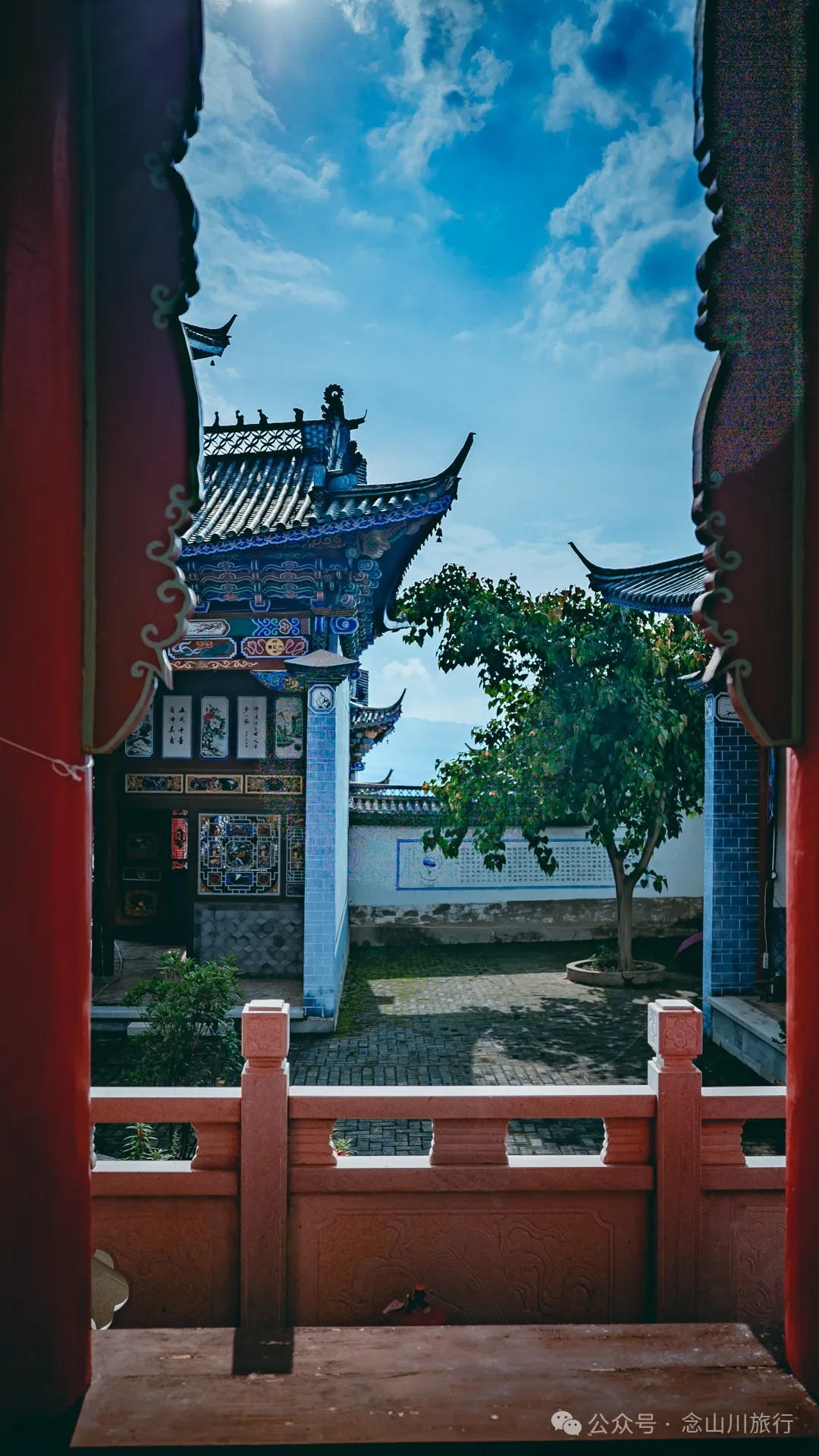
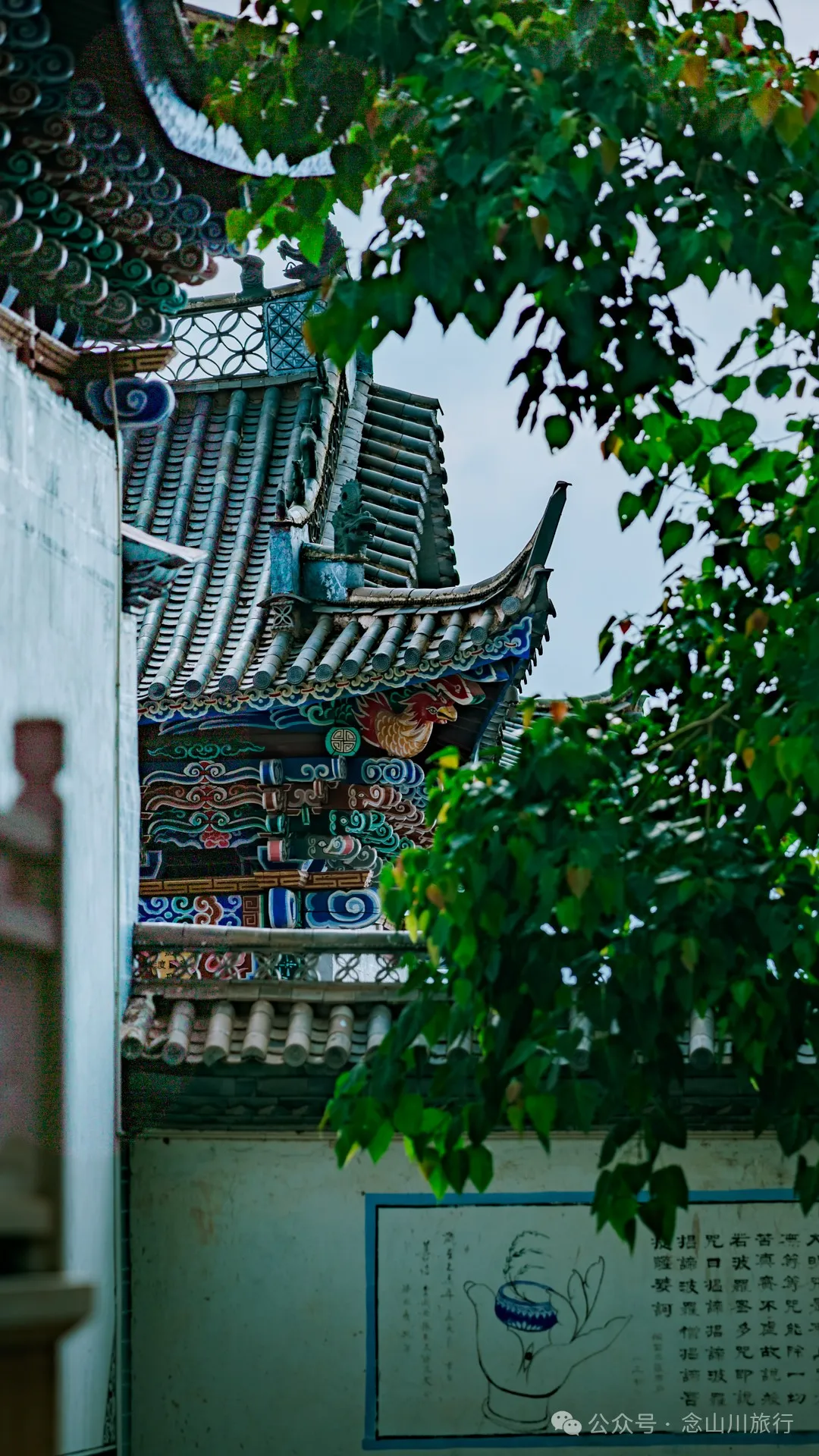
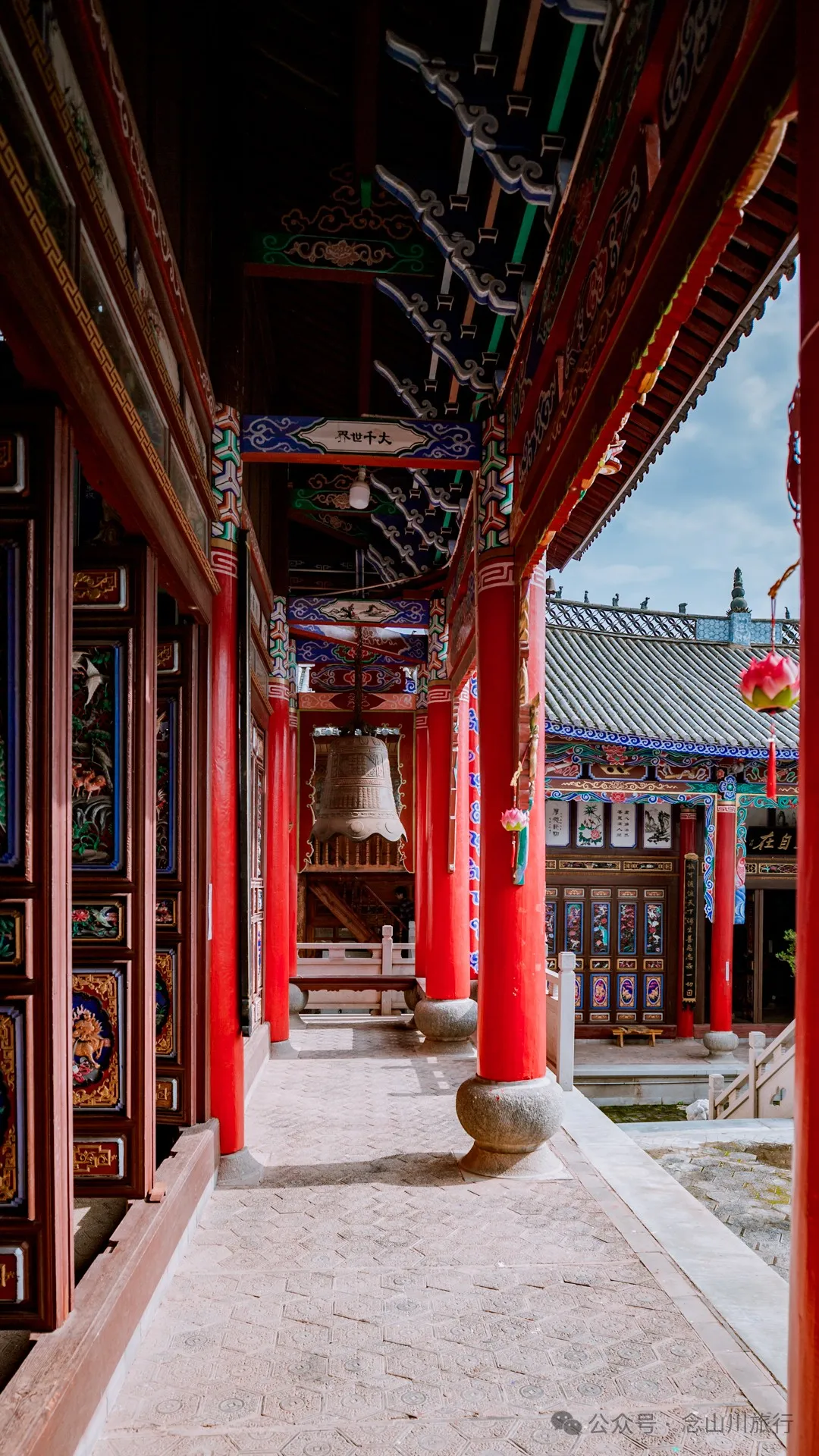
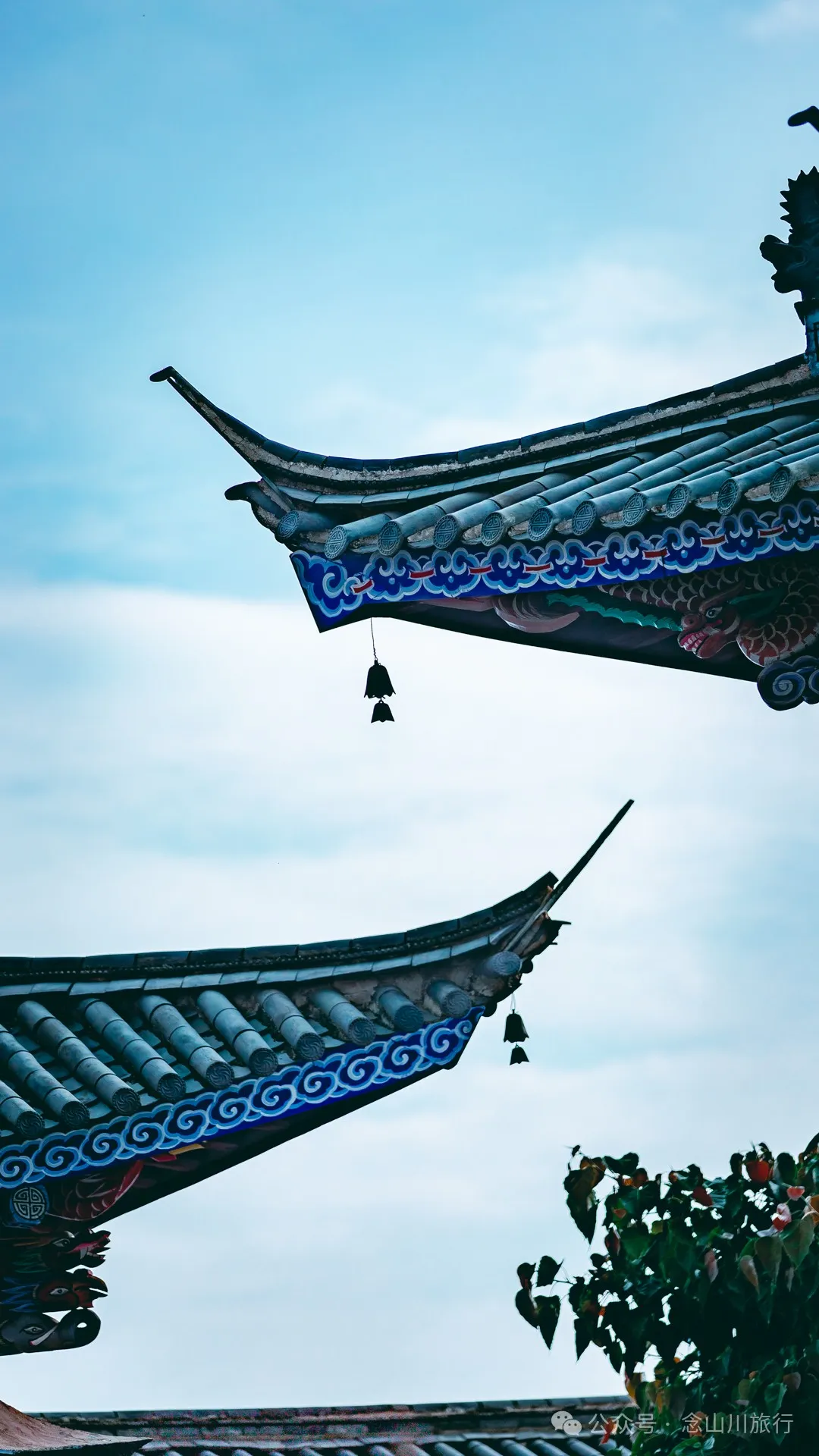
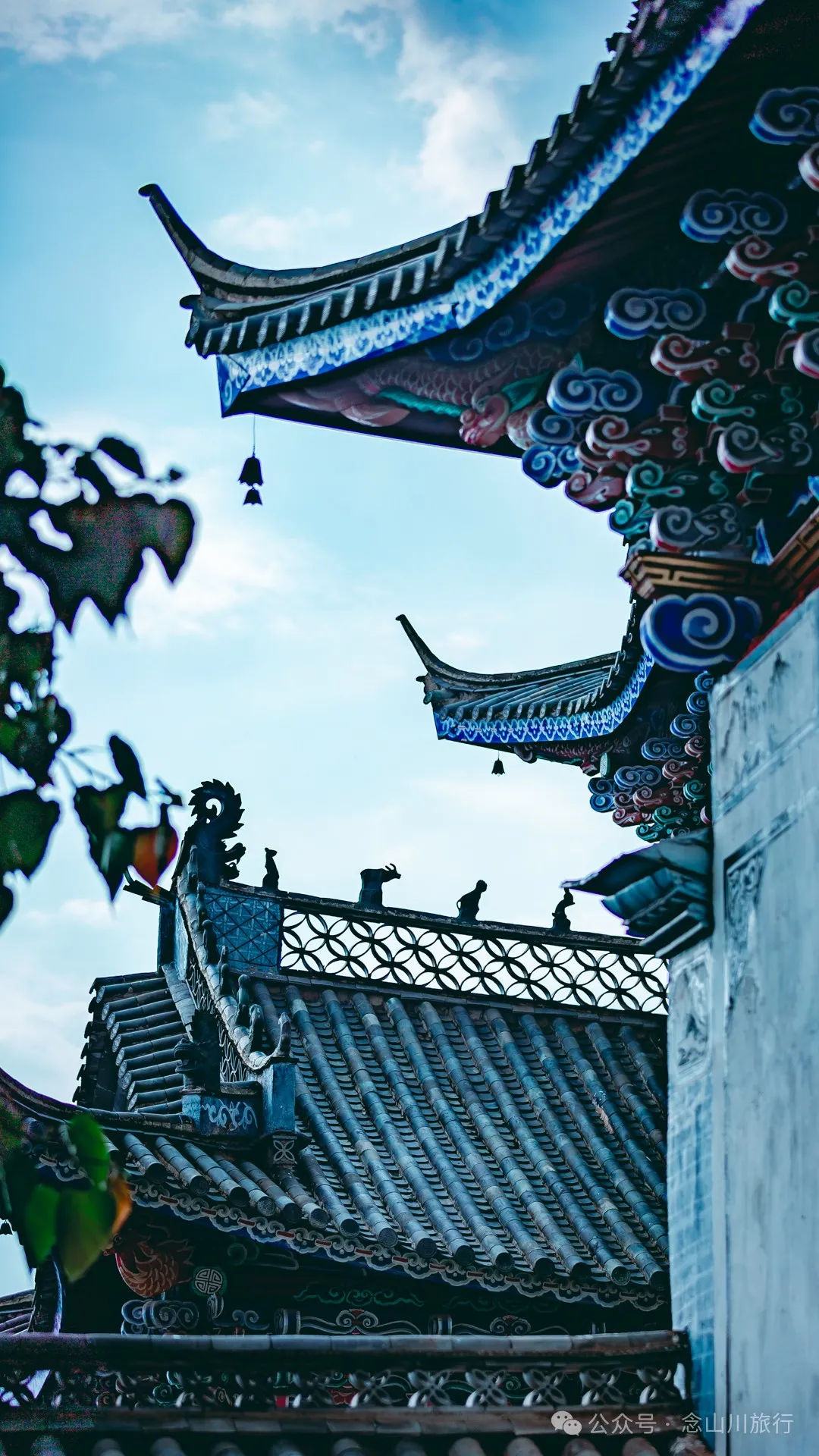
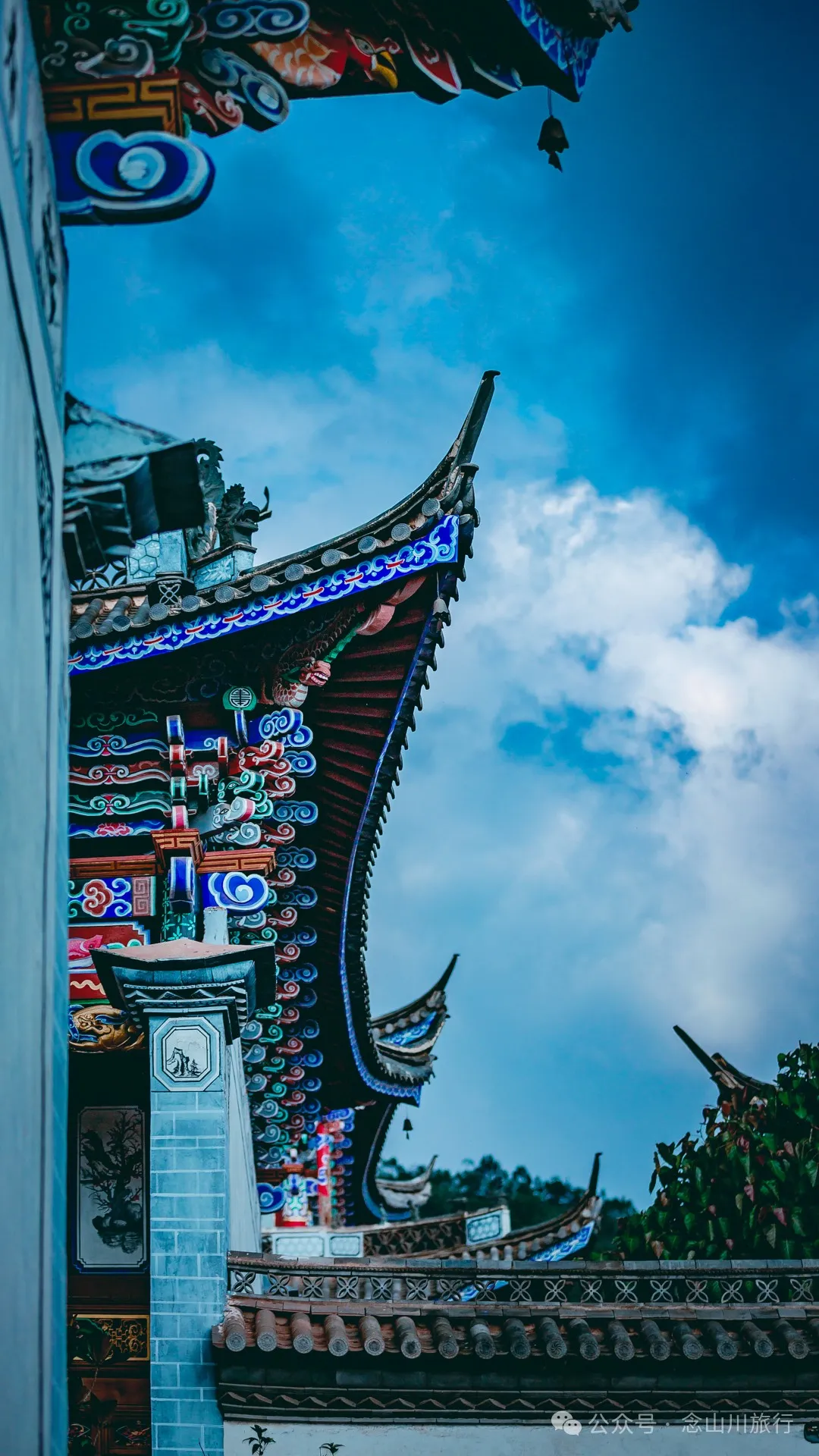
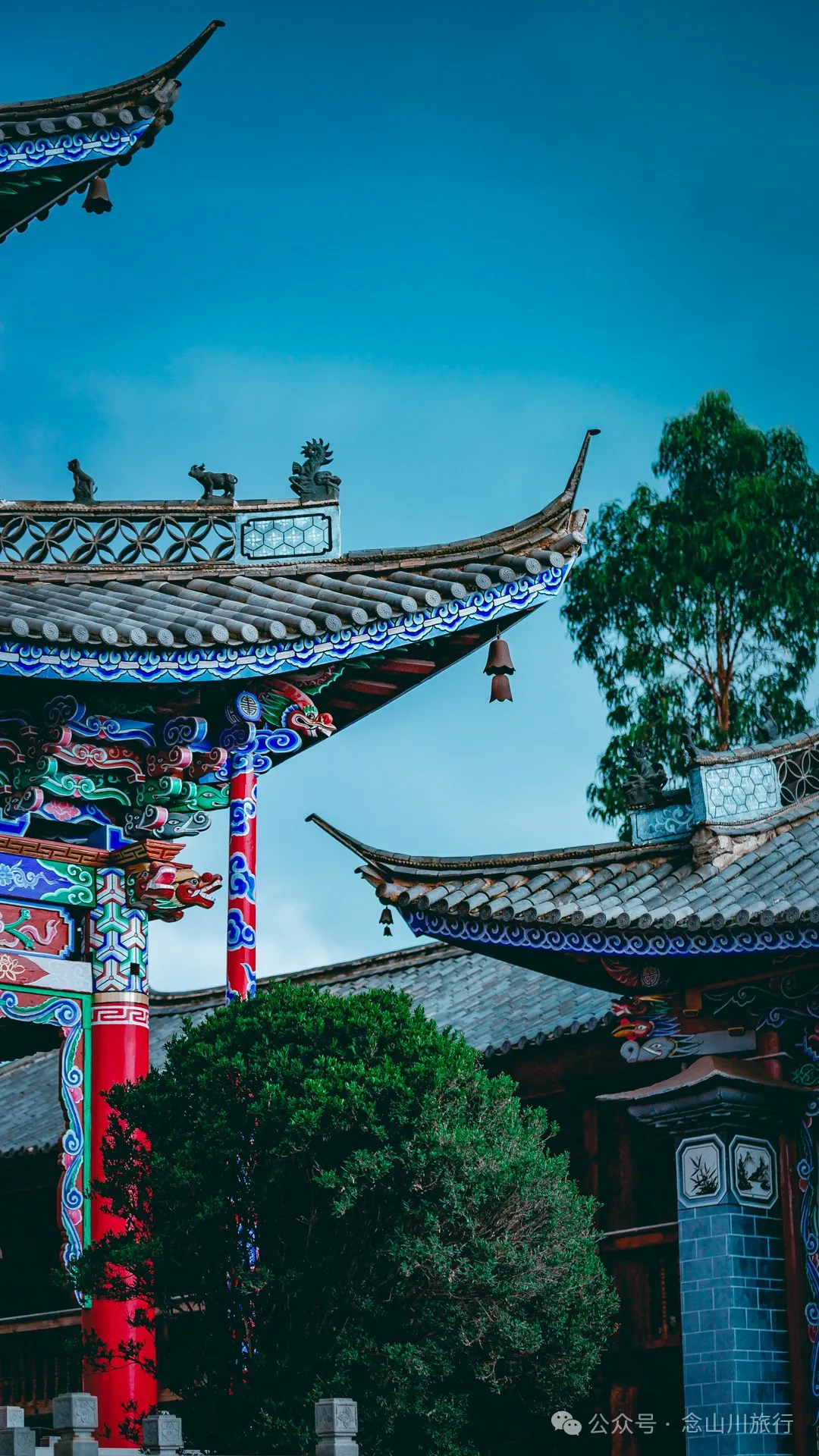
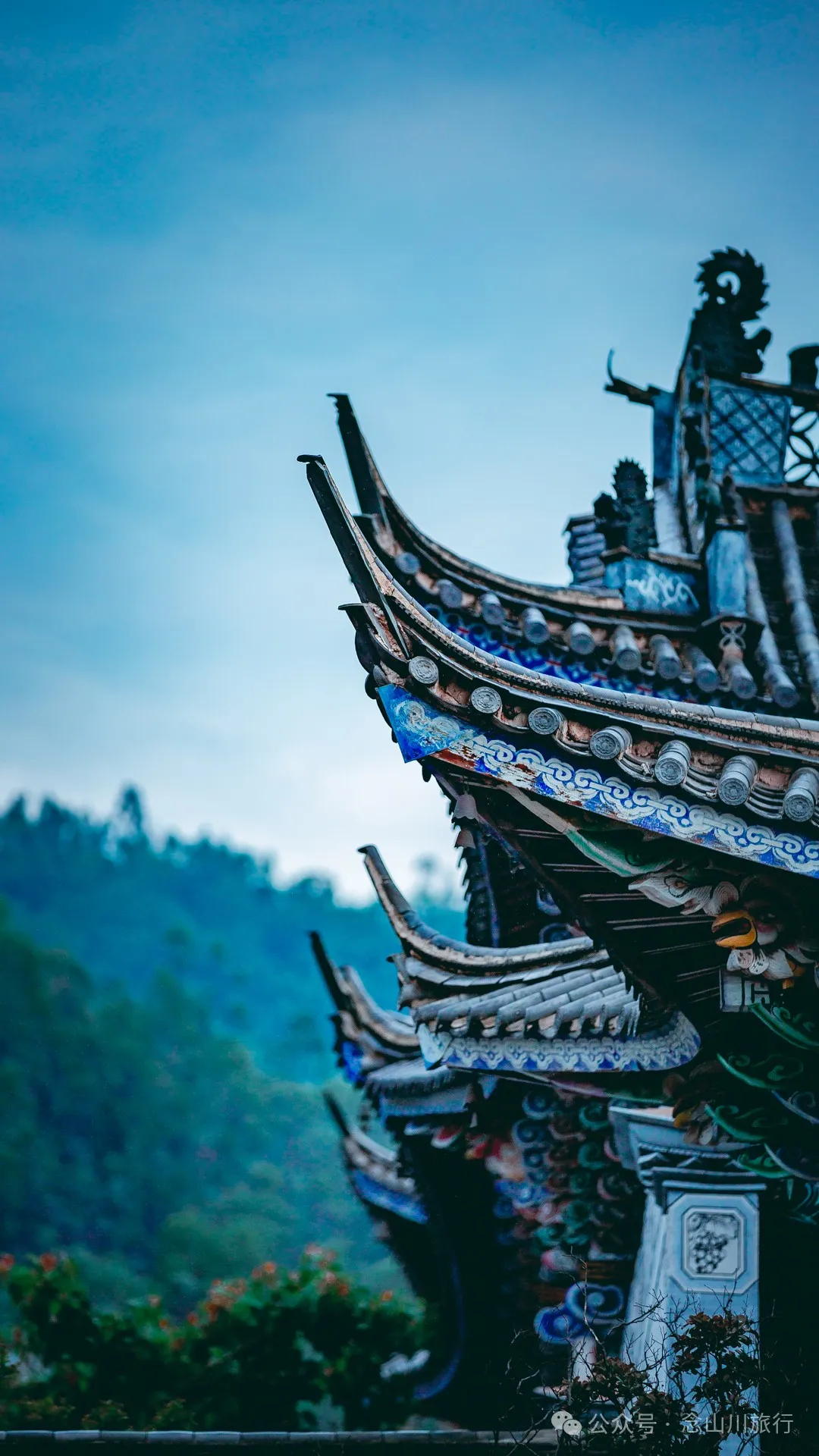
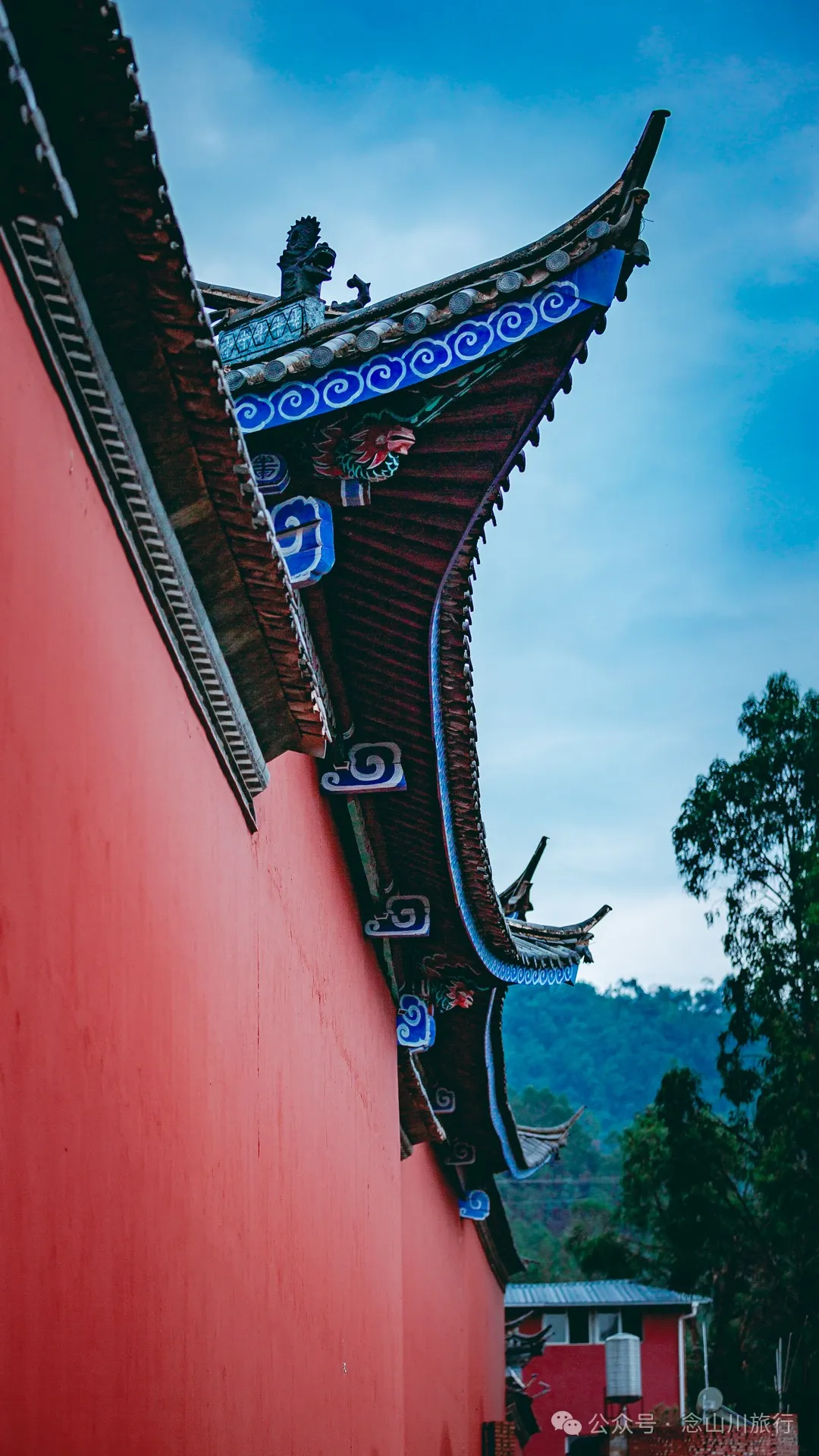
The elder sister said that because the temple was built next to a dense and lush bamboo grove outside the village, it was named Zhuping Temple (Bamboo Screen Temple). The roof design is ingenious, with upturned eaves and corners, smooth and dynamic lines. A gentle breeze makes the bells at the eaves ring crisply, creating a serene atmosphere. The roof is covered with green tiles, layered and shimmering in the sunlight. The ridge is decorated with exquisite ridge beasts, each in different poses, lifelike. The temple's pillars and beams are sturdy and beautiful, with thick columns supporting the weight of the entire structure.
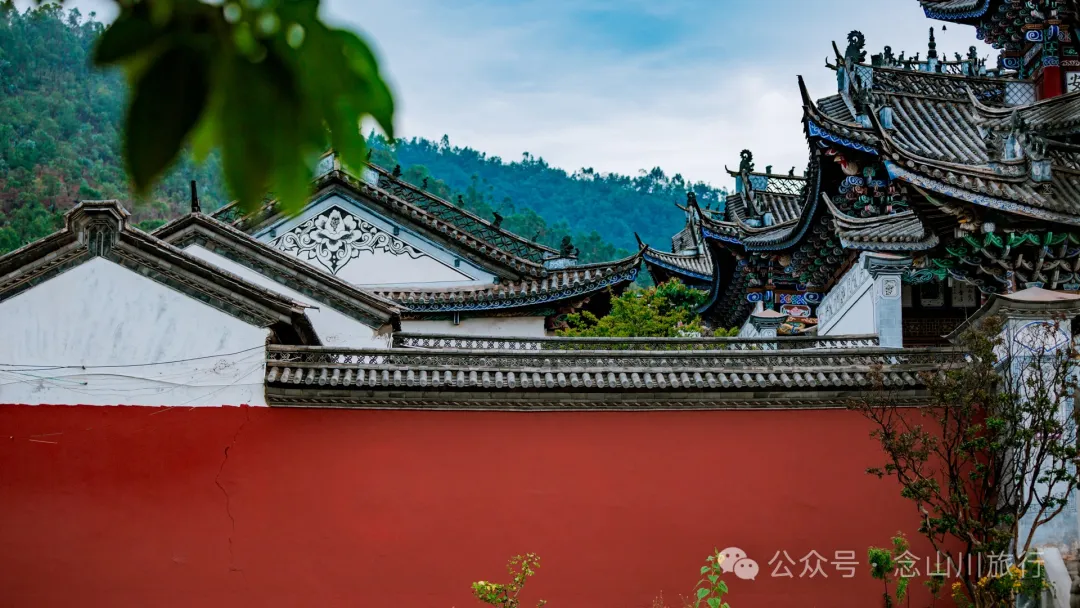
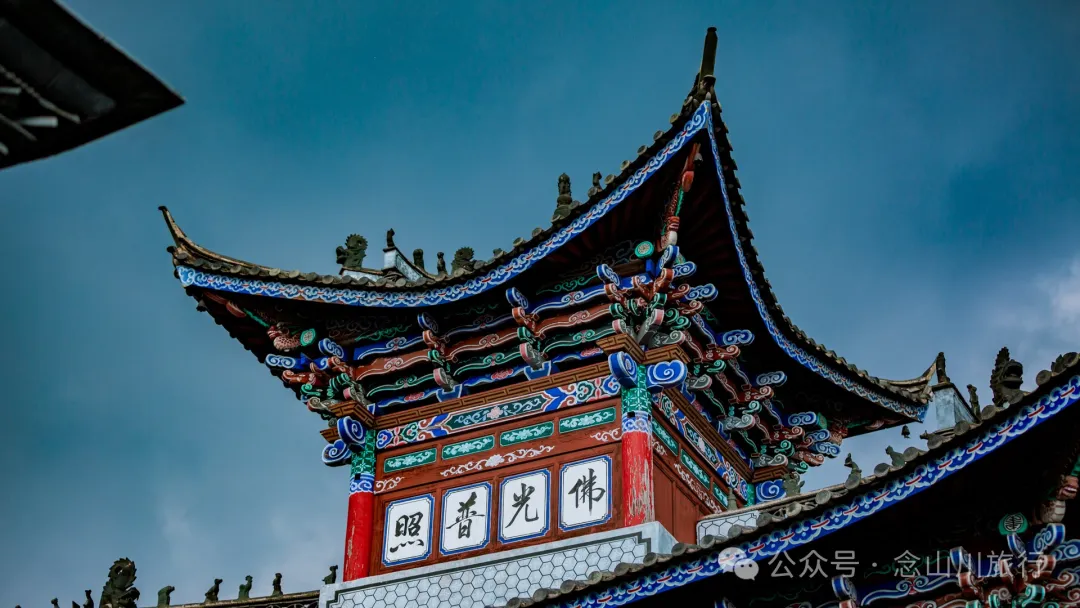
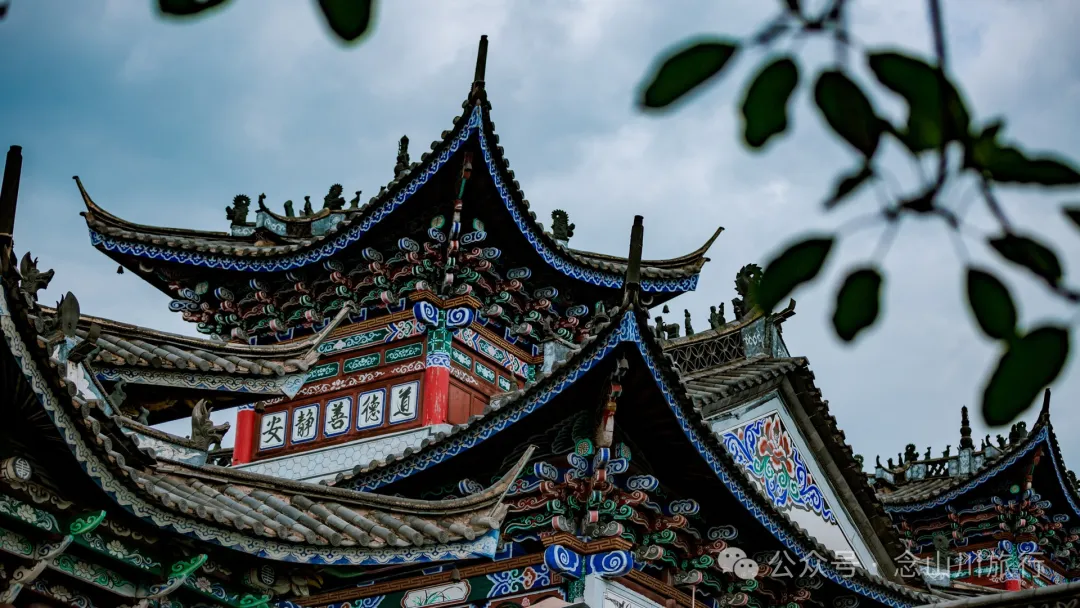
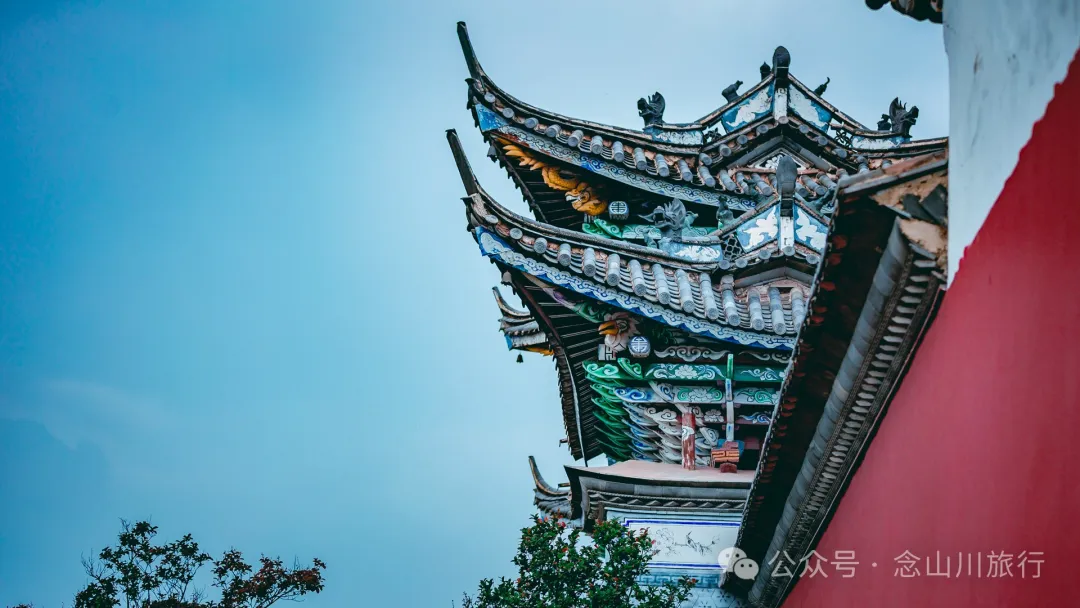
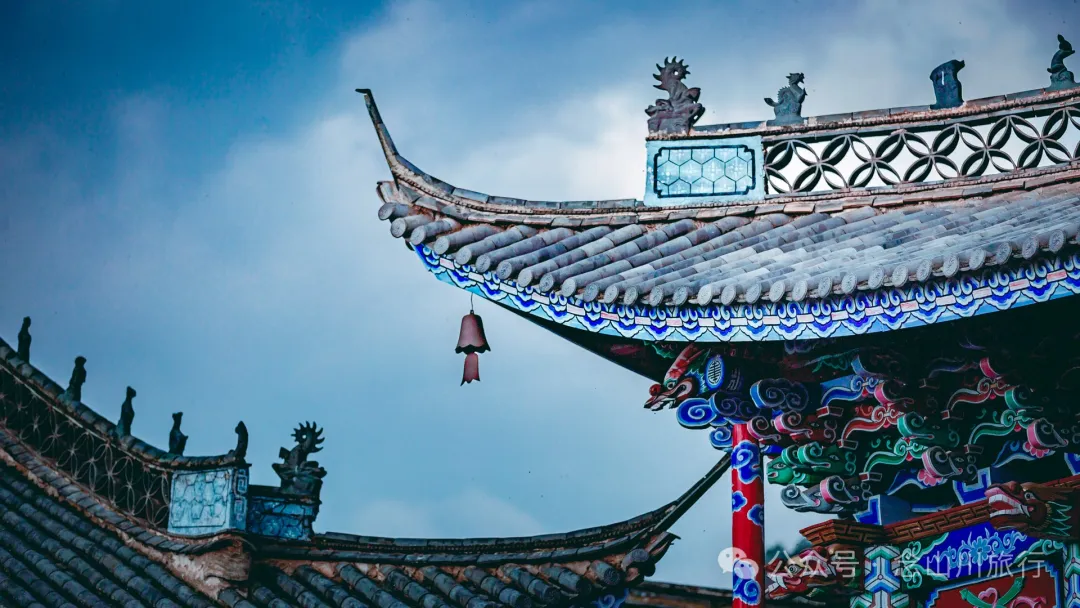
Zhuping Temple covers an area of over 5,000 square meters, with three entrances, two courtyards, and a total of 16 buildings of various sizes. The front courtyard is a Taoist hall, enshrining the Primordial Ancestor, Wenchang, and the God of Wealth; the inner courtyard is a Buddhist monastery, consisting of the Mahavira Hall, Maitreya Hall, Guanyin Hall, and Ksitigarbha Hall. In Weishan, such a fusion of multiple religions is common. The front and back courtyards have side rooms and kitchens for different believers. Behind Zhuping Temple, there is a large vegetable field planted with various fruits and vegetables, and a small pond where fish swim leisurely, adding to the tranquility.
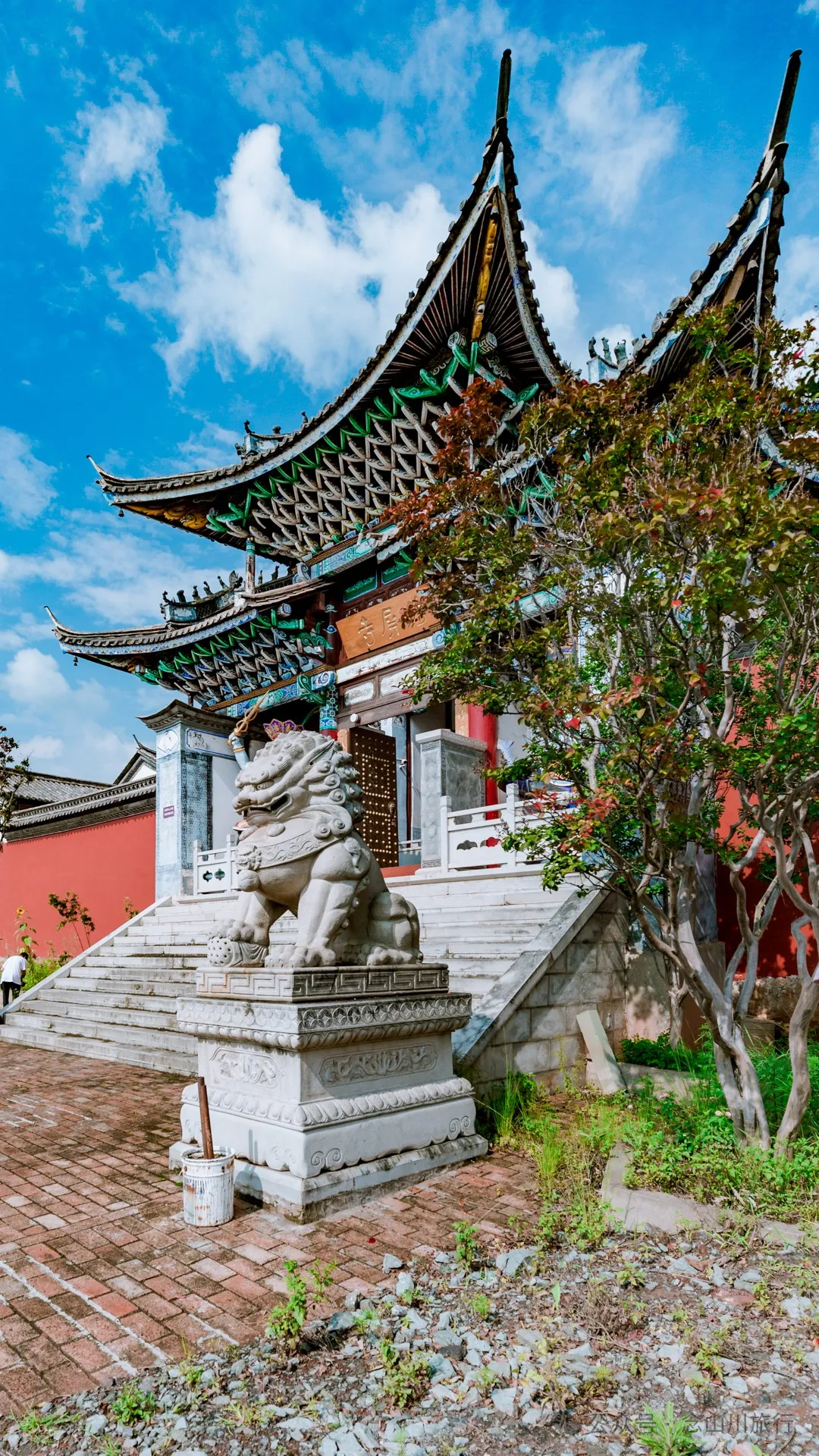
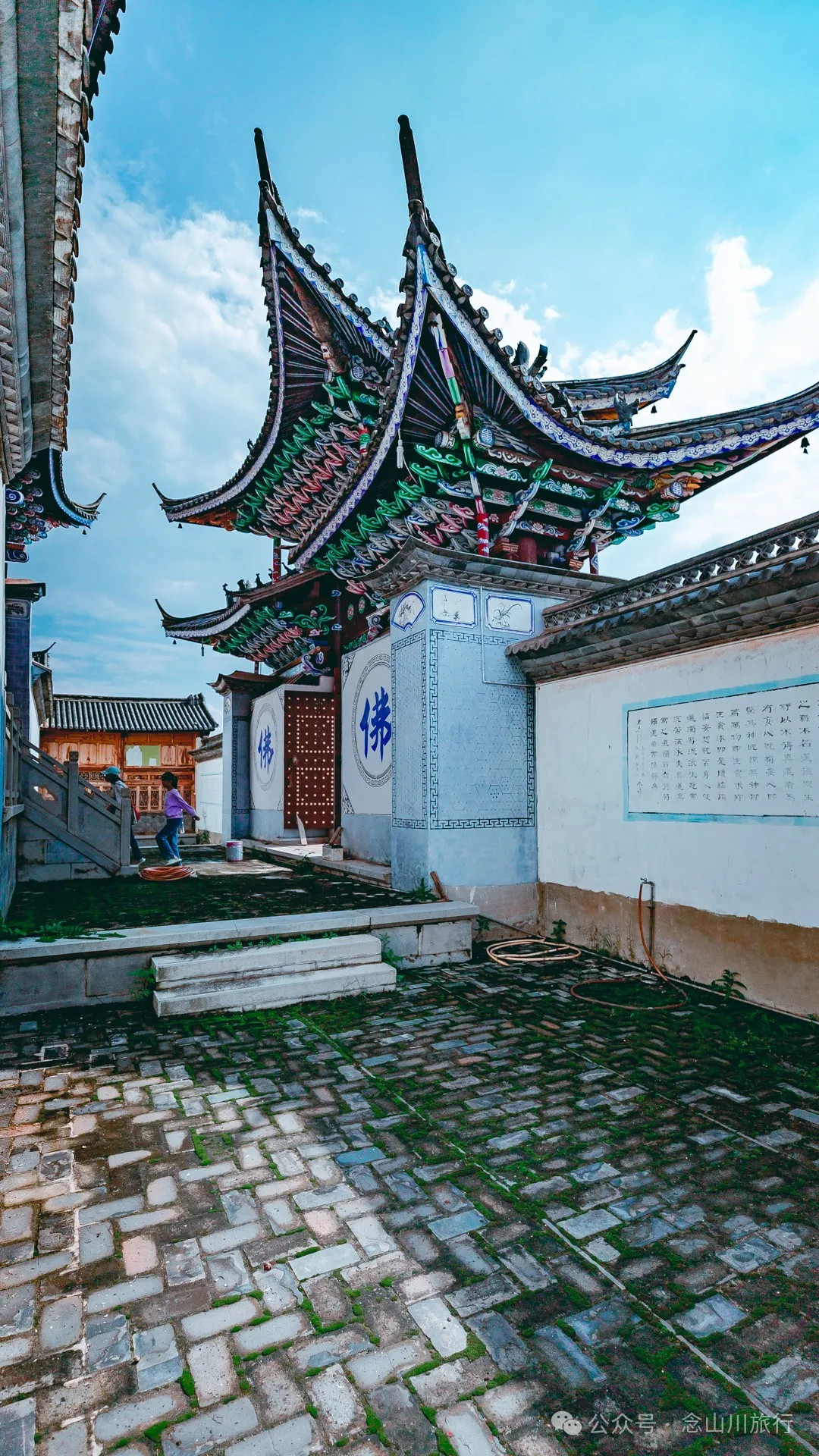
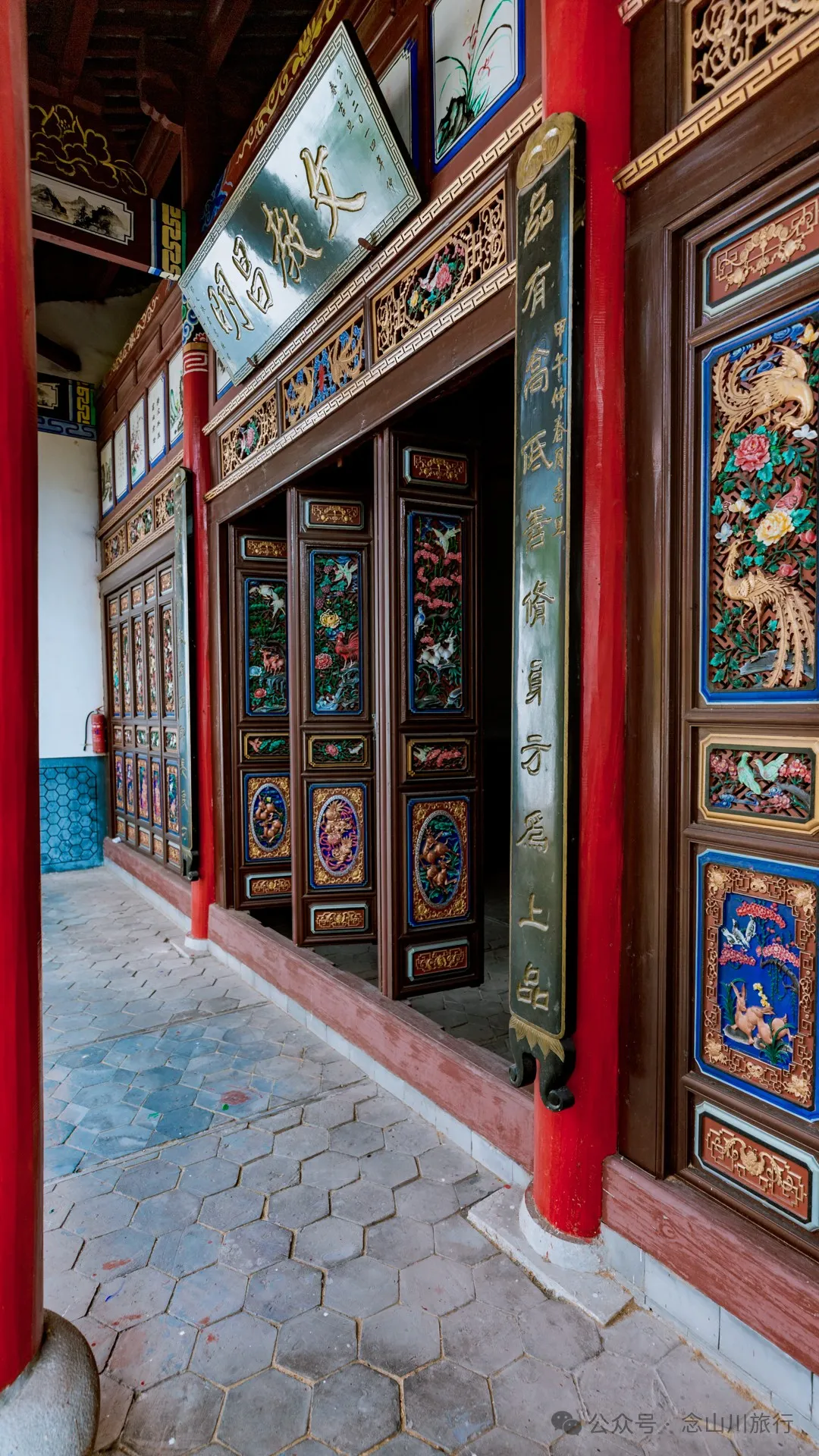
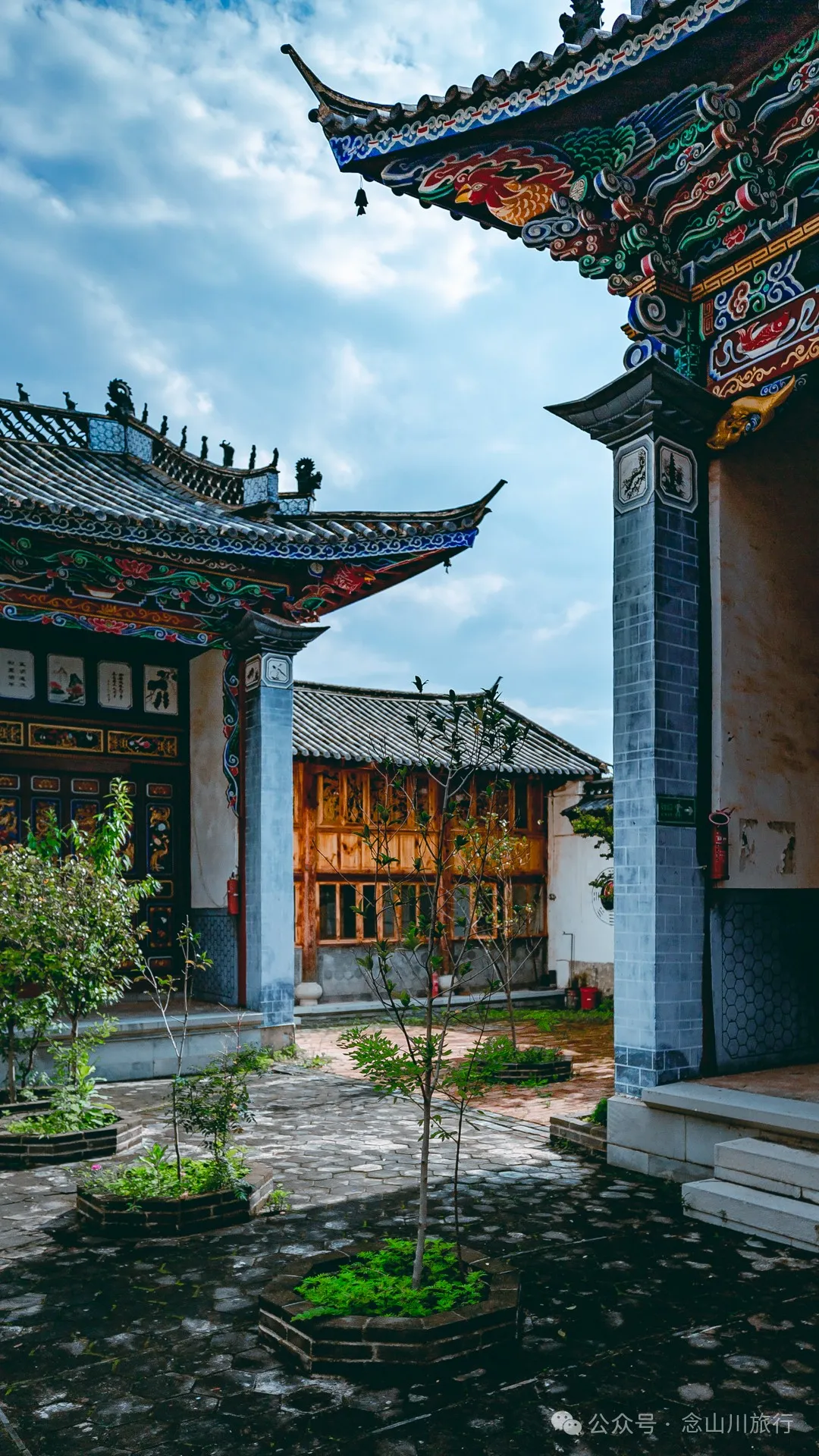
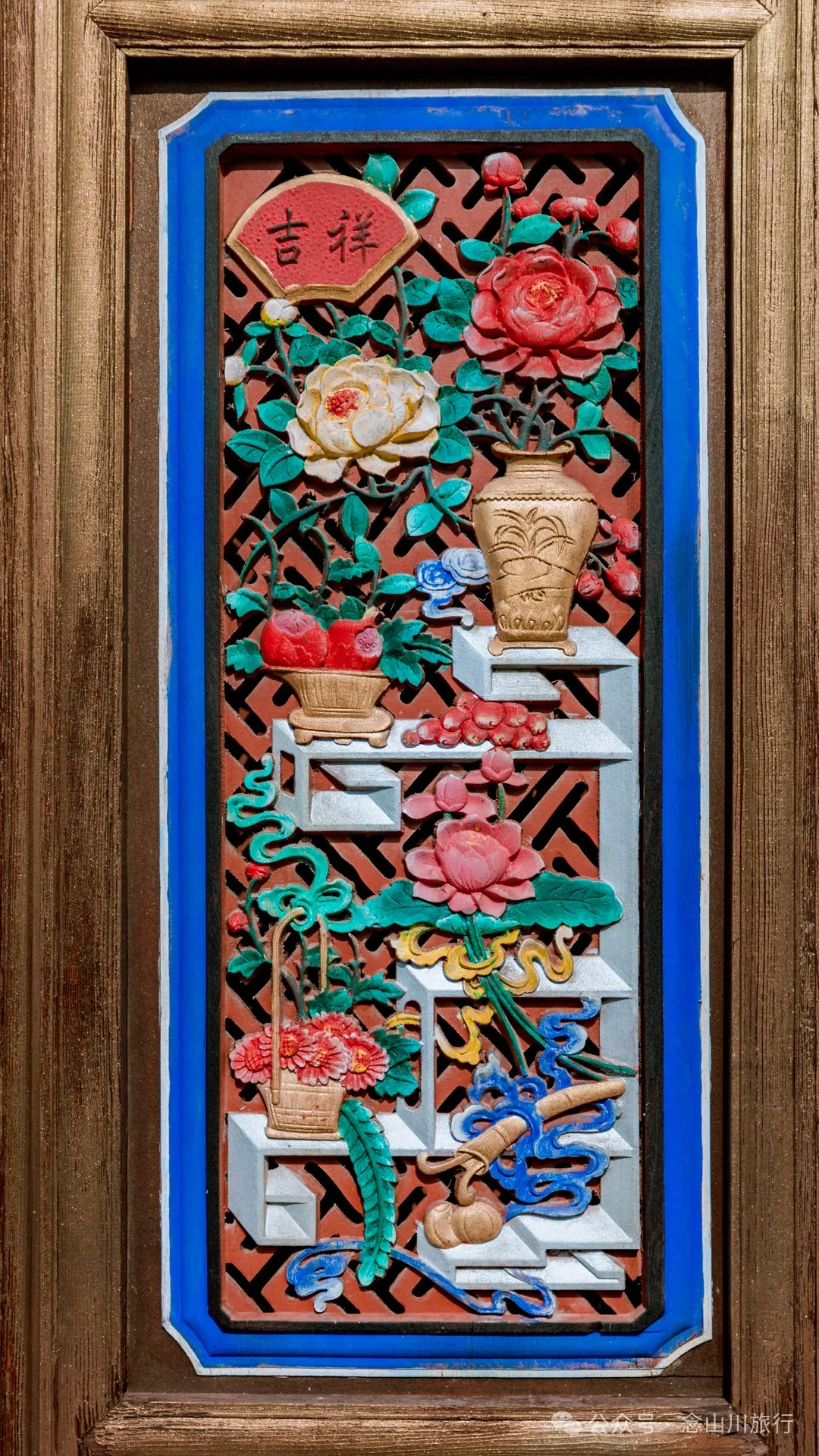
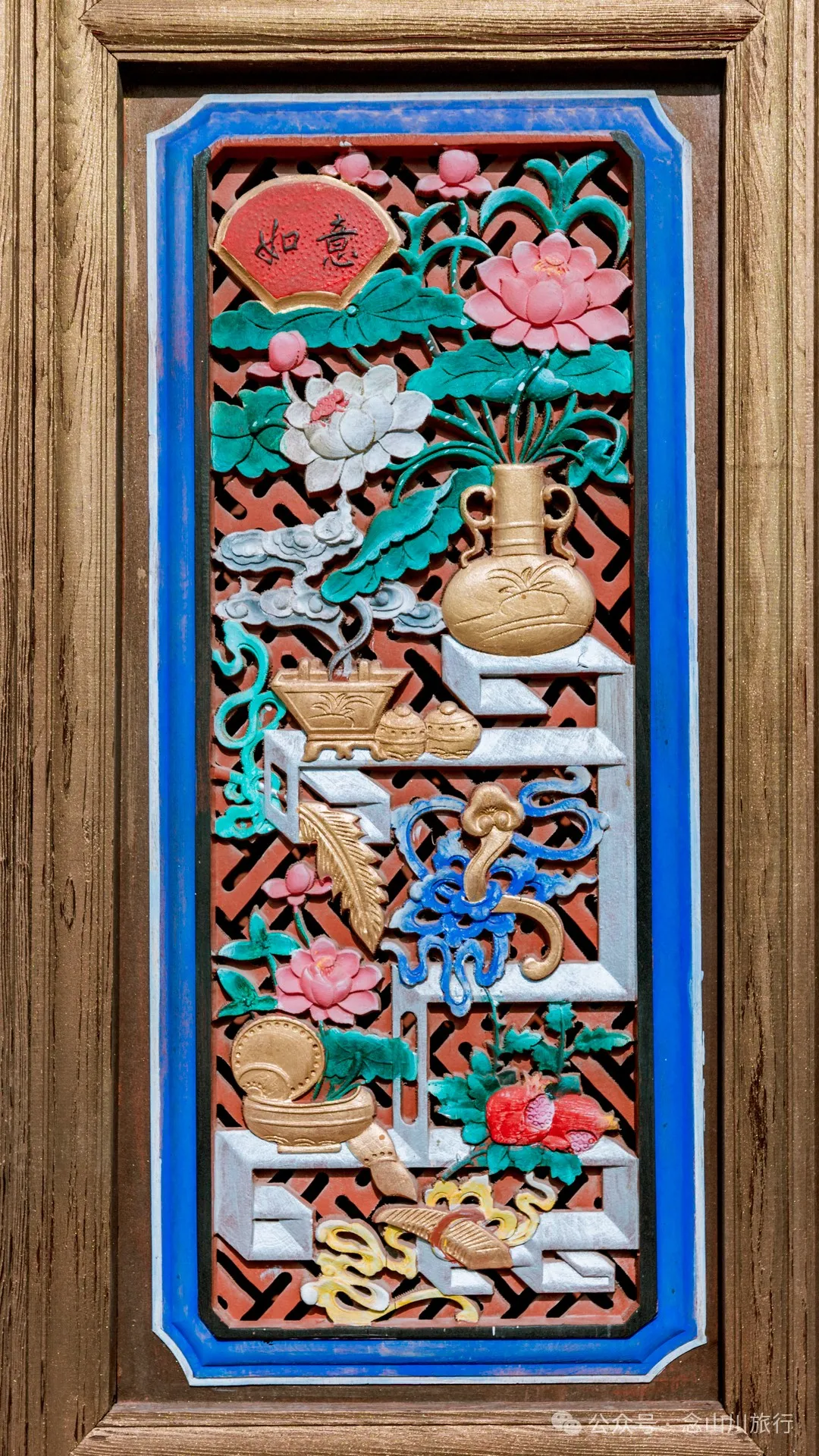
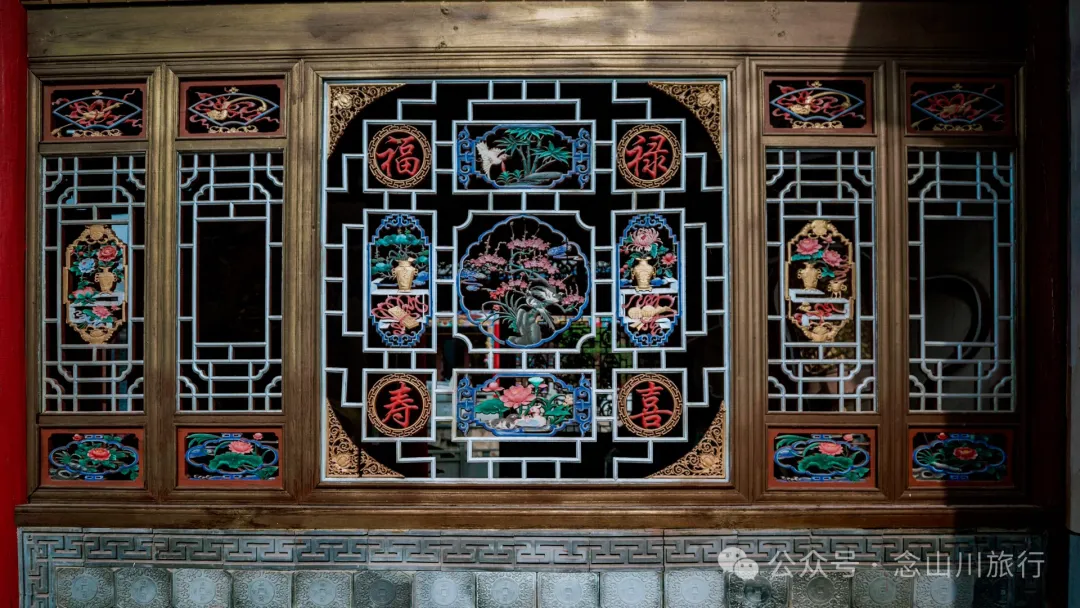
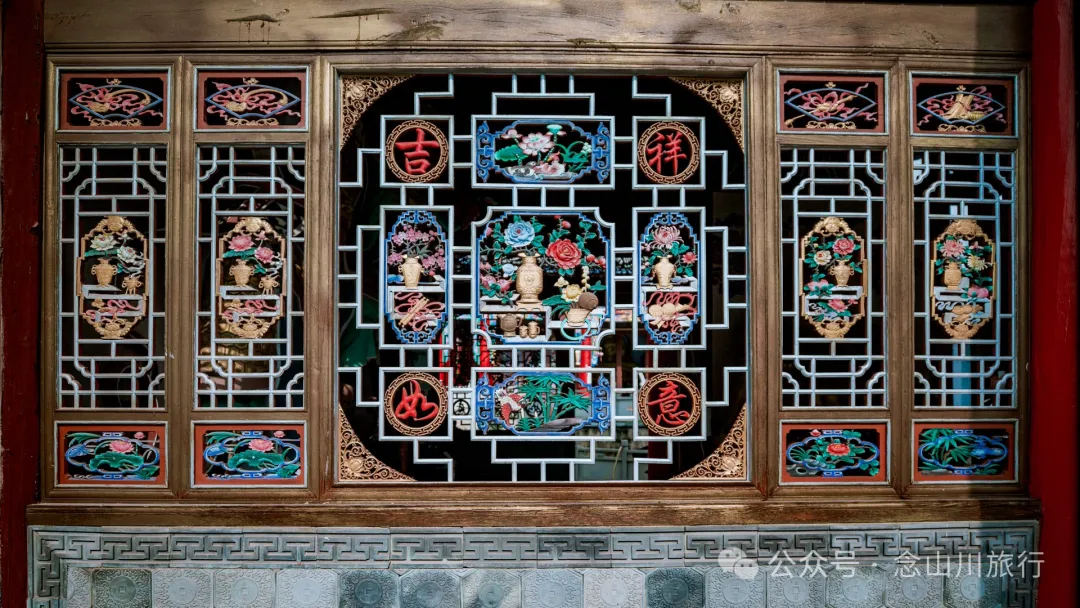
The beams, pillars, doors, and windows of the temple are carved with exquisite patterns and motifs. Craftsmen used delicate techniques to carve traditional designs such as dragons, phoenixes, flowers, and birds, making them lifelike. These carvings not only demonstrate superb craftsmanship but also contain profound cultural meanings and religious symbols. The paintings on the beams, pillars, doors, and windows are colorful, radiant, and layered, complementing the carvings to create moving pictures.
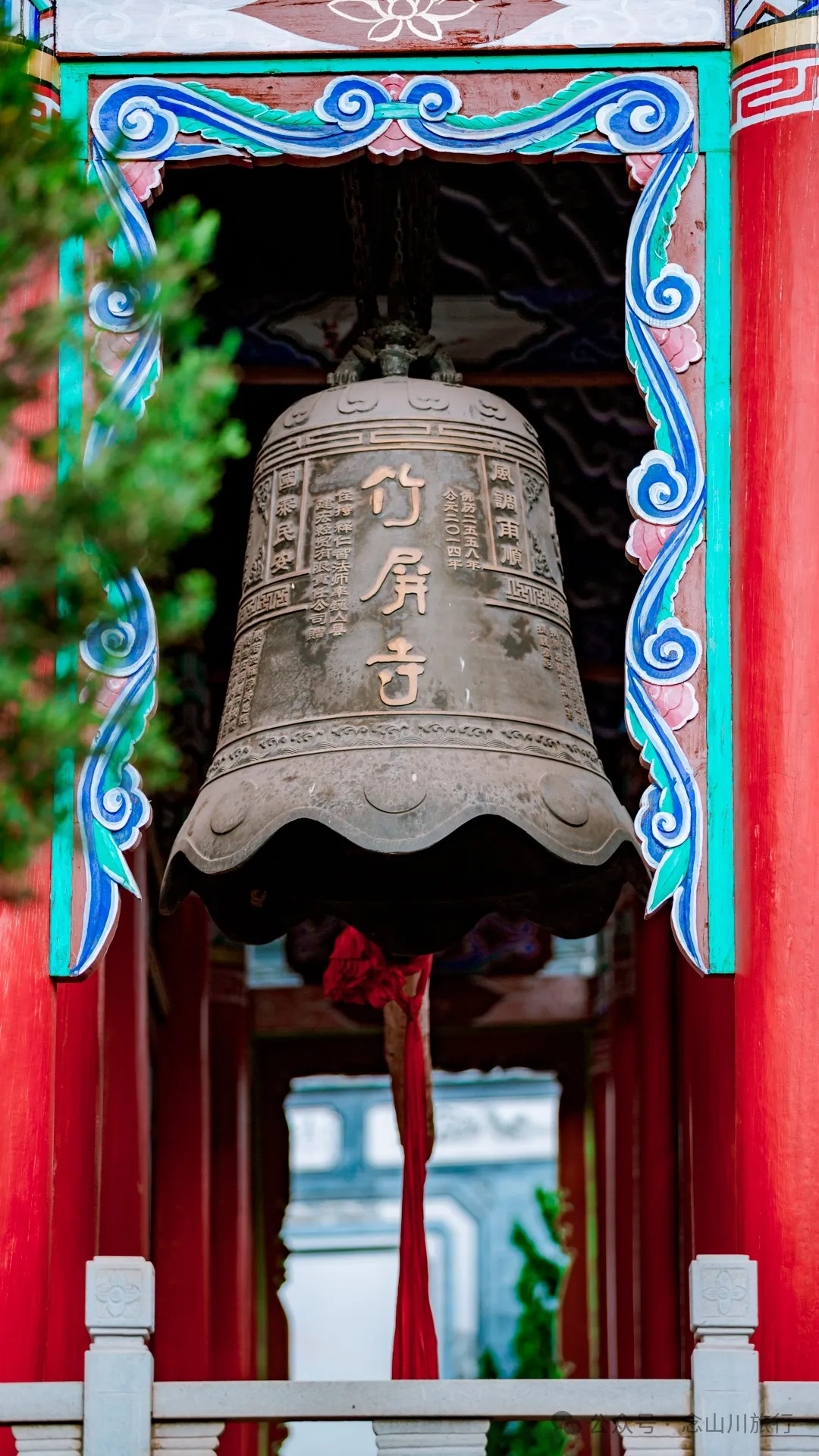
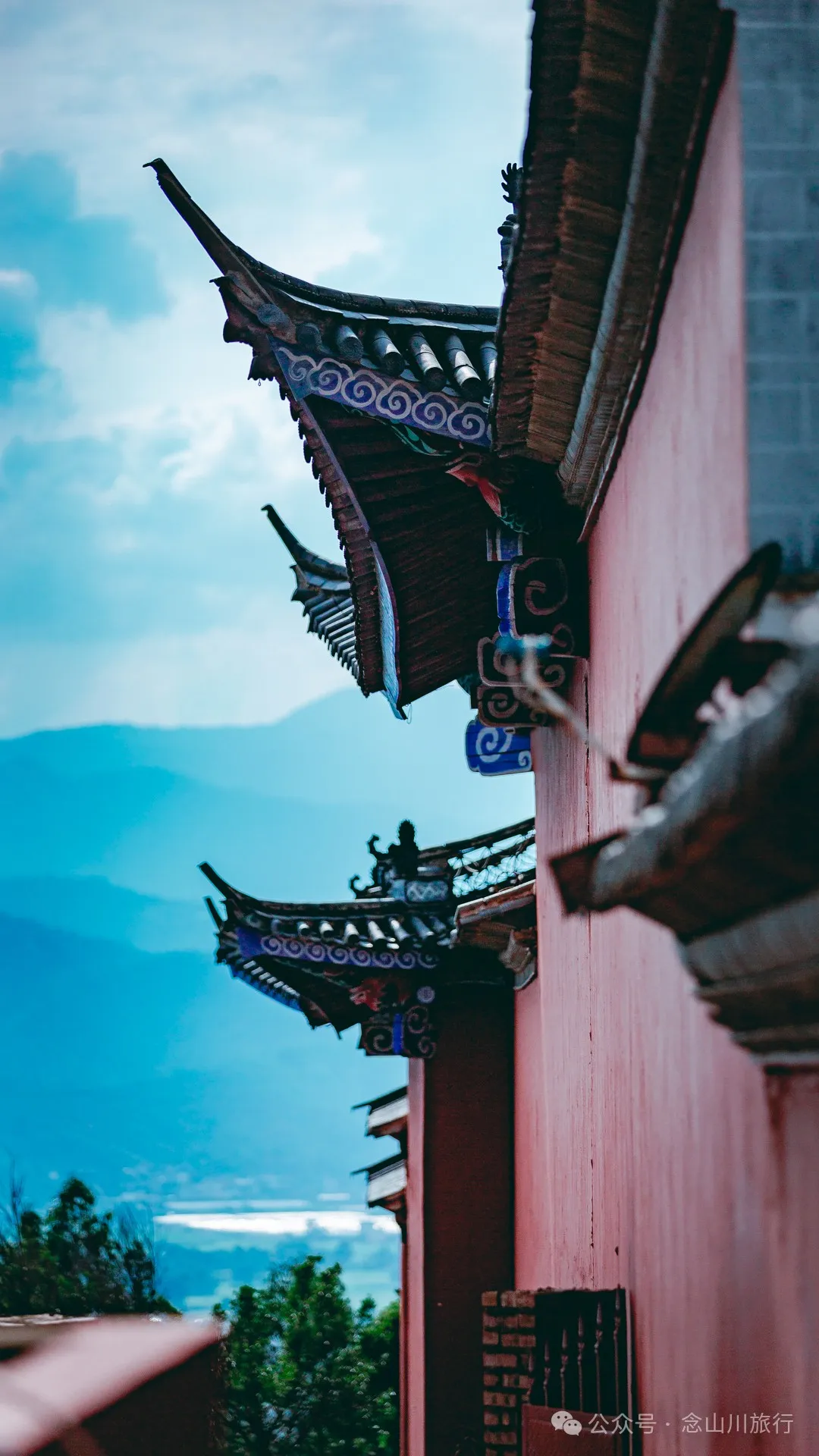
Standing at a corner outside the temple, one can overlook the flat and open Weishan坝子 (basin) below. After the rain, the mountains are immersed in a damp haze, with distant peaks tinged with blue and a clear breeze flowing through the sky. The scene before us is like a flowing ink painting. Even though the temple is not in a secluded and quiet place, the disturbances of the outside world cannot intrude upon this leisure.
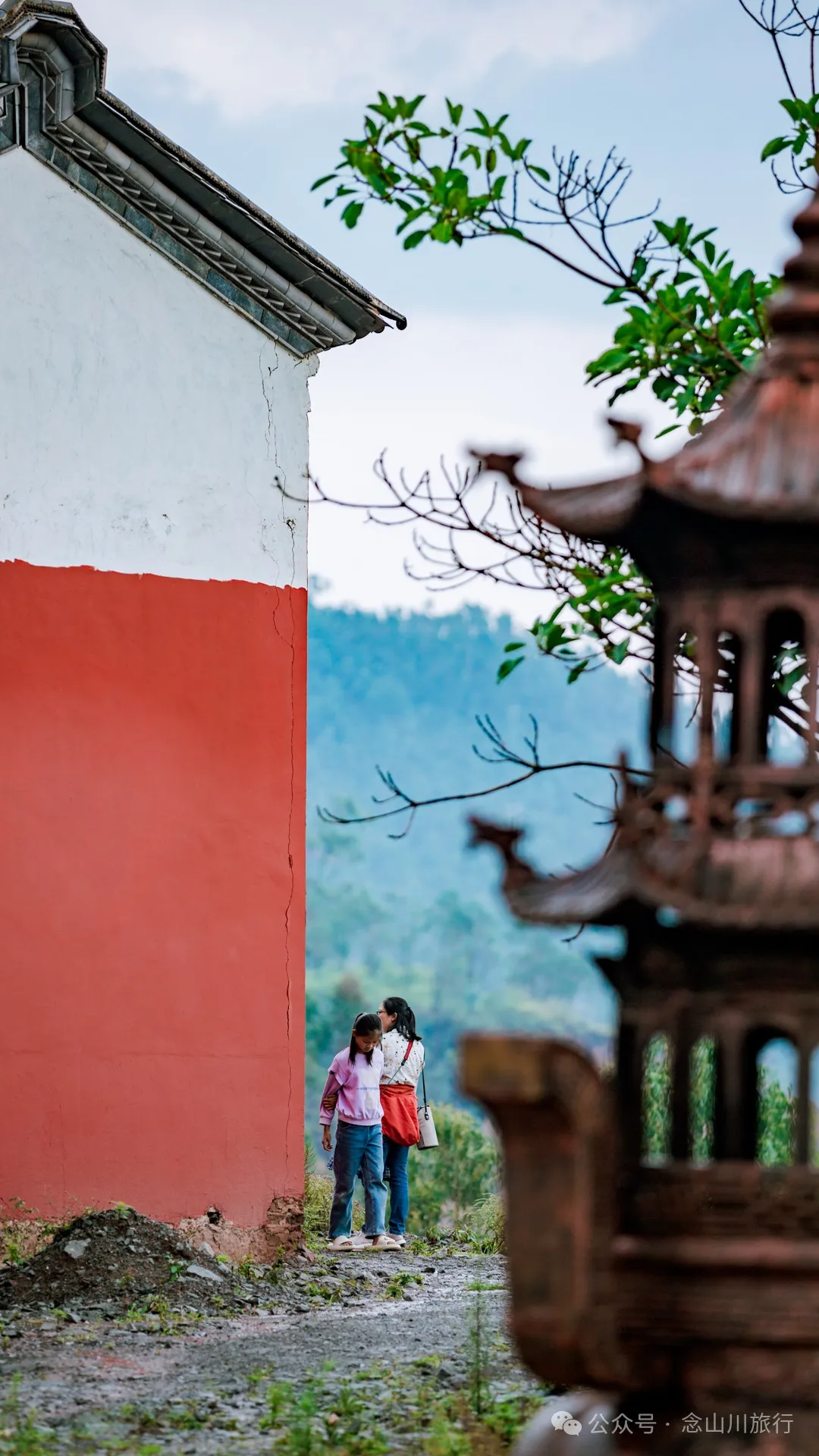
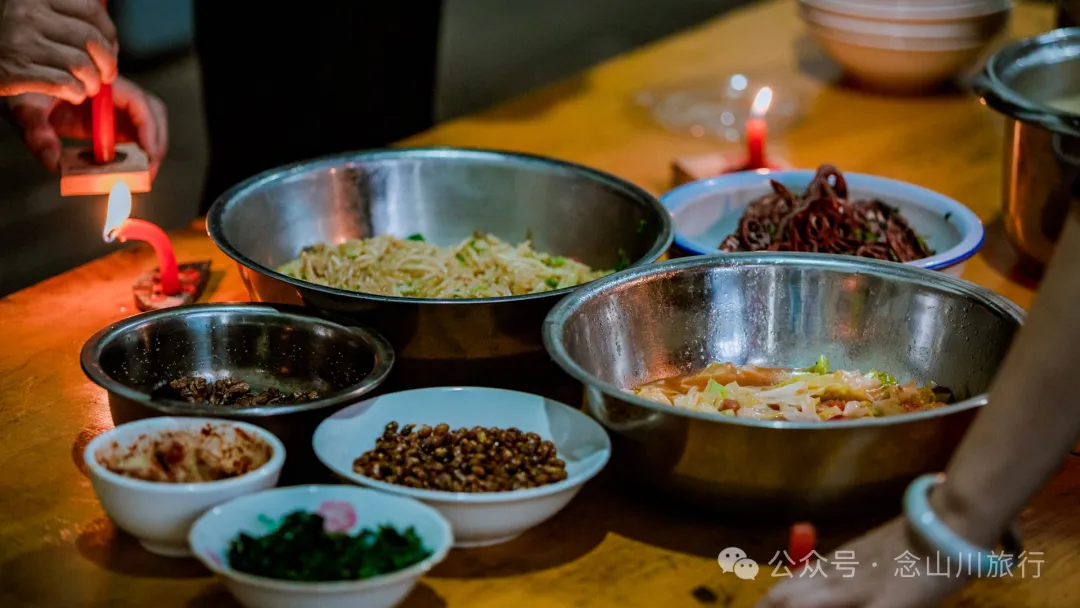
During our visit to Zhuping Temple, we happened to encounter the elder sister and others having their vegetarian meal, so we stayed to enjoy a delicious vegetarian meal with them.