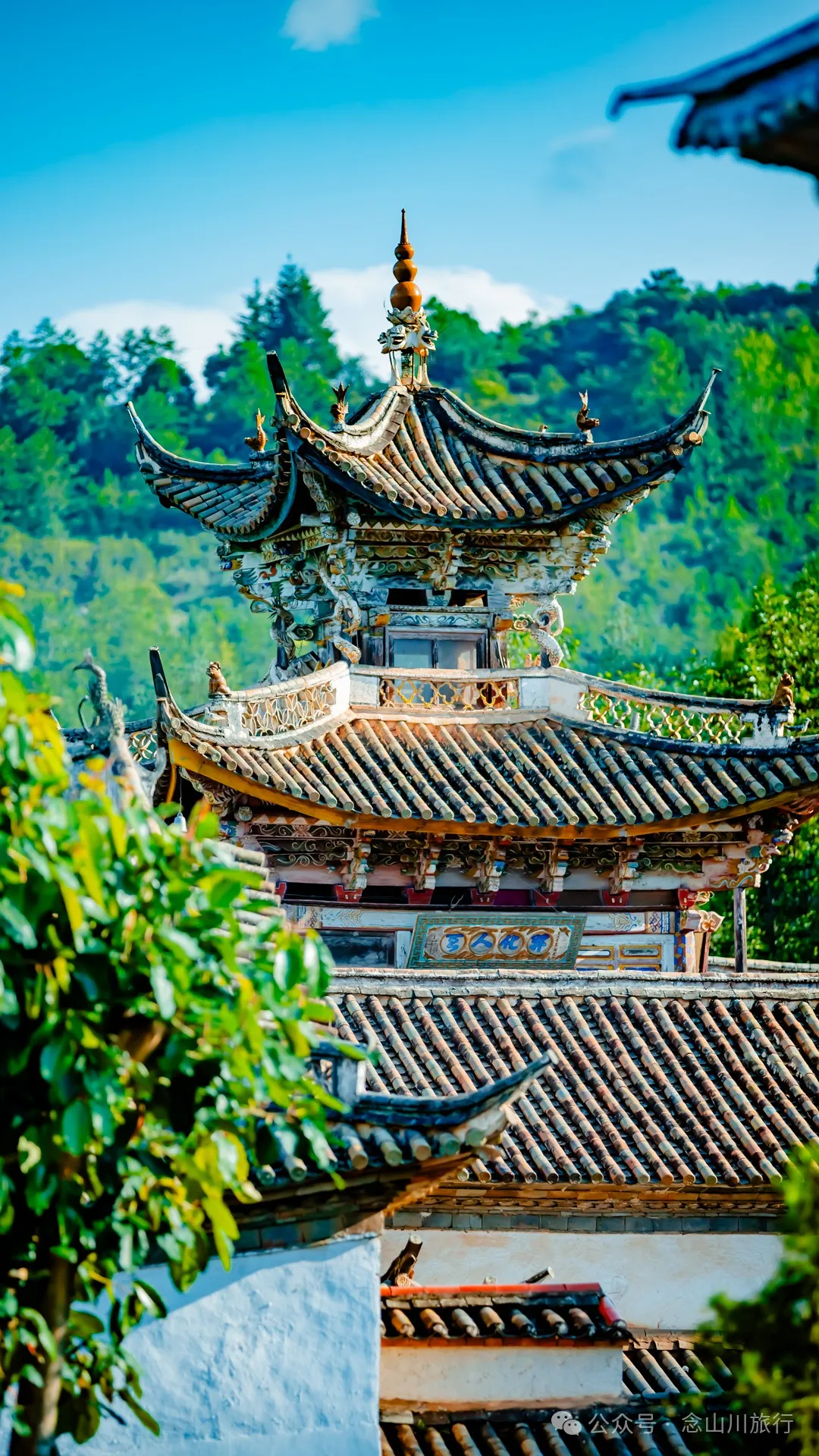

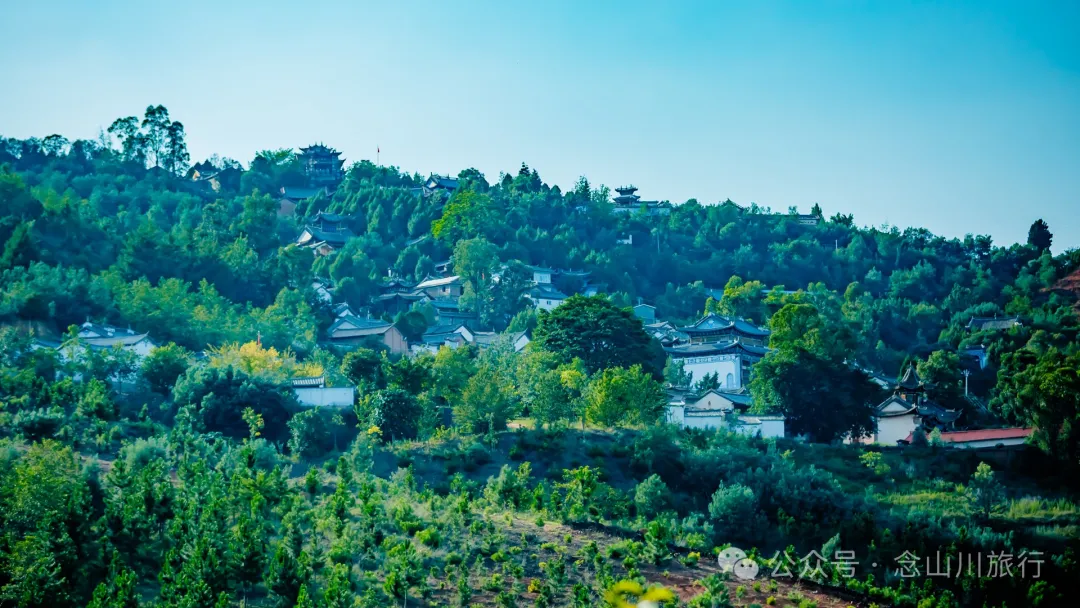
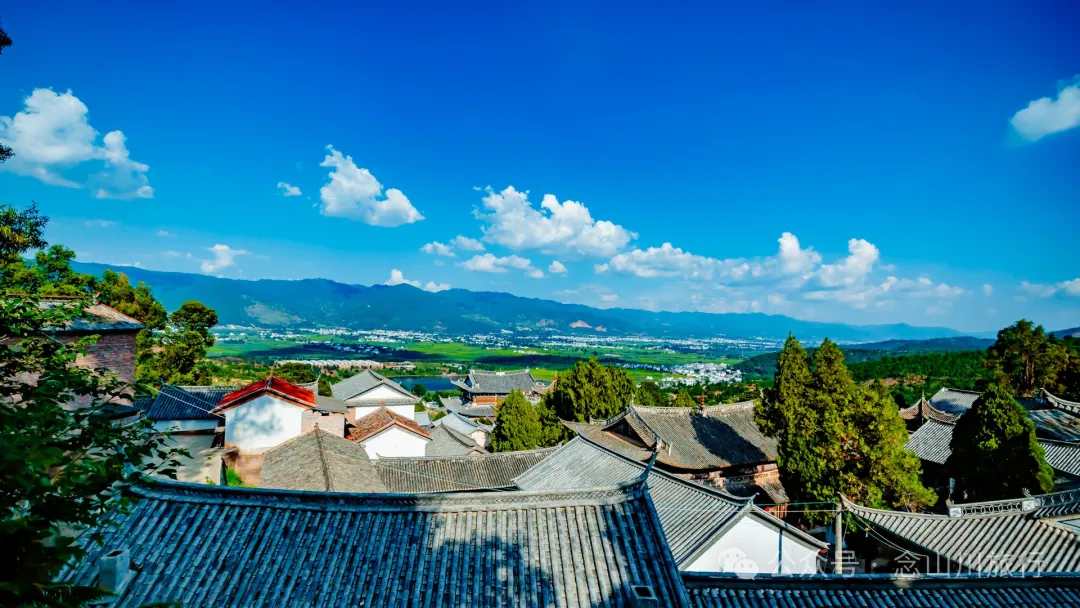
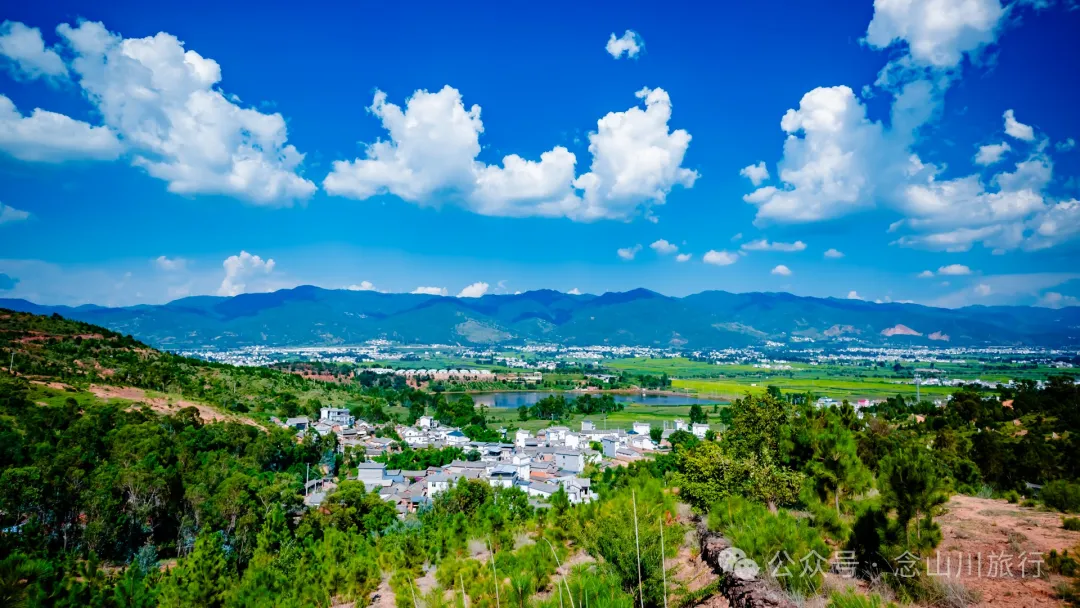
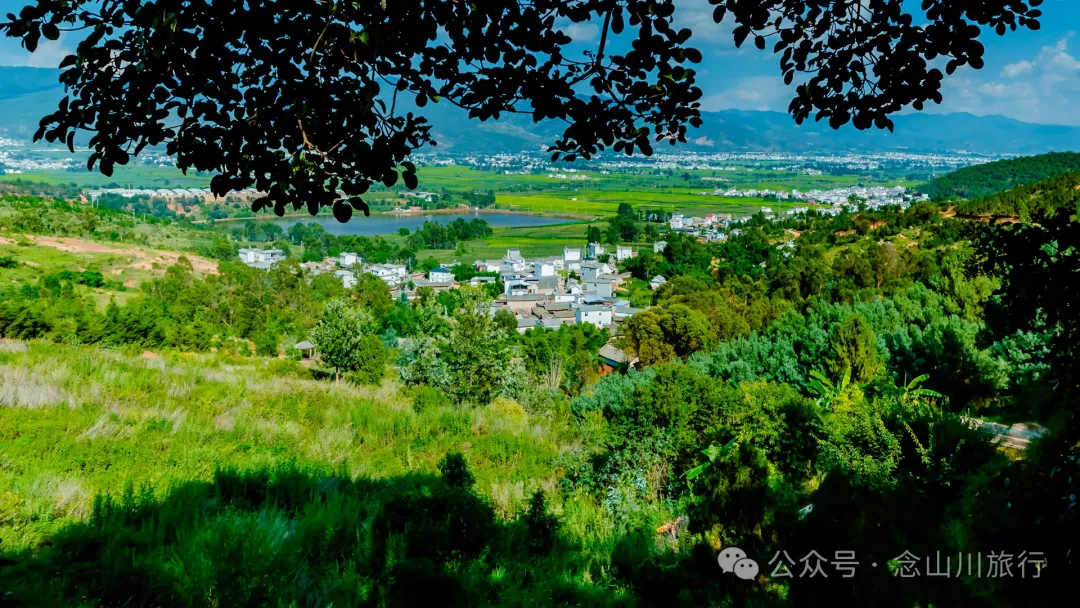
Xibian Dasi, also known as Tianmoya Temple, Yunyin Temple, or Tianmu Temple, is an ancient temple located on Mount Shanlongshan Yutu, 15 kilometers northwest of Weishan County. Originally built during the Nanzhao period, it was expanded by the Yi chieftain Zuo of Weishan in the Ming Dynasty. It combines Buddhist and Taoist elements, with a Taoist Doumu Pavilion at the summit, hence the name Tianmu Temple. It is one of the important religious complexes in western Yunnan.
During the Ming Dynasty, the Menghua chieftain Zuo Lin, Zuo Ying, and their mother Zhang Gongren expanded the Great Buddha Hall, Wheel Repository Hall, Yuan Tong Bao Pavilion, and Heavenly King Hall. It was damaged during the Cultural Revolution and restoration began in 1978. Currently, there are 38 courtyards (halls). The temple houses the Mengguo Earth Lord Temple dedicated to Xinuluo, and the Third Princess Hall dedicated to the Bai ethnic third princess. Tianmoya Temple is famous in western Yunnan, serving not only as a center for Taoist and Buddhist activities but also as a renowned scenic spot.
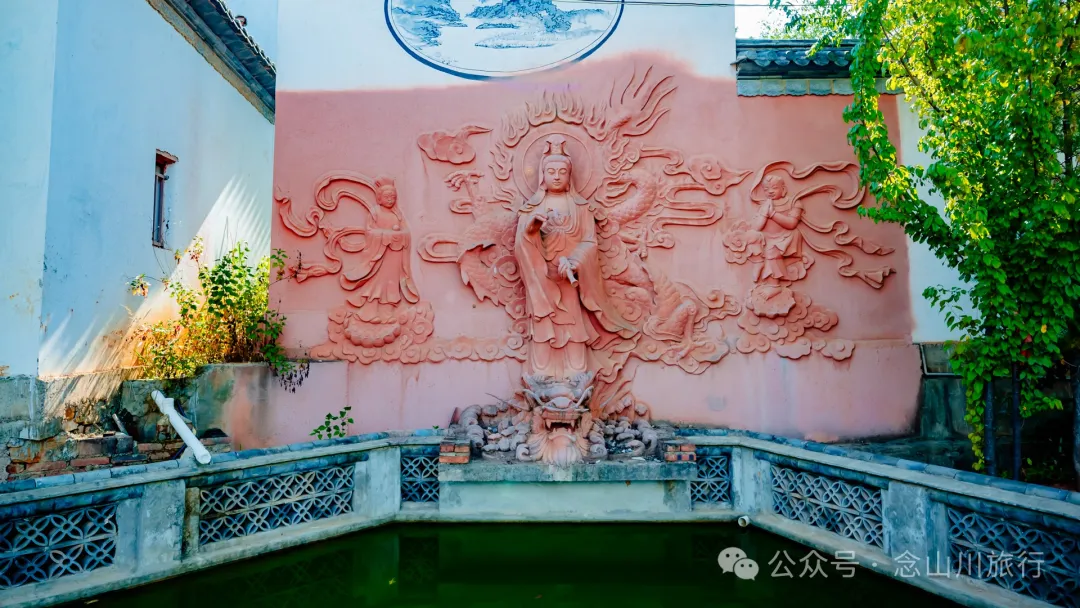
The temple was originally a Buddhist monastery, but later Taoism flourished and merged with local Yi earth lord beliefs, forming a religious complex integrating Buddhism, Taoism, and shamanism. It sits halfway up Mount Shanlongshan Yutu, surrounded by lush green forests, far from the hustle and bustle, quietly witnessing the passage of time.
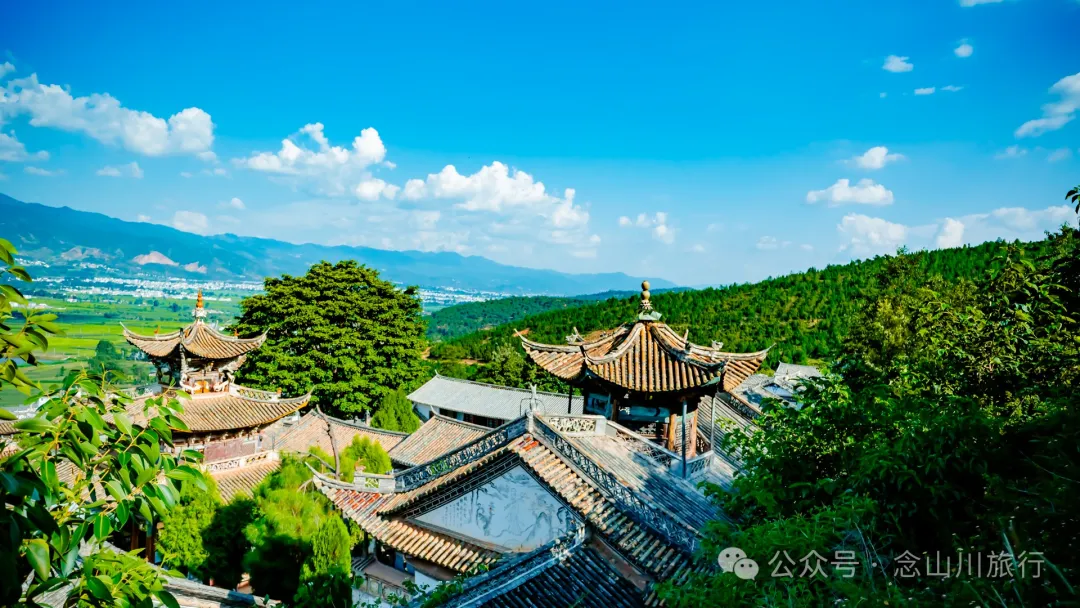
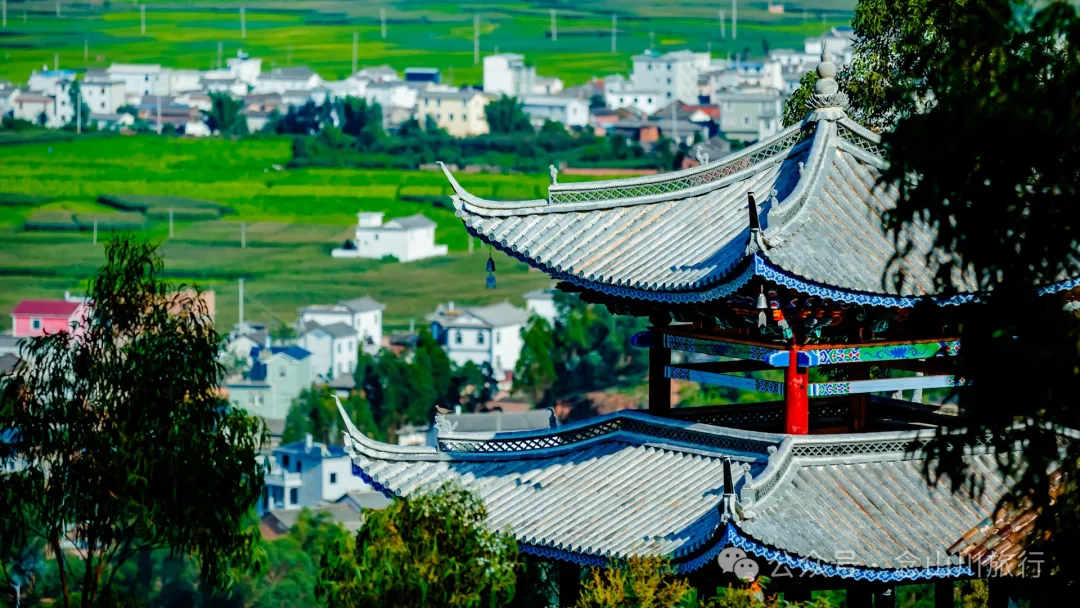
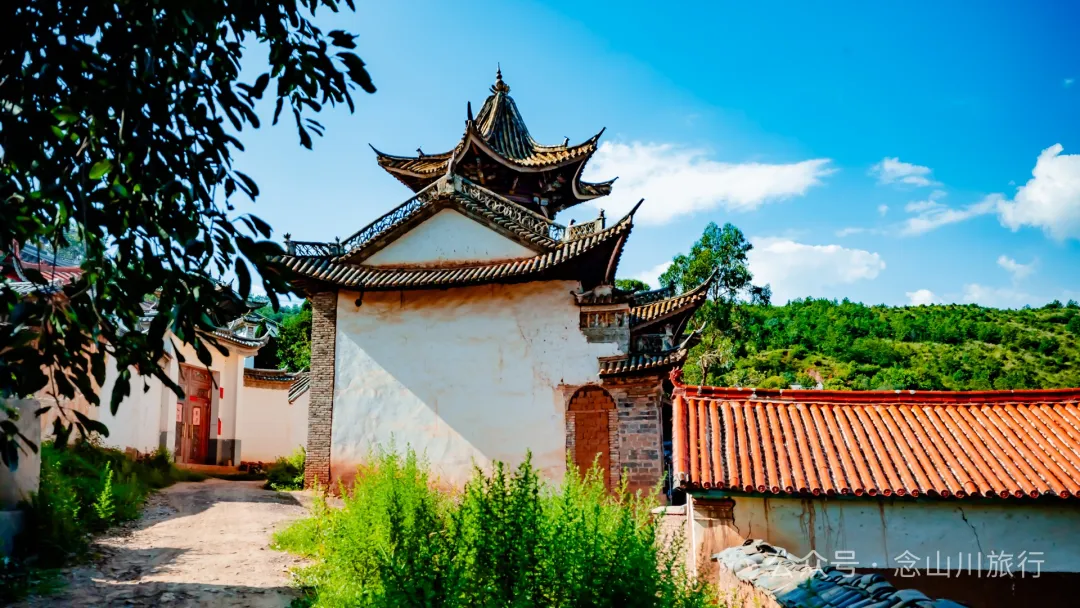
The Xibian Dasi complex is built along the mountain, facing east, consisting of multiple halls and altars, with rich historical and cultural value. Every year from the 24th to the 30th day of the first lunar month, a grand Spring Pilgrimage Fair is held here, attracting thousands of tourists and pilgrims.
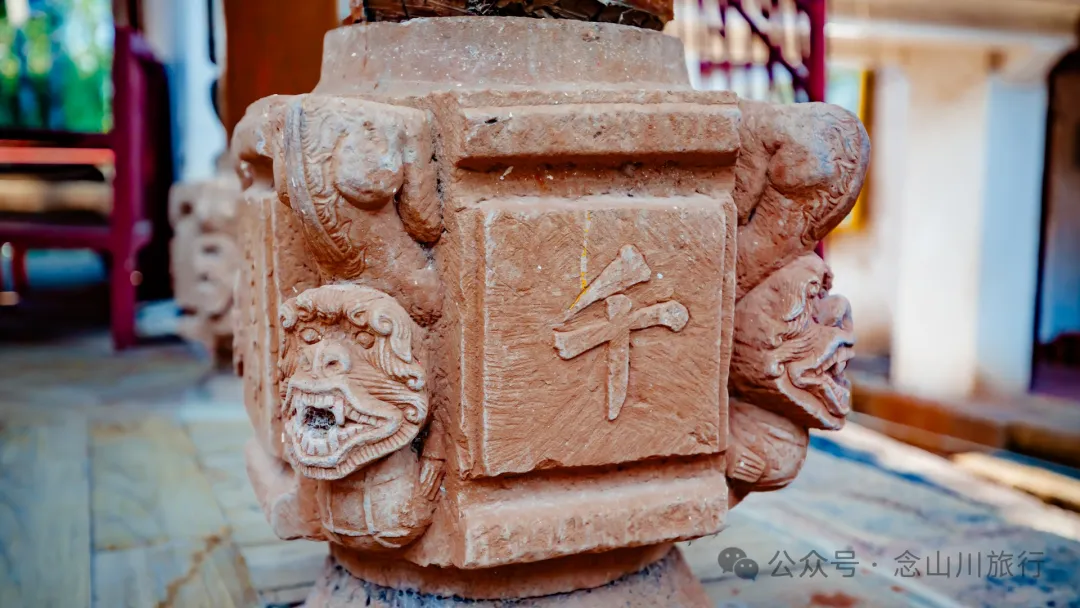
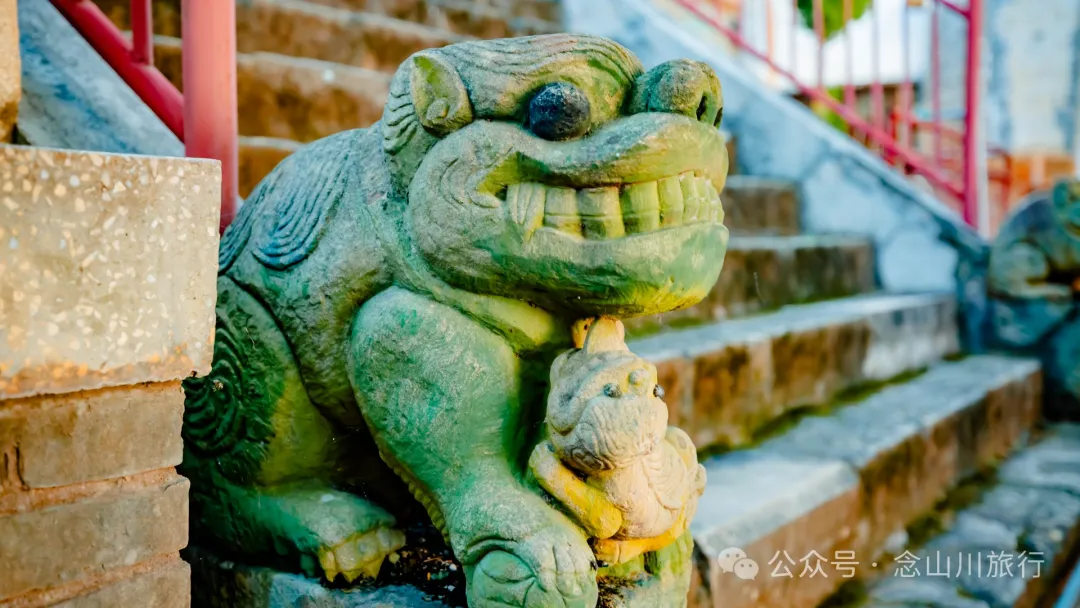
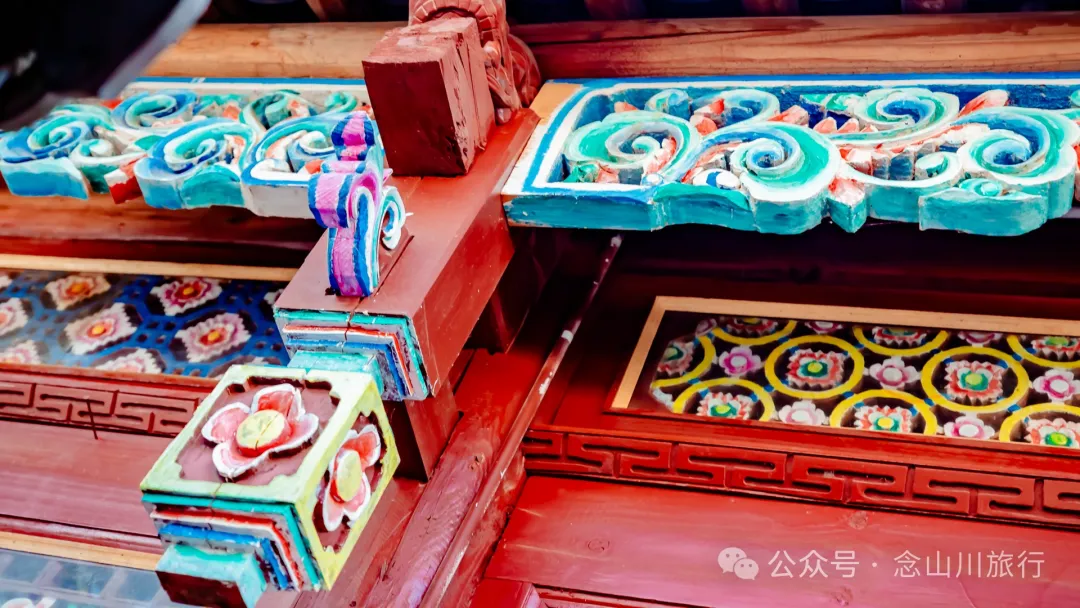
After a thousand years of weathering, traces of the Tang Dynasty can only be found in durable elements like column bases, while broken tiles and walls are mixed in the soil, indistinguishable.
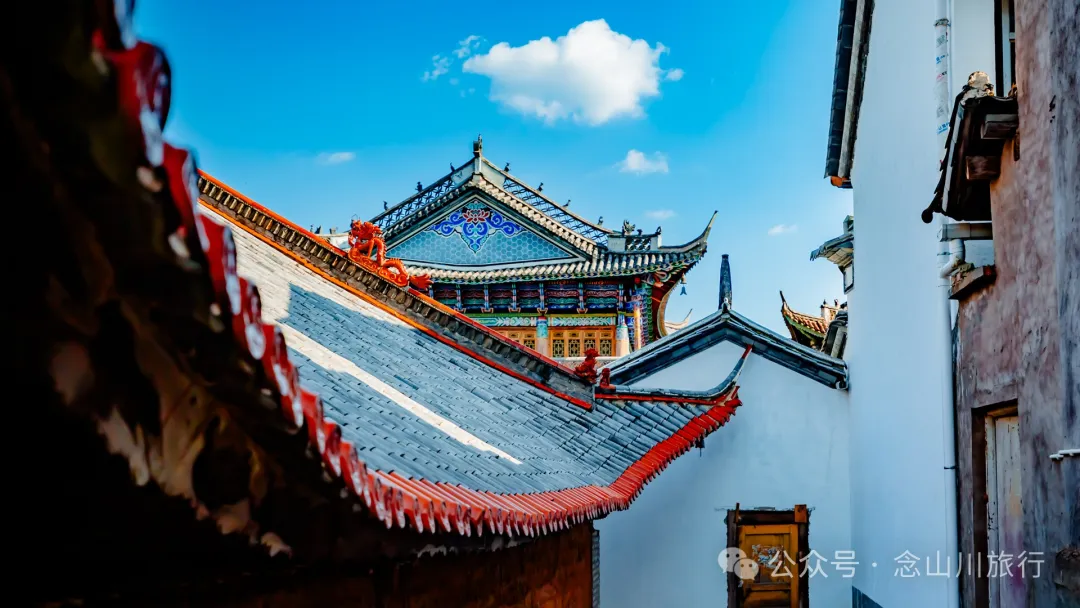
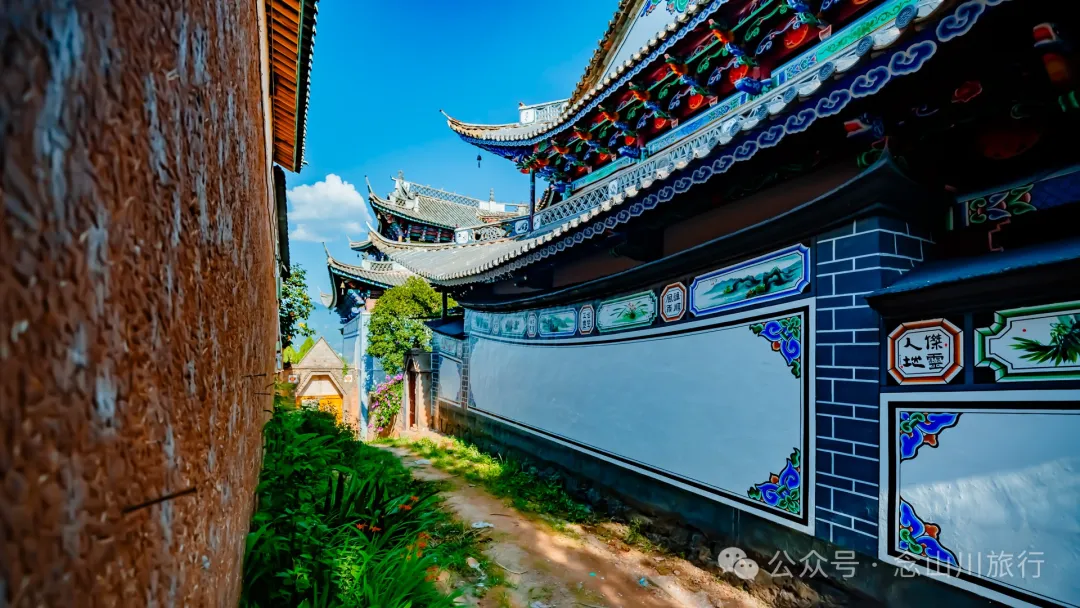
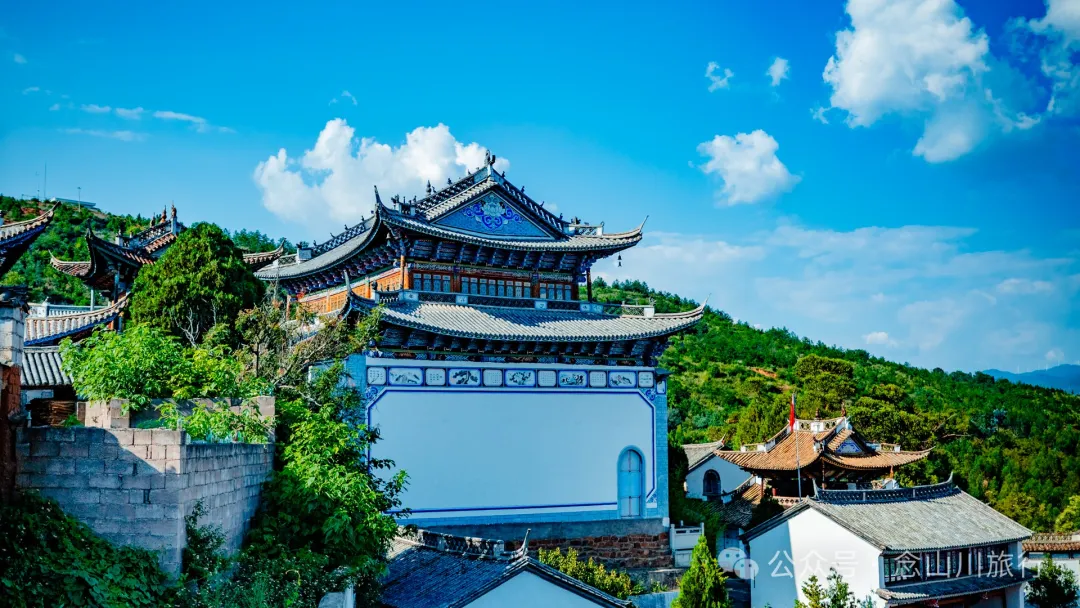
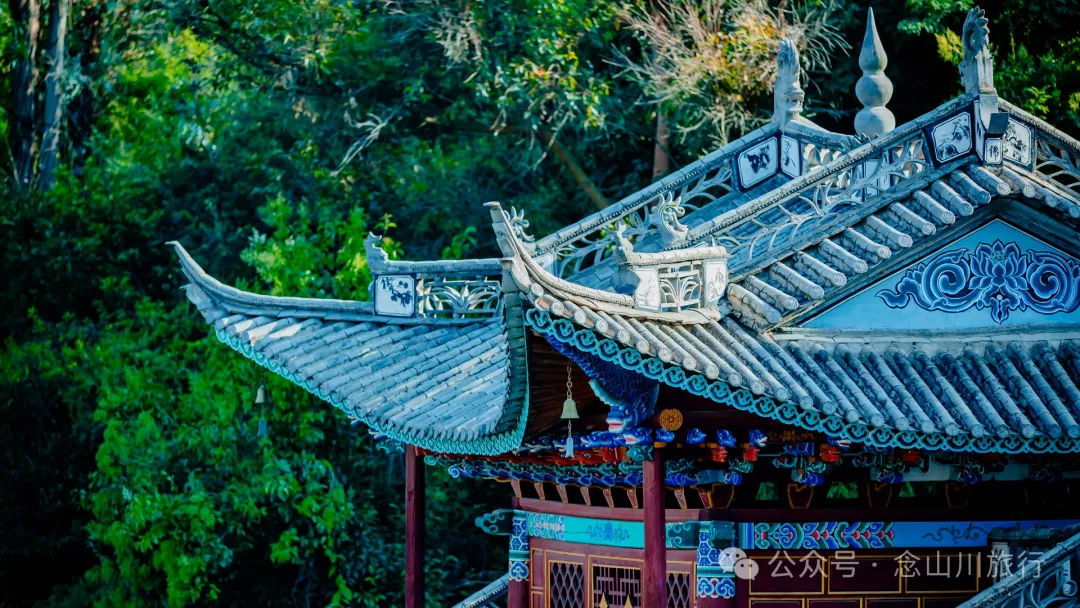
Xibian Dasi is not only the religious and cultural center of Weishan but also a symbol of local ethnic history and culture. It has witnessed the rise and fall of the Nanzhao Kingdom, carrying rich historical information and cultural value.
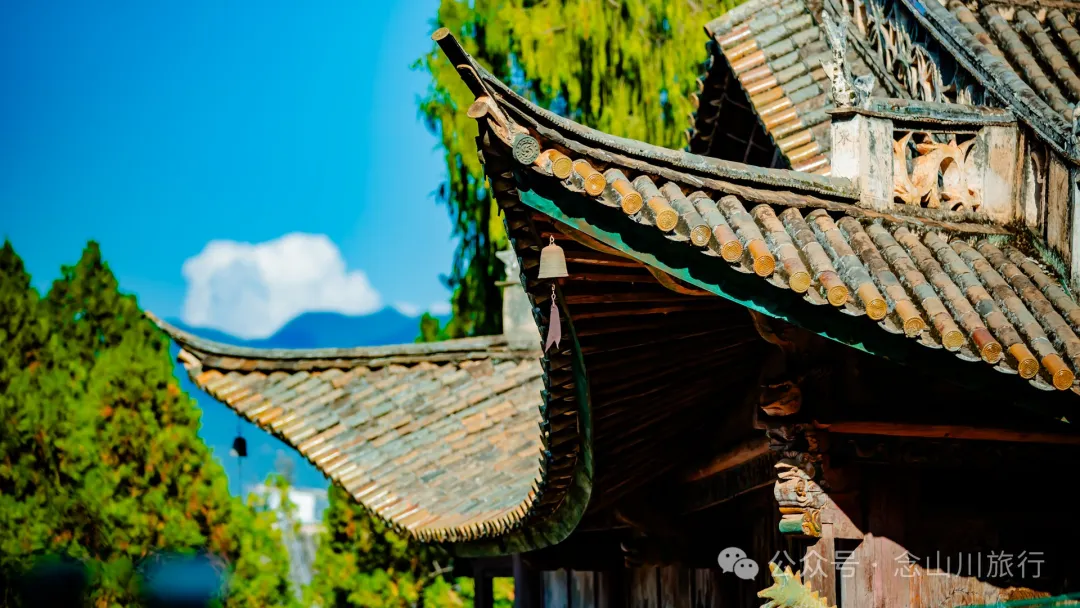
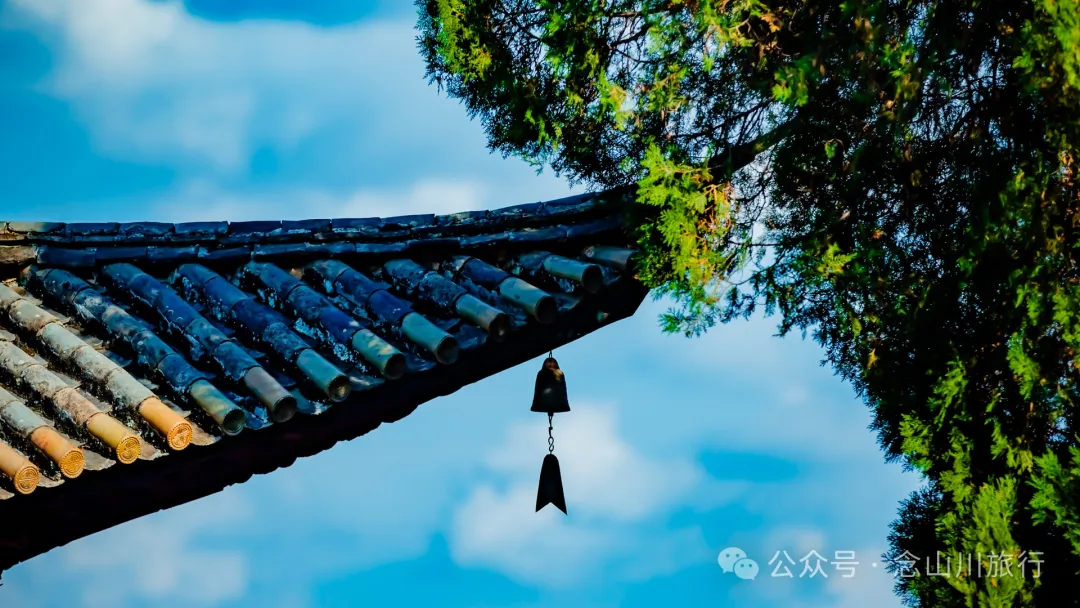
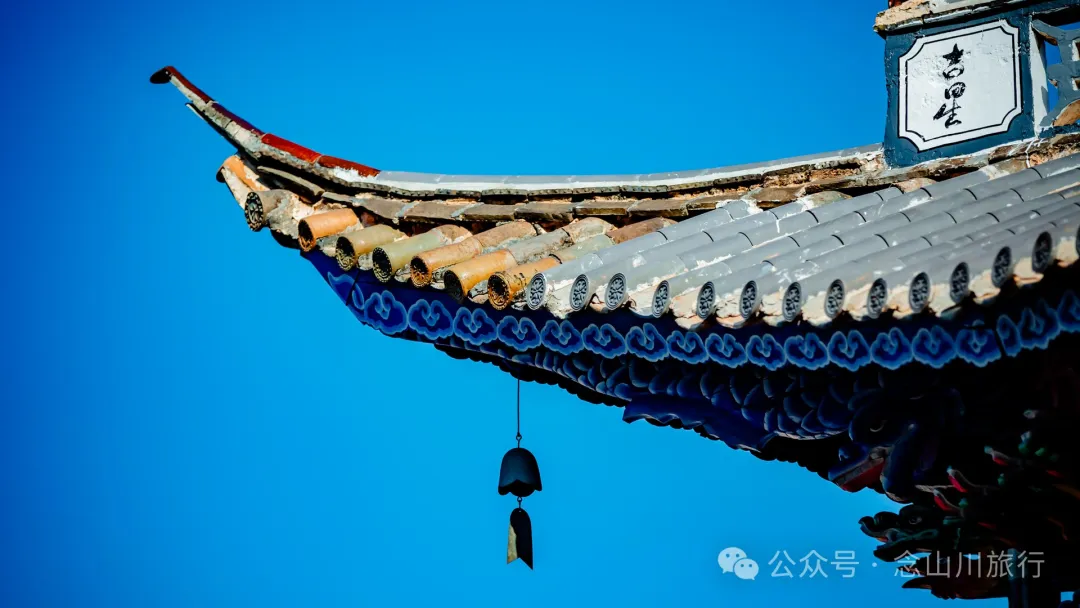
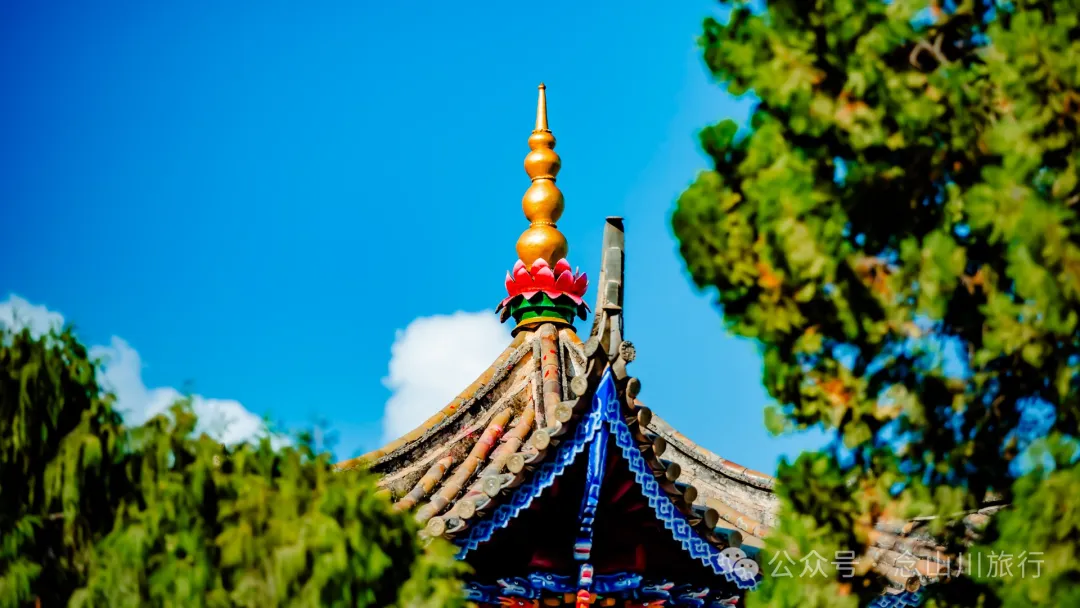
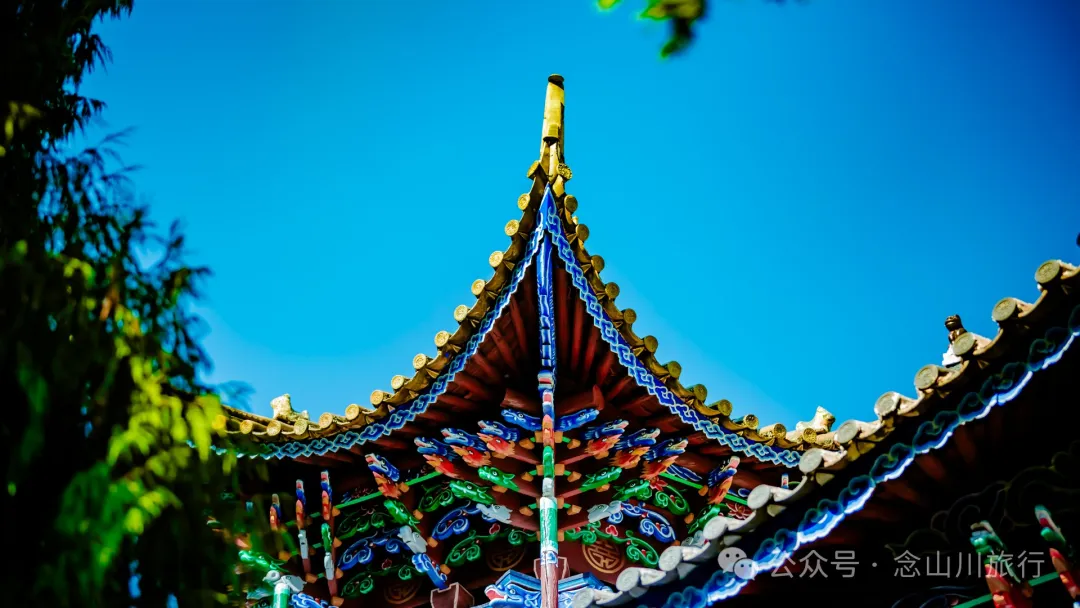
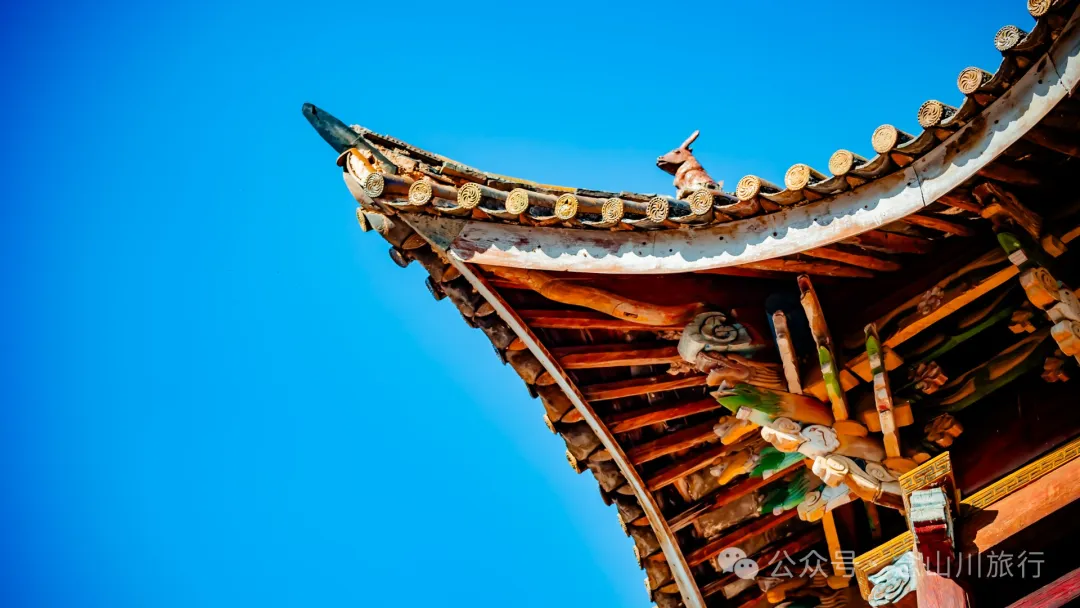
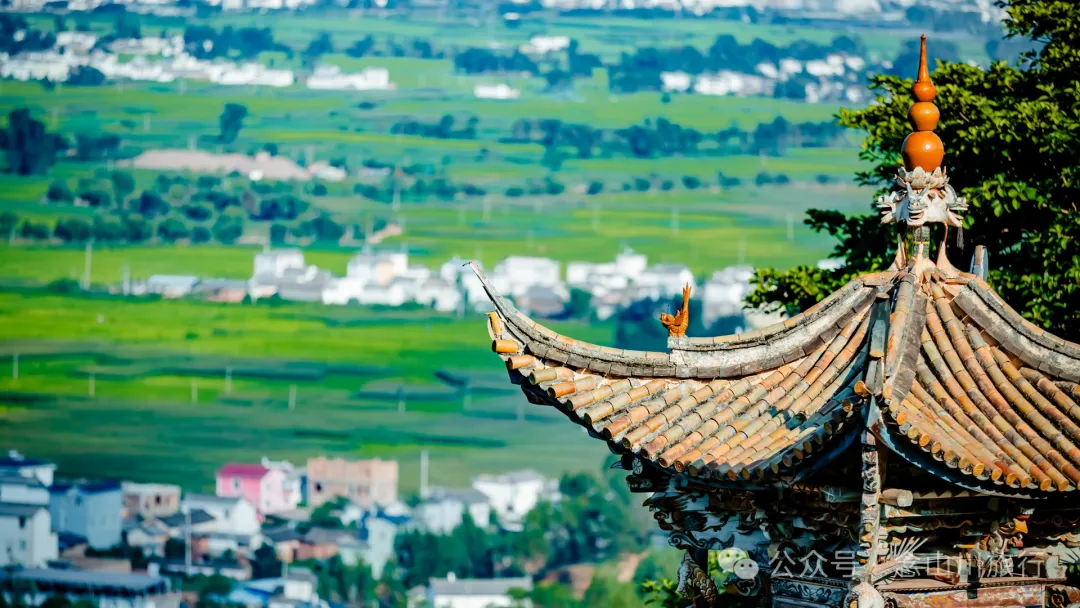
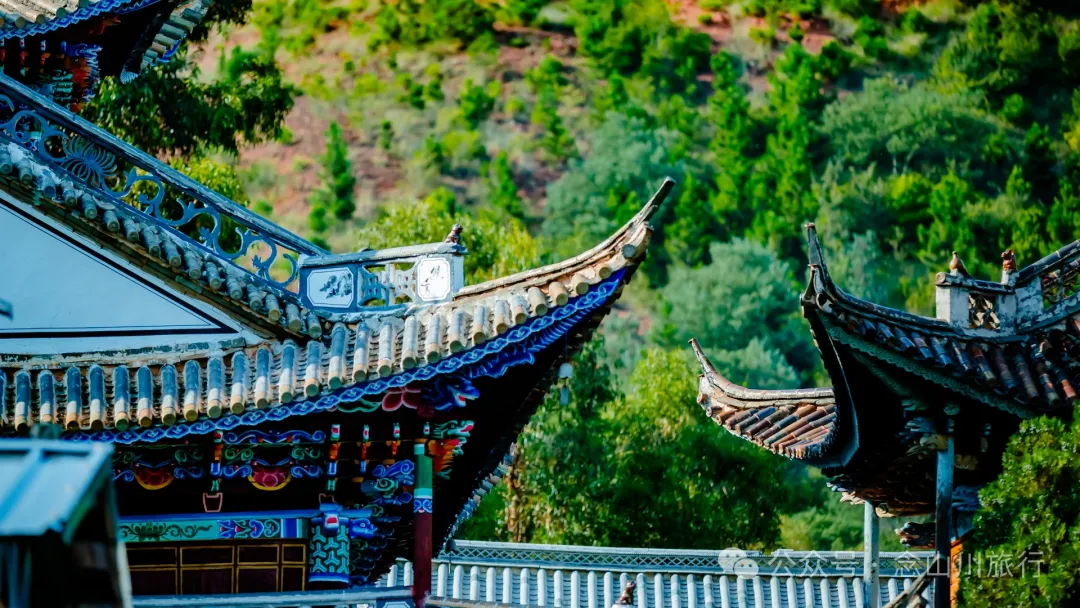
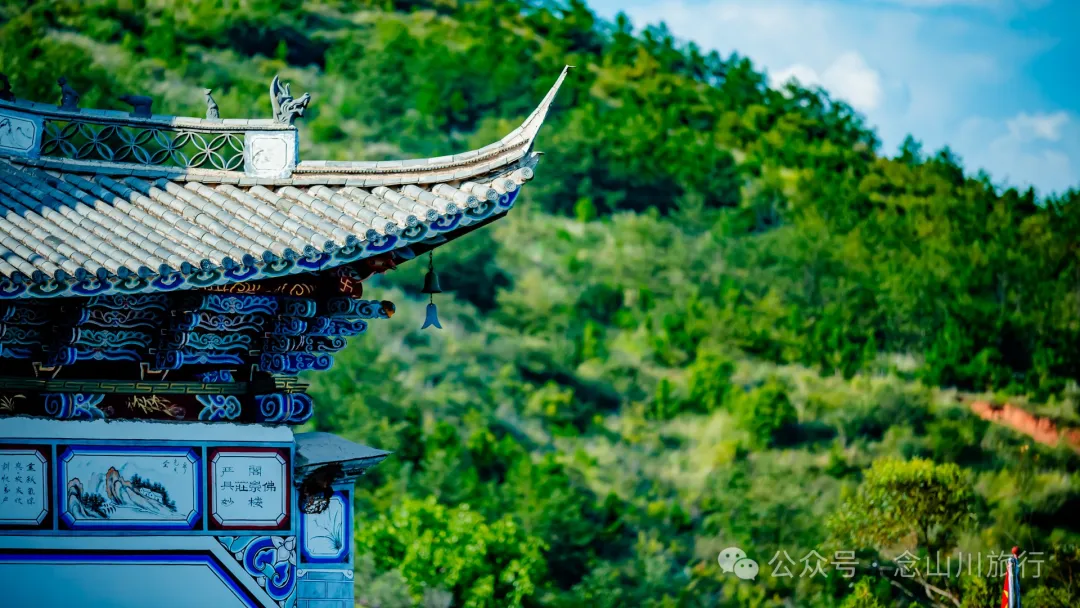
Due to the Cultural Revolution and other reasons, the early buildings were destroyed, and "Xibian Dasi" became a temple site in name only. Today, people continue to gradually restore and expand the temple on the original site, but they can never fully restore it. The newly painted grand halls, though towering, lack a sense of historical depth.
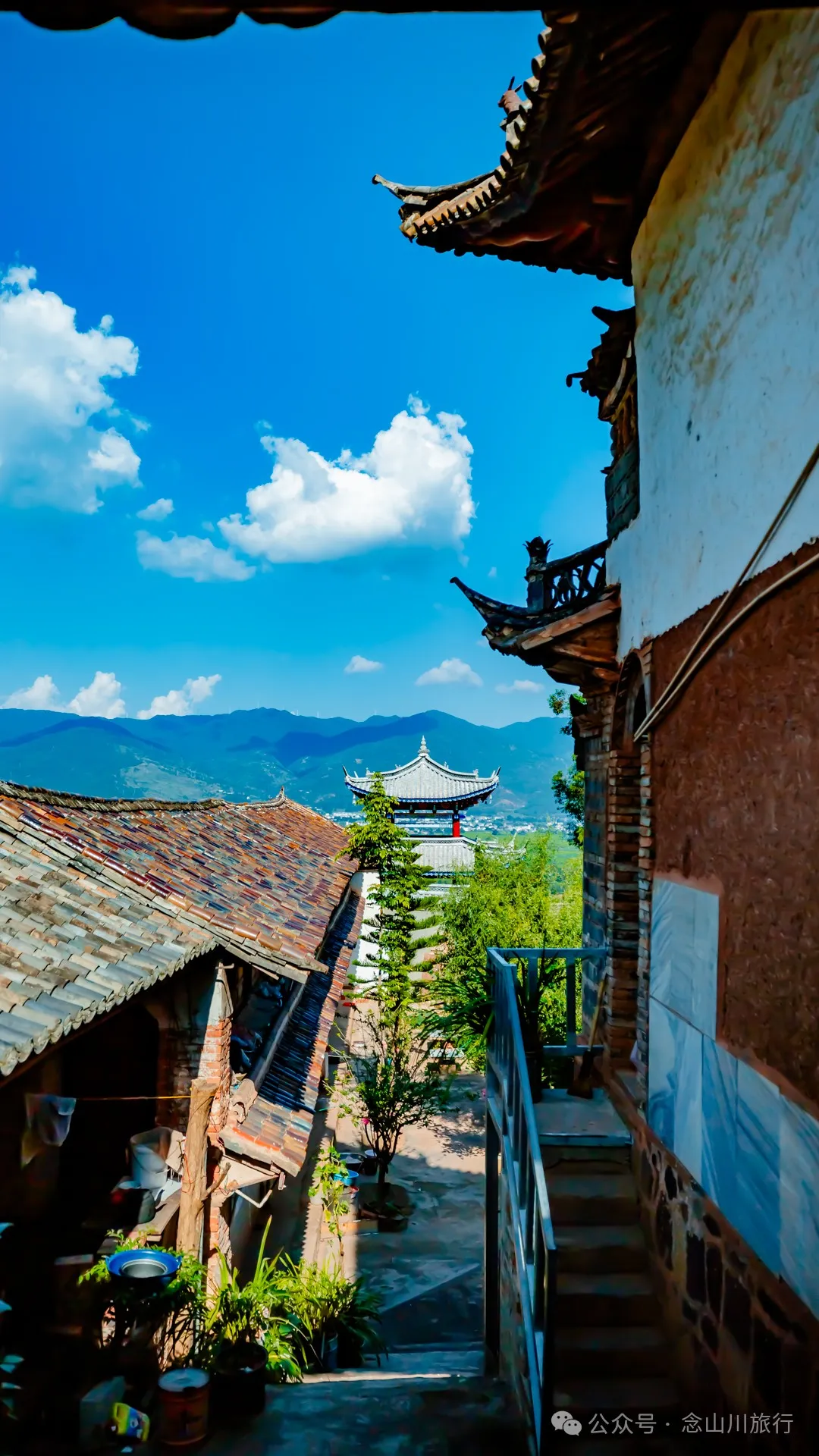
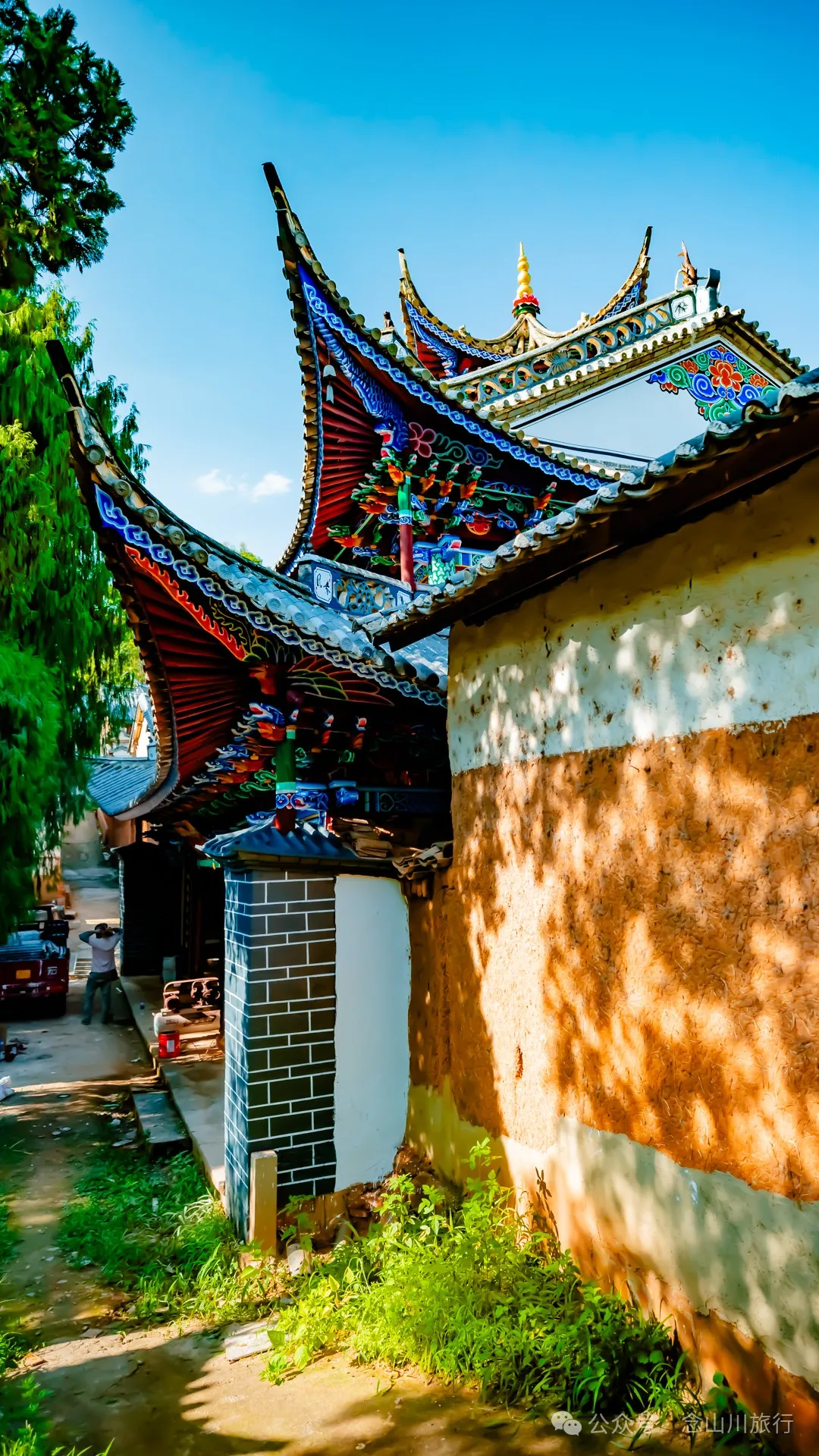
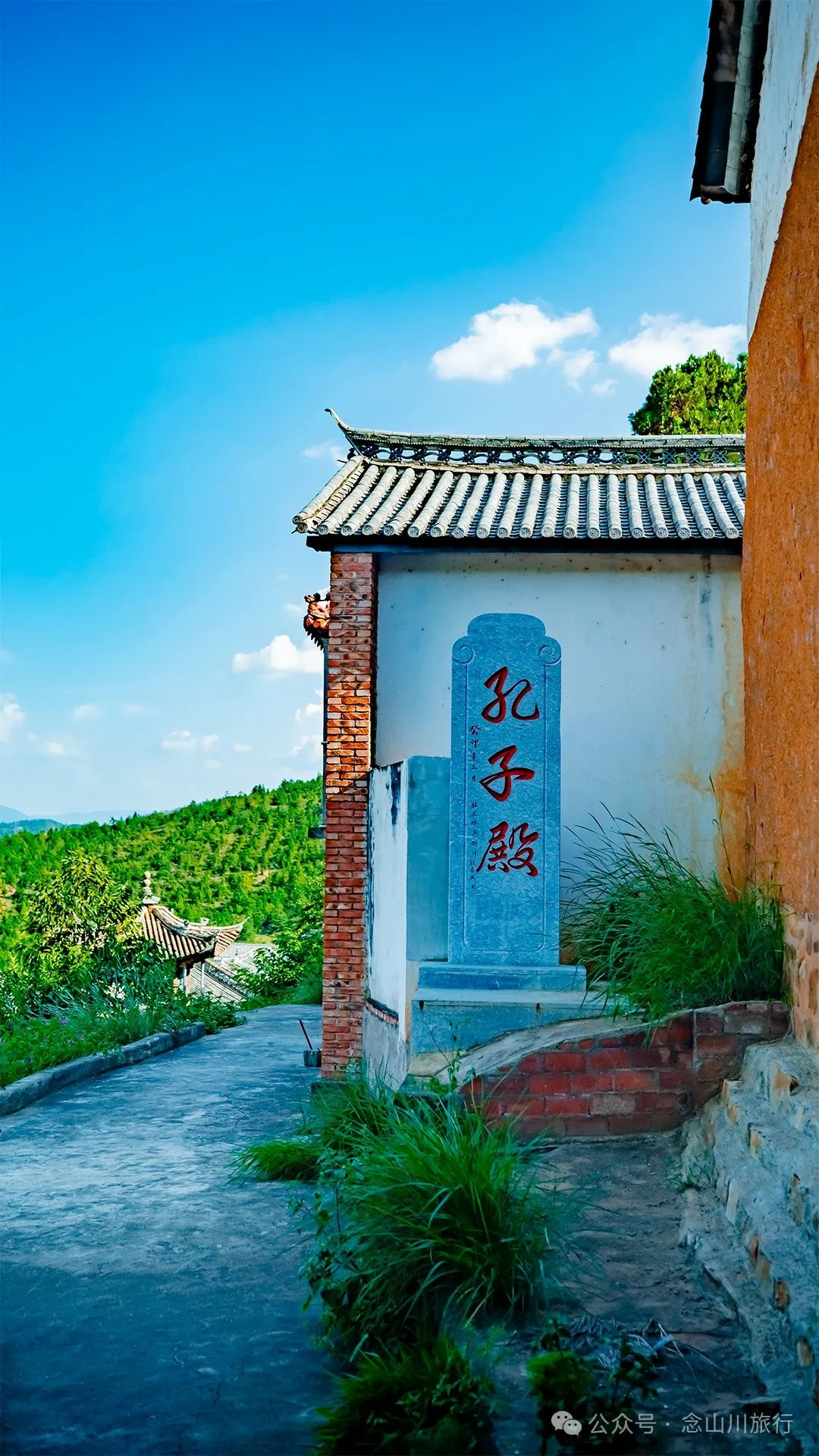
For everyone who comes to Xibian Dasi, it is a spiritual cleansing. Here, people can set aside worldly distractions, listen to their inner voice, and find peace and tranquility. Xibian Dasi, like a wise person, quietly guides people toward the home of the soul.
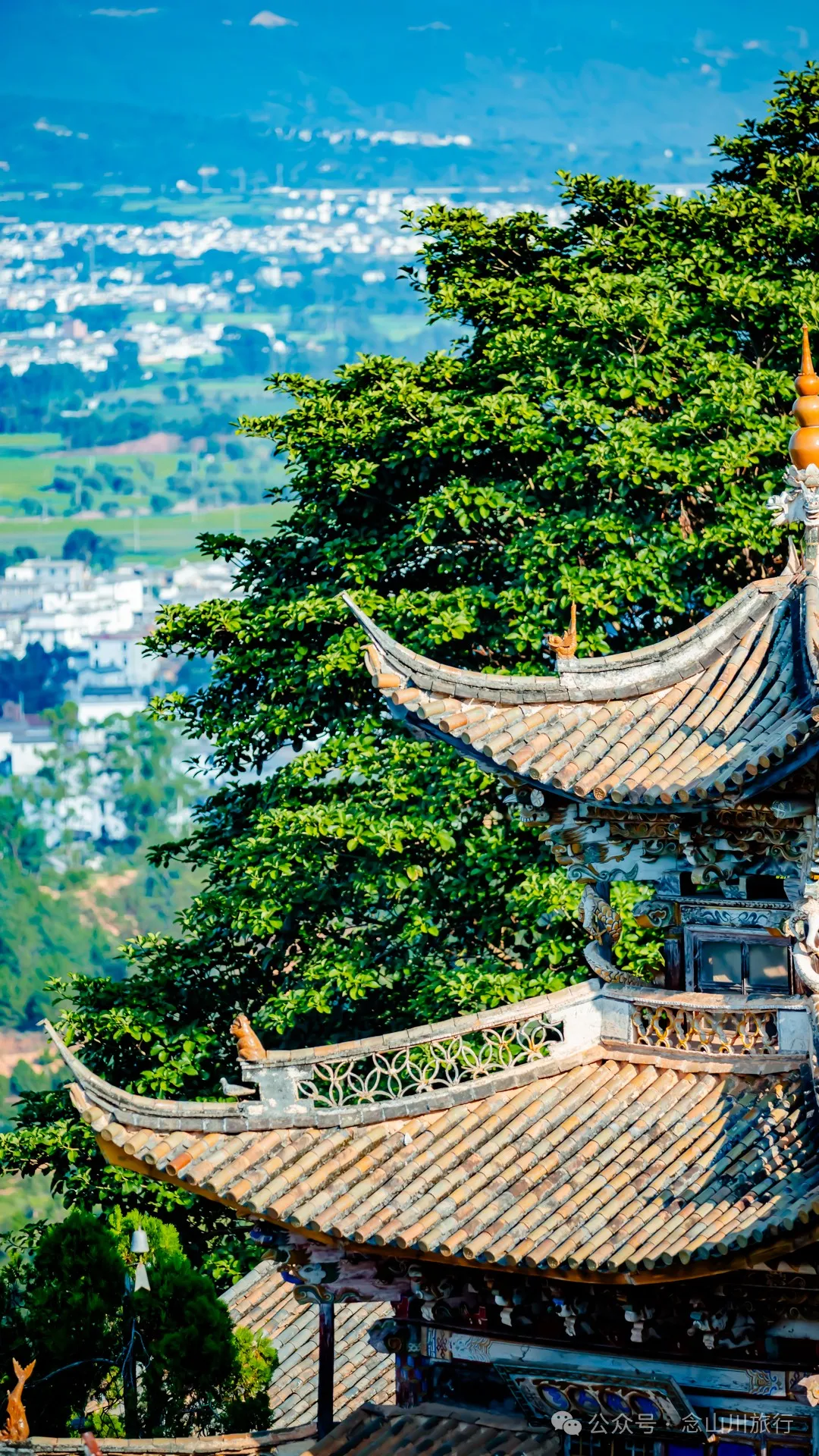
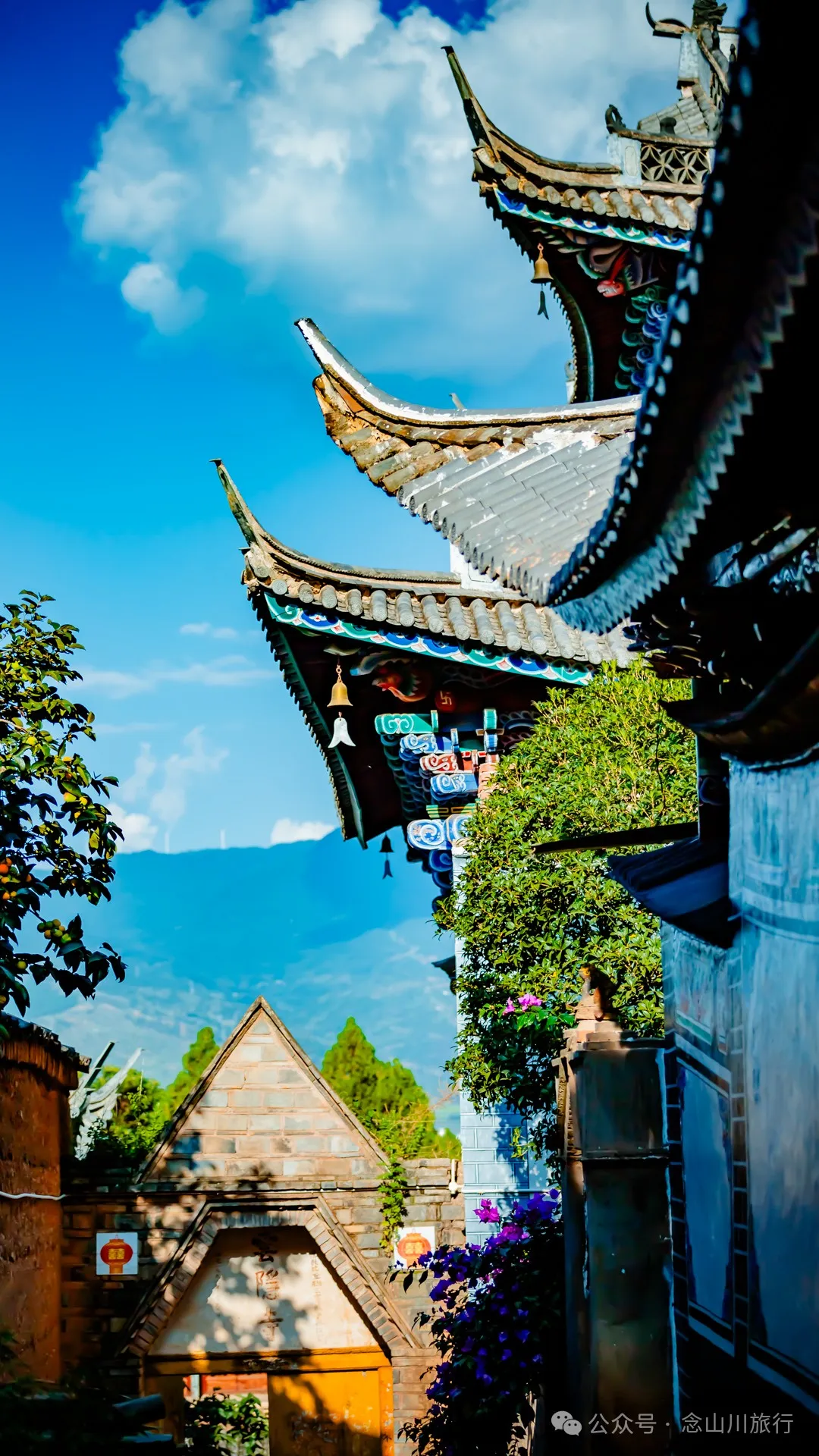
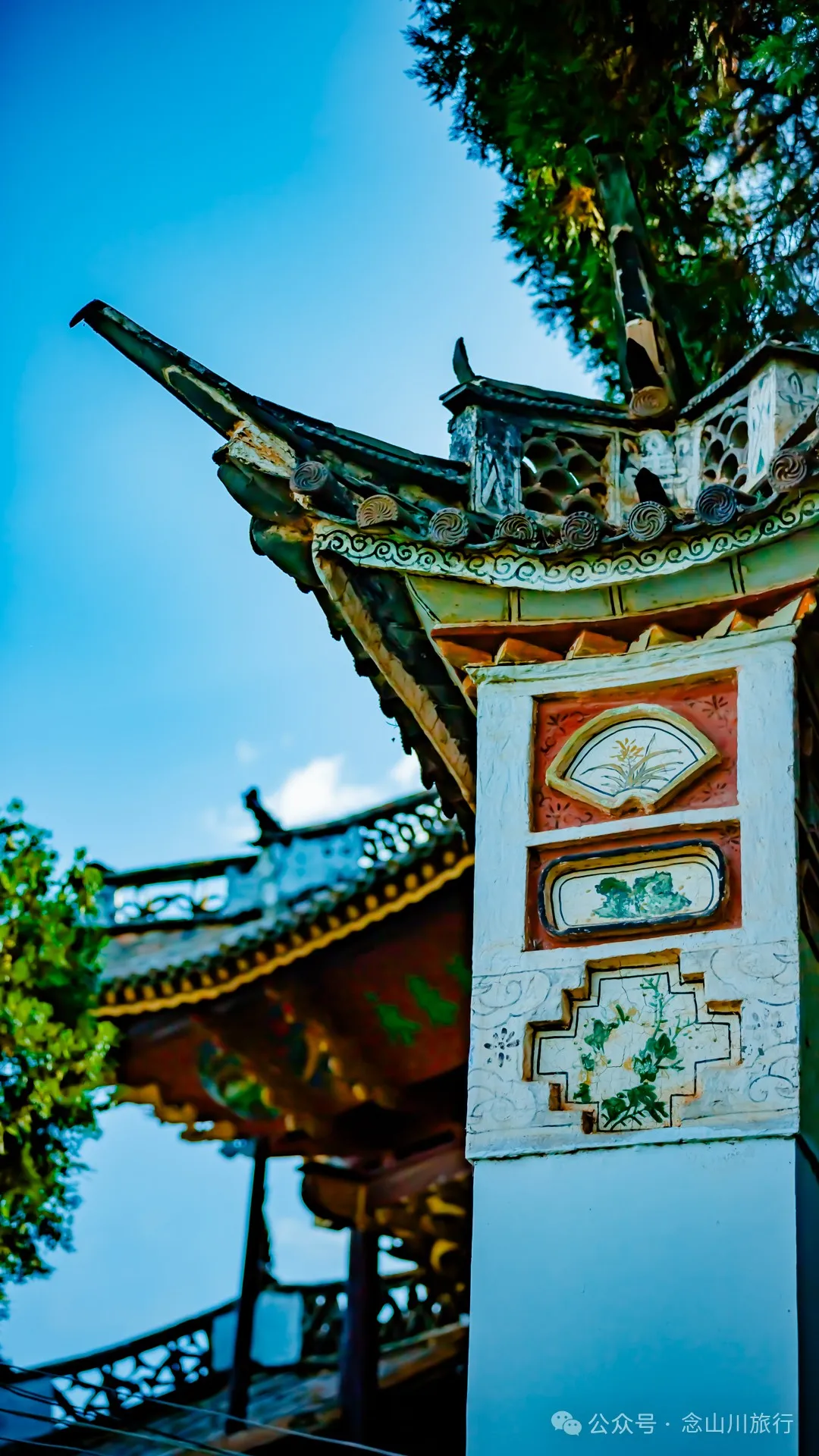
As the sun sets, Xibian Dasi returns to tranquility. The ancient temple under the night sky appears more mysterious and solemn. Stars twinkle, moonlight is like water, and the ancient temple silently guards this land in the night, awaiting the next dawn.