
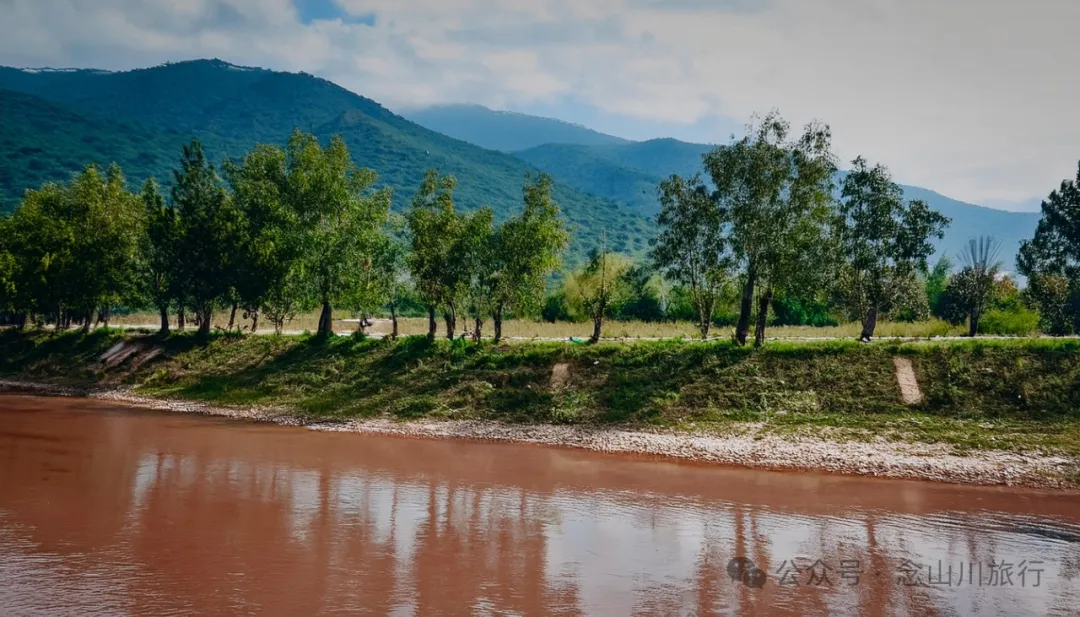
The Xi River in Weishan, also known as the Gua River, is part of the source of the Red River, flowing through the Weishan Basin. It is not only an important natural geographical landmark of Weishan but also a significant component of its local history and culture. The banks of the Xi River are fertile and the climate is mild, making it a place where melons and fruits flourish, hence the nickname "Jade of the Gua River." Historically, the Xi River had a profound influence on the formation of the Nanzhao ancient kingdom and its civilization. In the mountainous and water-scarce Weishan, the Xi River, as a rare water system, nourishes the fields along its banks and sustains generations of Yi people.
At this season, the Xi River is at its fullest and most abundant. After two to three months of rainfall, the water level rises visibly. The riverbed that was exposed in spring is now hidden beneath the murky, ceaseless flow. The red knotweed and wormwood that grow freely on the river islands sway underwater, and the once-thin river of the dry season has become plump. The river carries countless sediments from upstream, rushing grandly onward, then scattering downstream, without time to bid farewell to the cattle, horses, flowers, and crops along the banks, nor to the gathering clouds and clear air at the horizon, nor to the farmers walking from distant villages. Eventually, it merges into the sea, spreading into a touch of blue, roaming freely.
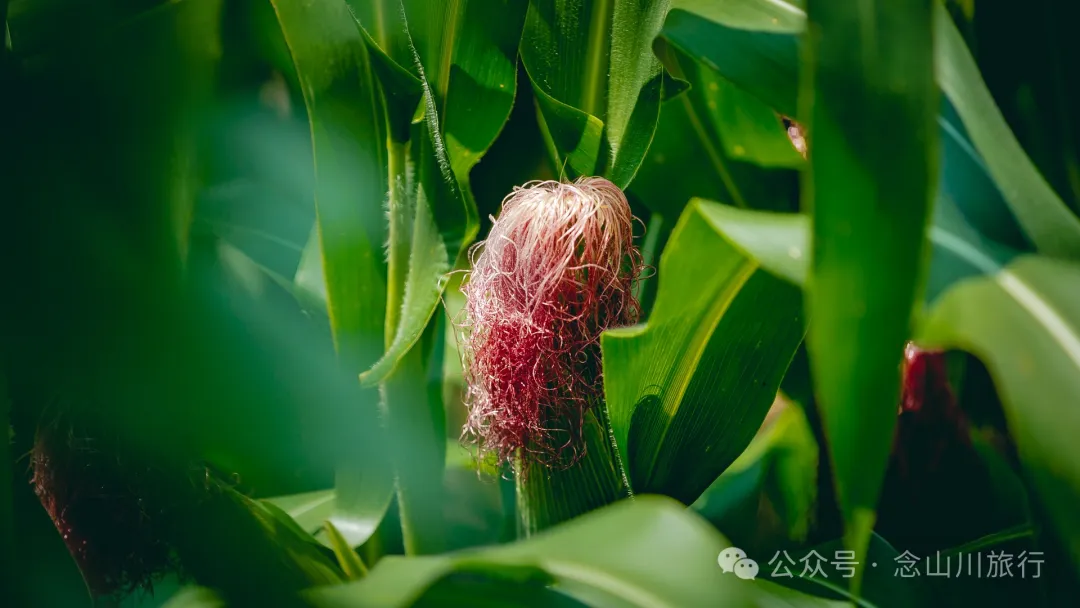
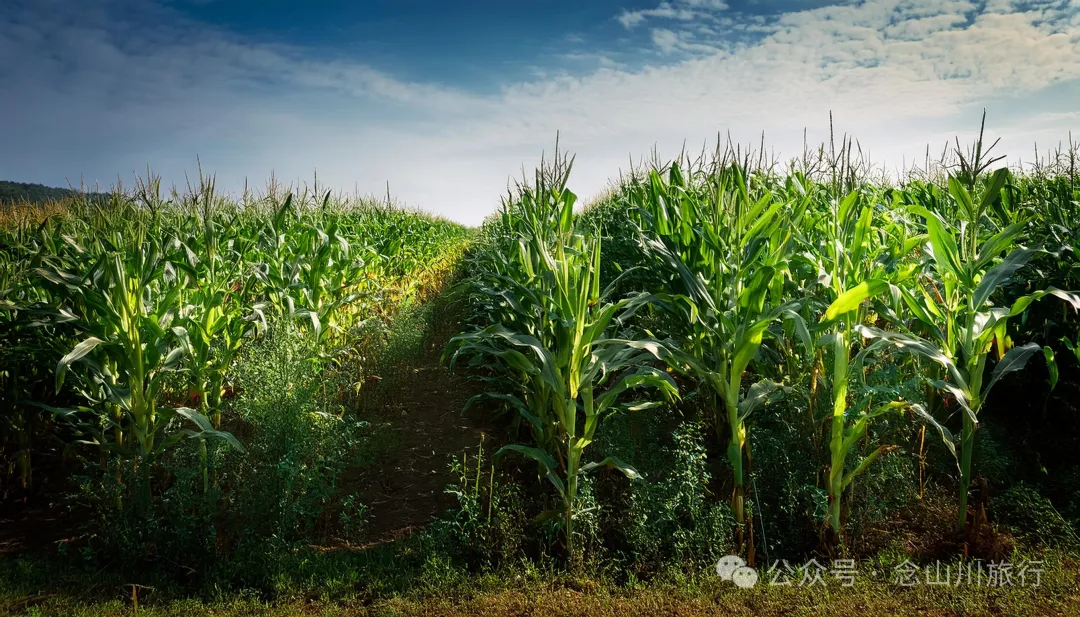
The Xi River is called the Gua River because, it is said, the mild climate and fertile soil along its banks are suitable for growing various melons, such as pumpkins, winter melons, and loofahs, hence the name "Gua River" (Melon River). On the Xinggong Tower at the center of Weishan Ancient City's north-south street, there are four characters inscribed: "Yu Huan Gua Pu" (Jade Ring Melon Shore), describing the beautiful scenery of the Xi River in the past. The Xi River back then must have possessed a beauty different from today, evoking a sense of longing. Now, in this season, the fields are full of ripe corn and tobacco, but melons are rarely seen. Farmers have begun harvesting in the vast cornfields, while the distant, still-unripe rice paddies wait patiently.
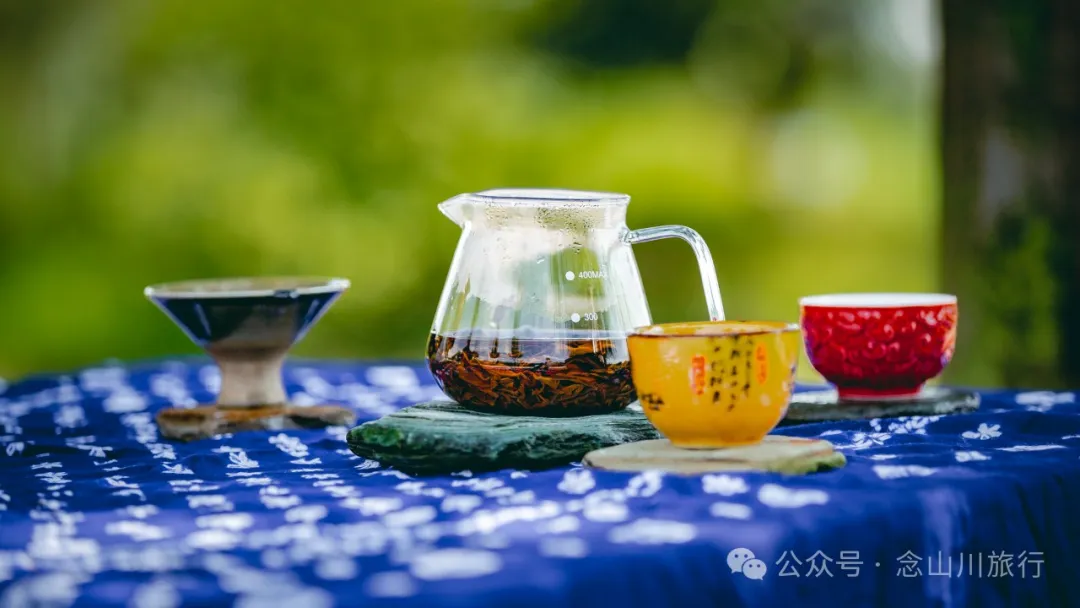
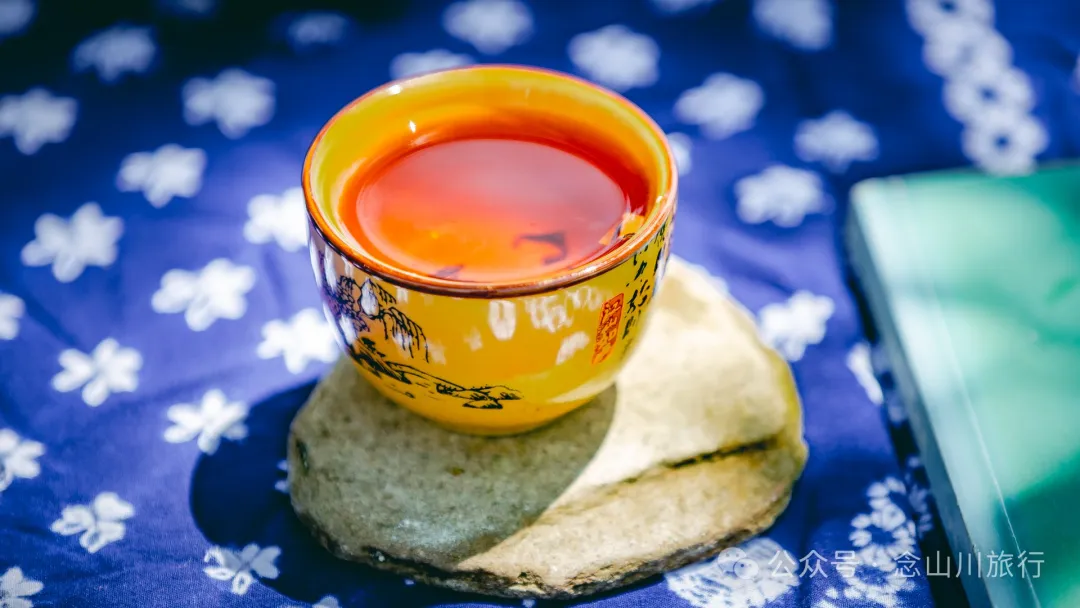

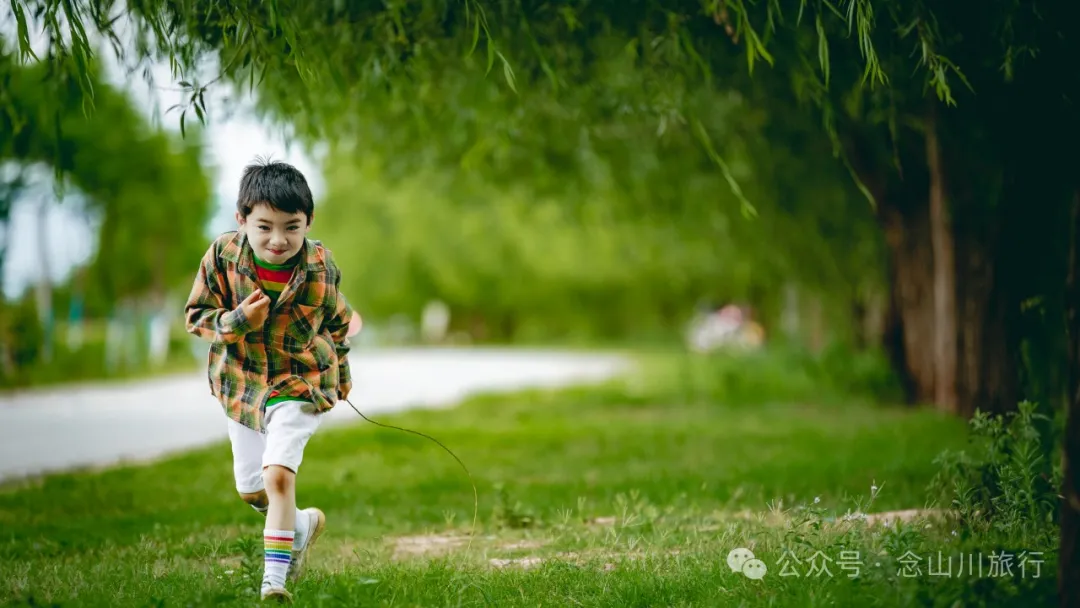
On the west bank of the Xi River, a row of neatly planted weeping willows not only conceals the somewhat rough appearance of the river (which appears muddy due to the large amount of sediment and is littered with various garbage from agricultural activities along the banks, making it quite unsightly) but also provides a pleasant place for people to cool off and seek shade from the sun.
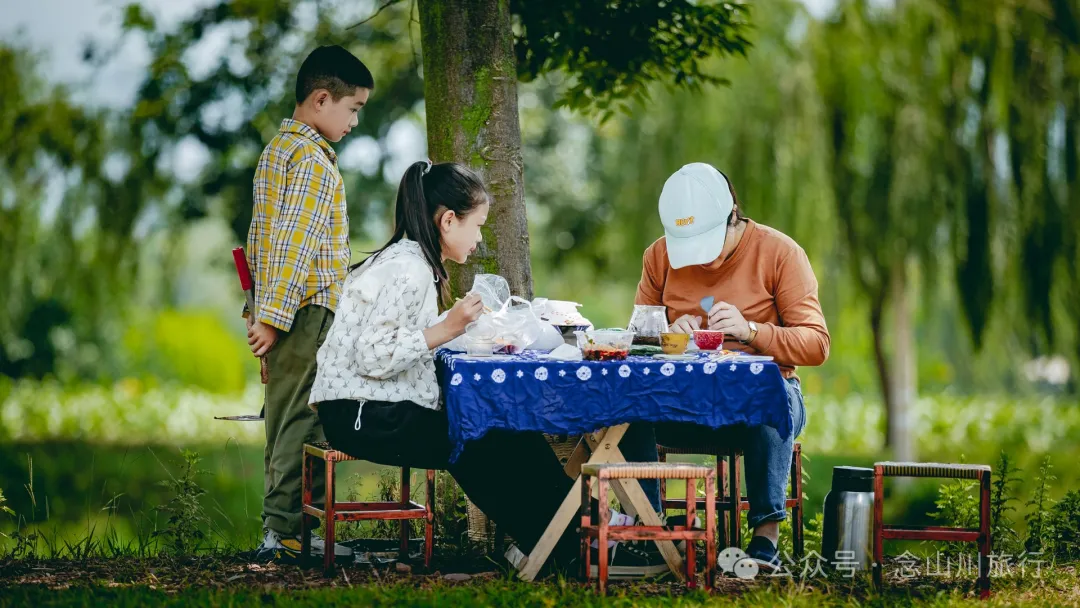
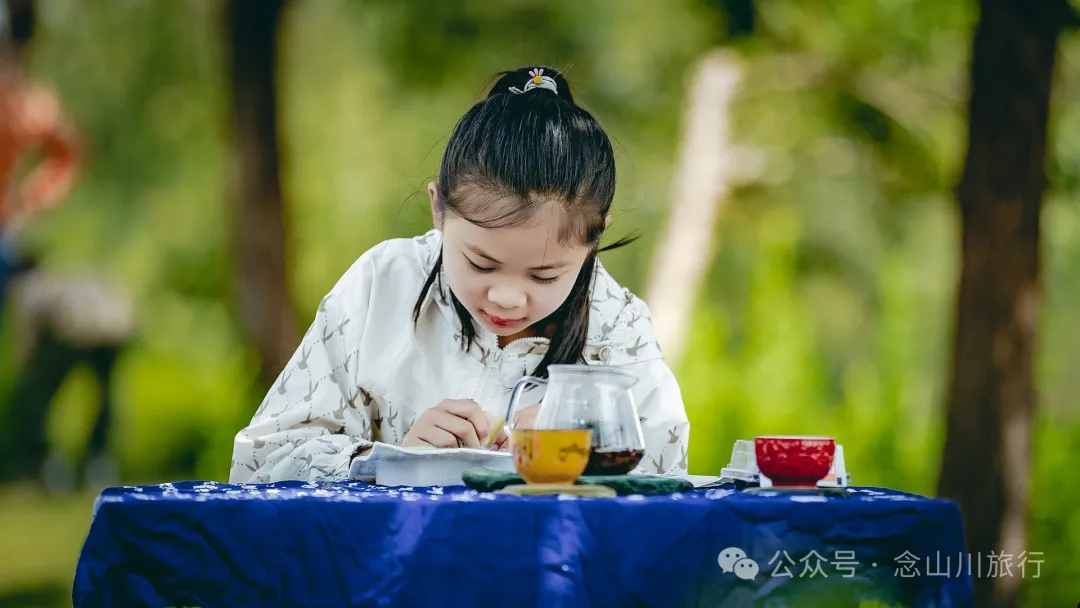
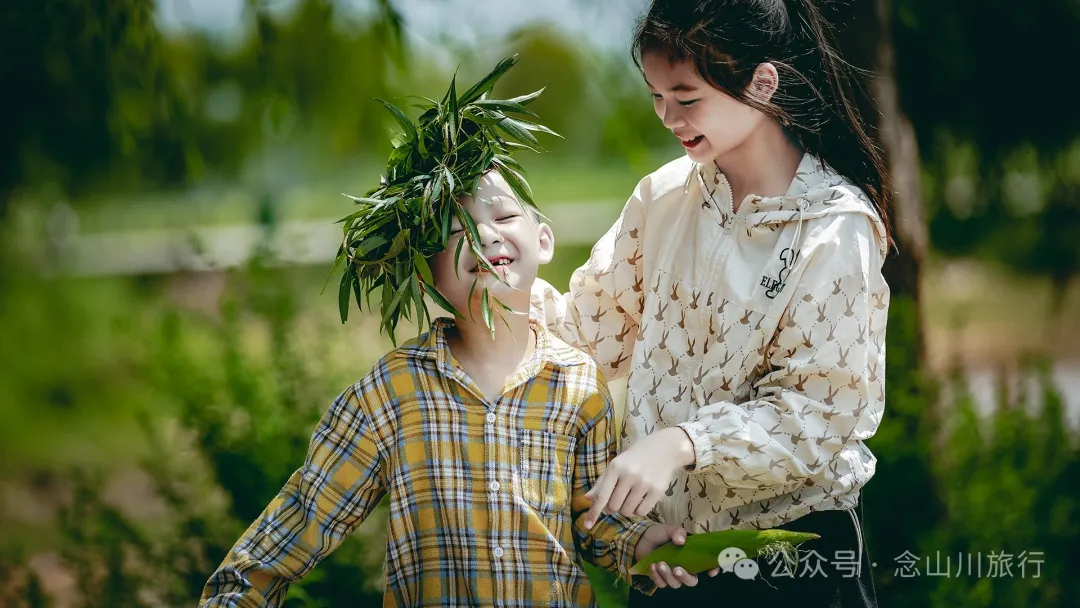

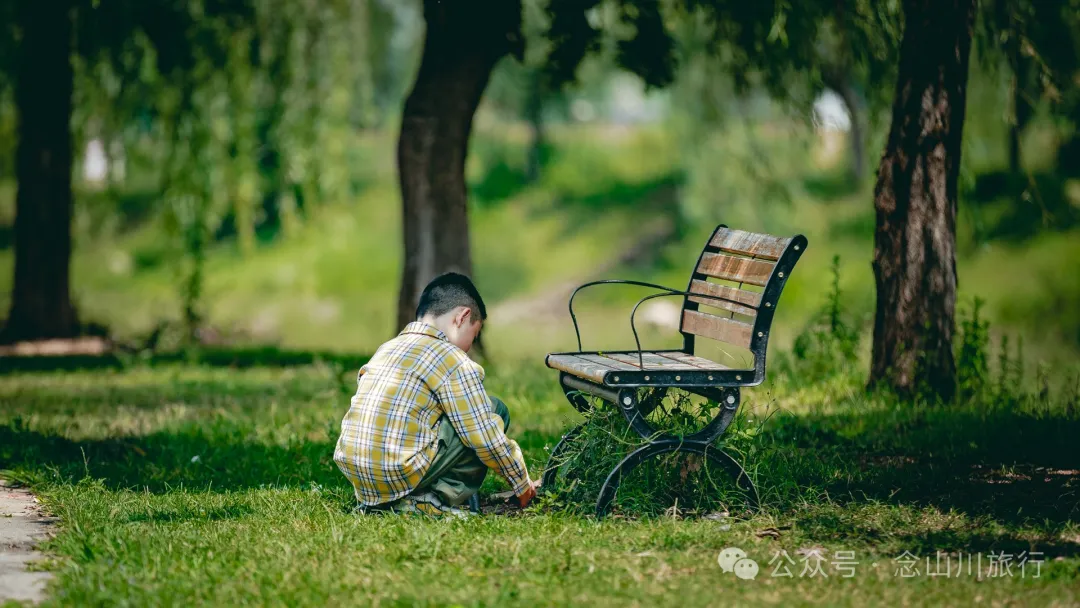
In the leisure time after rain clears, local residents of Weishan like to drive to the Xi River, two kilometers outside the city, find a spot under a dense willow tree, brew a pot of tea, mix a bowl of noodles, gather two or three friends, and steal a half-day of leisure, staying from before noon until sunset. The sunlight filters through layers of willow leaves, gently touching people, exuding a faint warmth, neither scorching nor burning. The green leaves absorb most of the heat, netting each ray of sunlight with great endurance, much like the cattle and horses grazing on the riverbank, moving toward the end of life at a slow and leisurely pace.

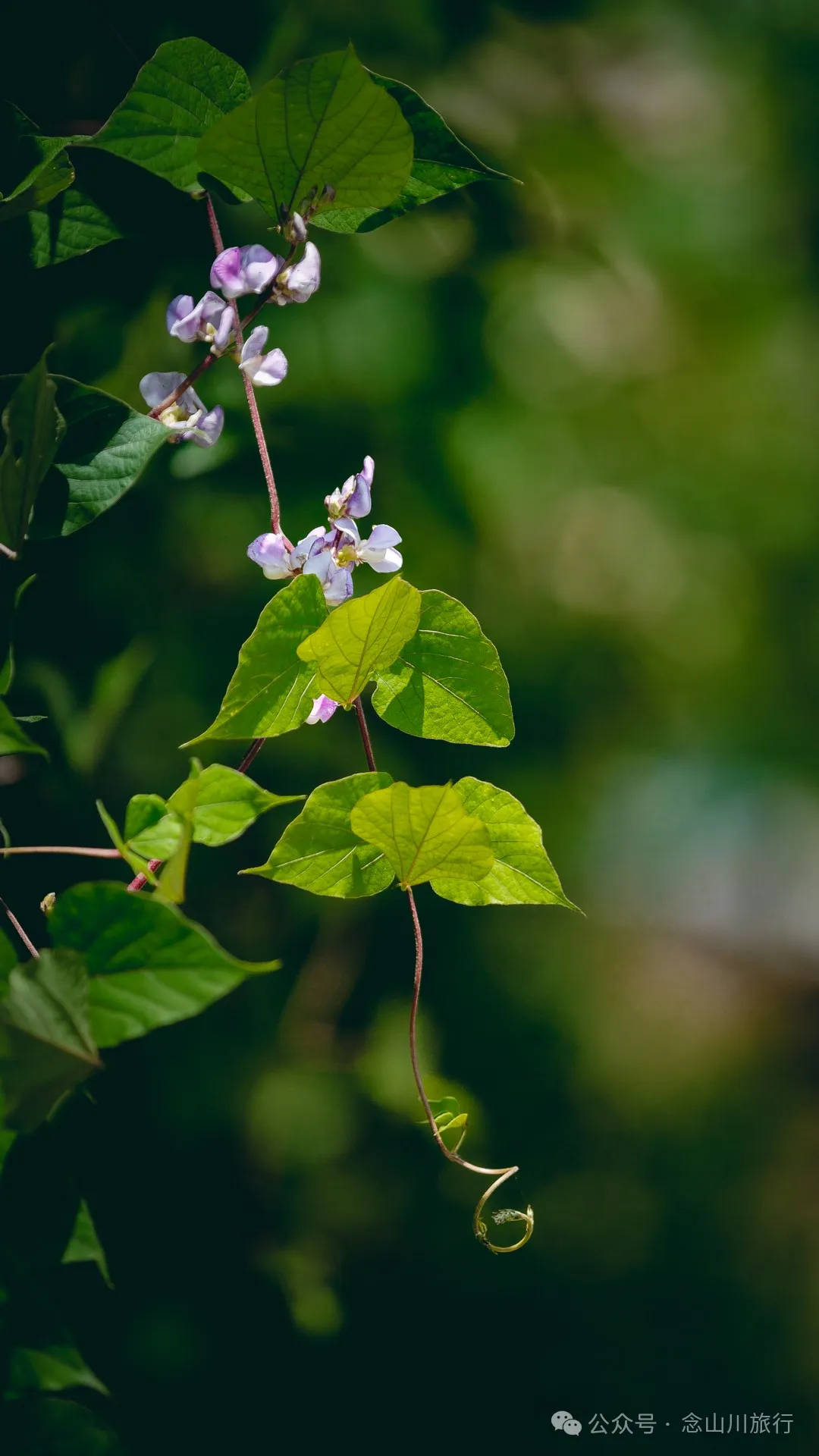
Among the willows on the opposite bank of the river valley, many cuckoos are still hiding. Their calls drift out from the thickets, float across the muddy river surface, and reach people's ears. It's the familiar sound that has been heard since spring; they have been staying in this river valley for over half a year. From time to time, ripples stir in the middle of the river—those are the fish hiding in the murky water, perhaps mocking the anglers on the shore. The children are delighted: they break off willow twigs to weave grass hats, search for pill bugs and ladybugs in the grass, pick up stones to skip on the river, or simply do nothing, quietly watching the flow of the water. Time here becomes harmonious and gentle, neither hurried nor slow.