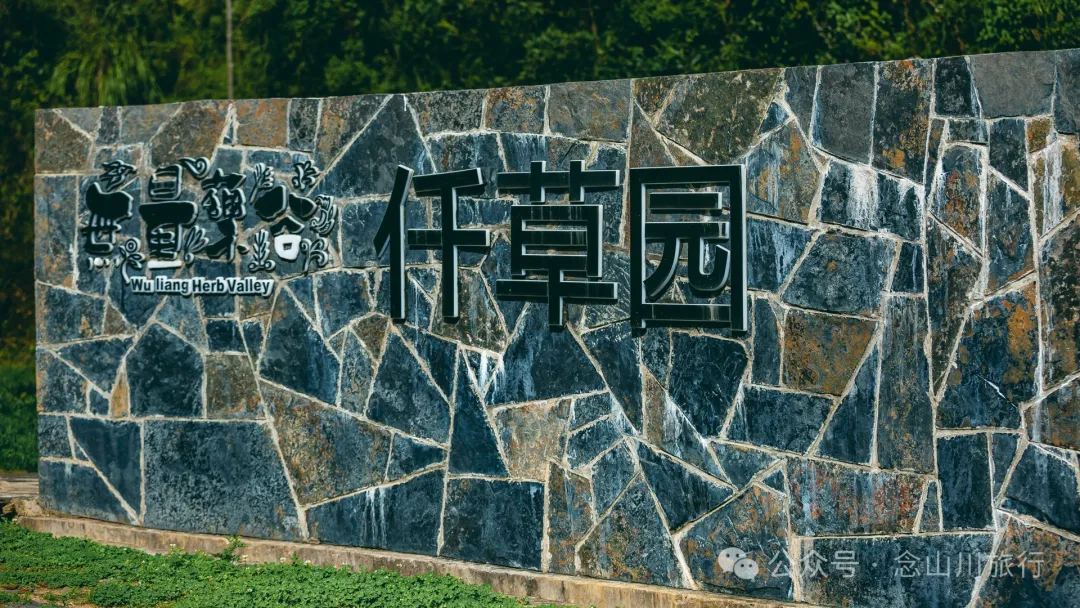

Wuliang Medicine Valley is located in the Wuliang Mountain area of Nanjian Yi Autonomous County, Dali Bai Autonomous Prefecture, Yunnan Province, China. It is a comprehensive park featuring traditional Chinese medicine cultivation and ecotourism. Renowned for its unique natural environment and abundant medicinal plant resources, it is known as a "natural treasure house of medicinal herbs."
The natural environment of Wuliang Medicine Valley is diverse, with rich plant species. It boasts over 3,500 species of higher plants, including 1,467 species of medicinal plants. The soil, water sources, and air are all first-class resources, providing excellent conditions for the growth of medicinal herbs. The valley is particularly famous for its cultivation of Panax notoginseng, covering an area of over 35,000 mu (about 5,800 acres).
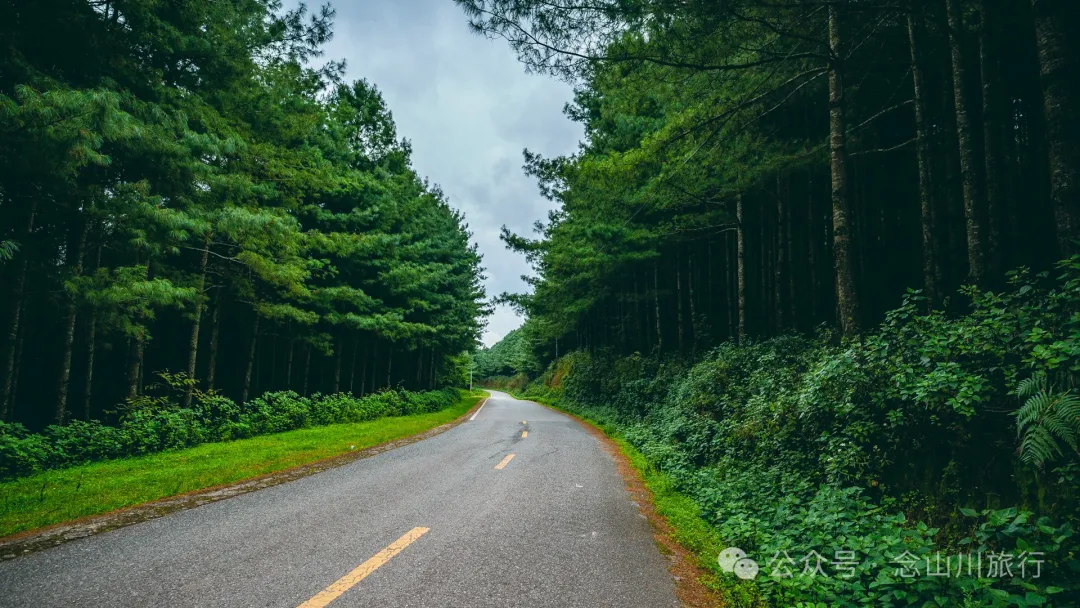
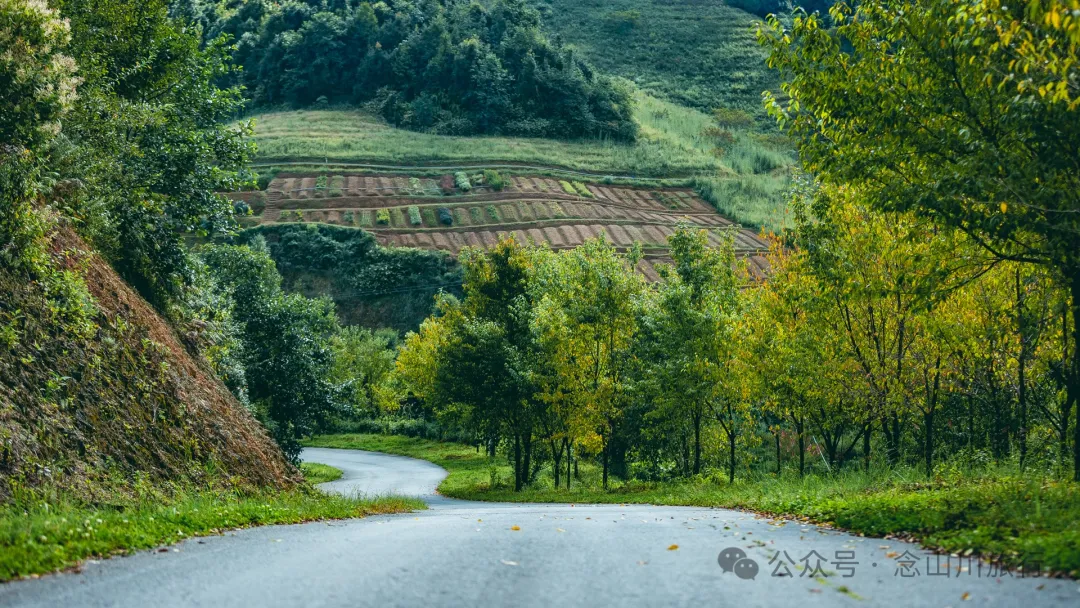
The road from Baohua Town to Wuliang Medicine Valley is a 30-kilometer asphalt road that winds through mountains, valleys, and primitive forests. Even from inside a car, visitors can enjoy the scenery. This road cuts through a pristine pine forest, long and tranquil. Before the road was built, this area was likely part of the forest. The road splits the forest in two, only to reveal the deeper mountains to more people.
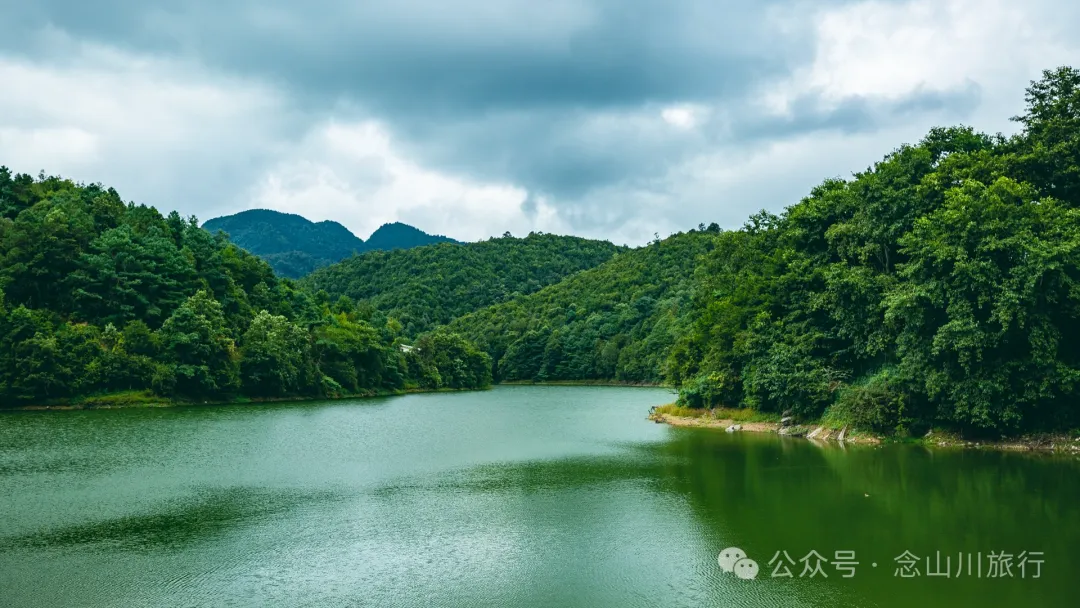
Mountains lack spirit without water, and water lacks resilience without mountains. Only when mountains and water rely on each other do they become lively and interesting. Passing by the Fada Reservoir, one sees a sparkling expanse of emerald water. The reservoir's shape resembles a pterosaur spreading its wings. Standing on the shore, the clear blue water is captivating, as if even the air is emerald, without any impurities.
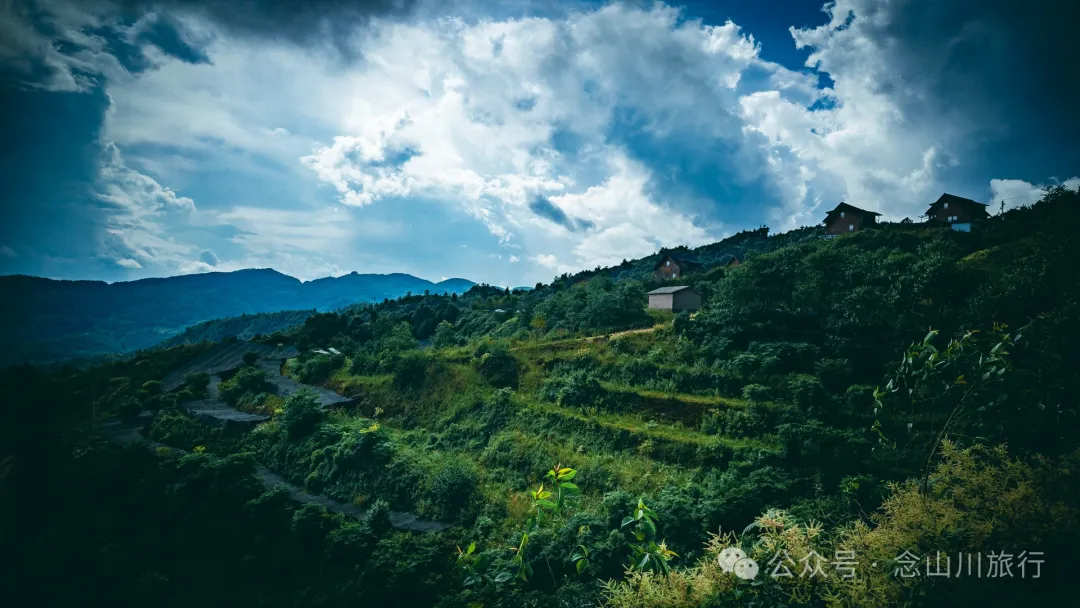
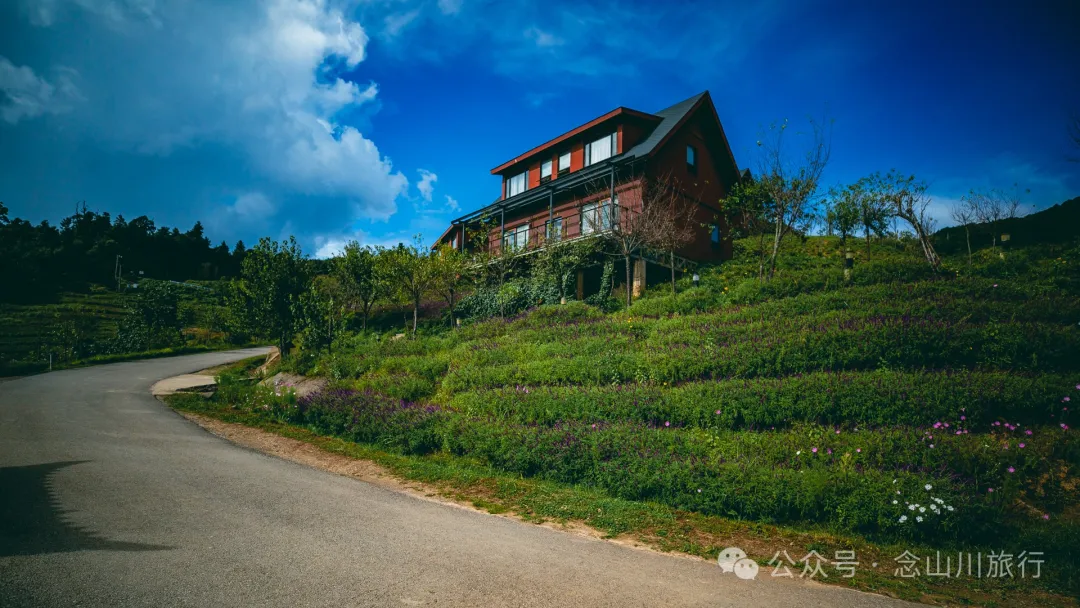
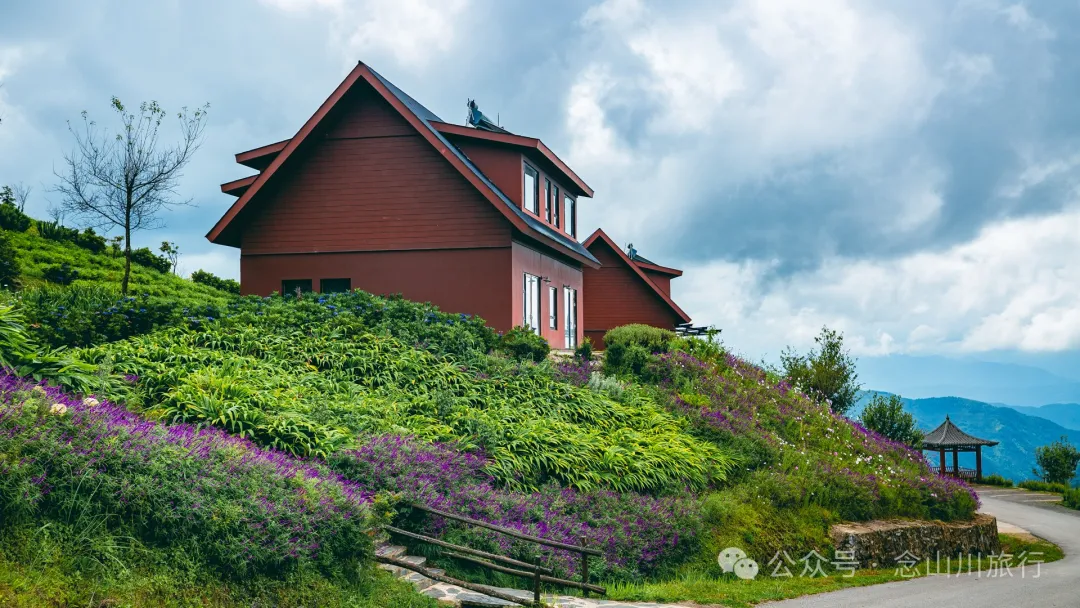
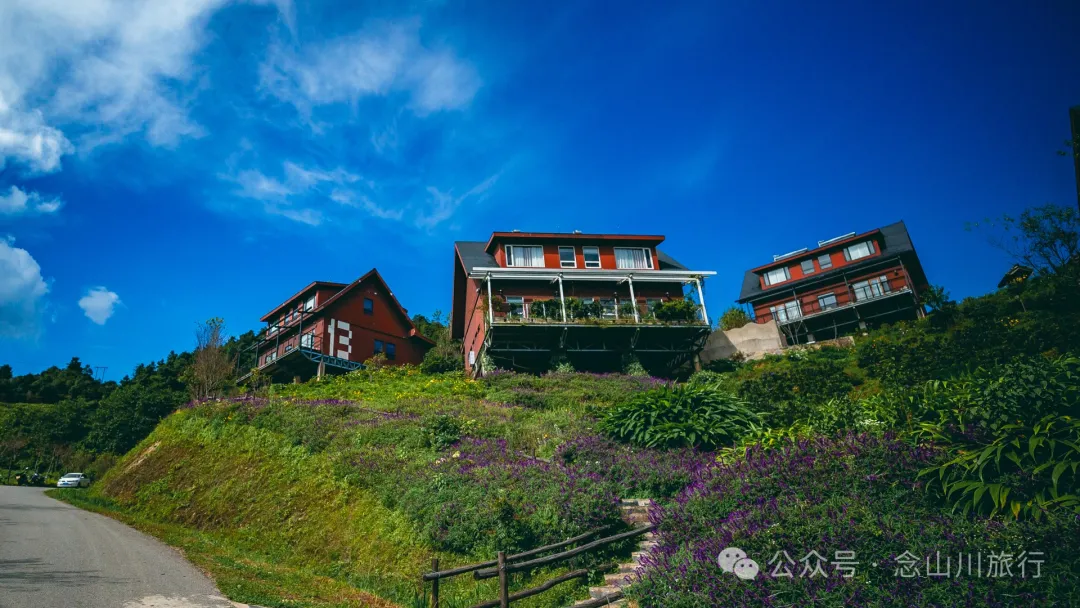
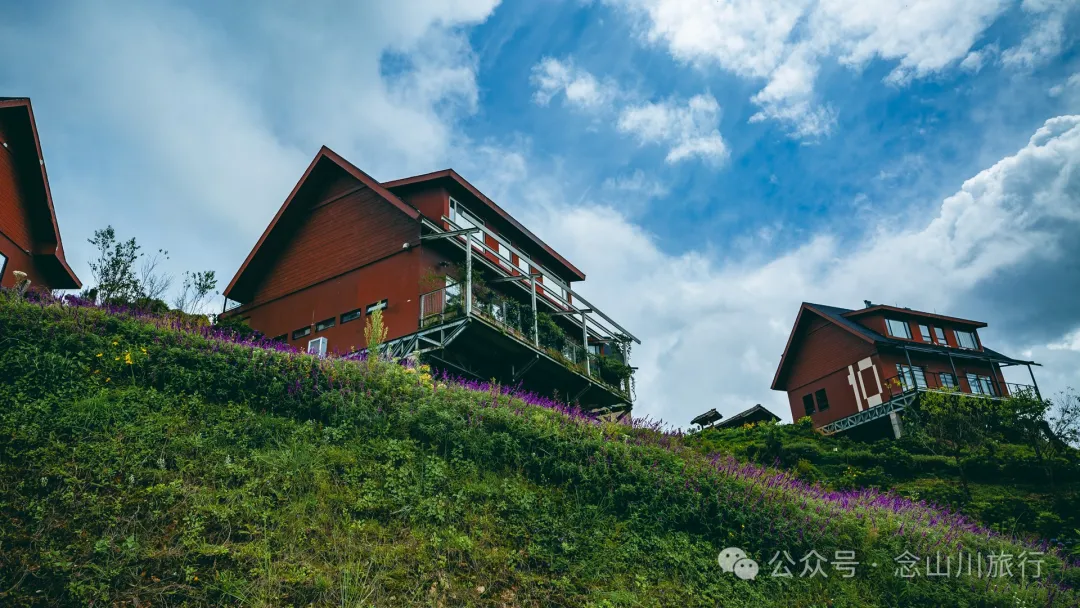
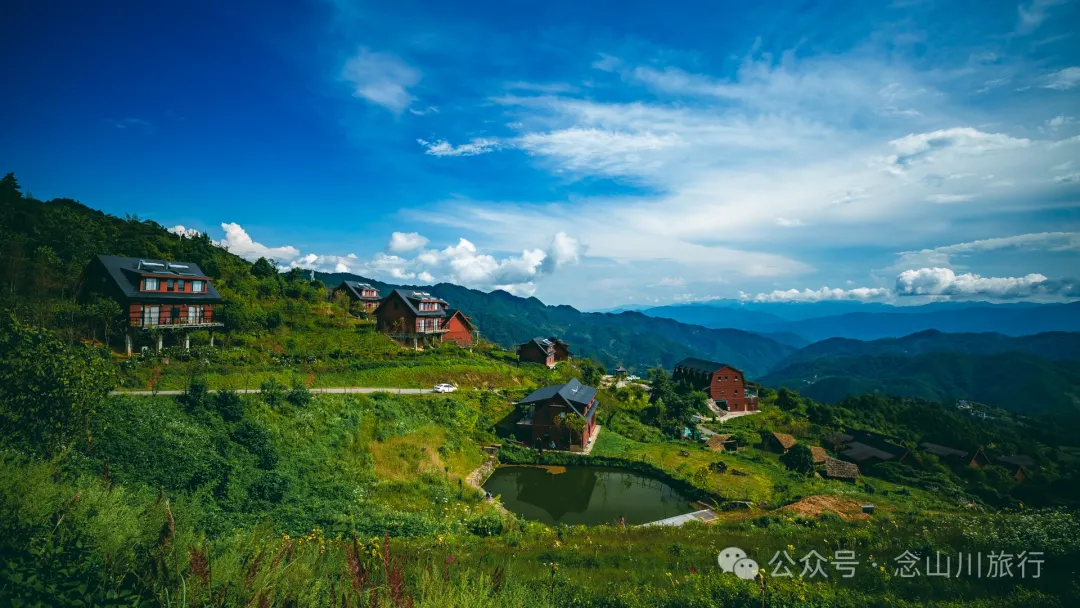
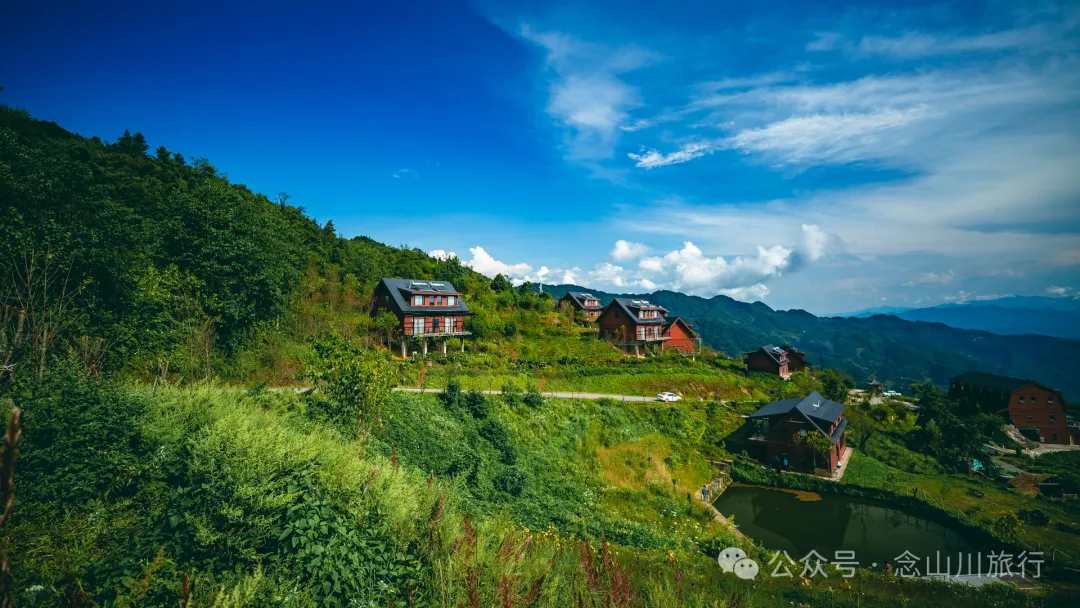
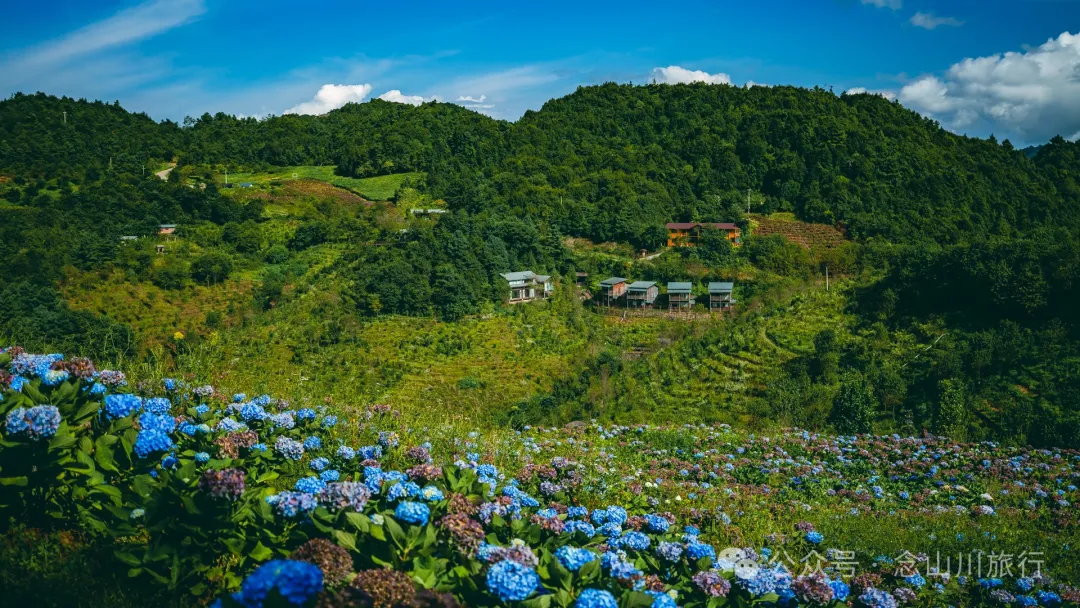
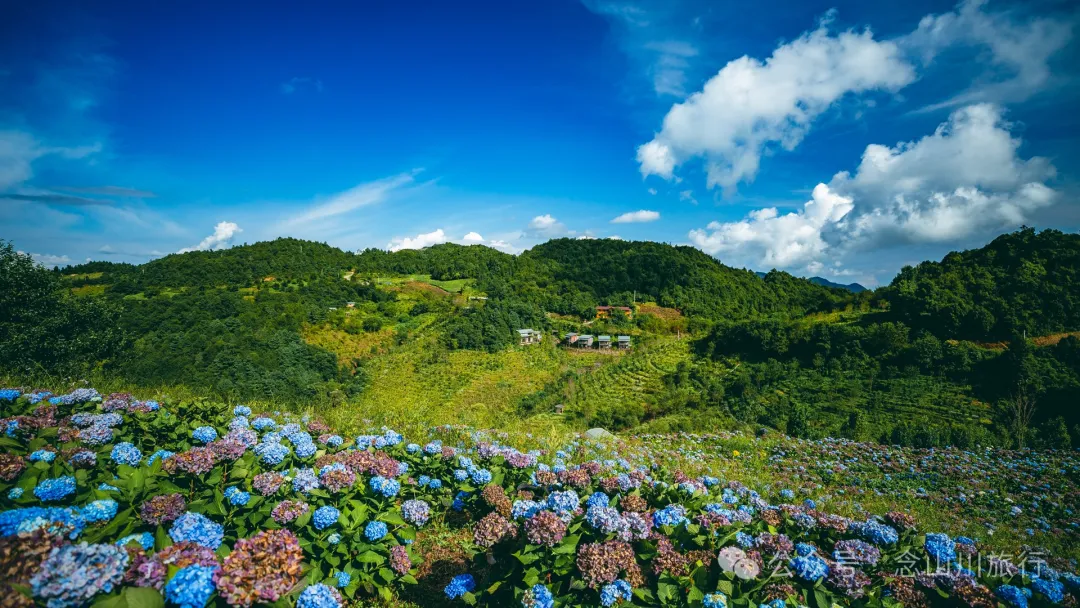
Crossing a mountain, the mountainous area where Wuliang Medicine Valley is located unfolds before you. Independent wooden cabins face the distant mountains and rivers, appearing even more serene against the blue sky and white clouds. The entire valley is adorned with colorful flowers, and the white clouds drift freely in the azure sky. This scene feels like being transported to an Alpine town, yet it is the Wuliang Mountains.
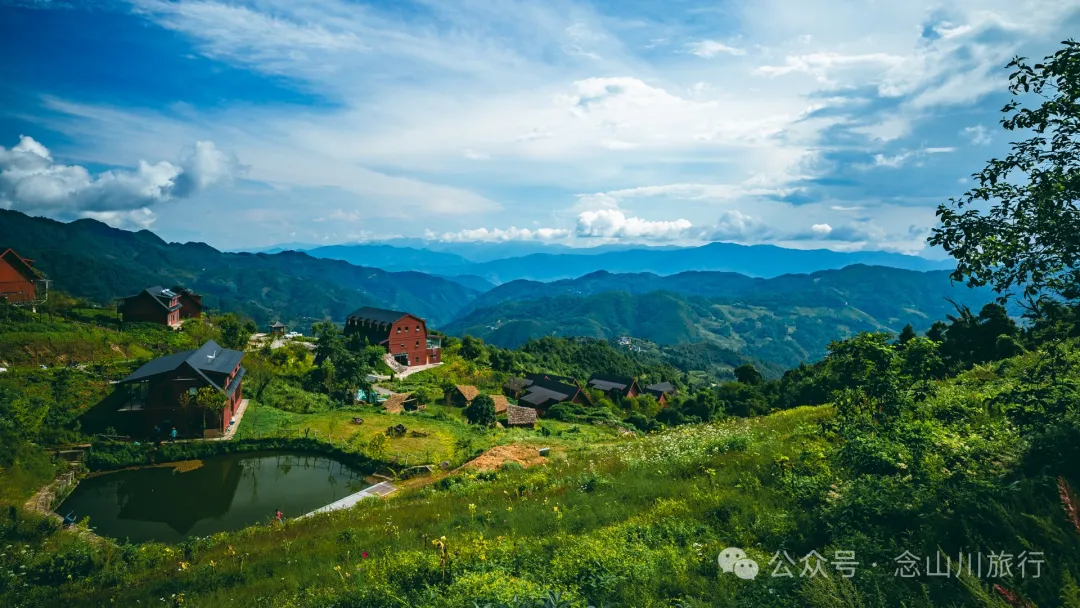
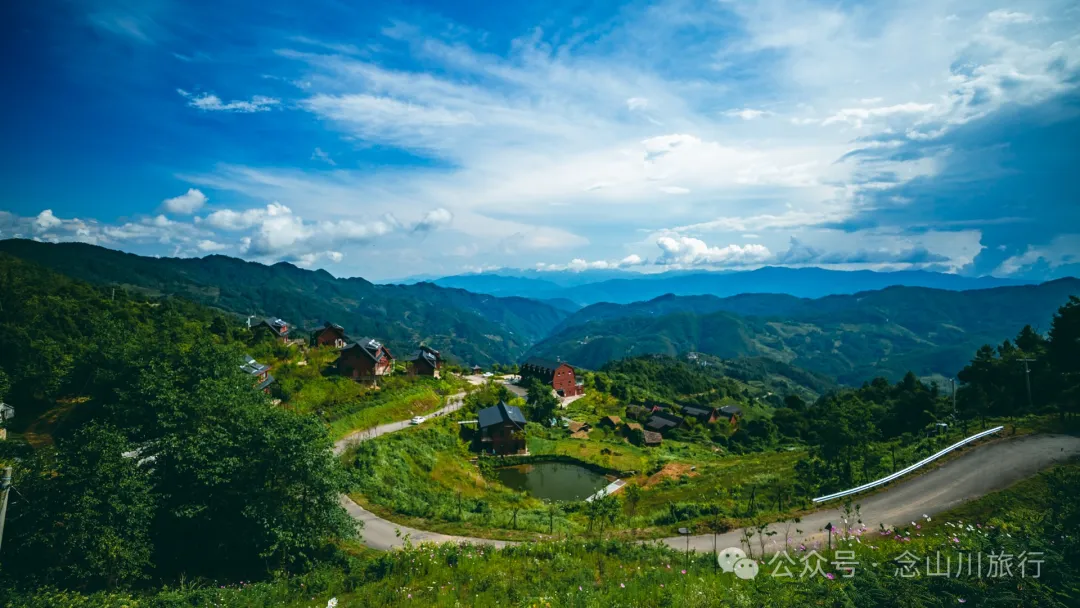
In addition to cultivating medicinal herbs, Wuliang Medicine Valley is also dedicated to developing ecotourism and health industries. It offers a variety of tourism experiences, including hiking, cycling, enjoying natural scenery, and experiencing farming culture. The construction of Wuliang Medicine Valley not only provides new ways for local economic development and farmers' income increase but also offers an ideal place for visitors to get close to nature and experience a healthy lifestyle.
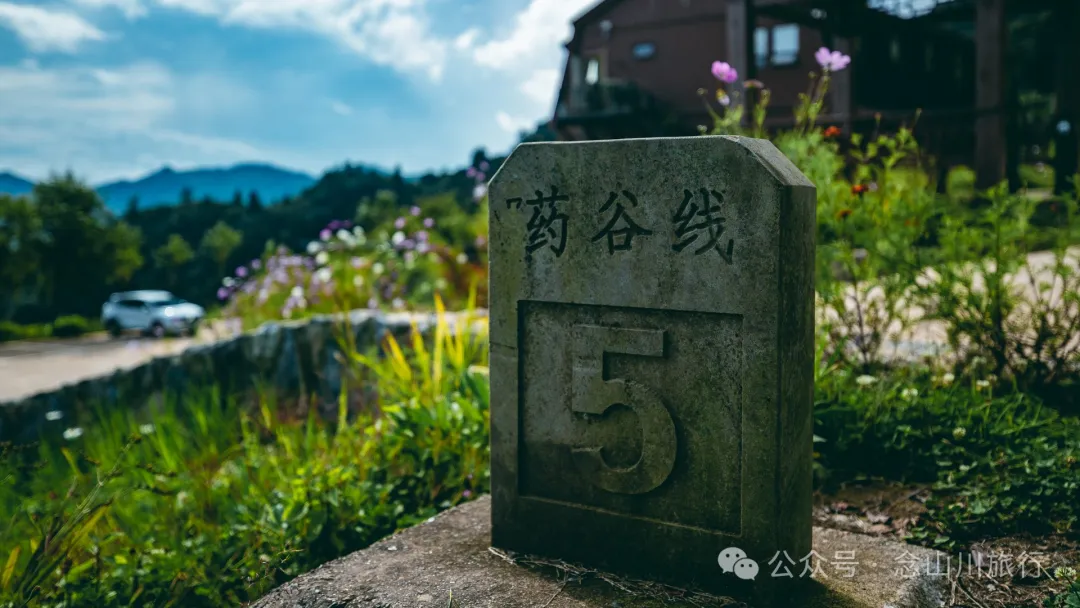
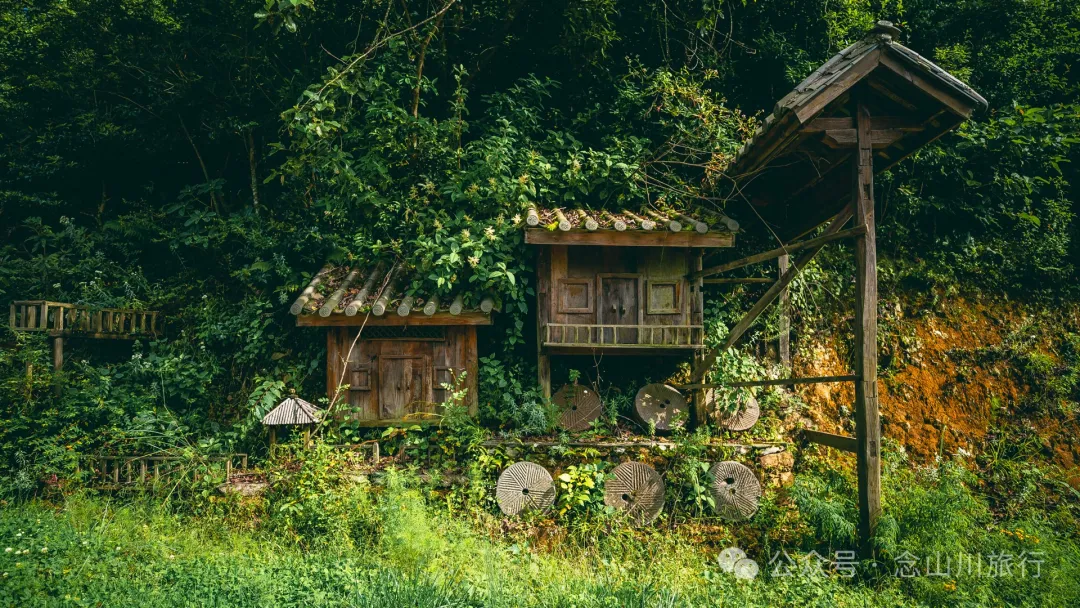
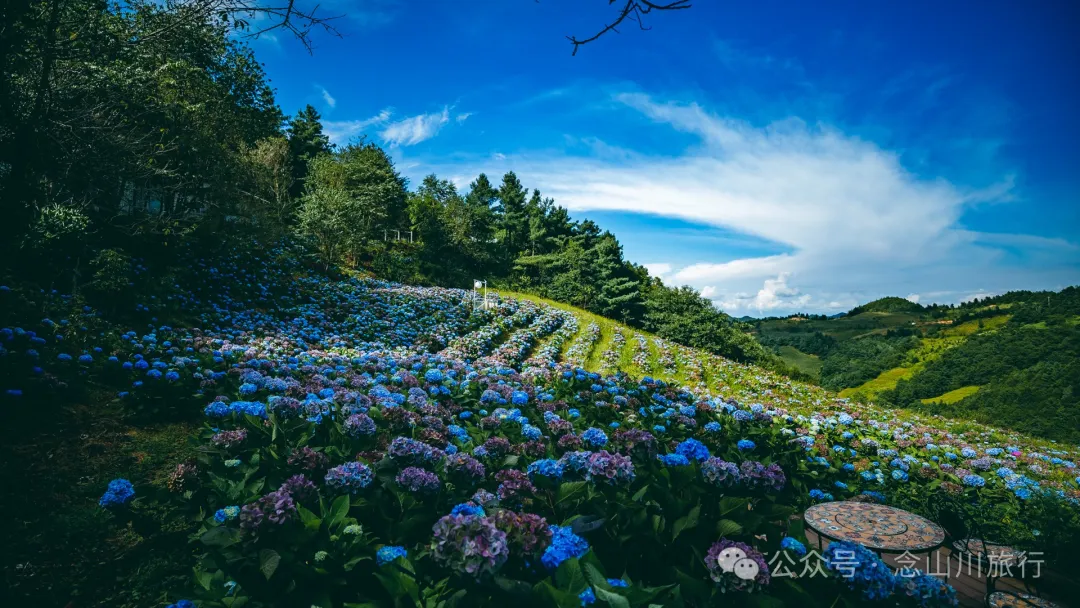
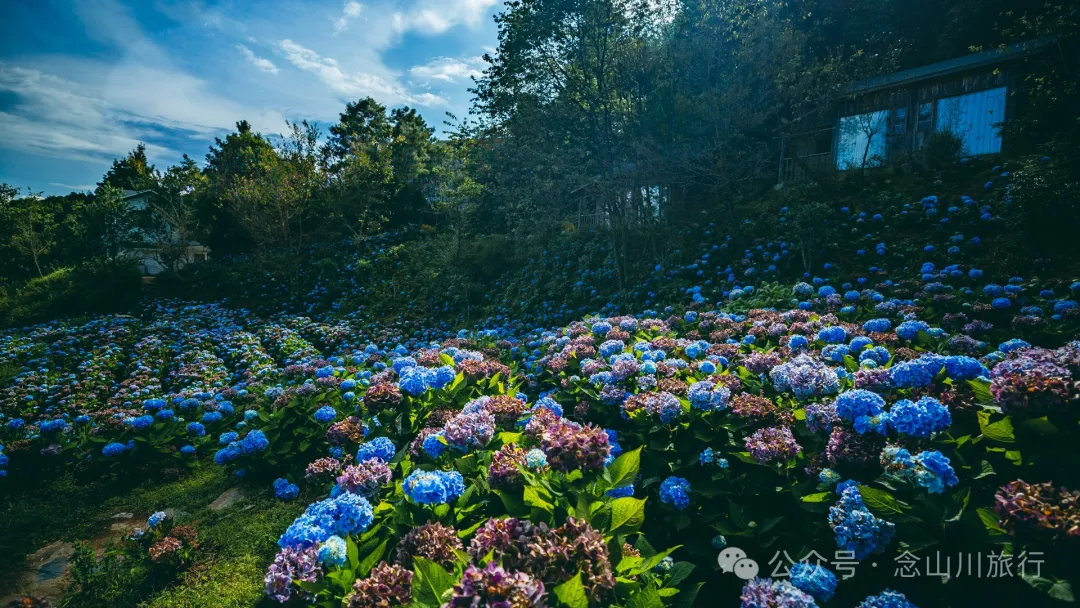
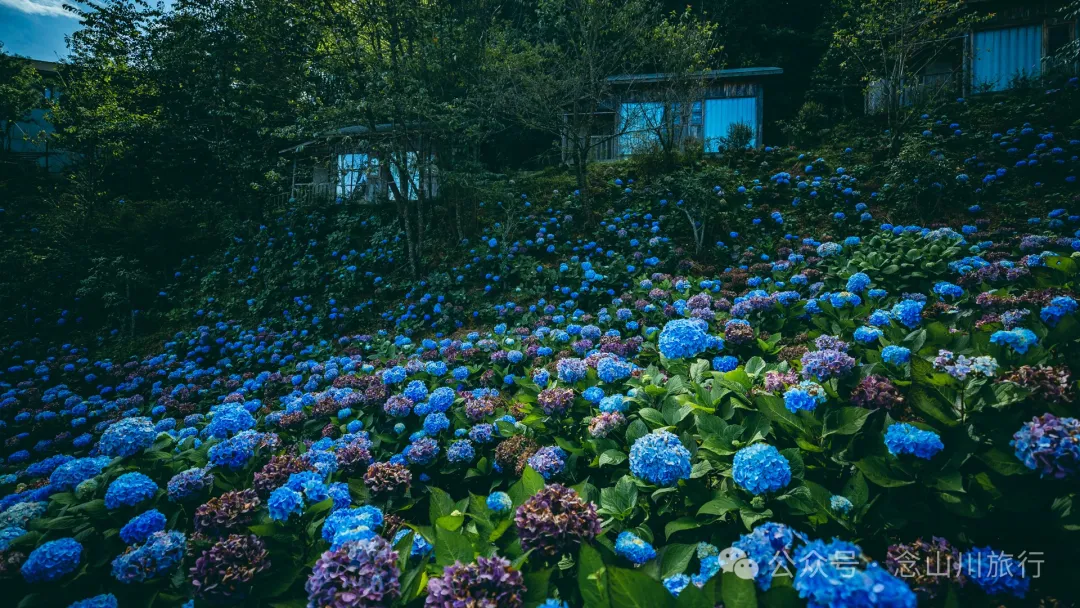
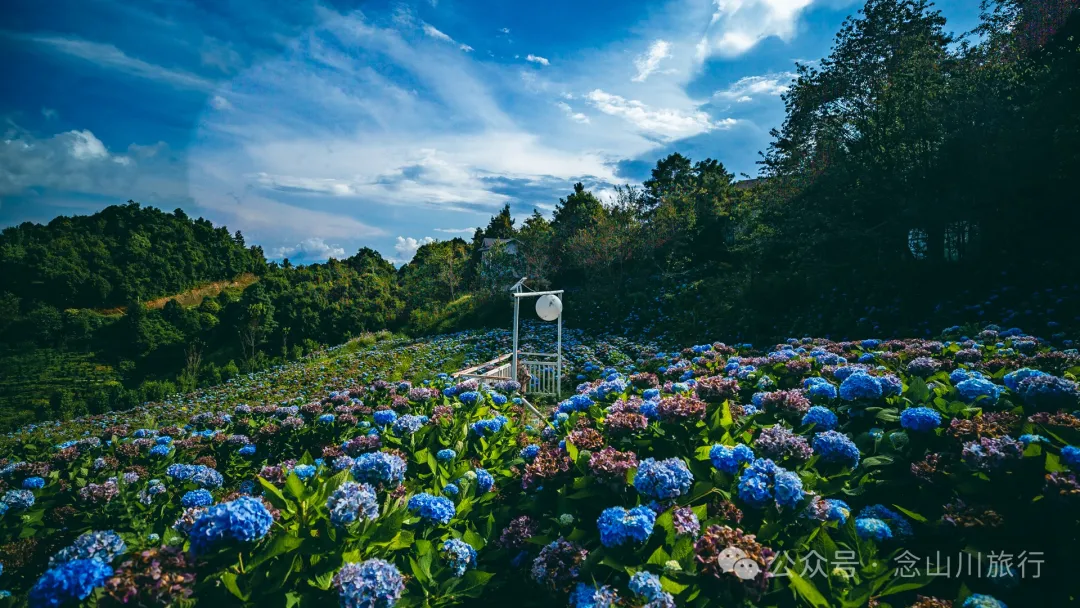
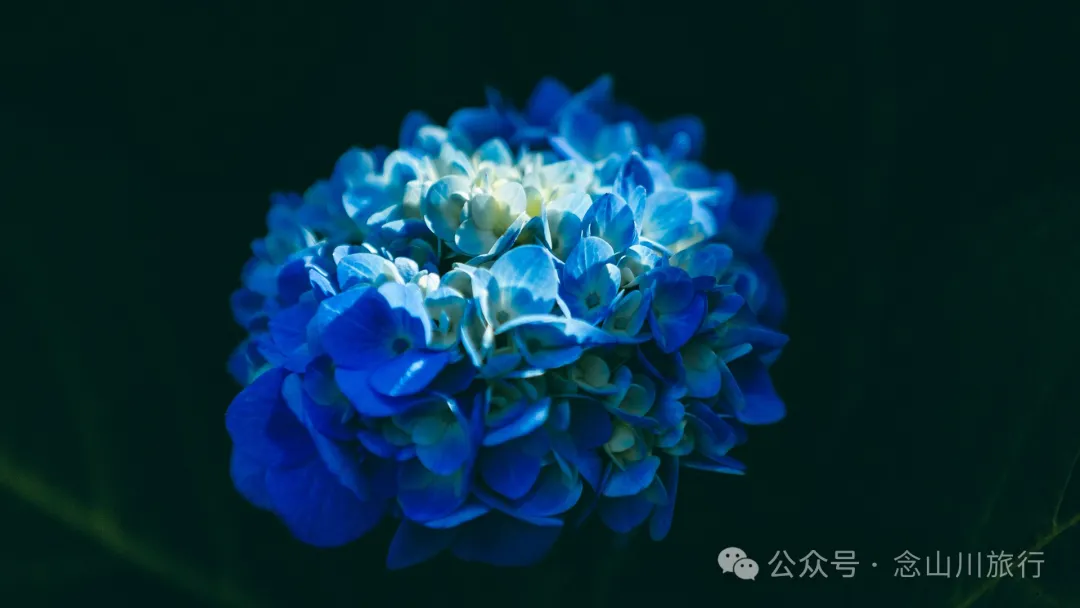
By the roadside, there is a pavilion for visitors to rest. Beside the pavilion, a secluded path leads to another open valley, where rows of neatly planted blue hydrangeas fill the entire valley. We may have missed the peak blooming period of the hydrangeas; in this season, most of the flowers have withered, with only a few clusters remaining on the branches. The dreamlike blue clusters on the hillside complement the blue of the distant sky, creating a harmonious scene.
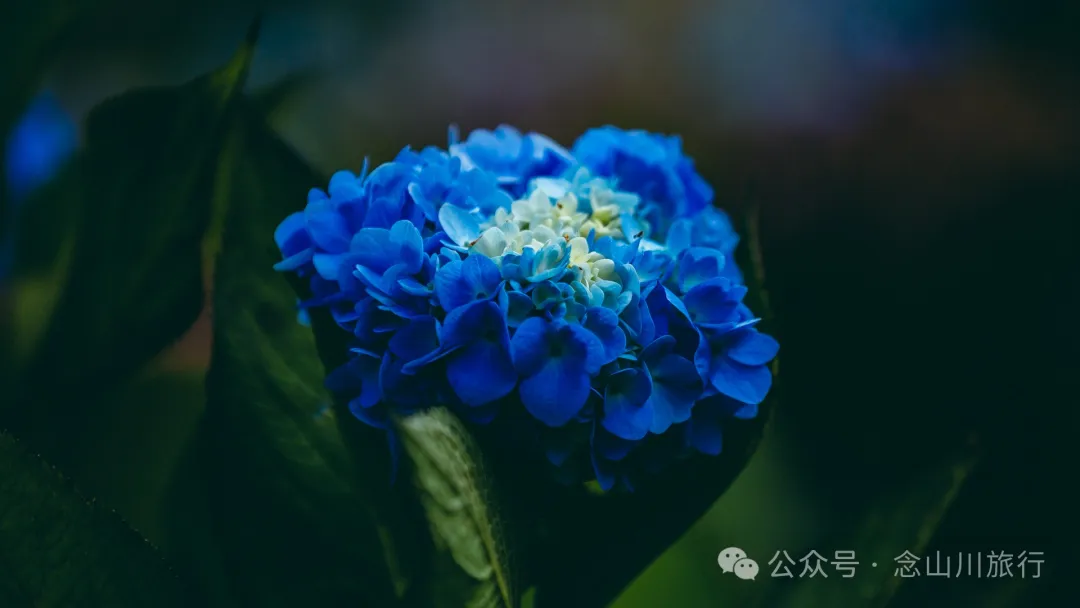
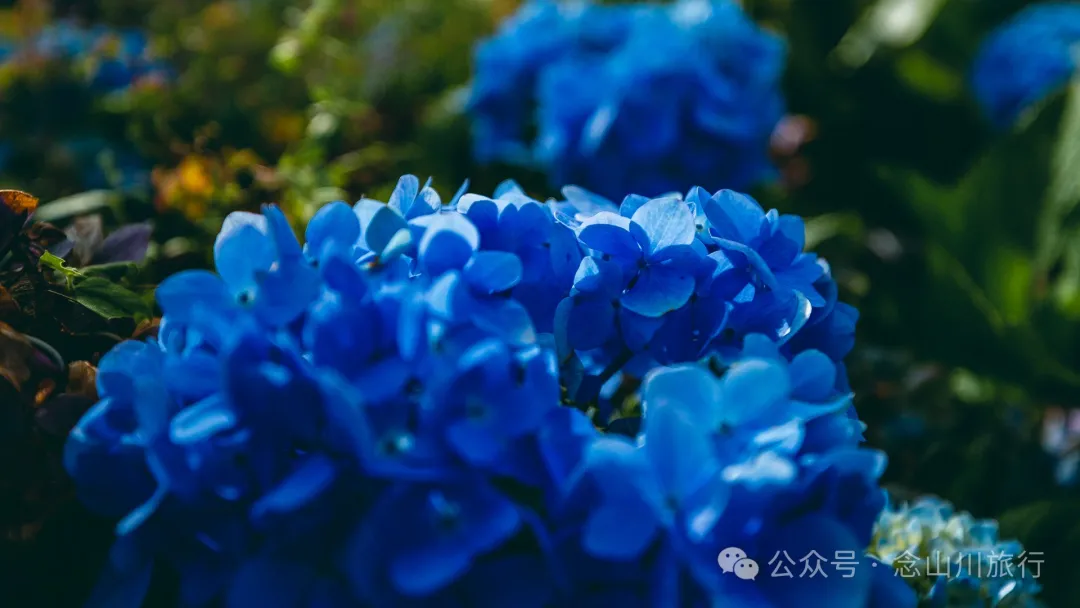
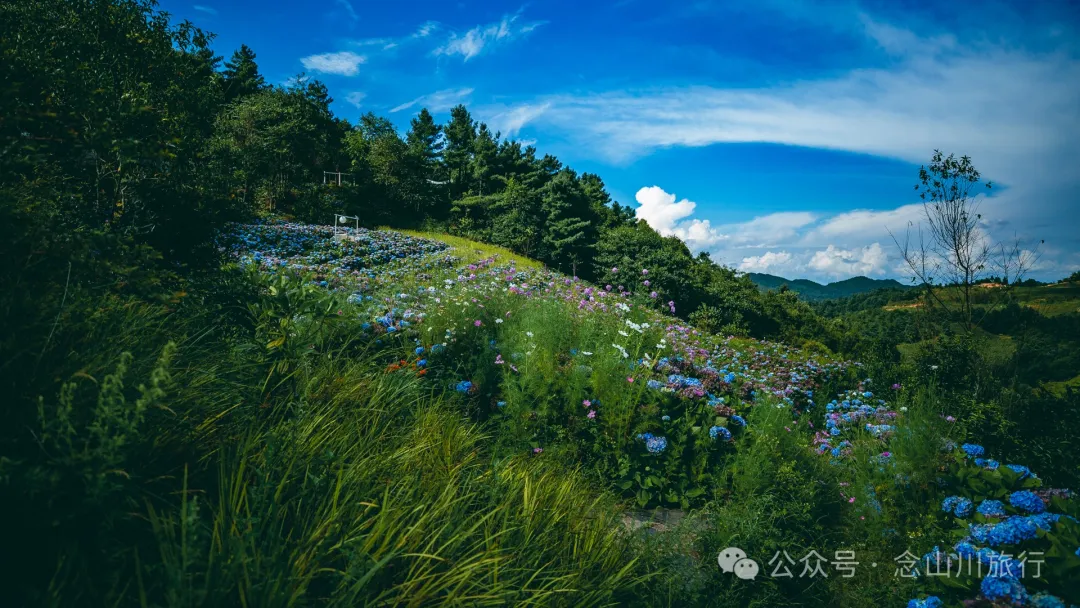
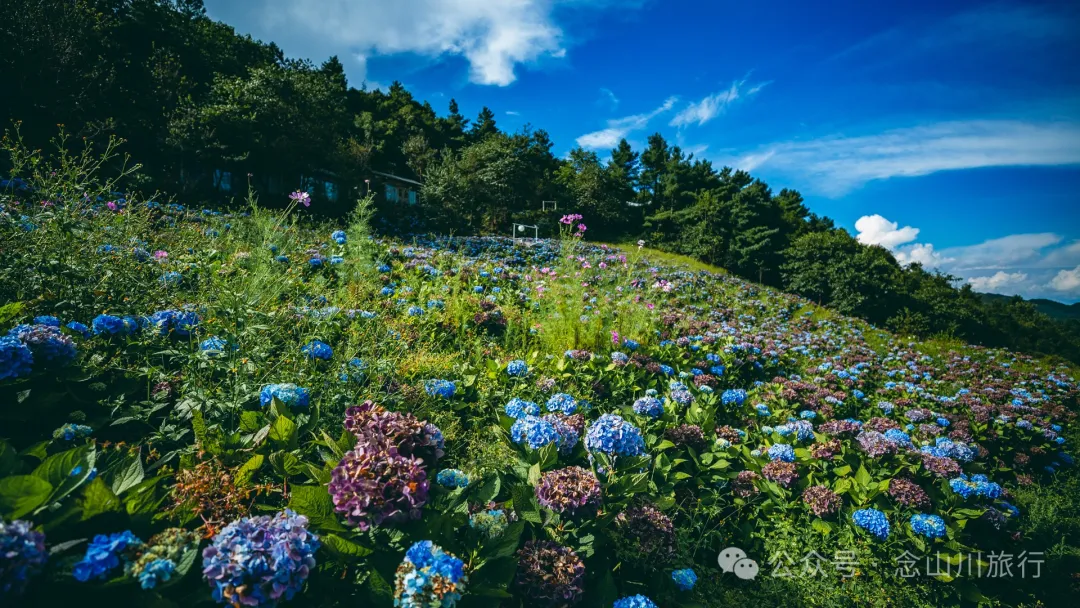
On the lower hillside opposite the hydrangea valley, there is also a row of small cabins. If one were to stay there, they could sit by the window and gaze at this sea of flowers. As night falls, darkness will gradually take away the blue of the sky and the hydrangeas, then put them into dreams, allowing one to sink into a pure ocean.
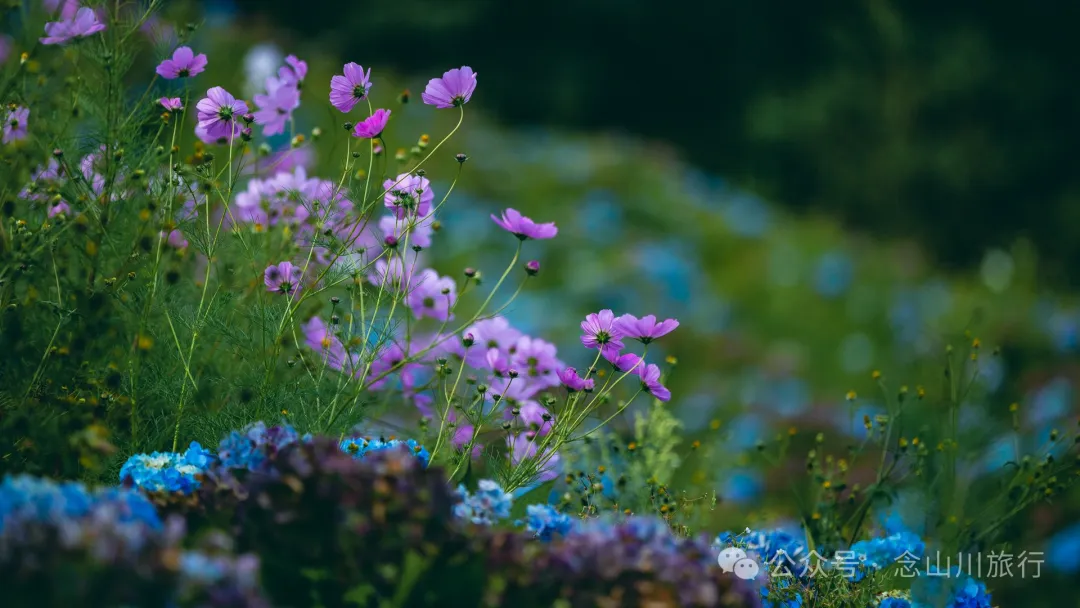
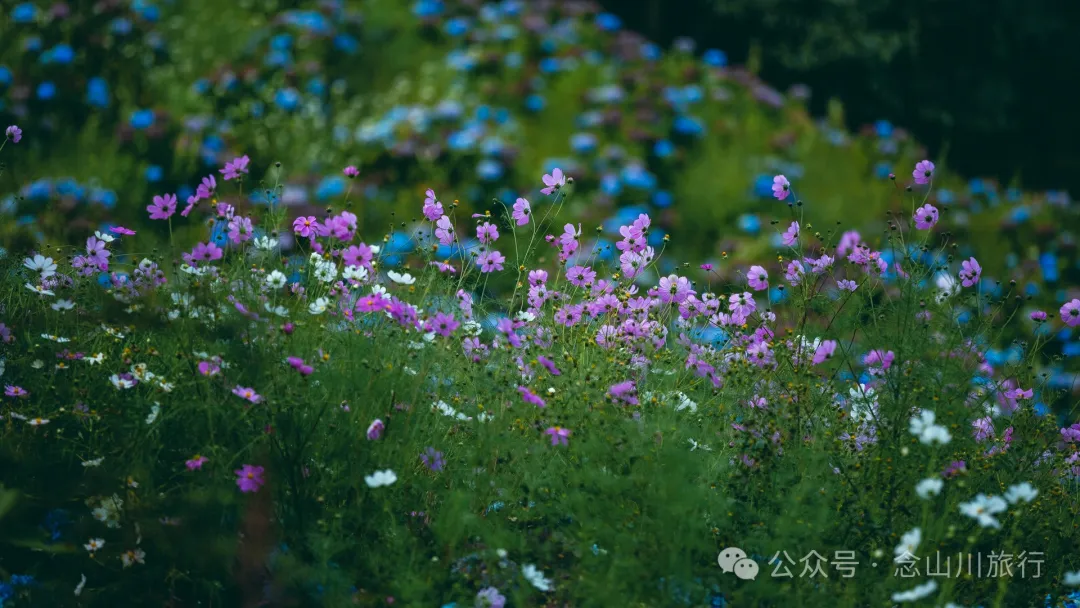
Unlike the dignified hydrangeas, the casually blooming white and pink cosmos by the roadside are capricious, like a little girl next door who visits everywhere, joking with anyone and chatting enthusiastically with everyone.
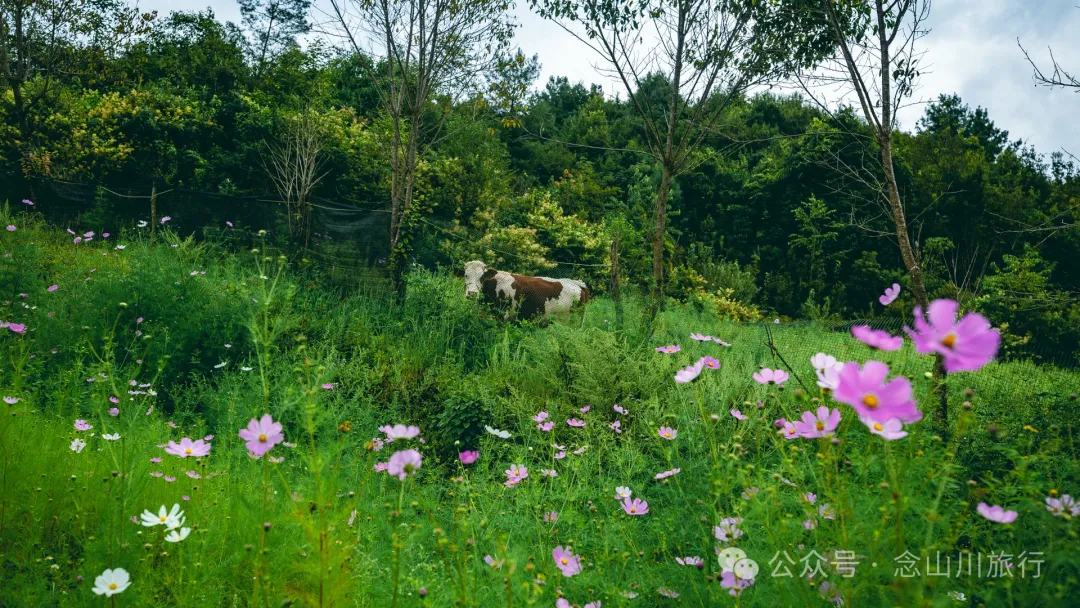
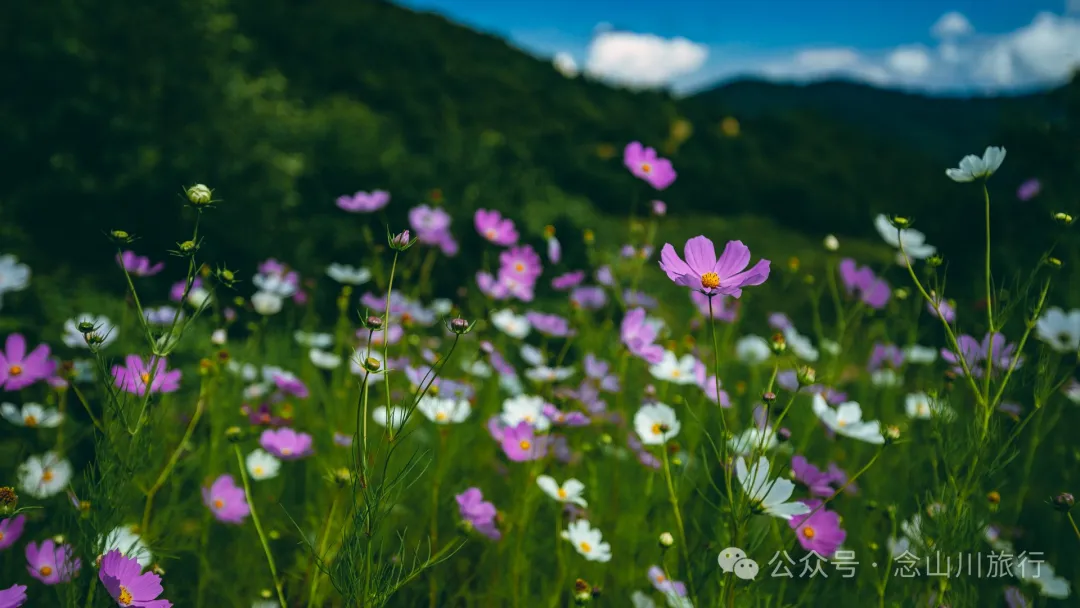
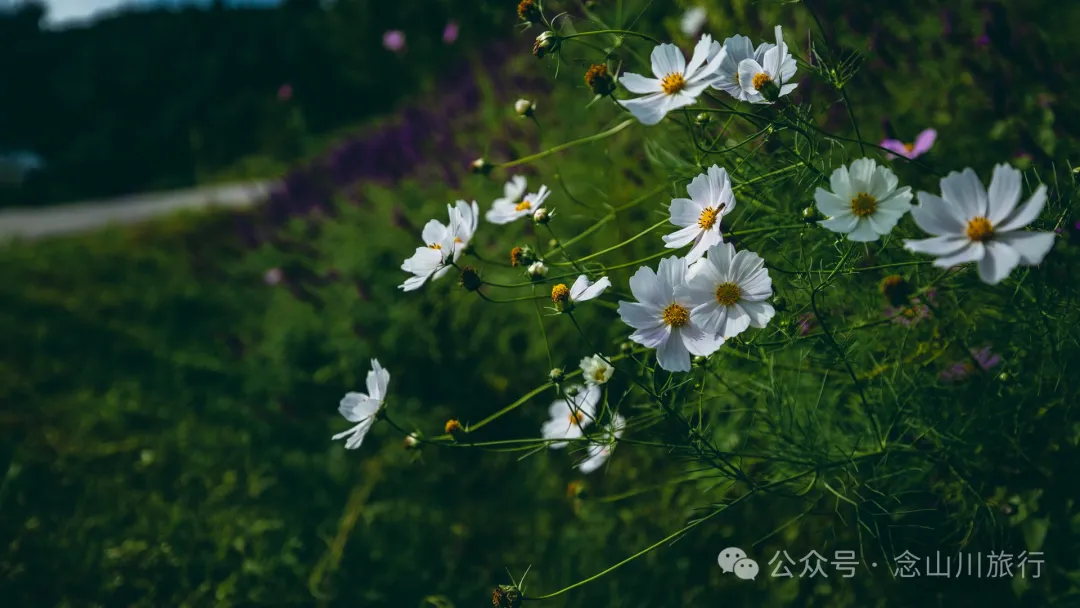
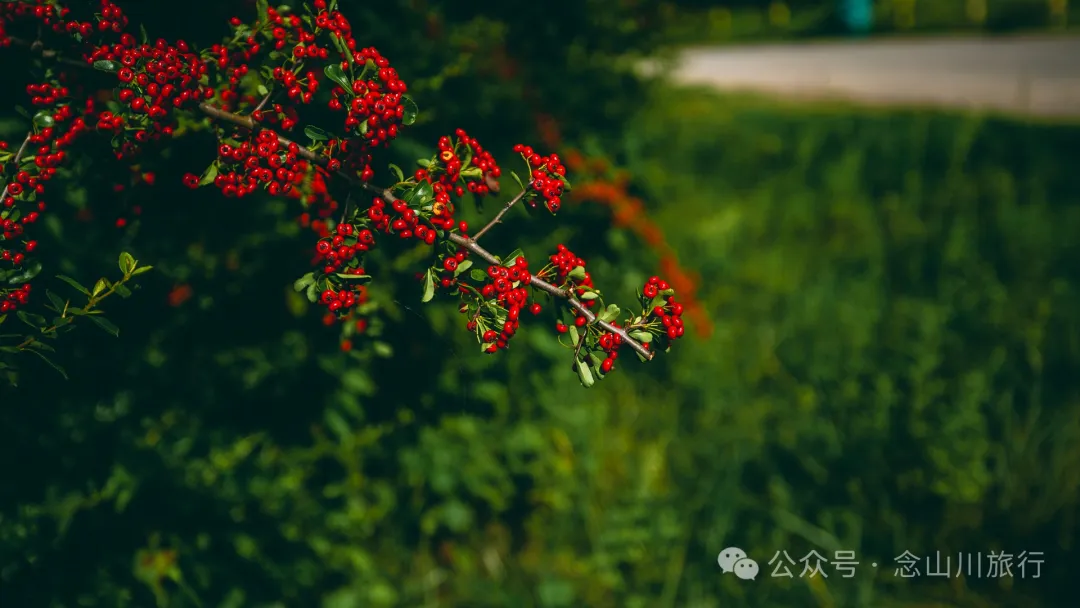
When we arrived, most of the medicinal herbs in the valley were hidden under shade nets, so we missed an opportunity to learn. Autumn is quietly descending upon this isolated valley. The gradually yellowing leaves by the roadside will be blown off by some autumn wind, turning into fluttering butterflies, flying toward a vast wilderness.