
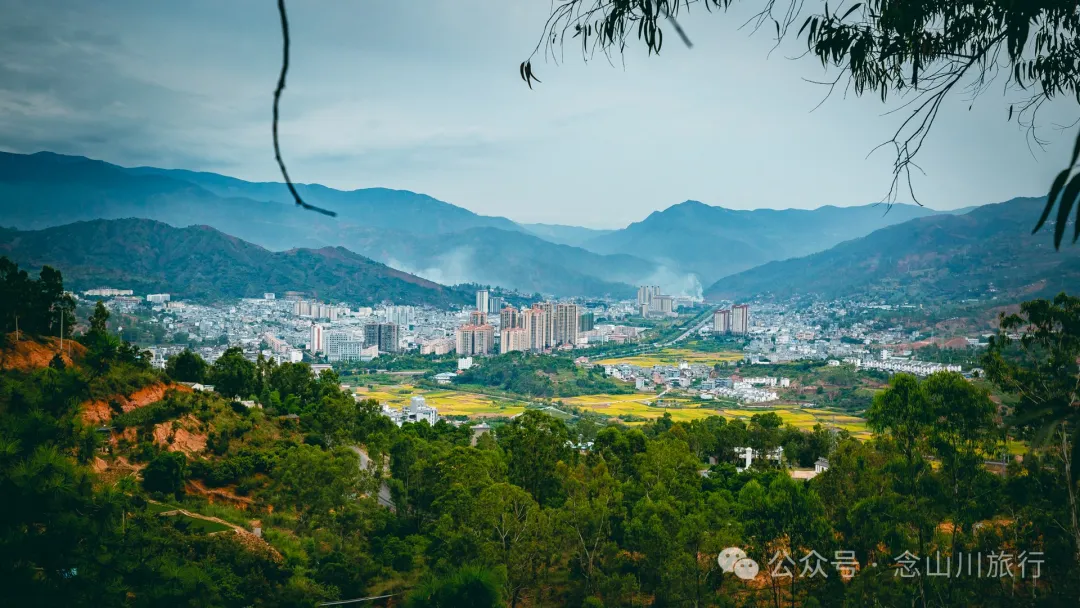
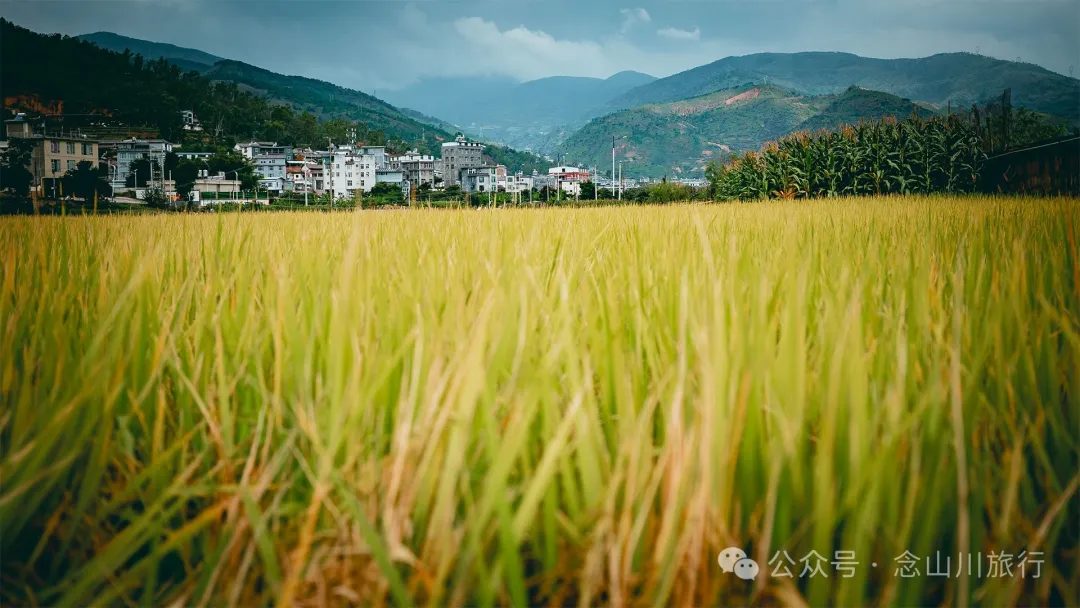
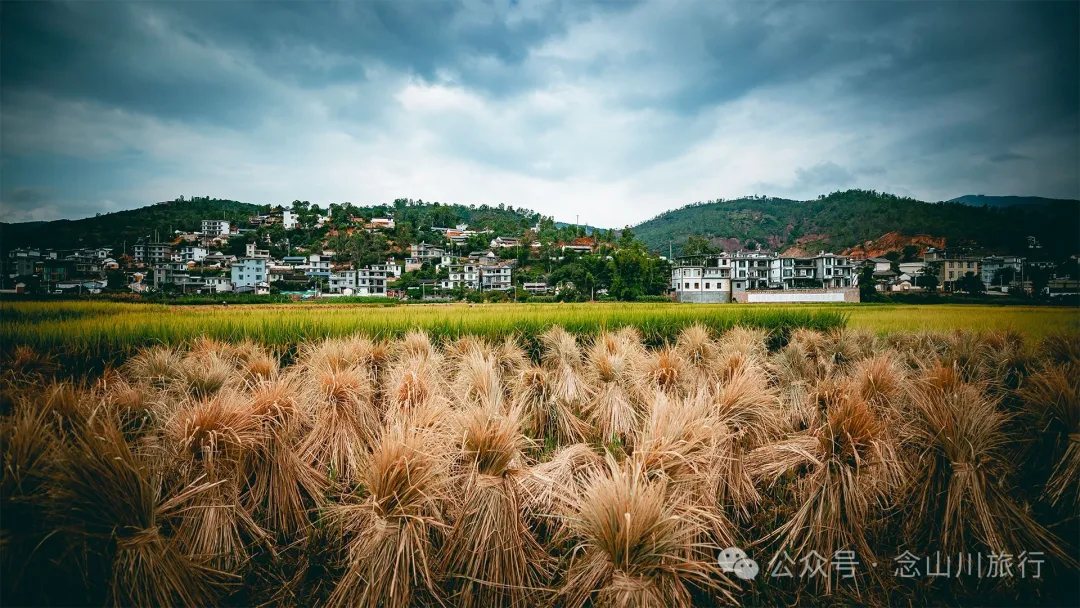
On the road from the mountains to Nanjian County town, you can see vast rice fields on the outskirts of Nanjian County in the distance. At this time, the rice in the basin is golden and ready for harvest. On a roadside leading from Nanjian County town to the Nanjian Earth Forest, we witnessed the joyful scene of villagers harvesting autumn crops.
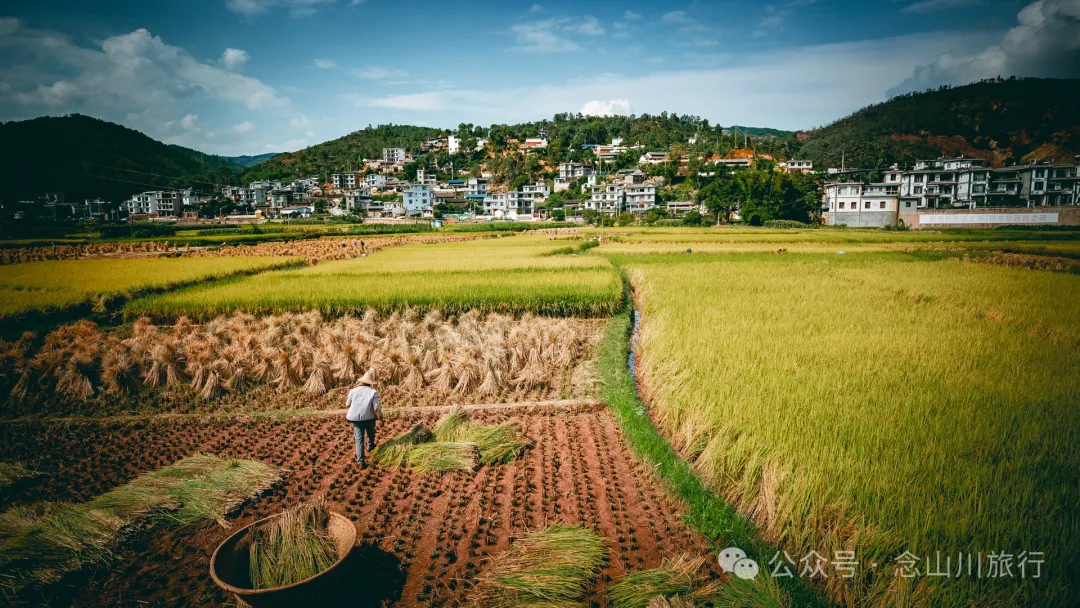
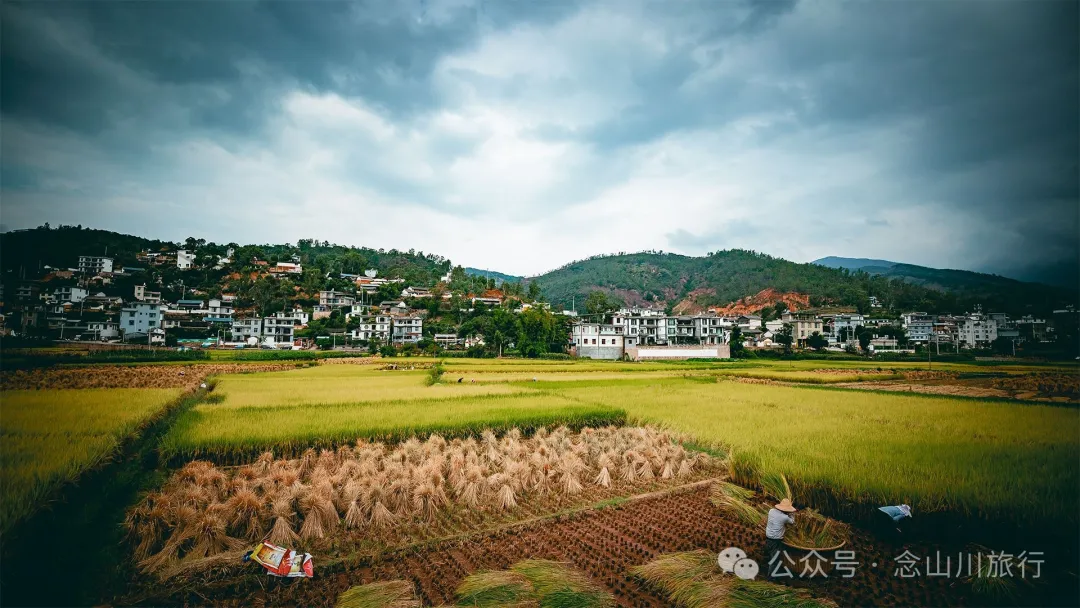
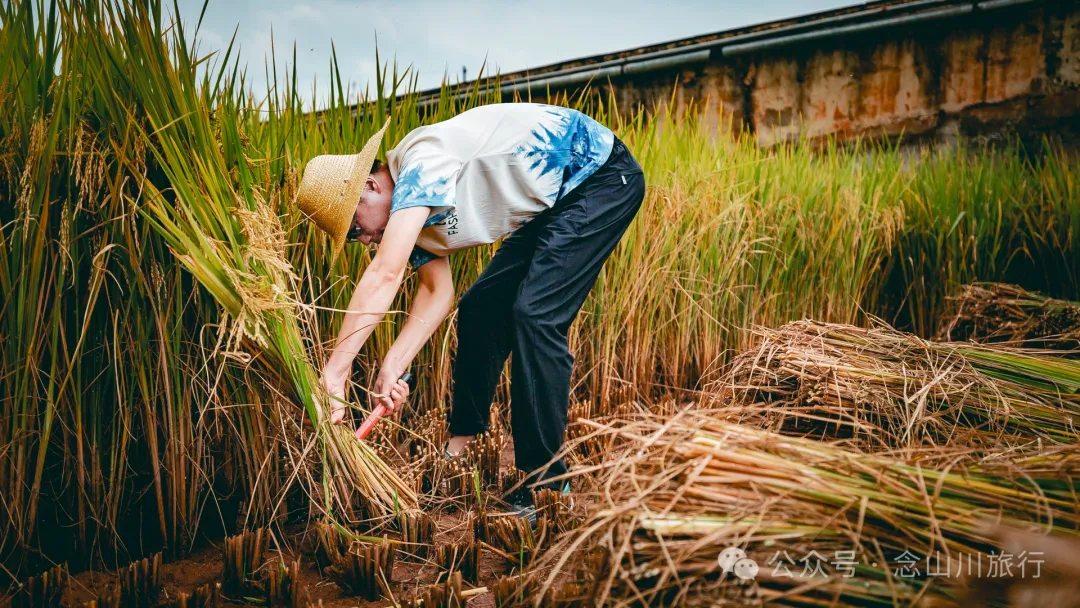
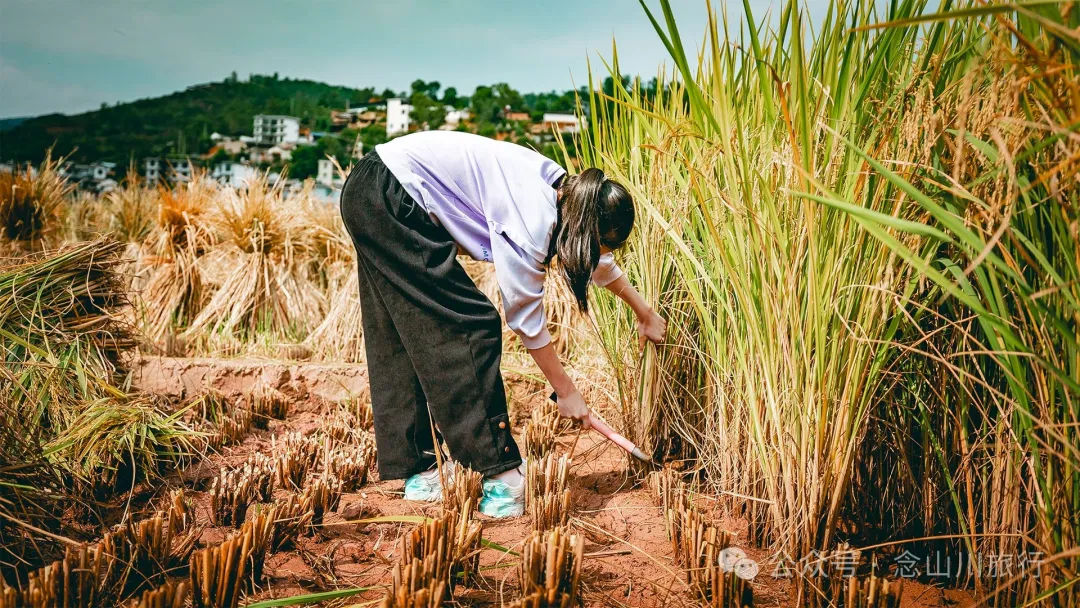
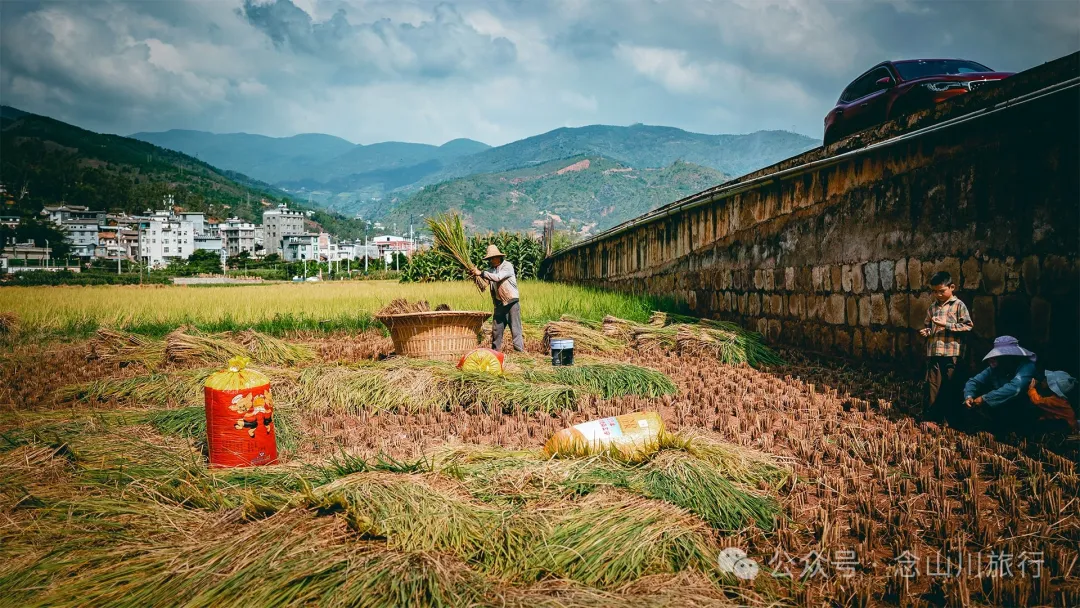
In a rice field by the roadside, an elderly couple was about to finish harvesting a plot of about 0.3 mu early in the morning. The aunt bent over, cutting down the rice stalks one after another. The sickle danced obediently in her hand, and the long, heavy rice stalks quickly bowed down, lying neatly in the field. Compared to the rice in my hometown, the stalks here are much longer.
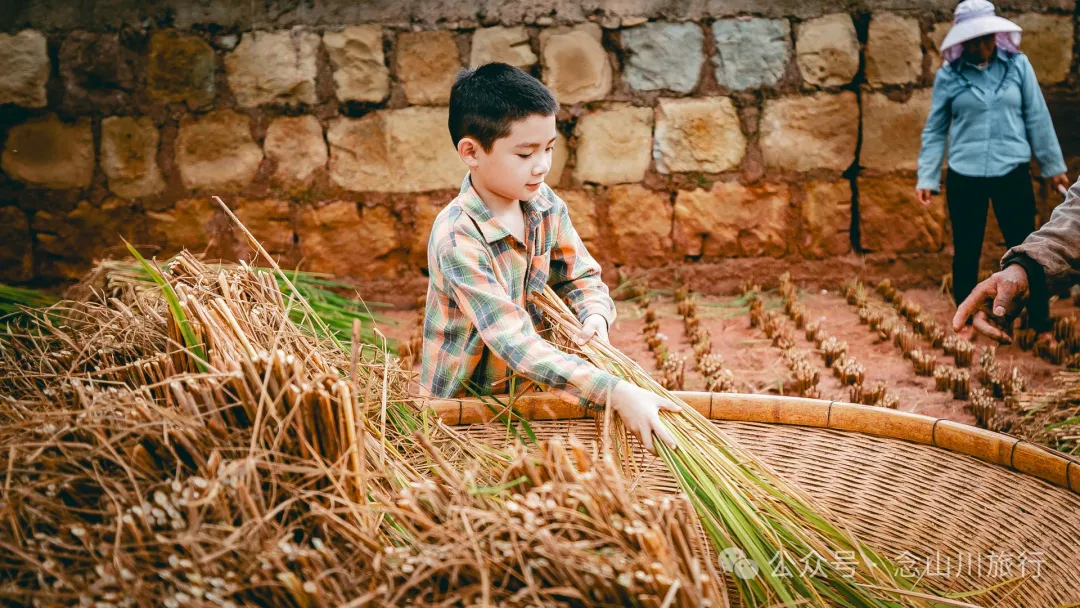
The uncle then bundled the cut rice into a large bamboo basket, grabbed a handful of straw, raised his arms, and forcefully beat the rice against the inner wall of the basket. The plump, golden grains easily fell off. After just two or three strikes, all the rice in his hand fell into the basket, completely separated from the stalks. The basket was woven from bamboo strips. We had seen them many times at markets and in front of farmhouses in villages, but never knew their purpose until today.
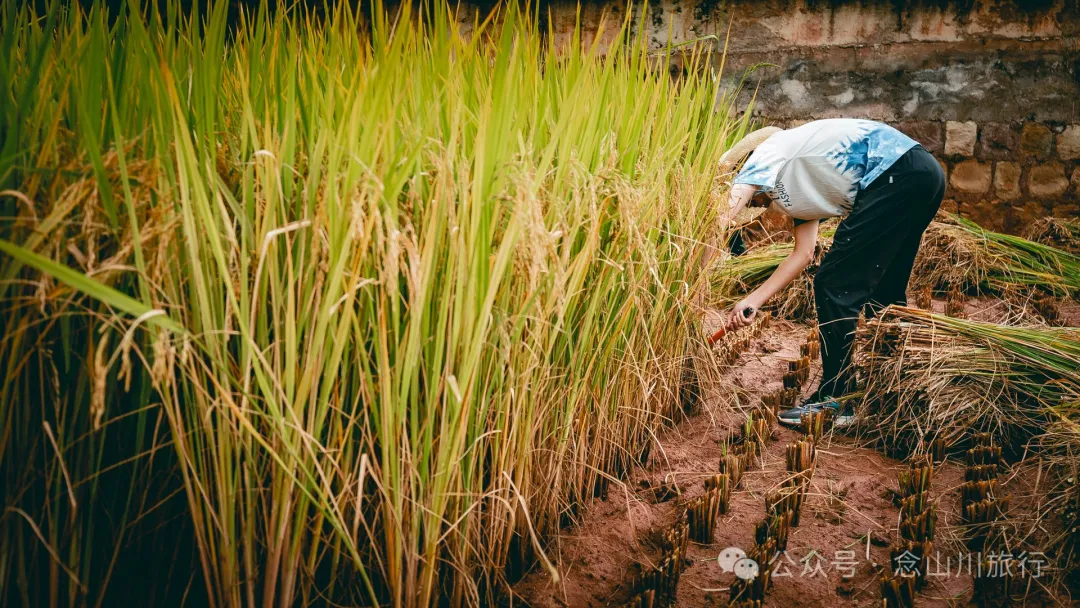
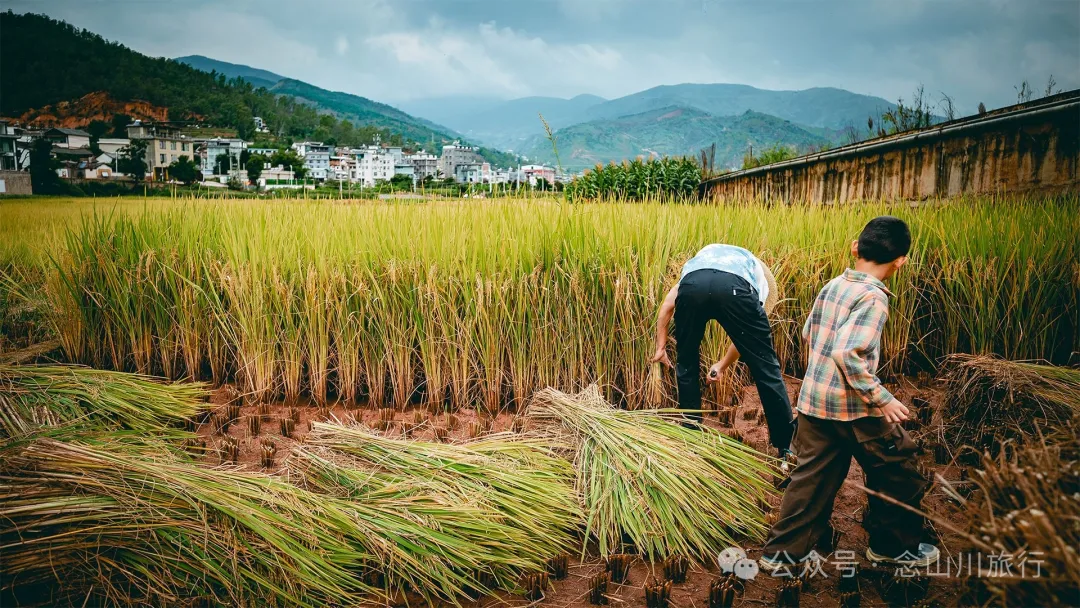
We jumped into the soft rice field and offered to help with the farm work. Chatting with the uncle, we learned that their total rice fields amounted to about 1.7 mu, yielding about 500 kilograms per mu. Besides feeding the family, they had a surplus to sell at the market. I couldn't recall the grain output of my childhood home, but I felt that the harvest back then was far less than now. Perhaps because our family of seven or eight people worked over ten mu of farmland all year round, yet life was always tight and truly hard.
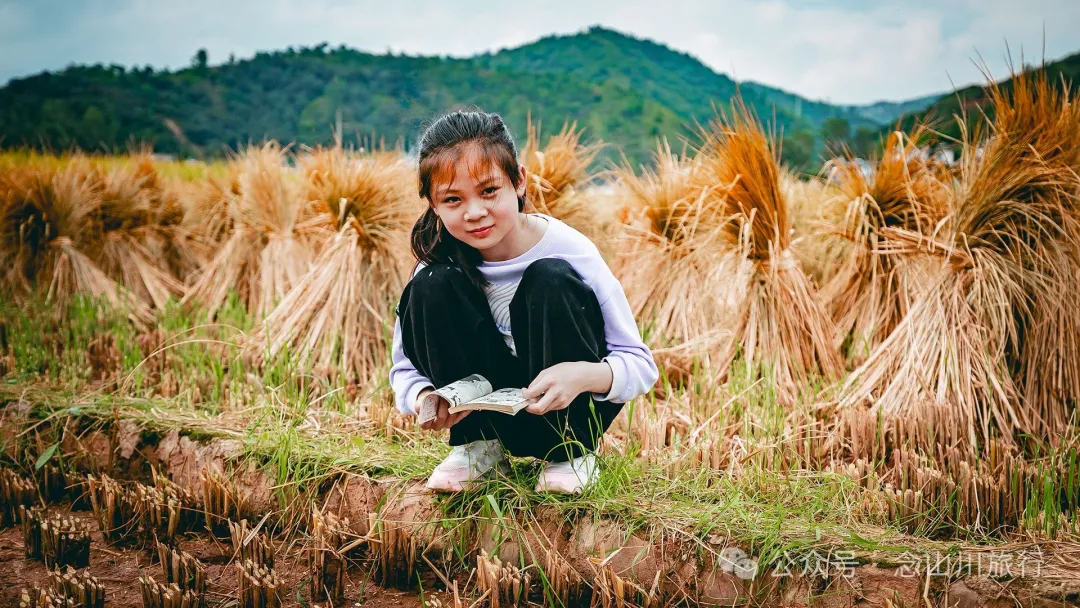
We are all children of the southern plains, and such farm work was the most common labor in our childhood. The most memorable was the "double rush"—harvesting early rice from a field and immediately planting new seedlings, which would become late rice. This task coincided with the hottest weather, making it the toughest time for farmers. Every child, without exception, was dragged to the fields by parents, working from dawn to dusk, only wishing to grow up quickly and escape parental control.
Although I haven't cut rice for nearly twenty years, the skill buried deep in memory seems to have merged into my blood. The moment I picked up the sickle, all memories of harvesting rice surged back. Bending over to cut rice was something I could do with ease.
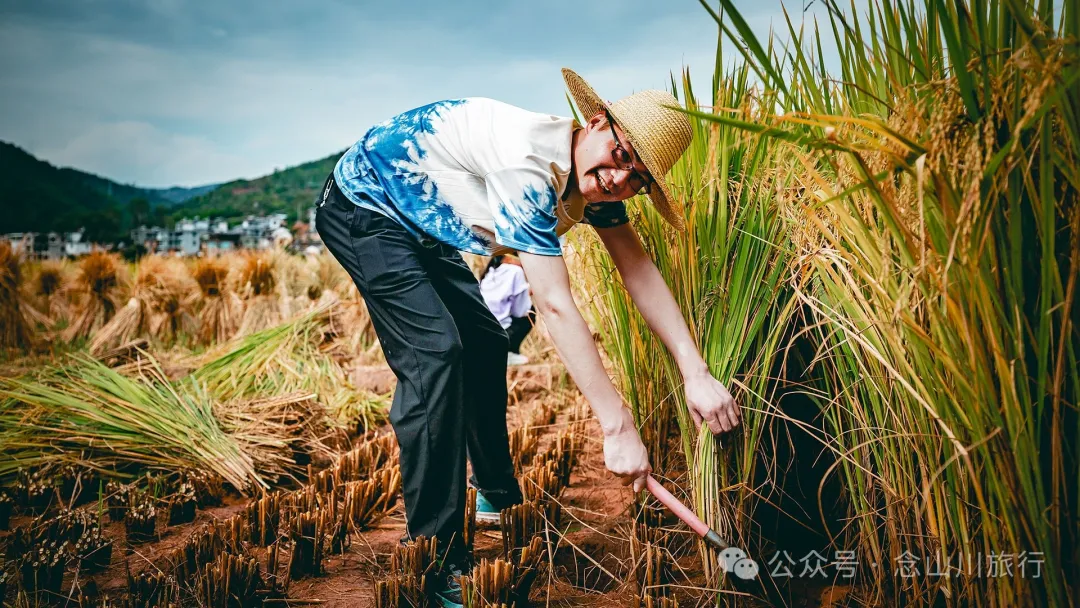

The rice harvesting in my hometown is slightly different from Nanjian. The sickles we used were longer and more curved, and threshing was not purely manual but used a semi-mechanical machine operated by foot, called a "treading machine." In the southern plains, there are many fields; each household could have at least ten mu of paddy fields, sometimes twenty or thirty mu. Sometimes a field needed to be planted and harvested twice a year. If done purely by hand, even with ten times the strength of a mule, farmers couldn't finish the work.
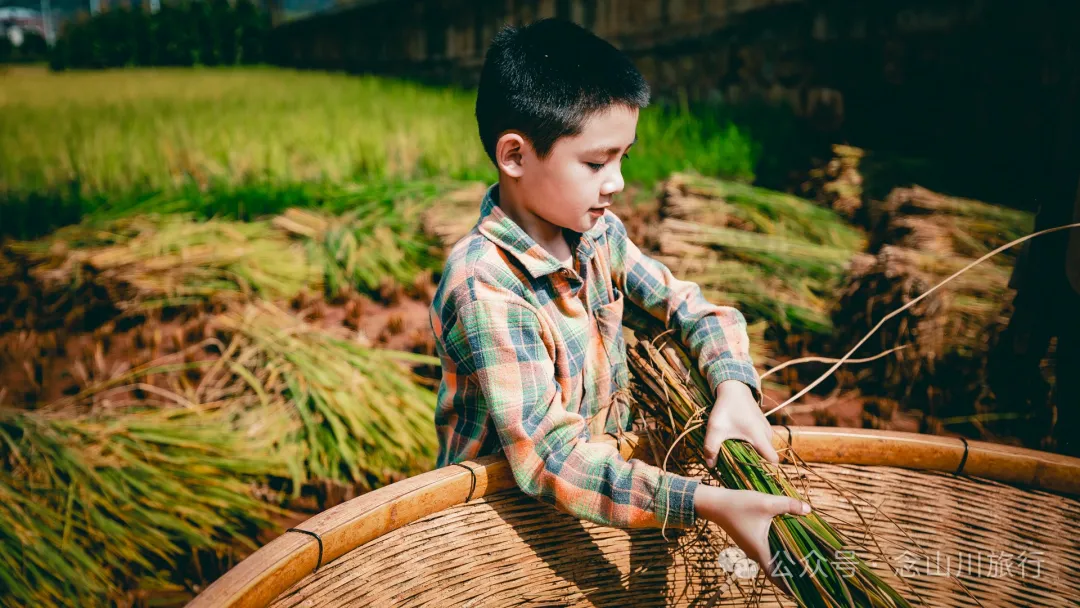
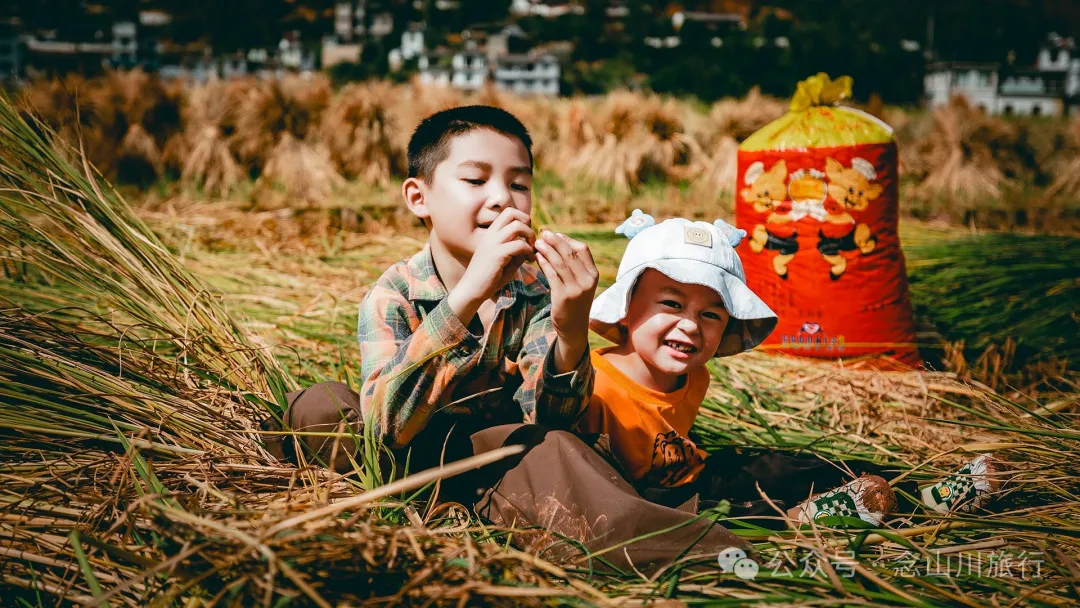
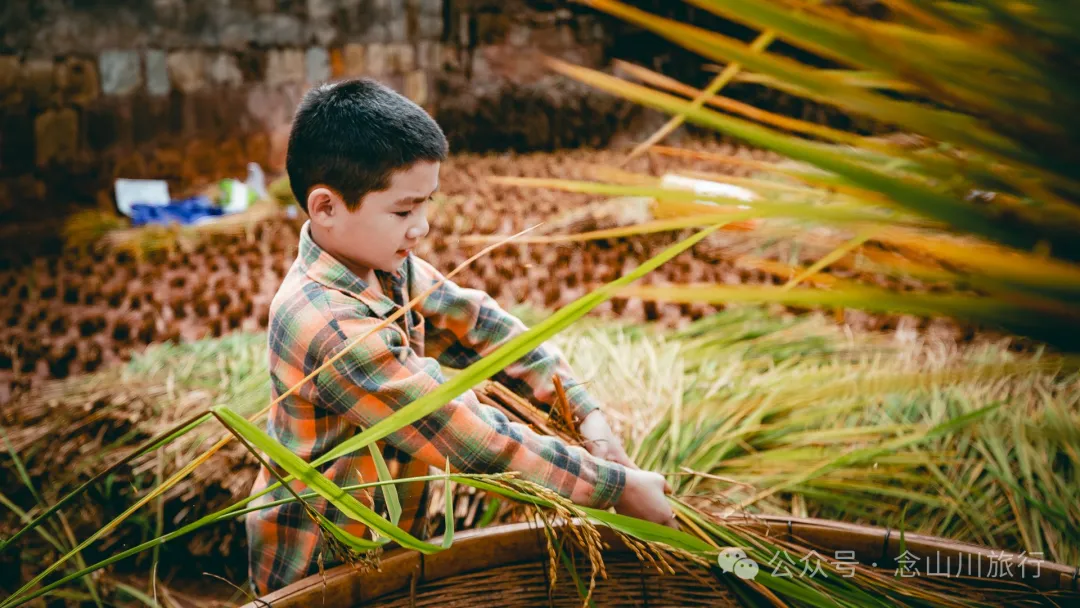
The little boy was experiencing such farm work for the first time and was full of interest, wanting to try every step. But after cutting a row of rice and threshing a few handfuls under the scorching sun, he lost interest and started playing games with the uncle's grandson. Various small insects in the rice field became their playthings. They sat on the straw, playing with the ladybugs they caught, thoroughly enjoying themselves.
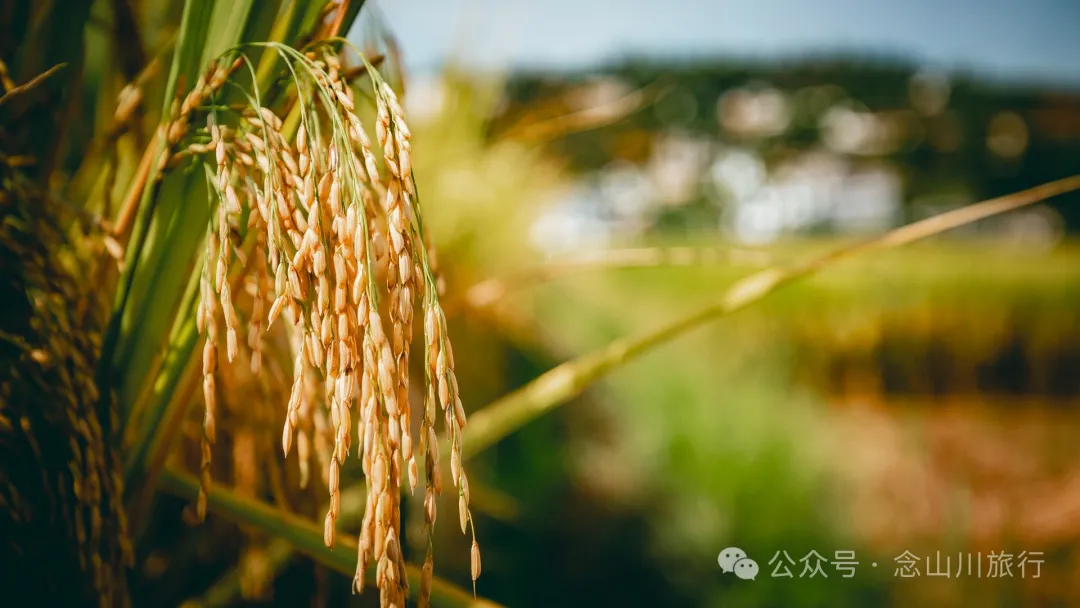
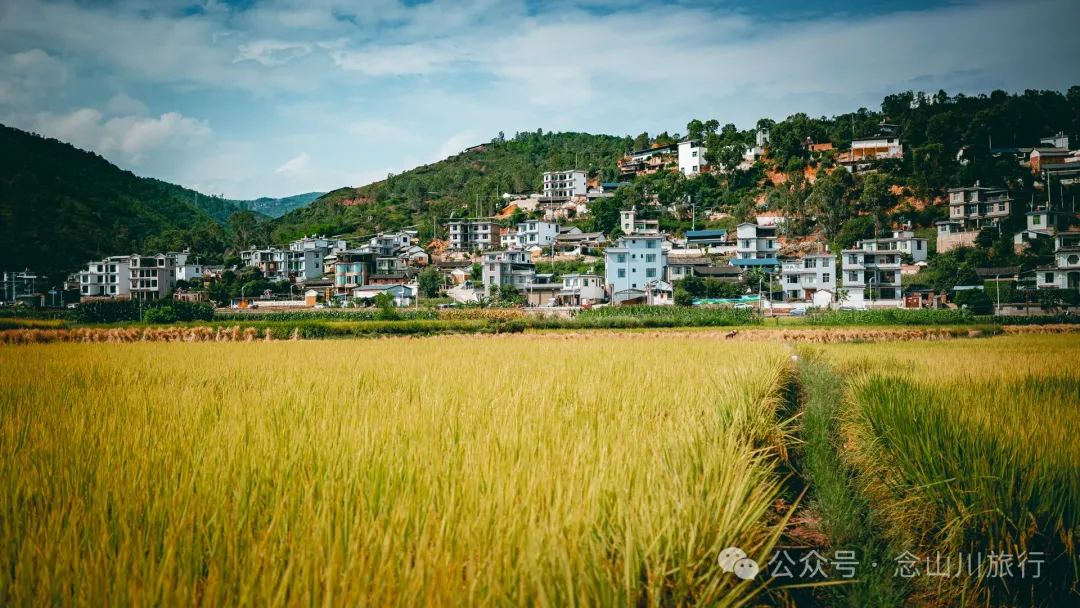
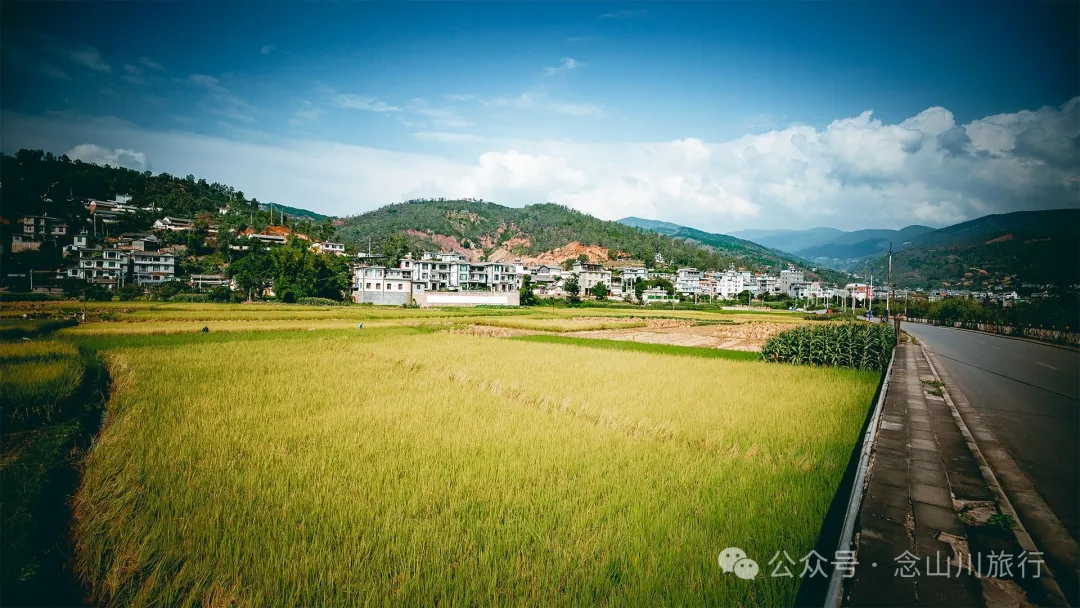
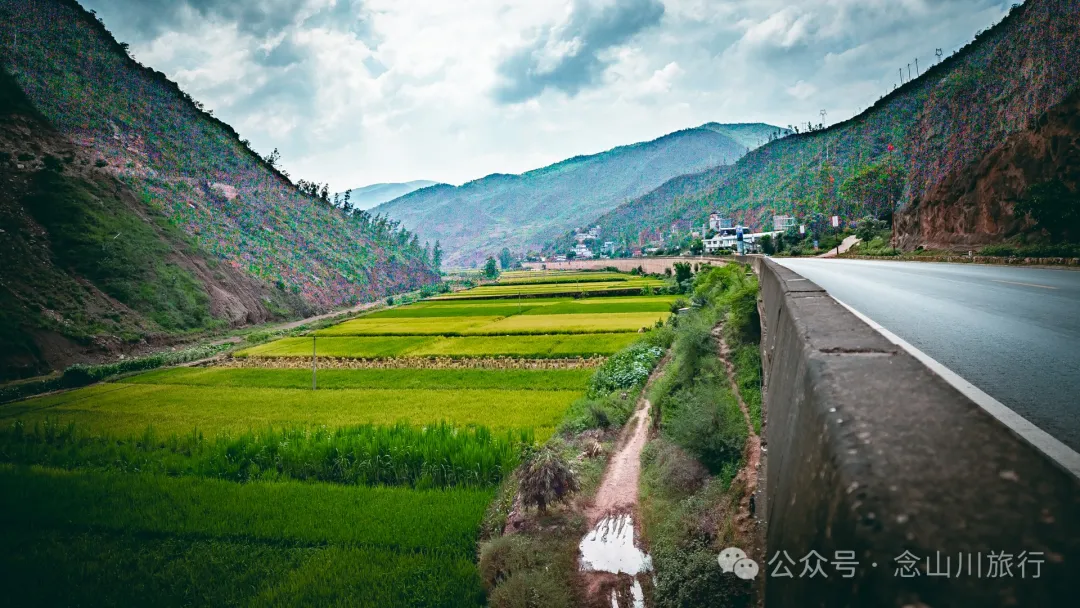
"A lonely small bridge, dreams pass by; deep in the rice fields, grass insects chirp." On the way back, we saw a narrow stretch of rice fields in the valley, not yet fully ripe. Give them a few more days of autumn sunshine, and they will soon be ready for harvest.