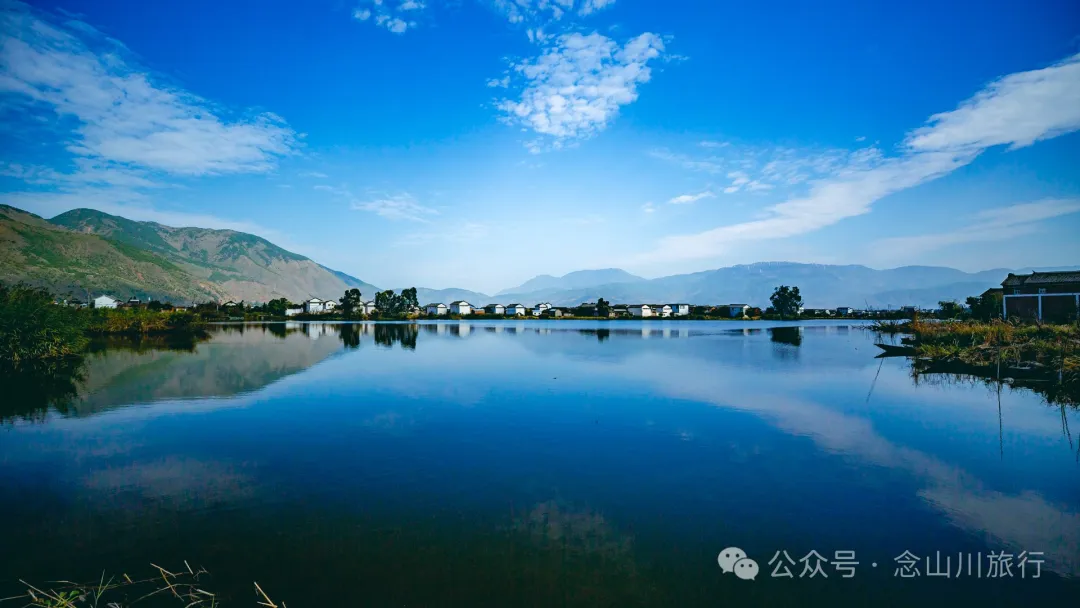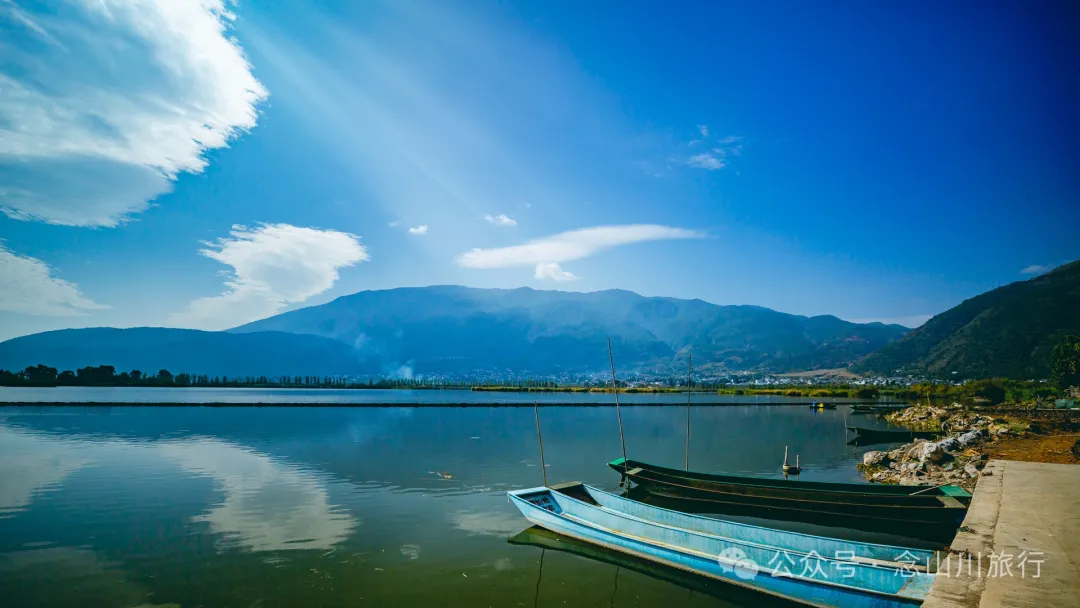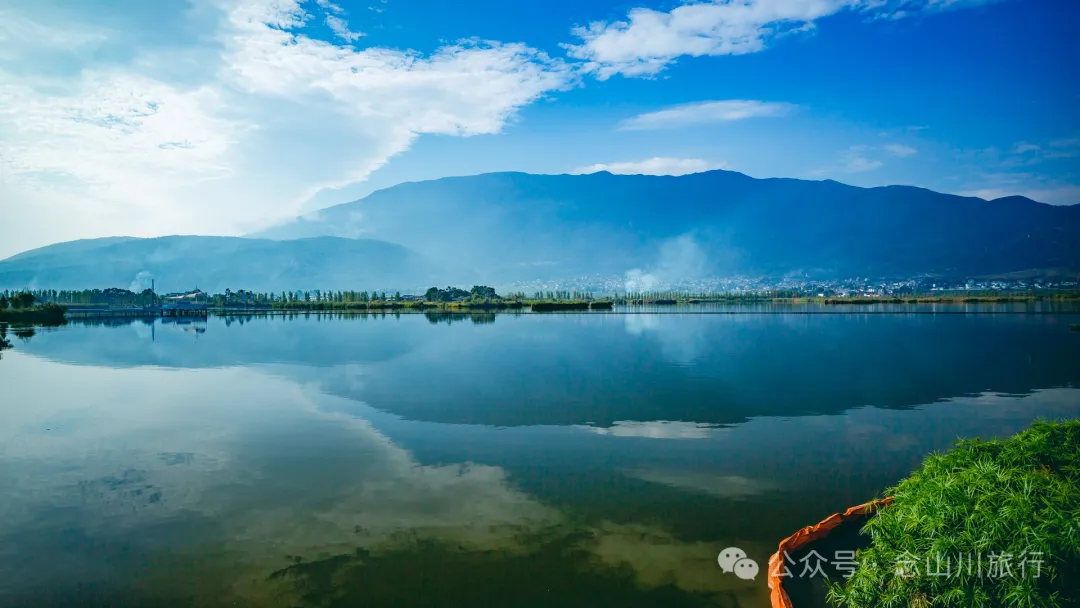

In Yousuo Town, Eryuan County, Dali Bai Autonomous Prefecture, Yunnan Province, there is a village surrounded by mountains and nourished by lake water—West Lake Nandeng Village. This village is not only an important water source for Erhai Lake but also a beautiful countryside full of pastoral scenery and farming culture.
West Lake Nandeng Village belongs to the West Lake administrative village of Yousuo Town and is a typical dam area village. The village covers an area of about 0.25 square kilometers, with an altitude of 1968 meters. The climate is mild, with an average annual temperature of around 16°C and an annual precipitation of about 800 millimeters. Such climatic conditions provide unique advantages for local agricultural production.
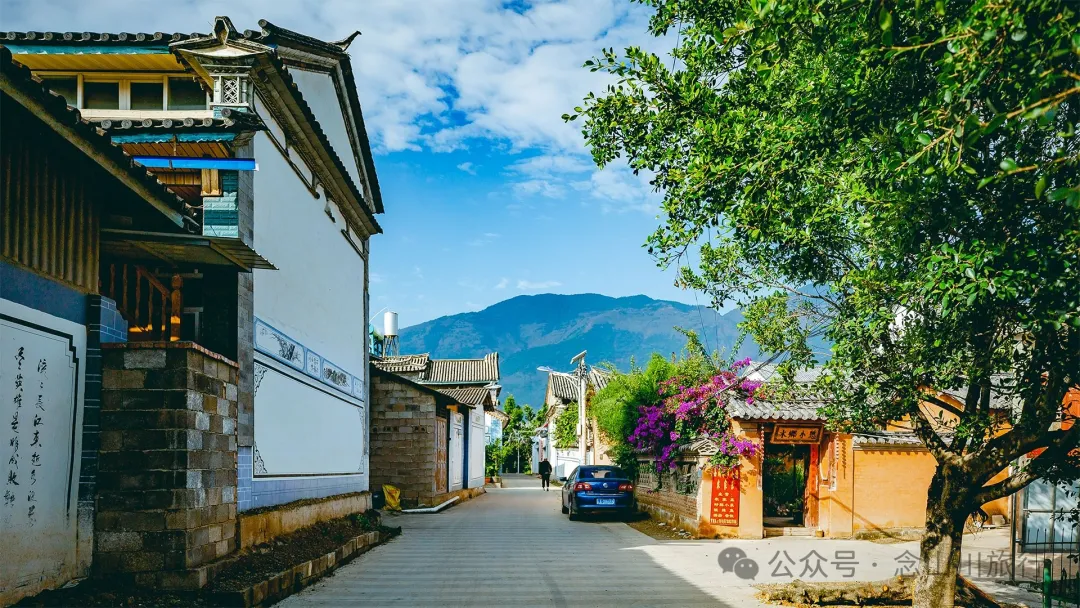
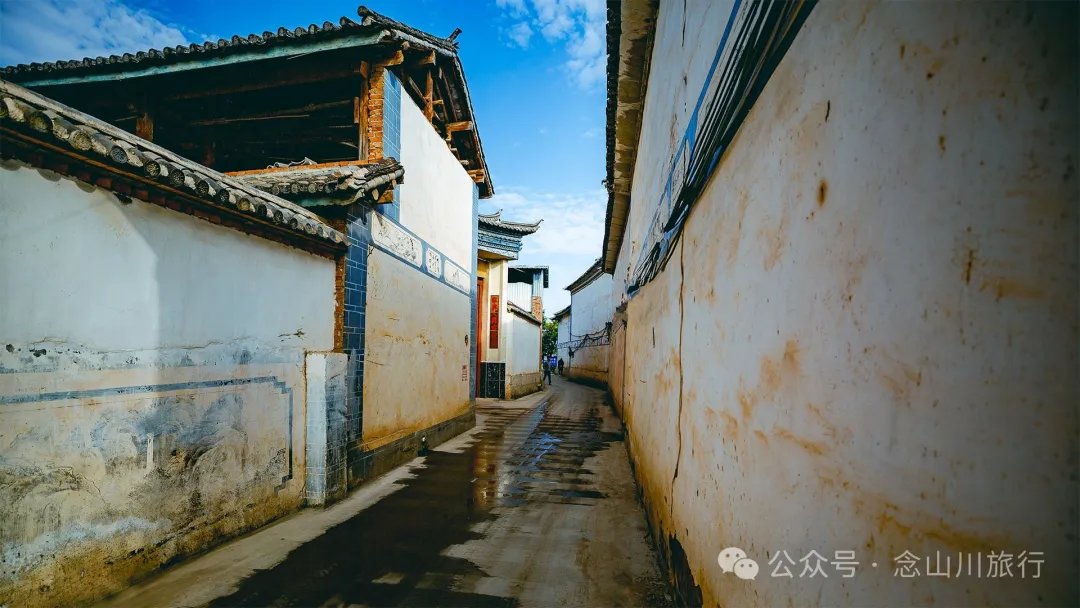
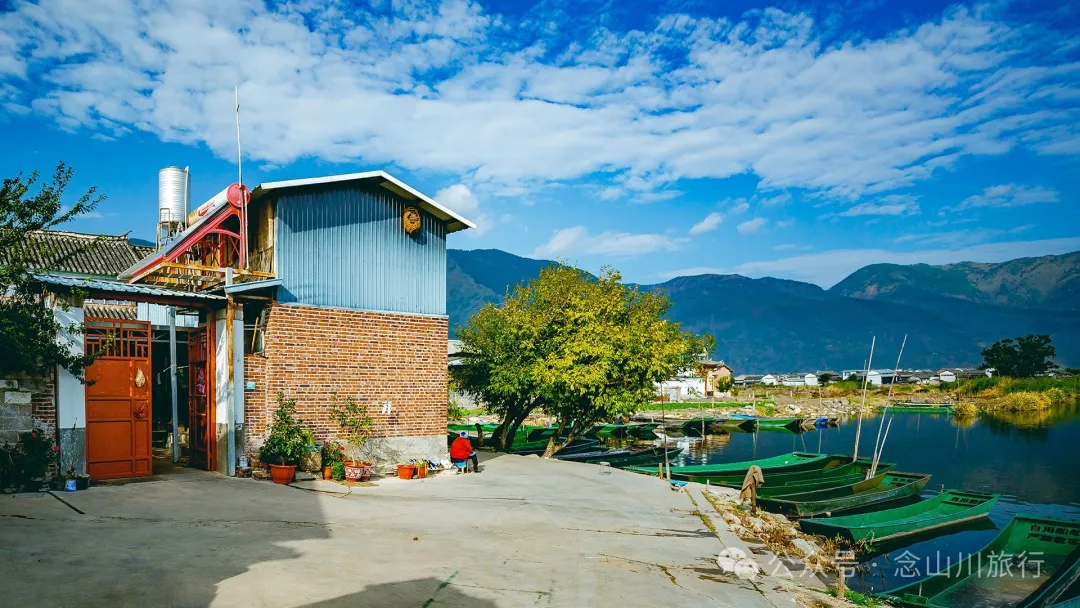
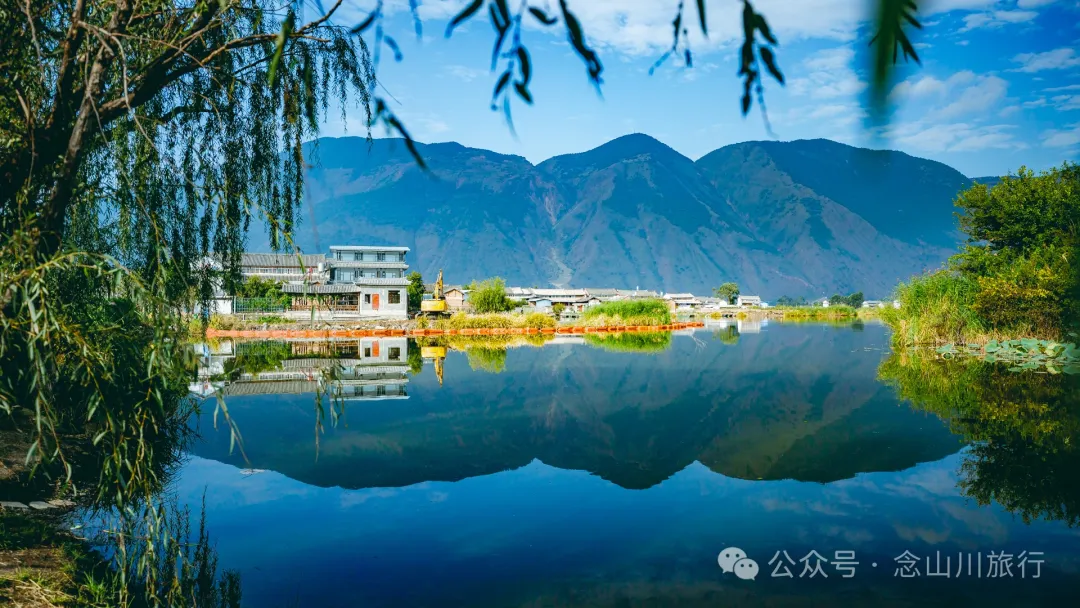
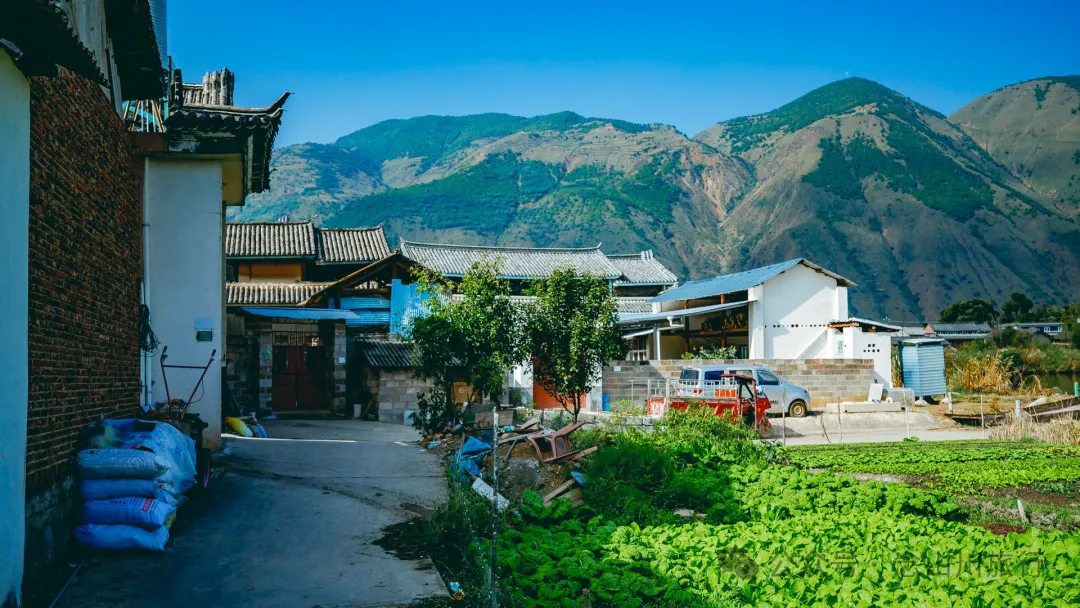
The Bai ethnic architecture in West Lake Nandeng Village fully considers harmony with the natural environment in site selection and design. Buildings are often nestled against mountains and beside water, complementing the surrounding landscape, reflecting the Bai people's respect and utilization of nature.
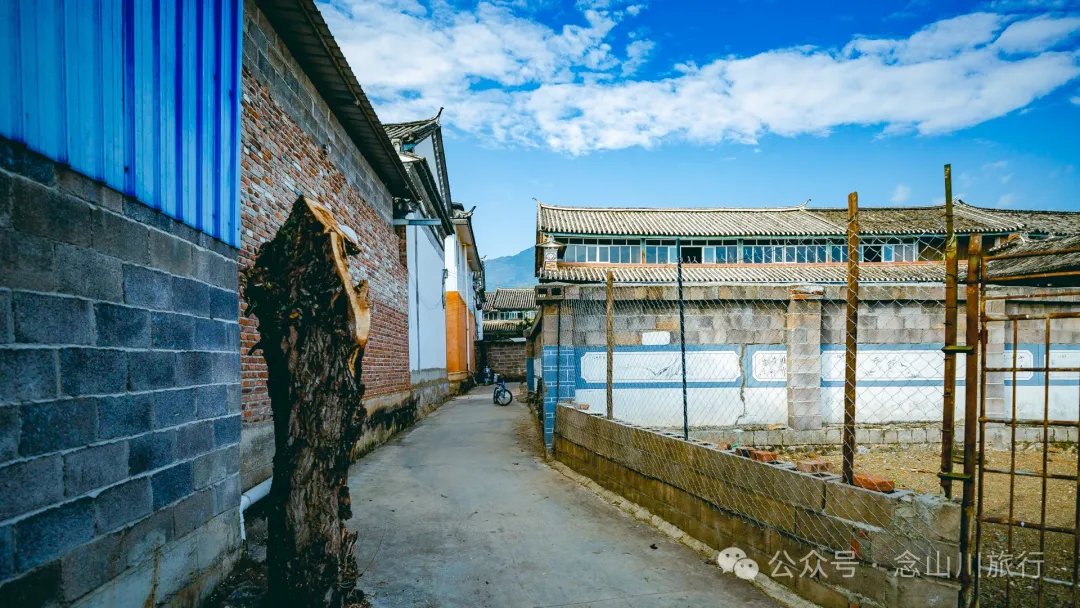
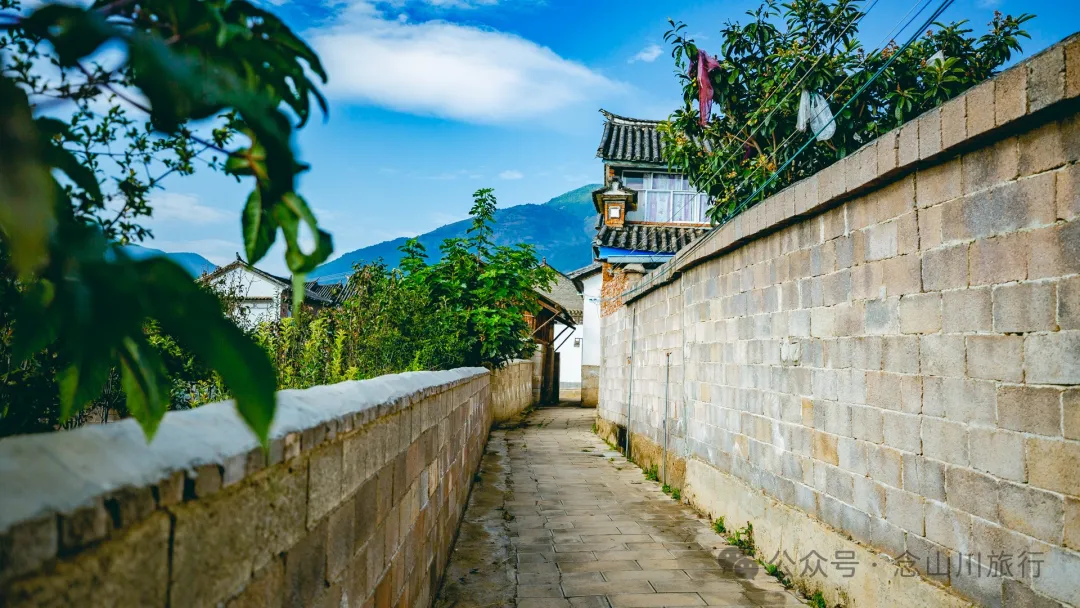
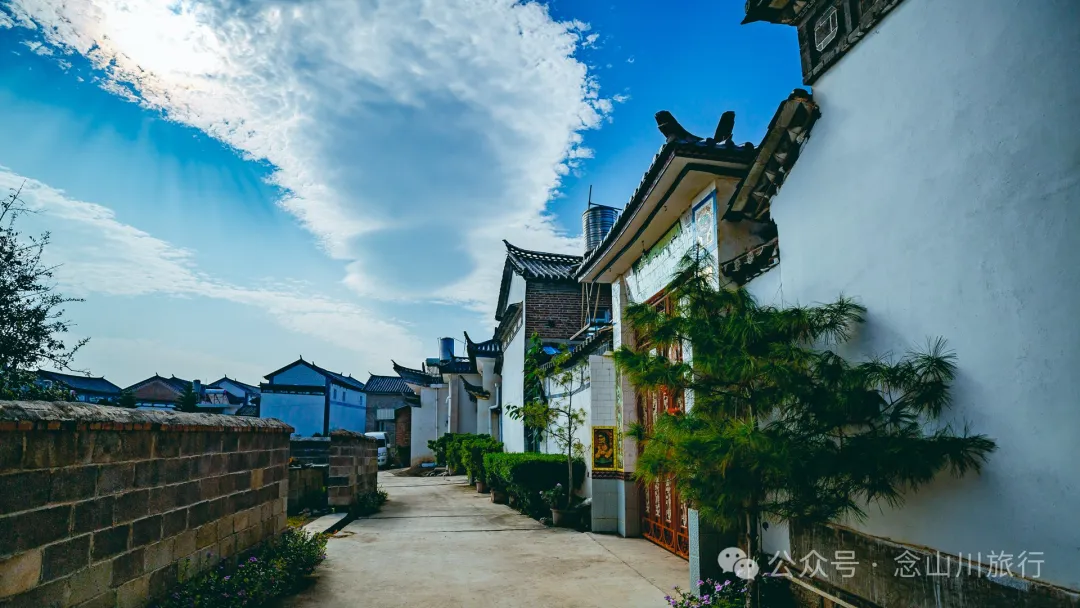
The Bai ethnic buildings in West Lake Nandeng Village are mostly of earth-wood structure, with wooden beams and columns bearing the load, through-type roof trusses, rammed earth or adobe walls, and generally green tiles on the roof. The overall style is simple and plain, with good seismic performance.
The building layout usually takes the form of "three rooms and one screen wall" or "four courtyards and five patios." Here, "room" refers to the main house and the side rooms on both sides, while the screen wall is a decorative wall opposite the main house. This layout ensures privacy while providing ample lighting and ventilation.
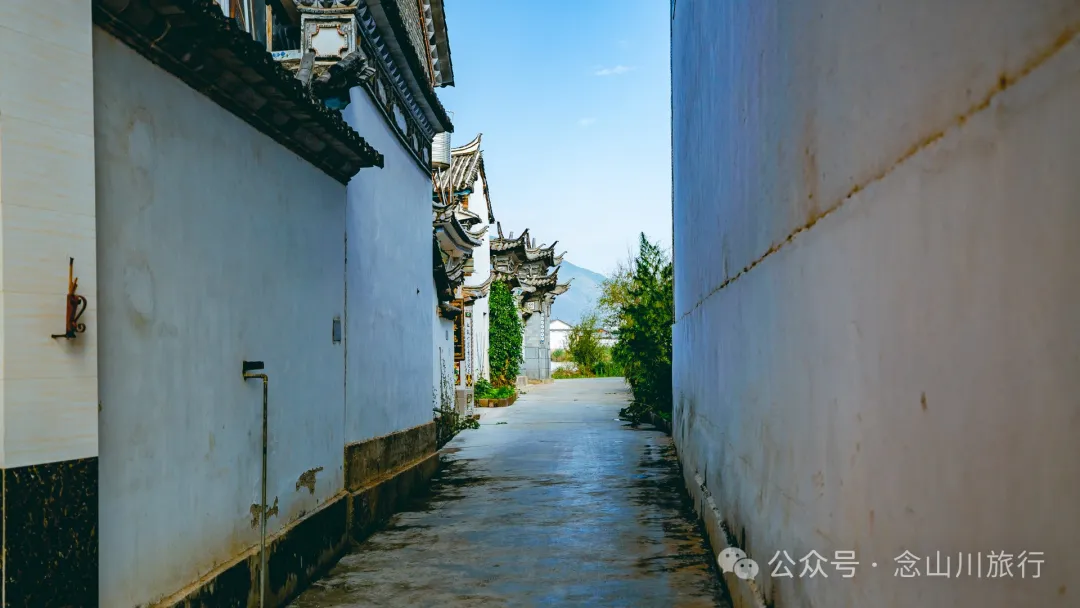
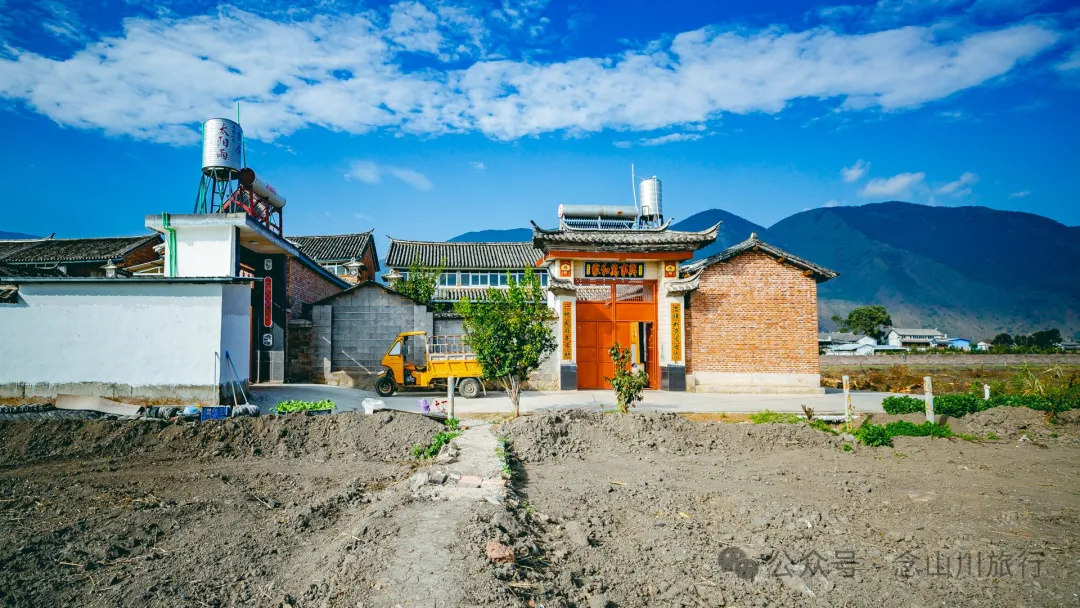
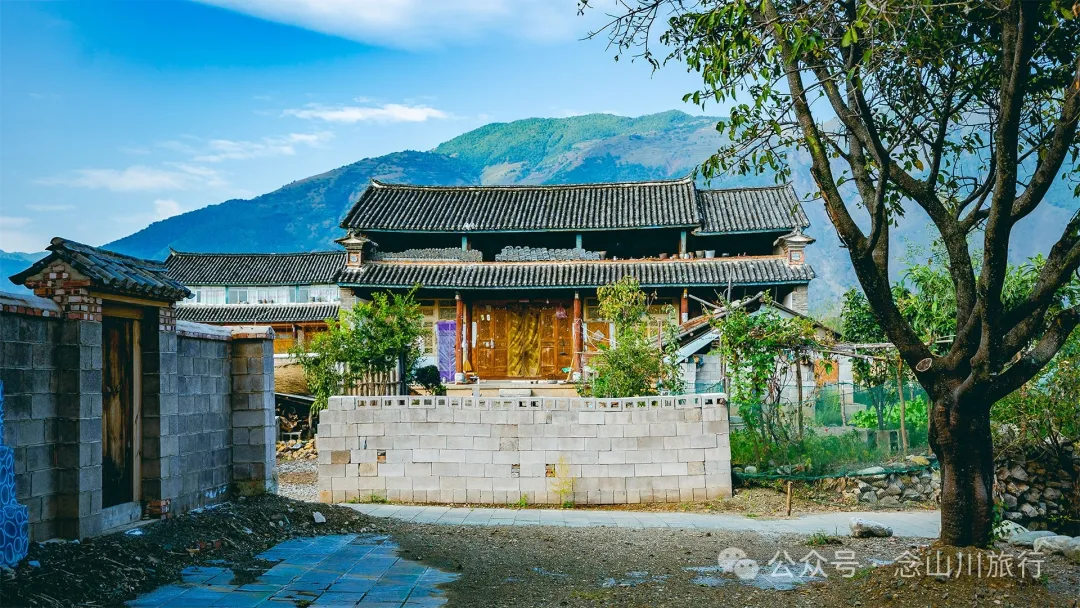
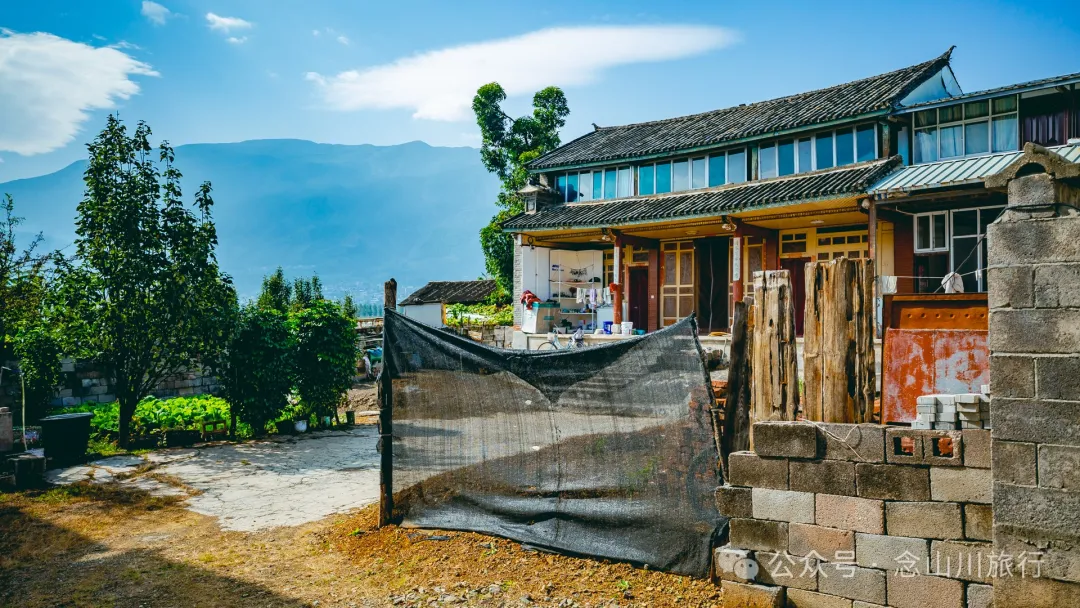
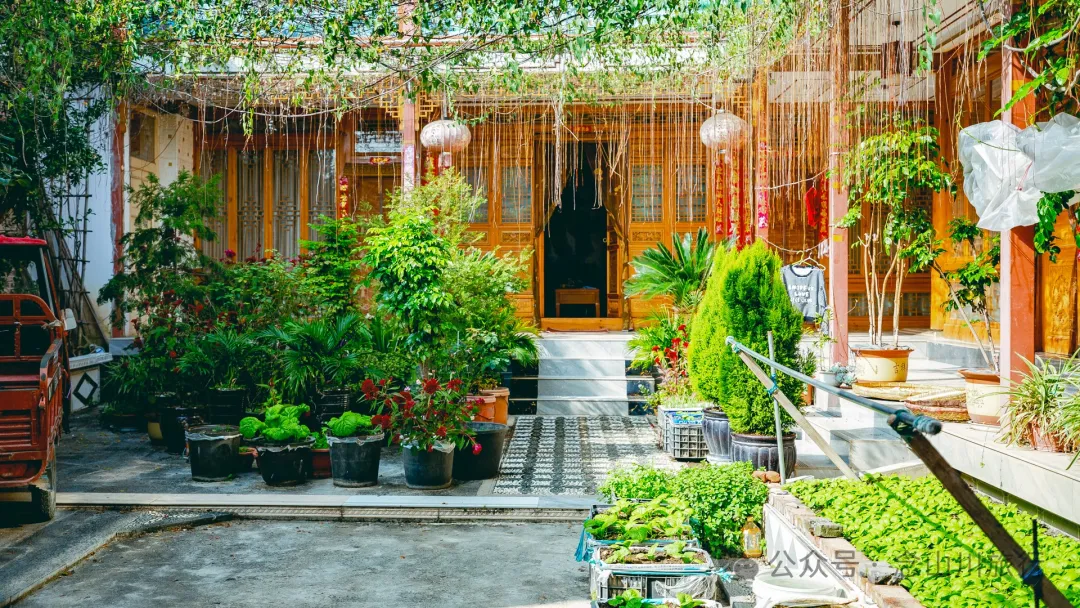
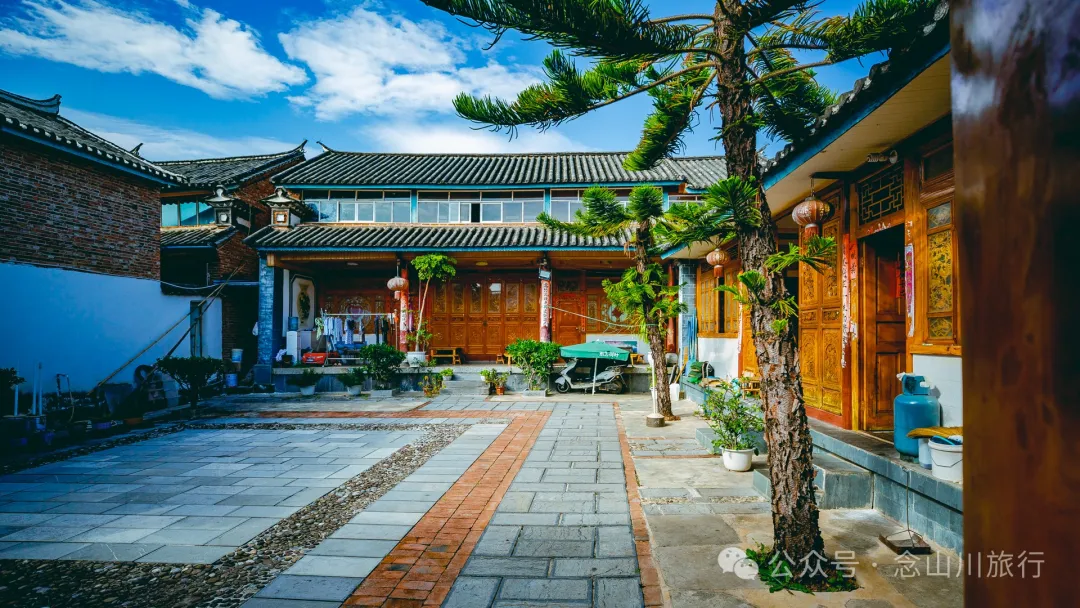
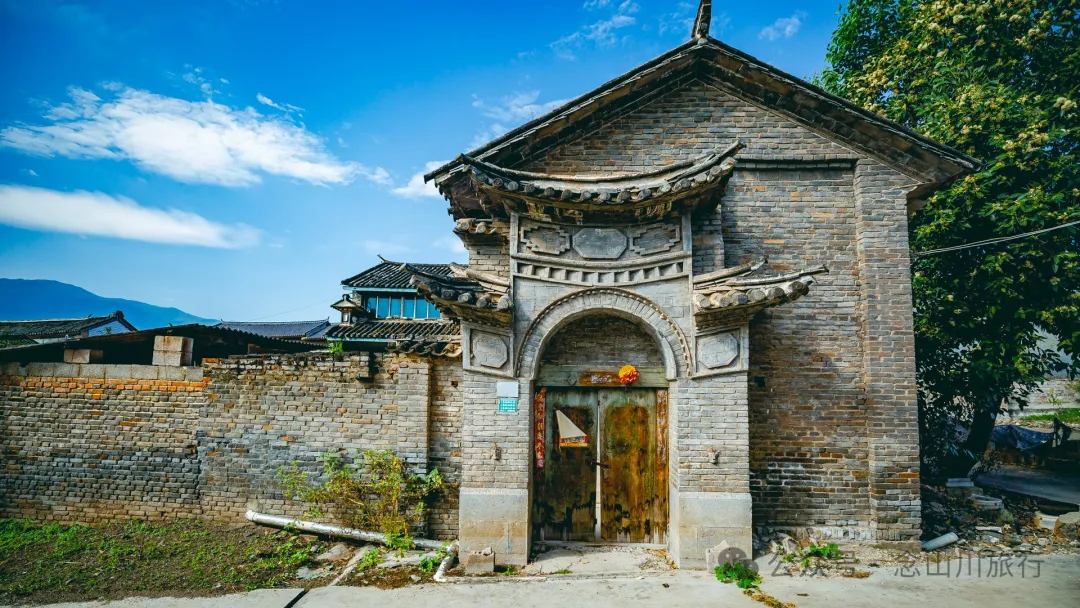
Bai ethnic architecture often features exquisite wood and stone carvings on doors, windows, eaves, beams, and columns. These carvings typically include auspicious patterns such as flowers, birds, dragons, phoenixes, and qilins, reflecting the Bai people's longing for a better life and reverence for nature.
The screen wall is the most concentrated area of artistic decoration in Bai architecture, often featuring three-dimensional patterns made of convex-patterned blue bricks and painted decorations. These decorations are not only beautiful but also rich in cultural symbolism.
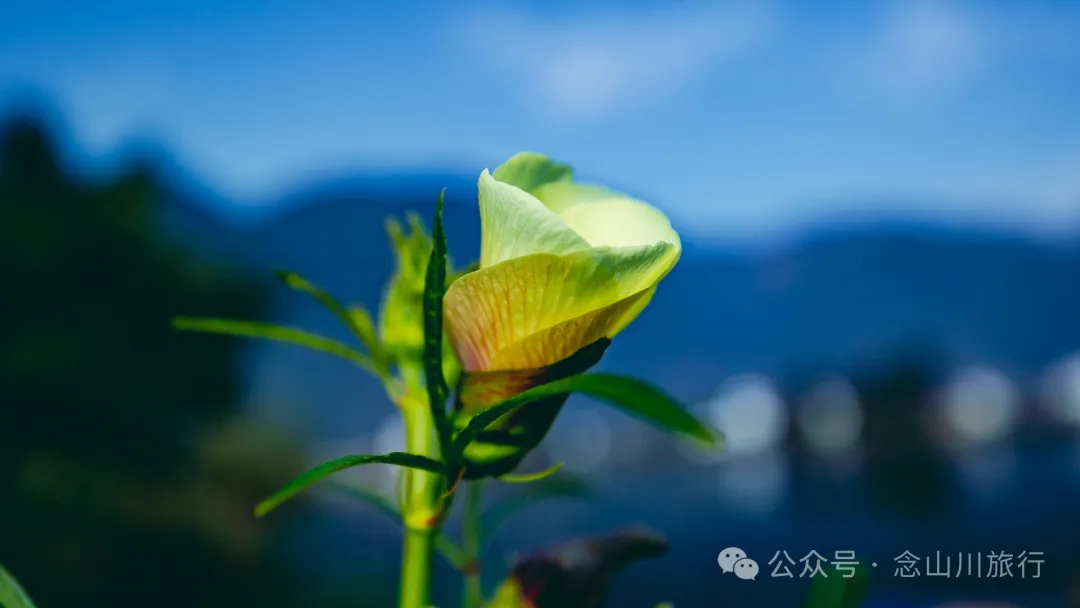
This is the first time I've seen okra flowers; they are very similar to cotton flowers from the south.
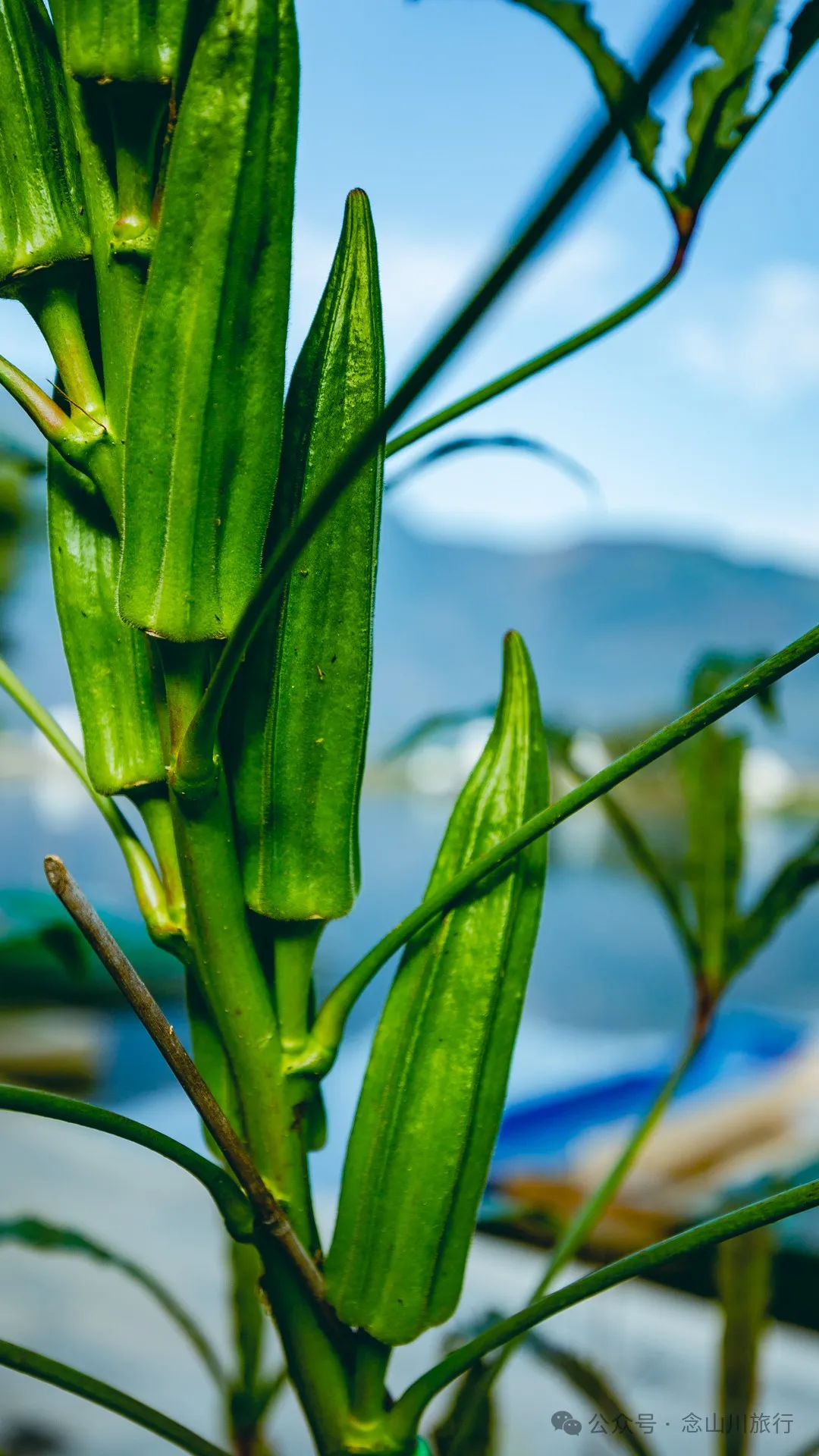
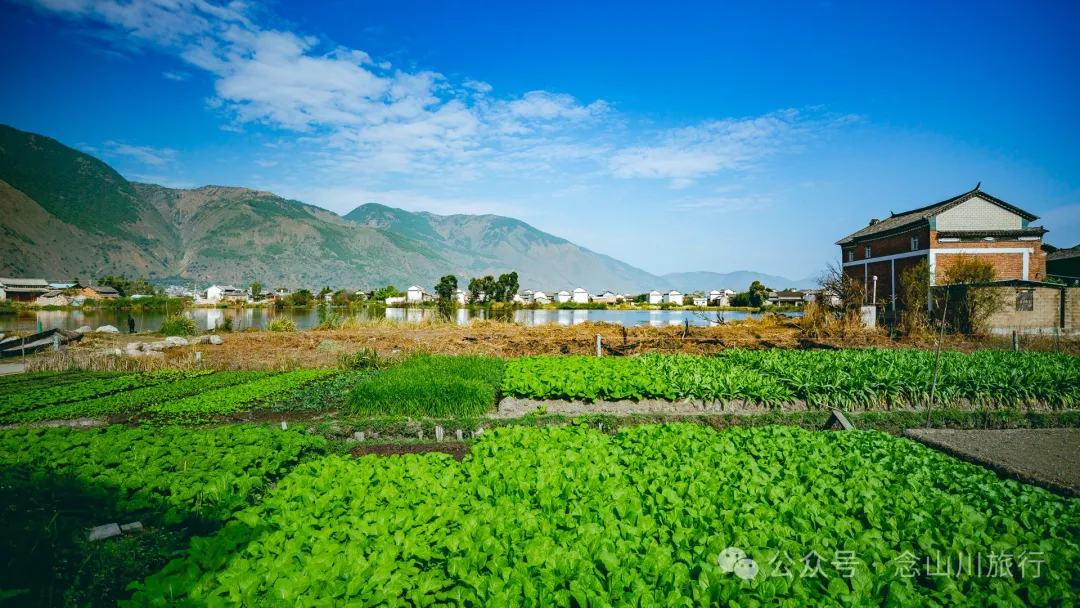
Due to the alluvial soil in West Lake Nandeng Village, the soil formation time is short, and the development layers are not obvious, but the soil fertility is high. This means the soil is rich in nutrients, suitable for crop growth.
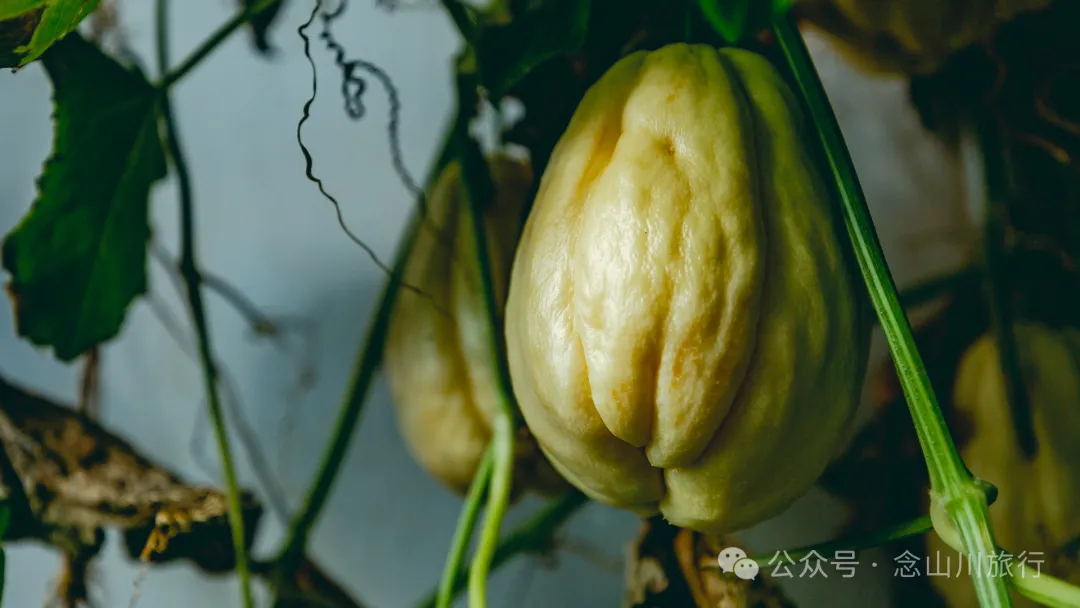
The soil color in Nandeng Village is dark, with freshly turned soil nearly black and soft texture, which helps absorb sunlight, increase ground temperature, and benefit crop growth. While strolling through the village, we happened to see an okra plant planted by a villager by the lake; the okra fruits were much larger than those we usually see in the market. The number of chayotes hanging on the outer wall of a house was also astonishingly large, showing how fertile the soil is here.
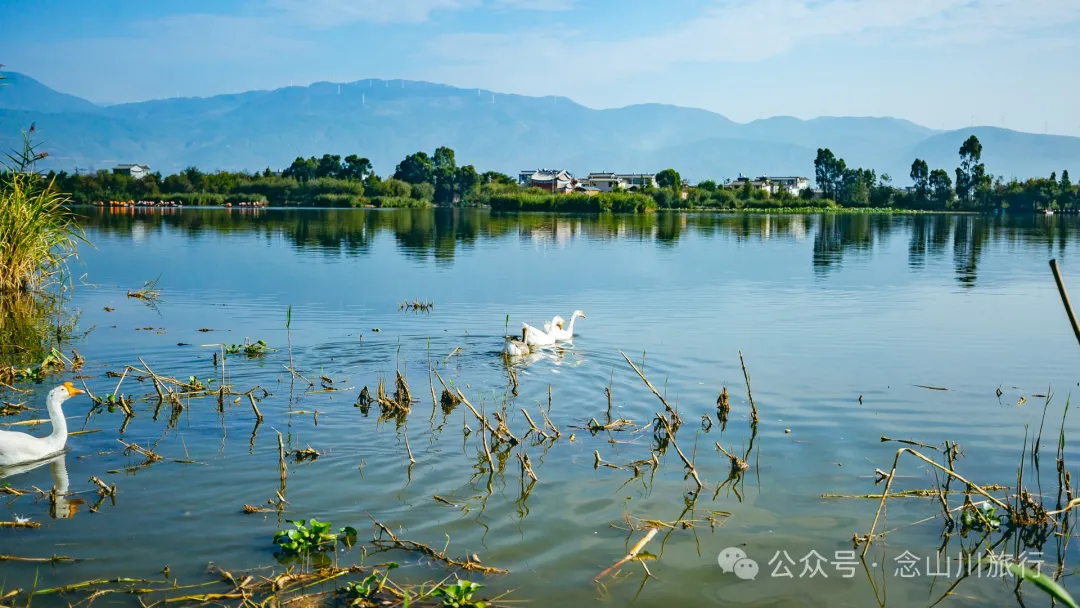
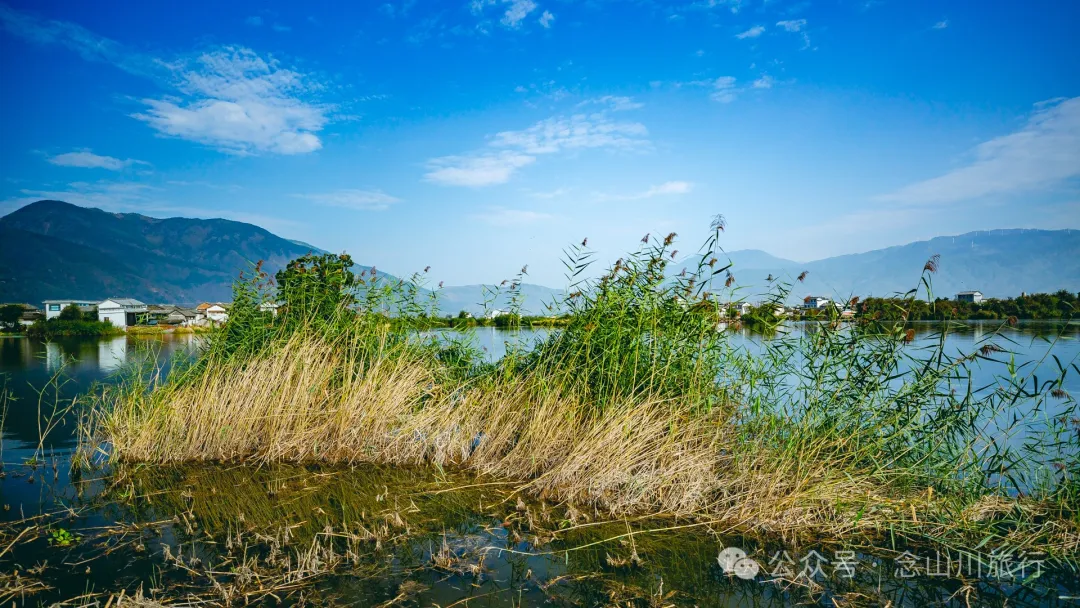
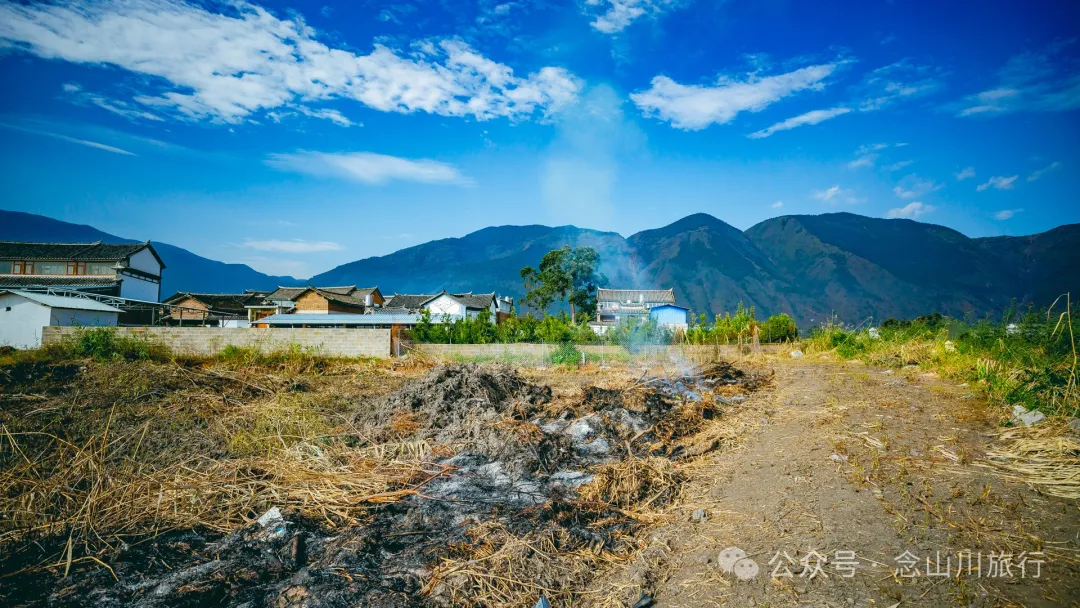
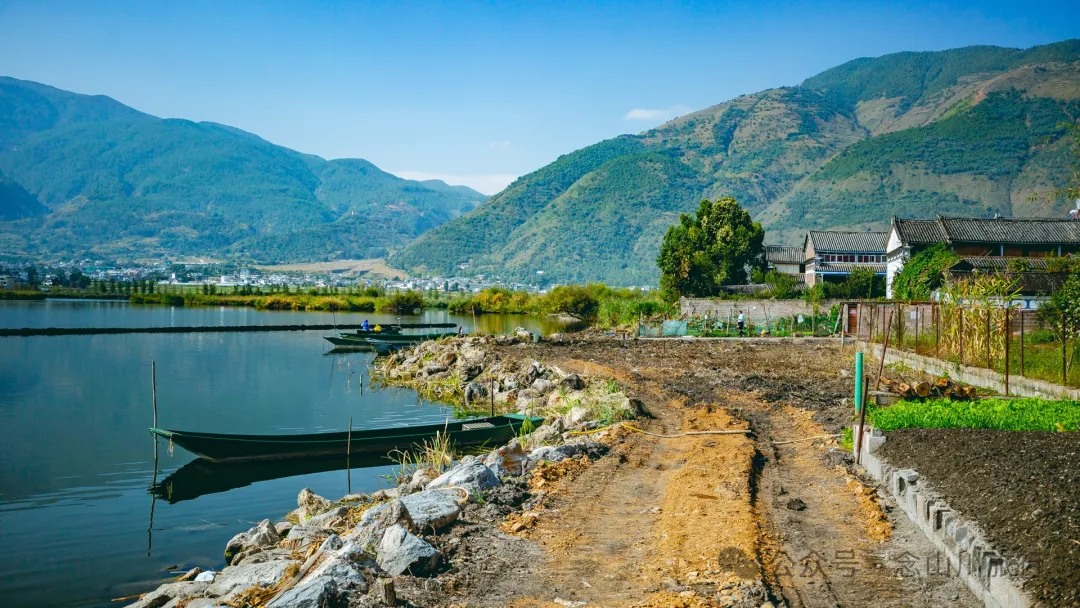
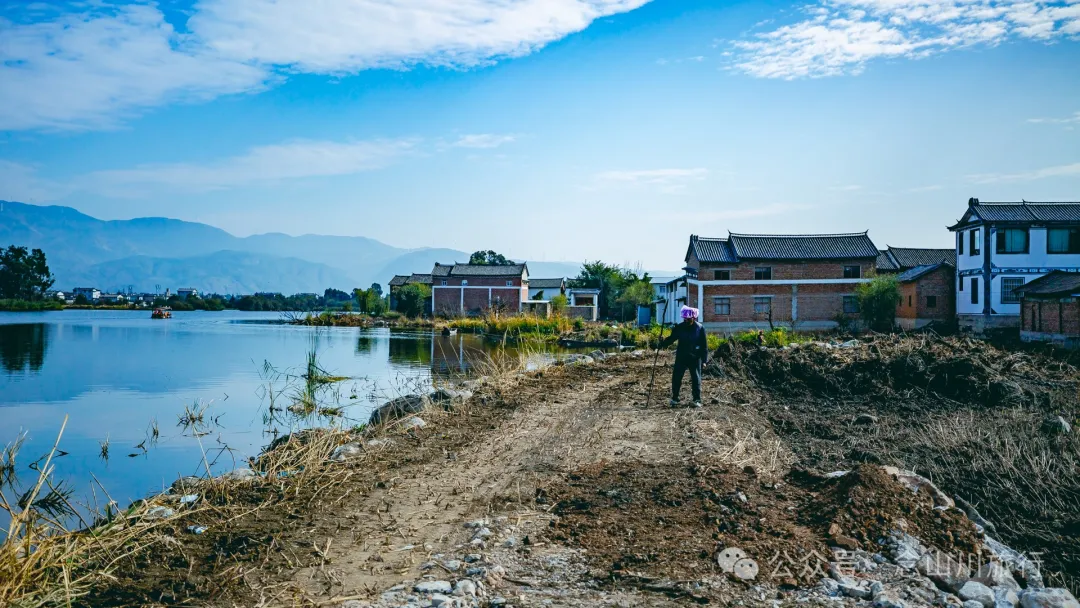
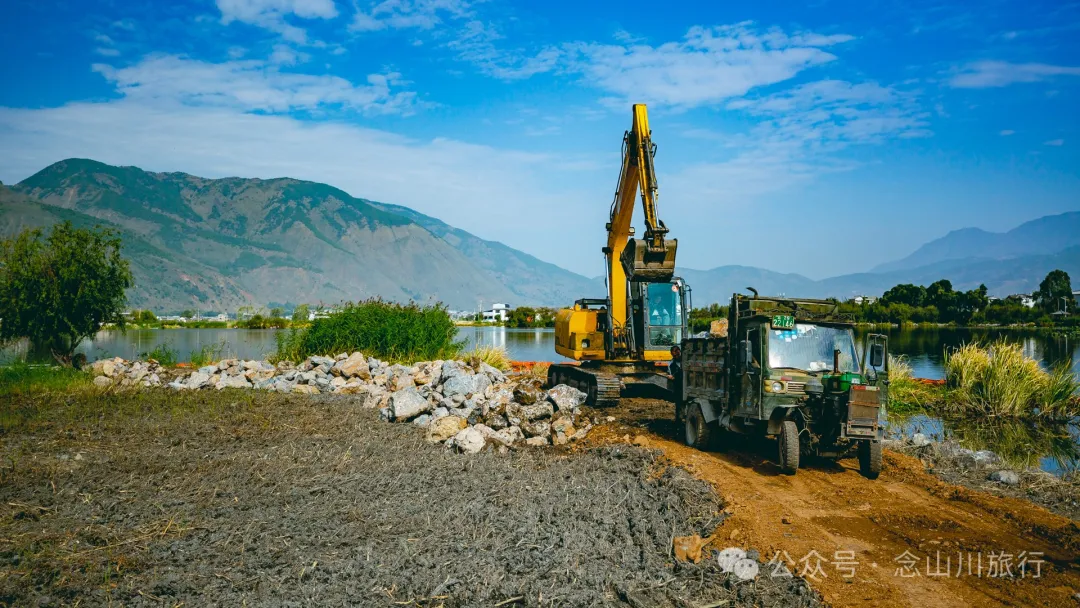
We wanted to find a path on the outermost edge of the village that would allow us to see both the village and the lake, but we encountered obstacles everywhere. Every short distance we walked was blocked by messy reeds and wild grass. However, the under-construction lakeside road, whose completion date is unknown, provided us with convenience.
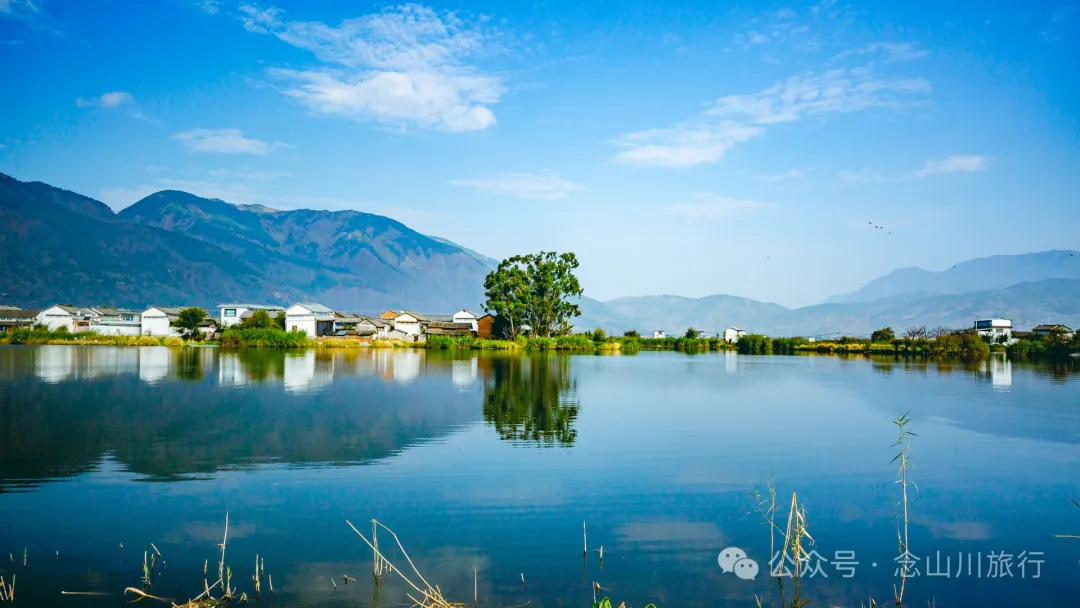
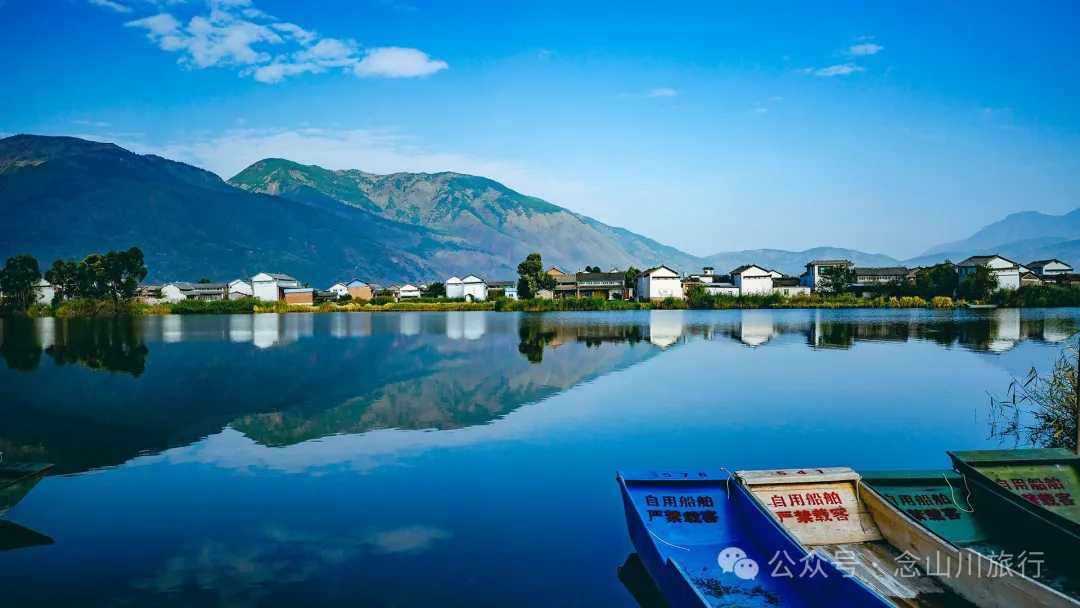
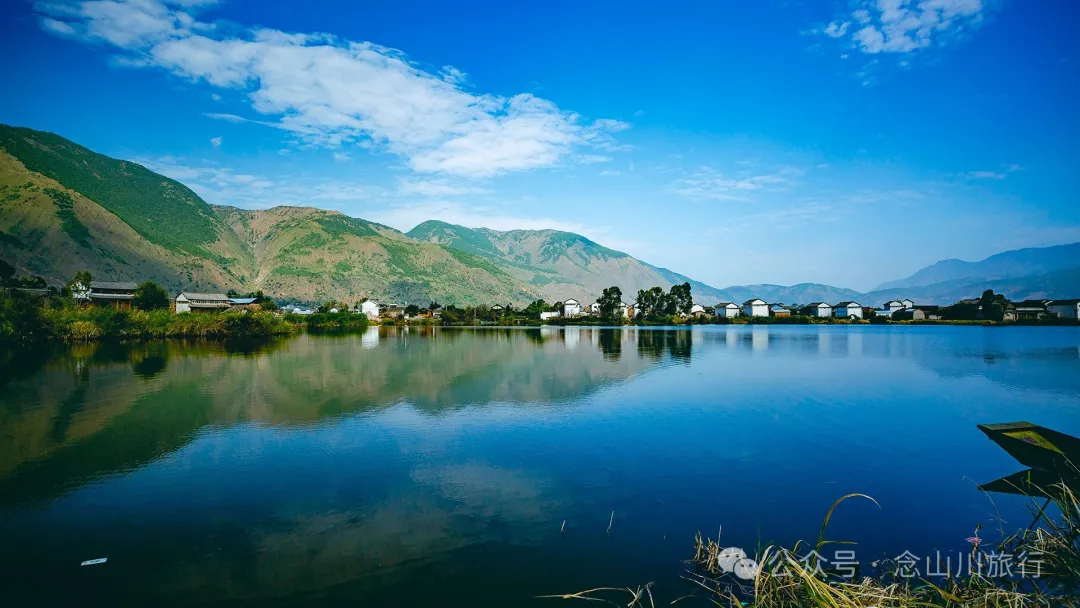
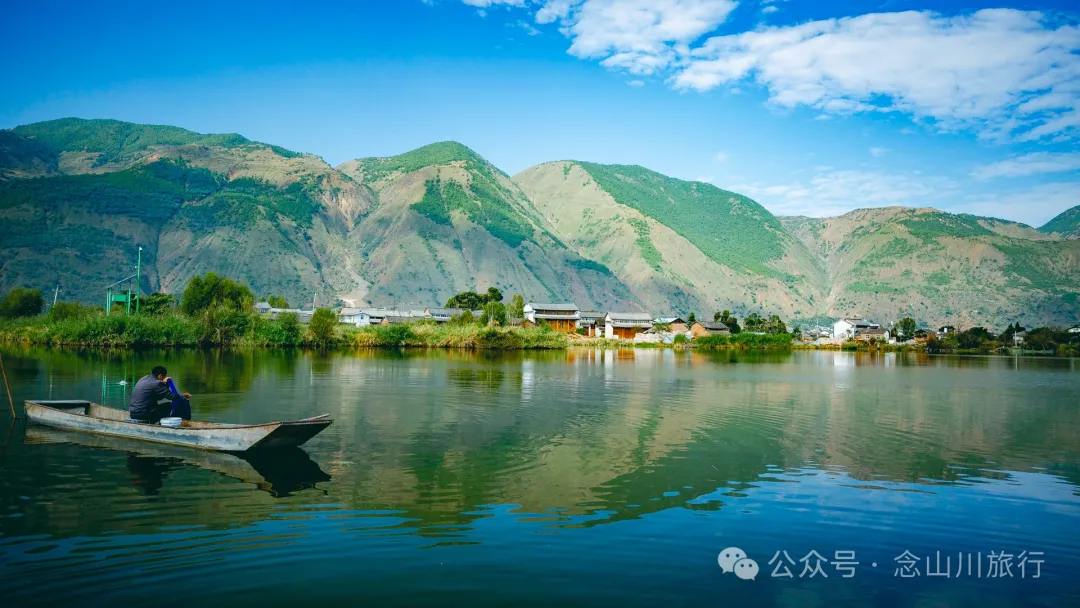
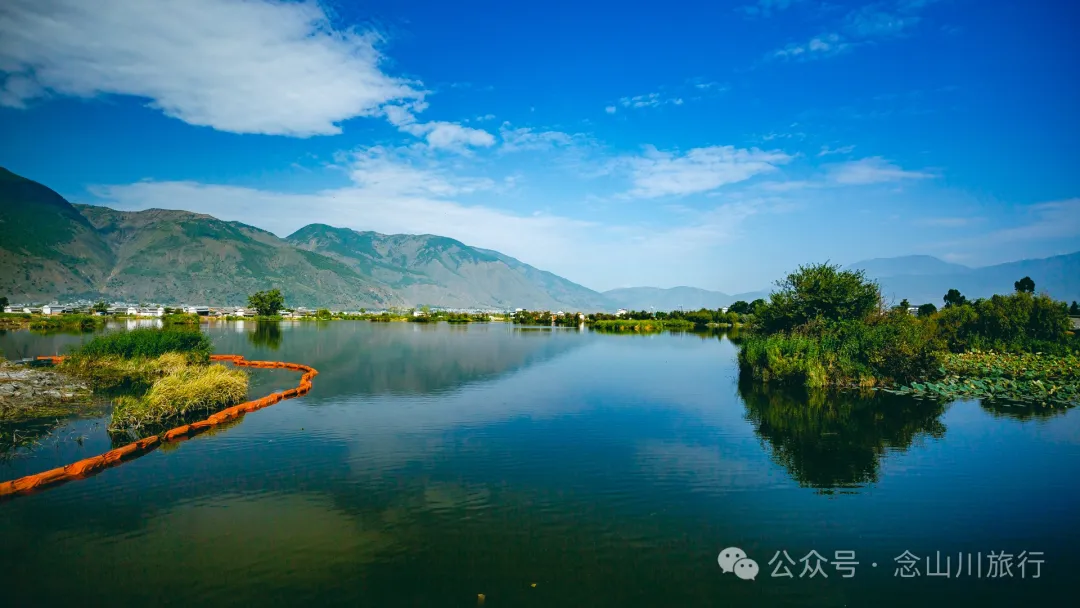
Standing by the lake, the distant mountains are bathed in the hazy autumn sun. The tranquility of the opposite village sweeps across the rippling lake surface, facing Nandeng Village from afar. The silent villages jointly guard this livable land. The villagers express their attachment to this land in traditional ways, and this charming land reciprocates their attachment in its own way. When the evening breeze comes and wisps of cooking smoke rise, will they move their dining tables to the water's edge, reverently paying homage to this tolerant land as if worshipping the moon god?