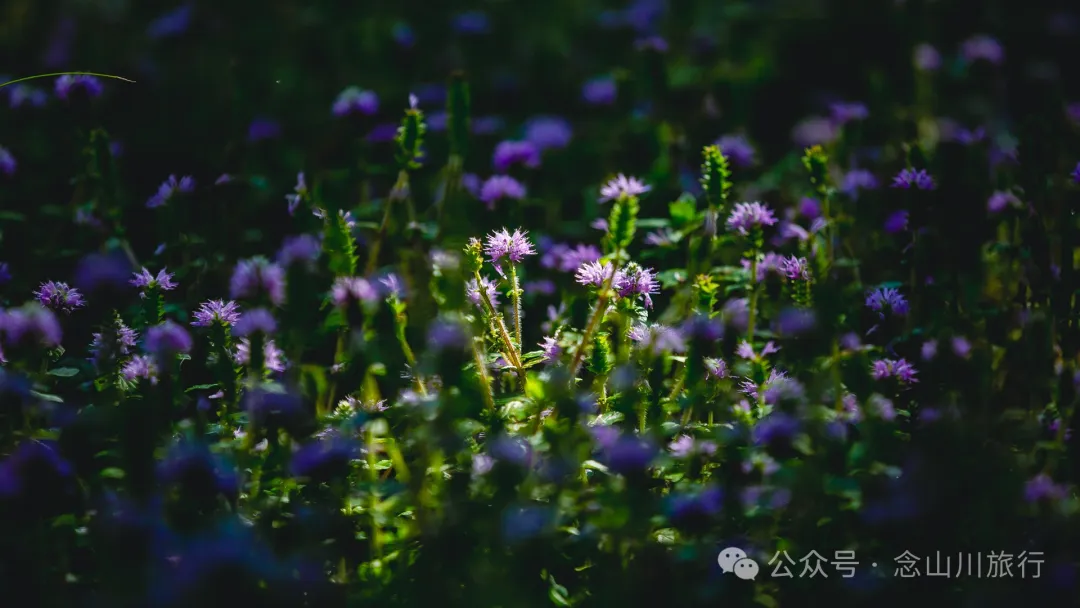

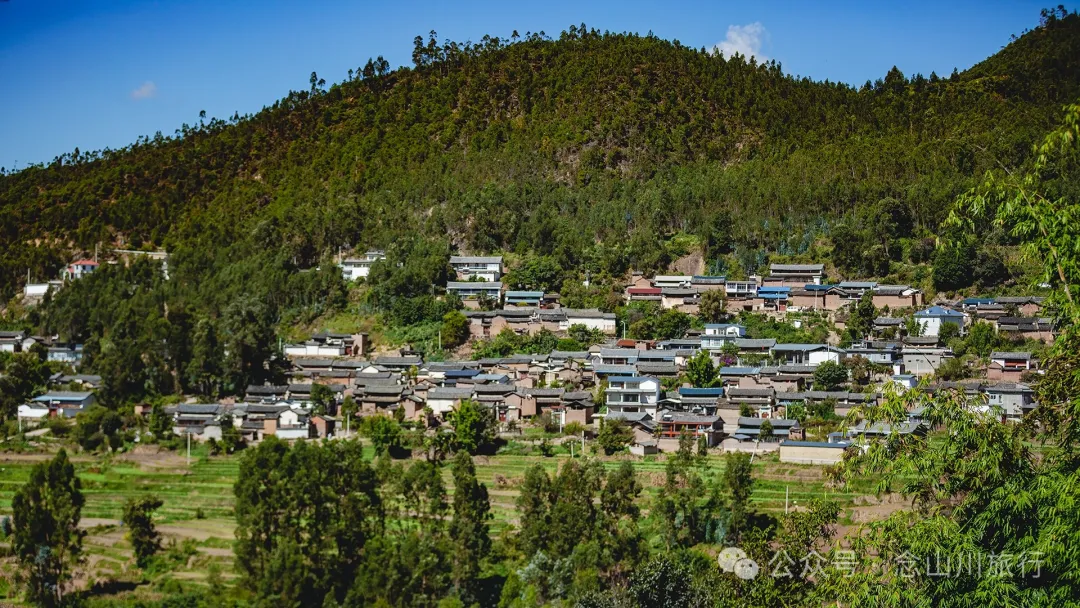
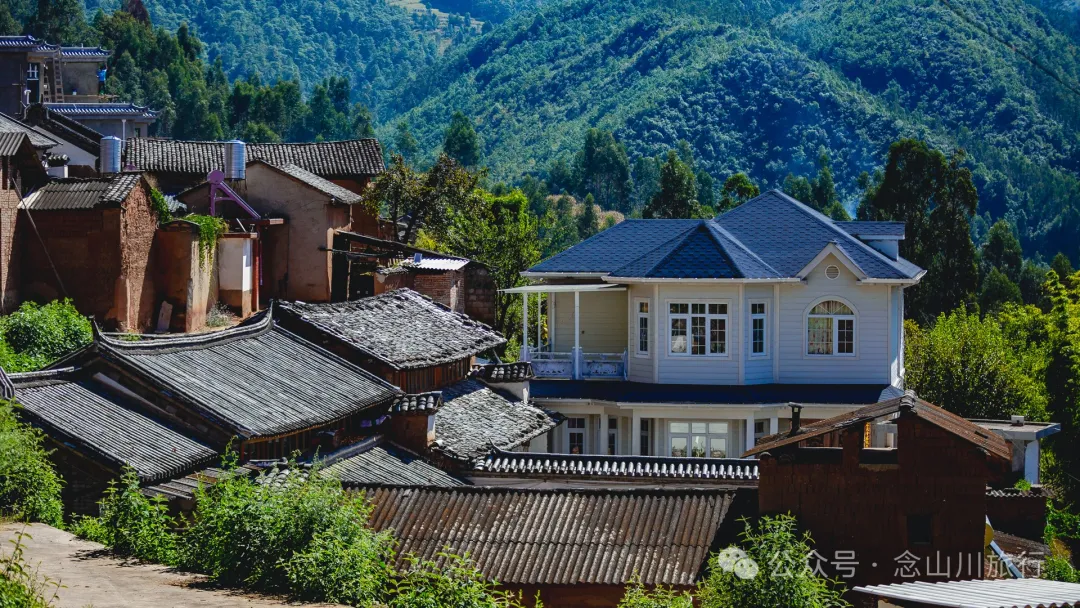
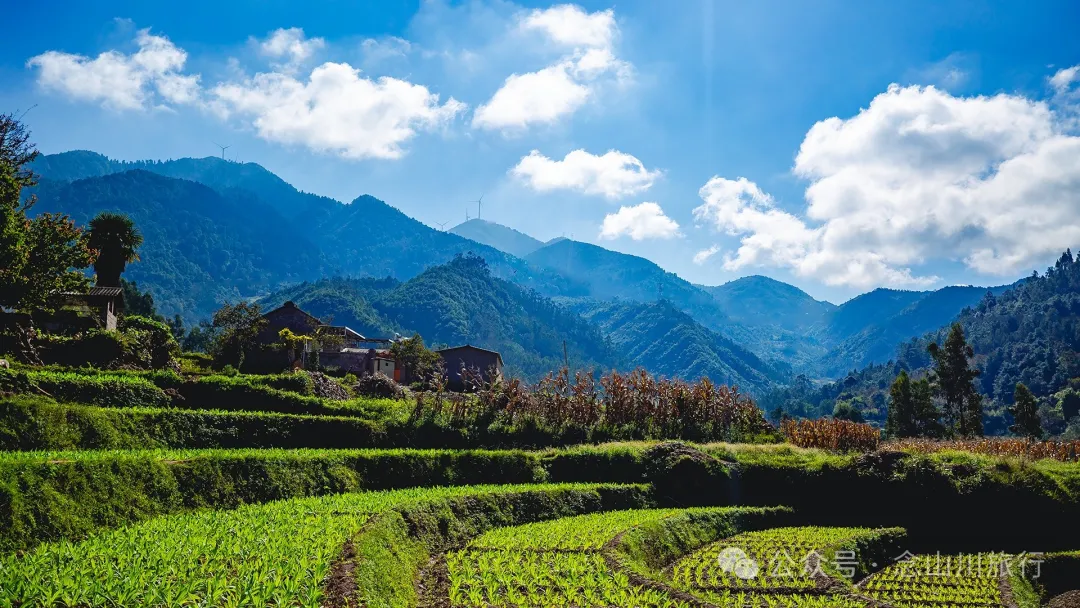
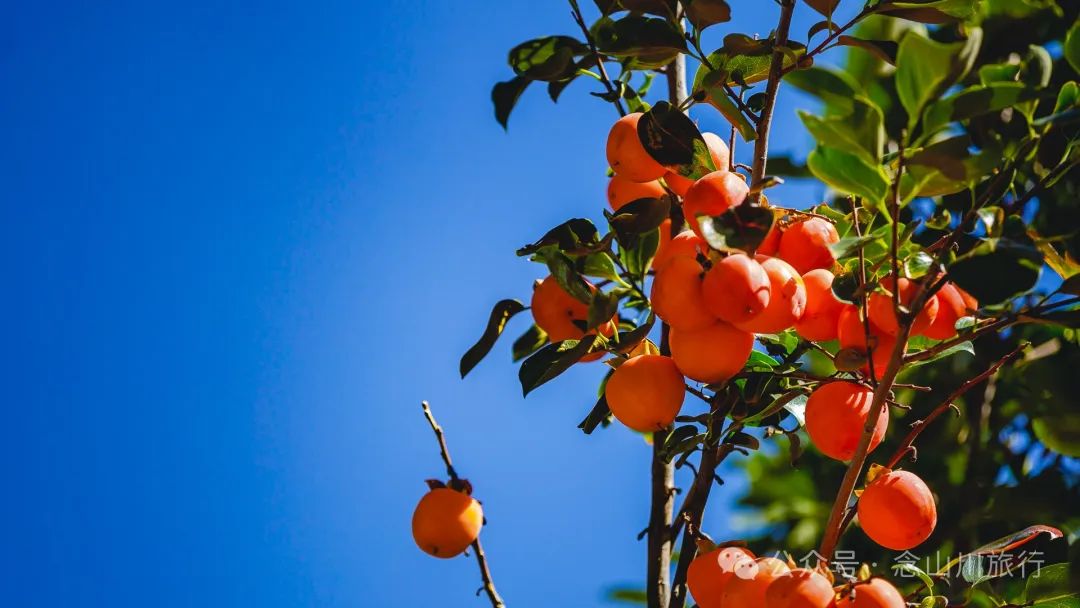
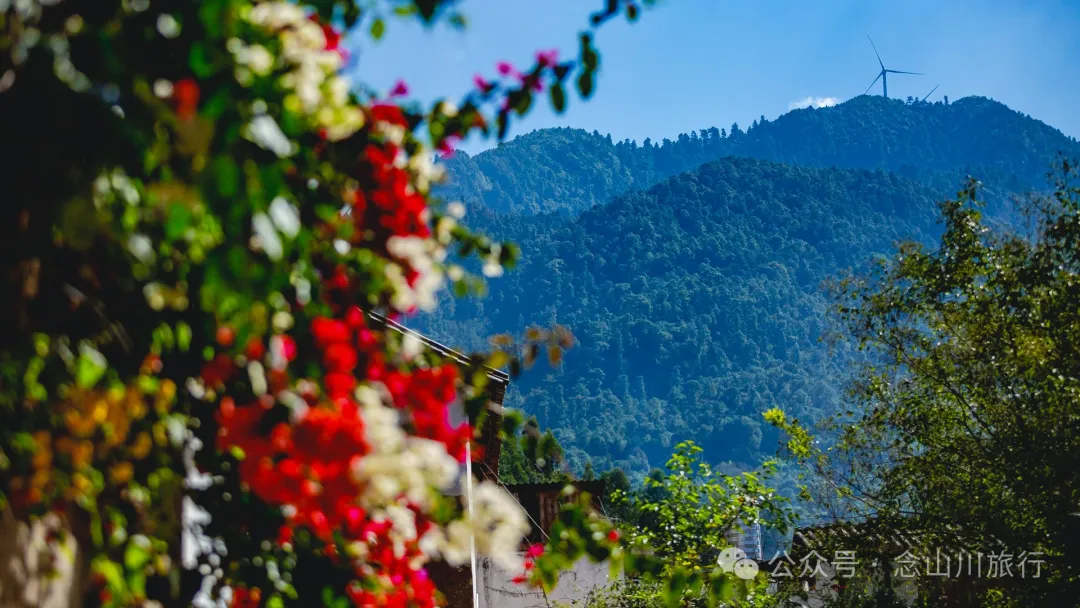
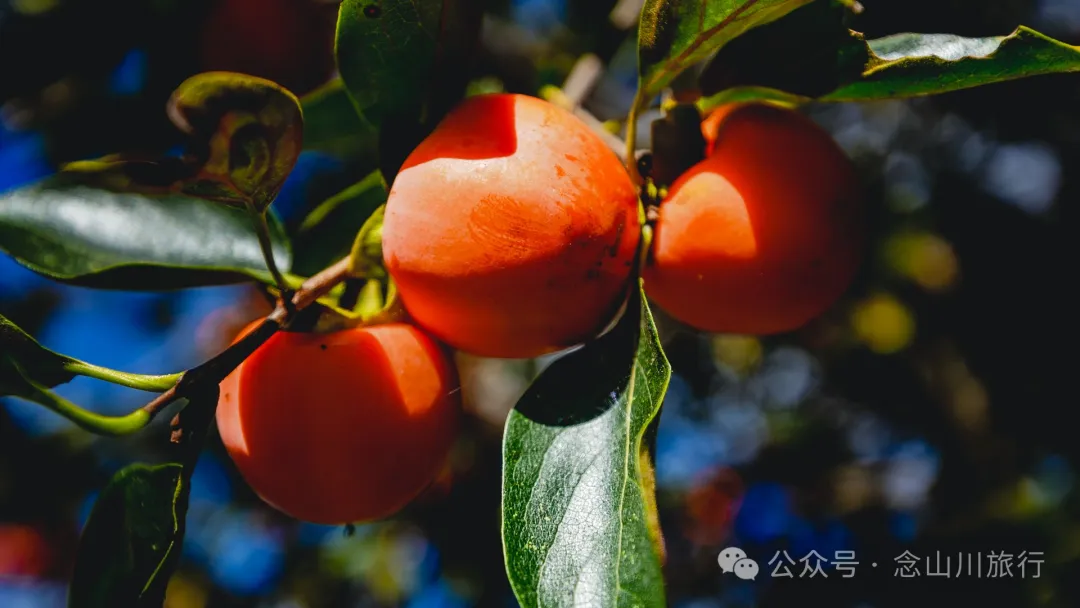
Surrounded by distant mountains, with flat farmland, rustic houses, heavy-laden fruit trees, hardworking and simple farmers, and leisurely poultry... all these beautiful rural elements form this质朴 and comforting home. We walked slowly through Dahuangcaoba Village in the gentle autumn breeze, the village bathed in soft morning light, silent and serene. We peeked curiously into the open courtyards, hoping to step into the village life through those narrow spaces.
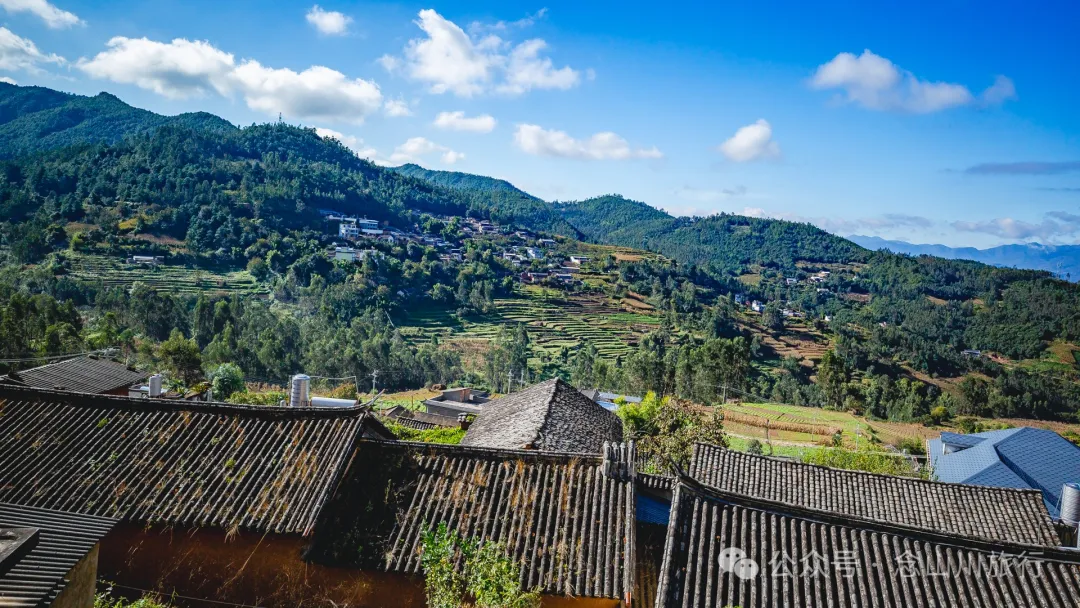
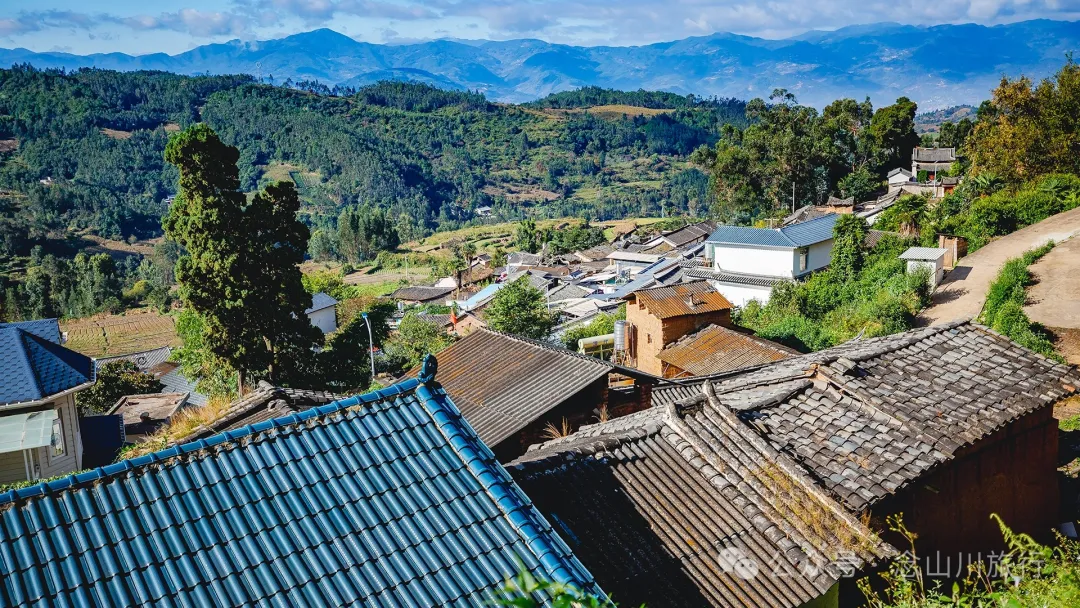
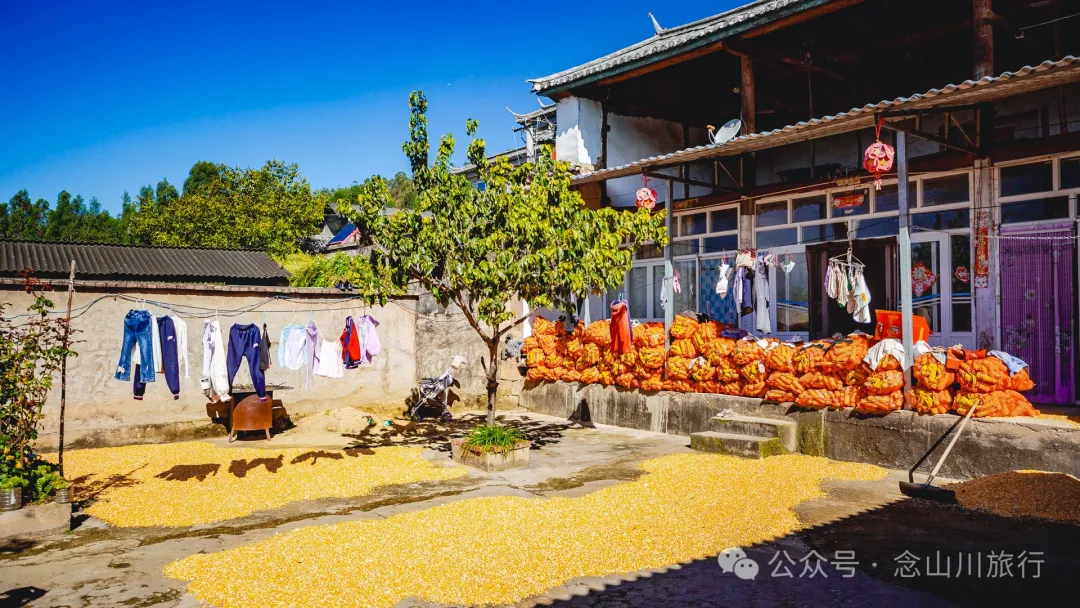
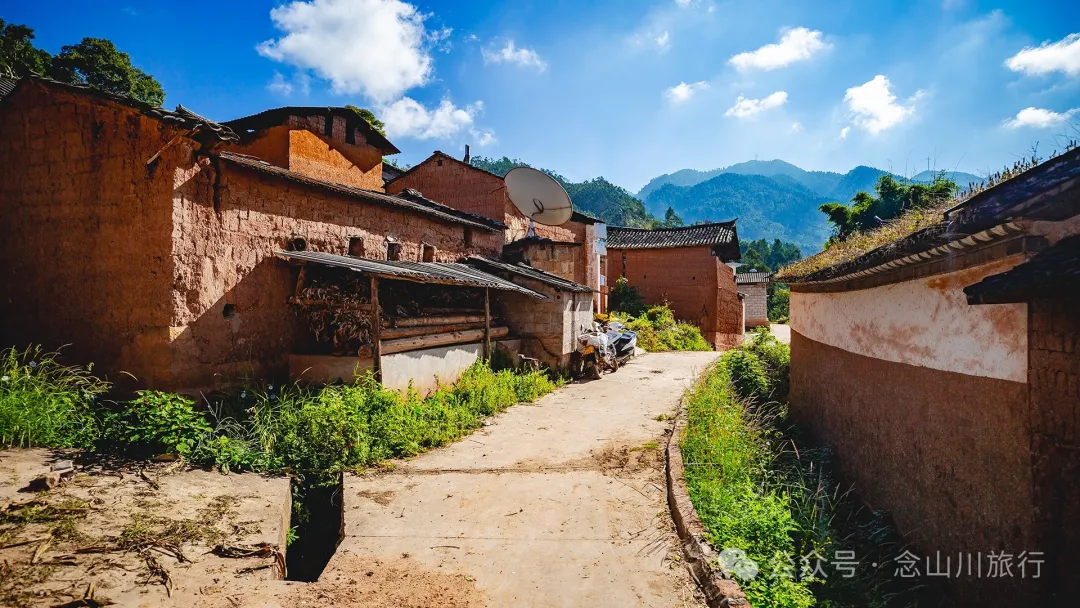
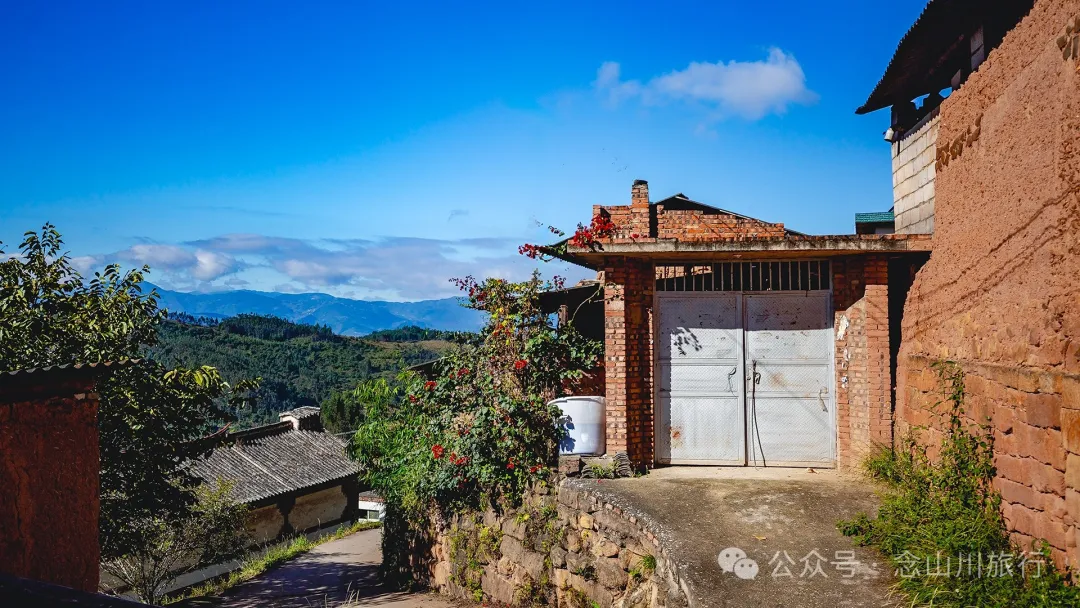
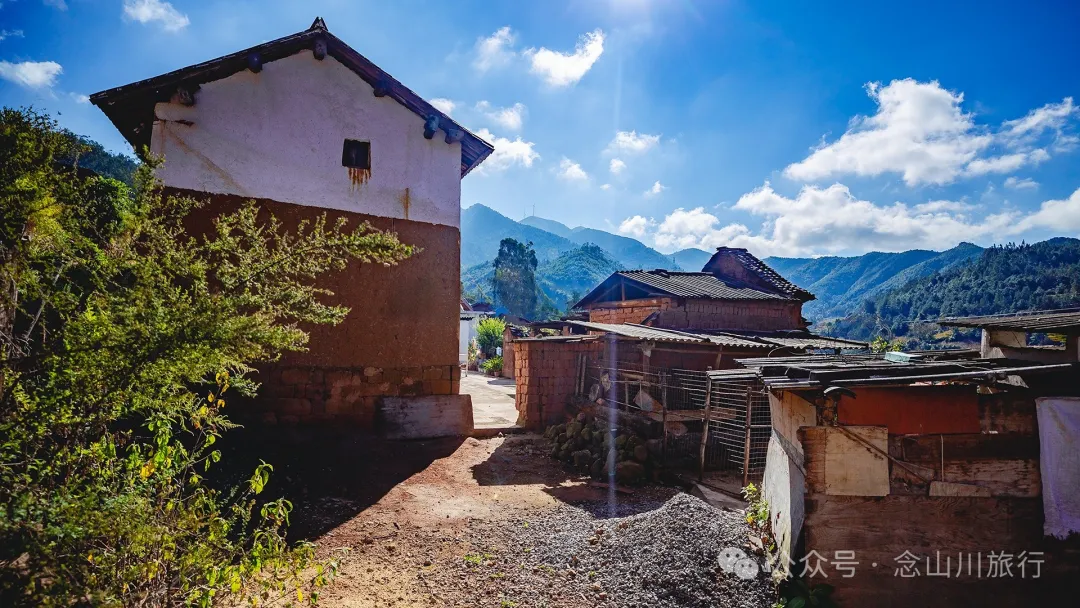
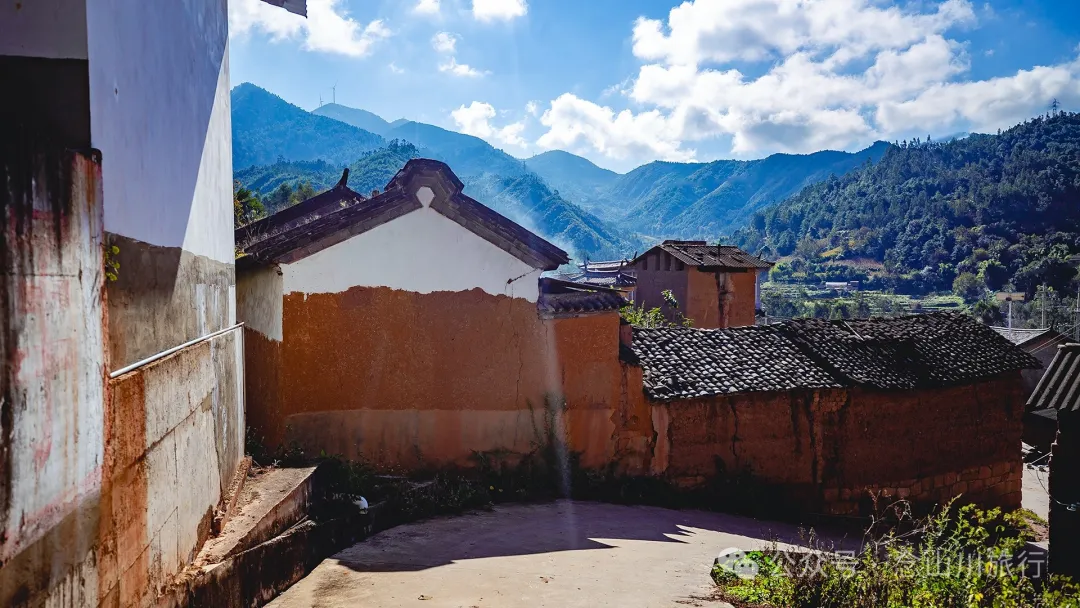
Dahuangcaoba Village is only 8 kilometers from the ancient city of Weishan, with about 100 households. Like other Yi villages we have visited, most villagers rely on farming and raising cattle and goats for a living. Rural life is plain and hard; farmers must work day after day, year after year to sustain themselves. They inherited this way of life from their ancestors, which has lasted for thousands of years. Perhaps some of their descendants will continue this life, relying on the land for survival.
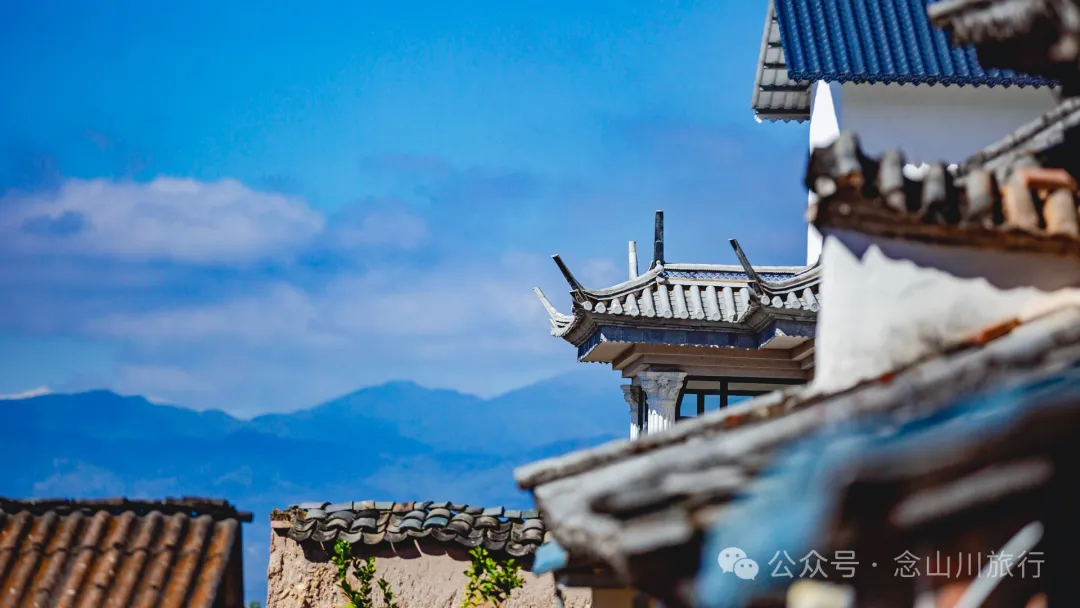
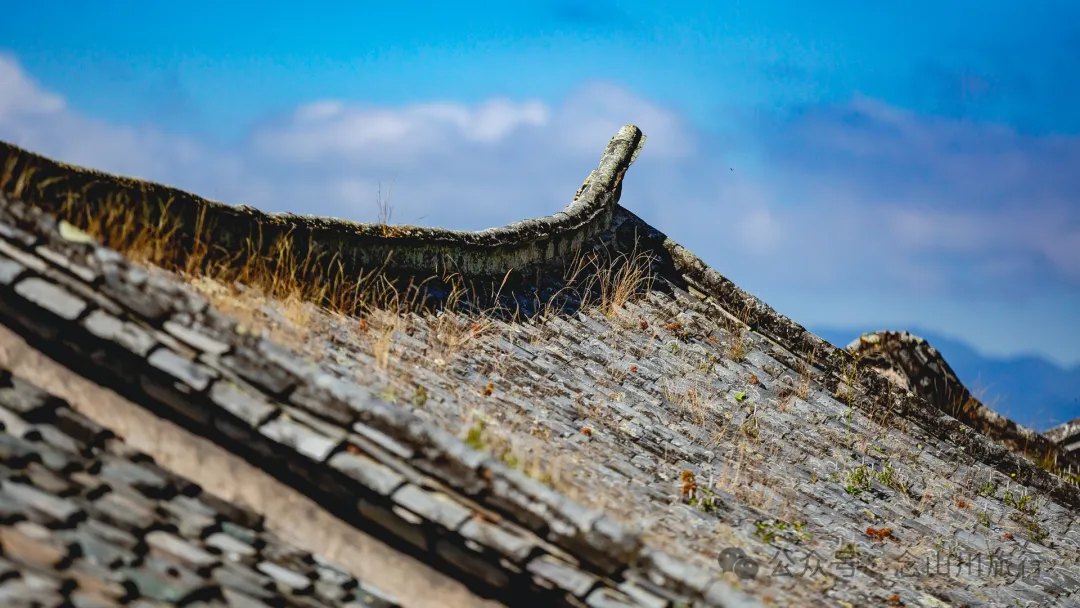
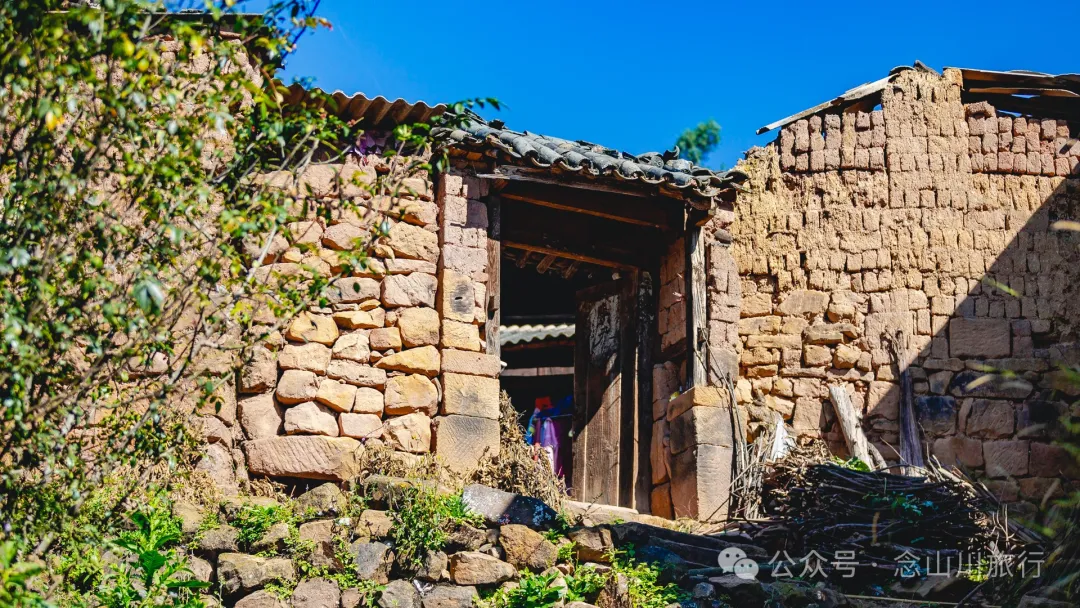
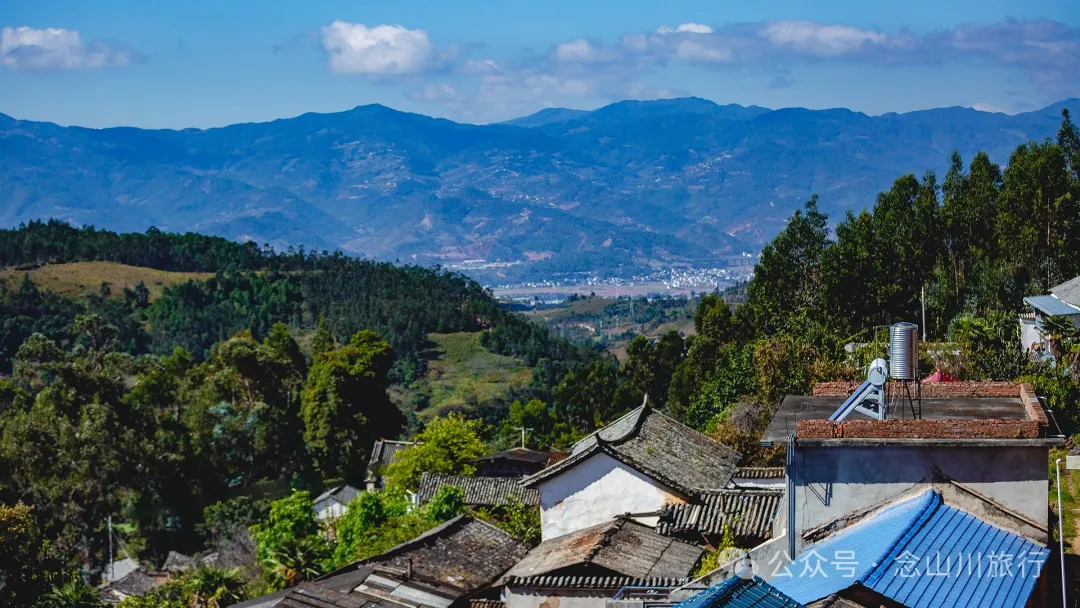
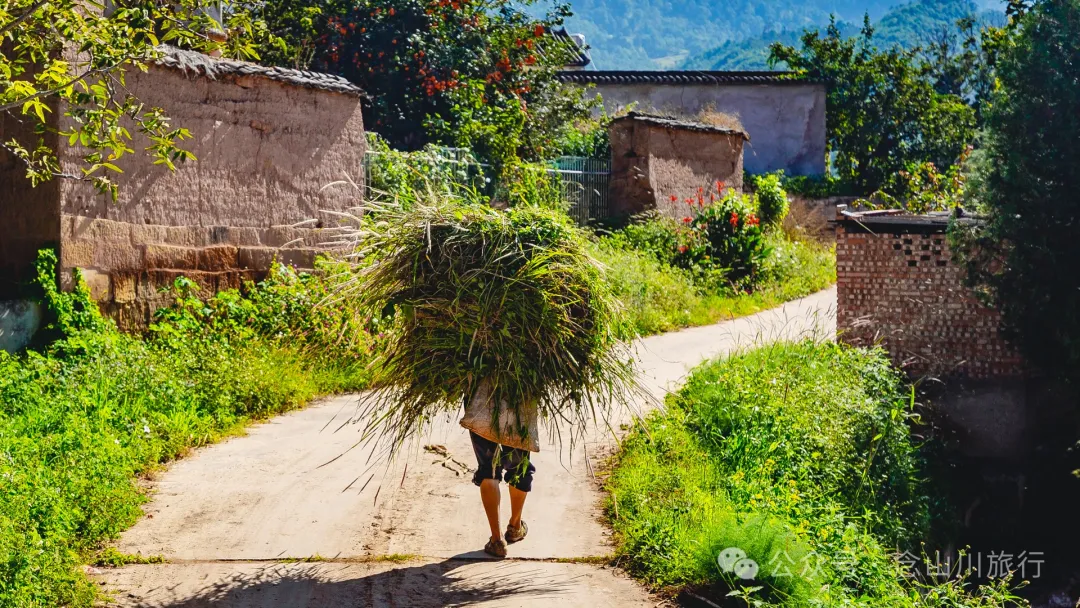
We walked among the farmhouses, some new, some old. The sunlight gently caressed these human shelters, everything bright and vivid. Even the withered grass on the roofs, the mud walls weathered by decades of wind and rain, the crickets lurking in the roadside grass, and the thick cobwebs on wooden windows were filled with the pastoral atmosphere of the village.
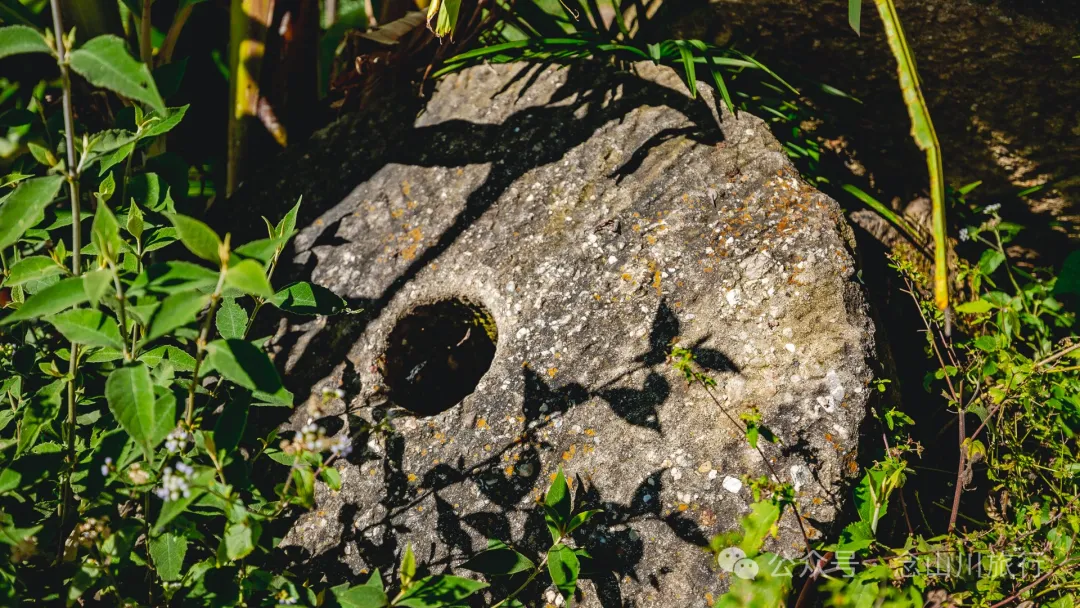
By the roadside, we saw a stone millstone about one meter in diameter. The two pieces were casually placed in the grass beside the cement road. We don't know how long they have been there, how many years they existed in the village, or where their owners are now. We only know that they once played an important role in the villagers' lives. Now times have changed, and they have become useless. Due to their huge size, they cannot even be repurposed as paving stones, so they are abandoned by the roadside. They are not easily eroded by wind and rain. Years ago, they looked like this; years later, they will still be the same. By then, we will probably have turned to bones.
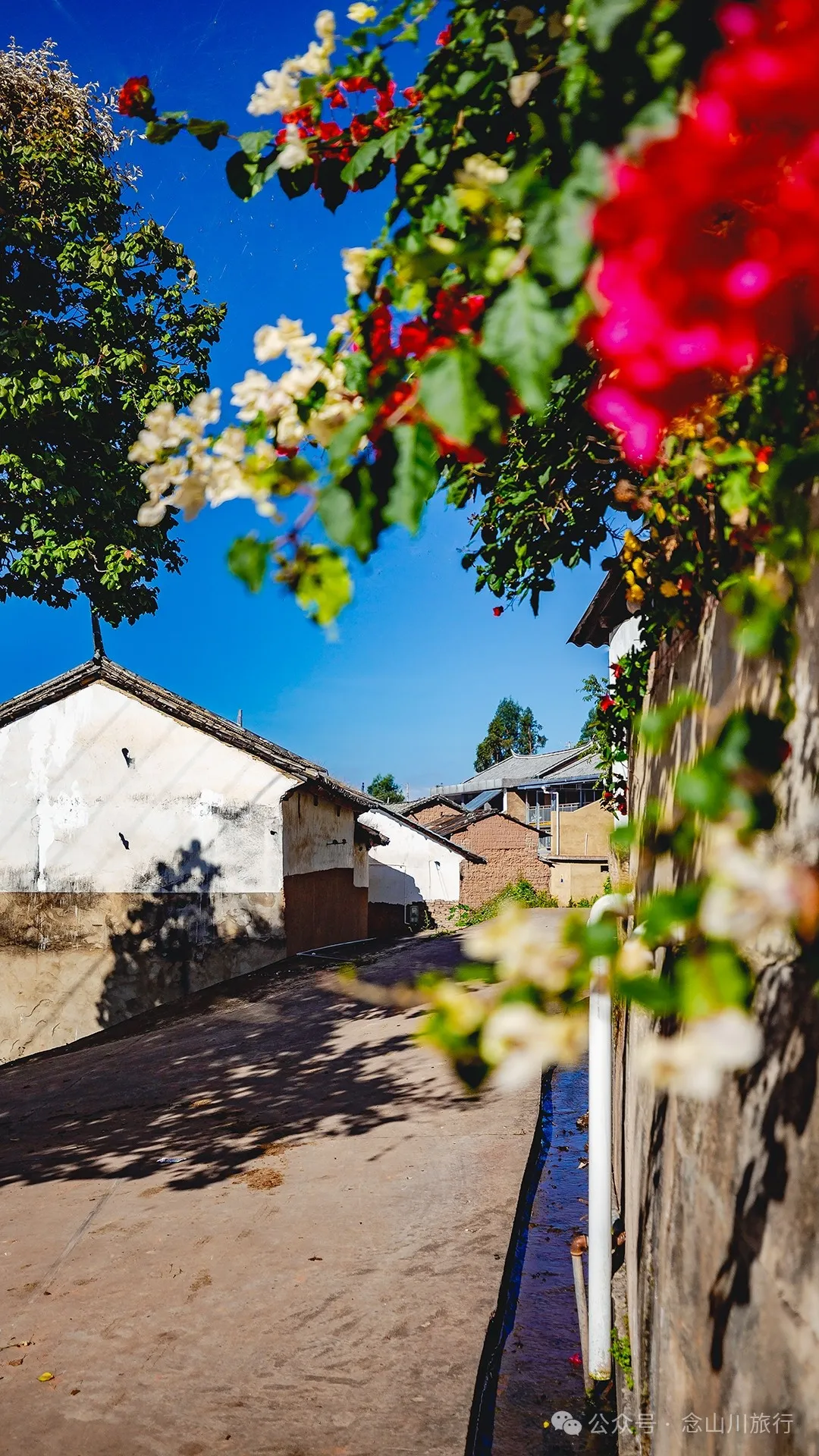
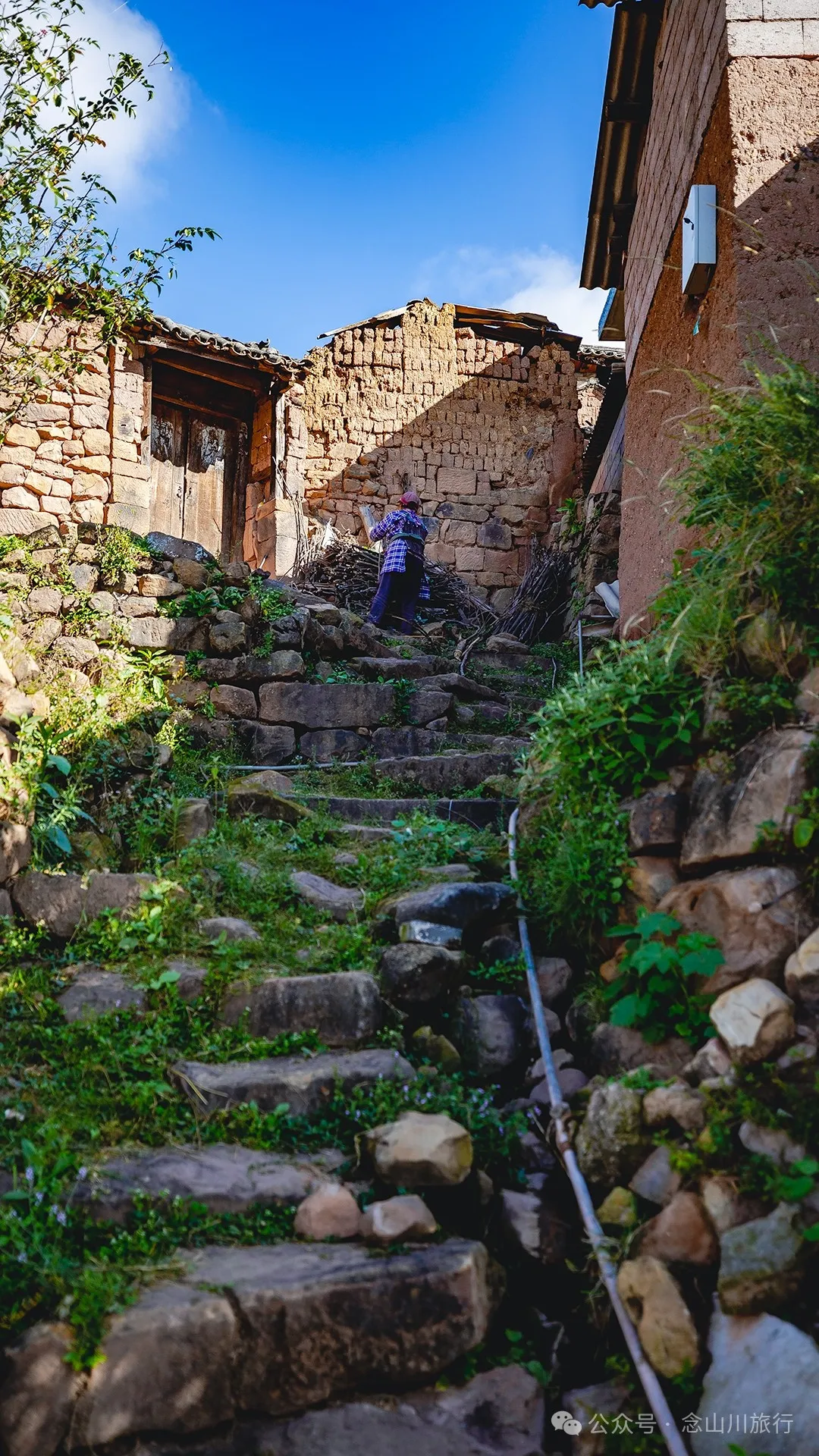
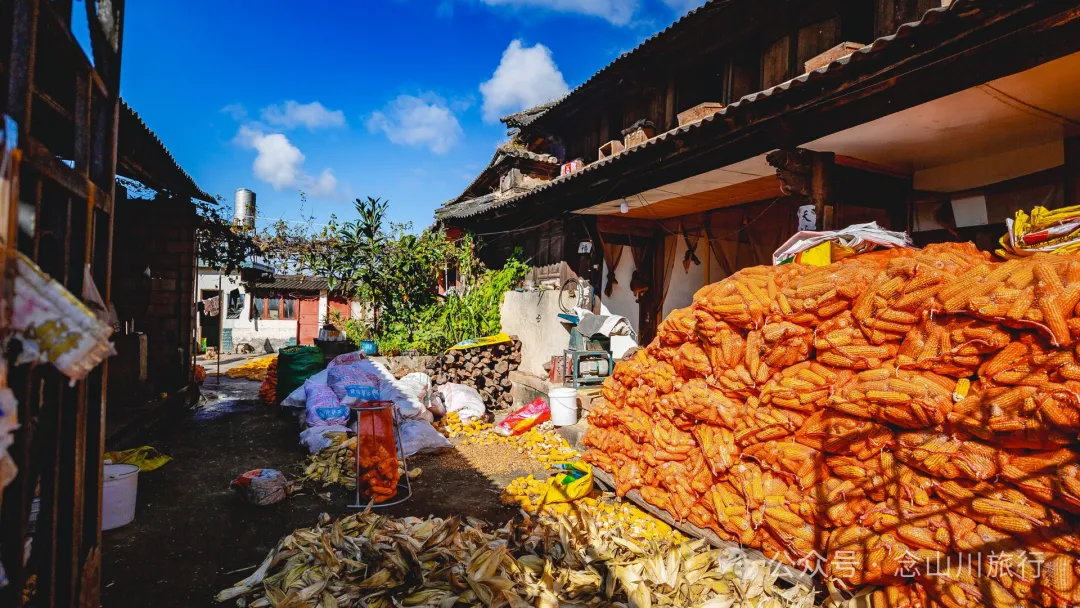
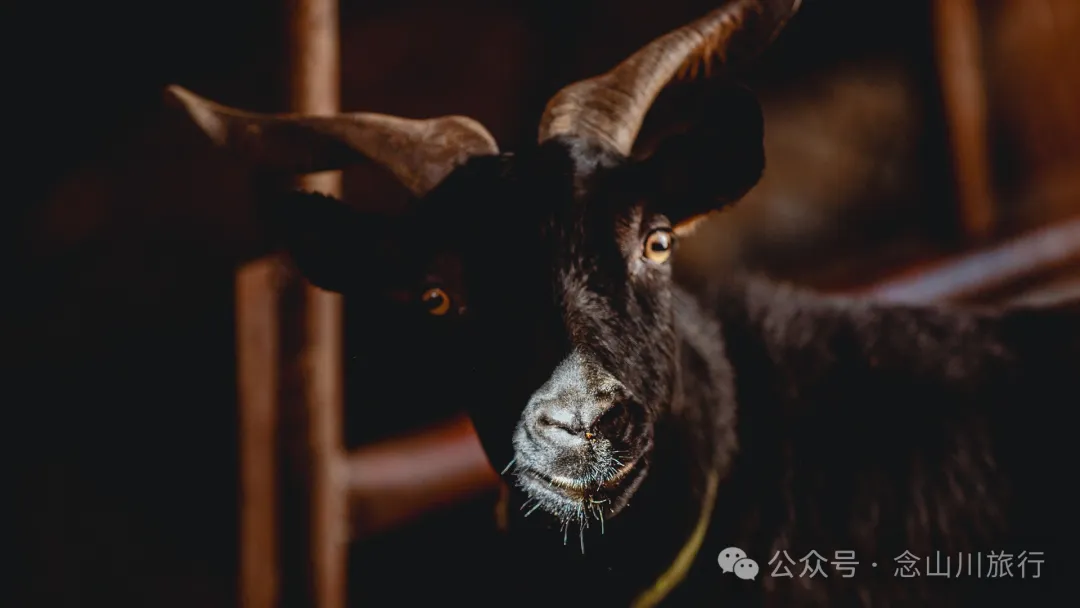
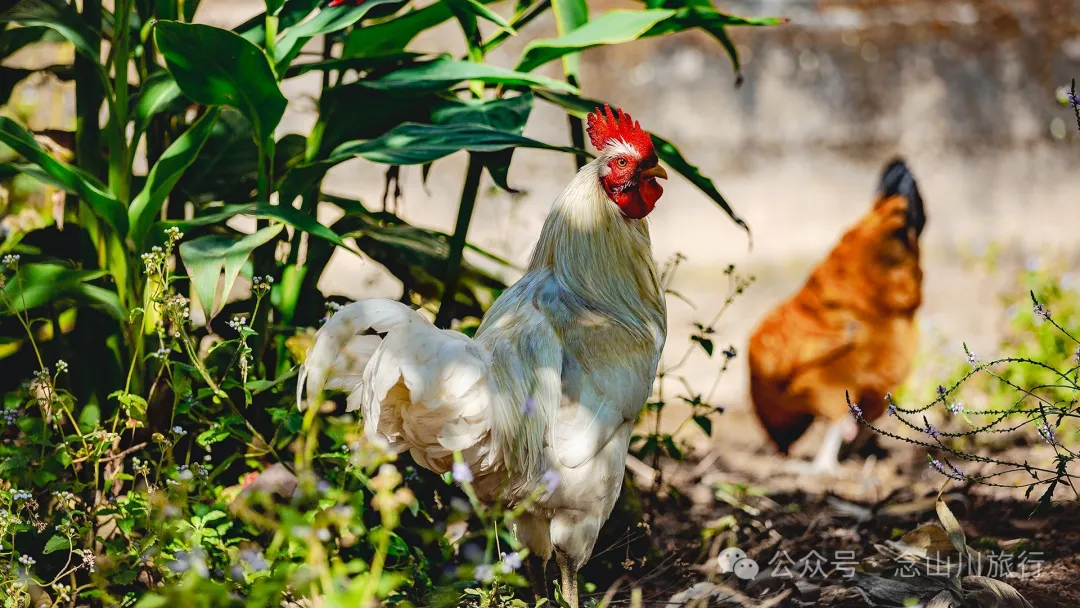
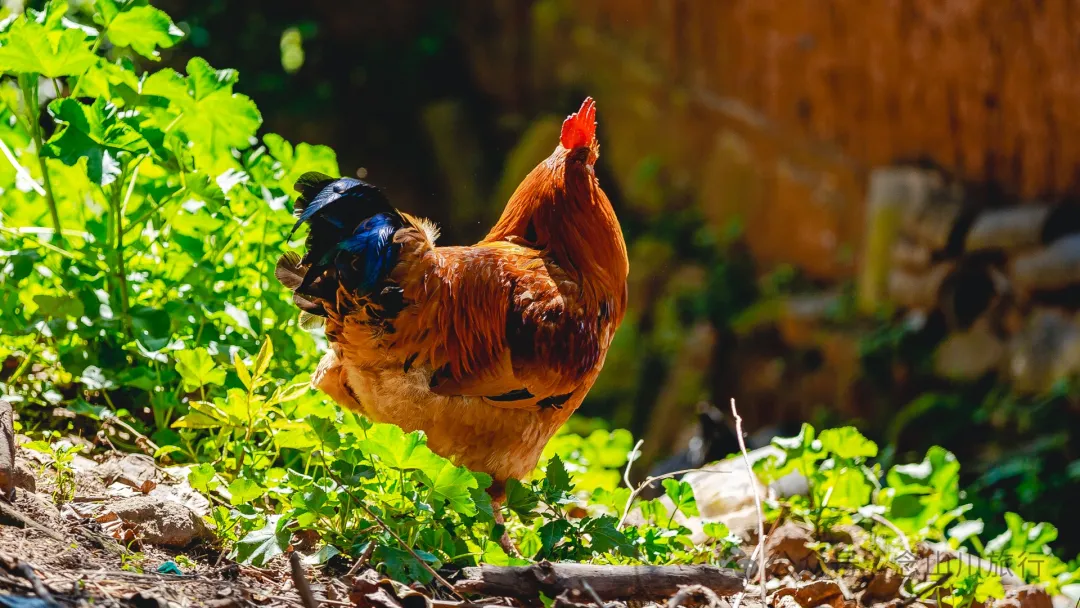
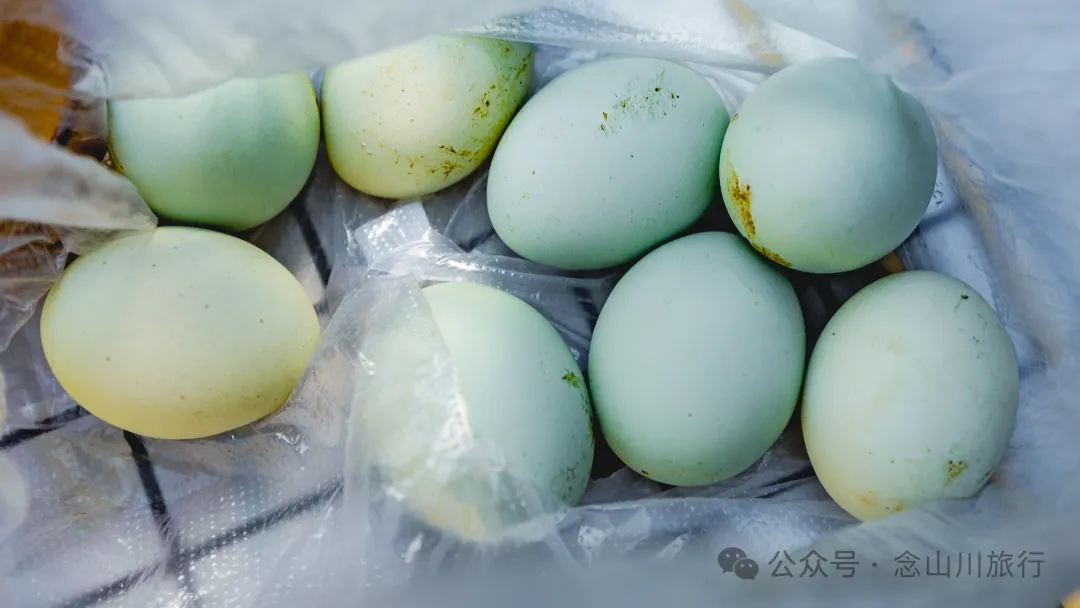
We entered a household with an old house. An uncle was sitting in the yard, busy husking corn. The yard was piled with corn, which would be used for making liquor. The uncle opened the wooden door of the century-old house to show us his liquor. Eight black goats were locked in a low shed. The uncle's little granddaughter said it was too hot outside, so they hadn't been let out to graze. Hearing unfamiliar voices, each goat stared curiously in the direction of the sound, looking adorable. On our way back, we bought ten jin of liquor from the uncle, and he ran to the chicken coop to pick some free-range eggs for us as a gift.
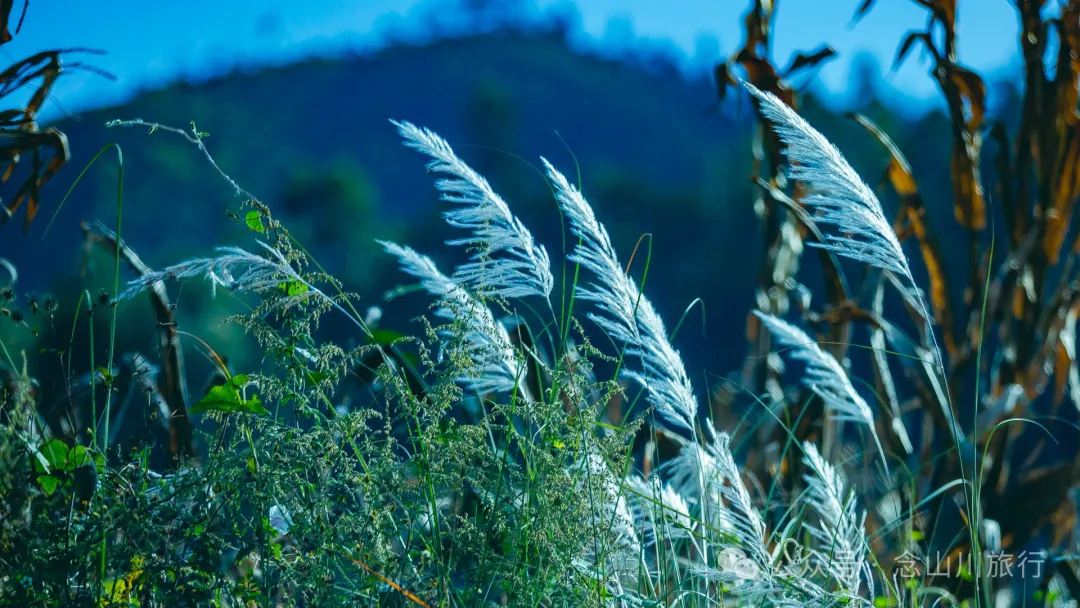
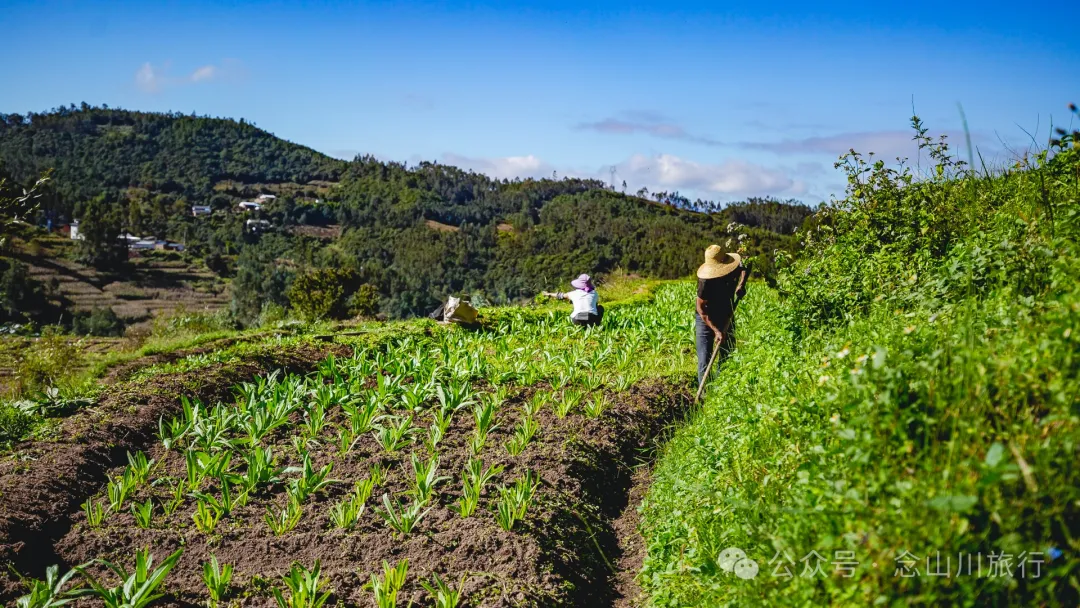
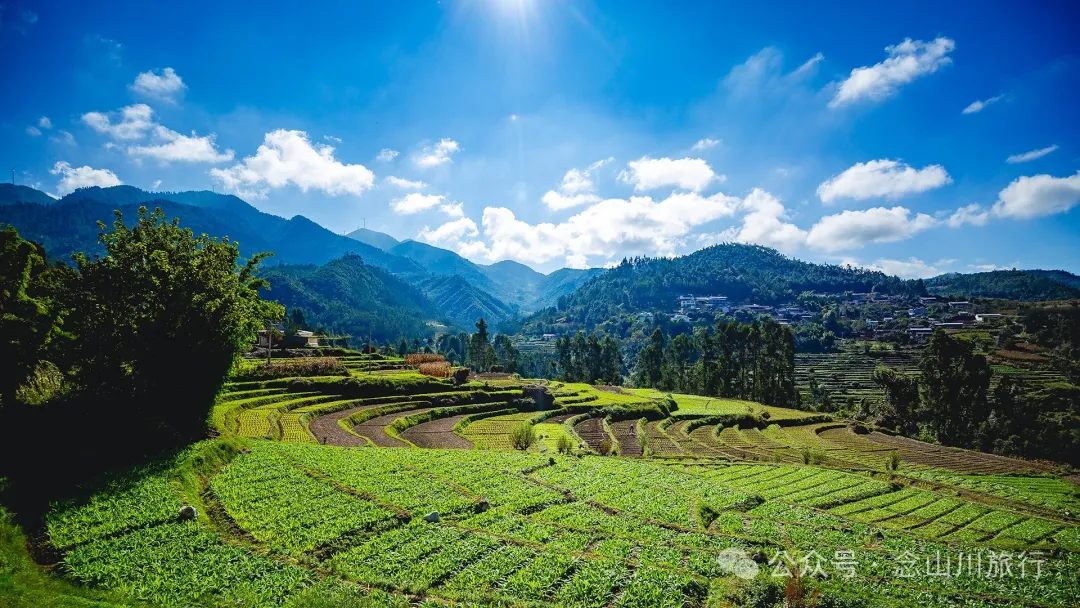
In front of the village lies an open field. As soon as the corn was harvested, the villagers busily planted tribute vegetables. A group of farmers were in the field, working nonstop with their hands while cracking jokes. They seemed so cheerful, as if they were not working but relaxing.
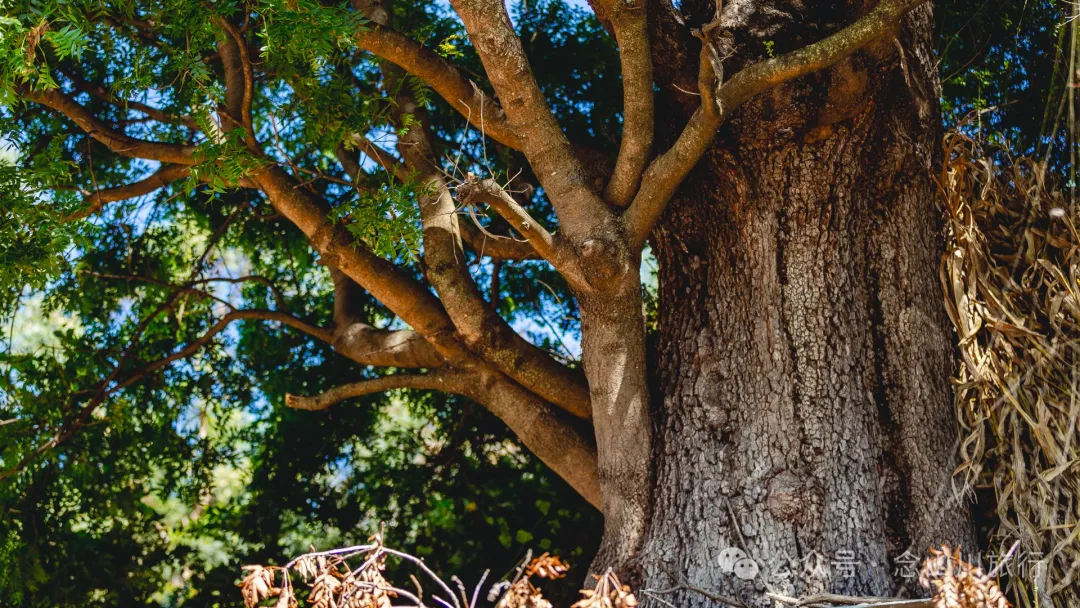
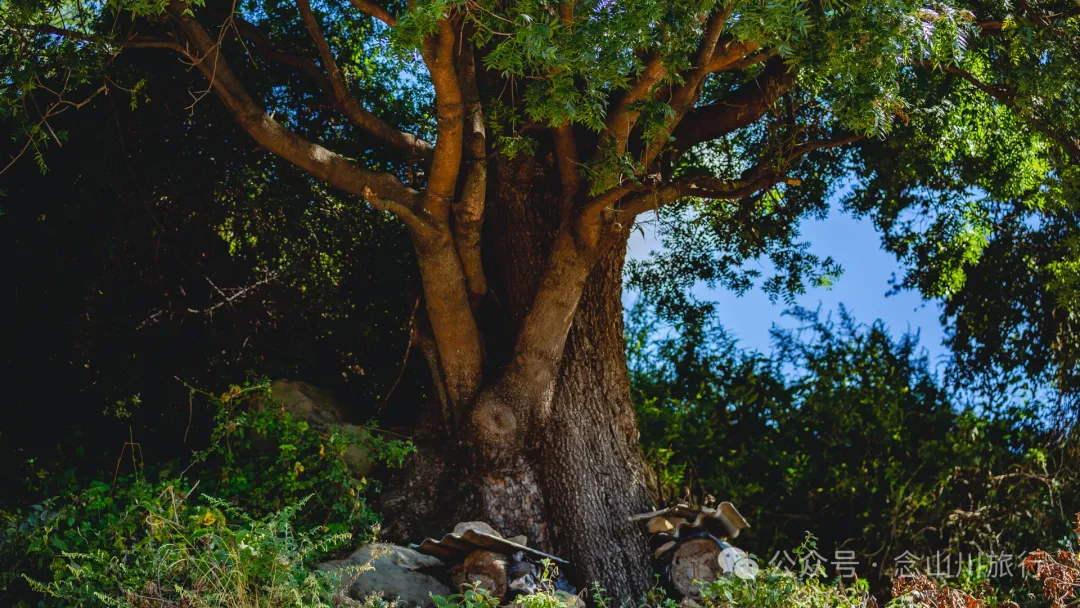
On a high spot by the roadside in the village stands a huge Chinese pistache tree, twenty to thirty meters tall. Its bark, as tough as a dragon's, made us guess its age. How could it have grown so thick, strong, and tall without experiencing hundreds of years? It must have witnessed the birth, growth, and passing of several generations, and seen the village transition from old times to a new century. It is one of the nostalgic symbols for villagers who work away from home.