Xiaohuangcaoba in Weishan, Dali: Warm Moments in a Mountain Village
四弦秋Travel Log1年前11317Previous post: Dahuangcaoba in Weishan, Dali: An Ideal Village in Pastoral Scenery
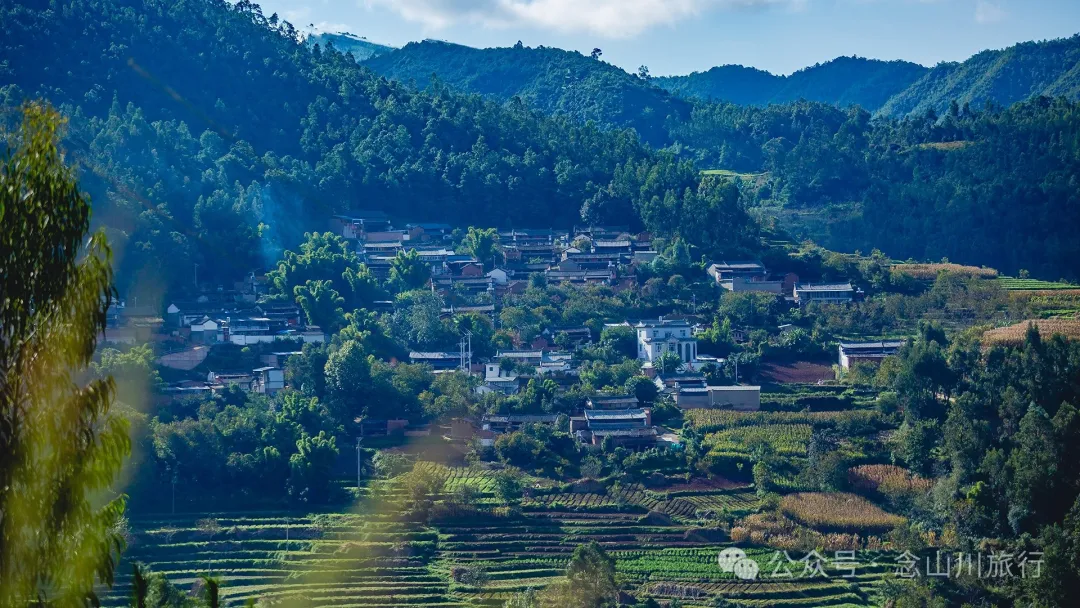
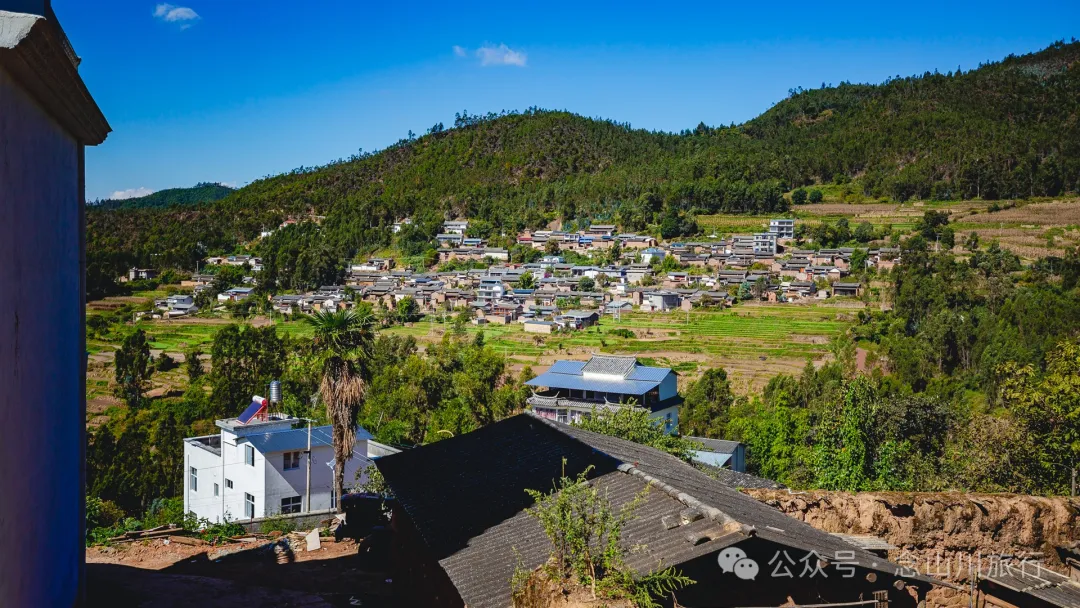
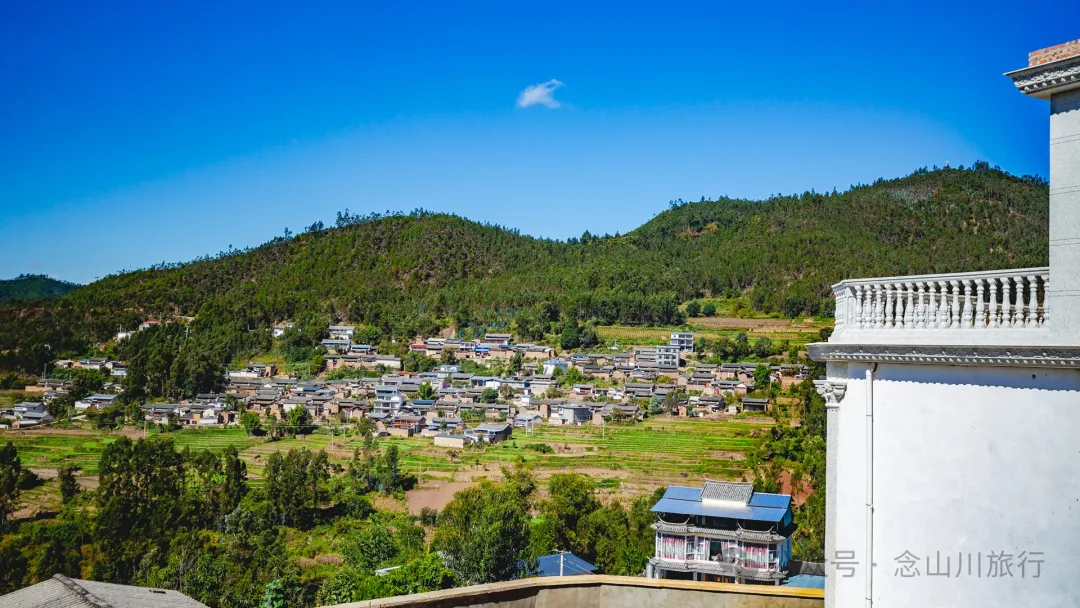
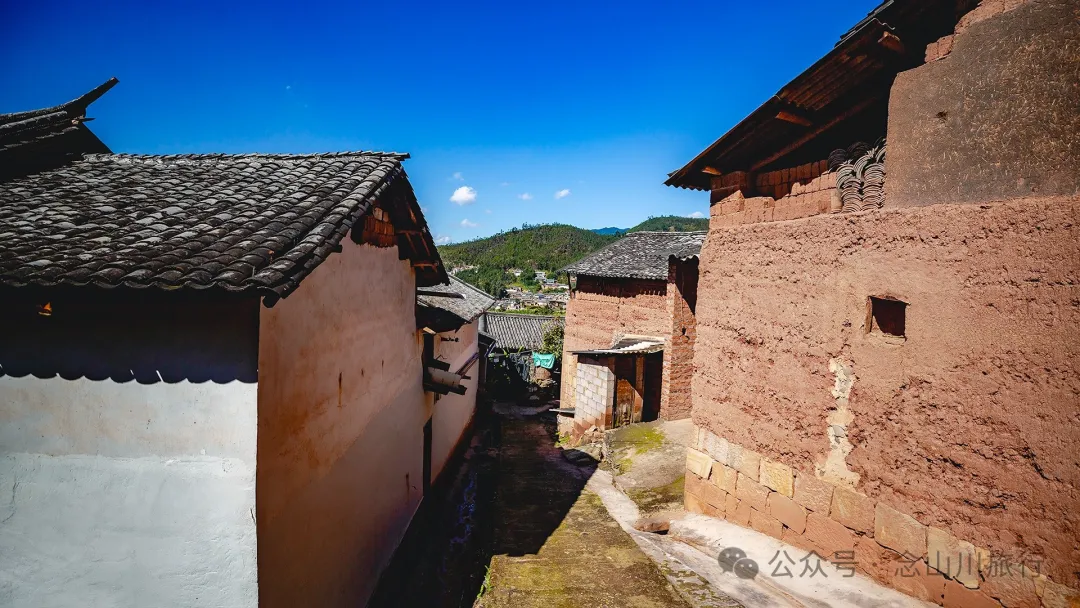
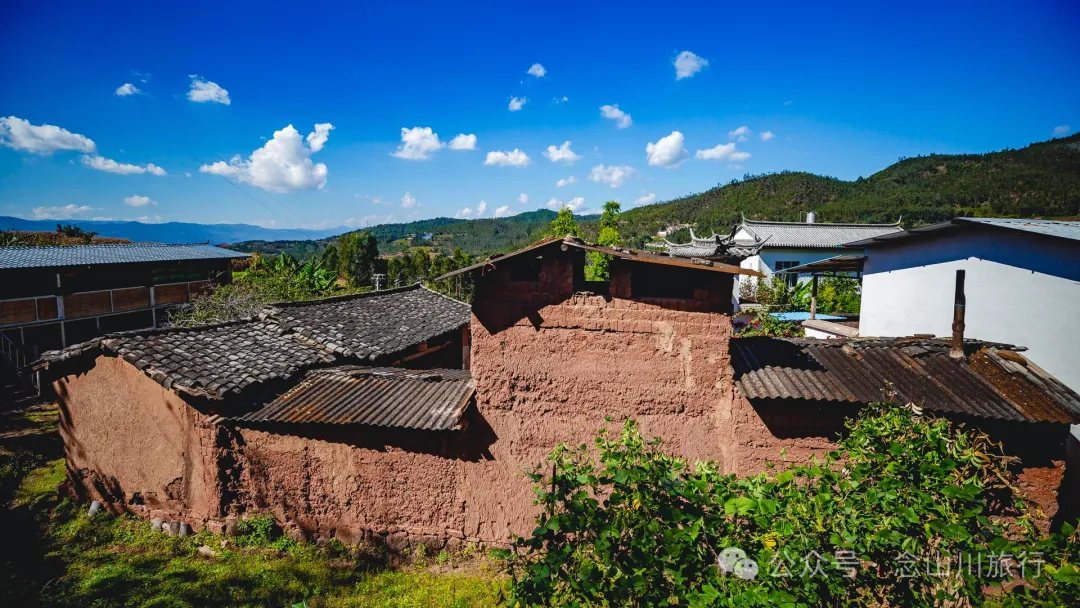
Xiaohuangcaoba is separated from Dahuangcaoba by a long valley, located on the northern slope. With only about 70 permanent households, it is smaller than Dahuangcaoba, hence the name "Xiao" (small). Apart from the slight difference in name, the two villages can be seen as a whole from any other aspect.
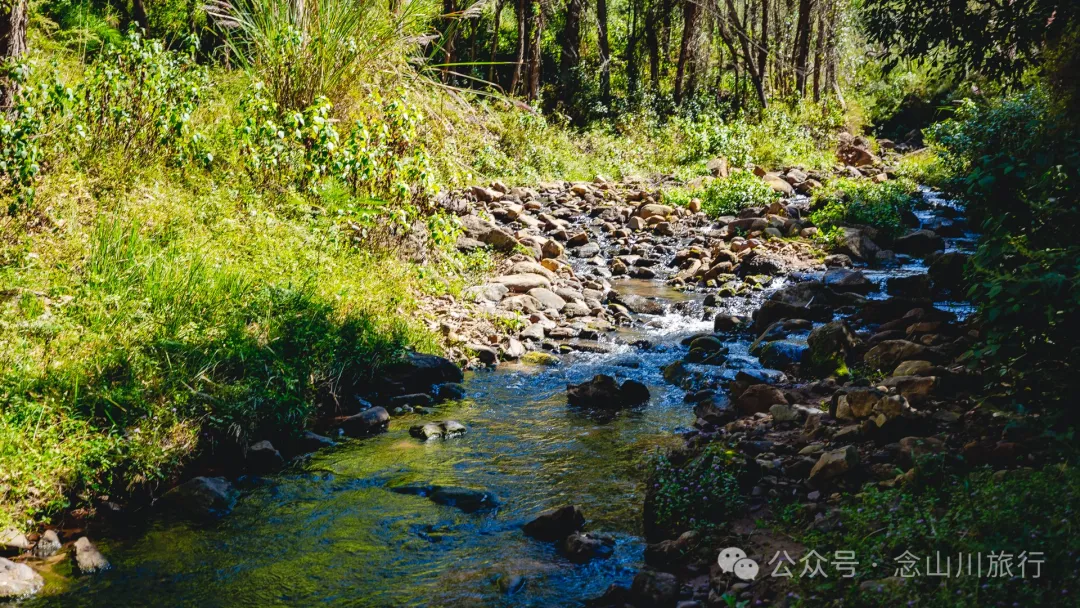
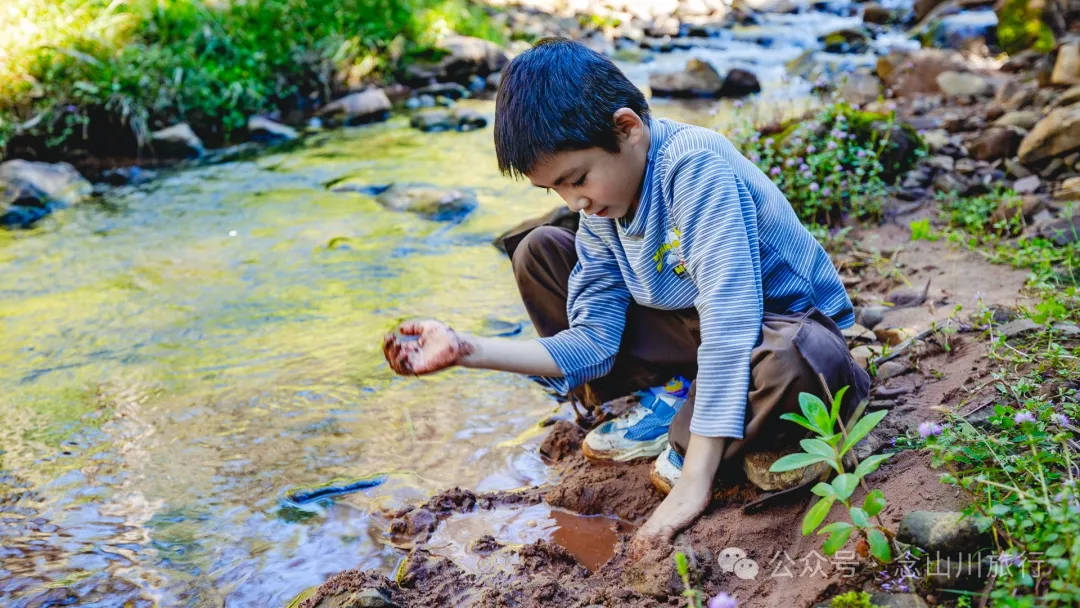
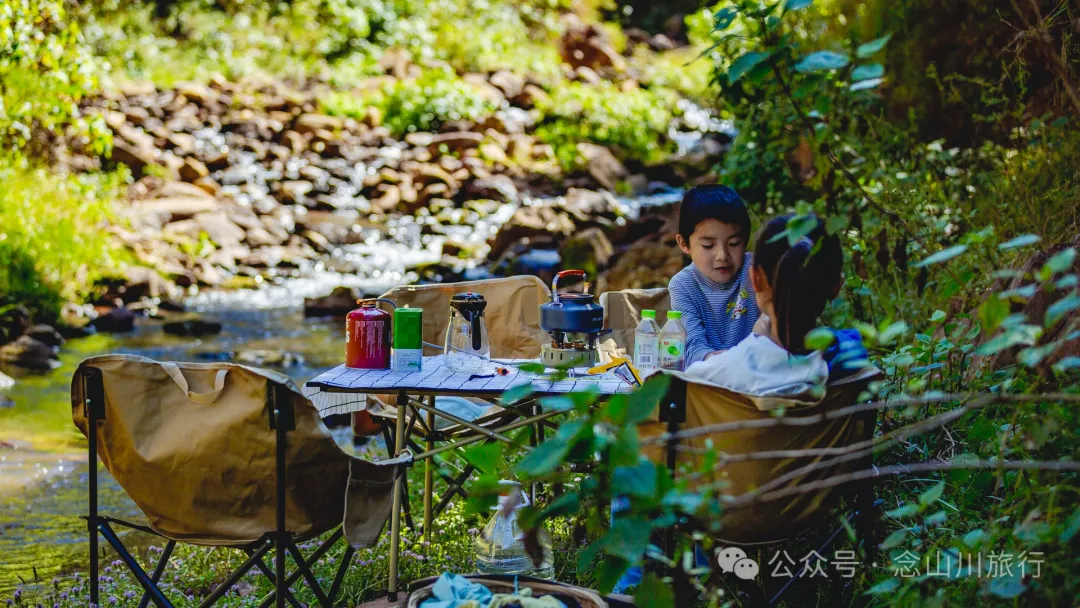
To get from Dahuangcaoba to Xiaohuangcaoba, we had to take a winding mountain road about six kilometers long, crossing a shallow stream in the valley. It was noon, and we stopped to rest in a shady spot by the stream. The pleasant murmur of the stream in our ears, a gift from nature, always soothes anxiety and restlessness. Sitting in a chair with eyes closed, the sound of water, clear and sweet, flows into the heart, washing away the worldly impurities.
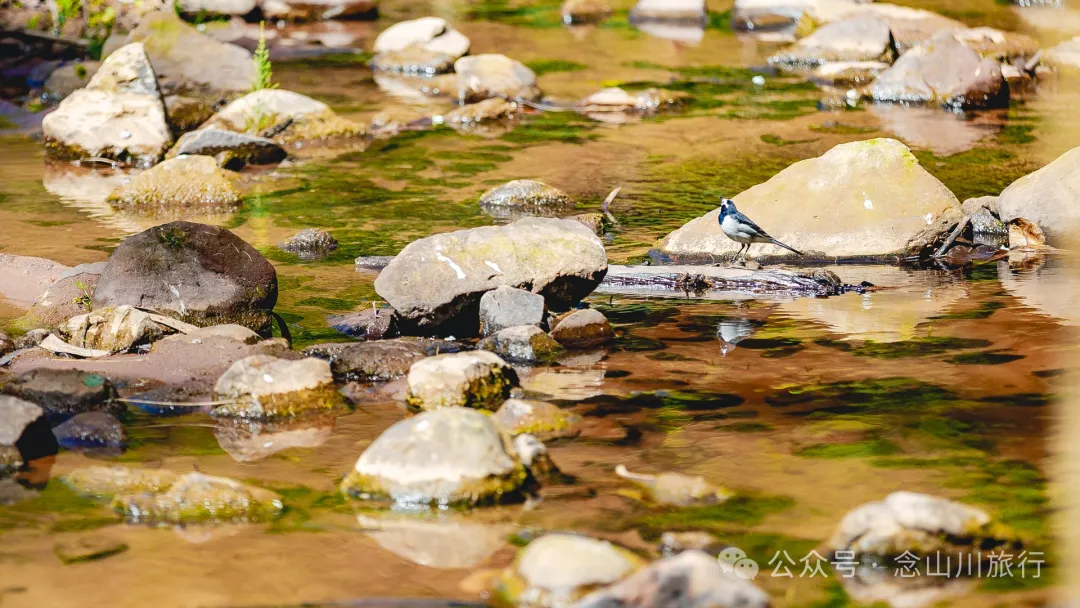
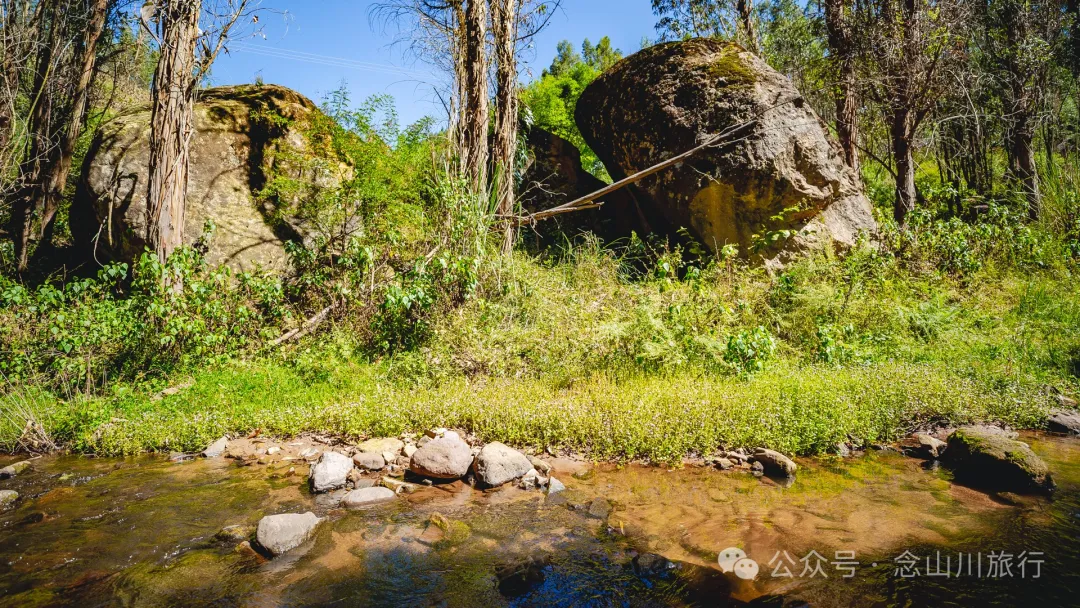
Occasionally, cheerful bird songs reached our ears besides the stream. I saw two colorful white-capped redstarts. On the opposite bank, three huge rocks stood alone in the grass. I don't know when these big stones were placed there or how they came to be. But I know that when winter comes and we return, once the sun warms the rocks, we'll find a way to climb up, lie on our backs, and take a nap—it will be wonderful.
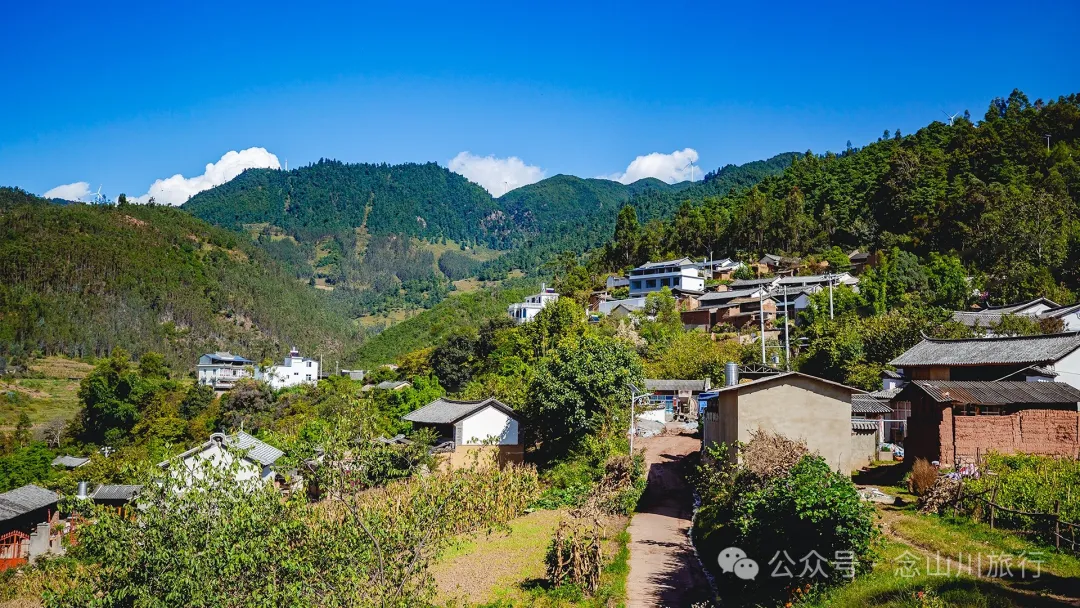
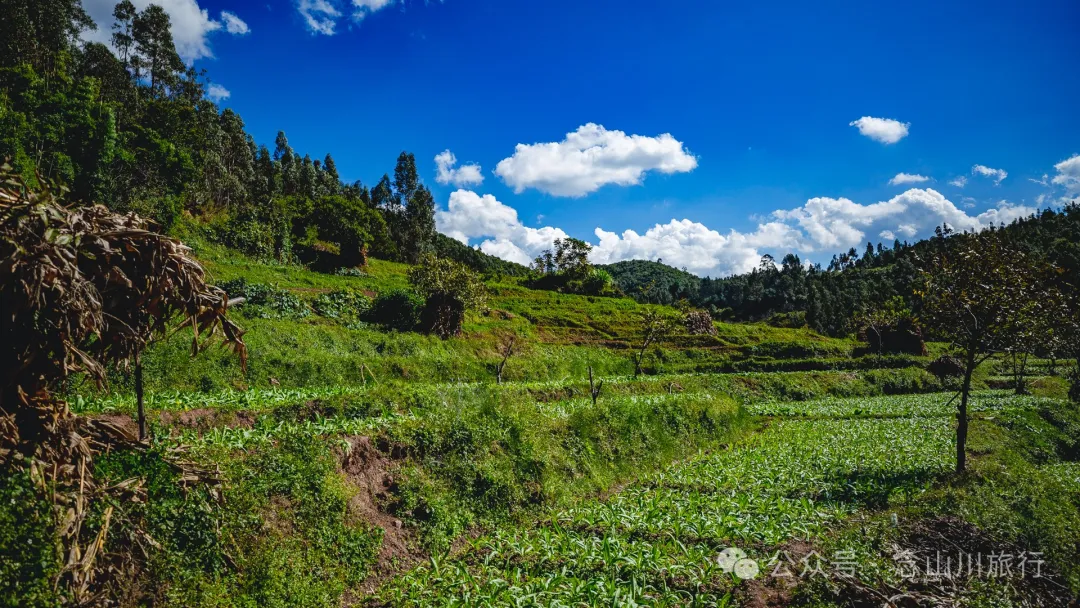
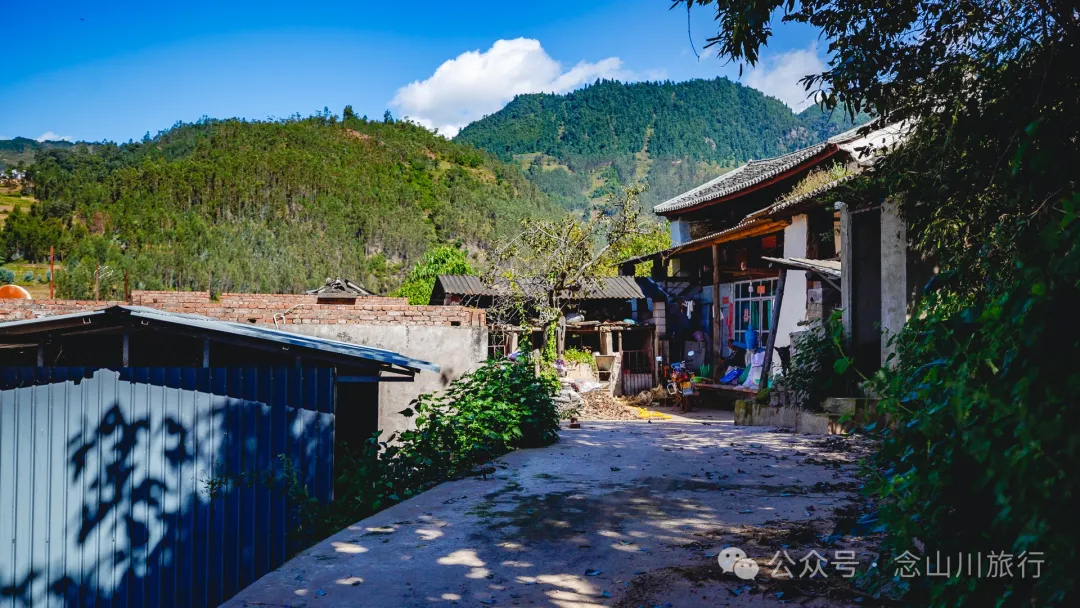
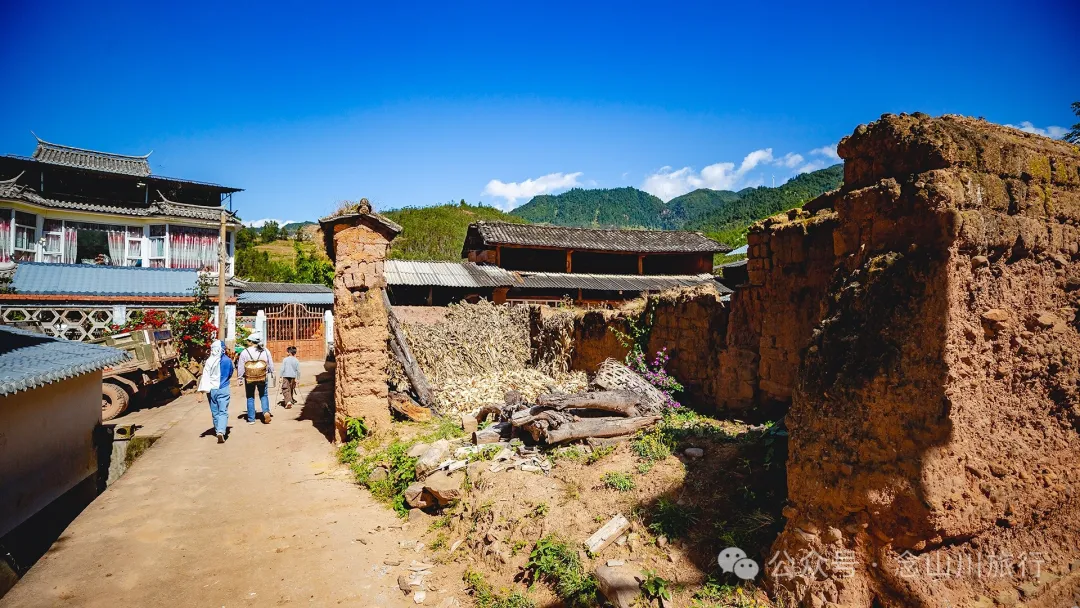
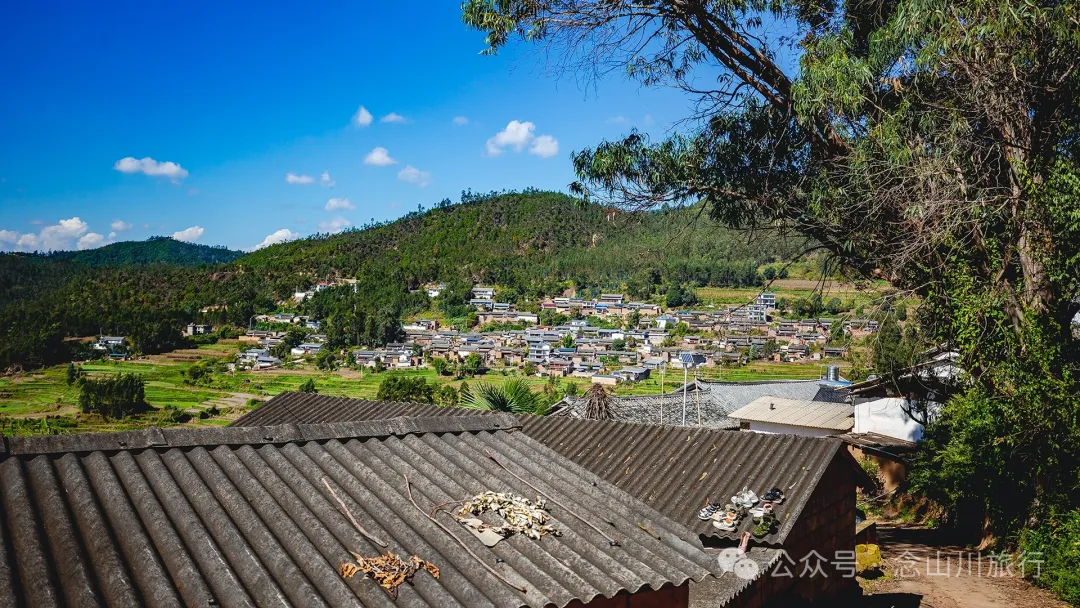
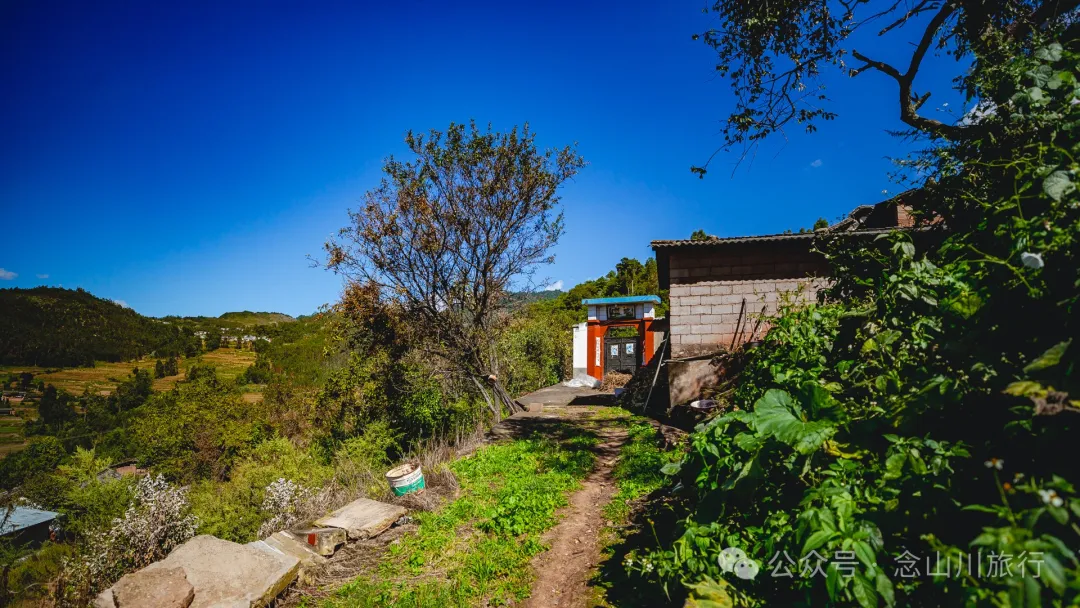
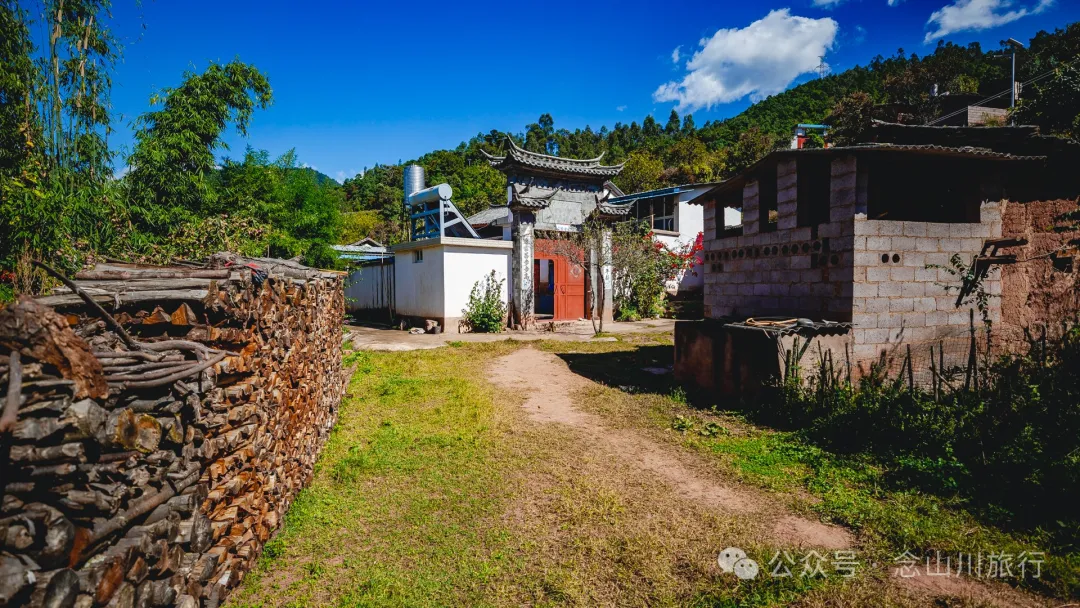
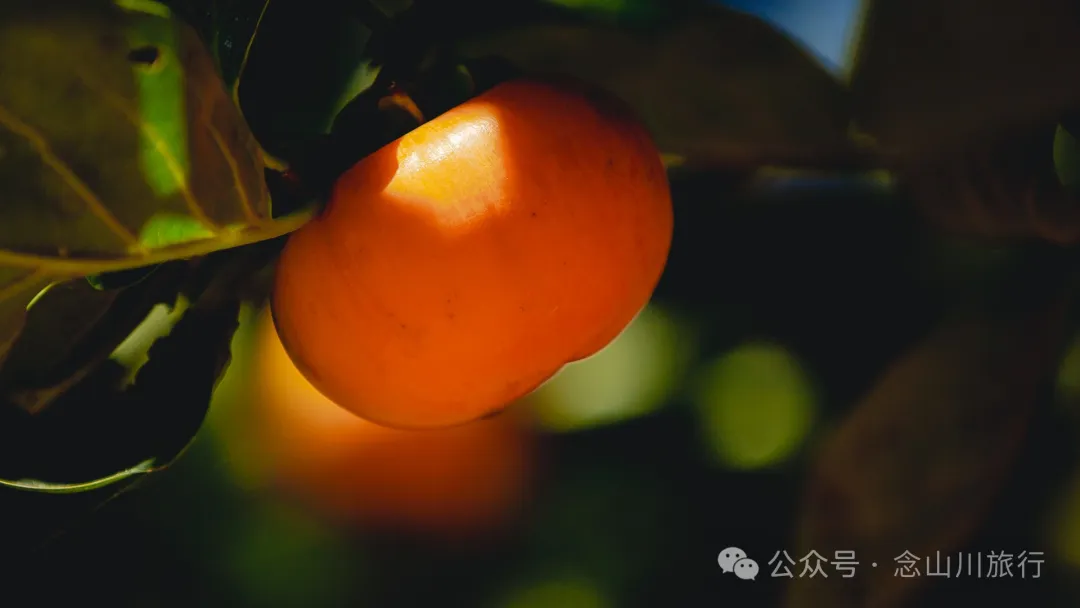
While still taking photos in Dahuangcaoba, we could see the full view of Xiaohuangcaoba village in the distance. The quiet village, indistinguishable from the high sky, gave a sense of relaxed leisure. As soon as we entered the village, a group of elderly villagers were playing cards under a large persimmon tree at the entrance, idling away their time. They looked so content and at ease, their expressions no different from the retired elderly I saw in the park of Weishan county town, as if their old age also had a reassuring security. They do have security, but it comes from their farming and herding in their later years, from their daily labor, not from anything else.
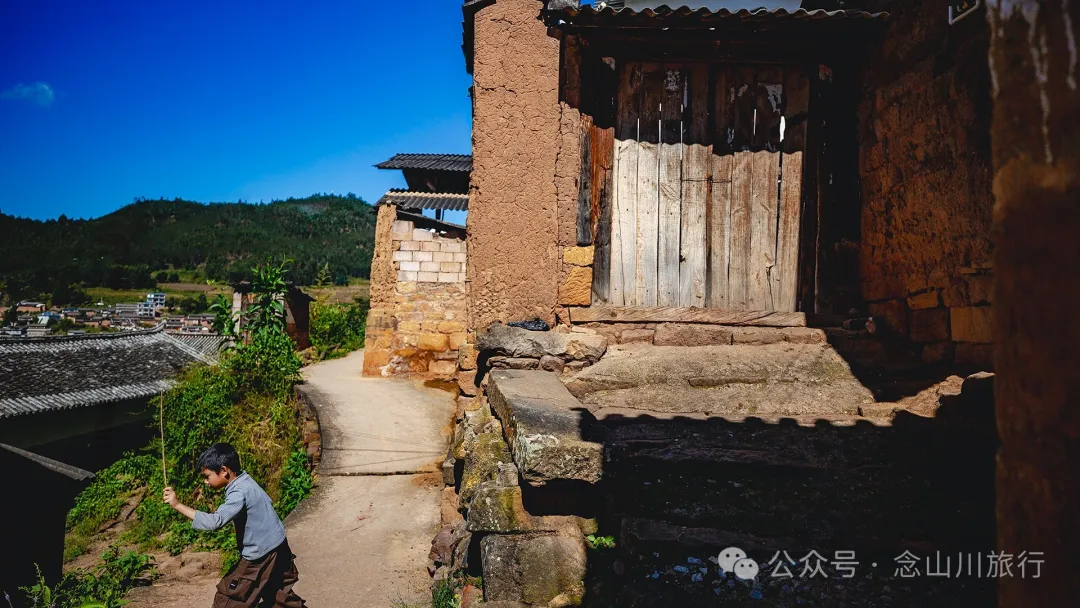
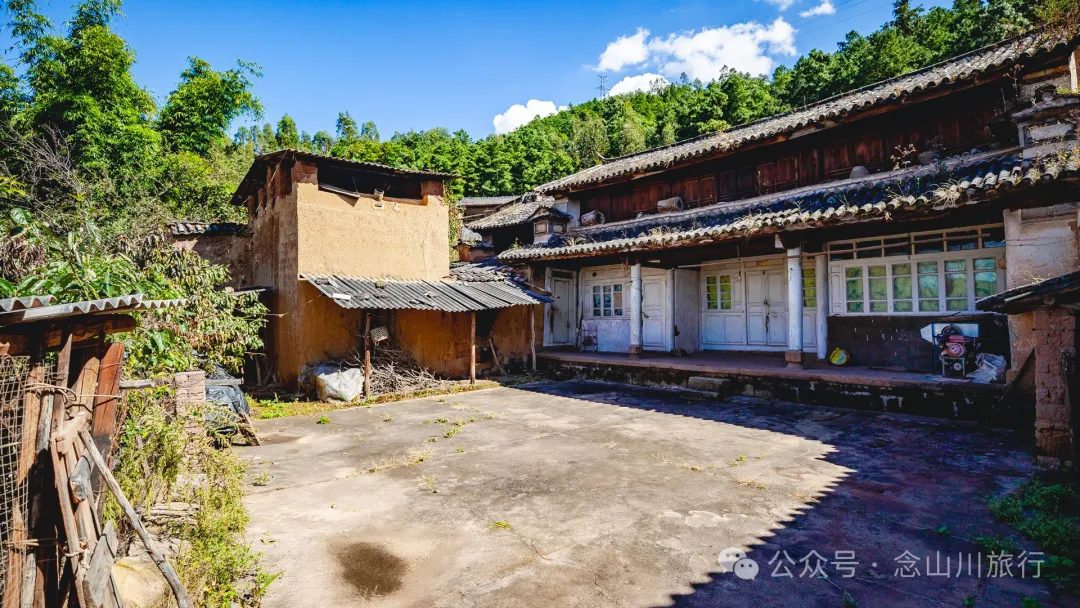
We walked into a courtyard where a grandmother and her grandson were sitting on the steps, and chatted with them. The auntie was sitting on a low stool mending her grandson's jeans, while the boy sat quietly at his desk doing homework.
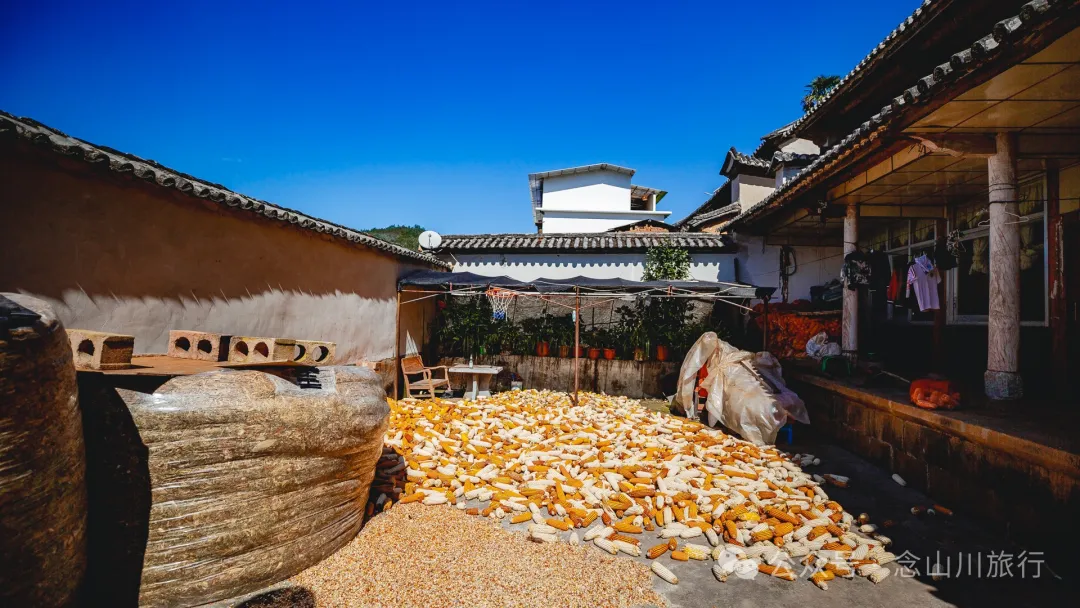
In the yard, two large bags contained crushed corn stalks for feeding cattle. The auntie told us that these crushed stalks are used to feed the cattle when there is no grass in winter, ensuring that their twenty-odd yellow cattle won't go hungry for months. Her fourth-grade grandson occasionally reminded her to speak Mandarin with us, but I told him we could understand. The dried corn spread on the ground was also for feeding the cattle, and the boy helped with these farm chores.
They also said that herding cattle requires going to the distant mountains, about an hour's walk. So the villagers also have their own commute time, just like city people. The boy's grandfather was herding cattle deep in the mountains at that moment, and would only return home with the herd at dusk, with the last rays of sunset.
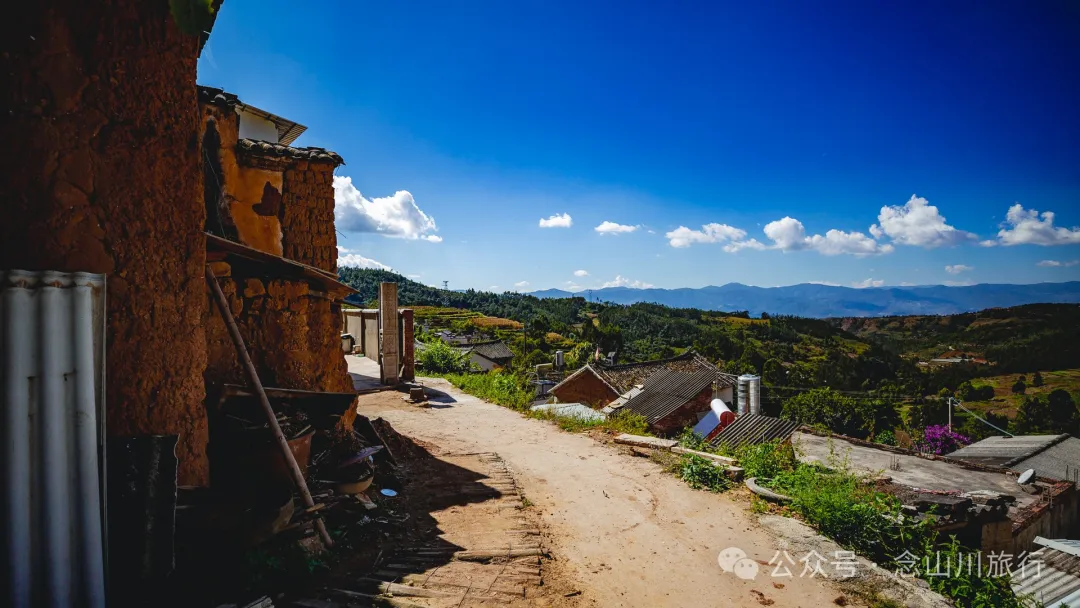
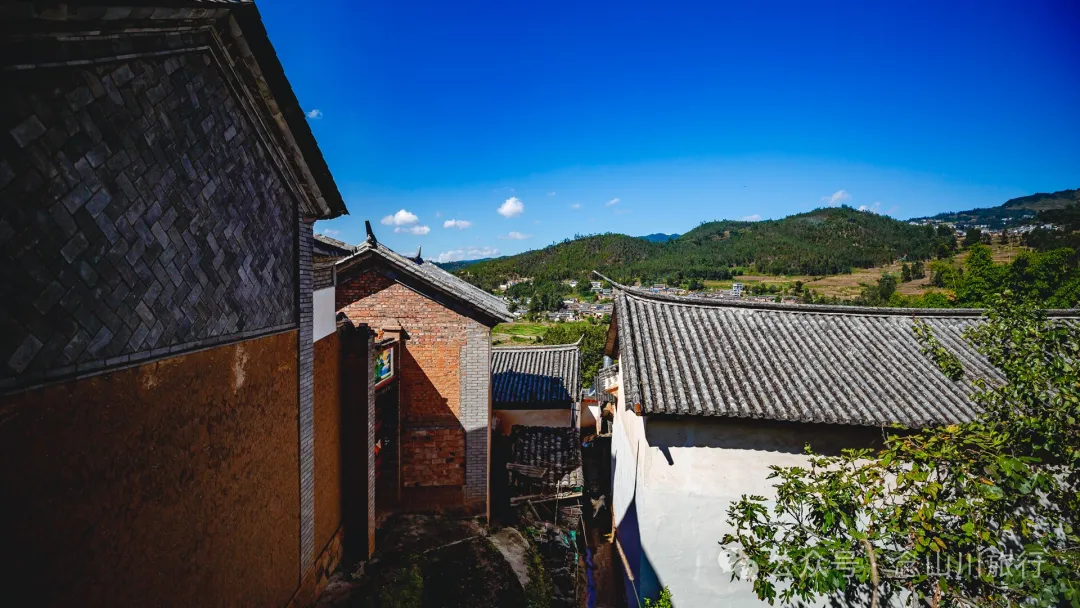
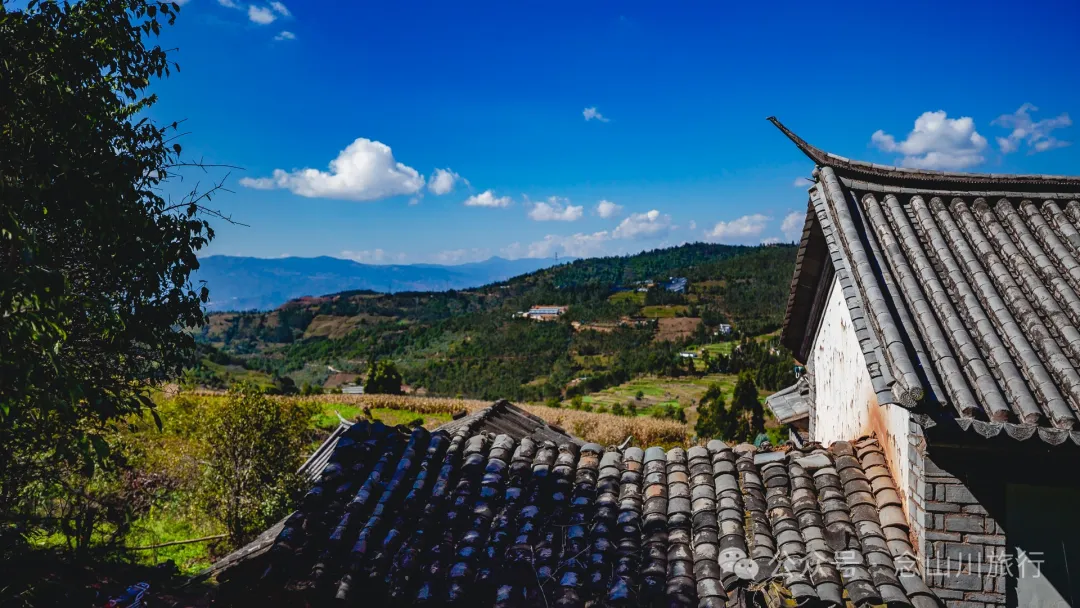
As we walked through the village, we could see the natural beauty of distant mountains holding clouds everywhere. Such scenery is too ordinary for the villagers who have lived here long, so much so that they often overlook it. But if they leave for a few days, they will surely miss these familiar sights deeply.
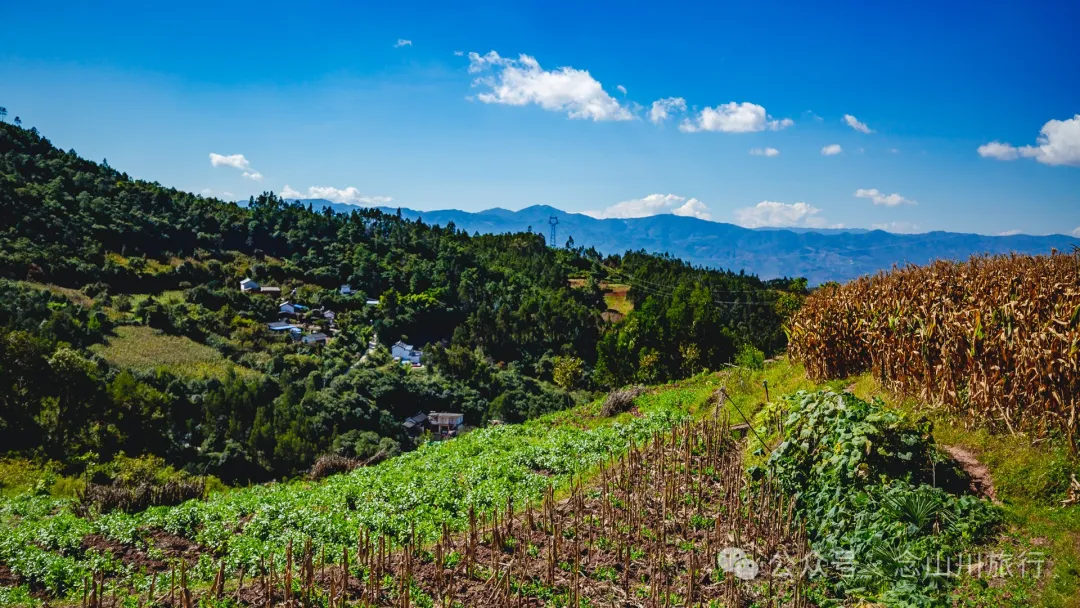
We walked out to a field outside the village, where broad beans and tribute vegetables were planted. On the empty land by the field, there were piles of dried corn stalks, casually forming a narrow space that could serve as a temporary shelter for farmers to avoid the scorching sun. Probably the sunlight was most intense at this time; the fields were empty, with no farmers in sight. They were probably still playing cards under the big persimmon tree at the village entrance.
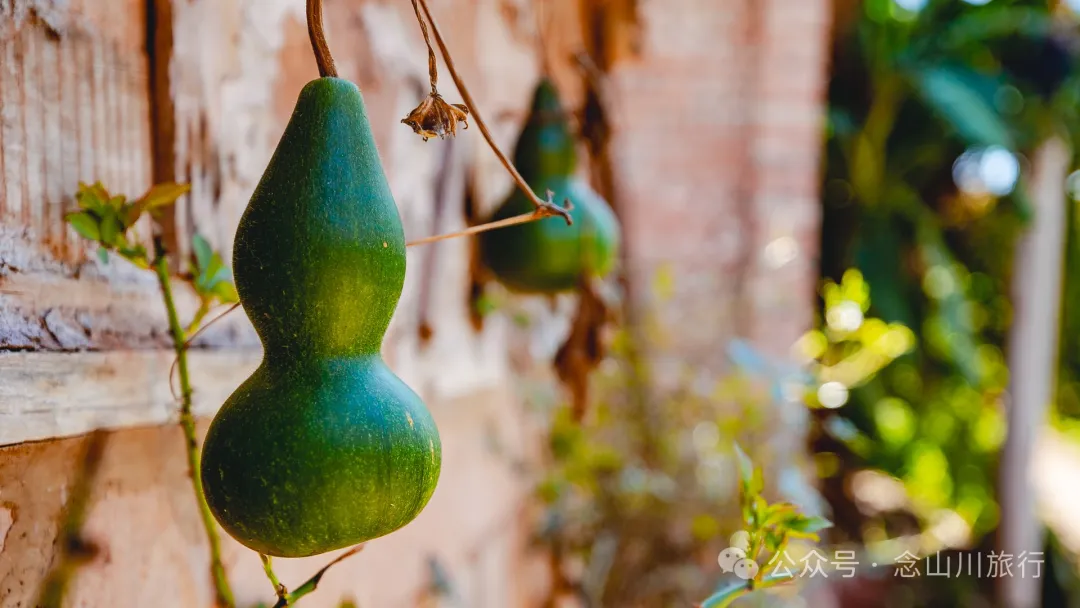
By the roadside at the village entrance, several green gourds hung on an earthen wall, instantly catching my attention.


 四弦秋Travel Log1年前11317