
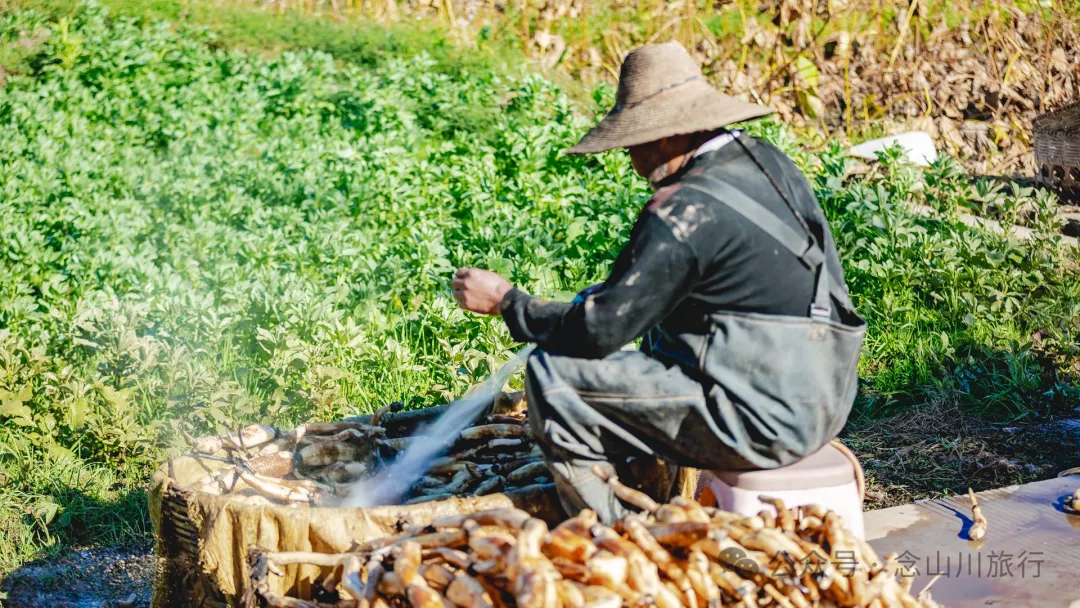
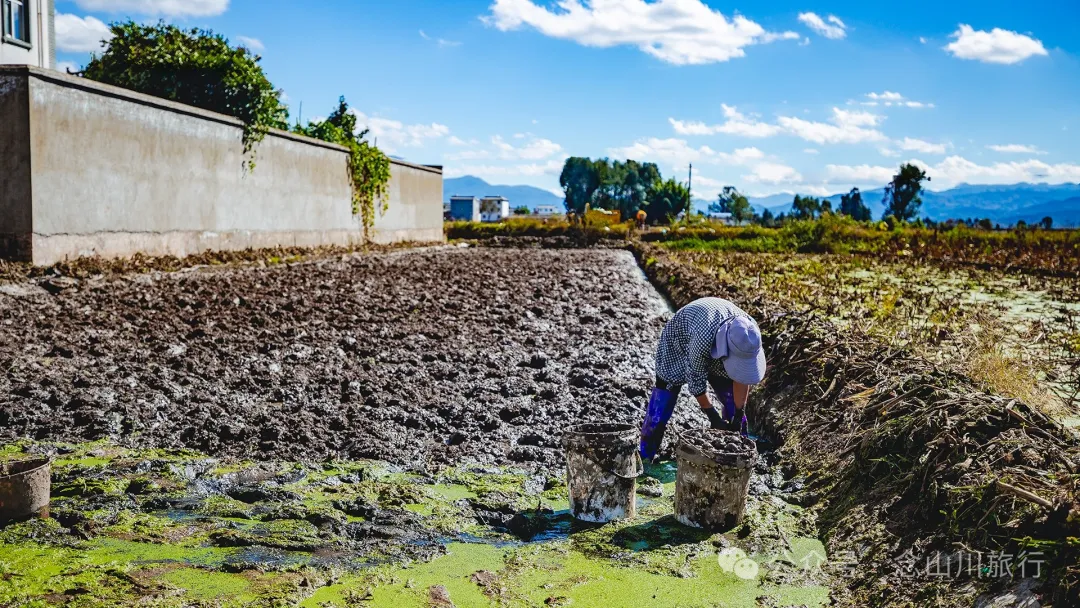
Winter has arrived, and everything withers. While most creatures are dormant, Shuangdui Village begins its harvest season. The lotus roots and arrowheads, silently growing in the mud, are now ripe. In the semi-dry wetlands, farmers are busy everywhere.
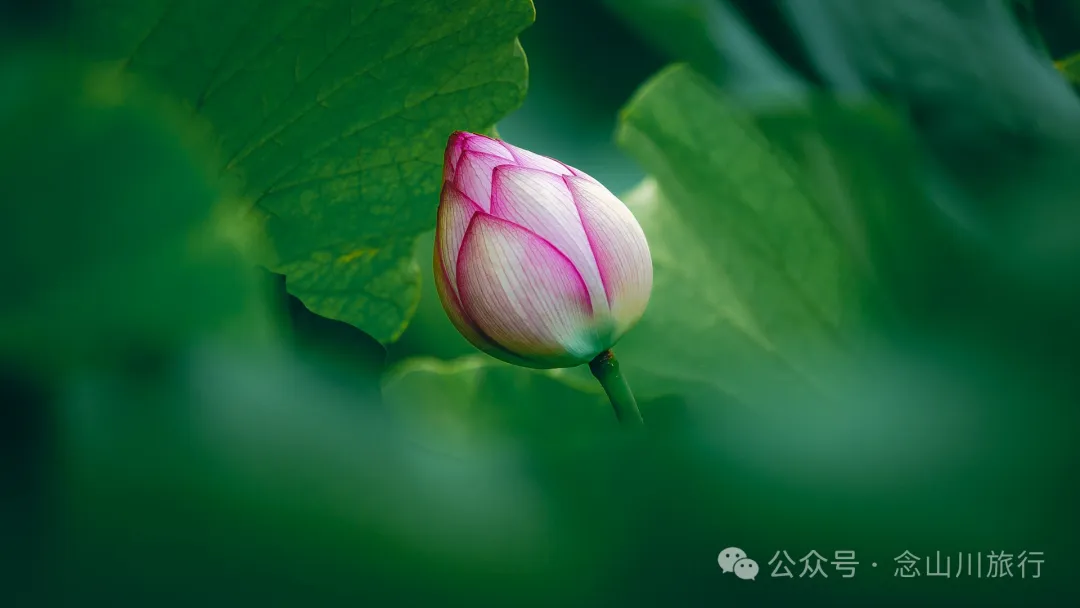
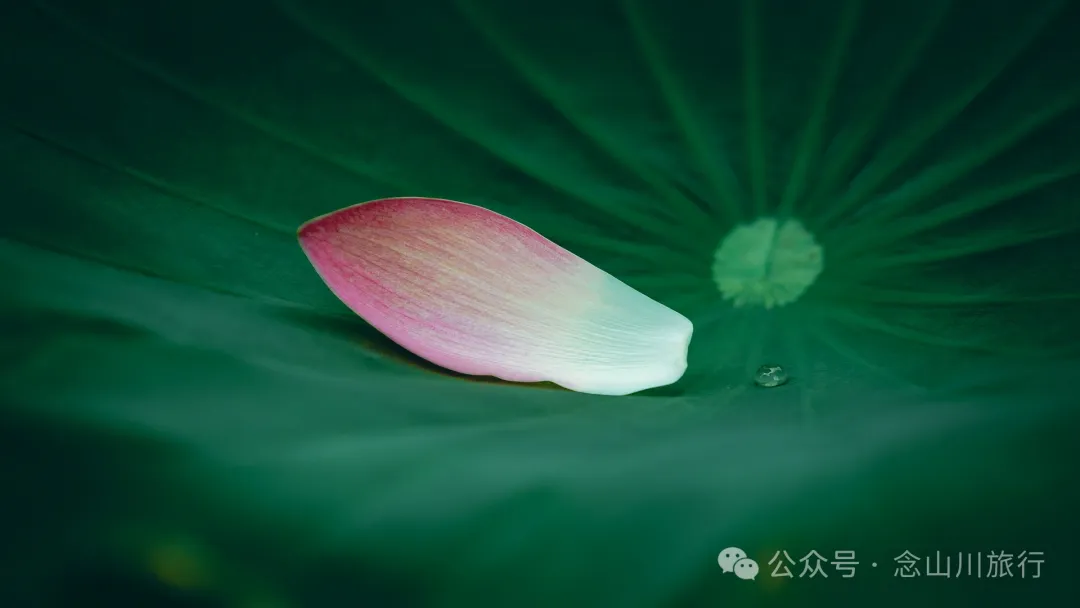
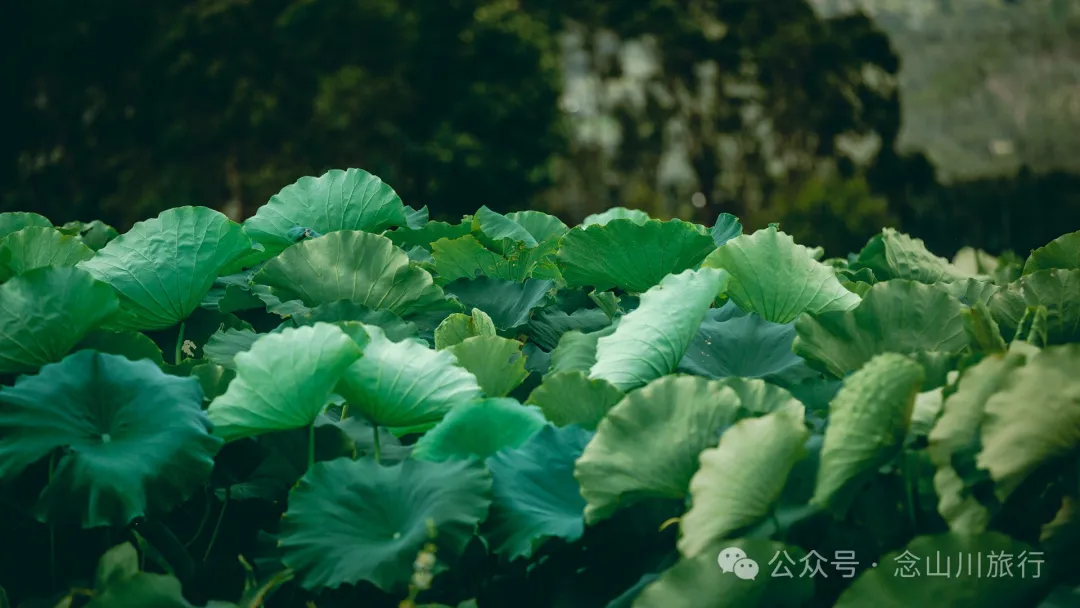
We visited Shuangdui Village twice in summer to see lotus flowers. Each time, the ponds were crowded with dense lotus leaves, but flowers were scarce. Occasionally, a few pink buds hid shyly among the green leaves, never fully opening. The whole summer passed, and we never witnessed the grand spectacle of a pond full of lotus flowers in full bloom. Instead, in early winter, we encountered the ripening of fruits and the withering of leaves.
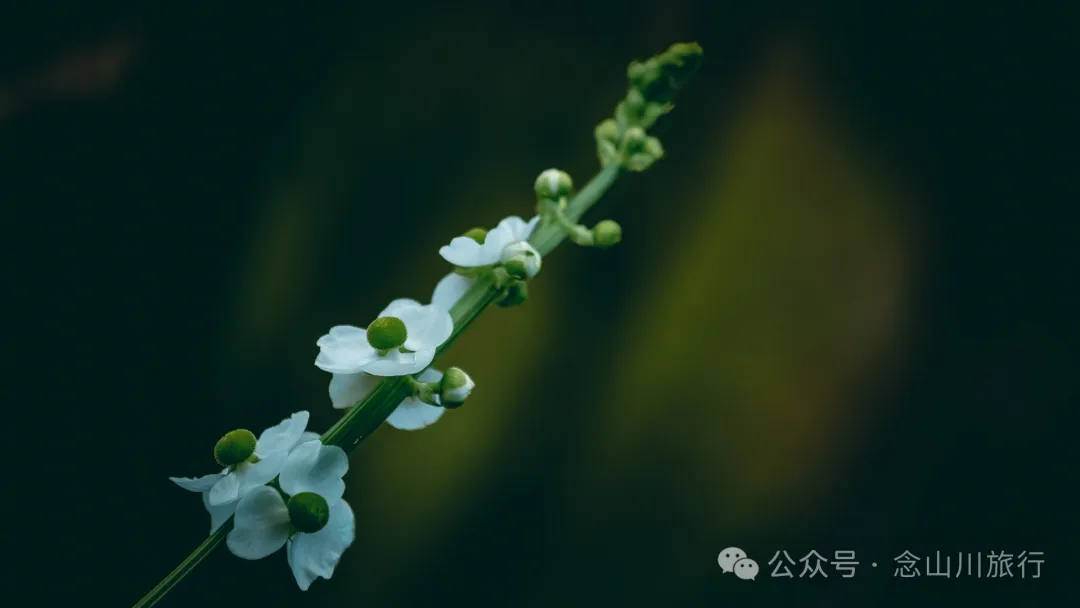
This aquatic plant with green buds and white flowers, rarely seen elsewhere, is called arrowhead (cí gū). Its scientific name is Sagittaria sagittifolia, a member of the Alismataceae family. Its corms are also known as white chestnut or arrowhead. It is both edible and medicinal.
Arrowhead is one of China's characteristic vegetables. Native to southern China, it has been cultivated since before the Tang Dynasty. The earliest record of its medicinal value, growth habits, and edibility is found in Tao Hongjing's "Mingyi Bielu" (Northern and Southern Dynasties). "Qimin Yaoshu" describes arrowhead cultivation methods. In the Song Dynasty, "Mengliang Lu" listed arrowhead as a major product. "Compendium of Materia Medica" states: "Arrowhead, one root produces twelve offspring, like a mother bird feeding her young, hence the name."
Arrowheads are similar in size to small taro. Locals enjoy them in hotpot or stir-fried with pickled vegetables. Like lotus roots, arrowhead fruits are buried in water or marshes. To avoid damaging them, farmers must dig them out by hand from the soft mud, without relying on other tools.
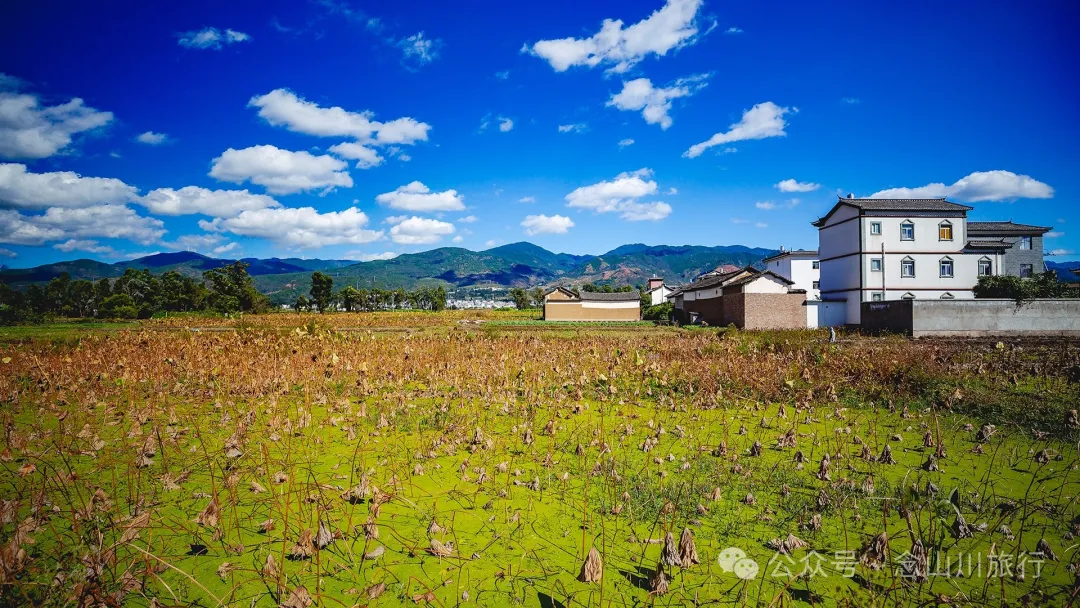
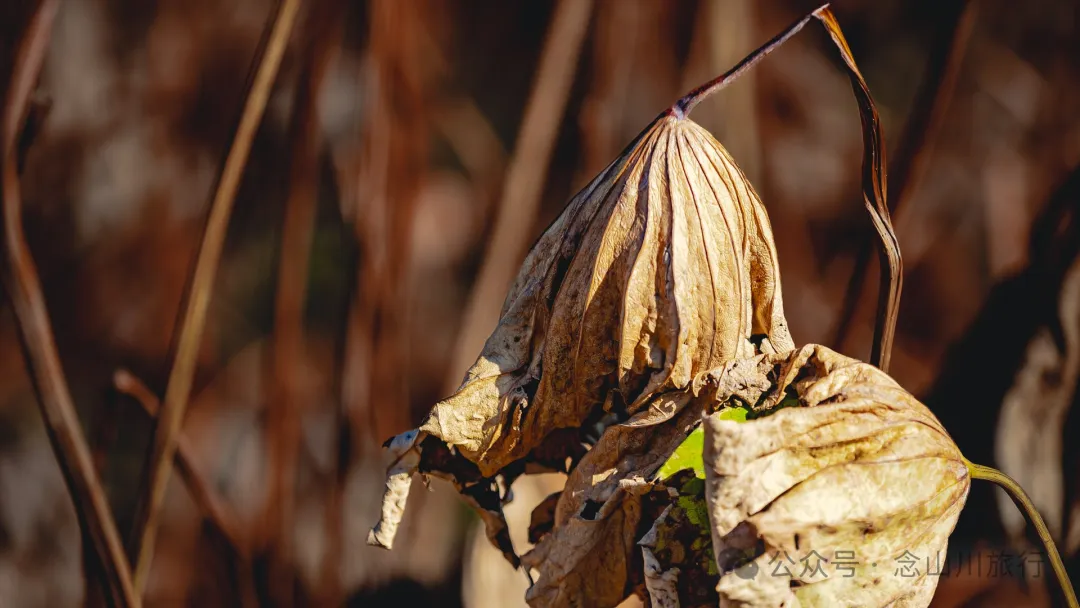
Li Shangyin's famous line, "Autumn clouds linger, frost falls late; leave withered lotus to listen to the rain," gives new life to withered lotus leaves. The lively summer pond attracts attention, but the desolation of this season is easily overlooked. How many people appreciate the beauty of life's decline? Yet Li Yishan (Li Shangyin) accidentally discovered this poetic realm, passing down the aesthetic charm of withered lotus and rain sounds for millennia, allowing withered lotus to sing a new song of life. The continuous winter rain in the past two days—I wonder if any passerby was fortunate enough to witness and hear this exquisite scene.
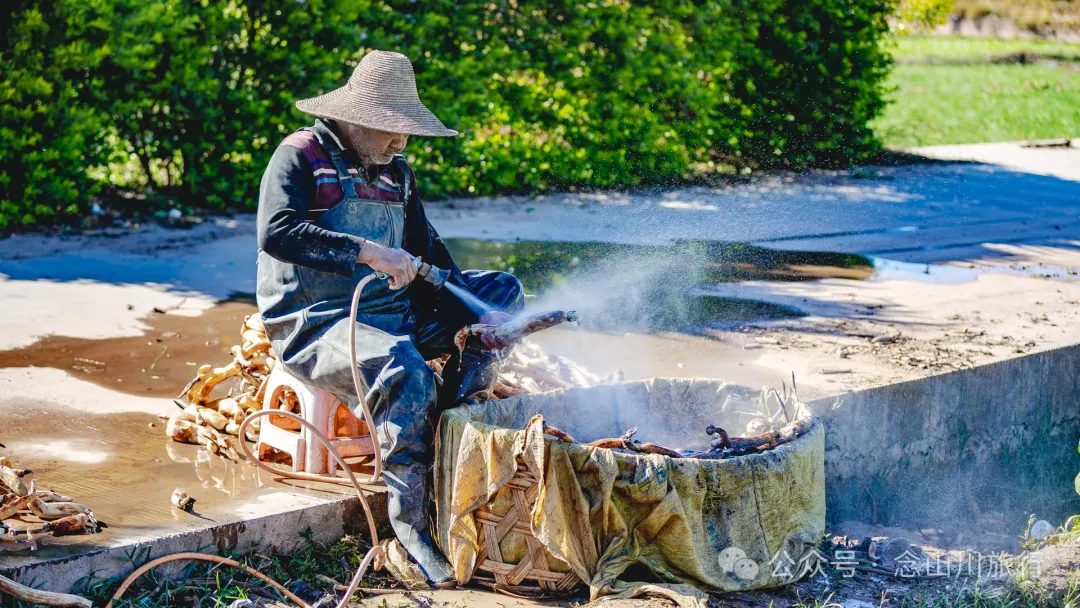
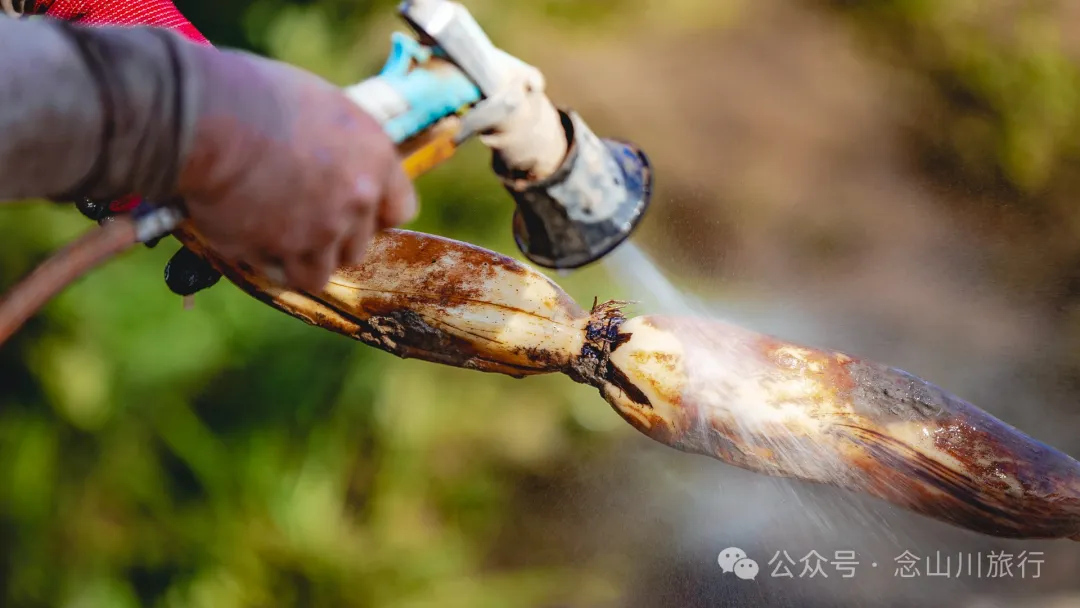
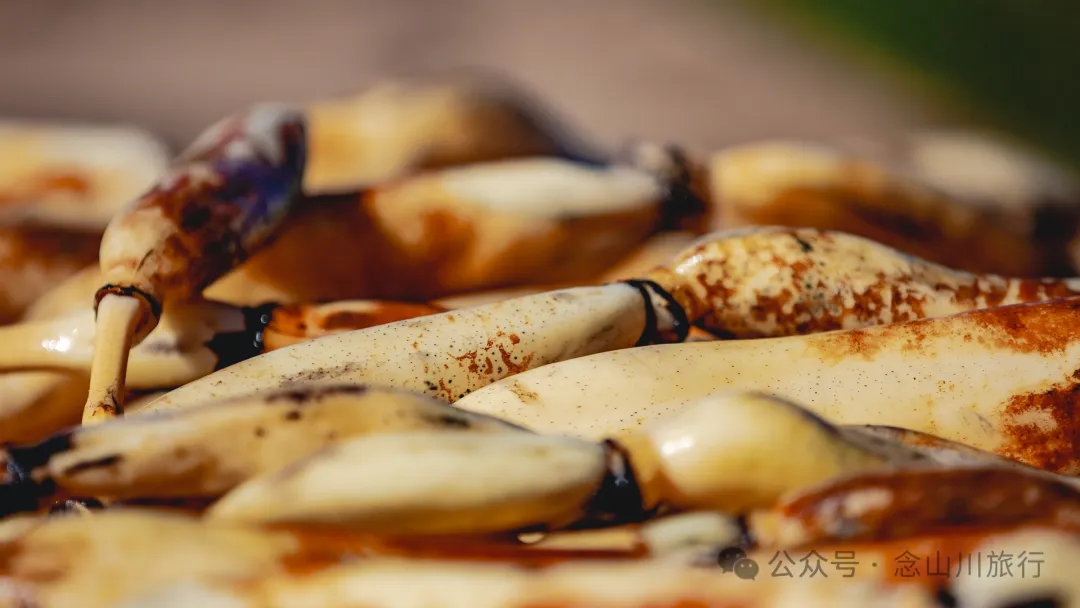
Farmers digging lotus roots sit by the roadside, washing each intact root clean. The dark mud peels off layer by layer, revealing a pale yellow color—the natural hue of healthy lotus roots. The rusty color on the surface is mainly due to the oxidation of iron in the soil with oxygen during growth.
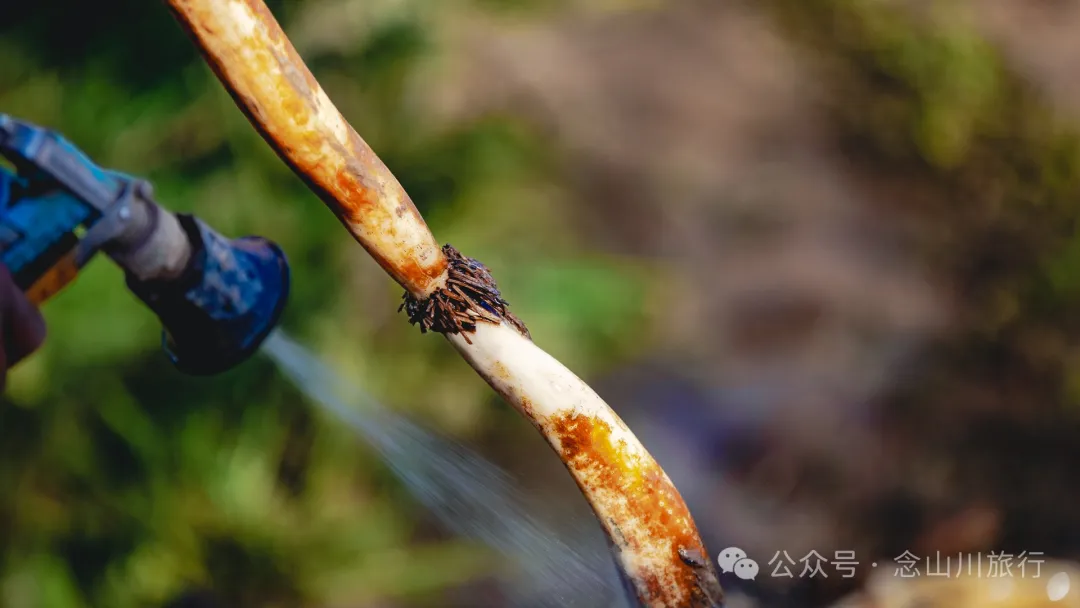
Specifically, lotus roots are aquatic plants that grow in long-term flooded environments. To transport oxygen to the roots, they develop well-developed aerenchyma and create a localized oxidizing environment in the rhizosphere. Under these conditions, ferrous ions in the soil are oxidized to ferric ions, forming reddish-brown iron oxide films that deposit and adhere to the lotus root epidermis, resulting in the rust spots we see. Lotus roots lacking this rust color are often artificially treated and should be consumed with caution.
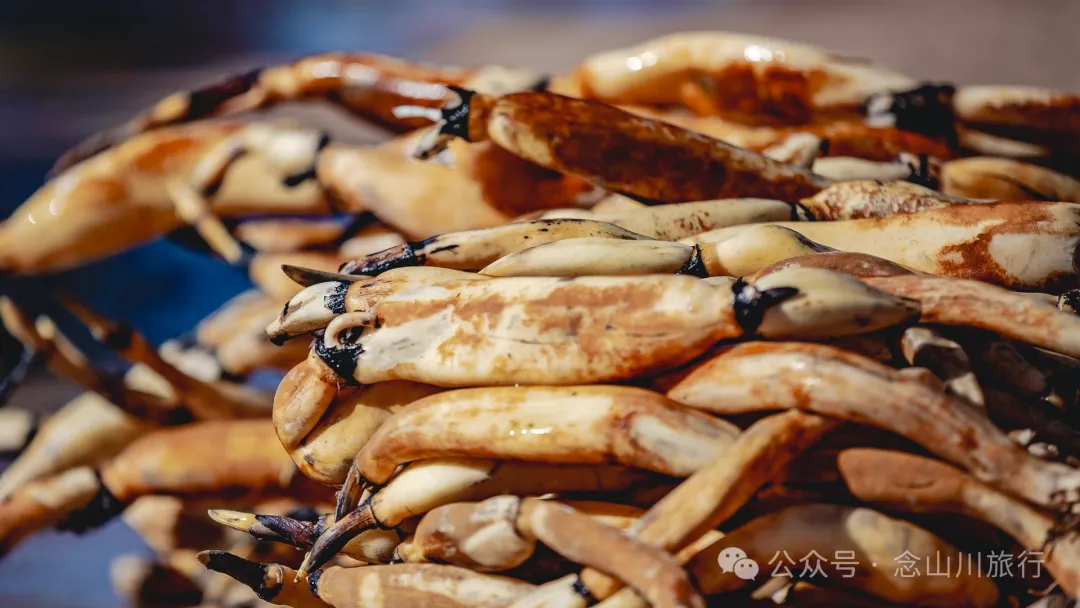
An aunt busy washing lotus roots by the roadside told us that it takes several months to dig up all the lotus roots they plant, lasting until the twelfth lunar month. That means we can enjoy fresh lotus roots during this period. Their life above water lasts all summer, while underground, their fruits store the entire winter.
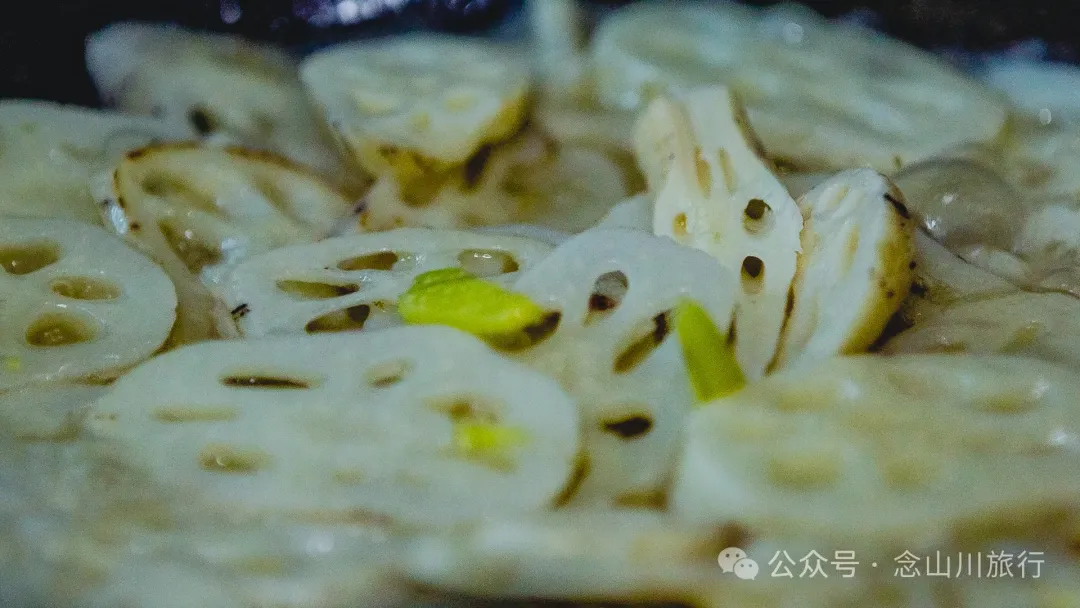
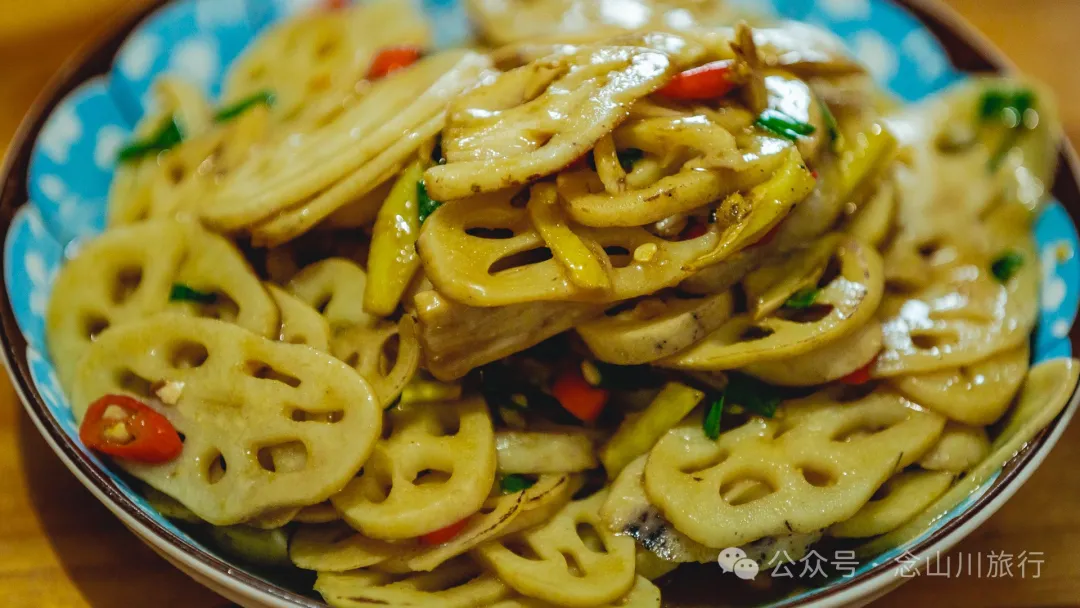
We bought two jin (about 1 kg) of extremely fresh lotus roots from the aunt. At home, we wiped off the pale yellow skin and stir-fried them over high heat. With only oil and salt, no other seasonings needed, we created a delicious dish. The faint lotus fragrance evoked a taste of childhood.