
After we published an article about Xiaotangzi Village in Weishan, a reader left a comment telling us that behind the village there is a secluded spring called Black Dragon Pool (also known as Lingquan). Even during severe droughts, the spring never runs dry, and it is well worth a visit.
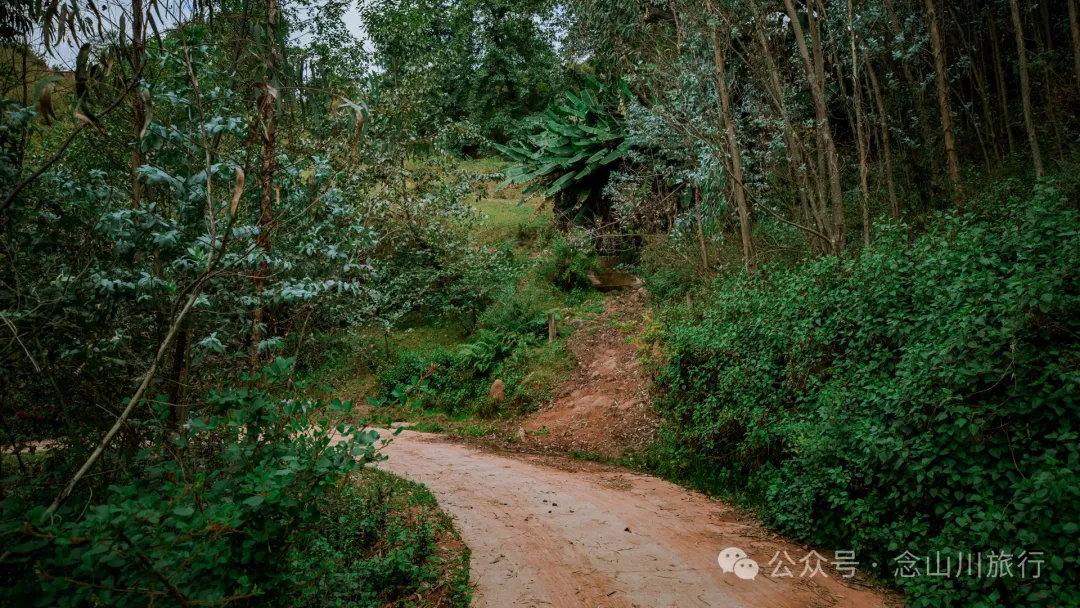
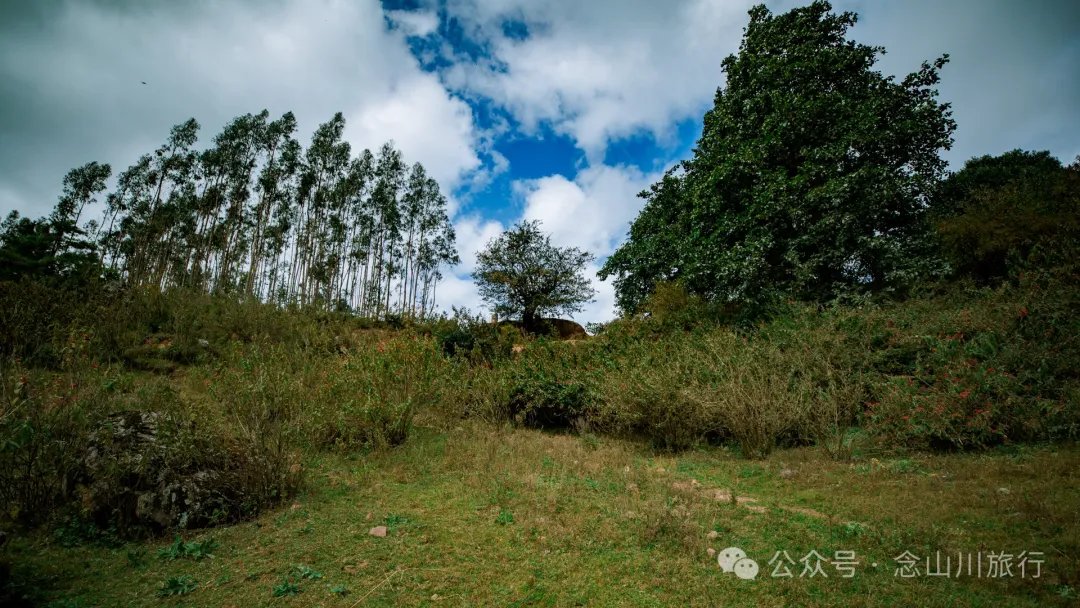
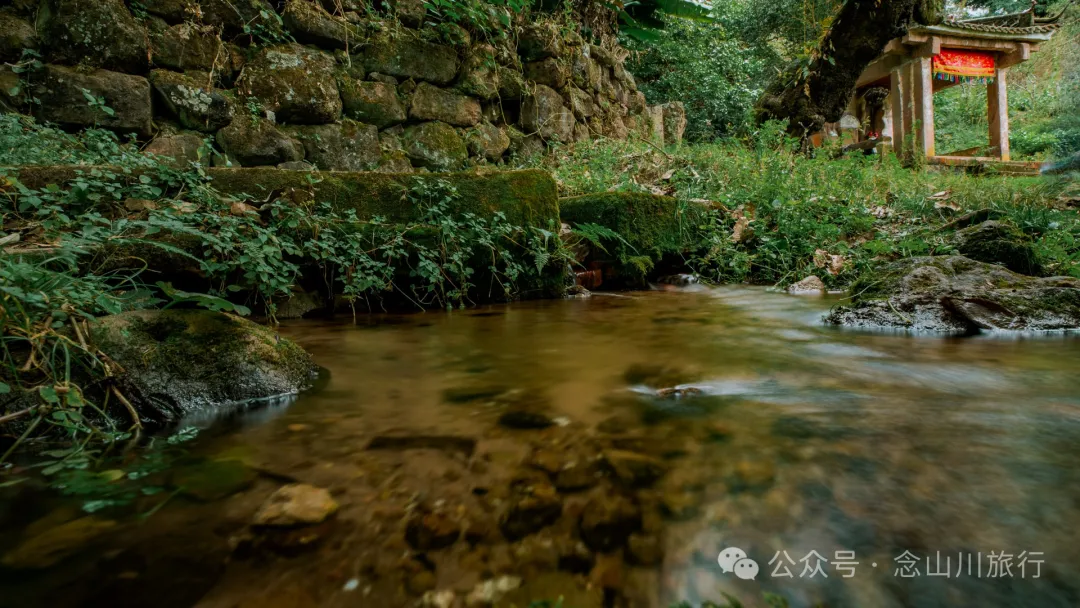
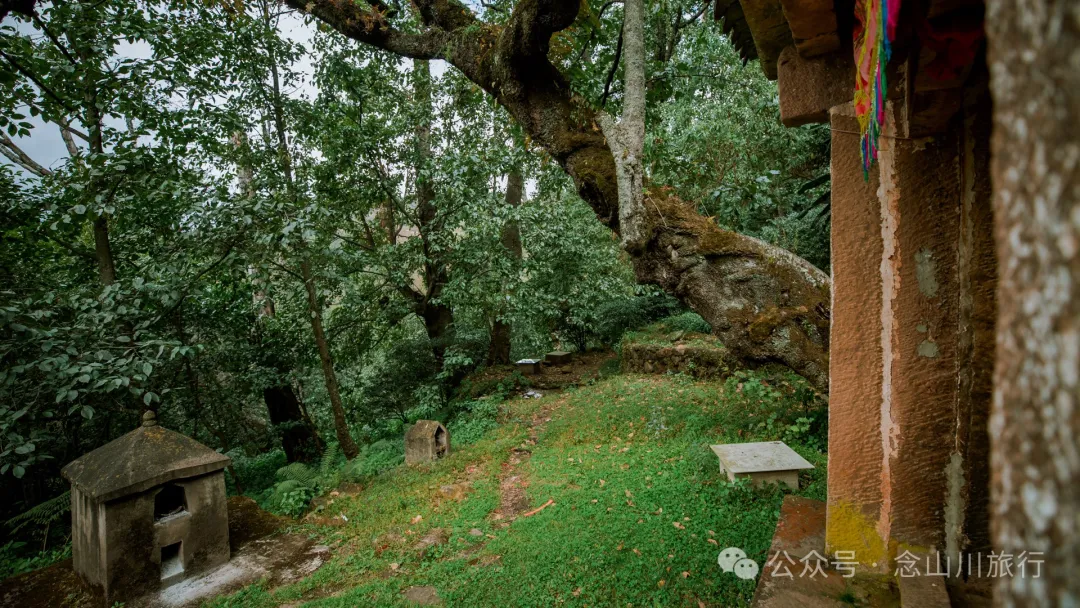
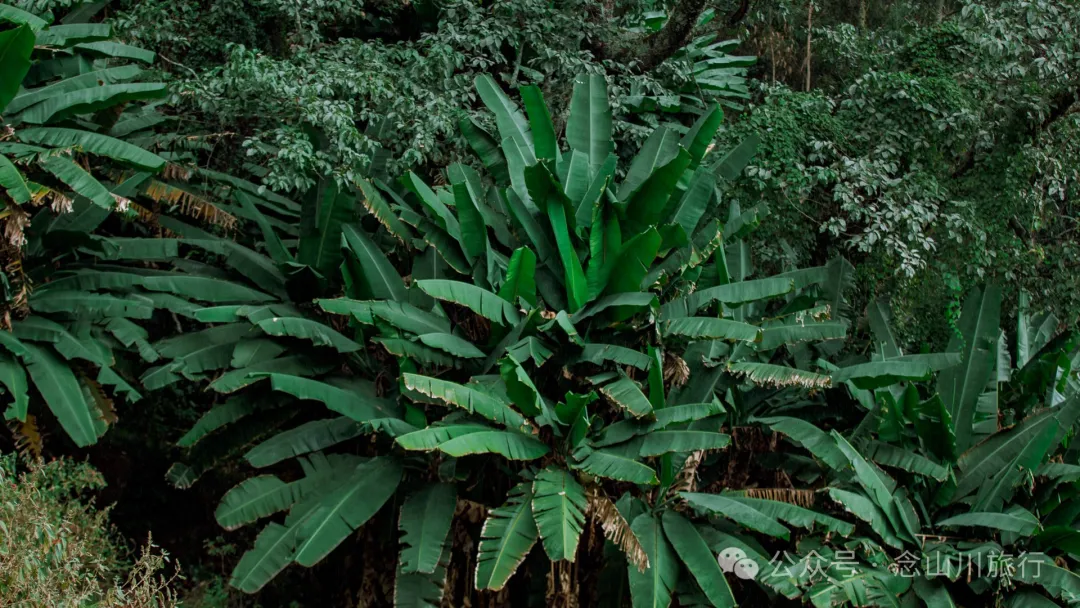
In the village, we met a child taking out the trash. He had probably encountered many outsiders like us asking for directions, and he skillfully described a route like a tour guide, emphasizing several places where it was easy to go wrong. Following his detailed instructions, we quickly found the narrow cement road leading out of the village. At the spot he mentioned with banana trees, we found a babbling brook flowing from the mountains. Climbing a steep slope, we saw the ancient dragon pavilion hidden on the northern slope of the mountain.
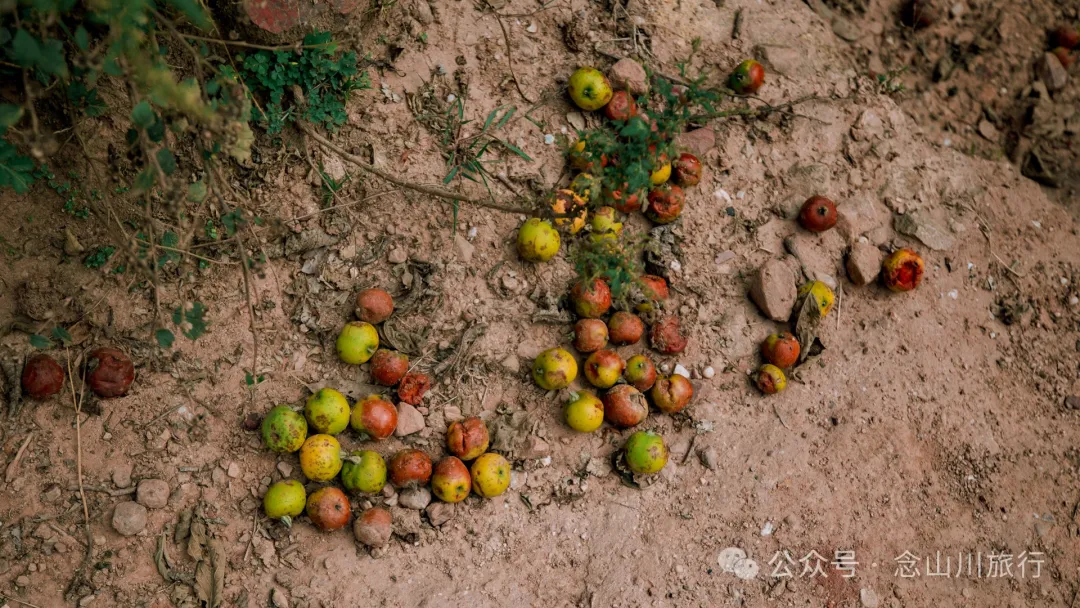
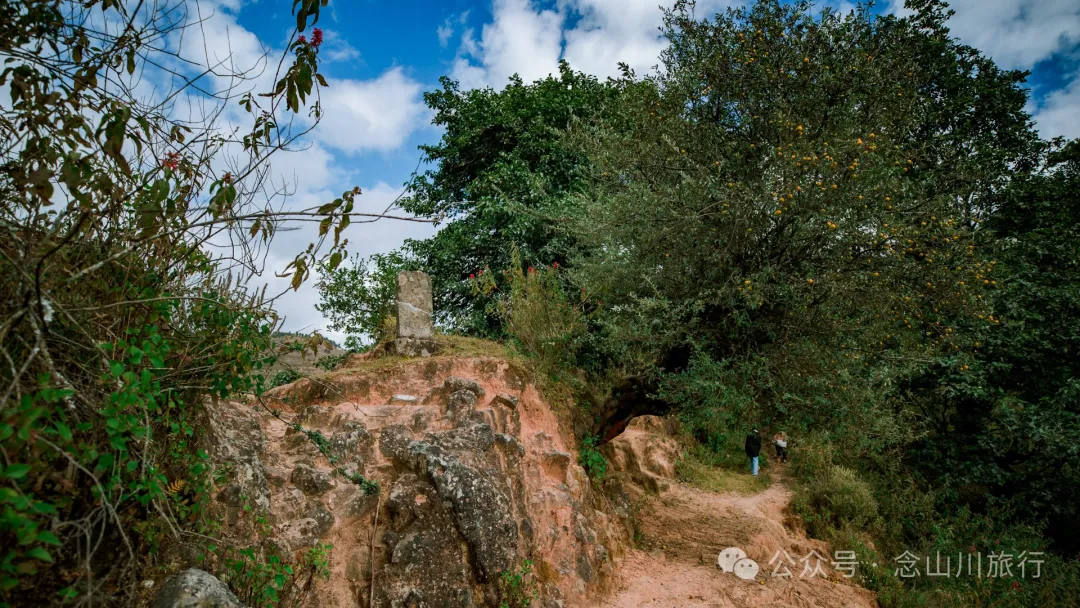
On the ridge stood a tall wild fruit tree. Ripe fruits had fallen from the tree and rolled all over the ground, emitting a strong aroma of fermented fruit wine.
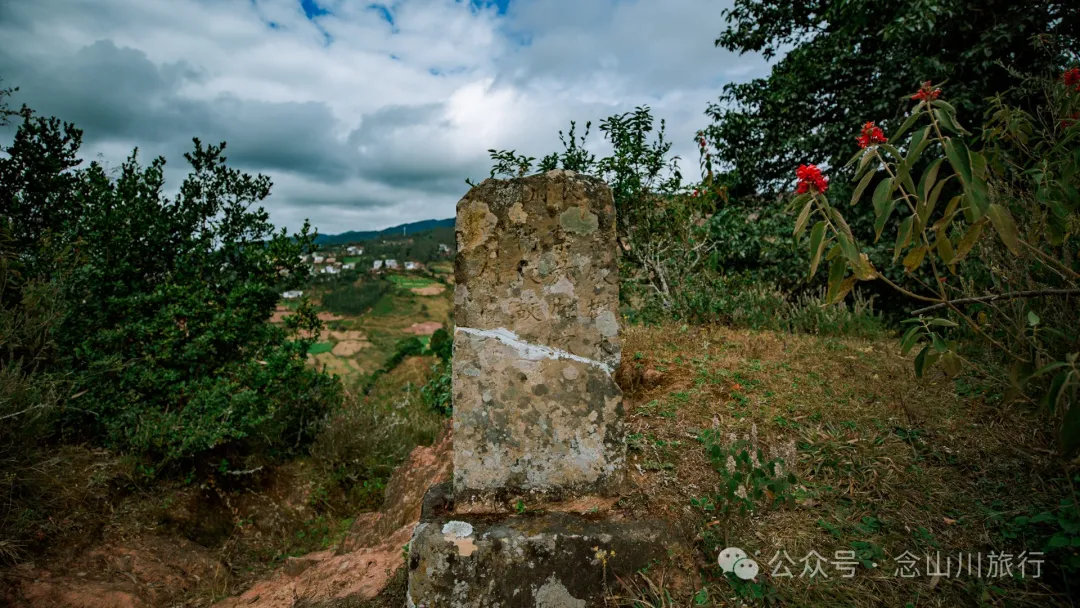
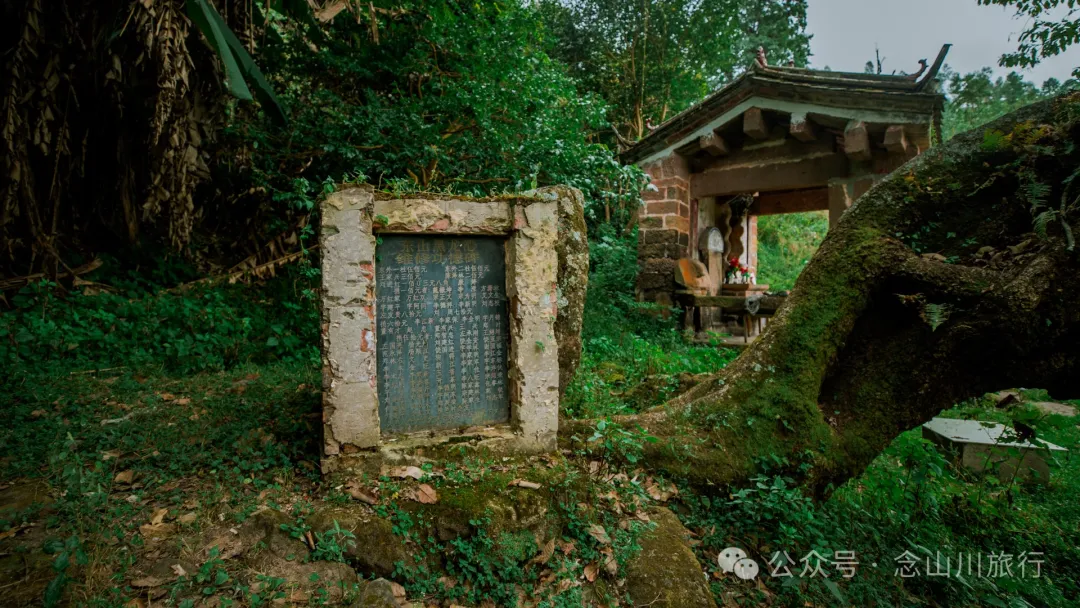
Next to the fruit tree stood a stone stele. After careful examination, I managed to read all the characters engraved on it: "No cutting trees, no grazing livestock. If anyone dares to violate, a fine of one hundred taels of silver." This stele, titled "Bianfu Minyue" (People's Covenant of the Bian Family) on water conservation and forest protection, not only restricted the behavior of villagers and anyone entering the water source area but also silently told the story of ancient people's efforts to protect the ecological environment, water resources, and forests.
Although the inscriptions on the stele are already mottled, it still holds significant historical, artistic, and scientific value, and is of great cultural relic value. It warns future generations that protecting the ecological environment, water sources, and forests is equivalent to cherishing human life. The discovery of this stele has important practical significance for today's environmental protection, water resource conservation, and forest care.
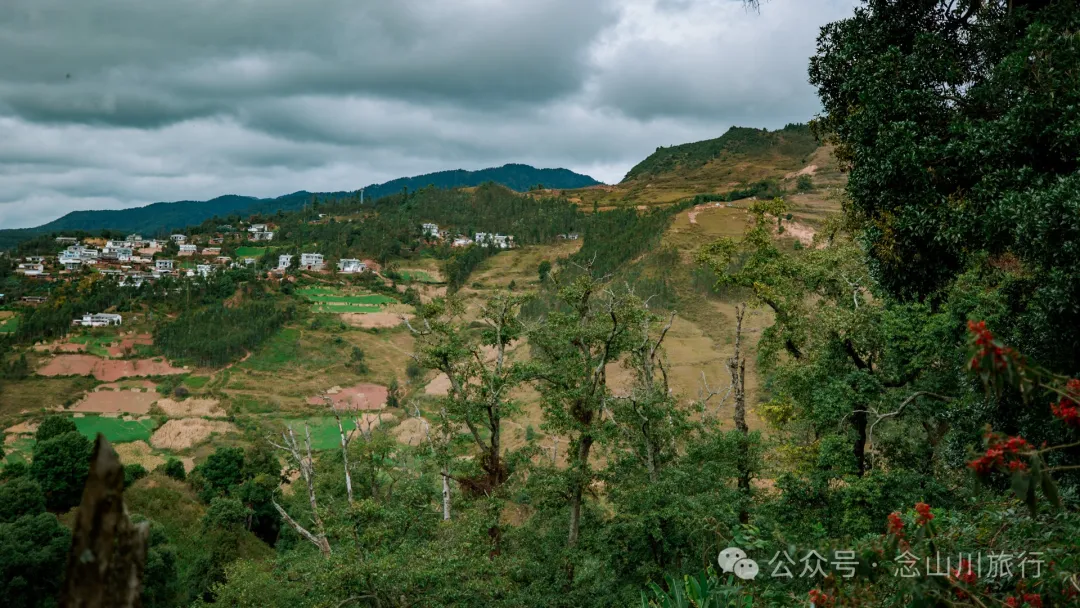
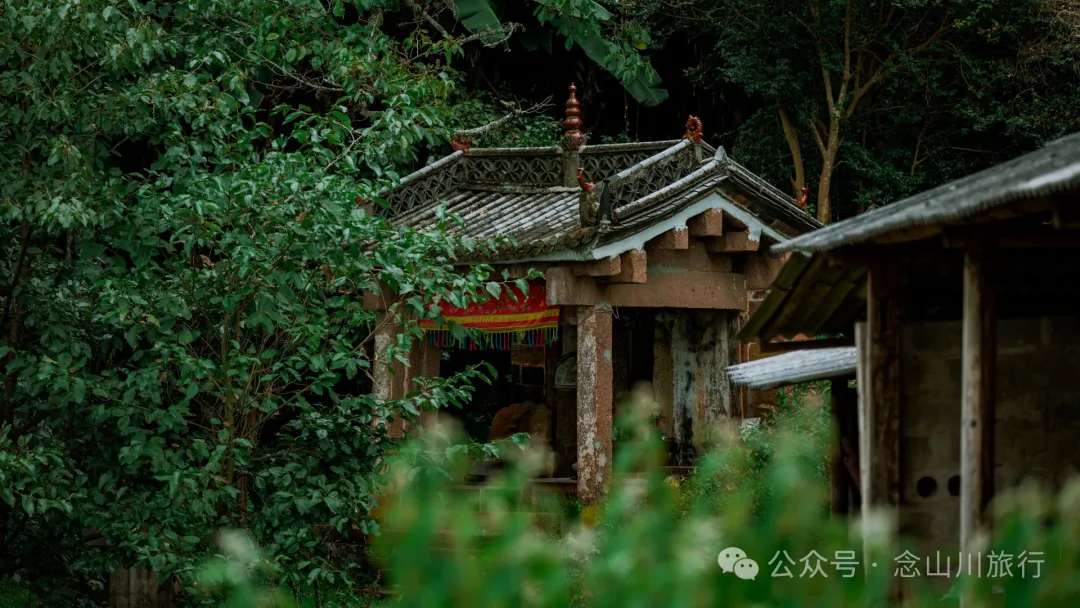
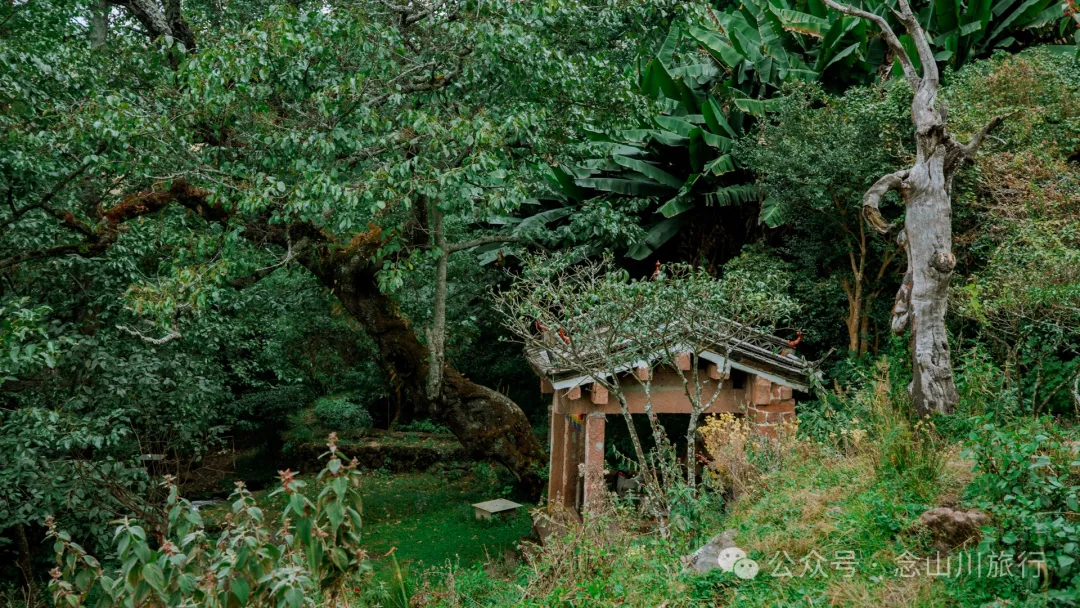
Crossing the ridge and looking down, we could see a small dragon pavilion not far away. Another ancient stele in the pavilion recorded in detail the history of Lingquan and the dragon pavilion: "…In the summer of the Yiyou year, there was a great drought. All water sources in Menghua dried up, and wells could not be drawn. The local people prayed to the dragon spring on the eastern mountain. They said: 'This is the source of life for the people.' So they, together with military officers Ma Bian, Rong Li Xingyuan, and Shou Rong Zhang Tingfu, surveyed the terrain and proposed building a pavilion and digging a pond. After several days of prayer, heavy rain came, and thus there was an autumn harvest. They then raised funds, recruited workers, expanded the land, built a crescent pond, and constructed a stone pavilion. It took over three months to complete…"
This was the effort made by our predecessors in the face of natural disasters. However, they did not attribute the heavy rain entirely to prayer but deeply recognized the role of environmental protection. That is why there was a warning stele on the ridge. If today we had such severe penalties for those who damage the environment, I think no one would dare to go up the mountains to burn azaleas.
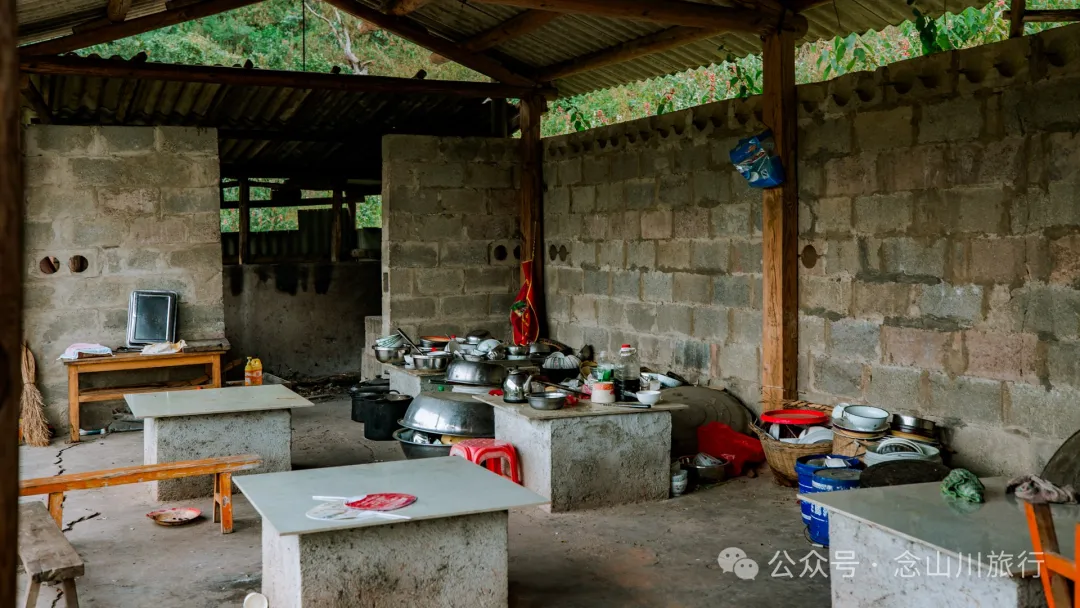
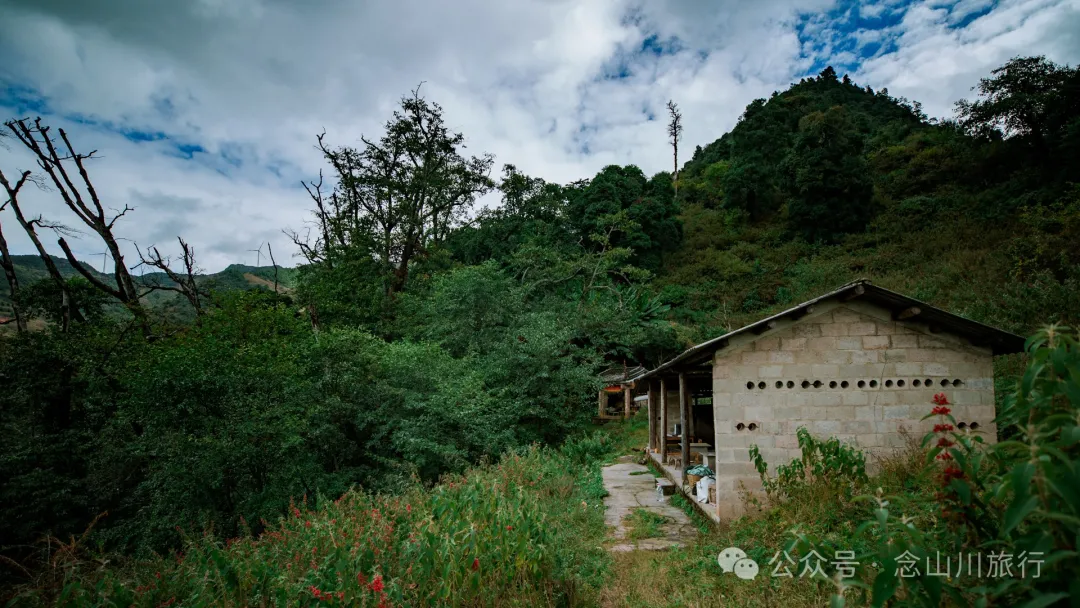
Not far from the stone pavilion, a few simple brick houses were built. These are places where villagers cook meals after praying for rain. Over a hundred years have passed, and people still hold reverence for Lingquan, regarding it as a deity and worshipping it.
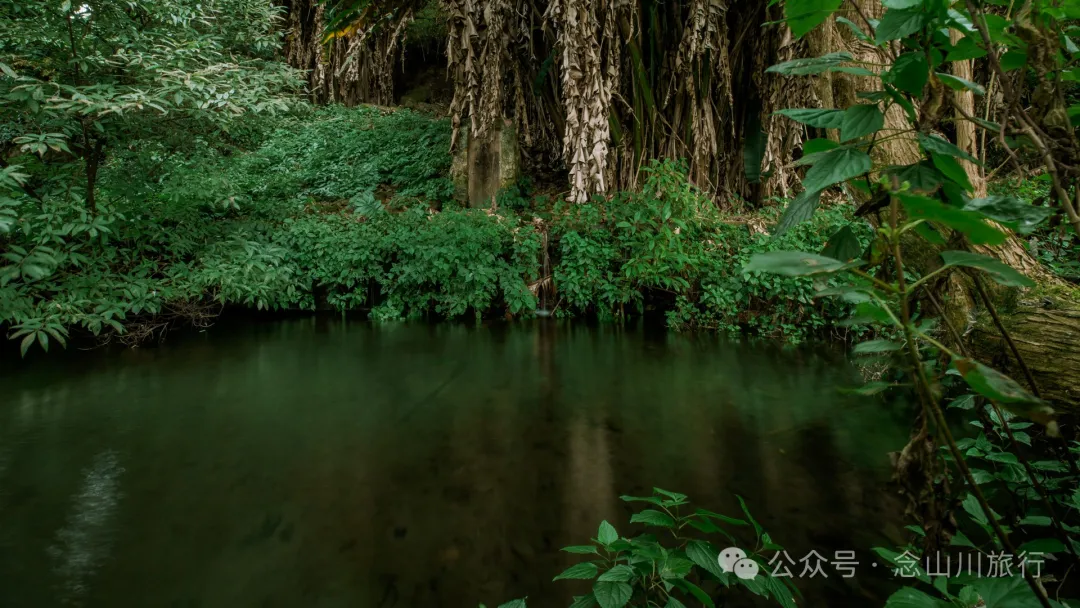
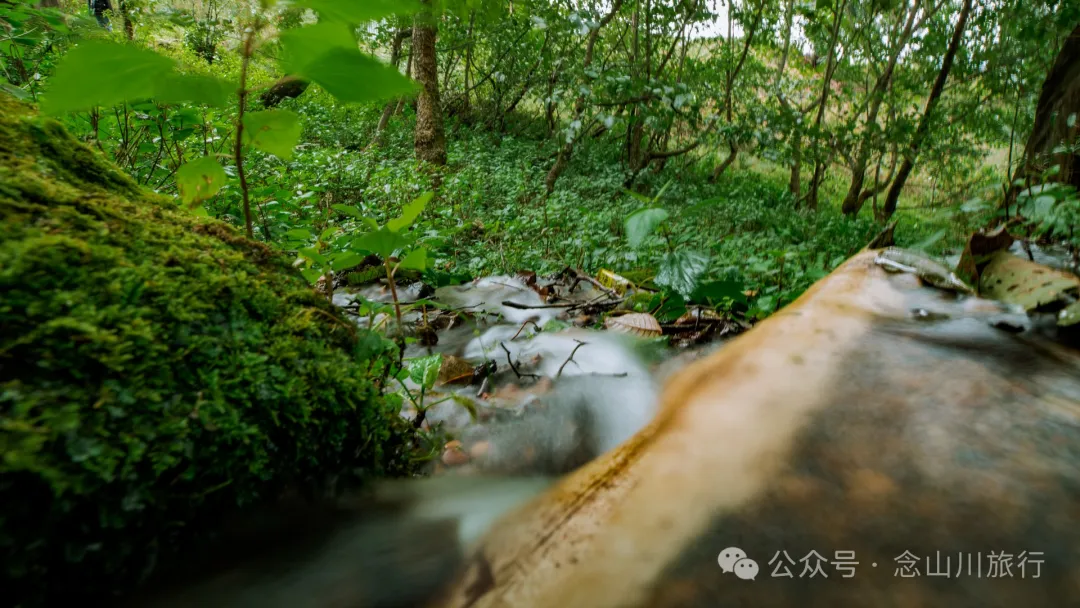
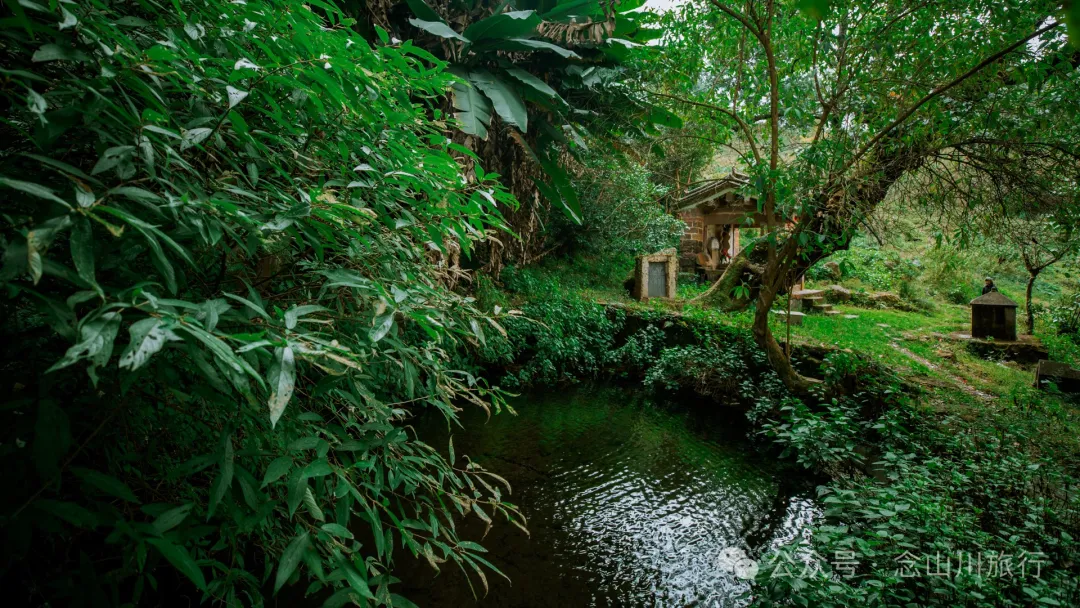
According to villagers, the Black Dragon Pool has the best water quality in the entire Weishan County. Standing by the crescent pond, we saw a wide stream of water flowing continuously from a cluster of huge banana trees. The pond was crystal clear, without any impurities. Around the pond, ancient trees towered, lush and green. This pond, as old as time itself, had saved countless lives during severe droughts. It still flows with vigorous vitality, heading down the mountain to farther and wider places, nourishing more people.
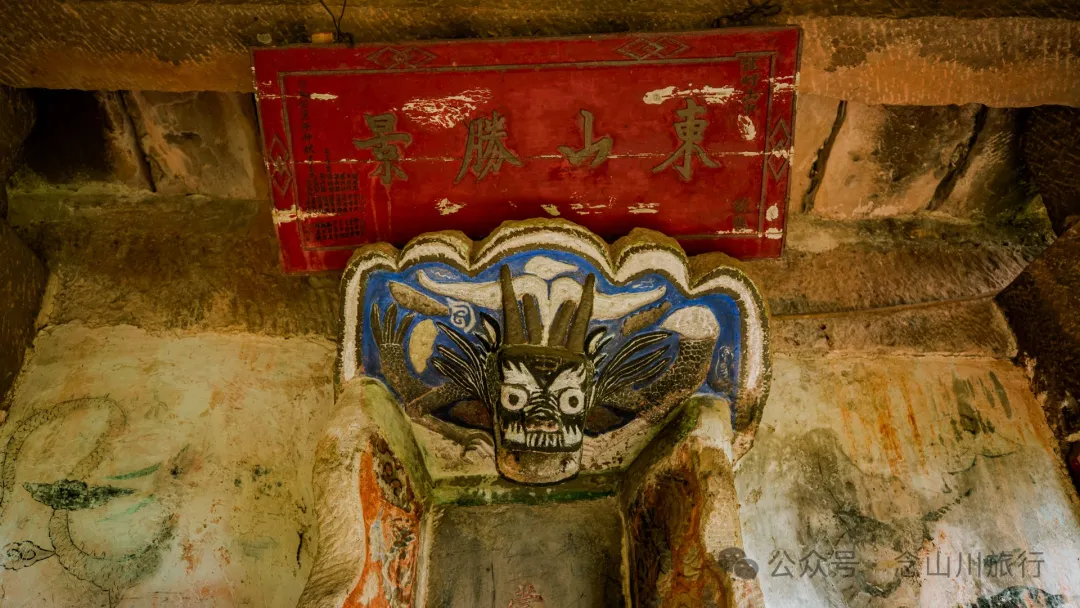
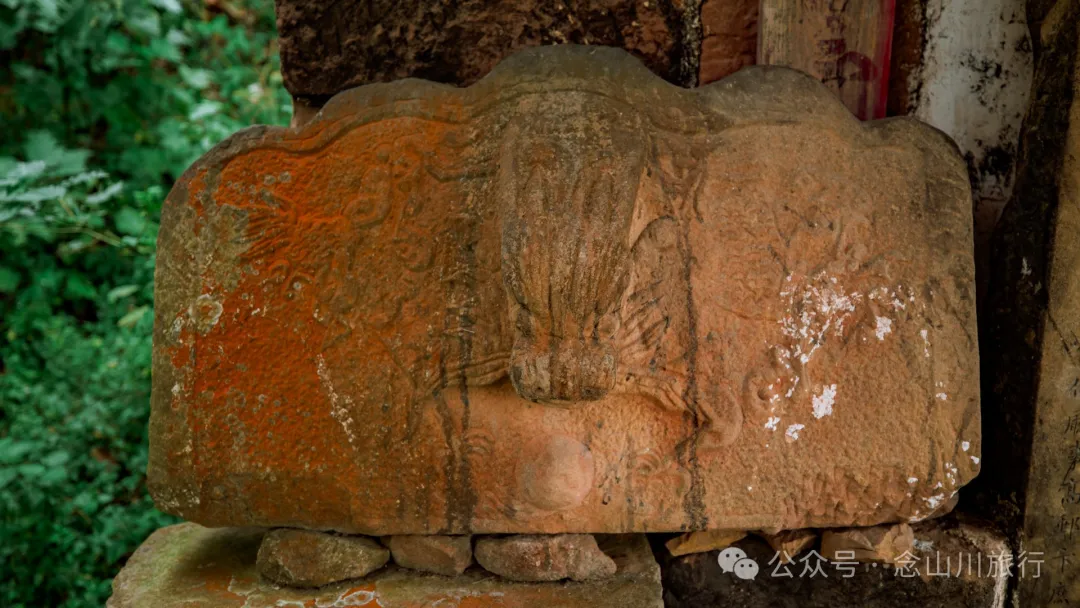
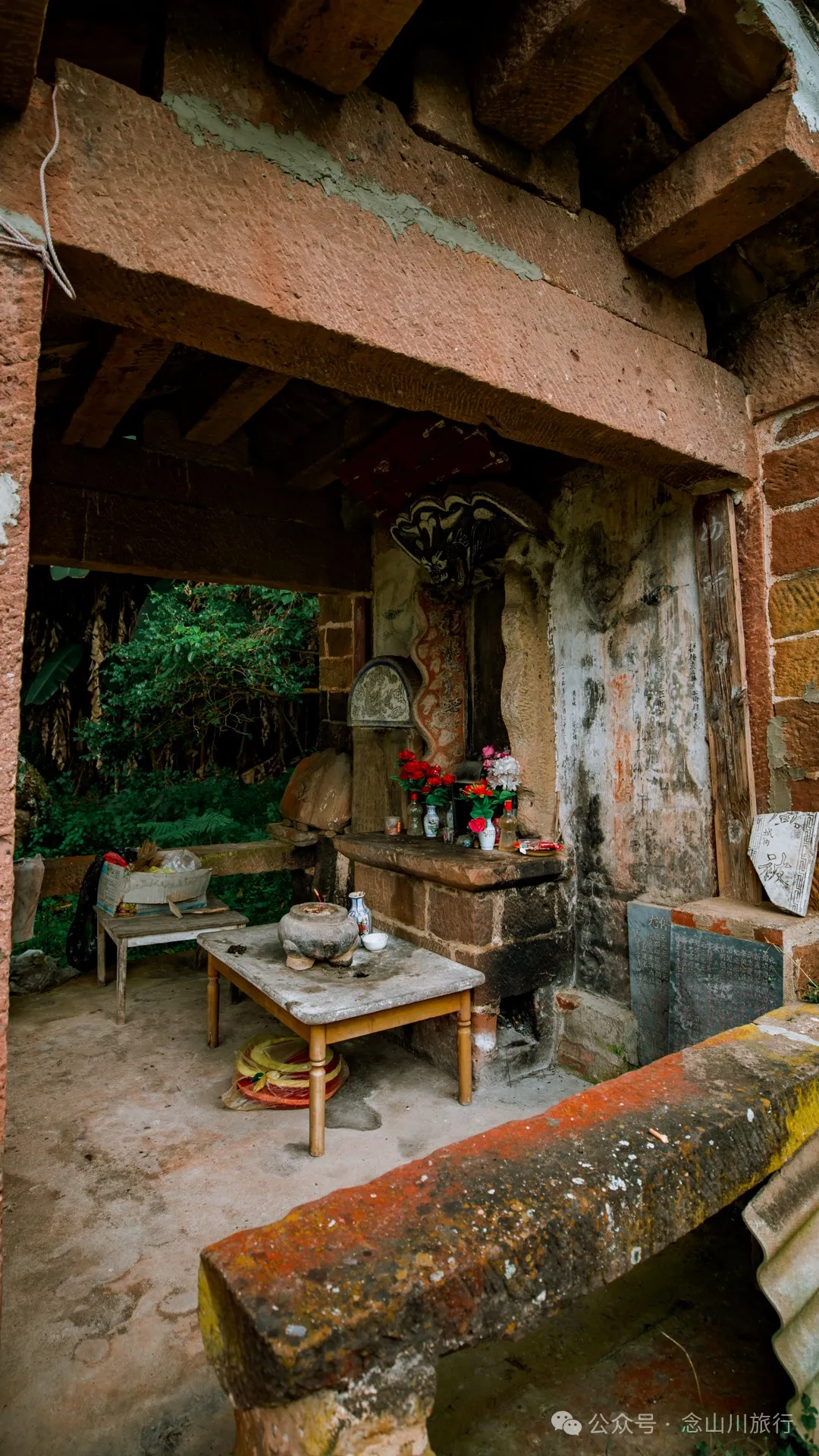
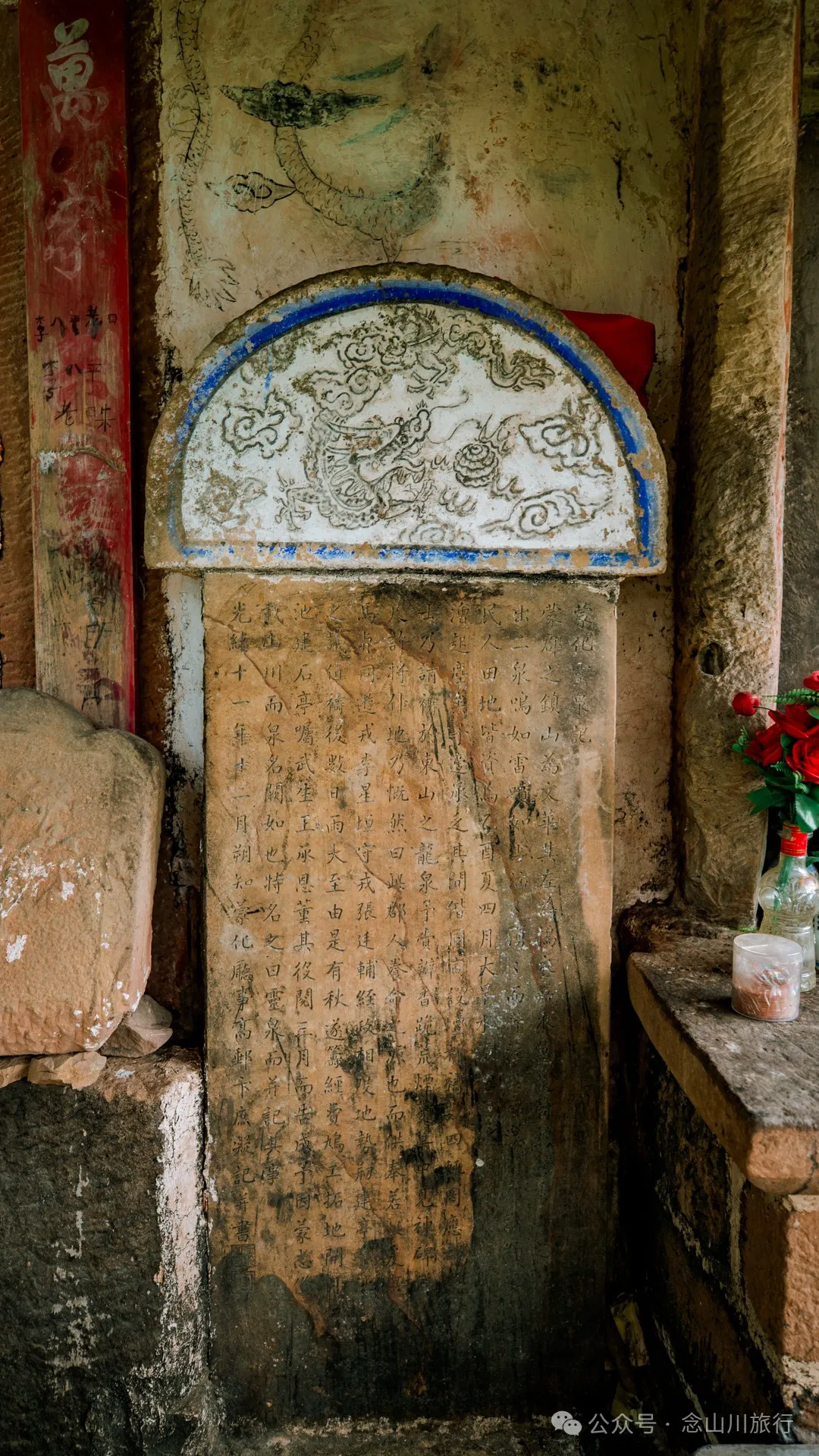
The stele stands beside the dragon pavilion without any special protection. Many characters at the bottom are blurred and illegible. This stele, carved in the 11th year of the Guangxu reign (1885), stands with unparalleled courage in this deep mountain of ancient trees, boldly telling the story of praying for rain and the unceasing human desire for harmony between the environment and people, from ancient times to the present.
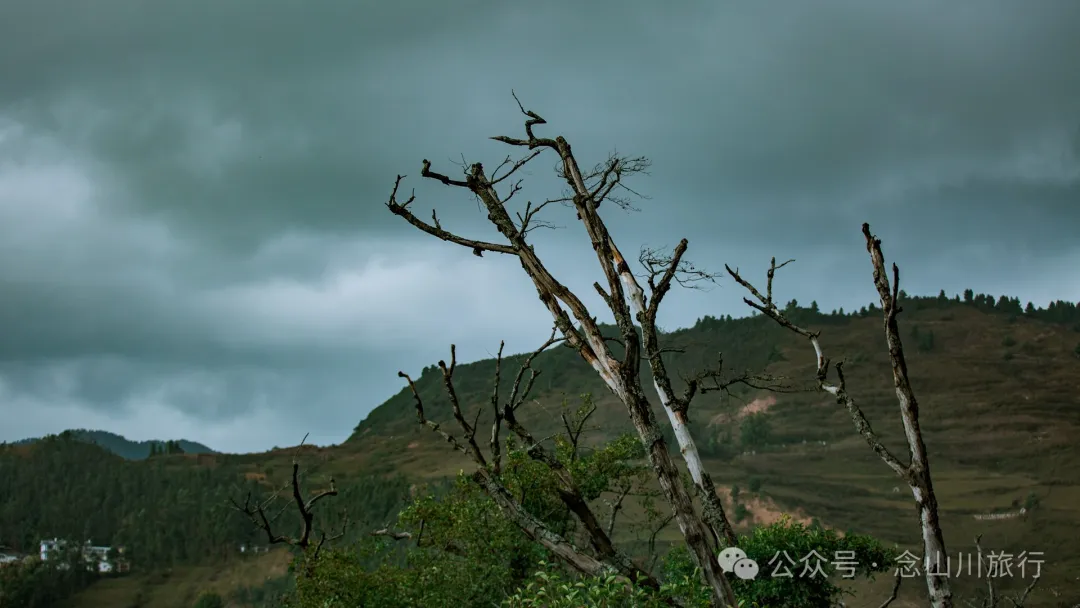
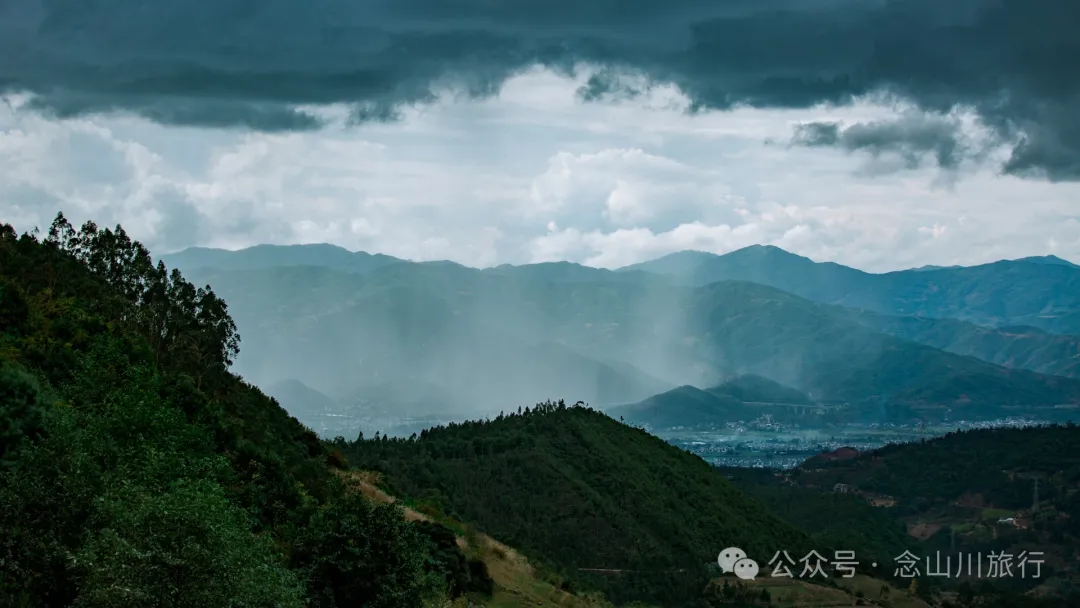
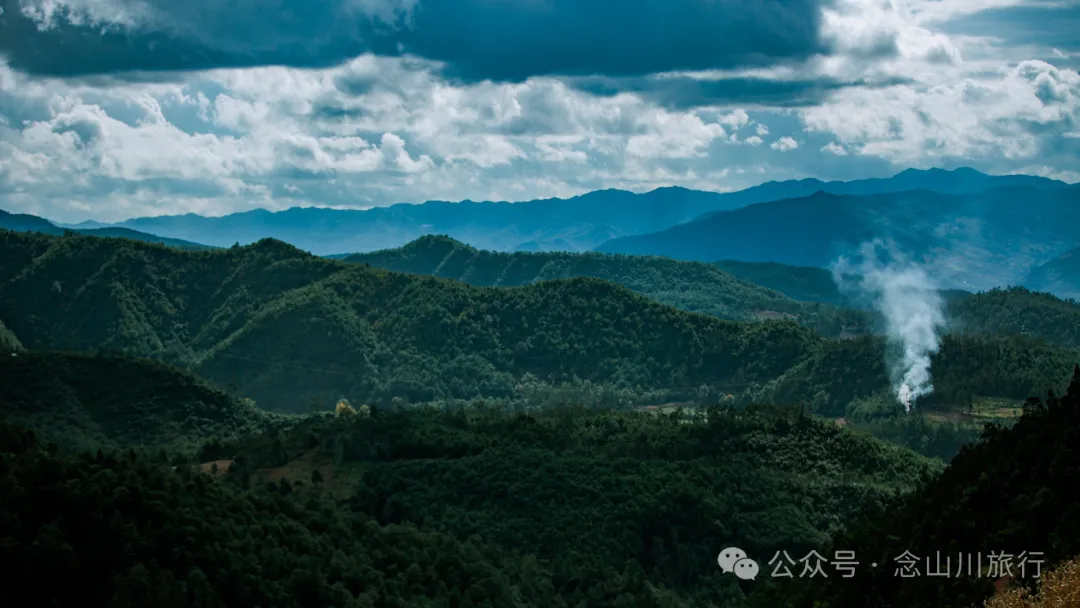
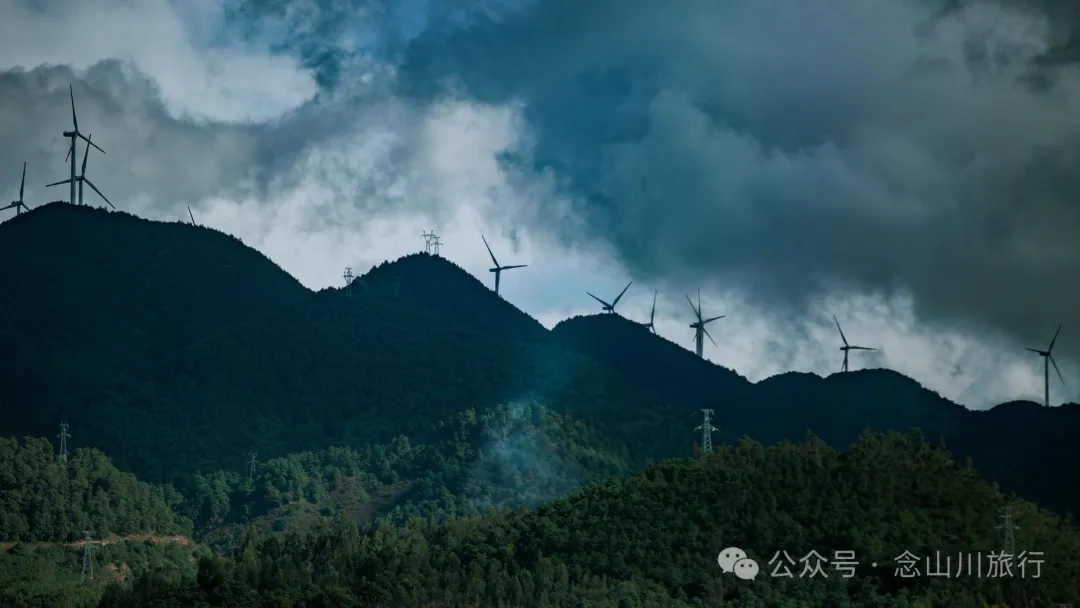
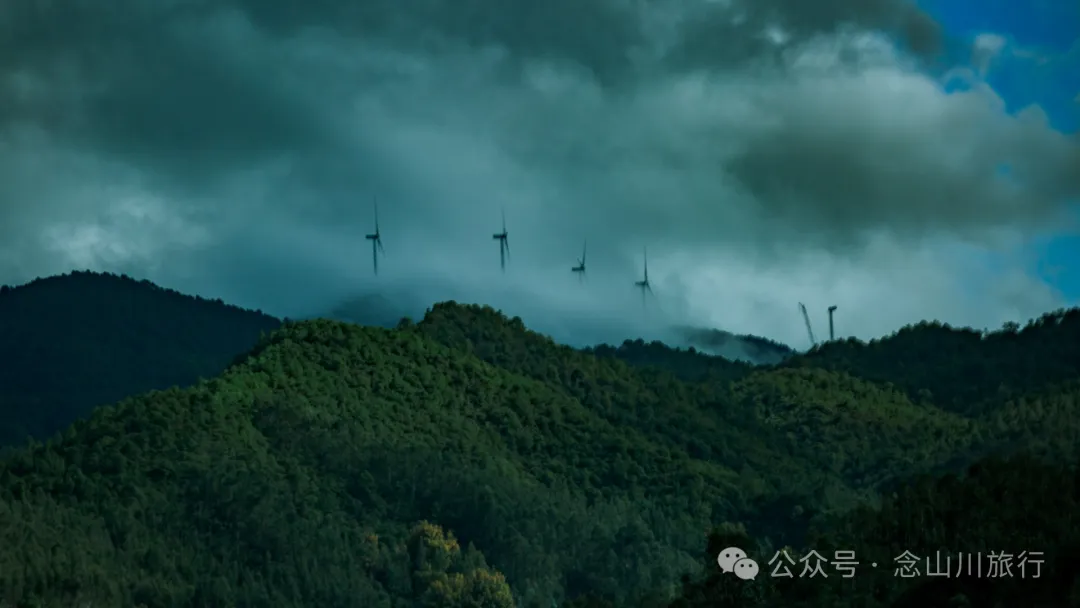
We sat on the mountaintop as wind, rain, lightning, and thunder raged all around. The sky above us gradually became covered with dark clouds, and soon a sudden downpour began. We hurriedly packed our belongings and headed down the mountain. The wind turbines on the summit were faintly visible in the thick clouds, like a fairyland.