

When we were searching for ancient villages in the mountains of Weishan, we once saw a timber-framed building with exquisitely carved eaves, doors, and windows. The homeowner told us that all the wood carvings on the house were done by masters from Jianchuan. These woodcarvers often stay in the village for months, even half a year, to complete the carving work on a single house. They only stop working during the Spring Festival to travel nearly two hundred kilometers north to reunite with their families, returning to the mountains after the holiday to continue their meticulous craft.
The busiest are undoubtedly the highly skilled woodcarvers. Imagine, once a woodcarver's craftsmanship is recognized and praised by a homeowner, more people will compete to invite that master to work for them. Word spreads from one to ten, ten to a hundred, and a renowned name gradually travels beyond the mountains, beyond Dali, across the entire land of China, and even to foreign countries.
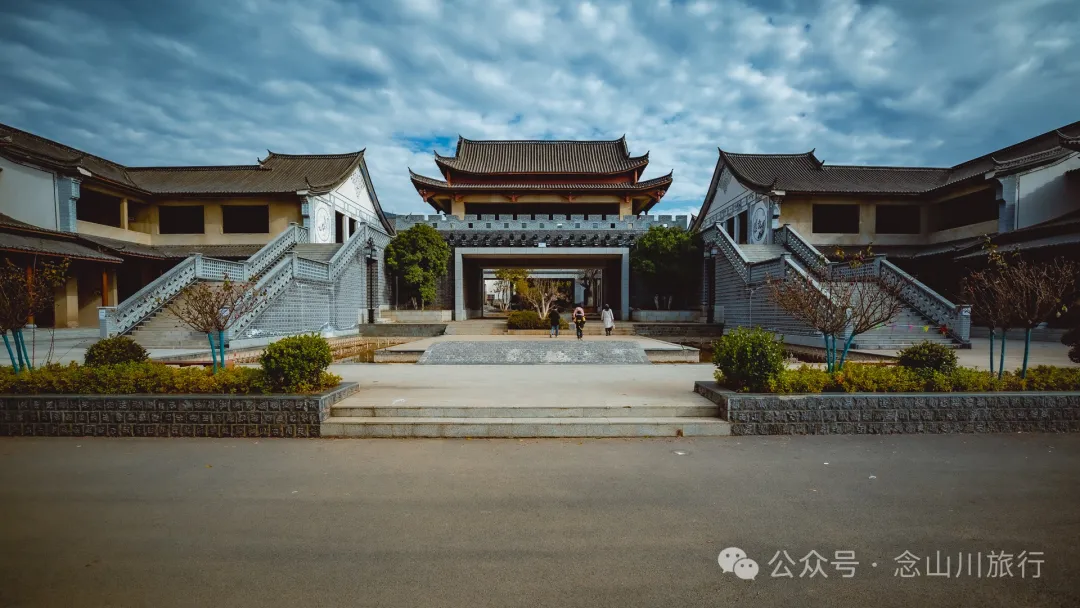
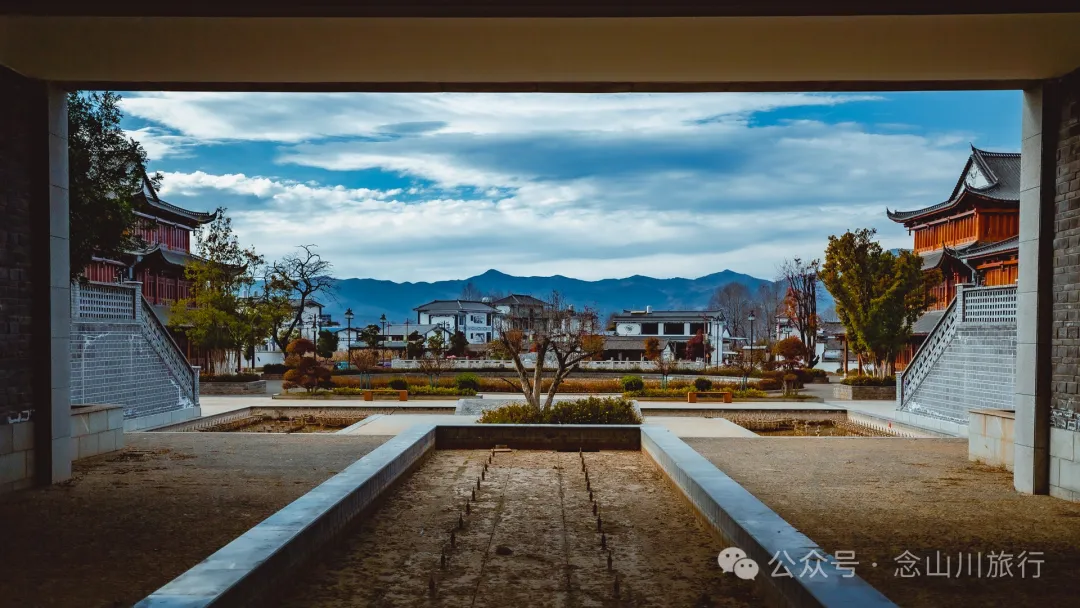
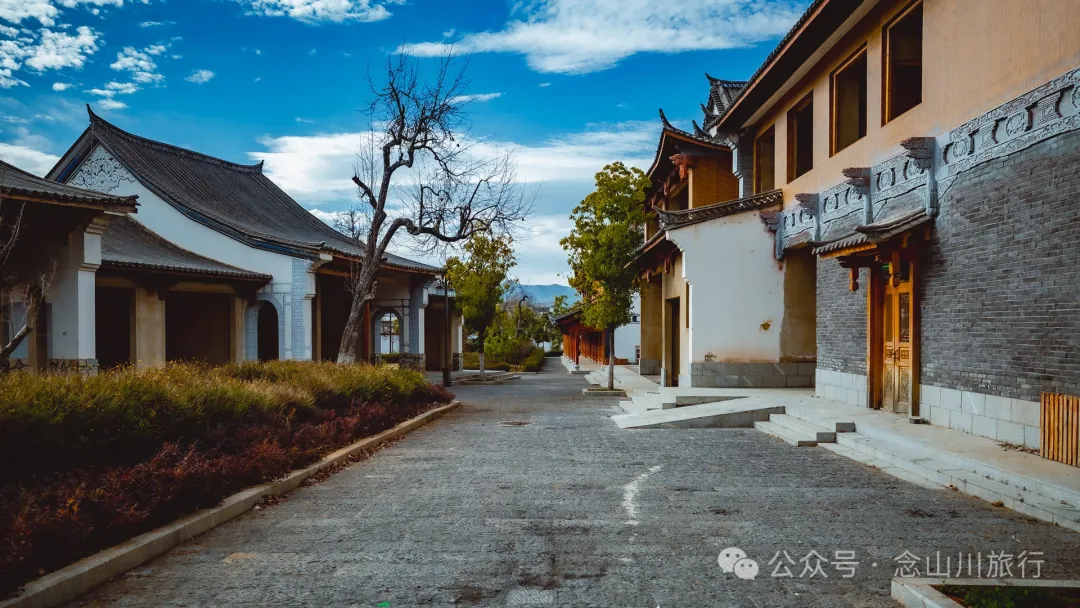
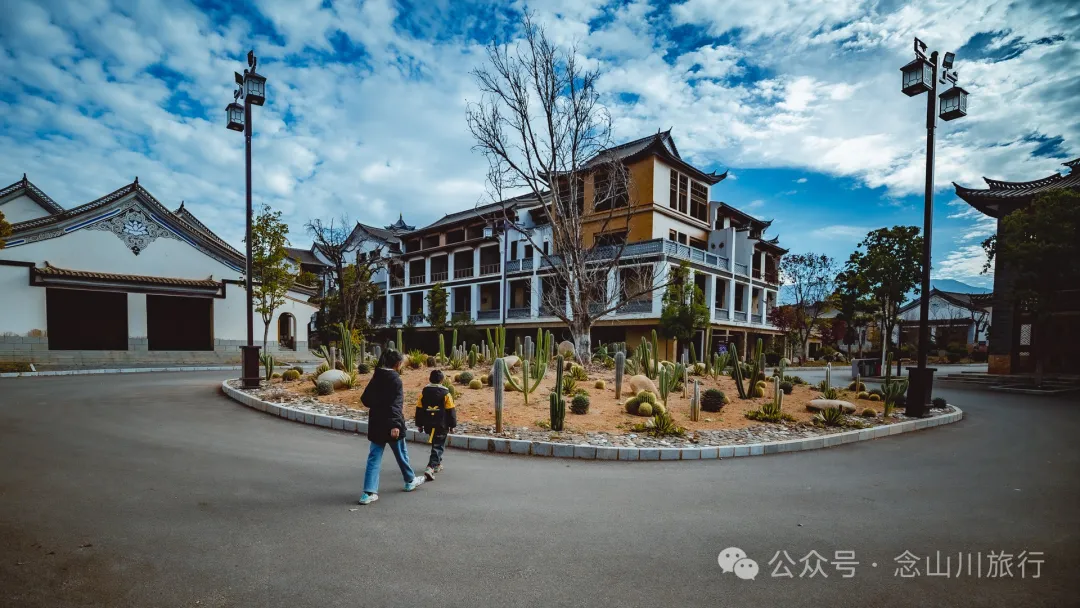
Jianchuan wood carving has a long and profound history. The mortise and tenon joints on wooden components unearthed at the Jianchuan Haimenkou site, dating back over 4,000 years, testify to the antiquity of Jianchuan's wood carving techniques. Over thousands of years, the hardworking and simple Bai people of Jianchuan have nurtured generations of skilled craftsmen through hammer and axe, plane and chisel, honing their extraordinary wood carving skills. Jianchuan wood carving is primarily openwork carving, now achieving seven to eight layers of hollowing, which is the most difficult technique in wood carving, requiring entirely manual work with constantly changing tools.
From the Forbidden City in Beijing to the ancient city of Xi'an, from the Shanghai World Expo Park to the Jinma Biji Square in Kunming, from Guandu Ancient Town to Lijiang Old Town, the wisdom of Jianchuan carpenters is embedded everywhere. Jianchuan wood carving is truly a "marvel of western Yunnan."
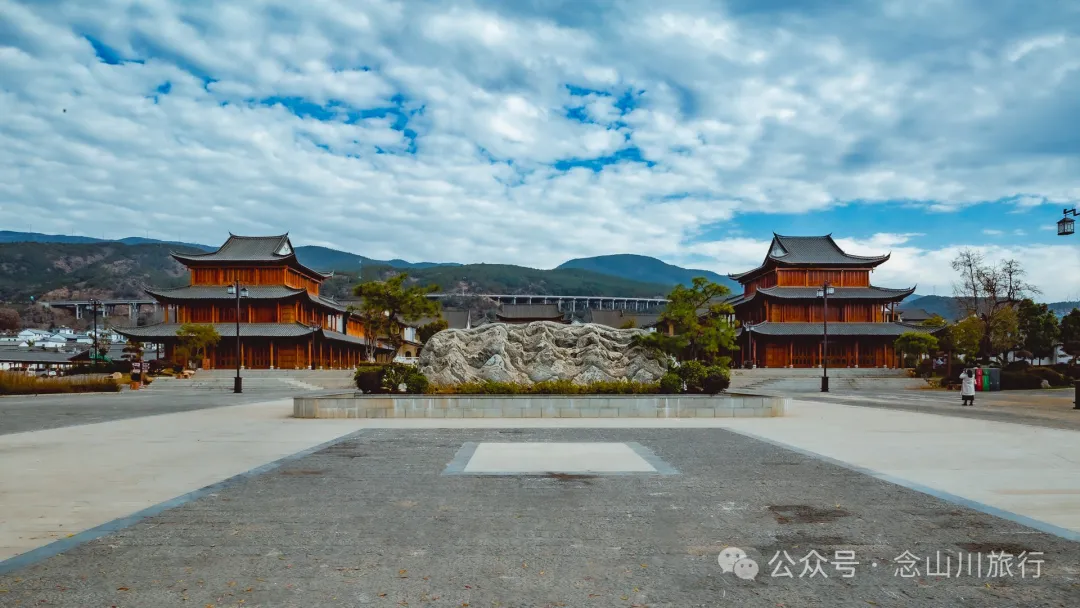
To learn more about Jianchuan wood carving, we came to Wancheng Wood Carving Town, two kilometers away from Jian Lake. Walking through the solemn and majestic or delicate and exquisite Chinese classical buildings, we were repeatedly captivated by the poetic aesthetics revealed by the architecture of Wancheng Wood Carving Town.


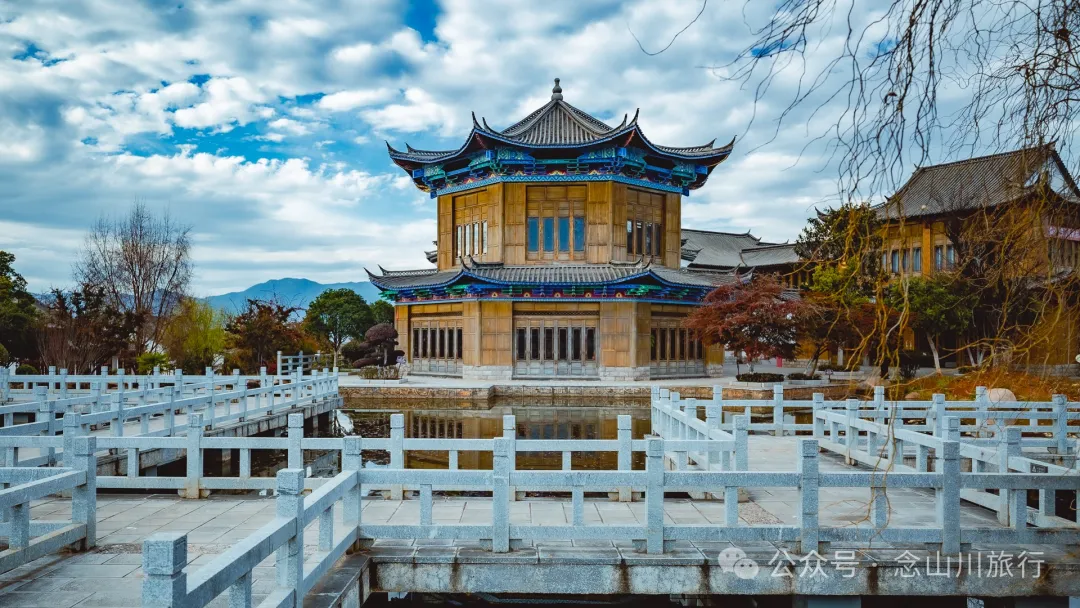
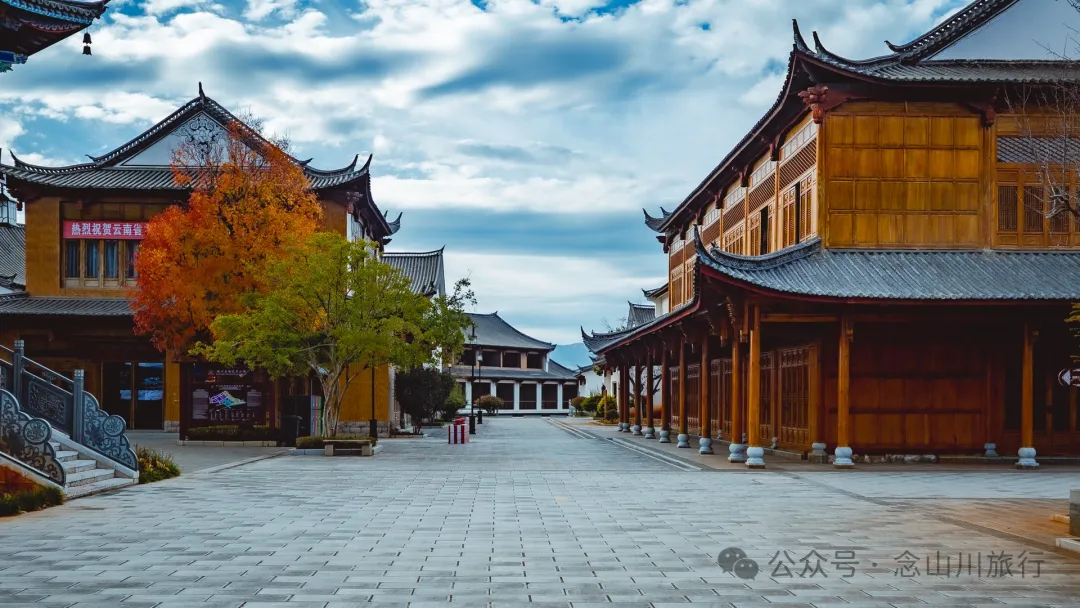


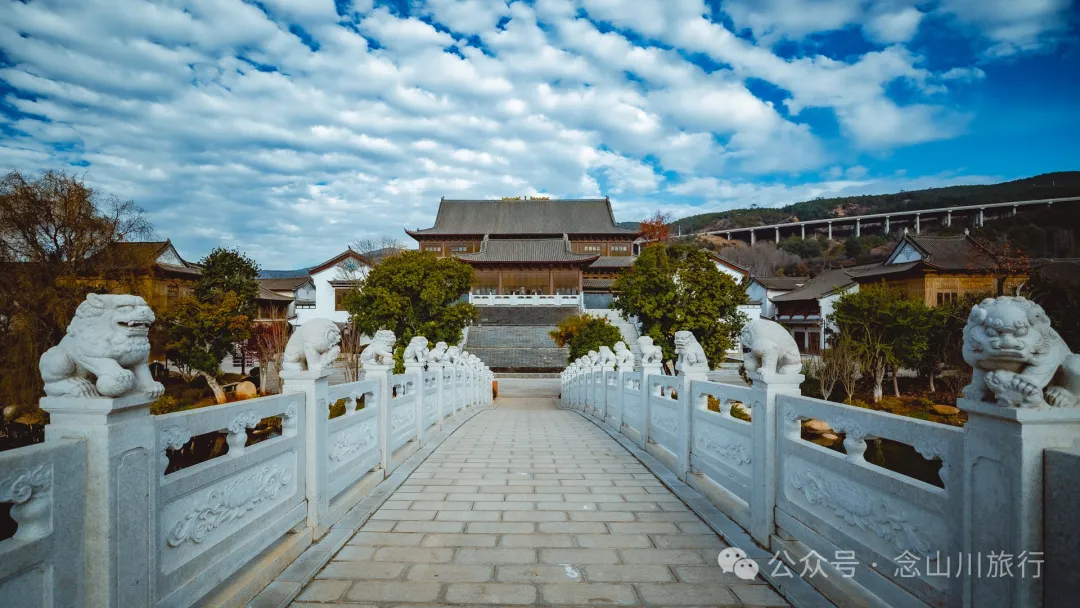

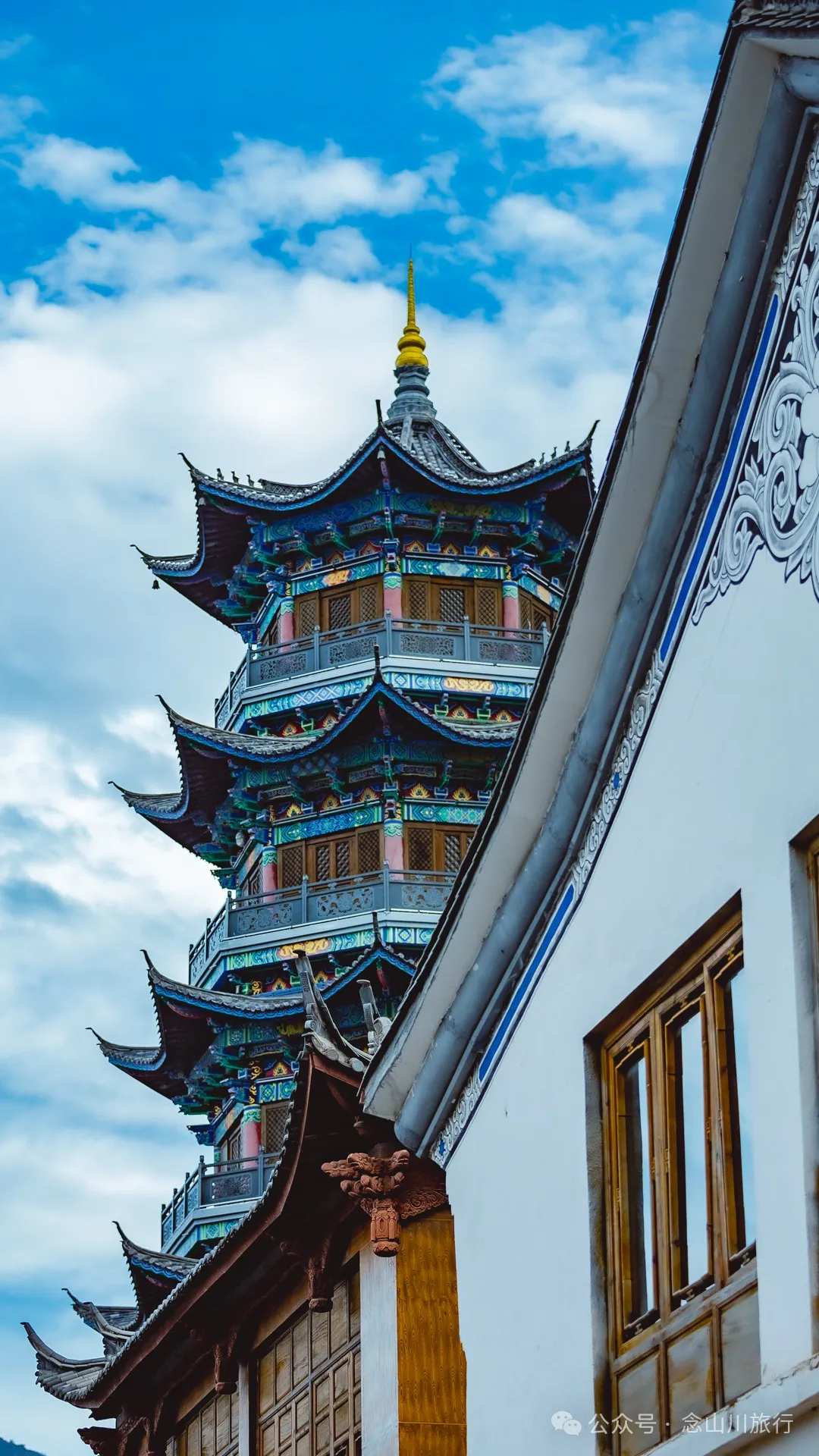
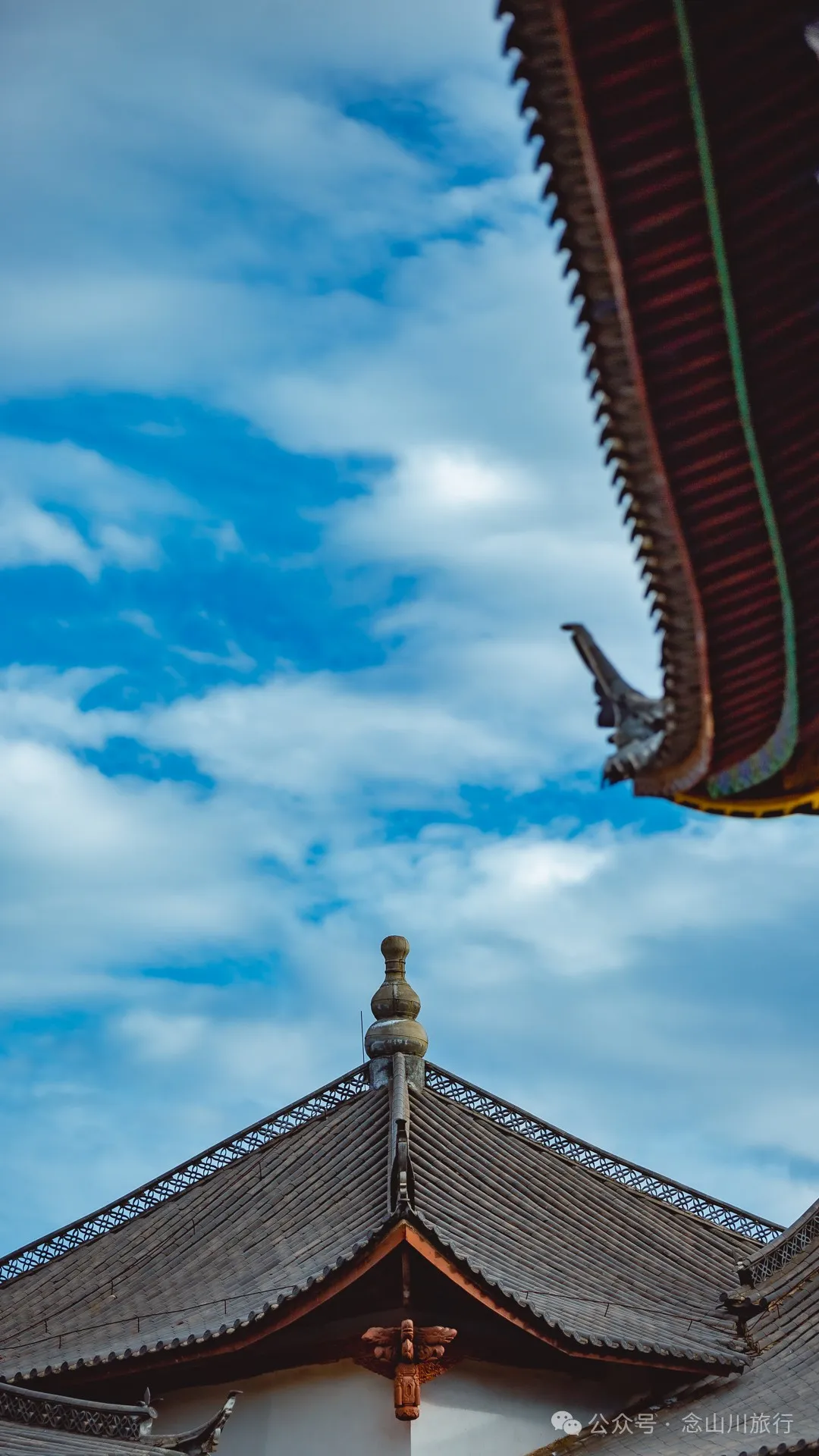
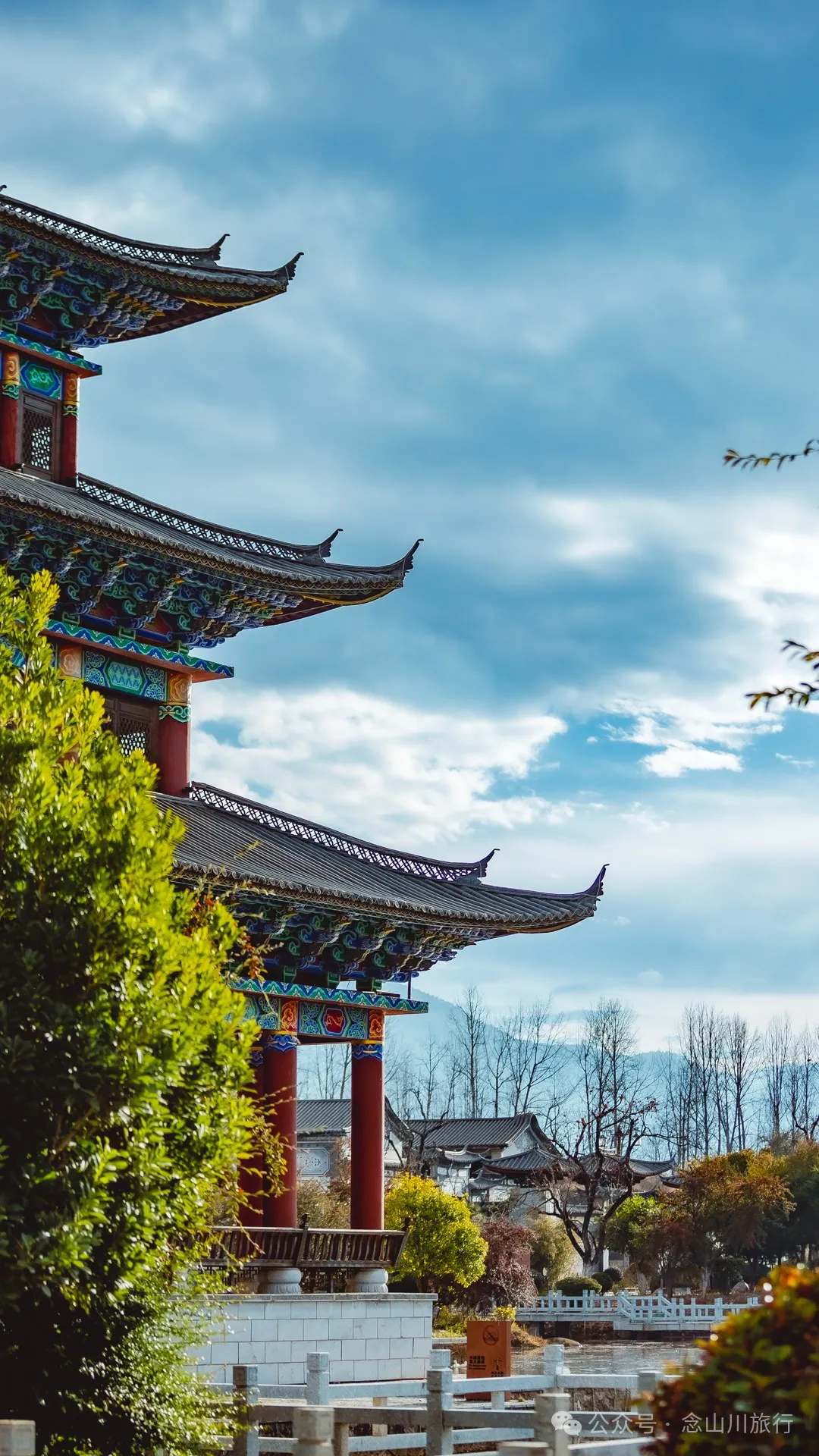
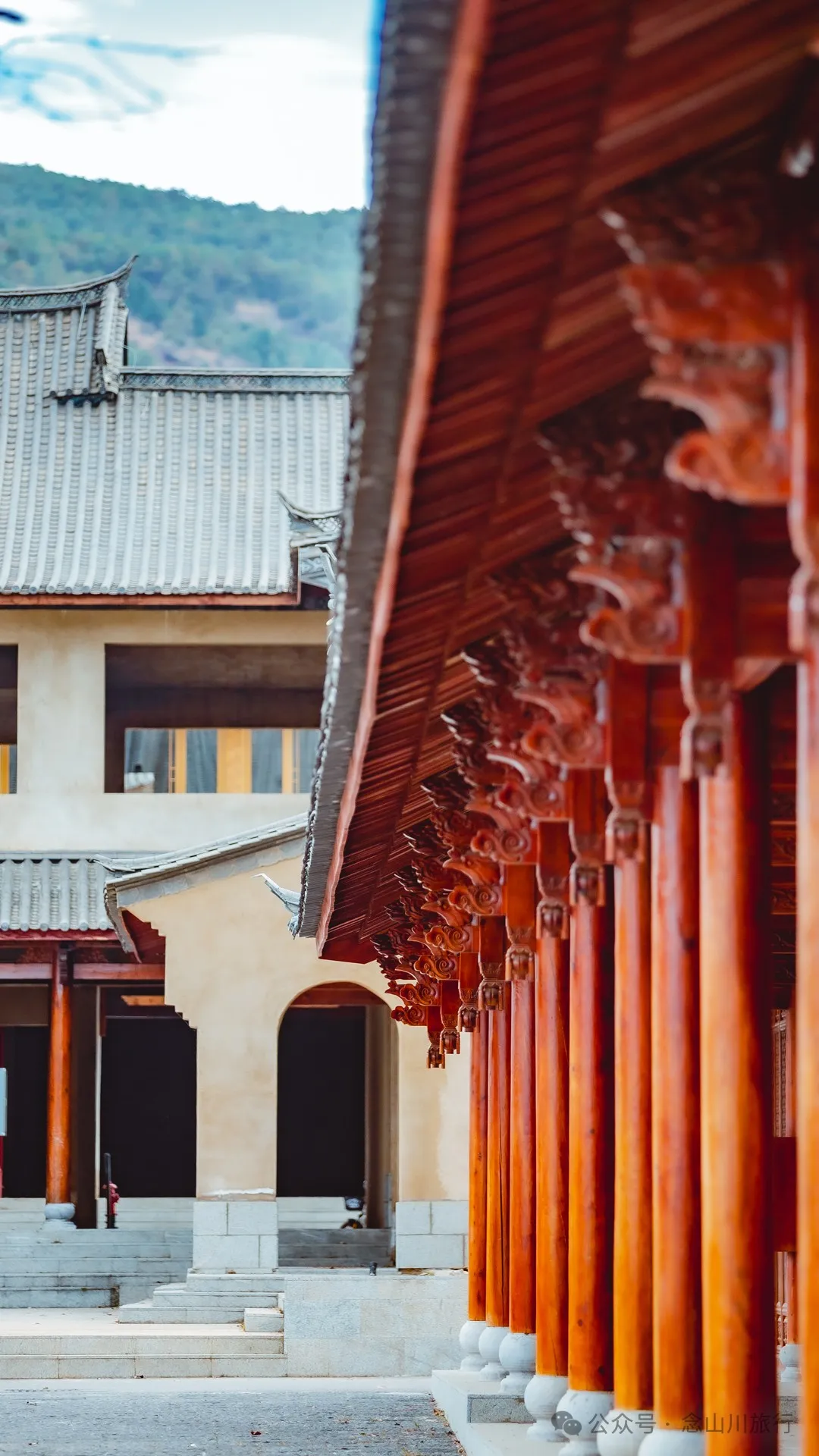
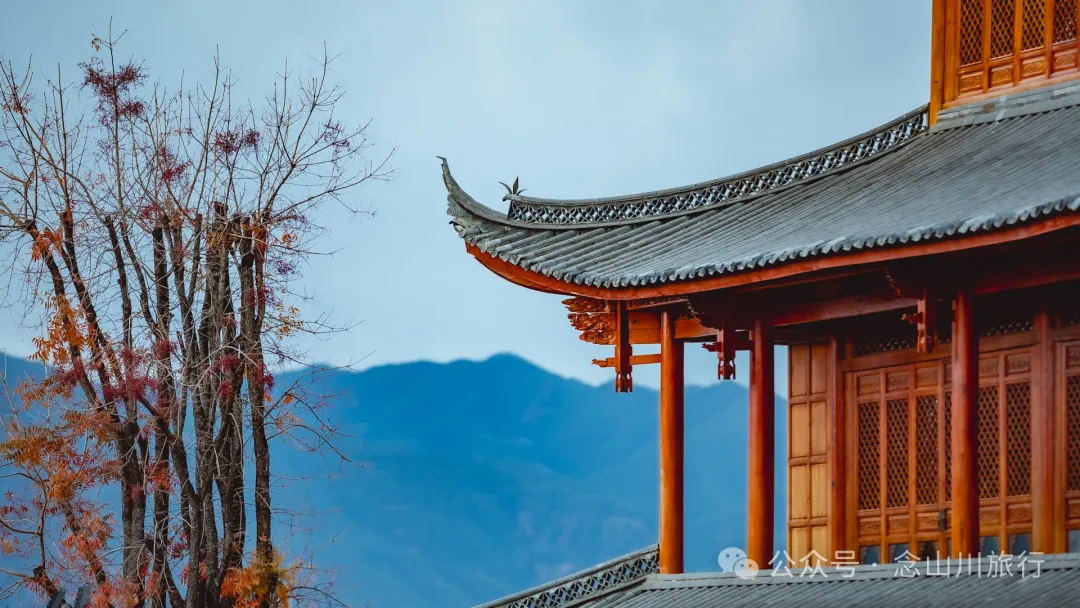
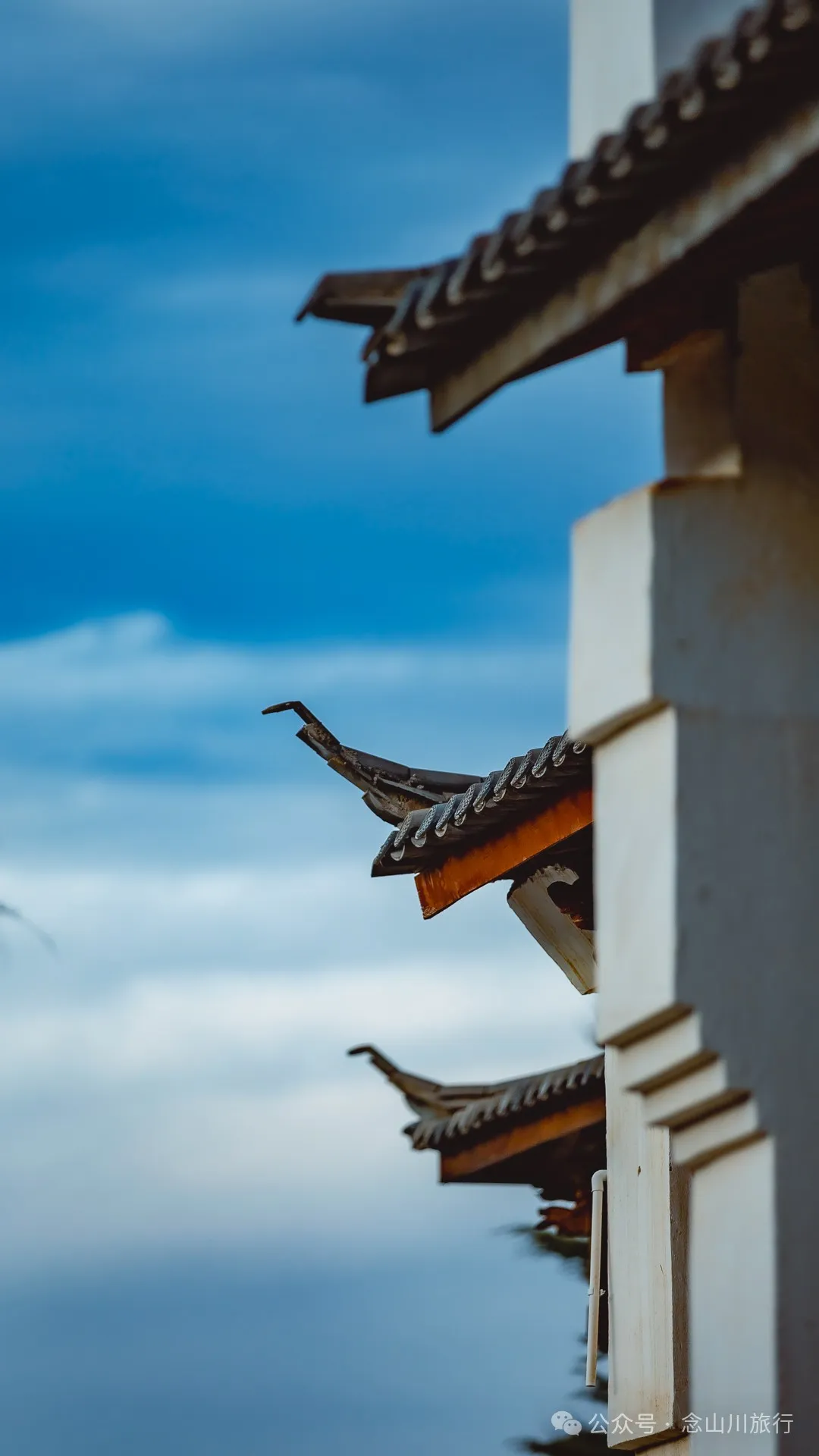
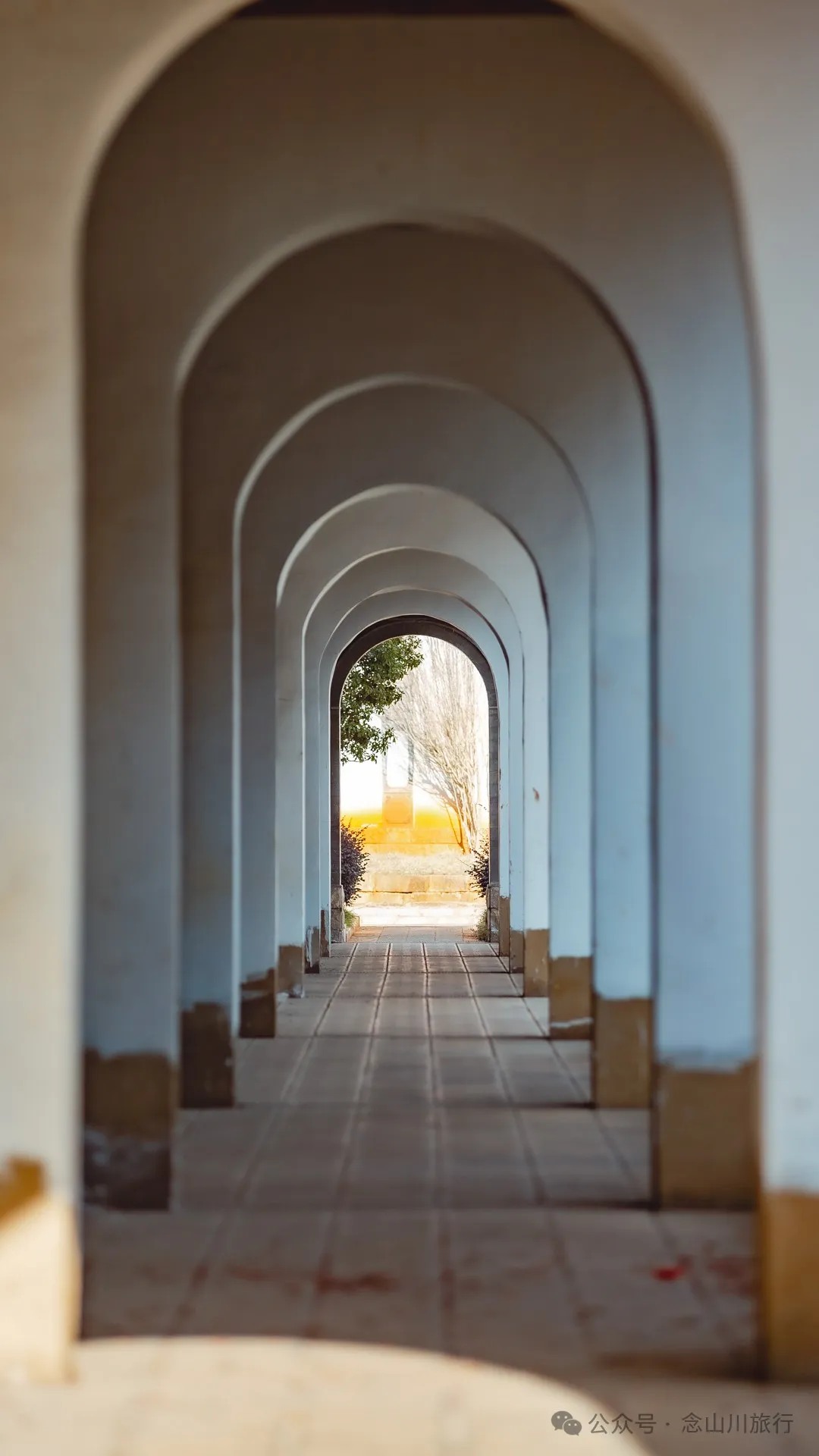
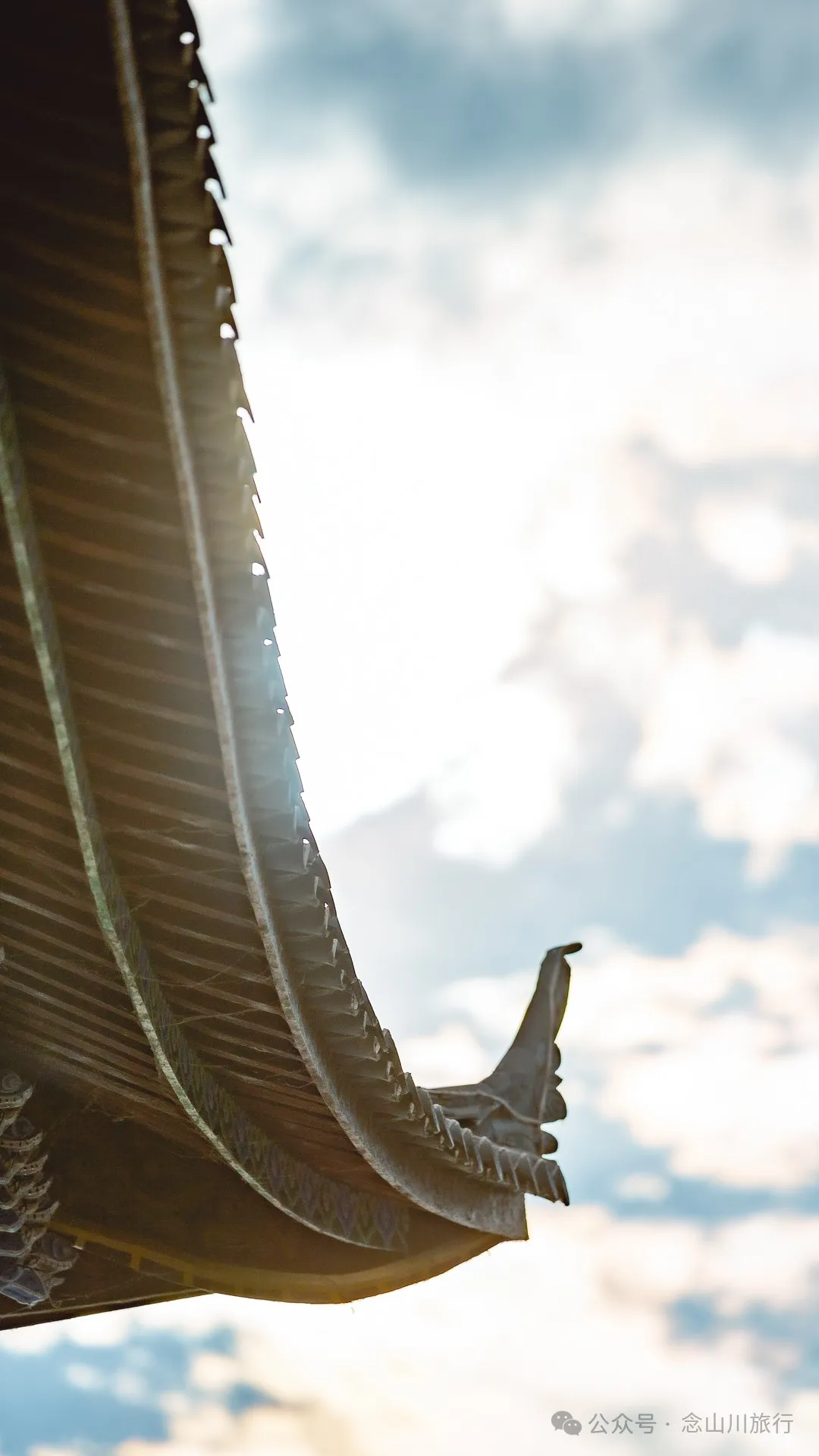
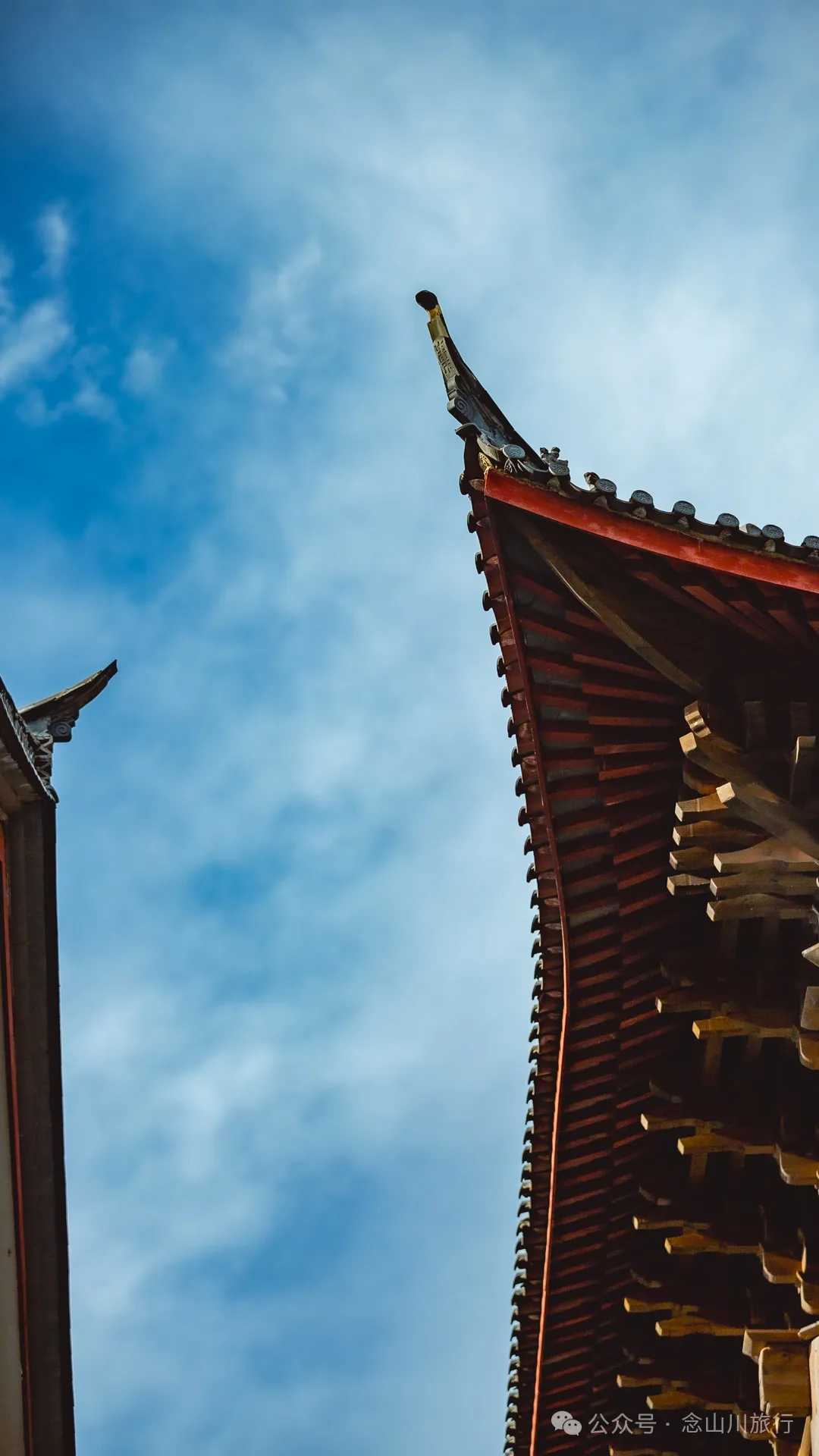
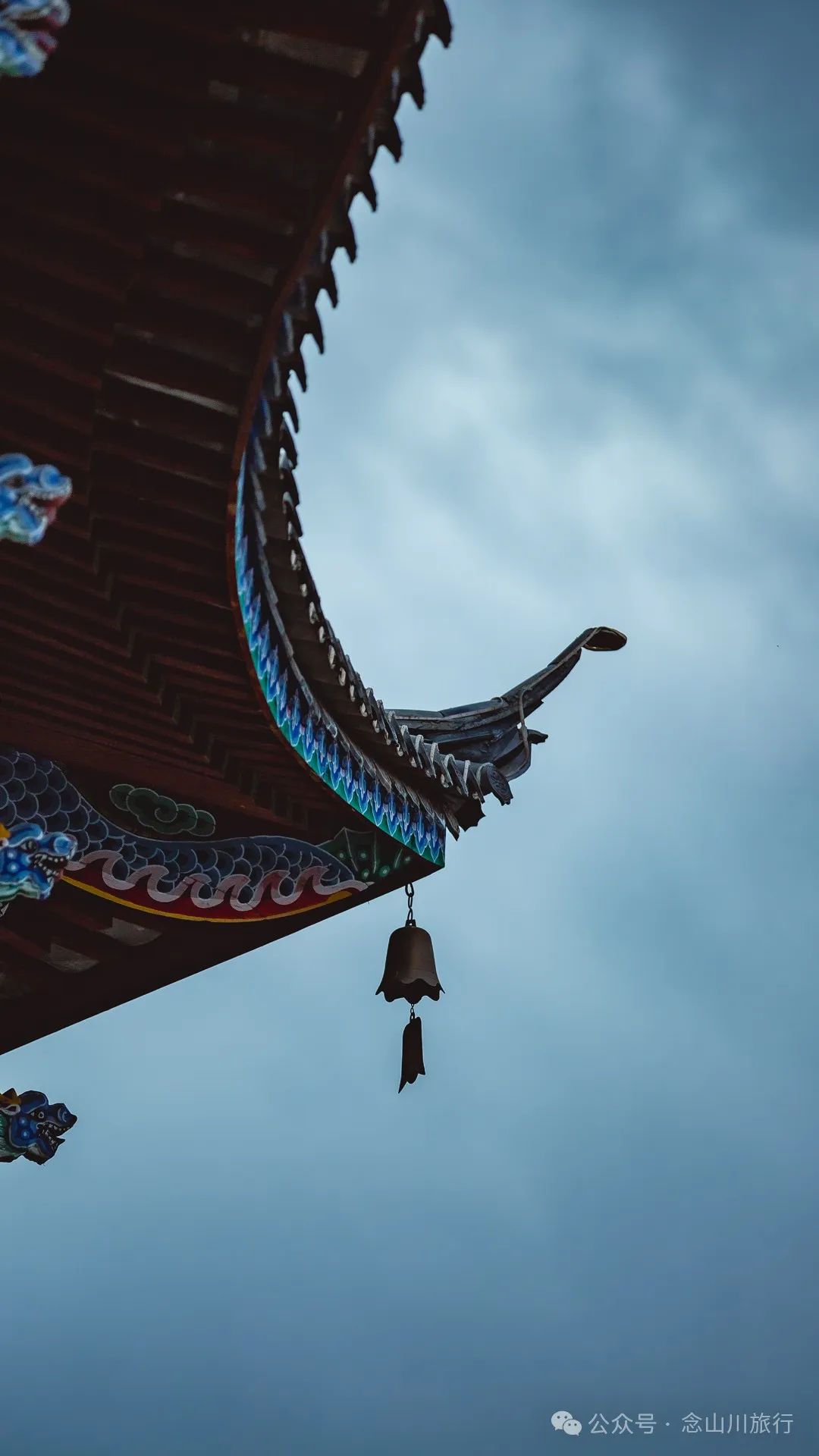
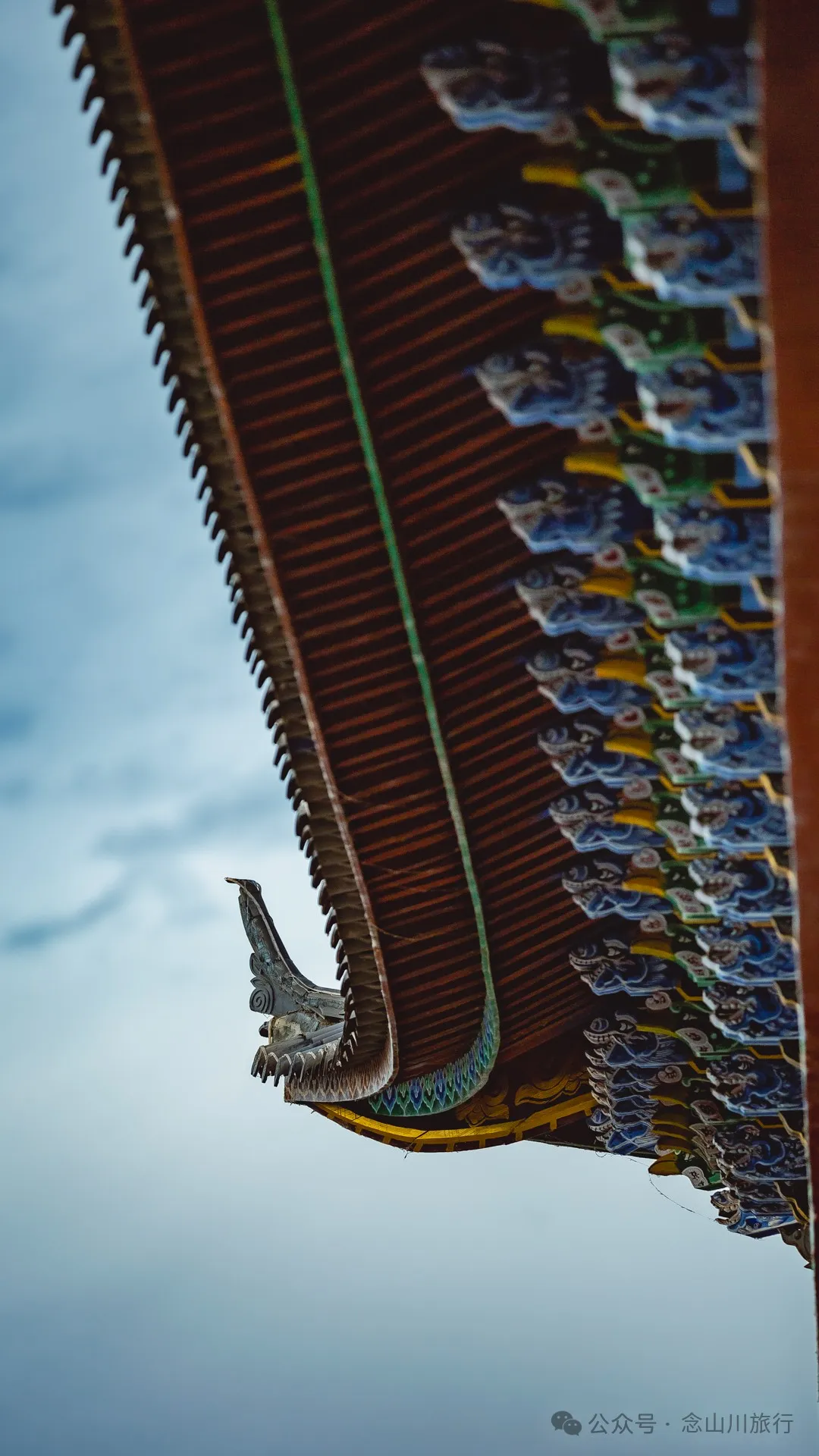
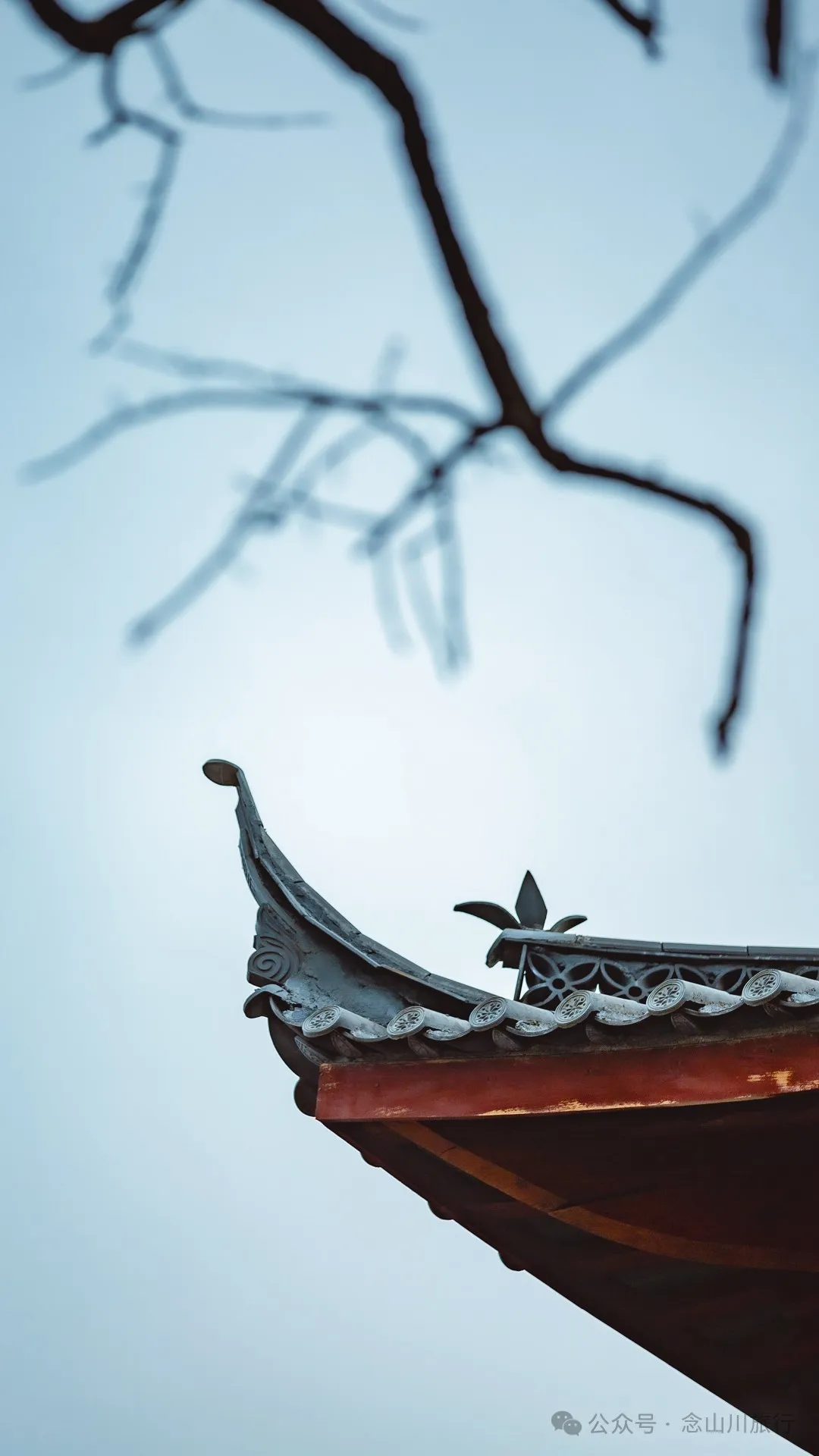
The architectural style of the town is based on Bai ethnic architecture, designed and built according to Jianchuan's traditional "three-bay-one-screen-wall," "four-courtyard-five-skywells," and flying eaves and dougong brackets. It integrates Jianchuan wood carving, stone carving, and painting cultural elements into doors, windows, archways, arched bridges, pavilions, and towers, exuding a strong Jianchuan Bai wood carving cultural atmosphere.


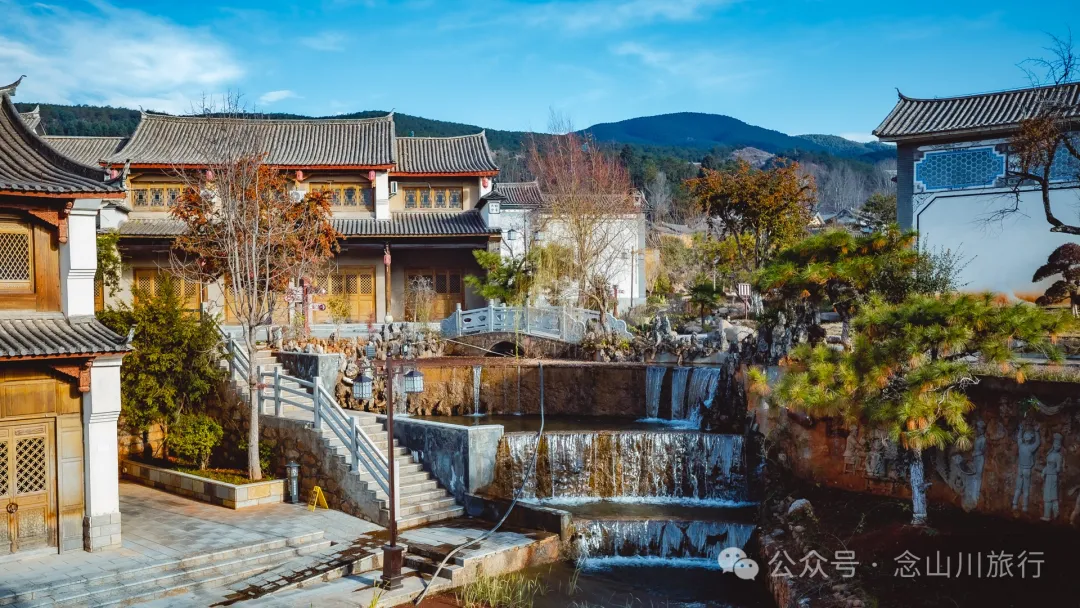
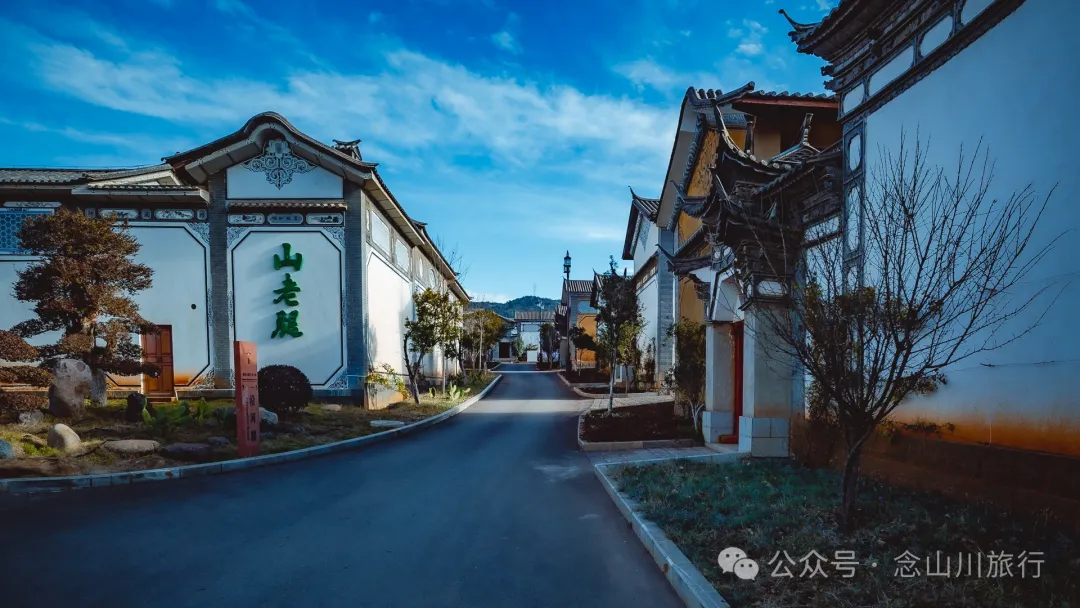
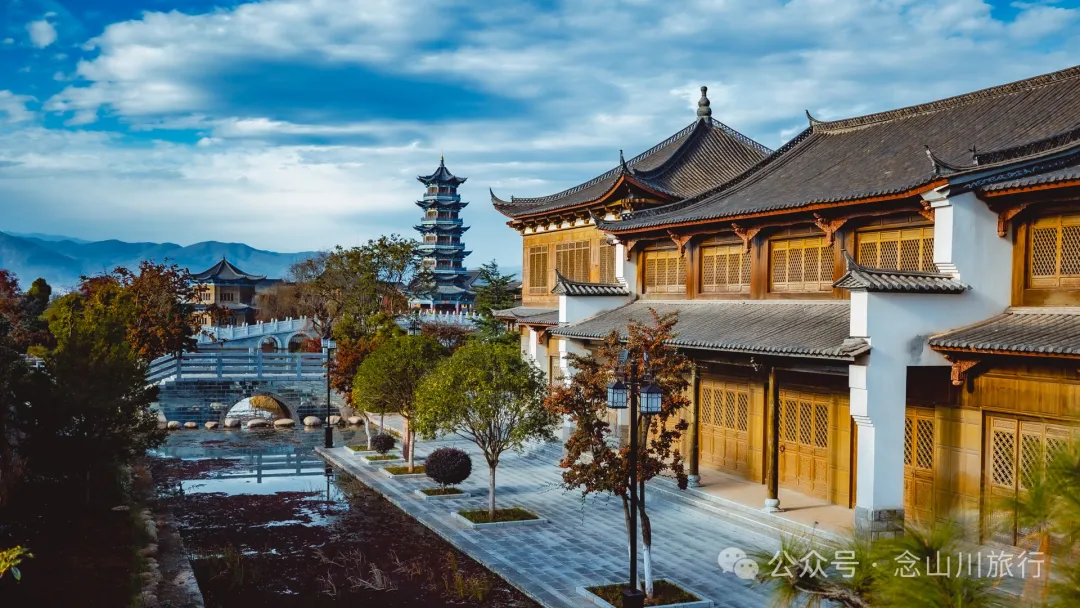

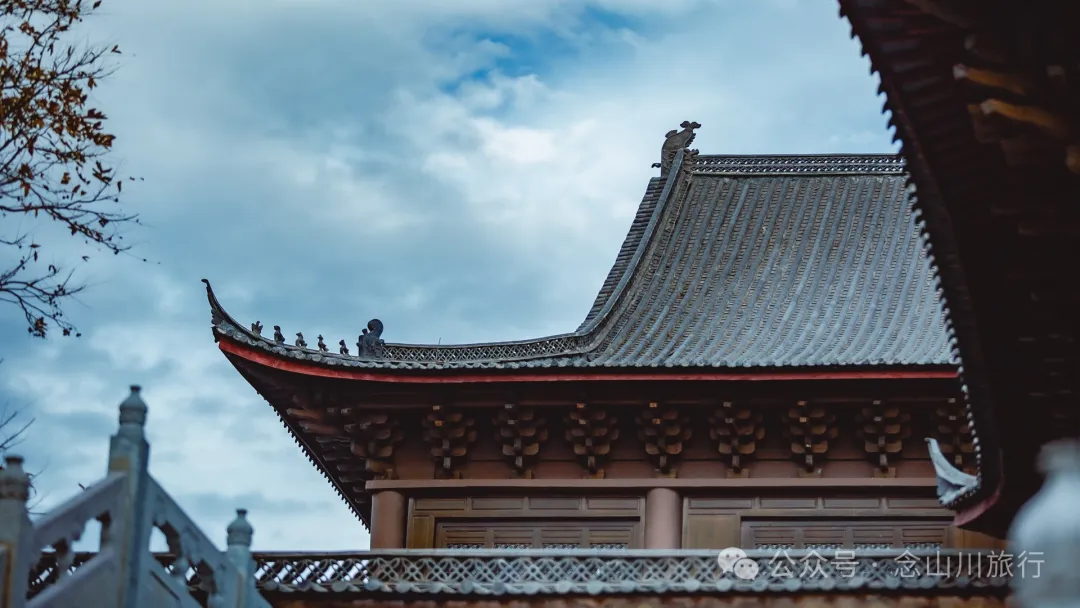

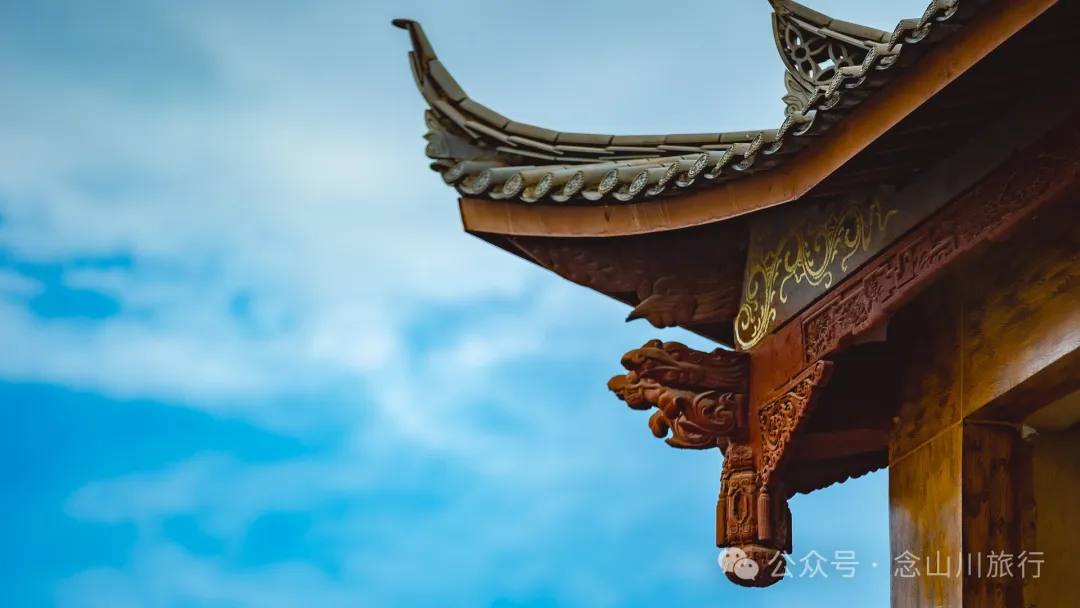
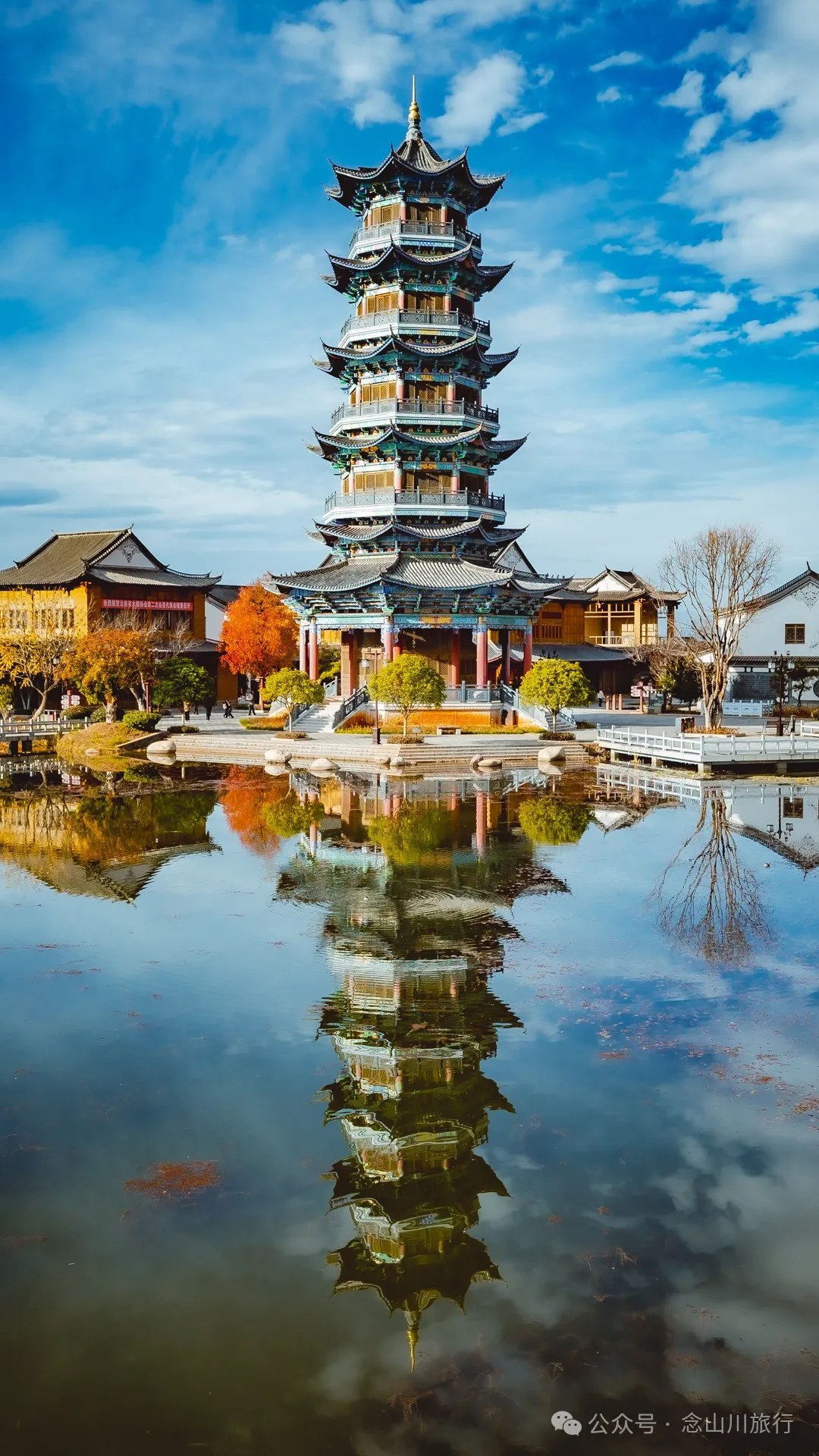
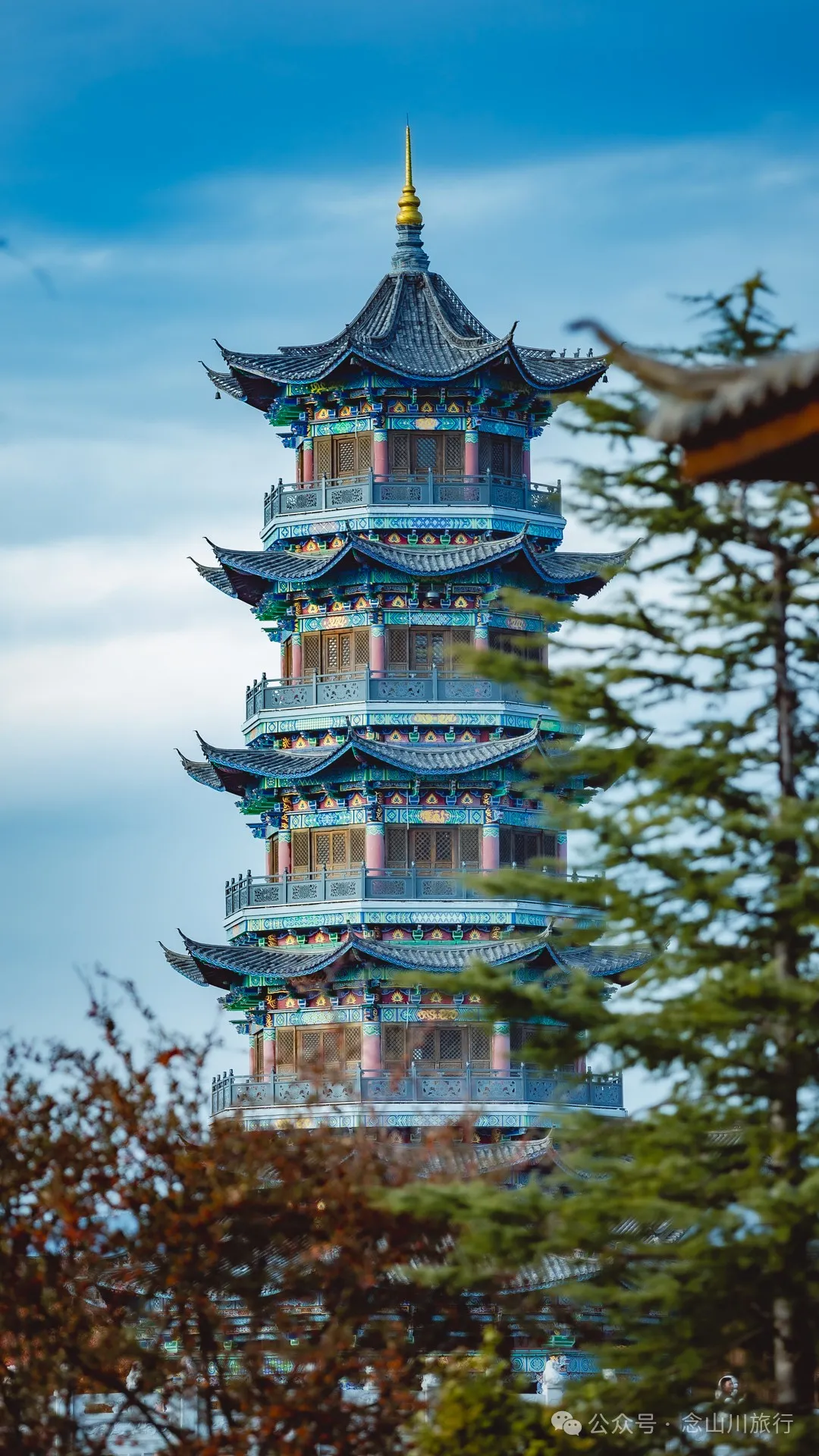
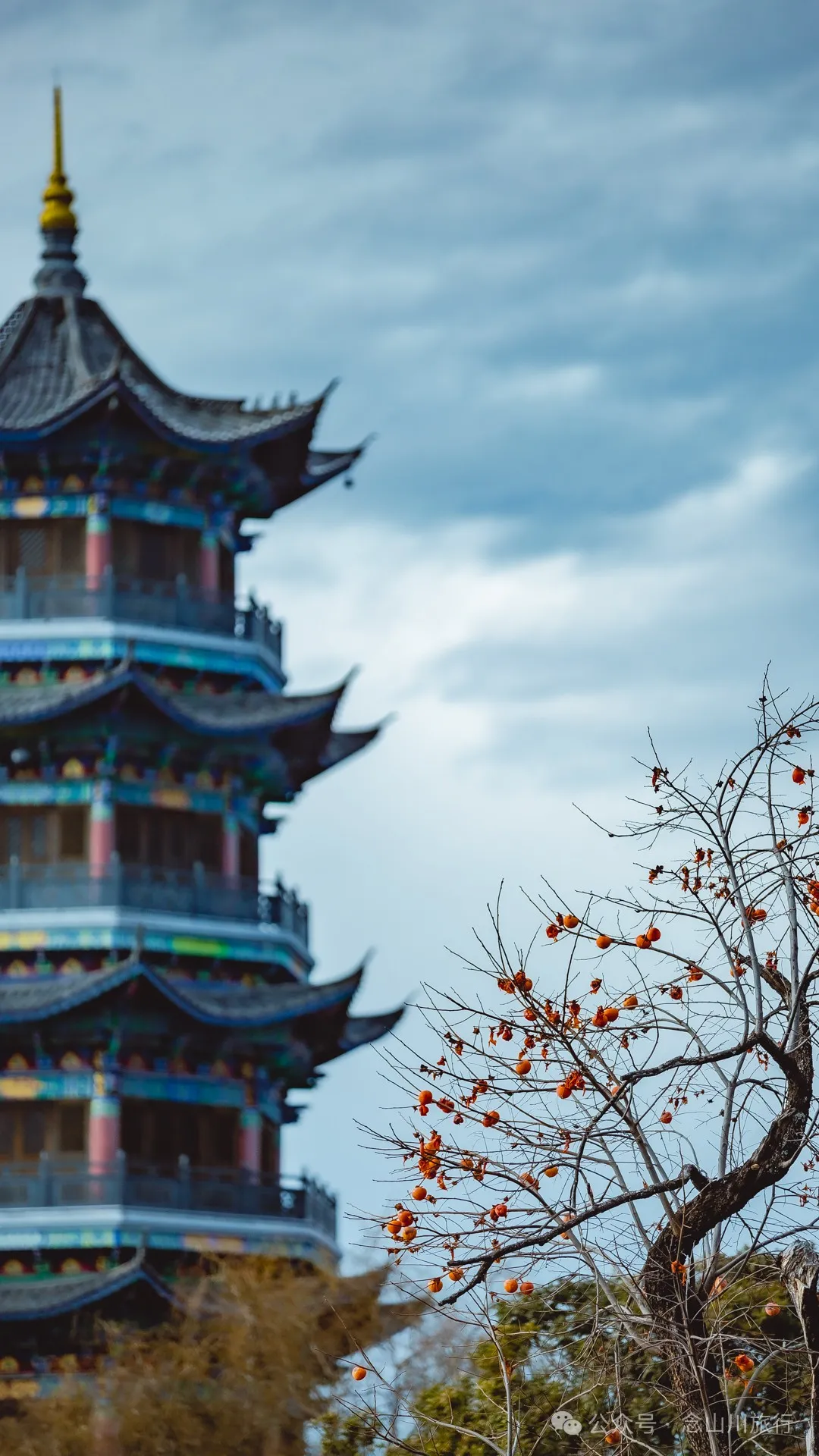
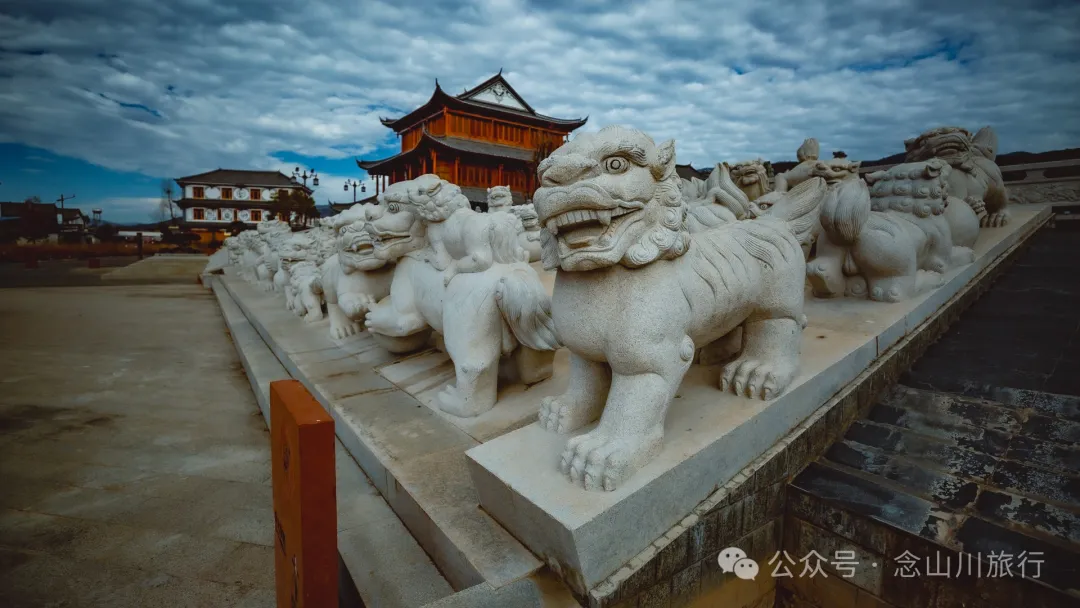
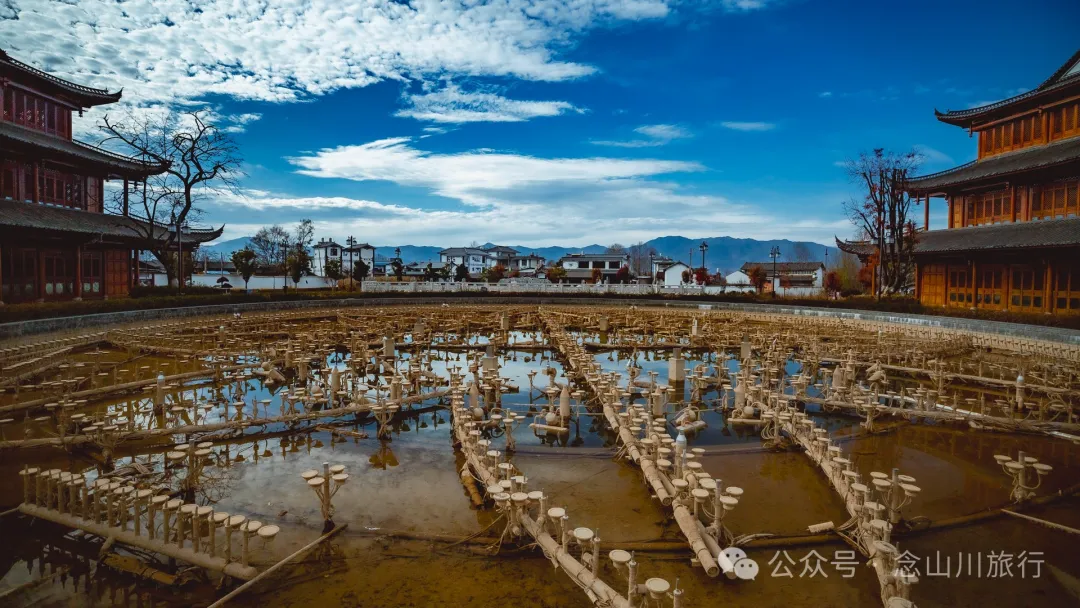
Entering Wancheng·Jianchuan Wood Carving Art Town through a distinctive wood-carved archway, a nine-arch stone bridge spans a wide lake, connecting the two banks. The Wood Carving Art Museum, Fengshui Tower, stage, Bai courtyards... a unique town primarily featuring Jianchuan Bai wood carving style, with multiple characteristics, gradually unfolds before our eyes. These buildings all showcase the elegance and exquisite beauty of Bai-style Jianchuan wood carving.
The residential area of the town, with its independent courtyards, highlights the poetic aesthetics of "small bridges, flowing water, and houses," making one feel as if they have stepped into the realm of Tang and Song poetry, reluctant to leave for a long time.
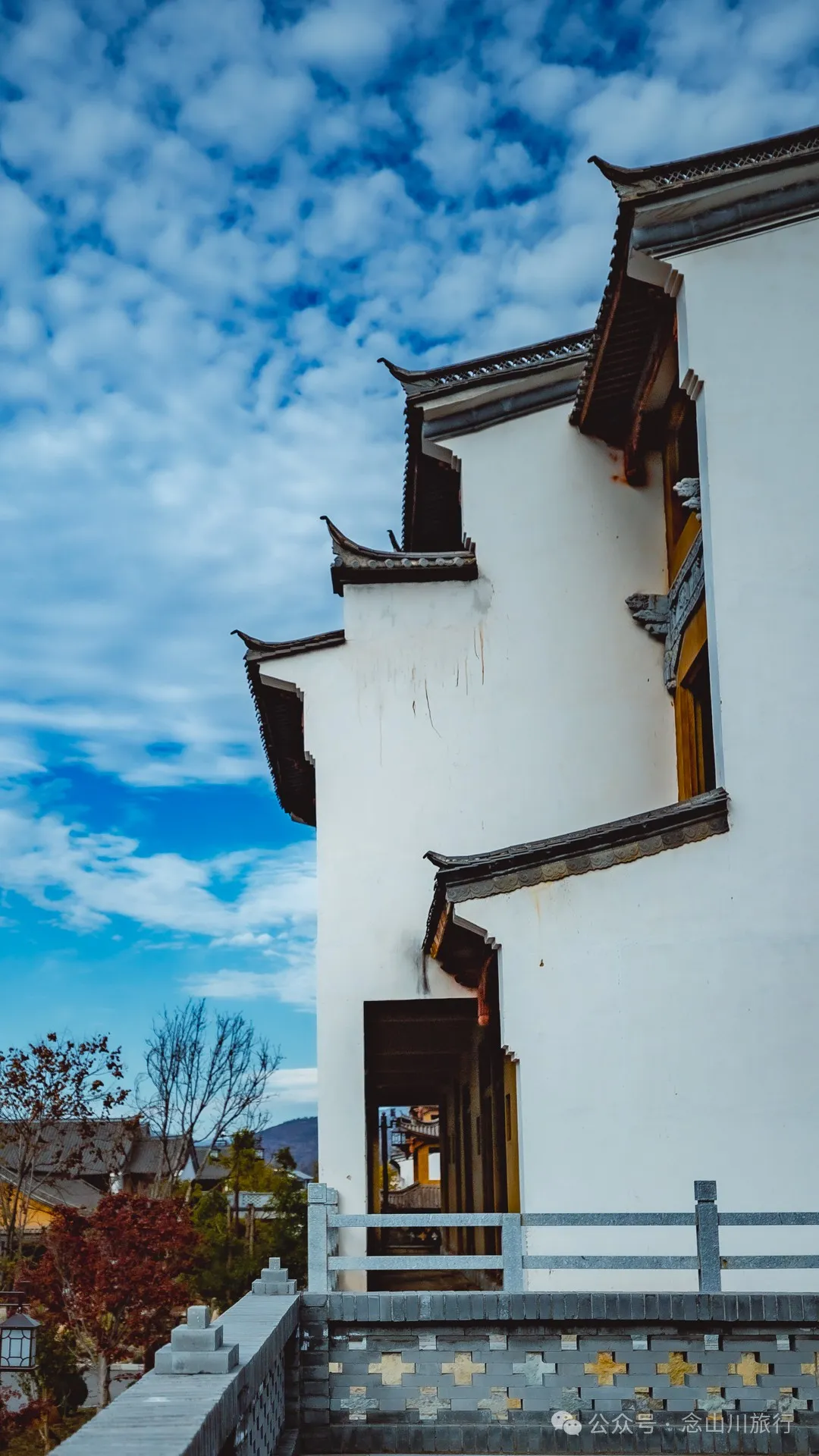
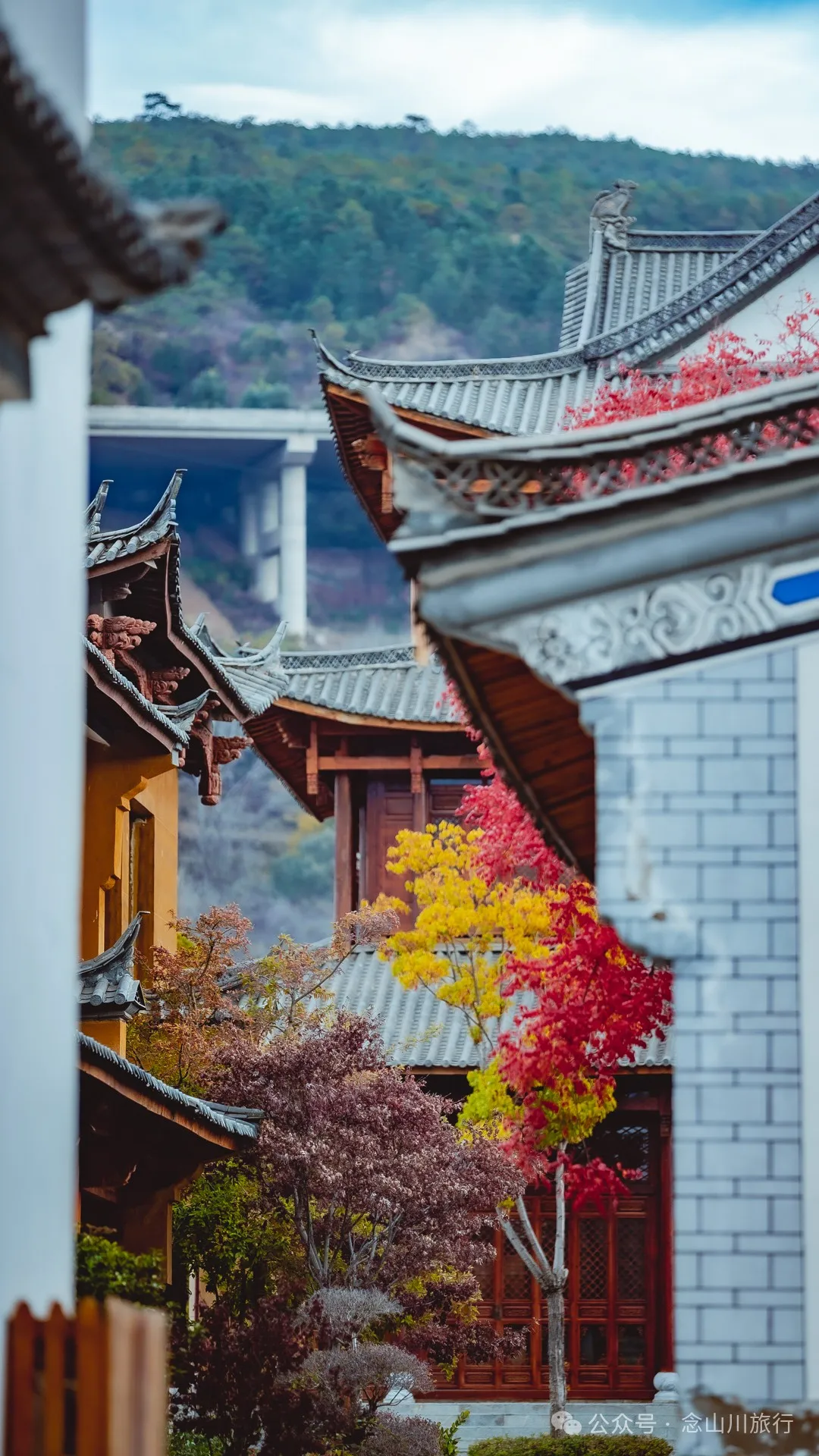
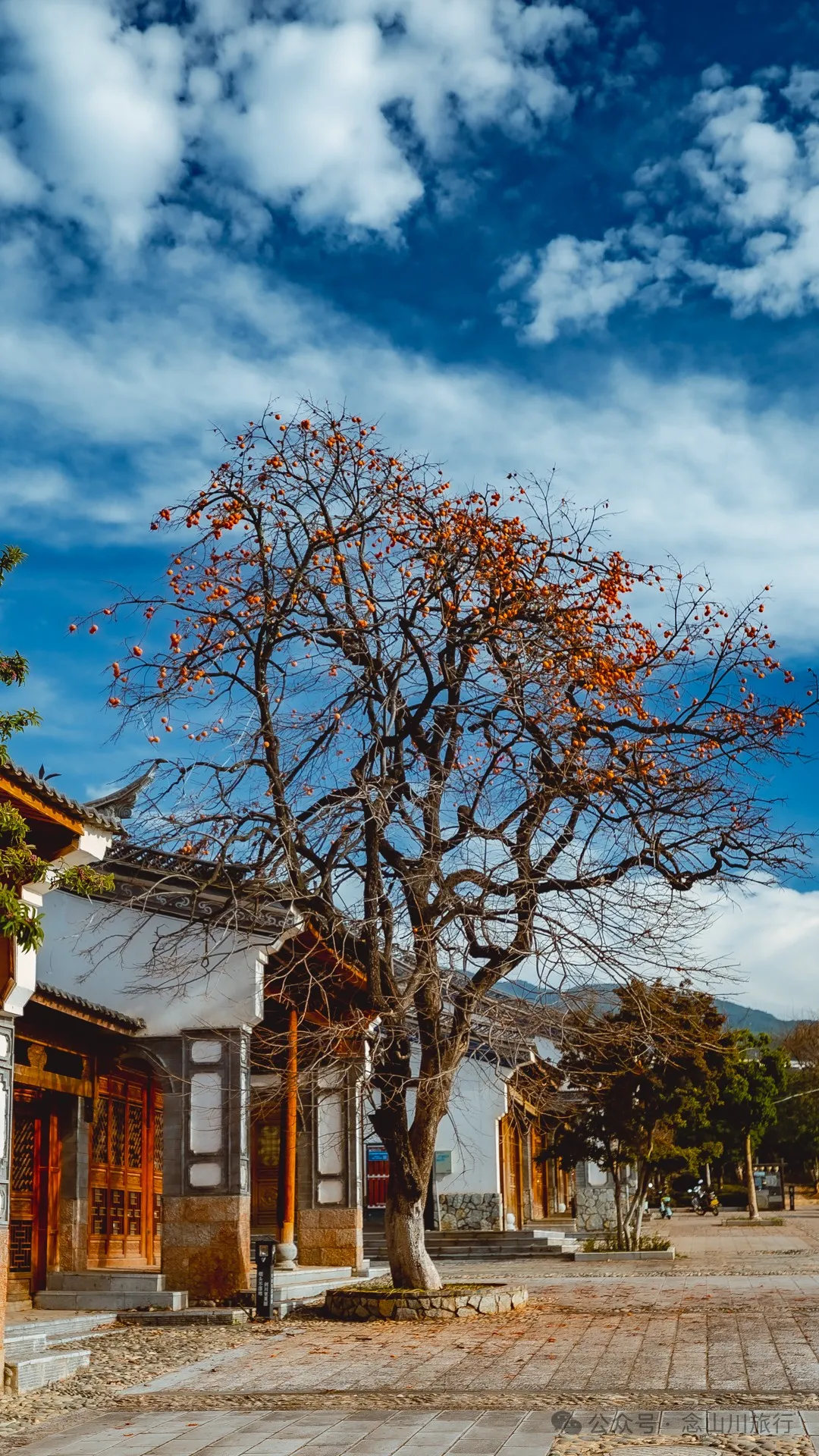
This tree with red leaves in the white-walled, gray-tiled courtyard seems to possess the entire sunset glow, its warmth exuding a sense of homecoming, instantly soothing the hardships of a traveler's return. When night falls, a dim lamp lit at the door will joyfully witness this heartwarming scene.