
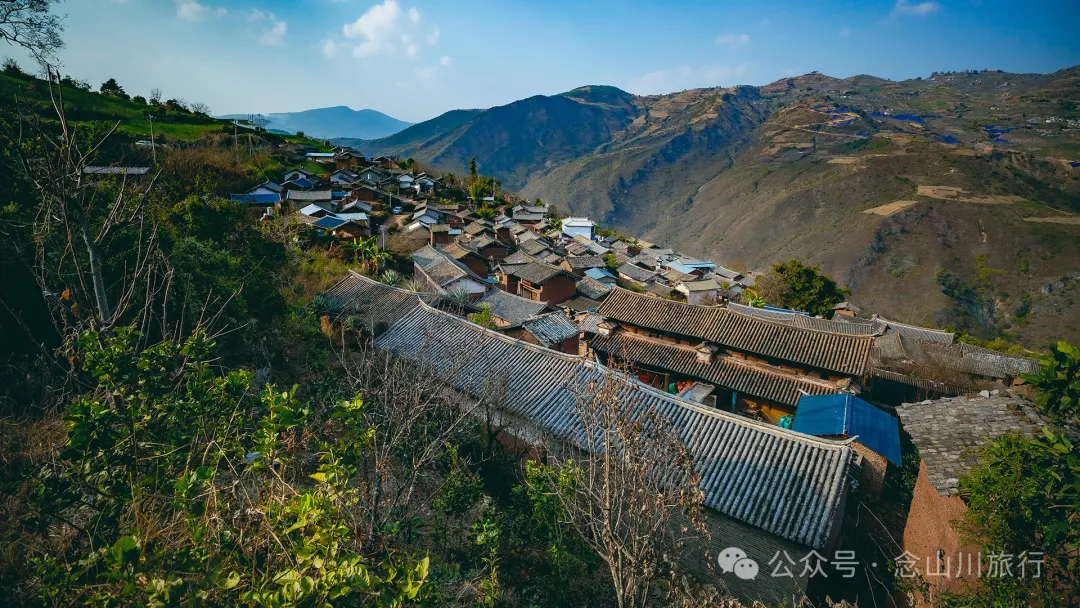
The village called Dabime, located between Henan Village and Niulutang Village, catches people's attention not only for its unique name but also because standing by the roadside, you can see rows of ancient houses in the village. I don't know the origin of this village name, nor whether it has any specific meaning, but I found a connection on the map: there is a nearby mountain called Dabime Mountain, and the two names are so similar that I guess the village is named after this mountain.
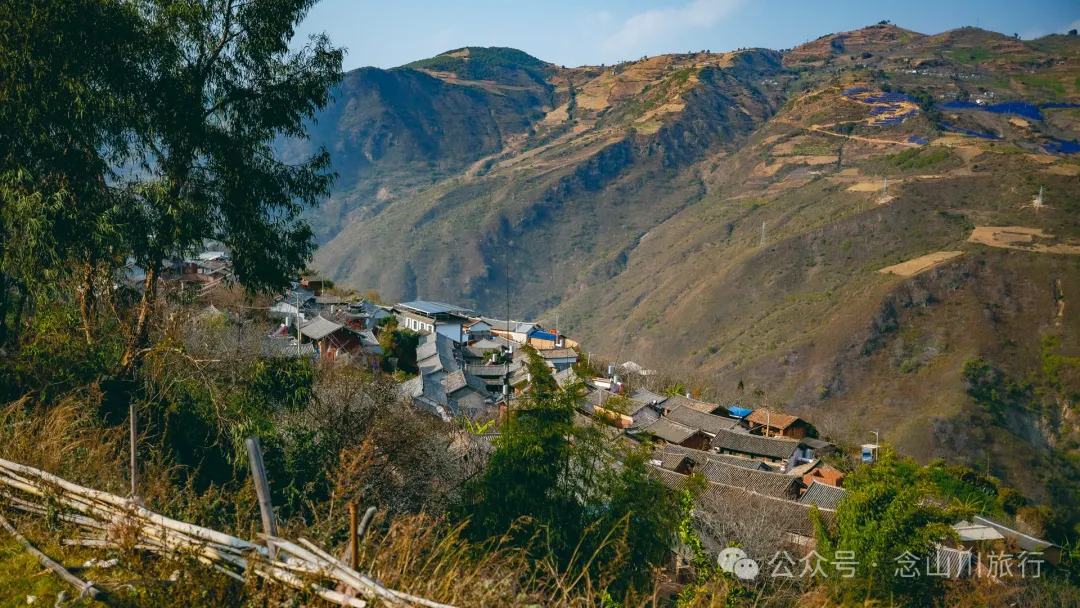
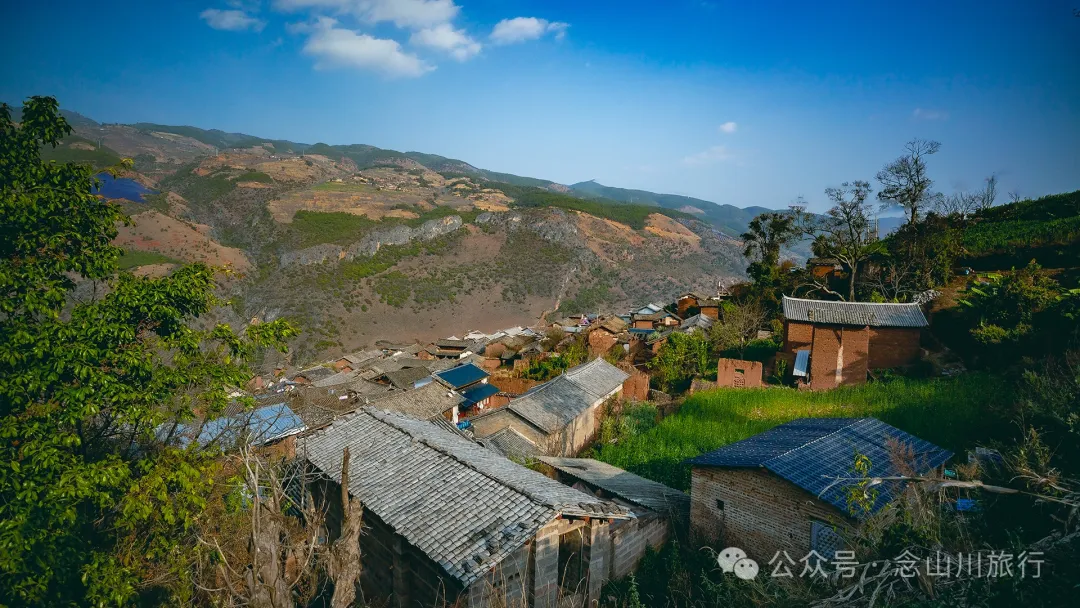
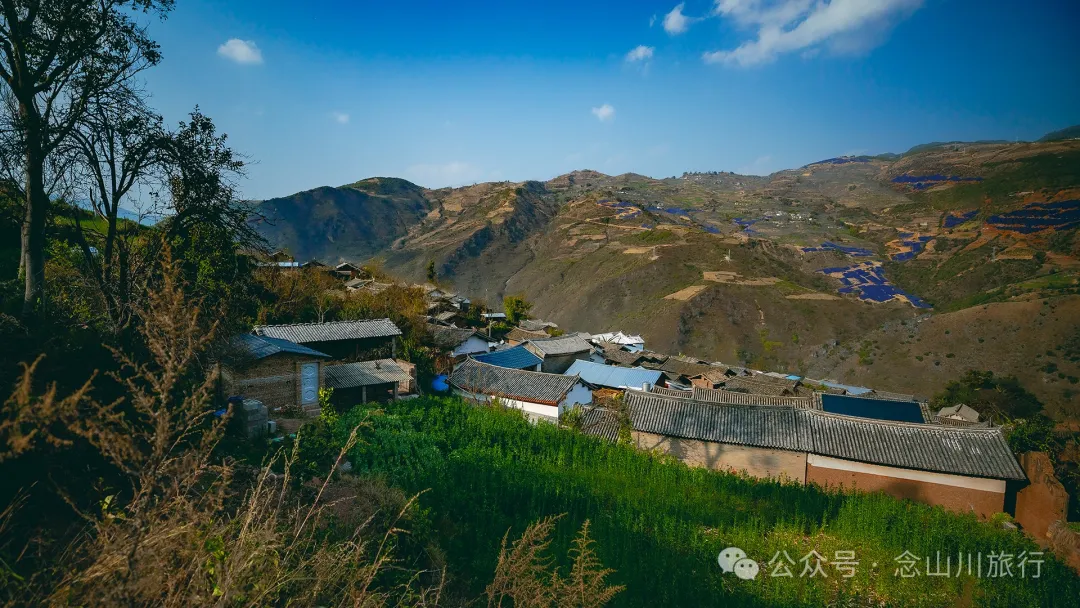
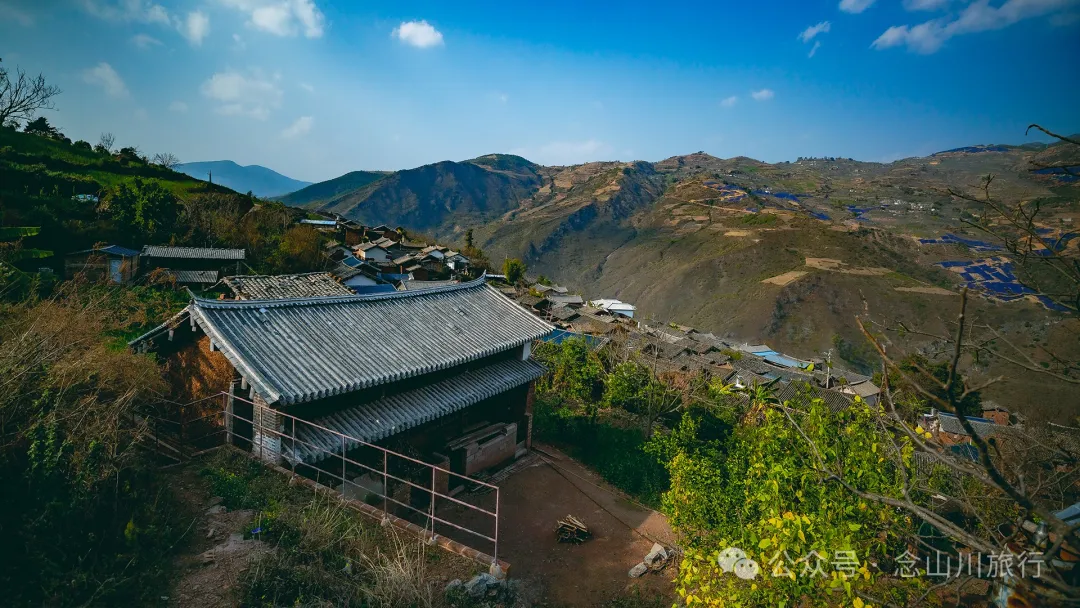
Dabime Village in Ma'anshan Township, Weishan, is like a delicate painting slowly unfolding among the mountains. Here, time seems to slow down, filling every corner with an air of antiquity and mystery. The name Dabime Village sounds like a melody from a Yi folk song, melodious and poetic. The village nestles in the arms of the mountains, with Yi-style houses scattered orderly on the slopes, coexisting harmoniously with nature. Stepping into the village feels like entering a world gently treated by time.
Dabime Village is a Yi ethnic settlement where Yi culture has been passed down through generations. The villagers are warm and hospitable, living a leisurely and tranquil life. Most of the buildings in the village are traditional earth-wood structures, simple yet elegant, retaining strong ethnic characteristics. Traditional Yi festivals such as the Torch Festival and Yi New Year are still fully preserved here, with villagers dressed in ethnic costumes, singing and dancing, showcasing the unique charm of Yi culture.
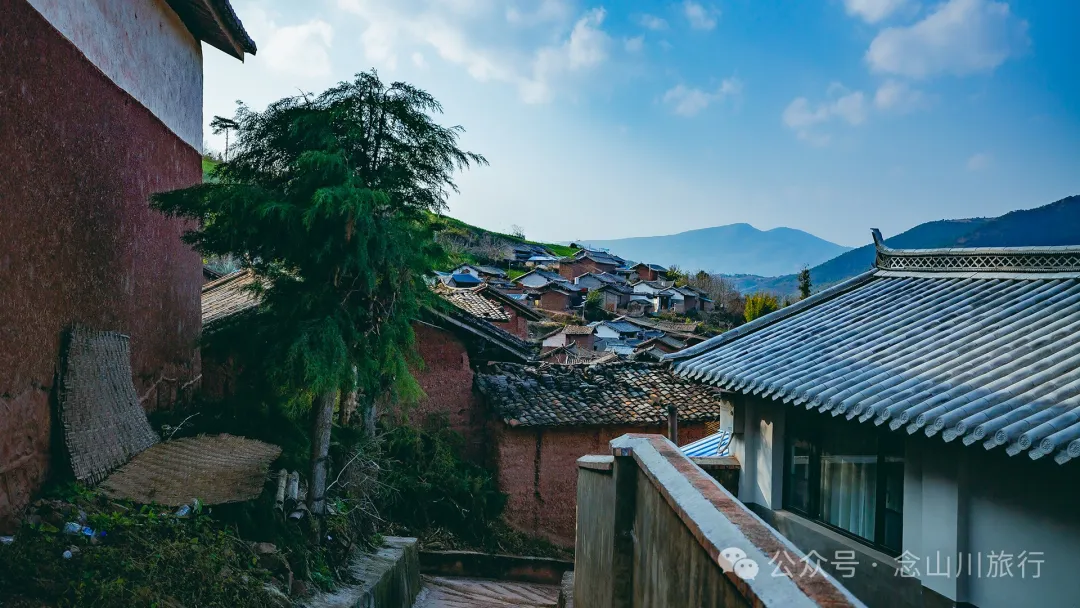
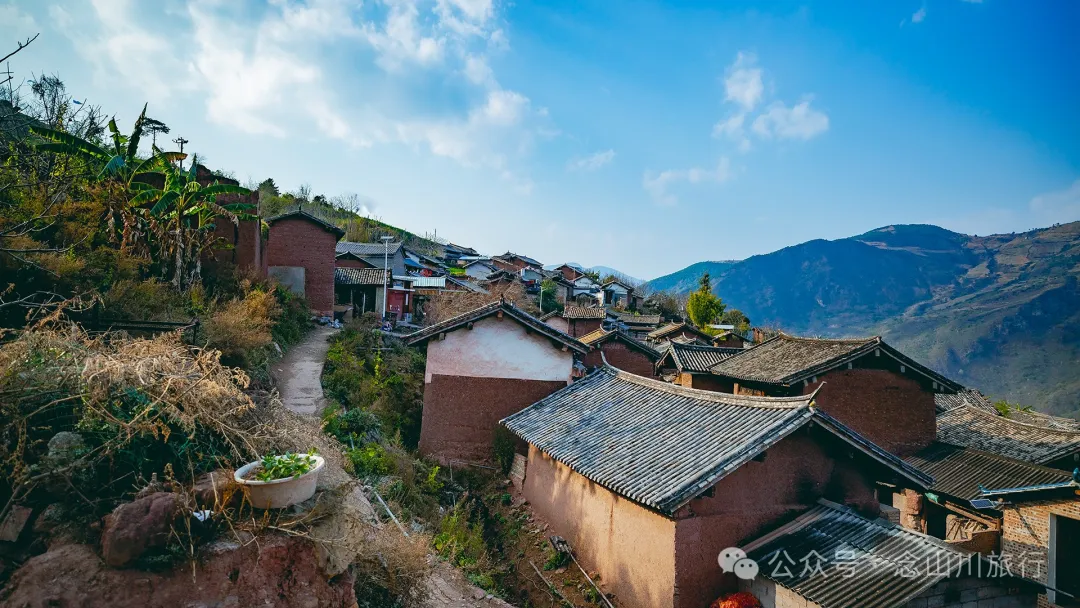
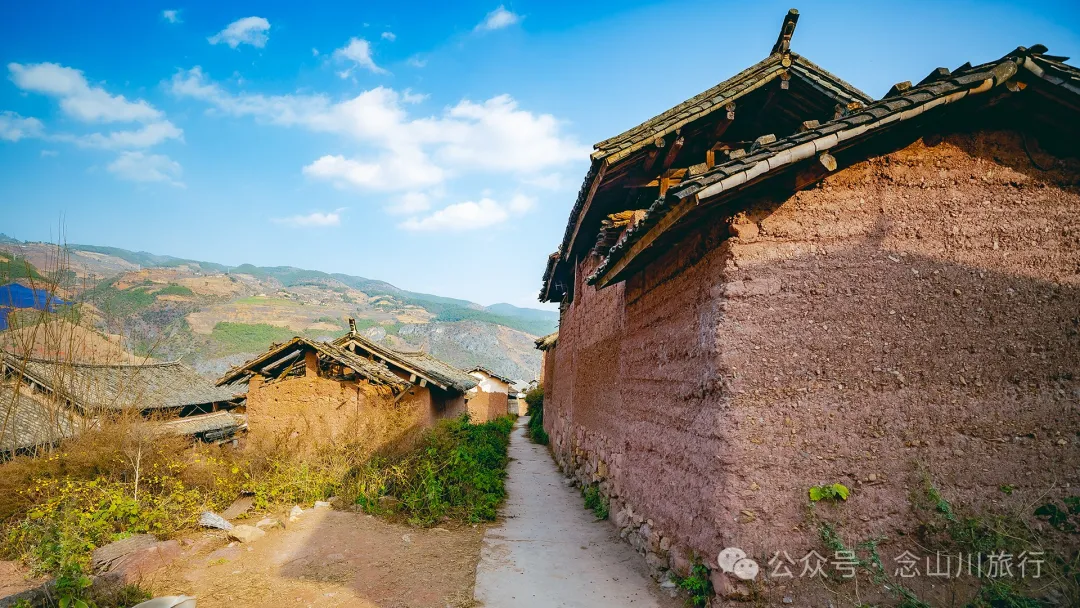
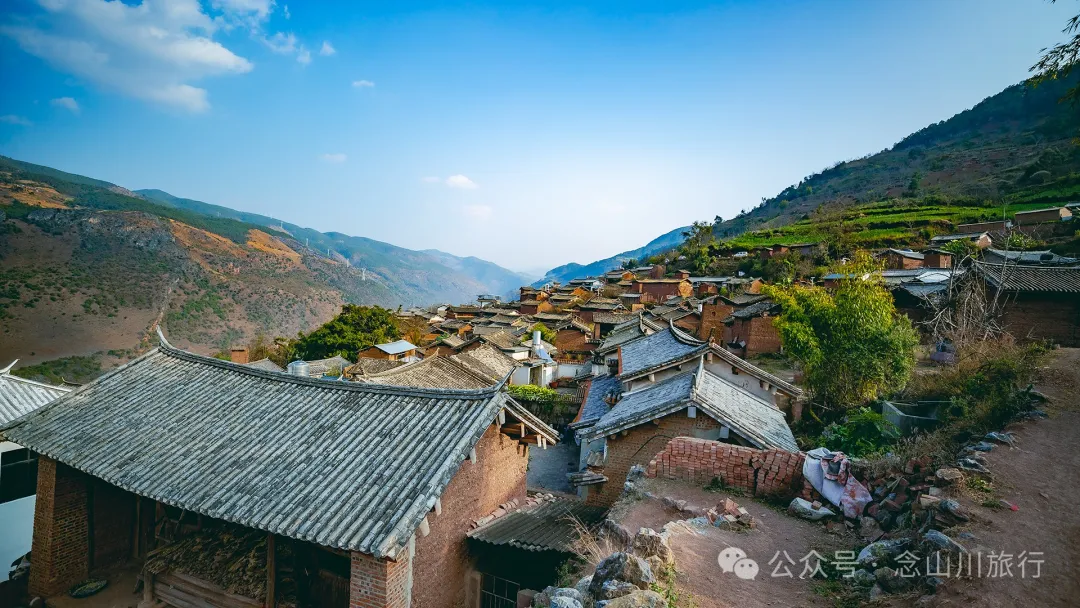
The folk houses in Dabime Village are a microcosm of traditional Yi architecture. With earth walls and grey tiles, carved beams and painted rafters, every brick and tile reveals the ingenuity of the Yi people. Entering these houses, the spacious courtyards and sunlight streaming through the skylight bring a sense of tranquility and warmth. The fire pit in the main hall is not only a source of warmth for the family but also a symbol of Yi culture.
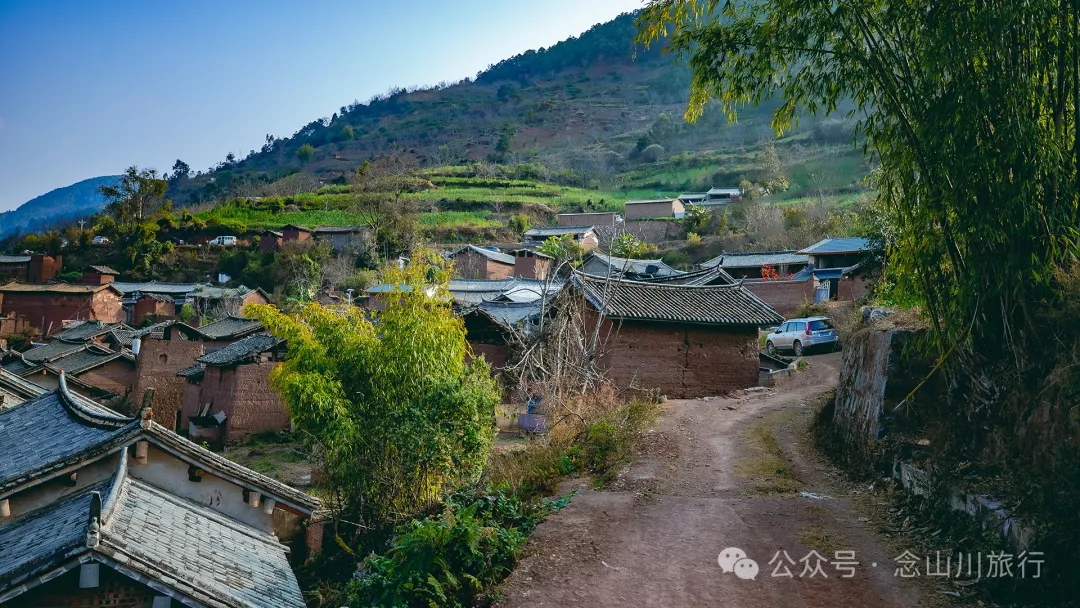
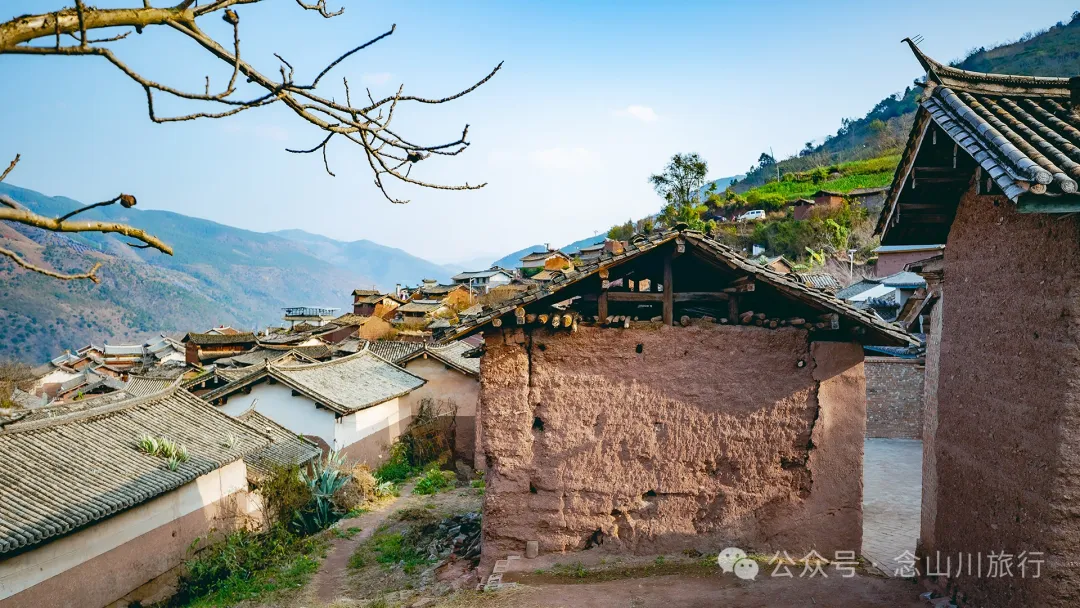
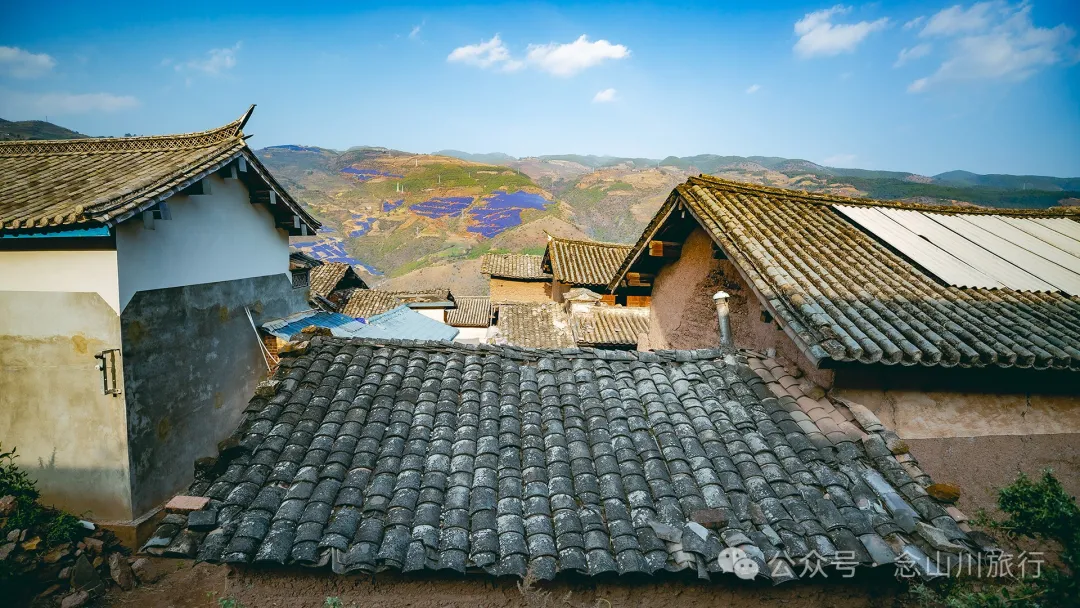
The folk houses in Dabime Village are poems woven from earth and wood. On the yellowish earth walls, traces of time are clearly visible, like wrinkles on an old man's face, telling the history of the village. The grey tile roofs glisten in the sunlight, like scales guarding the tranquility of this land. The houses are built along the mountain slopes, scattered in an orderly manner, and from a distance, they seem to grow out of the mountain, blending seamlessly with nature.
Entering a household, you will find that every piece of furniture and every decoration is full of life. The wooden stools by the fire pit are polished to a shine, the bamboo-woven utensils on the walls emit a faint fragrance, and even the casually placed pottery jars on the windowsill seem to tell an ancient story.
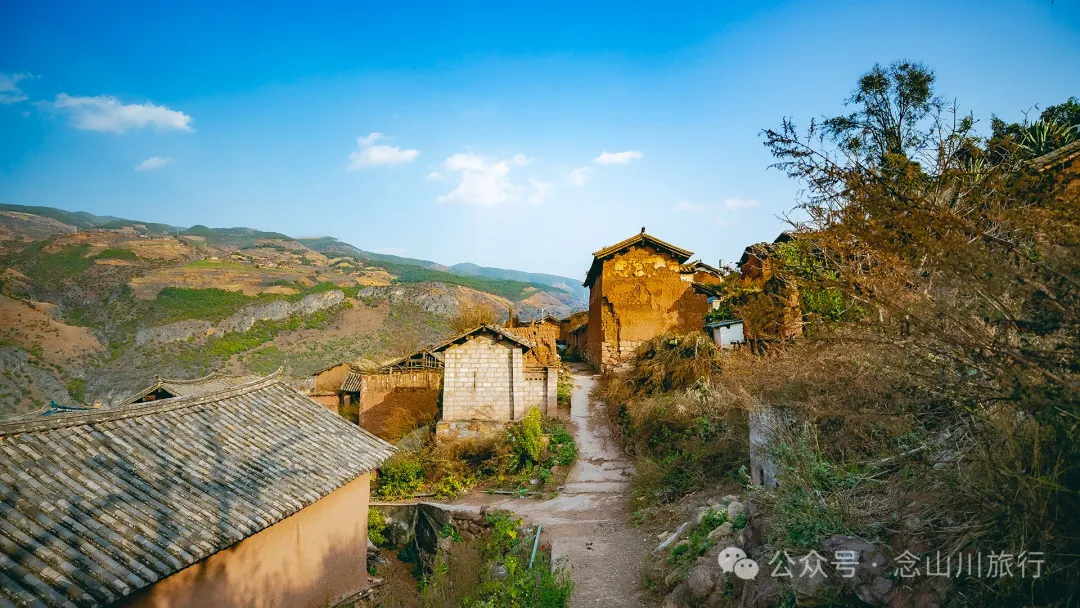
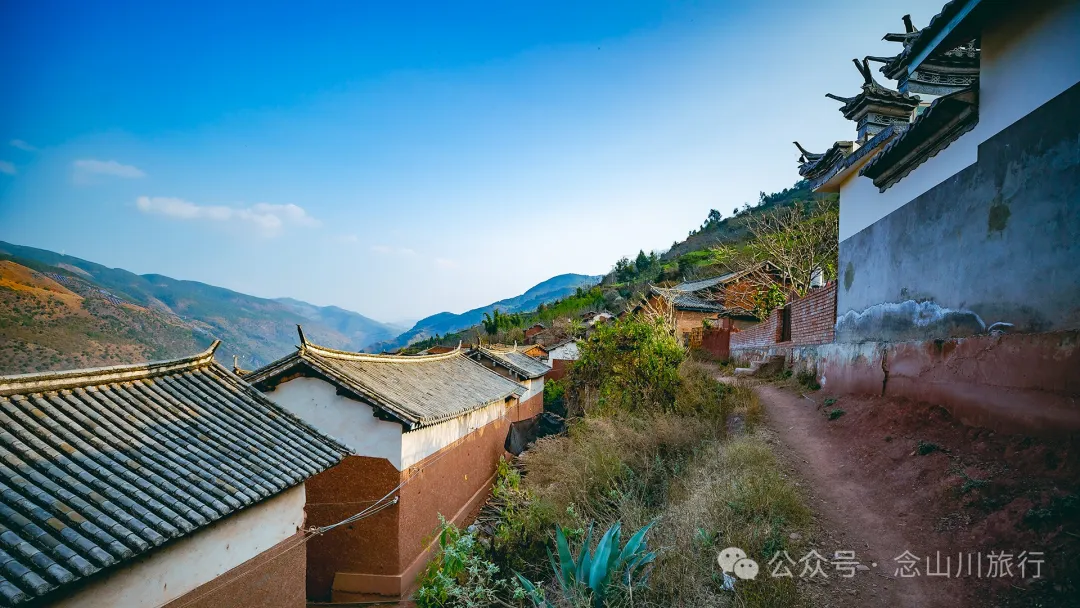
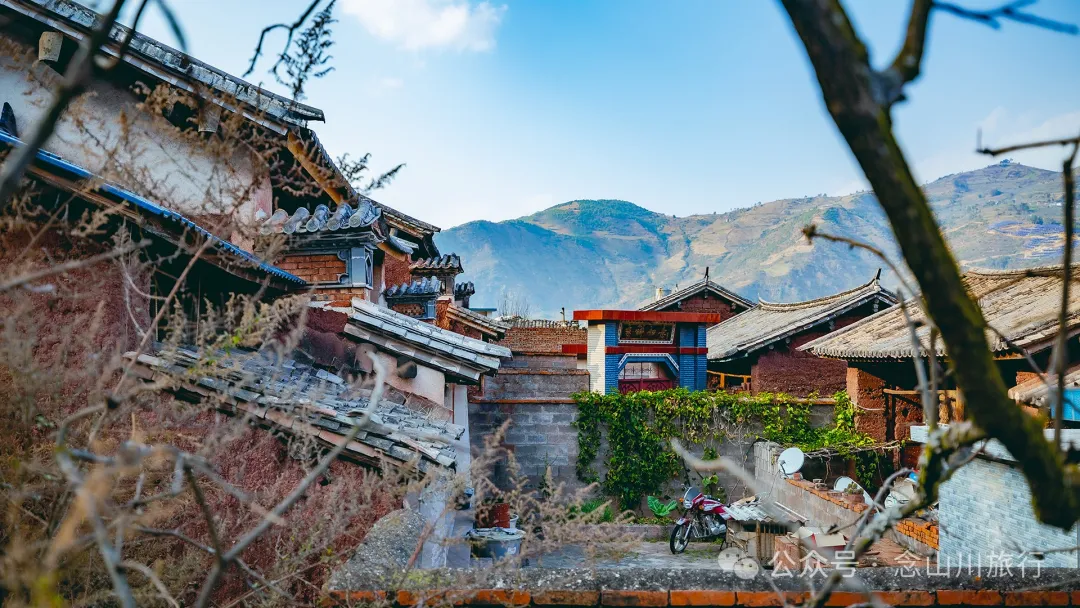
Dabime Village, this Yi ethnic village hidden among the mountains, attracts every visitor with its unique charm. Here, you can escape the hustle and bustle, enjoy the tranquility of nature, experience the profound Yi culture, and feel the pure emotions between people.
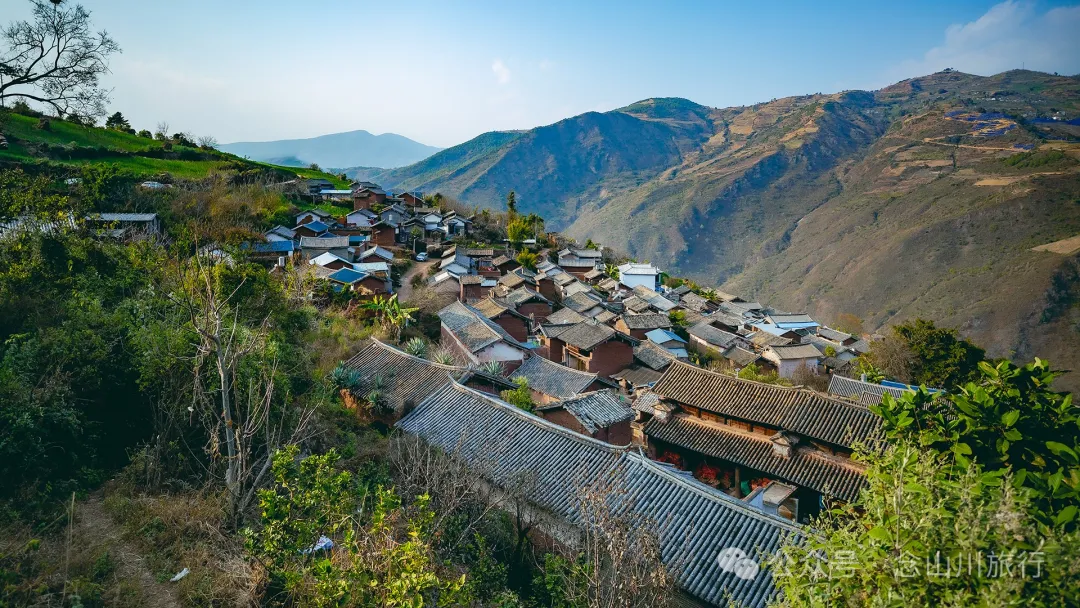
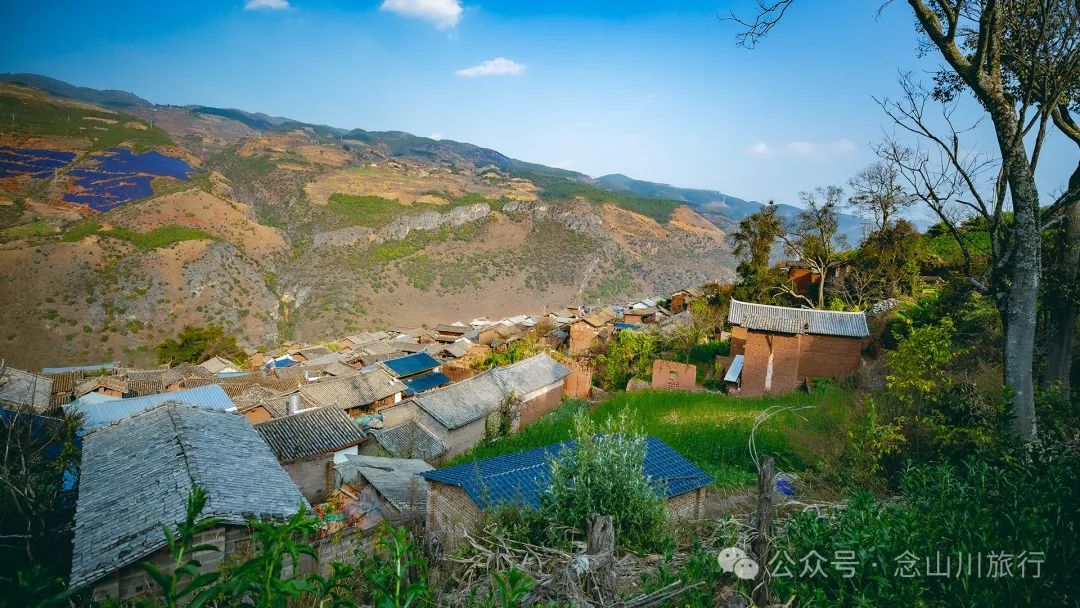
The beauty of Dabime Village lies not in its magnificent scenery, but in its authenticity. There is no deliberate embellishment here, only the most primitive life and the most simple emotions. Coming here, you will find yourself transported back to childhood, to an era without smartphones or the internet.
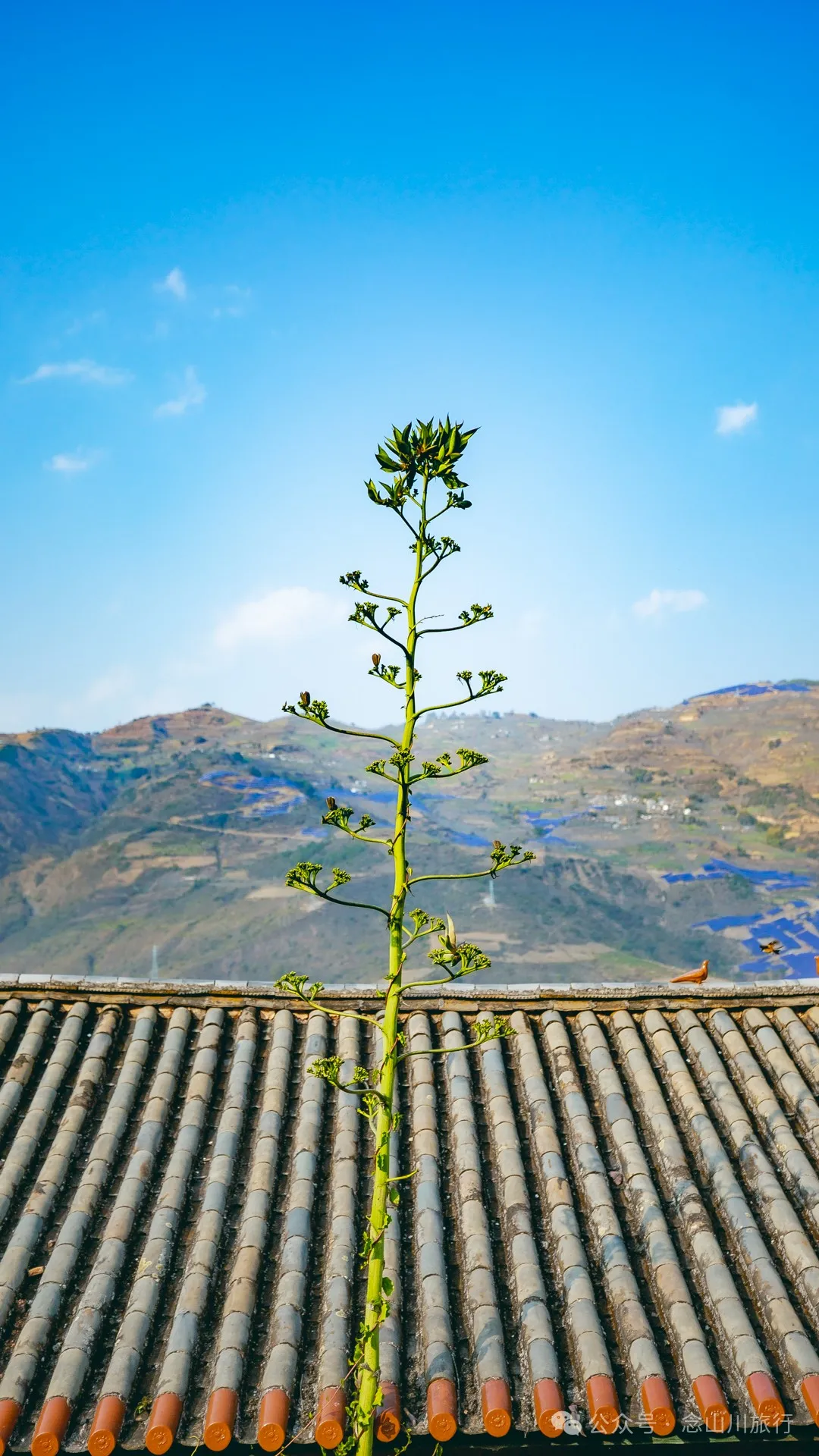
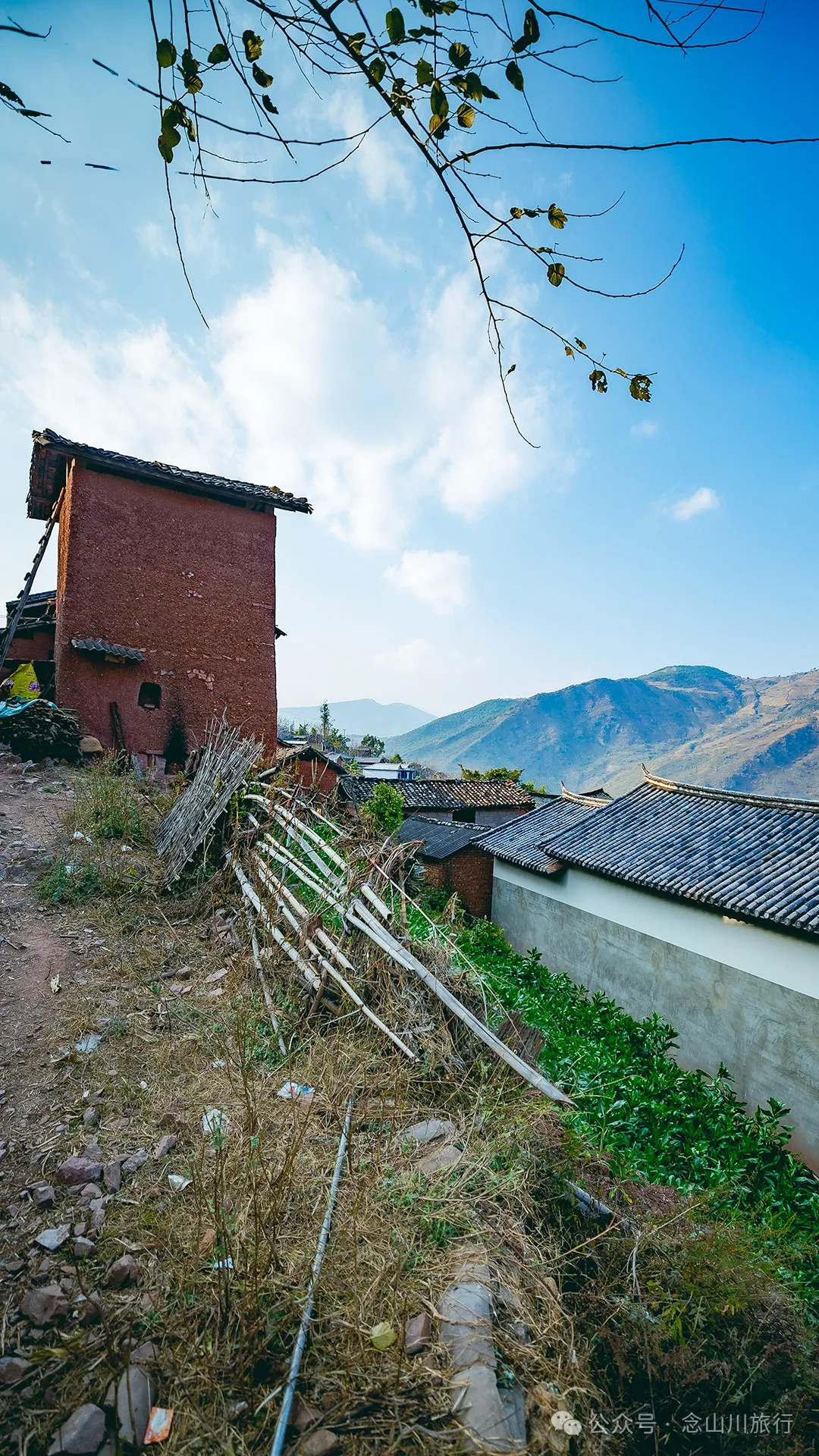
Here, you can sit by the fire pit and listen to the elderly tell ancient stories; you can walk into the fields and feel the fragrance of the soil; you can sing and dance with the villagers and experience the purest joy. Dabime Village is a place where you forget time, a place where you find yourself again.