
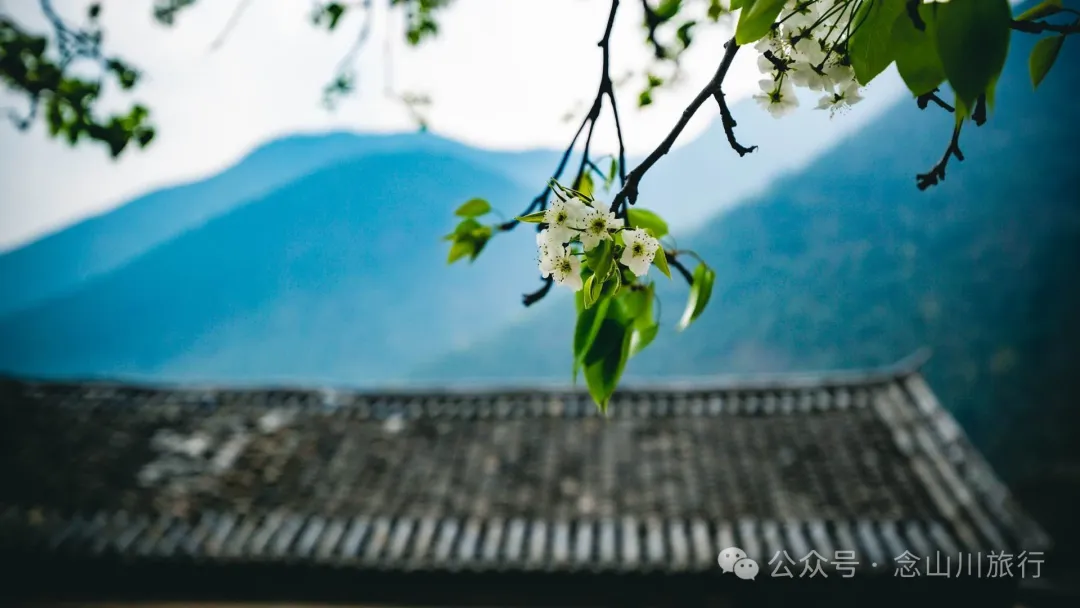
This was not our destination, but an unexpected encounter. On the slope beside the road stood a tall pear tree, half of its blossoms already fallen, half of its new leaves sprouted. We missed the peak of its bloom, nor had we arrived at the height of its foliage, yet this serendipitous meeting—or perhaps missed timing—filled me with joy and longing for an ordinary courtyard gate in this village.
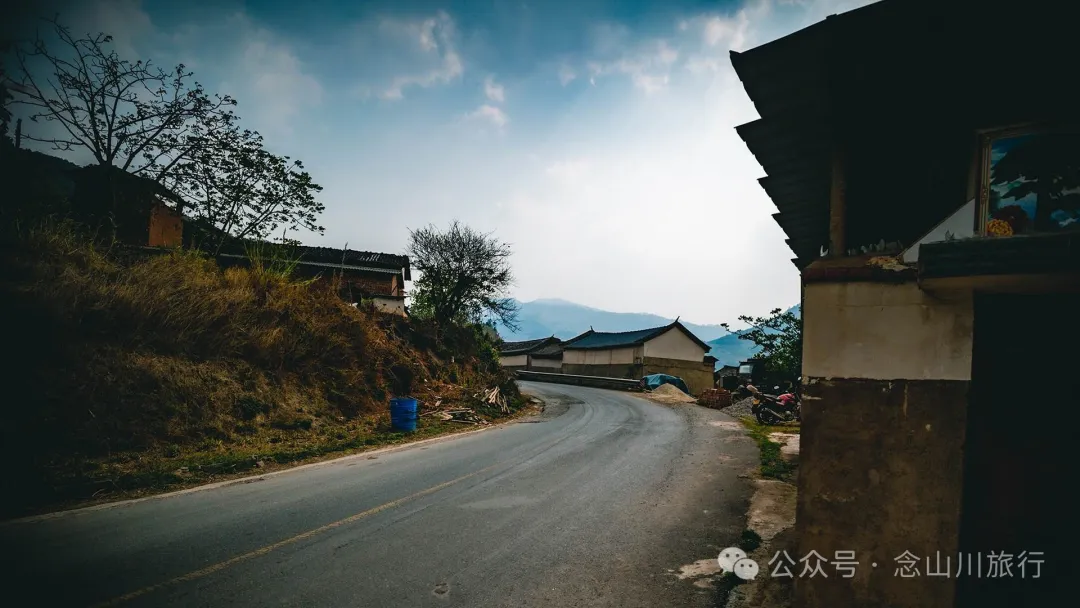
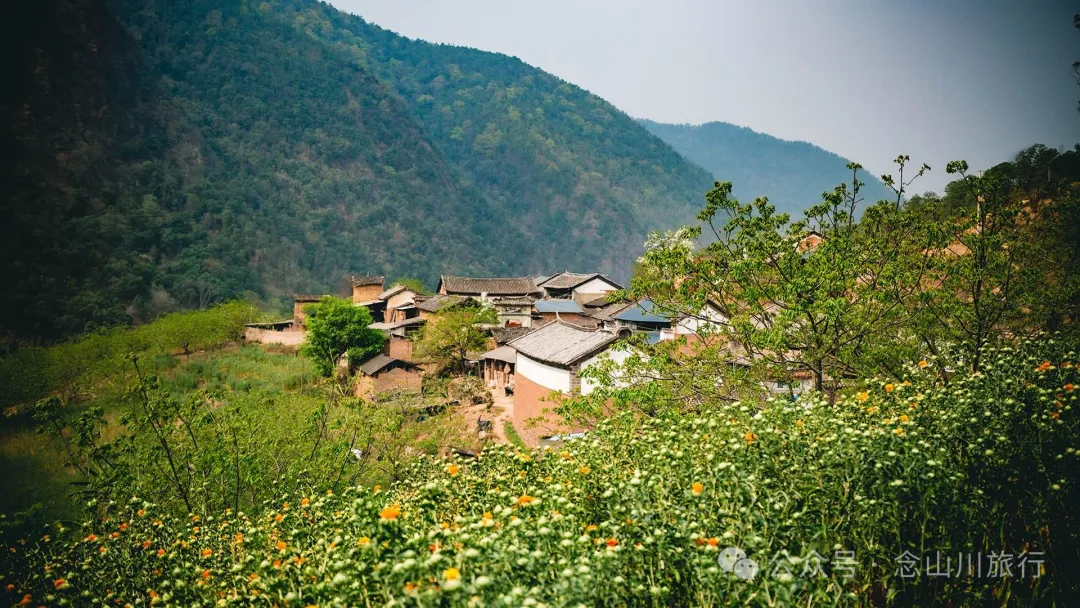
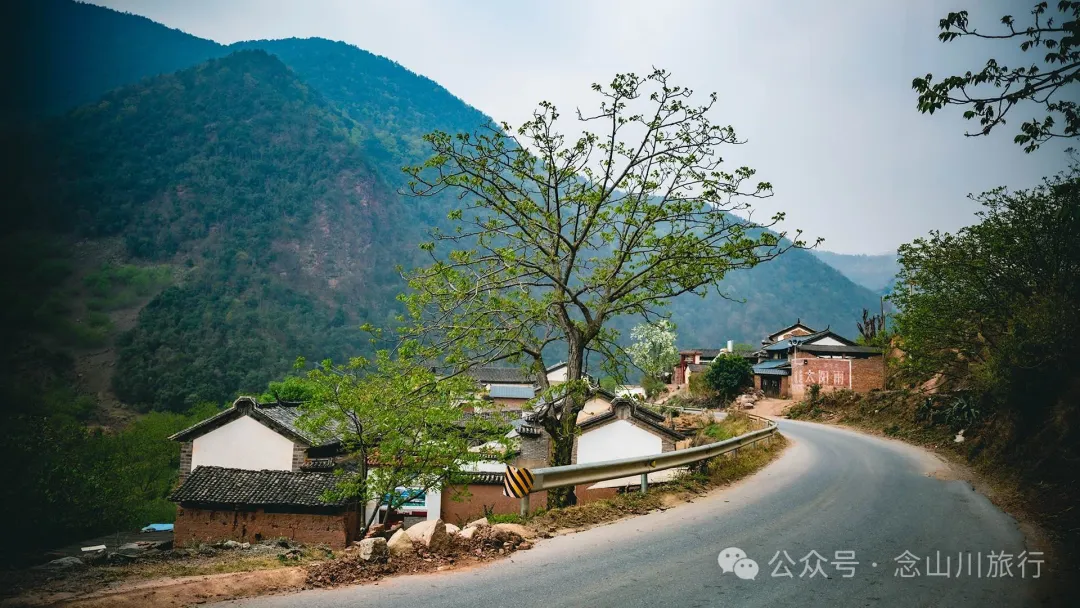
Malishu Village, marked as Malishu on the map, likely got its name from the abundance of oak trees (Quercus acutissima). The oak is a deciduous tree, 15–20 meters tall, with dark gray, deeply fissured bark. Its leaves are elliptic or ovate-lanceolate, 9–20 cm long and 3–7 cm wide, with serrated, bristle-tipped margins. Male flowers cluster in new leaf axils, while female flowers appear in groups of 1–3 in old leaf axils. The acorn cup is cup-shaped, and the nut is long-ovoid or ovoid-globose, light brown.
Oak trees mainly grow in temperate zones, often on sunny slopes or hilly areas at altitudes of 60–2200 meters. They prefer light and moisture, tolerate drought and poor soil, but are sensitive to waterlogging and salinity, and are cold-resistant. Their hard, wear-resistant wood is used in construction and furniture; the acorn cups and bark yield tannin; leaves serve as food for tussah silkworms; wood and sawdust can cultivate shiitake mushrooms and wood ear; seeds are used for feed and brewing; and they are also planted for windbreaks, firebreaks, and water conservation forests. Both the fruit and bark have medicinal uses.
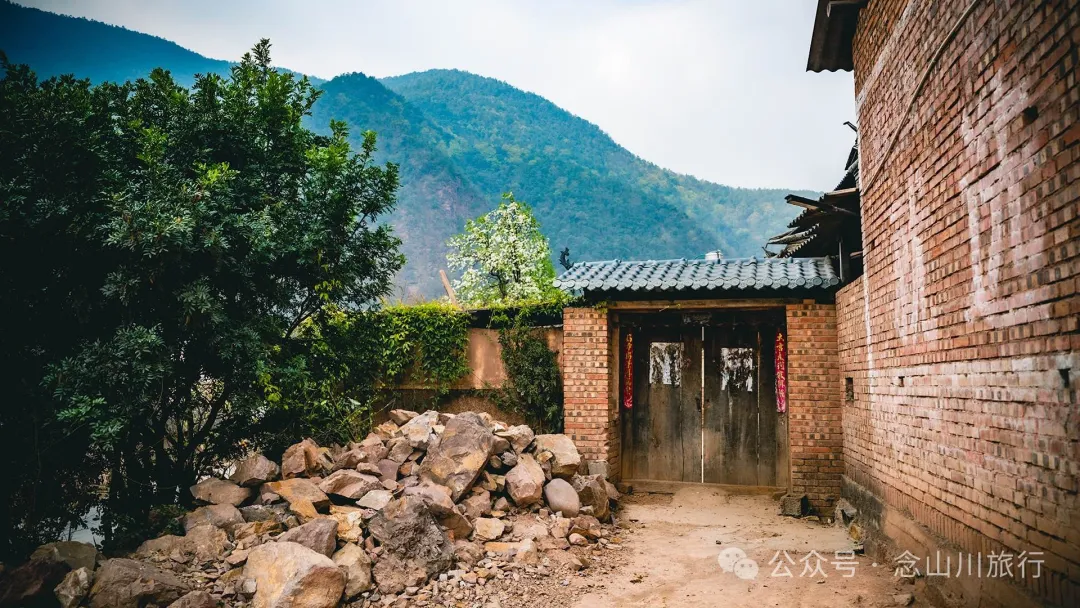
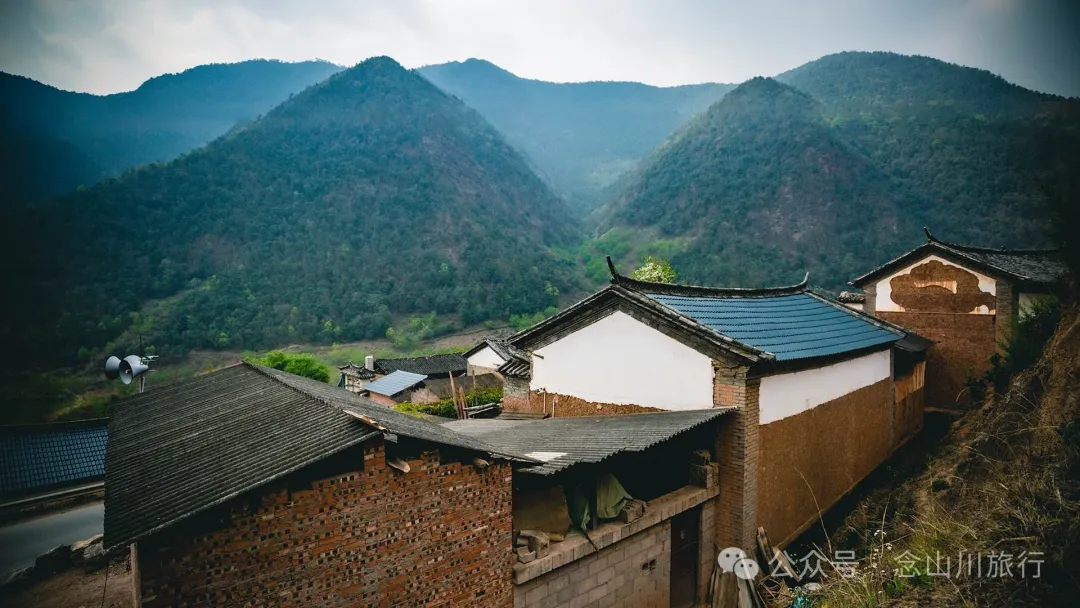
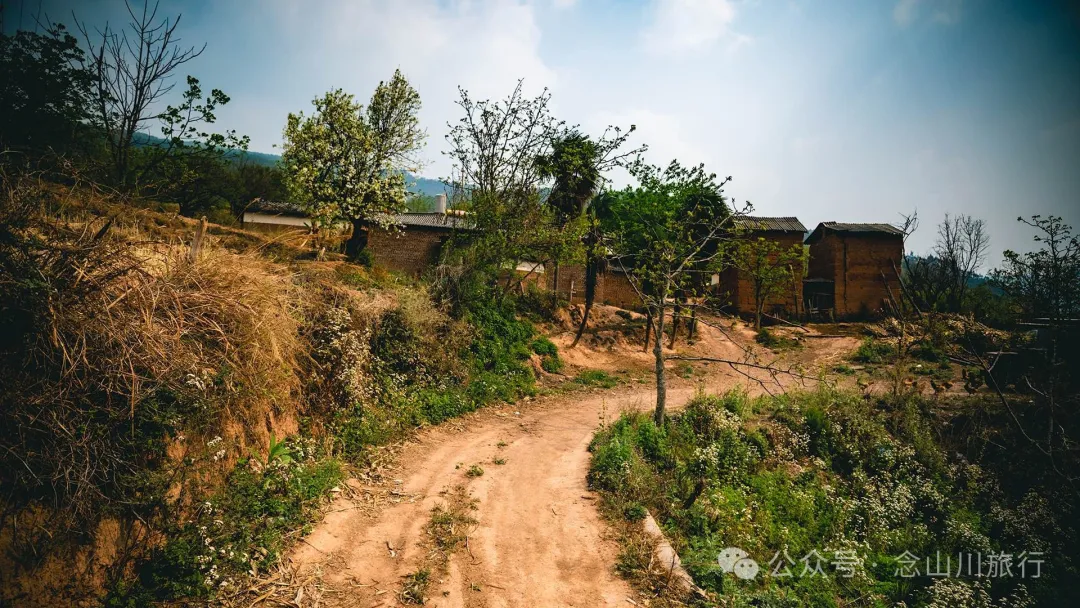
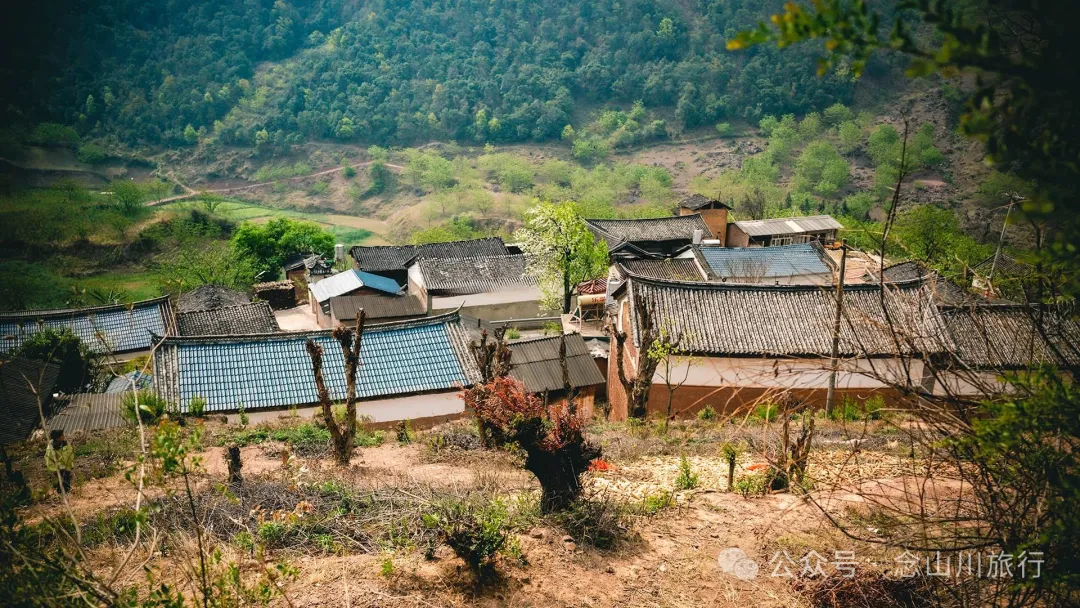
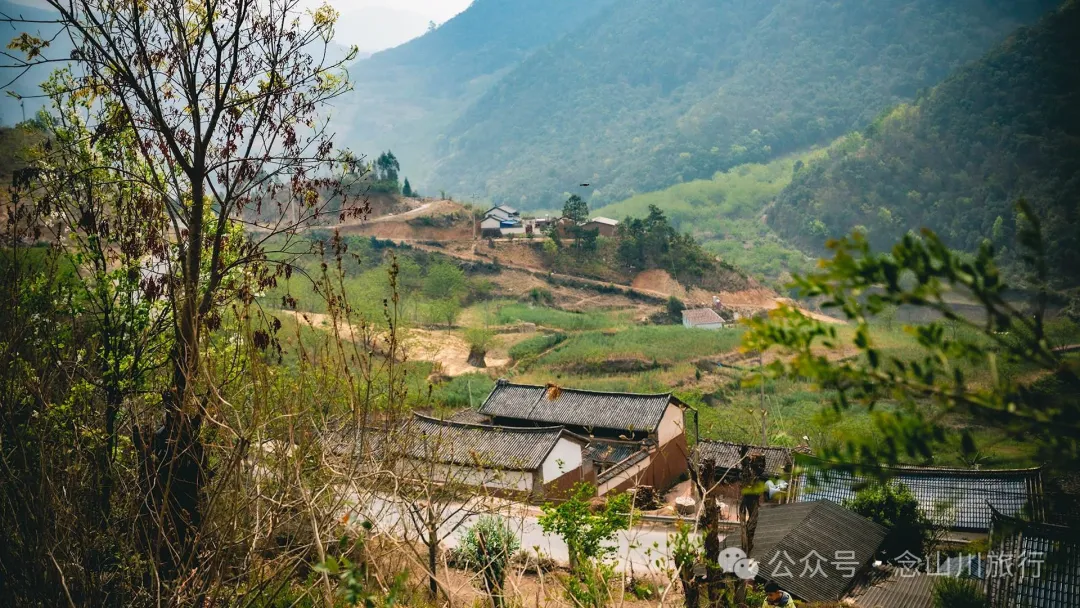
Unfortunately, we did not spot any oak trees while walking through the village. Perhaps this season belongs to the pear trees, and we overlooked the resilient, self-reliant oaks. Or maybe the oaks grow in the nearby mountains, waiting for passersby. Malishu Village, a human settlement, mirrors the oak tree—tenaciously surviving and thriving in the barren mountains.
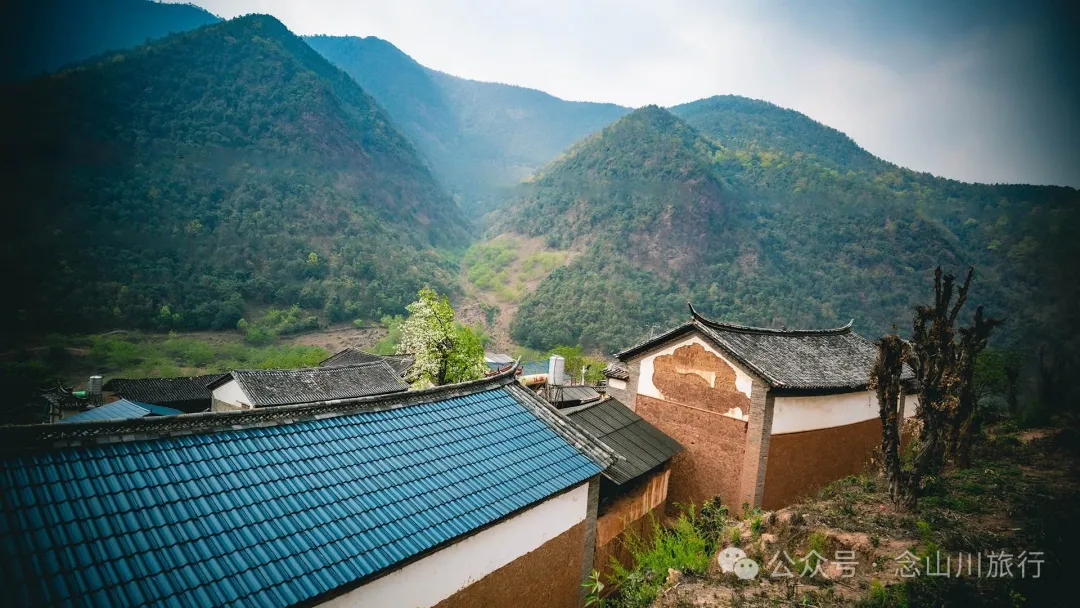
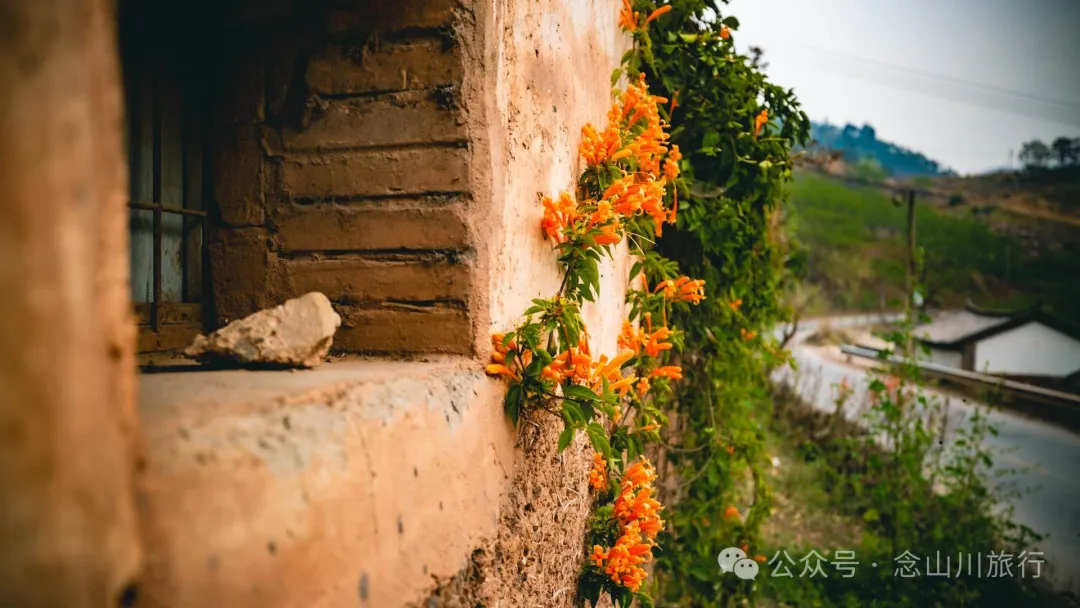
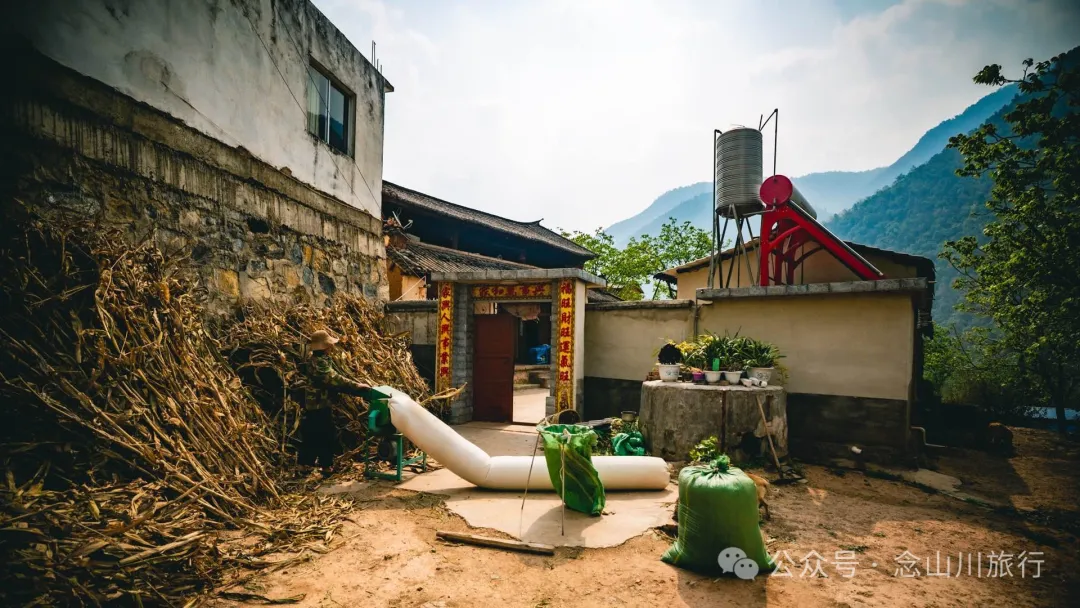
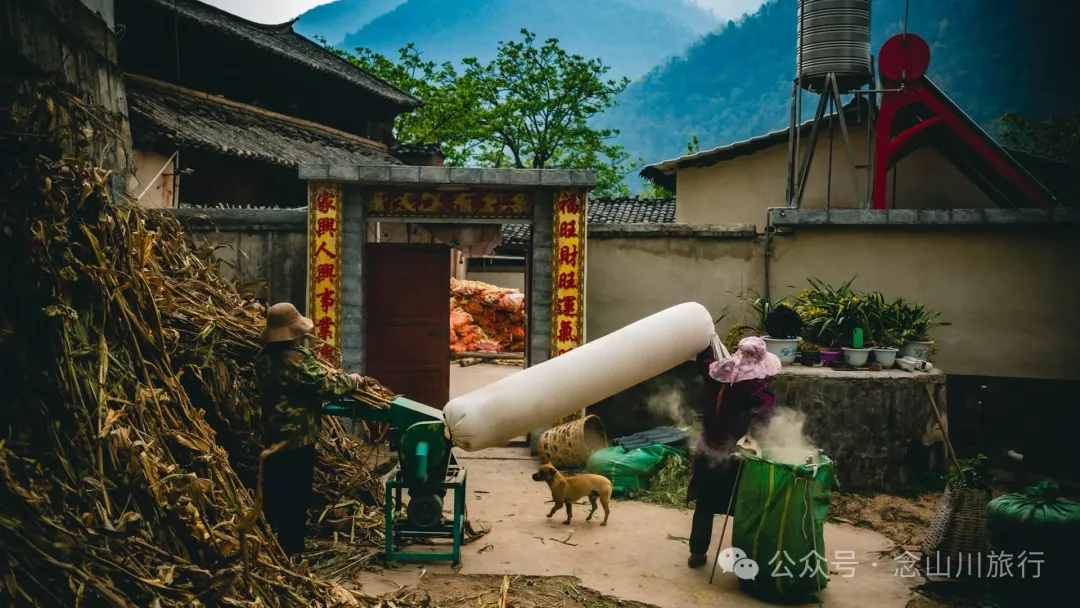
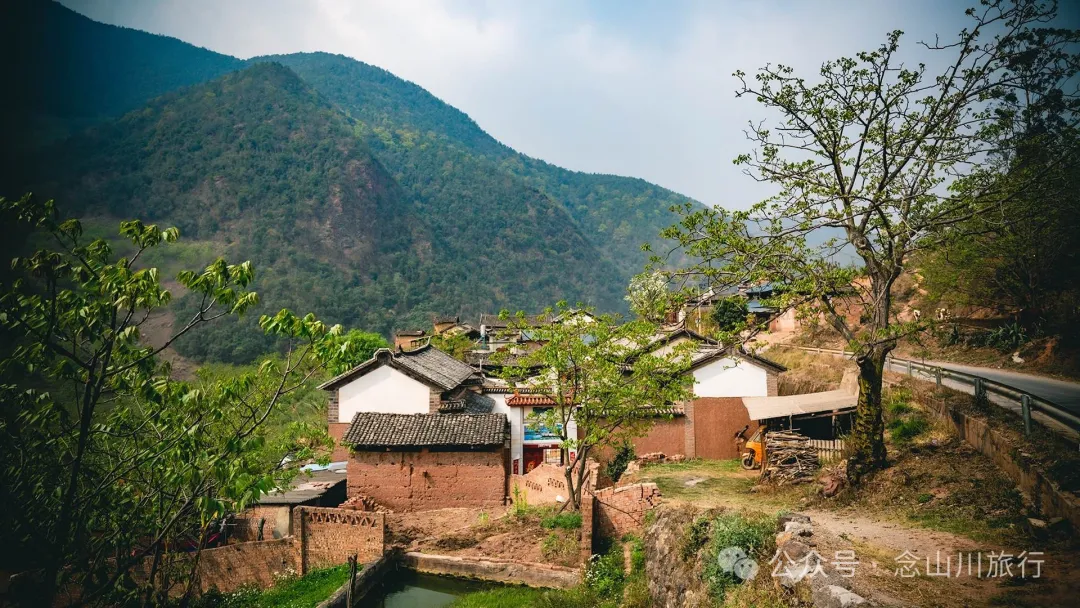
Malishu Village is a small Han Chinese village of about twenty households, located along the asphalt road from Weishan county town to Wuyin Township. The road splits the village in two, yet despite frequent traffic, the village's unique tranquility remains undisturbed. We paused at a farmer's house where a machine roared, watching curiously as they worked. The machine was a grinder; the man fed dried corn stalks from last year into it, while the woman bagged the fine chaff from the conveyor belt. This chaff is cattle feed, a lifeline during the lean season. The corn cobs in the yard also feed the yellow cattle and other livestock. In these barren mountains, nothing goes to waste.
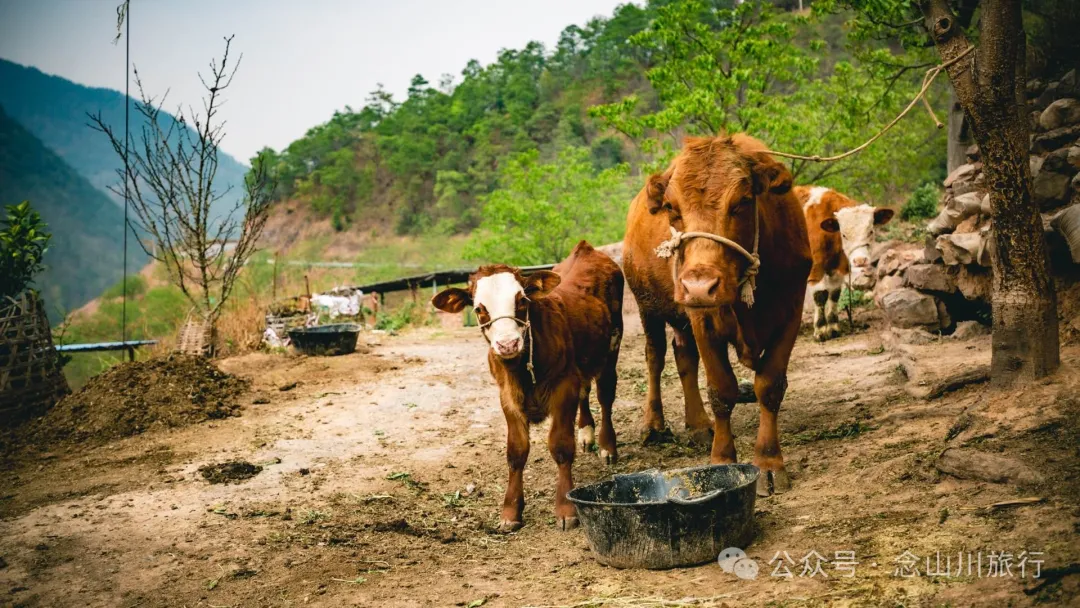
The family kept several yellow cattle, requiring a lot of feed. A young calf stared at us strangers with eager eyes—no fear, no rejection, just a kind curiosity. Truly, a newborn calf is innocent and adorable.
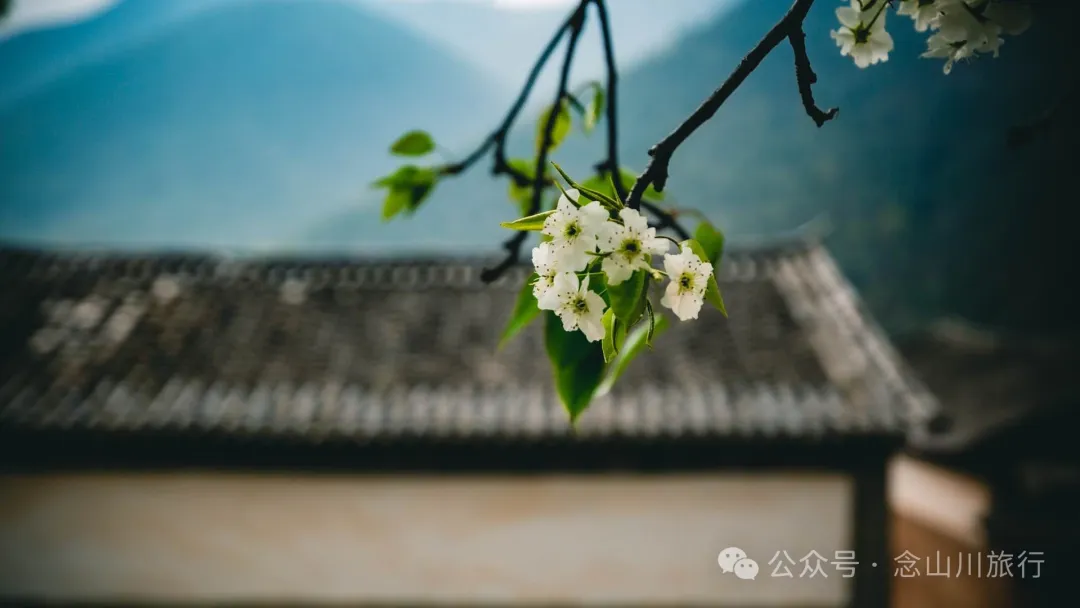
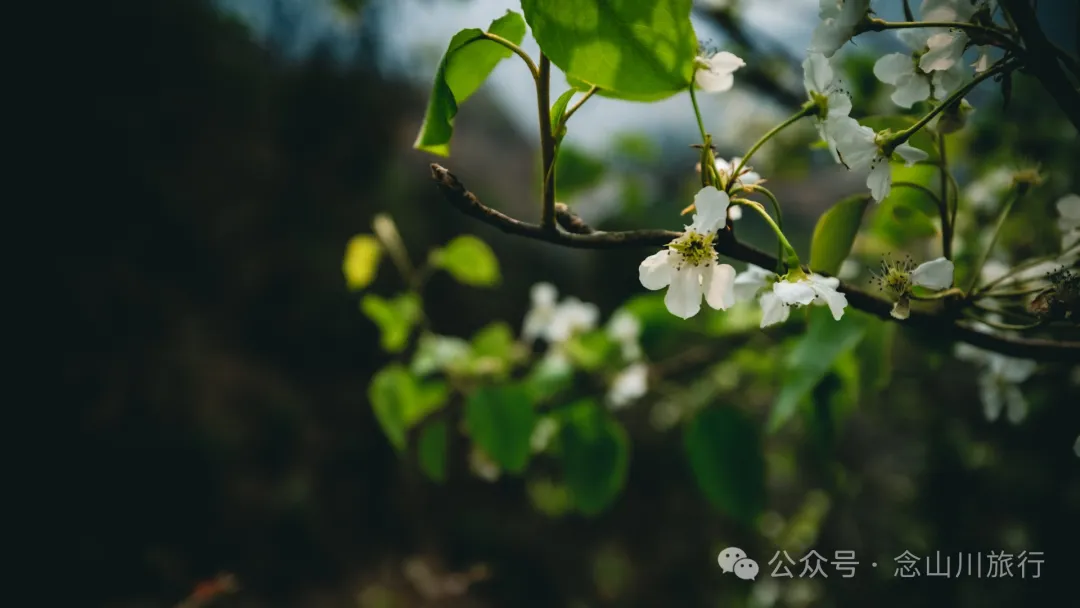
The pear blossoms, framed by nearby tiled roofs and distant peaks, evoked a unique charm, stirring deep nostalgia. How long has it been since a wandering son sat under the pear tree, admiring the snowy white blossoms? And how long has it been since this snowy white tree heard the hearty laughter of a wanderer?
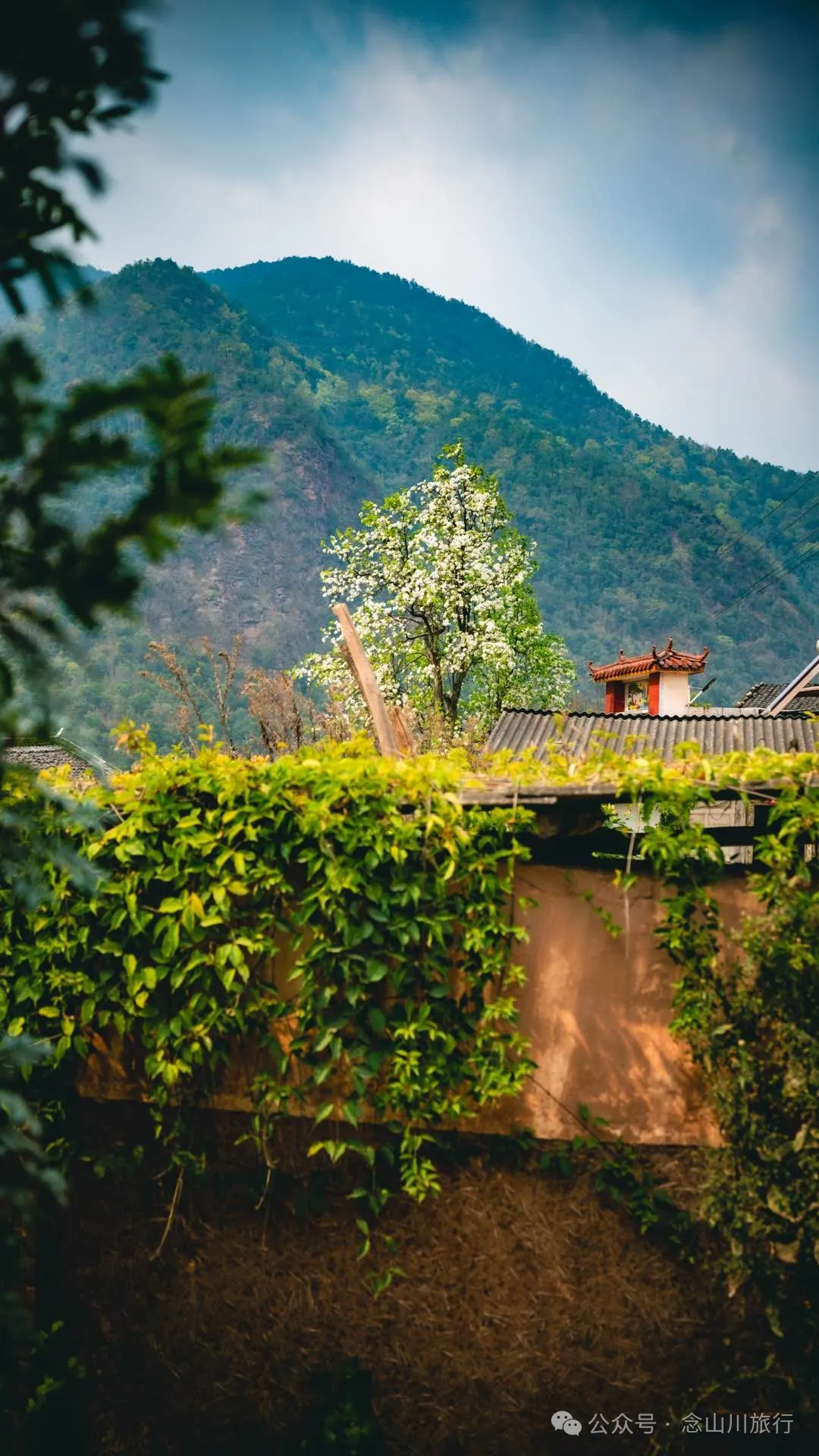
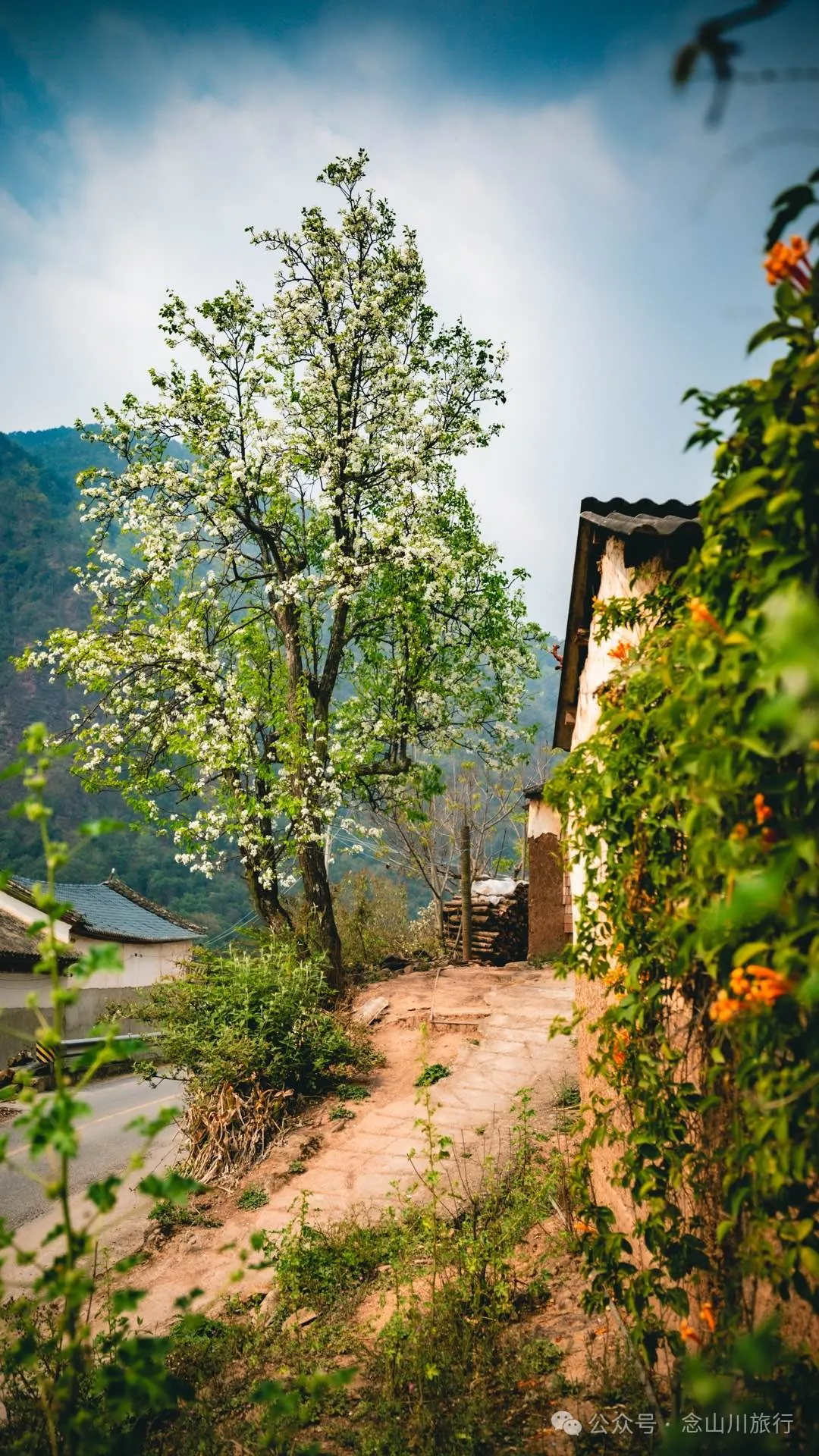
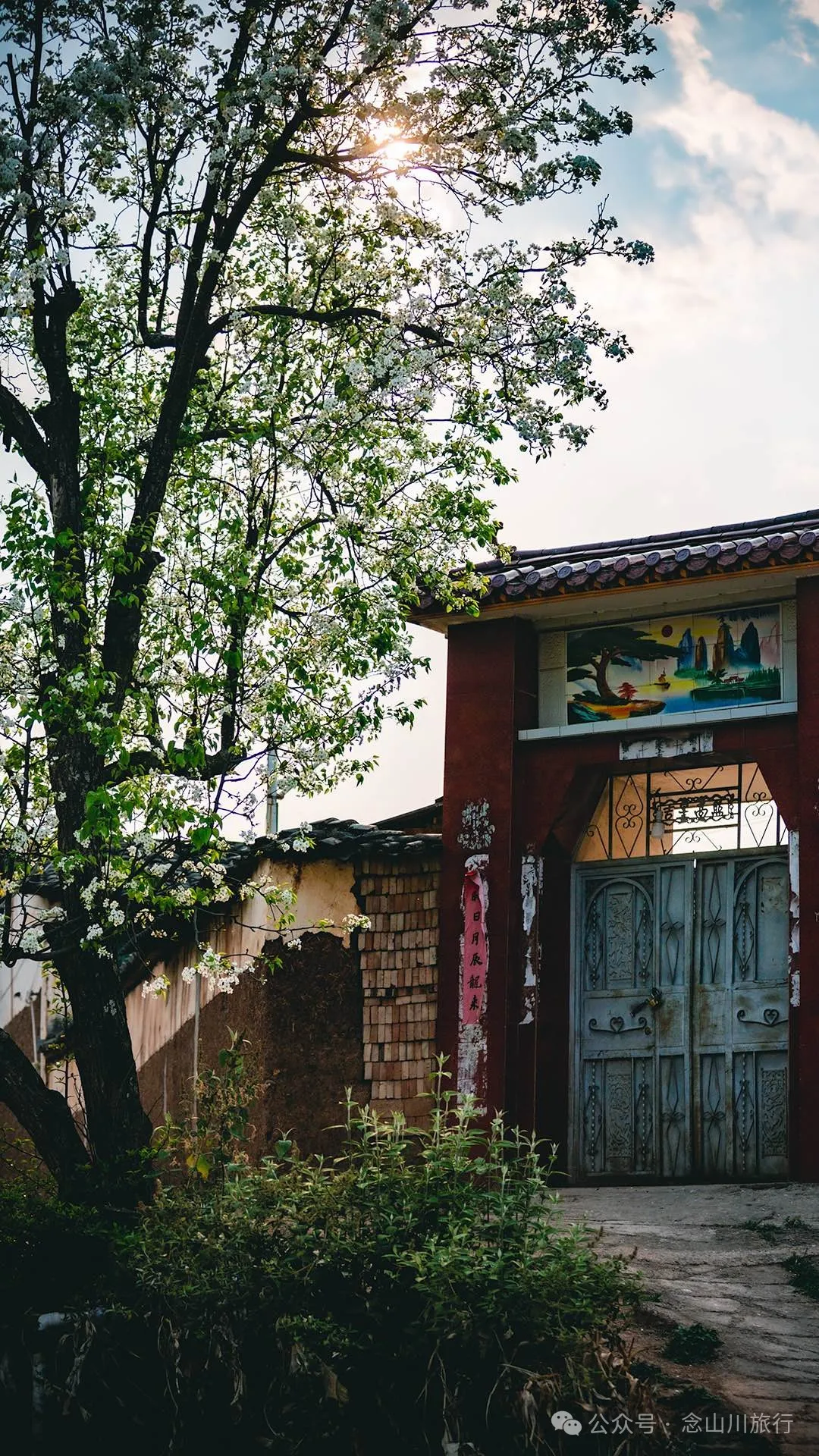
We came from the direction of the setting sun. Passing through Malishu Village again, I couldn't help but stop once more to gaze at the tall pear tree by the road and the home beside it. Just as in the daytime, the farmhouse gate was locked, the wanderer still far away. Only the gentle, warm sunset light murmured softly, soothing each other.