
The car sped along the highway as the weather turned completely gloomy and dark, as if brewing a heavy rain. When we decided to return to Weishan, the villages hidden in the mountains on both sides of the road became a regret. Yanzitou Village—we hadn't even seen this name on the map—yet unexpectedly, we stumbled upon it.
There was a sign by the road indicating ancient tree clusters 1.5 kilometers away. Attracted by these words, we quickly braked, turned around, and followed the sign to the location of the ancient trees. The sign didn't specify the exact location of the tree clusters. I imagined we would see a large area of centuries-old trees standing tall between heaven and earth, lush and thriving, somewhere in a pine forest by the road. But we drove along the narrow concrete road for far more than 1.5 kilometers, even taking wrong turns and having to backtrack, yet we still didn't see the scene I had imagined.
It wasn't until we stumbled into Yanzitou Village, hidden deep in the mountains, that with the guidance of the villagers, we finally saw the towering, verdant ancient tree clusters in front of the village. And so, Yanzitou Village became our unexpected encounter.
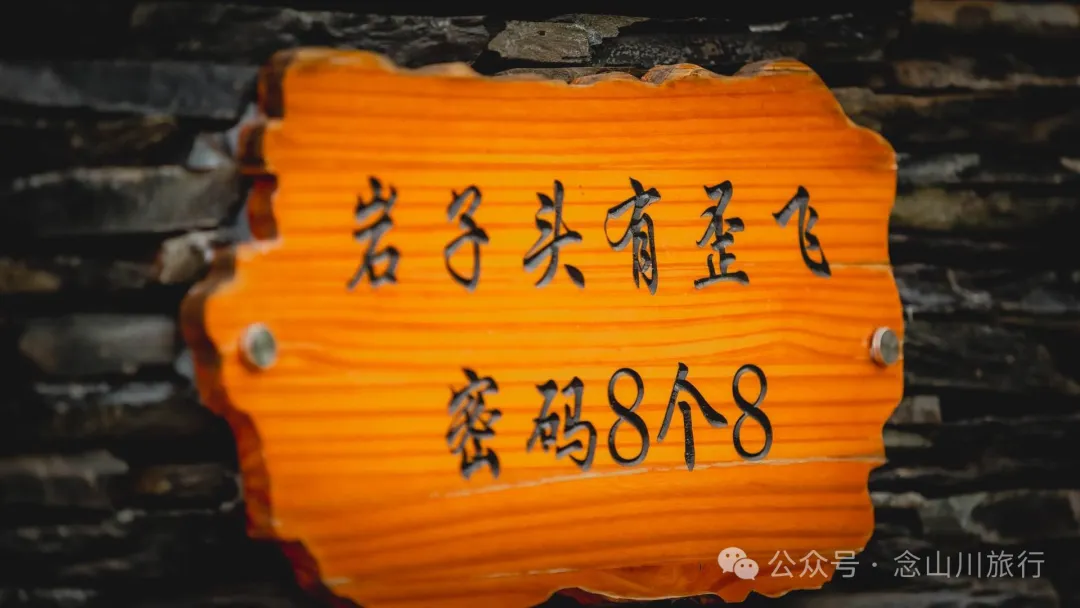
In the deep mountain village, there was a sign saying "waifei," meaning to retain visitors, but where to stay? There seemed to be no guesthouses in the village yet.
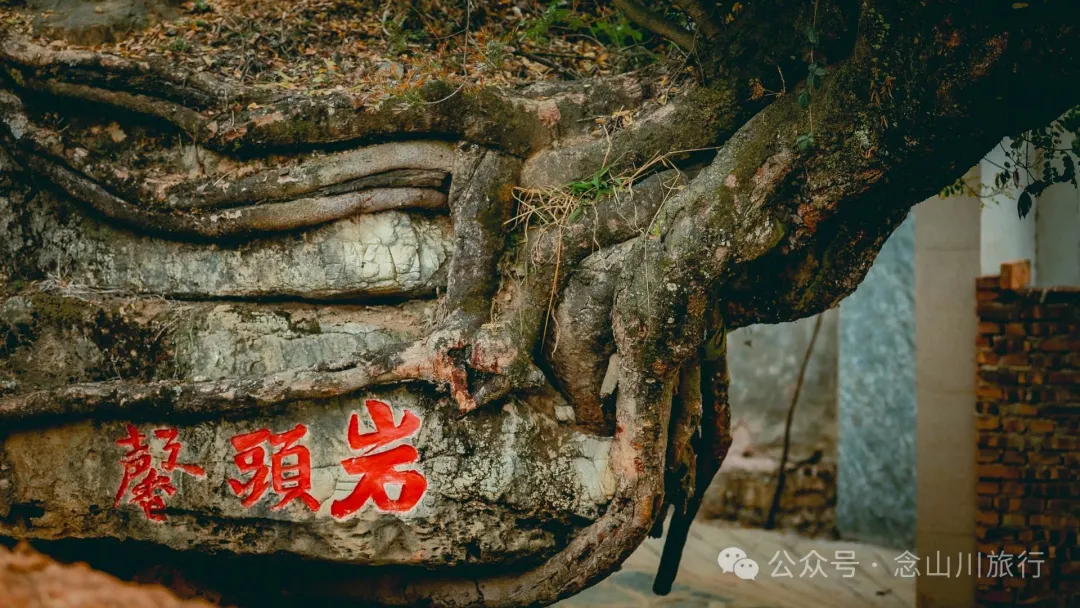
Yanzitou has many ancient trees, with roots exposed above ground as hard as rock. The roots of this tree seemed to have petrified and were carved with large characters as if they were stones.
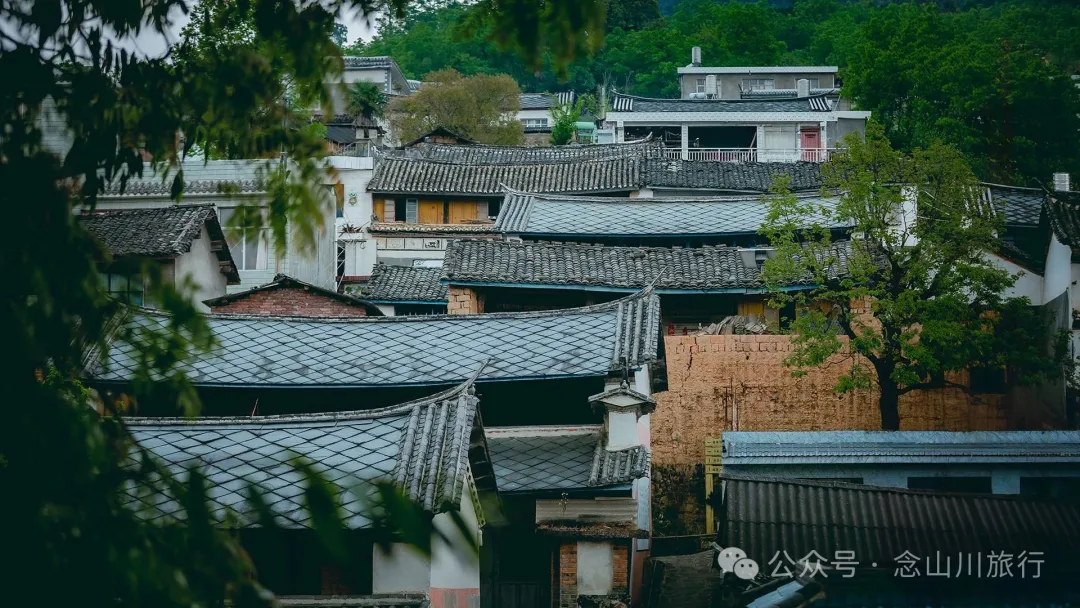
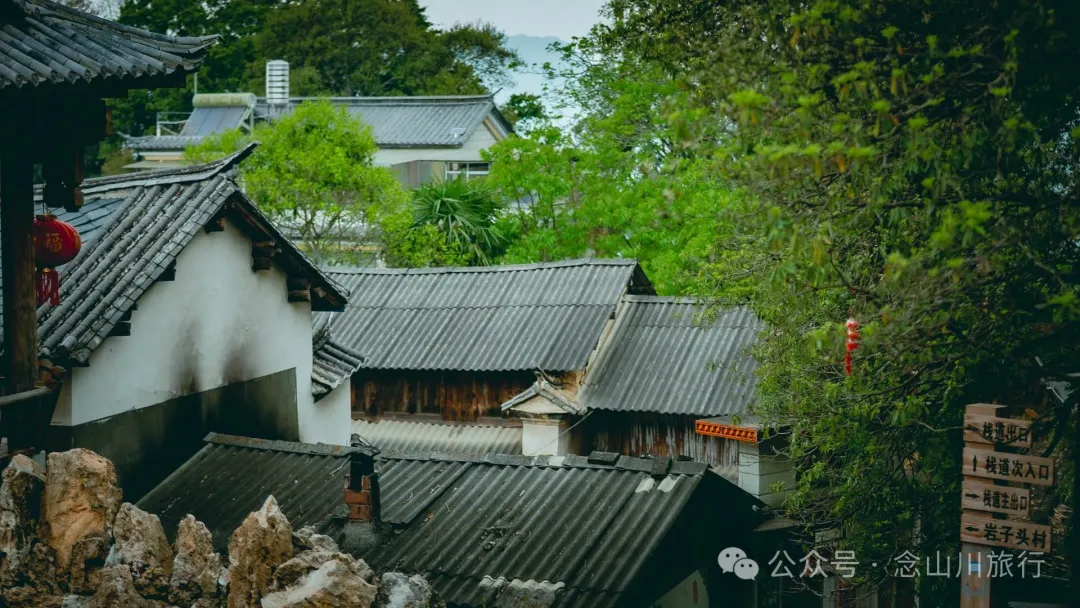
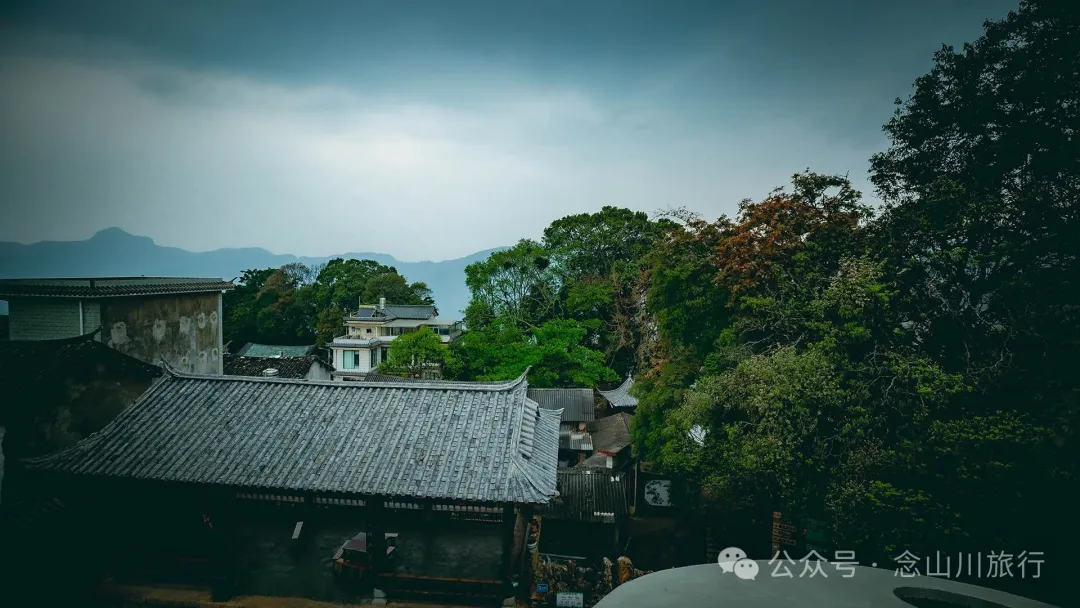
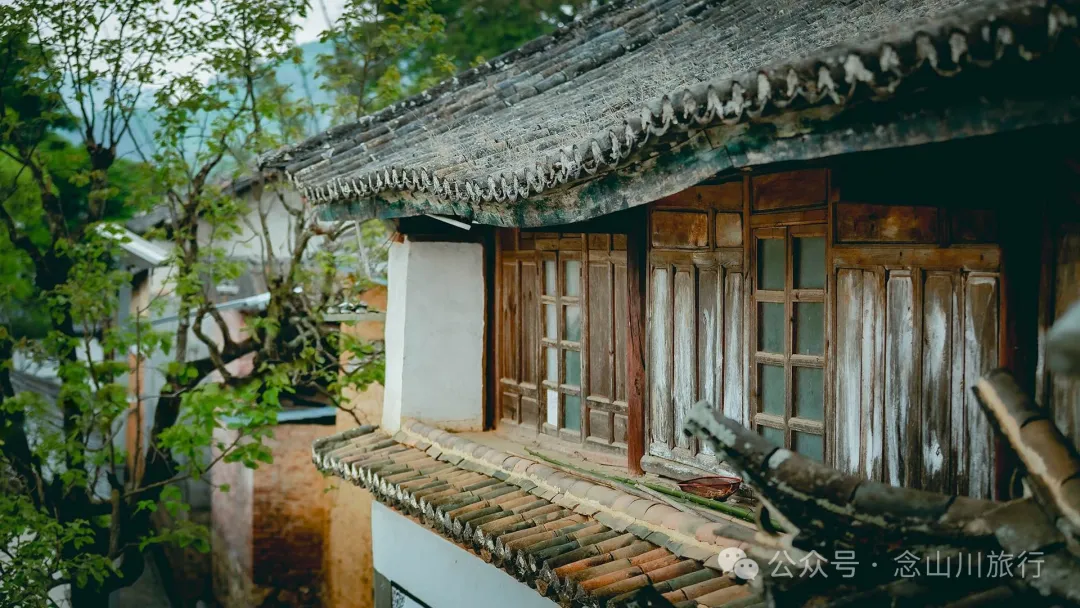
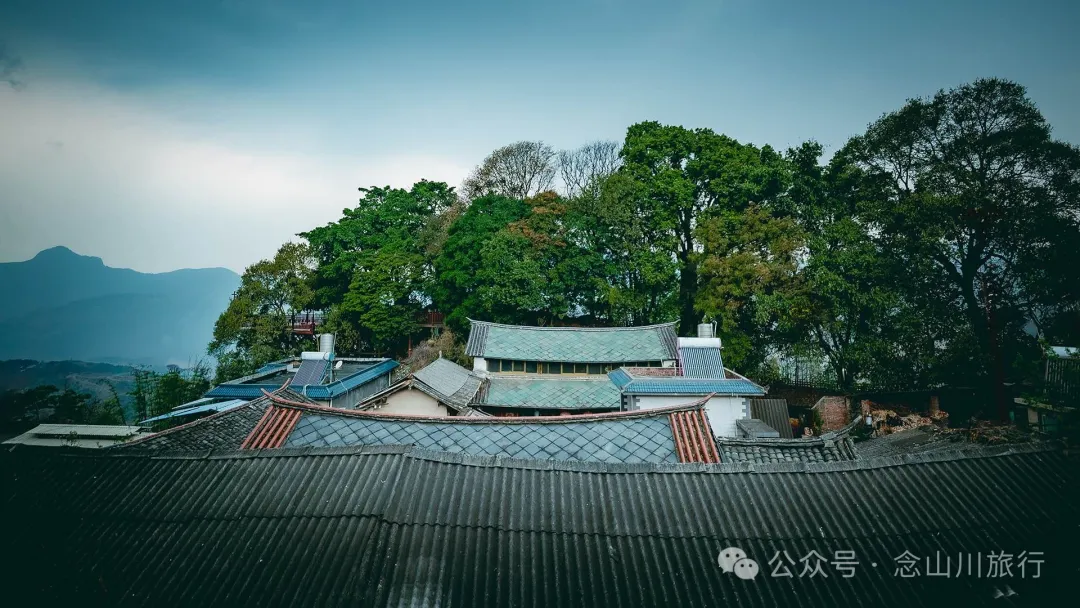
Yanzitou Village gets its name from its location; the entire village is built on rocks, so the villagers call it Yanzitou (Rock Head) Village. It is a village west of Huilongshan Village Committee in Bixi Township, Nanjian County, with a history of over 300 years. There are about 70 households, comprising Yi, Bai, Dai, Li, and Hani ethnic groups, making it a typical multi-ethnic ancient village. However, the uniform architectural style of the village does not reflect this diversity.
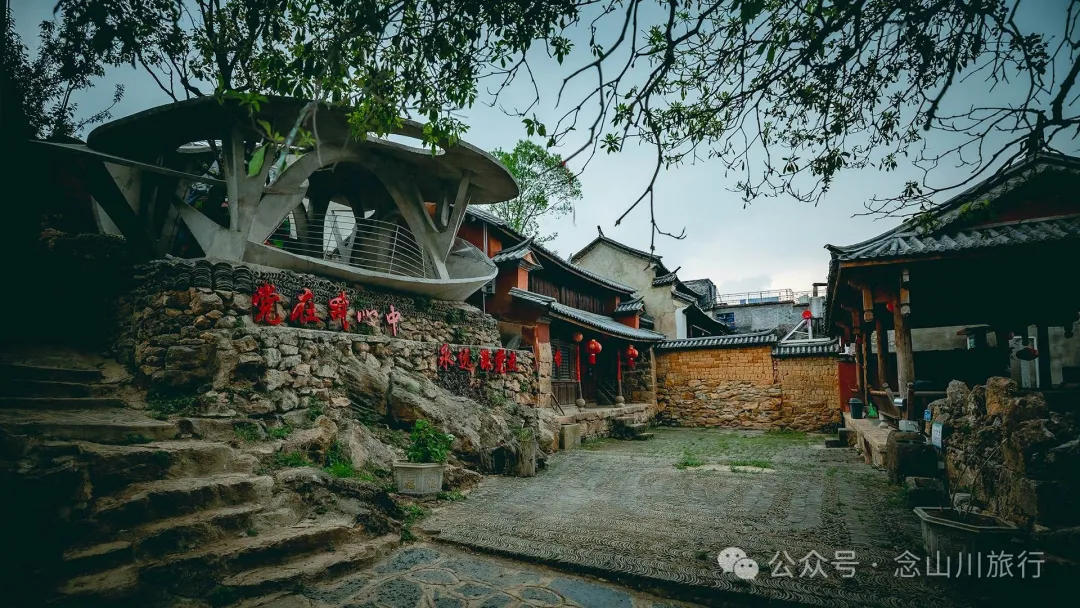
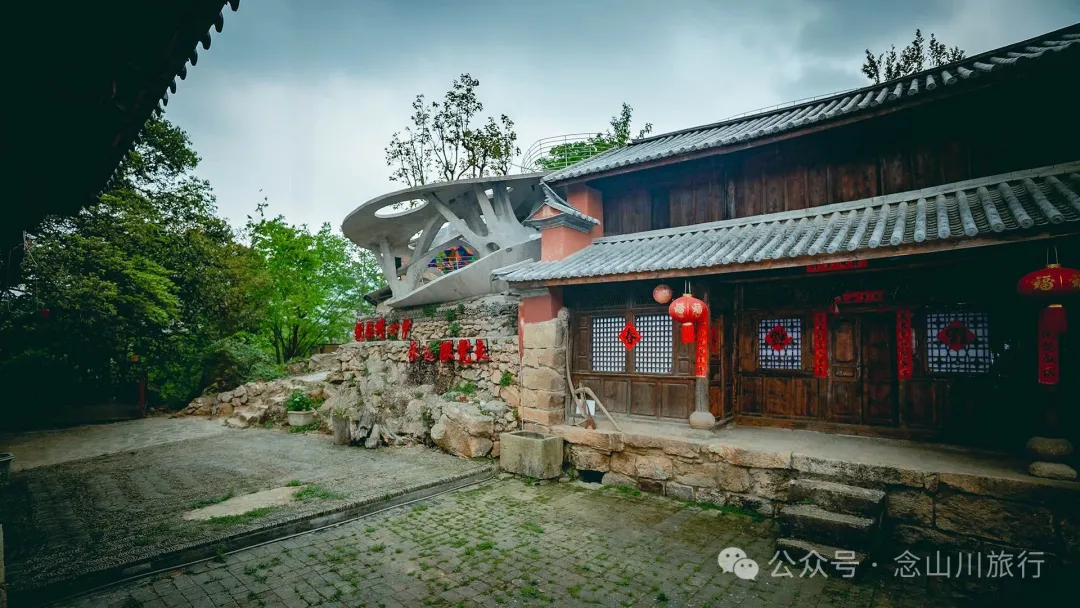
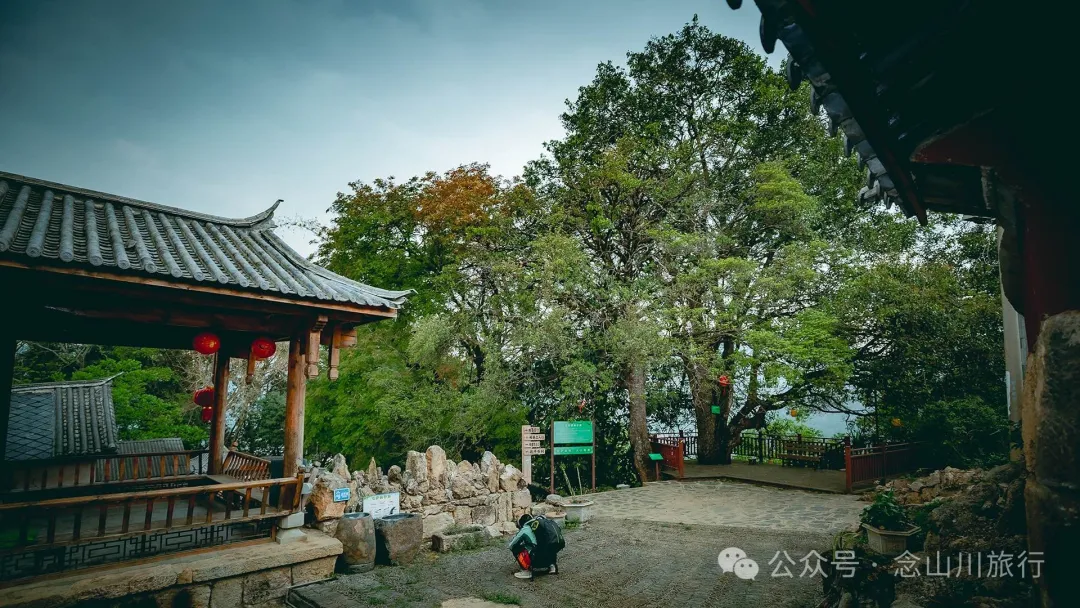
A well-preserved old wooden house in the village, built at the end of the ancient tree corridor, appears to be a place for receiving guests. Opposite the old house is a pavilion for meetings, with seats inside.
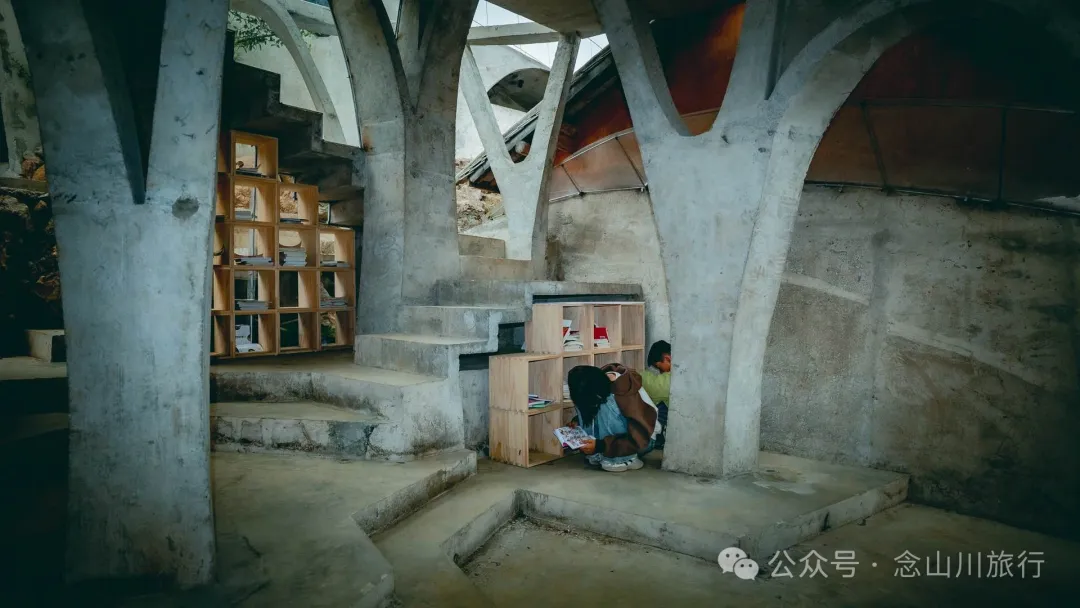
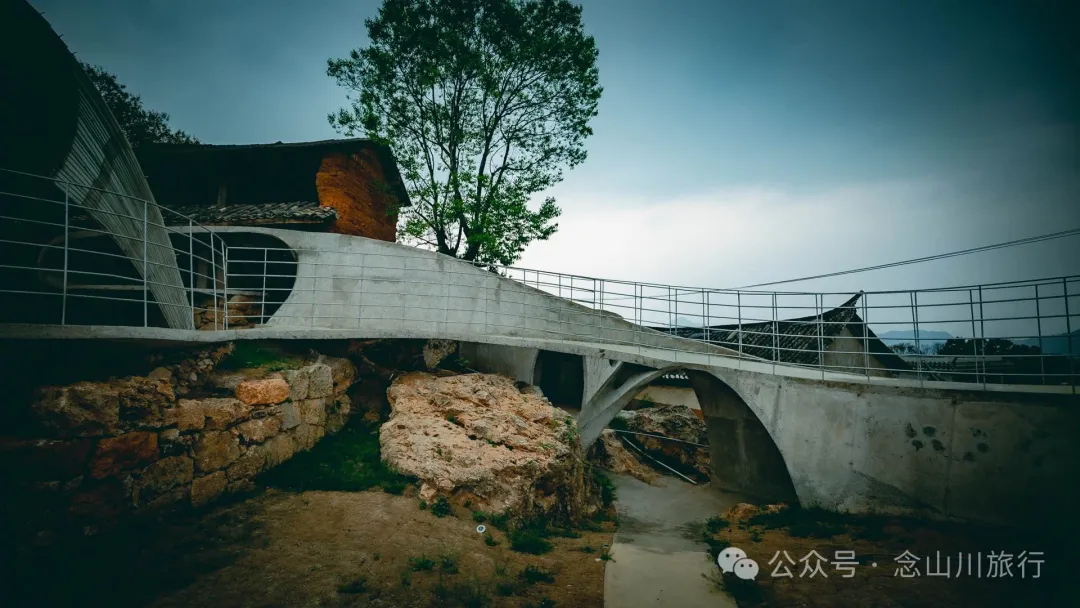
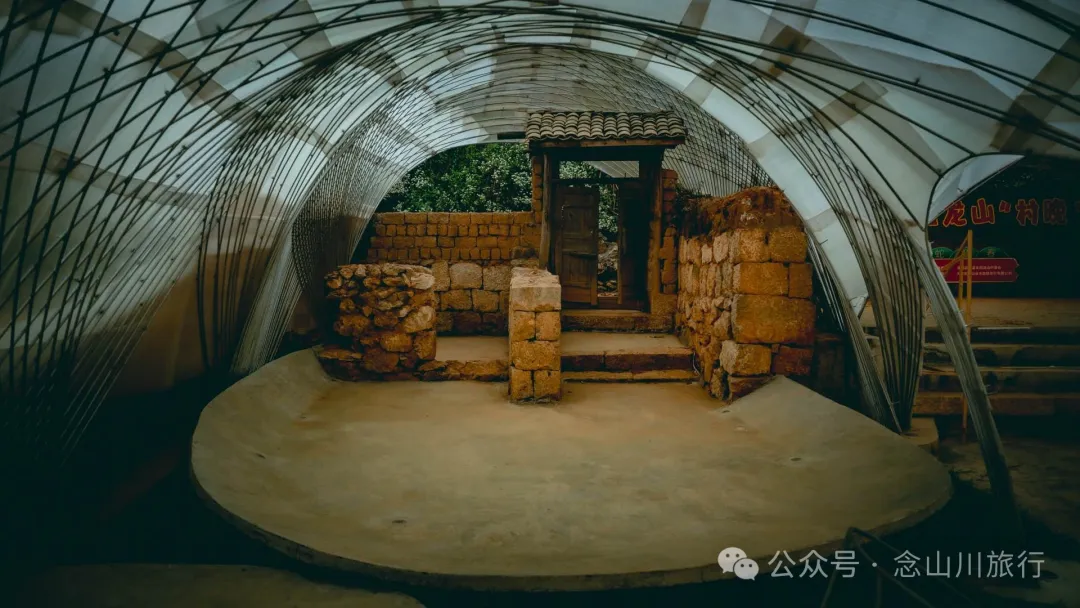
Next to the old house, on a large open space, stands a uniquely styled concrete building. Children, as if discovering a treasure, hide and play in the mushroom-shaped structure. A few months ago, the villagers held a Snake Year "Village Gala" here, and the slogans on the wall remain. When we asked the villagers about this building, we learned it was a newly added children's library. A professional design team once stayed in the village and worked with the villagers to create this children's library. On a shelf in one corner of the library, some children's books were placed, and the children were reading them with great interest.
There is no school in the village; children are sent to nearby towns for education and are only picked up by their parents on weekends. I imagine that's when the children's library is filled with innocent laughter. The children can not only sit in a corner and choose their favorite books to explore but also run, play, and frolic with their peers in this huge building. It has become a paradise for them in this deep mountain village.
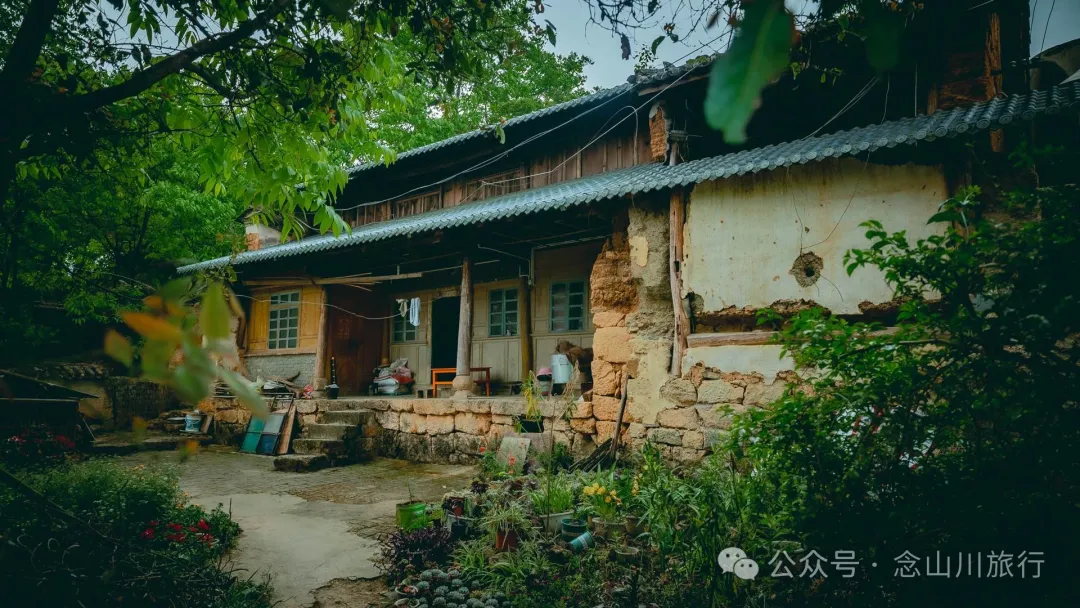
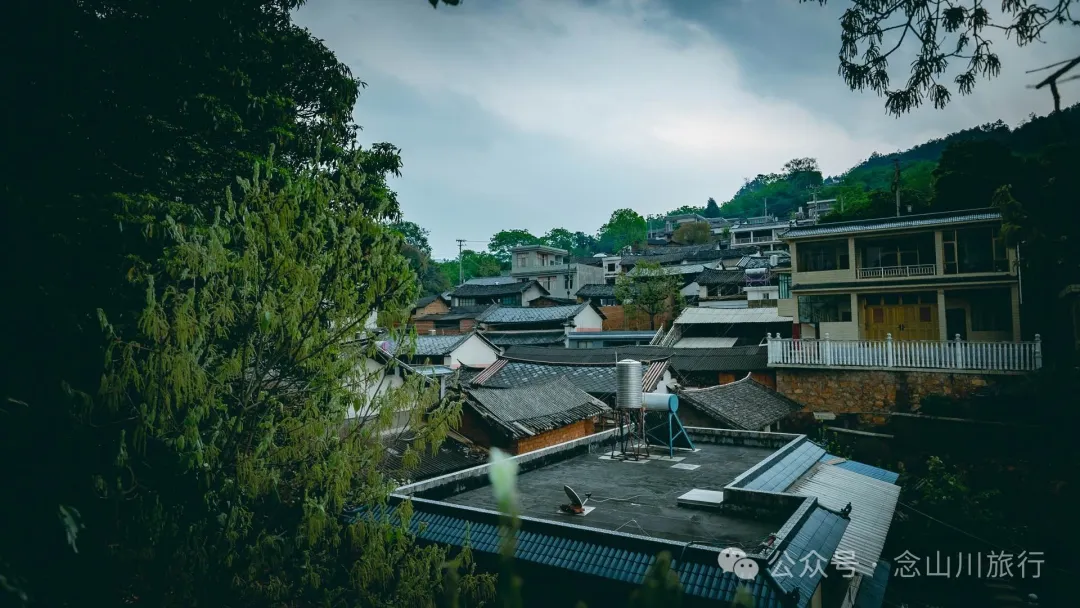
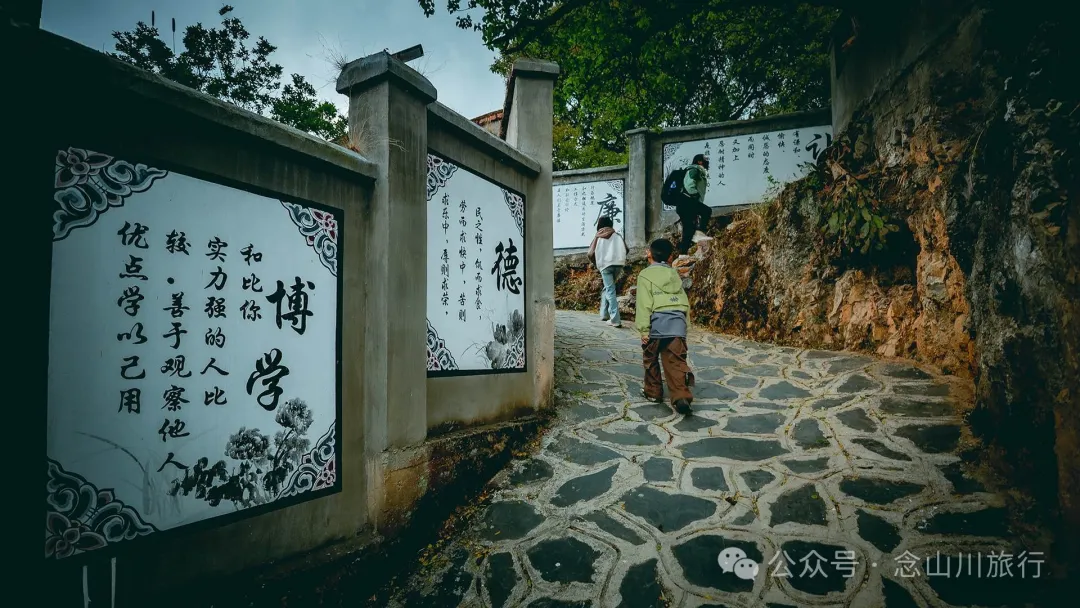
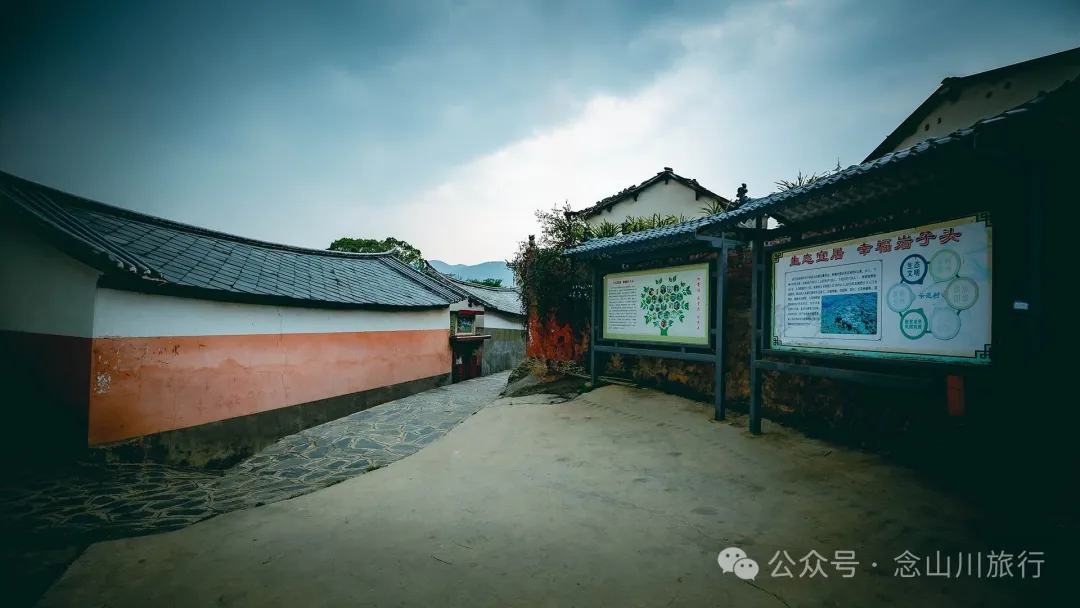
The ancient village, shaded by the ancient tree clusters, seems perpetually enveloped in a silence far from the hustle and bustle. A clear rain finally fell from the clouds above the village, as if intending to wash away the dust in the air and on the ground. The villagers unhurriedly continued their work, but the two aunties chatting by the roadside dispersed—the laundry drying in the courtyard awaited their attention.
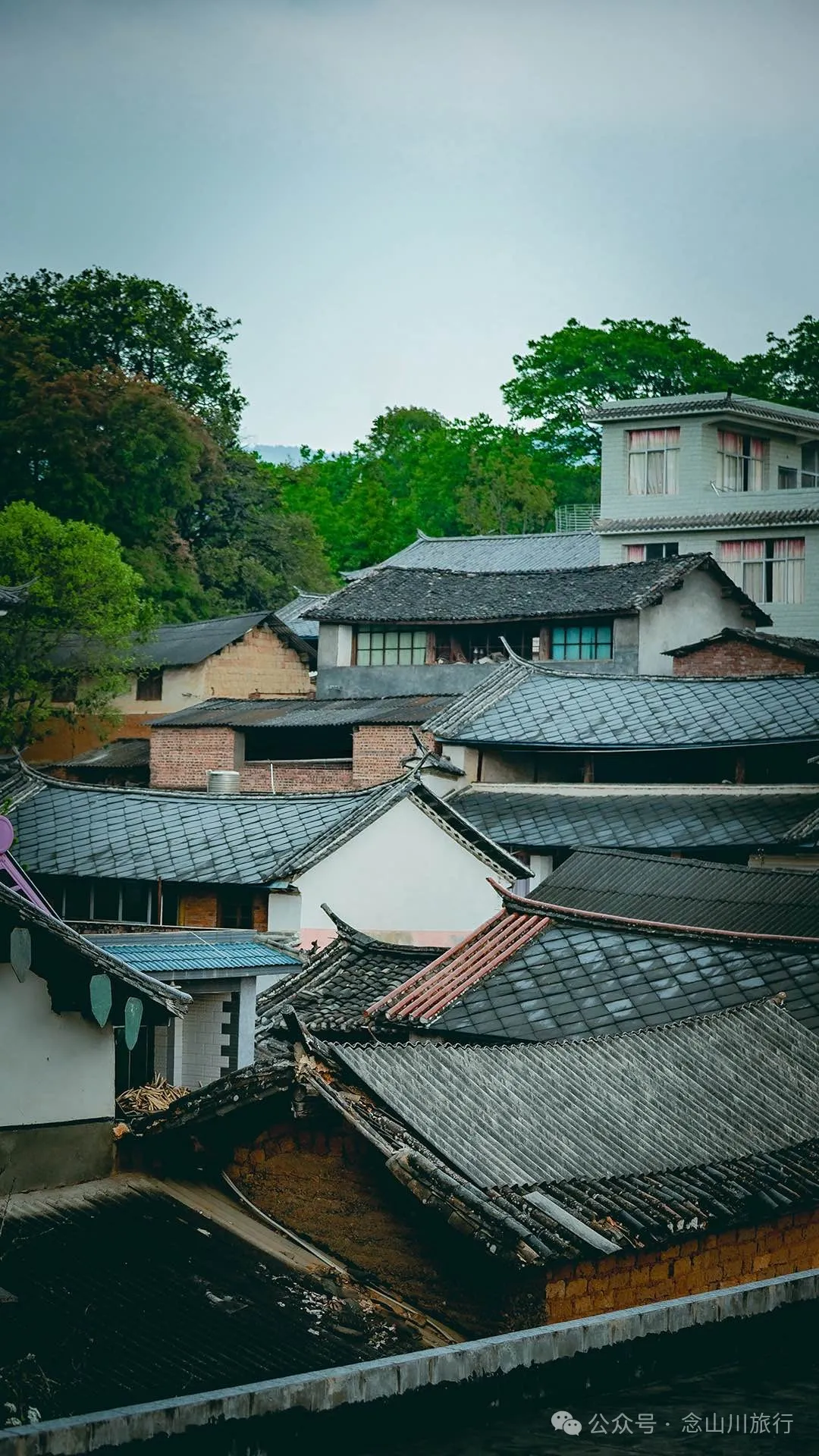
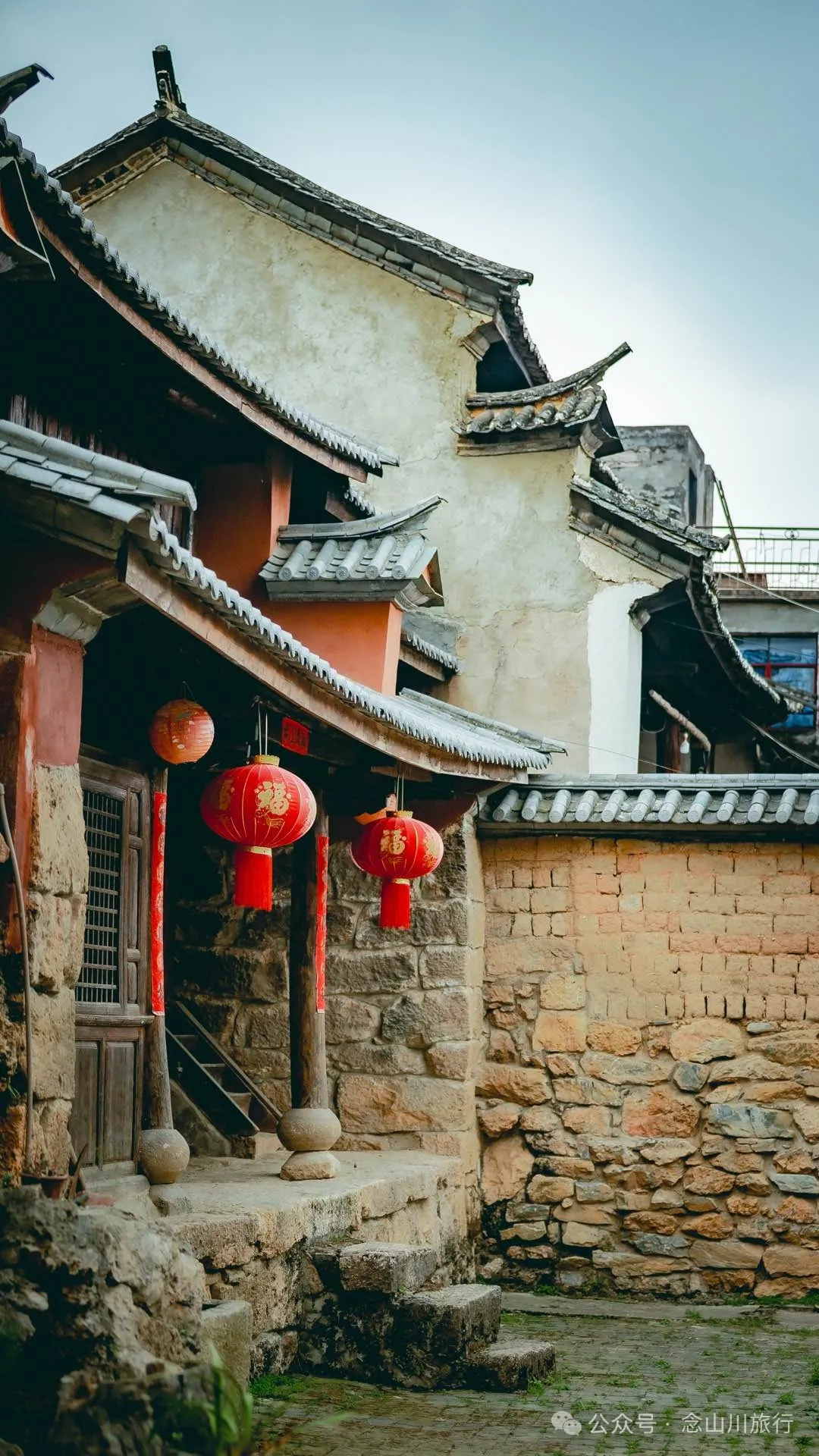
Every time I see such a simple, clean, and tidy gate in a village, I feel a sense of peaceful time flowing within, and I can't help but envy it.
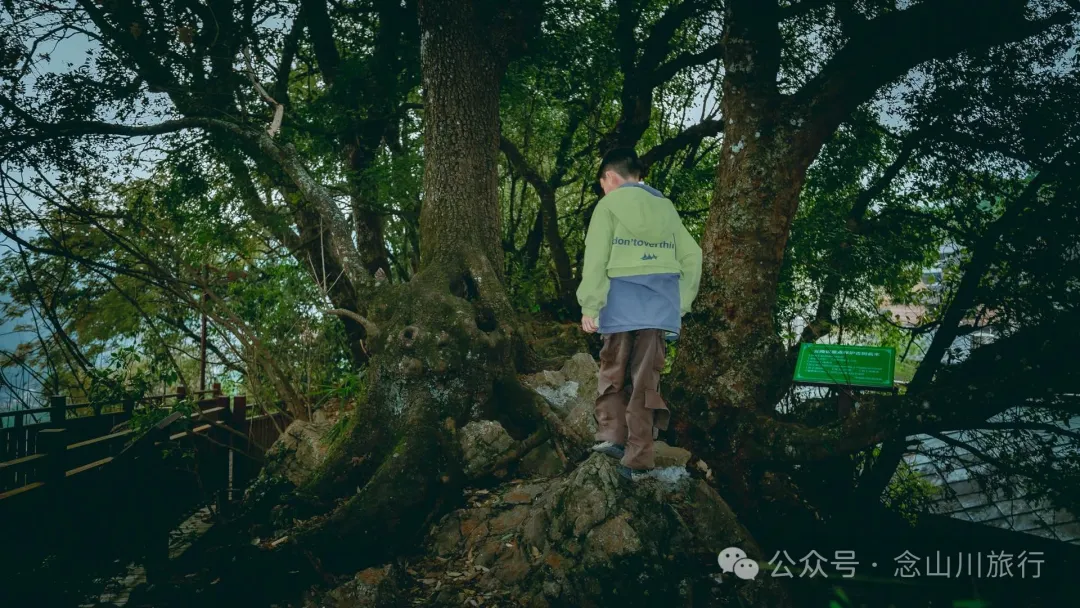
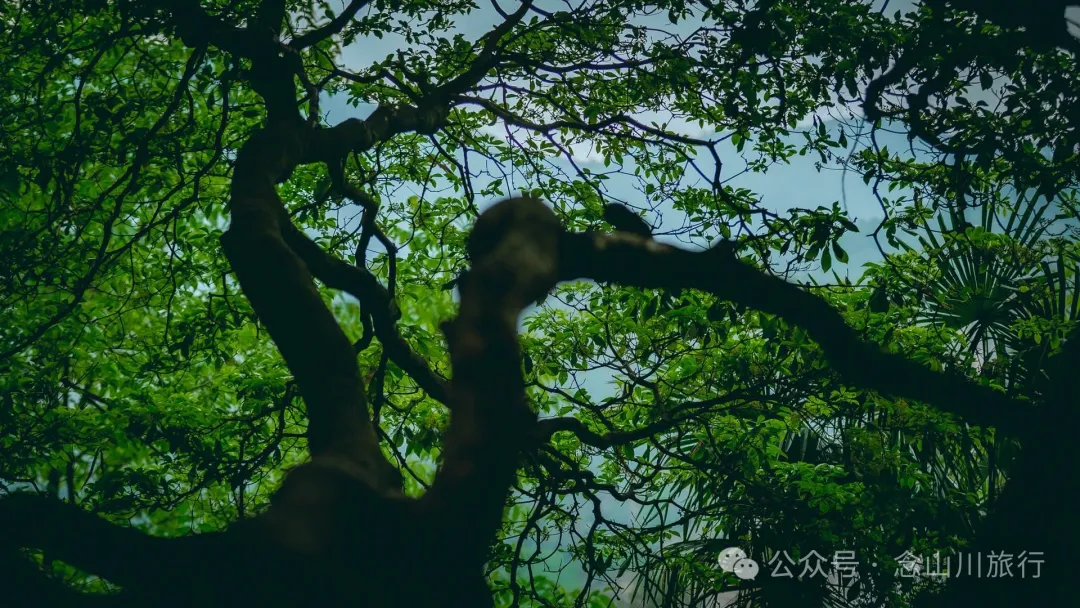
The dozens of ancient trees along the approximately 200-meter-long boardwalk in front of the village were the purpose of our trip. Yanzitou Village has two ancient tree clusters: the Cyclobalanopsis glaucoides-Pistacia weinmannifolia ancient tree cluster and the ancient tea tree cluster. The Cyclobalanopsis glaucoides-Pistacia weinmannifolia community is a natural ancient tree cluster, covering about 6 mu, with 30 ancient trees over 100 years old, involving eight species: Cyclobalanopsis glaucoides, Pistacia weinmannifolia, Machilus yunnanensis, Pittosporum brevicalyx, Pistacia chinensis, Castanopsis delavayi, Ficus neriifolia, and Ulmus pumila. Several of these species we had never seen elsewhere. Among them, there are 14 second-grade ancient trees (300-500 years) and 16 third-grade ancient trees (100-300 years). The ancient tea tree cluster is elsewhere; we didn't have time to visit it. It is said to be an artificial ancient tree cluster, with nearly 100 ancient tea trees, including 7 third-grade ancient tea trees and 1 third-grade Pyrus pashia.
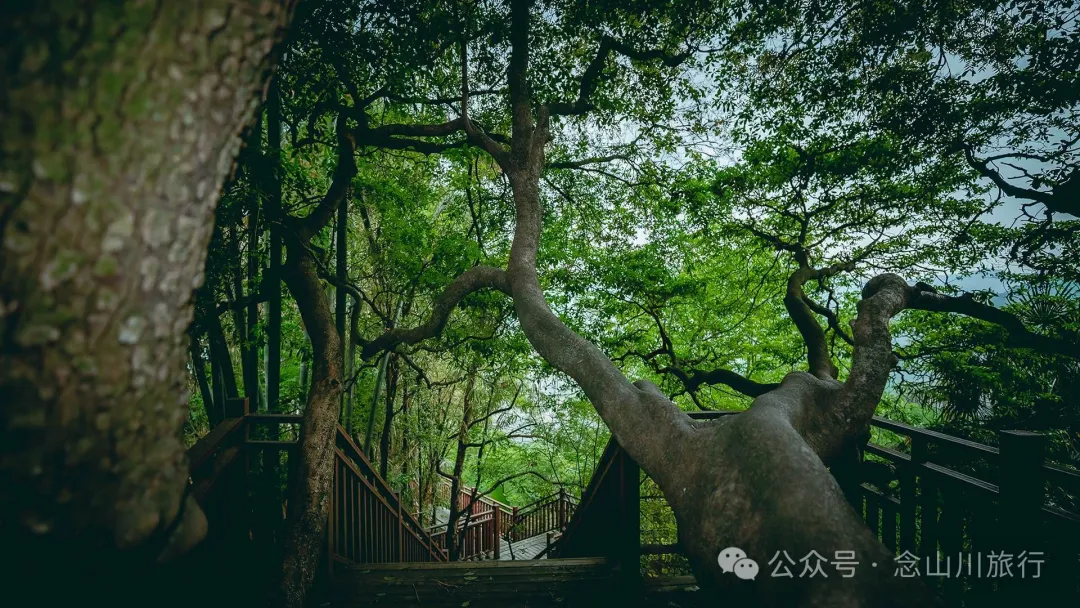
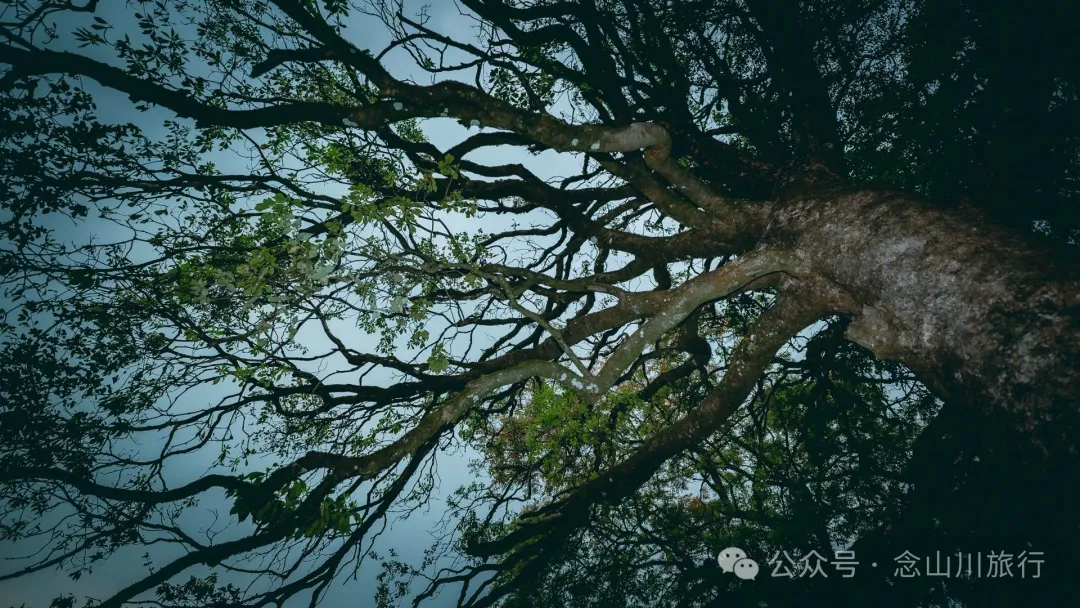
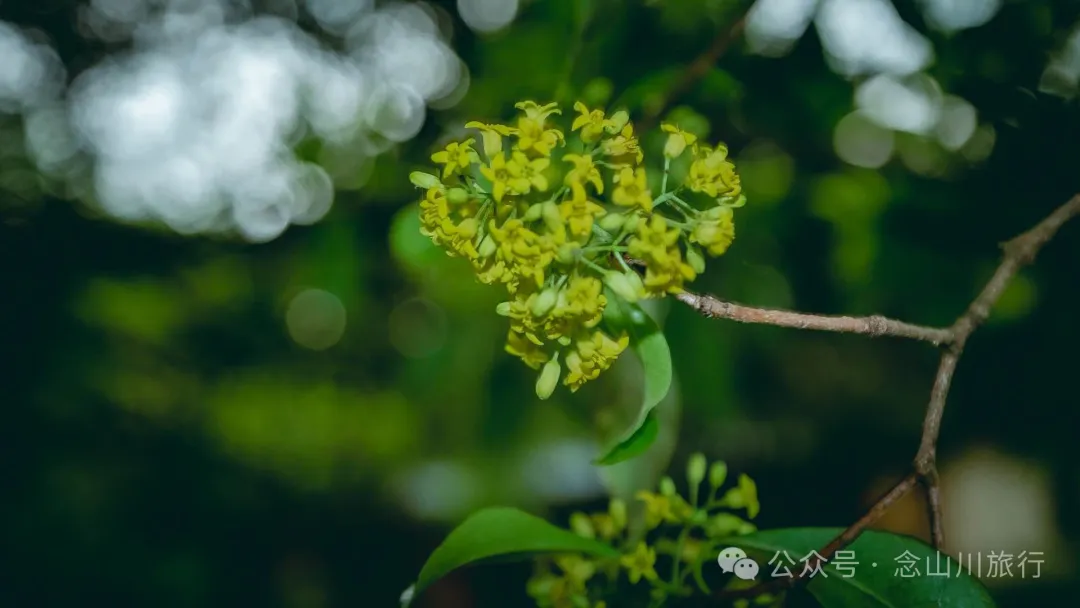
We strolled among the ancient trees, and a refreshing fragrance assailed our nostrils, refreshing our hearts. We were fortunate to encounter the blooming season of a 350-year-old mountain osmanthus (Pittosporum brevicalyx). The umbellate inflorescences held high on the branches, and the fragrance wafted from the small yellow flowers. This flower blooming above my head—did it bloom like this 350 years ago, attracting flower lovers to stop and gaze? The sky was dim, and occasionally a ray of light pierced through the branches and fell on this mountain osmanthus, turning it into a faintly glowing streetlamp, presenting us with a glimmer of light from 350 years ago, fleeting.
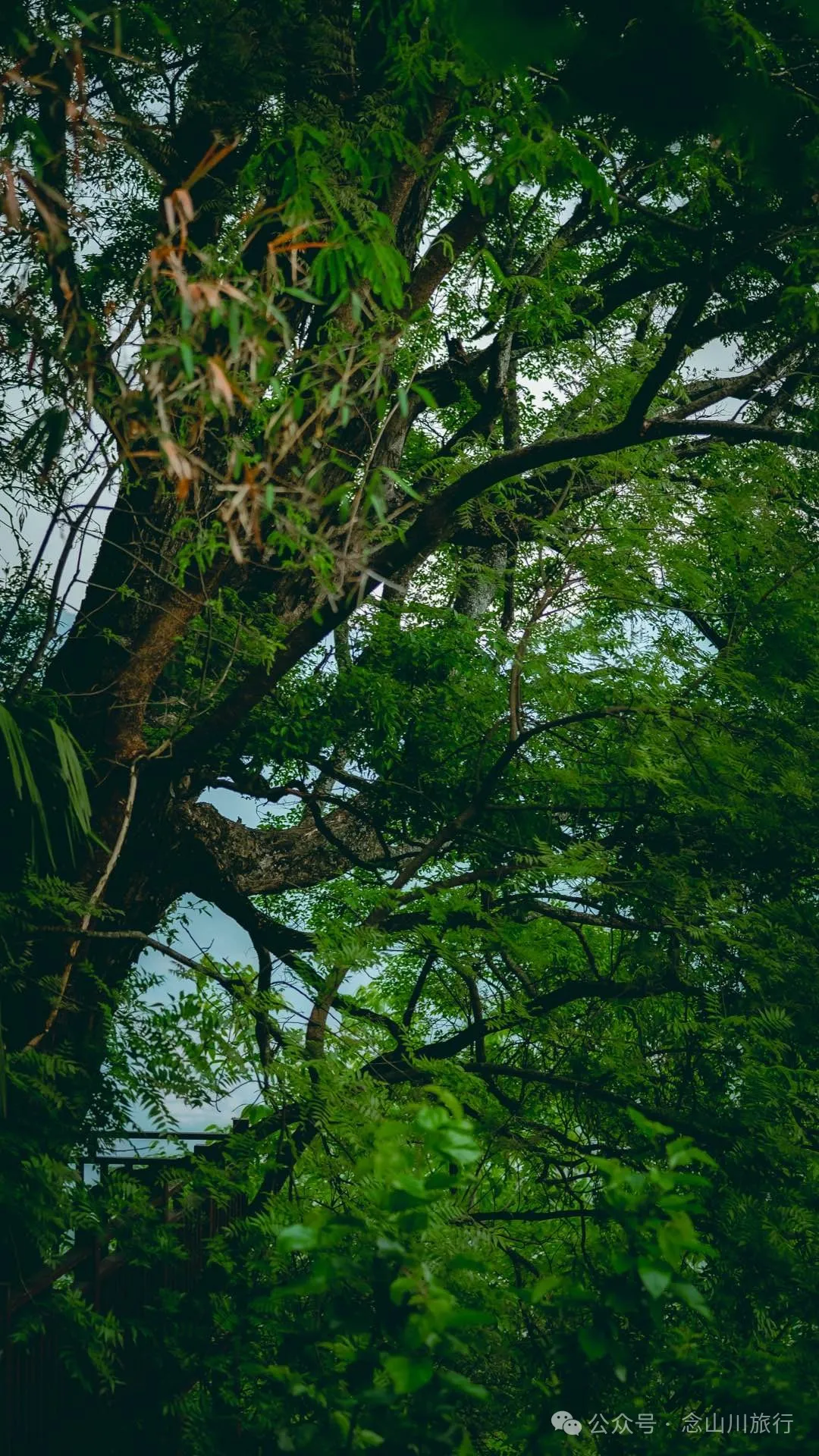
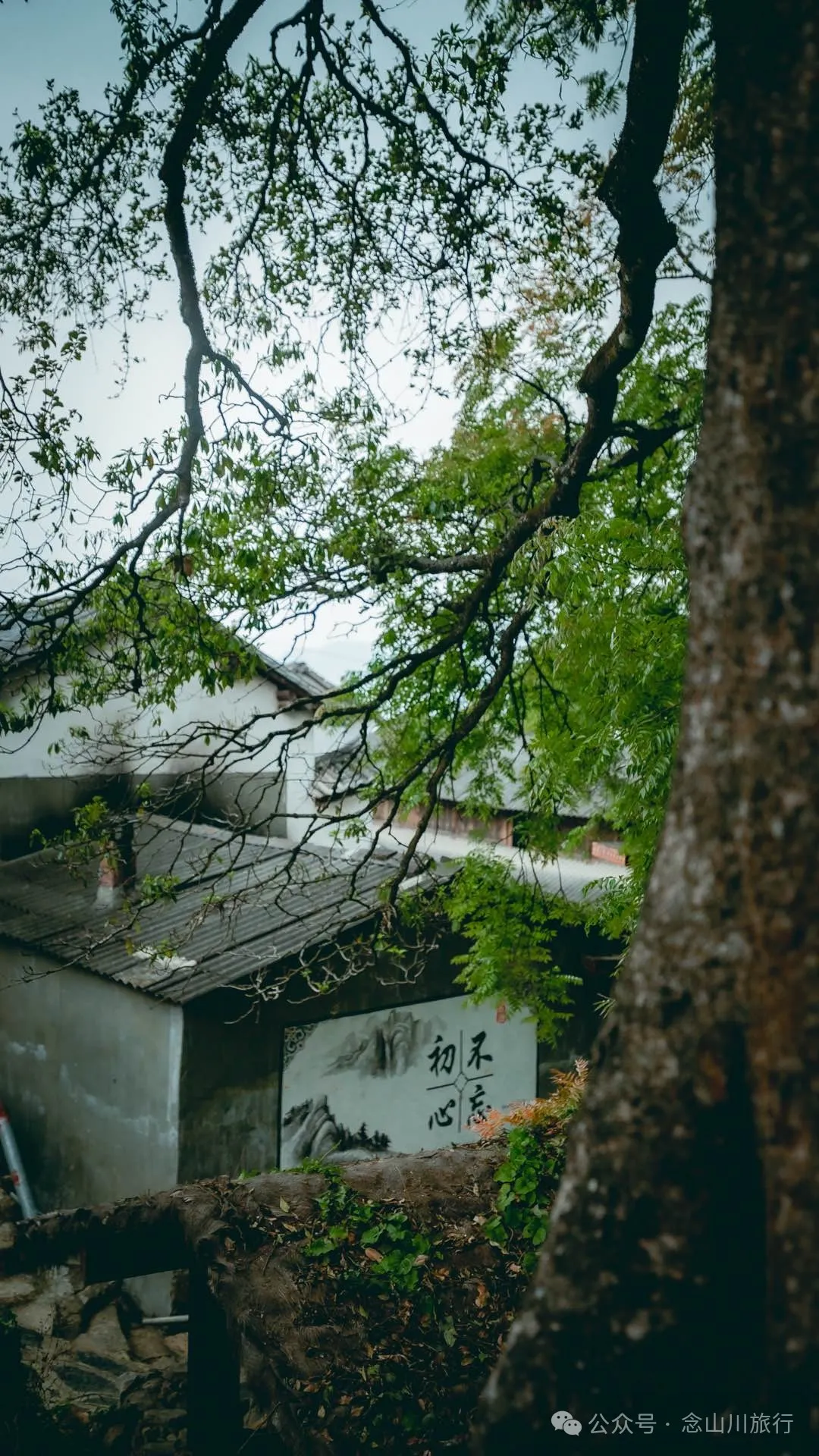
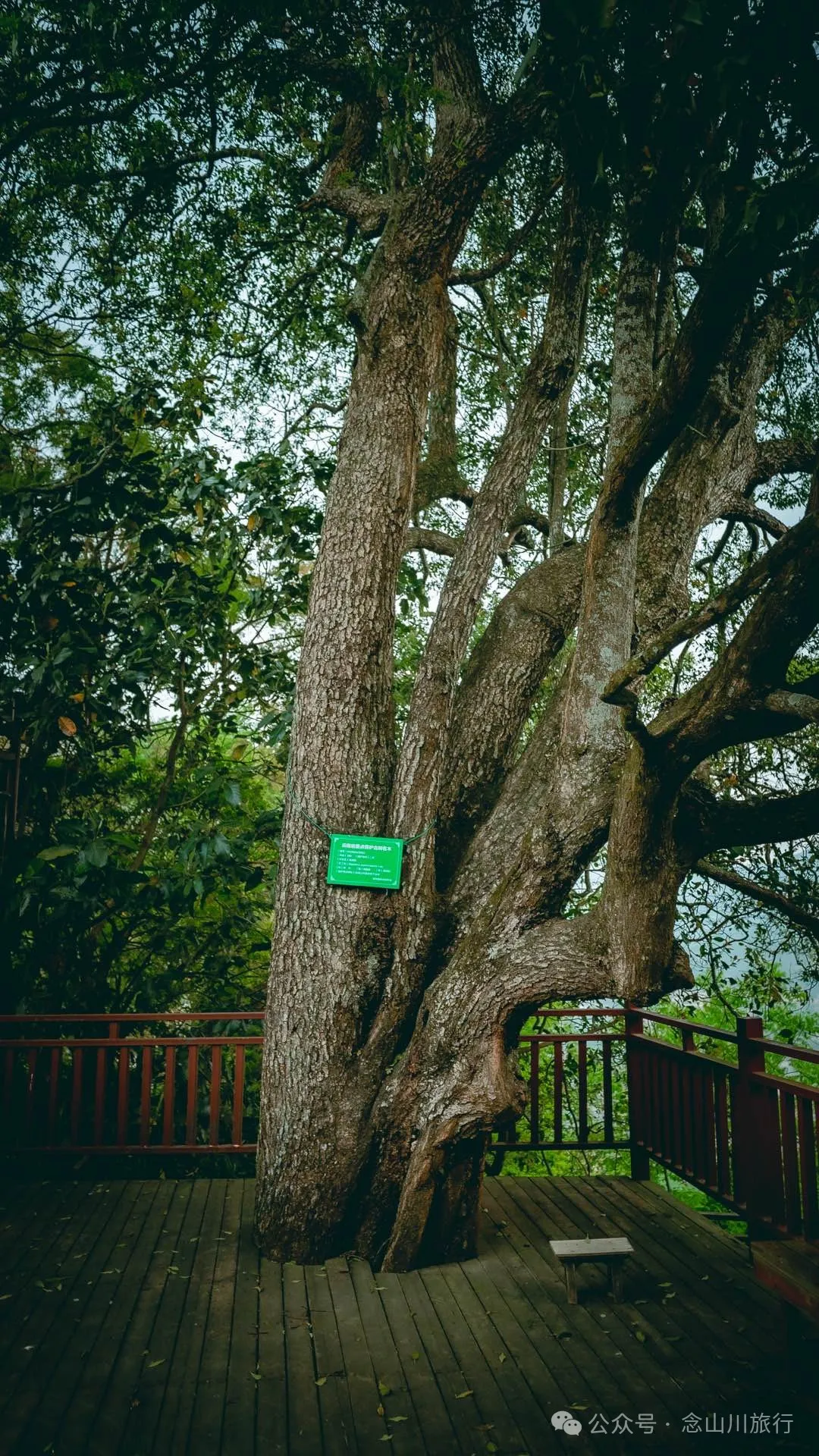
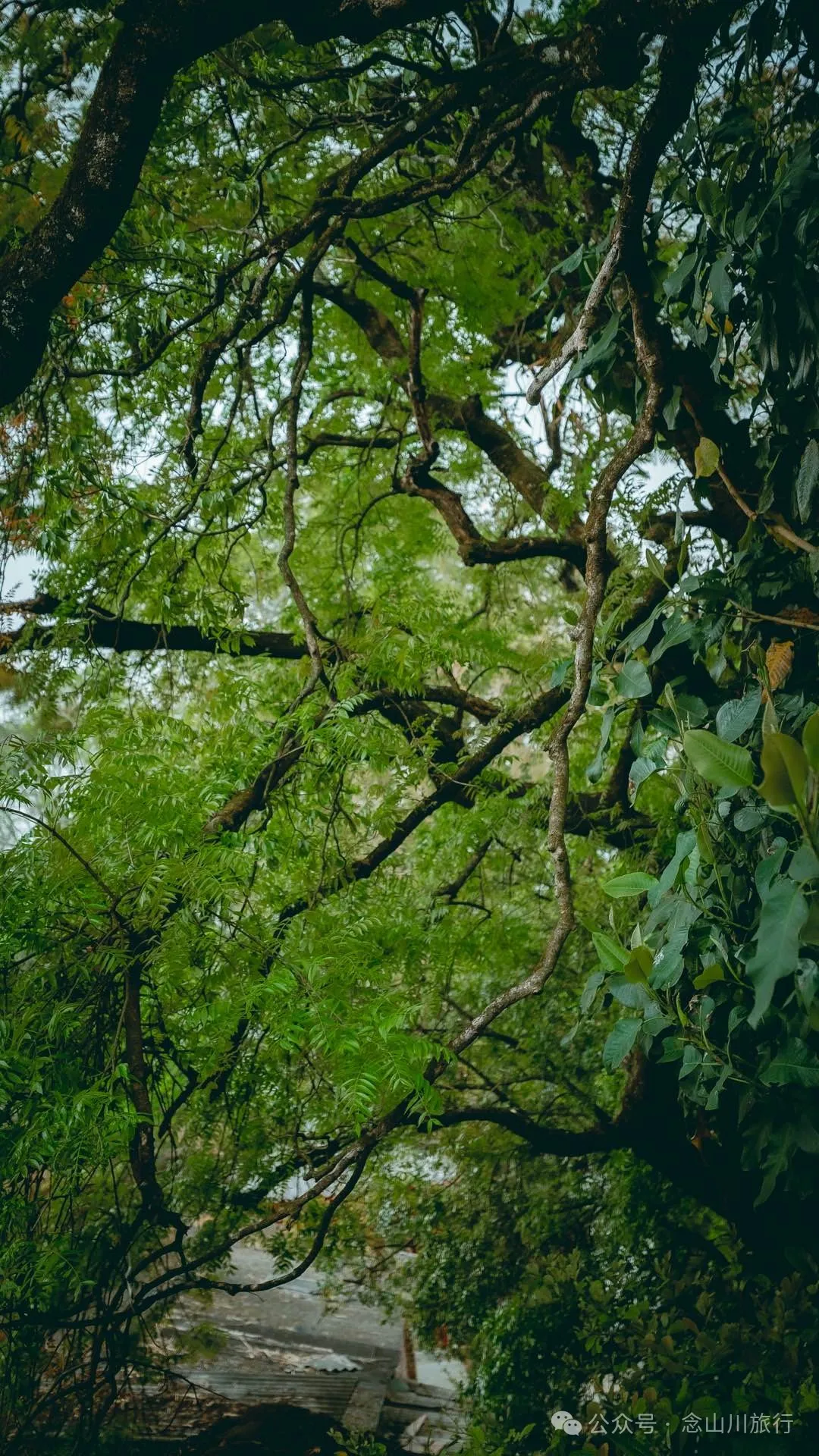
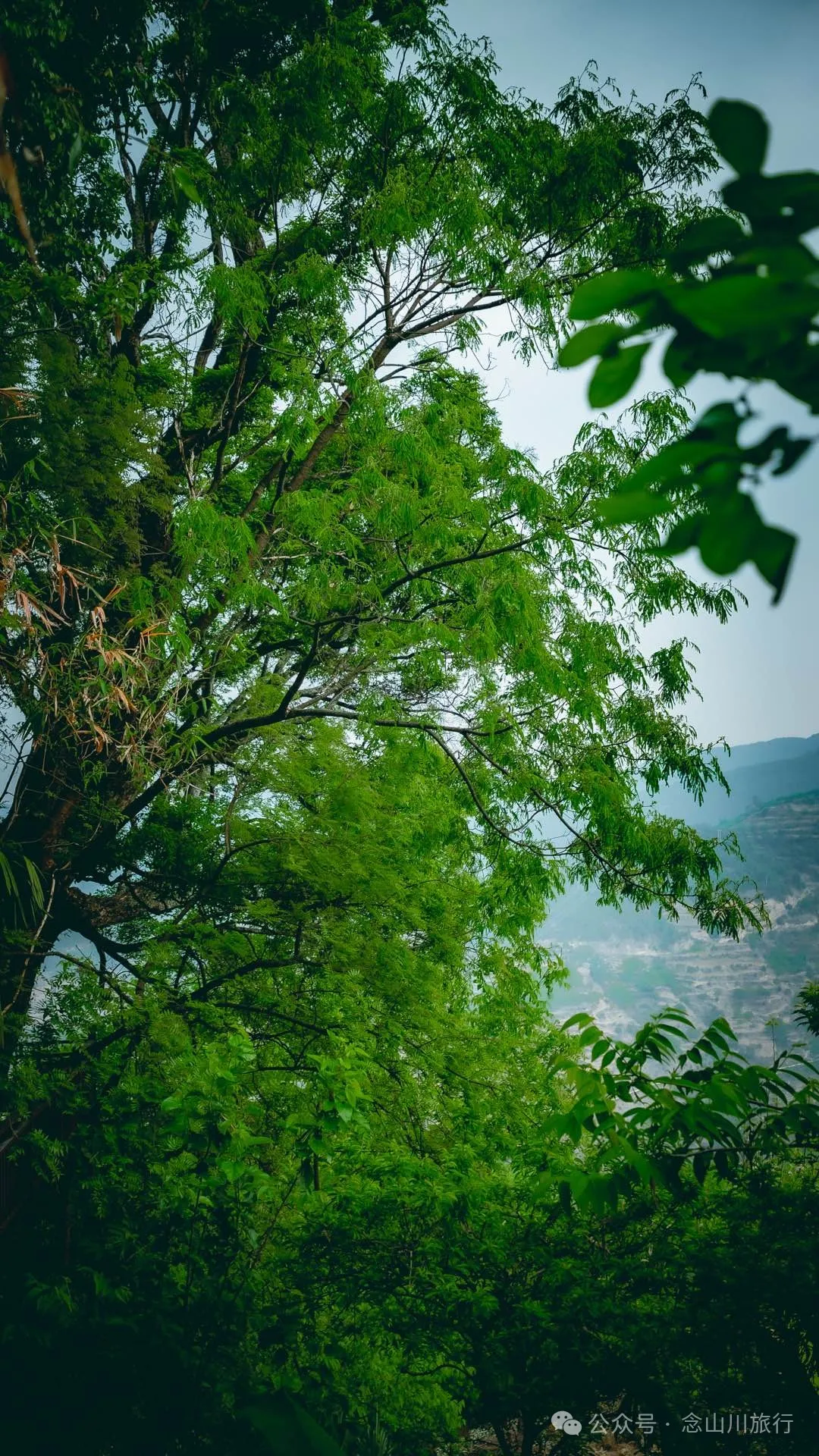
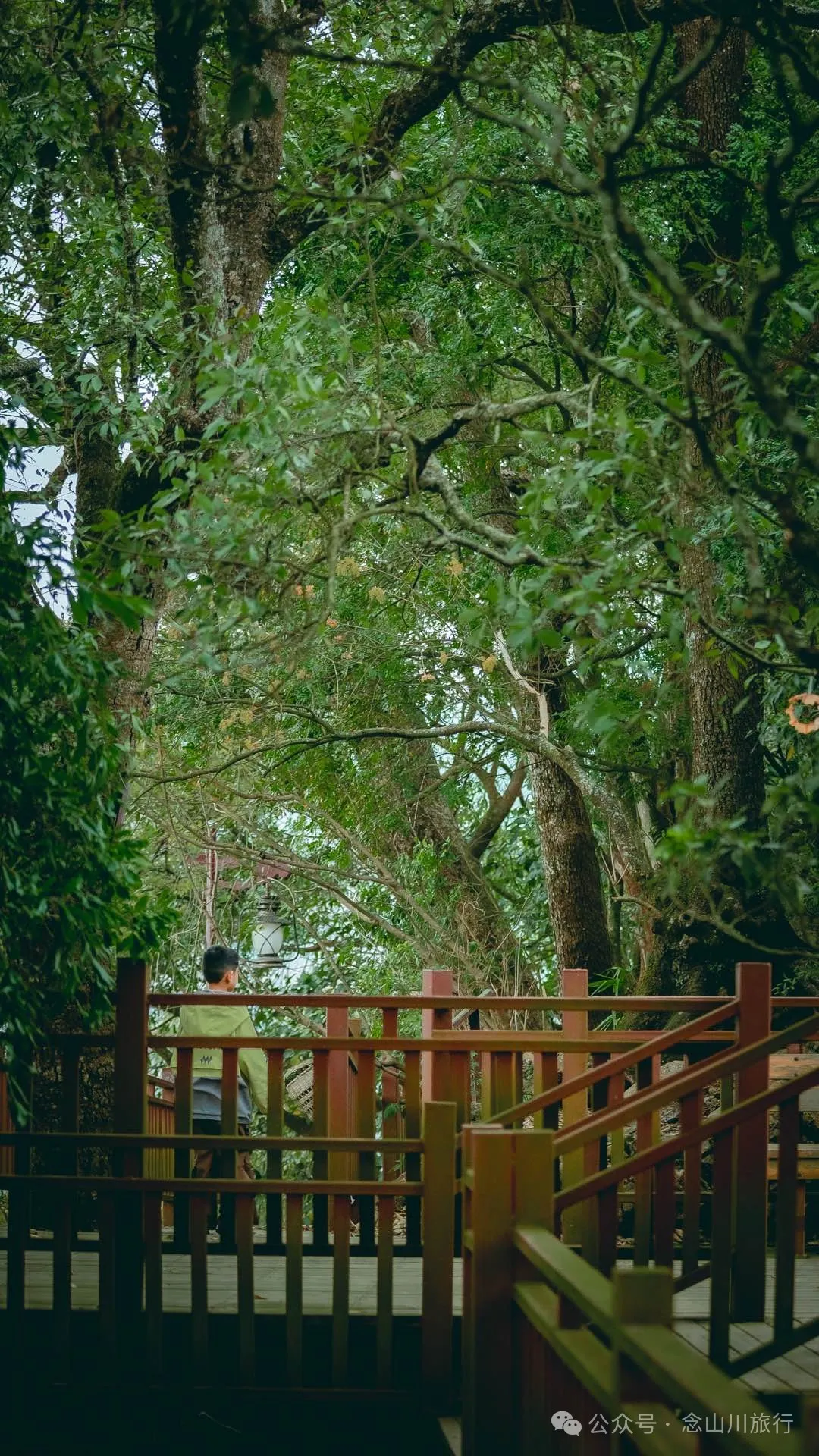
The ancient trees stand silently by the village, guarding the ancient Yanzitou Village. Those trees that predate the village—the village is their child; they have witnessed every growth and change of the village. And those trees that came after the village—they are the village's children, growing and thriving under the village's care. Their existence is like an entire spring, leaving the hope and vitality of life in the village.
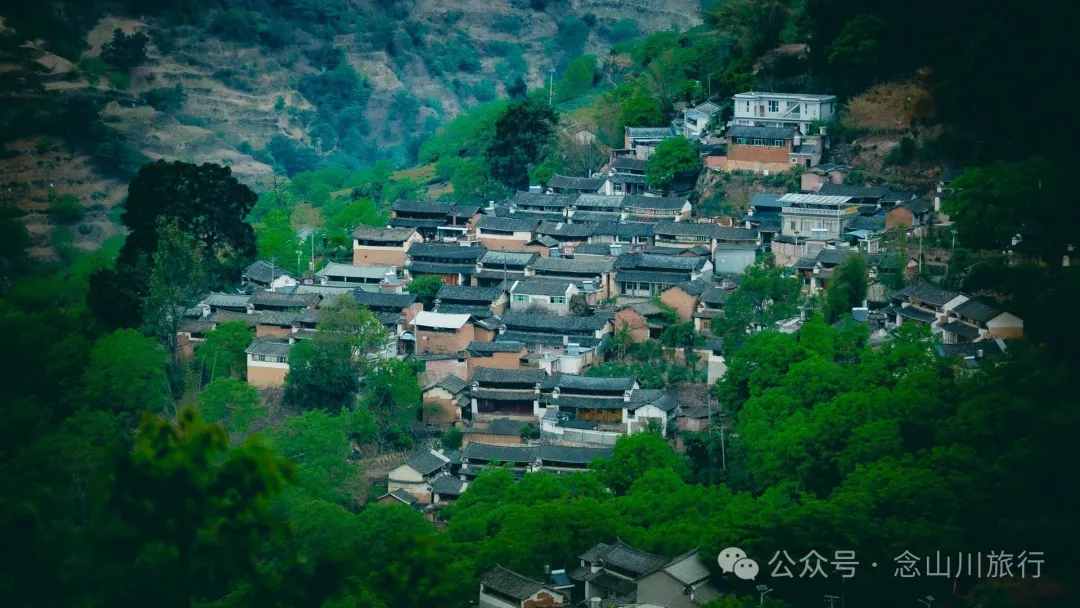
Standing among the ancient trees, you can see two villages not far to the northeast of Yanzitou. The villagers said this is Shilong Village, which has many old buildings we like—another unexpected gain for us.