
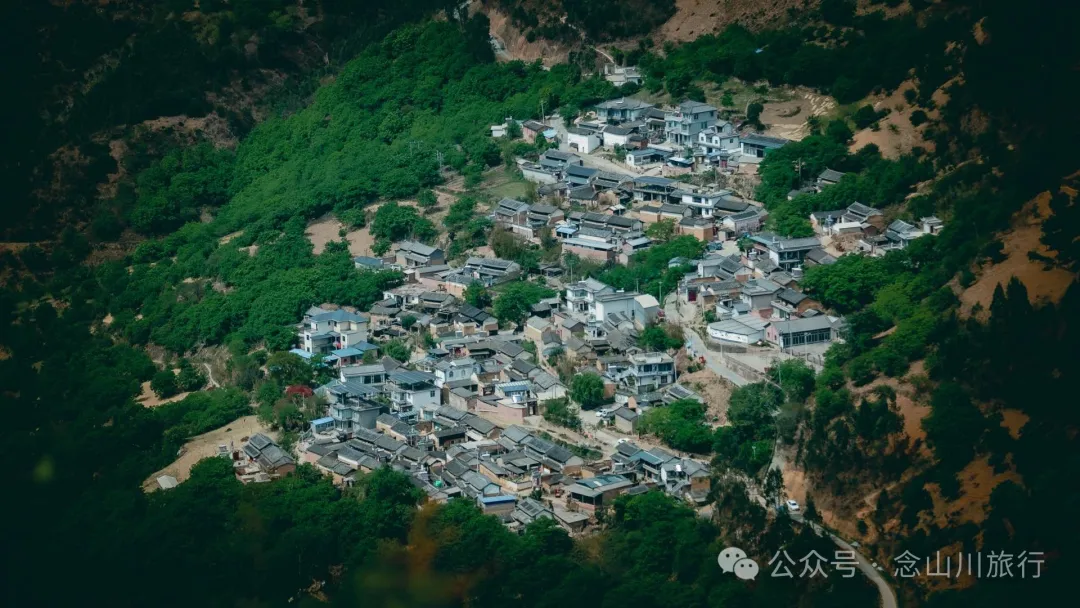
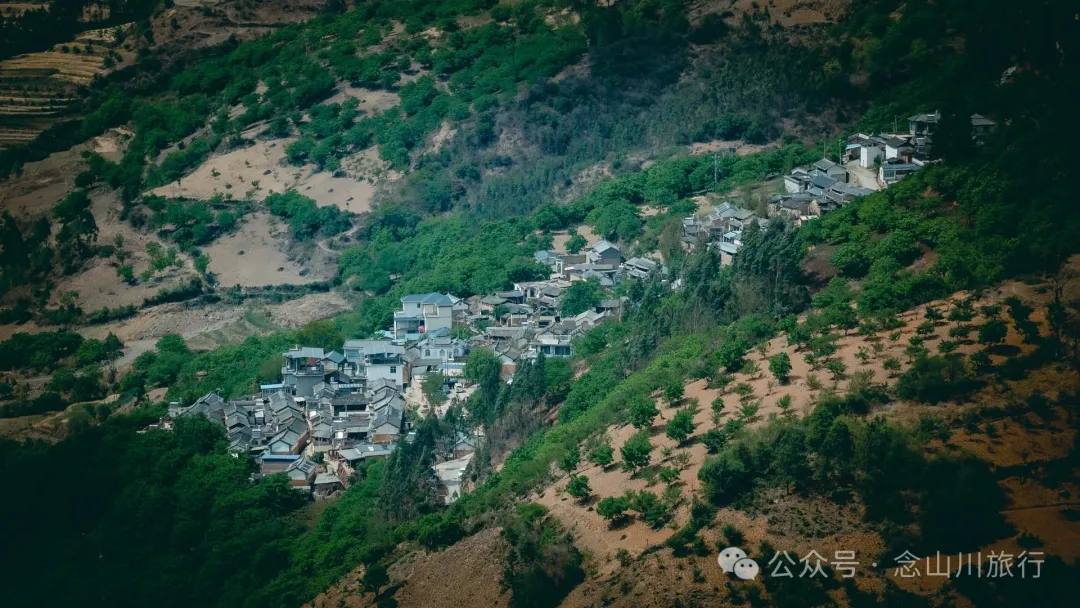
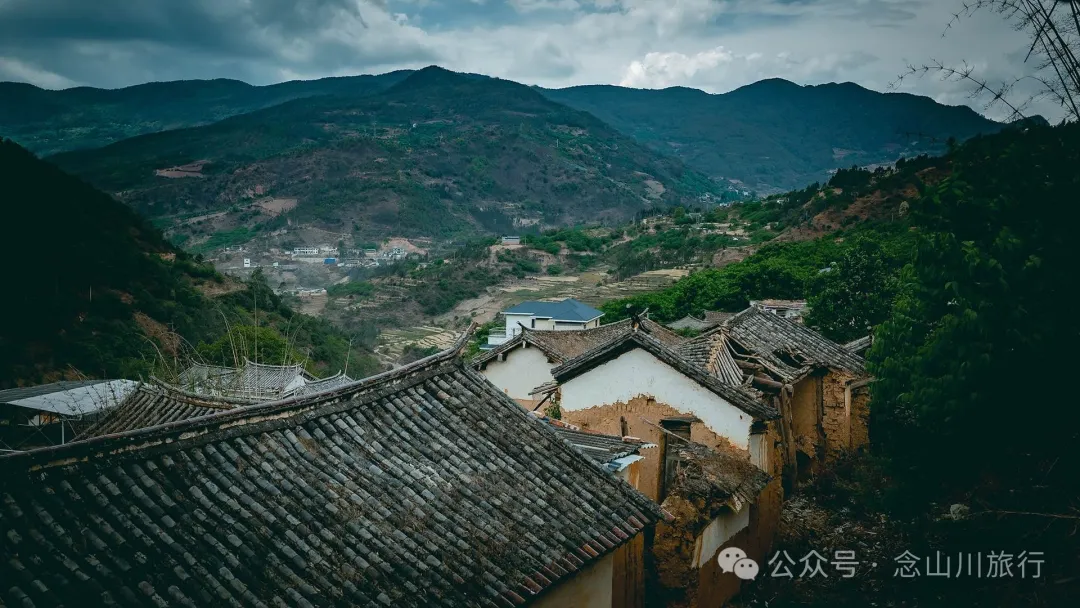
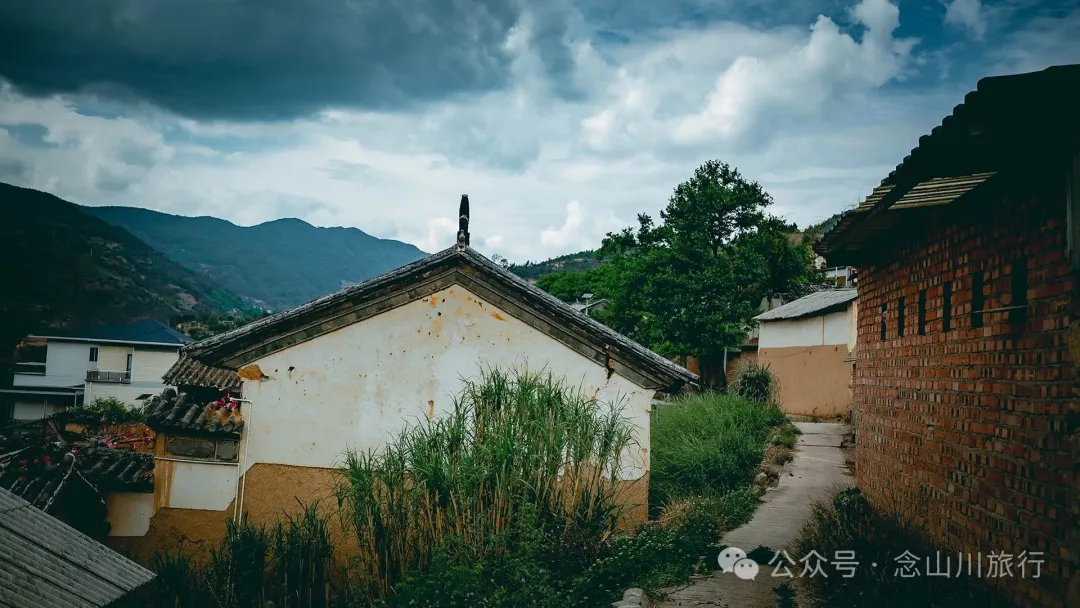
To reach Little Jizu Mountain, one must pass through a large village called Bainai. Dense walnut and green plum groves bring Bainai into a new spring, with the village filled with the cheerful chorus of birds. Deep in the mountains of Bainai, walnut trees and green plum trees grow side by side—one steady and profound, the other delicate and graceful. Rooted in the same soil, they express life's resilience and poetry in different forms. The walnut tree, like a wise elder, records the years with its rings; the green plum tree, like a maiden, adorns time with its blossoms. They are not only the economic backbone of the mountain villagers but also enduring cultural symbols of this land.
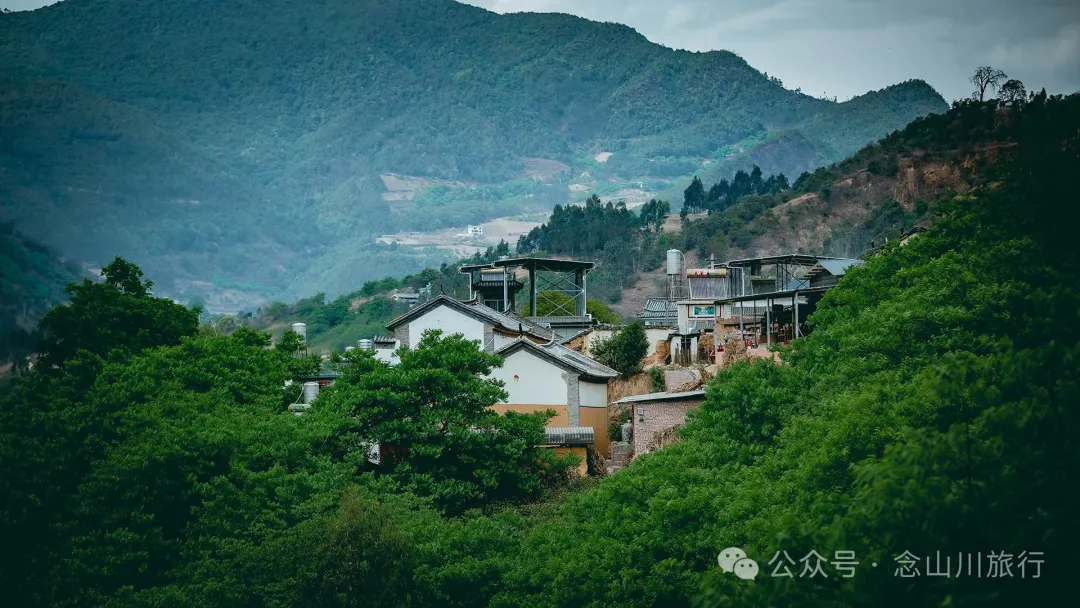
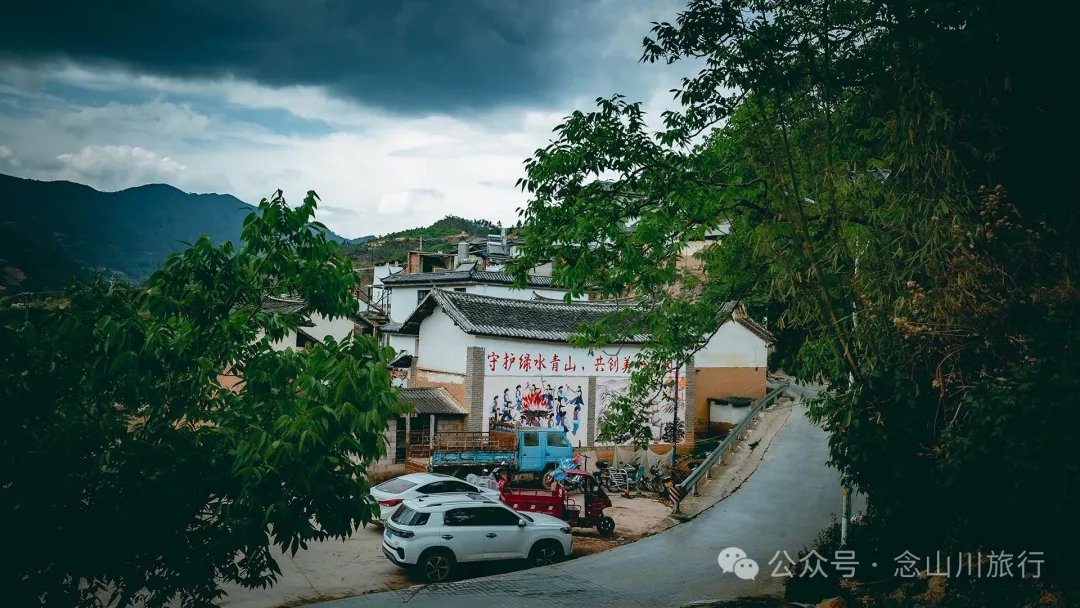
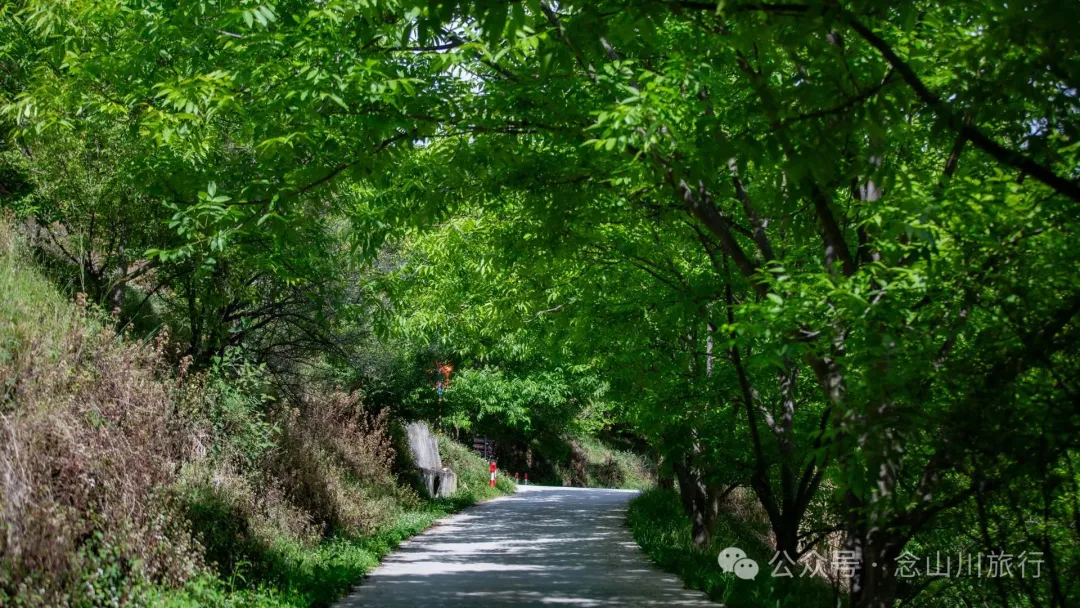
Walking under the lush walnut trees, the scorching sunlight is filtered by the thick canopy, casting a pleasant coolness. Most walnut trees in Bainai are decades old. In spring, they sprout tender green leaves that rustle in the wind; in summer, their dense crowns provide cool shade, becoming natural pavilions for villagers to relax and chat; in autumn, heavy green-husked walnuts hang from the branches, their shells hard as iron but hiding precious kernels inside.
The growth of walnuts requires long patience. Villagers often say, 'Peaches take three years, apricots four, pears five, but walnuts take eighteen.' A walnut tree takes over a decade from planting to full yield. But once mature, it can shelter generations. Walnut trees are incredibly resilient, able to take root in barren mountain soil, drawing nutrients from rock crevices and growing tenaciously.
Harvesting walnuts is a race against time. Villagers knock the branches with bamboo poles, and the green-husked walnuts fall with a clatter, rolling into the grass. After the husks rot away, revealing hard brown shells, they gently crack them with a hammer to reveal plump kernels. Rich in oil, walnuts can be pressed for oil or used in medicine, earning them the title 'longevity fruit' among mountain folk.
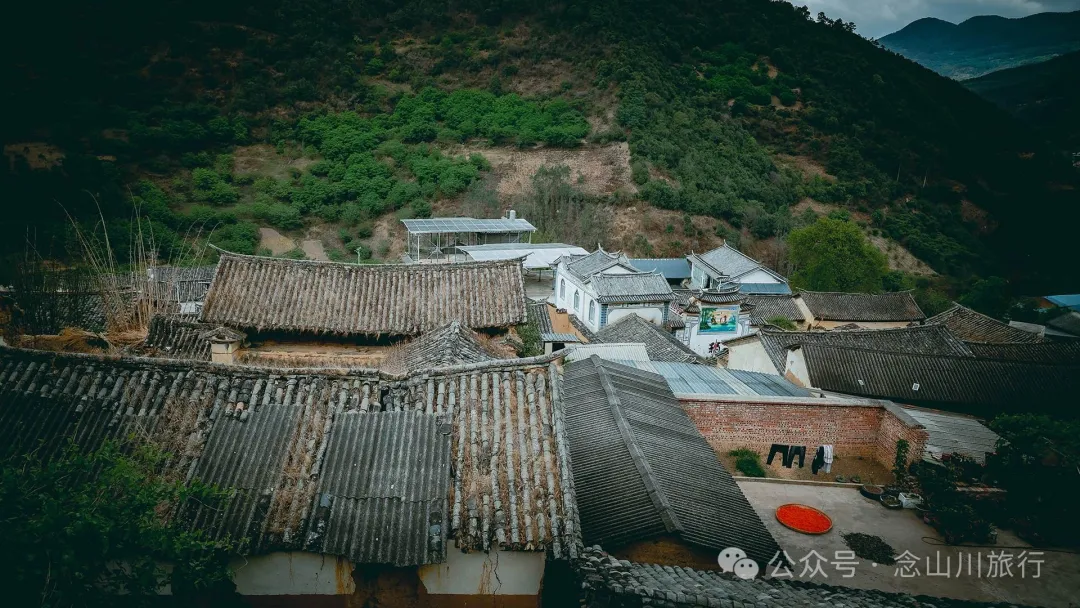
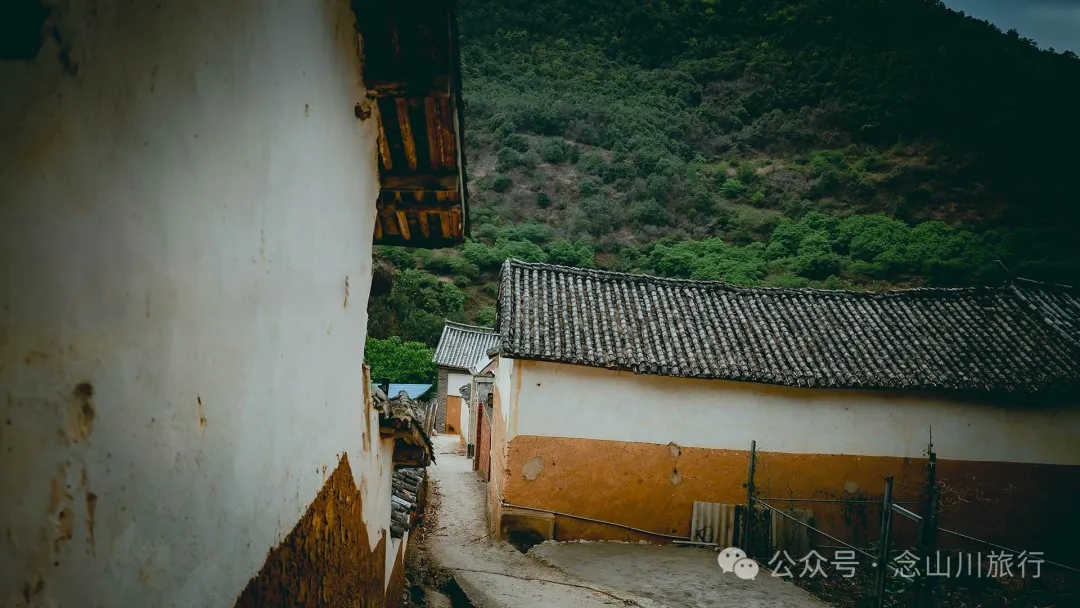
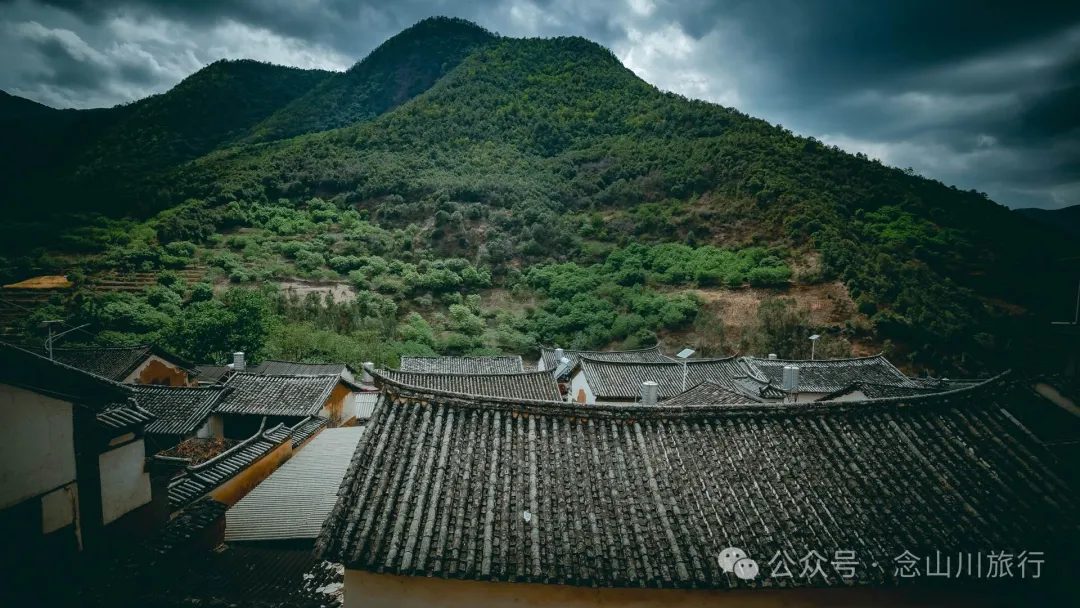
The green plum trees in the village, having passed their blooming period, are hidden among the walnut trees and hard to spot. They seem like climbers ascending the mountain, letting their fresh green conquer every inch of land. If the walnut tree is a steady sage, the green plum tree is a mountain sprite. With slender branches and elegant form, it bursts into snow-white blossoms in early spring, their fragrance wafting, attracting bees and butterflies.
The green plum's flowering period is short, only about ten days, but breathtakingly beautiful. When in bloom, the whole mountain seems covered in snow; a gentle breeze sends petals fluttering like a poem or painting. After the flowers fade, small green fruits quietly emerge, initially the size of peas, growing to thumb-sized green fruits by midsummer, covered in fine fuzz, sour yet fragrant.
The taste of green plums is a nostalgia in the villagers' memories. As children, they would secretly pick a few, dip them in salt or chili powder, and pucker their faces in sourness, yet unable to resist another bite. Adults would brew them into plum wine, pickle them into sour dried plums, or make preserved plums, letting the sourness ferment into sweetness over time.
Green plum trees are equally resilient. They are not picky about soil, drought-tolerant, and thrive even on steep slopes. Villagers say, 'The older the plum tree, the sweeter the fruit.' Old plum trees that have weathered storms produce fuller, sweeter plums with a lingering aftertaste.
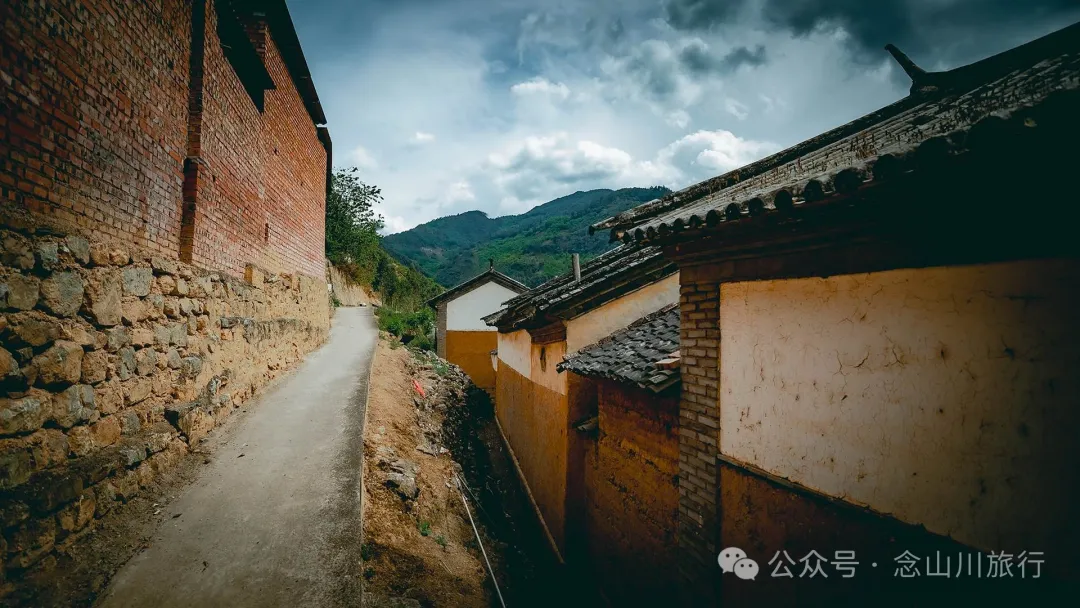
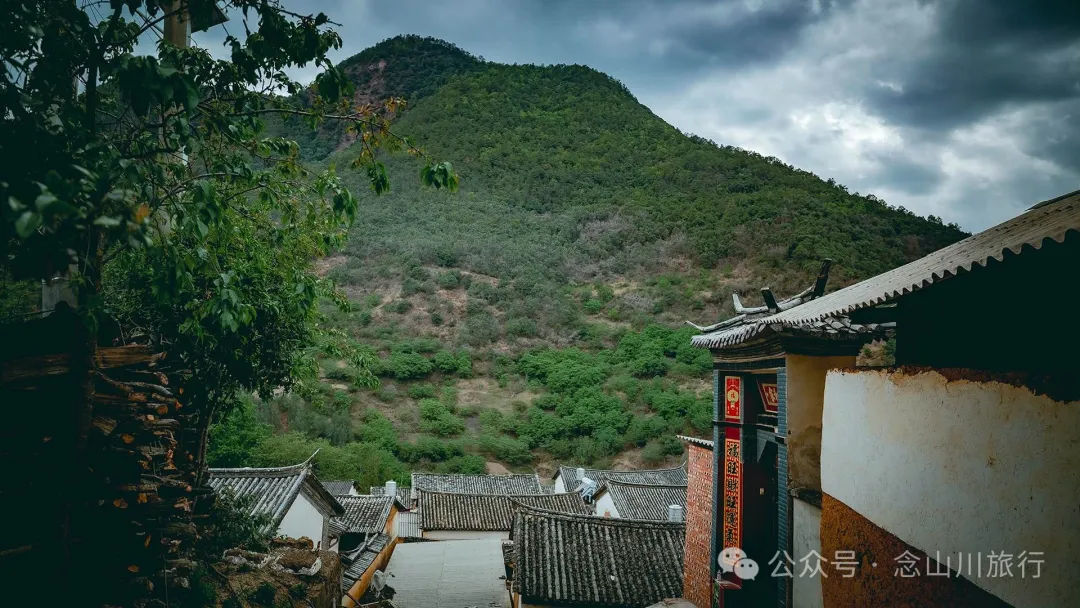
Villagers say, 'Planting trees is planting blessings.' Walnut and green plum trees are not only gifts of nature but also a deep covenant between people and the land. They grow, bloom, and bear fruit year after year, witnessing the village's changes and guarding the villagers' hopes. Bainai, nestled among walnut and green plum trees, remains simple and unadorned, as steady and resilient as the walnut, yet as fresh and vibrant as the green plum.
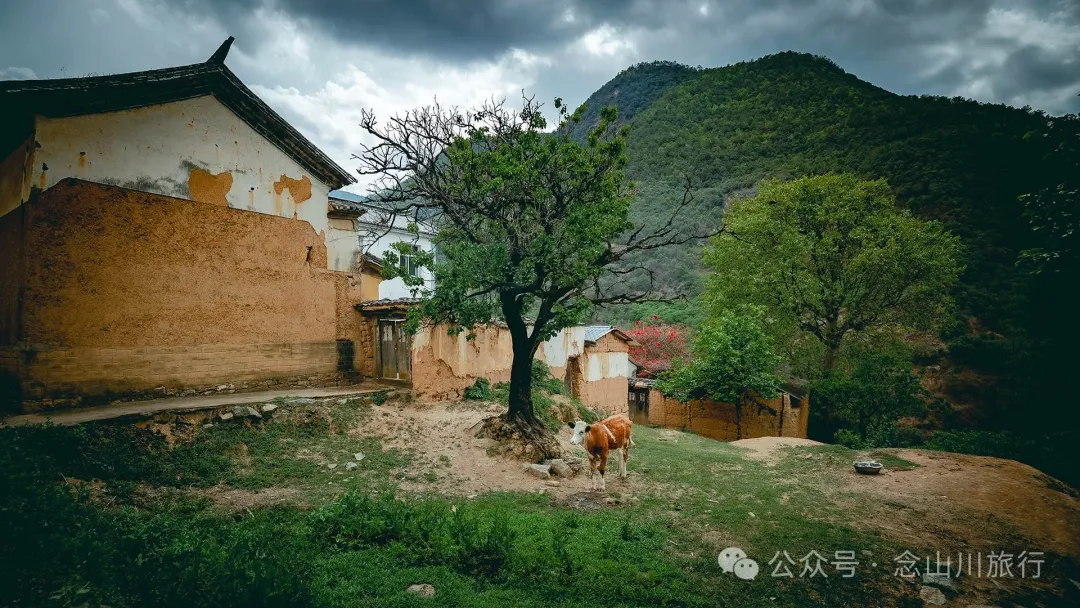
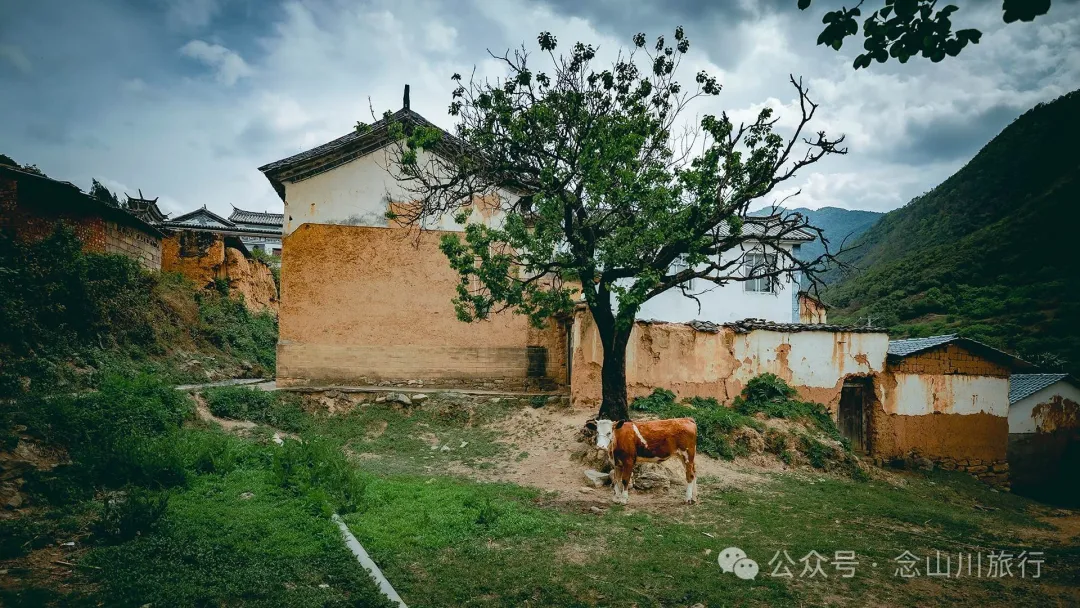
As for the persimmon trees, these winter spirits seem to form the core of nostalgia along with cooking smoke. But in spring, they are just ordinary trees, faithful companions to the yellow cattle, leaning on each other all day.
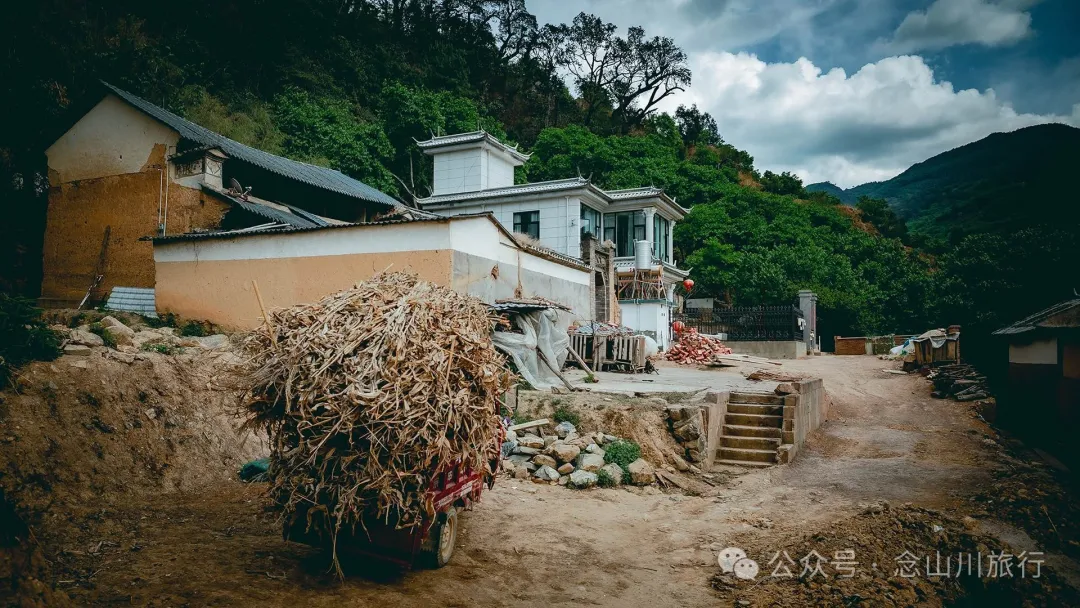
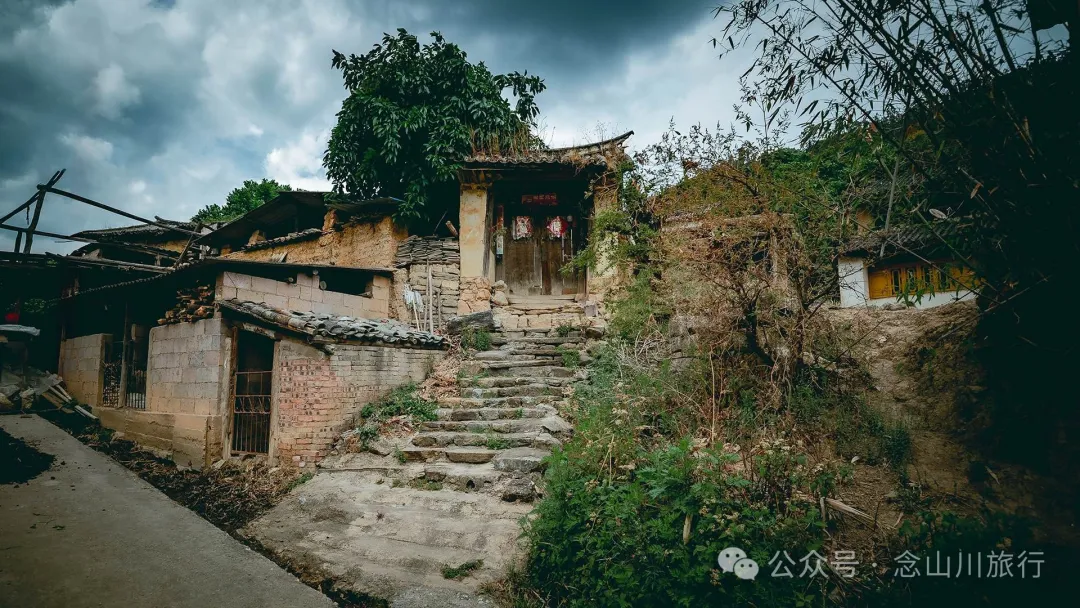
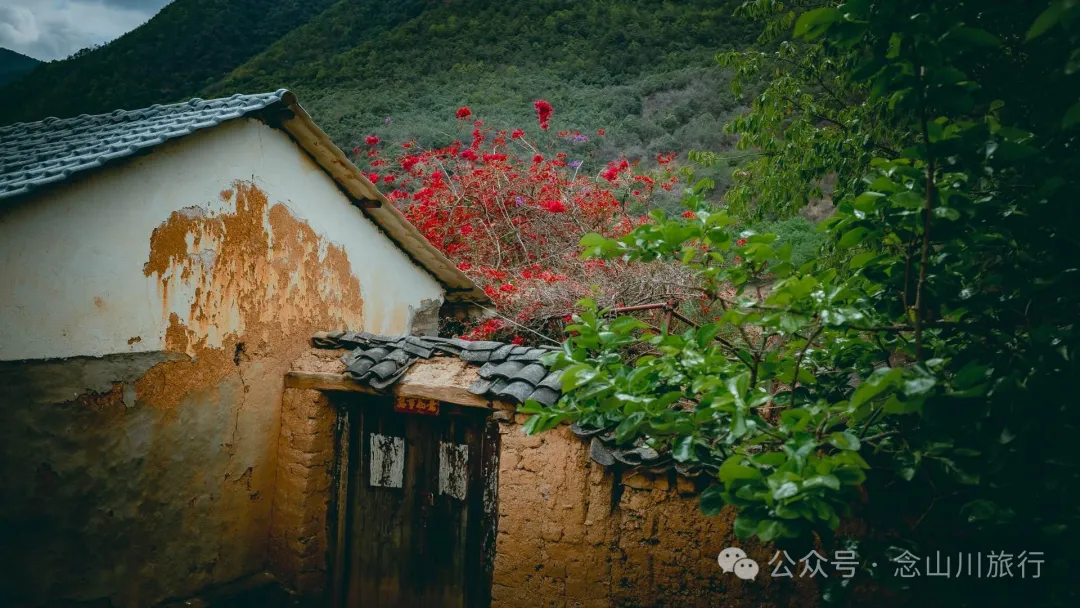
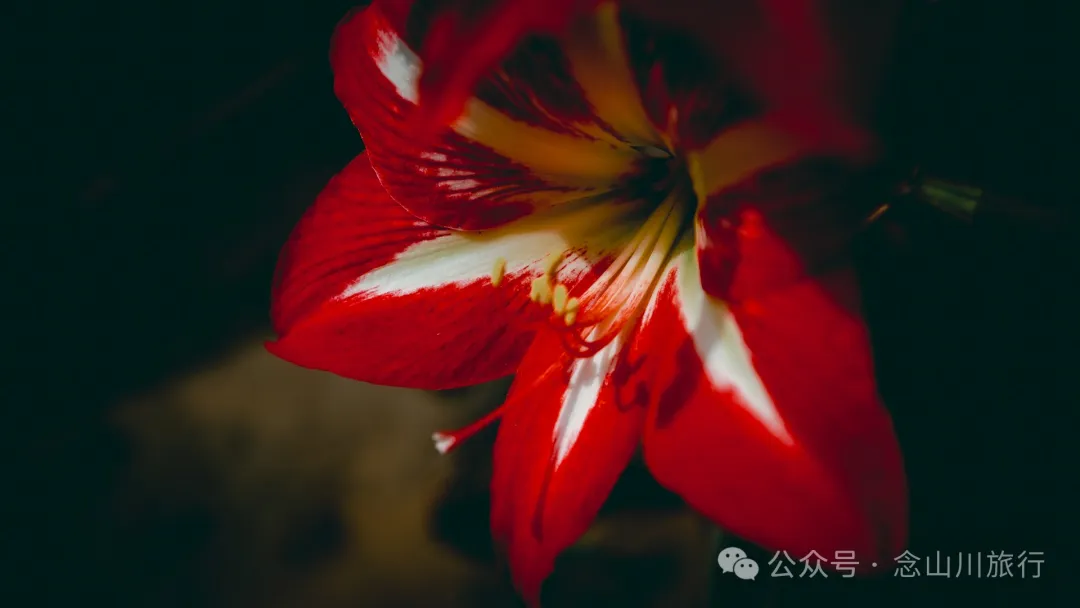
The red bougainvillea in the courtyard blooms like clouds, adorning the simple farmhouse, turning poverty into warmth.
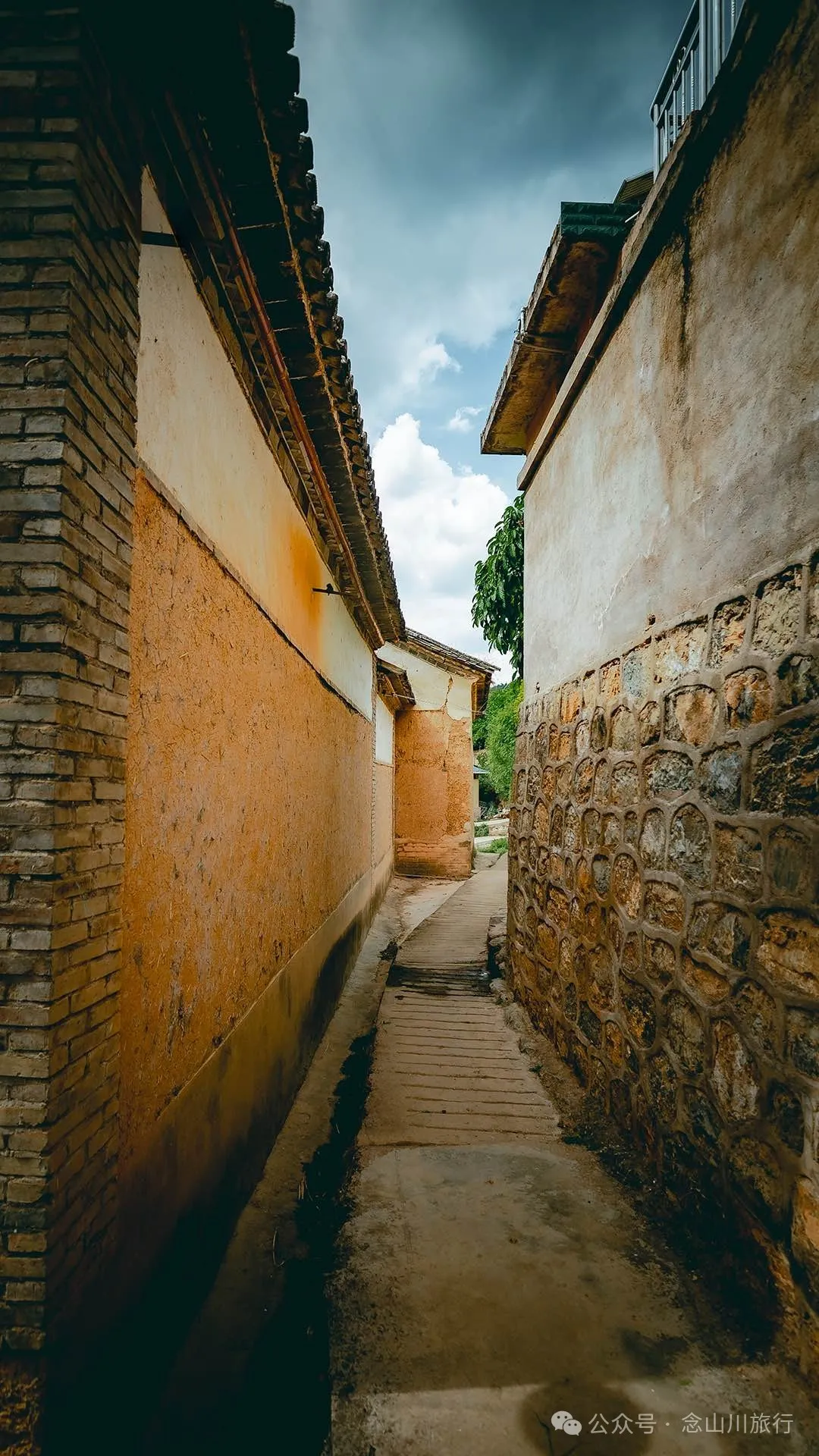
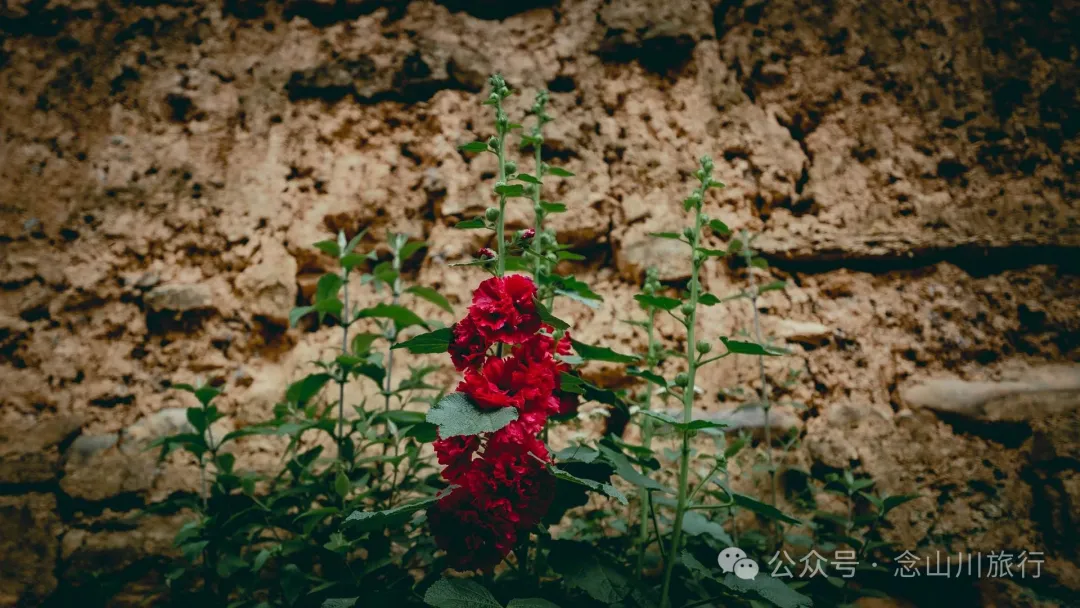
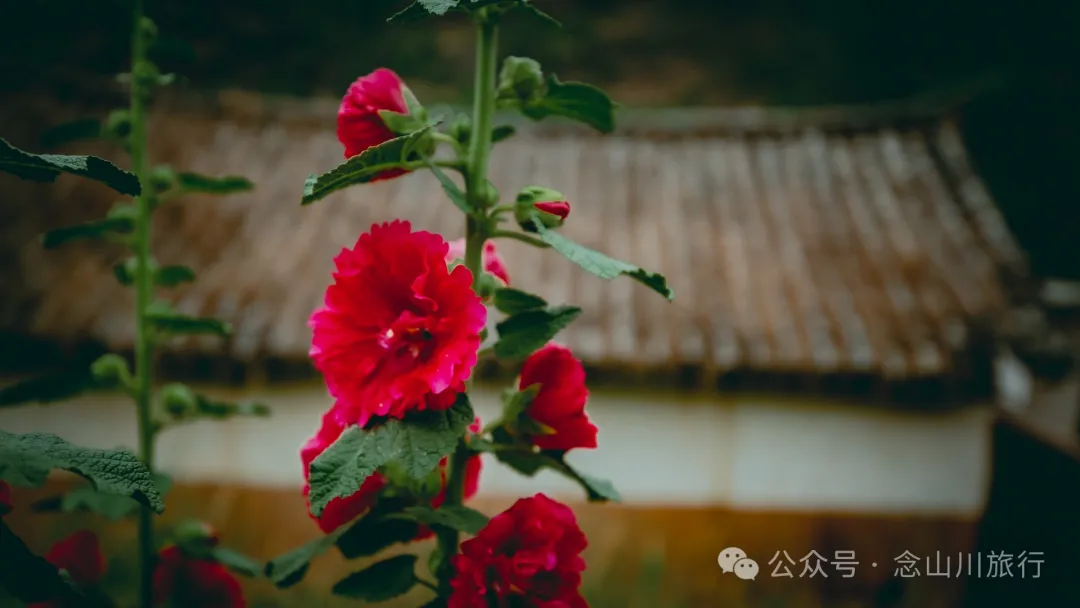
Hollyhocks are almost ubiquitous in front of every household. Their large, brilliant red flowers are somewhat domineering, as if about to set the earthen wall behind them ablaze. In the village, delicate life often seems out of place, so the hollyhock, with its tenacious vitality and flamboyant blooms, becomes a favorite.
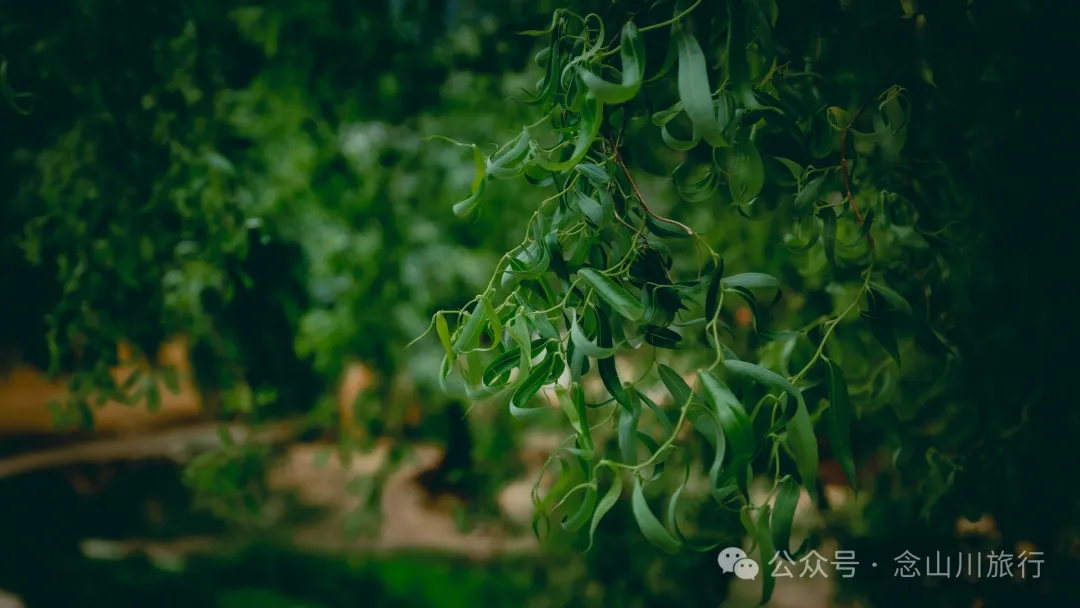
An old twisted willow in the village has come to new life, its curved branches swaying freely in the spring breeze. Not only the branches but even the leaves are twisted, vying to display their tenderness in spring.