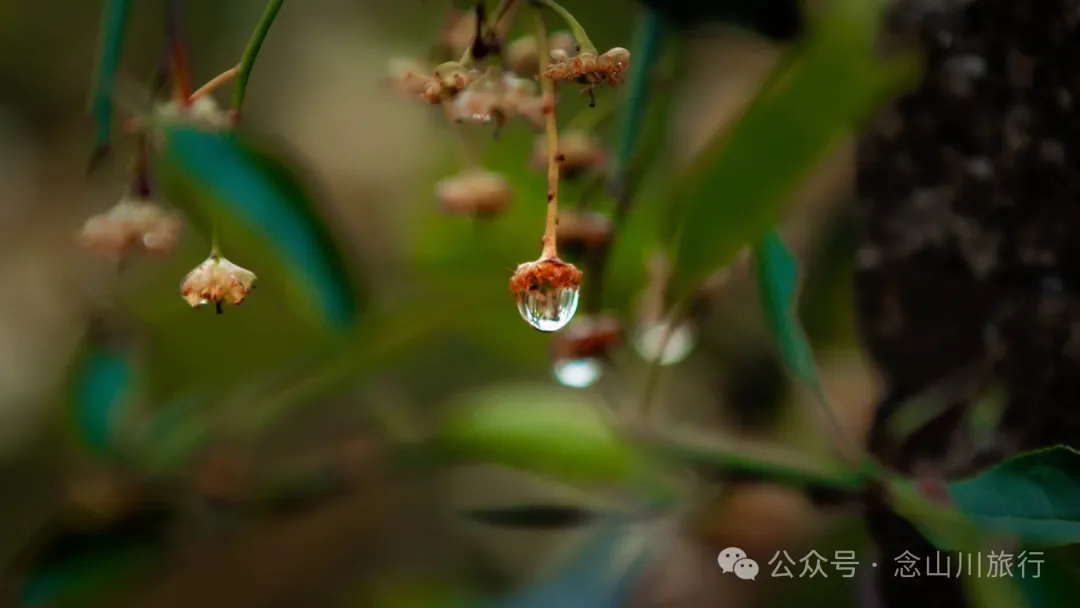

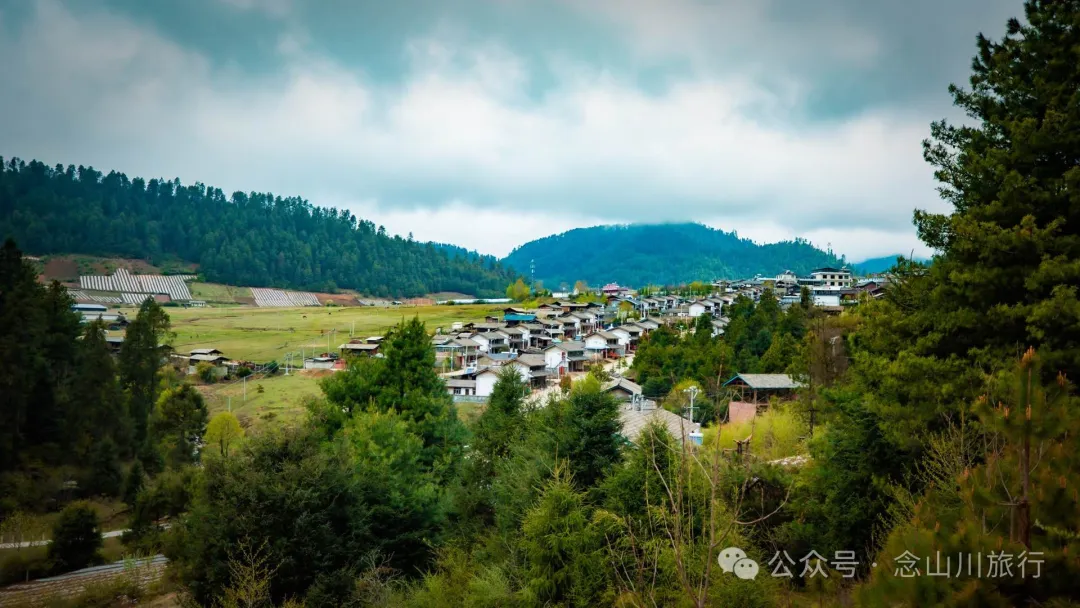
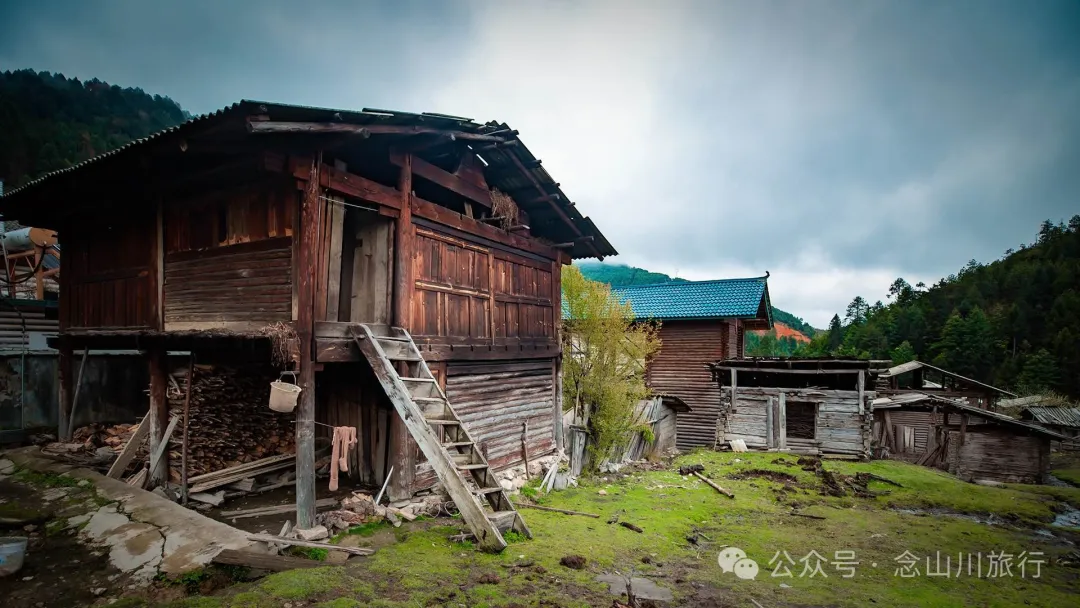
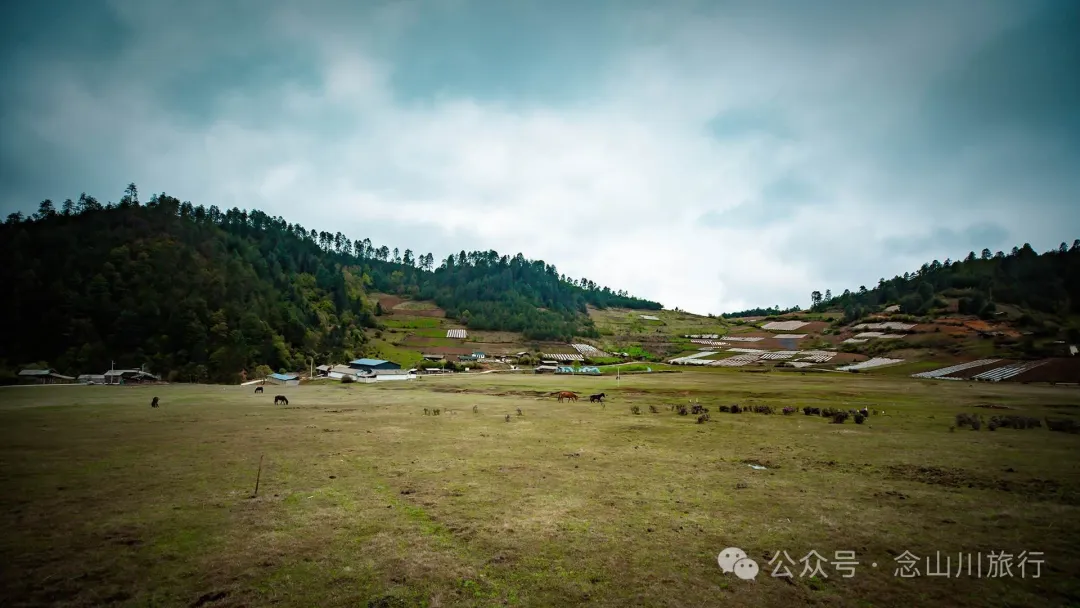
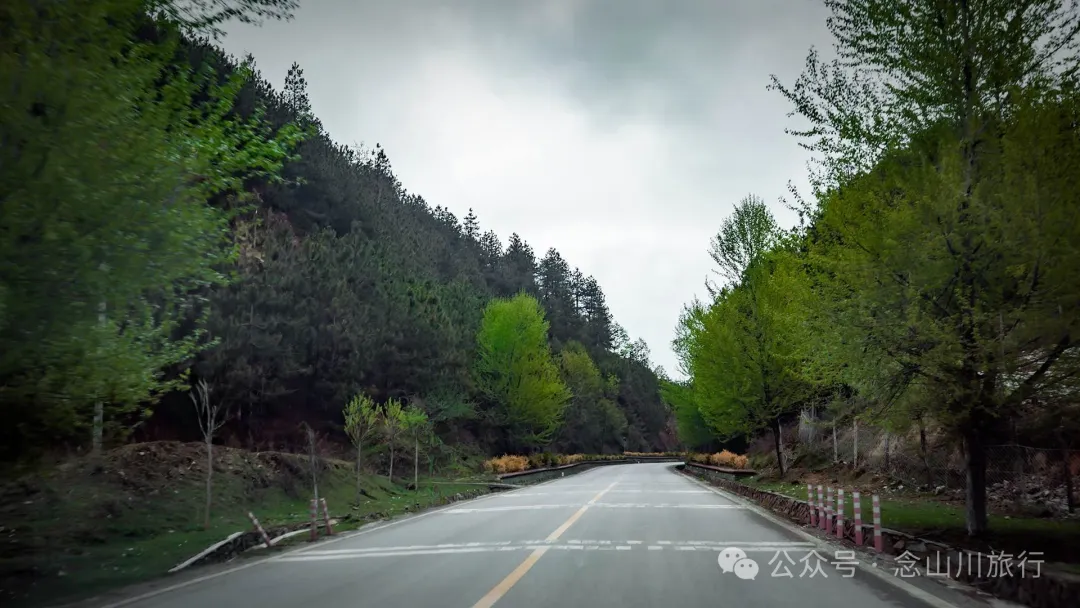
The Lisu people, to us, are a mysterious ethnic group far removed from our world. Along the Xiangwei Line from Weixi to Shangri-La, about 20 kilometers from the roadside, we encountered this richly ethnic Lisu village, Meiluo Village.
Meiluo Village is located in the western Yunnan plateau at an altitude of nearly 3,000 meters, a typical multi-ethnic village in Pantian'ge Township. Here, clouds and mist swirl, forests are lush, and winding mountain roads twist like ribbons among the peaks, connecting the Lisu and Naxi families who have lived here for generations. Stepping into Meiluo Village feels like entering an ancient and vibrant landscape painting—open pastures with low-hanging skies, clear mountain springs babbling, scattered wooden houses, and the sounds of chickens and dogs, all presenting a serene and idyllic pastoral scene.
The name Meiluo comes from the Naxi language meaning "below the ditch," signifying that the village nestles by the mountains and rivers, hidden deep in the canyon. The climate is cool, the land fertile, suitable for growing corn and potatoes, and it also nurtures rich under-forest resources. Lisu women skillfully weave colorful ribbons, Naxi elders tell ancient legends, and crossbow competitions and traditional dances fill the village with strong ethnic flavor.
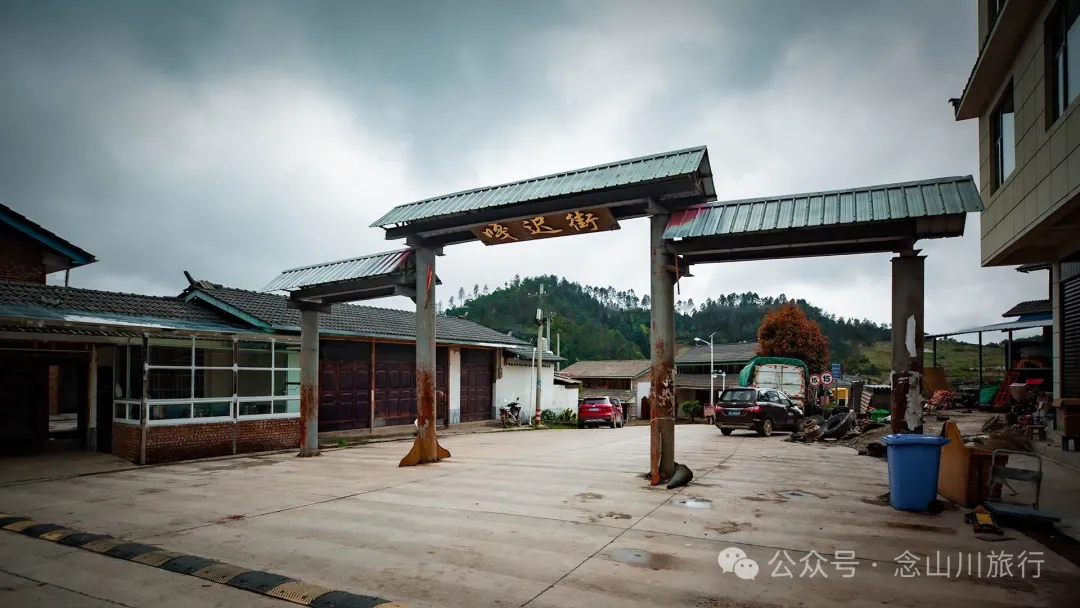
By the roadside, Meiluo Village has rows of new-style houses, and a wide, straight cement road runs from one end to the other. People here live a life different from the traditional wooden houses.
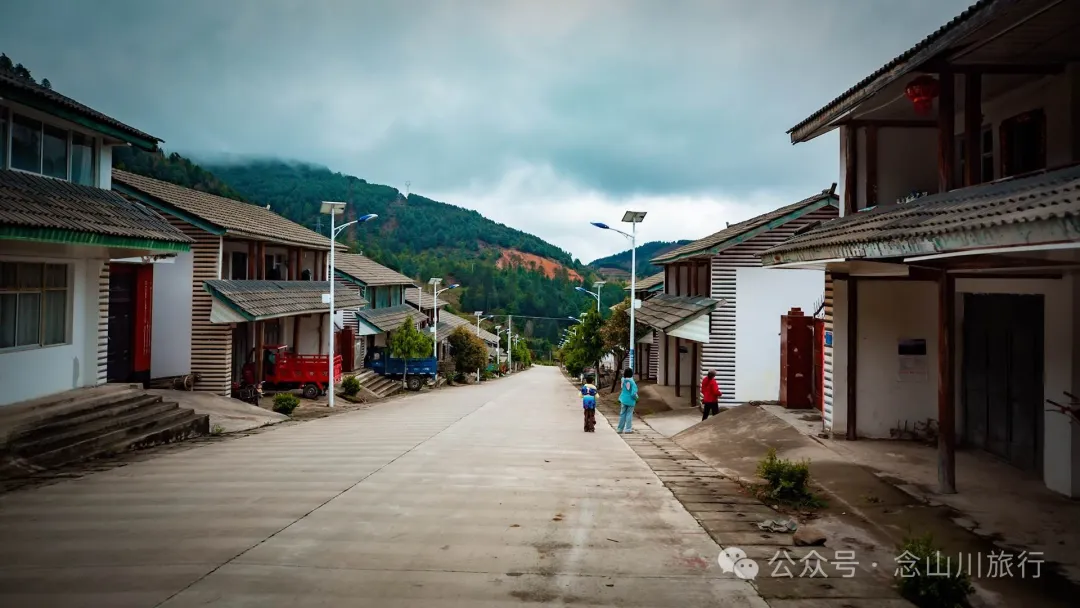
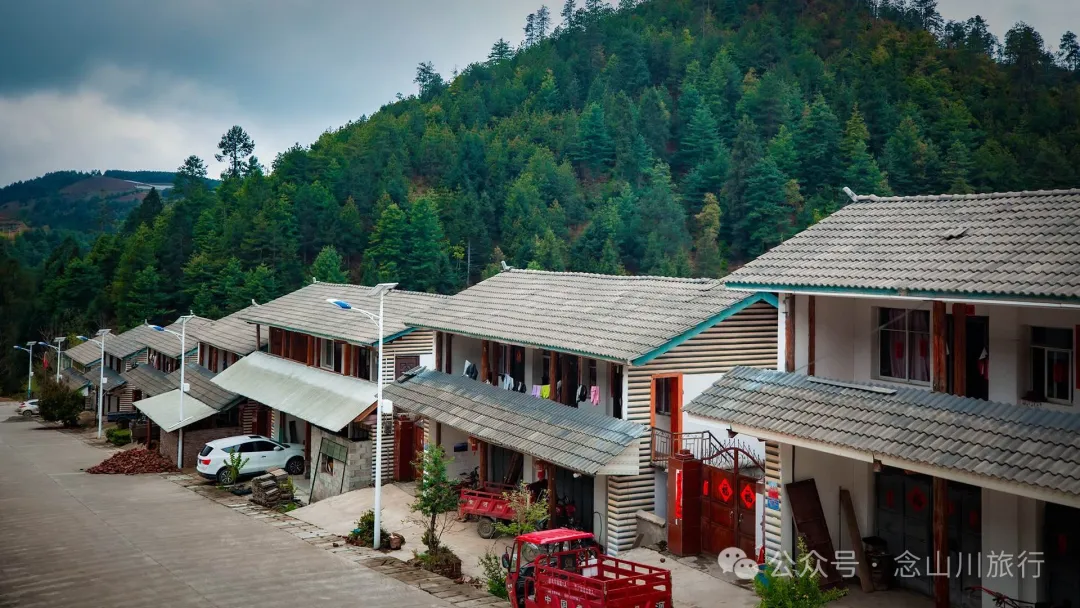
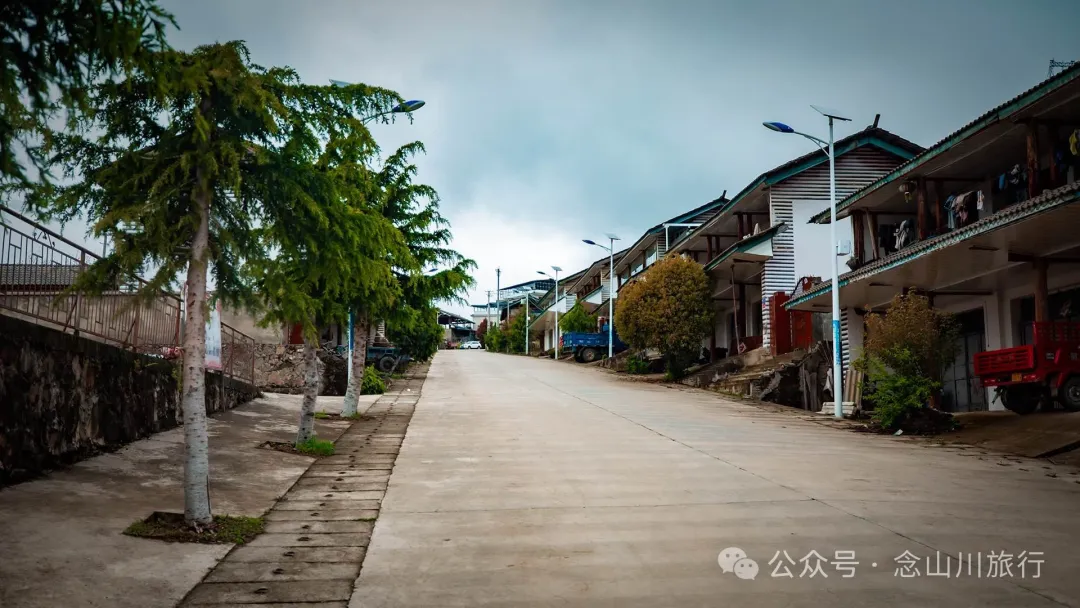
Meiluo Village lies deep in the folds of the Hengduan Mountains, a Lisu village forgotten by time. When the first rays of morning light pierce the sea of clouds, the entire village awakens from slumber. Smoke rises from the wooden houses, mingling with the mountain mist, like a flowing ink painting.
As you wind up the mountain road, the rhythm of mountain springs fills your ears, and terraced fields unfold before your eyes. The Lisu wooden houses are scattered on the hillsides, with golden corn drying on the roofs, contrasting beautifully with the blue sky and white clouds. Under the old walnut tree at the village entrance, several Lisu elders in colorful attire weave ribbons, their nimble fingers creating brilliant patterns.
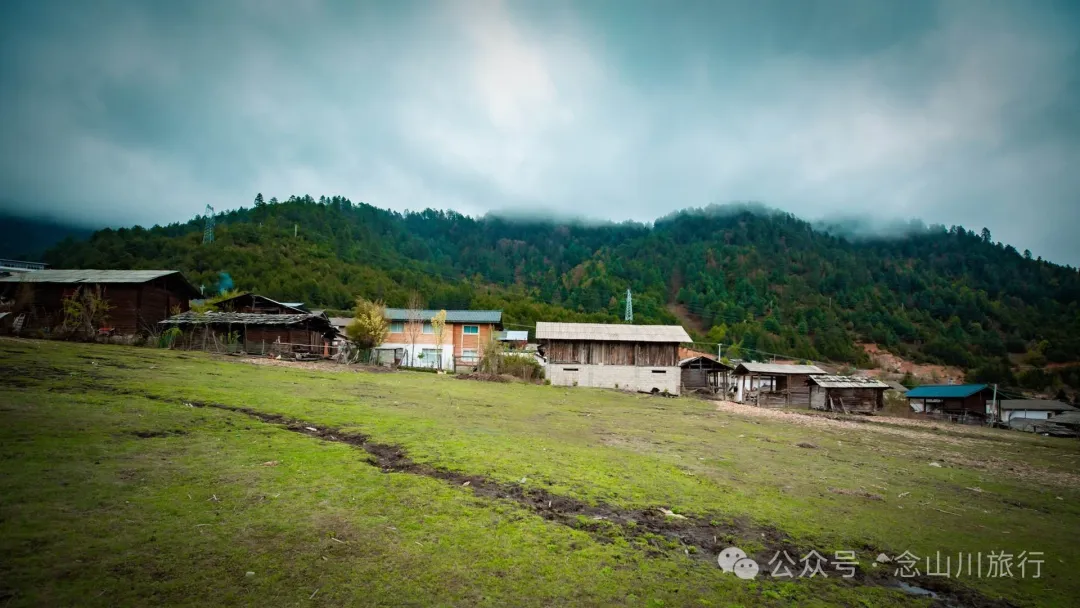
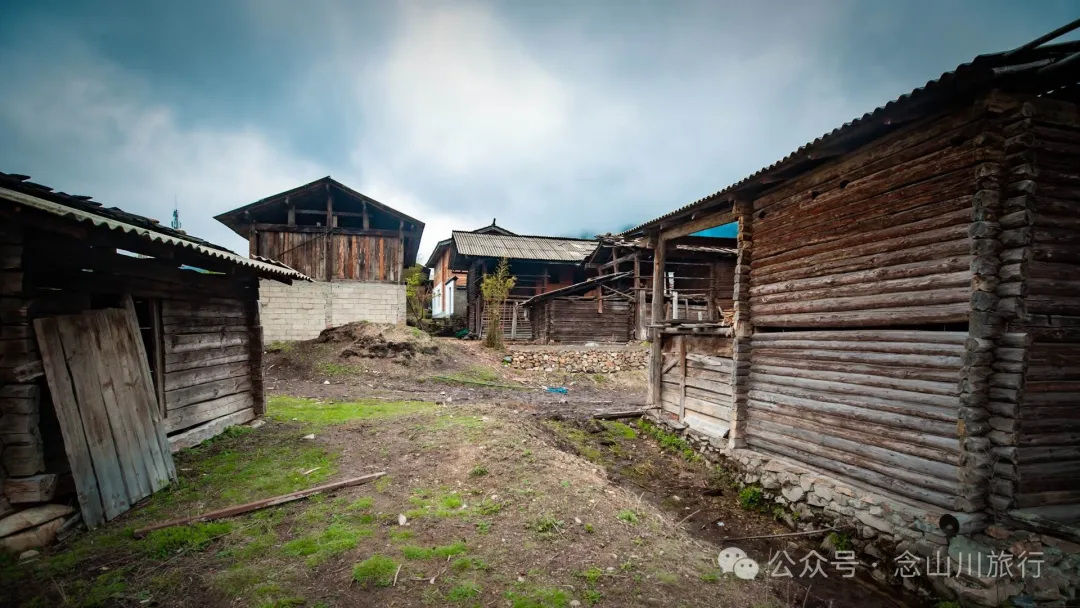
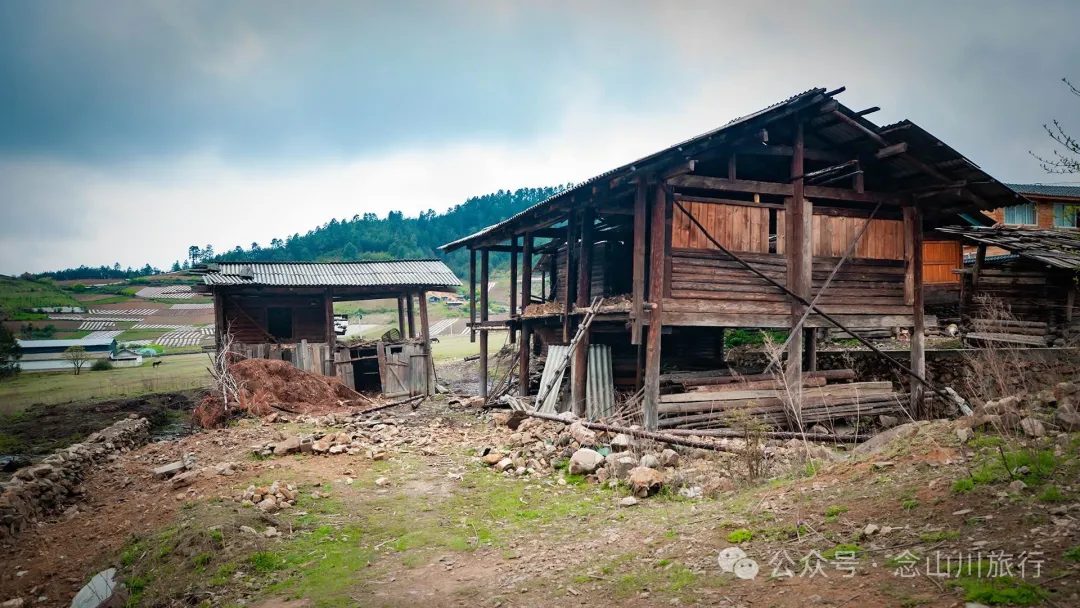
Passing the few remaining wooden houses behind the village, a vast pastoral meadow unfolds before us. Horses graze leisurely without reins, embodying the word "freedom." A herdsman sits by the ditch, occasionally glancing at his phone and then at the livestock. A flock of gray-white geese marches in neat formation across the damp grass, searching for hidden insects.
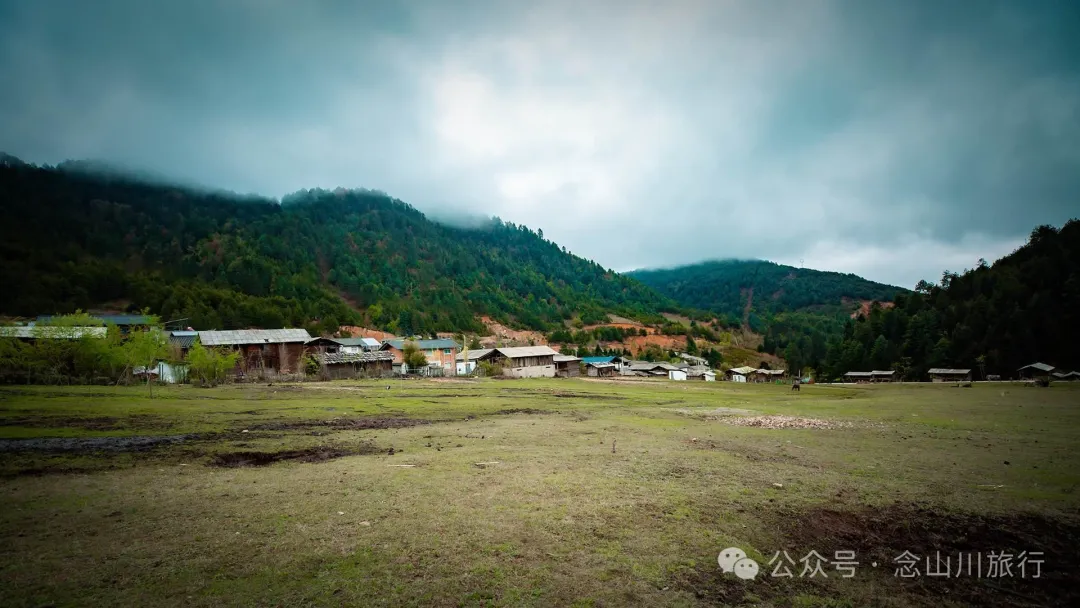
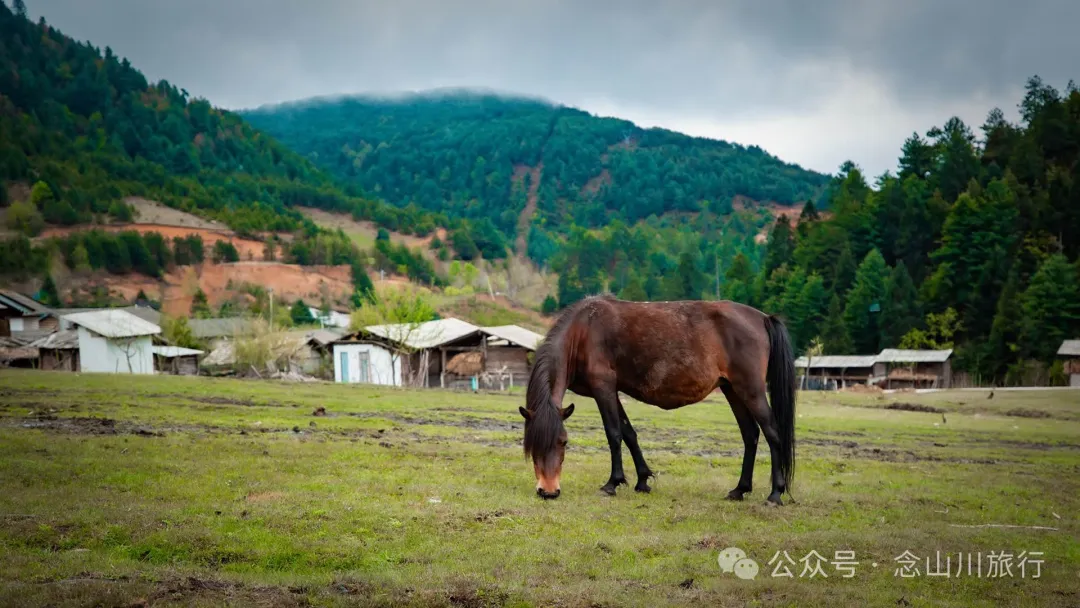
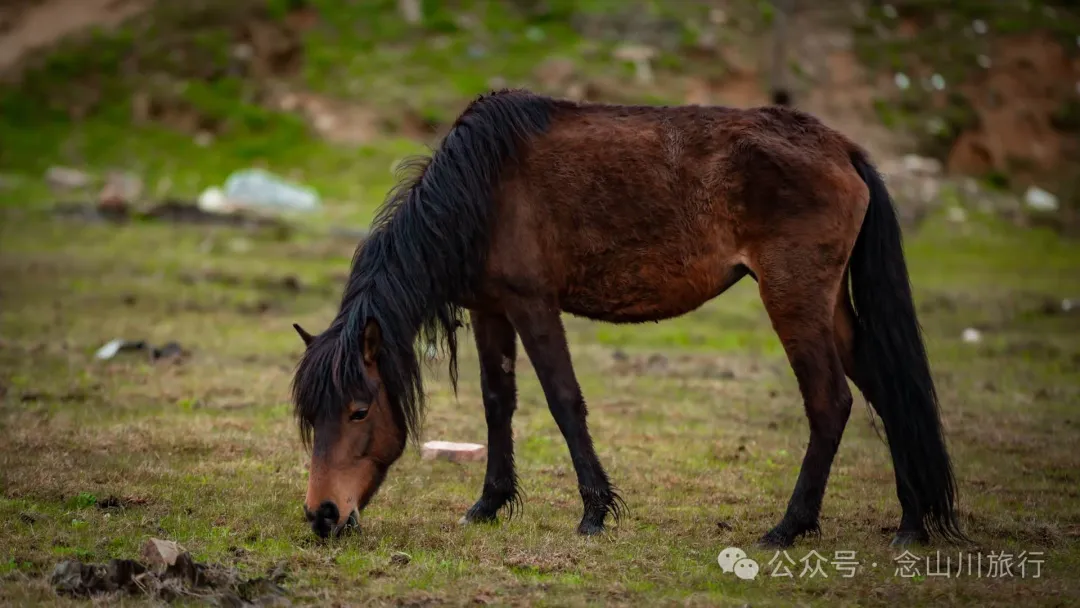
Meiluo Village is like a pearl embedded in the mountains of northwestern Yunnan. Here, there is no urban clamor, only nature's gifts and simple folk customs. When the last rays of sunset gild the wooden houses, and the bells of returning cattle and sheep sound from afar, you will understand that this is the true form of Tao Yuanming's "Peach Blossom Spring."
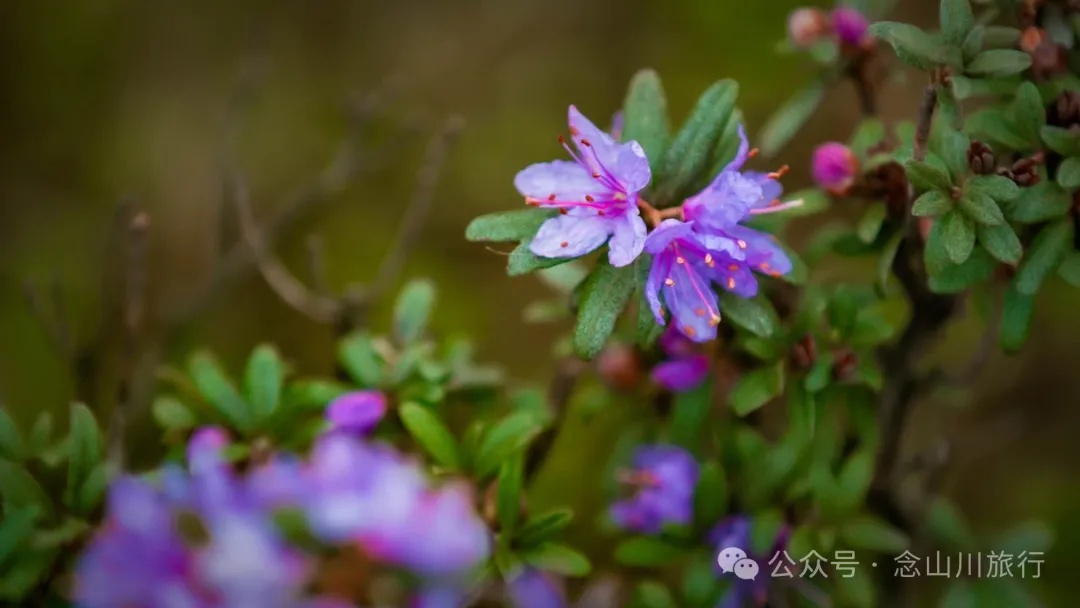
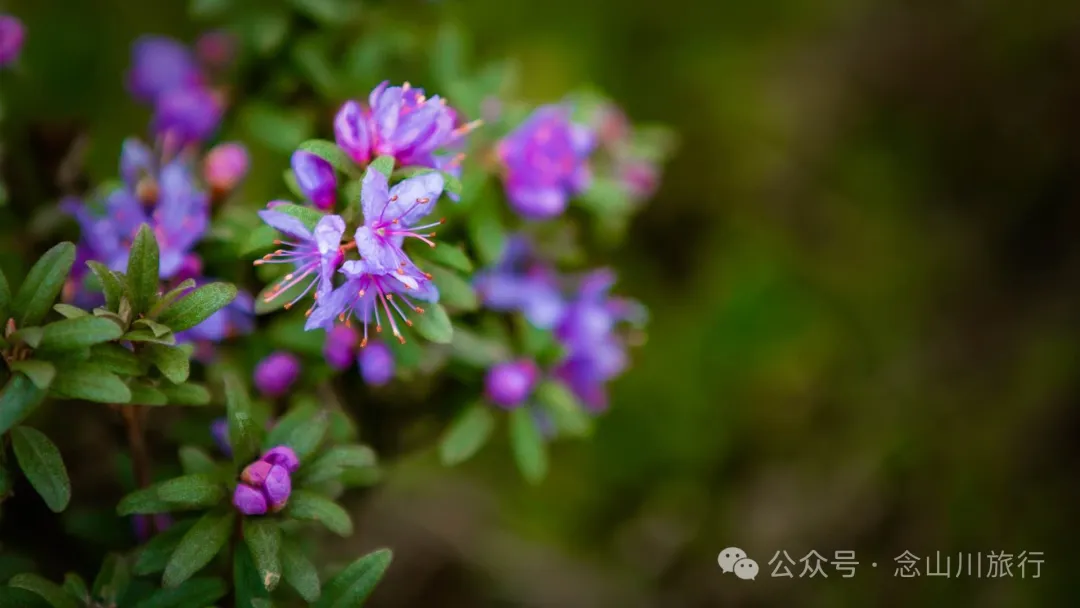
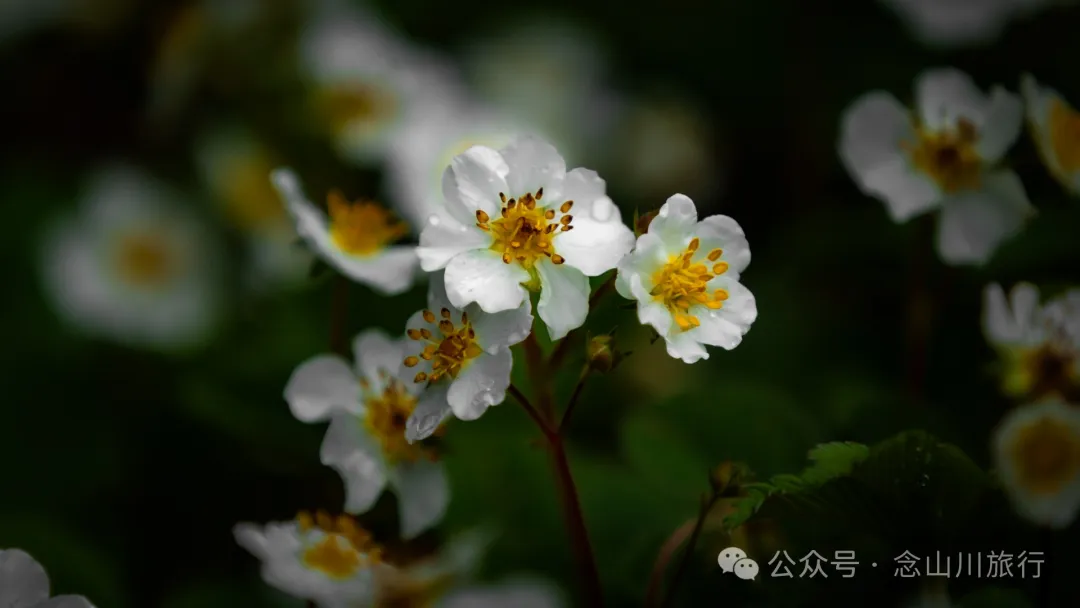
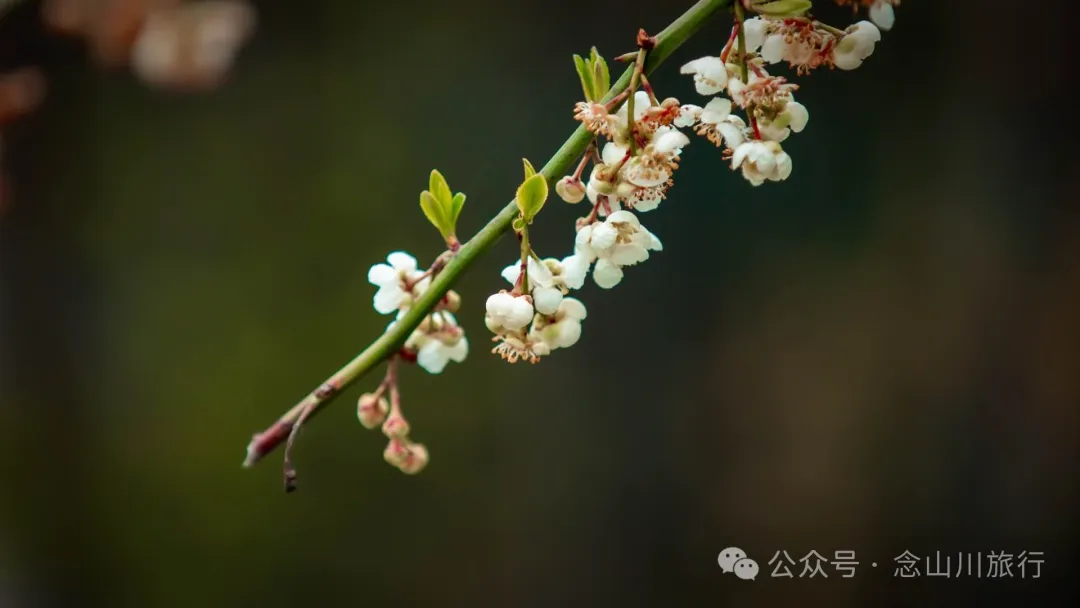
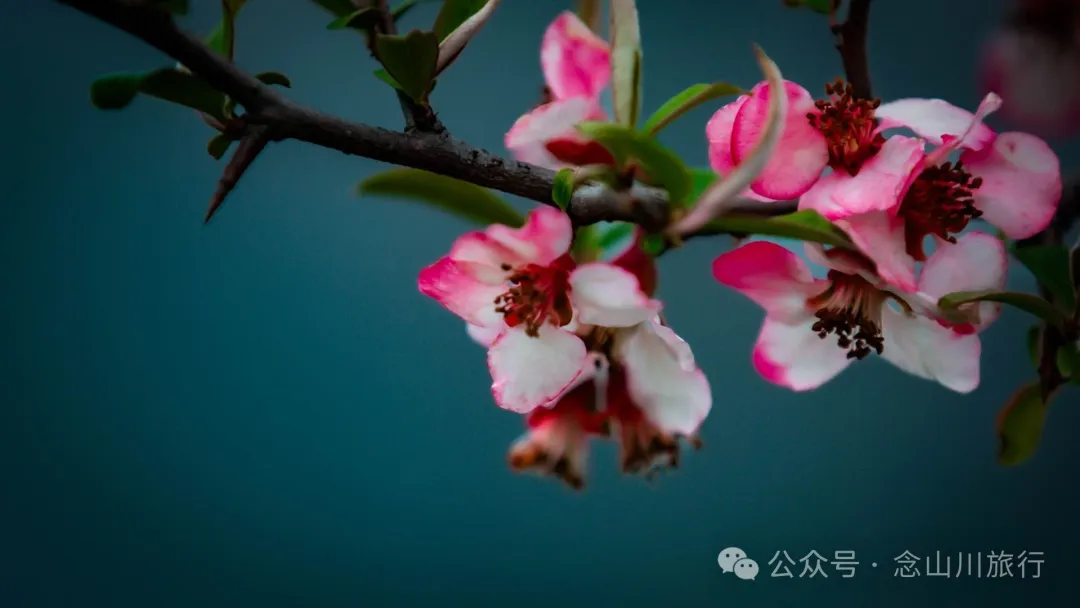
Summer in the Meiluo pasture is the most vibrant season. Colorful wildflowers bloom in competition, weaving the meadow into a splendid brocade. Alpine rhododendrons, wild strawberries, flat walnuts, and hairy-leaf quinces are in full bloom, their vibrant hues decorating the green grassland. Clear streams flow like silver ribbons through the sea of flowers.
As the sun sets, the entire pasture is bathed in golden afterglow. Returning cattle and sheep move slowly along the winding mountain paths under the herdsman's drive, looking like a string of flowing pearls from afar. Smoke rises from the wooden houses, and the aroma of highland barley wine fills the air. After nightfall, stars stud the sky like diamonds, and the Milky Way is clearly visible, seemingly within reach.
The beauty of the Meiluo pasture lies not only in its picturesque scenery but also in the wisdom of harmonious coexistence between humans and nature. The Lisu people follow ancient herding traditions, keeping this land vibrant. Here, time seems to slow down, allowing people to temporarily escape the hustle and bustle of modern society and return to the most authentic state of life.