
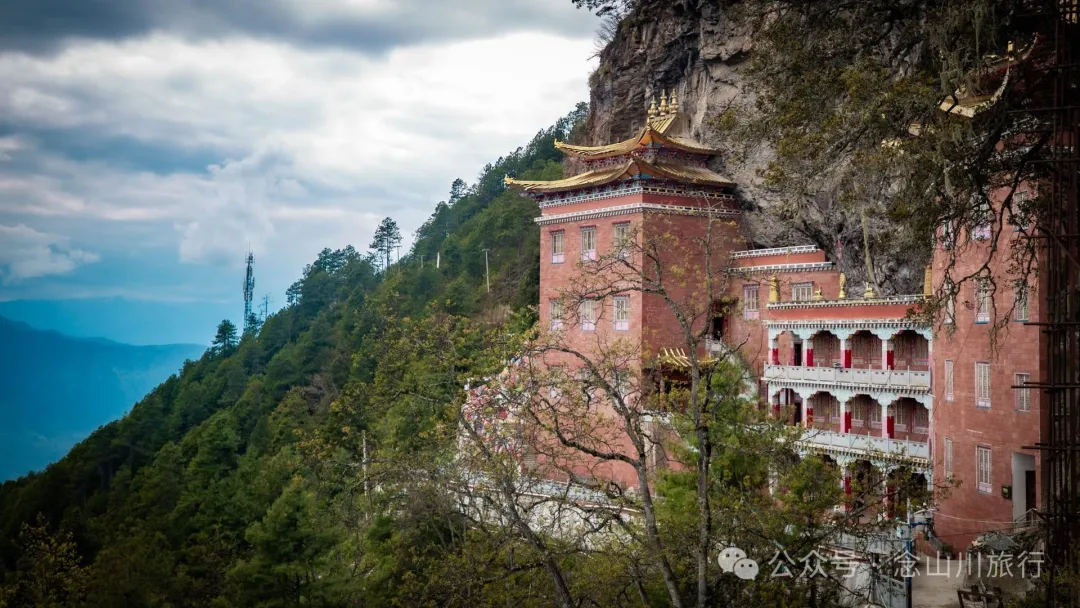
The Bodhidharma Patriarch Cave in Tacheng Town, Weixi, known in Tibetan as "Damo Nai," is located on the cliffs of Damo Mountain (also called Ahailuo Mountain) northwest of Qizong Village, Tacheng Town, Weixi County, Diqing Tibetan Autonomous Prefecture, Yunnan Province. This sacred site of Tibetan Buddhism, blending natural wonders with human faith, is renowned for its perilous hanging structures, long-standing religious legends, and unique mountain circumambulation culture, making it an important religious and cultural heritage in northwestern Yunnan.
The Bodhidharma Patriarch Cave sits by the Lappu River, a tributary of the Jinsha River, about 6 kilometers from Qizong Village and 20 kilometers from Tacheng Town. Damo Mountain resembles a seated Buddha, with an altitude of about 3,000 meters, lush forests, and swirling clouds. The cave is a natural rock cavern, 30 meters high and 10 meters deep, facing south, with a deep and spacious interior. From the temple, one can see the Jinsha River winding south like a "white hada," complemented by surrounding landscapes like Elephant Mountain and Tacheng Slope Pass, forming a ethereal and magnificent natural picture.
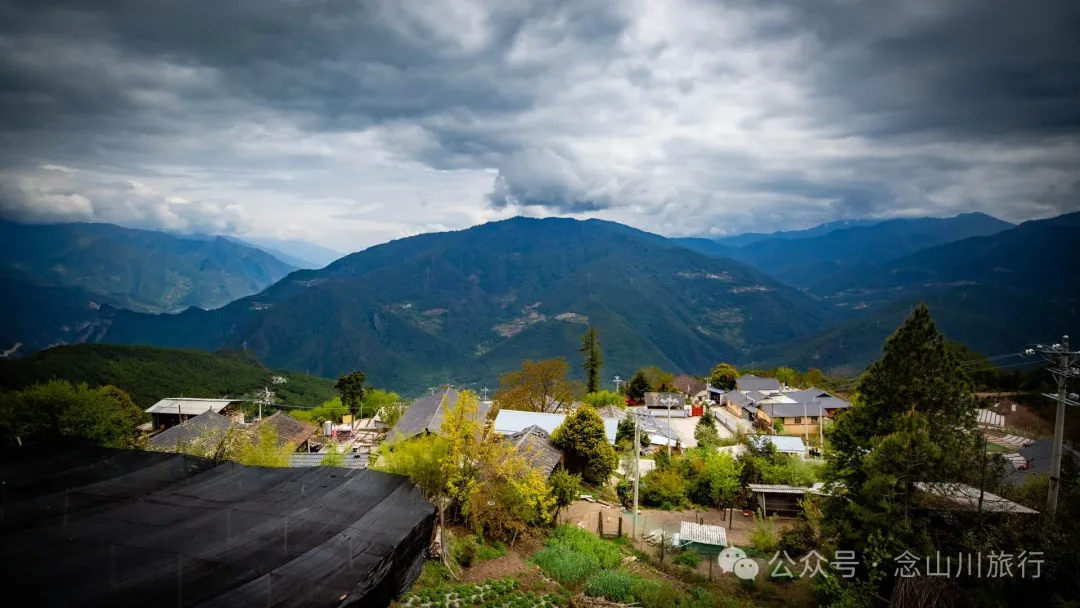
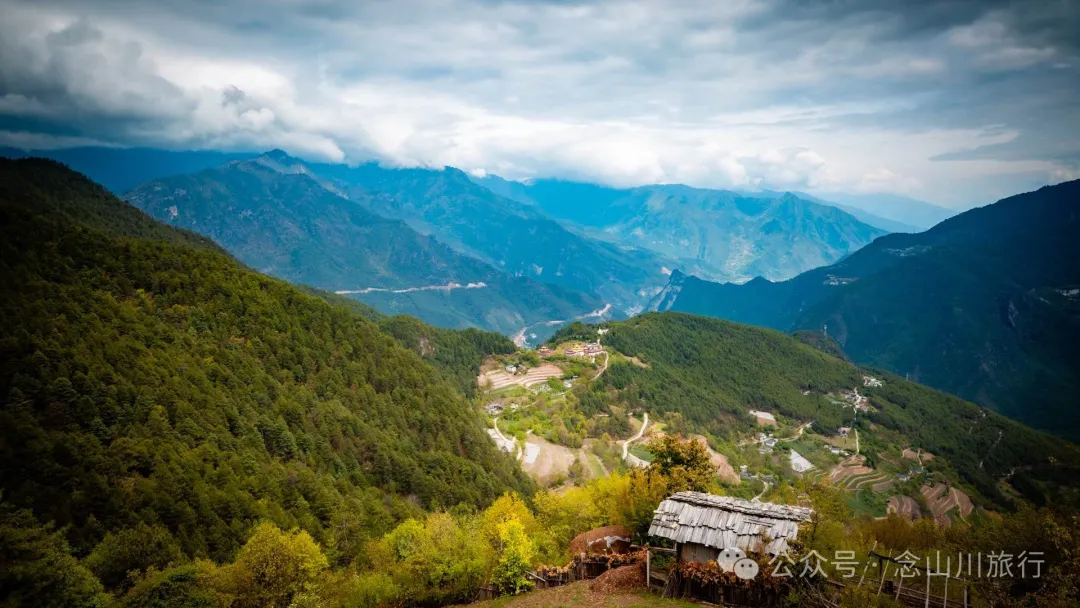
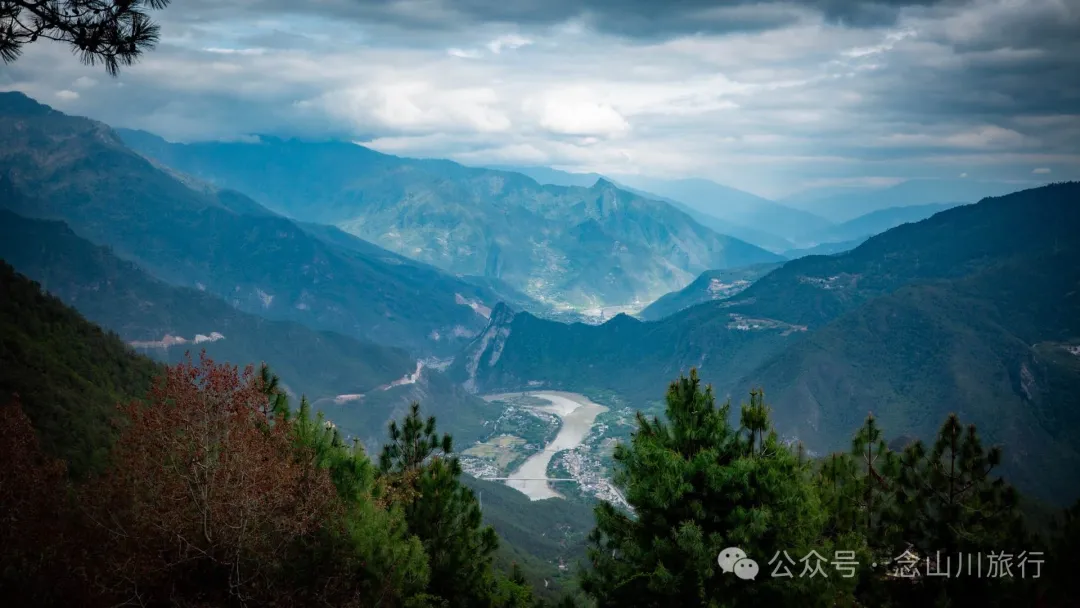
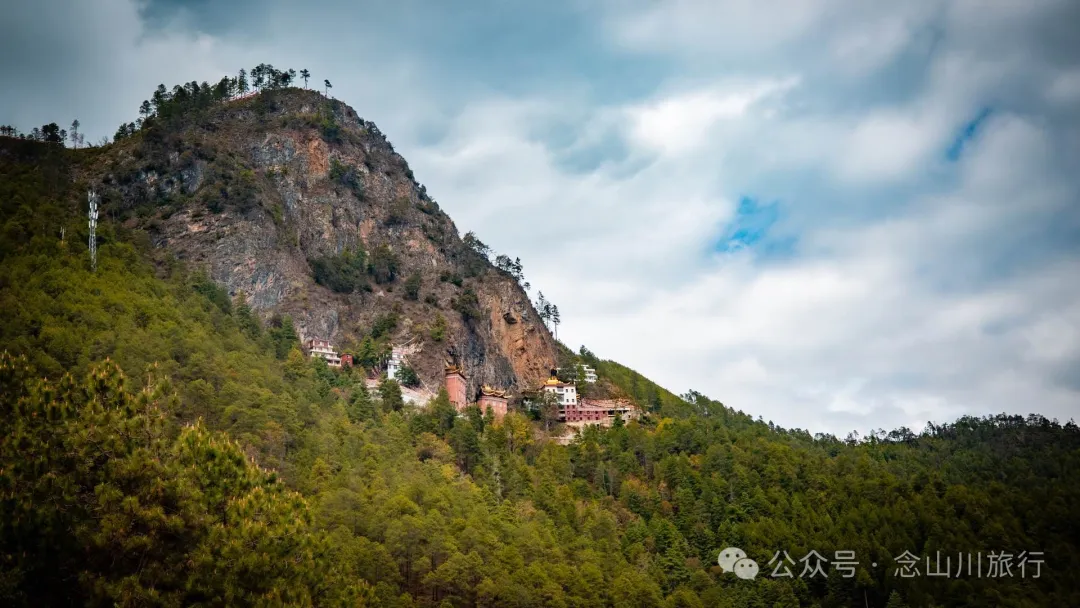
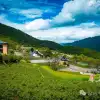
Starting from Tacheng Town, driving along winding mountain roads, the Lappu River outside the window meanders toward the Jinsha River. Villages nestled in the mountains are peaceful and serene, with the misty Damo Mountain faintly visible in the distance. Upon reaching the foot of the mountain, a zigzag path leads up to the cave. This season, the primeval forests on both sides of the path are in full bloom with azaleas, red as fire and white as snow, occasionally punctuated by bird calls. Halfway up, looking back, the Laiyuan Temple and Damo Temple at the foot become blurred silhouettes of red and yellow, while the Jinsha River winds through the mountains, evoking a sense of vastness and insignificance.
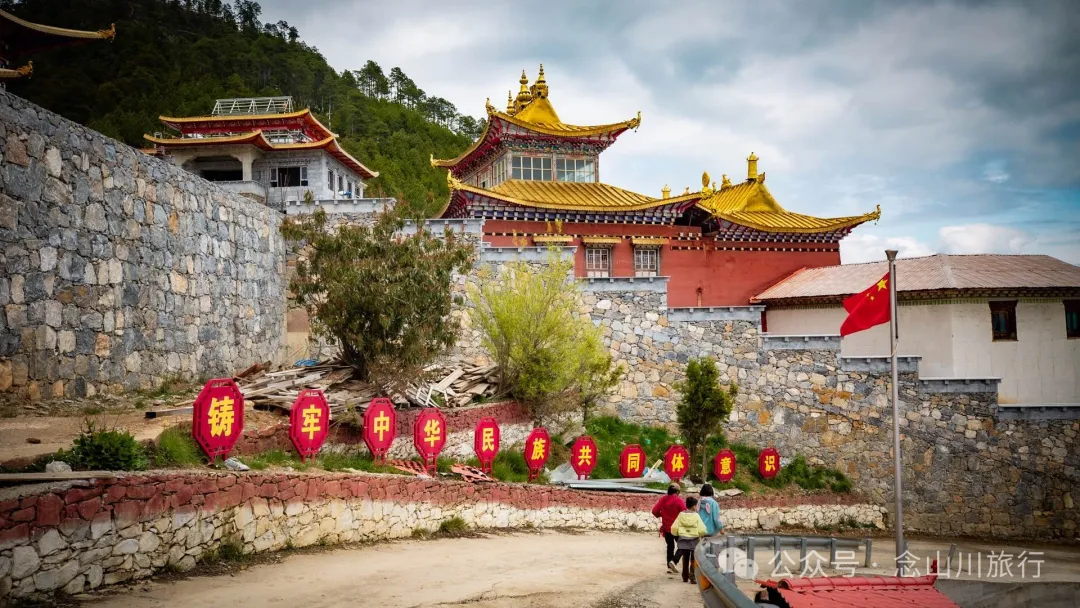
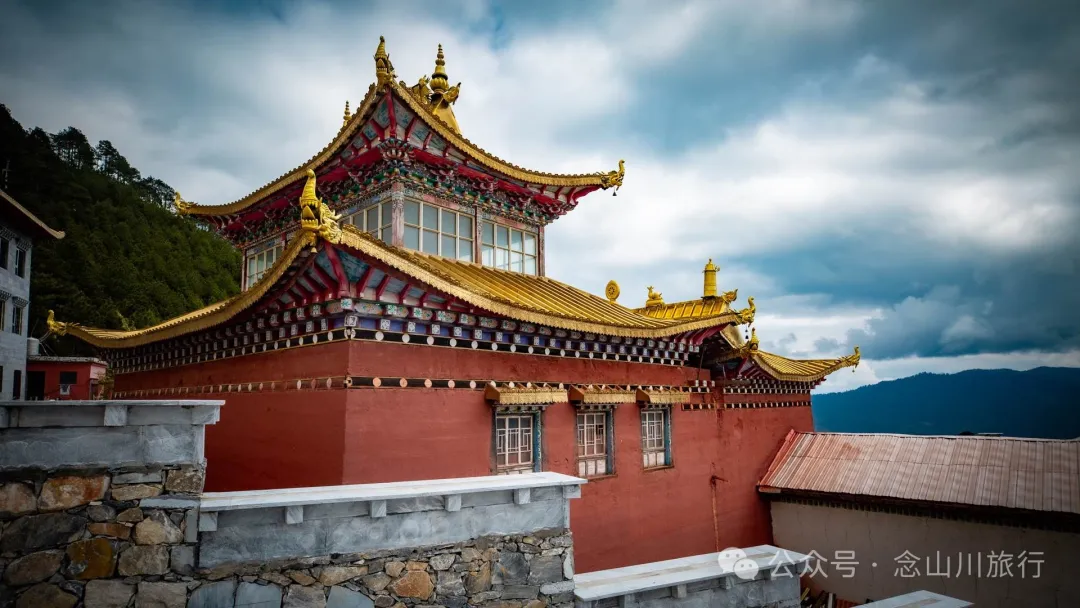
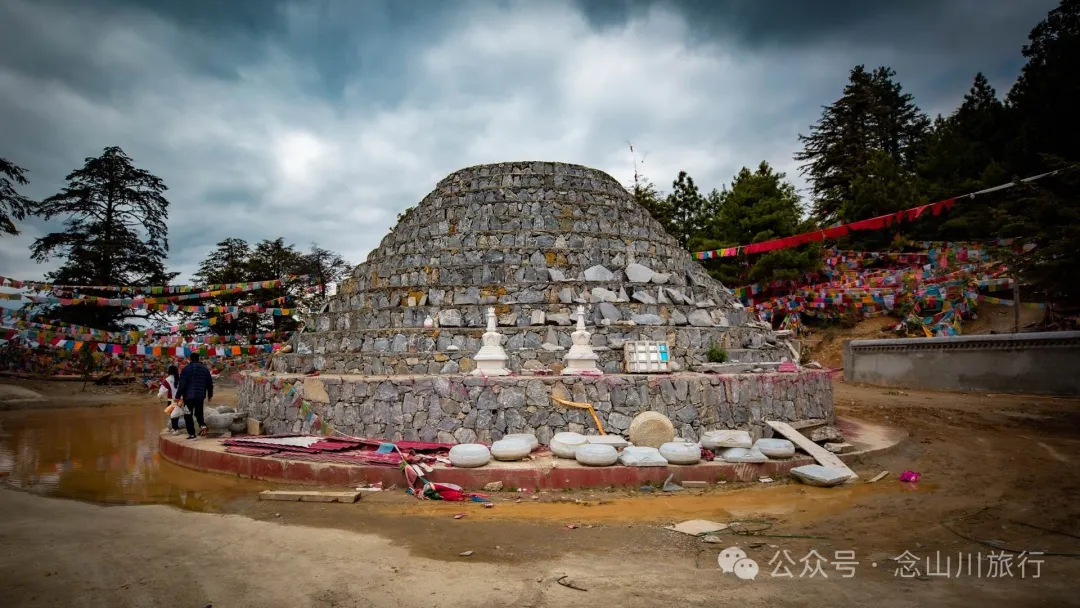
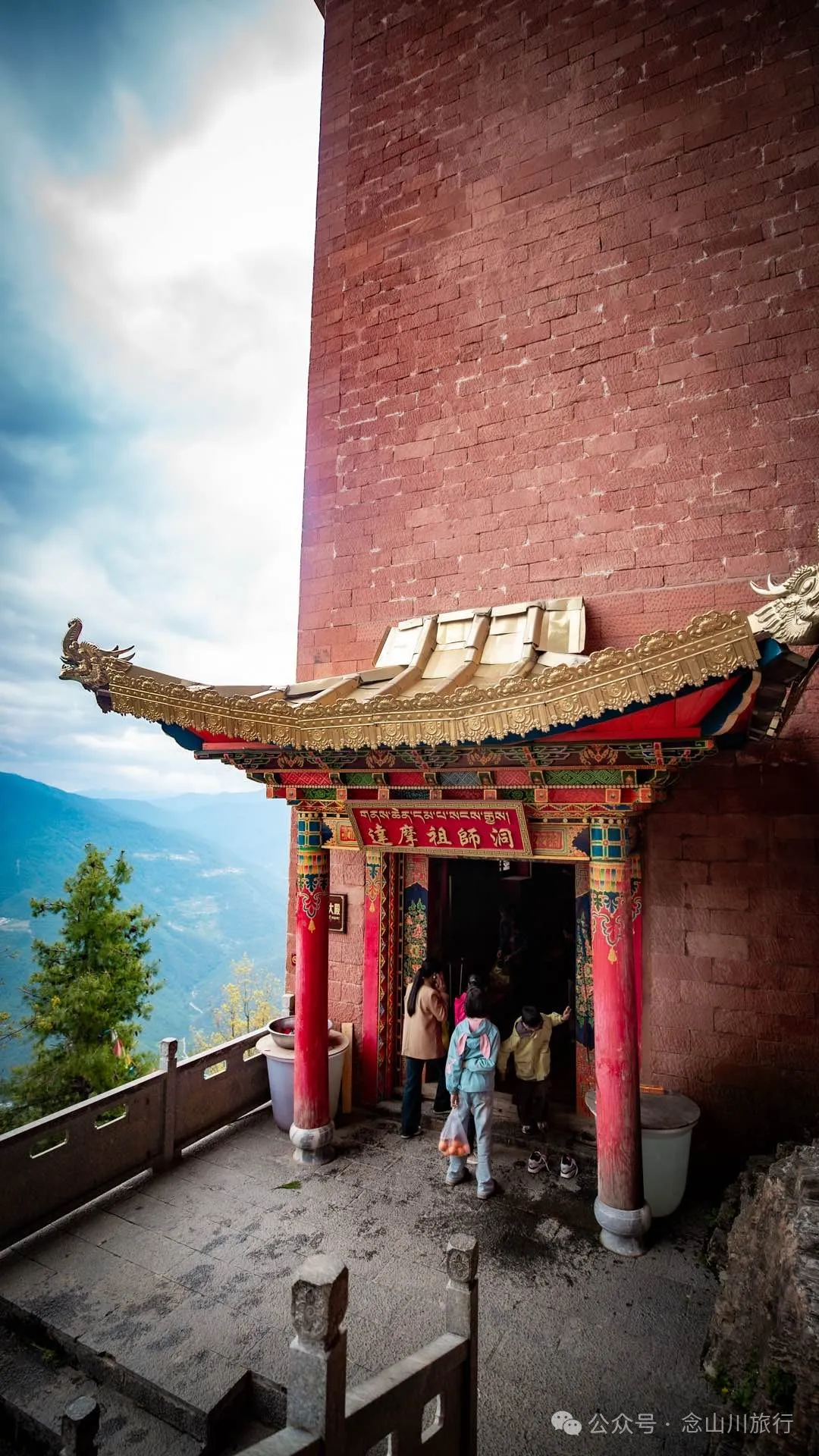
After Tibetan Buddhism spread to Diqing, folklore says that the Indian monk Bodhidharma meditated in this cave for ten years, attaining enlightenment, leaving behind his image and footprints on the cave walls, hence the name "Bodhidharma Patriarch Cave."
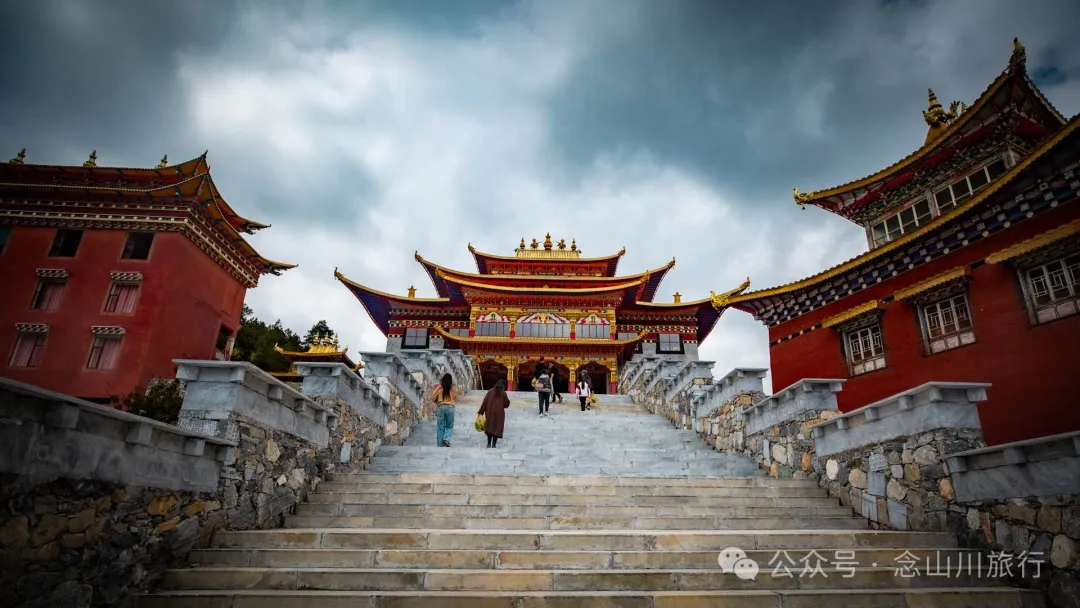
In the first year of the Kangxi reign (1662), believers carved into the cave walls and built wooden structures, creating a staggered Tibetan-style earth-wood building complex. Expanded during the Guangxu period, by the end of the Qing Dynasty, it housed over 40 monk quarters, forming a "tripod" religious layout with the Damo Temple and Laiyuan Temple at the foot. Today, new temples have been built, making it even more majestic.
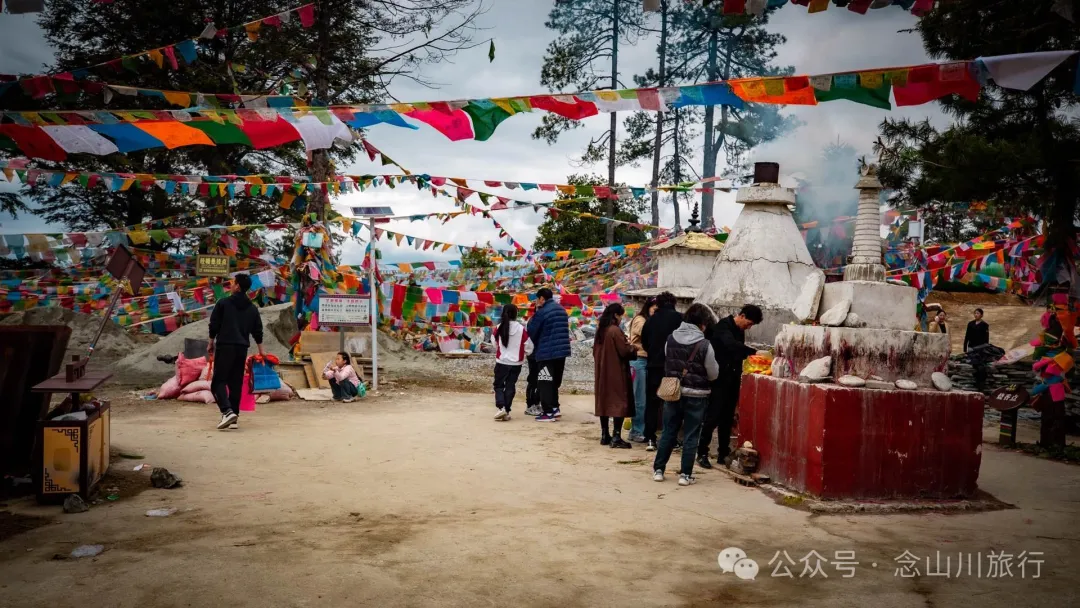
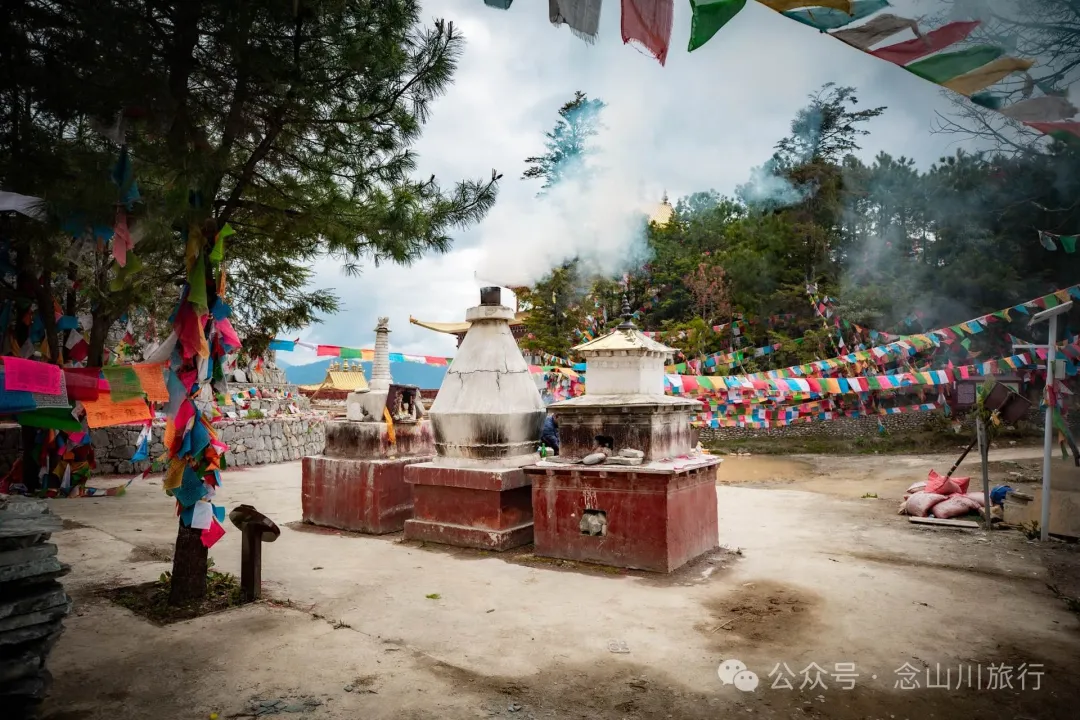
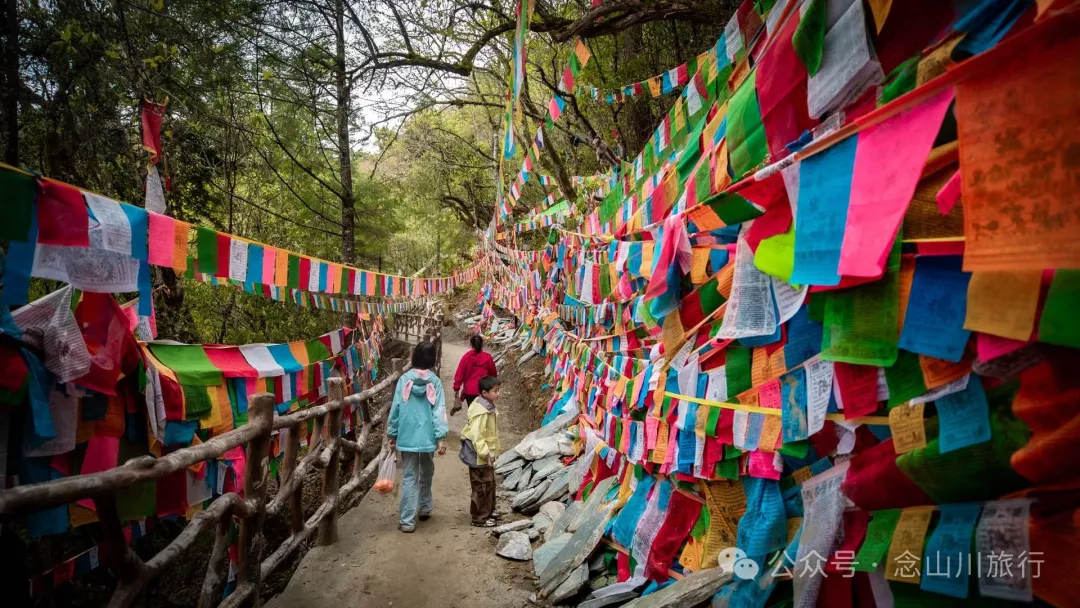
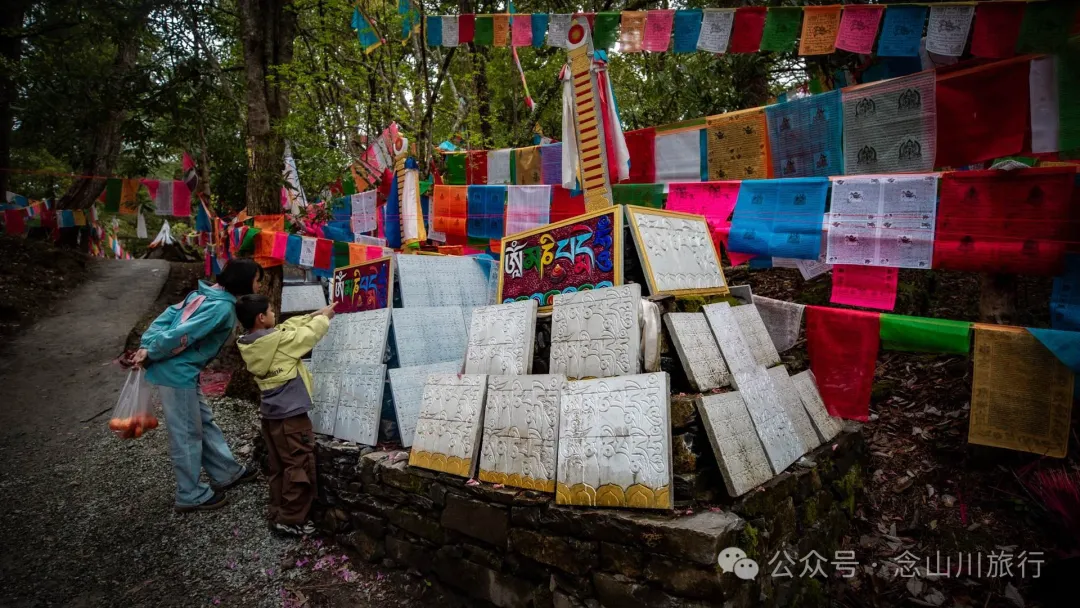
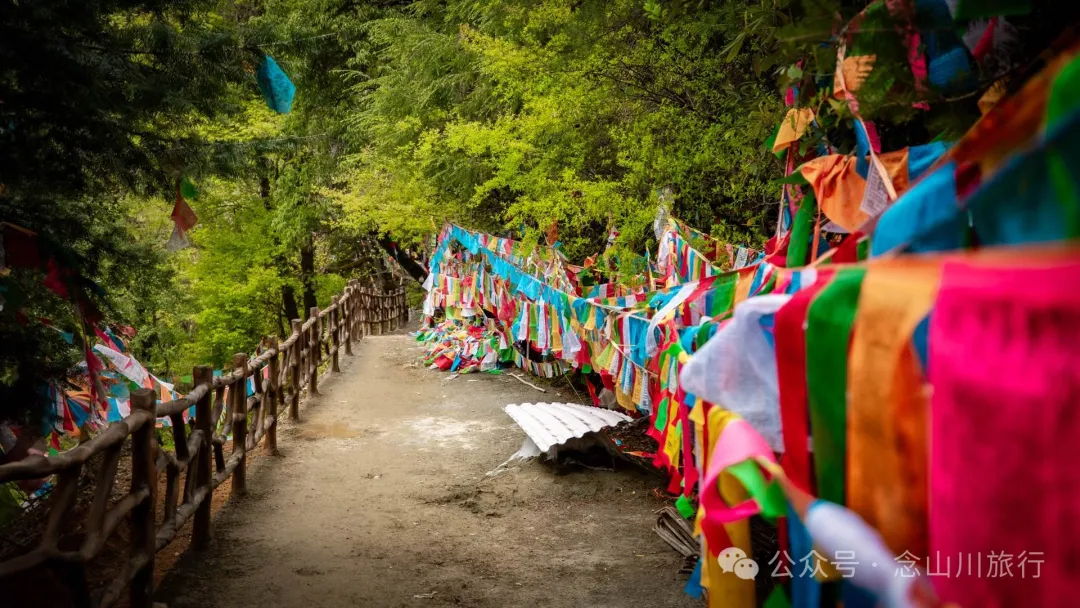
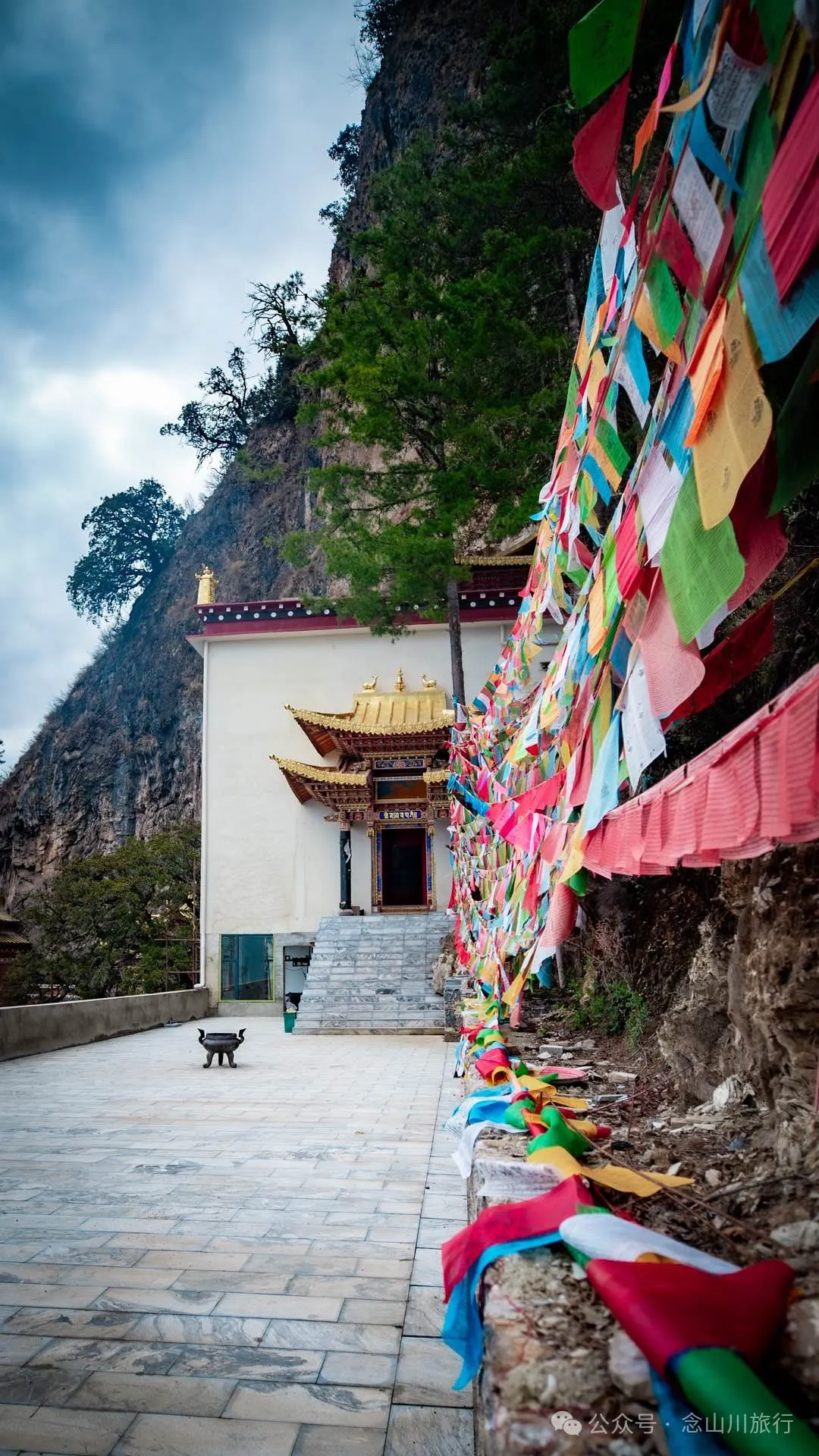
Coinciding with a holiday, we encountered many Tibetan pilgrims performing mountain circumambulation. Following them, we walked clockwise along the 3-kilometer kora path. Along the way, several Tibetan women prostrated themselves every three steps, their foreheads covered in mud but eyes shining with devotion. A young girl stood by the roadside, slowly following along. This physical expression of faith was awe-inspiring. Following the crowd to the summit, the smoke from the incense burner rose, the scent of burning cypress branches intertwined with chanting, creating a unique religious rhythm. At that moment, faith was no longer an abstract concept but embodied in the wind-blown prayer flags, the beads in their hands, and the warmth of their foreheads.
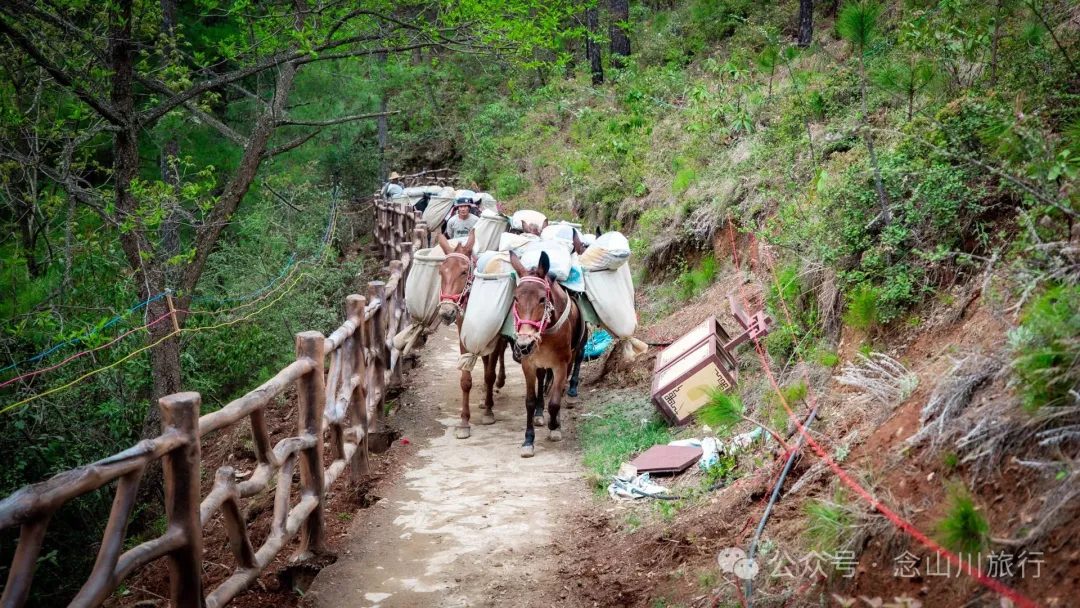
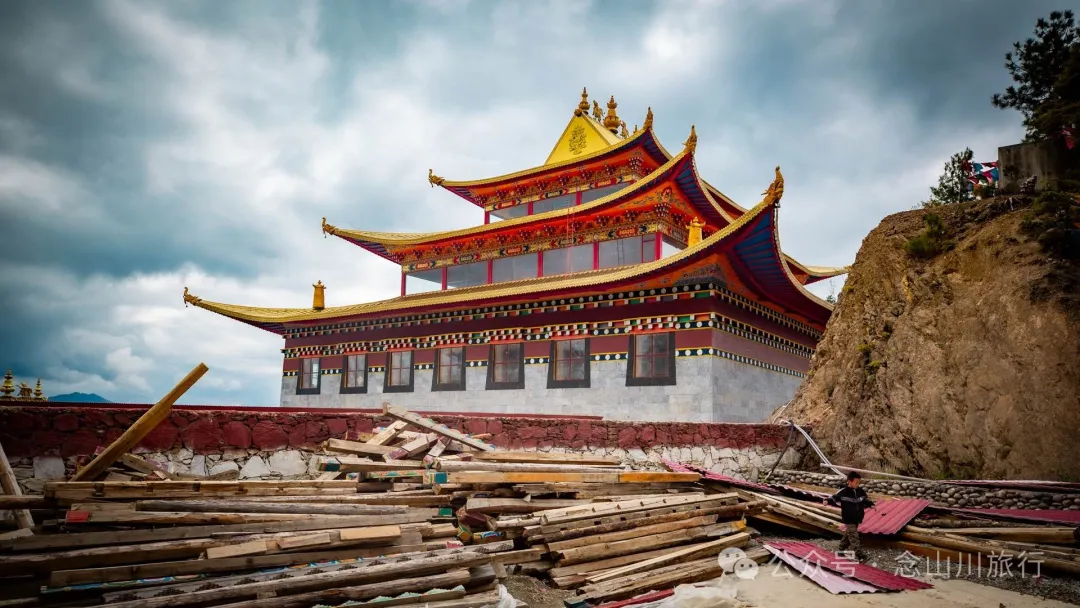
Several main halls of the Bodhidharma Patriarch Cave are still under construction. The mountain paths are narrow, so building materials are carried up by mules.
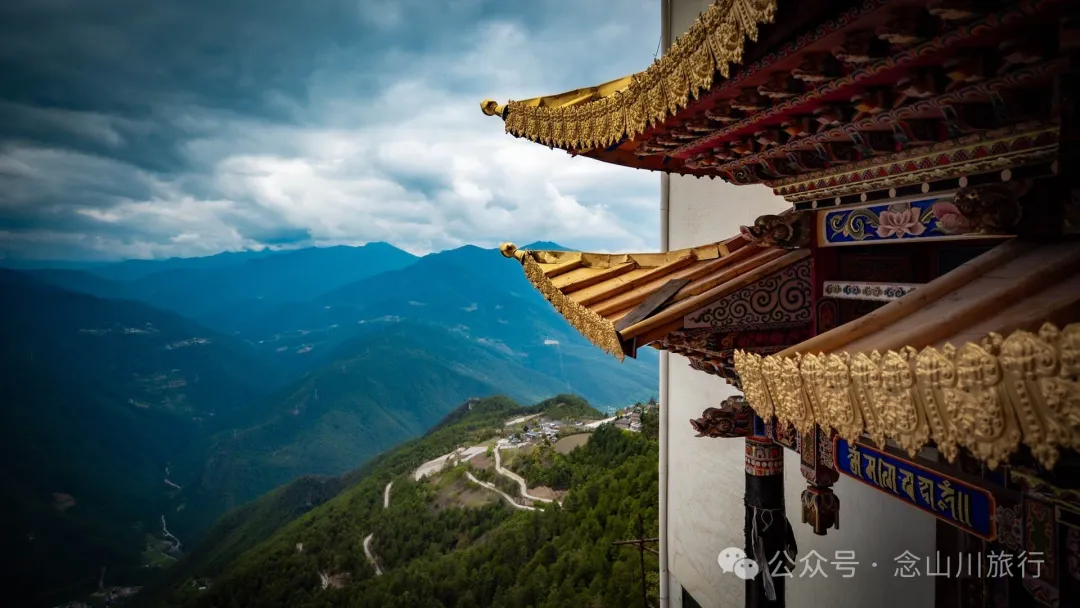
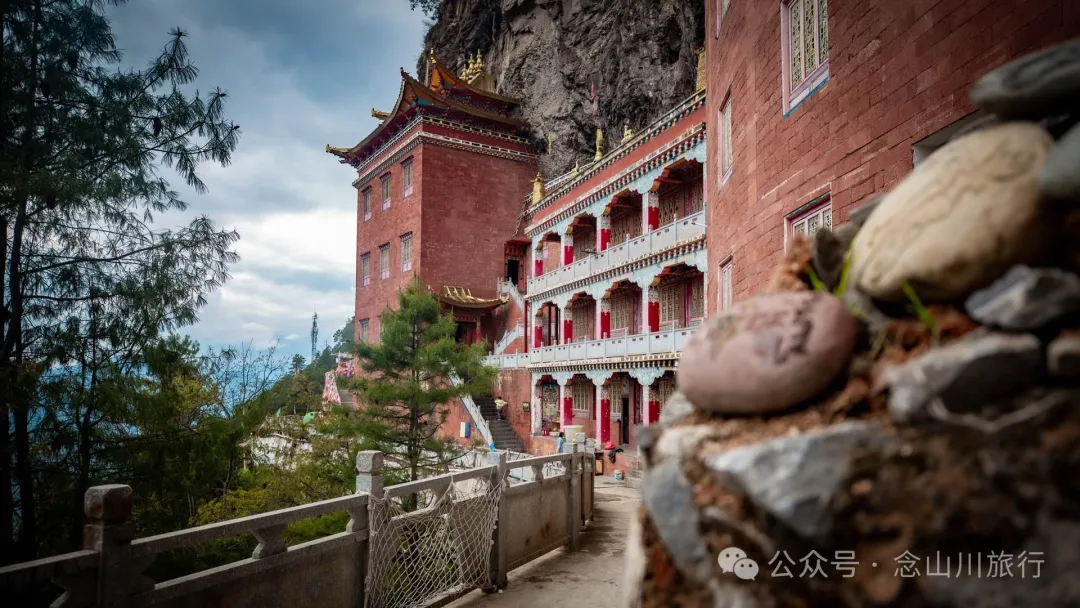
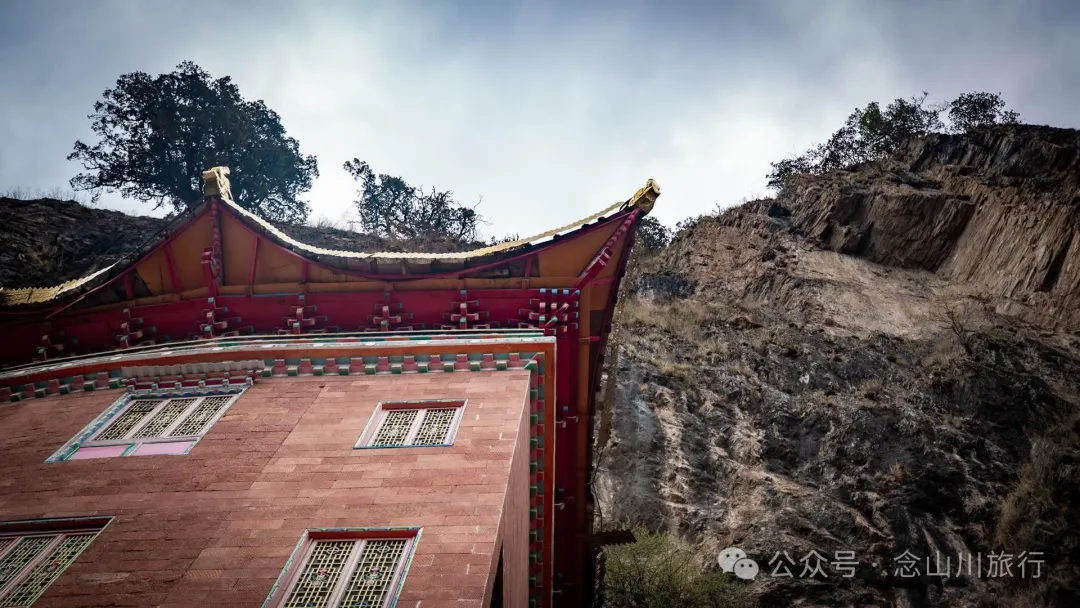
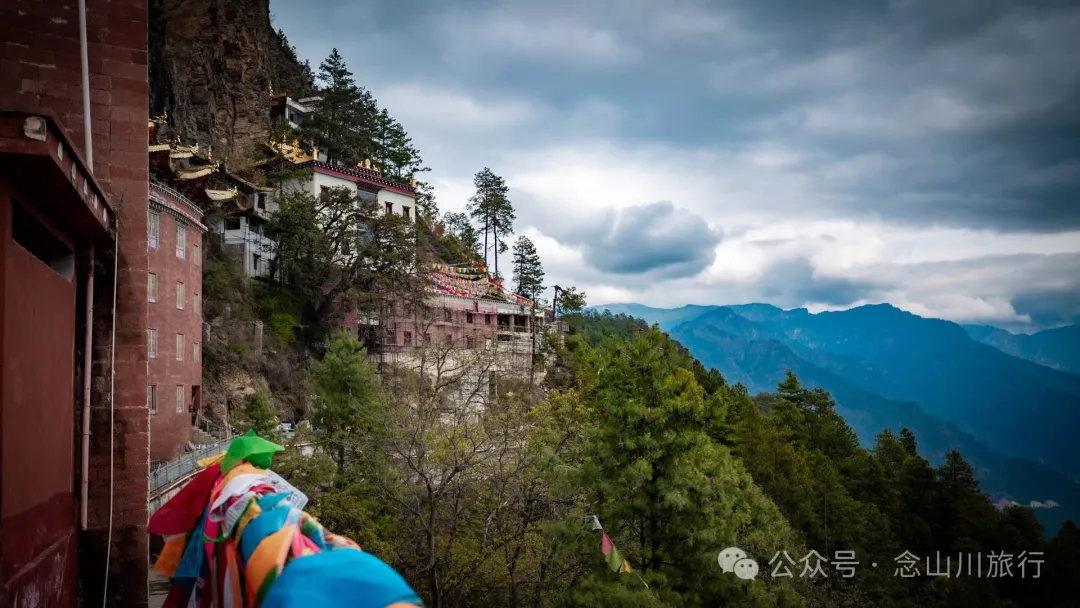
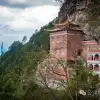
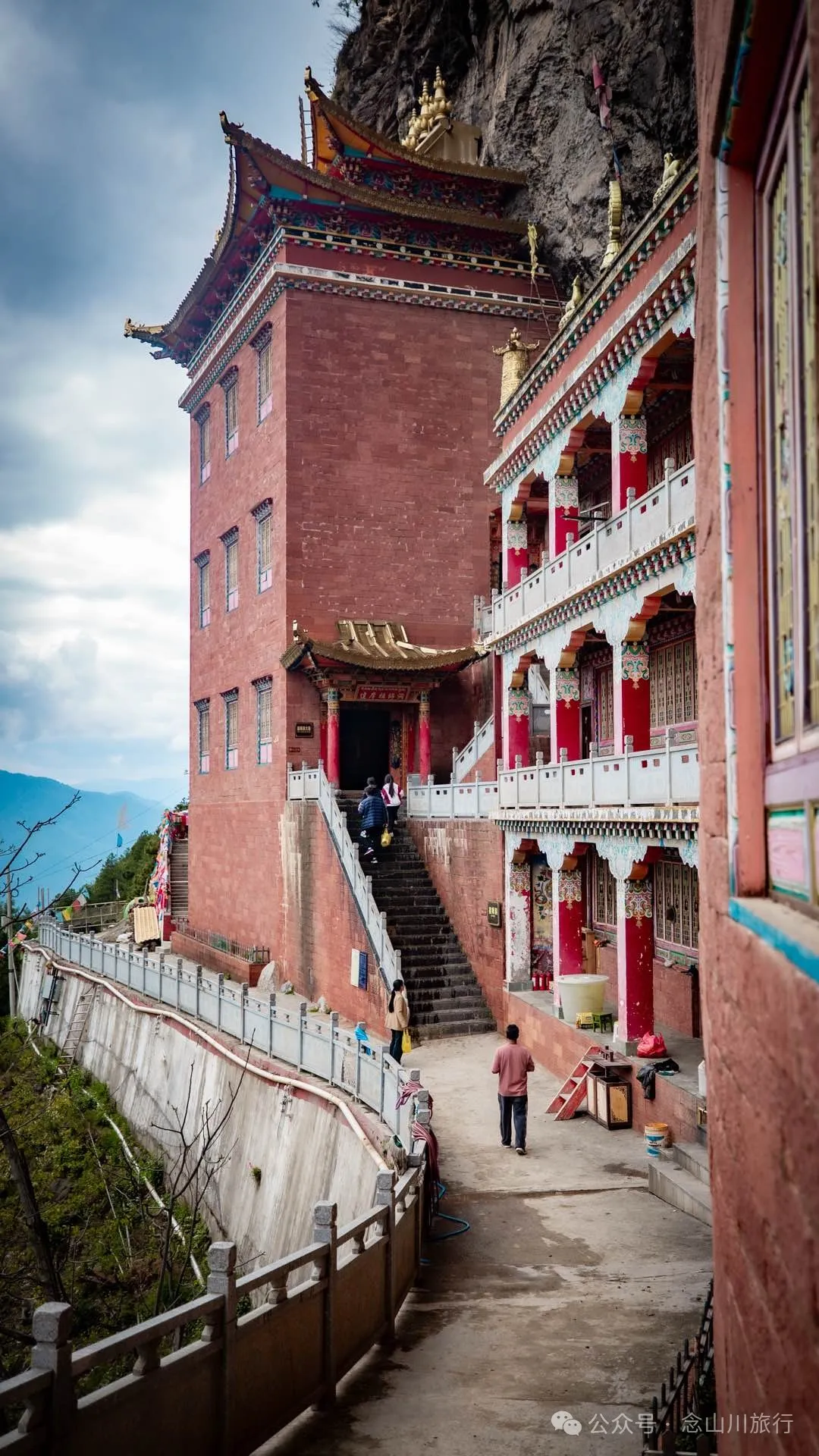
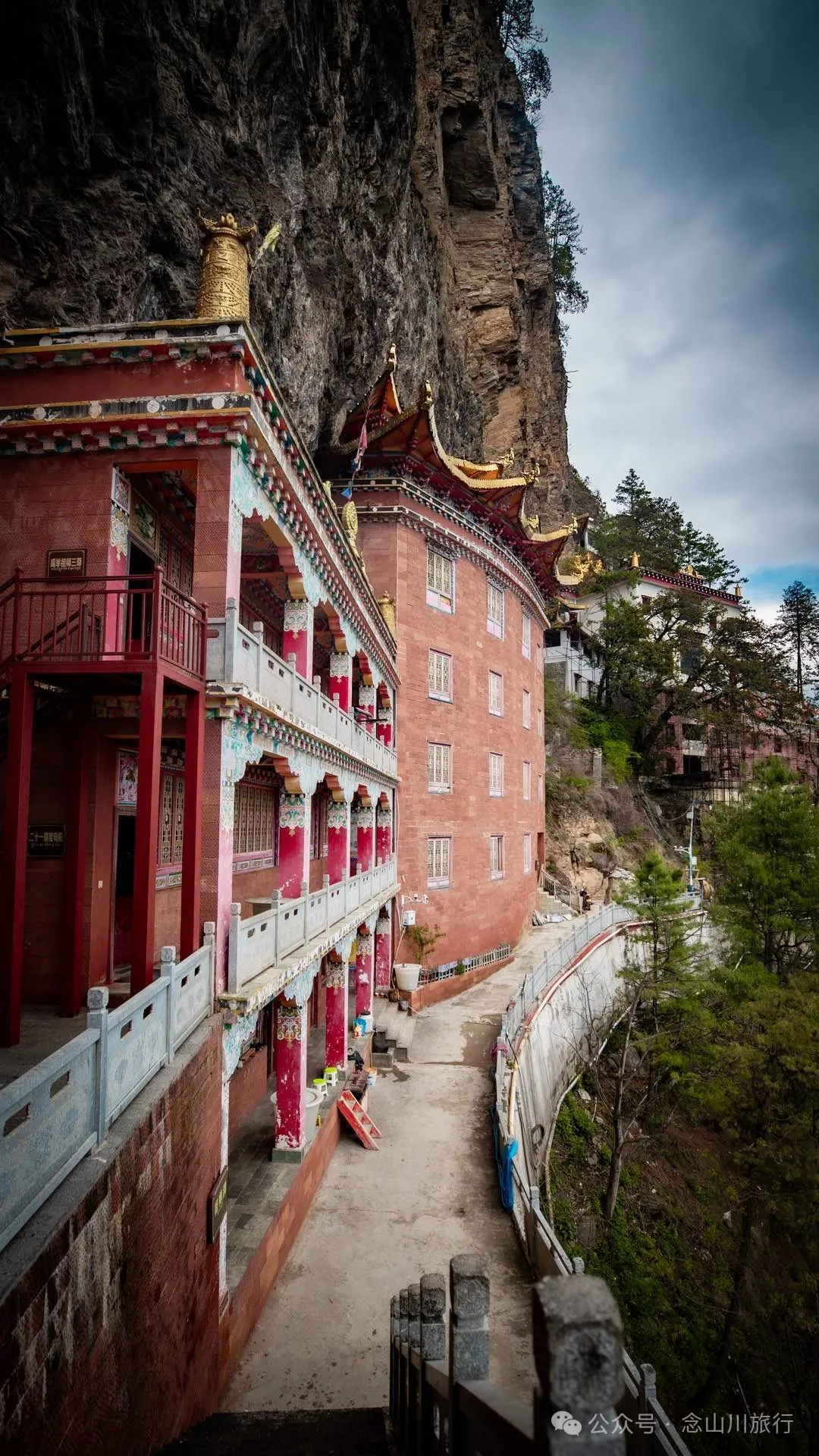
The architecture of the Bodhidharma Patriarch Cave is a model of "unity of heaven and man." The temple is built along the cave walls, supported by wooden pillars, carved into the rock, and stacked into multi-story buildings, forming a five-story pavilion integrated with the cave. From a distance, it looks like a "hanging pavilion" on a cliff, with red walls and yellow tiles contrasting with the rock. The main hall houses statues of Sakyamuni, Padmasambhava, Tsongkhapa, and Kagyu patriarchs, and treasures relics such as Bodhidharma's footprints, stupas, and Tibetan inscriptions. Monk quarters and meditation rooms are scattered, with nearly 80 monks currently residing. The cave retains Bodhidharma's meditation image, footprint slabs, and disciples' stupas and murals, considered spiritual symbols for practitioners.
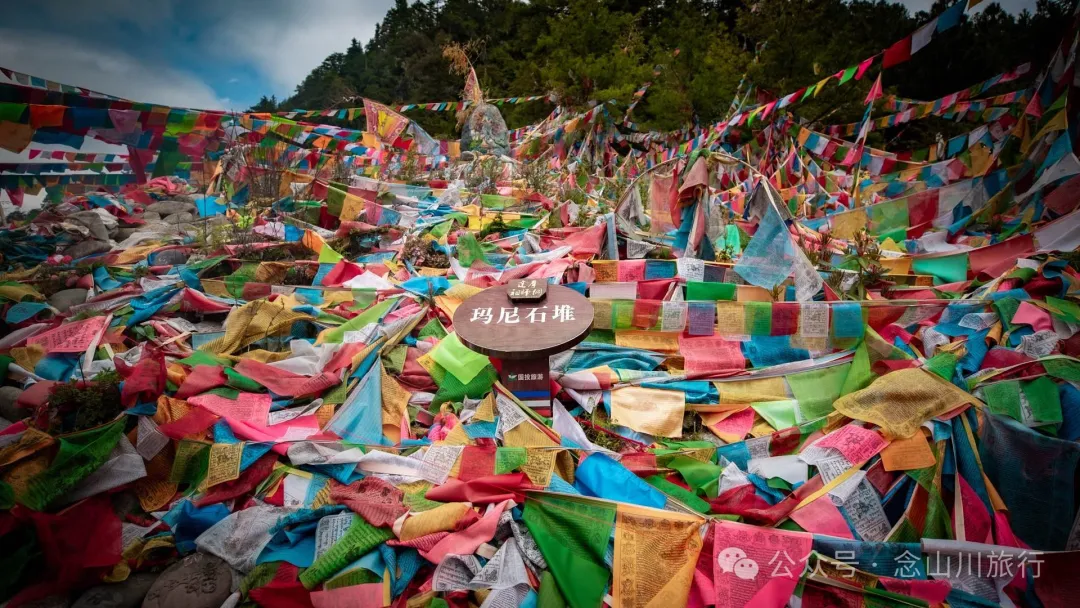
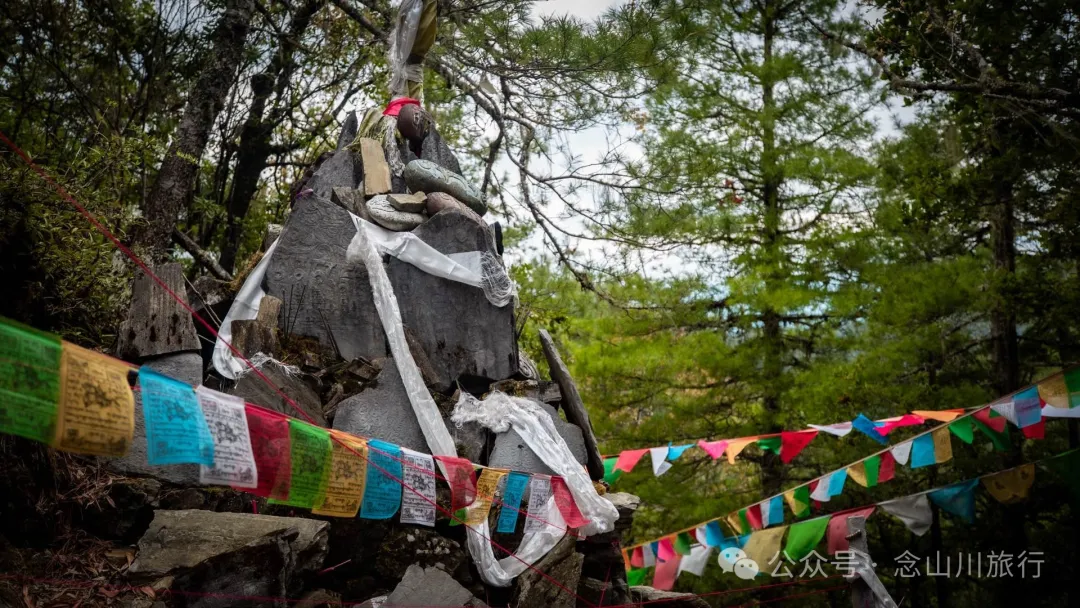
Mani stone piles are the most simple yet awe-inspiring faith totems in Tibet. Called "Dobeng" in Tibetan (meaning "one hundred thousand scripture stones"), they are built from countless stone slabs engraved with the six-syllable mantra, Buddha images, or Kangyur scriptures, sometimes stretching for kilometers like a scripture Great Wall prostrate on the earth. Pilgrims circumambulate clockwise and add stones, letting the wind-driven prayer flags and the stone piles grow together. The stones, polished by time, bear the devout knife marks of "Duoguo" (scripture carvers) and the wishes of travelers. They are both signposts to the divine realm and an open-air library on the plateau, telling a thousand-year spiritual epic in silent stone language.
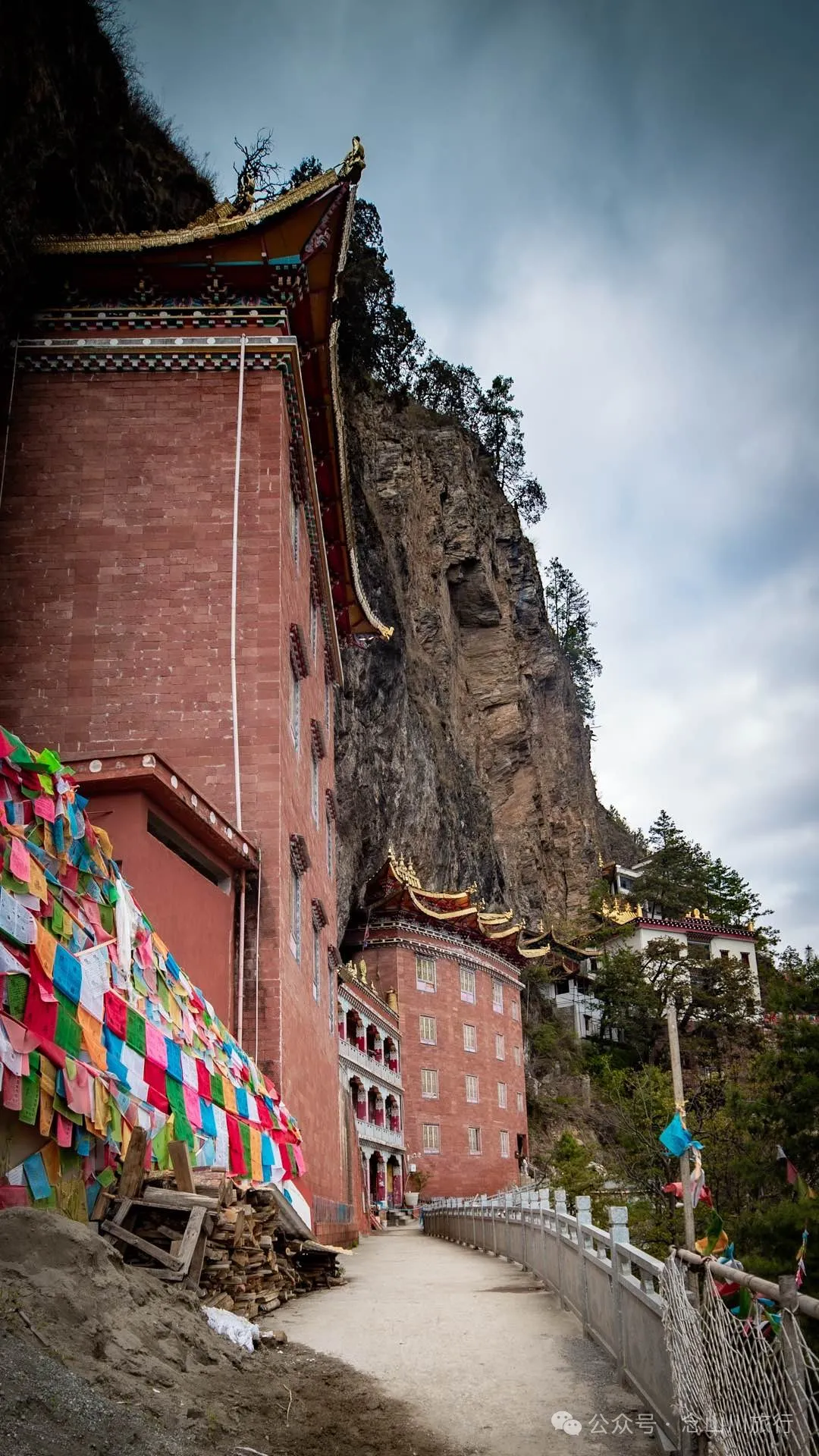
As an important site of the Kagyu school of Tibetan Buddhism, the Bodhidharma Patriarch Cave is not only a religious sanctuary but also a witness to multi-ethnic cultural exchange. Its architectural techniques demonstrate the wisdom of Tibetan ancestors in conquering nature, while the circumambulation activity continues the tradition of harmonious coexistence between faith and ecology. With its peril, wonder, spirituality, and beauty, the cave attracts pilgrims and travelers alike. Whether gazing up at the hanging temple in awe or participating in the kora with devotion, one feels the power of faith and the divinity of nature intertwined.