
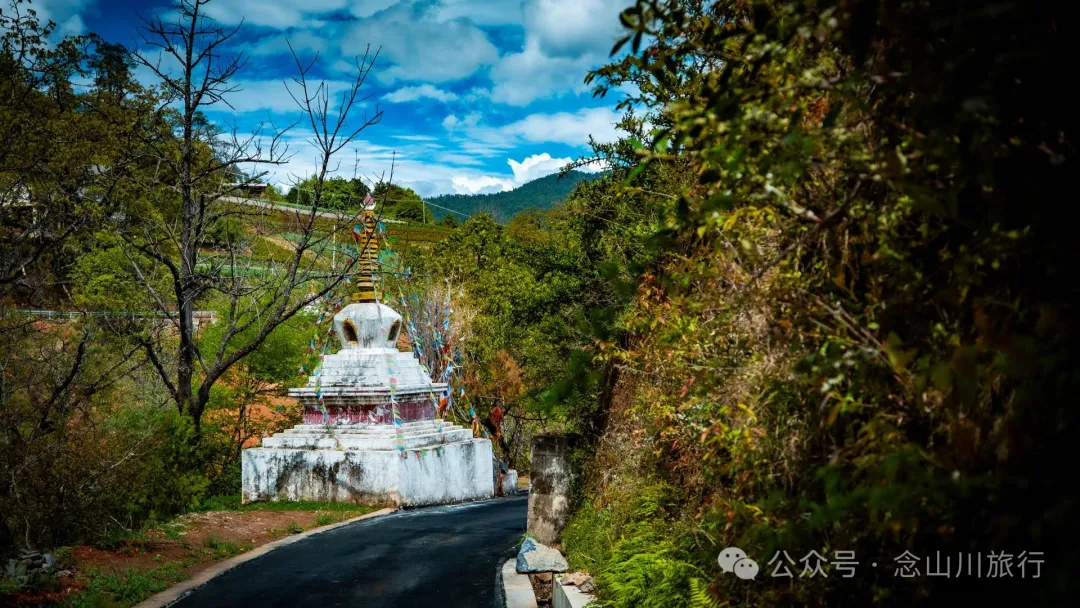
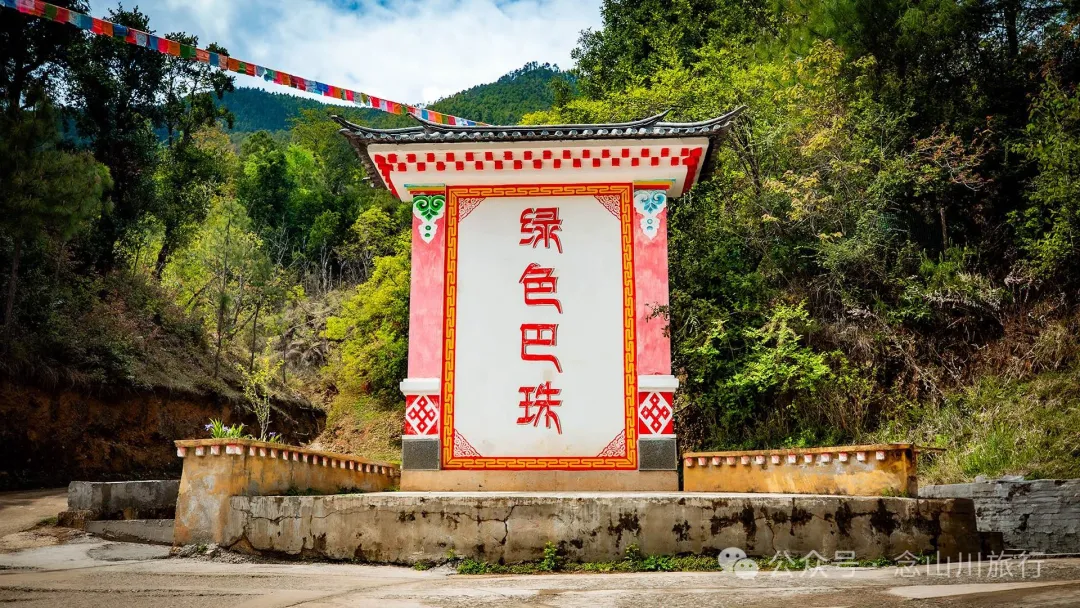
Located in Tacheng Town, Weixi County, Diqing Tibetan Autonomous Prefecture, Yunnan Province, Bazhu Village is a pure Tibetan village hidden deep in the Yunling Mountains. Entering Bazhu Village, surrounded by primeval forests, you see white pagodas standing tall in the village, houses with strong Tibetan characteristics, fertile land cultivated by generations of Tibetans, and the hardworking Tibetan farmers. All these people and things blend harmoniously into the vast primitive jungle, representing the most authentic existence of nature. When we leave behind the hustle and bustle of the world and immerse ourselves in this isolated Tibetan village, it feels like stepping into a pure world of self and true self, bringing peace of mind.
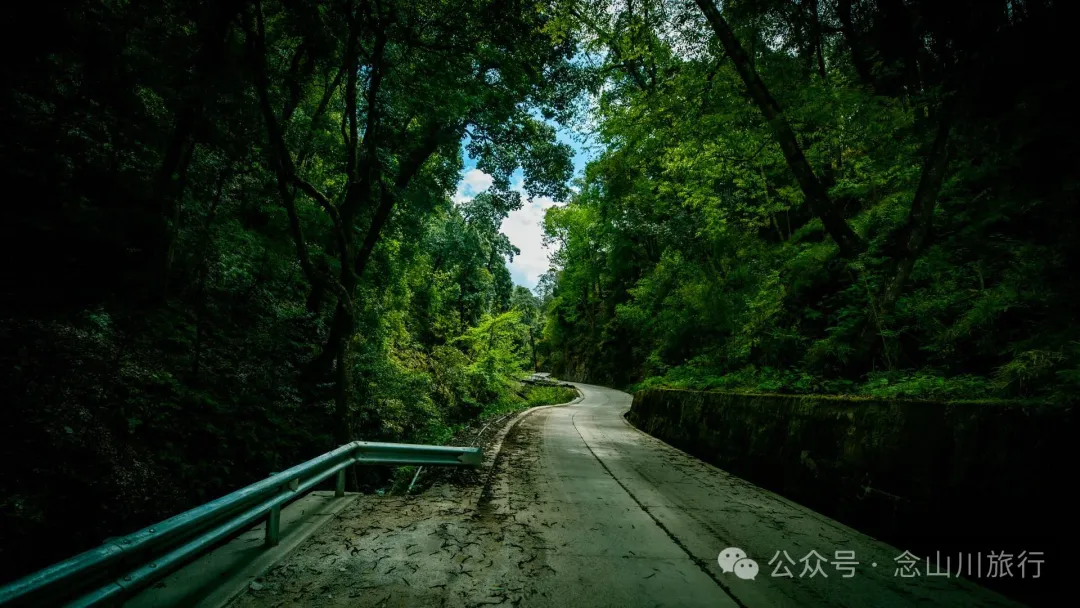
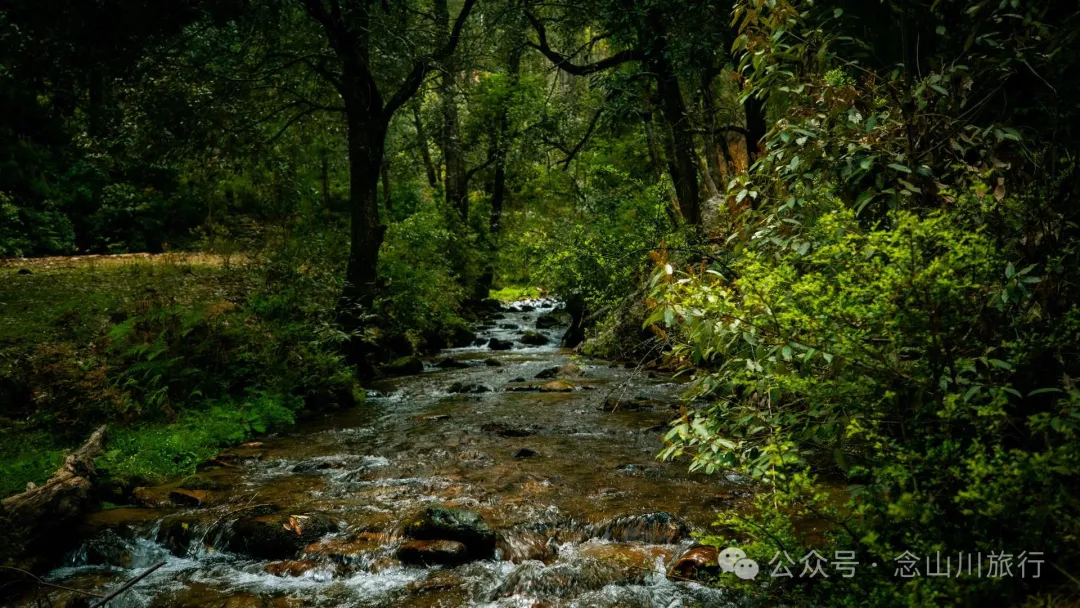
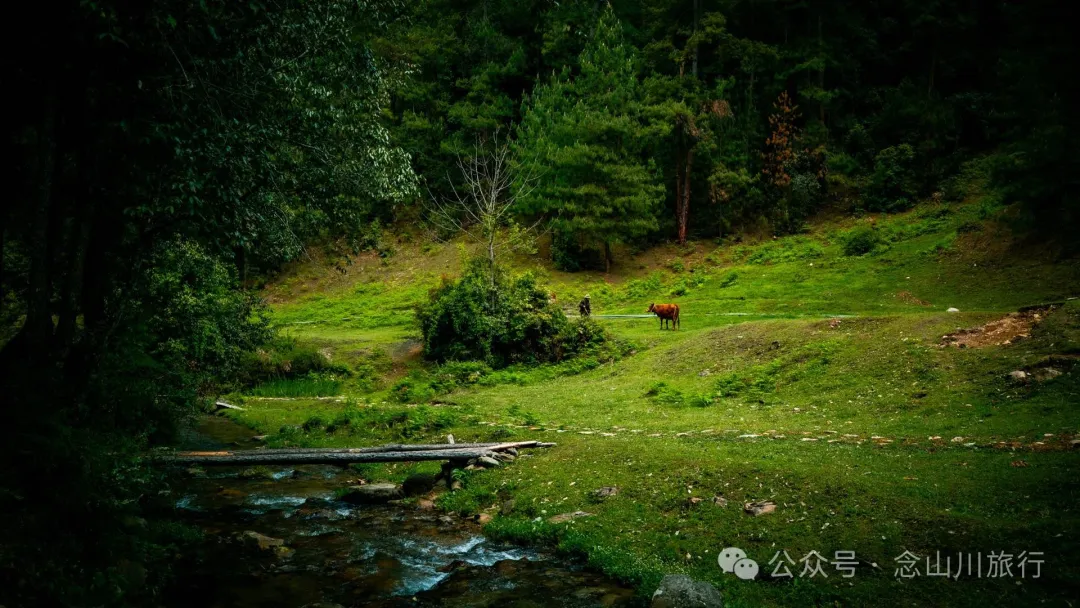
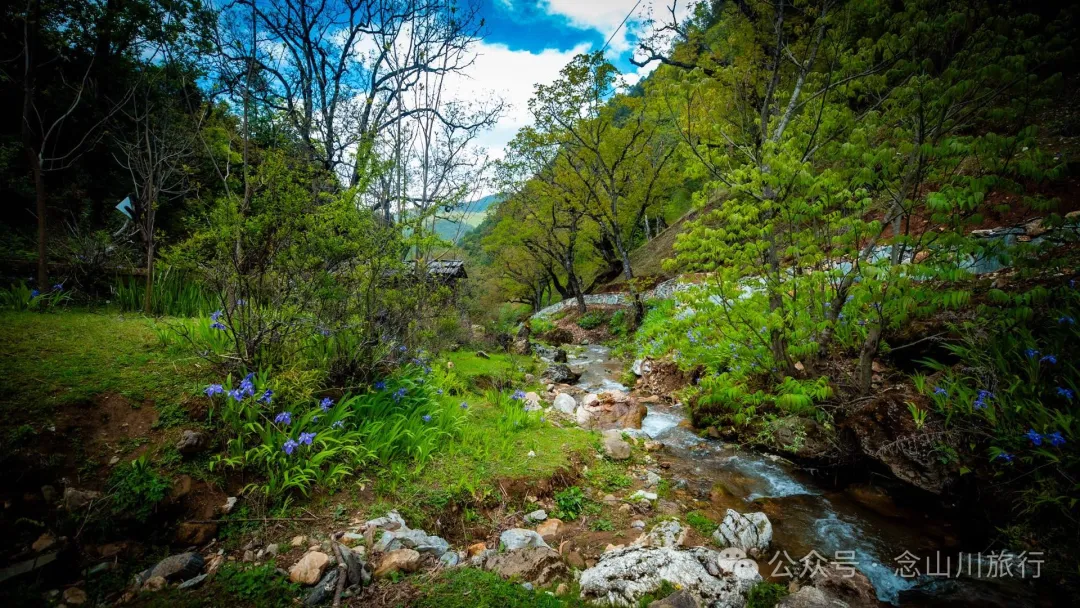
If I come to Bazhu Village again, I think it would be best to slowly hike along the 10-kilometer cement road leading to the village. Arriving through a slow walk is the best way to enter Bazhu Village. The primeval forests on both sides of the road block out the sun, and a weak stream flows continuously from the mysterious ancient mountains, singing a cool and cheerful song. Herders graze their livestock leisurely on the narrow grassland on the other side of the stream. Jump into this green ocean like a fish, letting the invisible pure air slowly cleanse dust and distracting thoughts. When Bazhu Village appears like a lighthouse before travelers who have crossed oceans, just seeing it is enough to make everything a gift.
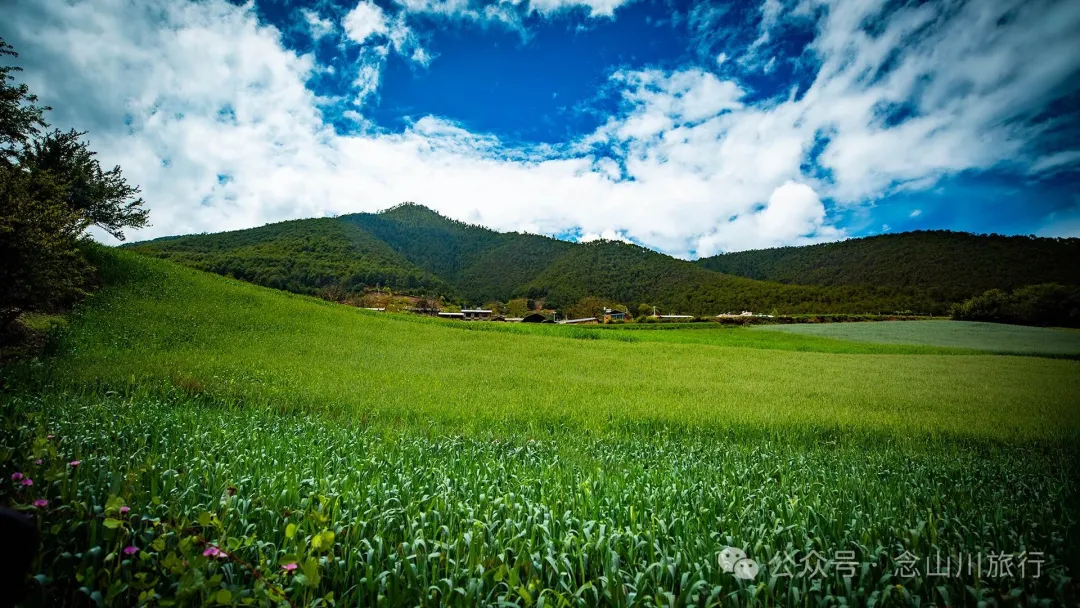
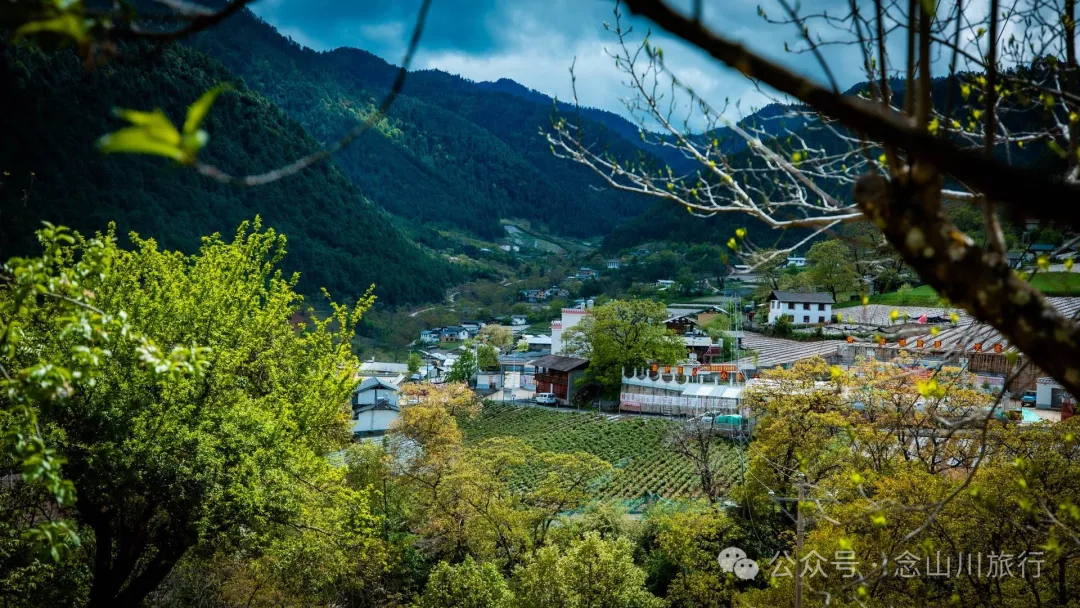
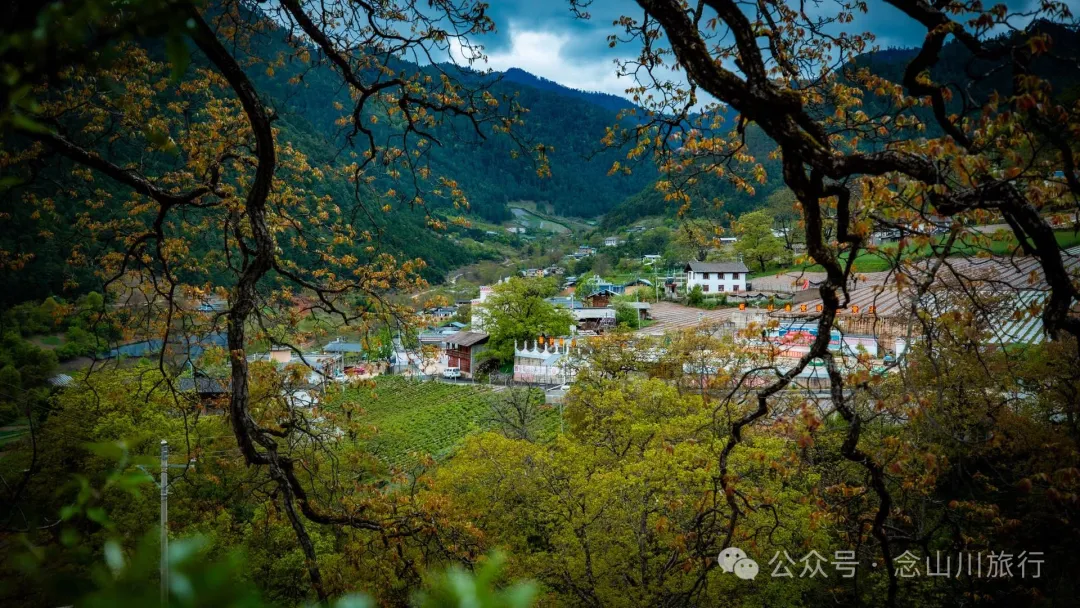
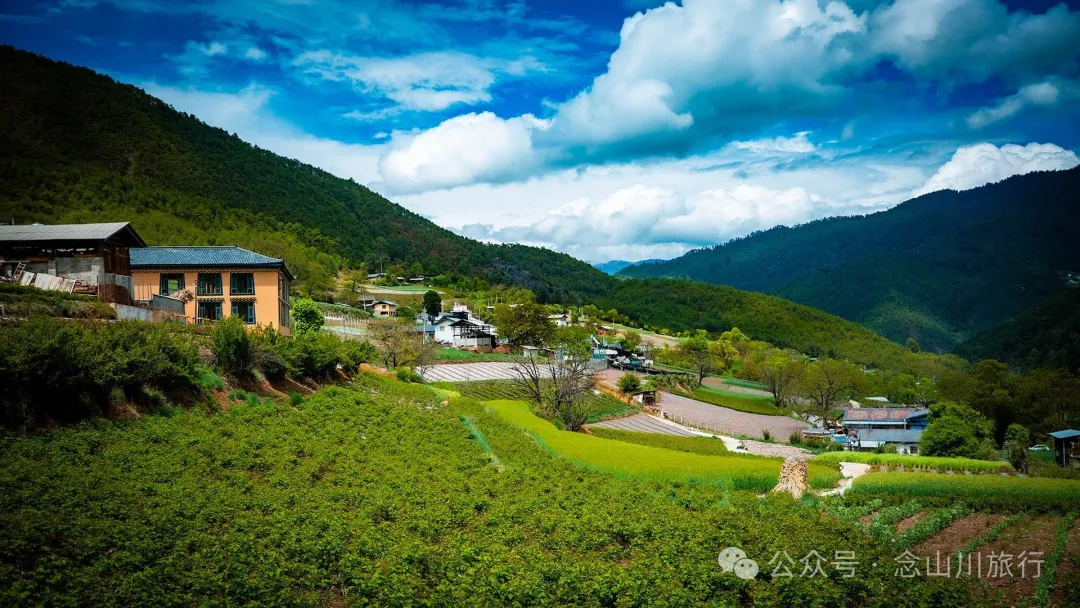
This open hinterland deep in the mountains is where the Tibetan village of Bazhu is located. This beautiful village, with a forest coverage rate of 98.2%, welcomes us with a small patch of clear sky. Green pastures and highland barley planted on the slopes are full of vitality, rippling in the breeze. A few scattered Tibetan houses stand silently on the edge of the farmland, with forests and gentle hills steadfastly guarding behind them, sheltering these simple Tibetan residents. And higher and farther in the sky, whether it's wind, rain, thunder, or clear sunshine, it always sends everything needed for growth.
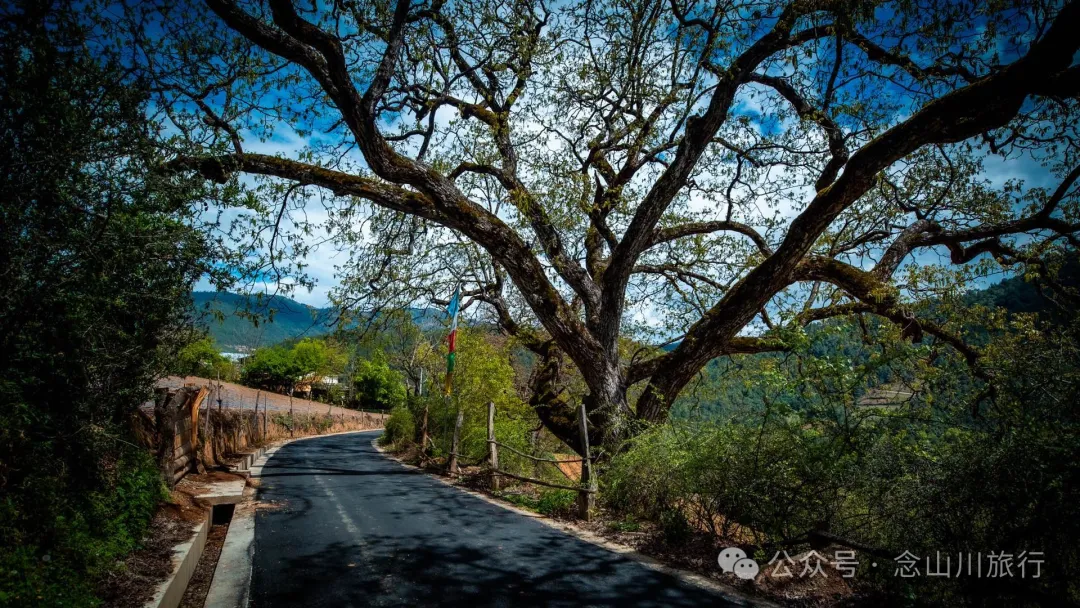
The huge walnut trees that shade the village are wild, having maintained their original appearance for thousands of years. In this Tibetan village that regards nature as its faith, every plant and tree is treated properly; no one harms or changes them. Due to geographical location and climate, in May, the walnut trees are still in bloom, with slender, dark trunks clearly visible, sharply pointing to the distant sky.
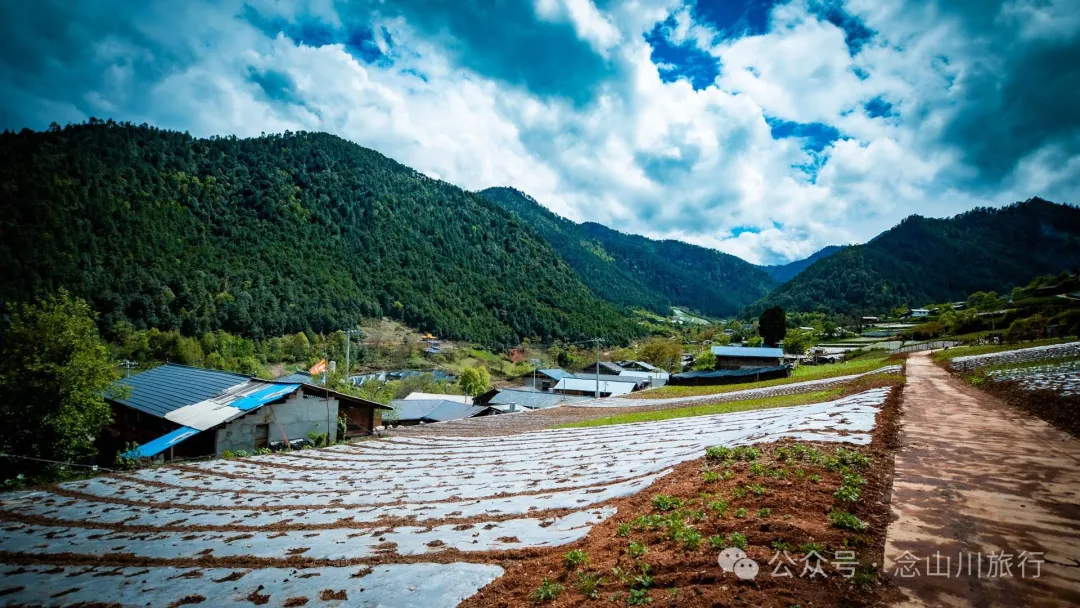
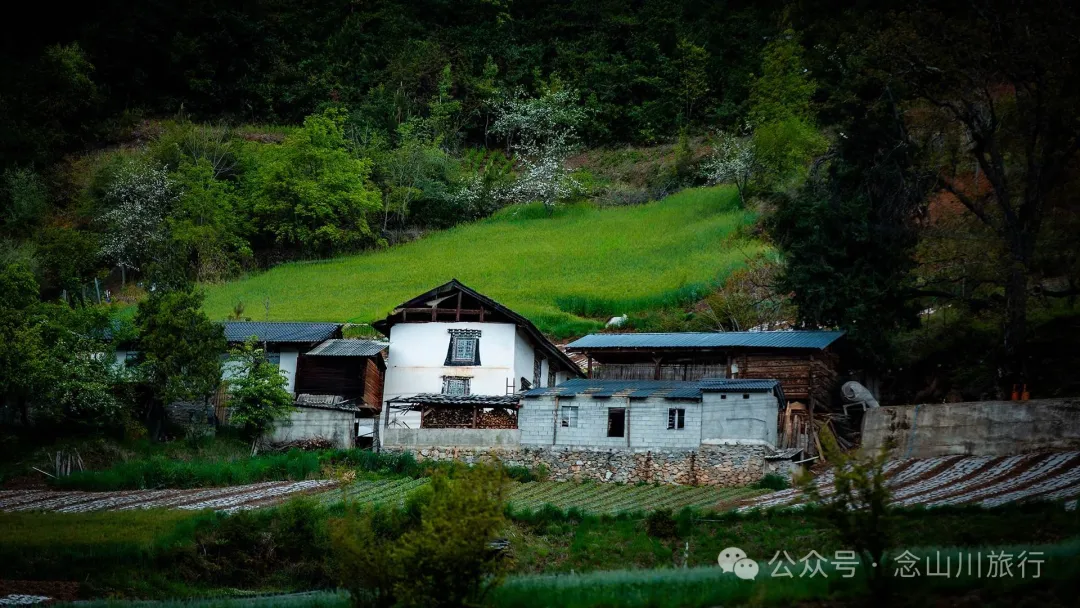
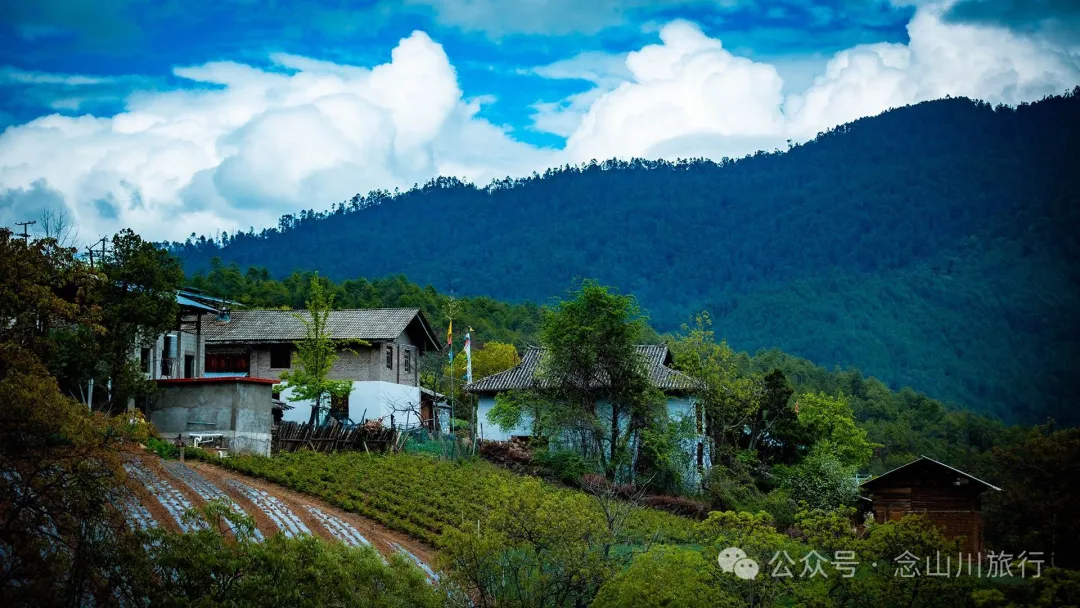
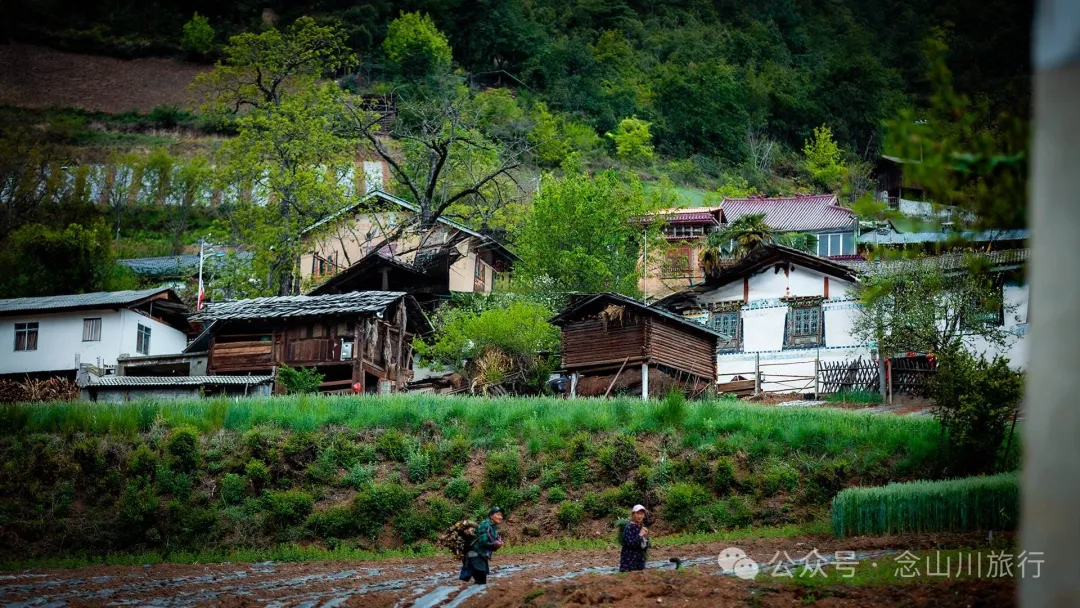
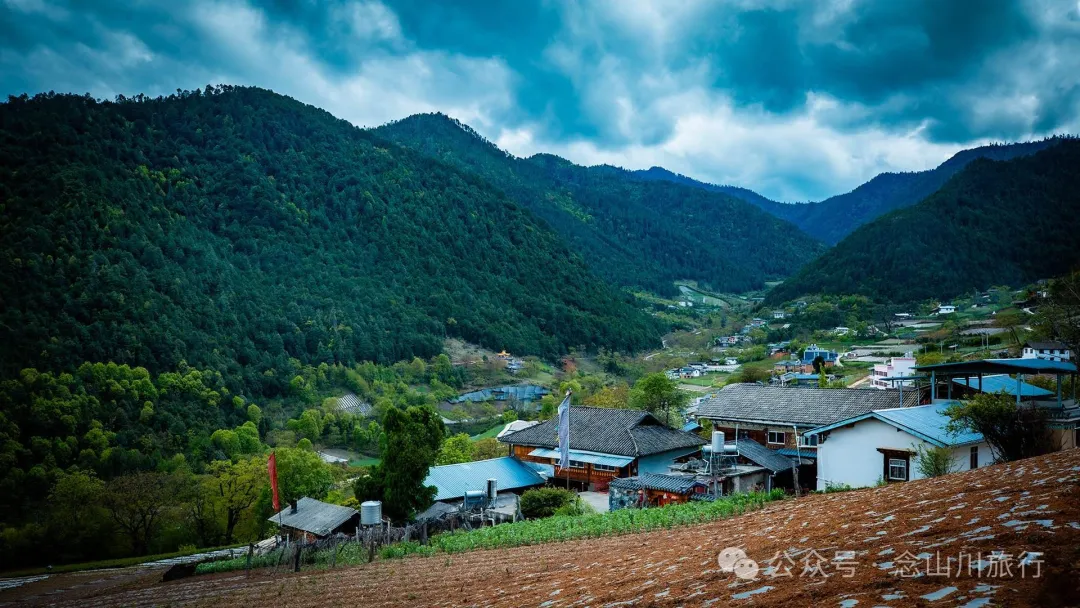
The village is so quiet that we try to keep pace with it, quietly walking through the village without disturbing anyone or anything. The village is surrounded by neatly arranged farmland, with white-walled, dark-tiled houses standing firmly in a lush green expanse, dotted with some elegant mountain flowers, becoming our ideal home. The villagers working silently in the fields, when their eyes meet yours, will give you the warmest and most sincere smile.
On this land where simple Tibetans have lived for generations in Bazhu Village, the villagers have not only carefully built an ideal home for survival but also created a colorful picture of the changing seasons. In spring, every April, Bazhu Village at an altitude of 3,000 meters welcomes the rhododendron season. Pink and white alpine rhododendrons spread from the foot of the mountain to the snow line, contrasting with the unmelted snow. Matsutake mushrooms break through the soil in the forest, and villagers follow the village rule of "no harvesting young mushrooms on Wednesdays and Sundays," both protecting resources and continuing nature's gifts. In midsummer, 300 acres of edible roses bloom, with crimson flower fields and highland barley fields interwoven, and a sweet fragrance floating in the air. Tourists follow the newly built winding mountain road, stay in homestays converted from Tibetan wooden houses, escape the heat, watch the stars at night, and listen to the stream in the morning. In autumn, golden papayas hang heavily on the branches, dyeing the forest together with red maple leaves. Villagers carry bamboo baskets through the forest, picking morels and wild honey. Mountain products are sold nationwide through e-commerce, and a 10-kilometer "road of hope" brings deep mountain treasures to the world. In winter, snow falls silently, the primeval forest is covered in silver, and icicles hang like crystals. Patrol team members walk in the snow, their breath turning to frost, but they plant new seedlings on steep slopes, storing vitality for the coming year.
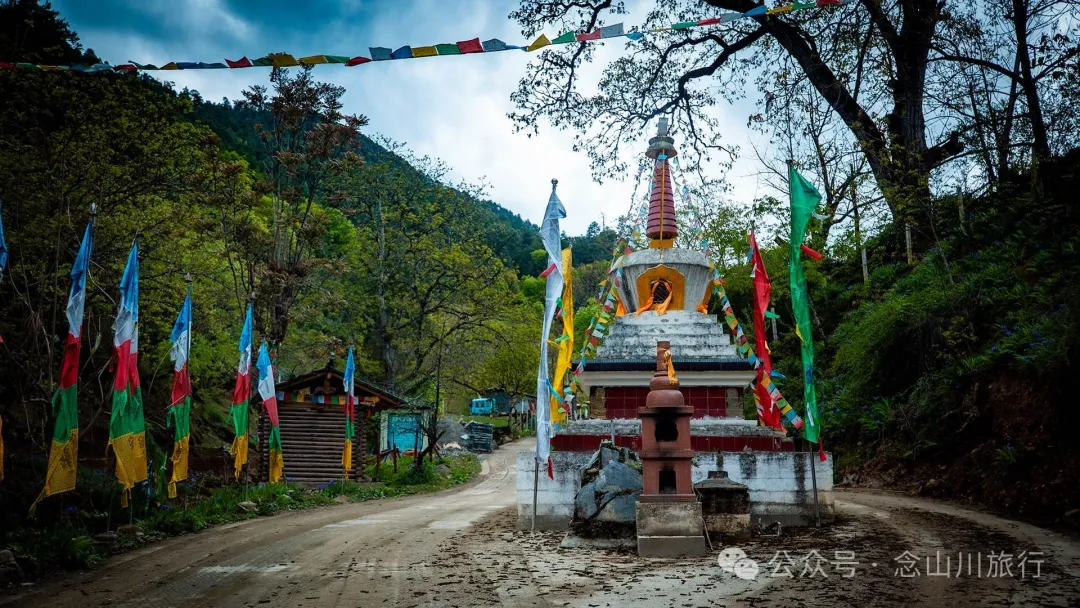
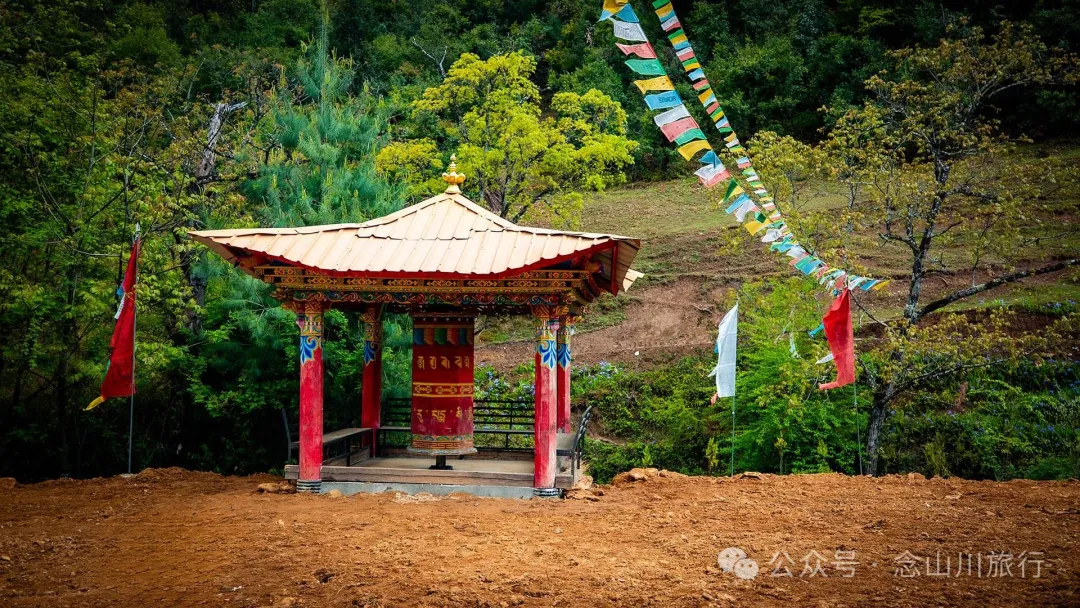
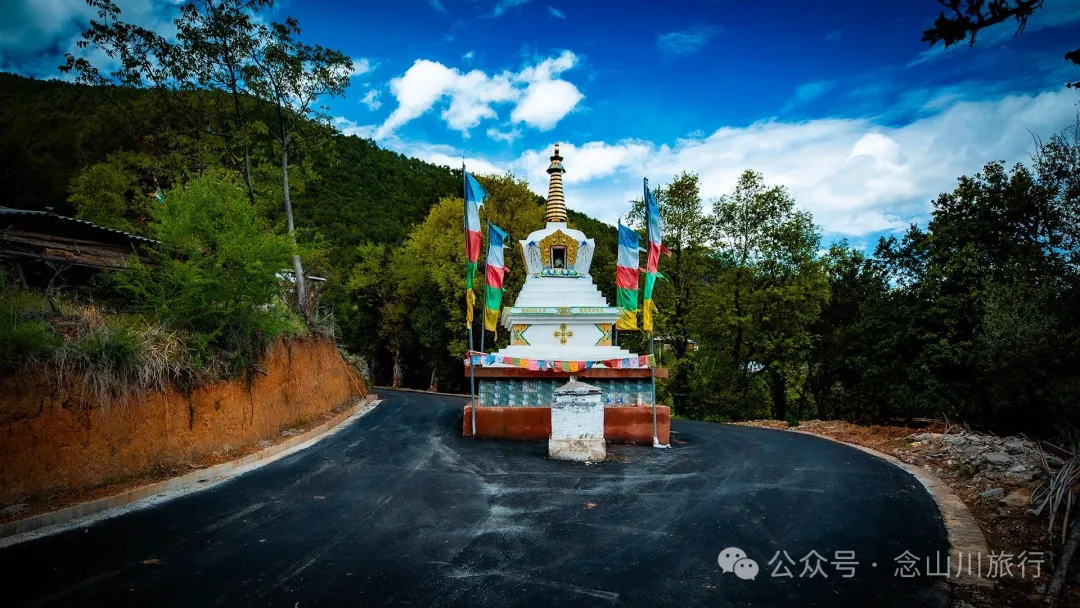
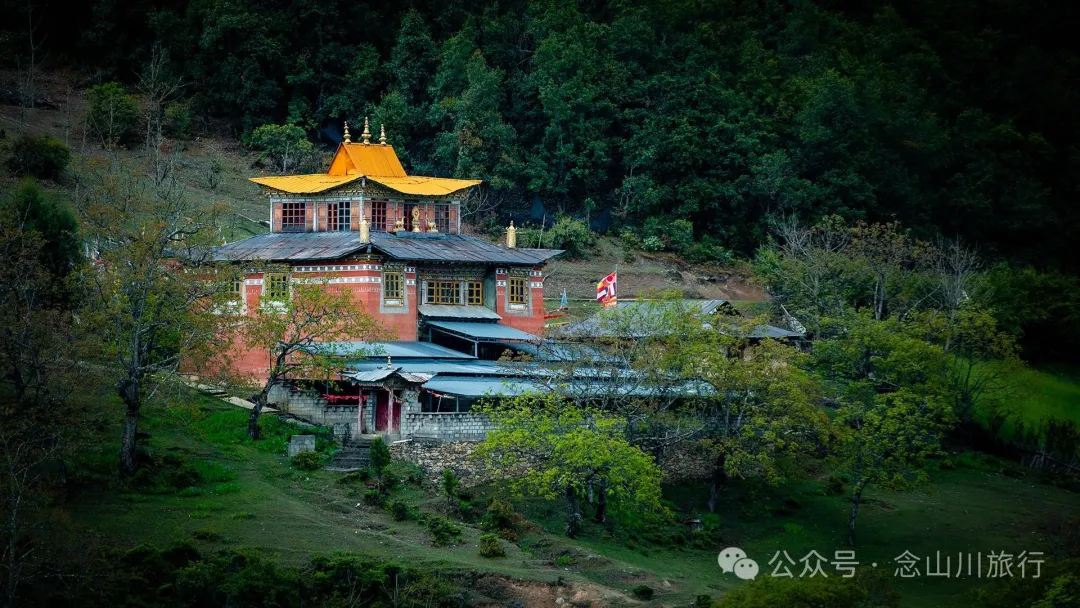
Tibetan temples, white pagodas, prayer wheels, and fluttering prayer flags reflect the strong ethnic faith of Bazhu Village. The simple and profound faith of the villagers is part of their lives, already integrated into their blood. Nature provides them with abundant material conditions, while faith greatly enriches their hearts. That's why the villagers you see live so energetically and contentedly in this isolated world.
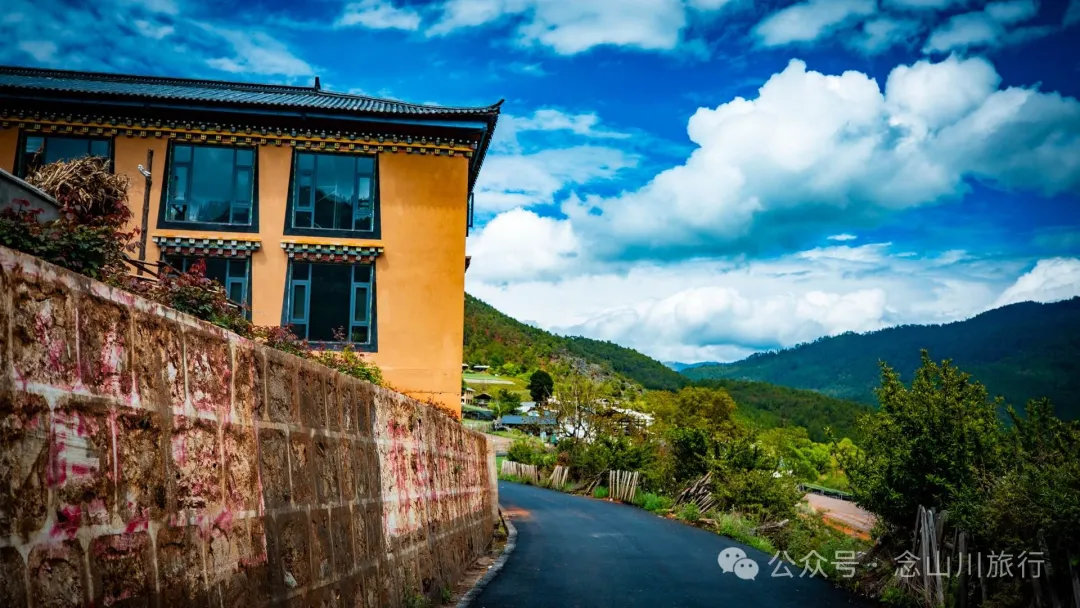
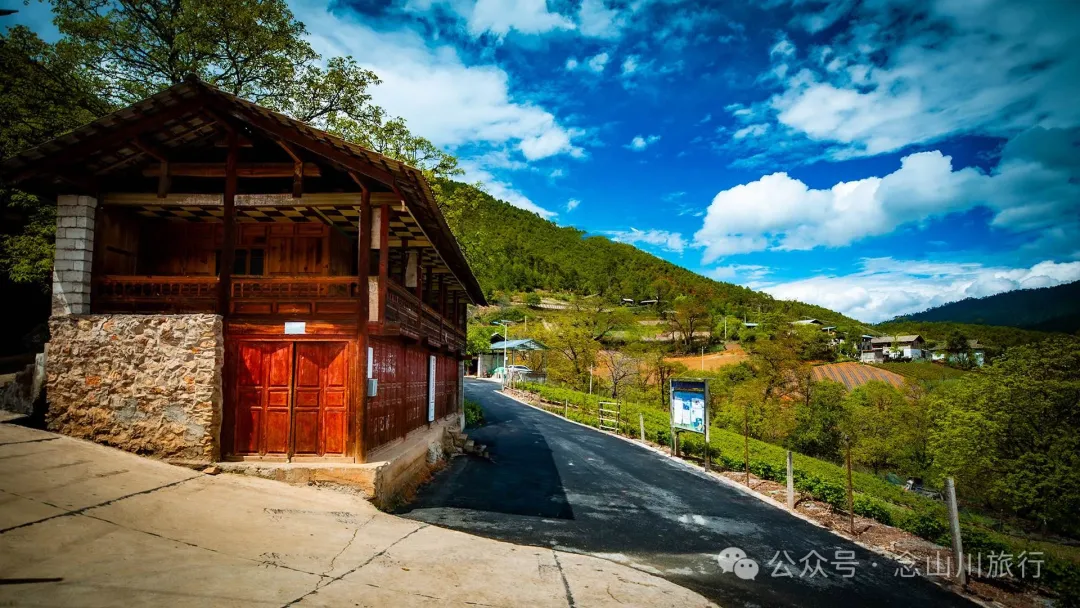
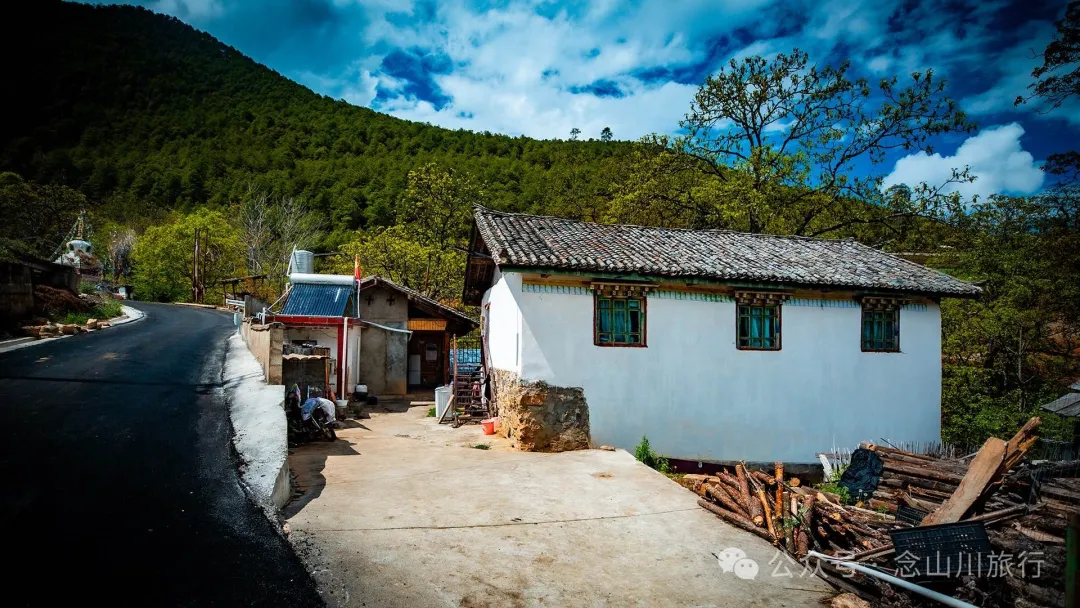
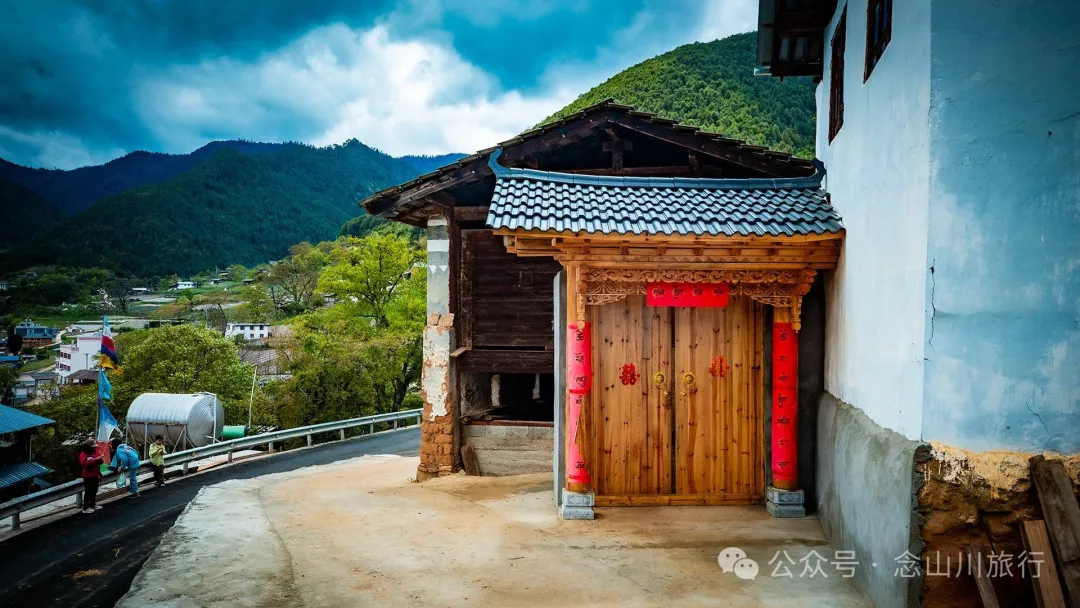
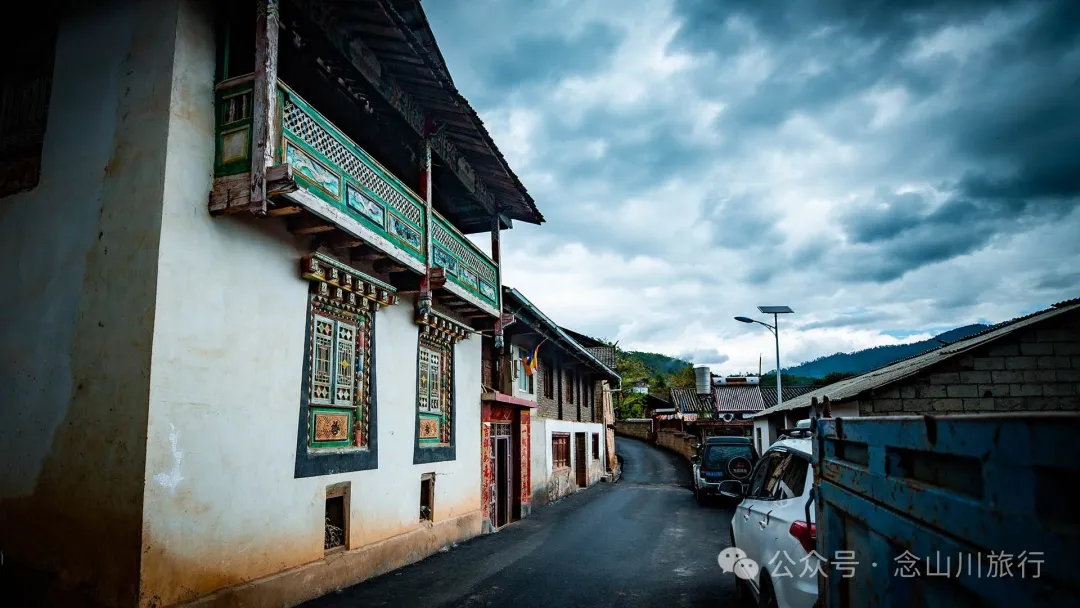
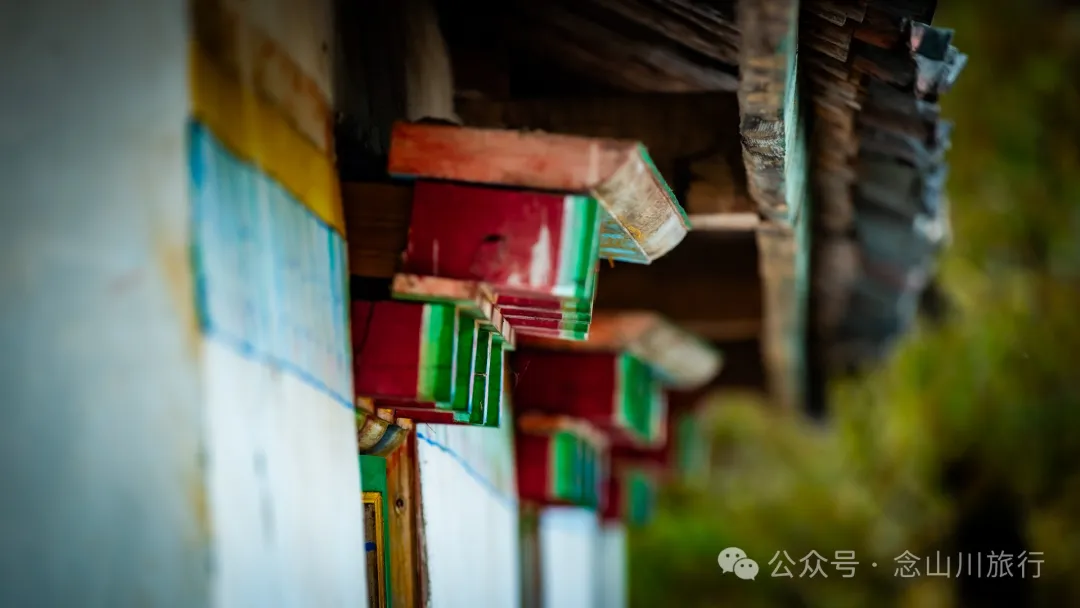
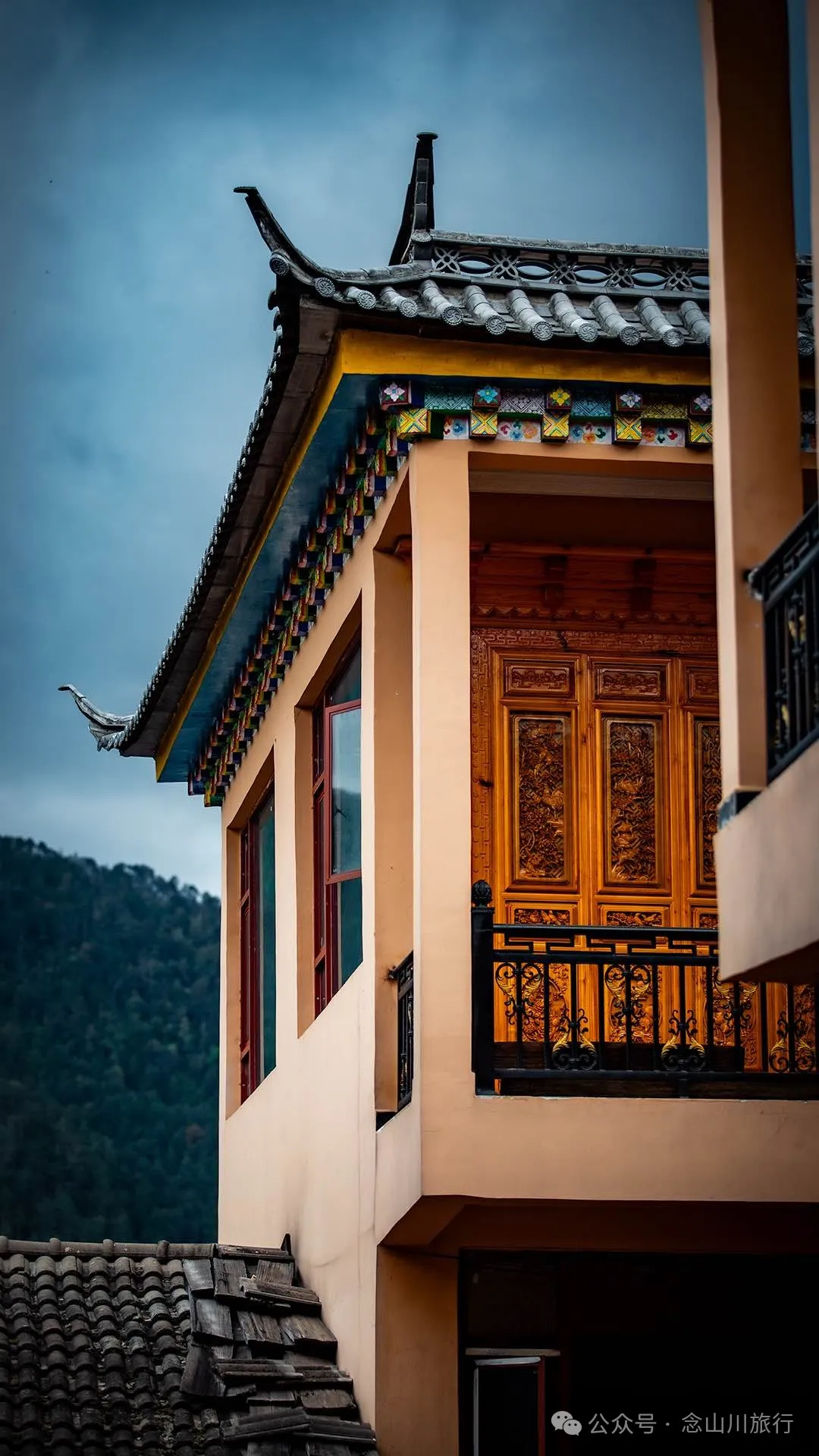
The architecture of Bazhu Village is in perfect harmony with nature. Tibetan wooden houses are built with pine wood as the skeleton and stone slabs as the roof, with colorful prayer flags hanging from the eaves. The courtyard walls are made of ecological papaya trees forming natural fences, both practical and rustic. Elderly villagers turn prayer wheels under the prayer corridor, children play by the rose fields, and the drumbeats of the intangible cultural heritage Reba dance echo with the rhythm of melting snow water.
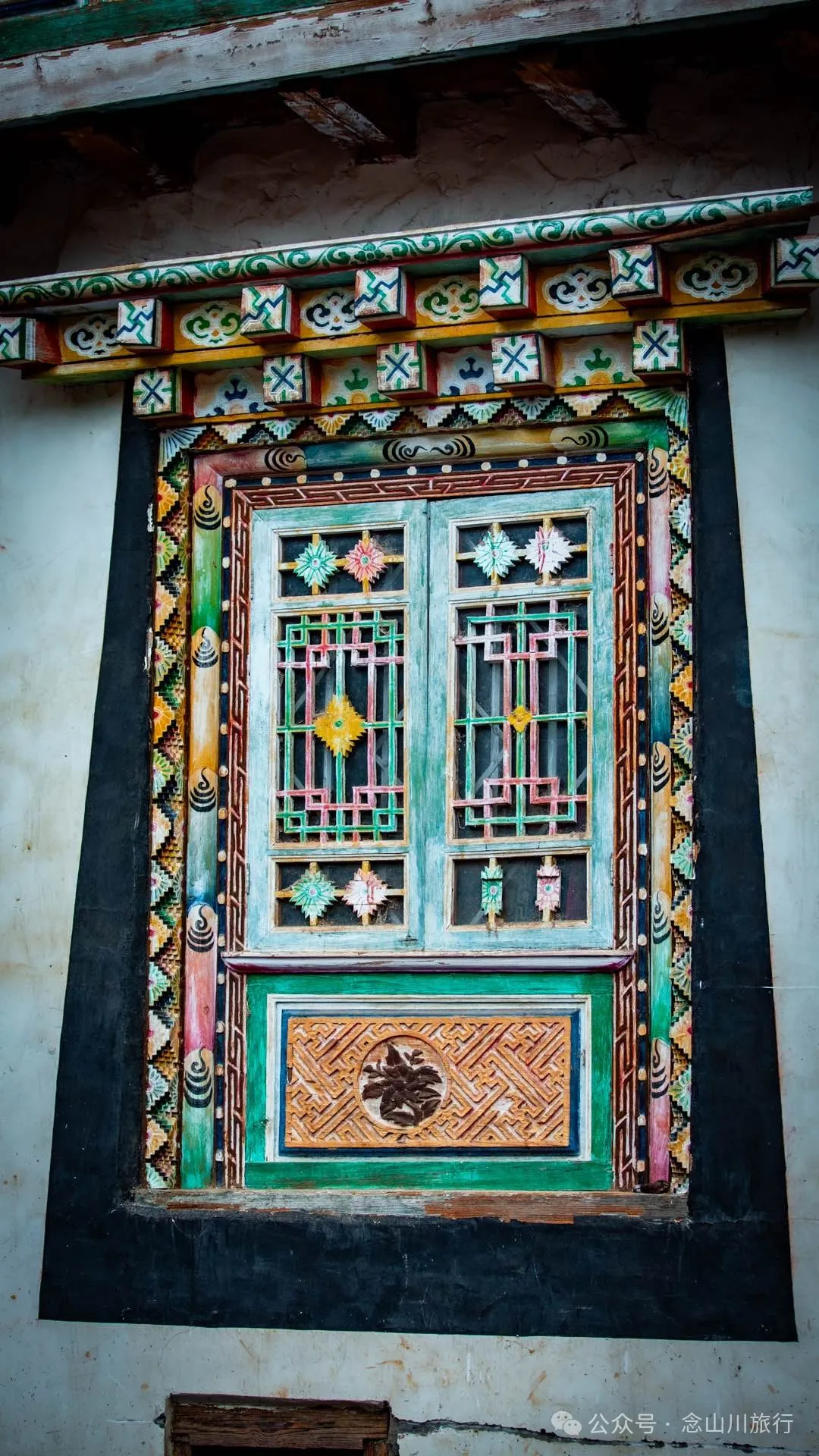
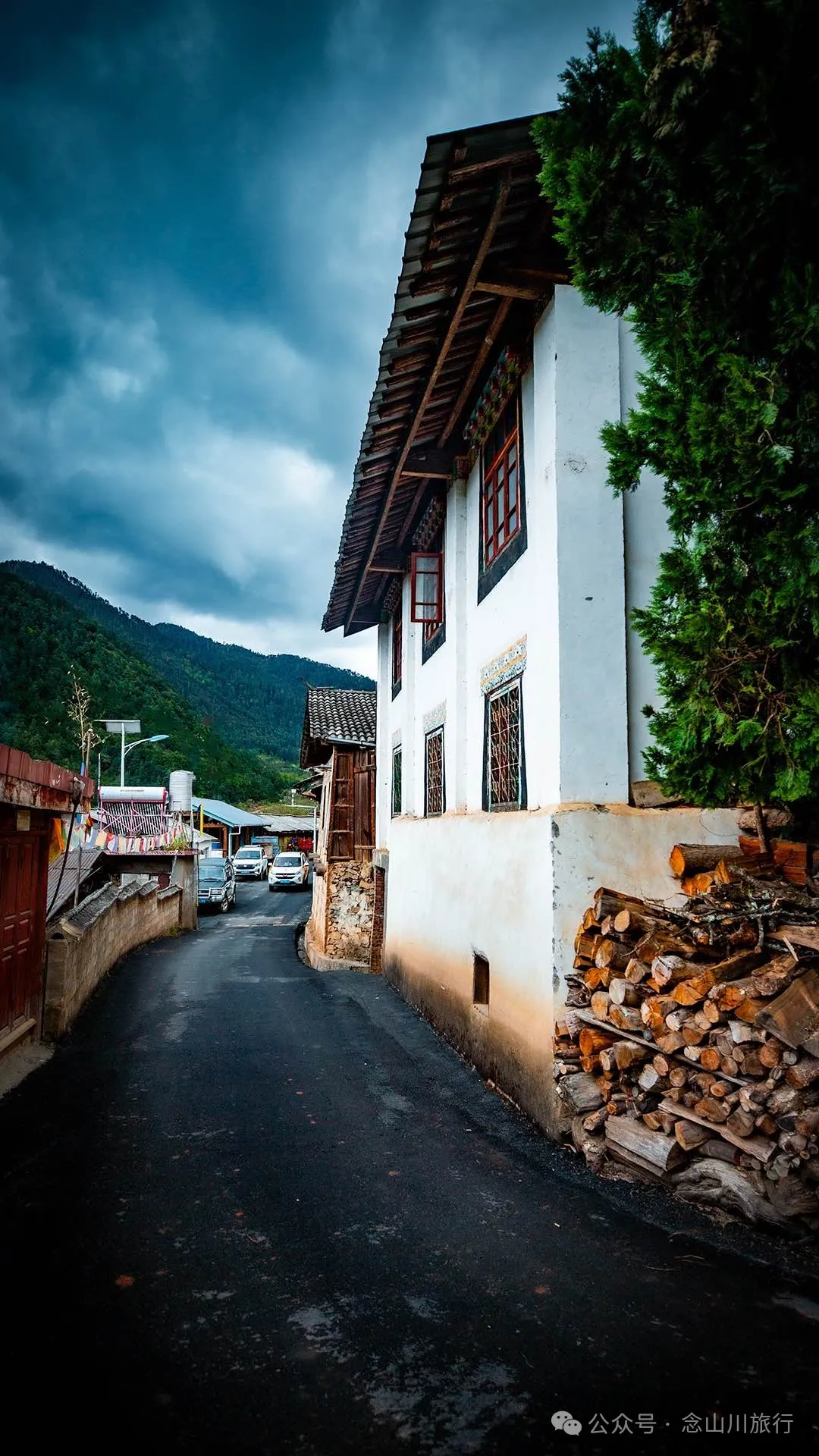
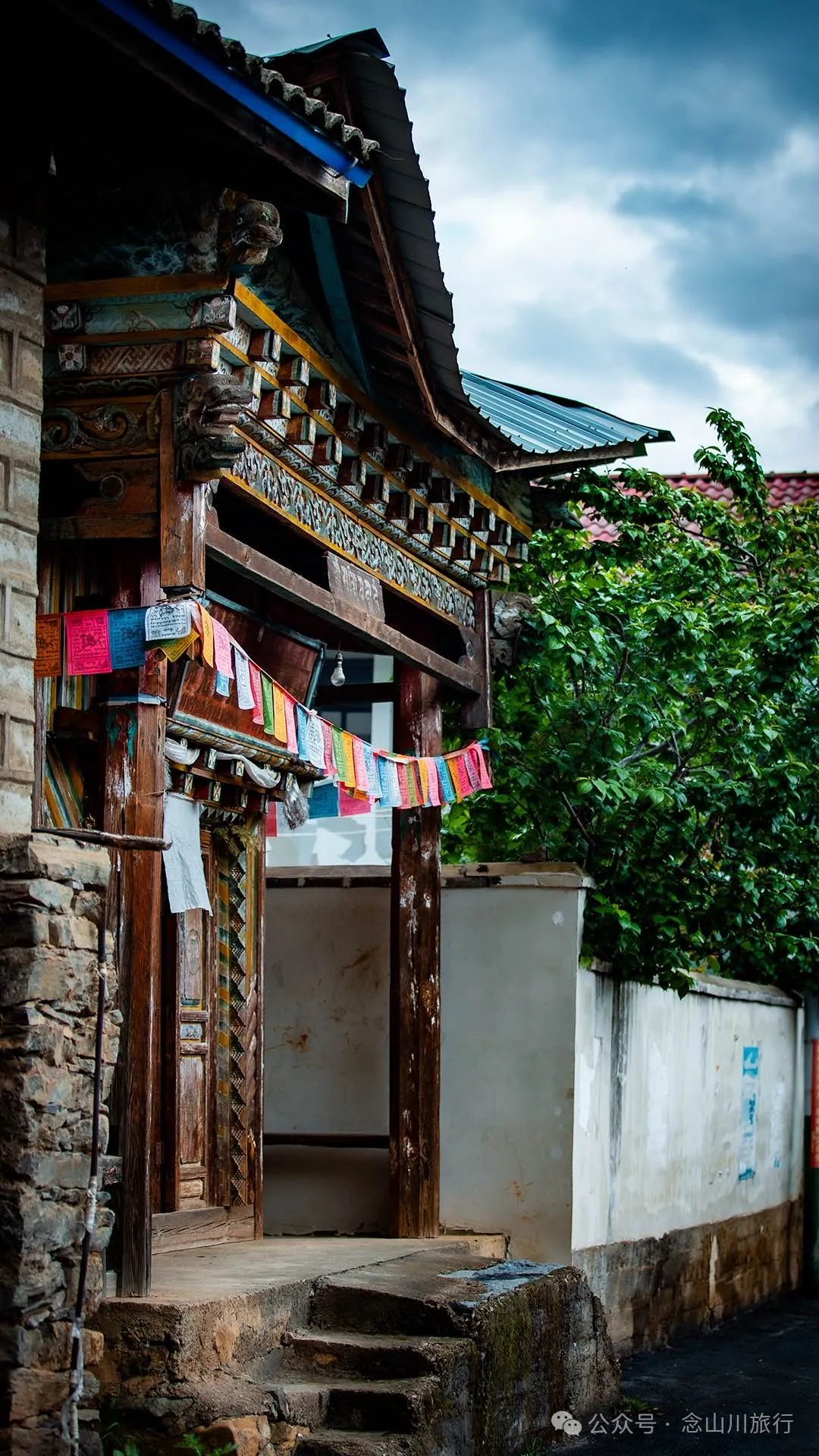
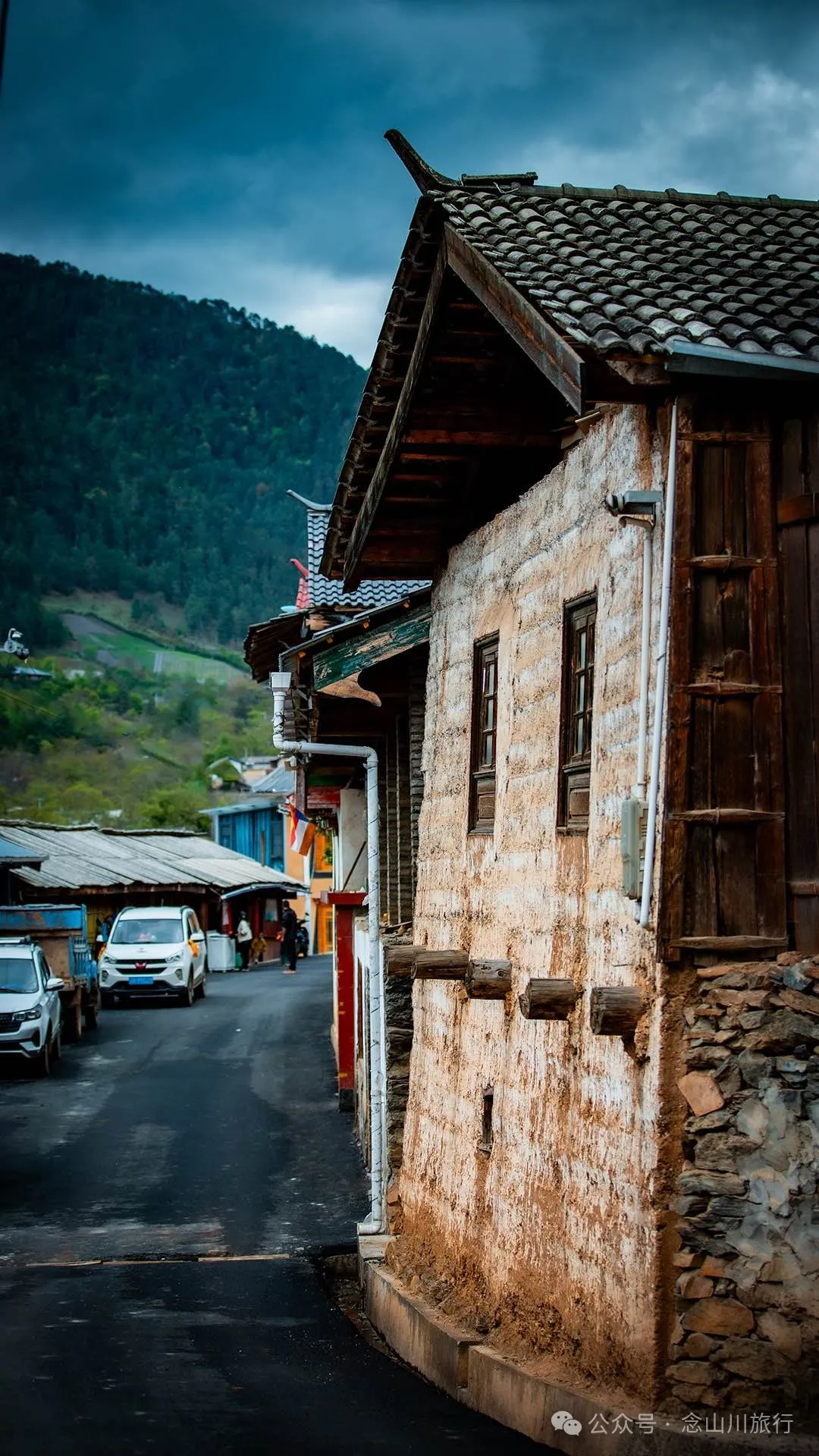
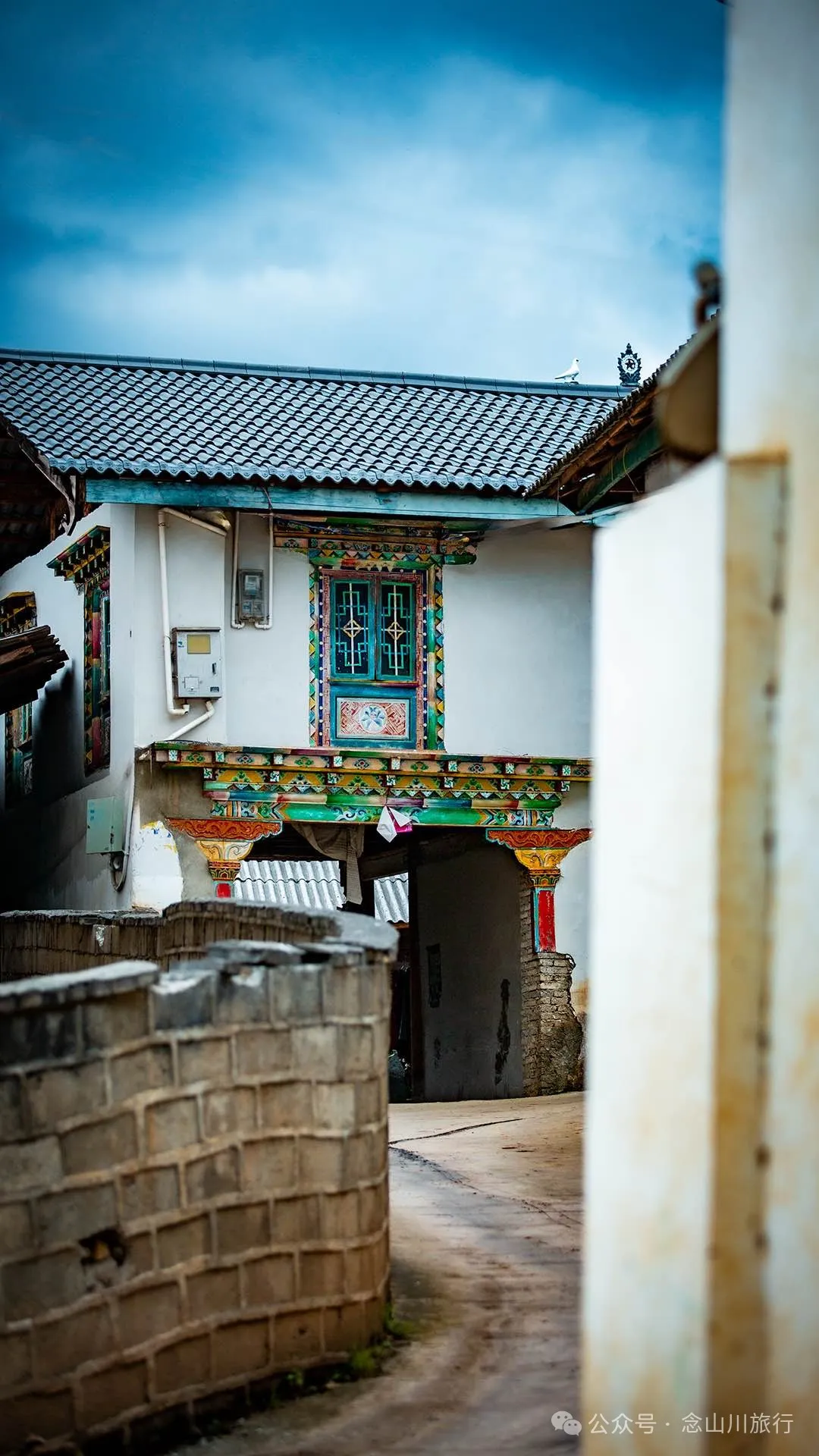
The beauty of Bazhu Village lies in the verdant primeval forests, the rich Tibetan culture, and the wisdom of ecological harmony. There is no noisy commercial trace here, only the purity guarded by snow-capped mountains, the abundance nurtured by forests, and the simple villagers who protect their homeland with their lives. When people in cities seek "poetry and distance," Bazhu Village, in its most authentic form, interprets what the "sun and moon in the heart" should look like—an eternal poetry of coexistence with nature and prosperity with civilization.