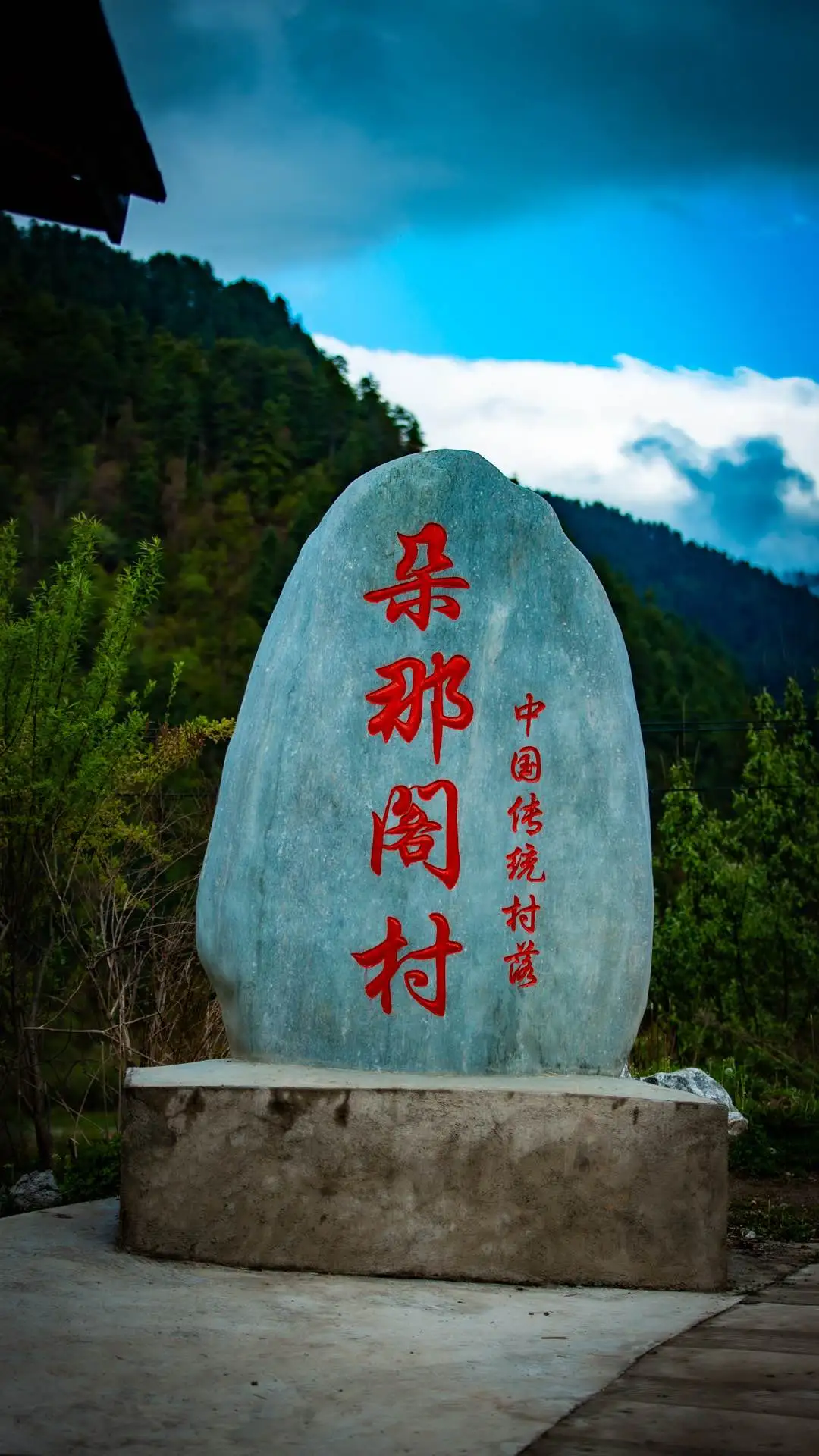

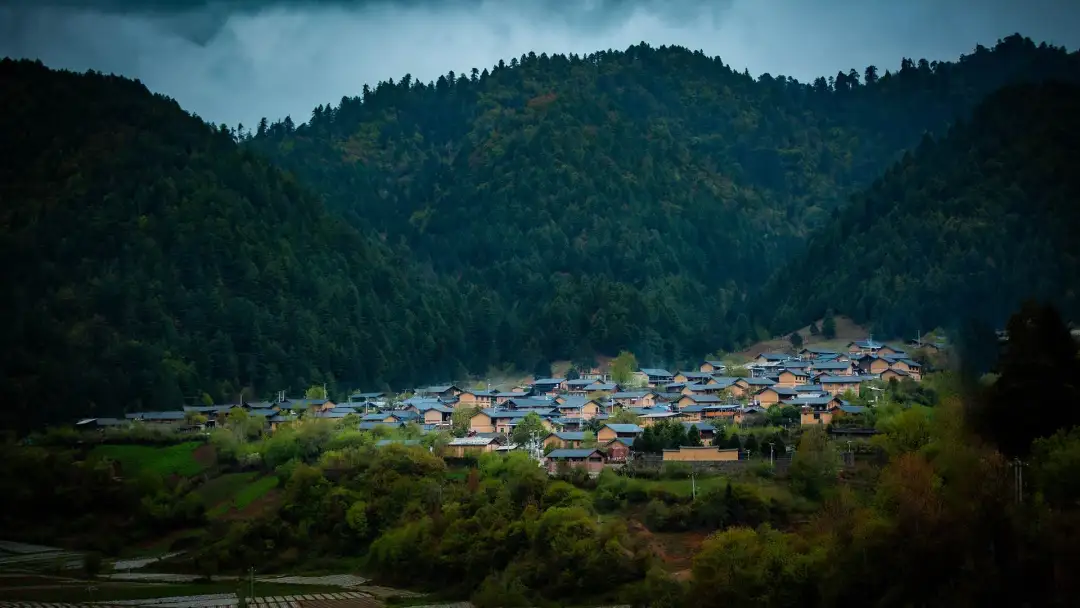
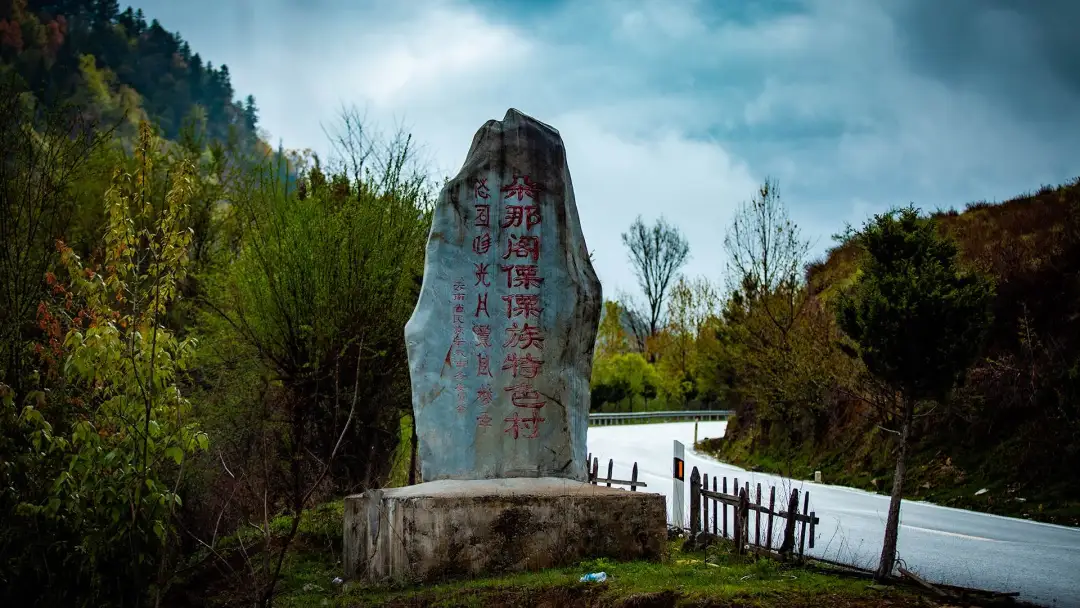
Duonage Lisu Ethnic Village is located in the southeastern part of Weixi County, Diqing Prefecture, Yunnan Province, in a high mountain valley area upstream of the Lappu River. The village is 34 kilometers from Weixi County town, nestled against mountains and rivers, surrounded by dense forests. In spring, flowers bloom in profusion; in autumn, the forests are dyed in layers of color. The golden corn drying on rooftops contrasts with red maple leaves, creating a picturesque paradise.
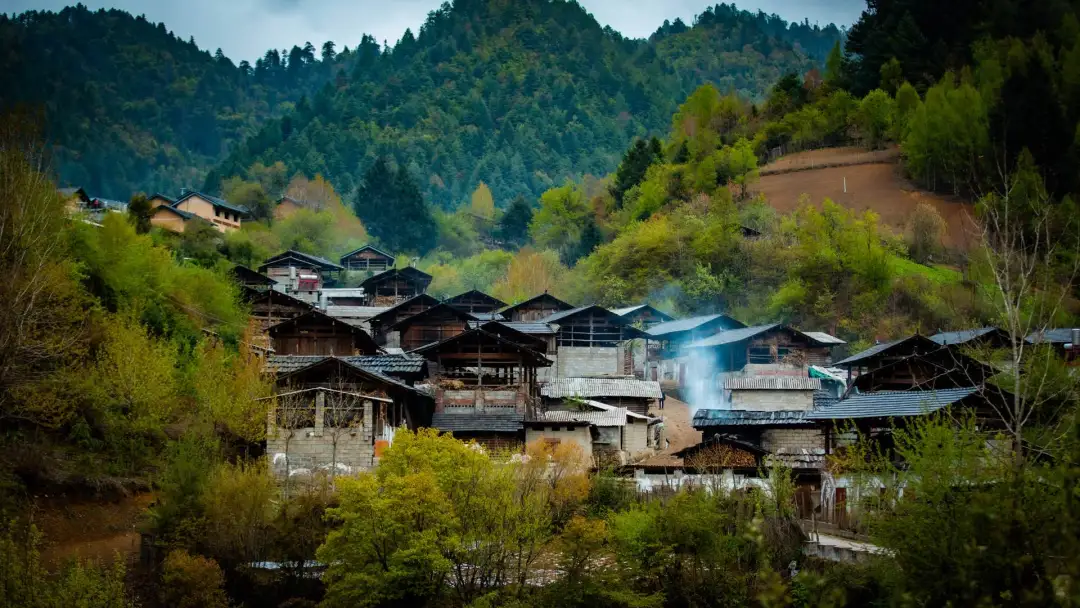
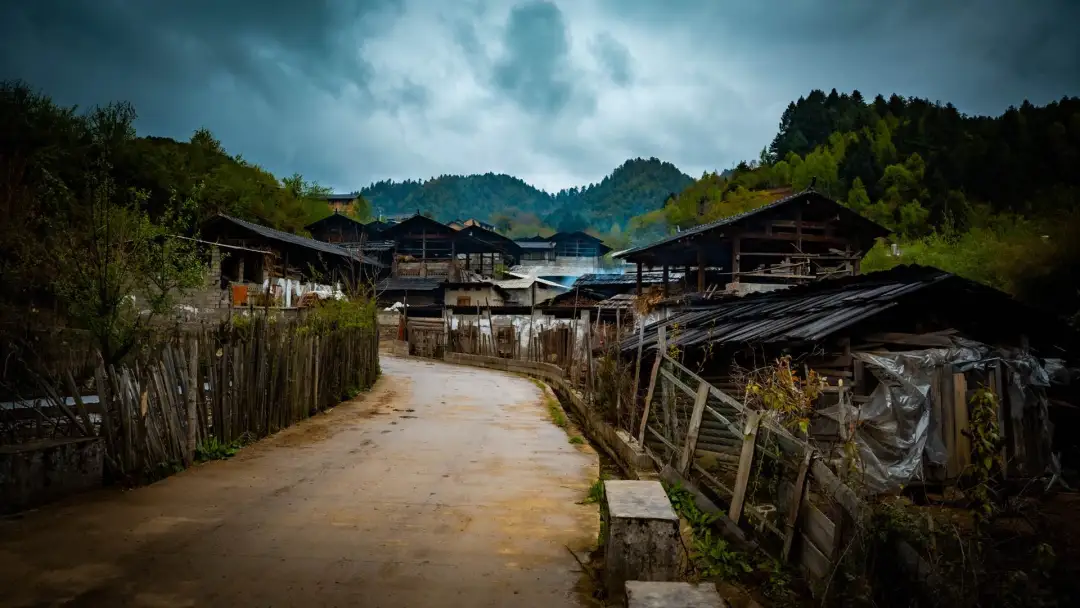
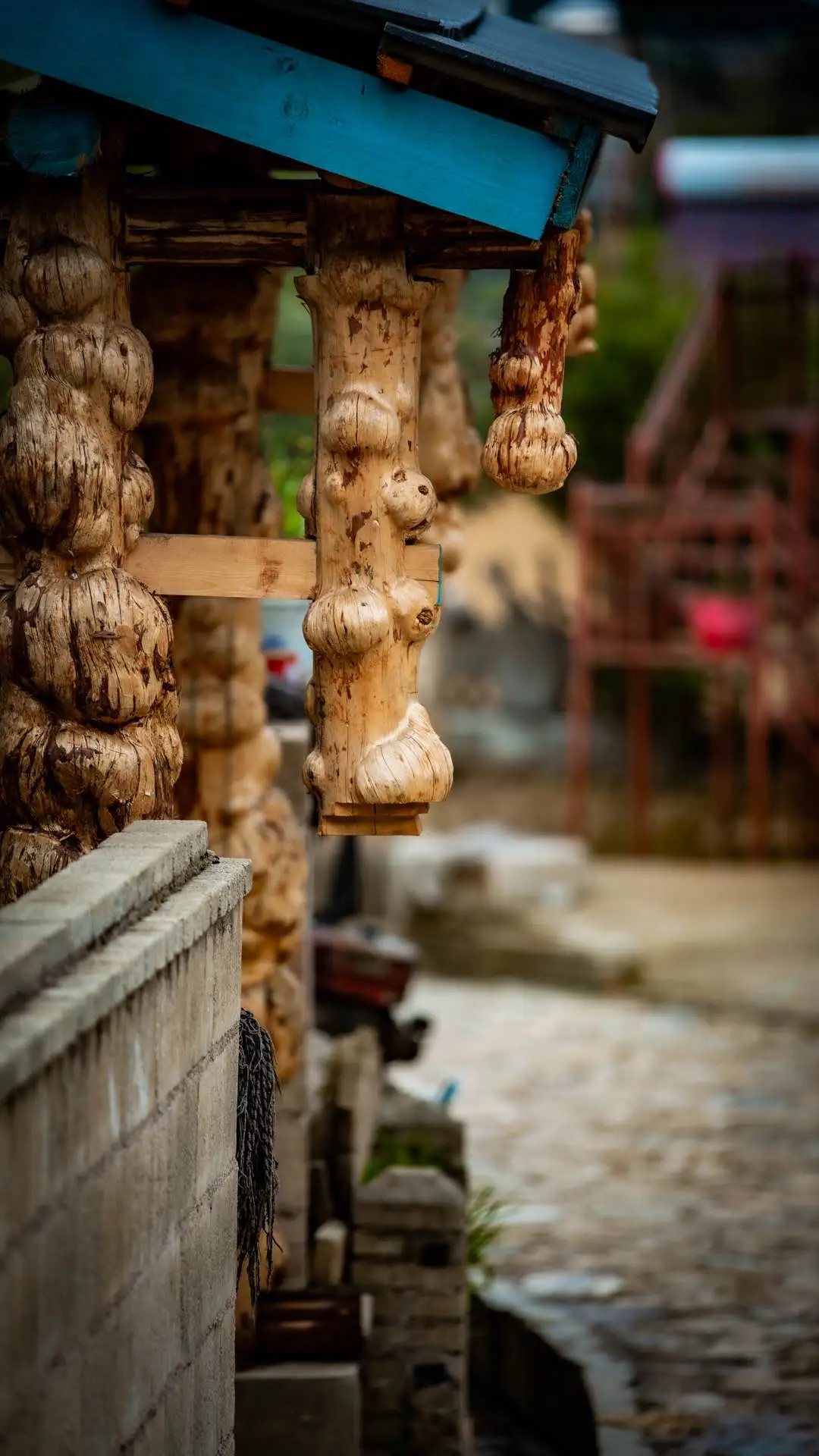
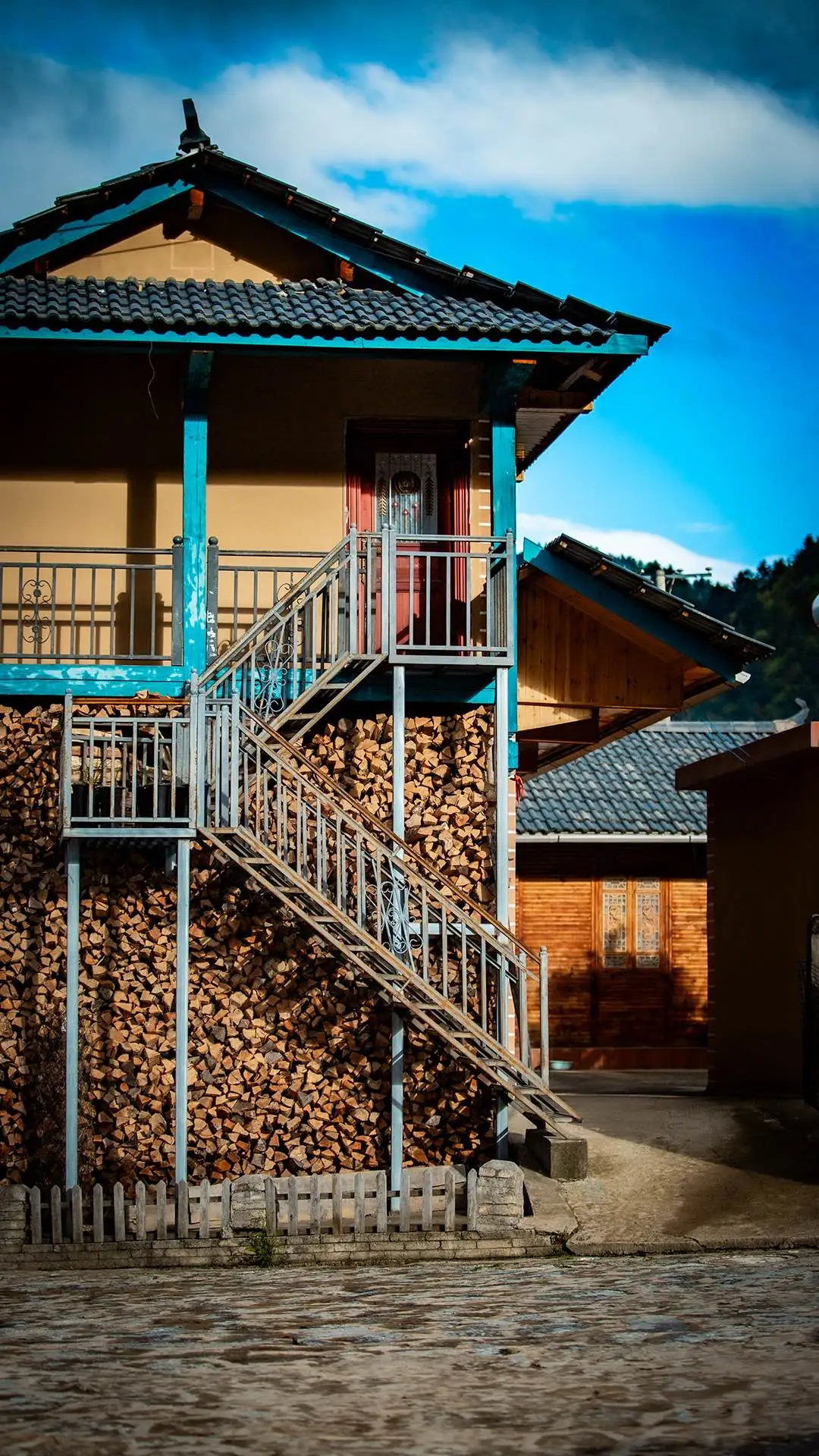
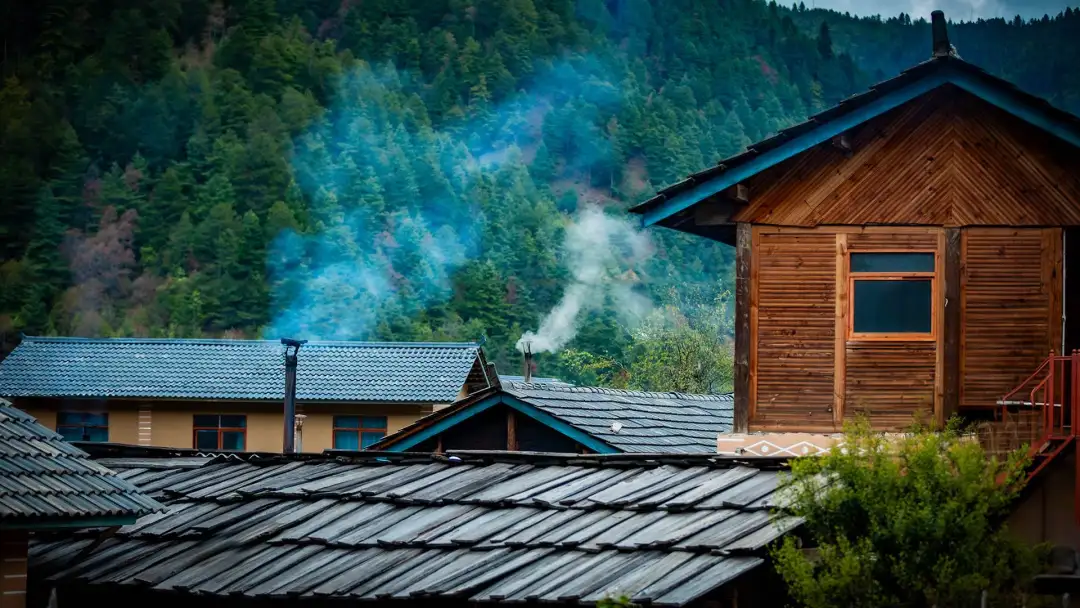
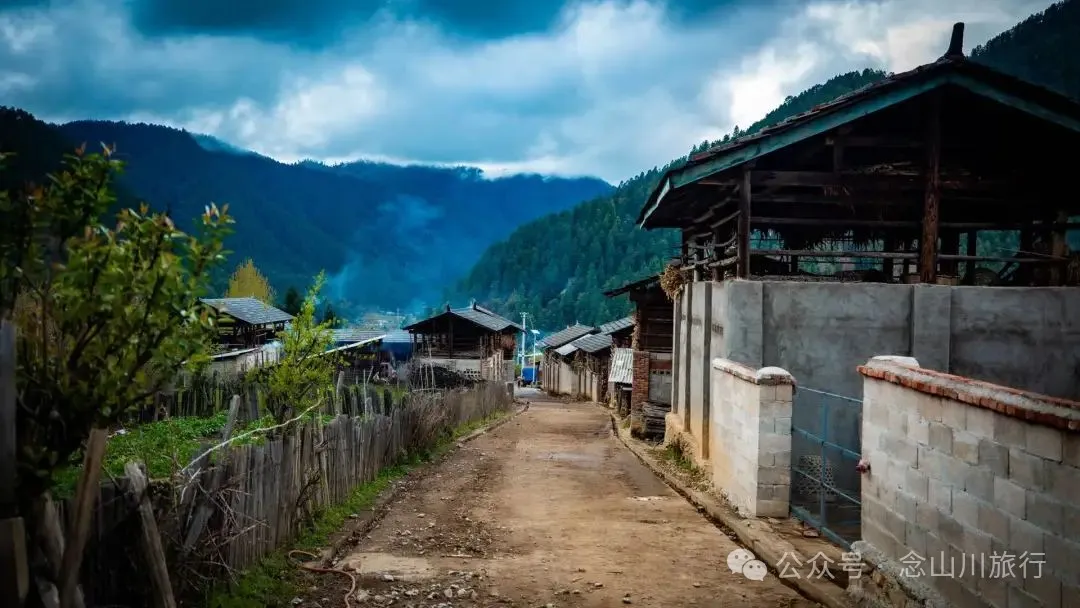
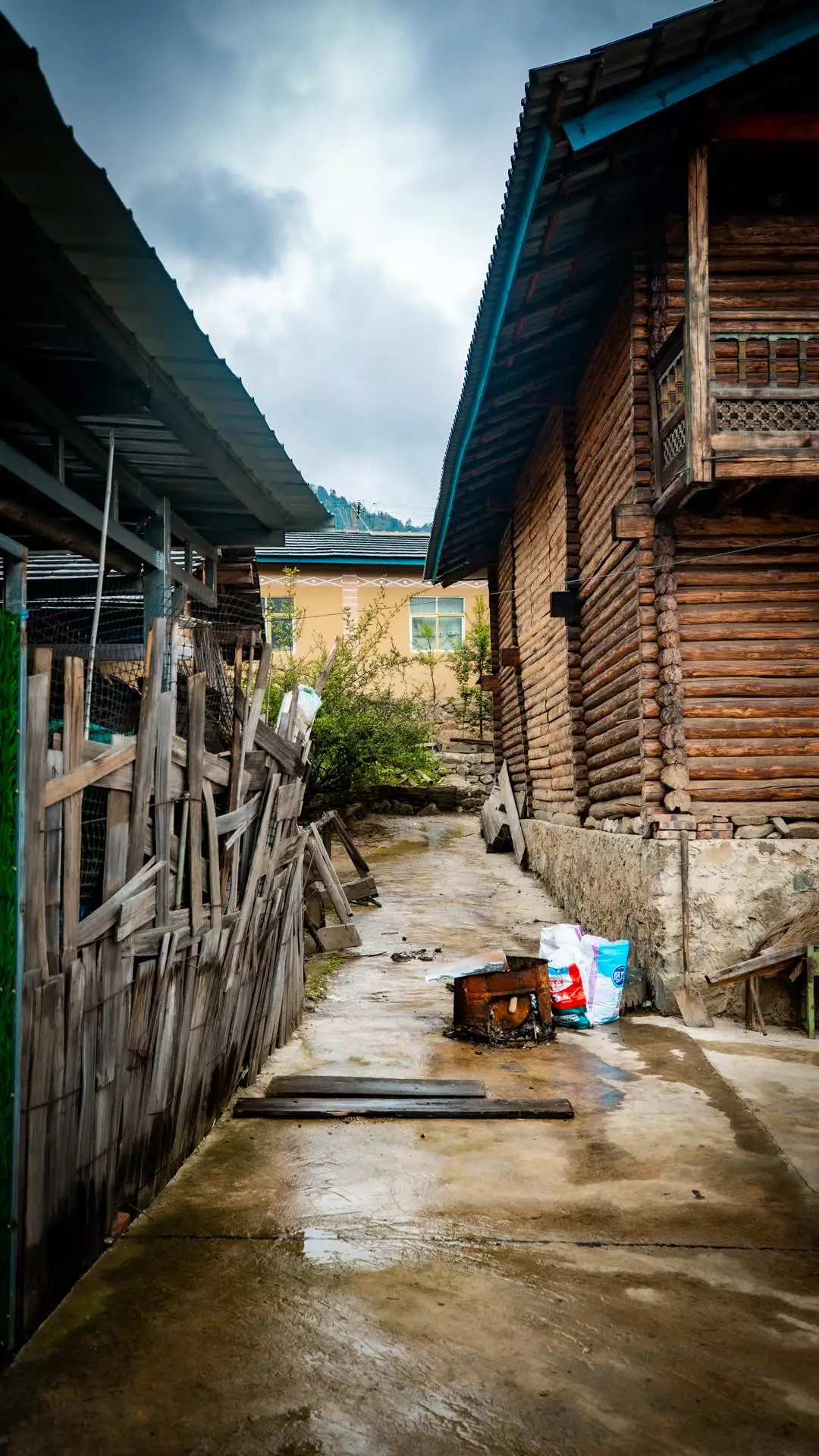
Duonage Village is the largest single-surname Lisu settlement in Tacheng Town, with over 90 households and more than 300 people. It retains the tradition of ancient clan settlements, where villagers farm and herd together and worship their ancestors, showcasing the unique clan culture of the Lisu people. The village houses are mainly wooden log cabins (mulengfang), said to have been created by the Lisu mythological figure Agongma. These cabins are built by interlocking logs, keeping warm in winter and cool in summer, and are highly earthquake-resistant. The staggered roofs create a unique architectural landscape.
Before truly entering the village, we saw the few remaining old wooden cabins on the outskirts of Duonage, scattered among the colorful mountains. The cabins, dusty with age, seemed like past times, but the rising smoke from chimneys shone like a light, illuminating them in our clear memories. Past and present, illusion and reality intertwine, and the village exudes endless charm, making visitors linger.
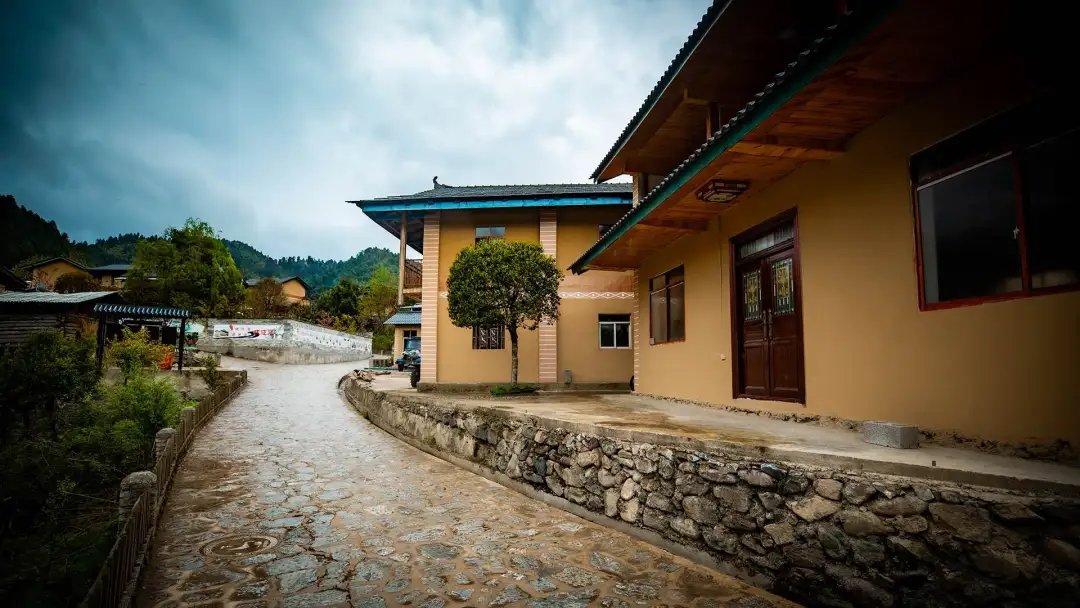
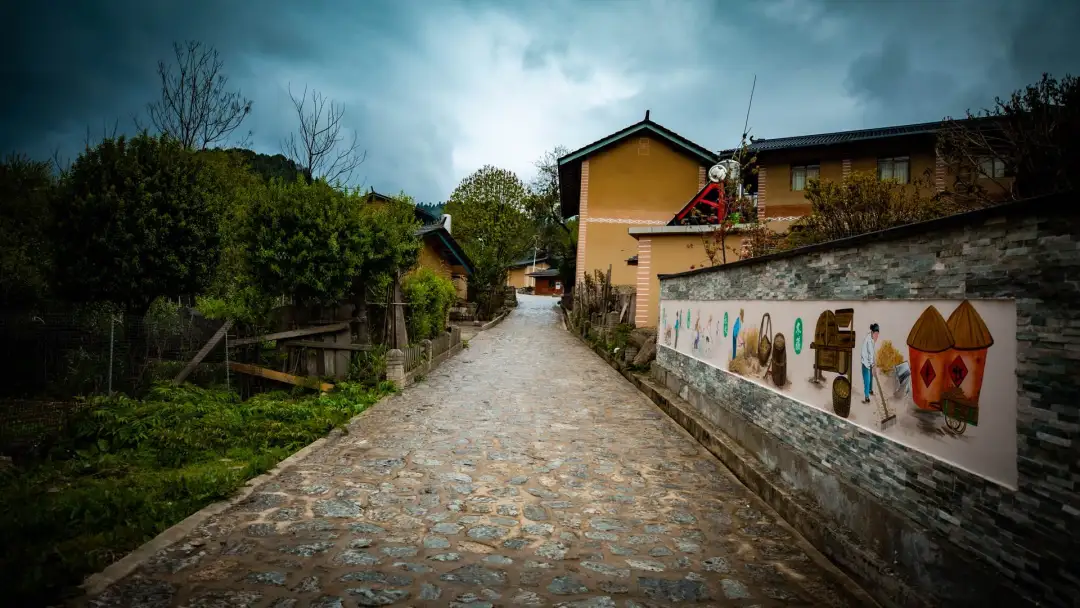
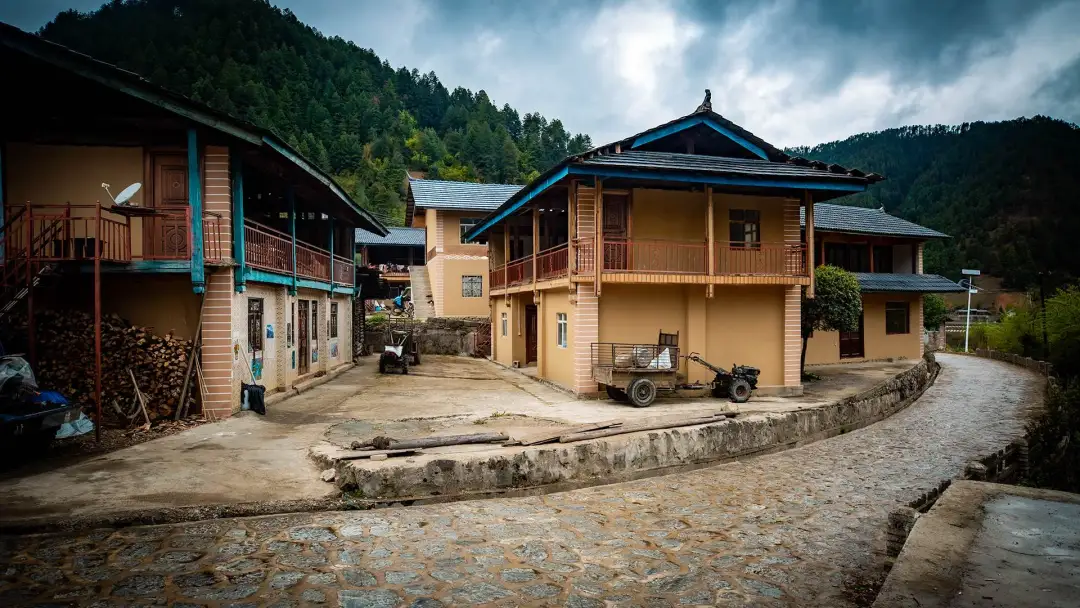
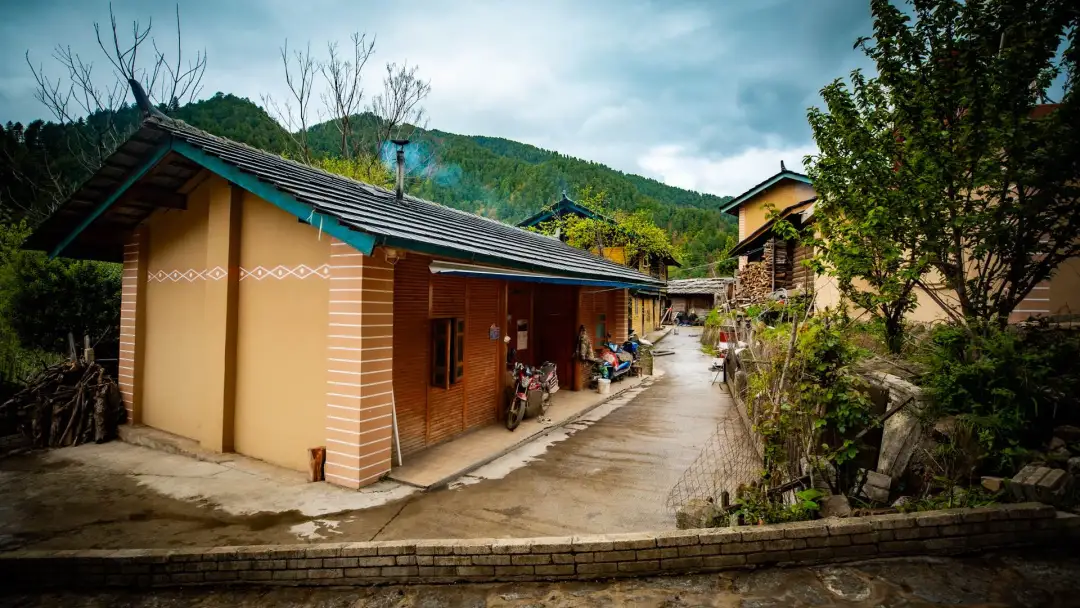
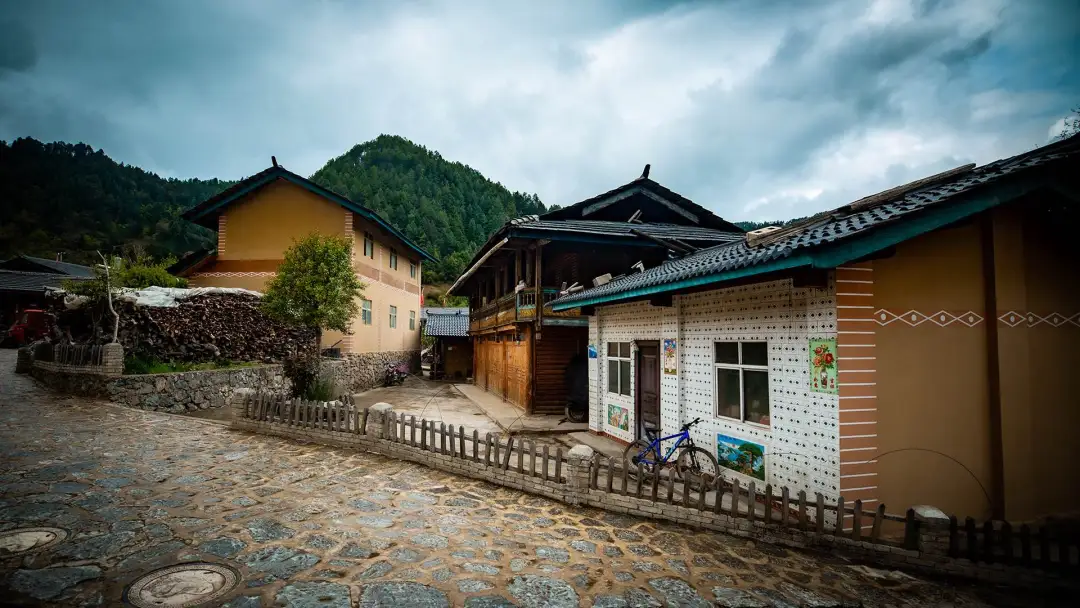
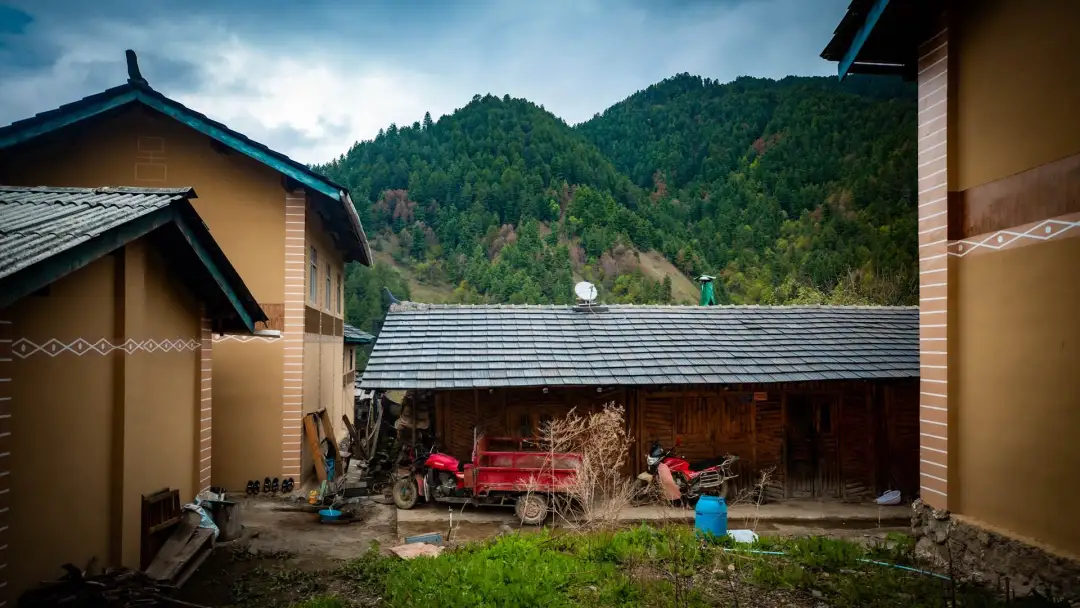
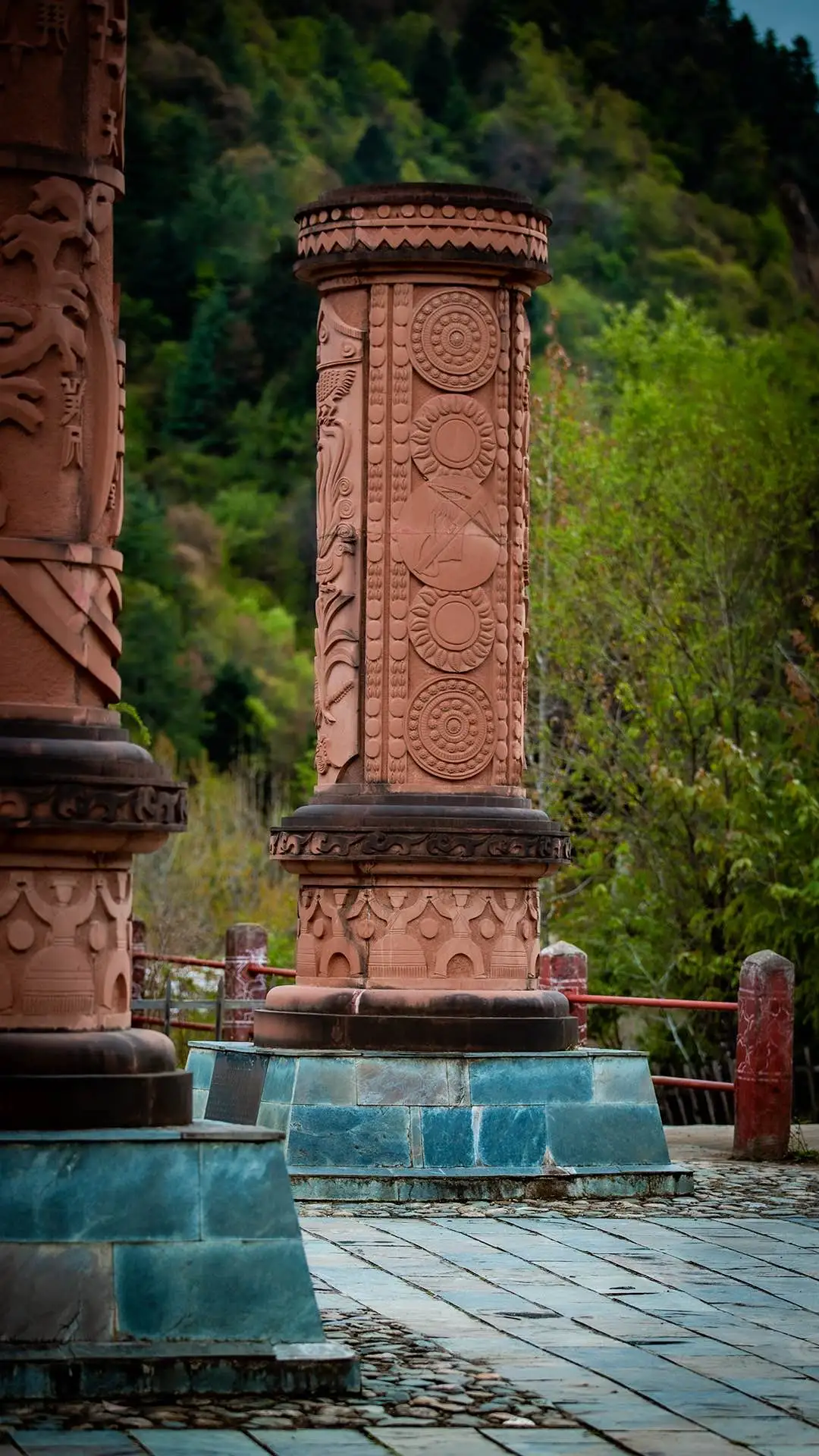
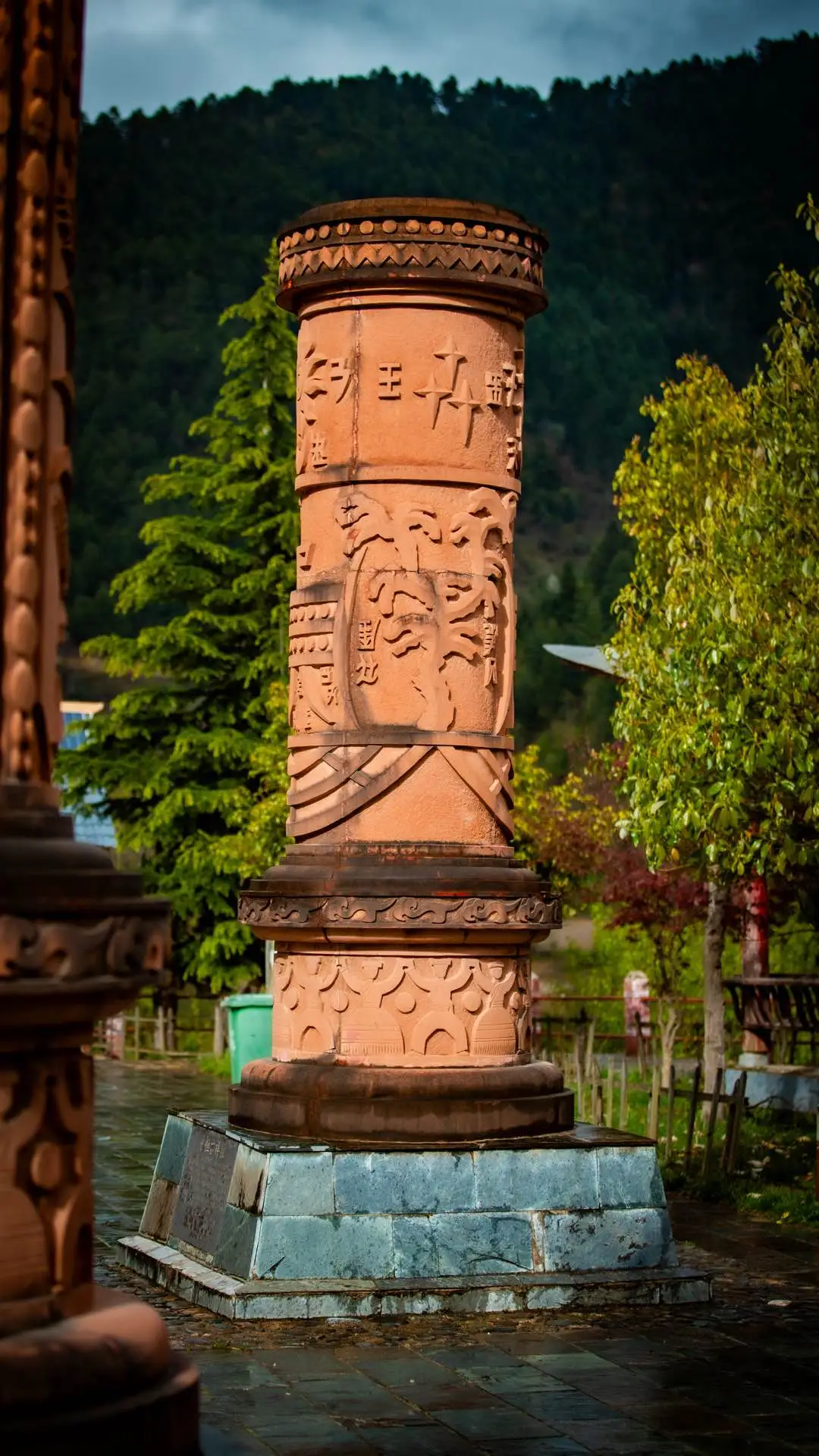
During the Han Dynasty, the ancestors of the Lisu people, known as Shiman ("Shizu" in Lisu language), migrated into the Lappu and Yongchun river areas of Weixi. In the Tang Dynasty, the Shiman and Shunman tribes grew stronger, living in places like Shihecheng (today's Fengyi), Langqiong (Eryuan), Jianchuan (Jianchuan), Liaodan (Dengchuan), Yegong (Heqing), Luomei (Lanping), and Lianxun (Weixi). After the 11th year of the Zhenyuan era (795 AD) of the Tang Dynasty, the Shi and Shun tribes migrated and merged, gradually forming the modern Lisu settlement pattern by the Ming and Qing dynasties. The Lisu in Weixi are divided into northern and southern groups: the northern group is called "Yinai," and the southern group "Yimei." They have their own syllabic script (an ancient Chinese ethnic script) that has been passed down to this day. This area is a southern Lisu settlement, preserving traditional culture such as the "Wasuqi" dance, "Mugua" folk songs, and traditional crossbow shooting.
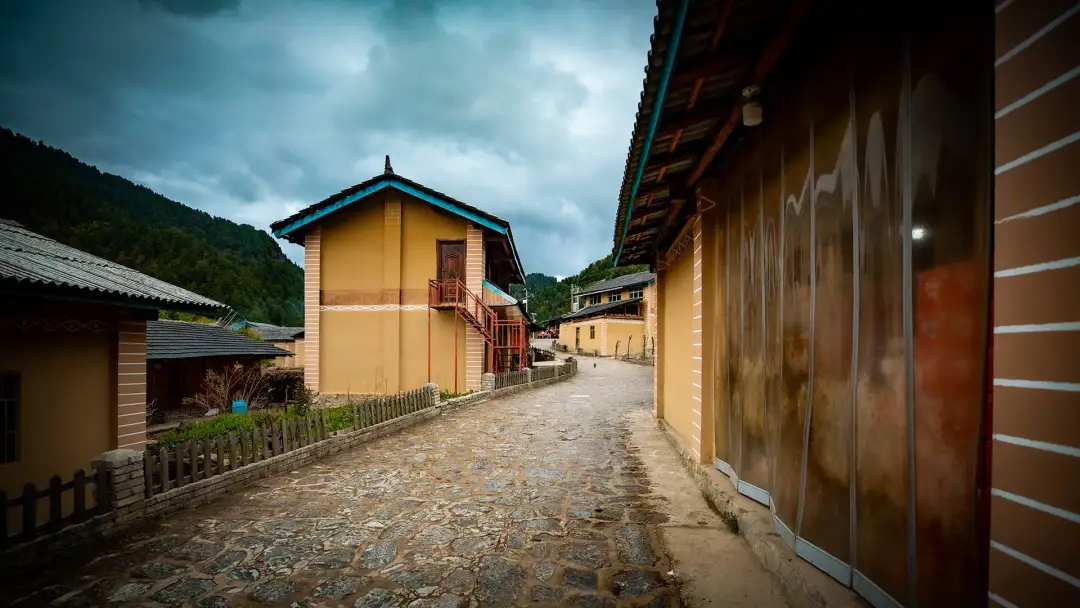
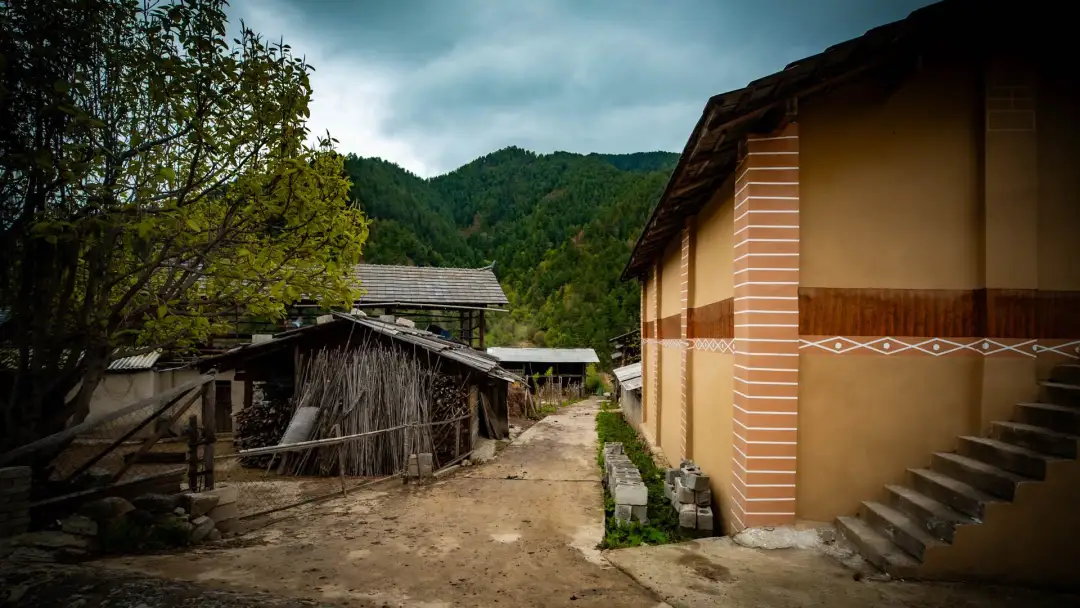
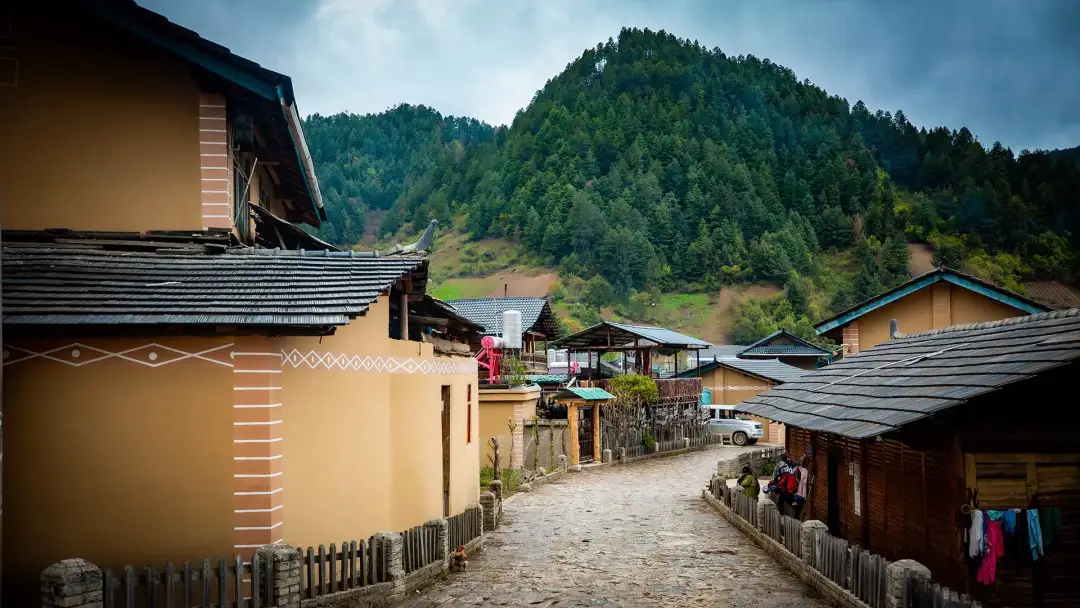
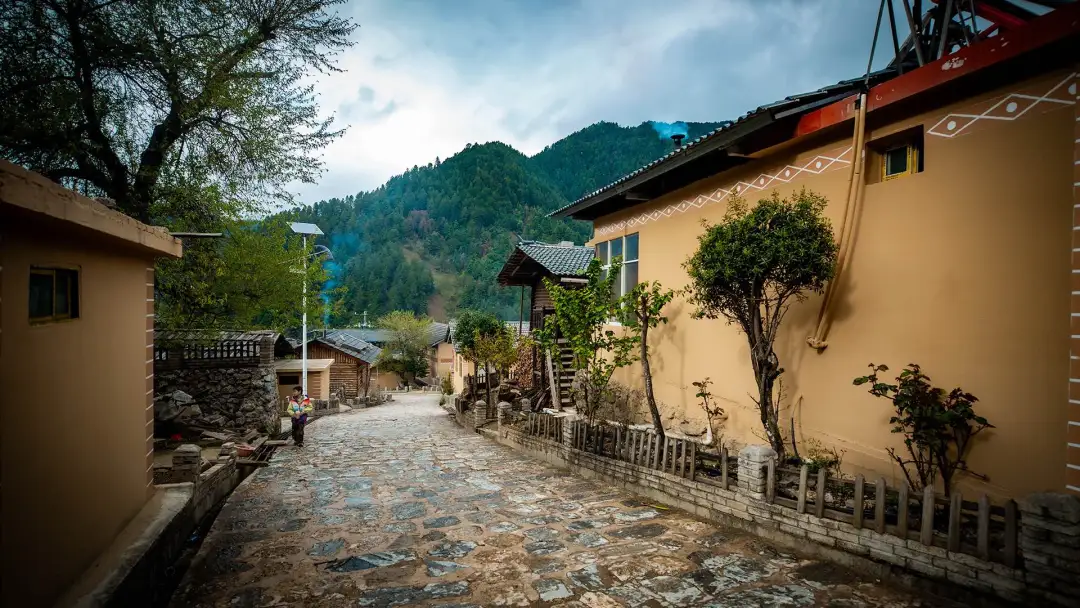
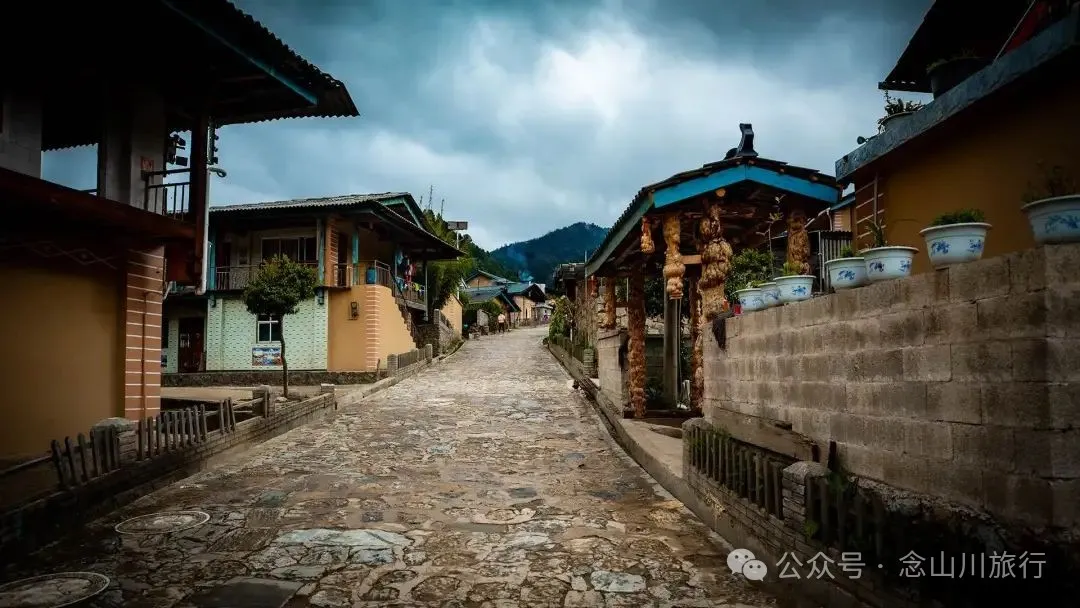
We almost missed the ancient and mysterious Duonage Village twice. On the road from Tacheng Town back to Weixi County, we caught a glimpse of the village hidden in a mountain bend. The earth-colored houses, like mushrooms stretching their necks, stood pure in the lush green mountains, quietly waiting for dusk. This was enough to make us change our plans and enter the village. The village roads were clean and flat, slightly muddy after a light rain, leading to warm, independent Lisu houses, where a simple and fulfilling life spreads, grows, and thrives.
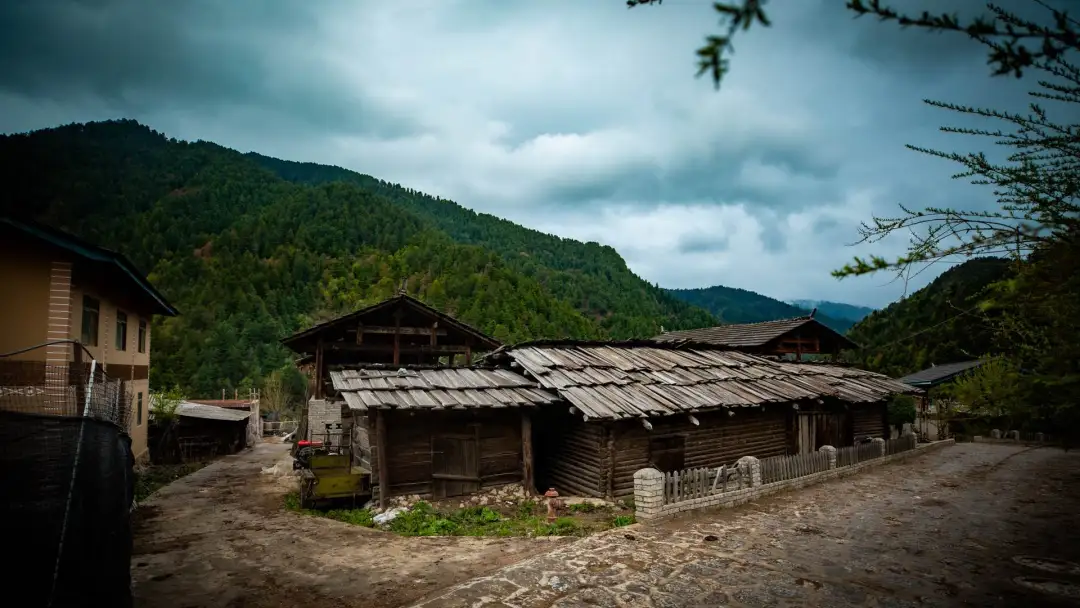
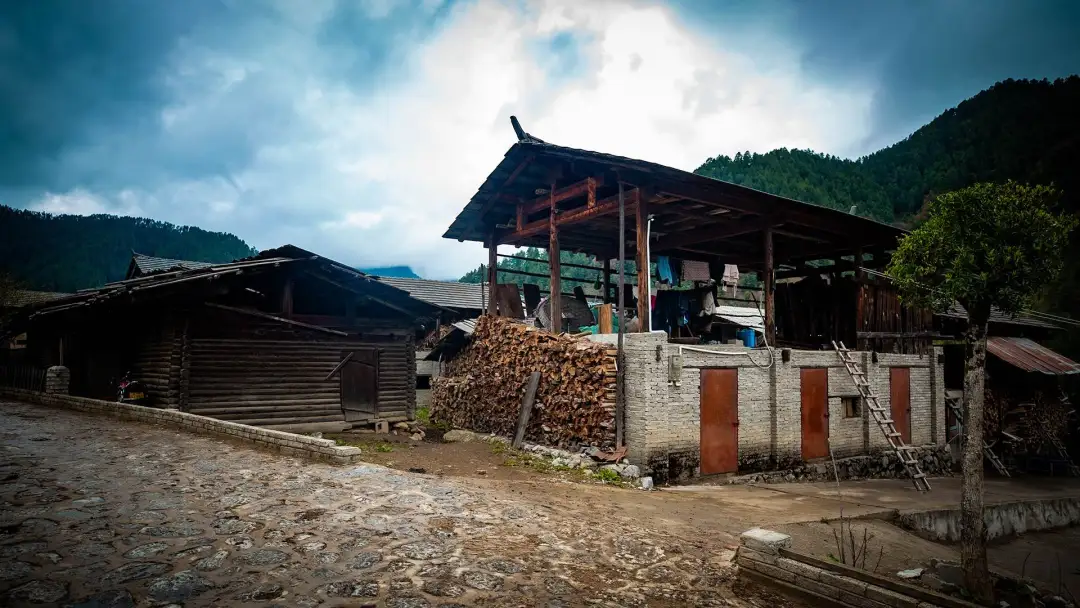
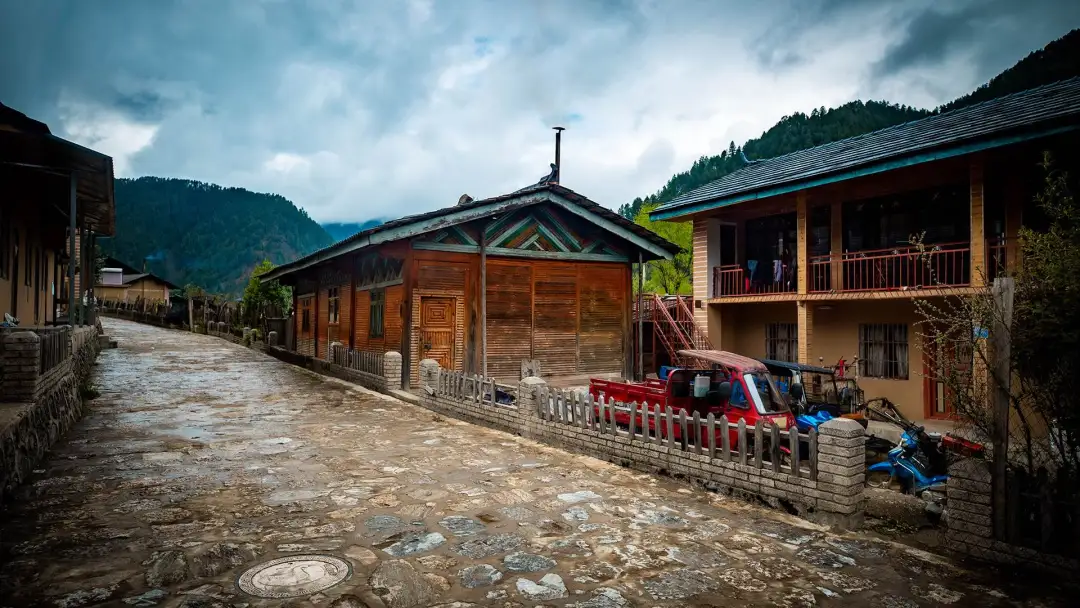
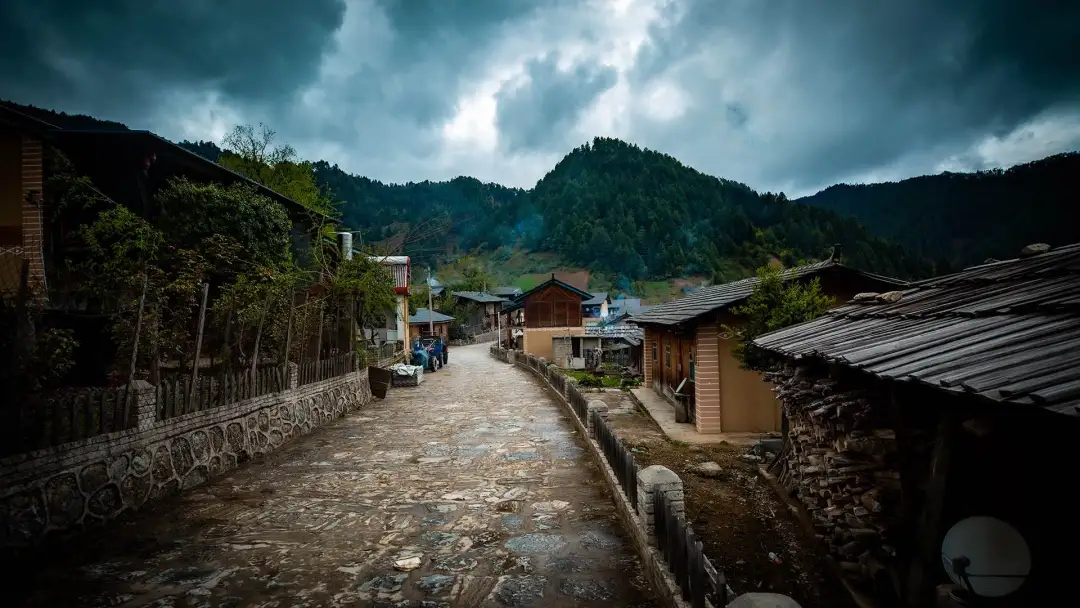
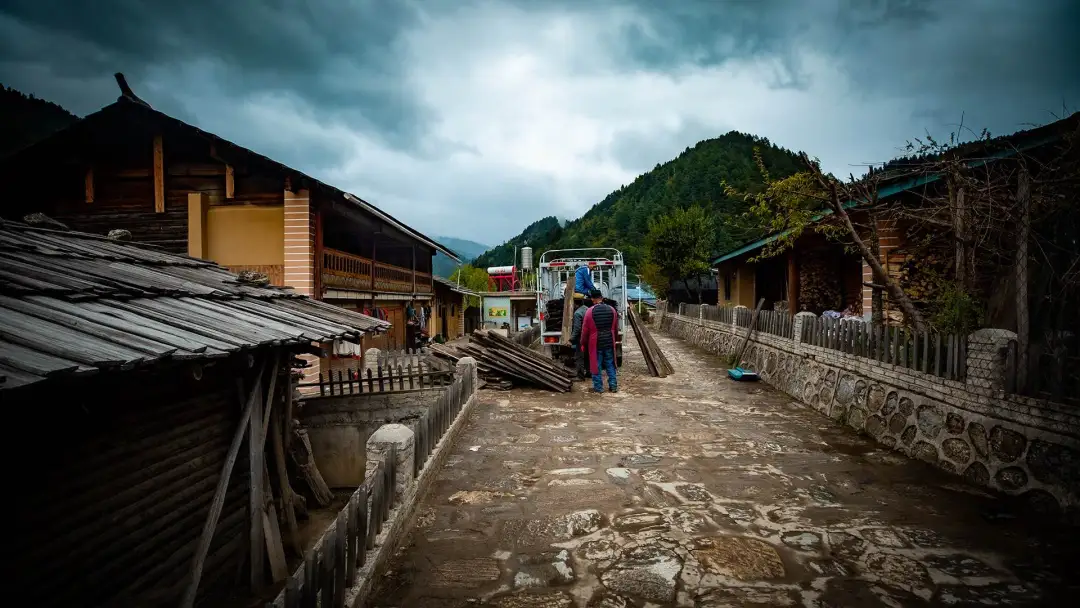
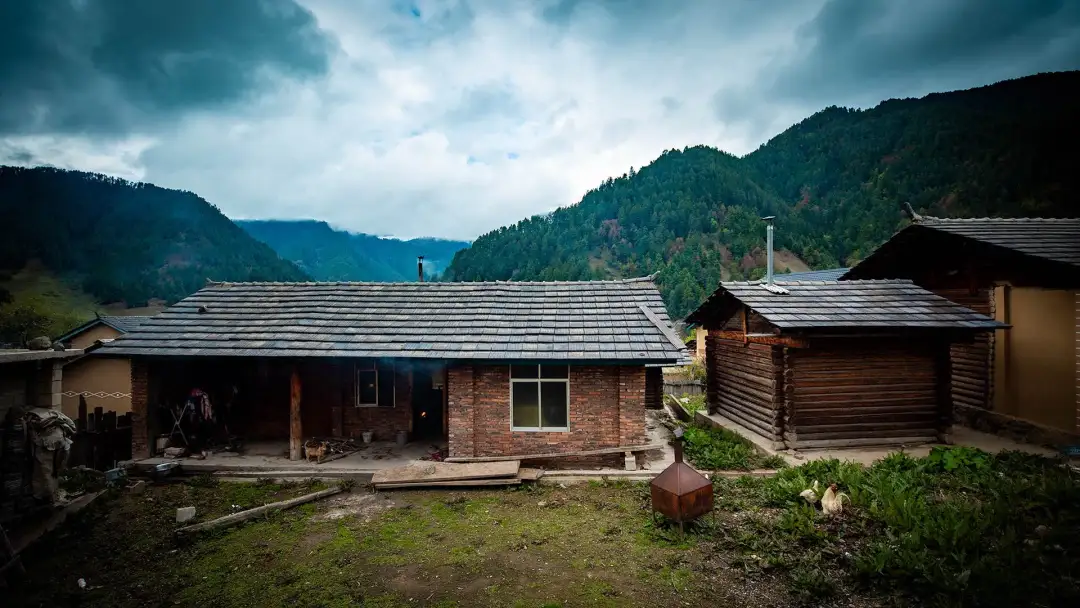
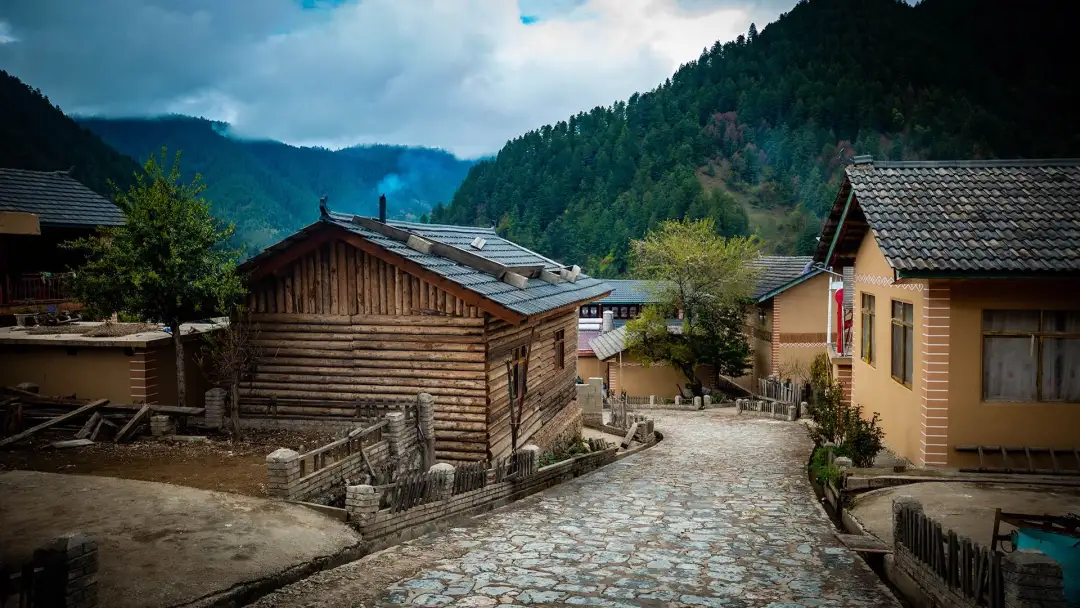
Among the village's earth-colored new houses, many old, low wooden cabins still stand. When these aged cabins reach their end, they become firewood, warming cold dusks, and finally, under the clear starry night, they drift into the vast sky, reborn freely in another realm.
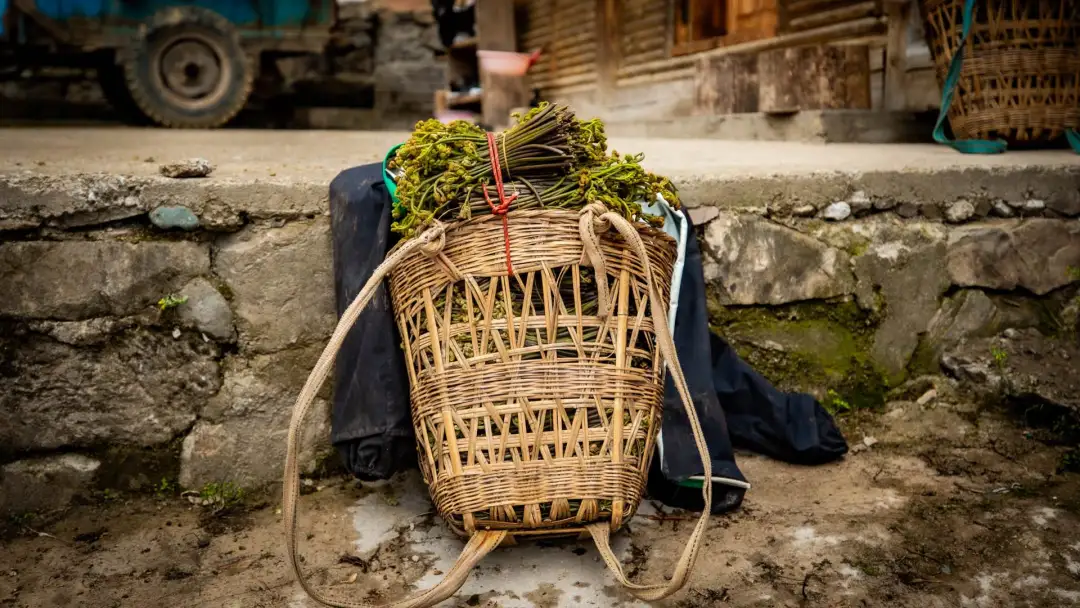
Returning from grazing, the Lisu people gather a full basket of fiddlehead ferns. I imagine there must be grasslands and secluded mountain scenery that we are not fortunate enough to see.
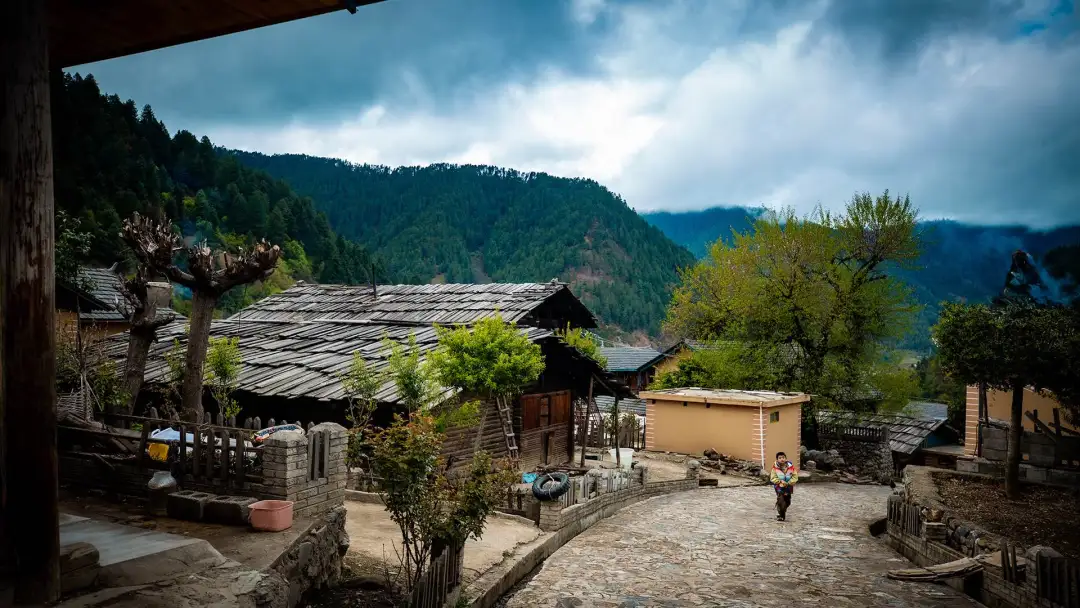
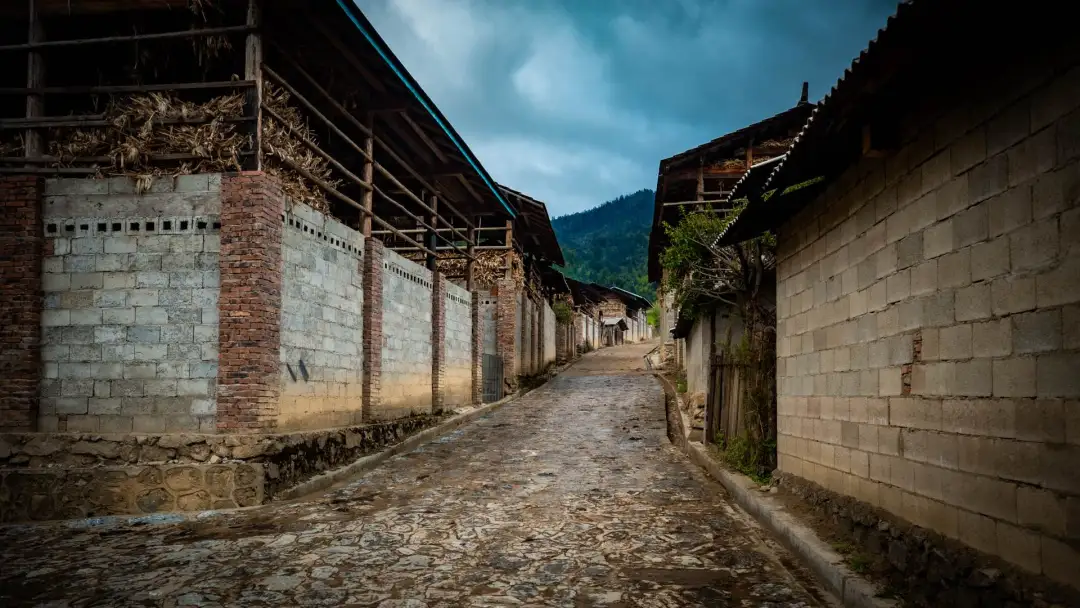
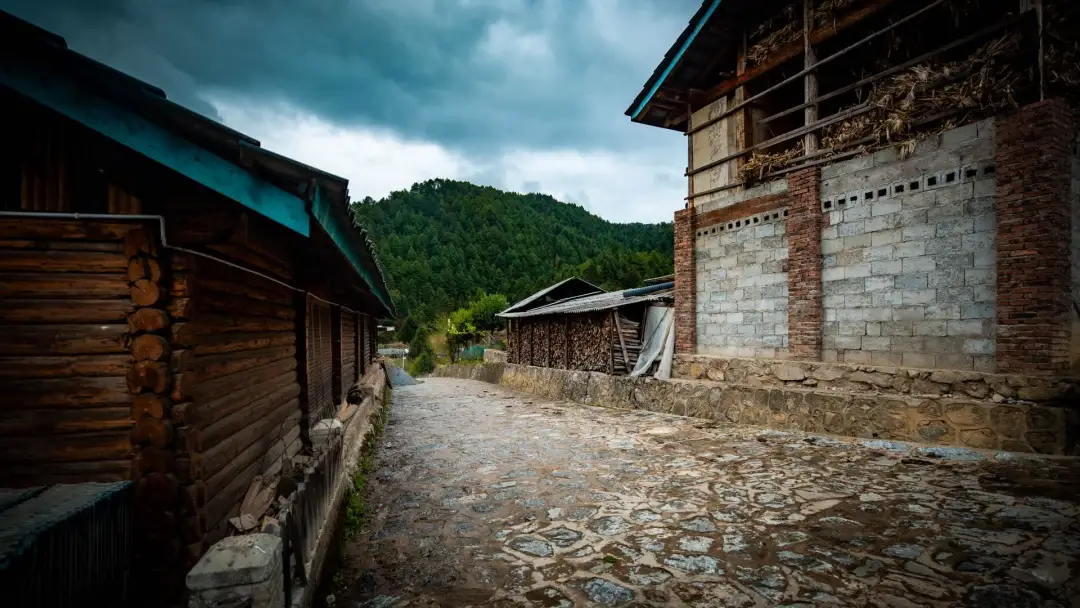
Passing through the residential area, behind the village are cattle and sheep pens. Following the long village road leading deep into the mountains, we saw a herder slowly driving his cattle back to the village, disappearing into a rising plume of smoke. "At dusk I look eastward, leaning on my staff, uncertain where to go. Every tree is tinged with autumn color, every mountain bathed in sunset glow. The shepherd drives his calf home, the hunter returns with his game. We meet but know not one another; I sing a song of hermits' name." This scene brought to life all the imagery of Wang Ji's poem "A Field View." The mountains behind the herder trembled, and I seemed to hear hearty laughter, quickly swallowed by the dense forest.
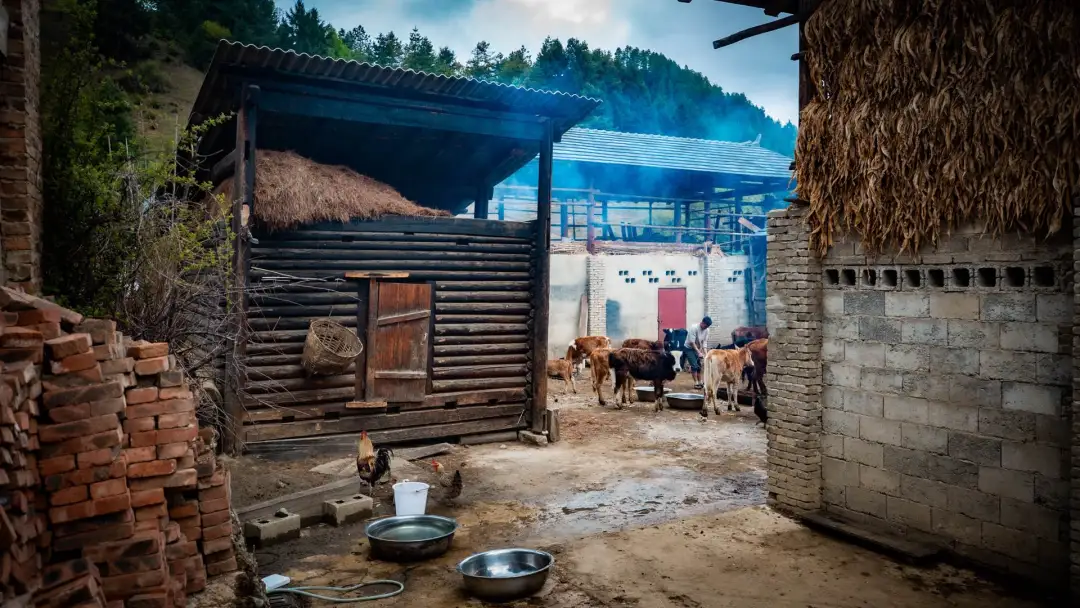
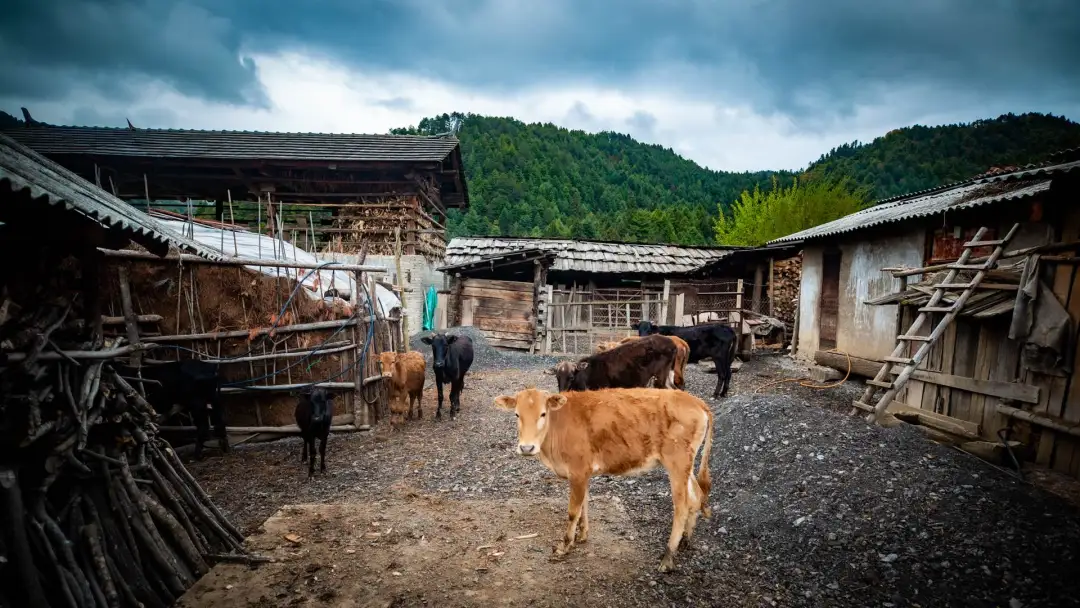
"The fowls roost in their holes. The sun is setting, and the cattle and sheep come down." Not only in Tang poetry but also in the Book of Songs, the pastoral idyll of a thousand years ago can be seen everywhere in Duonage Lisu Village. Before returning to the village, the herder adds more feed to fill the cattle's remaining appetite. Only when the livestock are satisfied does the herder feel at ease, entering his warm hut to spend the deep night peacefully.

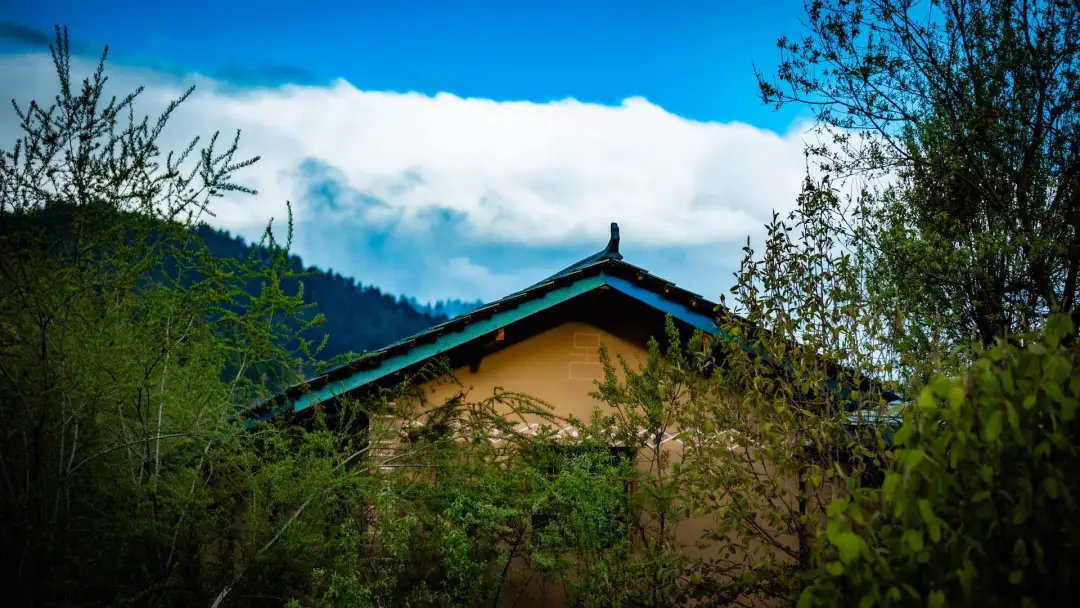
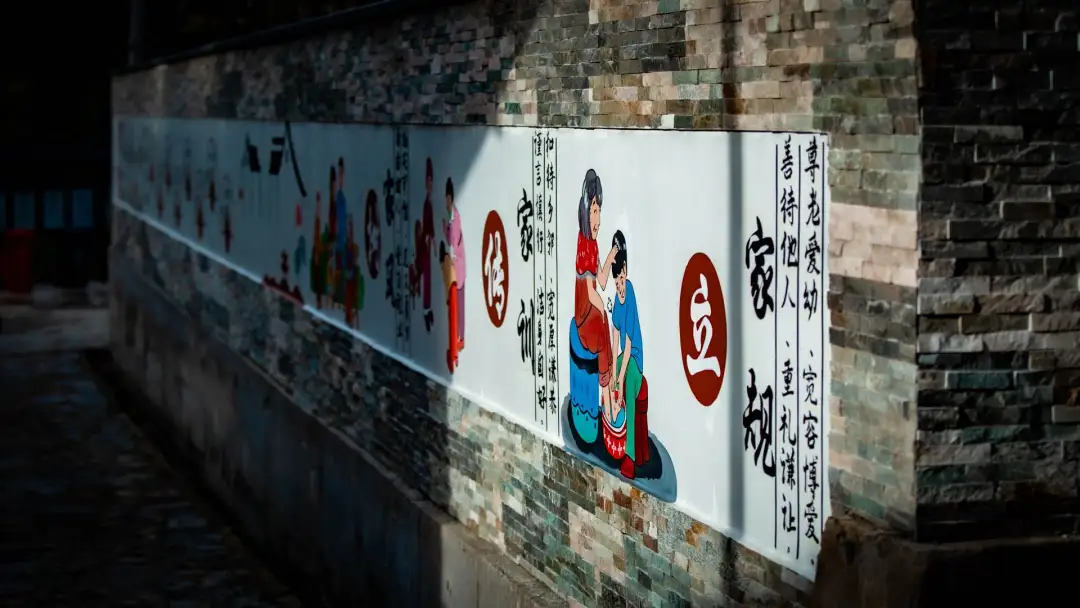
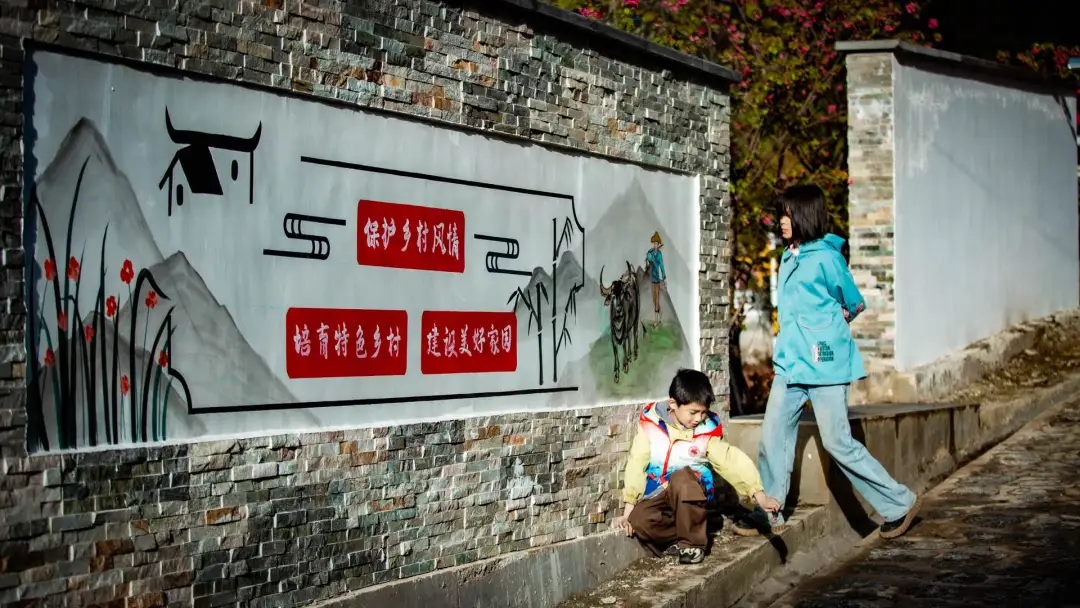

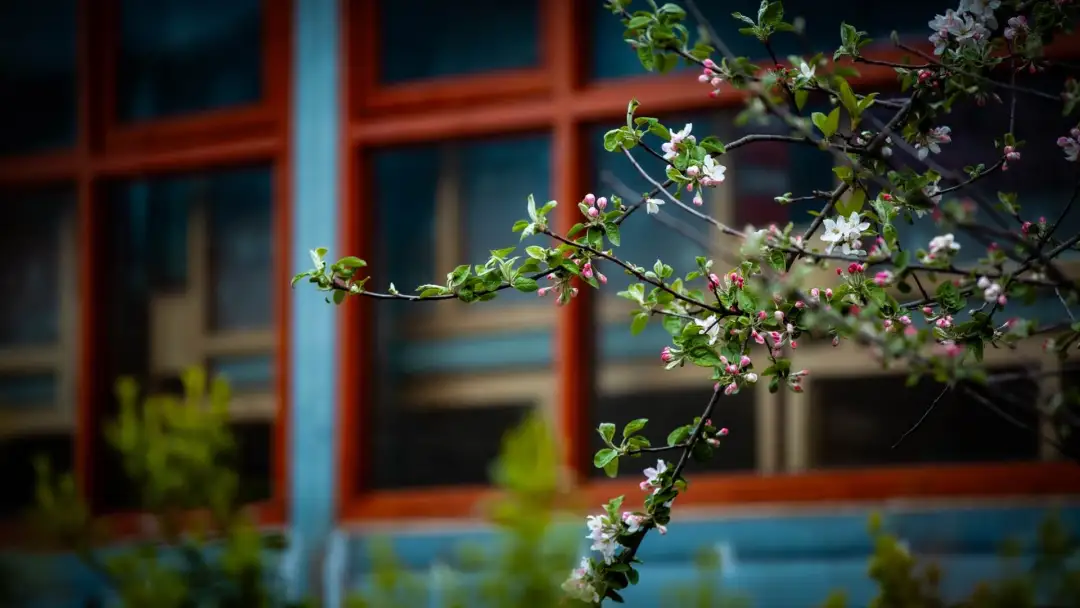
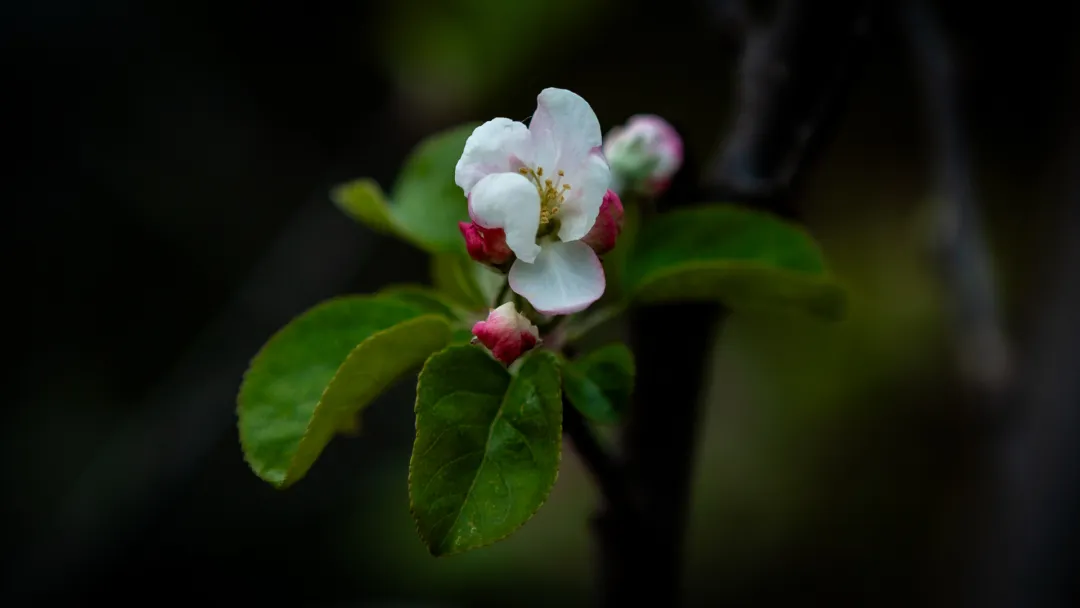

Before we left, the last rays of sunset broke through the thick clouds, illuminating Duonage Village. We walked in the soft light of the setting sun, watching the mysterious village slowly unveil its stunning true face. The forest apple trees in front of the courtyard, undeterred by the cold, bloomed with tiny, star-like flowers, adorning the simple yard. Half-opened peonies tried to retain crystal raindrops, cherishing them like pearls, creating a beautiful encounter by the wooden window.
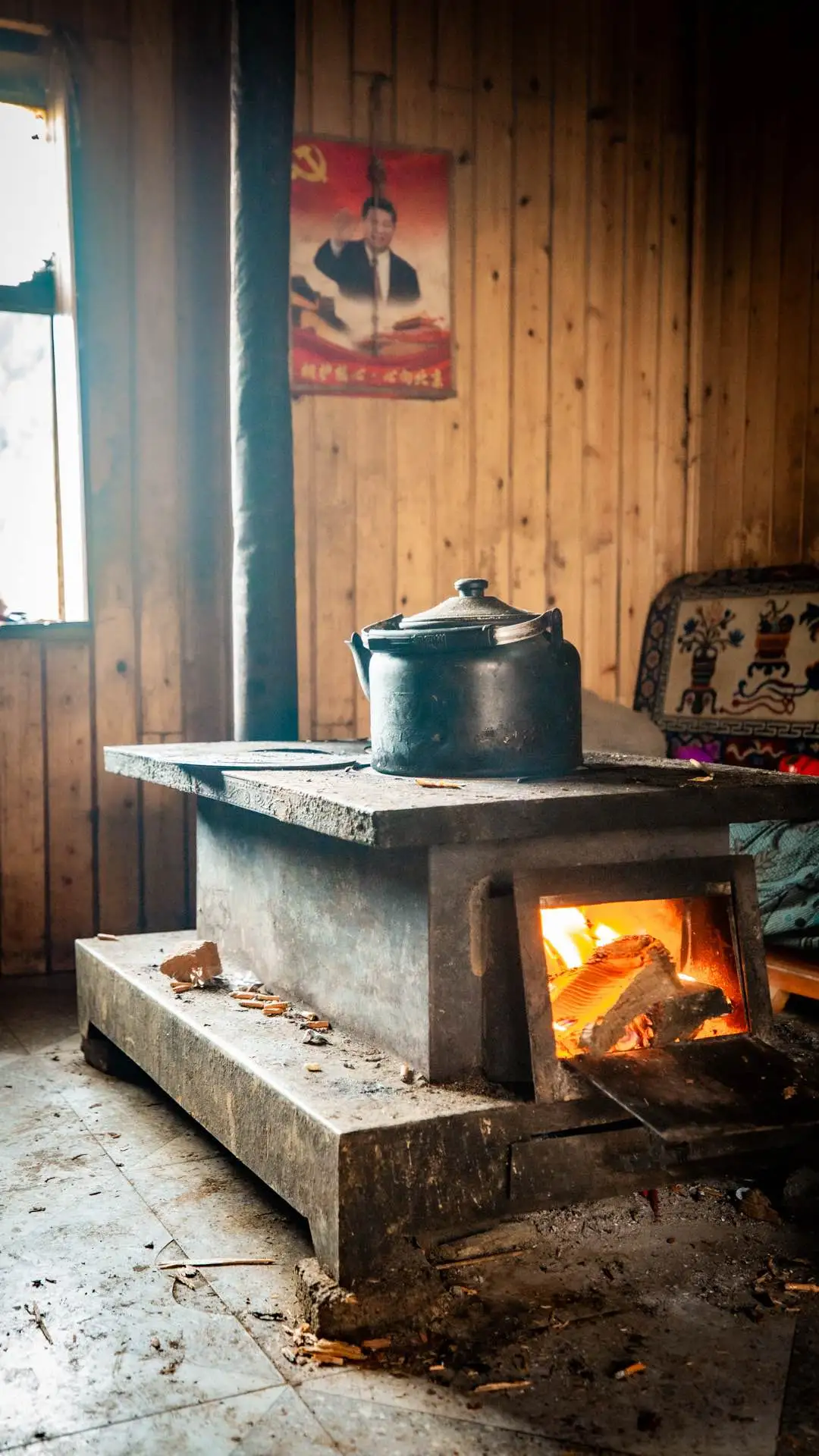
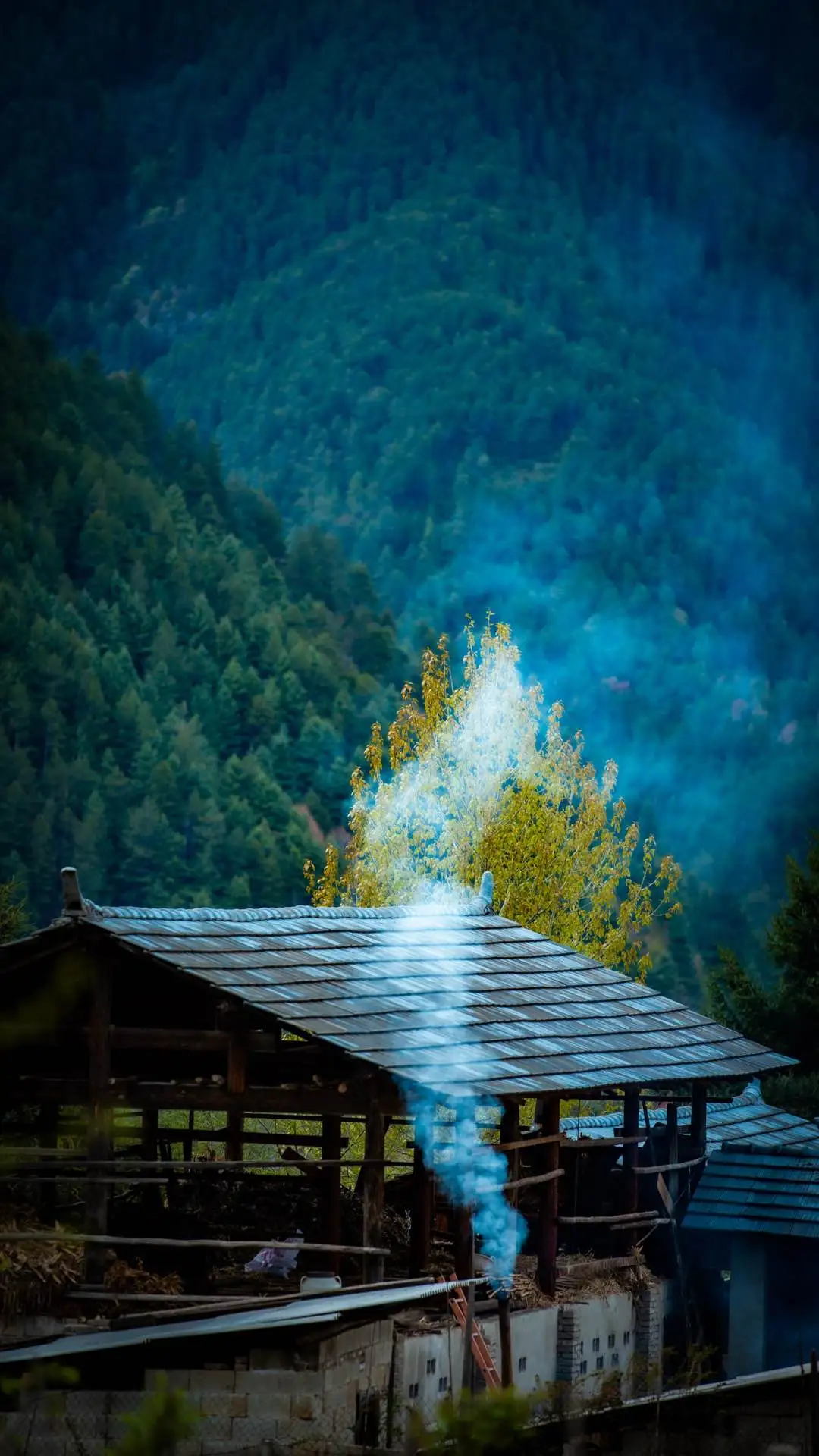
Dusk wrapped the village in thick chill, and wisps of smoke rose from every rooftop. The fire in the hearth warmed the entire room, and the aroma of dinner filled the air. When the Milky Way rose, the forest ranger lit a pine torch to patrol the mountains. The moving light, like fallen stars, together with the fragrance of buckwheat wine from black clay pots, guarded the ancient silence of the mountains.
Under these eaves closest to the sky, the people of Duonage measure time with morning frost and evening dew, turning ordinary days into poetry. Here, time flows slowly into eternity along the curled shoots of ferns, the swirling maple leaves in mountain streams, and the endless ancient songs by the hearth.