
Qizong Village is located in Tacheng Town, Weixi Lisu Autonomous County, Diqing Prefecture, Yunnan Province. It lies at the junction of four counties: Weixi County, Shangri-La City, Deqin County, and Yulong County of Lijiang City. Known as "where roosters crow in four counties," it is 15 km from the town government and 85 km from Weixi county seat.
Qizong Village is a multi-ethnic settlement (Tibetan, Han, Naxi, Lisu, etc.) with significant cultural integration. Every year, the village hosts the "Lapu Culture" Art Festival, showcasing intangible cultural heritage items such as Reba dance, xianzi (string instrument), thousand-person Guozhuang dance, and traditional archery. The Jinsha River winds through the village, surrounded by green mountains like "eight-petal lotus," creating a unique landscape of mountains and waters. This makes the village a tourist and leisure destination with strong ethnic characteristics, attracting many visitors.
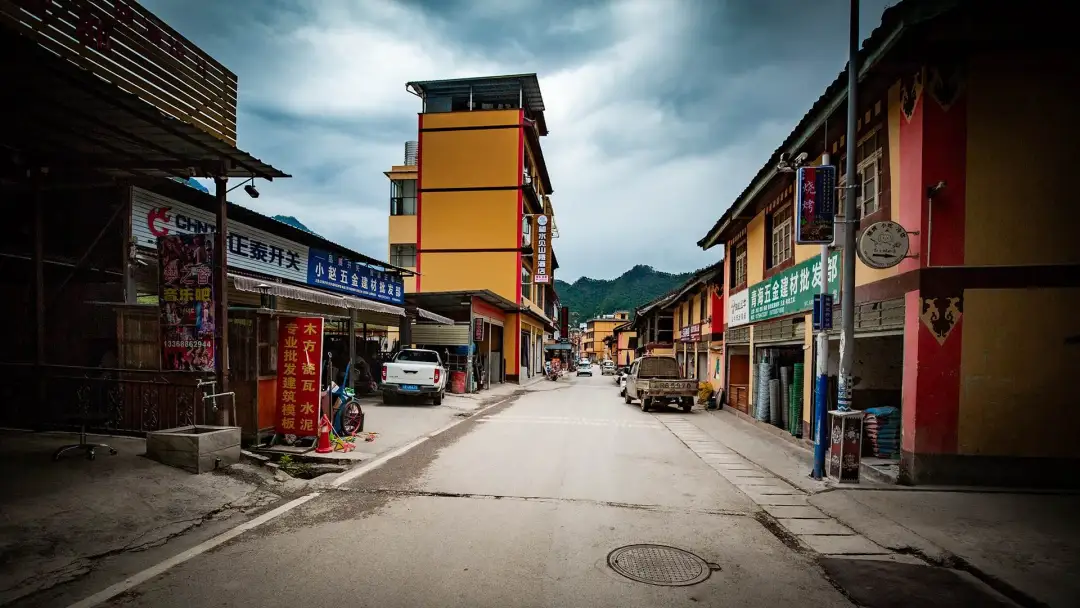
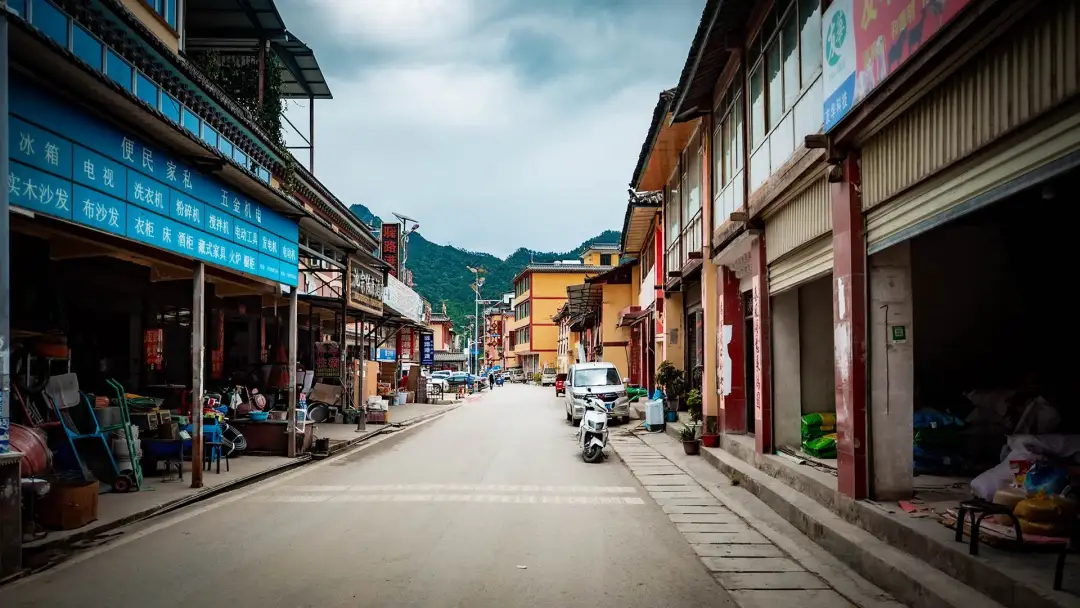
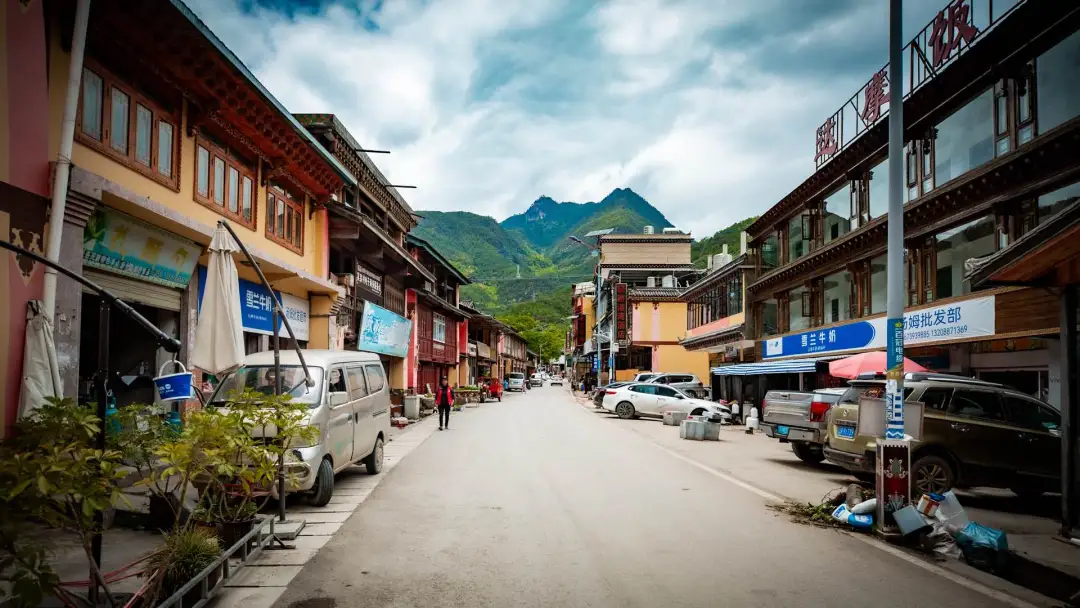
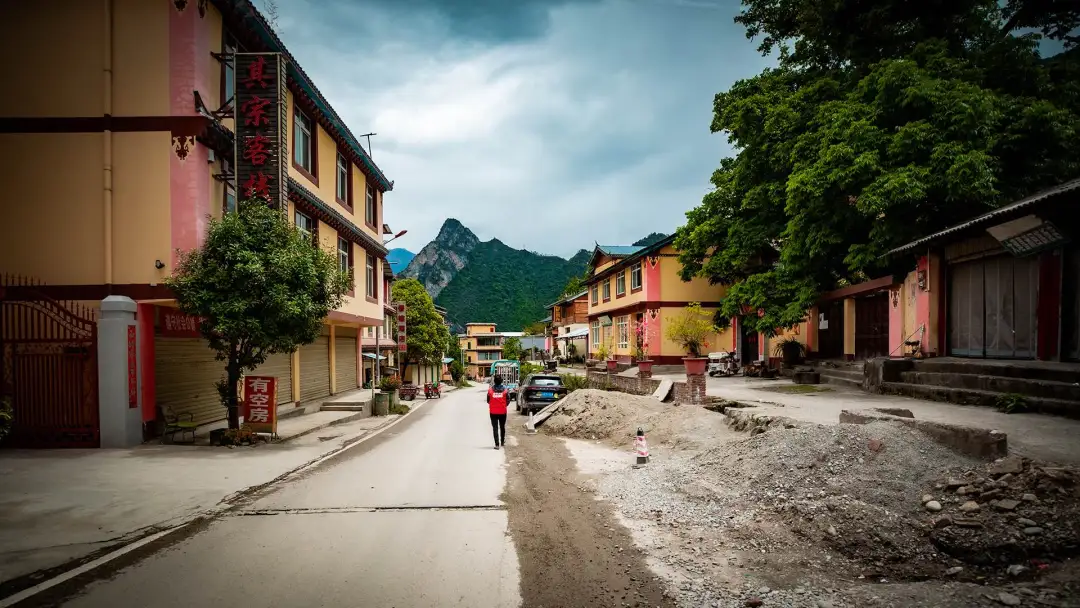
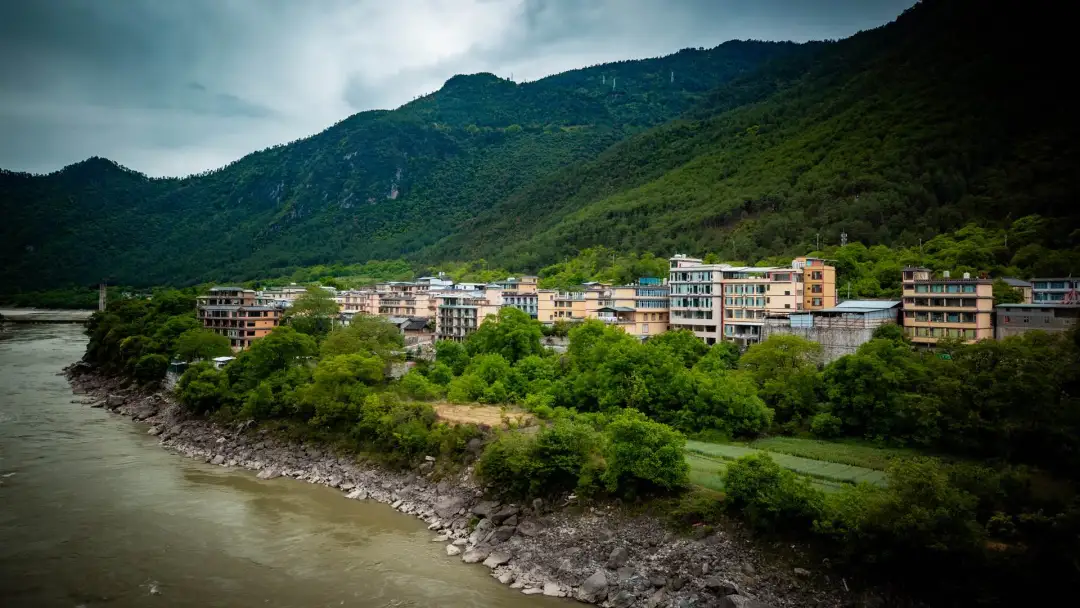
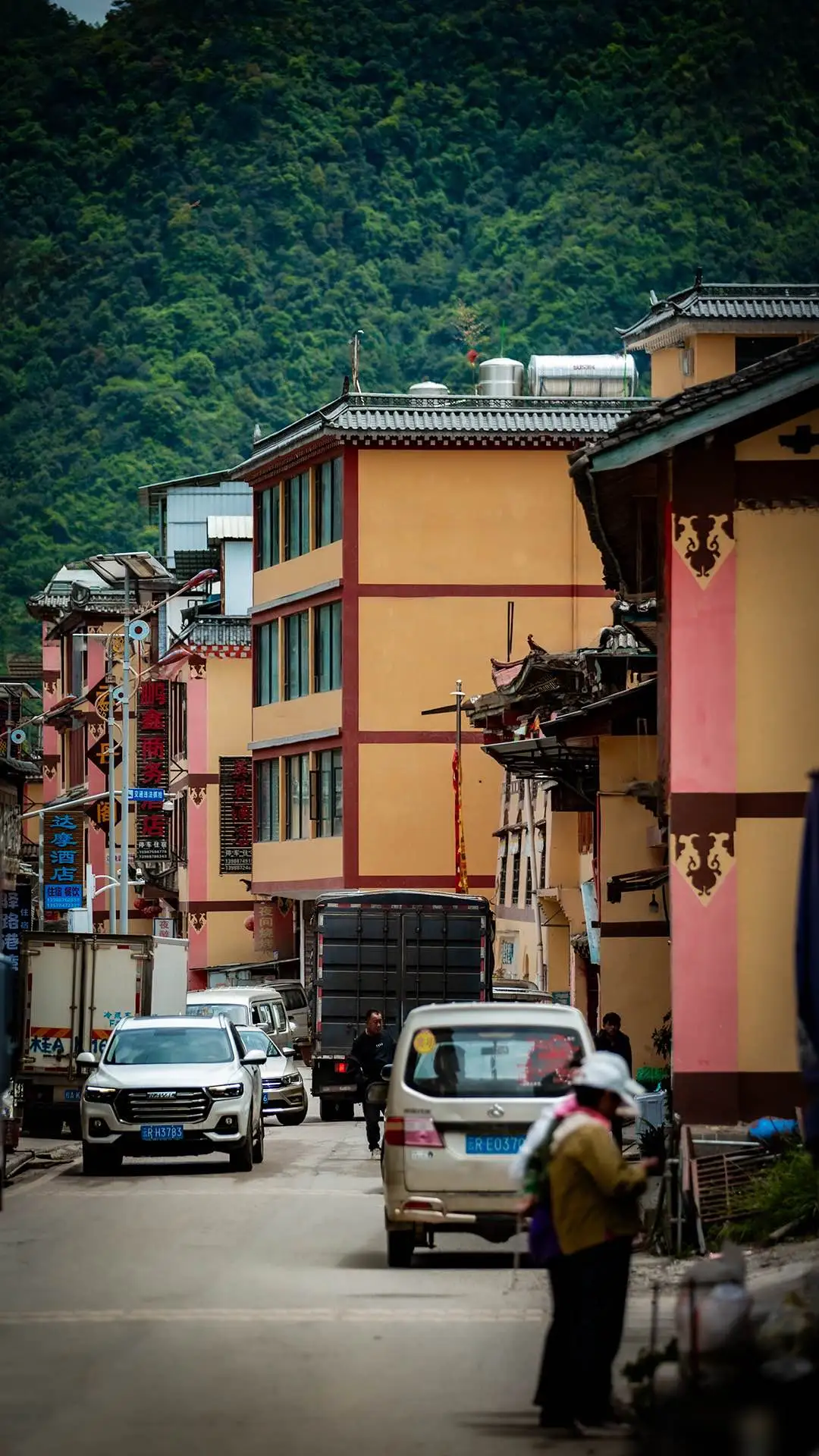
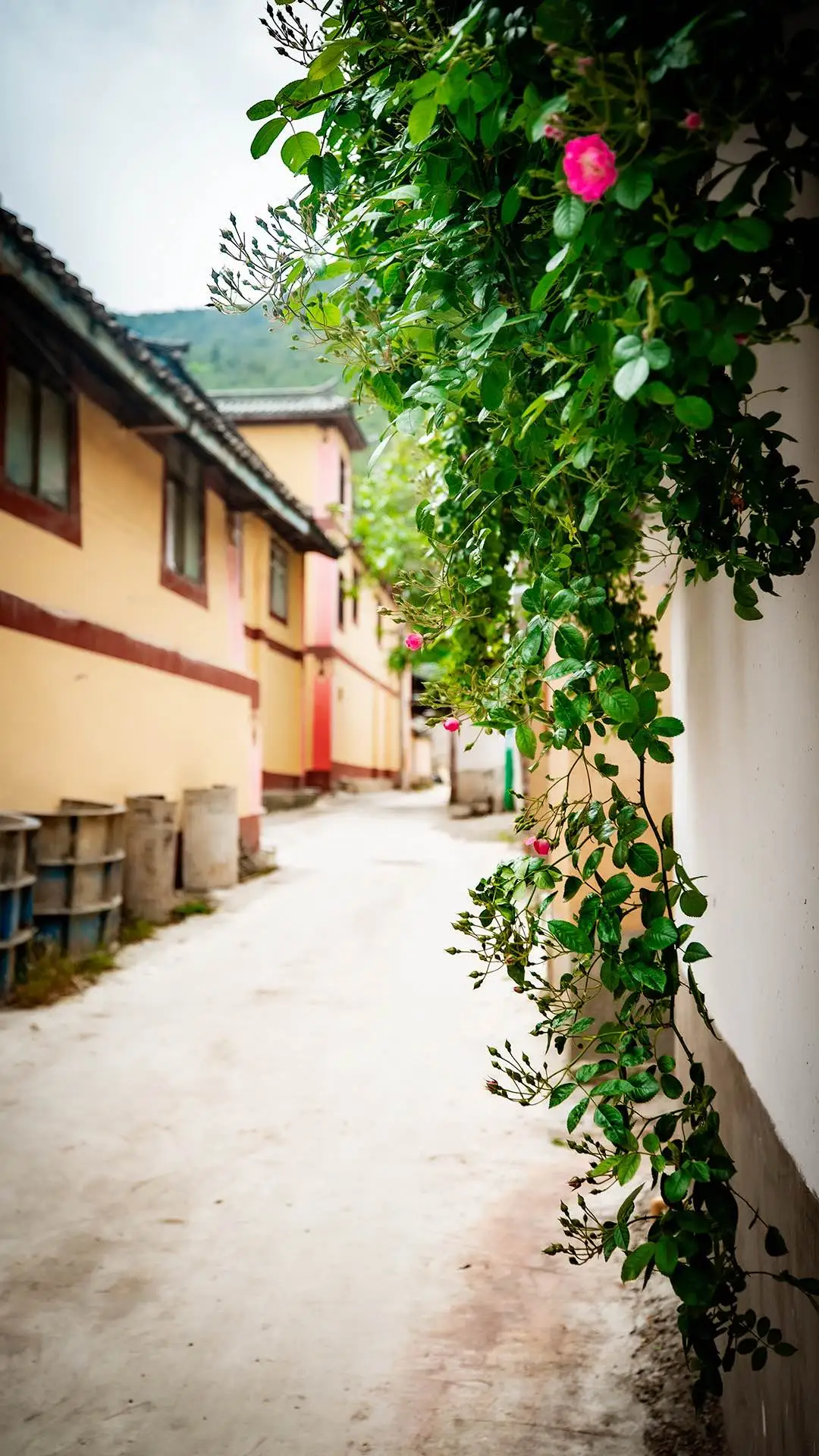
This is a street running through the entire village. The concrete buildings on both sides,随处可见的 inns and guesthouses, and well-stocked shops show that Qizong Village has taken on a small town pattern, not just a village. Here, the surrounding mountains stand like devout monks with palms together, embracing Qizong Village. The boundary line where four counties meet turns into a soft ribbon, gently tying the Lisu folk songs, Tibetan prayer flags, Naxi Dongba script, and Han's worldly life into a string of wind chimes, tinkling in the clouds at an altitude of 1,900 meters.
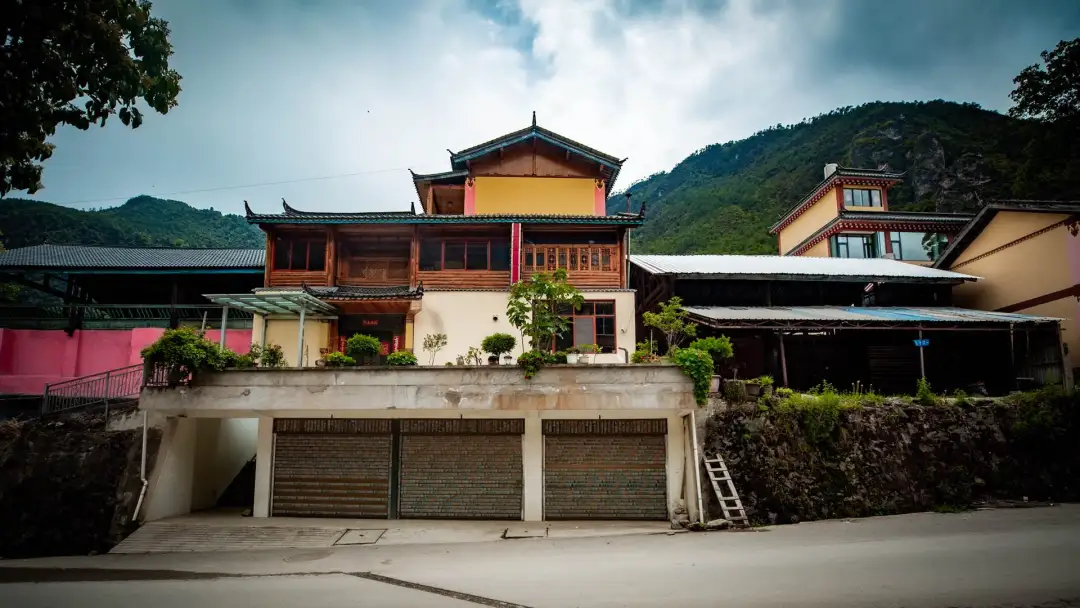
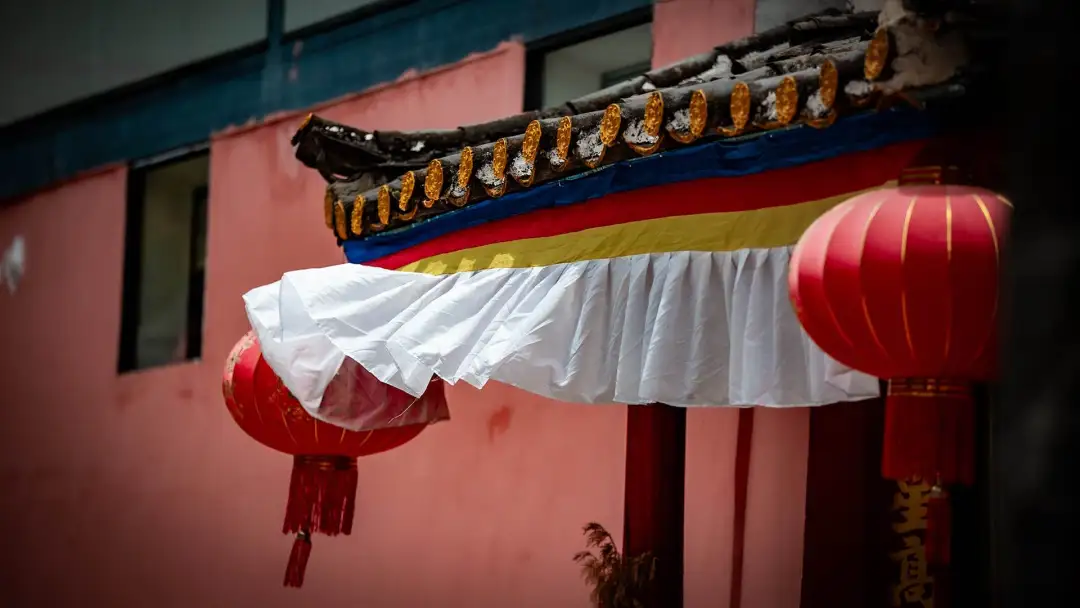
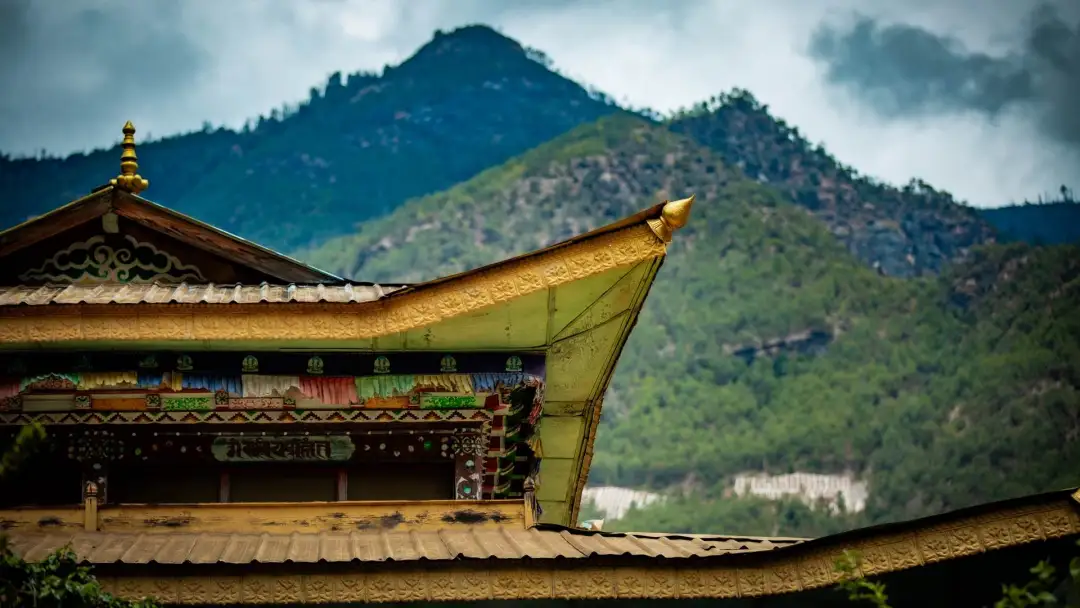
When the first ray of sunlight pierces the sea of clouds, the Jinsha River shakes off its starry radiance and winds down with the chill of snow-capped mountains. The green mountains on both banks stretch out one after another, eight peaks blooming like lotus flowers, gently holding the village in their palms. Morning mist like gauze sweeps over the layered walnut forests, startling the saffron sleeping between terraced fields. Farmers step on dewdrops to the ridges, their baskets heavy with ice balls still moist with mountain mist, while in the distance, a newly built processing plant sends up curling smoke, dancing with the prayer flags on the mountainside into a flowing totem.
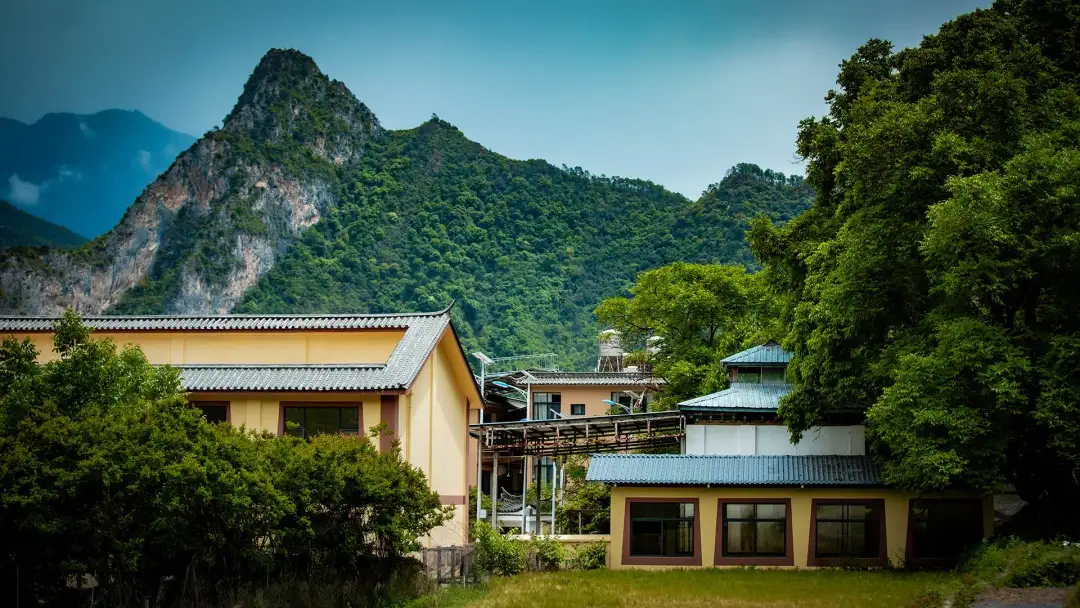
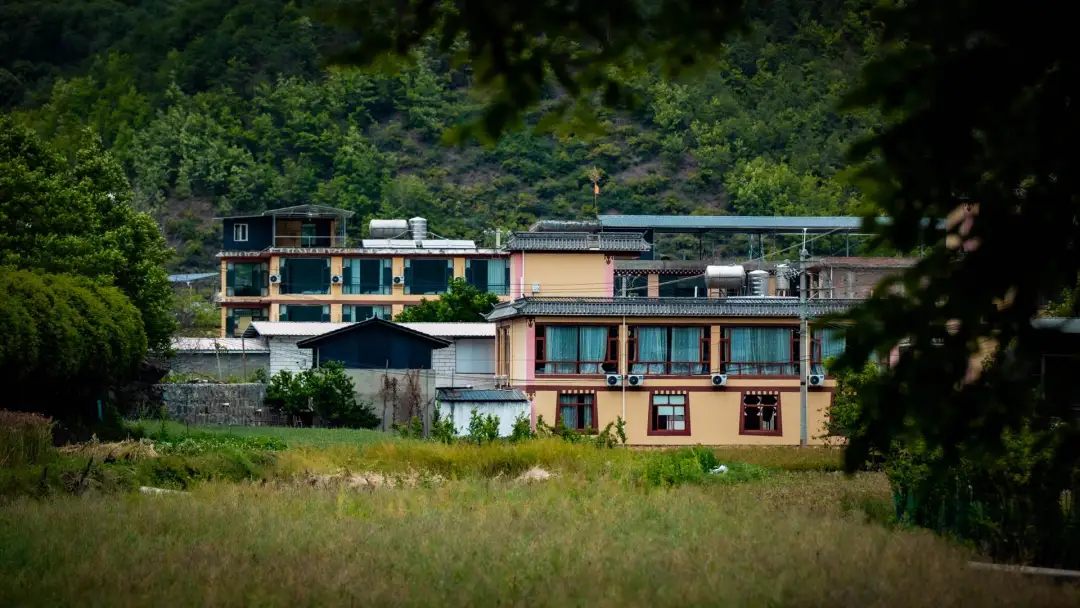
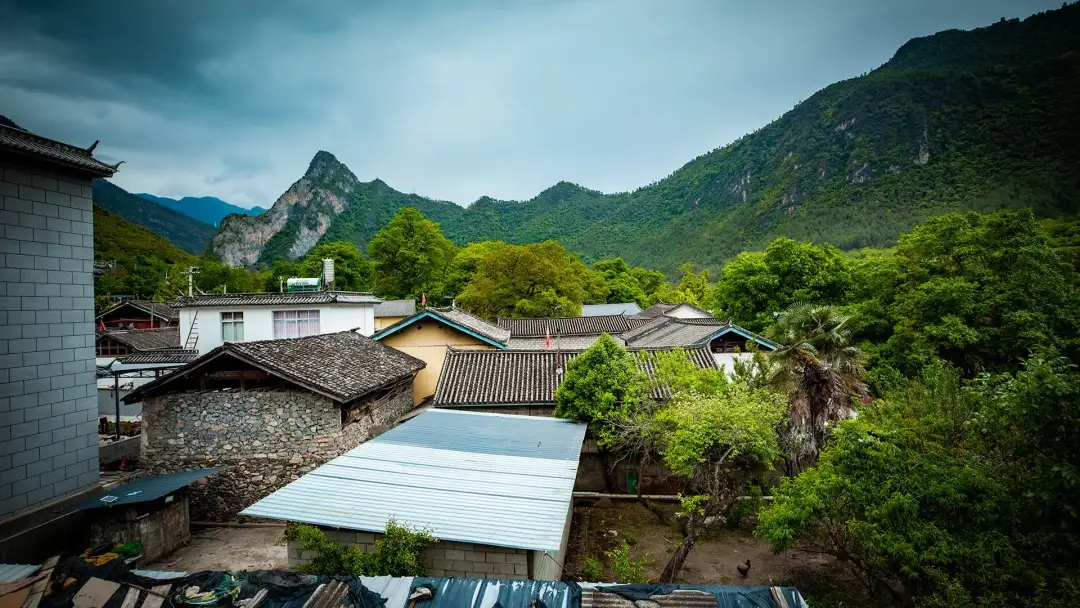
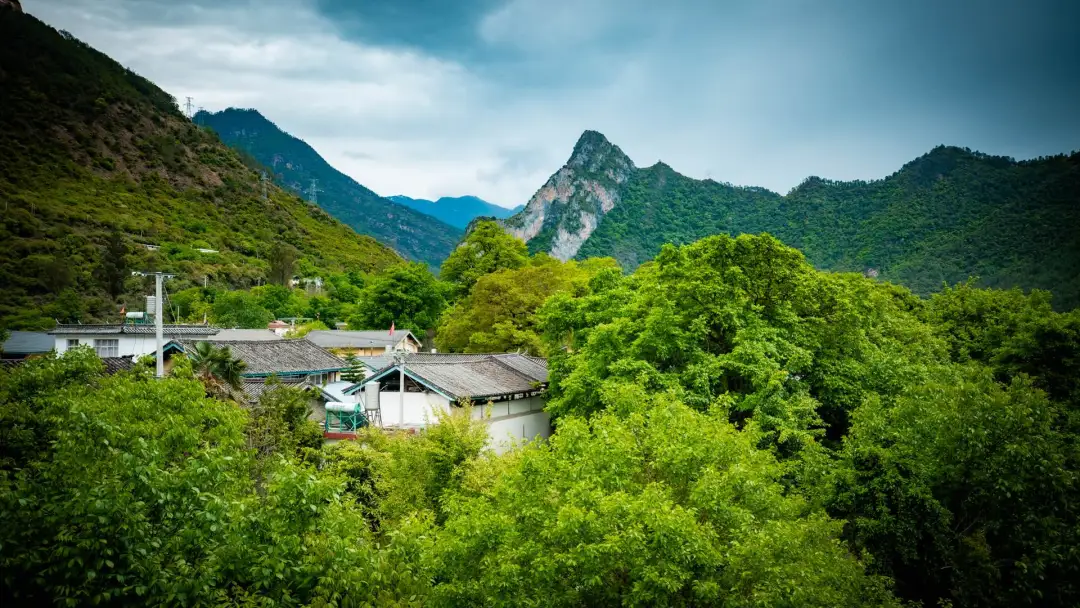
Under the century-old walnut tree at the village entrance, a Naxi elderly woman strings dried mushrooms into a necklace of time. A Tibetan man carries freshly harvested Paris polyphylla roots across the stone path. Lisu girls' fingertips weave colorful ribbons into the tassels of guesthouse curtains. The copper pot of the long-street banquet simmers with the gifts of the Lapu Valley, the aroma of butter tea and walnut candy lingering in the alleys. Suddenly, a sound of xianzi breaks through the air, the bells and drums of Reba dance echoing the rhythm of the Jinsha River, drawing tourists from all directions into the whirlpool of the thousand-person Guozhuang dance—this is the common pulse beating in the blood of multiple ethnic groups, the carnival nurtured by snow mountains and rivers.
Night deepens, the bonfire gradually dies, but the snow mountains remain awake. Qizong Village's dreams are light—the walnut forest rustles in the wind, counting the increased income; saffron bulbs in the greenhouse brew a new blooming season; the intangible cultural heritage inheritor's carving knife sculpts tomorrow's totem on the wooden window lattice. When the morning mist rises again, this village "where roosters crow in four counties" will once again write the verses of rural revitalization into the rings of the Eight-Petal Lotus Mountain.
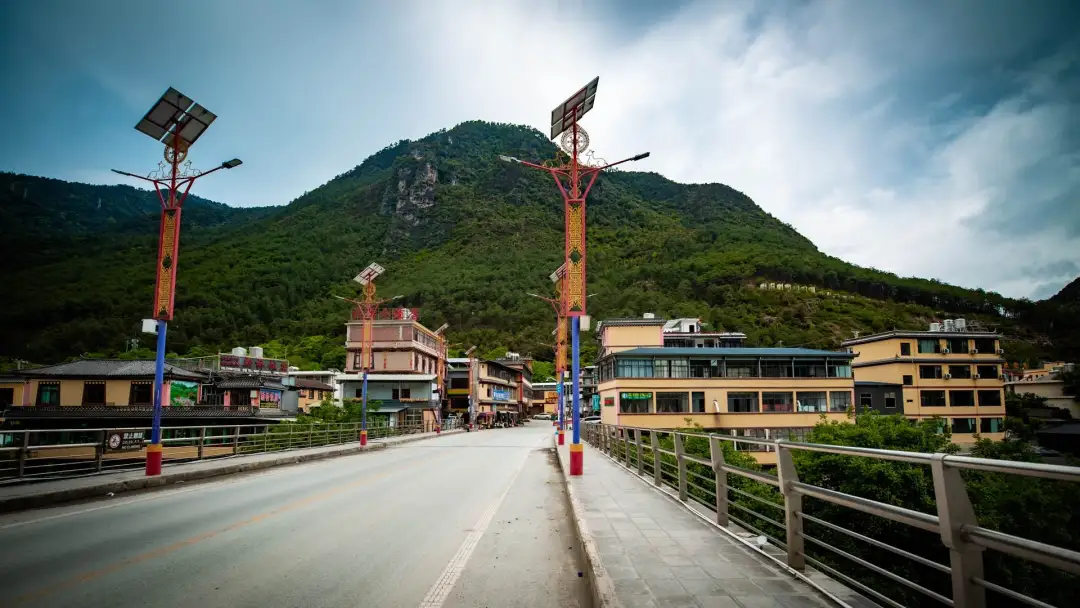
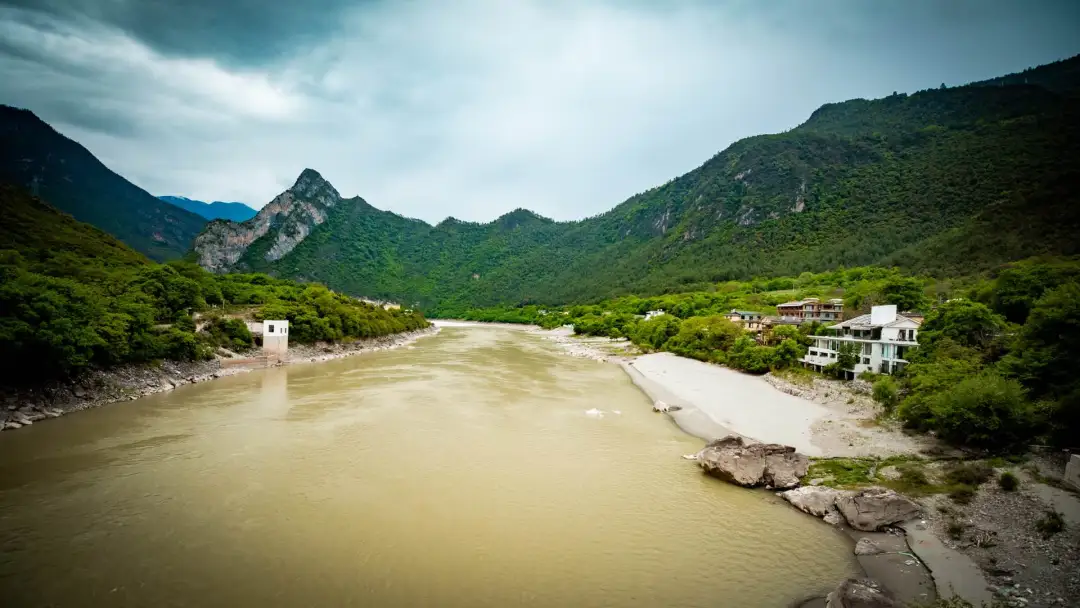
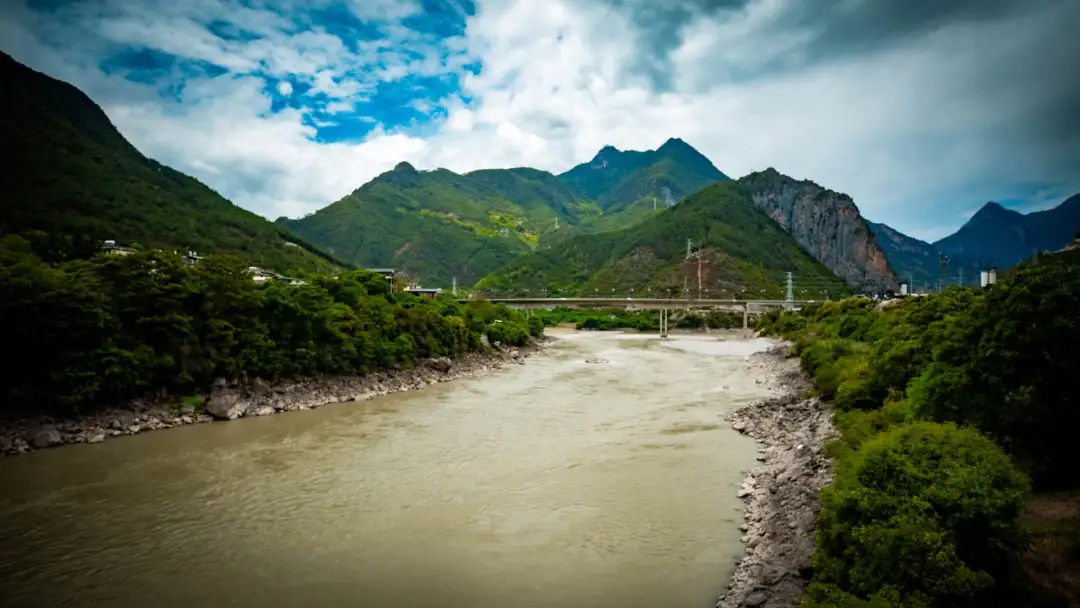
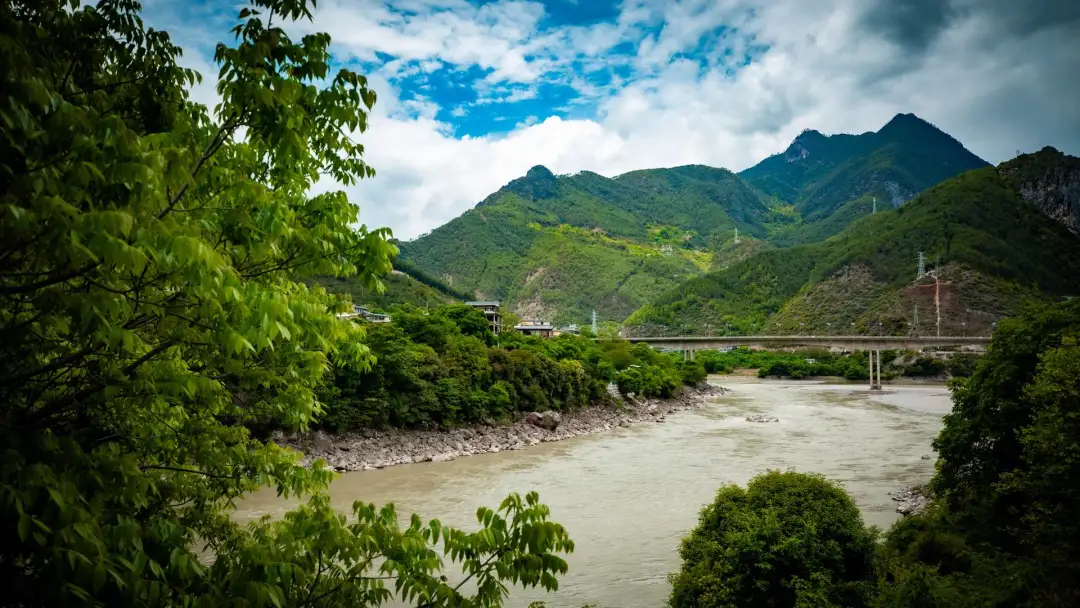
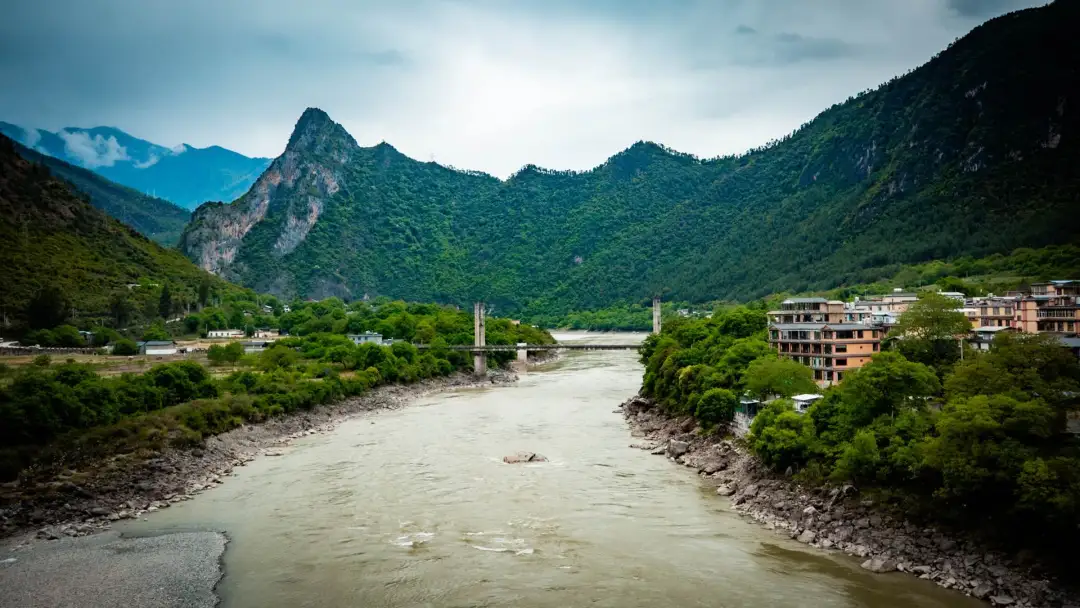
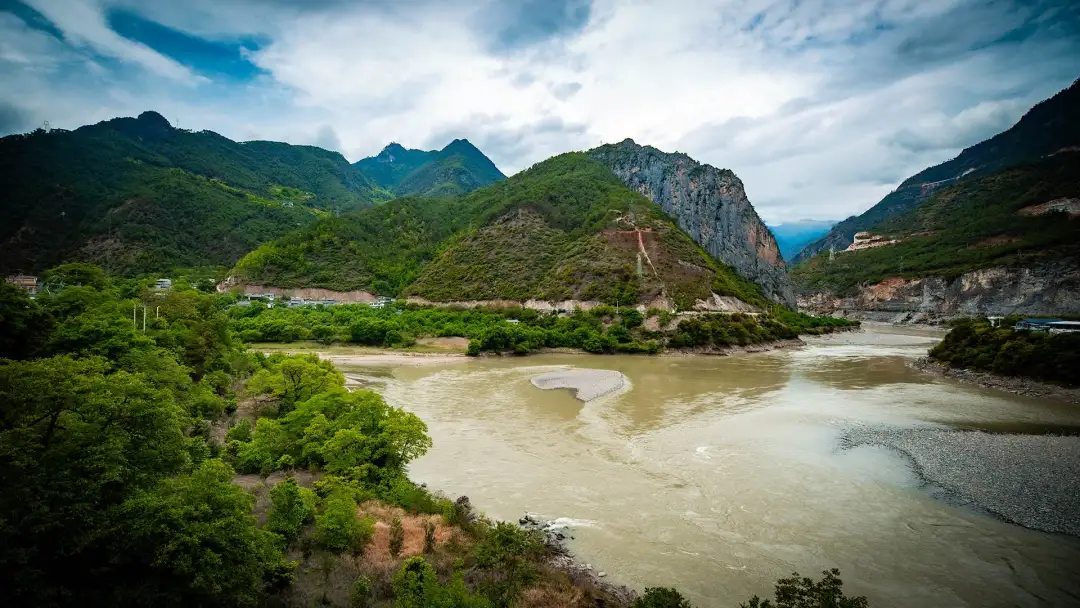
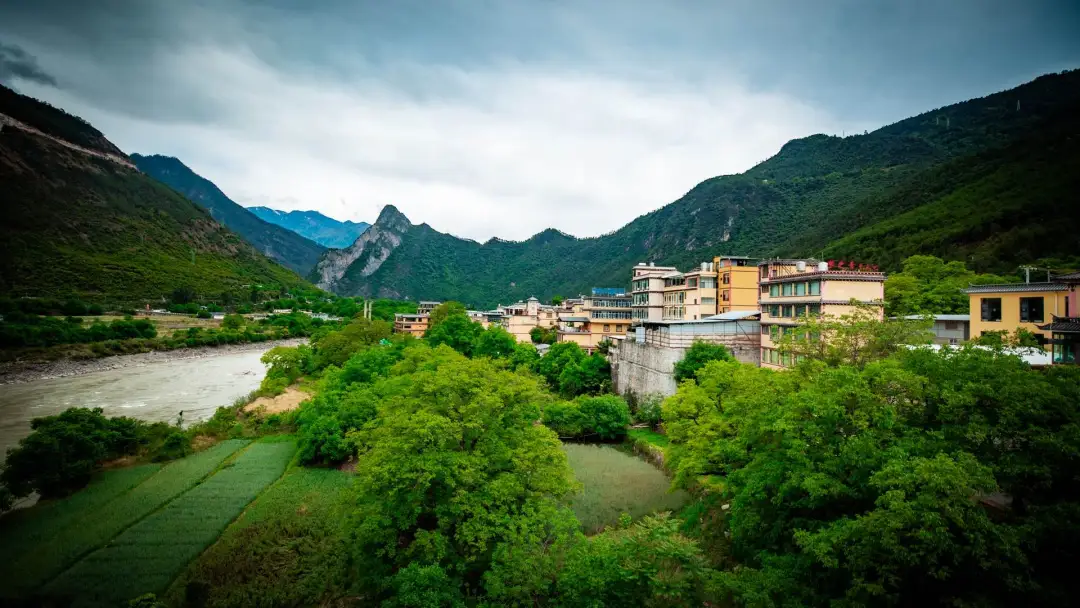
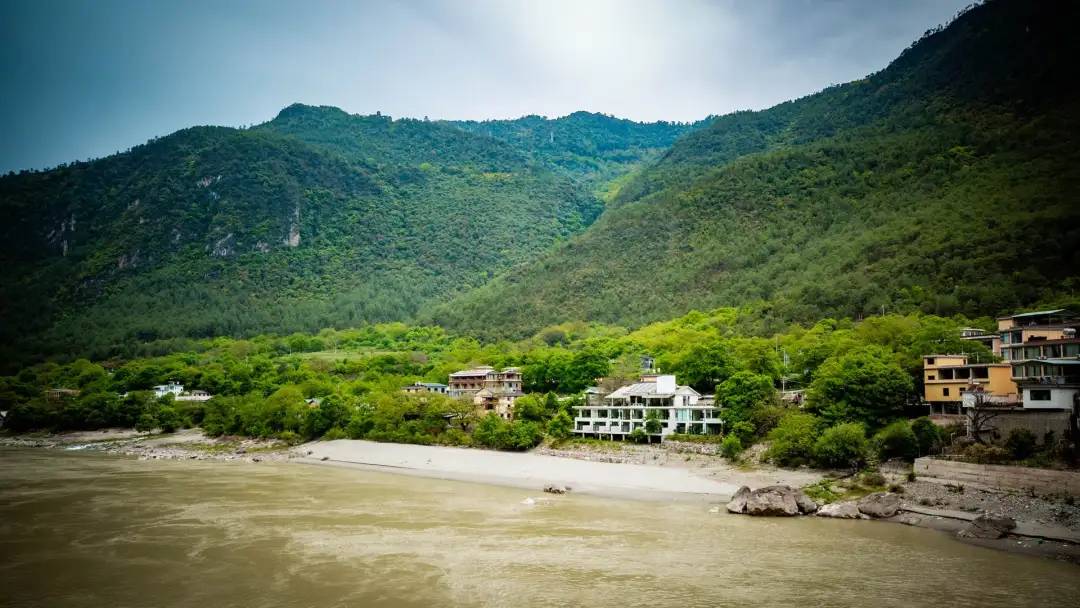
The 74-kilometer-long Lapu River joins the Jinsha River at Qizong Village, flowing mightily with its companion toward an invisible distance. The Jinsha River makes a big bend outside the village, calmly welcoming its first-level tributary. The shallow Lapu River, once joining the swift Jinsha, becomes grand and powerful, leaving this valley without looking back.
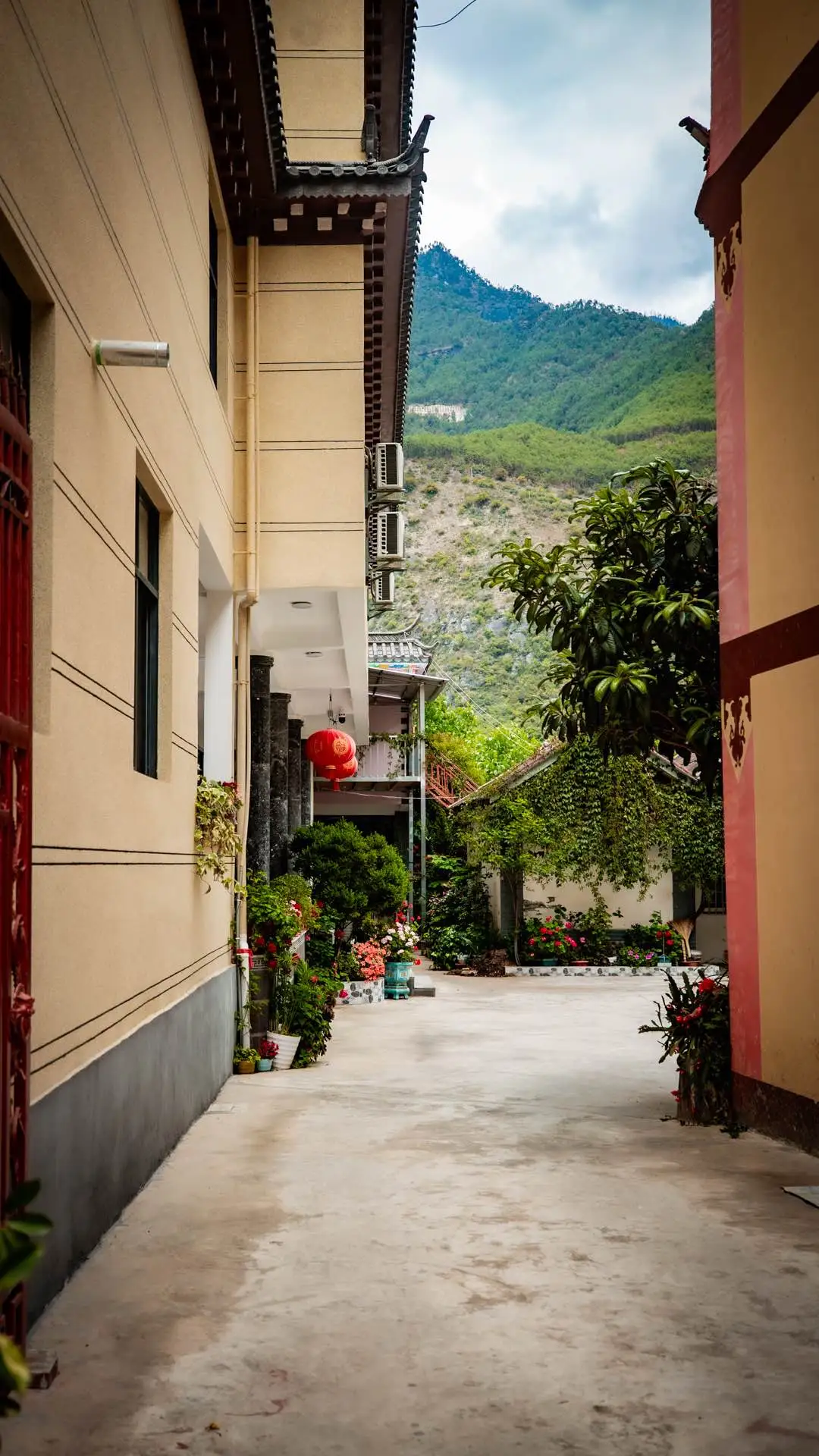
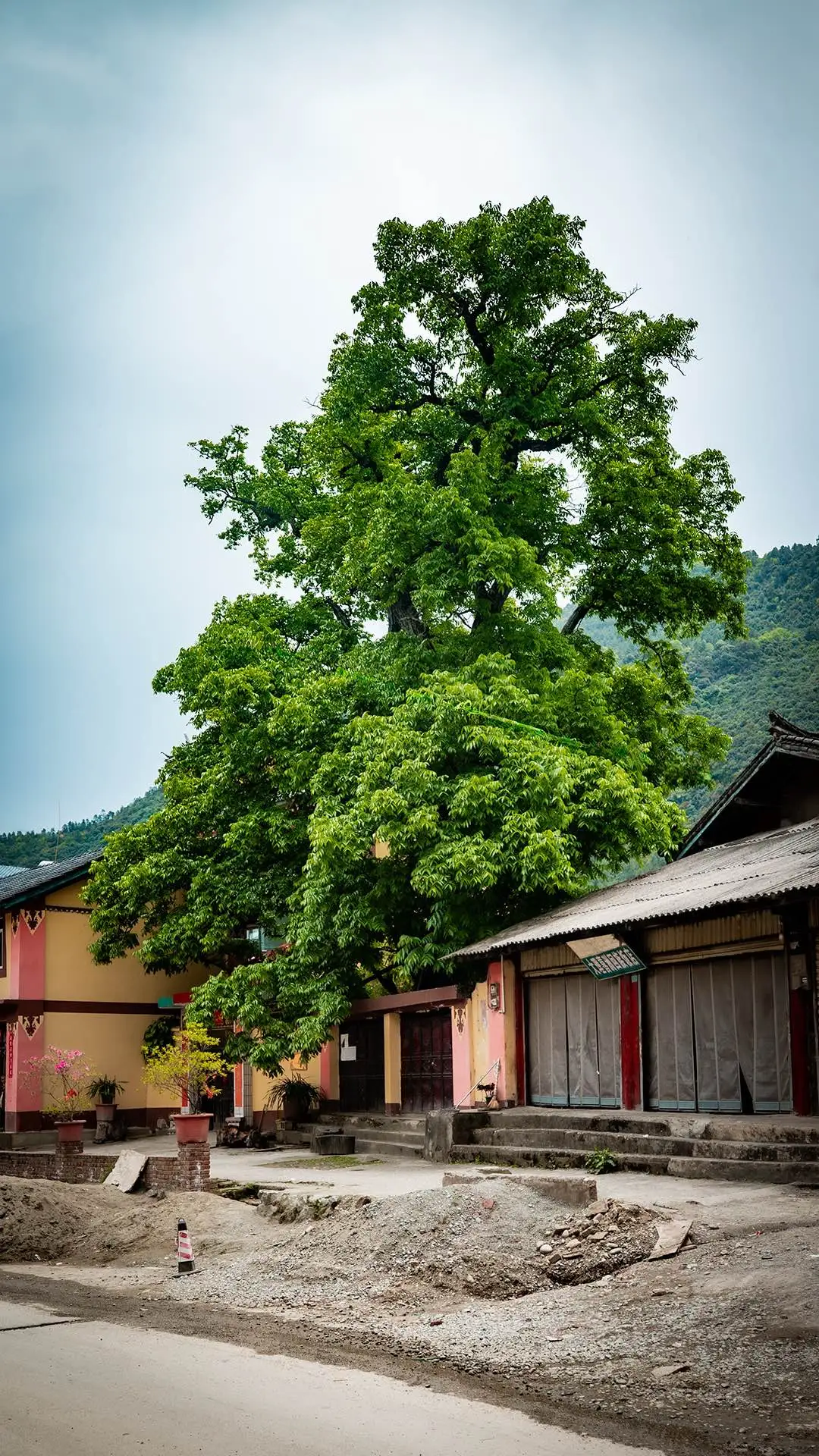
In a small yard beside the main street of Qizong Village, a tall, dense century-old wild walnut tree grows. The owner of the yard must be a soft-hearted person, unwilling to break a single branch or leaf of the walnut tree, letting it grow freely at home. The owner leaves enough space and care for the walnut tree, and the tree will surely give back.
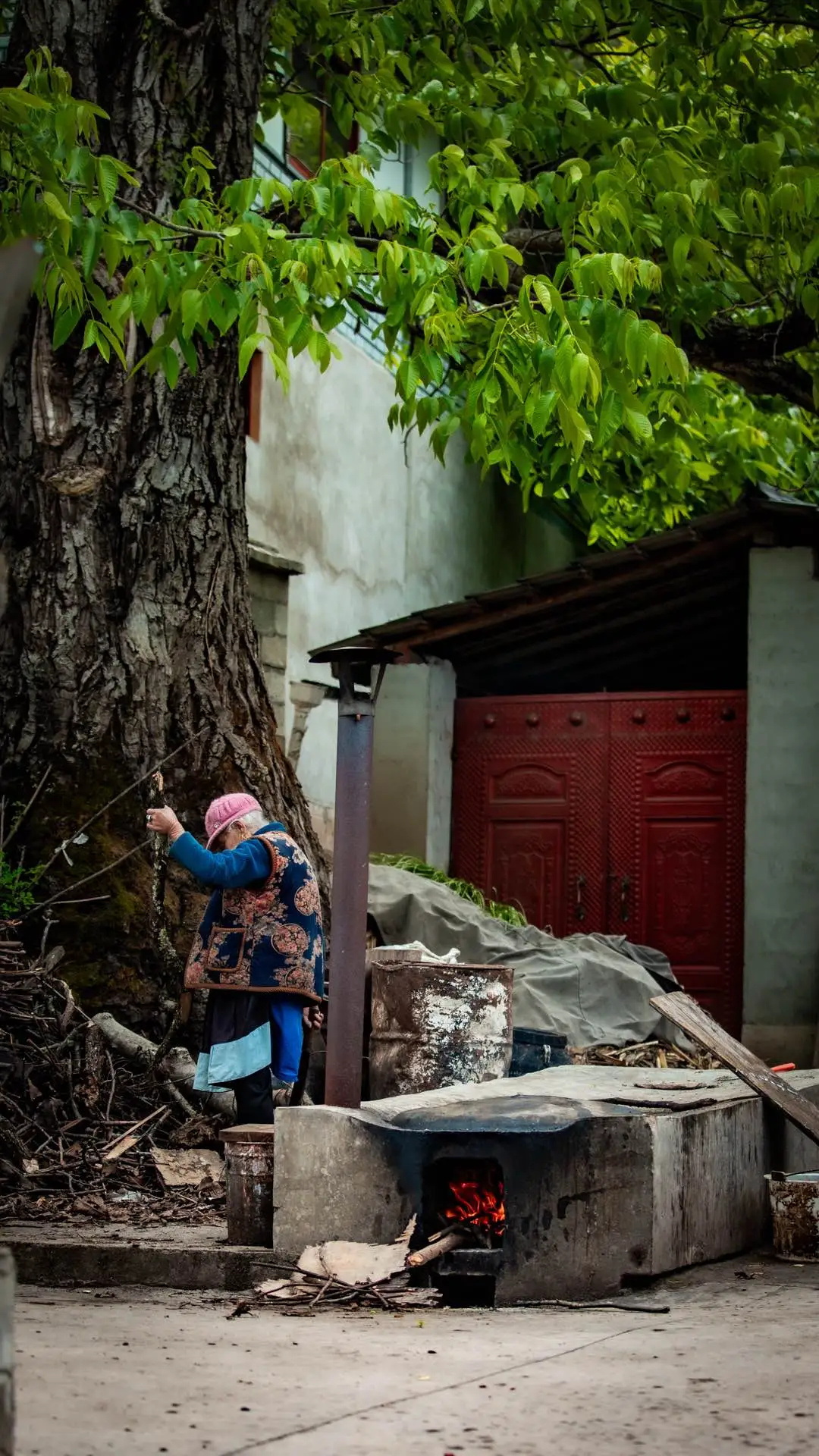
Under another walnut tree in the village, an 84-year-old grandmother is burning fire by an earthen stove to boil pig feed.
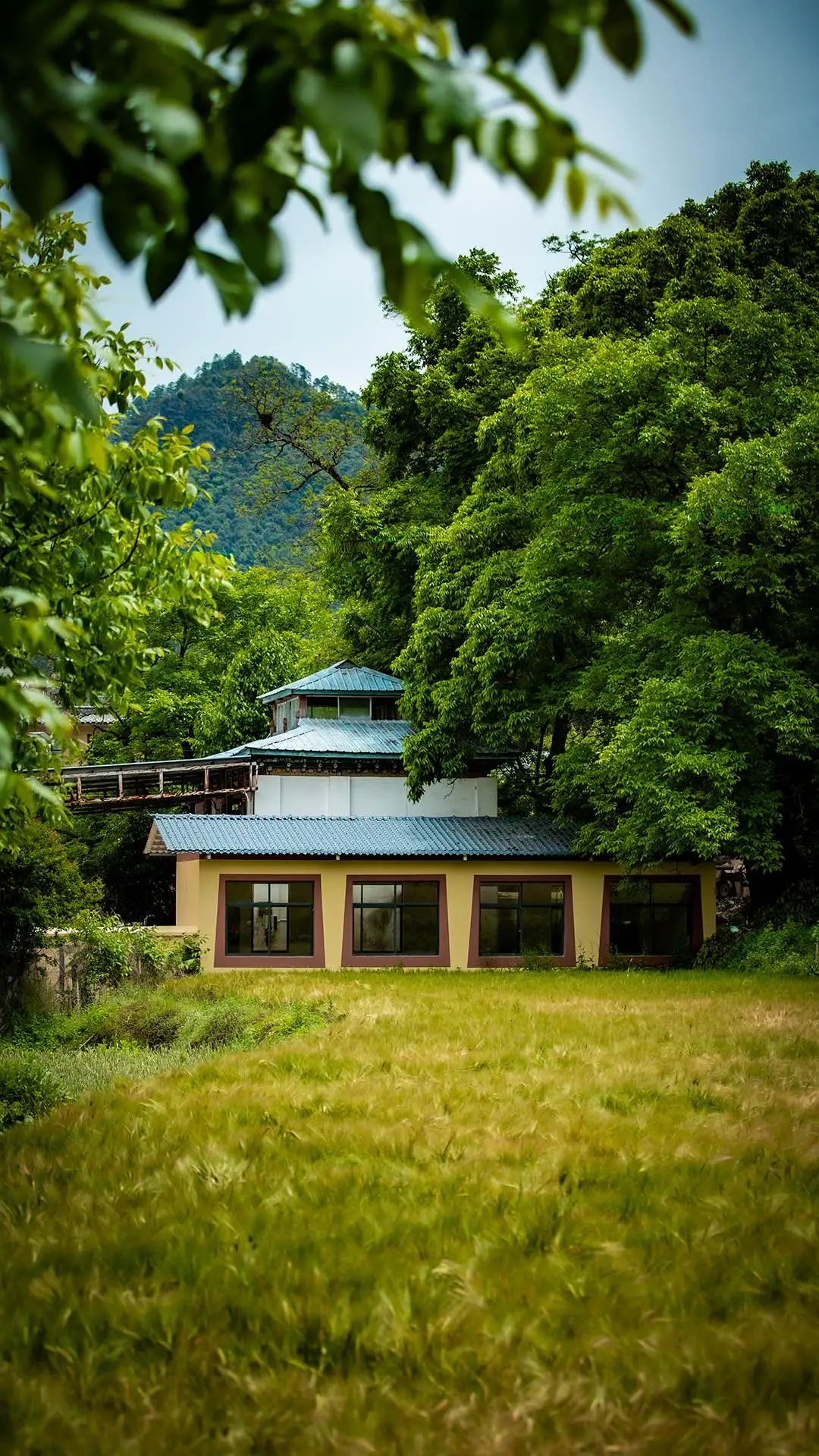
The village houses under the walnut trees are the watchmen of the wheat fields, and also the ideal home we yearn for but cannot reach.
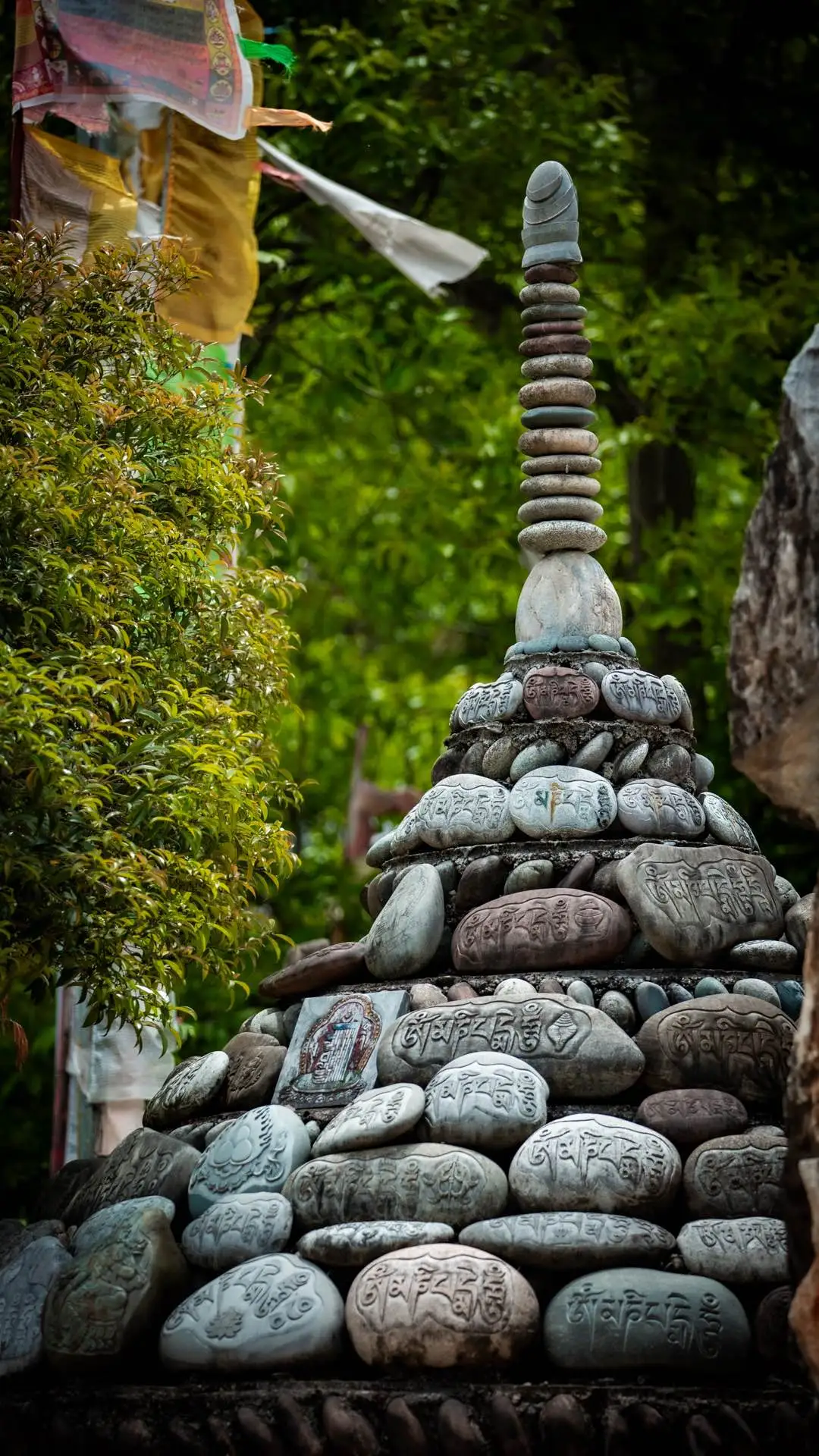
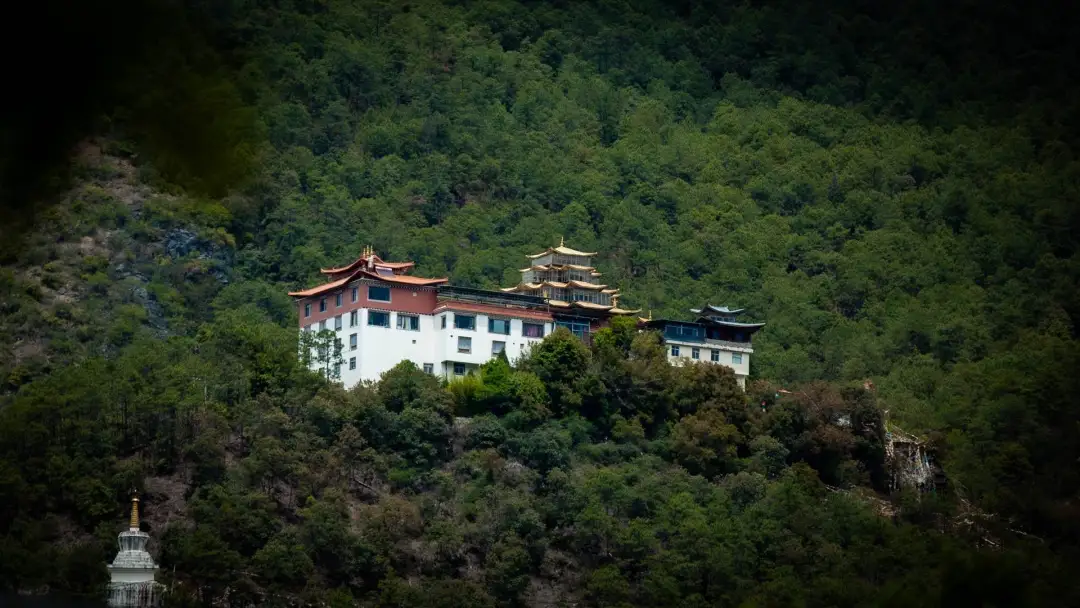
As a Tibetan settlement with diverse cultural integration in northwest Yunnan, Qizong Village is not only unique in natural and cultural landscapes but also profound in religious culture. Historically, 11 living Buddhas have been born in Qizong Village, and as of 2023, 7 are still alive. This phenomenon is closely related to Qizong Village's status as an important sacred site of Tibetan Buddhism, especially the religious influence of the Dharma Master Patriarch Cave.
The Dharma Master Patriarch Cave is the core of Qizong Village's religious culture. The reincarnation and practice of living Buddhas are inseparable from this place. The cave houses the sacred traces of the Dharma Master Patriarch and his disciples (such as footprints "stamped into depressions," stupas, etc.). Successive living Buddhas have practiced here and managed temple affairs. Every year on the first day of the fourth lunar month, the Buddha Day of the Dharma Master Patriarch, living Buddhas preside over grand mountain circumambulation activities, attracting pilgrims from the four counties.