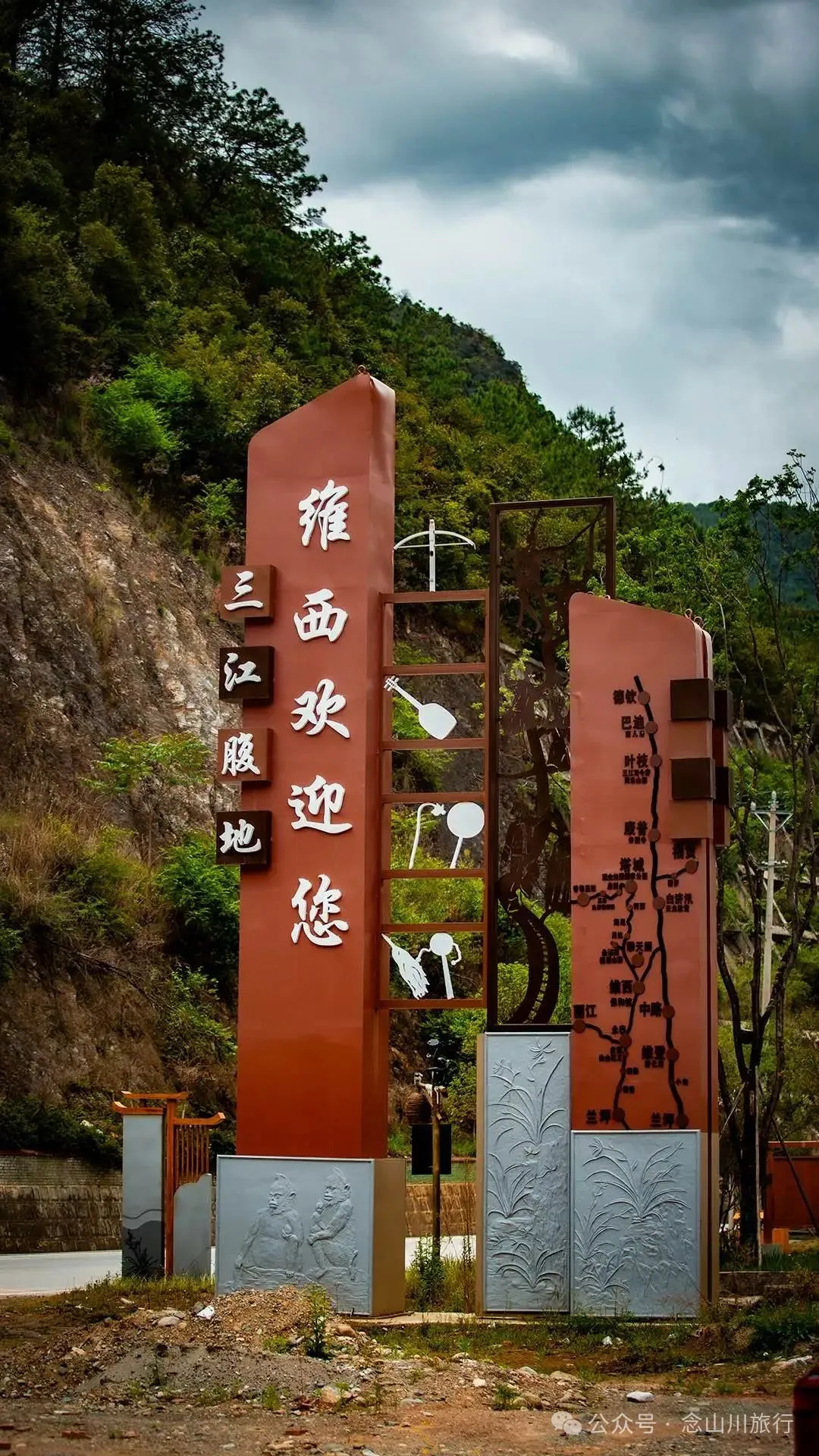

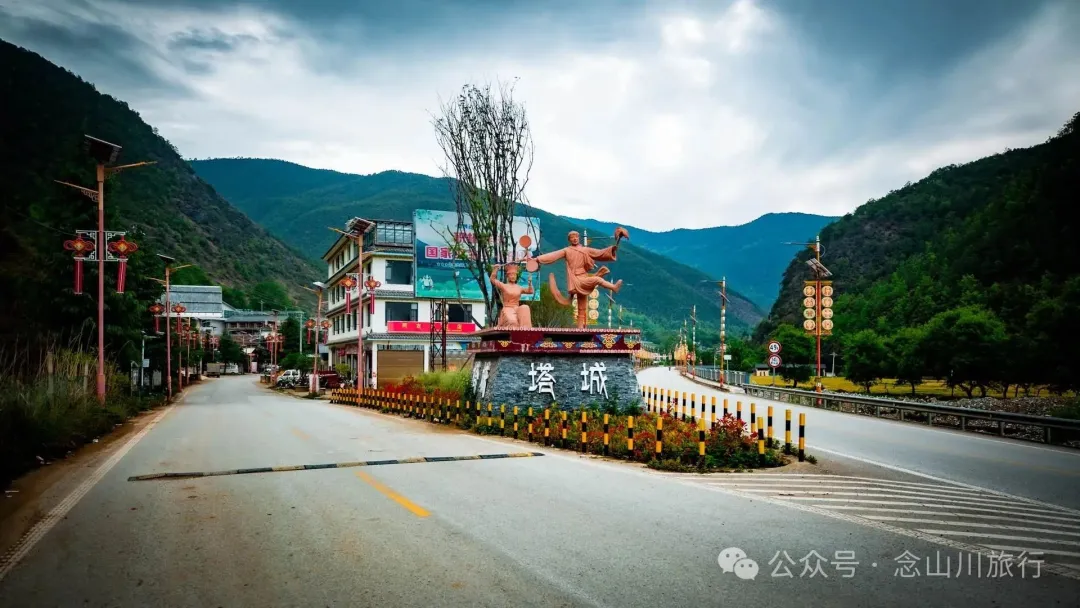
The name "Tacheng" originates from Tibetan. One interpretation suggests that "Ta" means edge and "Cheng" is a phonetic variation of "Chi" (meaning water), together meaning "land at the water's edge"; another interpretation likens it to "a place at the foot of a tower-shaped mountain resembling a bottle mouth," vividly summarizing its geographical features of being built along the Lappu River and surrounded by mountains. Tracing back through history, as early as the 14th year of the Zhiyuan era of the Yuan Dynasty (1277 AD), the central government established Linxi County here, pioneering administrative governance and making it an important witness to the frontier governance of northwestern Yunnan. Today, Tacheng, as the northeastern gateway of Weixi Lisu Autonomous County, borders several townships in Lijiang, Deqin, and Shangri-La, like a green gem embedded in the heart of the "Three Parallel Rivers" World Heritage site.
On this land with an average altitude of 2,400 meters, ethnic groups including Tibetan, Naxi, Lisu, Han, and Hui have lived together for generations. The town's population of 15,000 is scattered along the Jinsha River and Lappu River, forming a tranquil settlement with only 19 people per square kilometer. Strolling through the villages, you can see elderly Naxi women chanting Tibetan epics, Lisu youths dancing the Reba dance, and Tibetan artisans carving Naxi Dongba totems—diverse cultures blend like the waters of the Lappu River, nurturing the reputation of "Hometown of Reba Art" and making Tacheng a "spiritual home" shared by Yunnan golden monkeys and humans.
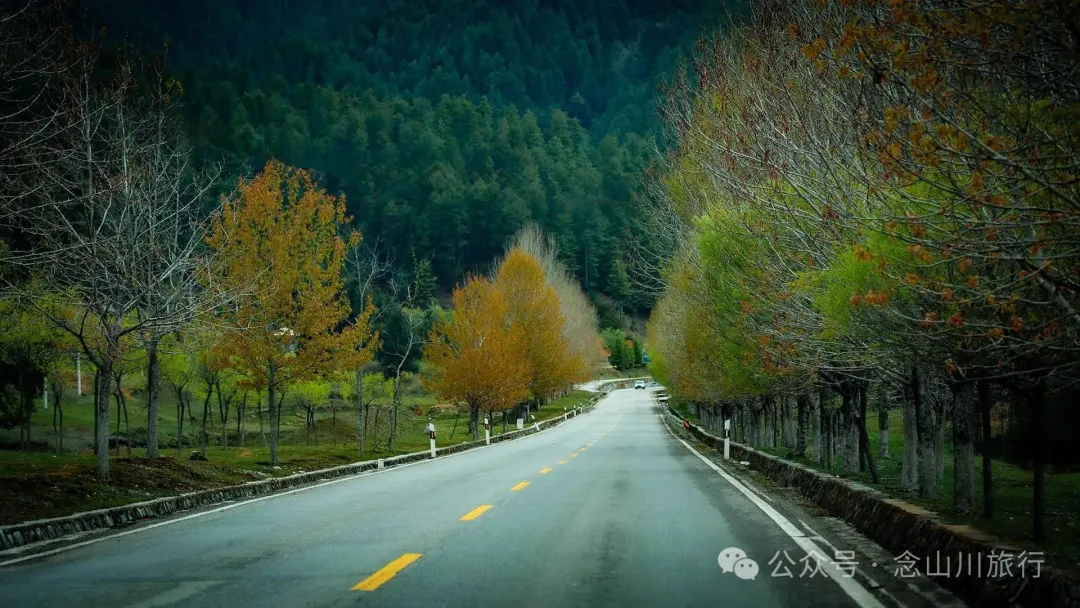
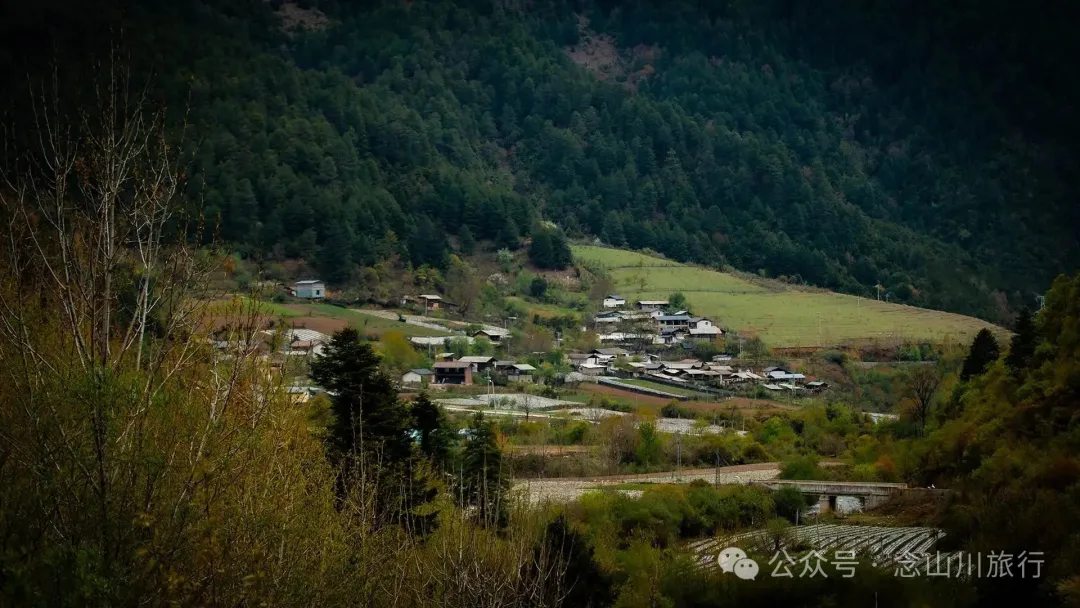
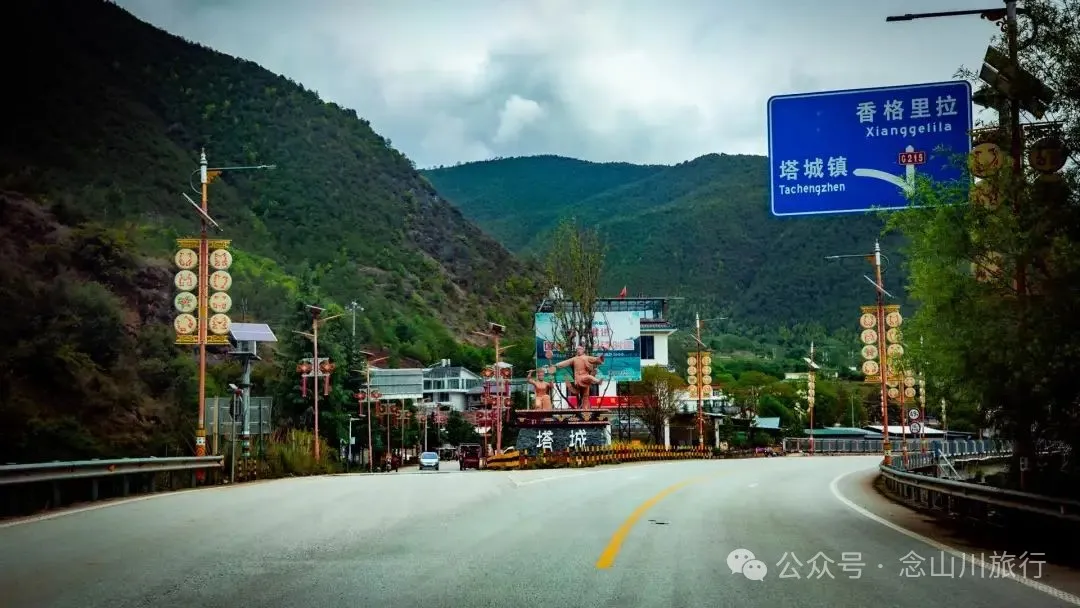
Starting from Weixi County and heading north along the Xiangwei Highway towards Tacheng Town, the ever-changing mountain scenery on both sides of the flat road is colorful. Although it is the turn of spring and summer, the area displays a variety of scenes from all four seasons: after rain, when the clouds disperse, the high mountains shrouded in chill reveal early snowfall; on the higher slopes, red and yellow mixed trees are scattered among the evergreen pine forests, showing a strong autumn hue; the gentle slopes at the village level and the fields in the Lappu River valley show a tender green and lush vitality, representing the growth and exuberance of spring and summer. Such a splendid landscape stretches all the way to Tacheng Town and even beyond.
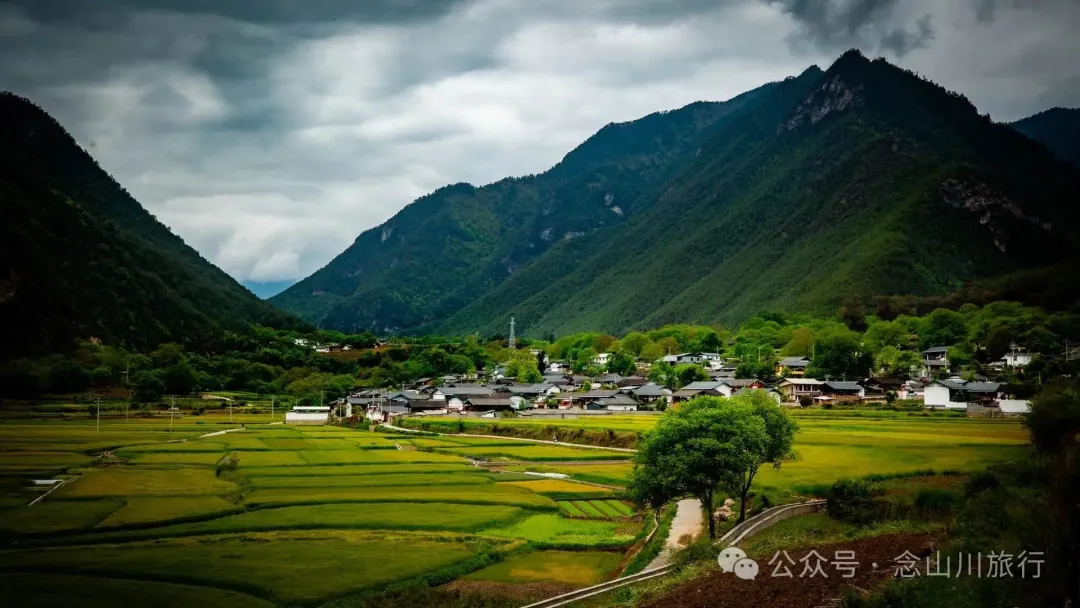
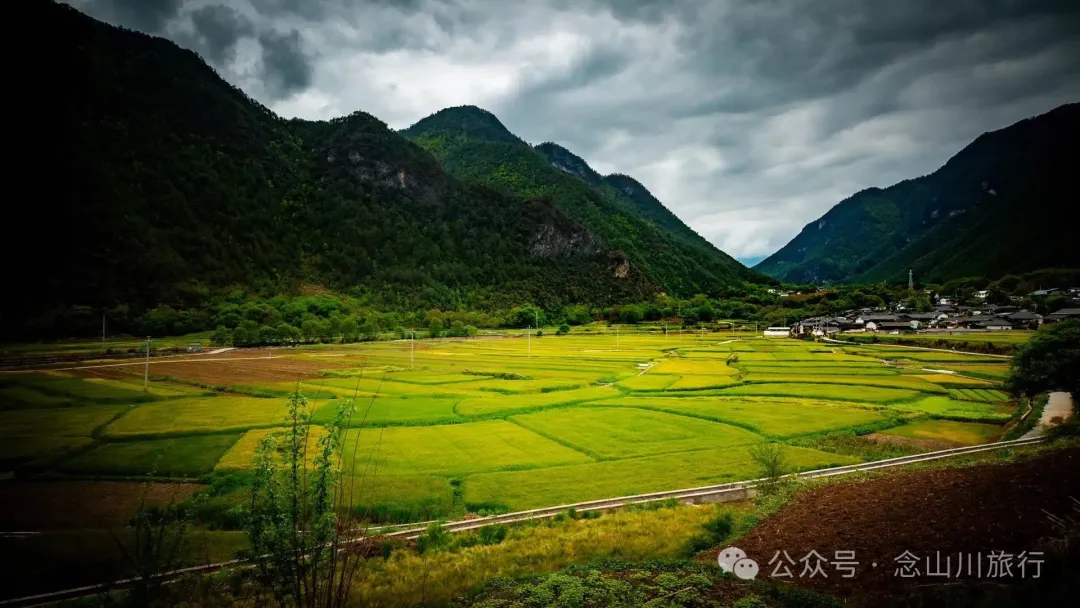
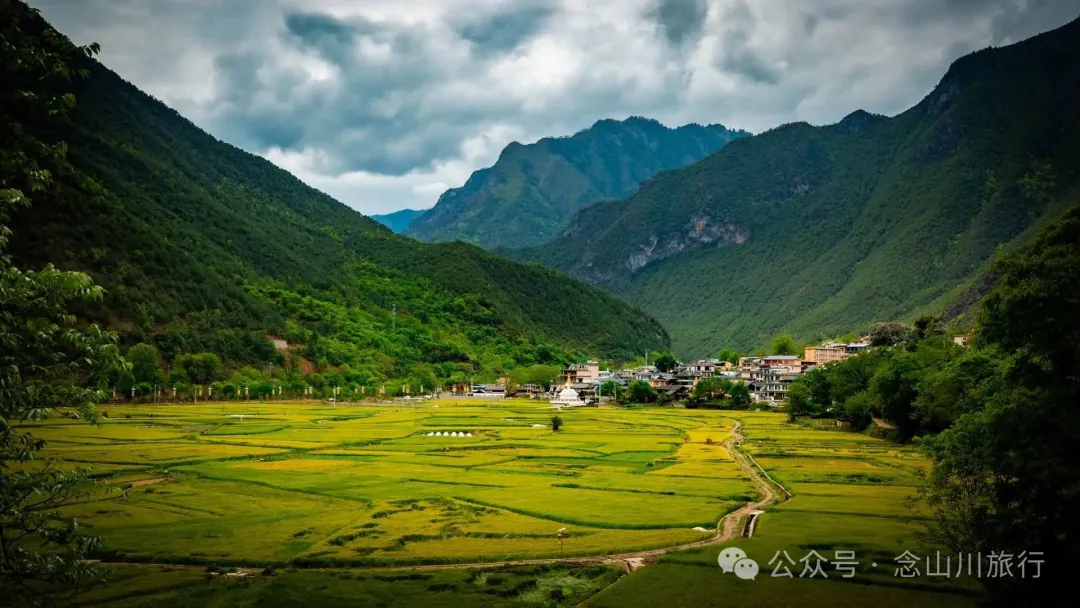
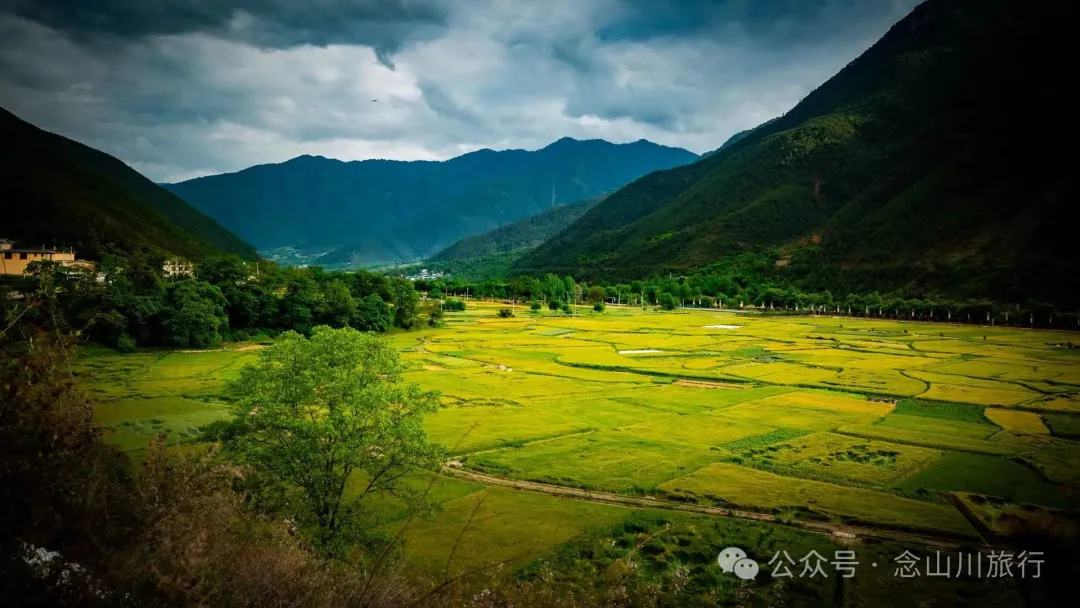
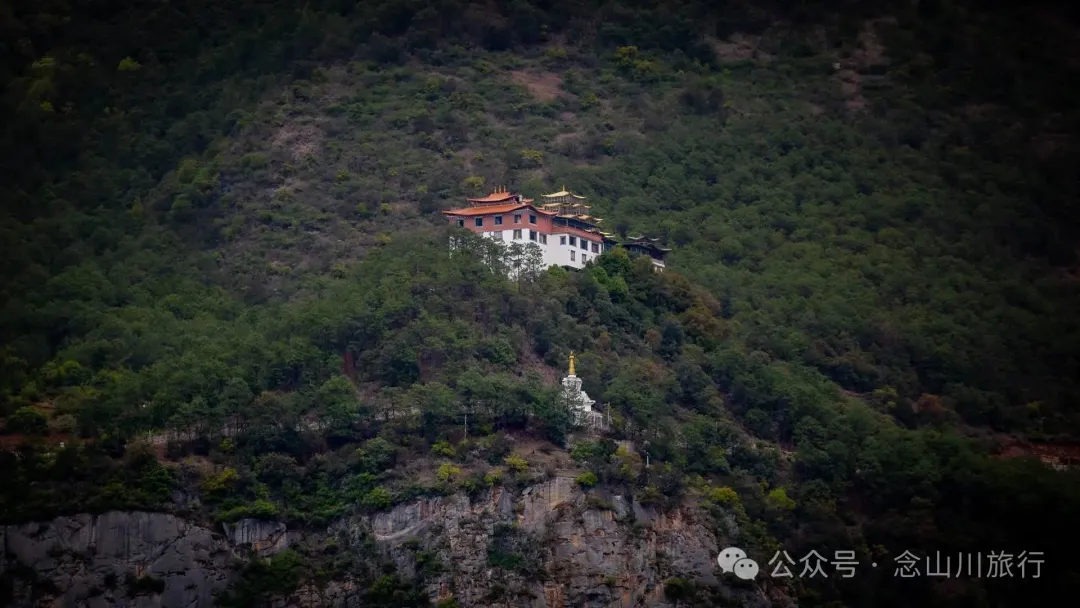
Many years ago, perhaps when there was no decent road, Tacheng Town was still a small, remote village, where the smoke from wooden houses rose pure as white clouds floating in the sky. The village was isolated, and the primitive farming methods of ancient times were passed down from generation to generation on this land, and even today, these farming methods can still be seen. One day, some outsiders suddenly broke into this millennium-old home, bringing the unique villages and cultures of the Tacheng area—such as the Yunnan golden monkeys, Damo Cave, the Living Buddha Village Qizong Village, and the Tibetan settlement Bazhu Village—to the vast outside world. Since then, batches of tourists attracted by reputation have gathered and dispersed in Tacheng Village. The once secluded small village became lively and prosperous, taking on the pattern of a small town, and Tacheng Village thus became Tacheng Town.
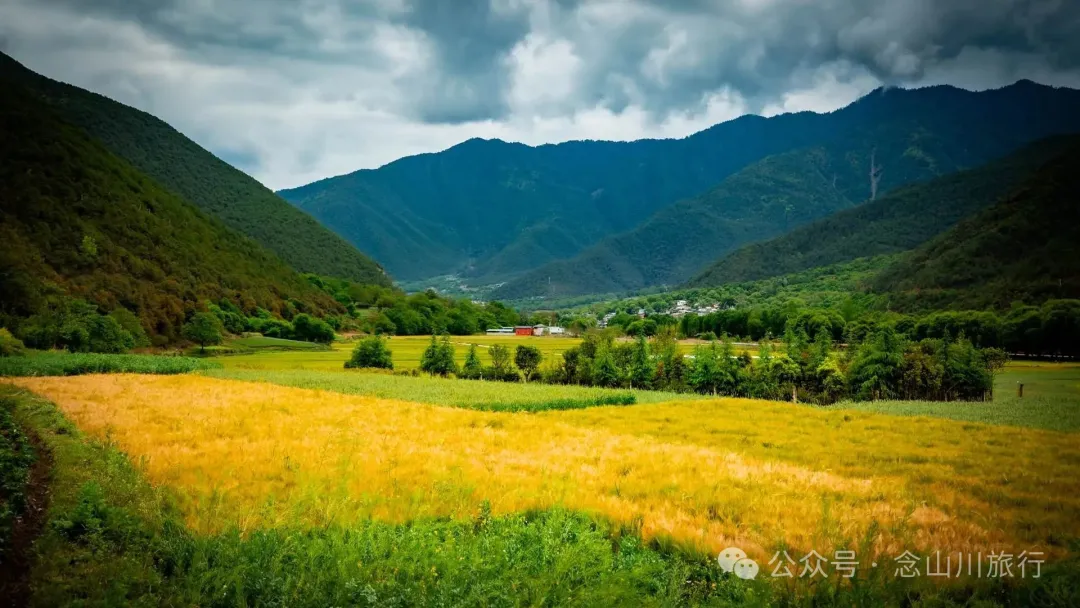
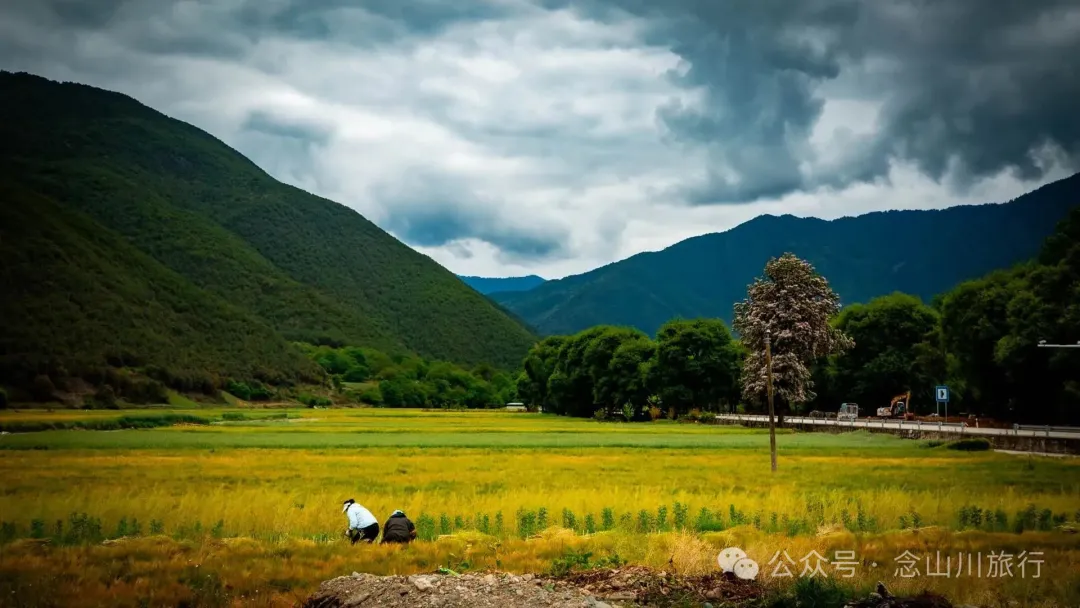
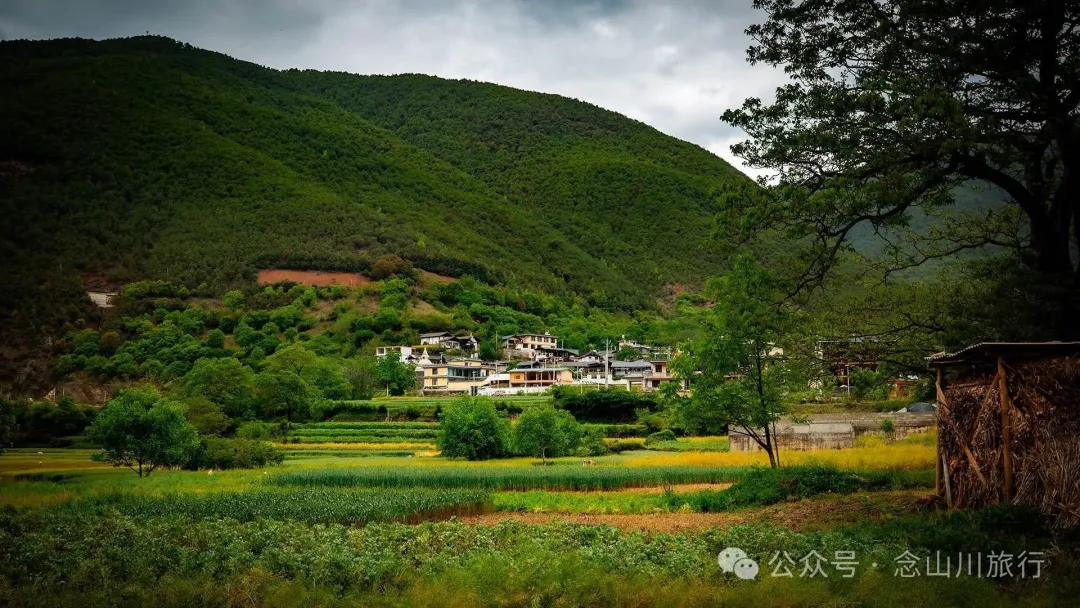
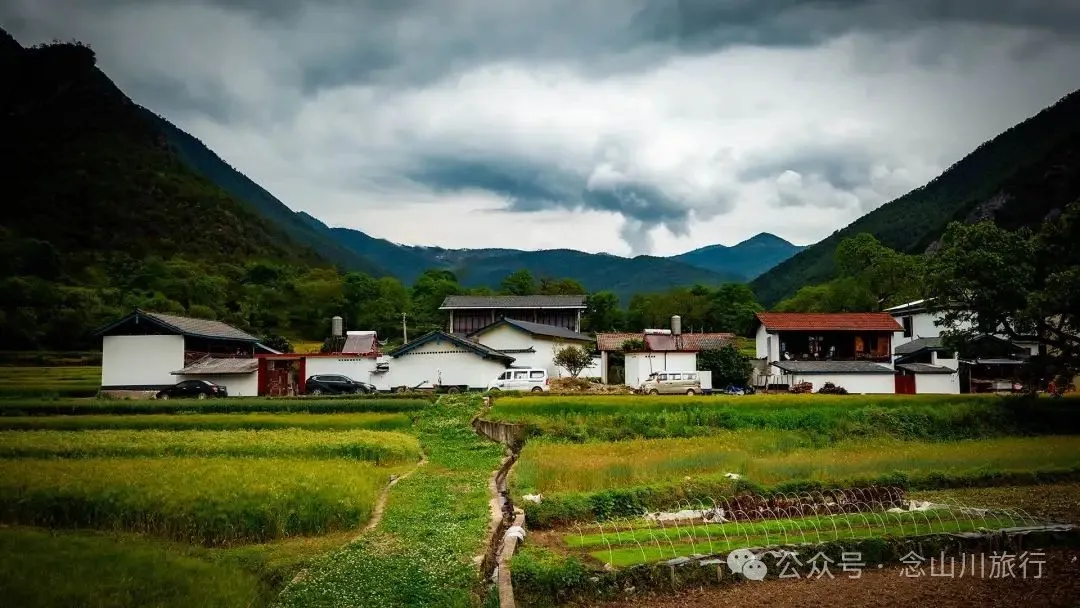
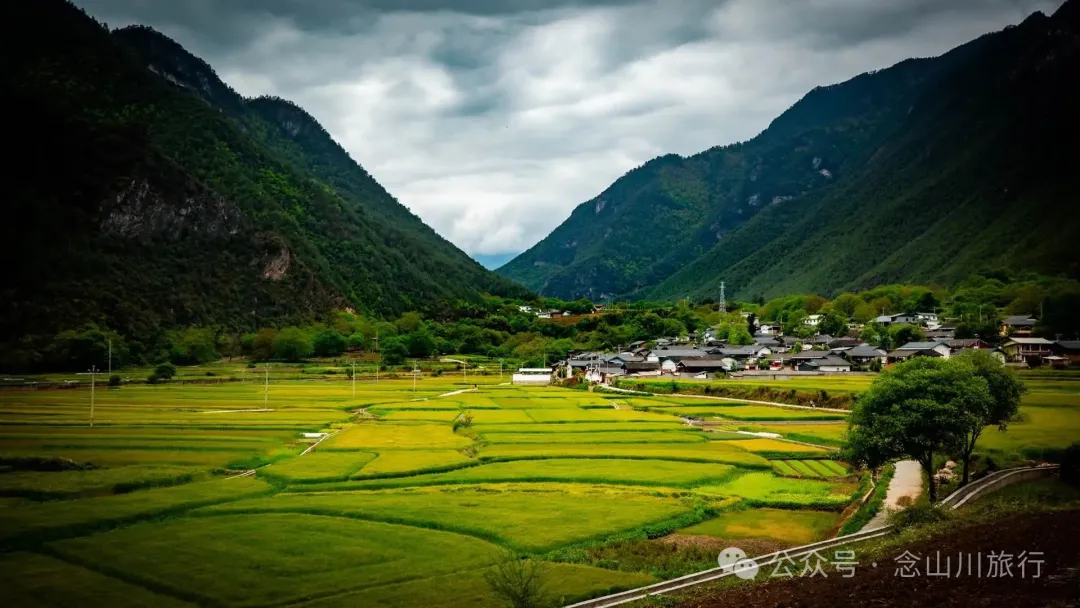
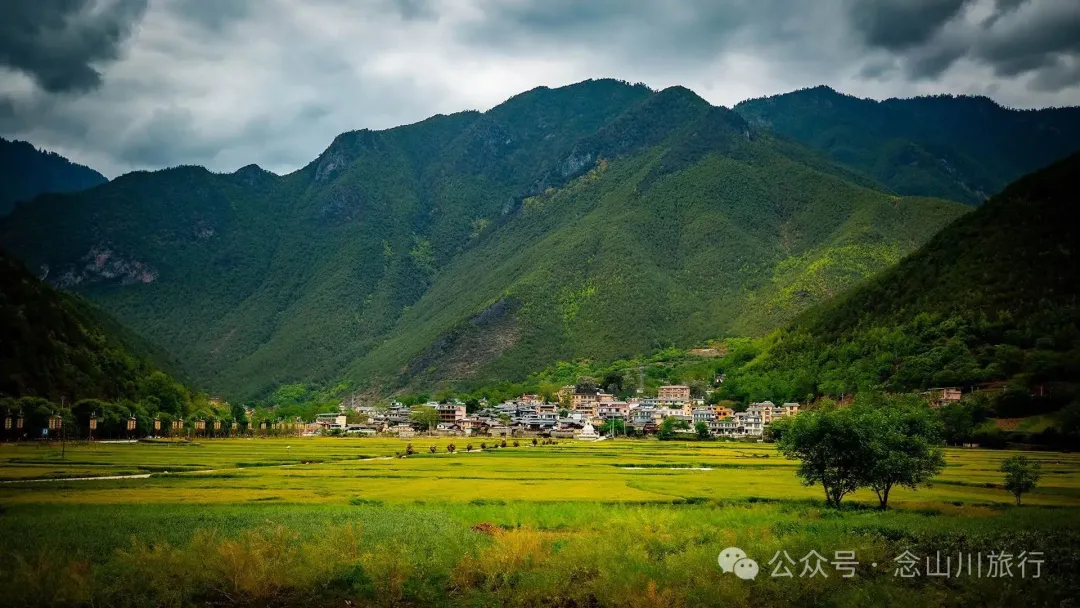
Although it is a small town, the tranquility of Tacheng Town has never gone away. Away from the main street, Tacheng Town is filled with a leisurely rural atmosphere. The surrounding mountains embrace Tacheng Town, and the hustle and bustle cannot penetrate these natural green barriers. Outside the village lies a flat and open field, where yellow-green barley and highland barley each occupy their own territory. During the day, the town's farming residents walk into the fields and begin their day's work. When evening comes, people invite each other to walk on the field paths, as if never tired of this land. Tibetan elder women circle the solemn white pagoda at the edge of the field, turning prayer wheels and softly chanting the six-syllable mantra.
We walked into the fields at dusk, set up tables and chairs on a less-traveled roadside, and brewed tea. The twilight deepened, gradually driving away the daylight from this world, and the chirping of insects arose all around. Crickets rhythmically sang in the grass at our feet, and another sound, like an electric razor starting up, came from some unknown insect. These two sounds overlapped continuously, but they were not noisy at all; instead, they made the dusk seem even more profound and serene. The moonlight was hazy, so we boiled another pot of water to brew black tea, but soon the crescent moon hid behind the clouds, withdrawing its light, and then quickly emerged from the gaps, spreading its light again. The sound of geese came from the village at the foot of the mountain. I imagined that under the dim yellow light, there must be a family sitting together warmly enjoying dinner. The dinner need not be lavish, but a dinner infused with deep affection must be truly satisfying.
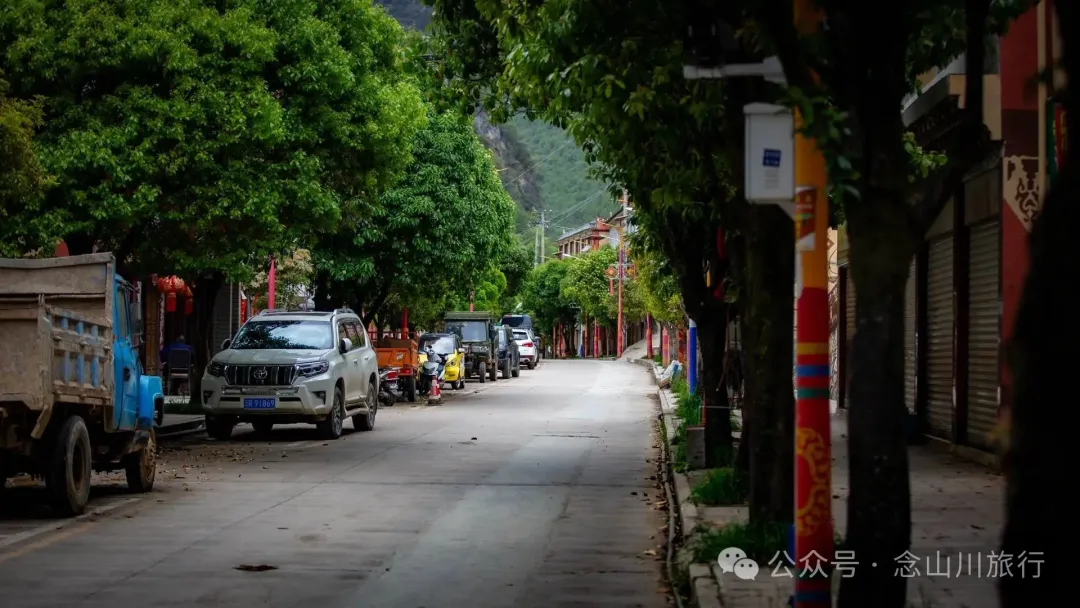
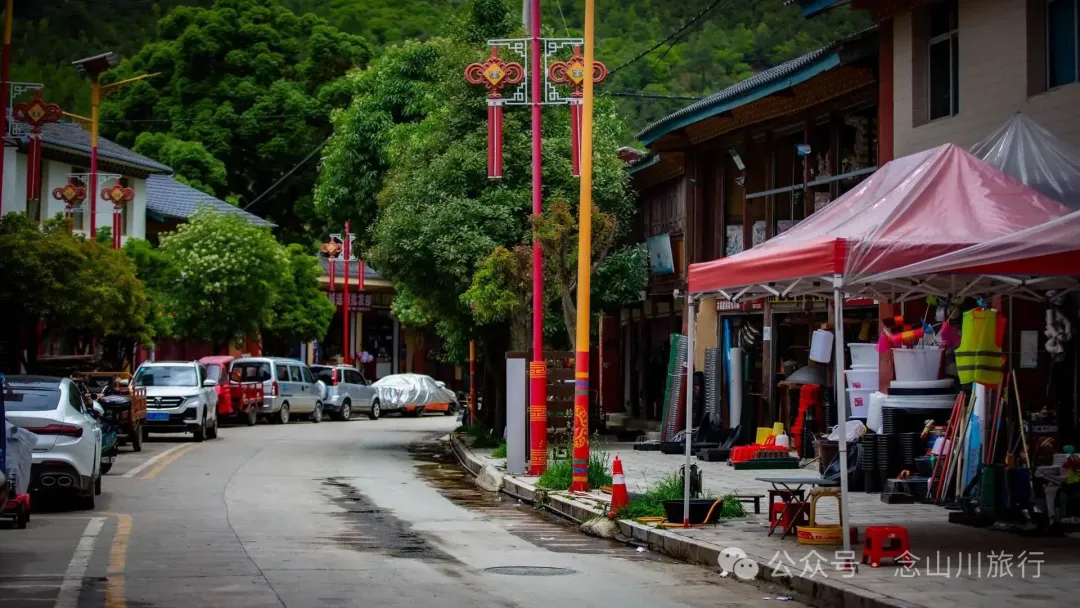
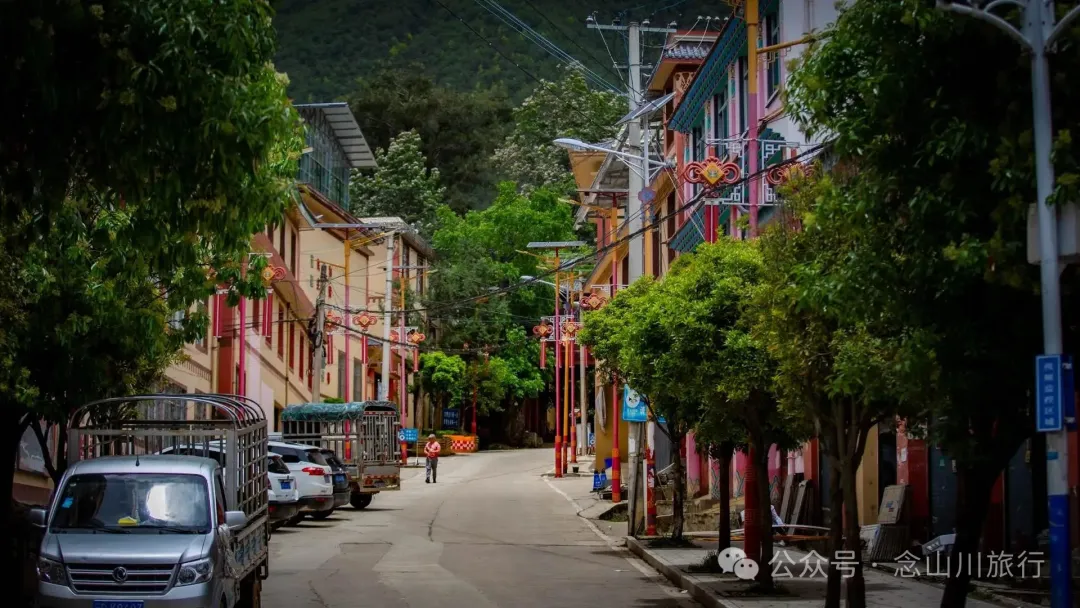
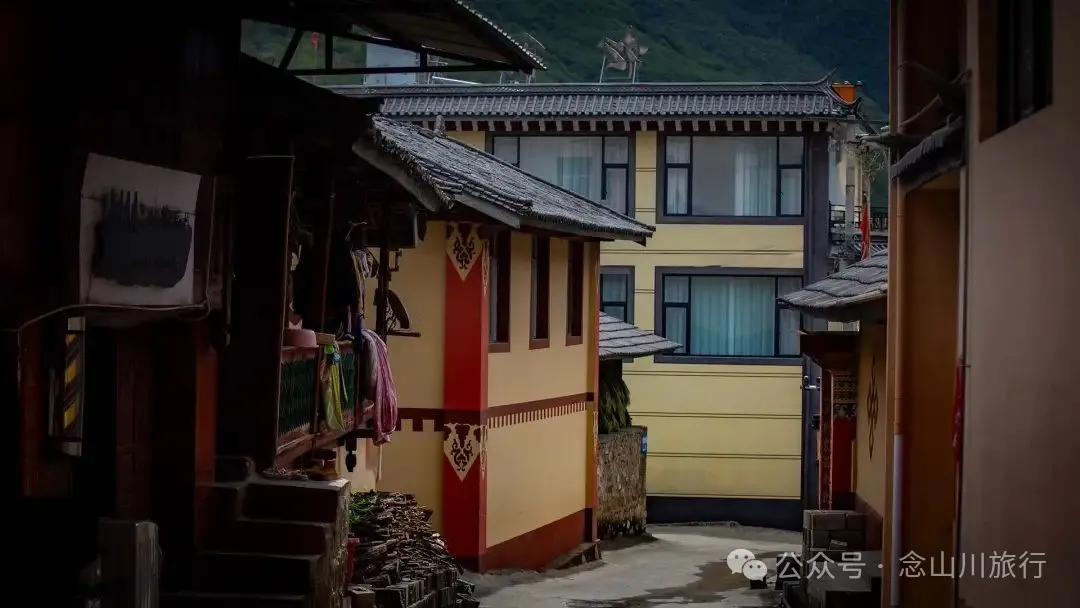
The main street of Tacheng Town is lined with shops, where vehicles and tourists from north and south often stop, and the noise also stops there. No matter which alley we entered, tranquility quickly followed.
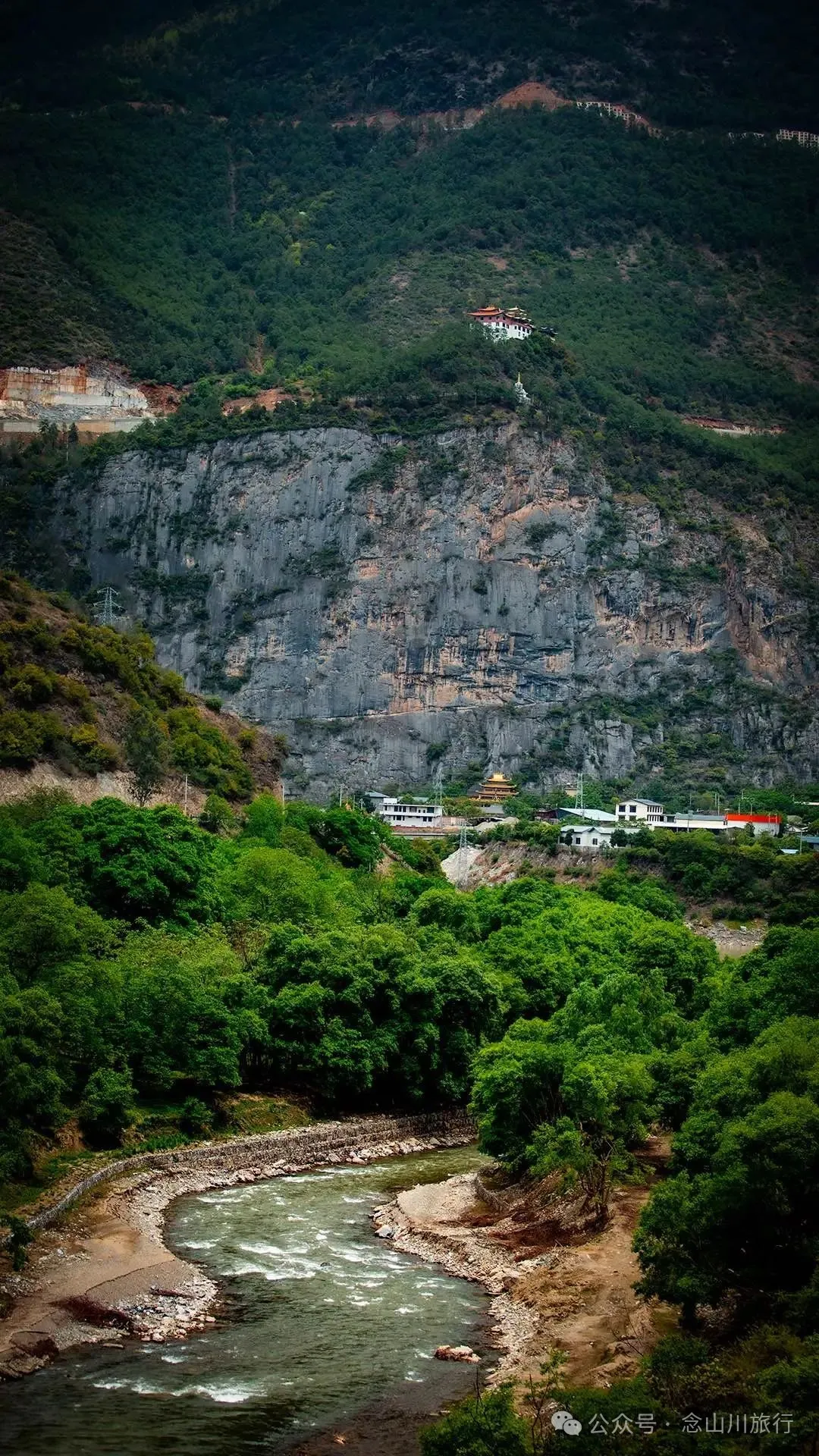
Located at the confluence of three rivers, the millennium-old home of Tacheng Town boasts abundant water resources. The Lappu River is the core water system within the territory, flowing through the entire area and merging into the Jinsha River, forming an idyllic landscape of "small bridges, flowing water, and households," earning it the reputation of "Little Jiangnan on the Plateau" and "Land of Fish and Rice in Weixi." Surface water mainly comes from snowmelt and forest water conservation. The Lappu River flows year-round with clear water, and the basin also includes high-quality water sources such as Xianggu Longtan and Yalaogou primitive forest streams.