
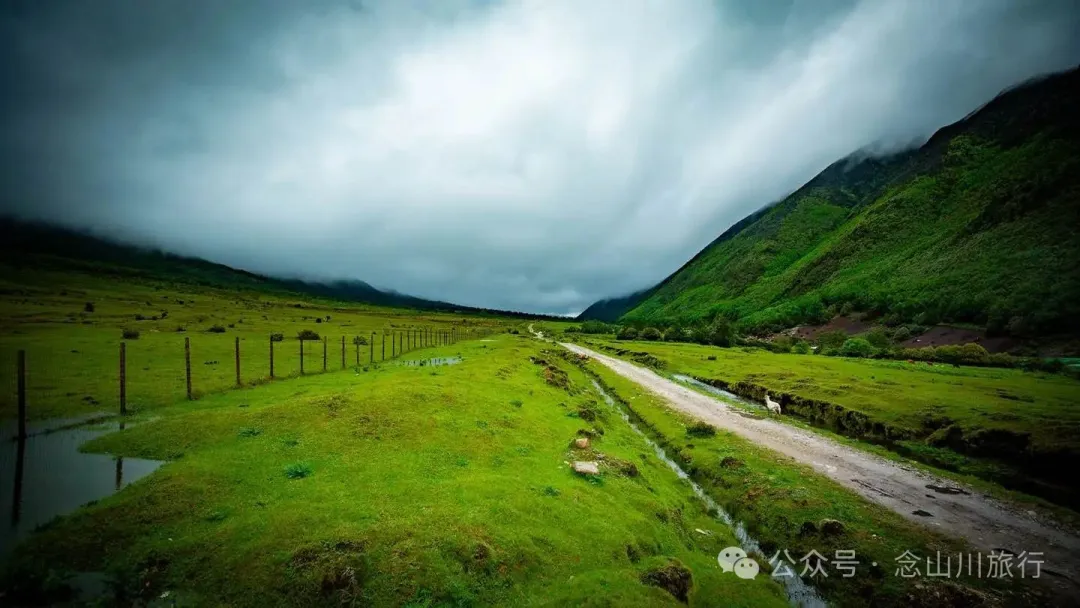
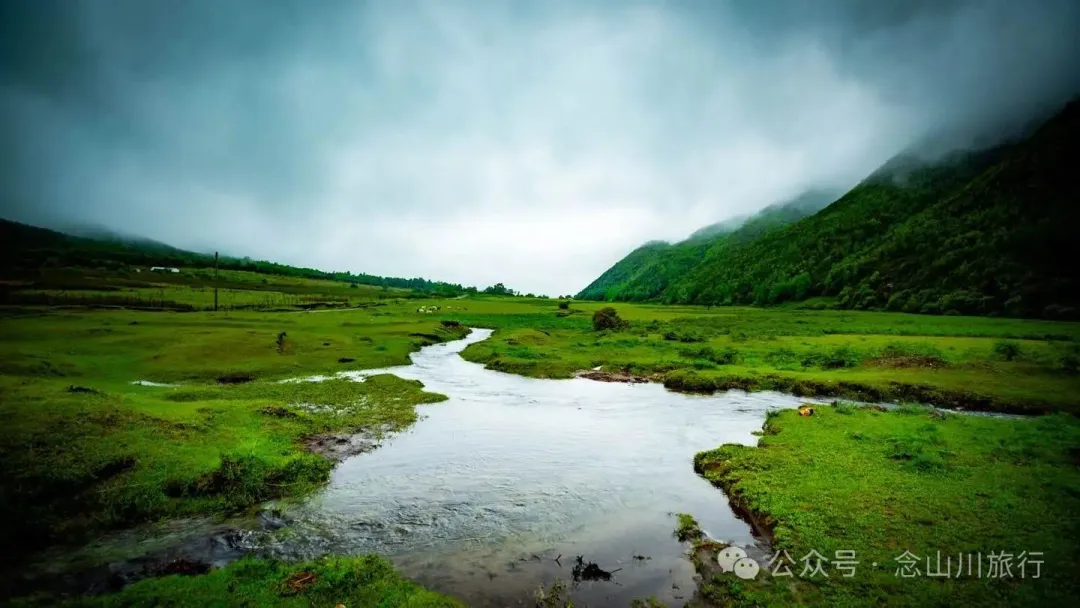
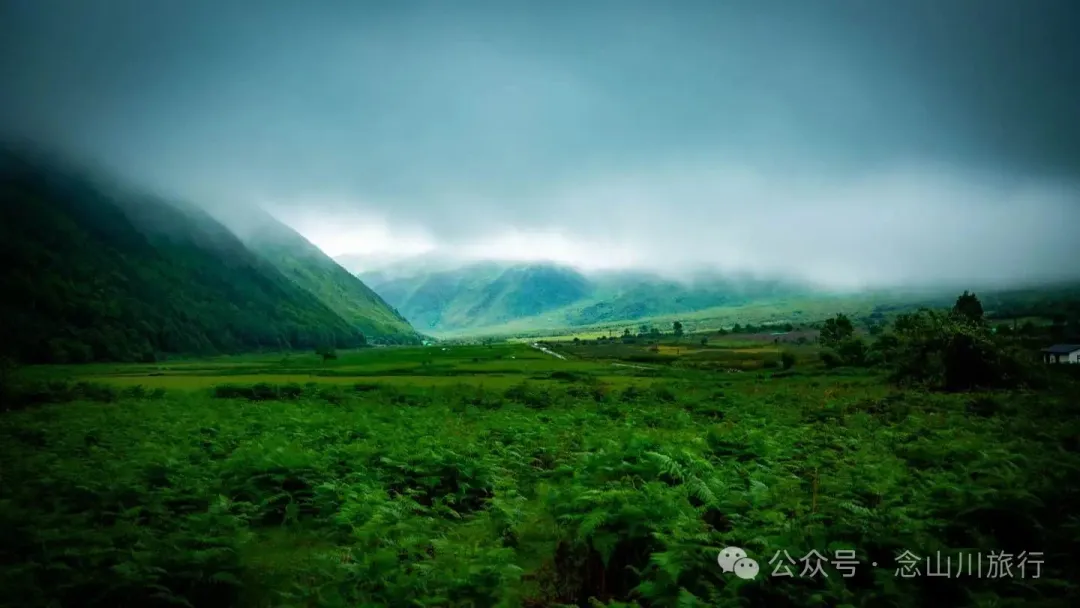
Between the two northernmost peaks of Cangshan, Canglang Peak and Yunnong Peak, lies a meadow stretching over 10 kilometers from north to south and about 2 kilometers from east to west, named Huadianba. It is the most expansive and scenic alpine meadow among the nineteen peaks of Cangshan. Over 40 streams converge into Wanhua Stream, nourishing the fertile basin. The western peaks are perpetually snow-capped, creating the wonder of "green mountains reflecting snow."
According to records, people lived here as early as the Jin Dynasty but later moved away due to wars, leaving behind ancient village ruins such as "Huangxiongwo" and "Langxiang." The Ming Dynasty scholar Li Yuanyang visited this place and wrote "A Journey to Huadian." The ancient villages of the Jin Dynasty are long gone, and the "exotic flowers and rare blooms beyond recognition" described by Li Yuanyang are no longer what they once were. Yet Huadianba remains the most beautiful alpine meadow we have ever seen, truly astonishing.
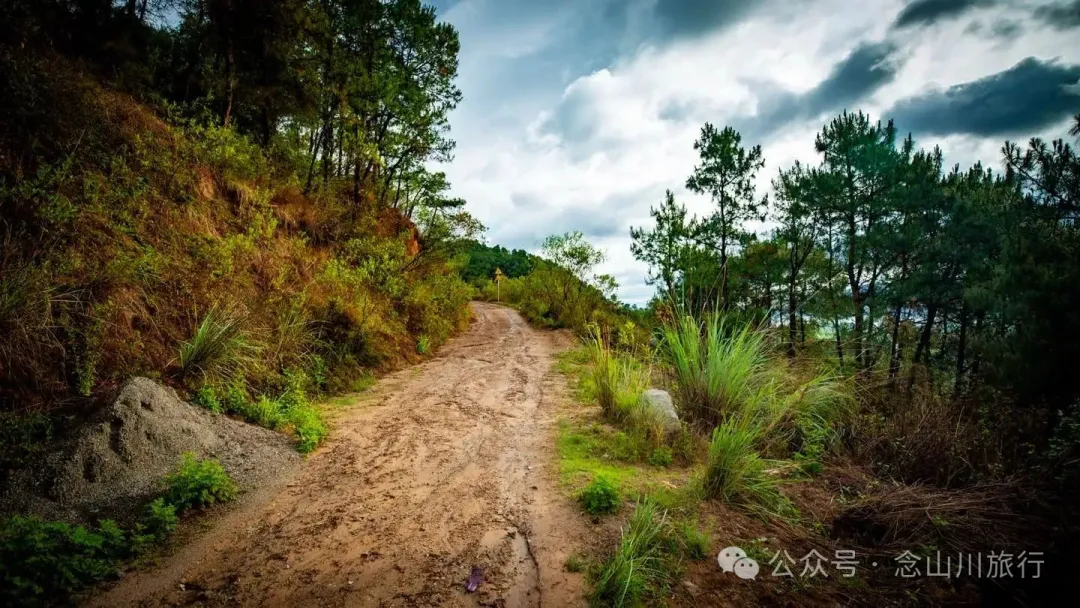
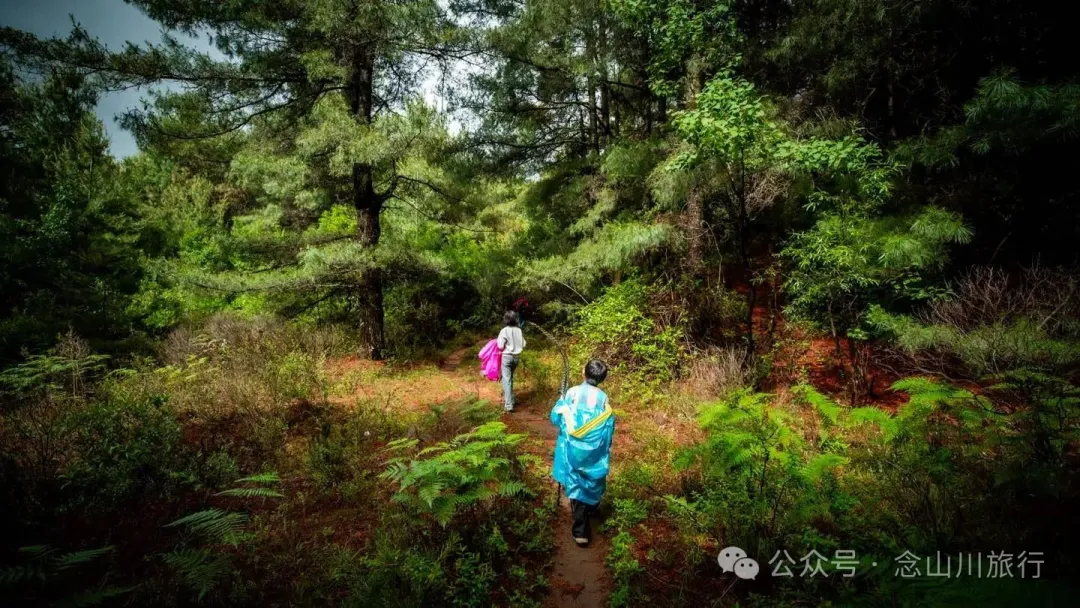
Ten years ago, we hiked 18 kilometers from the village at the foot of the mountain to the medicinal herb farm on Huadianba with friends. Back then, the mountain path was not yet blocked by iron railings, and there were few vehicles entering Huadianba, allowing the meadow to maintain its original wild nature. Later, as more tourists came, a checkpoint was set up at the forestry management station at the foot of the mountain, requiring visitors to hike from there. Thus, we were fortunate to see Huadianba almost unchanged from a decade ago.
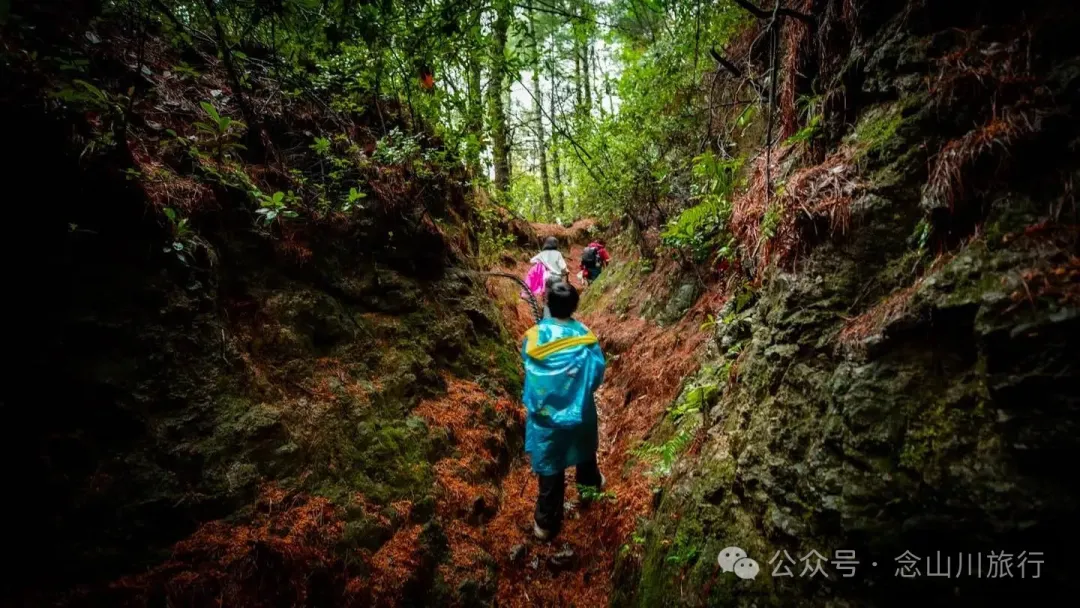
Before reaching Huadianba, we had to cross two towering peaks, Shuiming Mountain and Honggui Mountain. We trekked along winding mountain paths, the narrow stone road once part of the ancient Tea Horse Road. The earthen slopes on both sides, soaked by long-term rain, were covered in moss, turning into green landscapes. The stone road still bore the hoof prints of horses from the past, filled with rainwater, fallen leaves, and pine needles.
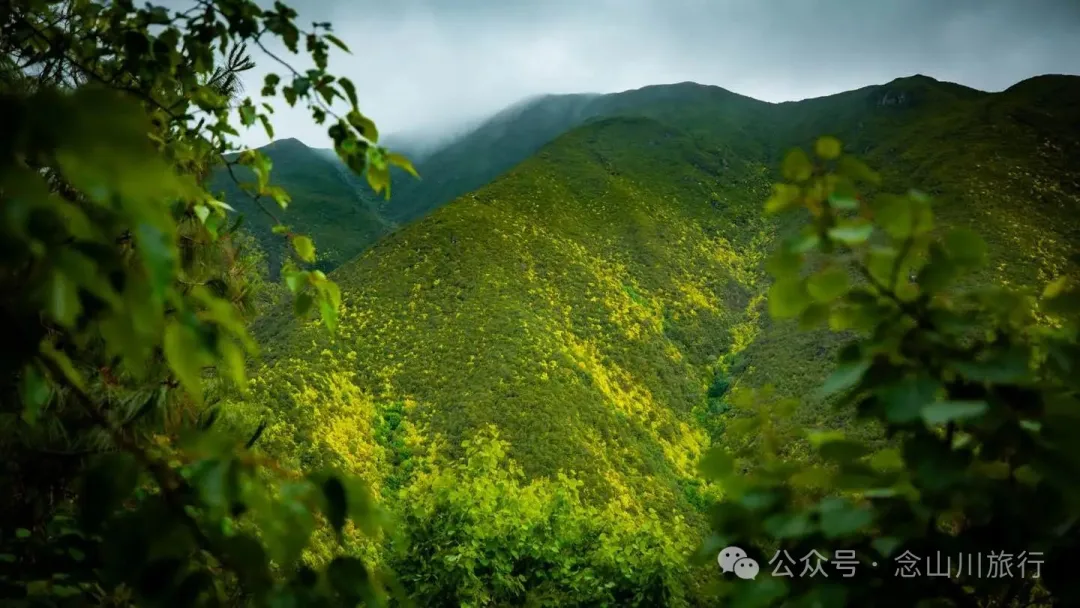
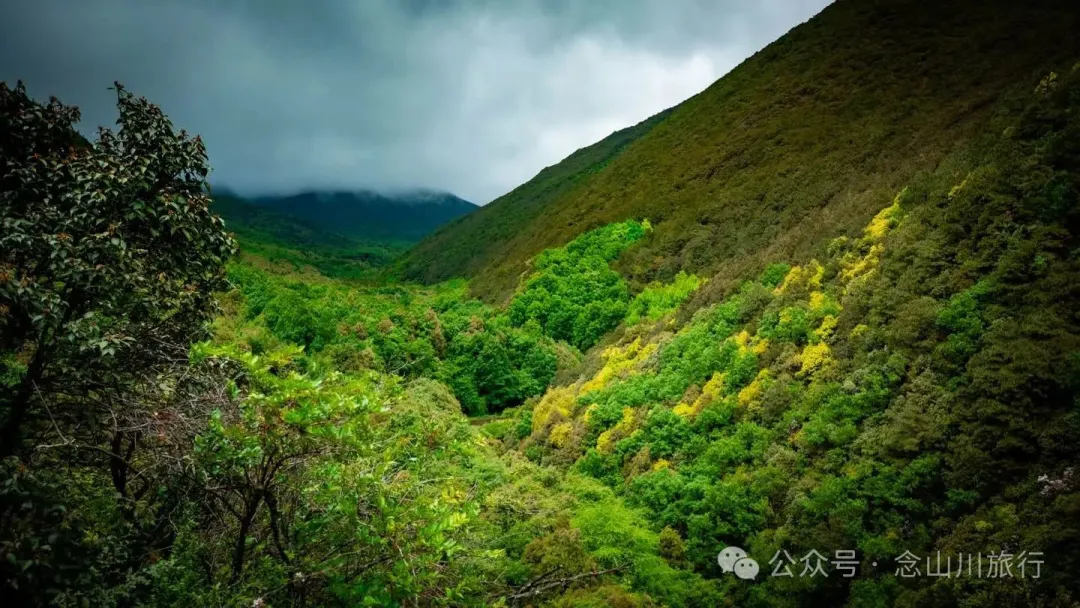
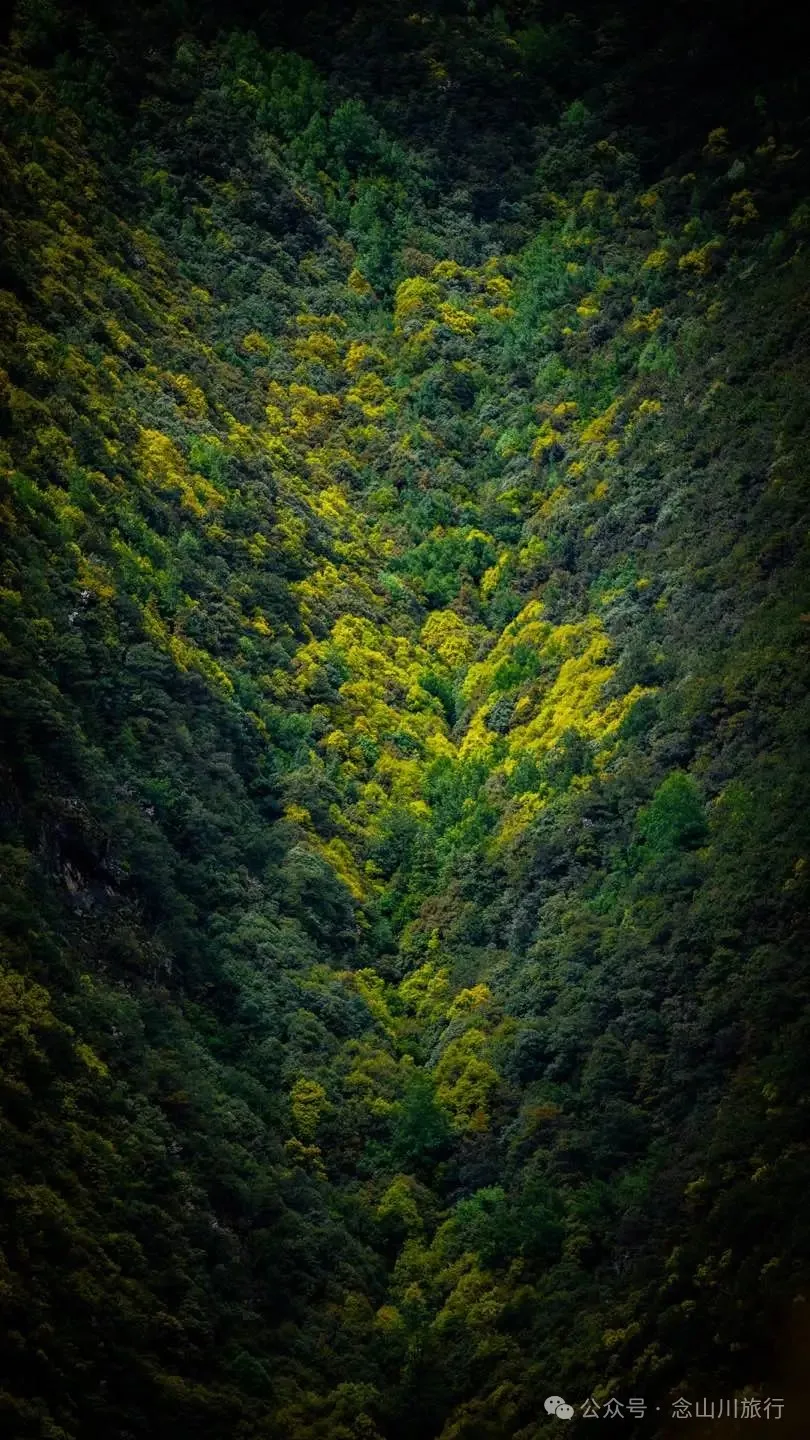
The mountain scenery along the way was captivating. The fresh green trees shimmered with a faint light, contrasting with the dull dark mountain body. When autumn comes, these bright greens will ignite into red and yellow flames, adding splendor to the old green mountains.
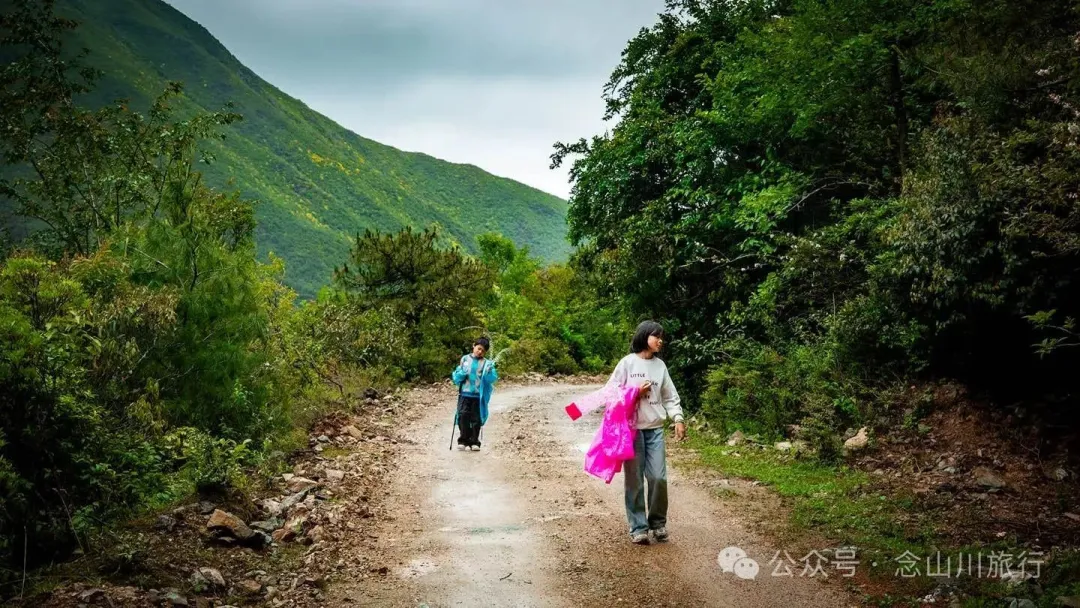
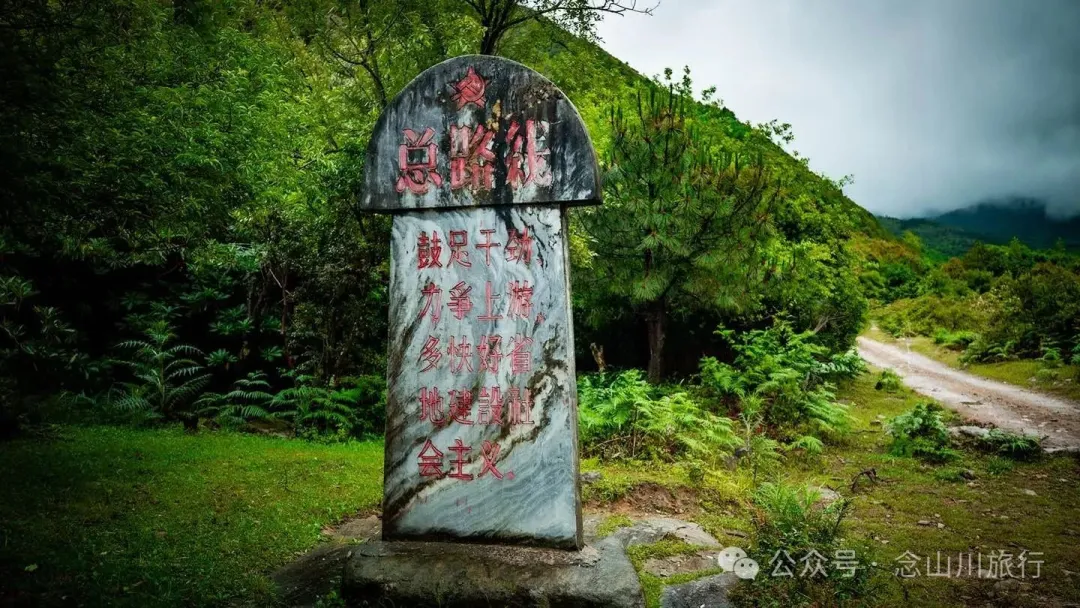
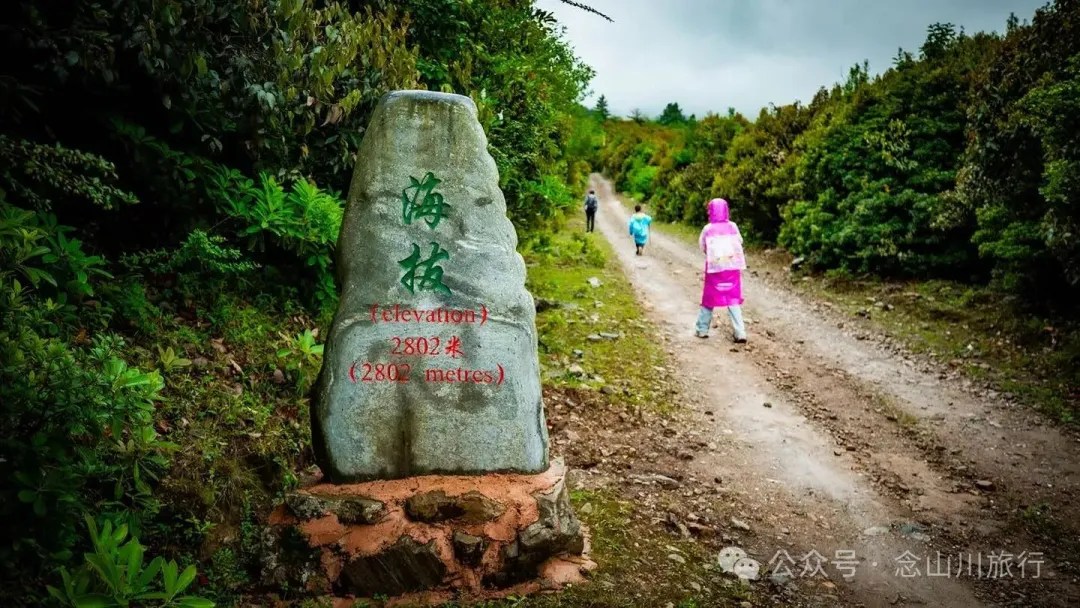
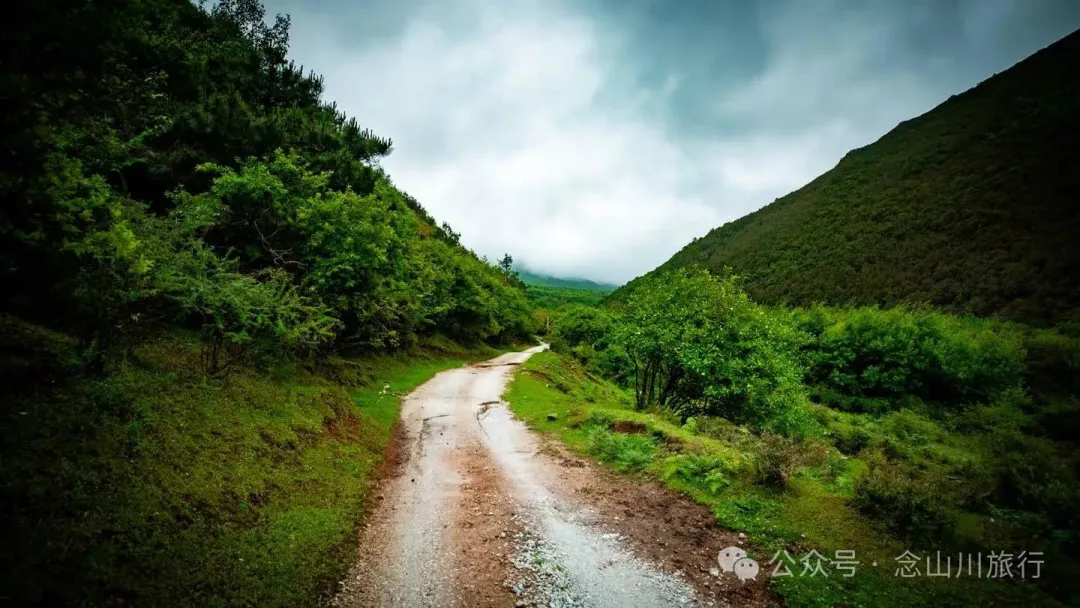
The hike from the foot of the mountain to the medicinal herb farm on Huadianba is about 18 kilometers, with the most difficult part being the crossing of the two large mountains. Fortunately, the rain was not heavy, with only a few drizzles coming and going. When the children lost patience due to fatigue, the open road leading to Huadianba finally appeared before them, restoring their confidence to walk. Only when we entered the core area of Huadianba, stretching over 10 kilometers, did they truly become happy.
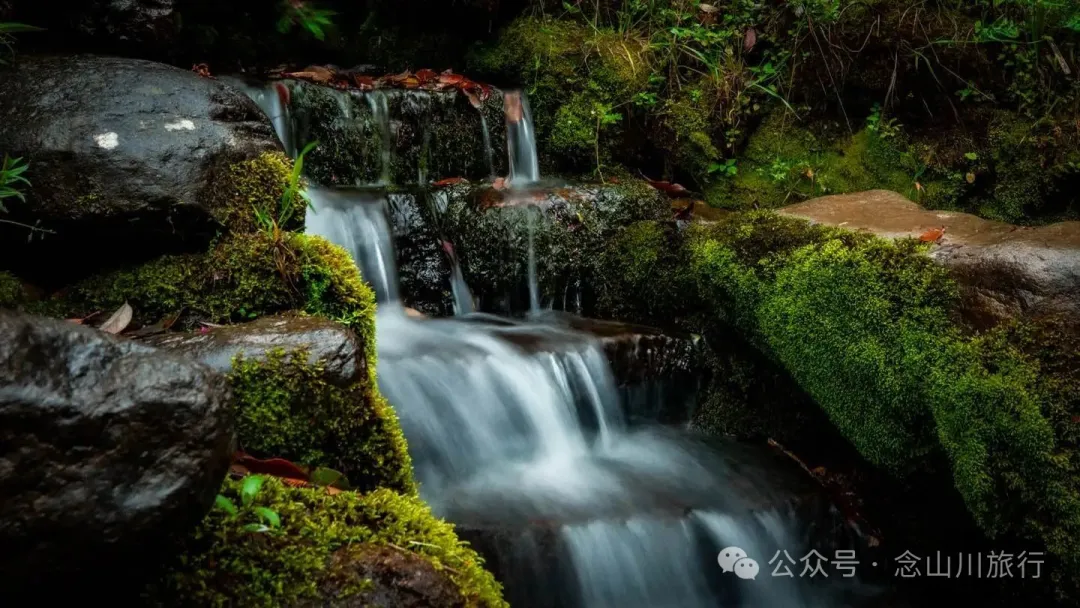
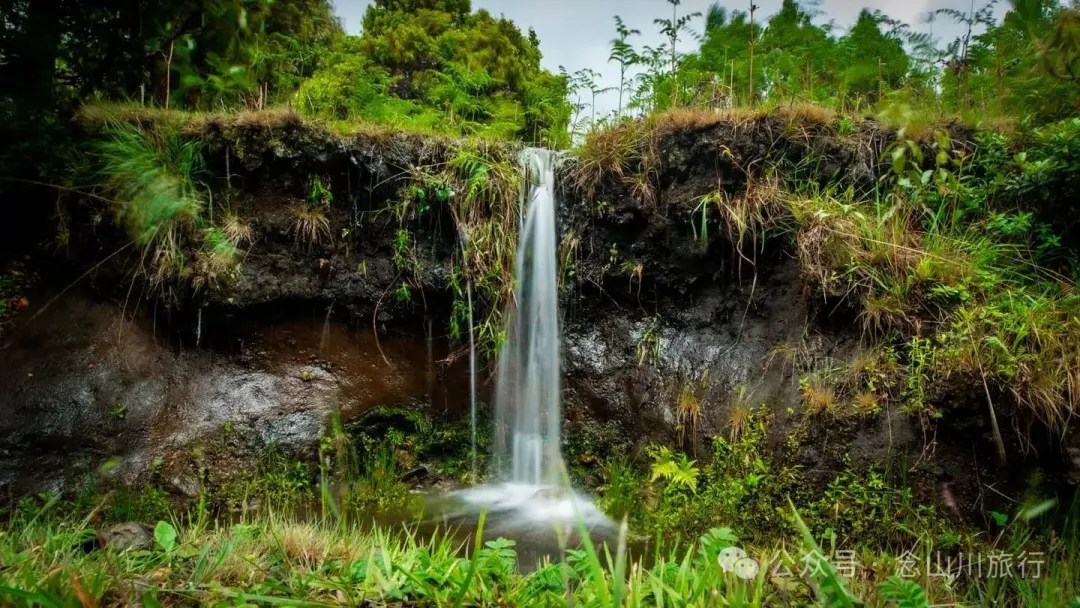
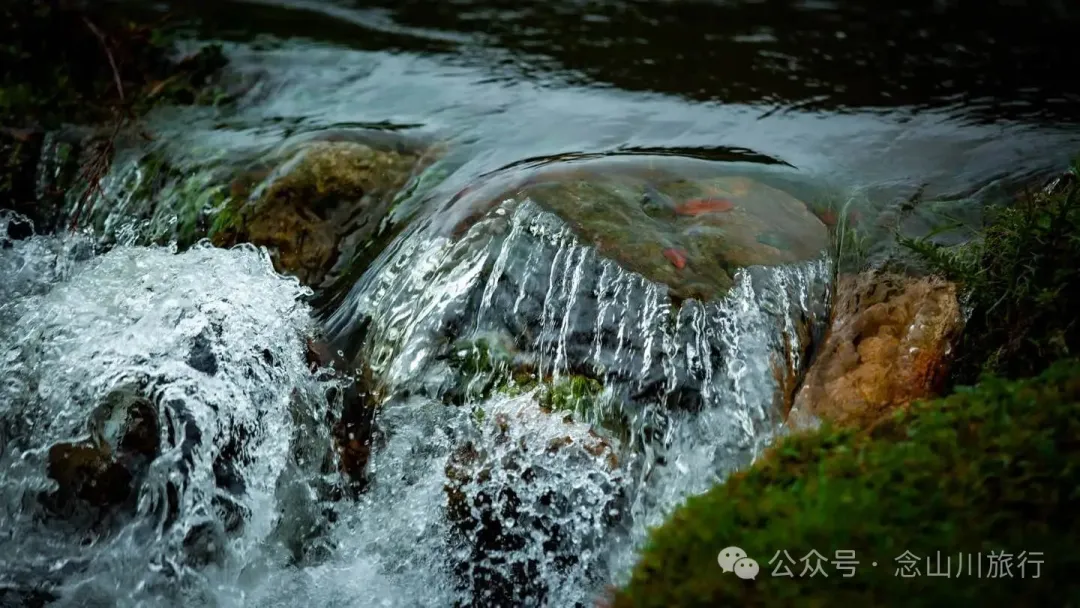
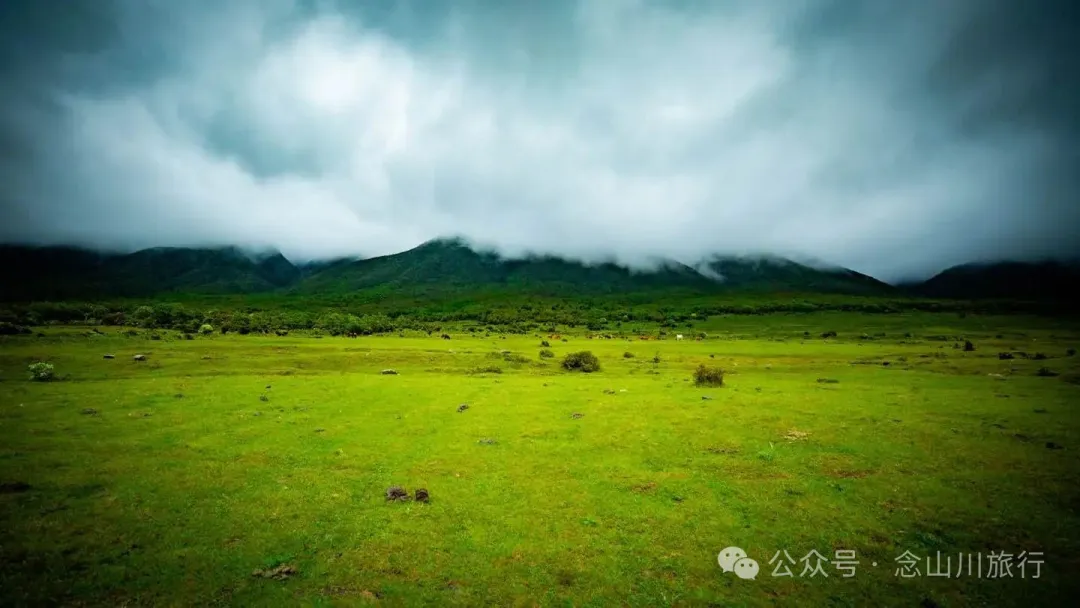
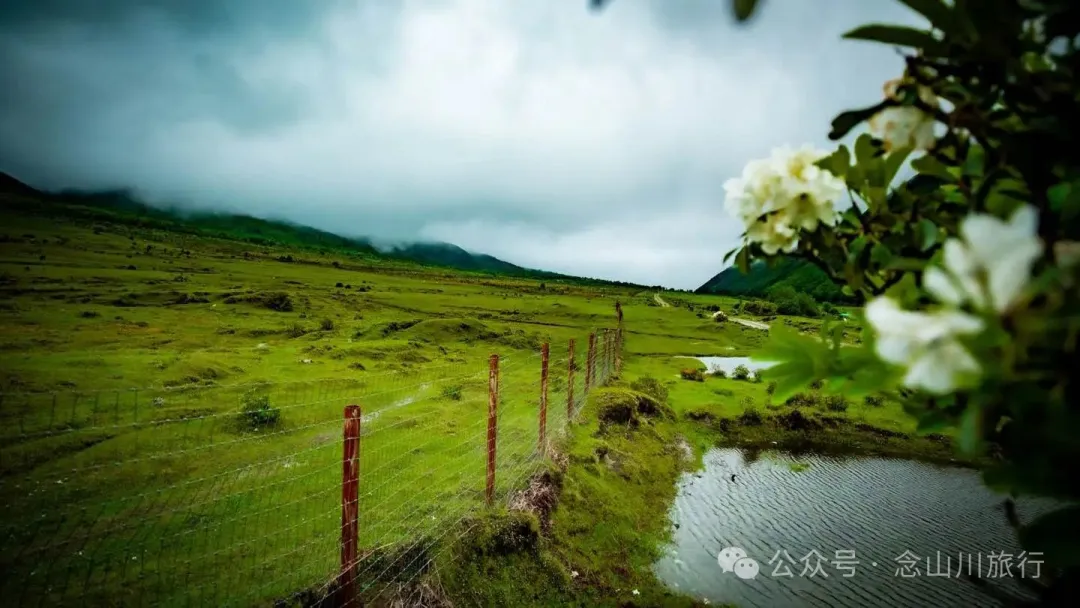
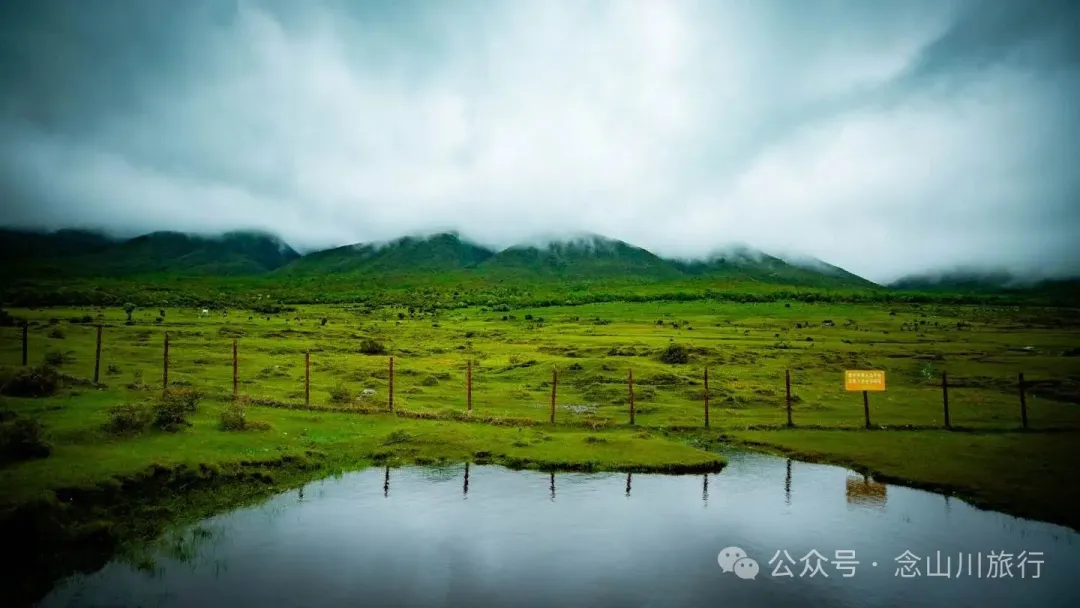
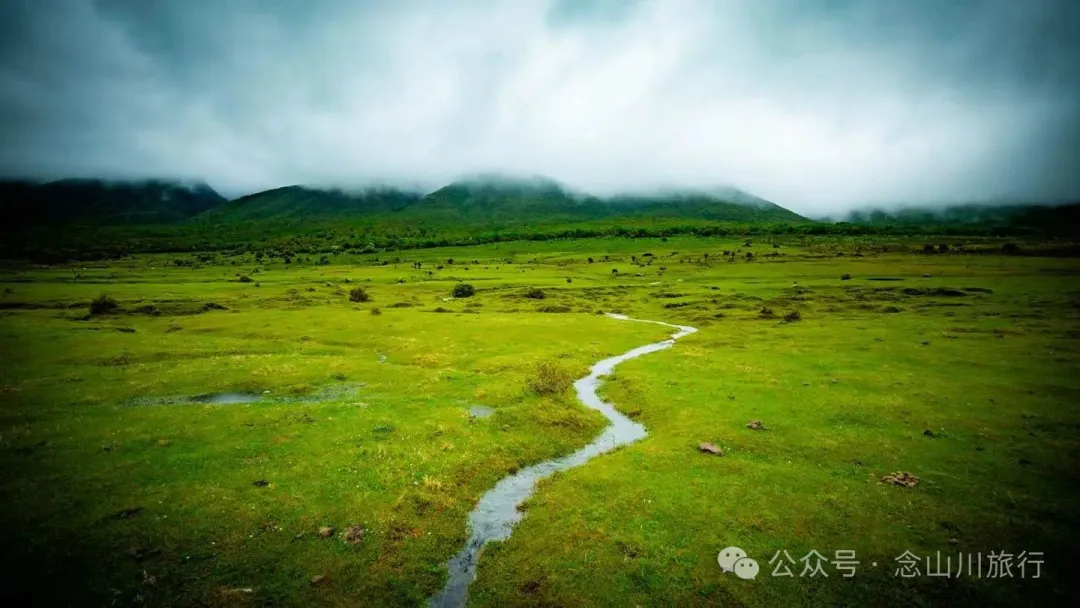
It had been raining continuously for over half a month in Dali, and deep in Cangshan, Huadianba had already entered the rainy season. Every shallow stream was filled with clear, cold rainwater, and roadside ditches had turned into rivers. The earth and plants were saturated with rain, and more dense droplets fell from the sky and clouds, spreading across the surface. The meadow became a wet marshland, with countless ponds expanding in size.
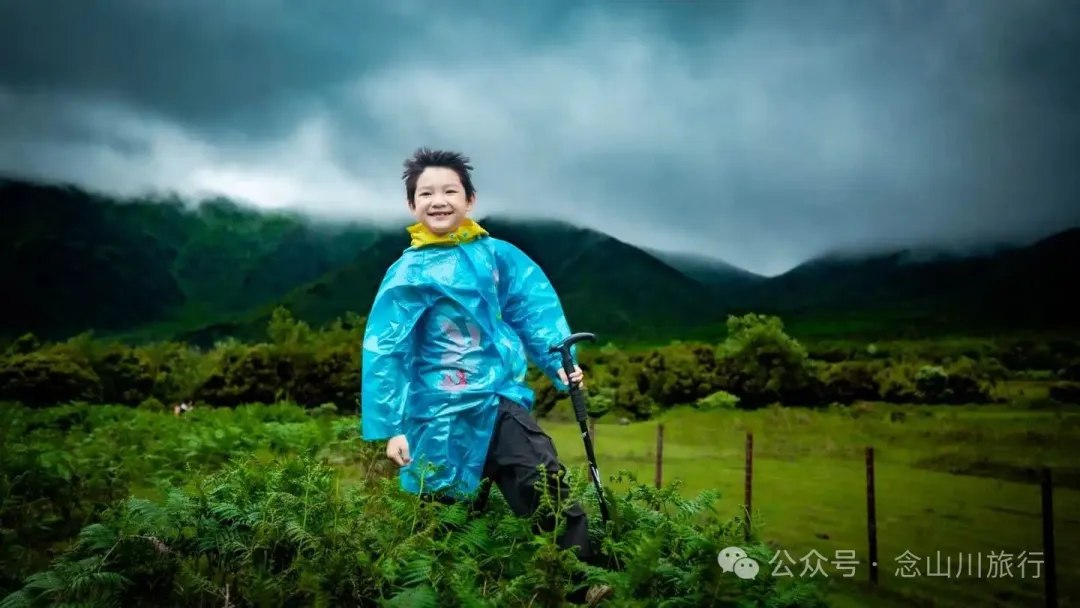
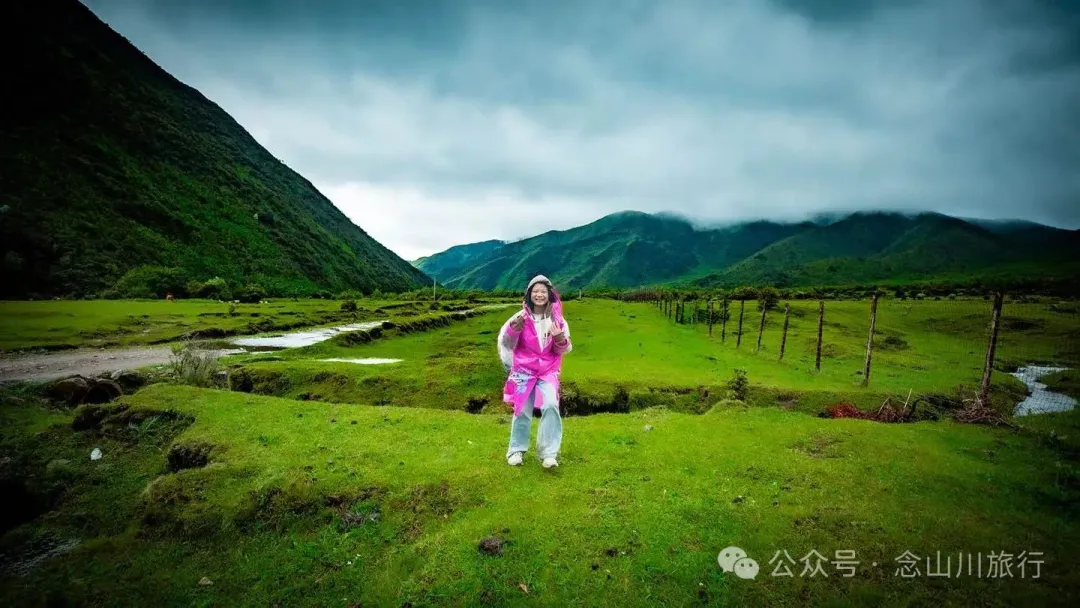
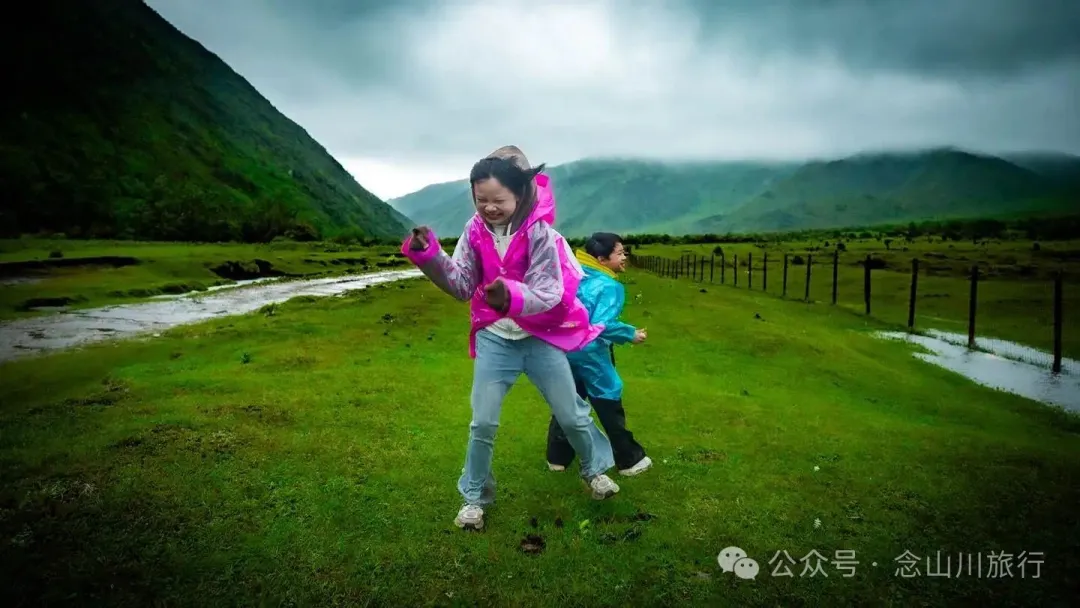
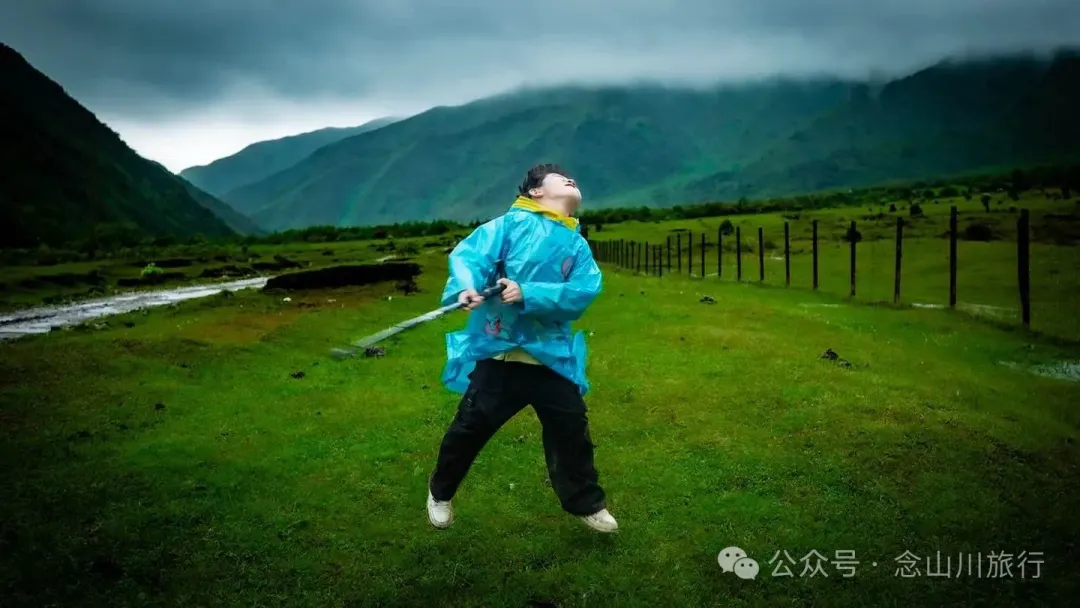
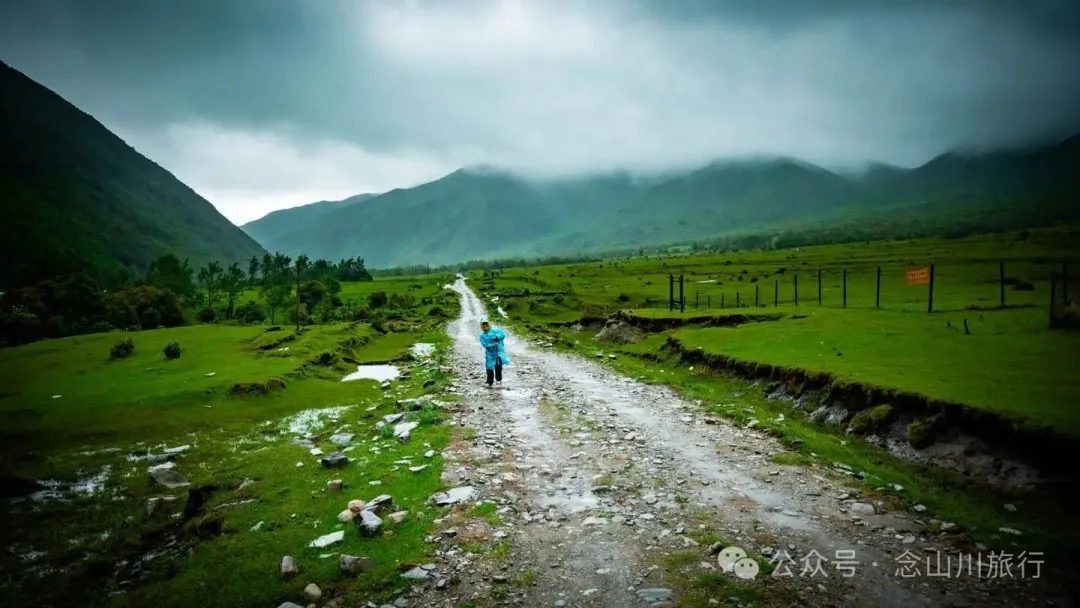
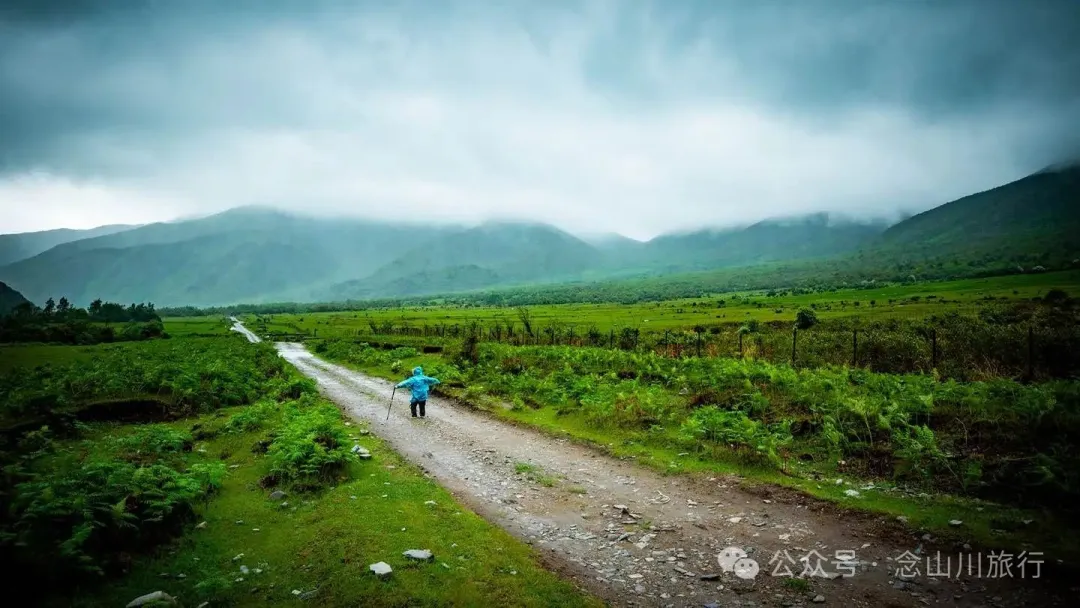
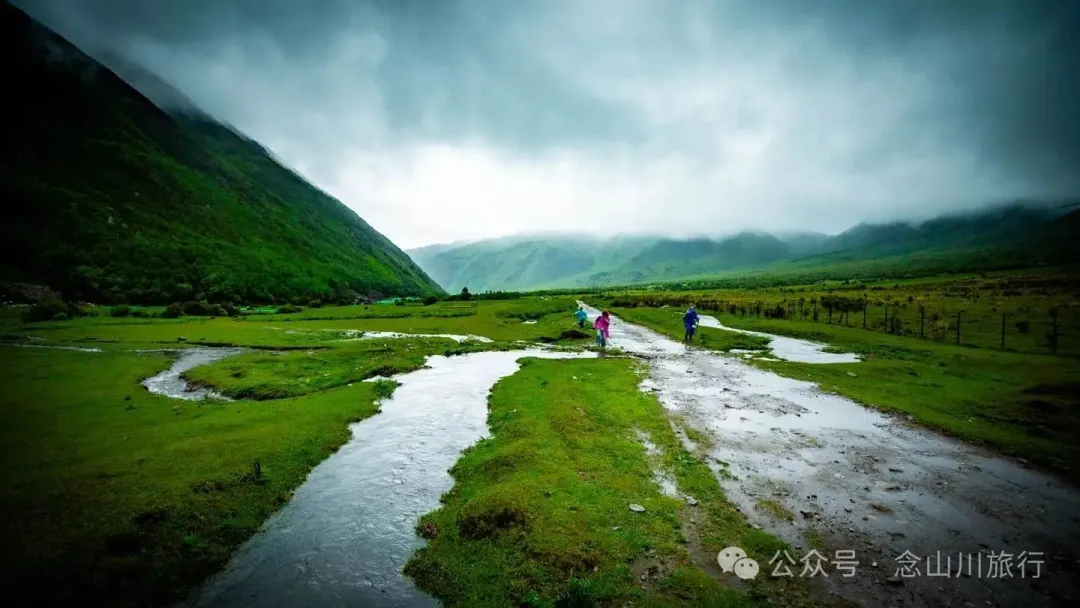
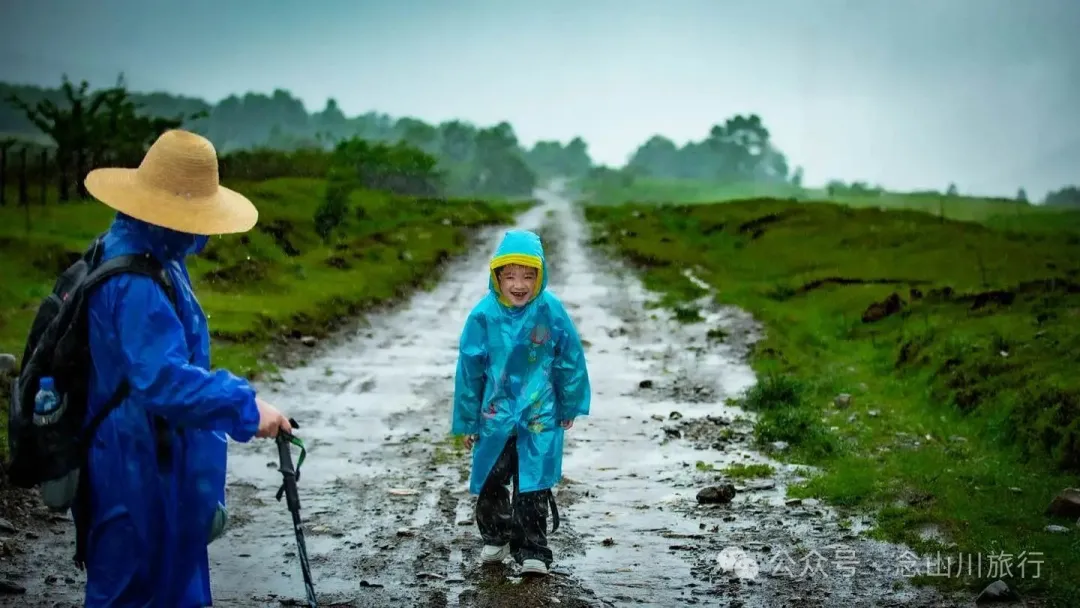
Walking in the rain was a joyful experience. The rainy season brought endless fun to the children. Strong winds pushed them forward, then quickly turned 180 degrees, blowing into their faces as if to knock them down. The rain, taking advantage of the gale, fiercely pounced on them. The raindrops, like a machine gun, stung their faces. Yet even so, they were excited—nature was playing with them.
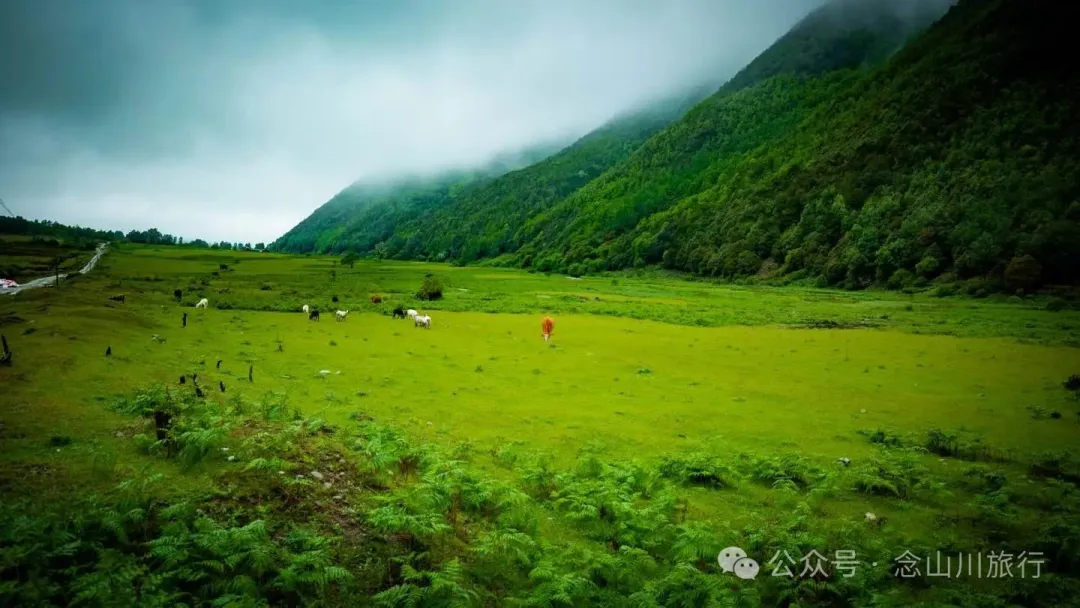
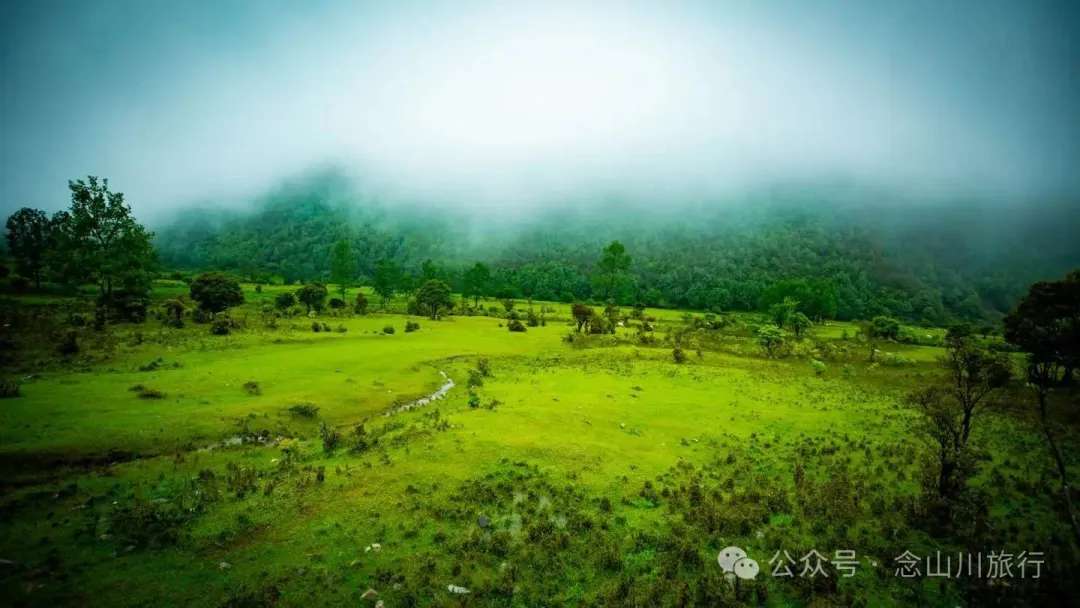
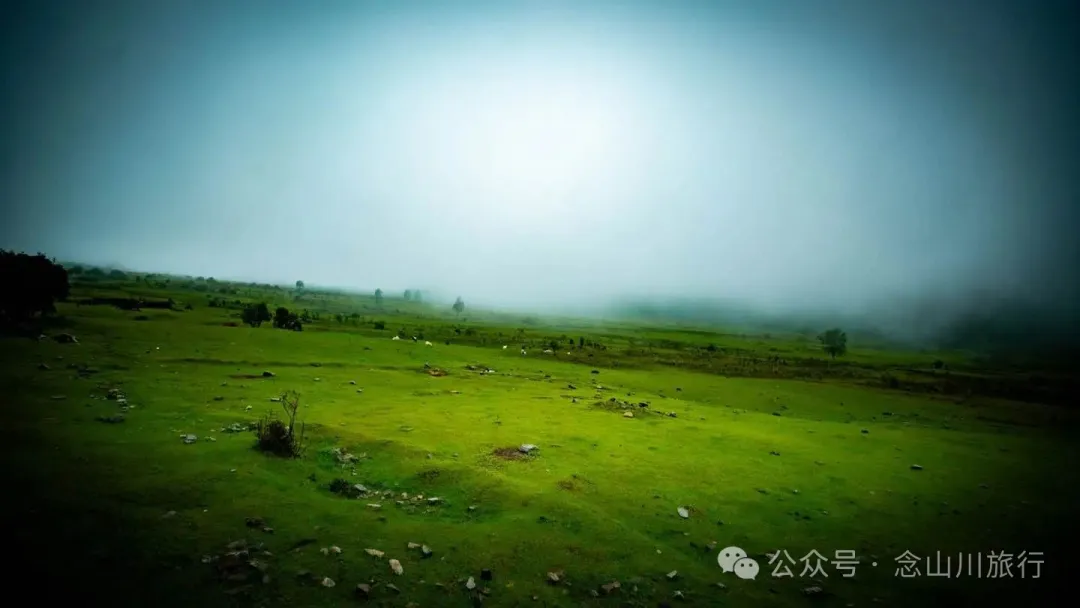
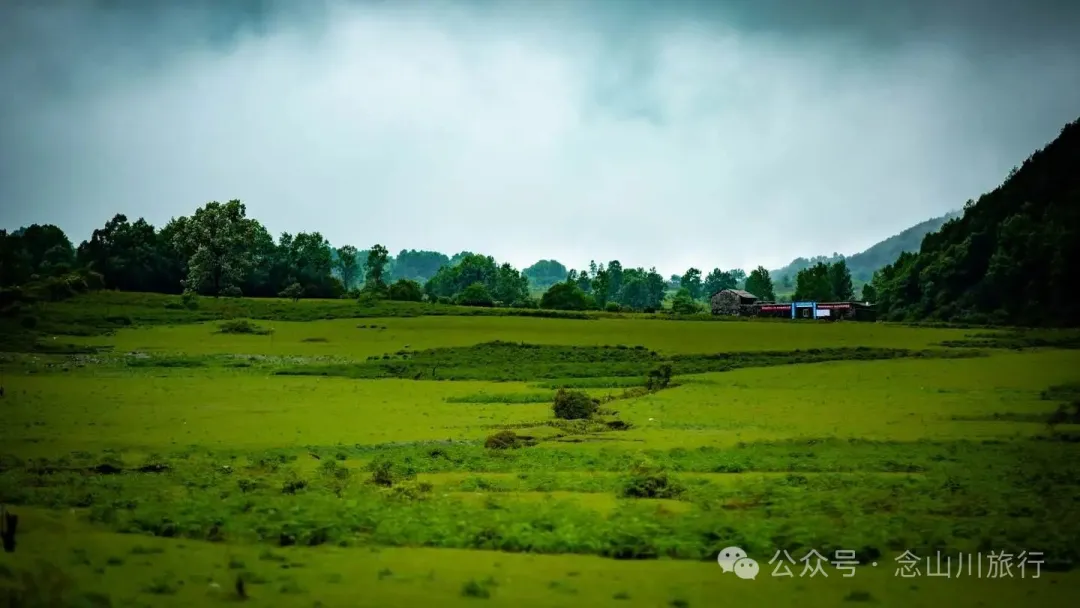
When we first saw Huadianba ten years ago, it was also in the rainy season, filled with the scent of grass and the chill of rain. Over the decade, unlike the villages at the foot of the mountain, Huadianba has remained the same, with few human traces, and the grass seems even more lush. For humans, the remote and high-altitude Huadianba is a land of no profit, untouched by development. For Huadianba, it is precisely its "uselessness" that gives it a unique wildness, making nature the ultimate beneficiary here.
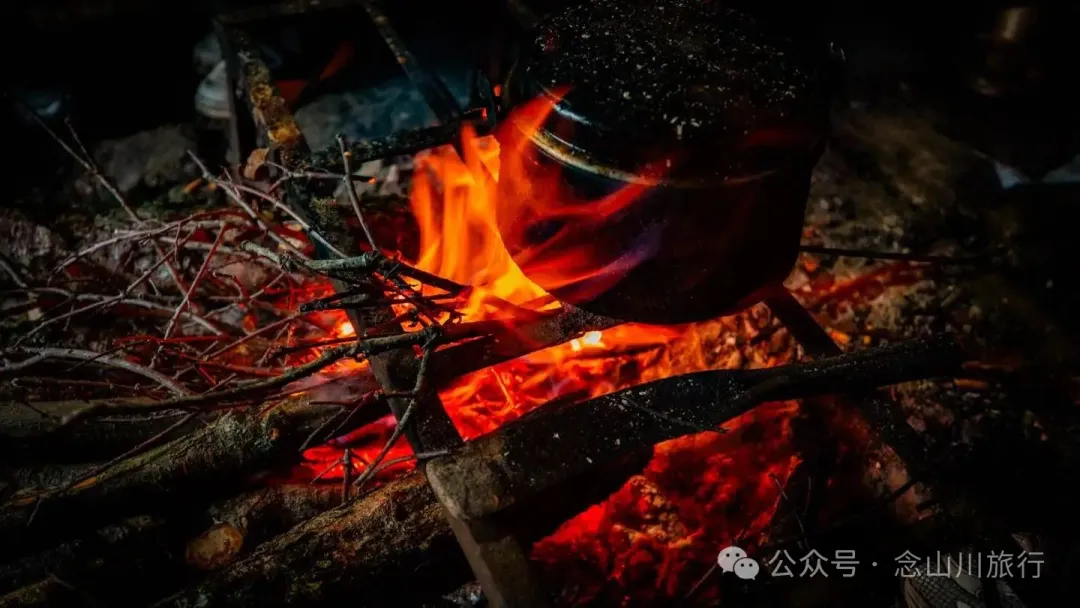
After walking in the rain for about an hour and a half on Huadianba, the medicinal herb farm from years ago remained hidden in the thick rain and fog. The chill crept in, and the children's enthusiasm waned. We had to give up on reaching the farm and turned back to find a place to shelter from the rain. A wisp of soft cooking smoke rose from a low stone house by the roadside. Four Yi ethnic herders tending cattle were warming themselves by a fire inside. We took refuge in the warm stone house, a haven from the storm, and gathered around the firewood to listen to the simple life of the herders.
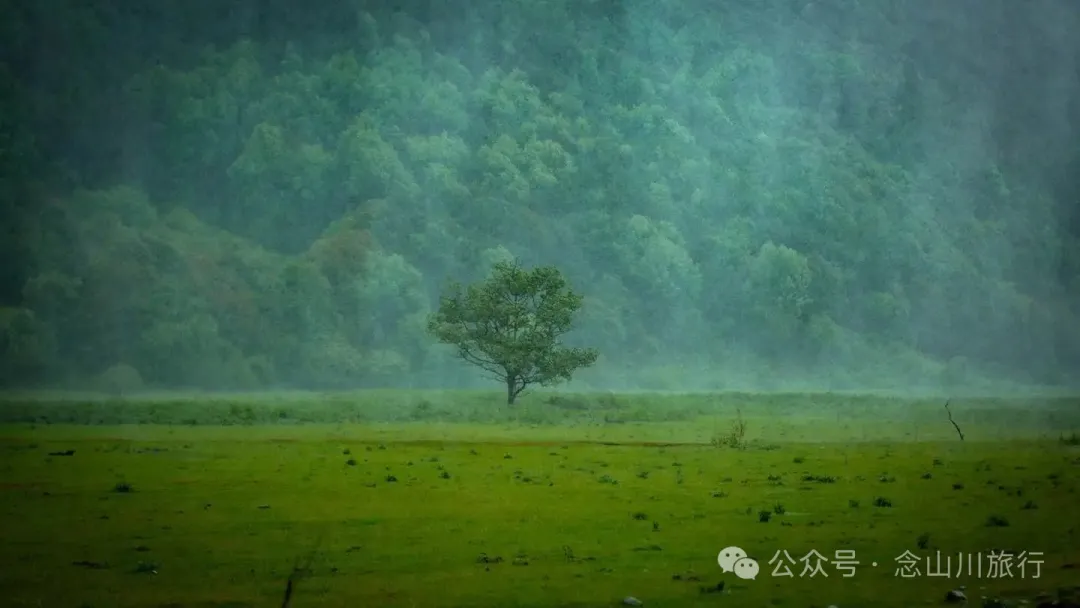
The wind and rain on the way back were fiercer, quickly stealing the warmth we had borrowed from the fire. The rain curtain drifted clearly before us, and a solitary tree danced like a ballet performer, staging an exquisite solo. Such a magical natural scene made the children exclaim in wonder, leaving an unforgettable impression.
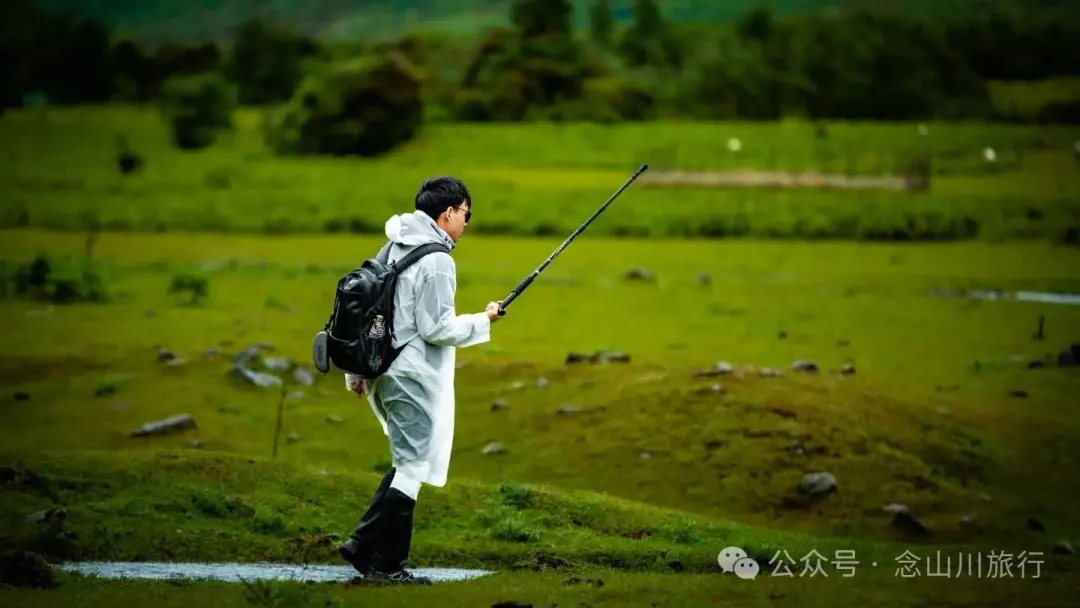
Erwa, a child who grew up in the mountains, was taken into the hills to watch sheep at the age of four or five, spending entire nights guarding the flock, counting stars, and watching fireflies. He said that in those days, there was no shelter from the cold rain; everything was soaked through, and even the large tree branches offered no refuge. Years later, encountering such harsh rain again, he found joy, leaping and bouncing to chase the sheep in the ferns and the drifting rain curtains near and far.
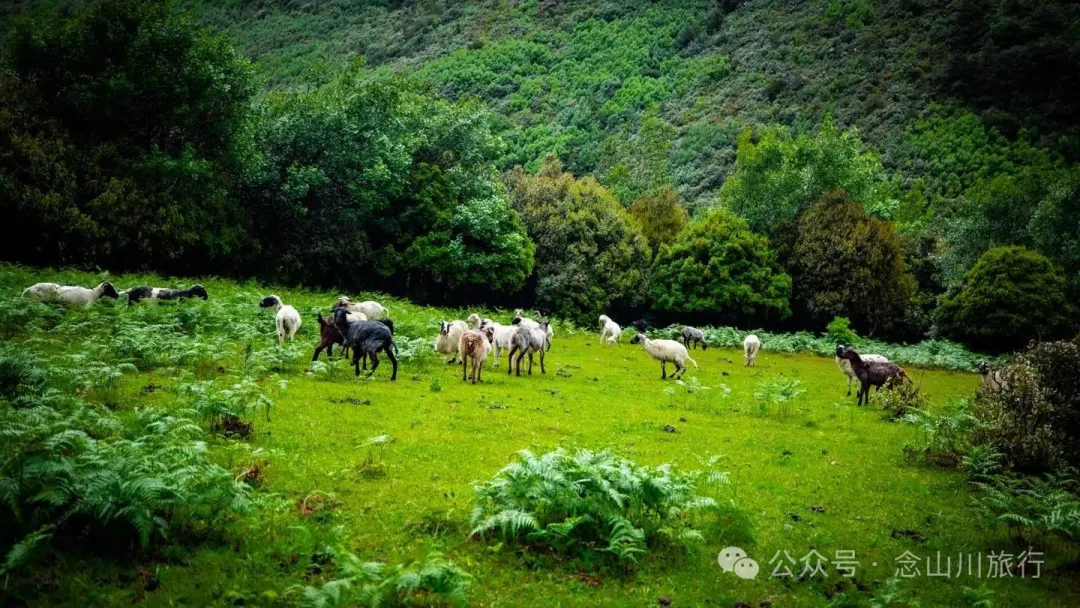
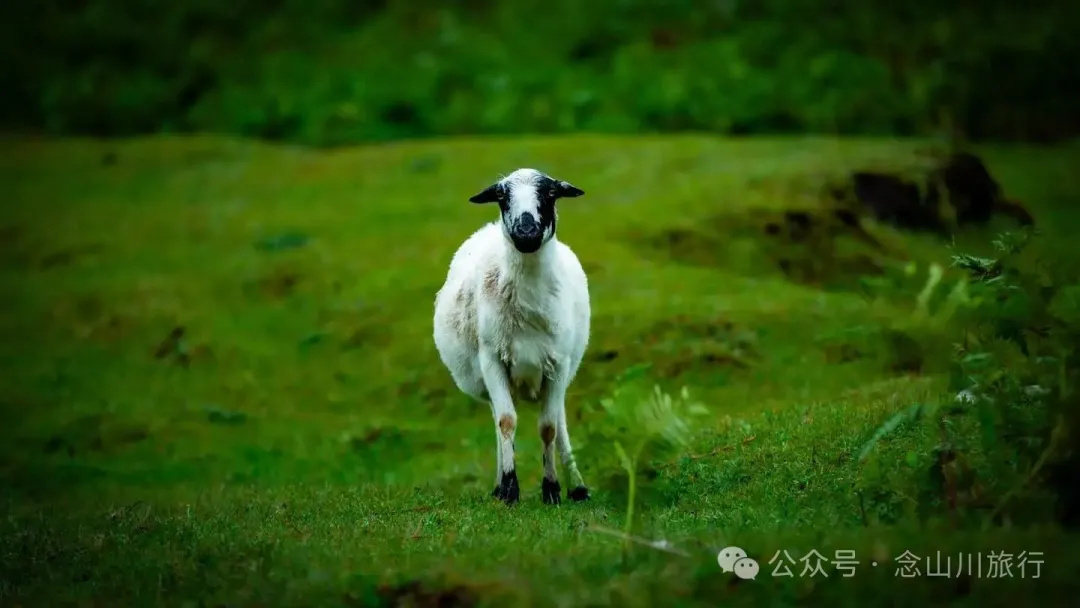
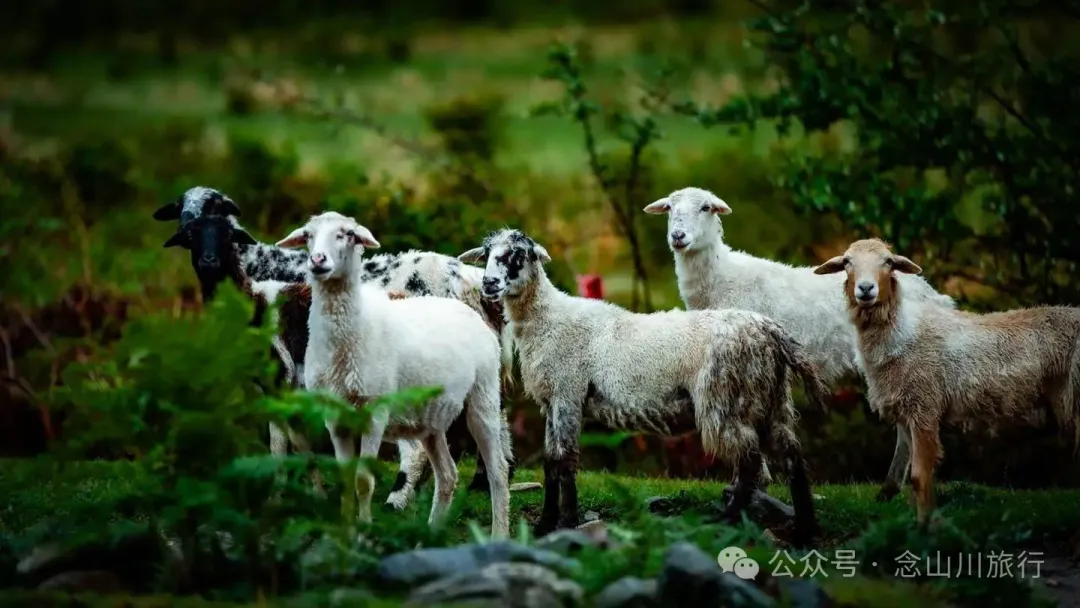
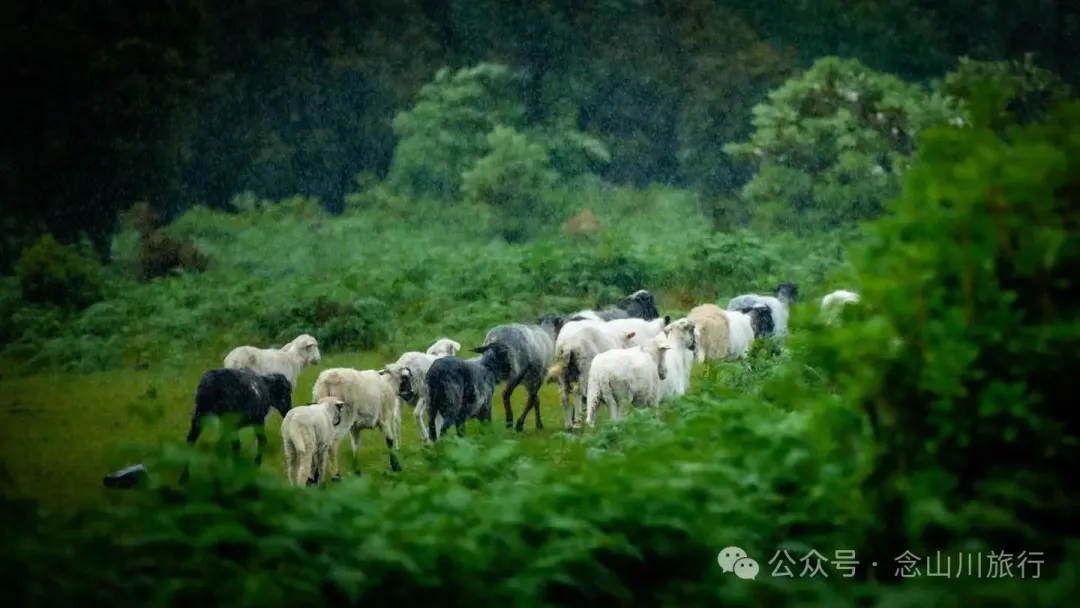
In the ferns, the sheep grazed leisurely, their thick wool keeping out the cold. But we couldn't do the same; we had to keep moving to generate heat, even as our legs ached unbearably.
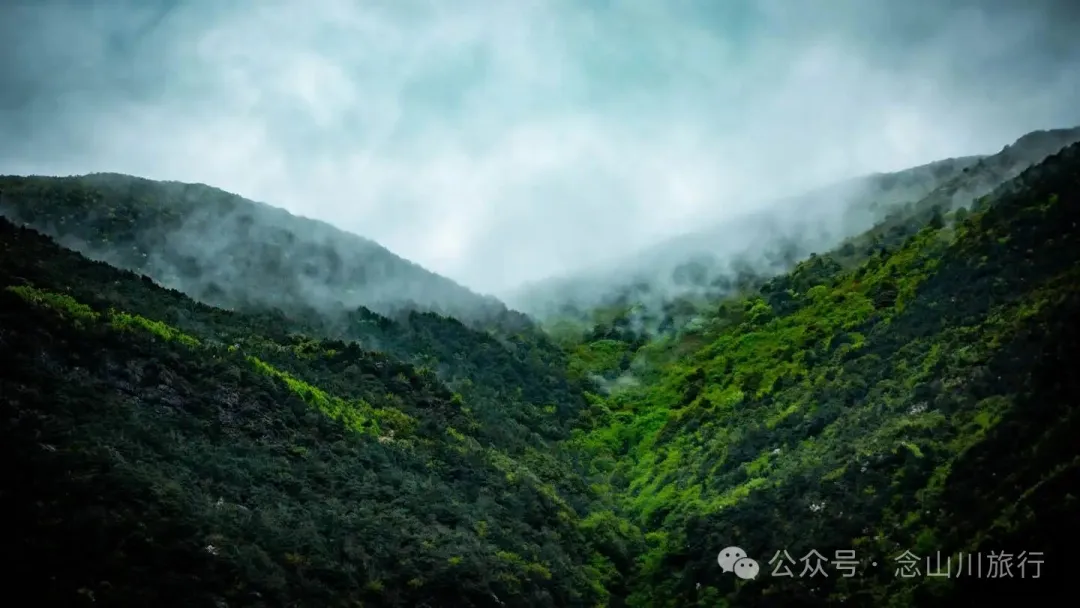
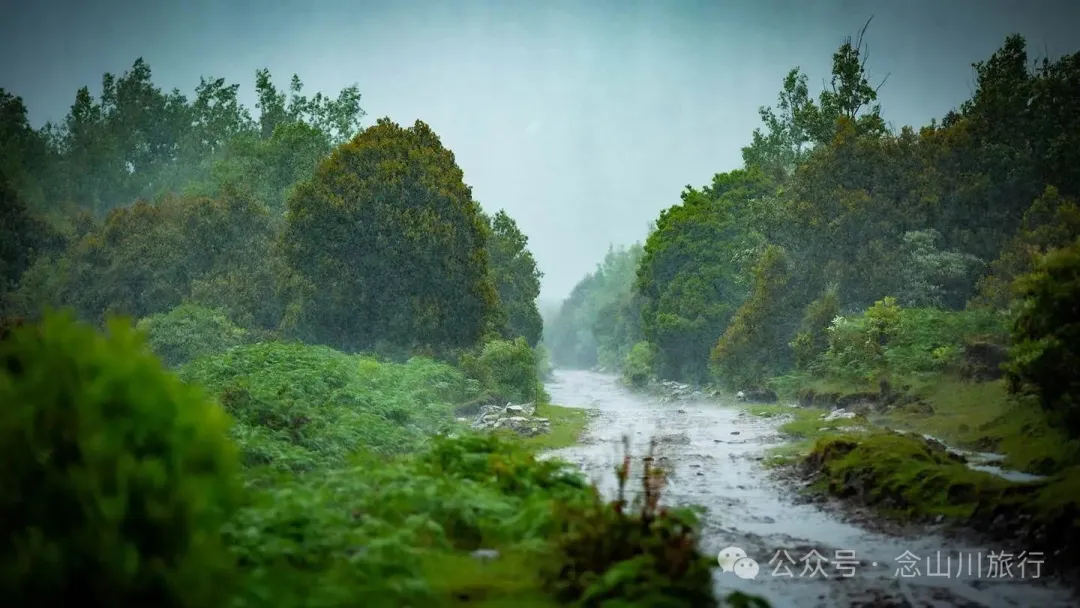
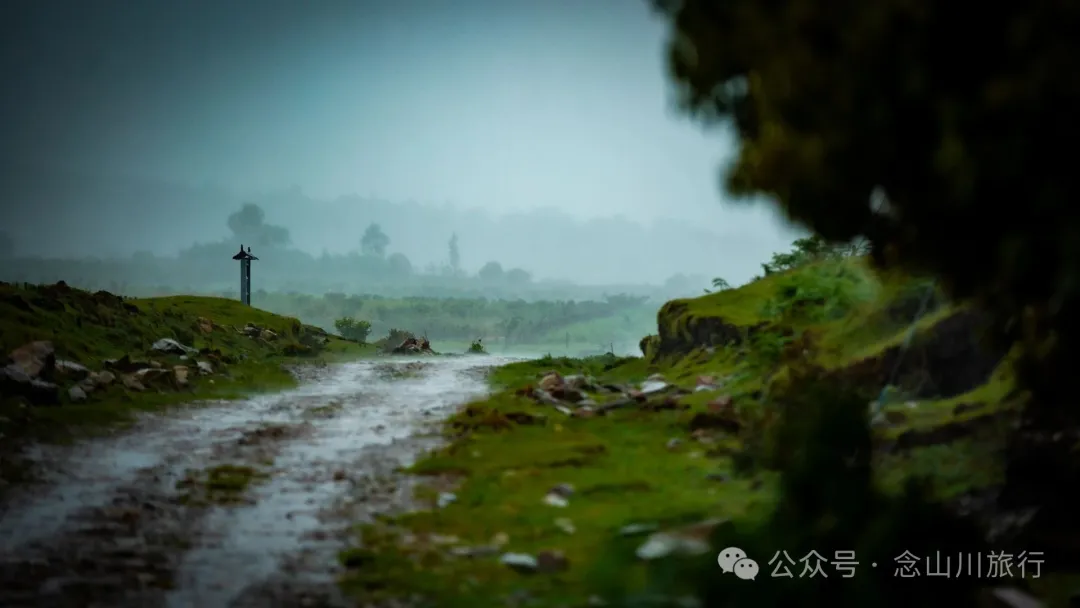
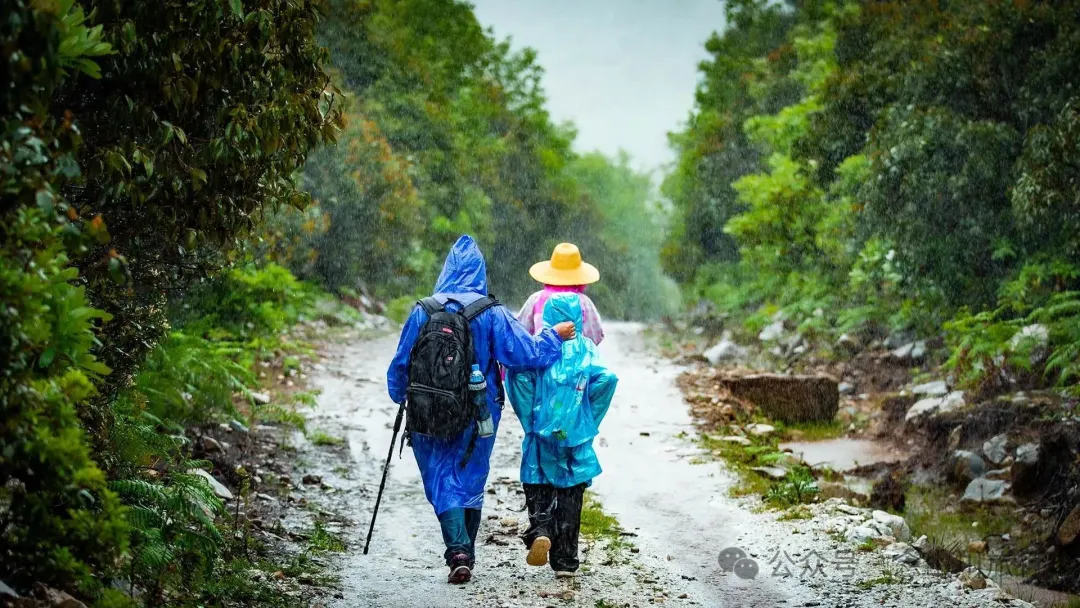
As long as we walked on Huadianba, the rain continued. When we reached the spot where we first saw Huadianba, the rain stopped behind us, in that alpine meadow that nurtures it year-round. Looking back, Huadianba was hidden in thick clouds and fog, nowhere to be seen.
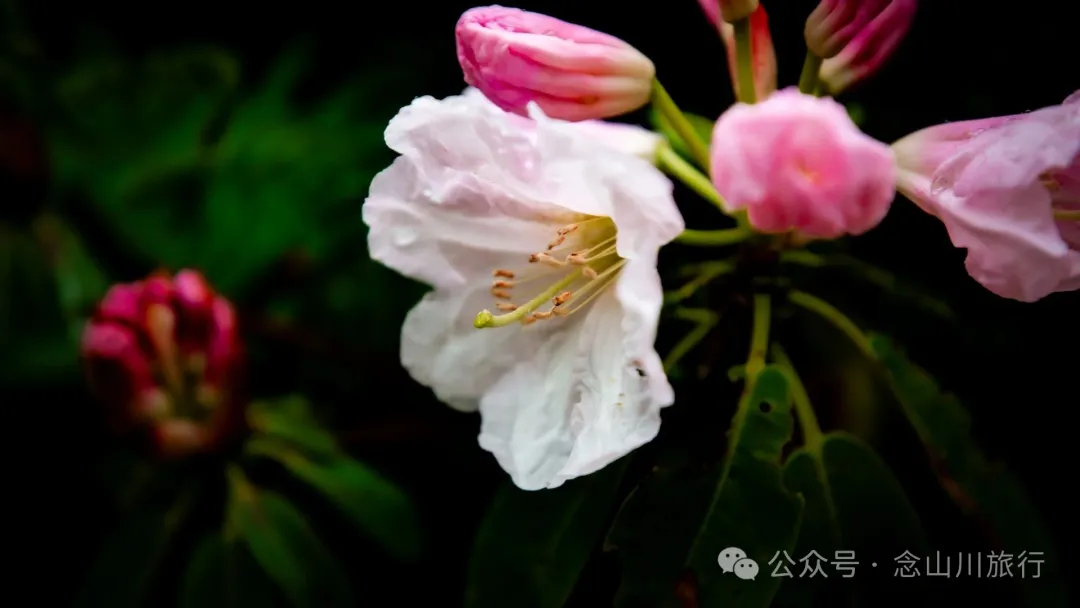
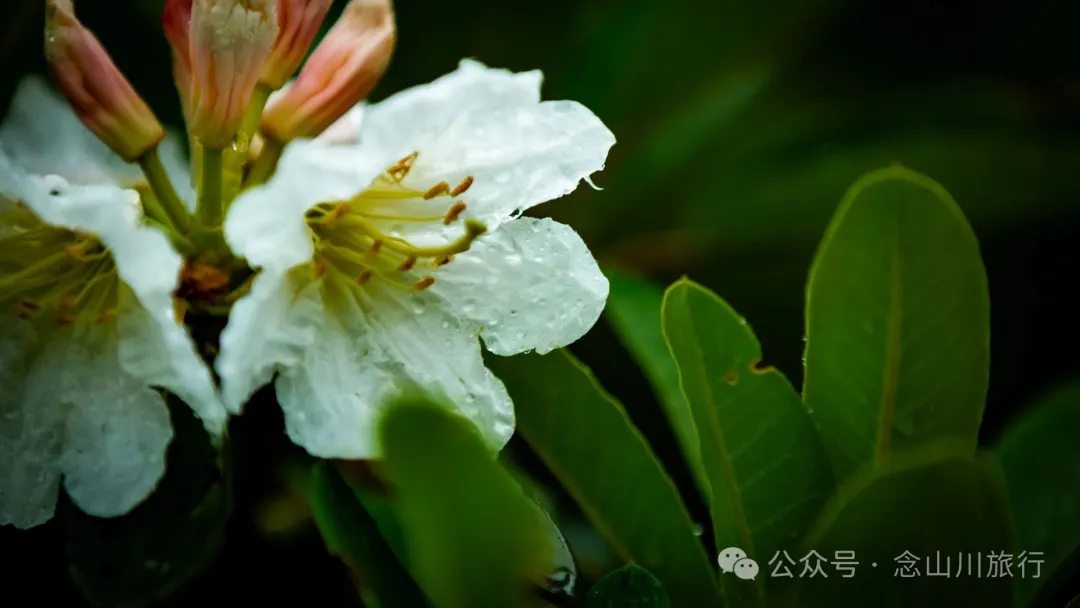
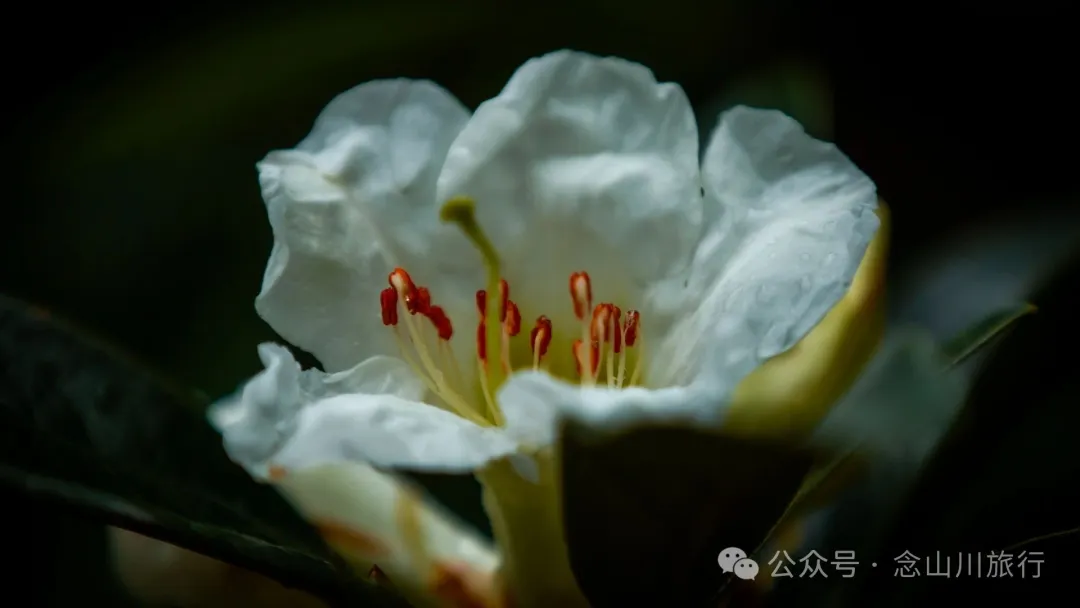
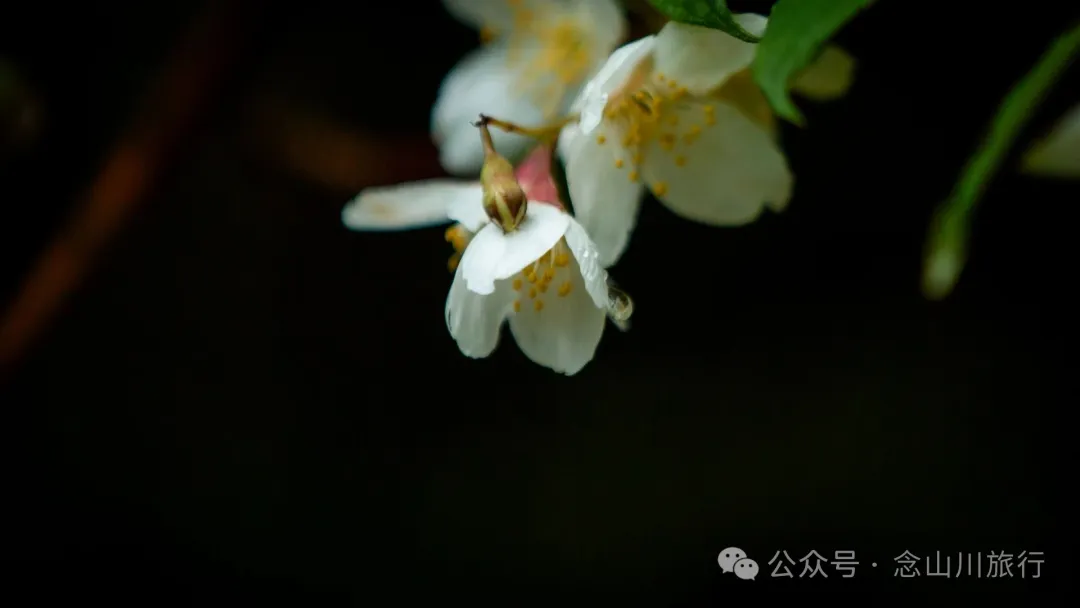
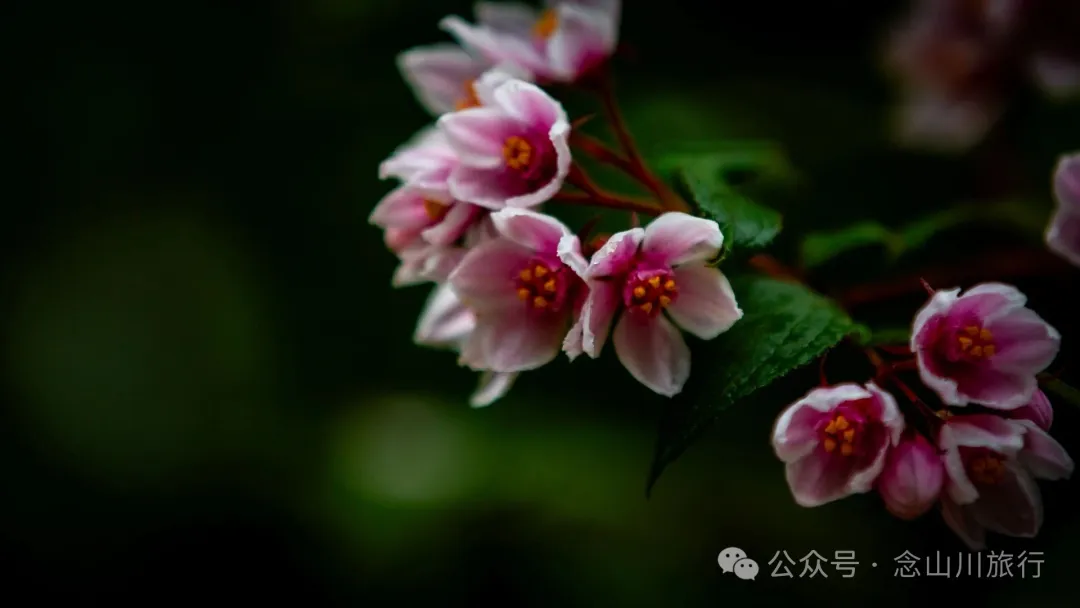
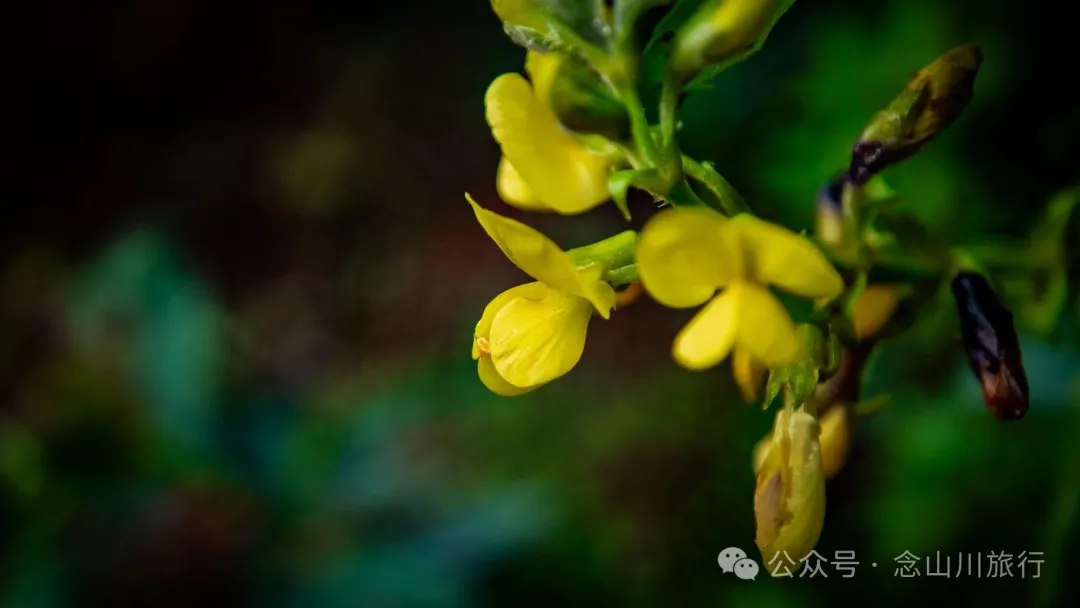
The entire Huadian area is flat with fertile soil. Exotic flowers and rare plants compete for beauty. Every spring and summer, the mountains are covered with rhododendrons, stretching over 20 li, forming a sea of flowers, a world of blossoms. Among them are white bean flowers, peonies, and other herbaceous flowers, creating a colorful and enchanting scene.
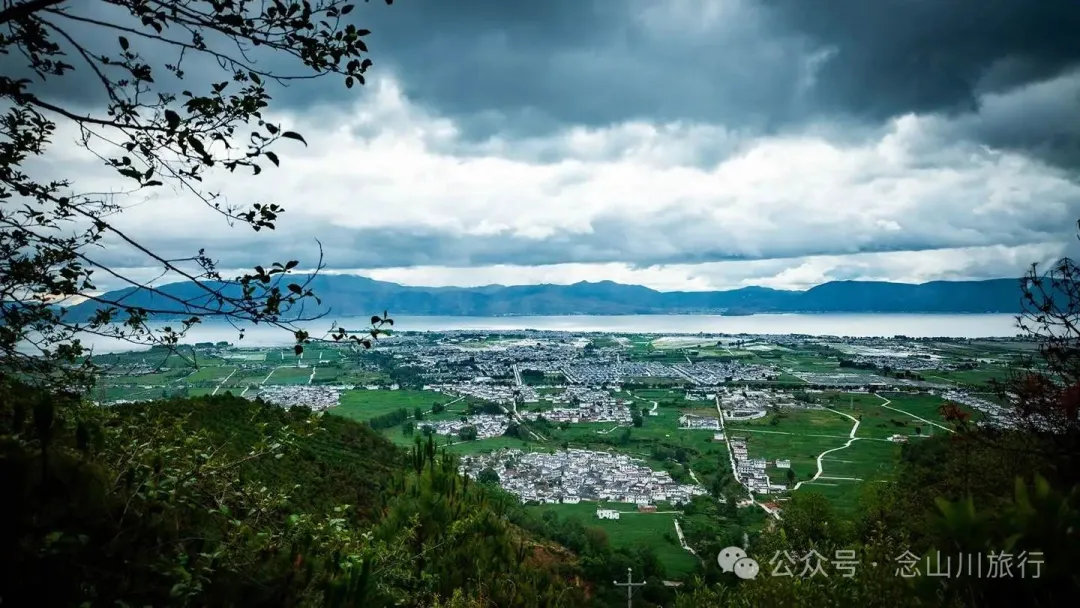
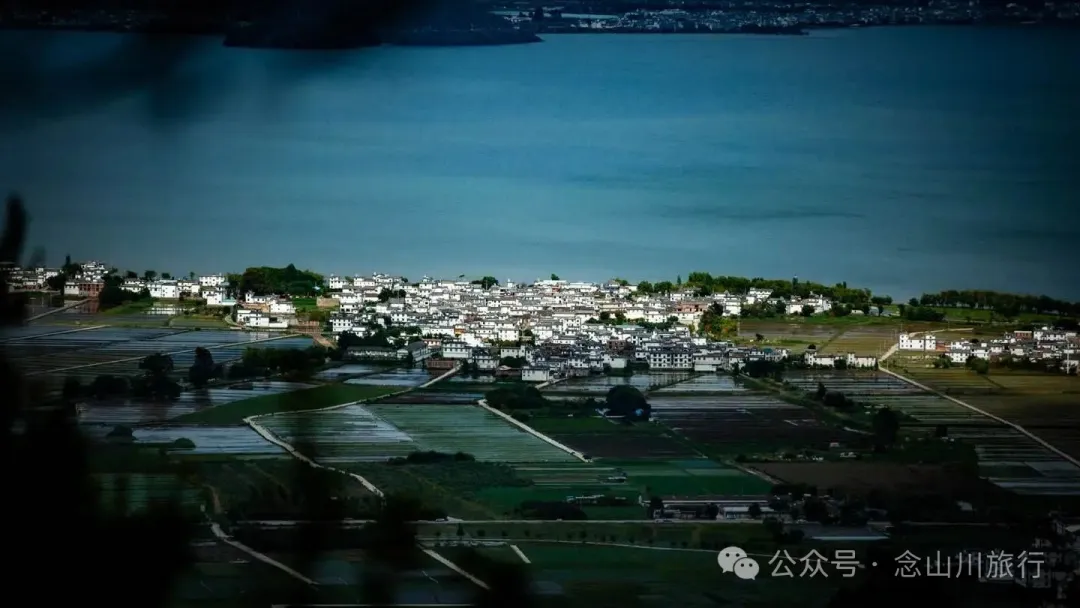
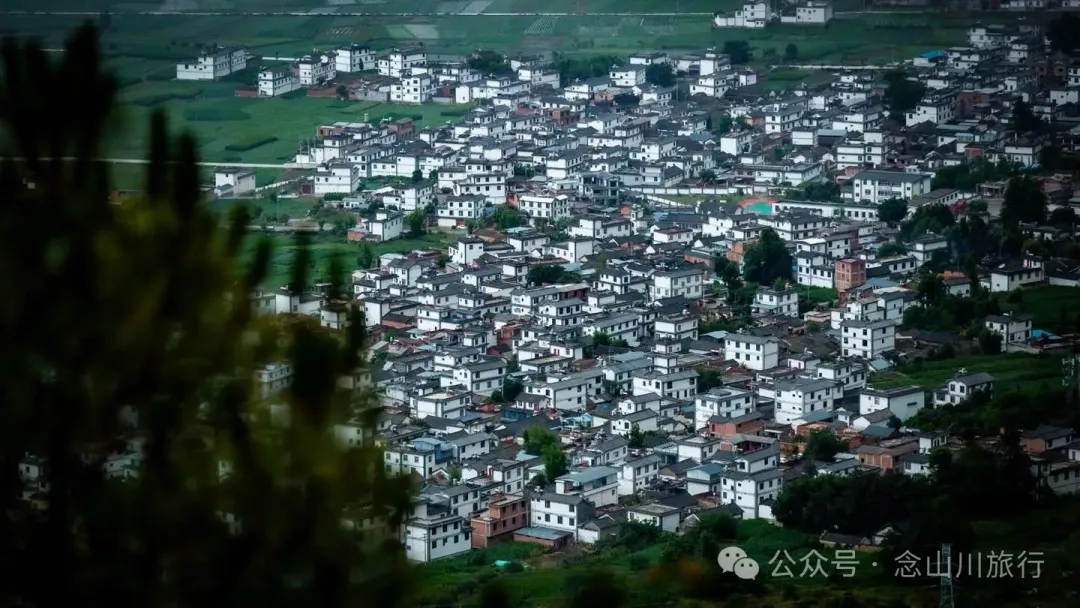
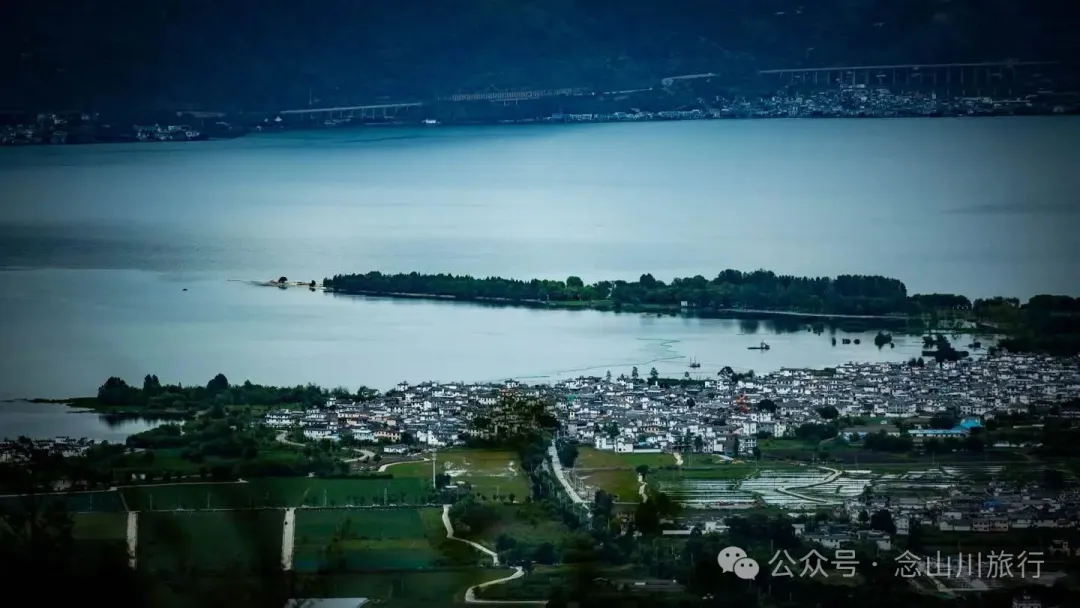
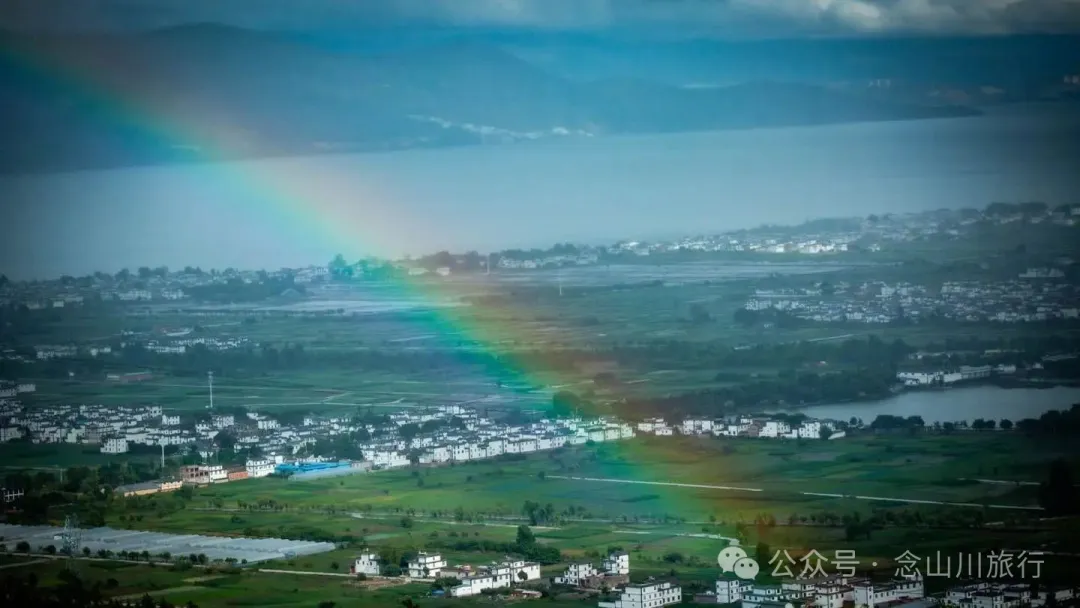
Standing by the zigzag mountain path of Shuiming Mountain, we could overlook the villages and fields between Erhai Lake and Cangshan. On the way down, the weather improved, with occasional rays of sunlight. A rainbow seemed to rise from the white farmhouses, arching across the sky. Huadianba in the wind and rain was left behind once again, lingering in the mist, passing its days slowly.