
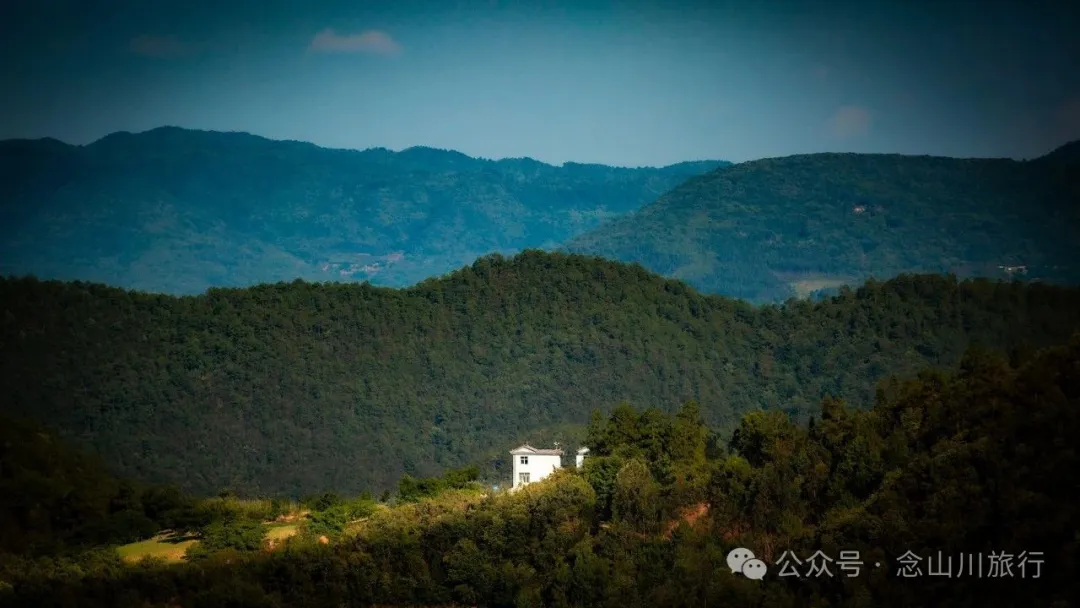
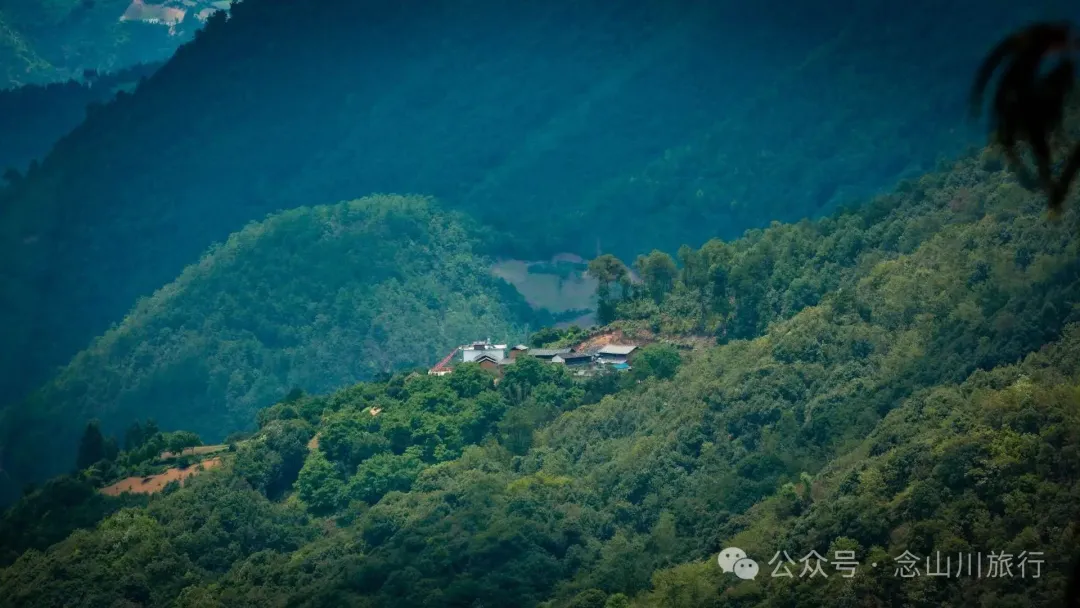
Standing on a steep path outside Simali Village, I could see from afar the strikingly white house on the mountaintop. The large patch of bright green in front of it made me mistake it for a natural meadow, which only increased my longing for that white house. Not far from the white house, on the slope, there were two other low, dark gray tile-roofed houses, hidden among dense, tall trees, cautiously peeking out like a squirrel stealing walnuts.

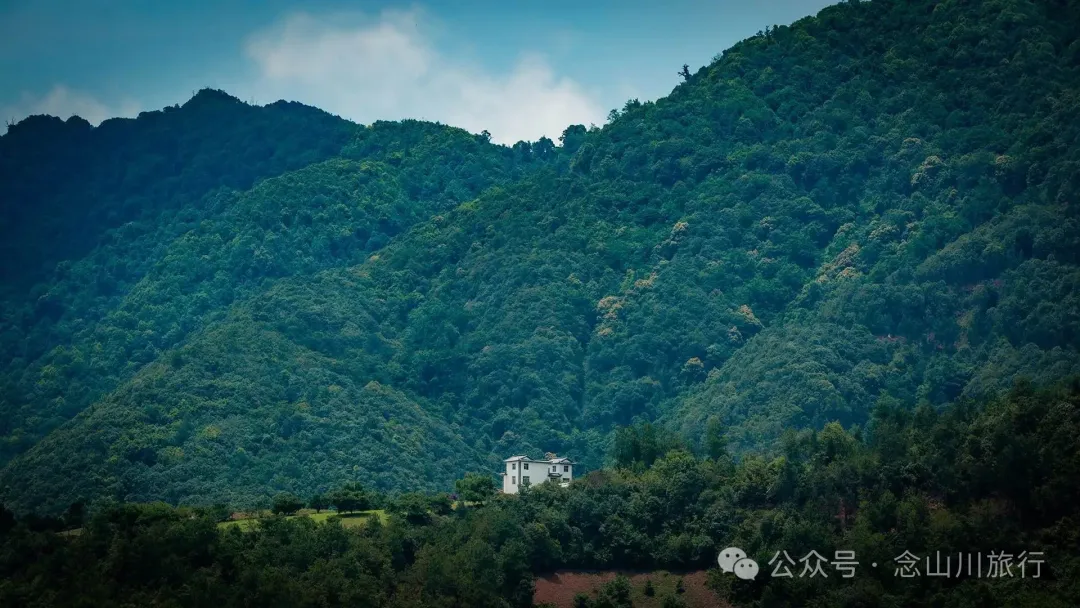
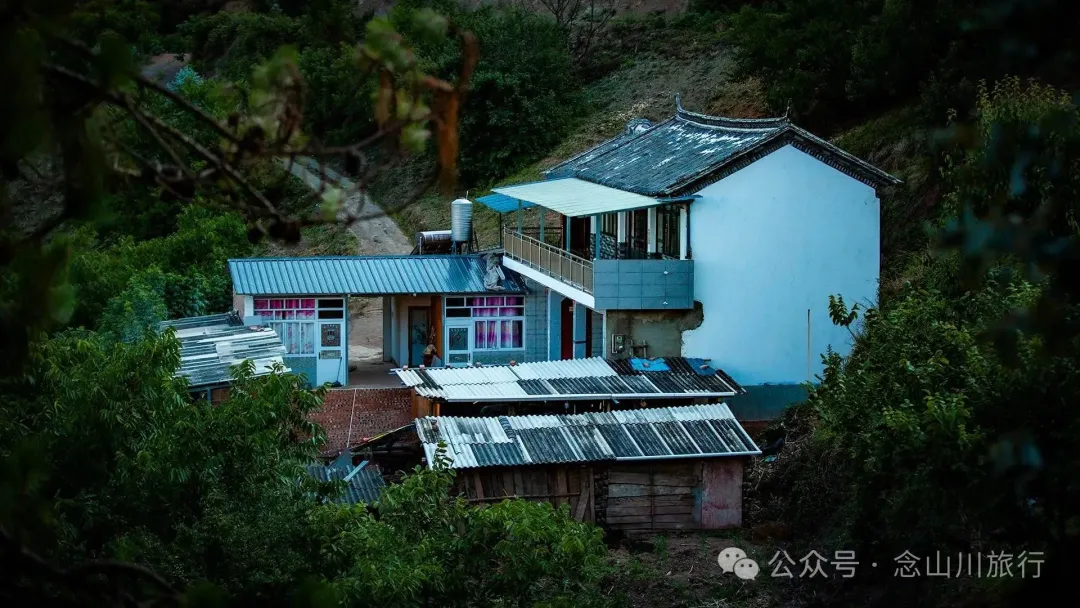
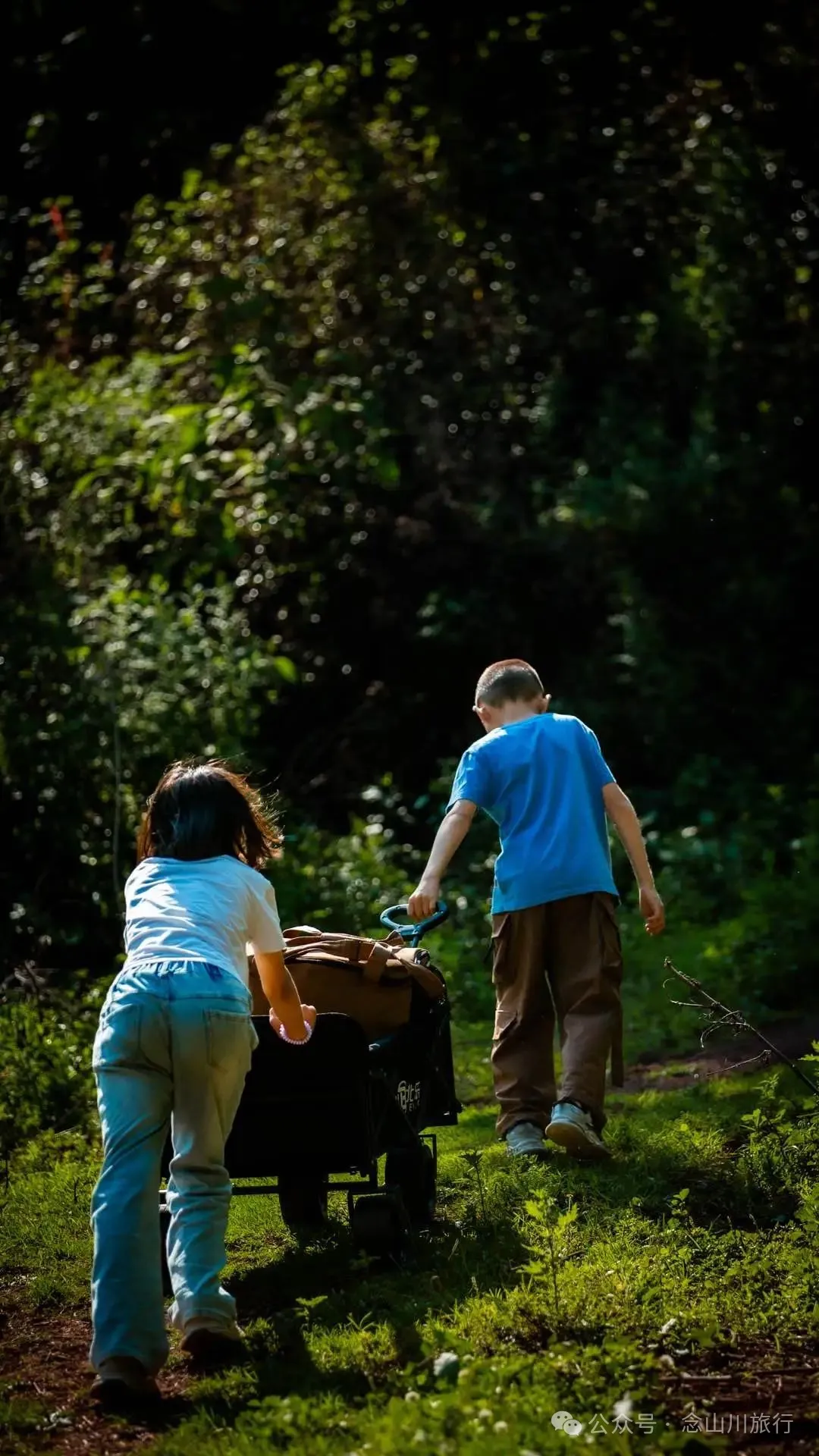
After taking photos outside Simali Village, we followed a gently rising stone path towards Yangshanpo Village, where the white house was located. The white house stood on the hilltop, with only a few distant neighbors within miles. The green area I had seen from afar turned out to be a large cornfield, enclosed by a fence of branches. A young mother sat with her child in the shade by the wall, enjoying the mountain breeze. She said that her house, along with the two we had passed and a few others down the hill and around the bend, made up Yangshanpo Village—no more than a dozen households, nothing much to see. She usually worked in the county town with her little boy and only returned to the village on weekends to farm. The boy seemed happy to come back to the white house on the hilltop, their true home, joyfully riding a scooter and chatting with his mother.
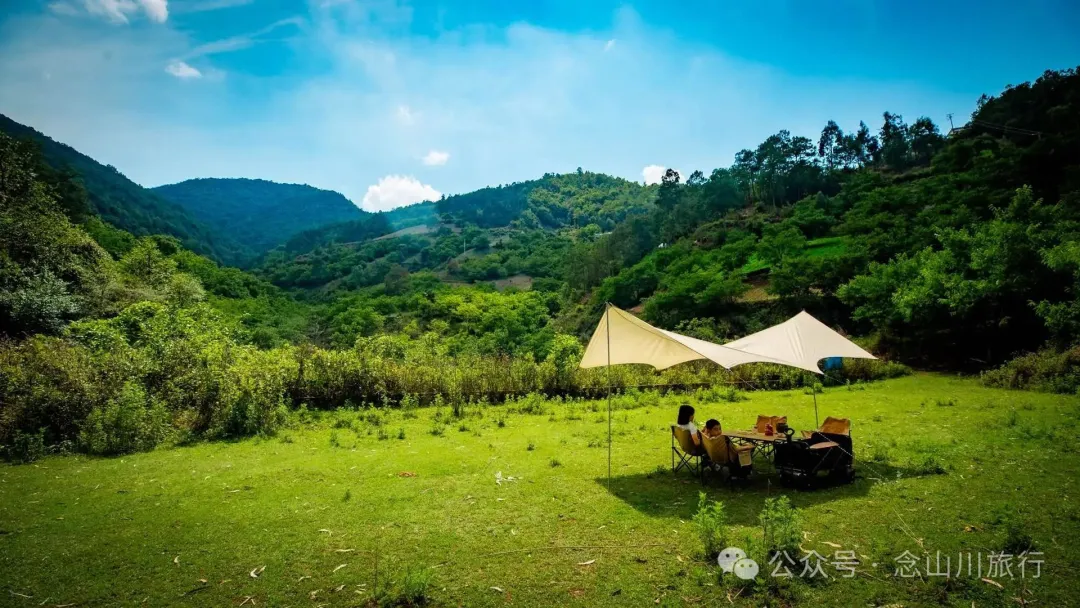
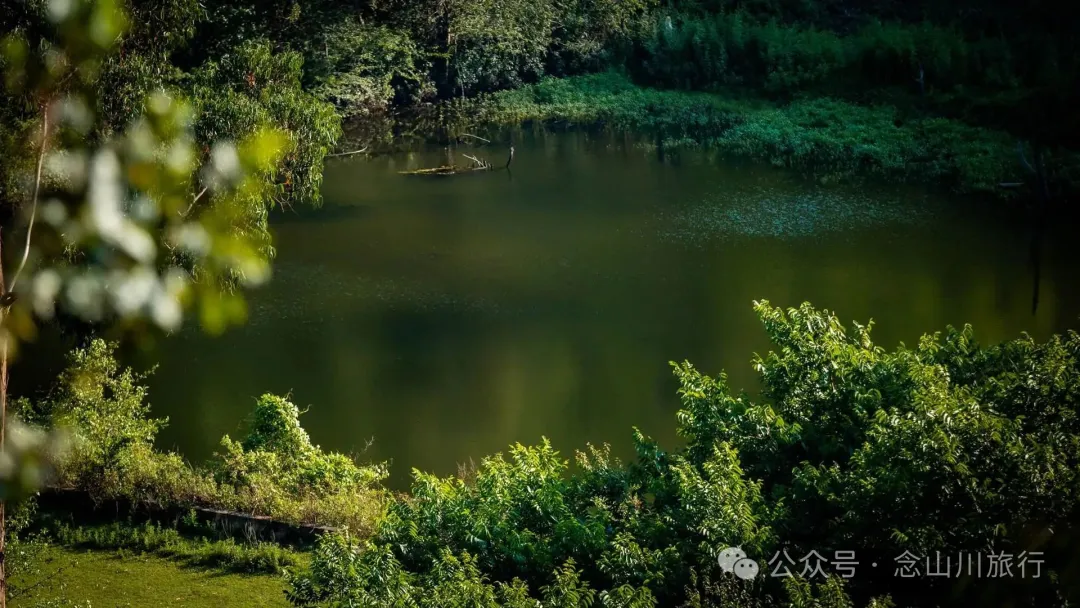
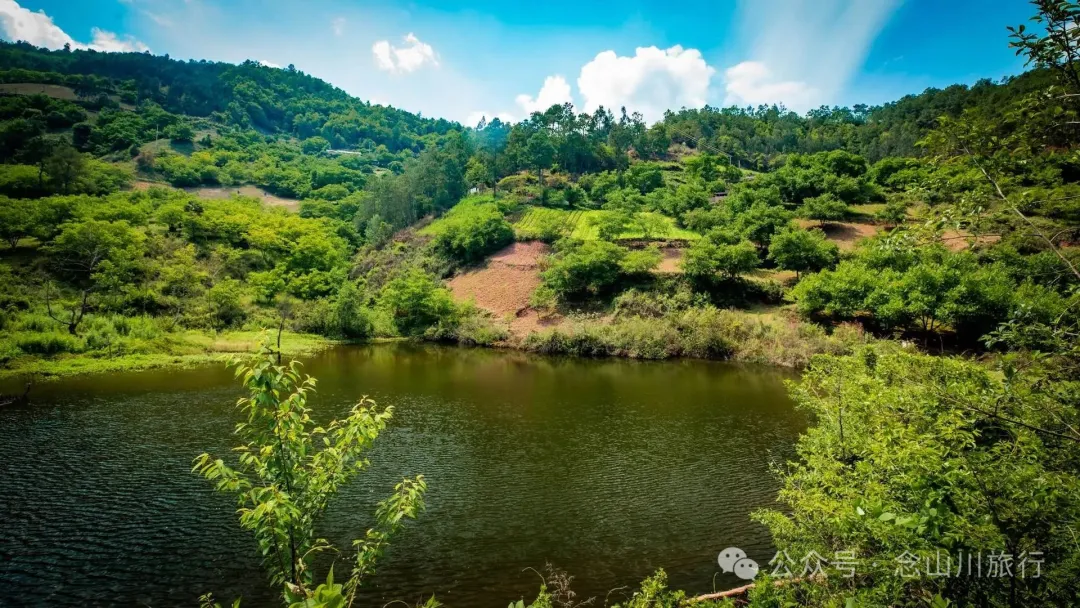
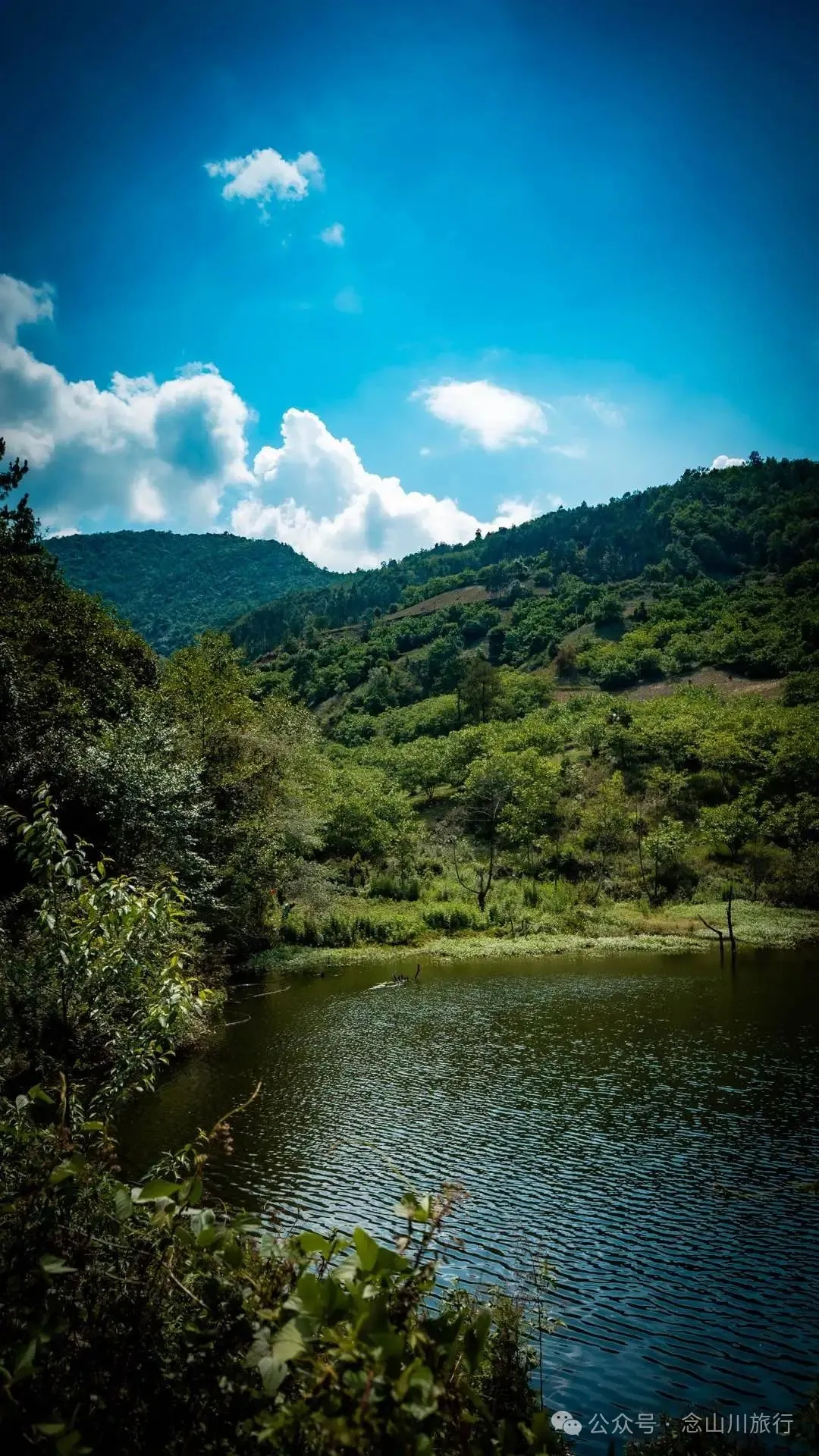
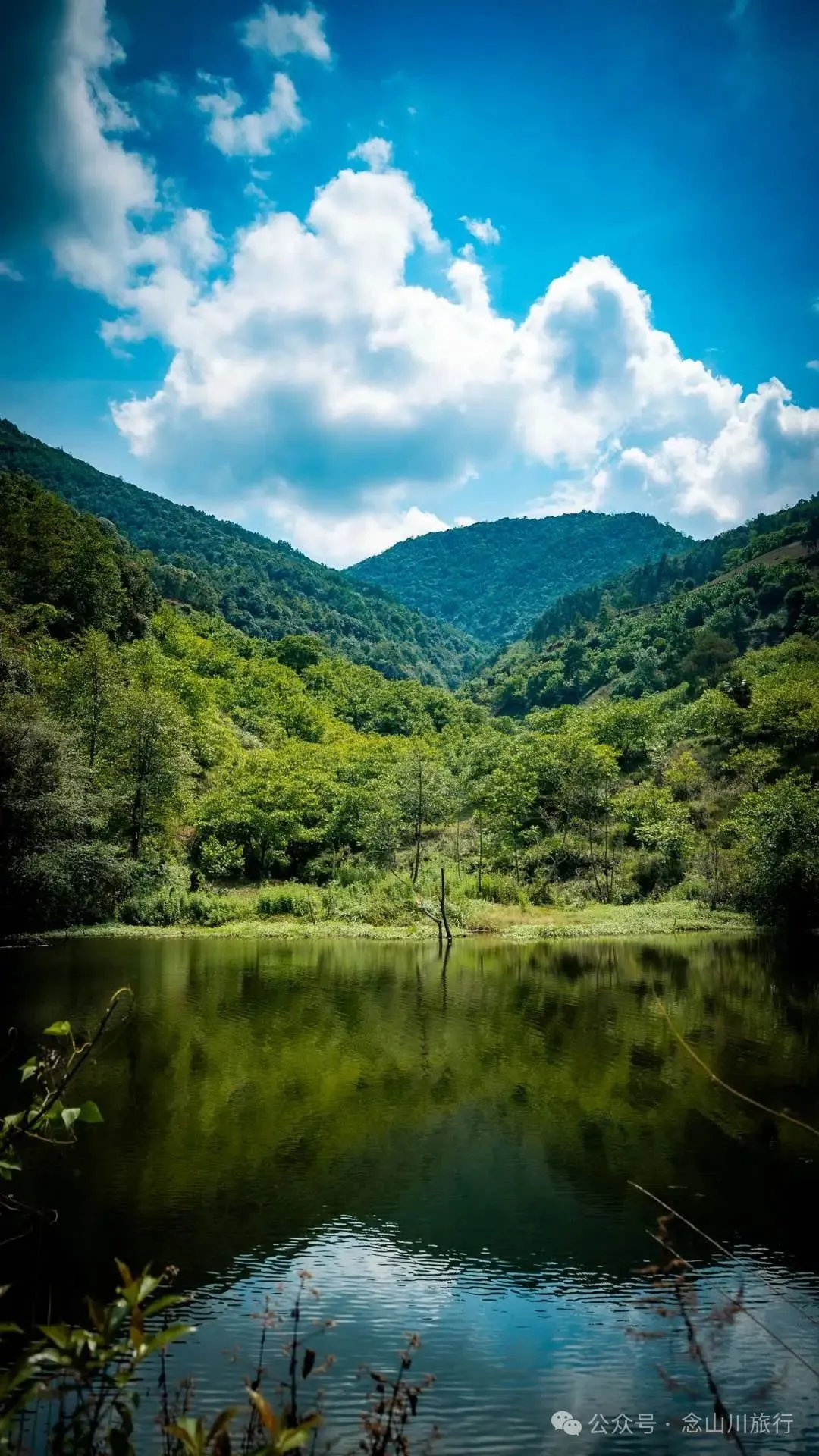
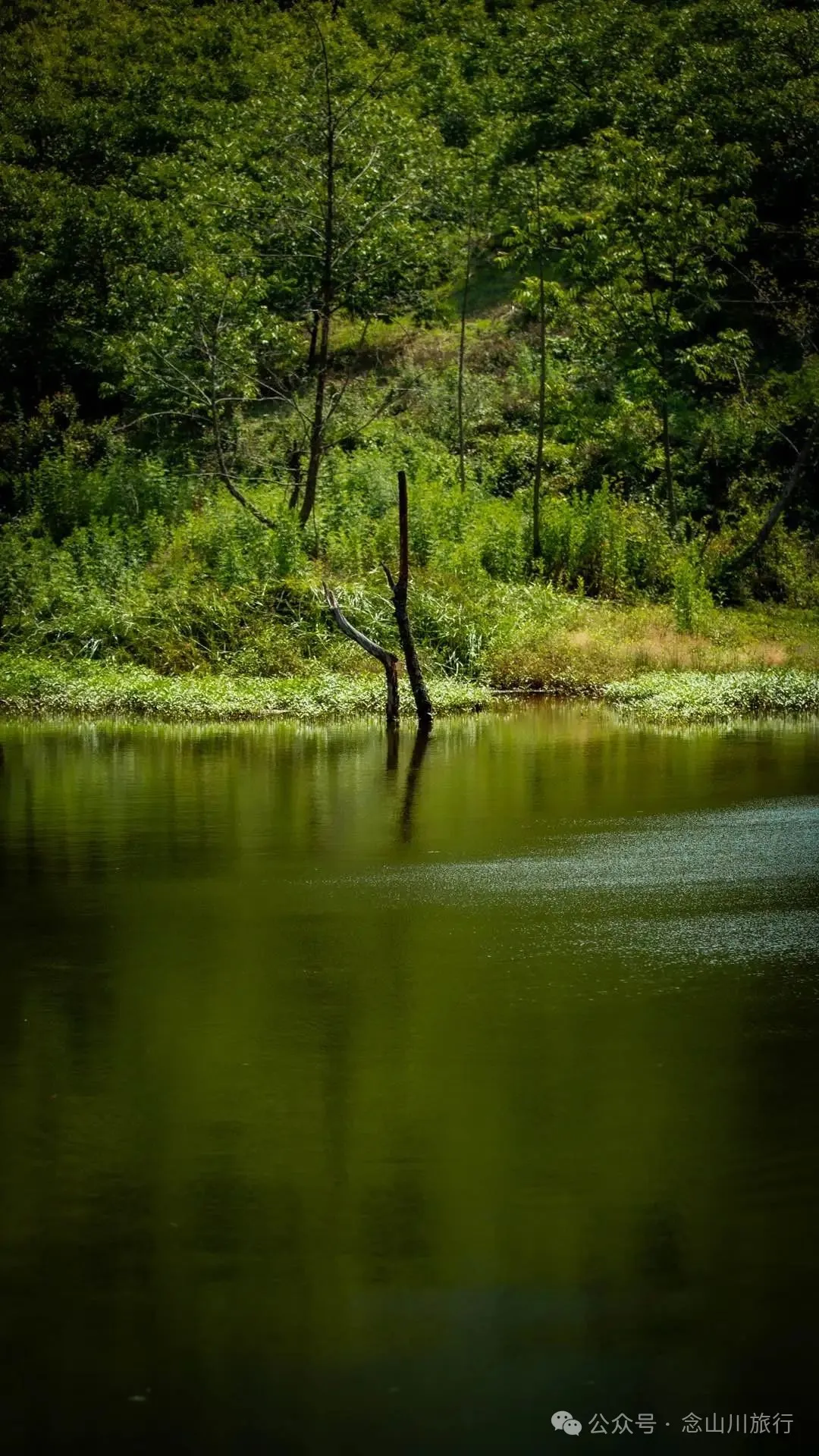
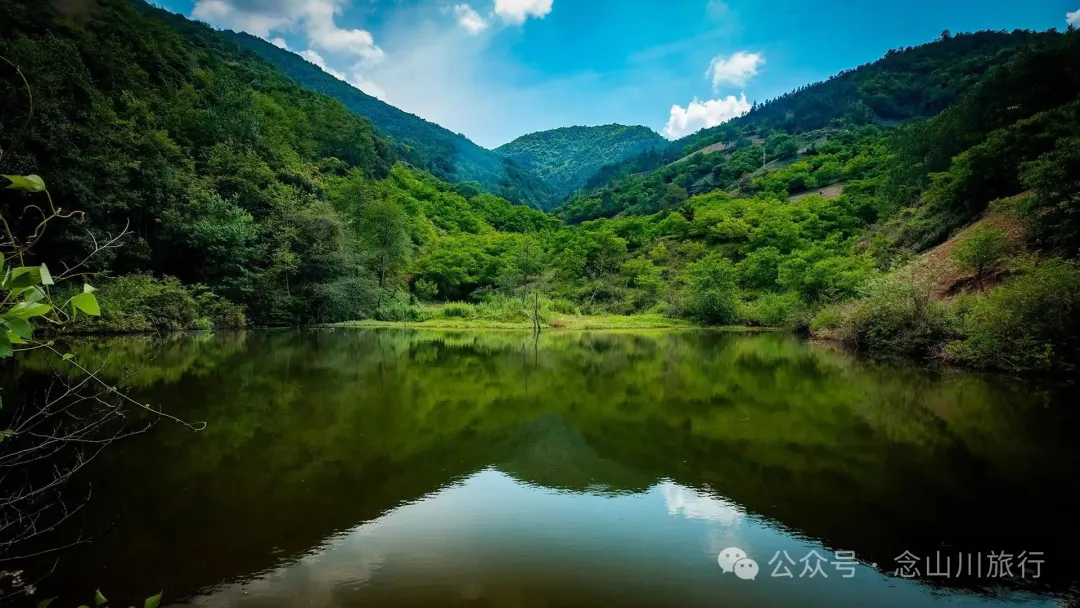
Before leaving, we stepped into the garden in front of the white house to take a look at the dense forest in the distance. Unexpectedly, we spotted an emerald-green pond in the deep valley from the cliff edge. The hostess told us the pond was natural, fed by a constant spring from the mountaintop. We asked for the path down to the pond and, after several attempts, finally reached its edge. In drought-prone Weishan, such a natural pond is rare, hidden secretly in this small village of only a dozen households, nestled within the barrier of towering green mountains, untouched by dust.
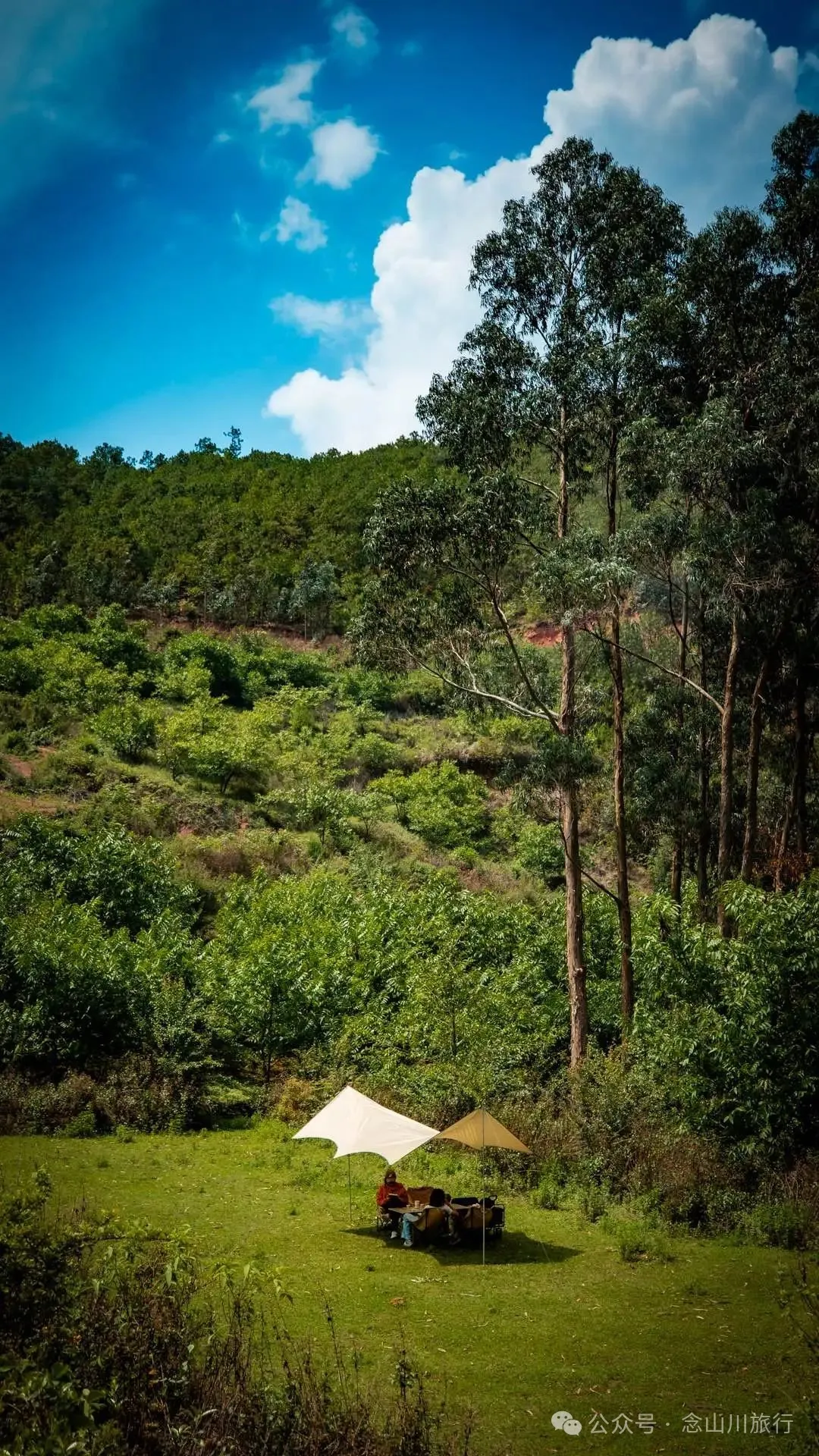
We sat on the grass nearby. The pond water rippled gently through a tangle of wild grass, and frogs croaked all around, one after another. The afternoon sun was still blazing hot, and the distant peaks were shrouded in a faint haze, hazy and dreamy—perfect for a nap here. On the slope not far from the pond was a house, where the couple was weeding their cornfield under a walnut grove. They looked at us strangers with curiosity, as if we were unexpected crops sprouting in their field. Probably, few outsiders ever came here.
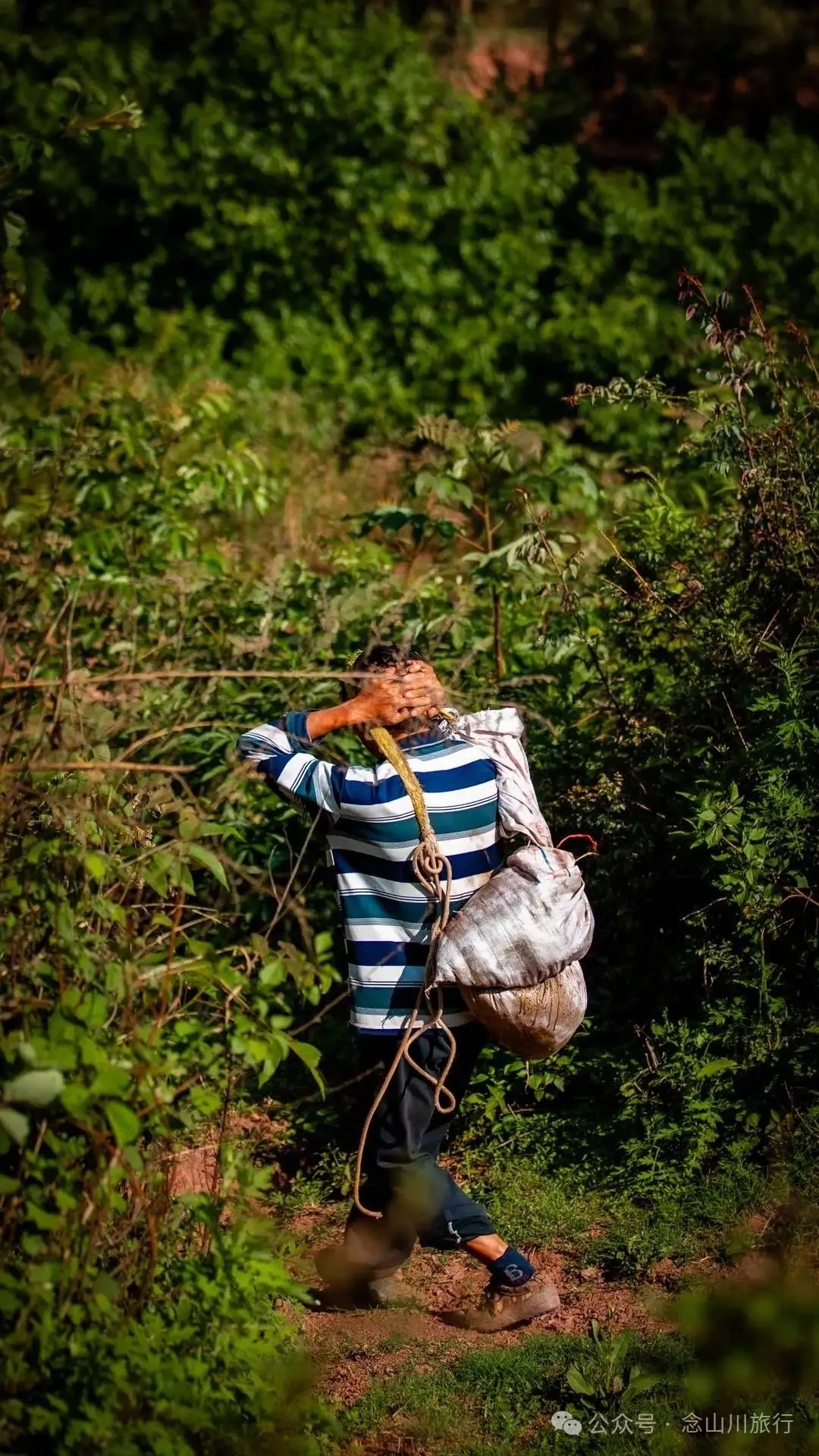
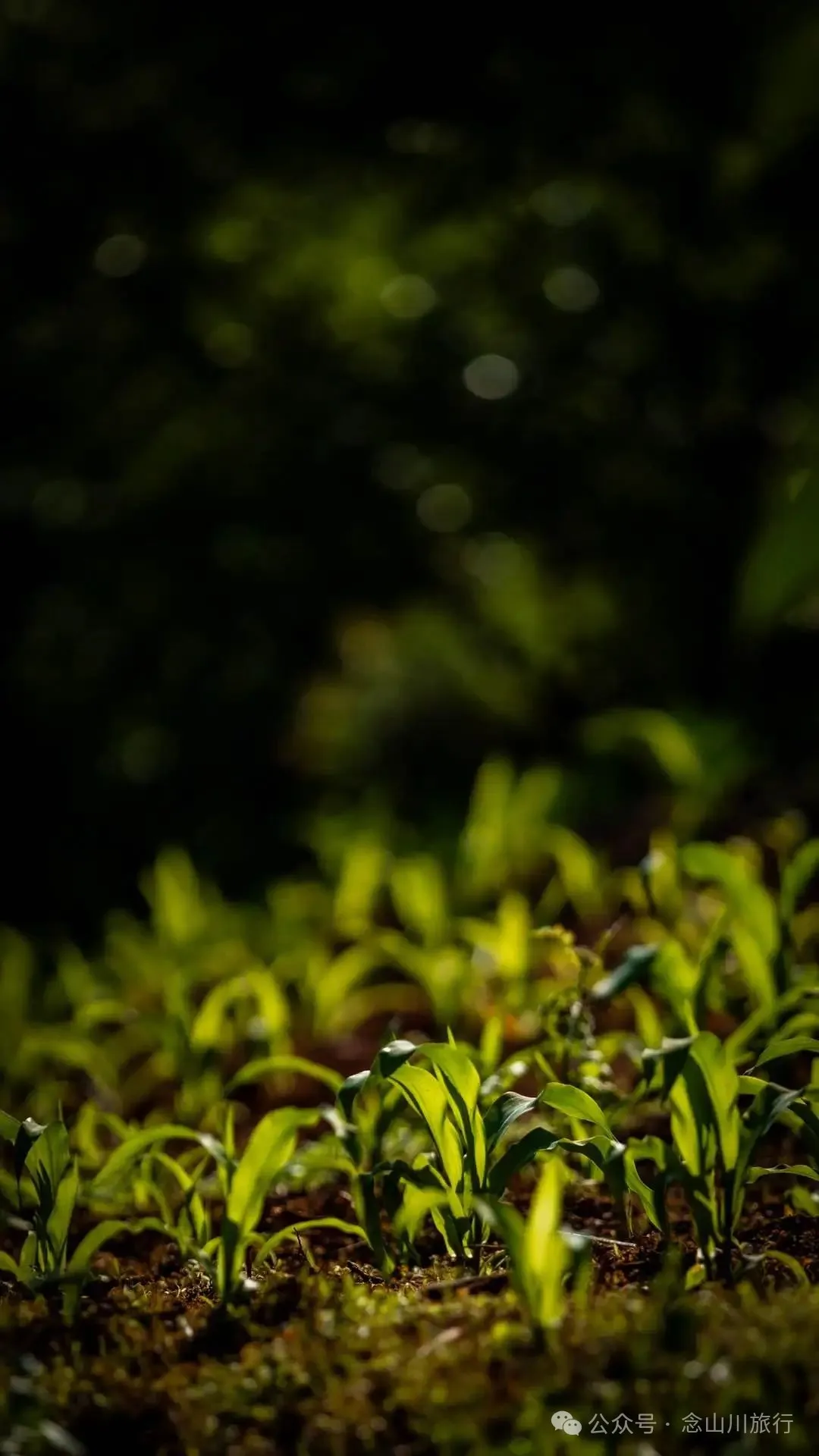
As the sun moved westward, the mountain breeze grew cooler. The villagers finally went out with fertilizer to work in the cornfields. The young plants, sucking up ample sunlight and moisture in the barren hills, were thriving, reassuring the farmers.
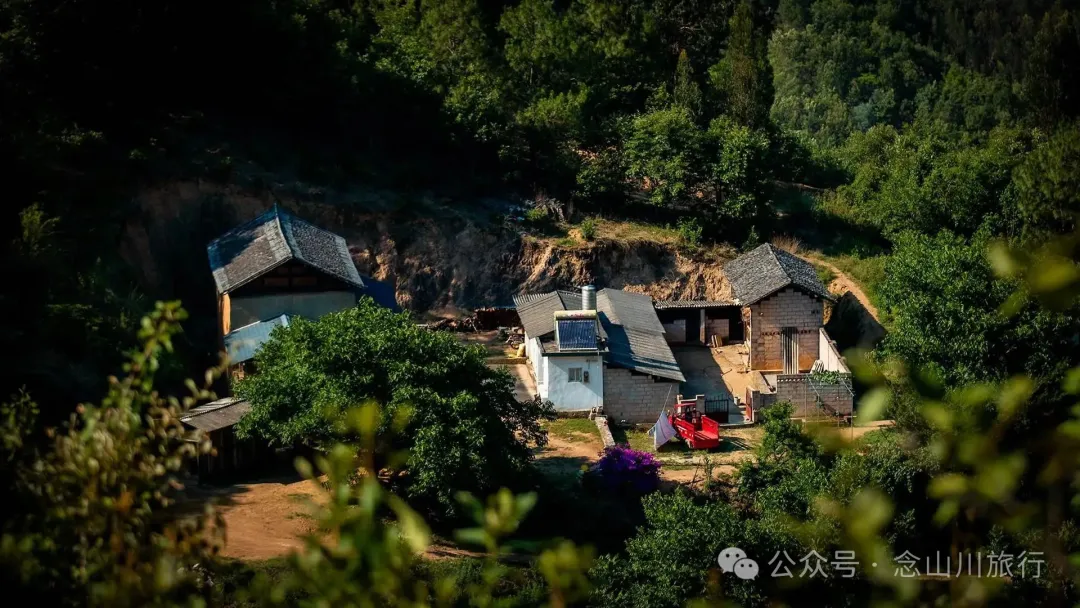
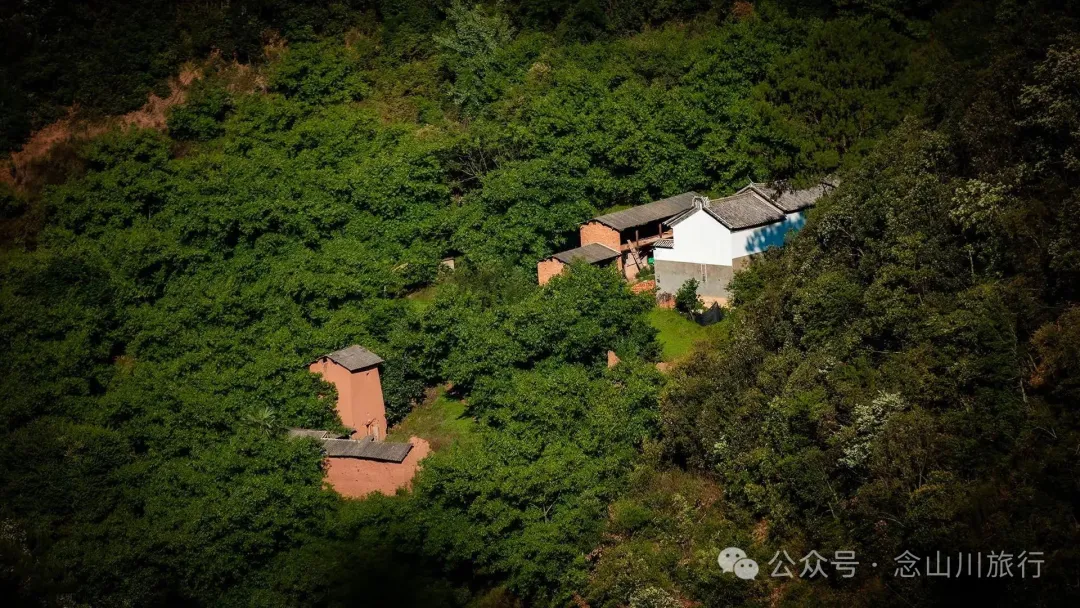
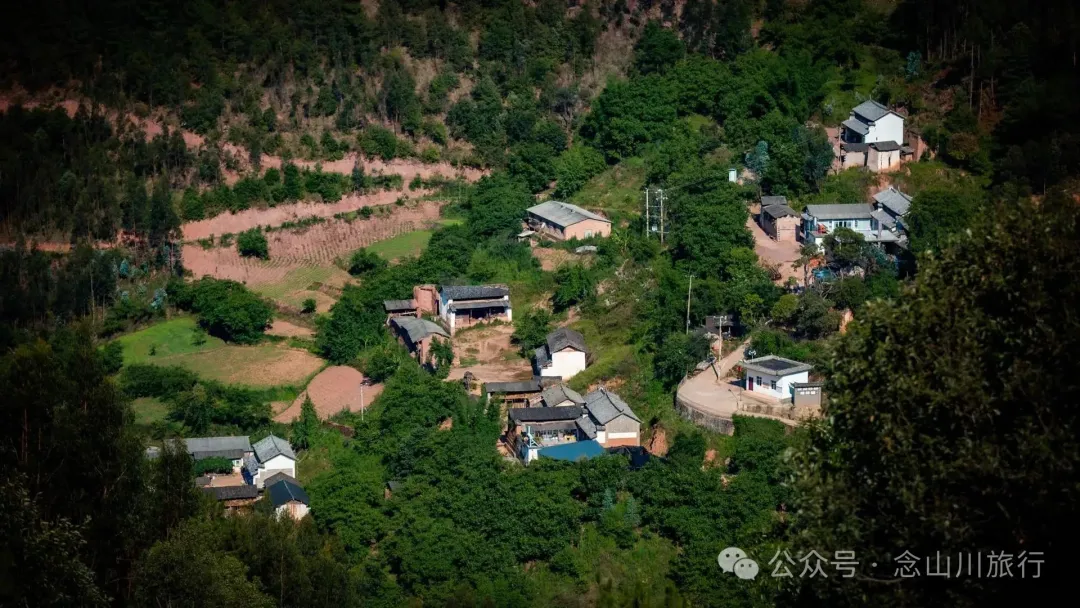
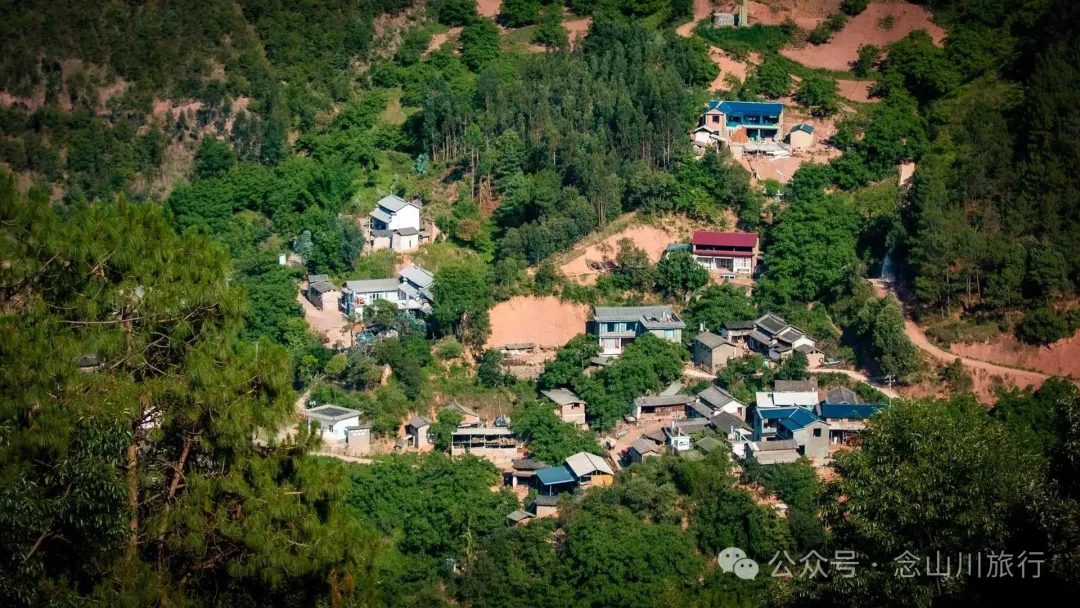
I couldn't forget the other households of Yangshanpo Village I had seen from Simali Village, so I rushed along the brown mountain path to catch up with the unseen scenery beyond the hill. The road was longer than I expected. To save time, I unhesitatingly plunged into a pine forest path, ignoring the countless distracting forks that would later make me turn back. I don't know how long I ran, but I finally stepped into a young cornfield, and the remaining houses in the valley unfolded before me, like white azaleas hidden in the branches by the roadside. From afar, the sounds of roosters and dogs drifted over, and the sunset truly arrived.
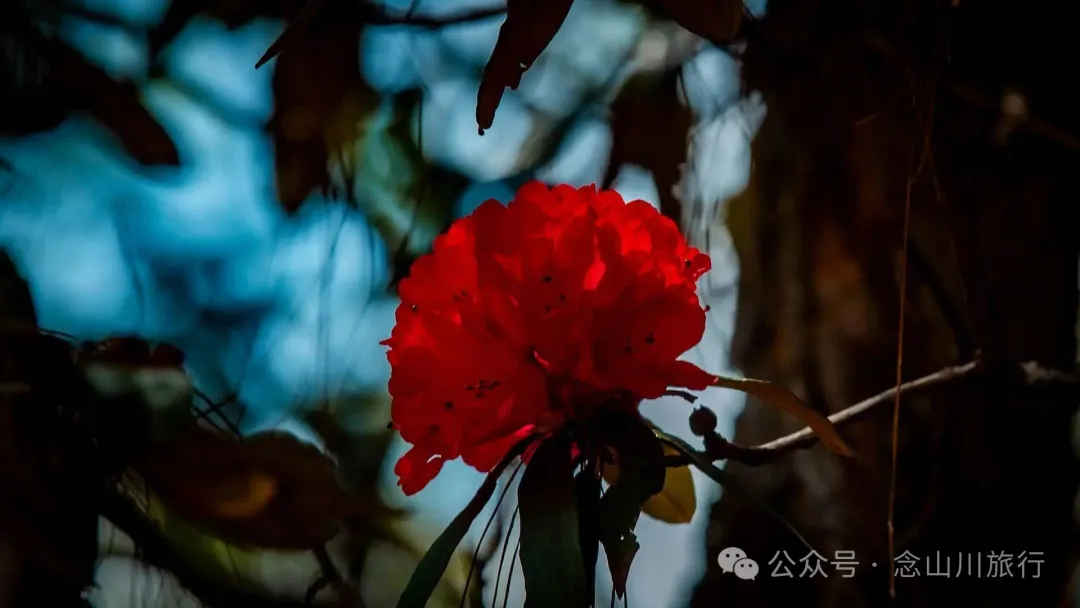
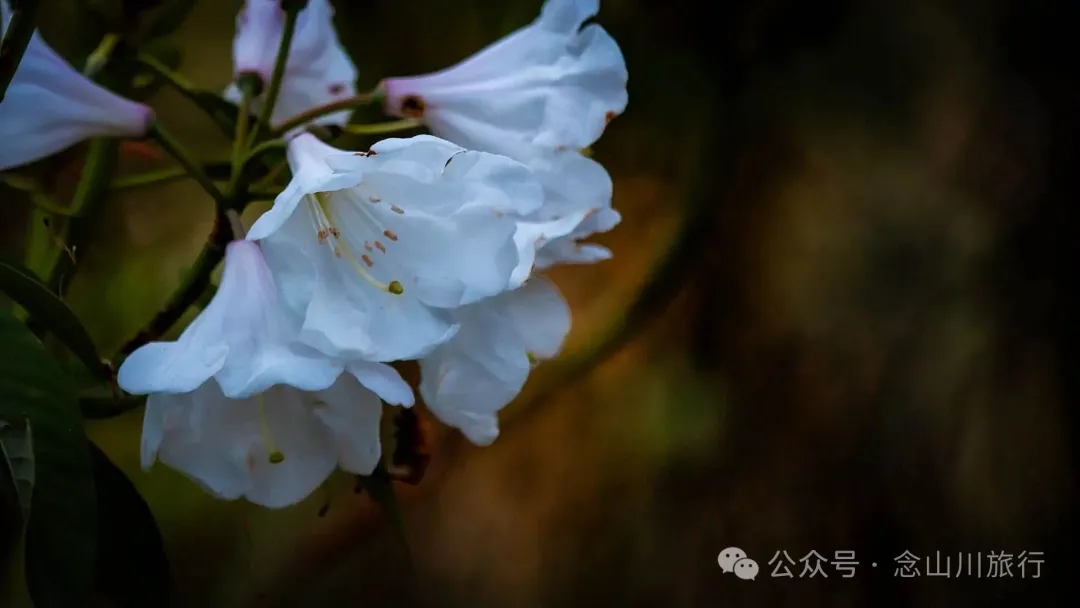
I hurried back along the pine forest path. At a fork, I overestimated my judgment and unthinkingly took the left downward path. After trekking through a pristine jungle for over ten minutes, I reached a hidden stream and realized I had taken the wrong way. Looking up in the deep valley, I saw no trace of a path, but I knew the forest path I had come from must be on the slope to my right. Using all four limbs, almost crawling, I struggled to climb the nearly vertical steep slope. Only then did I understand why the village was called Yangshanpo (Goat Slope). The rocks on the slope were so eroded that they crumbled at a touch, and layers of dried oak leaves covered the ground, turning the slope into a chaotic slide—probably only goats could walk freely here.
When I finally grabbed a tough exposed pine root and flipped myself onto the path, panting, a mountain breeze swept around from afar, bringing a strong coolness into my dry, sticky mouth, as if carrying much-needed moisture. The sunset had already fallen on the wall of a house hidden in the pine forest in the valley, like hollyhocks blooming at the corner, accompanying the dwelling into the cool night, waiting for the stars to twinkle.