
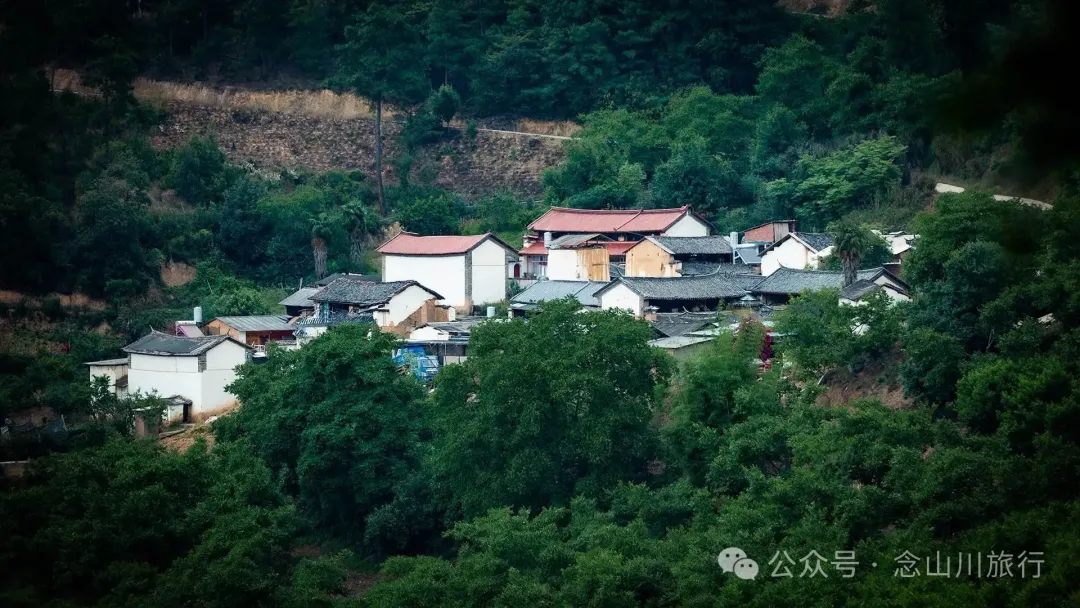
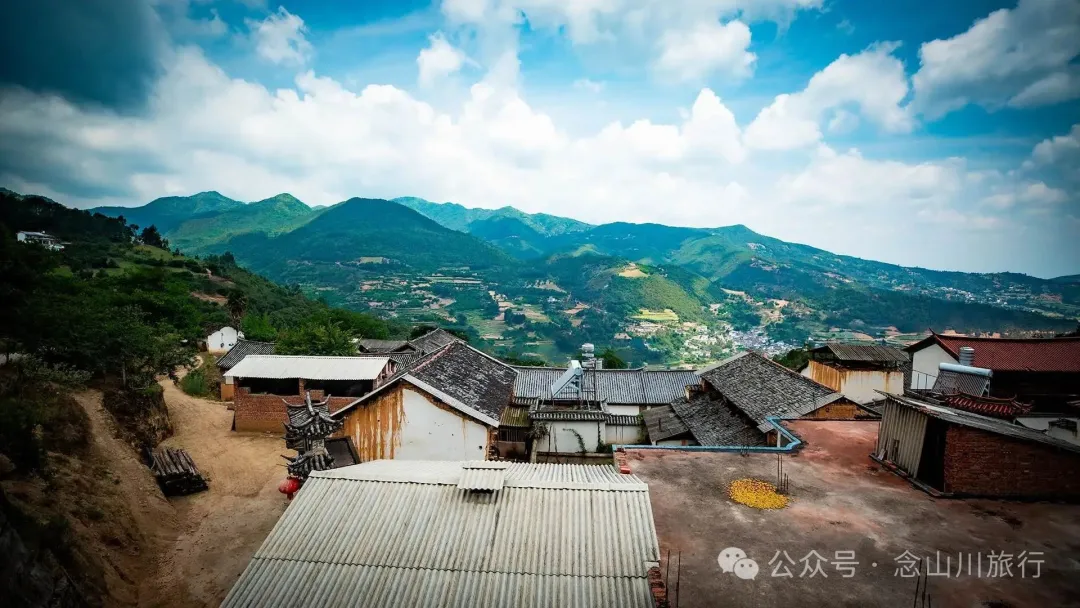
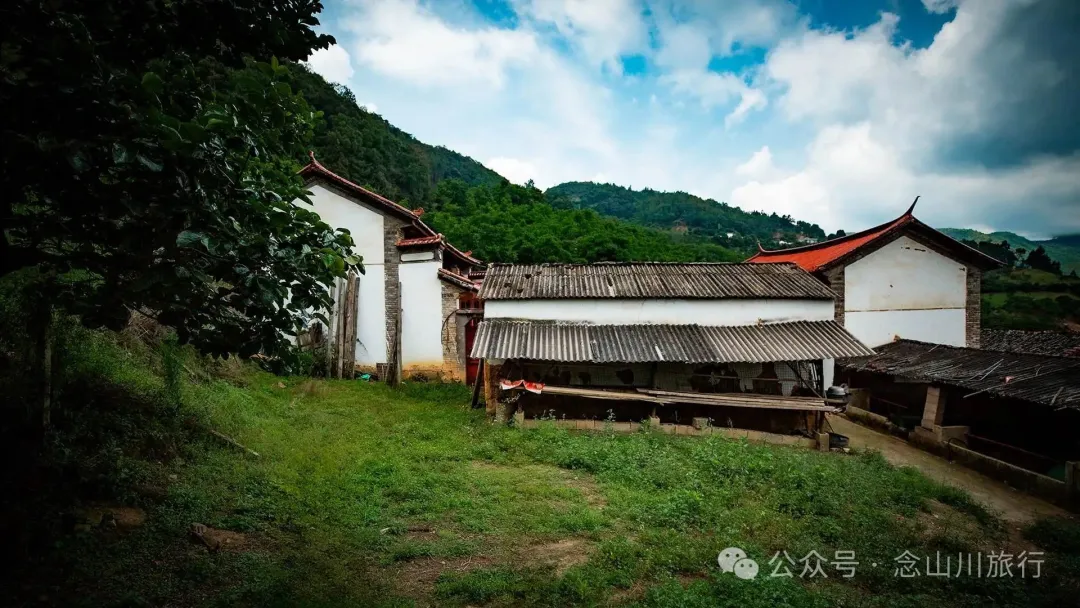
After wandering around Huangjia Village in Weibao Mountain Township twice, I still couldn't count how many households this tiny village has—six, seven, or perhaps there are families hidden among the big trees like in Yangshanpo Village, hard for outsiders to find. In short, Huangjia Village is a very small village, nestled under a slope beside the main road, facing the rolling mountains in the distance day after day, with tranquility written into every corner. Even during the day, the village is silent, without a sound.
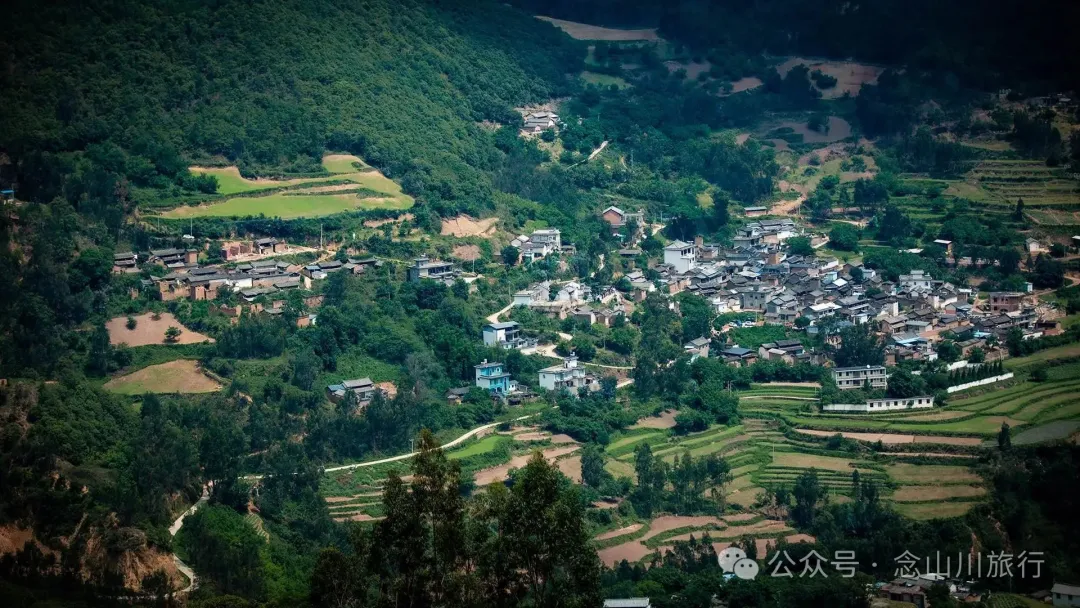
Standing in Huangjia Village and looking into the distance, Longtan Village at the foot of the opposite mountain is fully visible, much larger than Huangjia Village—a truly big village. The sounds of roosters crowing, dogs barking, and people talking from that village can even reach this quiet little village. But Huangjia Village remains silent in its own small world, with only the unrestrained chirping of birds floating through the surrounding woods.
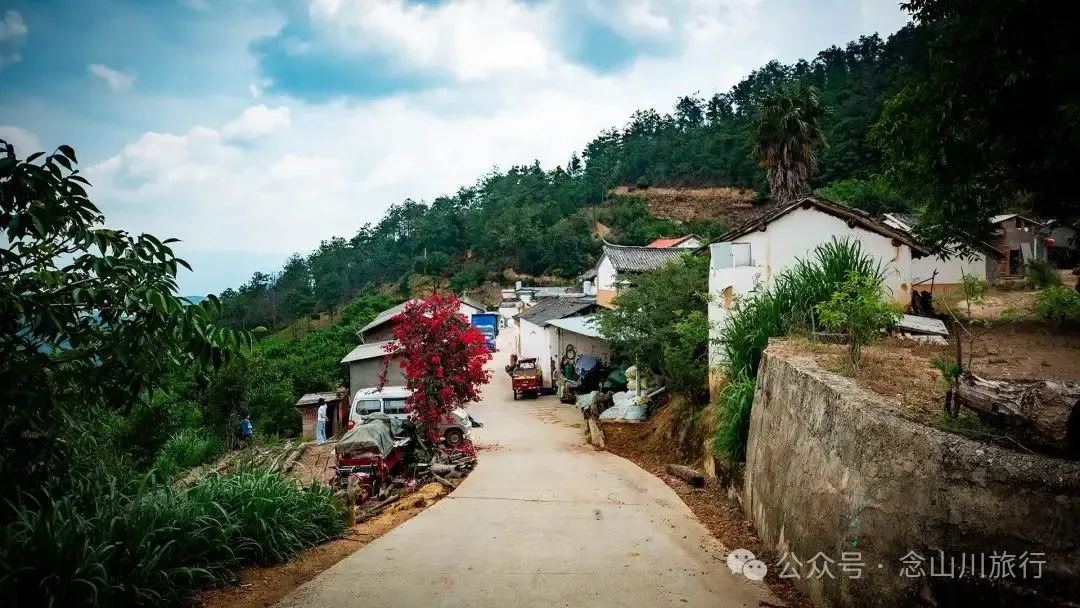
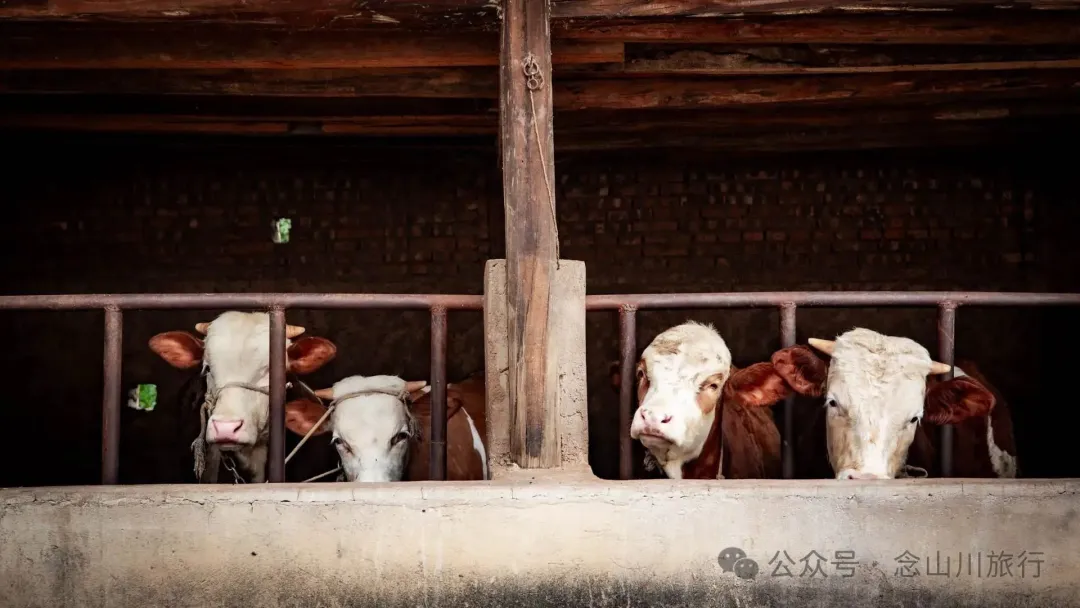
Walking into Huangjia Village along the cement road, the first household's cattle shed and the owner's residence are separated by the road. Seeing strangers, several yellow cattle chewing hay in the shed walk to the fence, curiously staring at the strangers. Although their curious eyes show some alertness, they do not let out frightened moos, remaining silent with serious expressions, only following the strangers' movements with their eyes. Not only them, but we also didn't hear a single dog bark, only the sound of a group of chickens scratching for food in the low bushes on the roadside slope.
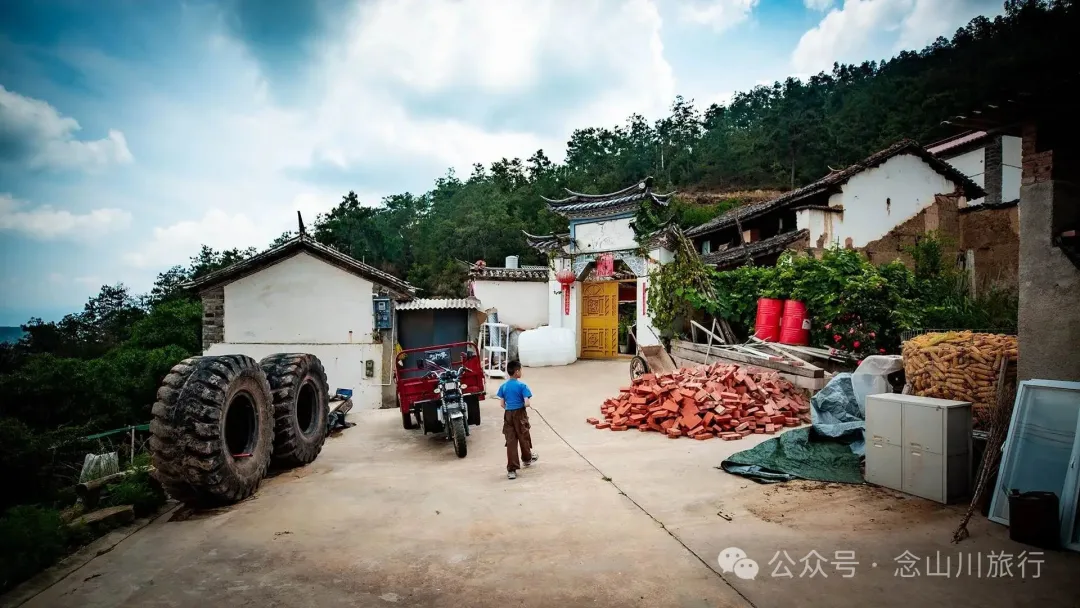
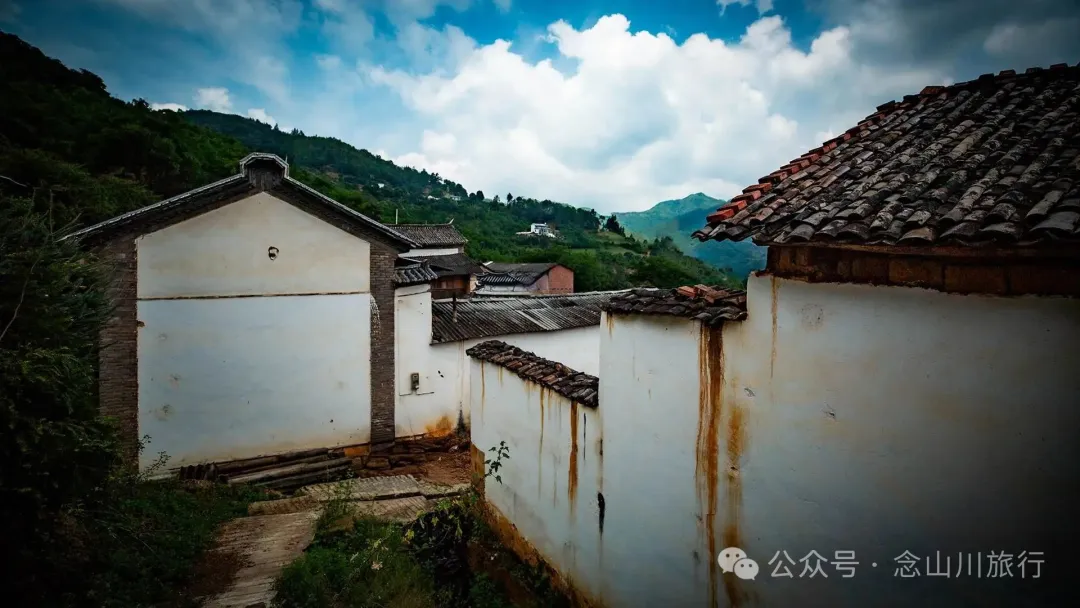
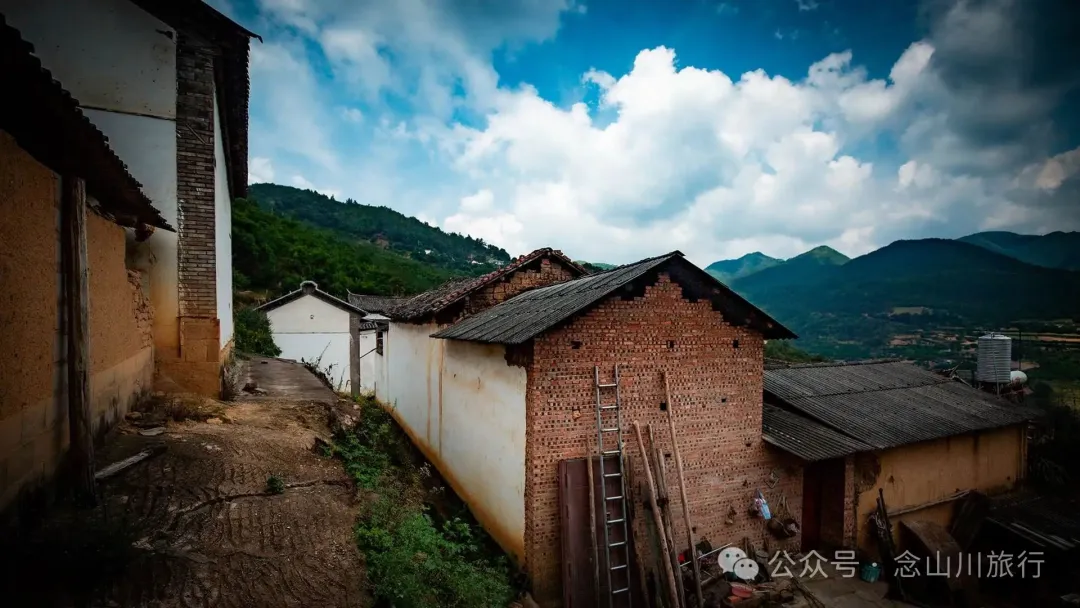
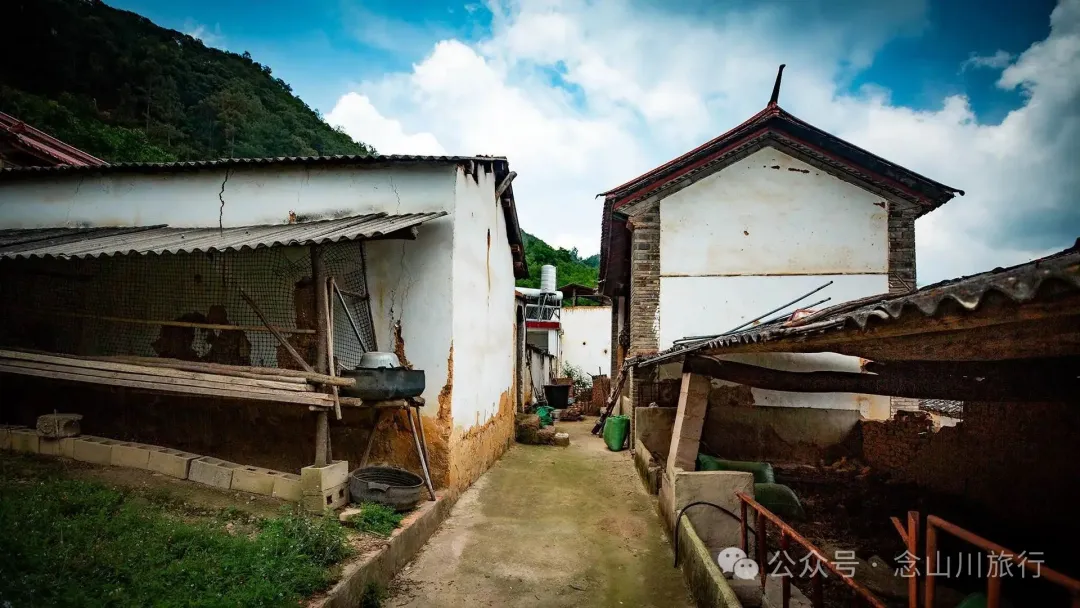
We made brief stops in front of almost every household in Huangjia Village, hoping to see a warm-hearted villager come out from an open door to talk with us about the village's current situation, but we never saw a single person. The motionless scenes before us seemed as if the village had pressed the pause button, like scenes from a documentary without any waves, where everything naturally exists, happens, and remains in its original state, as if everything has kept its original form since the beginning of creation. The village clock seems to have stopped at the hour of the rooster's crow, no longer ticking.
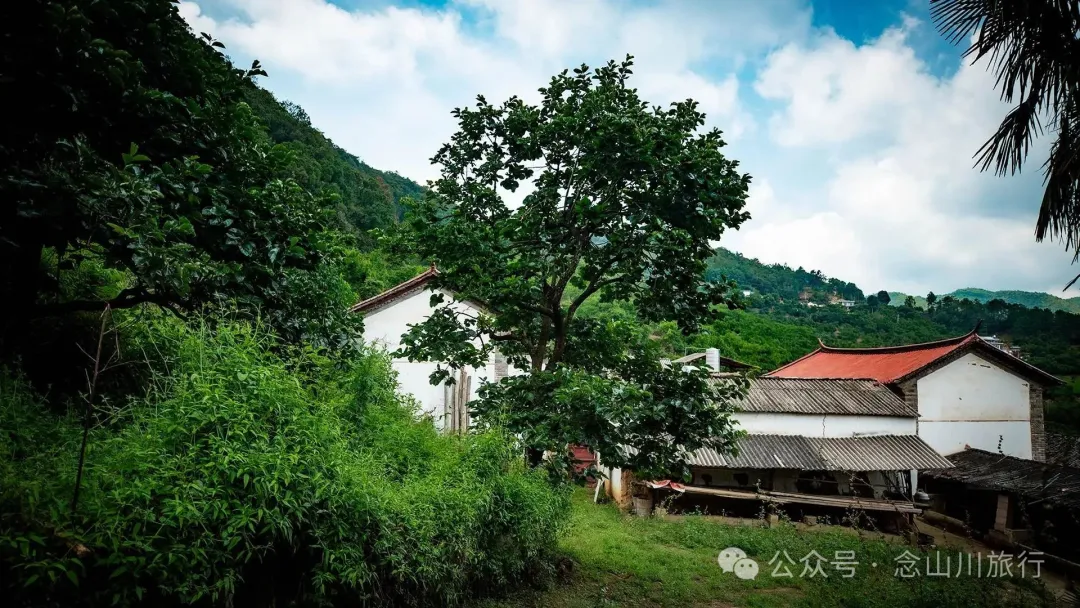
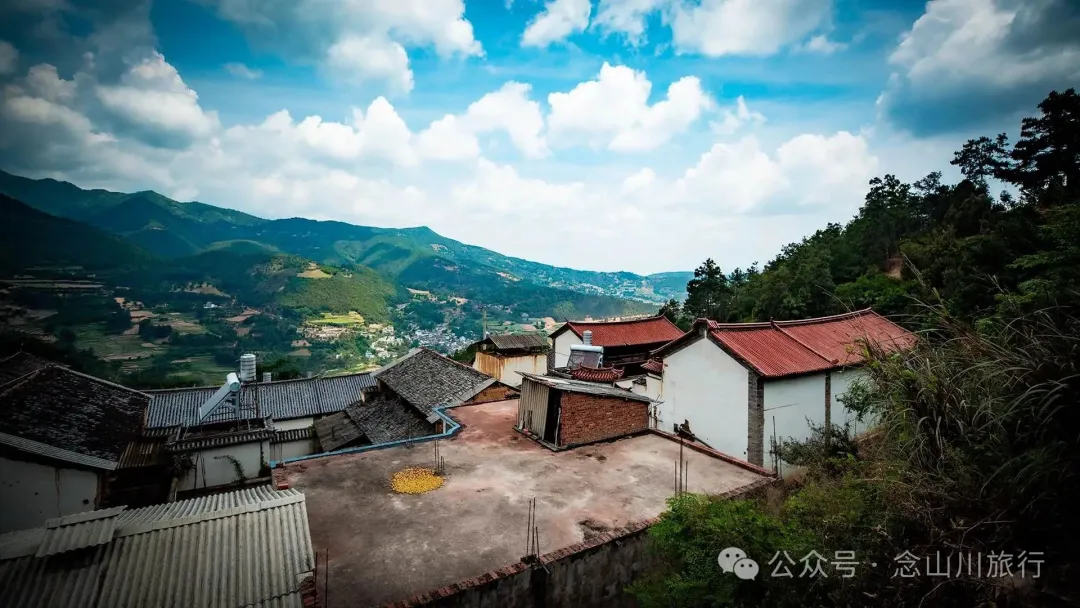
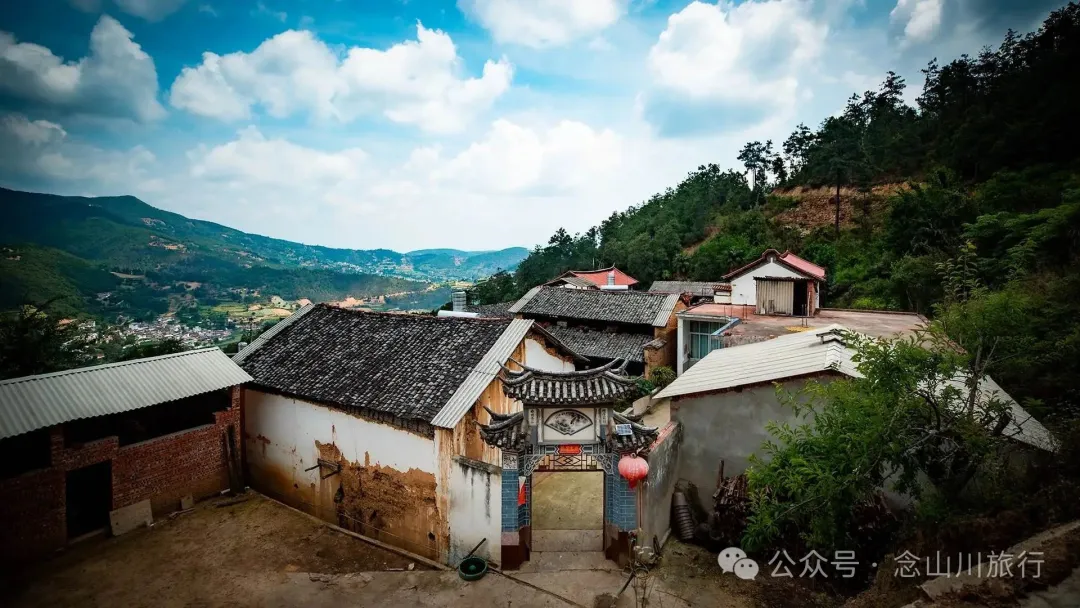
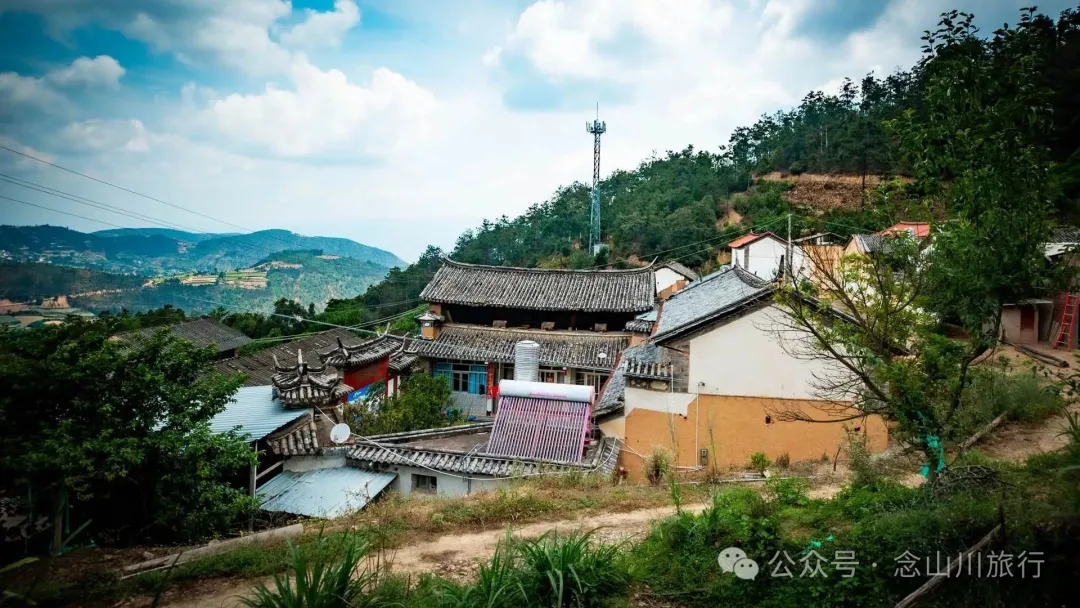
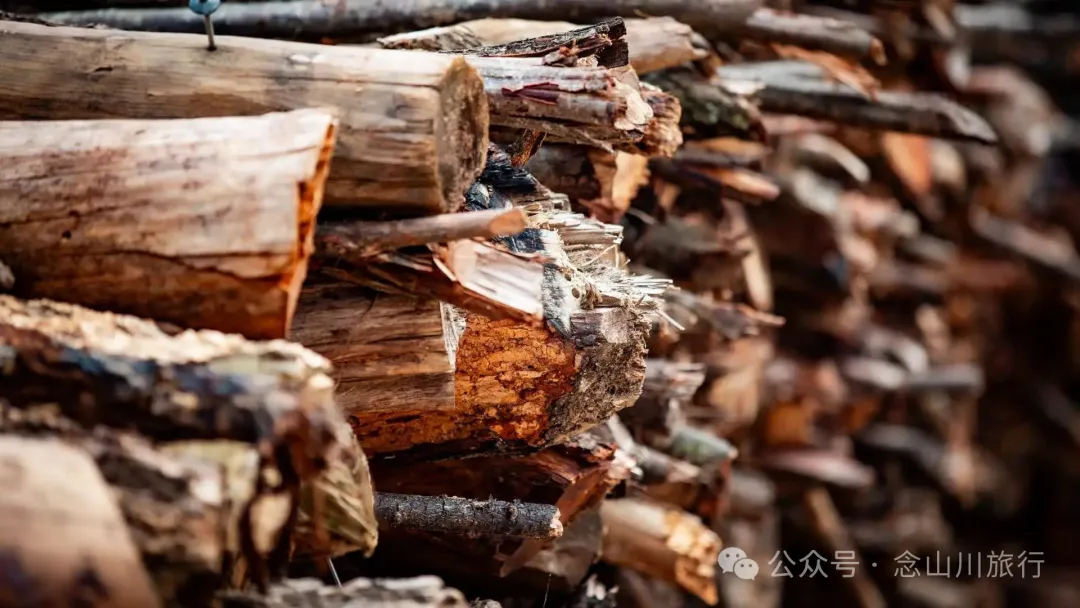
I think I know where all the people have gone. On the steep slope outside one household's yard, two large bamboo winnowing baskets are filled with old corn cobs, harvested last year, which serve as feed for the chickens, yellow cattle, and possibly even the goats. Summer is the season for planting corn, and tender seedlings have already emerged from the barren mountain fields by the roadside. If the villagers are not continuing to plant corn in the nearby mountain fields, they are likely weeding or fertilizing in the cornfields.
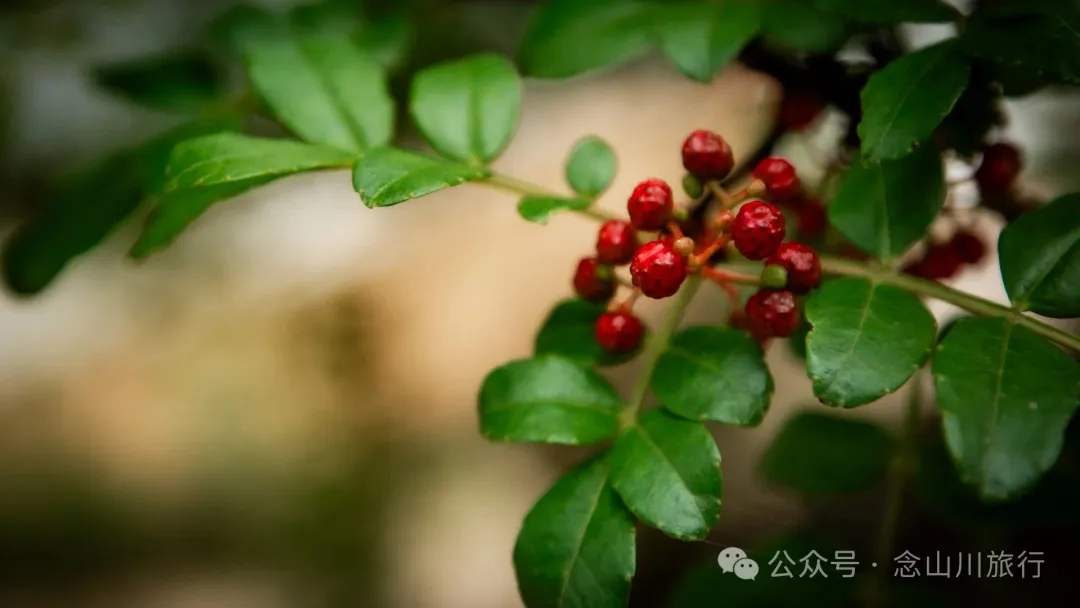
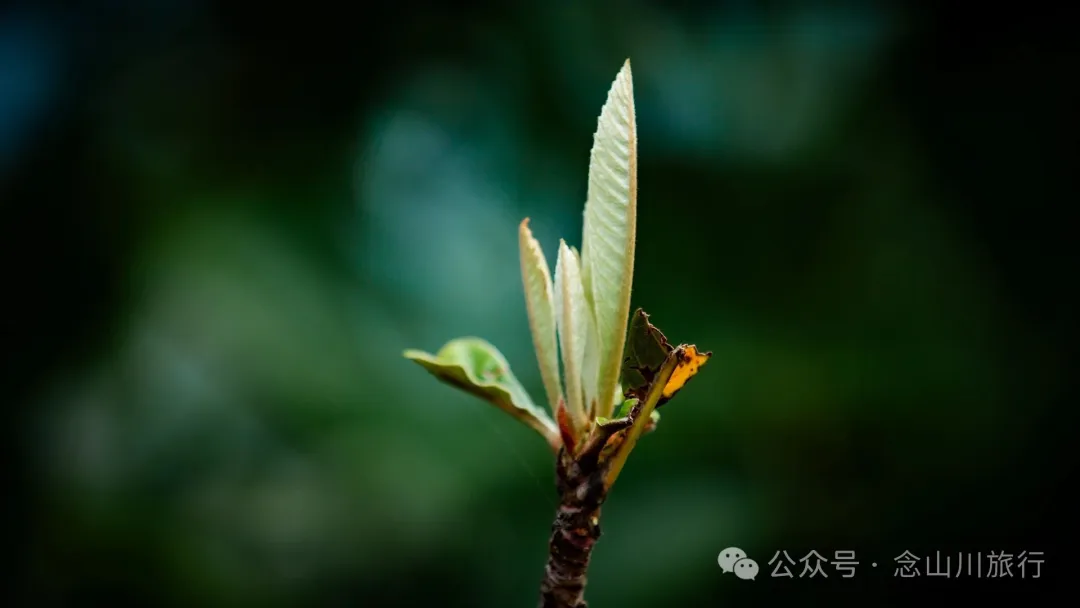
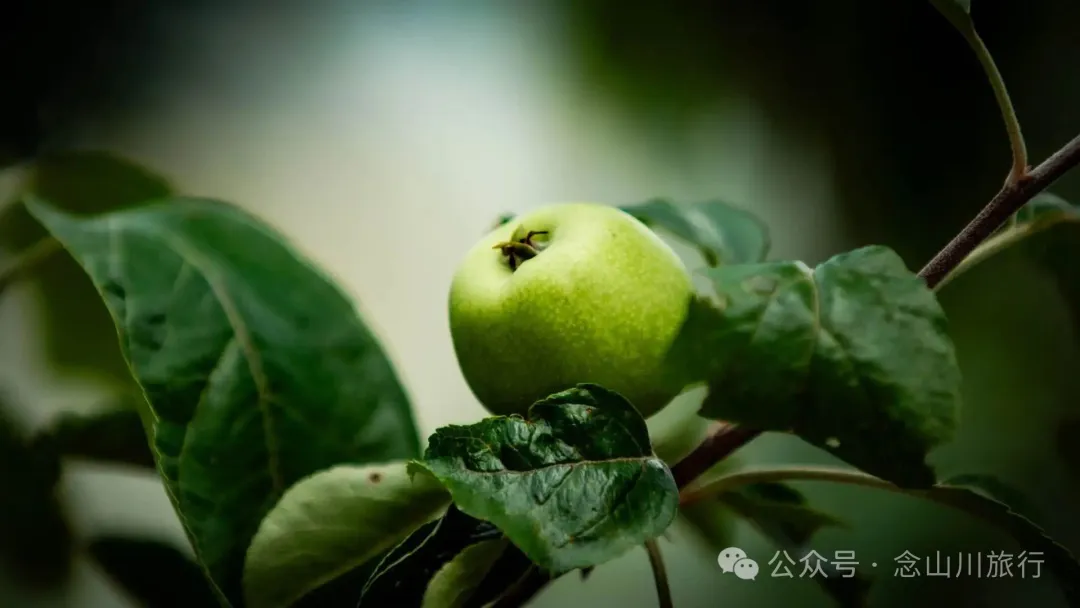
During the day, in the busy farming season, the village is not entirely an "empty village." The yellow cattle in the sheds, the chickens foraging in the weeds, the sparrows resting on the telephone poles, the squirrels that suddenly jump out from the cobwebbed eaves and then quickly hide—they all guard their respective corners of the village, playing a plain pastoral song with different rhythms. Even the flowers and fruits on the branches, growing day by day, look forward eagerly in the peaceful years, hoping that autumn will soon lead them to maturity, to harvest, and to the next ordinary cycle.
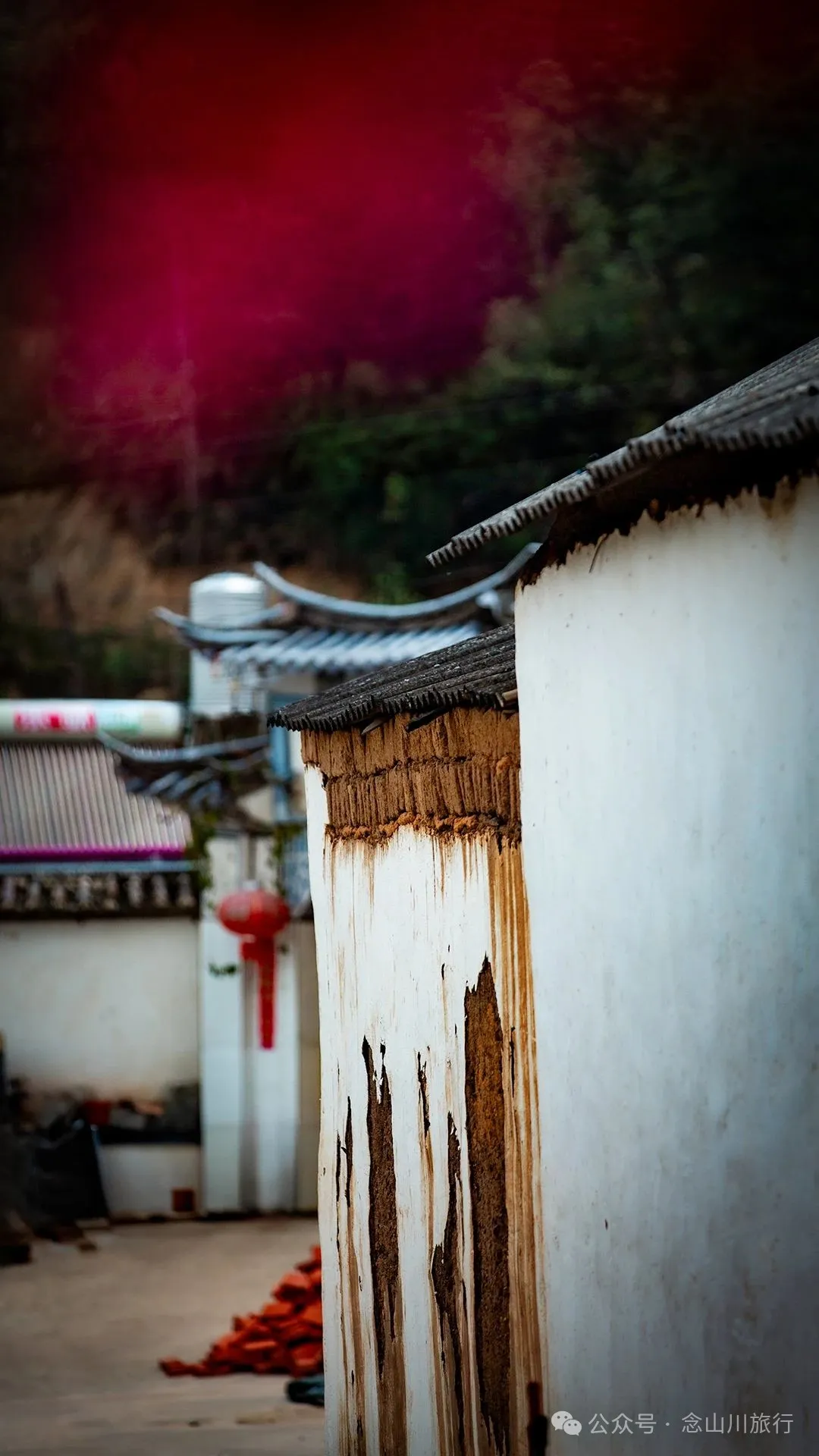
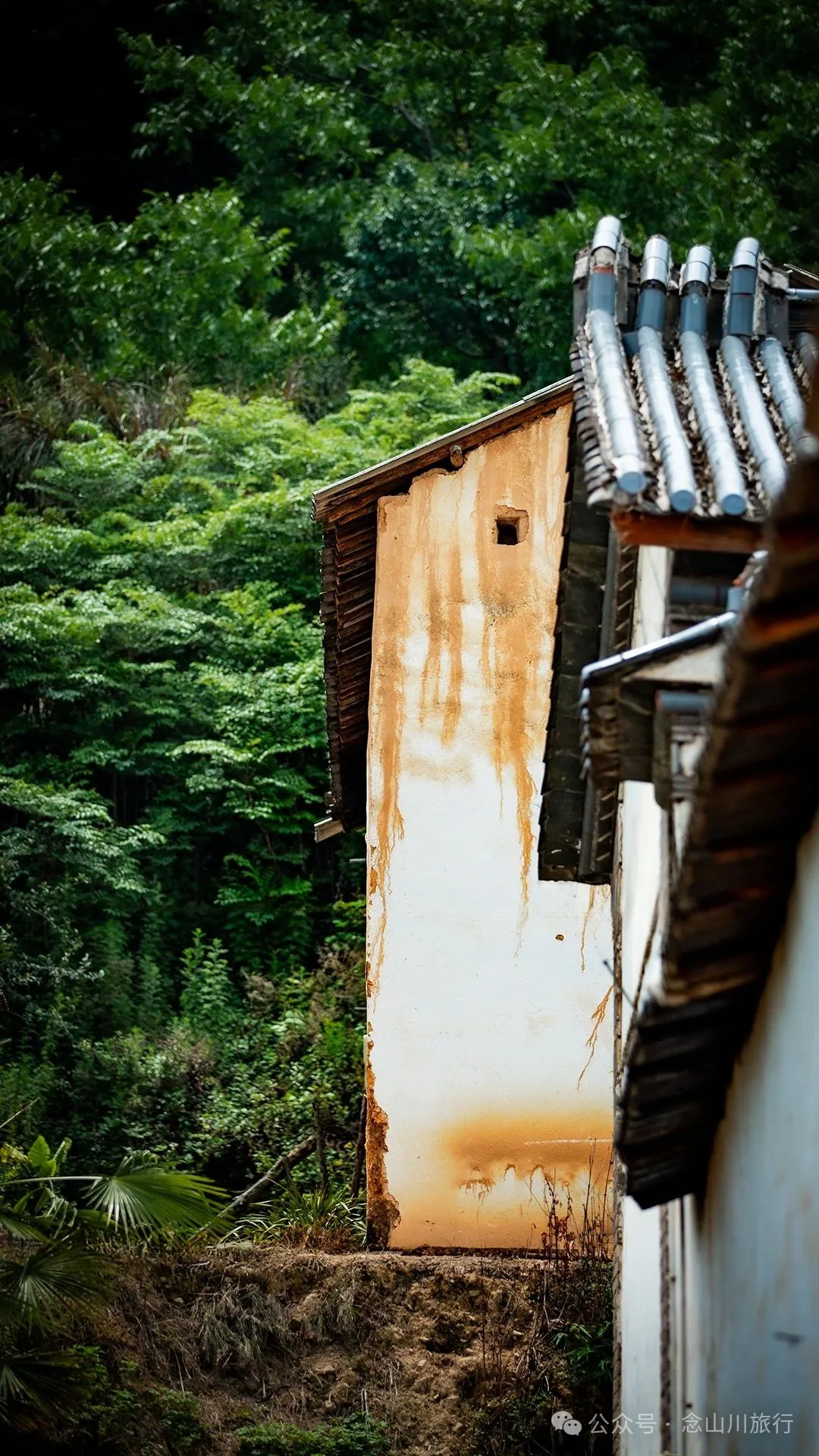
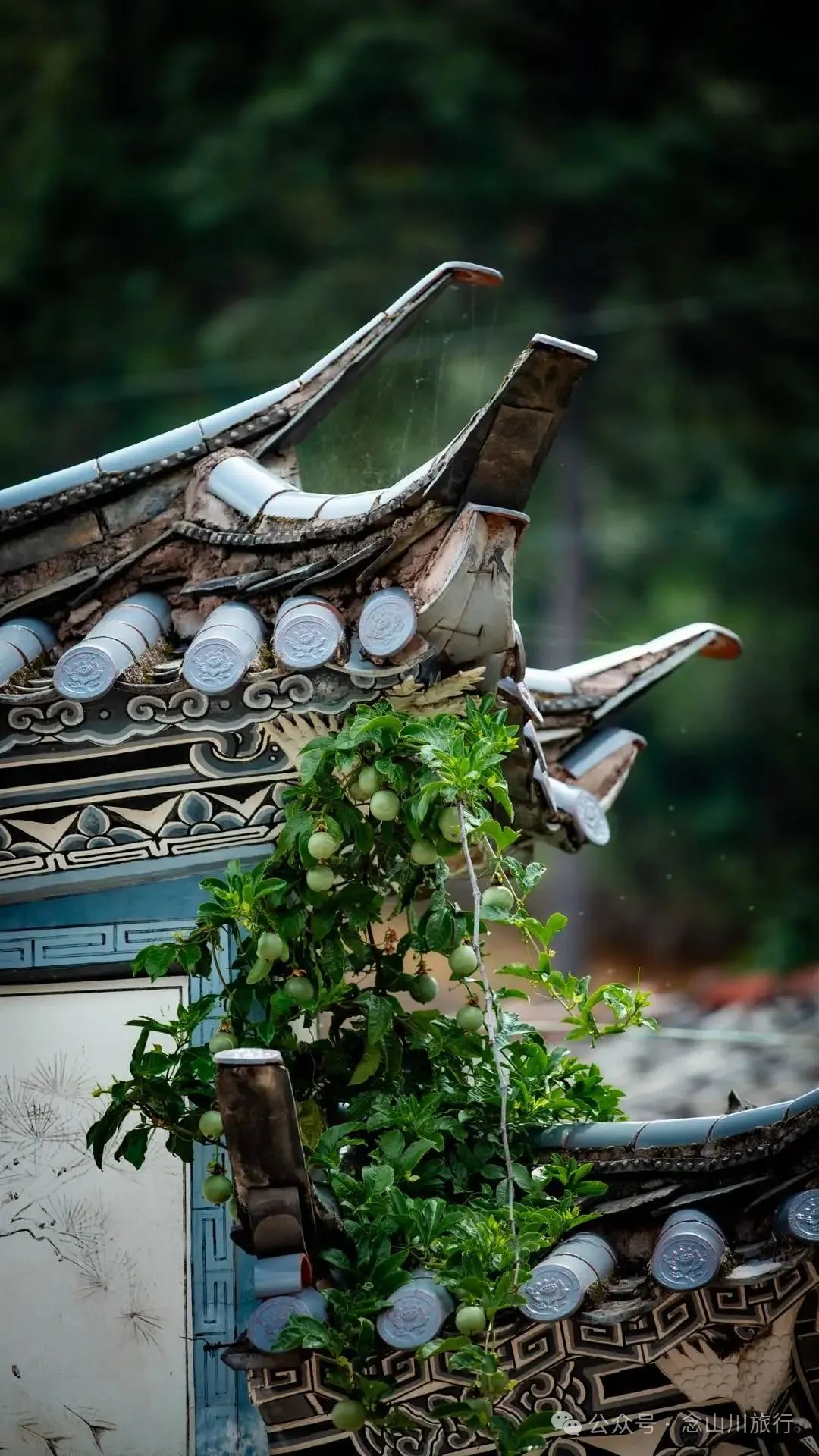
As we were about to leave the village, still no one came out from the open courtyards to tell us about the ordinary yet extraordinary daily life of this tiny Huangjia Village. The yellow cattle in the shed, after no longer sensing the unpleasant smell of strangers, would return to their usual leisurely state, chewing on the silent and tasteless time, quietly waiting for the owner's next feeding. The passion fruits hanging from the eaves, whose eyes are you? Staring at the distant mountains again and again, always so reluctant and never tired.