

In leisure time, it is a delightful thing to seek out obscure villages in the mountains. A one- or two-hour village trip, or perhaps a bit longer, always allows us to capture many warm and beautiful scenes of the village. Villages are like noble hermits, like renowned pastoral poets, living a life of true temperament in the unadorned nature. An ancient tree, a spring, a night of stars, or a meal of wind and dew—these are the verses they write. Natural and effortless, this writing style is their favorite. Often, they don't need to write at all; they themselves are exquisite poems.
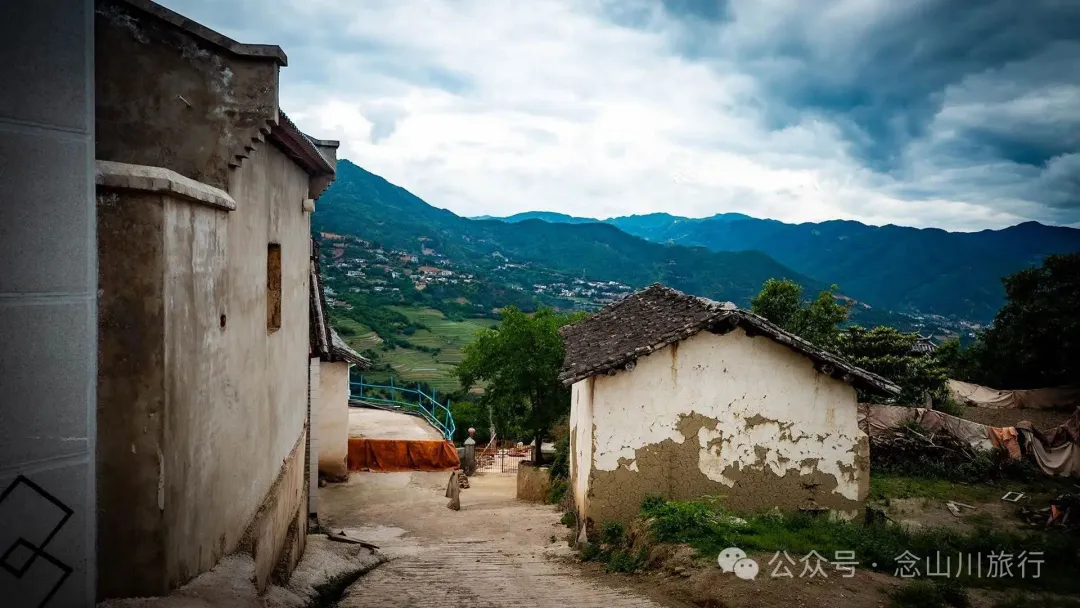
We have documented over fifty villages, and there are always wanderers in foreign lands who convey to us the deep nostalgia of the village, evoking their longing for their hometown and village. There are also enthusiastic readers who recommend villages we haven't discovered yet. This trip to Chaketang Village originated from a reader's recommendation. "There is a century-old camellia in the village, comparable to the one at Weibao Mountain Doulao Pavilion," a reader wrote. Another reader introduced that the village also has a Niu Jin tree and an ancient well worth seeing. So, we couldn't wait to start our trip to Chaketang Village.
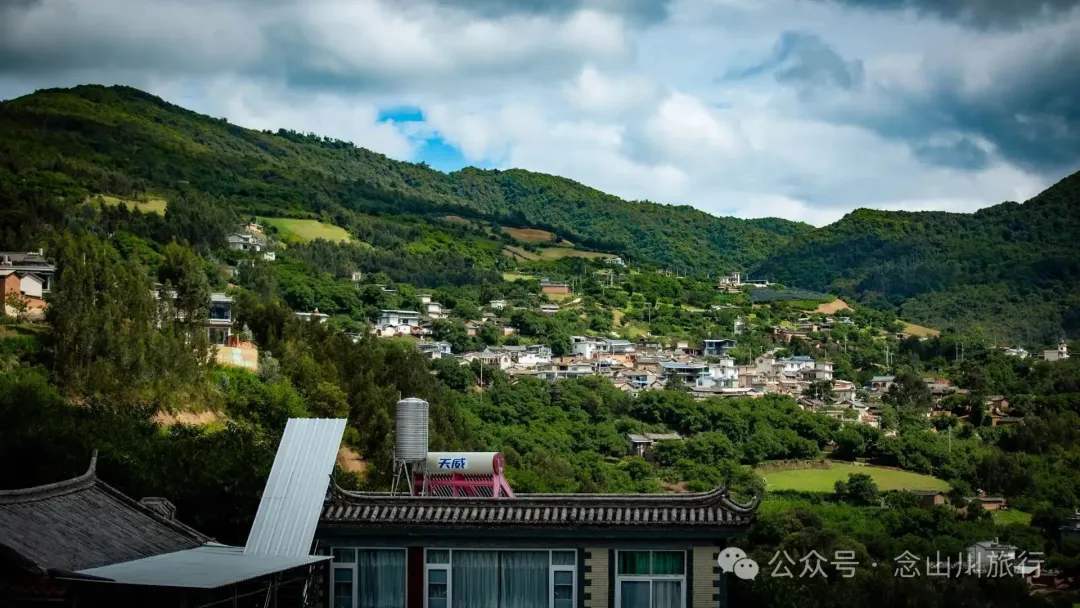
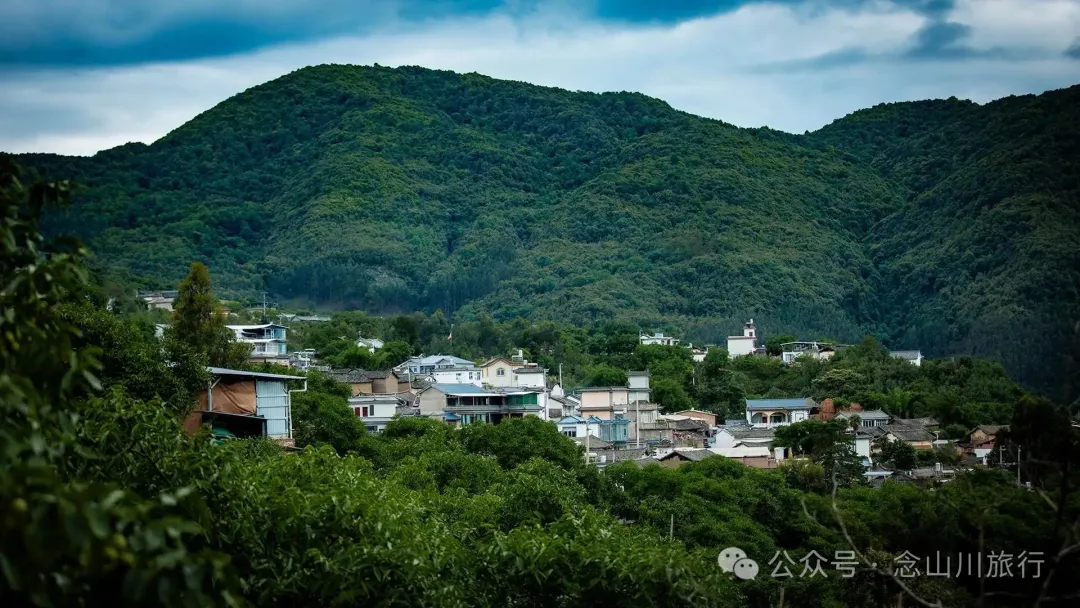
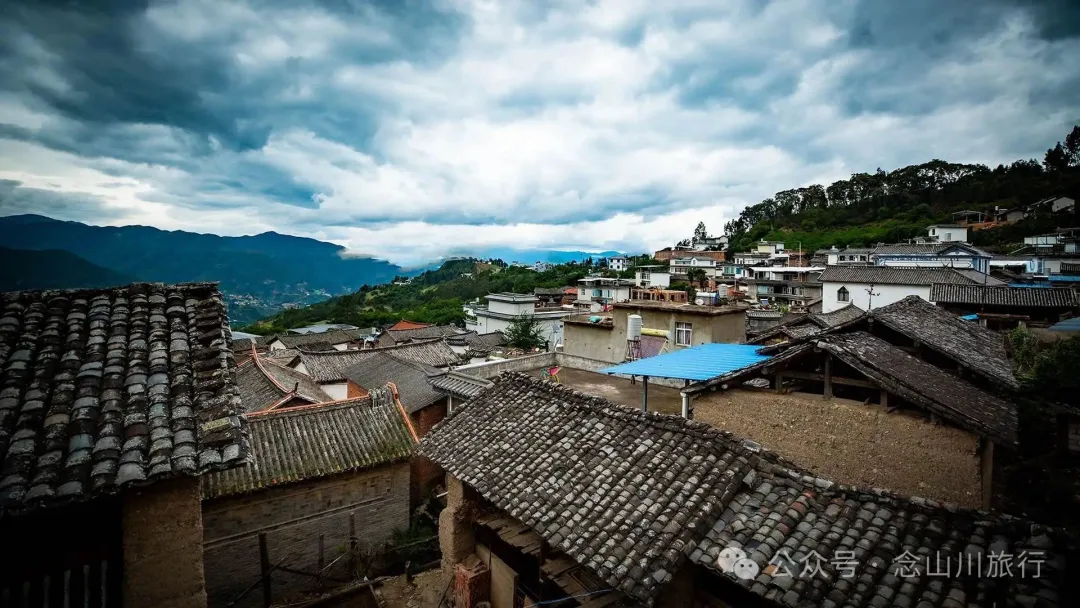
After driving through the mountains for nearly forty minutes, we crossed the last high mountain barrier, and Chaketang Village opened up in a huge mountain bend. The ridge behind the village was just one or two hundred meters high, with undulating ridgelines like green waves surging from the sky to the earth. Before entering the village, I climbed a steep slope beside the village road. Through a row of tall, obstructing pine trees, the village appeared in a gloomy post-rain atmosphere. Voices from the village occasionally came, hugging the ground, rushing up the steep slope, and quickly sliding down the other side, spreading to the quieter, more distant mountains.
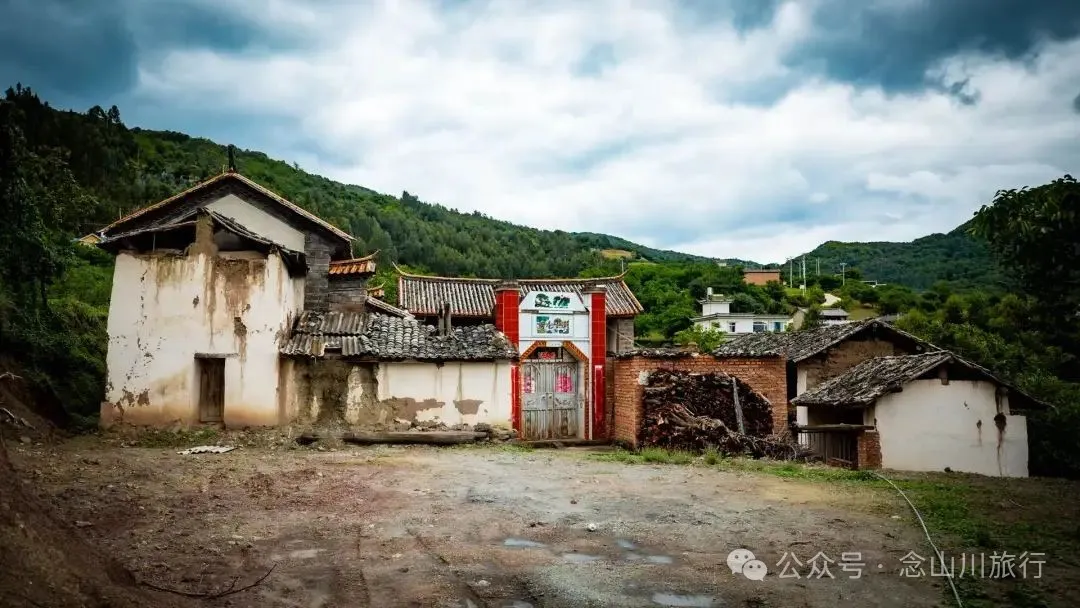
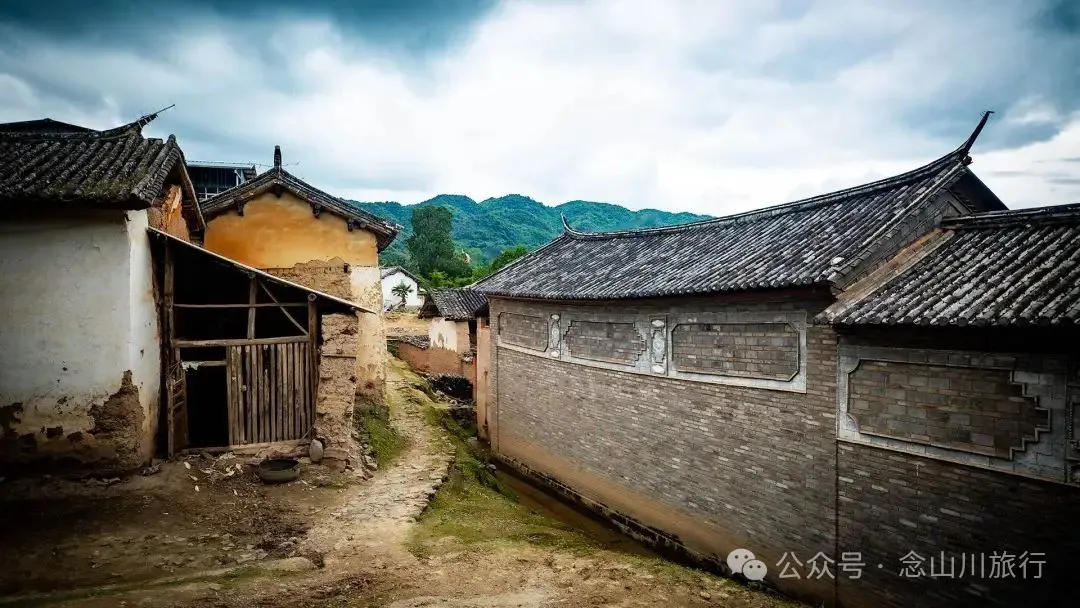
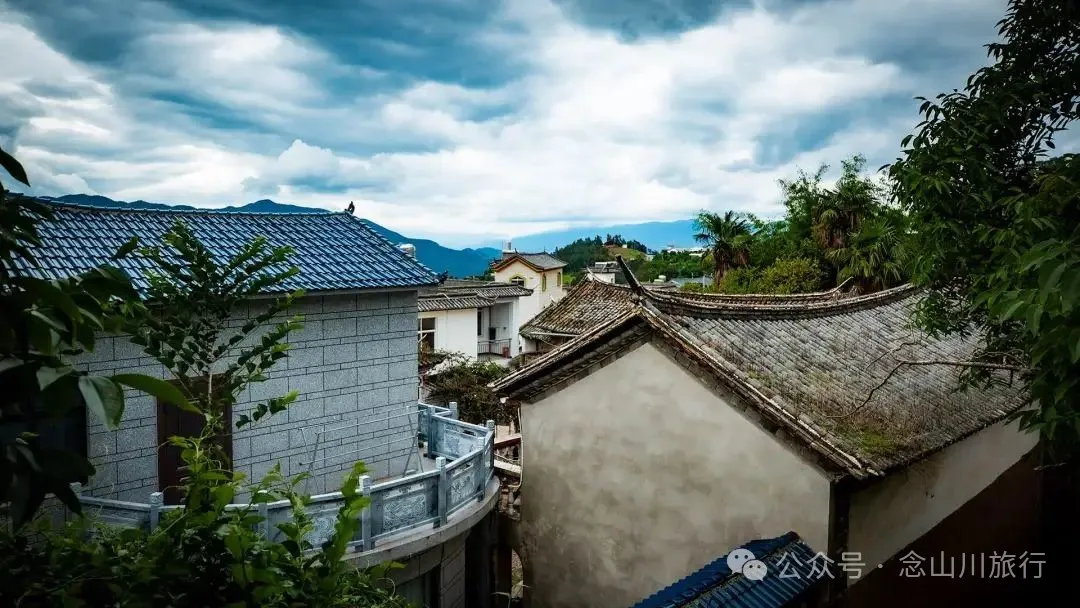
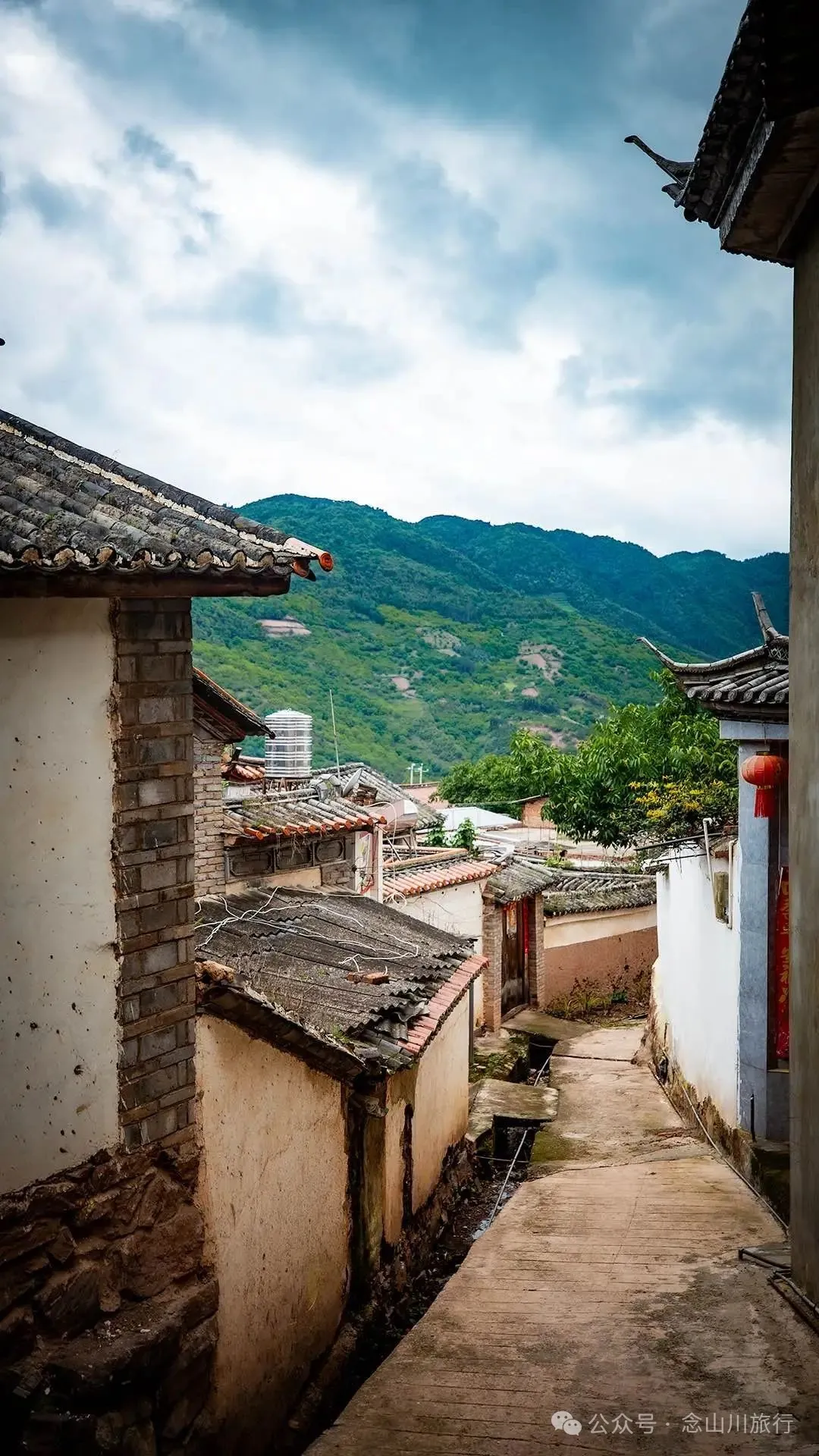
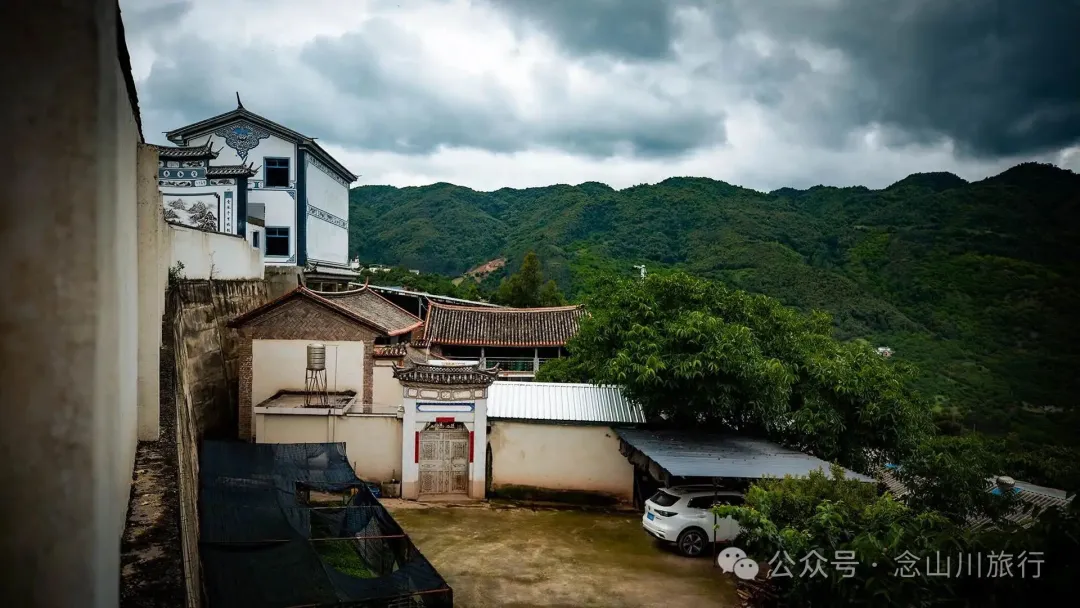
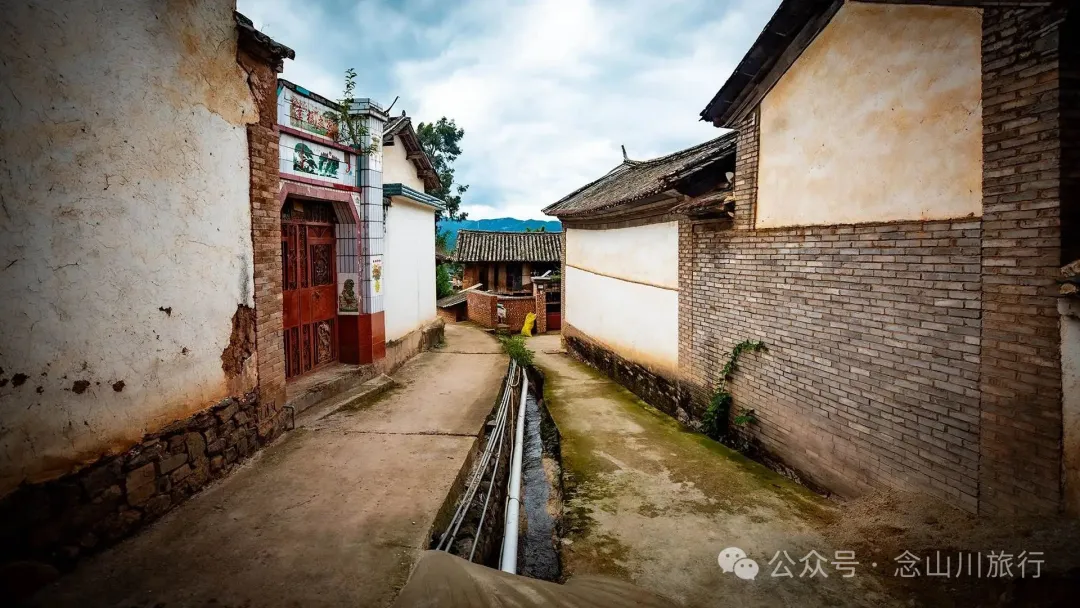
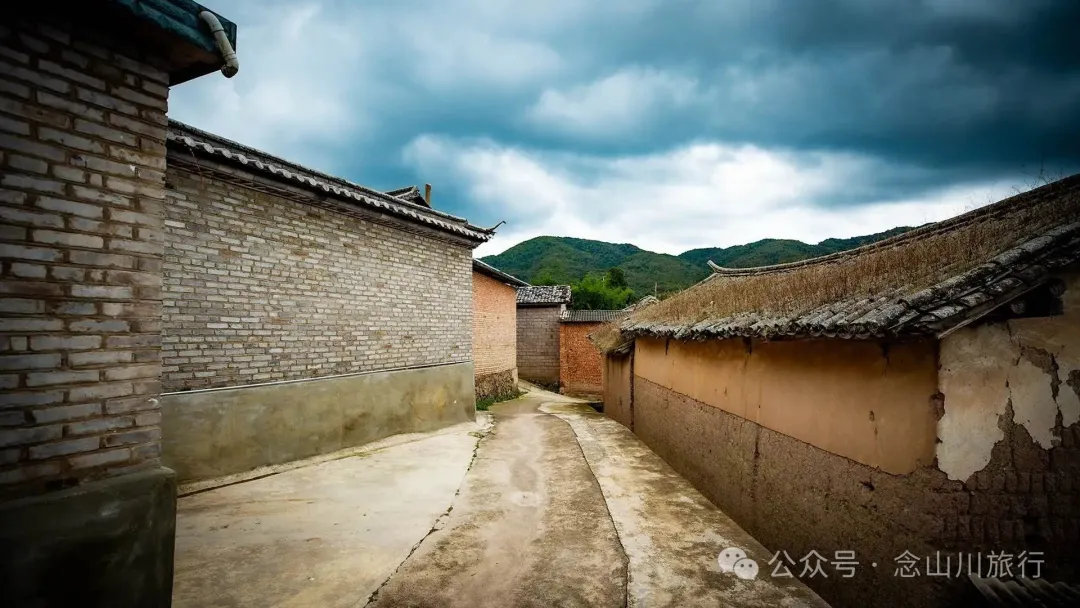
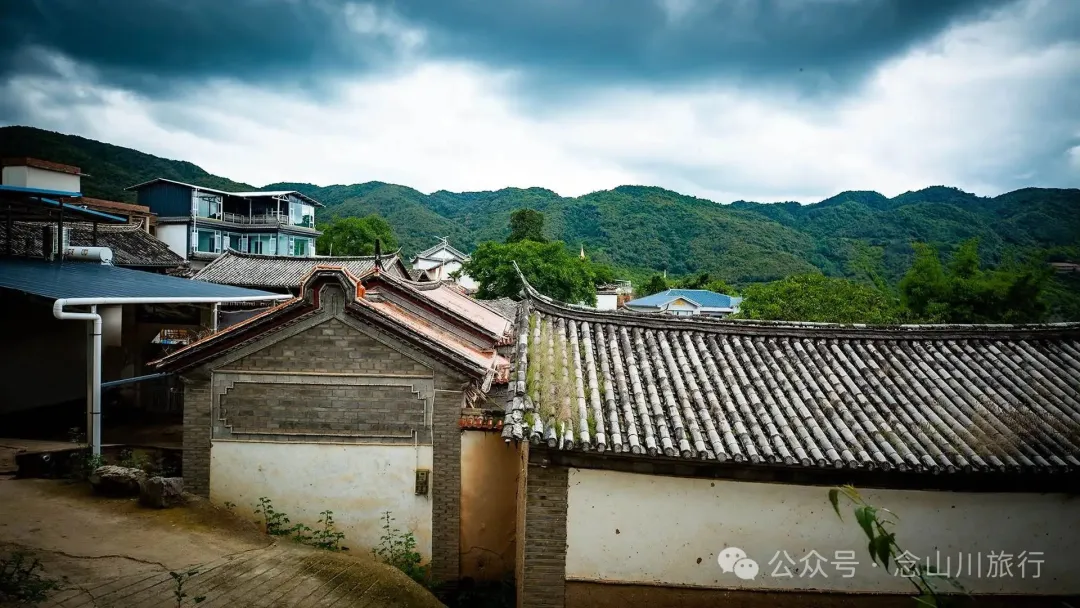
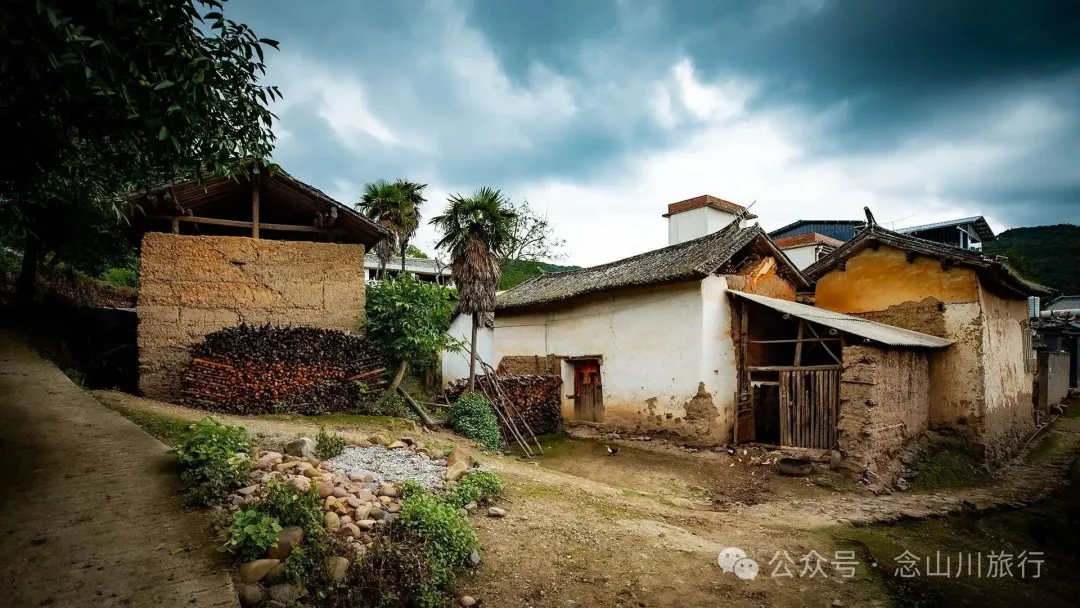
Rows of old and new farmhouses spread out on the gentle slope. From these different architectural styles, we could roughly date the construction of the houses. The rammed earth houses are the oldest and the most common type in all mountain villages; later came the blue brick houses, with similar layouts but different materials; the newest are the tall, bright, and spacious cement brick houses, favored by the younger generation.
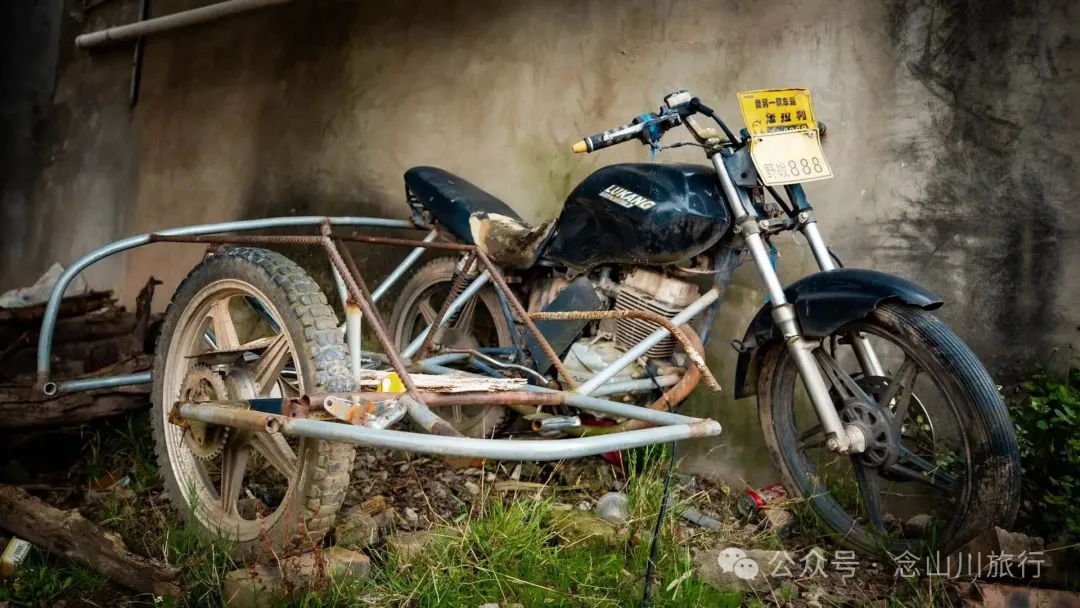
On an open space beside a tall cement house by the road, a cool motorcycle was parked, looking idle for a long time, covered in rust. Probably in some past time, a spirited youth rode it at lightning speed, stirring up exhilarating mountain winds on the rugged, winding mountain roads.
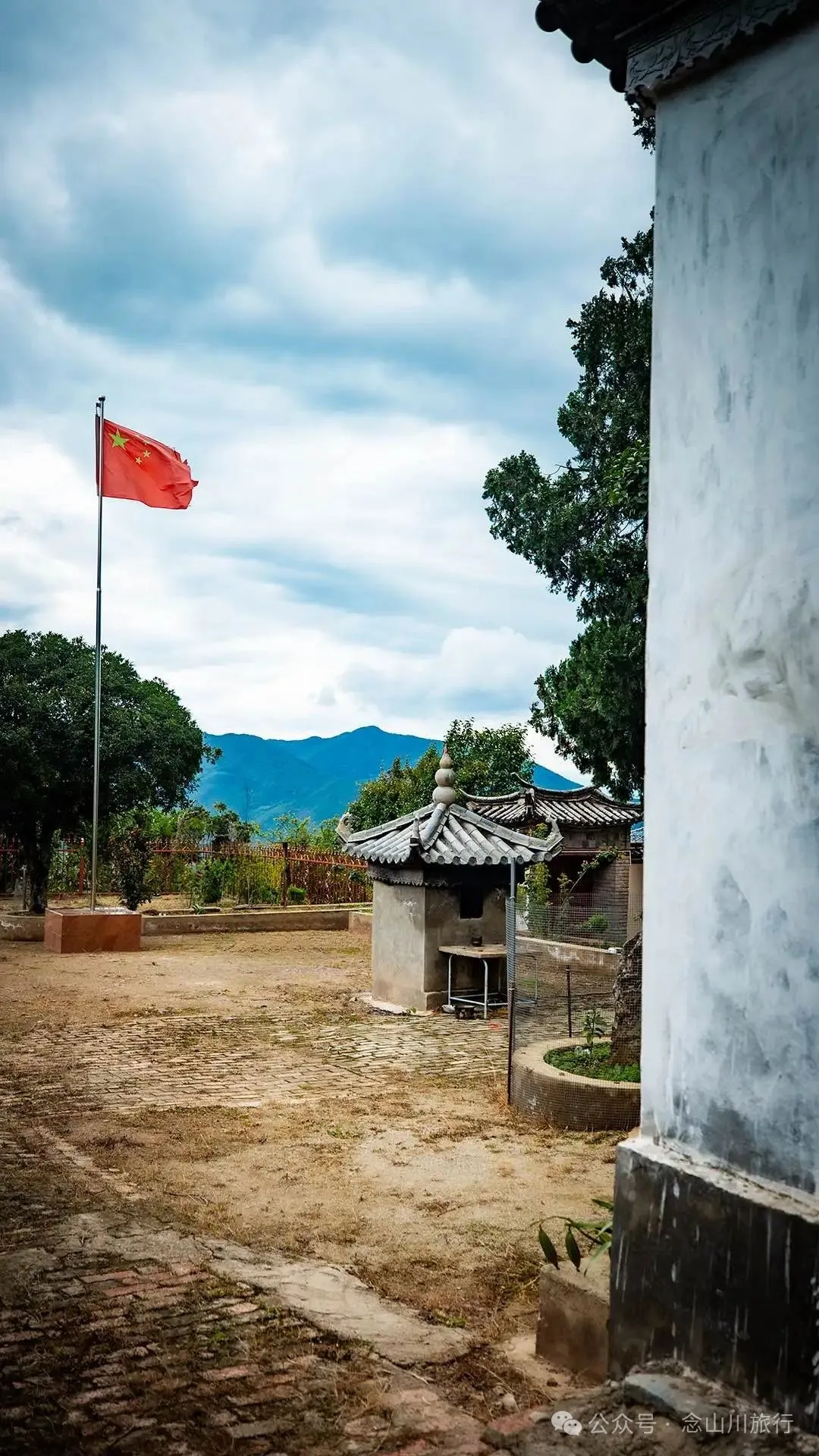
After photographing the village architecture and rural scenery of Chaketang Village, we asked the villagers about the location of the ancient tea tree, the Niu Jin tree, and the ancient well. Coincidentally, the villager we asked lived right next to the ancient tea tree. They enthusiastically pointed to a yard with a red flag and said the tea tree was planted inside. Because it was an ancient tree, there was an elderly person in the village specifically in charge of protecting it. When we reached the yard gate, we found it locked. The tea tree was just blocked by a white building, so we couldn't see it. Only from a high spot behind the village did we catch a distant glimpse of the ancient tea tree, which had already passed its blooming season. According to the villagers, the exact planting year of this ancient tea tree is unknown, but it is probably over a hundred years old, planted by a monk in the village. From the dense leaves and vigorous branches, it was clear that the tree was still healthy. If we come back to Chaketang Village next spring, we should be able to enjoy the splendid blooming of the ancient camellia.
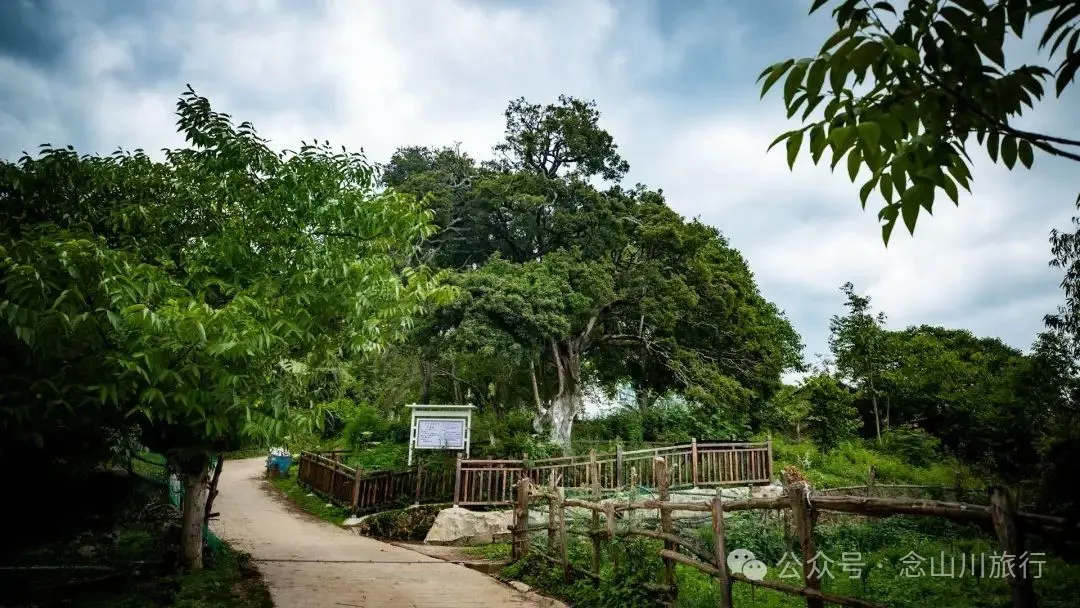
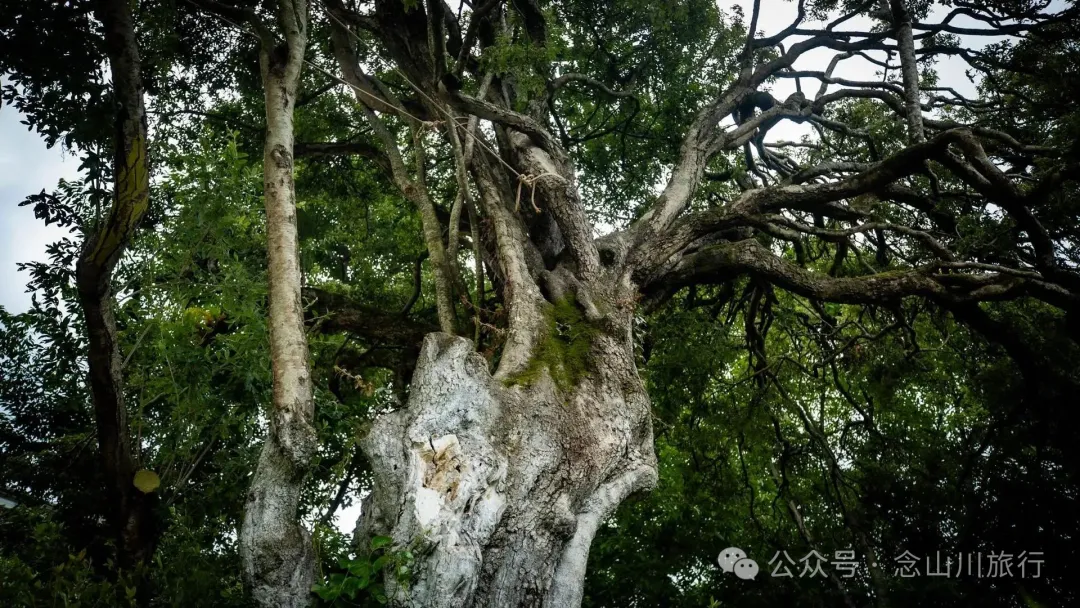
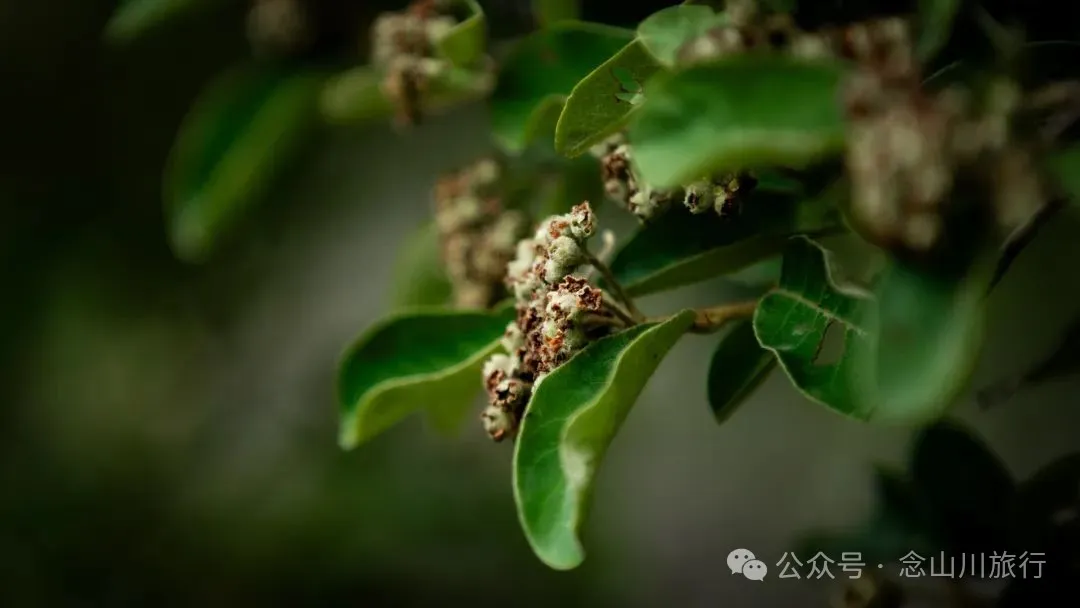
Another famous ancient tree in Chaketang Village is the Niu Jin tree in the walnut forest behind the village, with a tree age of 500 years. From here, we took a look at the ancient tea tree in the village. The Niu Jin tree, also known as mountain pepper, false deadwood, or Niu Jingtiao, is a deciduous shrub or small tree of the Lauraceae family. It can grow up to 8 meters tall, with gray-white, smooth bark; the twigs are purple-brown with gray lenticels. The leaves are simple, alternate or nearly opposite, broadly elliptical to obovate, 4–9 cm long; the upper surface is dark green and glossy, the lower surface densely covered with gray-white pubescence. Umbels are axillary, with small, yellow flowers blooming from March to April, with a faint fragrance; the drupes are spherical, maturing from September to October, turning from green to black-brown.
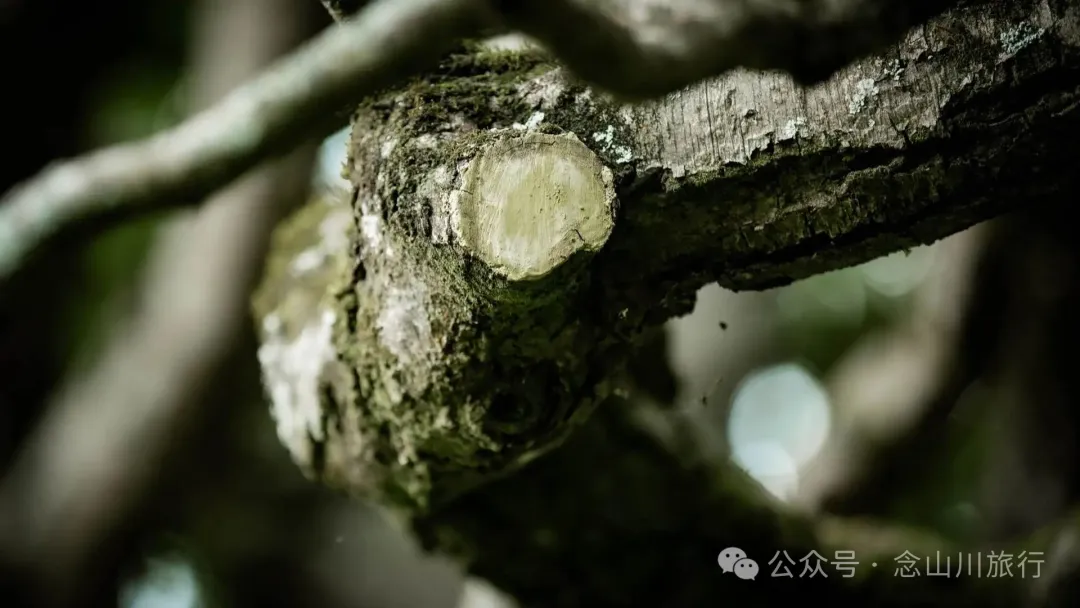
We also missed the flowering period of the Niu Jin tree. Countless small green spherical fruits on the branches were covered with dense white down, with only a few that hadn't reached maturity falling early under the tree. Many unhealthy branches on the ancient tree had been sawed off, leaving circular scars. Yet countless twisted, vigorous branches still struggled tenaciously against the passage of time, like tough bones pointing to the sky. As long as time does not age, they will not retreat.
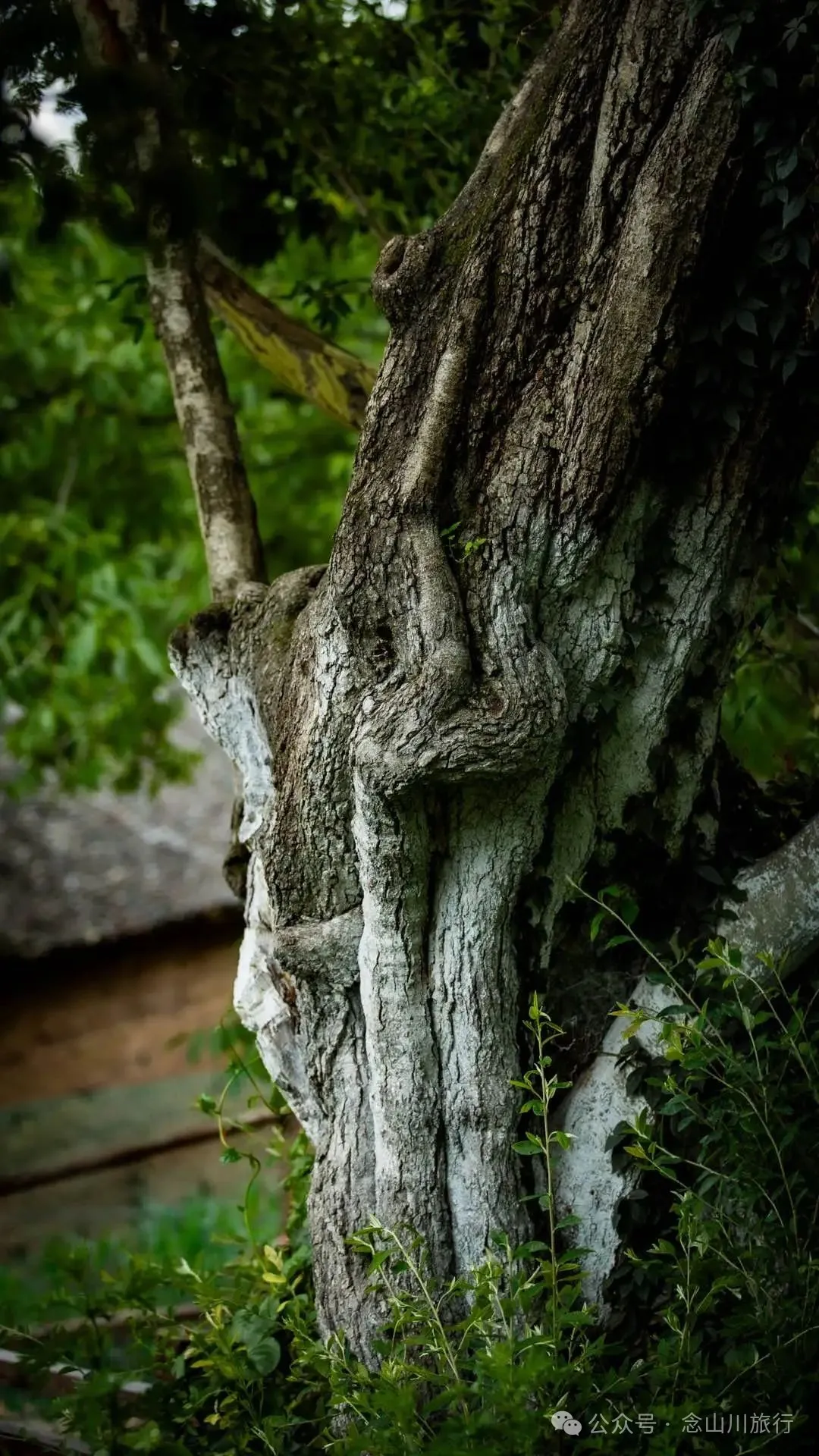
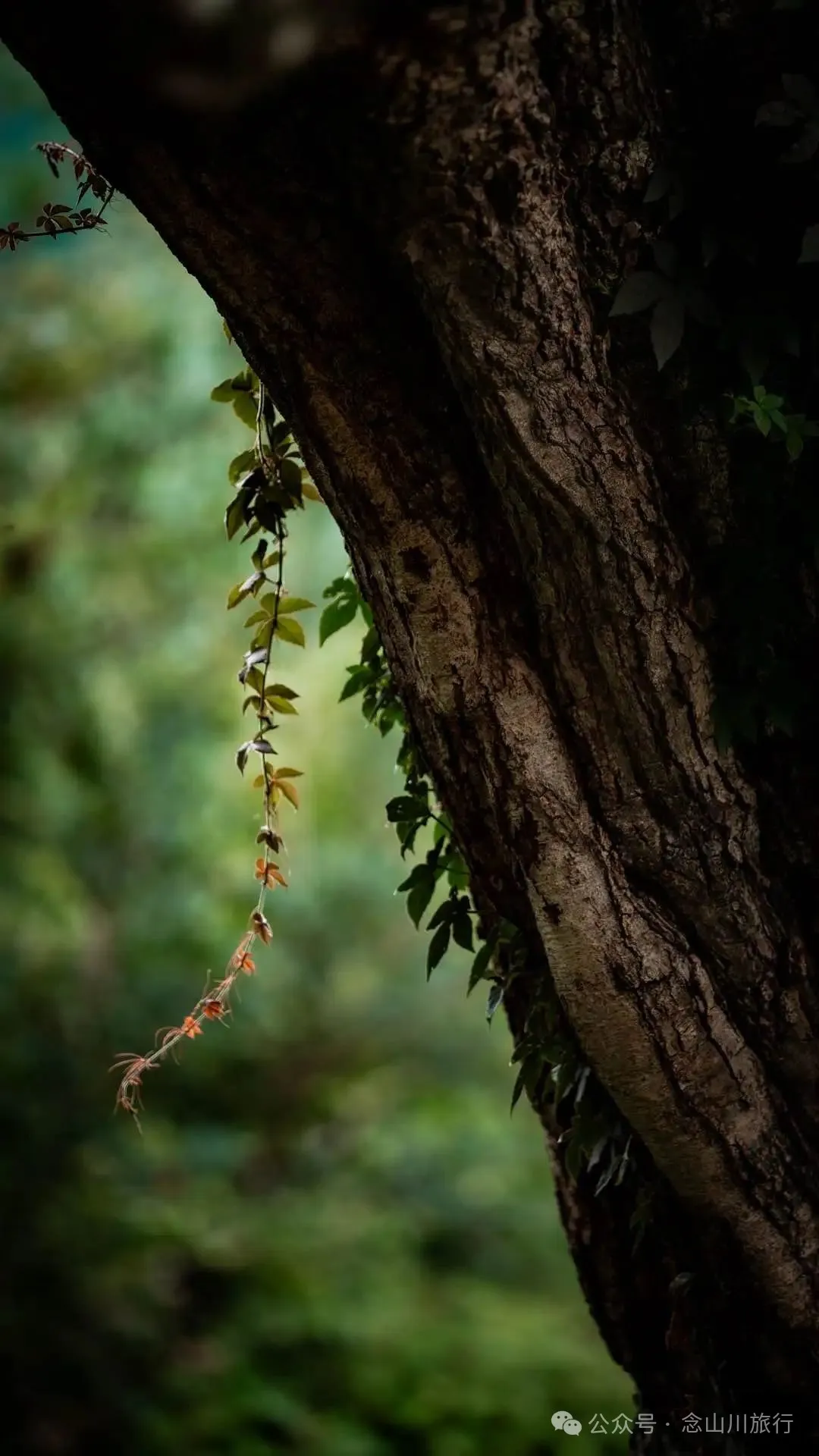
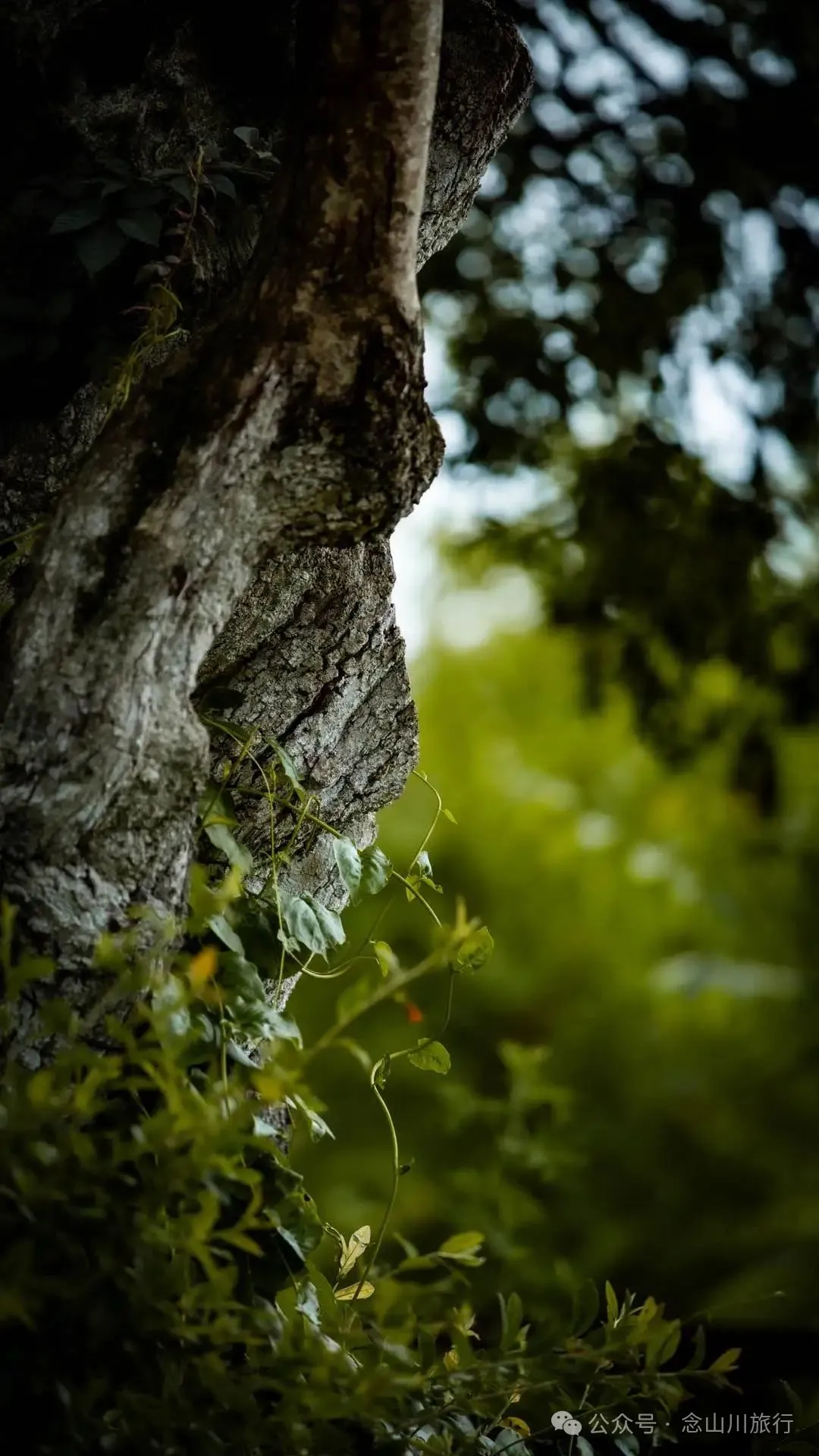
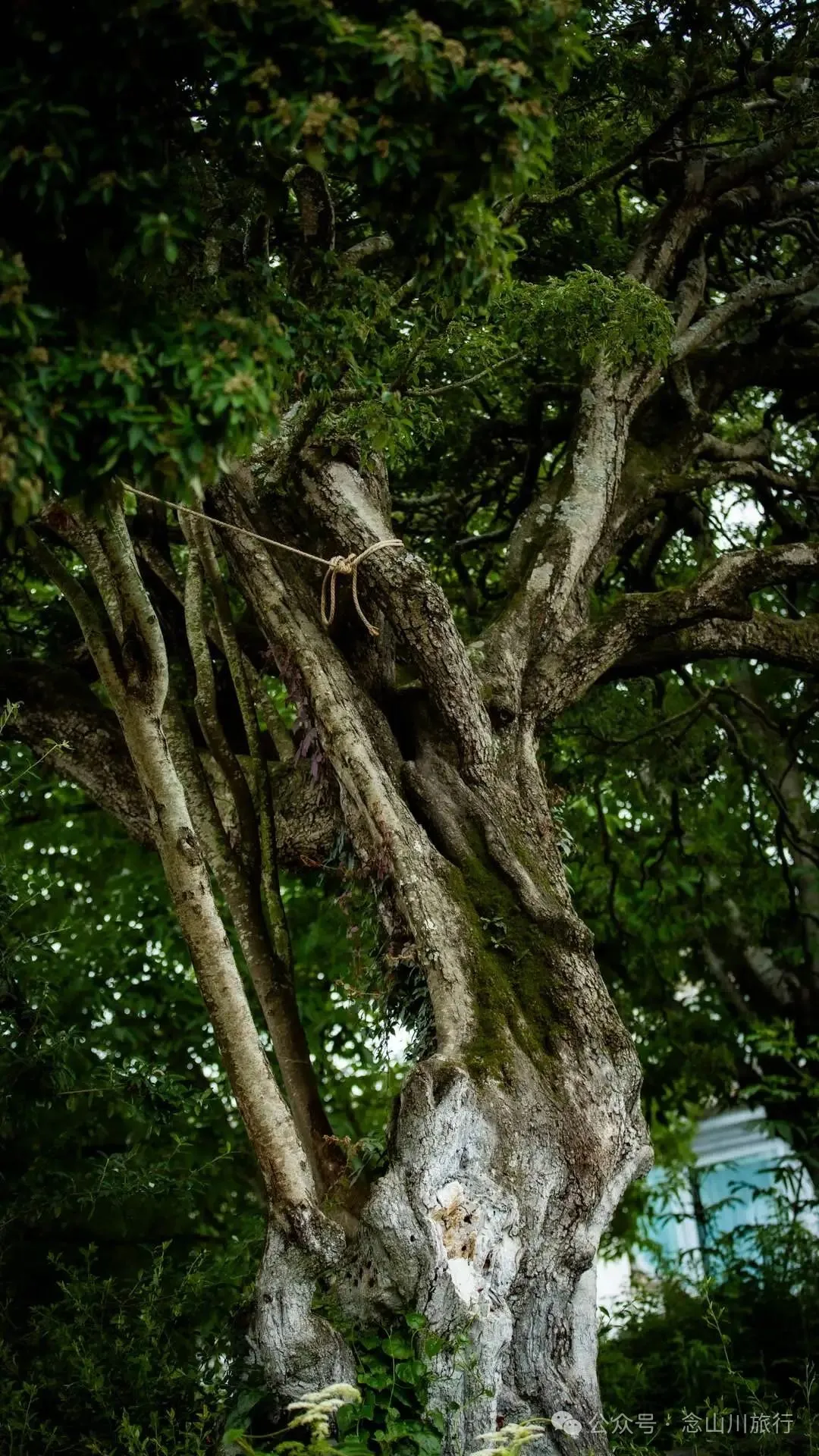
The ancient but still sturdy trunk not only supports a dense green canopy but also generously provides living space for other plants. Ivy slowly climbed up the trunk; ferns somehow jumped onto the high branches, like swinging swings, letting out joyful exclamations; and moss and unknown weeds treated the trunk as a solid rock sheltering them from wind and rain.
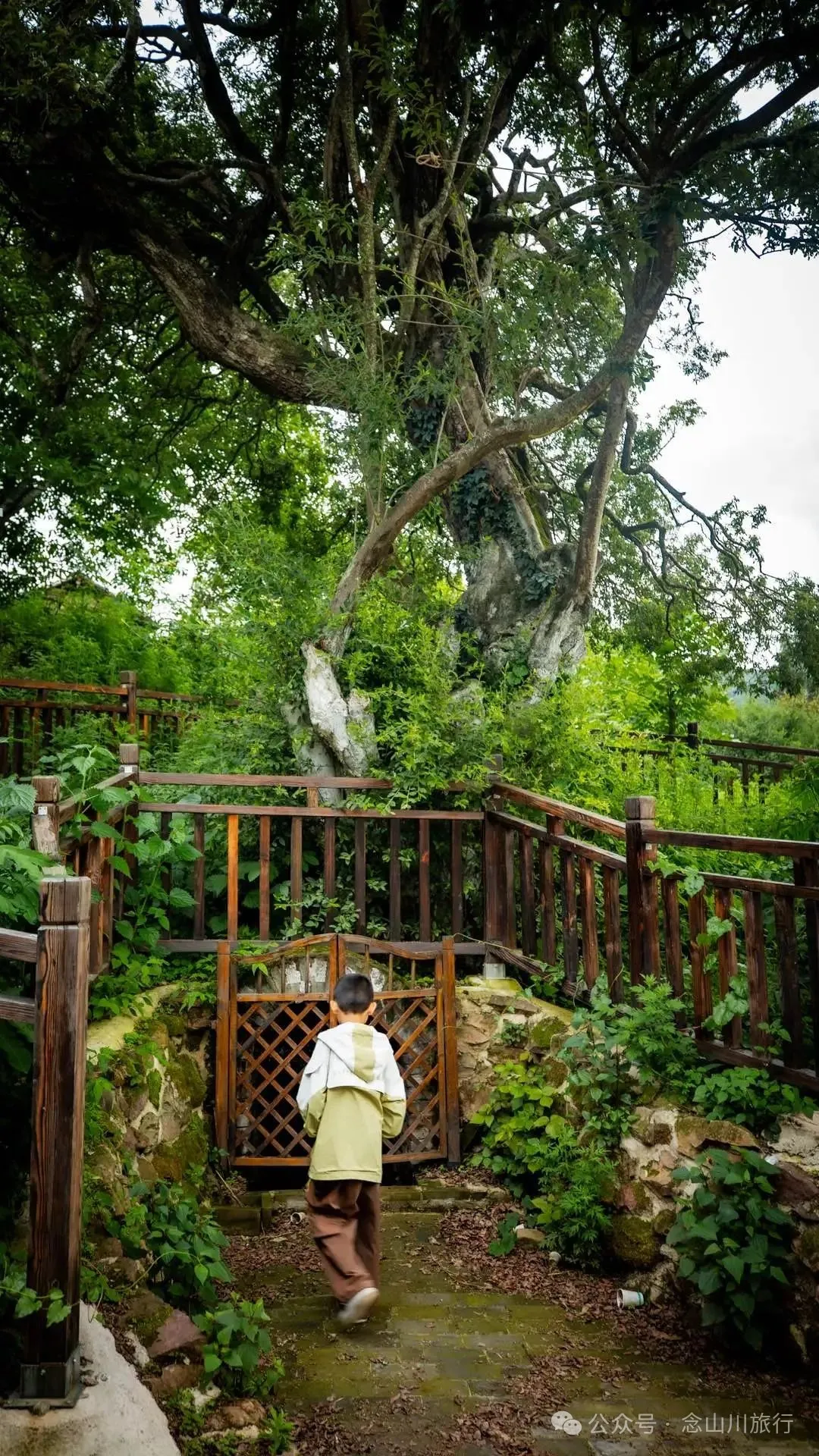
An ancient well under the tree, together with the Niu Jin tree, was enclosed by a wooden fence, becoming a key protected object of the village. Nearby villagers said that the ancient well has a continuous flow of spring water, extremely clear, sweet, and refreshing. Before the village had running water, the villagers drew water from here. Even now, many villagers still prefer to drink the spring water here. The 500-year-old Niu Jin Tiao ancient tree, like the first villager of Chaketang Village, bends toward the ancient well under the tree, fishing for the dialect that sank to the bottom.
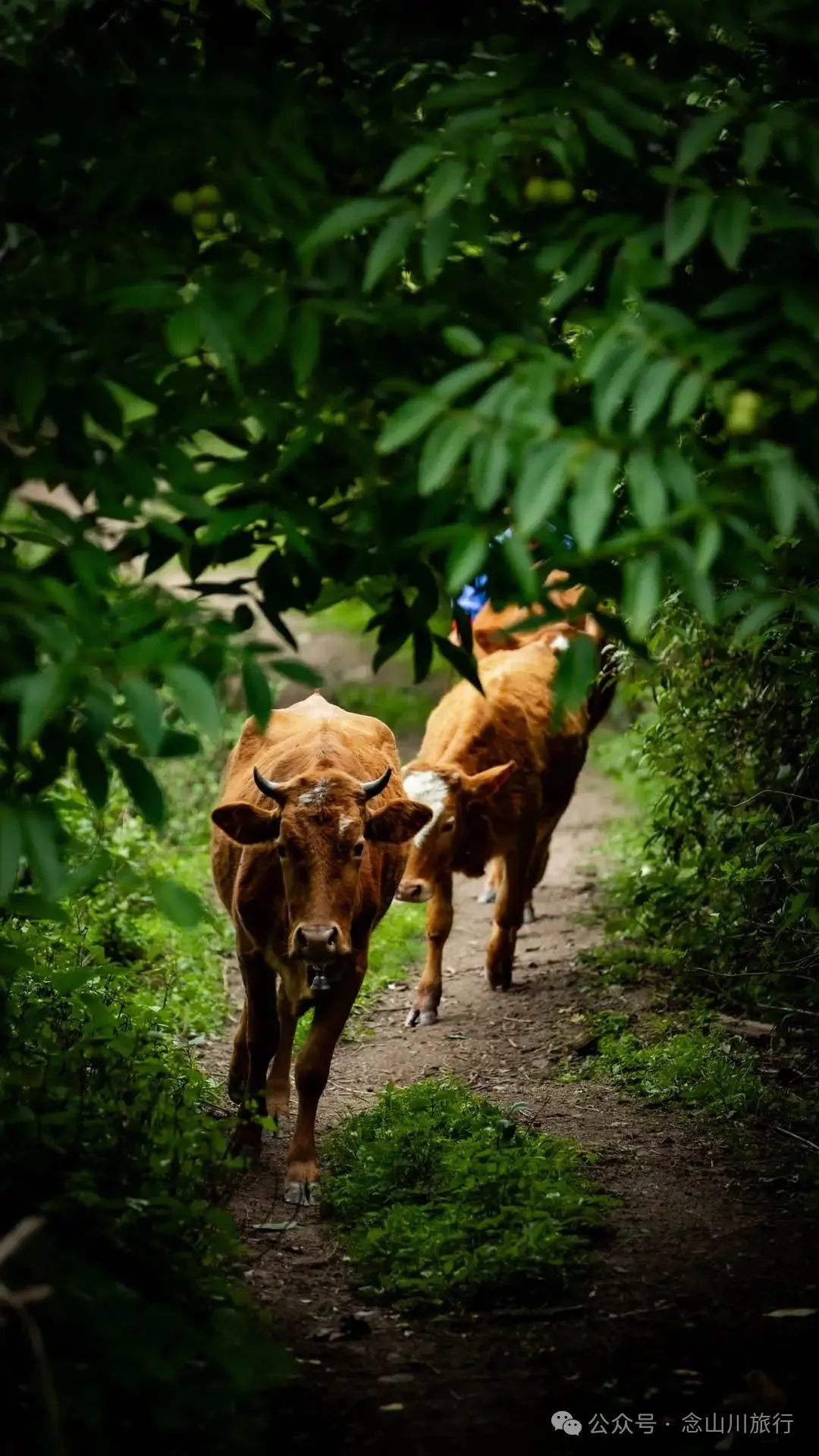
As dusk approached, the herdsman drove the cattle back to the village from some mountain. The yellow cattle trotted briskly through the dense walnut forest, as if eager to return to the village for a hearty dinner.
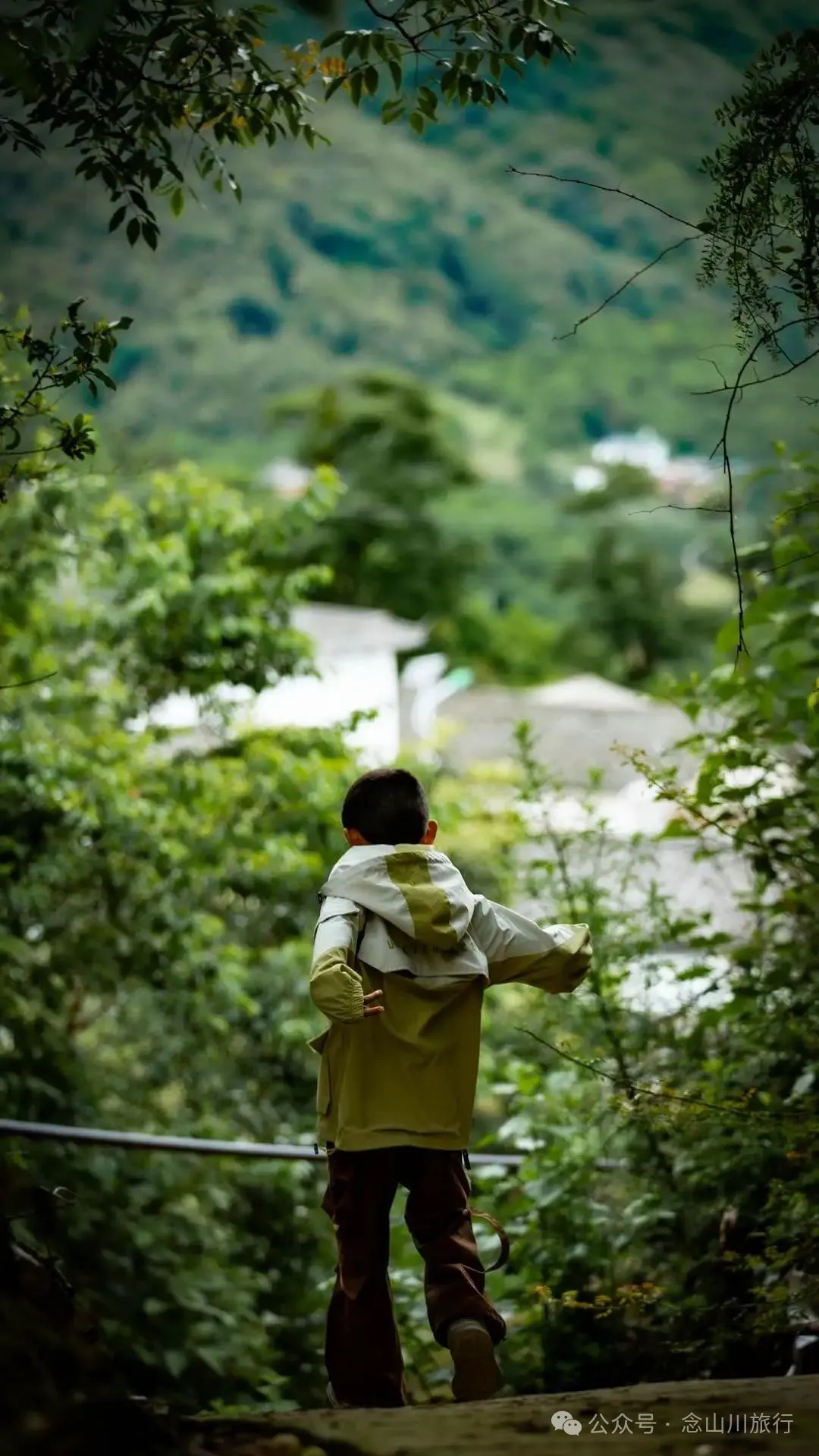
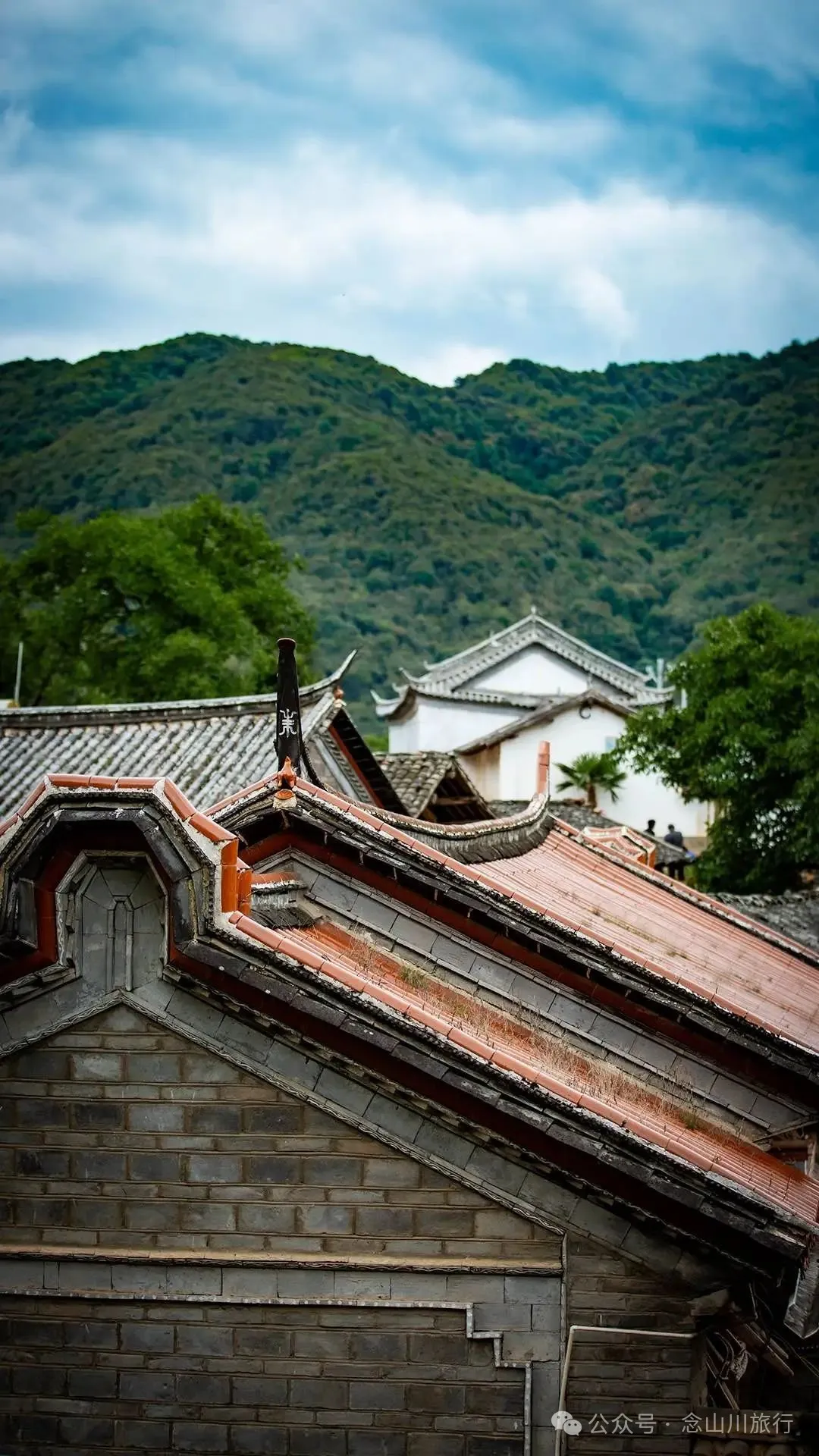
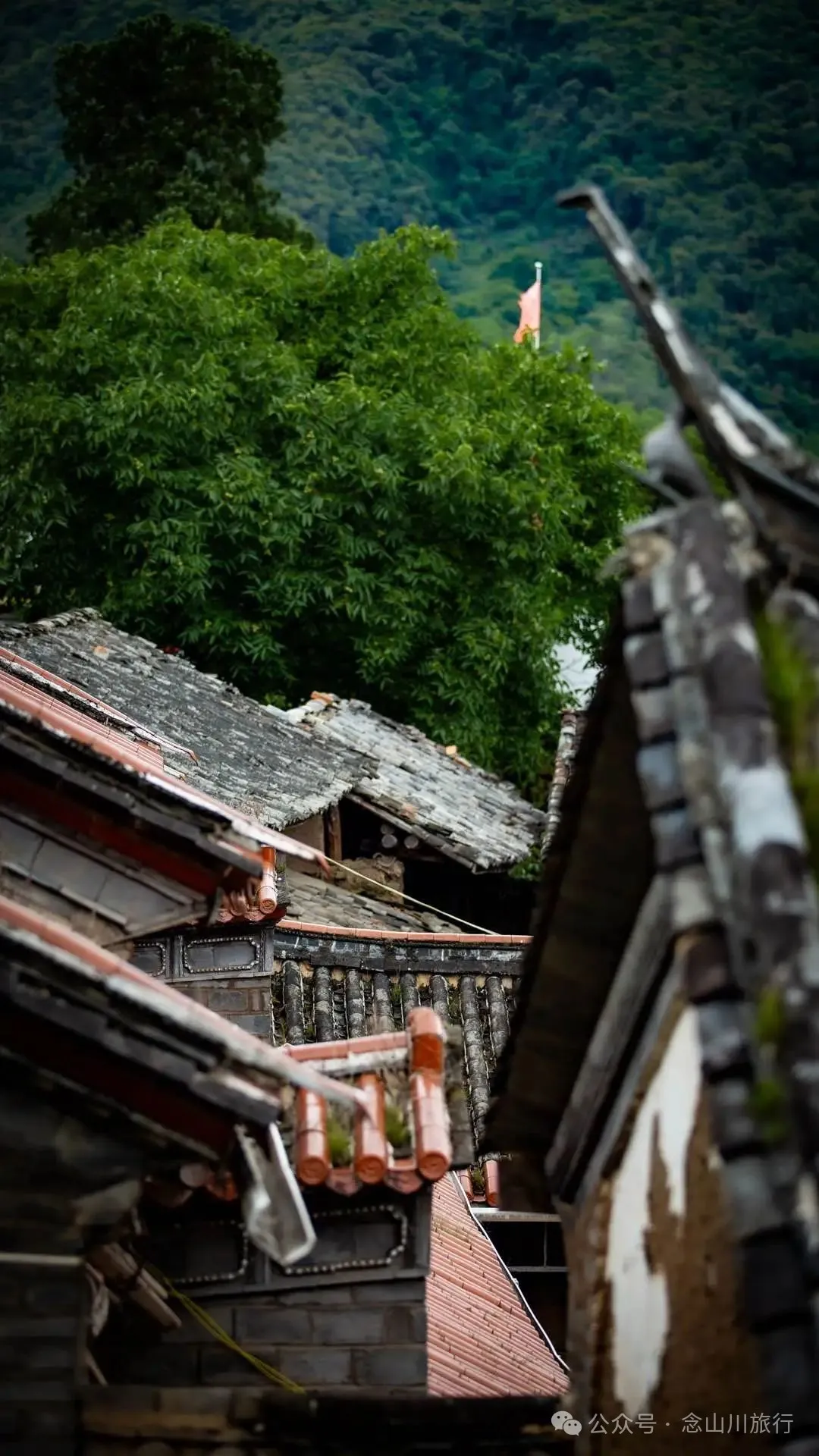
Standing on the high ground beside the Niu Jin tree, looking back at the lower Chaketang Village, the mountains were silent and lush under the gloomy sky, listening to the village that began to stir at dusk, smiling together with the ancient tree.