
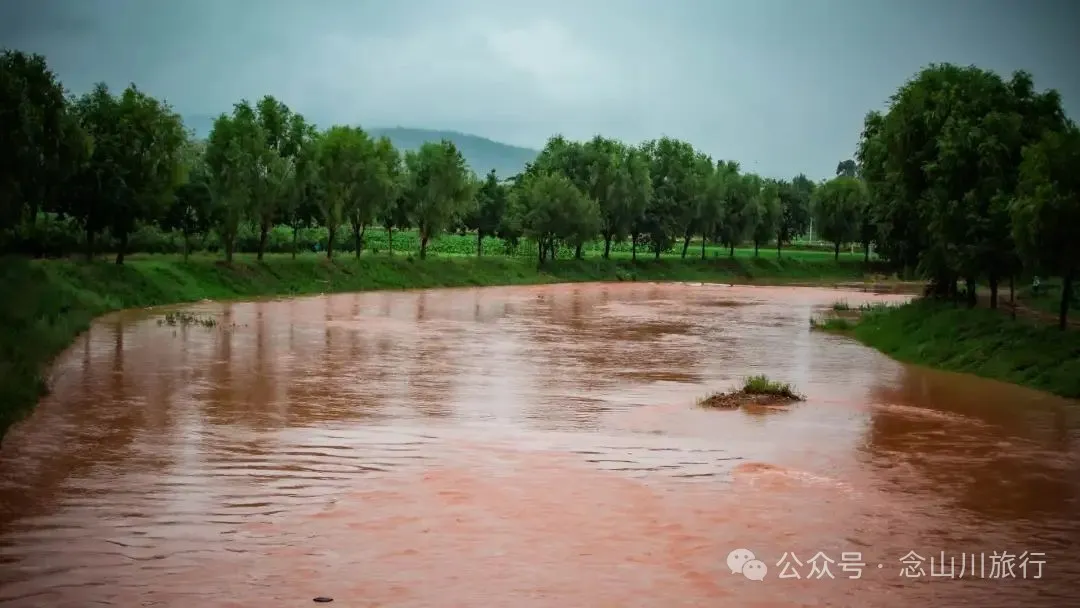
During the rainy season, countless streams rush out of mountain ravines and gullies, pouring a continuous flow into the once-dry and thin Xi River bed. The Xi River, no longer obscure, seems to become mighty overnight. Most of the riverbed, previously exposed, is now submerged by surging water. The water level rises visibly, and the river is about to overflow its banks.
This is the season when the Xi River truly becomes a river. Along its banks, every weeping willow marking the waterway stands full and vibrant, witnessing the river's ceaseless rush day and night. The Xi River is the headwater section of the Red River, an international waterway. In the local Yi language, it is called "Egu Abao" — meaning "the winding father river." The Xi River basin is the cradle of Nanzhao culture. As the main water source for the Weishan dam area, the Xi River nourishes the lowest-altitude farming region in the entire county.
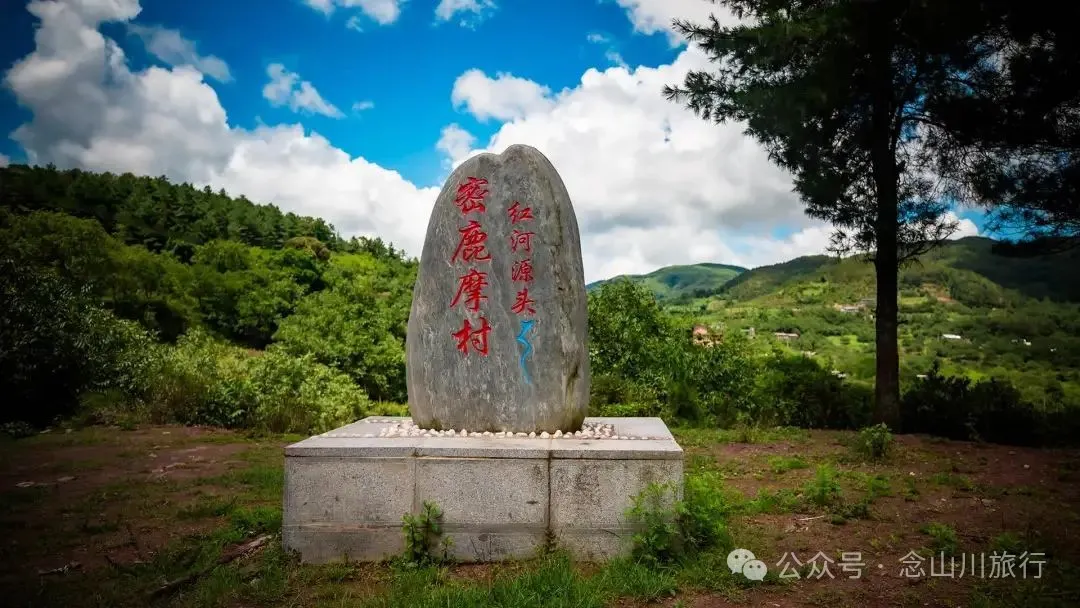
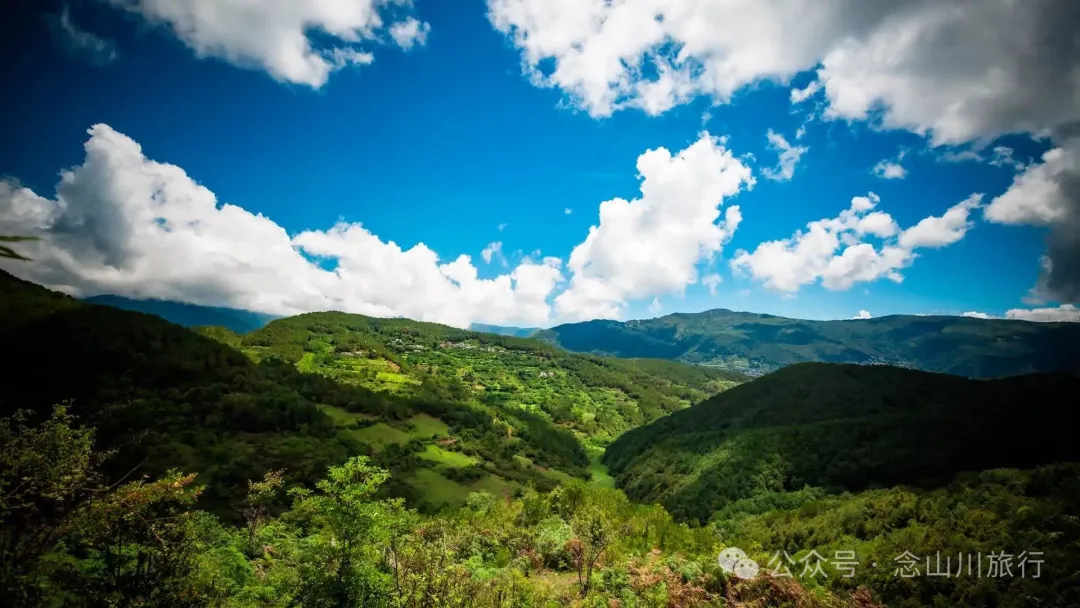
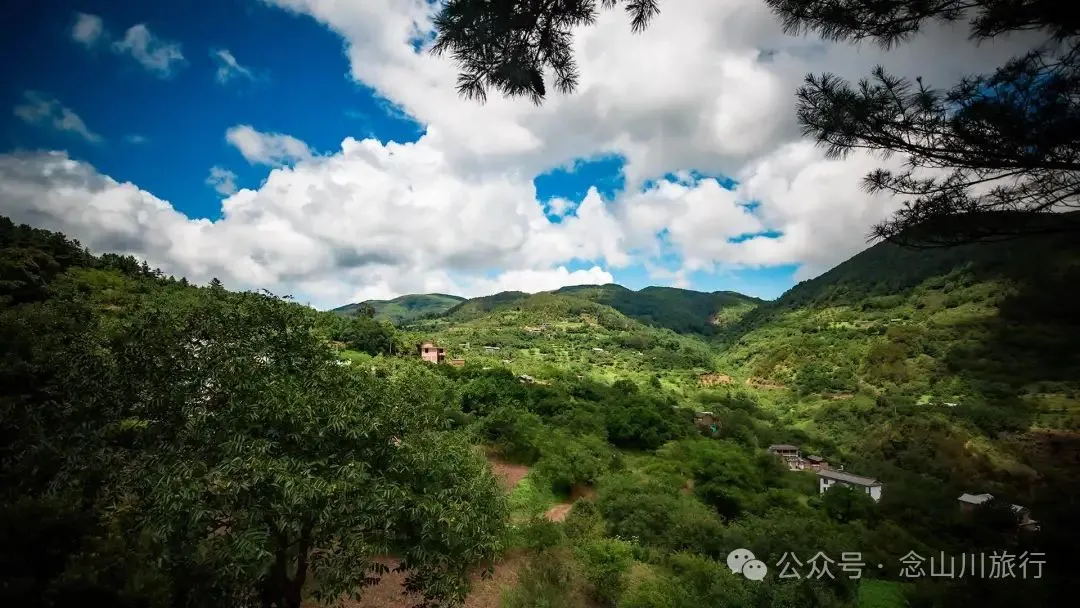
The Xi River originates from Huapan Mountain in northern Weishan County, where it is initially called the "Yangzi River." After flowing into the Weishan basin, it is renamed the Xi River, running north to south through the narrow, elongated Weishan basin (shaped like the main vein of a leaf). As it flows southward past the county seat, it is called the "Weishan River." Finally, in Nanjian County, it merges with the eastern source Juzhi River to form the Lishe River — the upper reaches of the Red River. Under the pure, brilliant blue sky after rain, we searched for the river's source in the dense, canopy-shrouded forest behind Milumo Village, the first settlement the Xi River passes through. There, we witnessed how the very first drop of crystal-clear water bursts forth from the towering mountains, beginning its journey toward the vast and boundless world.
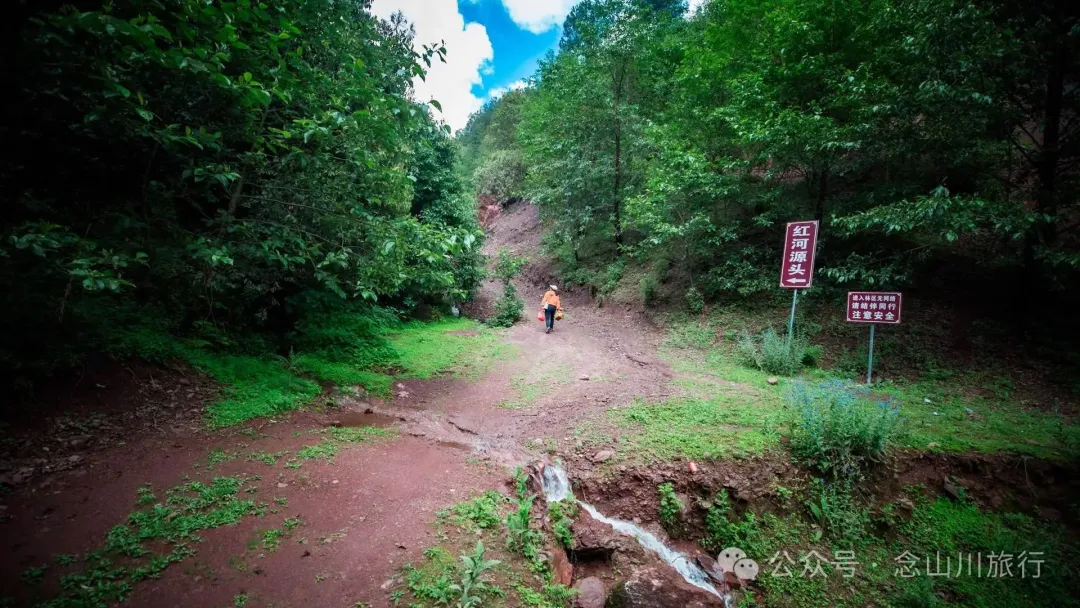
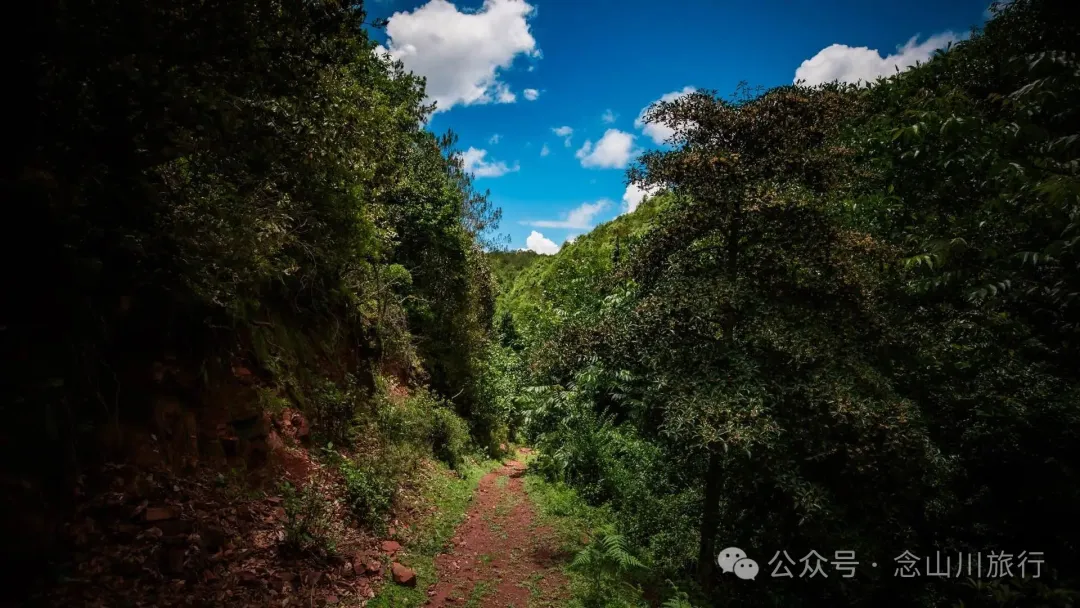
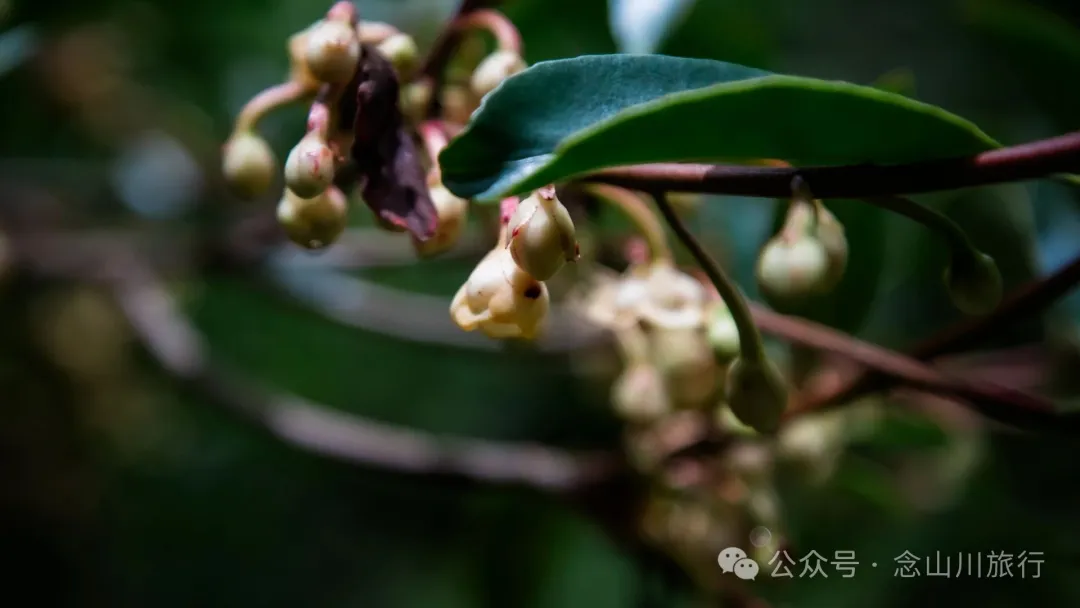
The source of the Red River is in the dense forest in the mountains west of Milumo Village. The mountain path we take is almost parallel to the Xi River's course on the map. The mountain stream gurgles, and the roar of water comes from the dense valley on the right. The air is filled with countless water molecules, and the abundant moisture permeates everything here. A sweet scent wafts from the green trees by the roadside. Following the rich floral fragrance, we discover a tree covered with yellow flowers—wild daphne. This refreshing fragrance fills the mountain.
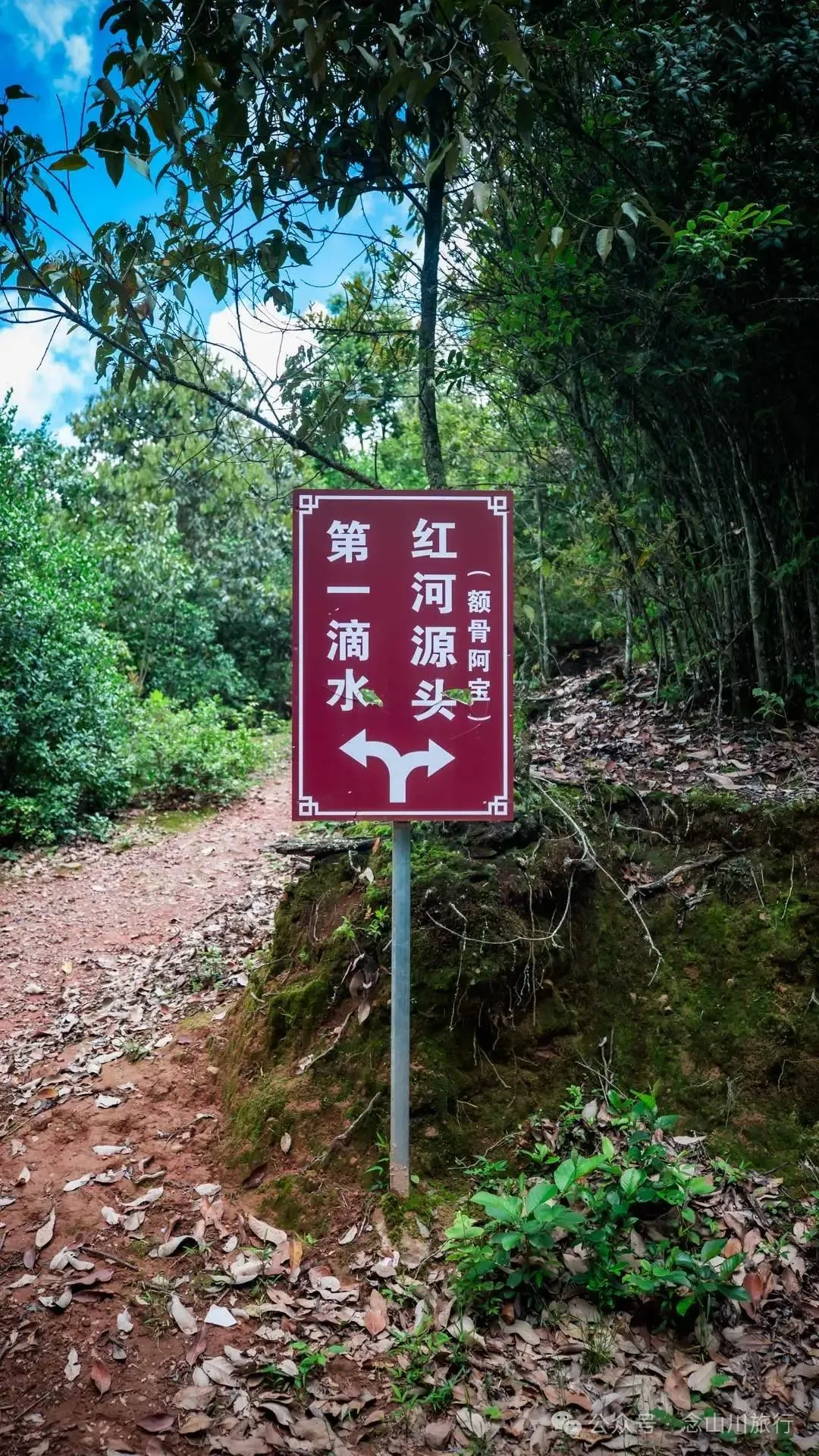
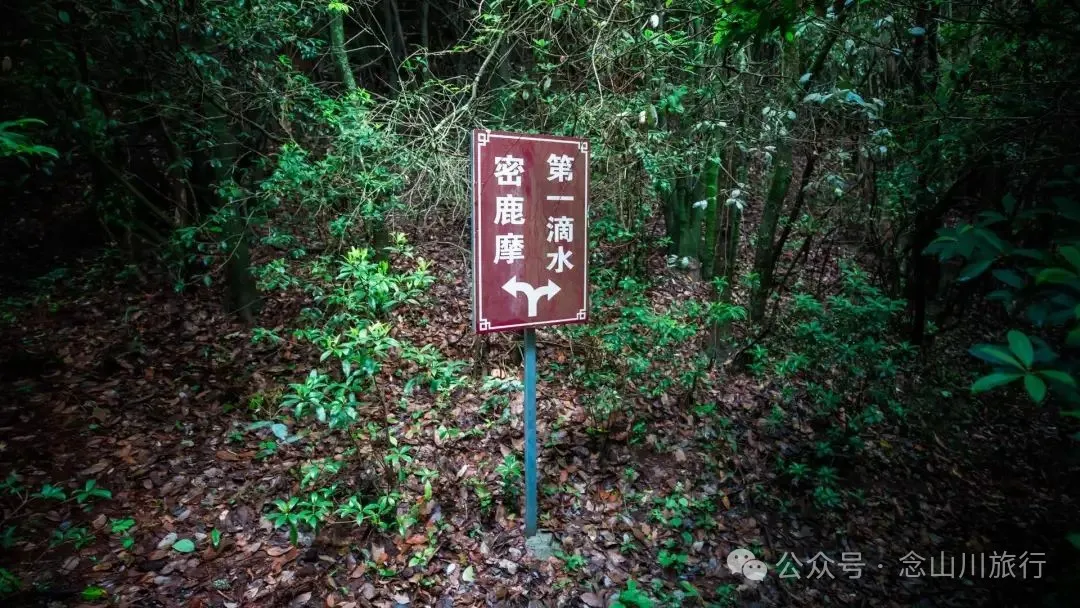
This is a puzzling signpost. According to our understanding, the two paths before us lead to two different places: the source of the Red River and the first drop of water. But when we unhesitatingly take the right fork and follow the sign precisely, we end up making a difficult detour in the unfamiliar mountains, only to find that the Red River source we are looking for is in the dense forest where the "First Drop of Water" sign stands. The Red River source is the first drop of water, and the first drop of water is the Red River source. So, what is the purpose of this signpost? Perhaps it is to let us encounter more plants and scenery hidden in the primeval forest.
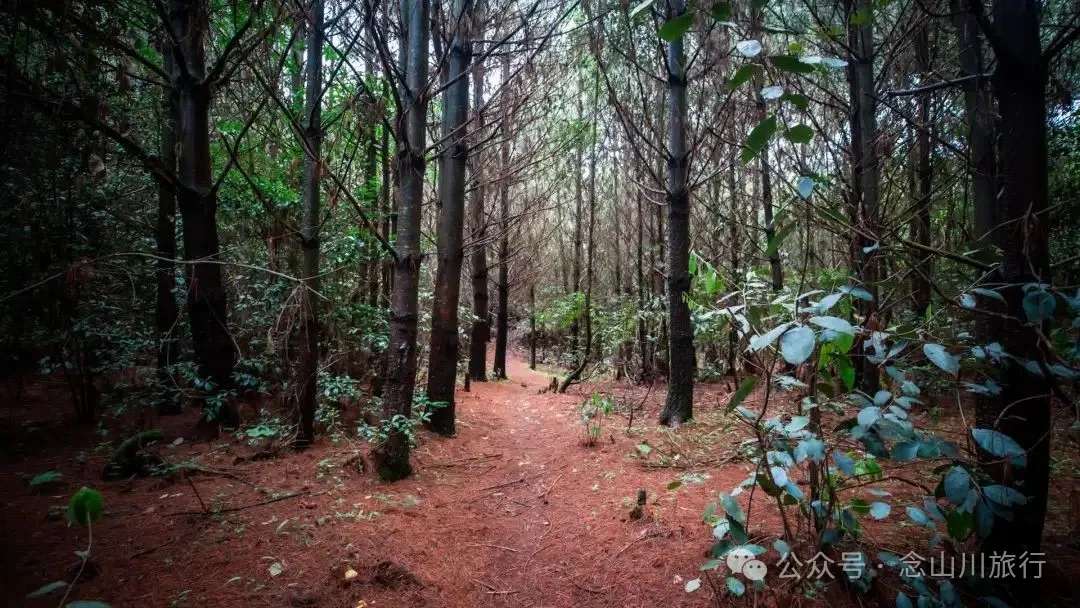
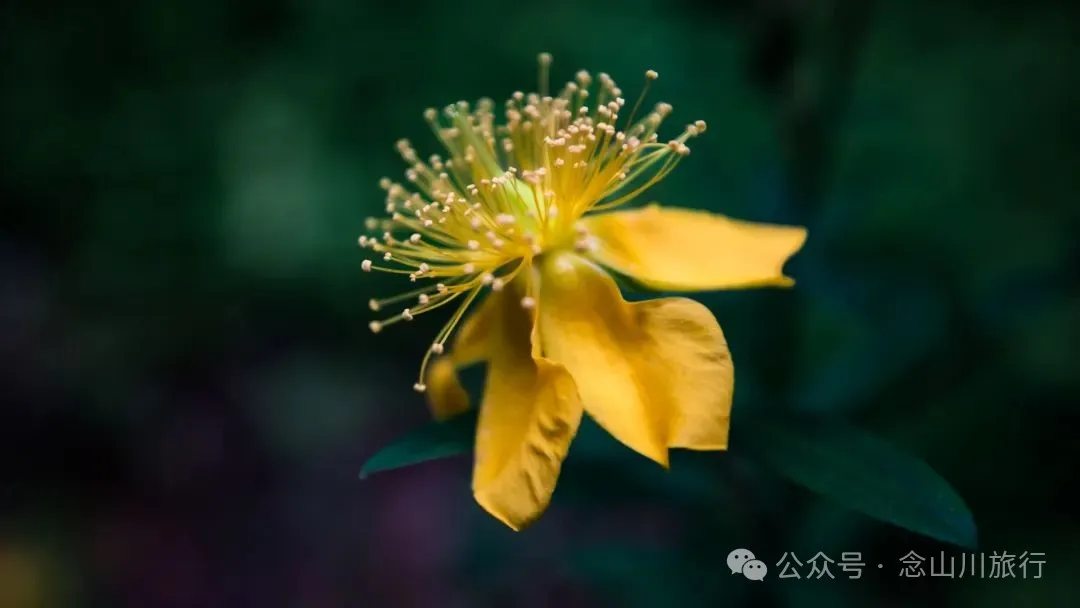
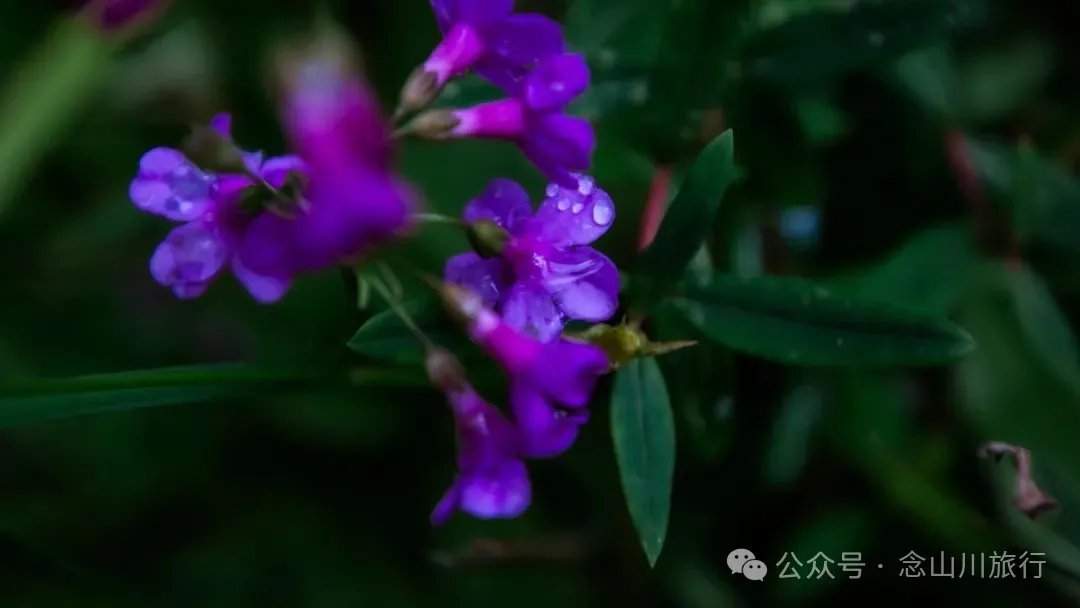
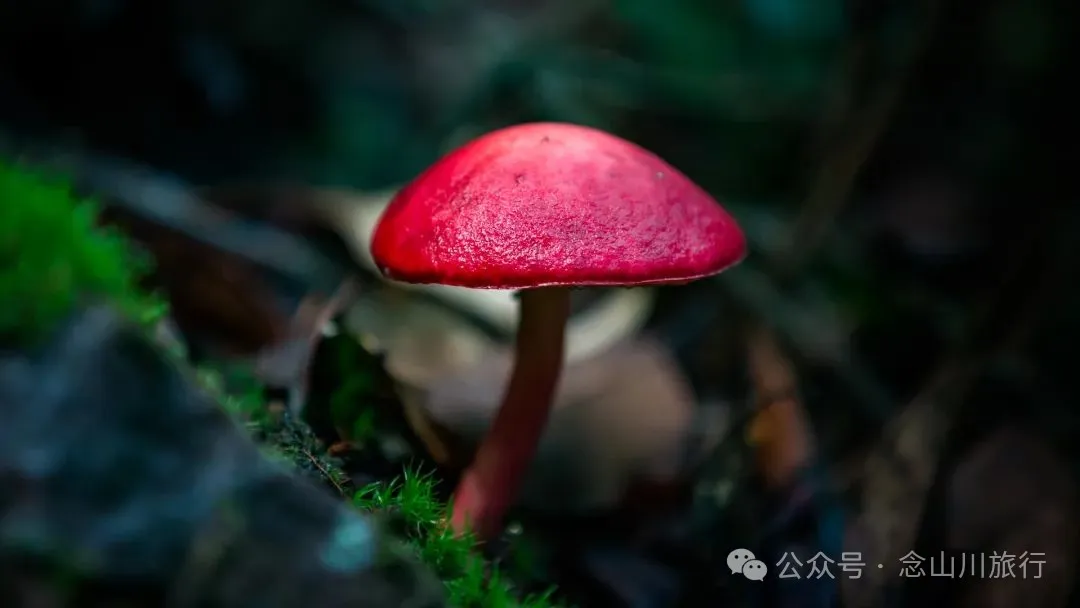
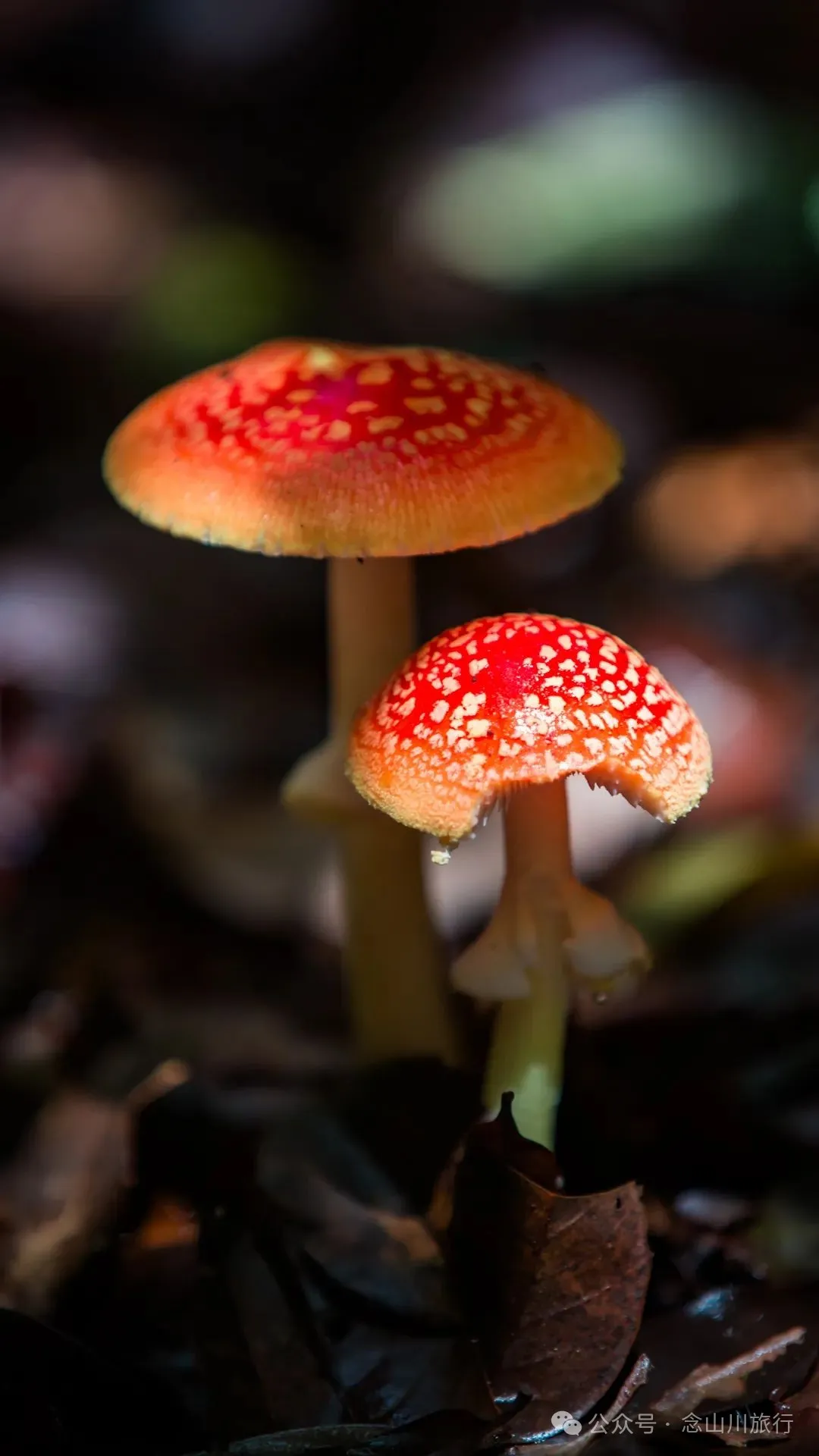
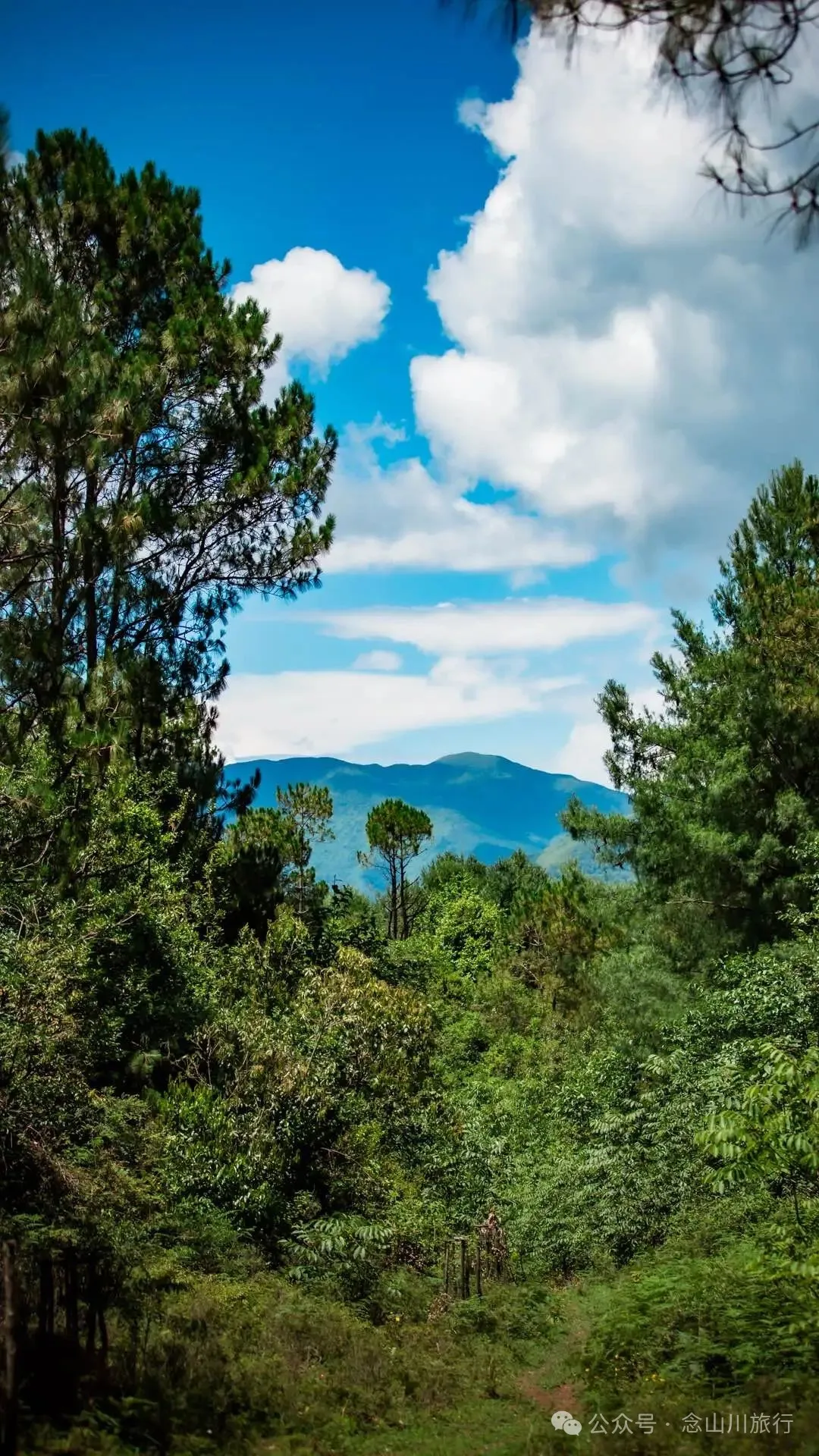
We entered the primeval forest where the Red River source lies on a clear afternoon, but everything in the forest tries to prove that it rained heavily not long ago. The wet mountain emits the smell of rotting leaves soaked in rain. Traces of rain remain on the branches, leaves, and flowers by the roadside. The area is dense with pine trees, and many young, low pine trees grow freely by the path. Due to the high humidity, wild mushrooms are everywhere, but these colorful mushrooms should not be picked or touched—they are highly toxic.
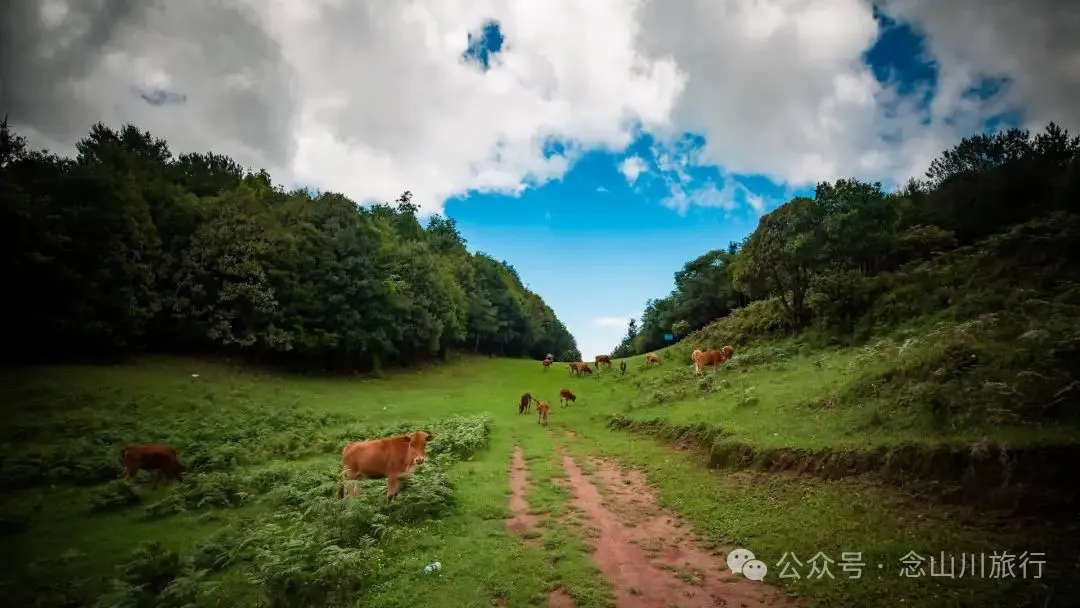
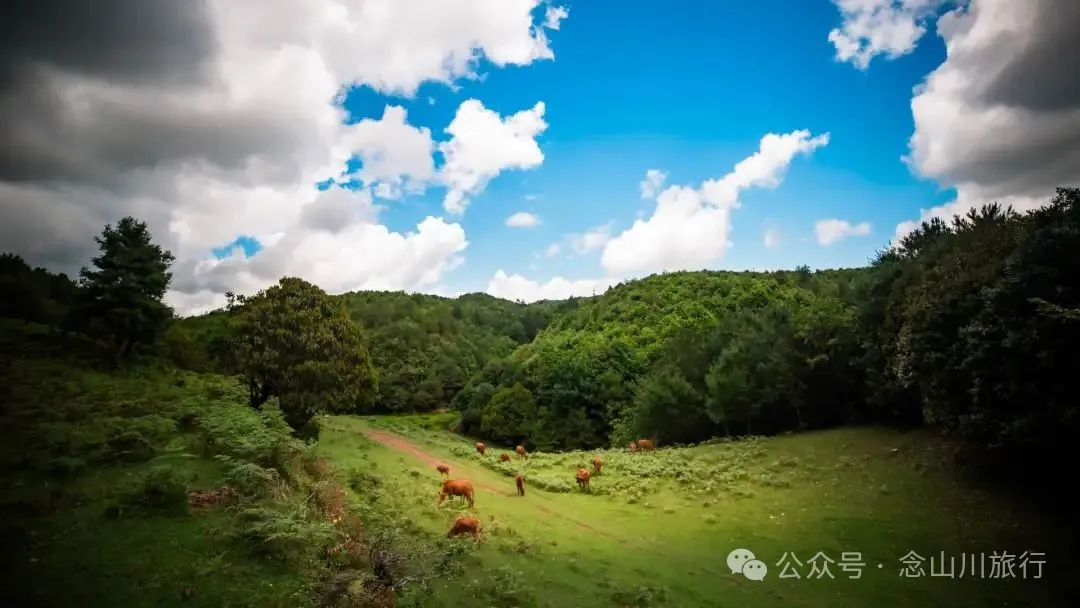
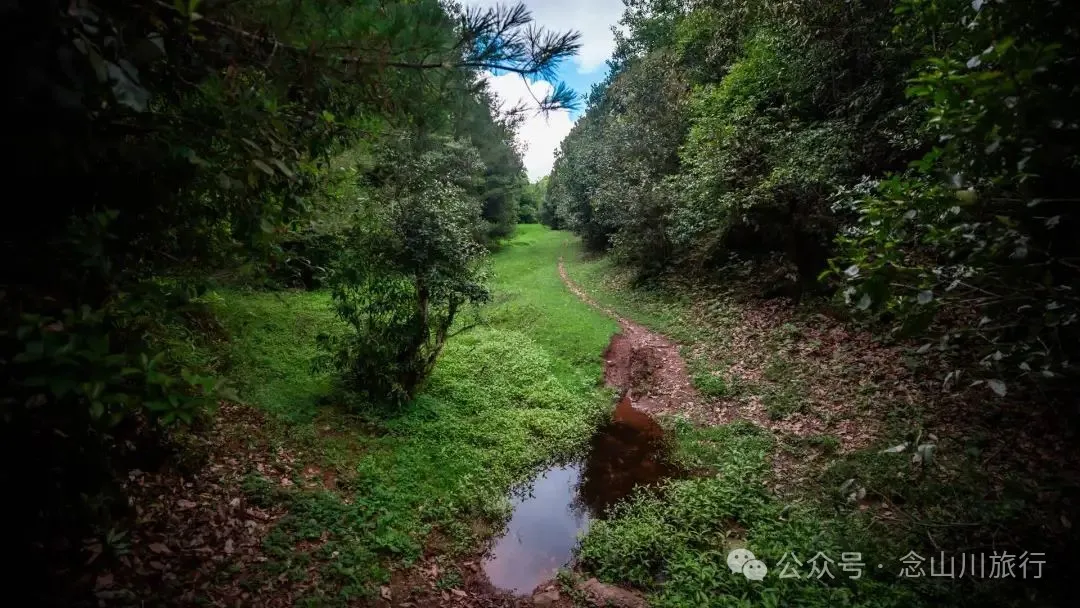
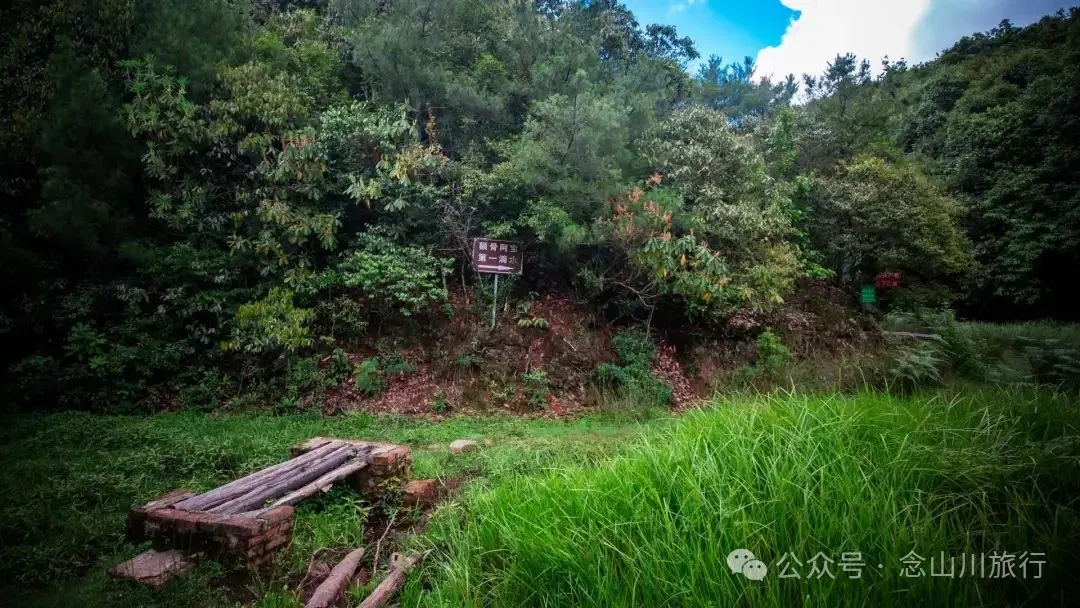
The Xi River, in its birthplace in the mountains, is just such a shallow, gentle stream. The aquatic plants in the stream are extremely lush, and the stream water is clear and transparent, unlike the muddy river water downstream. We keep following the signs, searching for a path to the Red River source in the low mountain stream, only to find that the Red River source and the first drop of water are the same place. So we follow the signs again to the first drop of water.
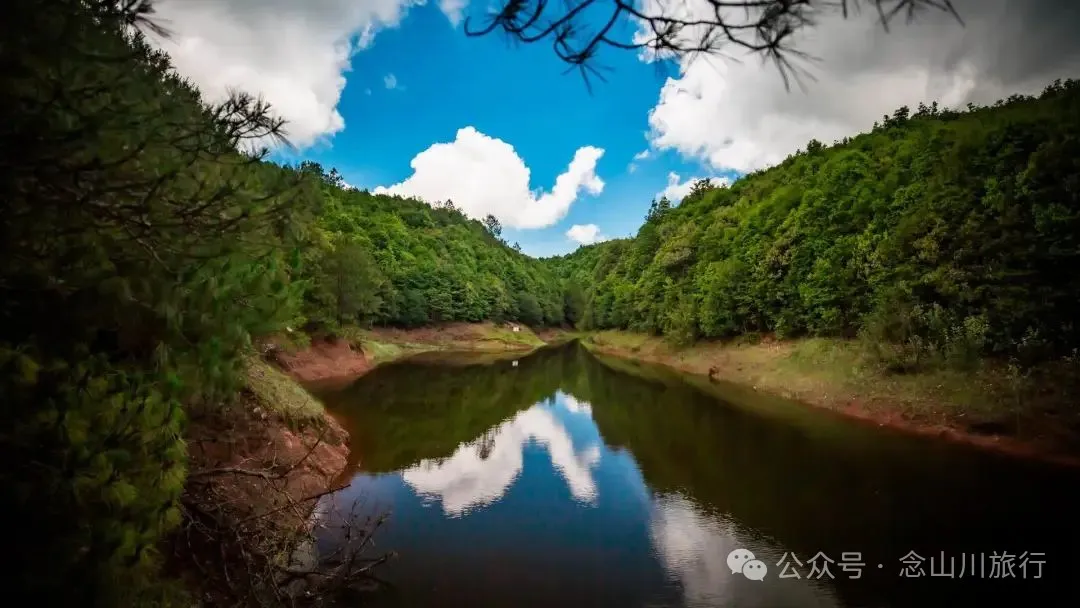
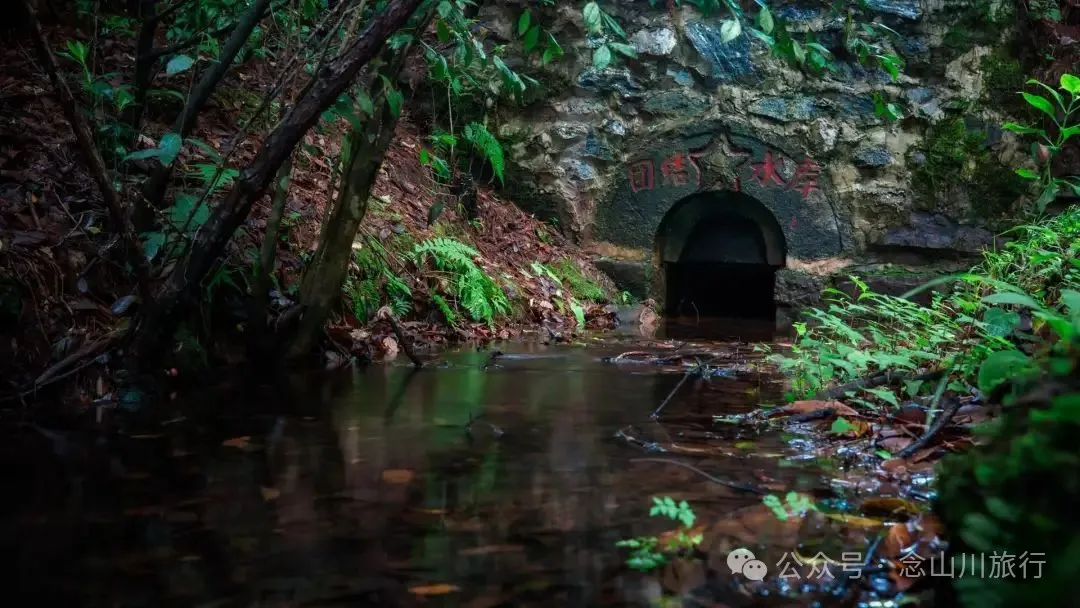
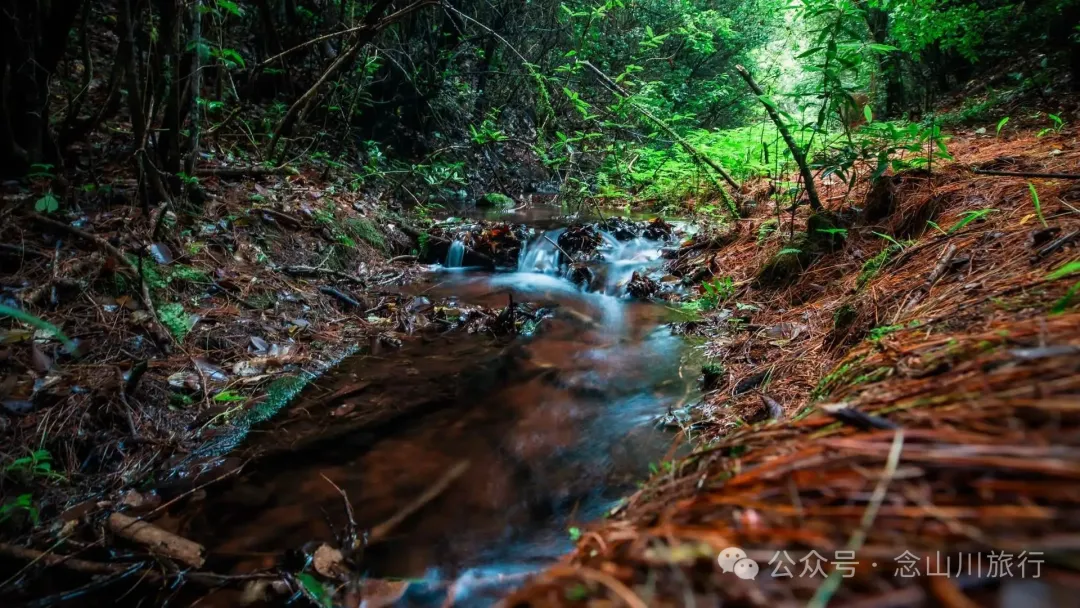
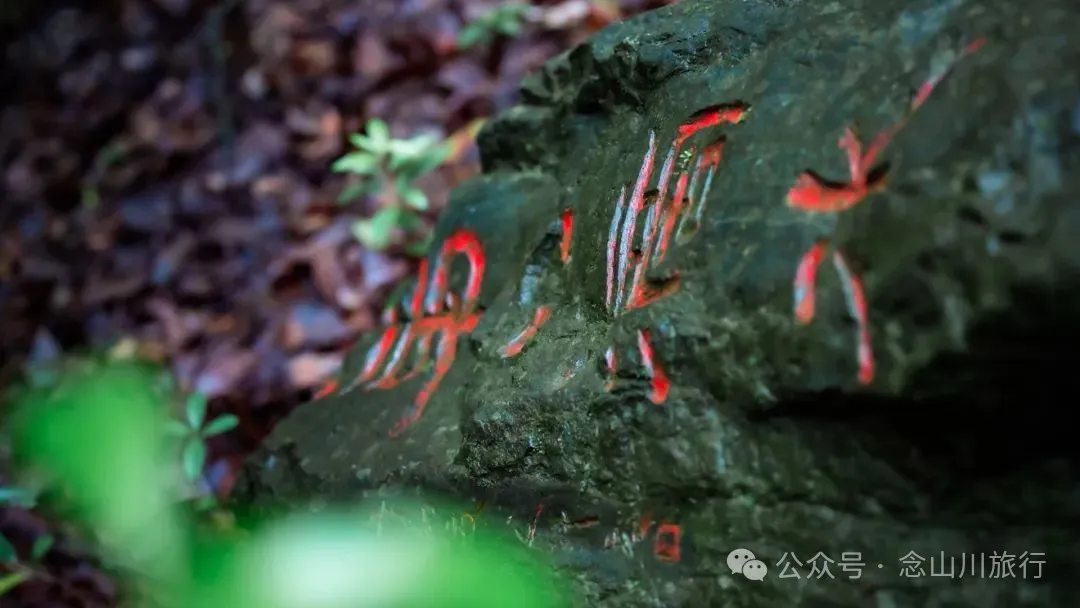
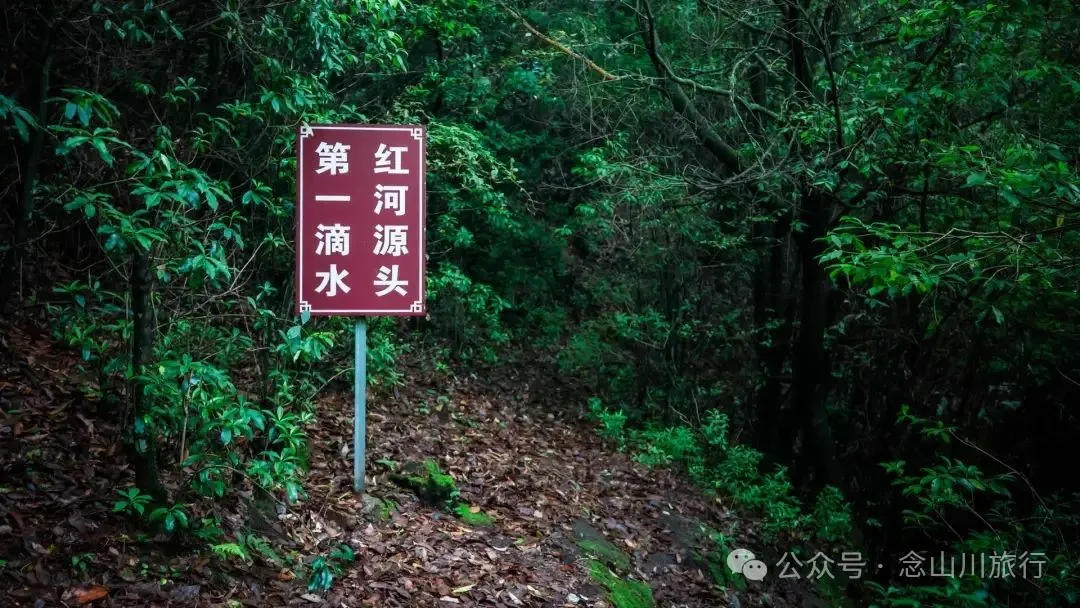
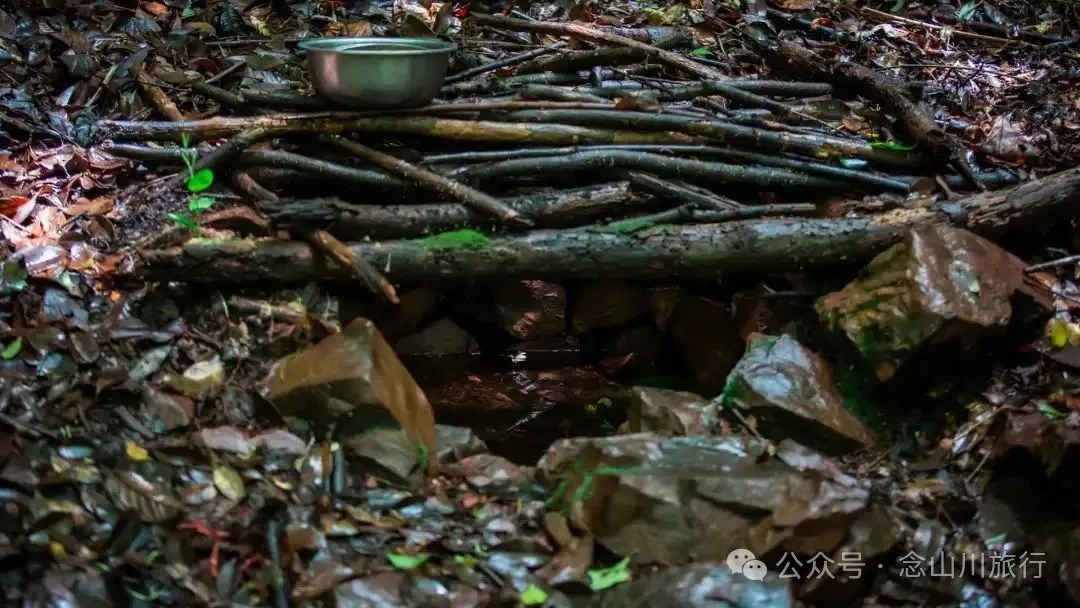
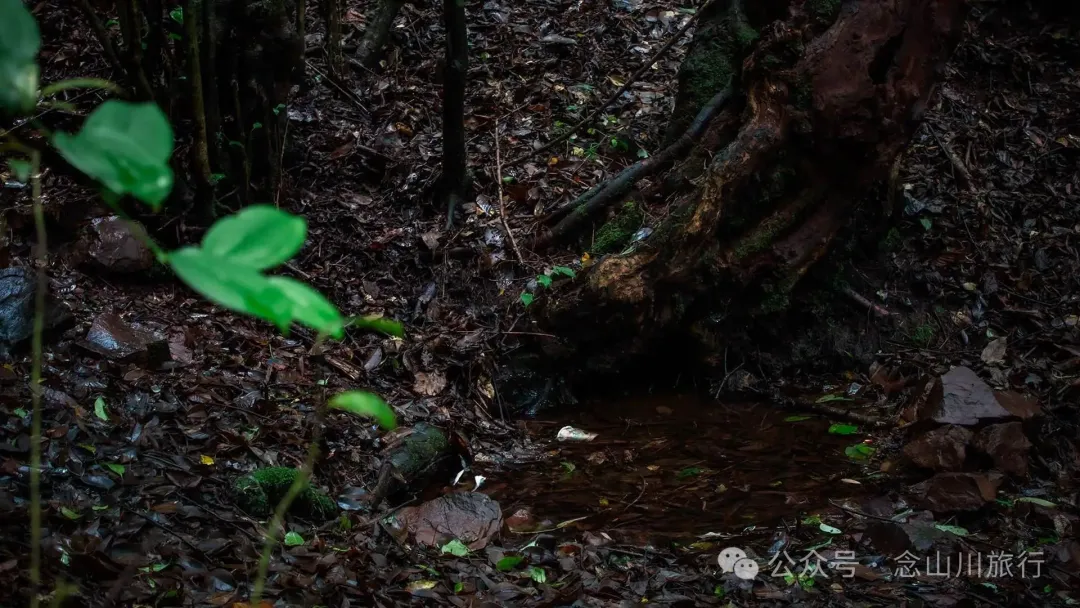
After walking for several kilometers along the mountain path beside the stream, we finally see this clear sign. The Red River source is hidden in this wet forest, with layers of branches overhead blocking the sun, occasionally revealing patches of blue sky like scraps of cloth. The source water is hidden under a horizontal dead branch. On the open ground nearby, many unburned incense sticks are inserted. The villagers have regarded this place as sacred, treating it with reverence and awe. Only by actually setting foot on the Red River source and seeing the first drop of water emerging from the ground can one truly understand that the first drop of the Red River is not just a round, transparent droplet; it is a protected mountain, a lush tree, a pristine wild grass, a reverent gaze. Everything here contributes to the inexhaustible first drop of water.
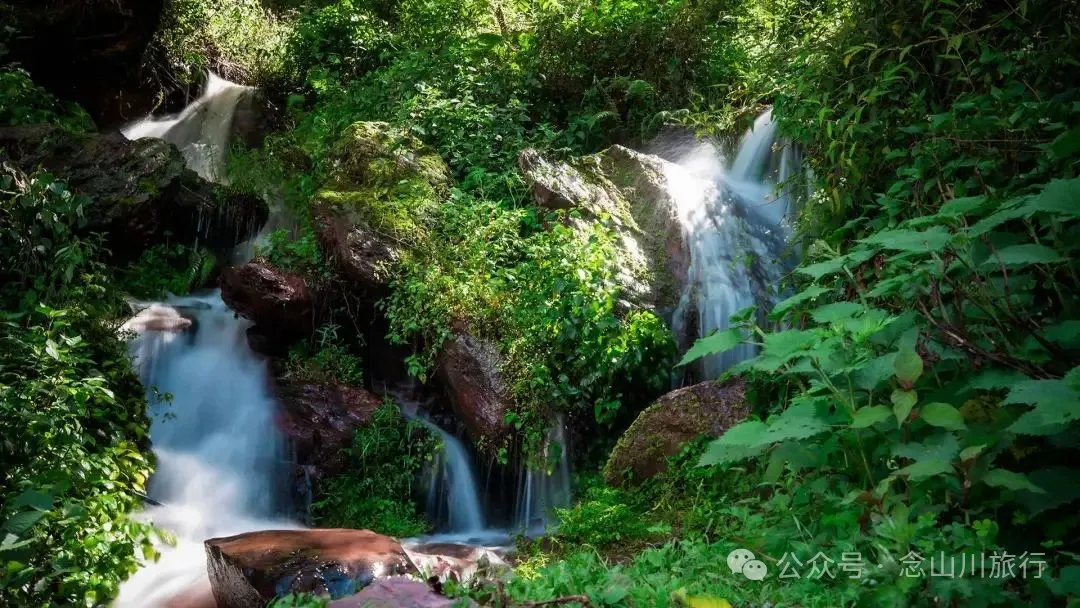
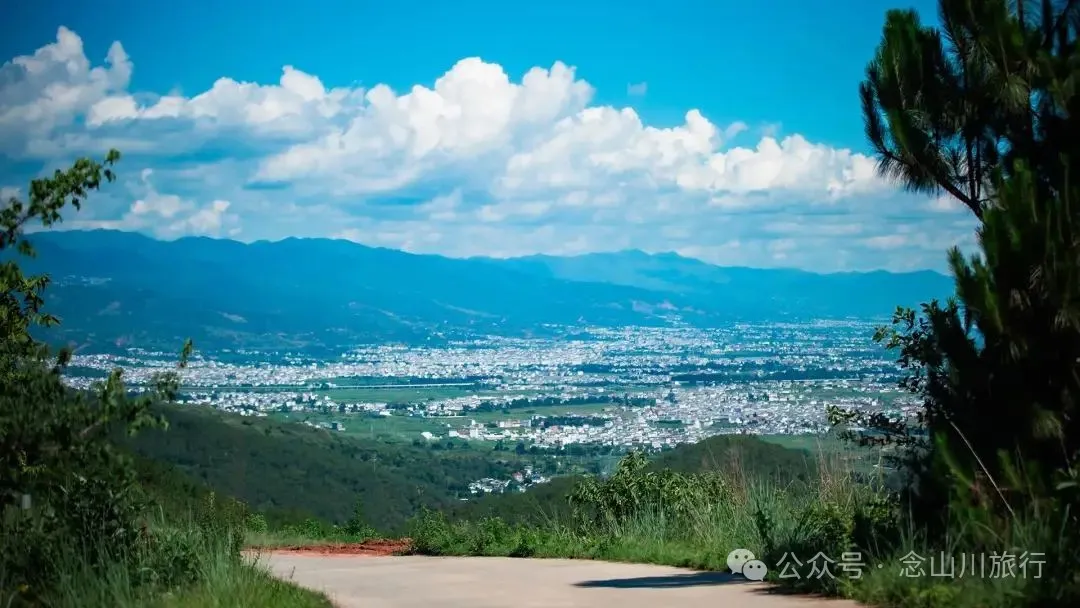
Following the forest path toward Milumo Village, we emerged from the mountains that nurture the source of the Red River. As we neared the village, the damp, dim woodland suddenly turned dry and bright — as if we had stepped from one world into another in an instant. The source of the Red River lies quietly hidden within those mountains, enclosed by an invisible boundary. Countless streams burst through the ravines, steadily swelling the Xi River, while beyond the mountains, the flat and expansive Weishan basin gleams brilliantly, nourished by the Xi River's waters.