
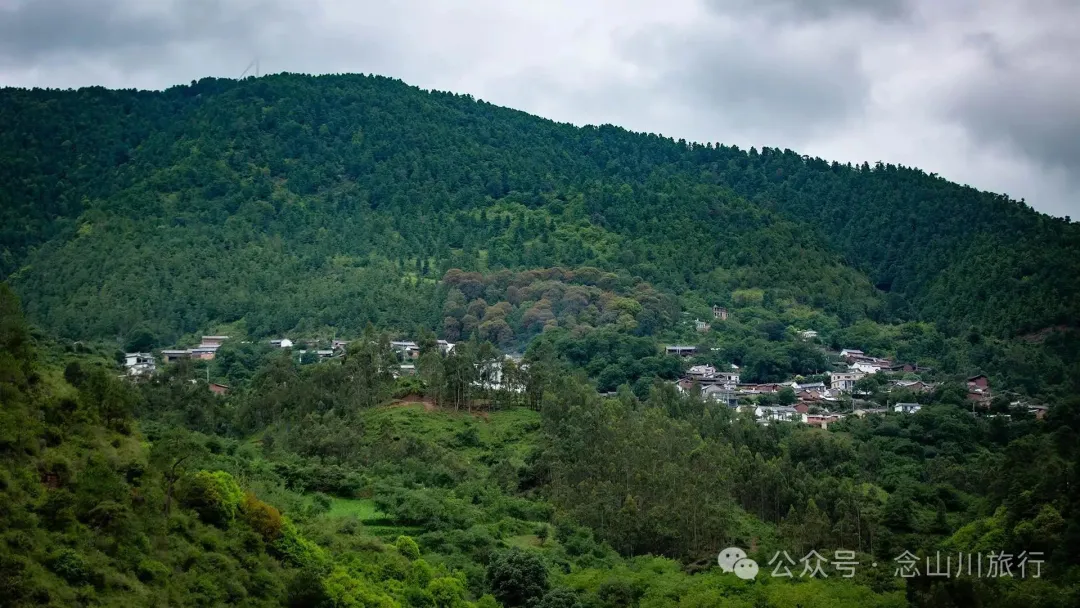
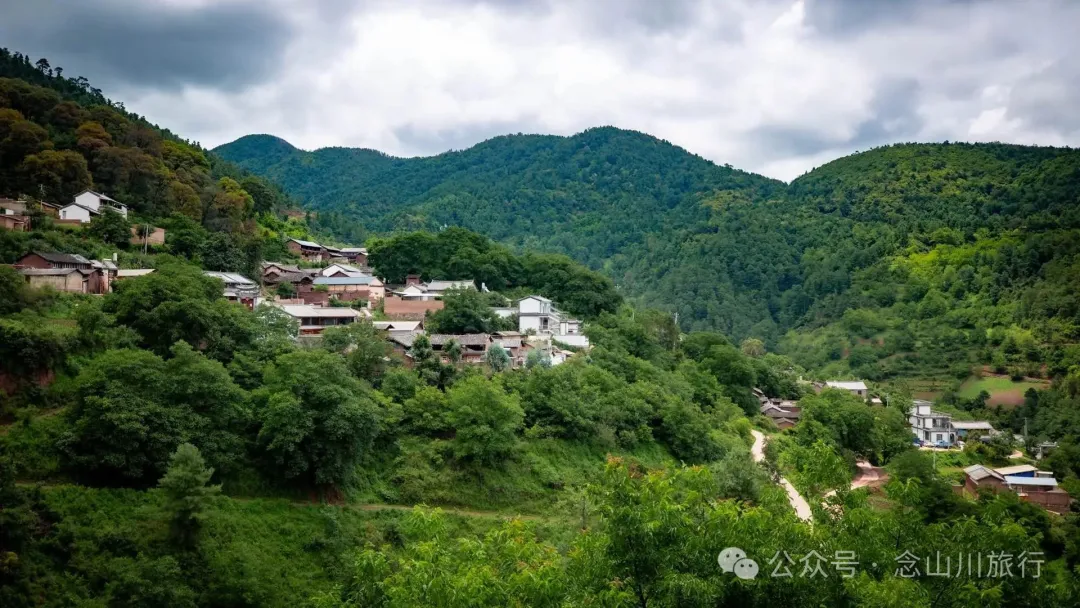
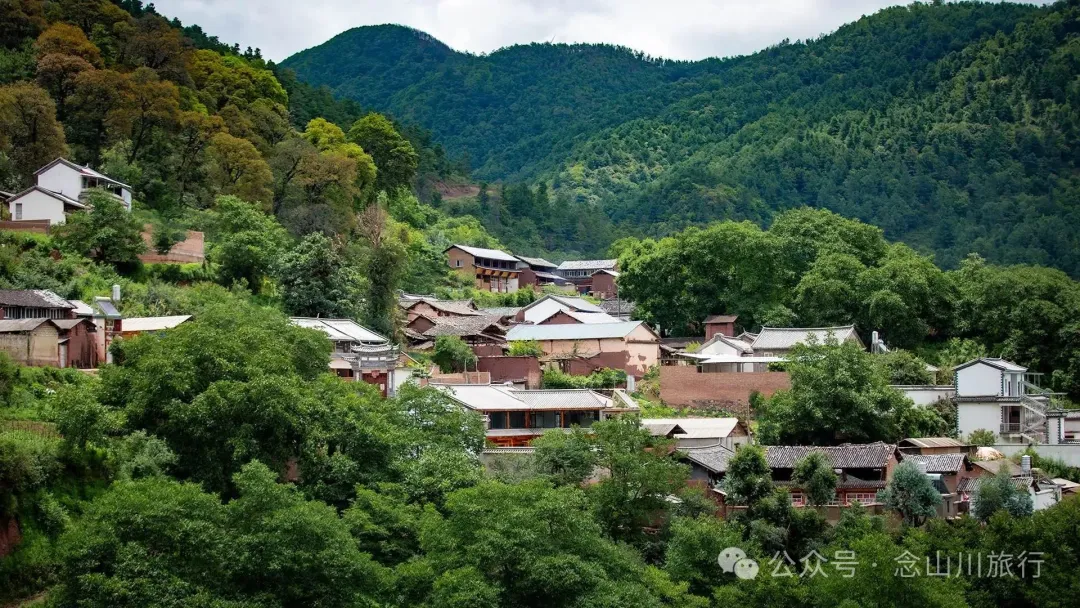
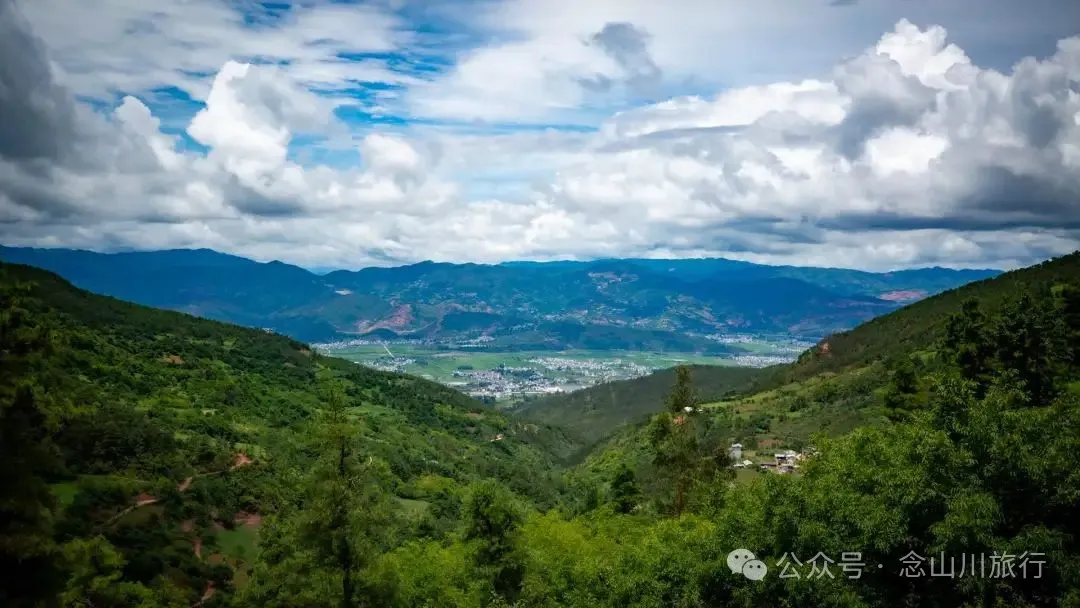
About 15 kilometers north of the ancient city of Weishan, leaving National Highway 215 onto Xiaofengji Road, you can see from afar several houses standing against the towering green barrier at the end of the eastern mountains. That is Fengshan Village, a Yi ethnic village with over 120 households. Looking at the village from several kilometers away, the lush green mountains and the village in the rainy season resemble a giant landscape painting. We, tiny as ants, slowly walk into this natural picture along the winding mountain path that looks like a line.
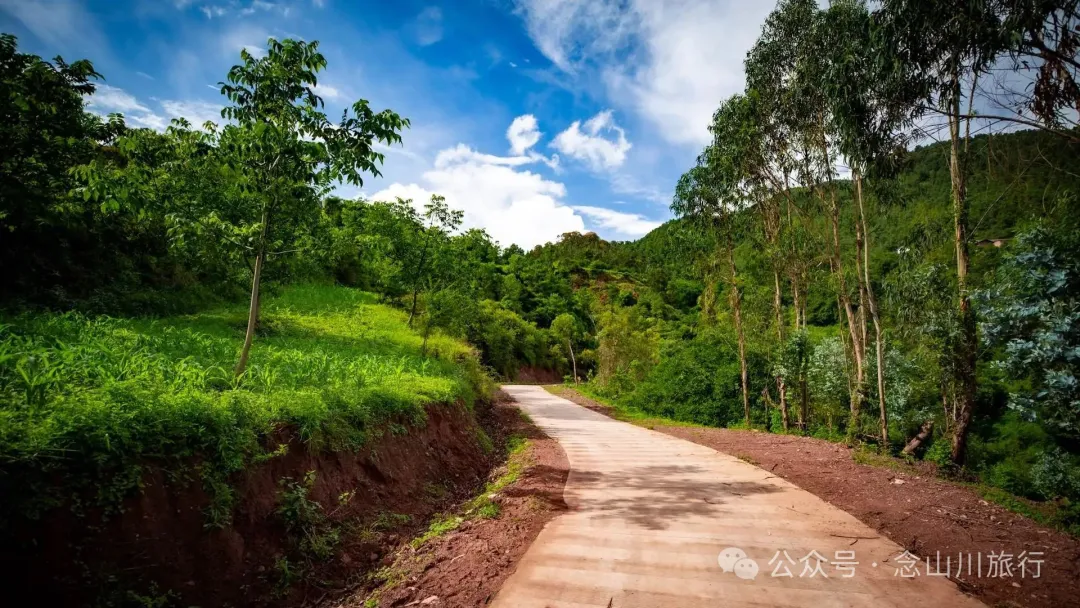
There is a section of cement road leading to the village, which made us mistakenly think the rest of the road would be equally smooth. Unexpectedly, the cement road is only a short stretch; the village road remains the dirt path we walked years ago, becoming muddy and impassable during the rainy season.
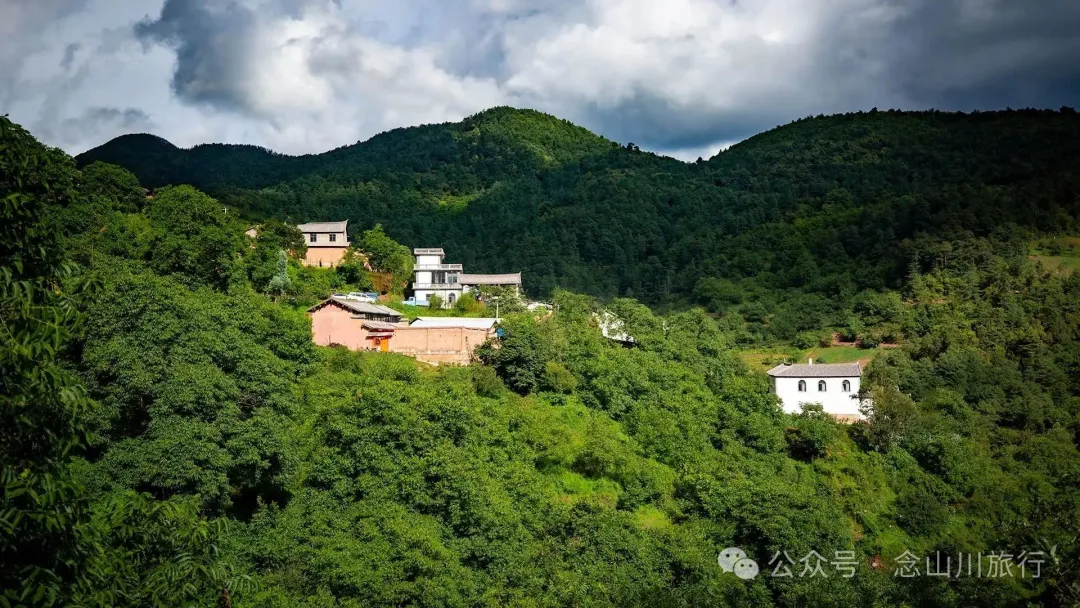
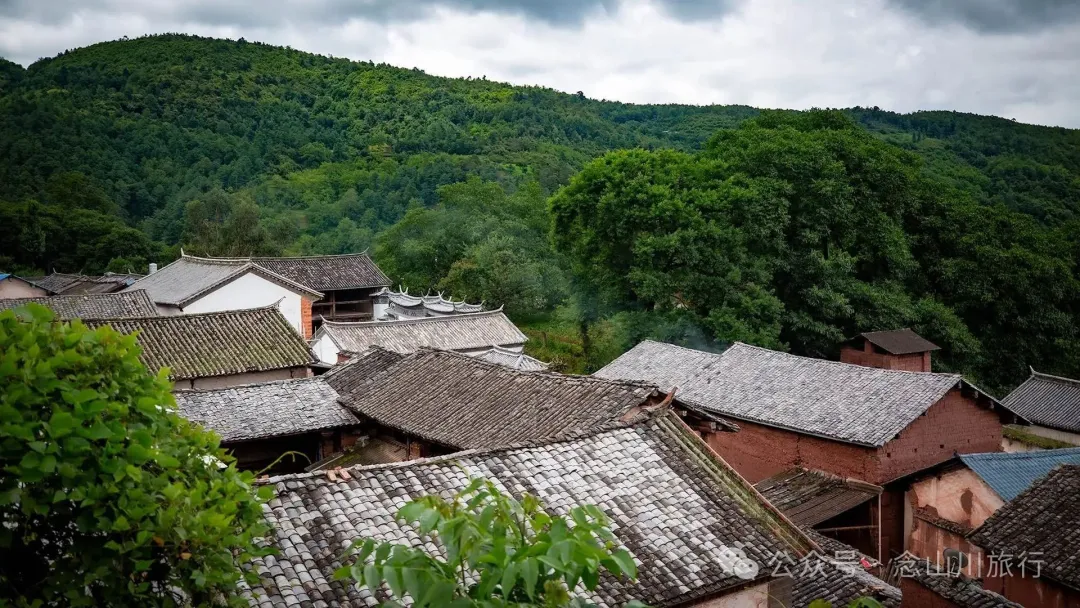
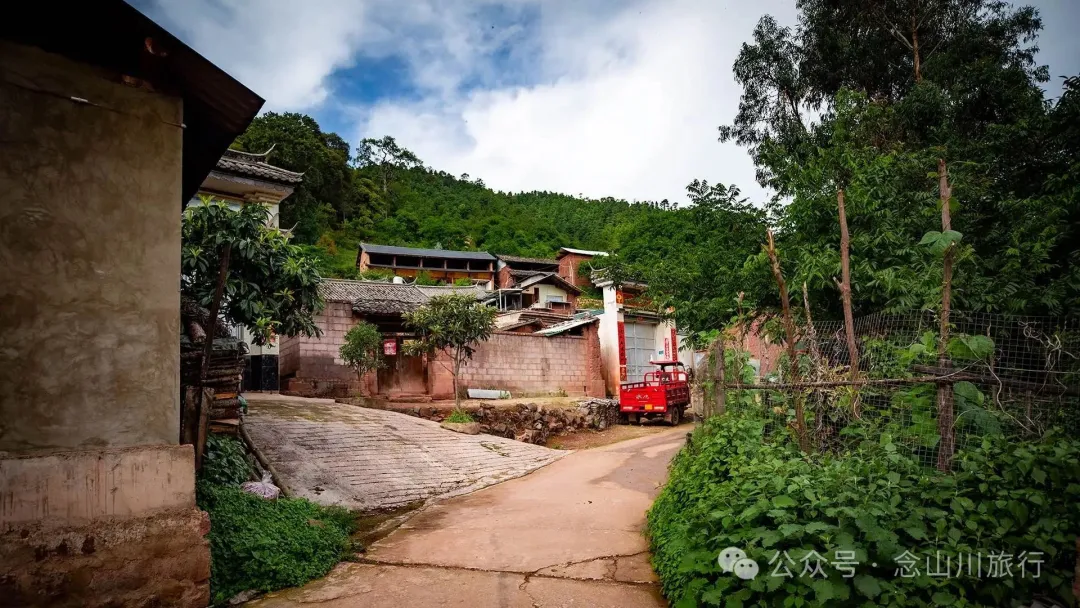
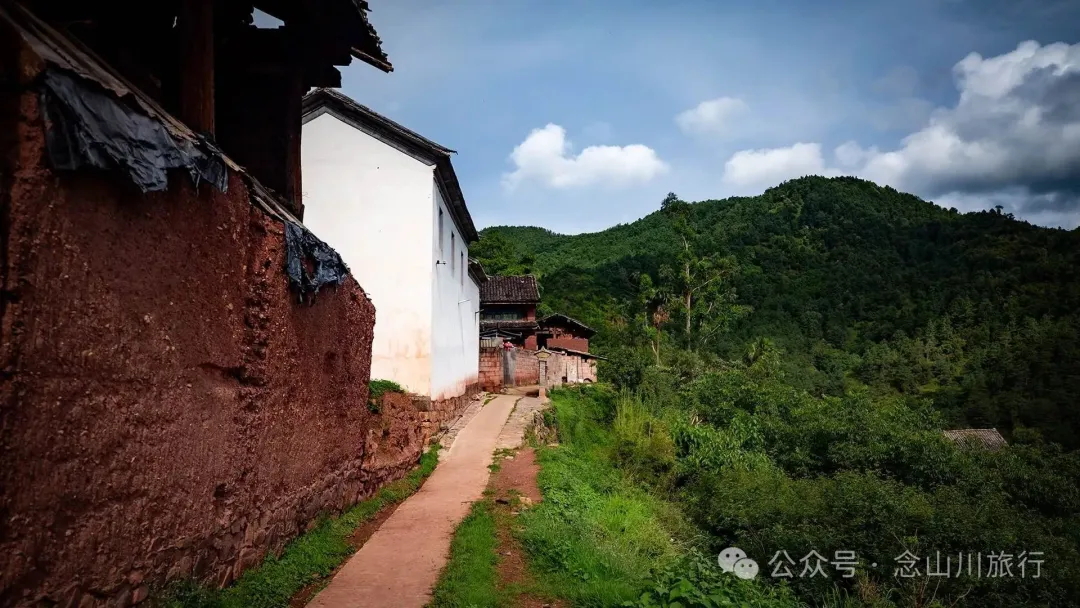
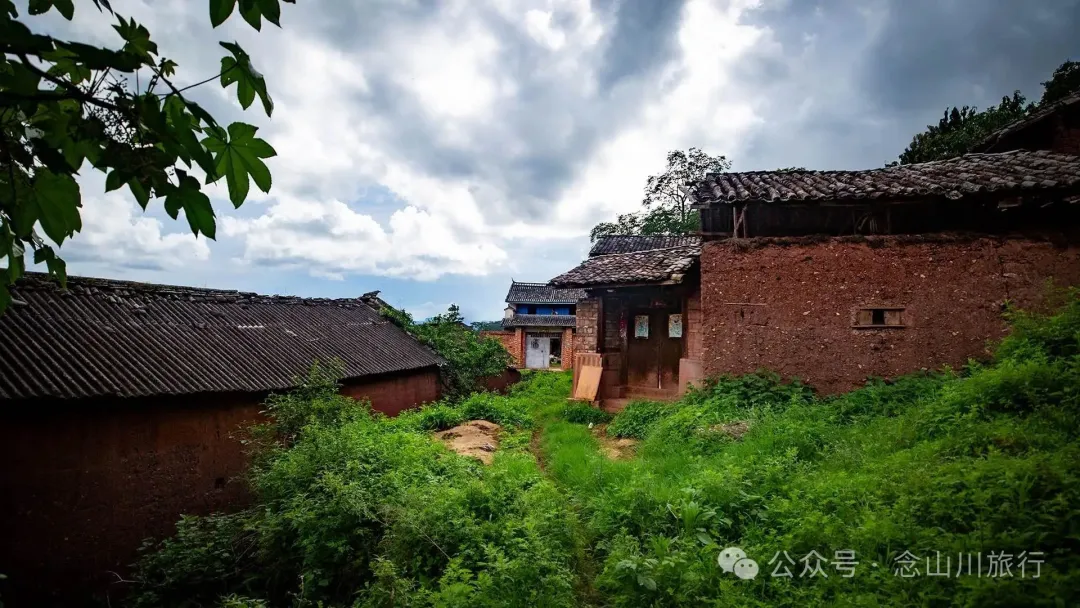
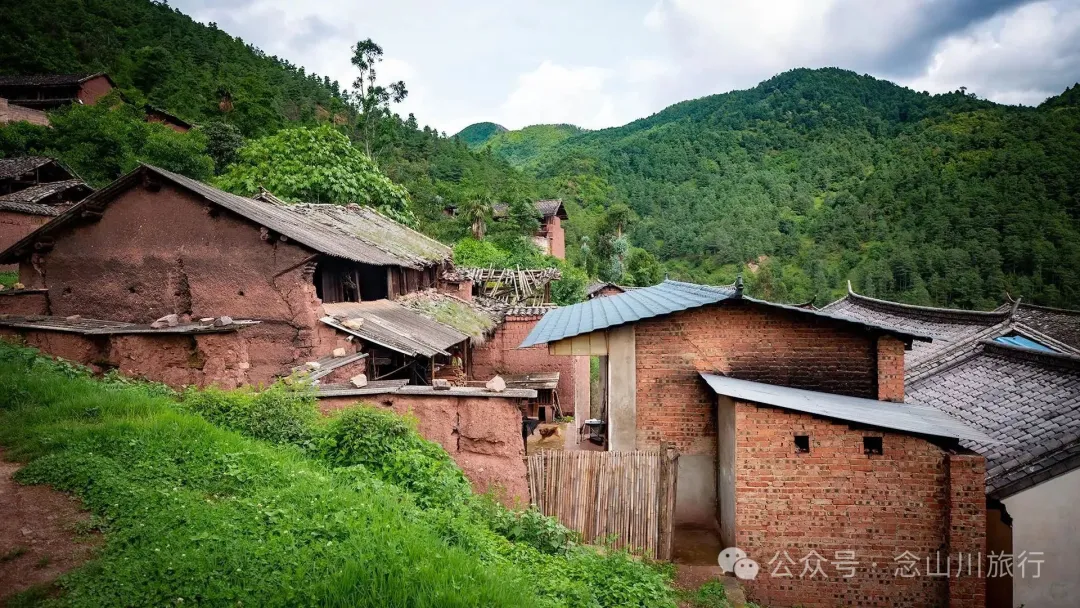
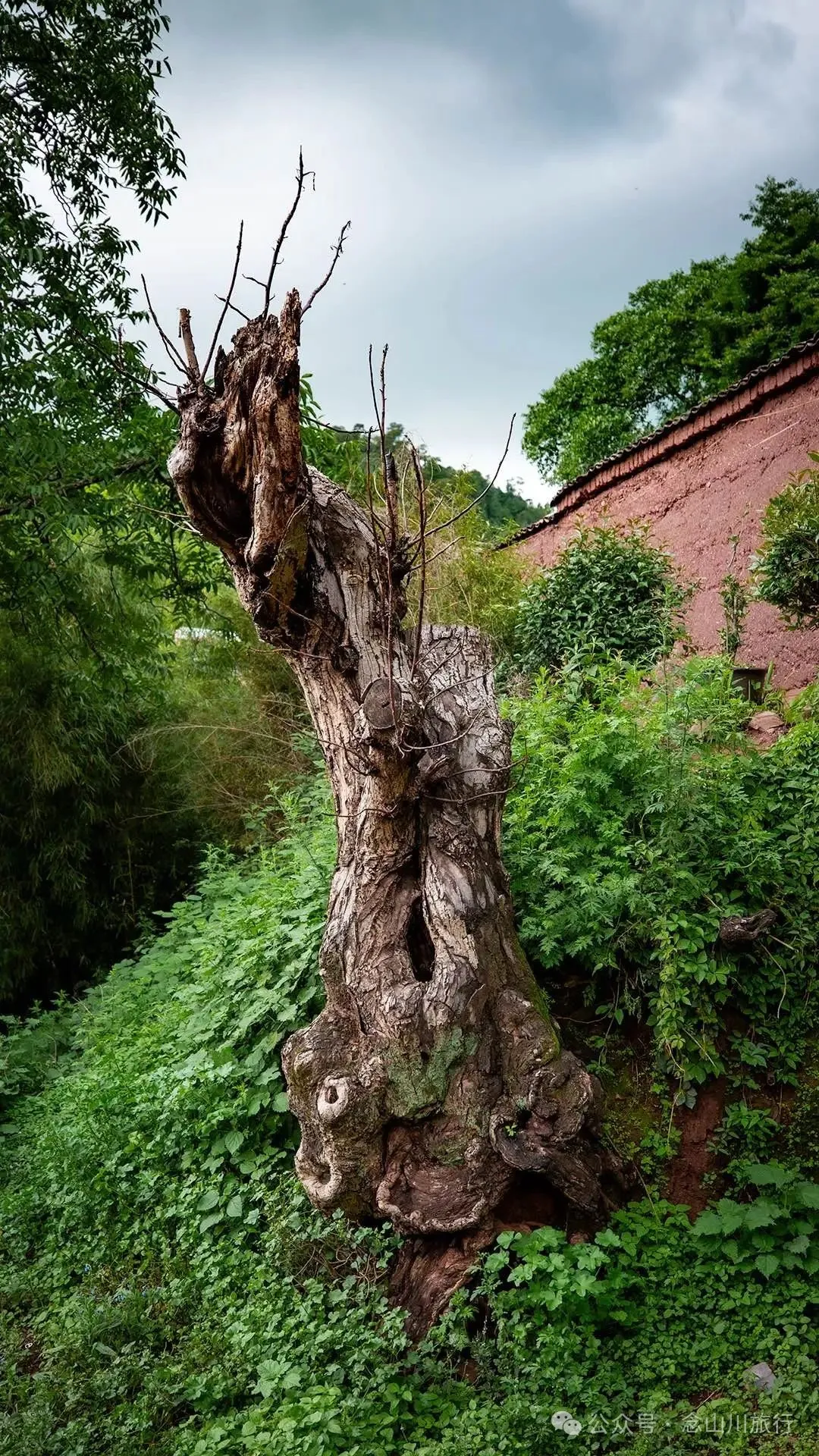
We experienced a heavy rain in the alpine meadow behind the village. By the time the rain cleared and we returned to the village, it was nearly dusk. After the rain, the village was filled with a fresh natural scent. Walnut trees, plum trees, oak trees, and clusters of bamboo grow in the open spaces around the houses. In the dense, tall woods, the village houses are hidden from view. As the mountain wind blows, only the murmuring sound of the wind, like a babbling brook, surrounds the village, gentle as a lullaby.
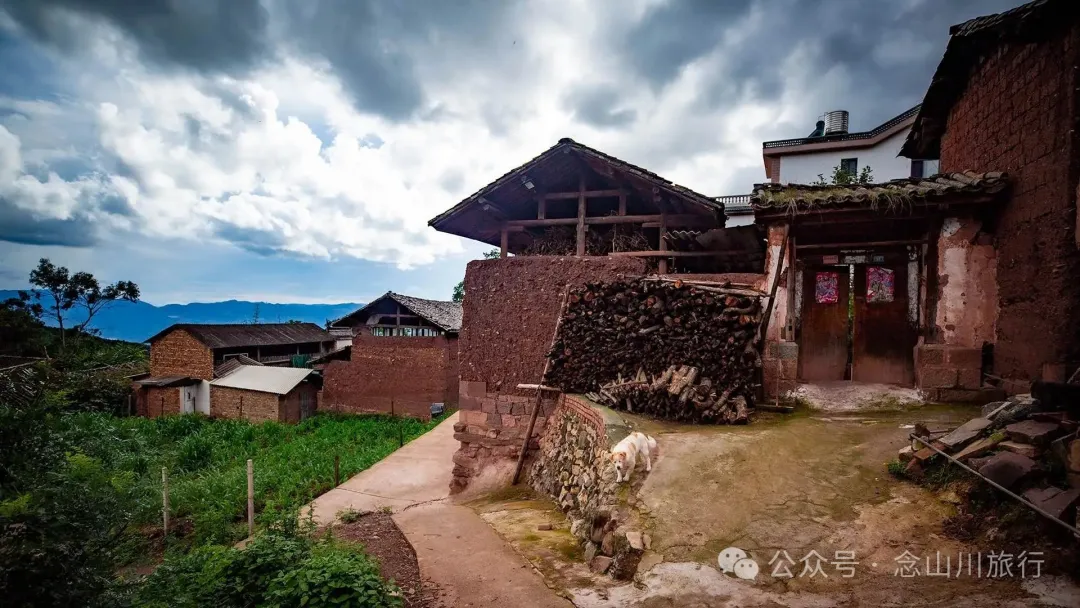
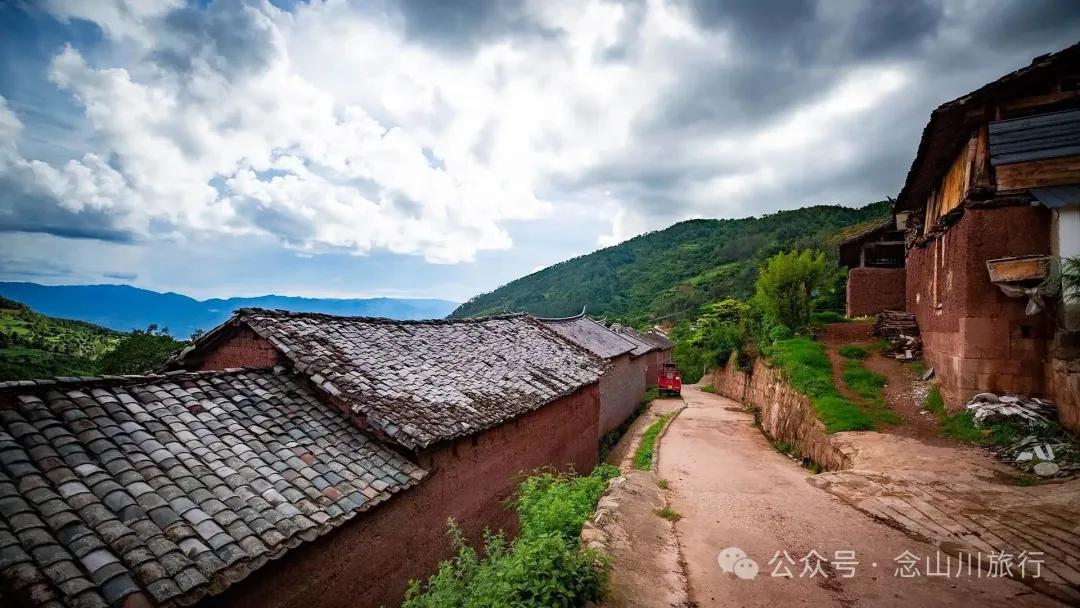
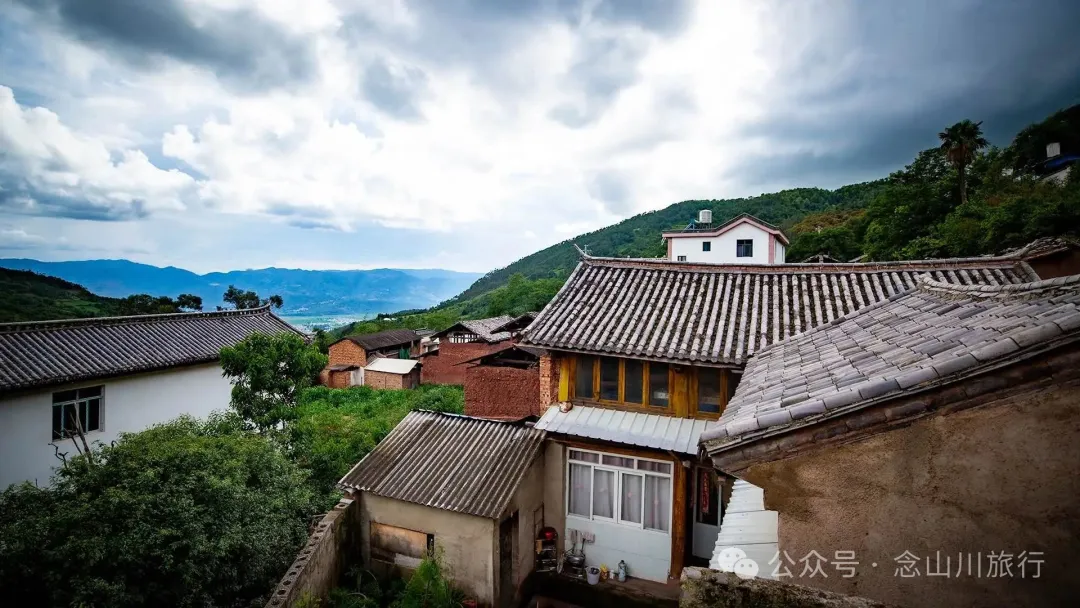
Walking into the quiet and pure village, each simple and tidy farmhouse courtyard sits like a gentle and calm cat, enjoying the tenderness and clarity of the mountains in boundless leisure, making visitors feel heartfelt warmth and reluctant to leave. Outside the mountains lies the flat and open Weishan Basin. Sitting in the village and looking westward, the Weishan Basin and the rolling mountains beyond seem as distant as the horizon, faint and inaudible. Here, only the plain mountain life exists, with everything moving slowly.
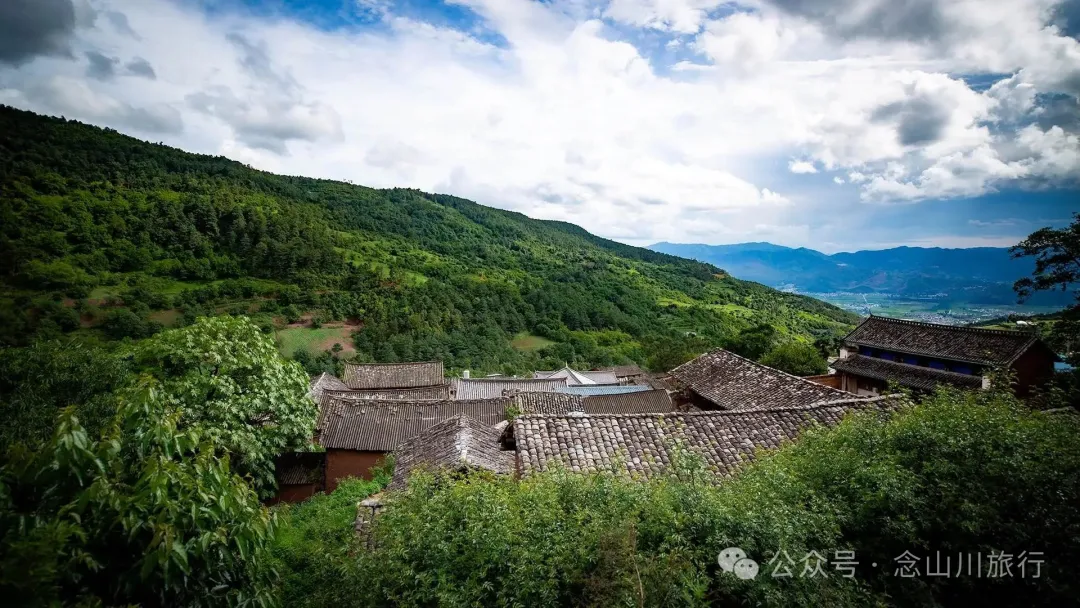
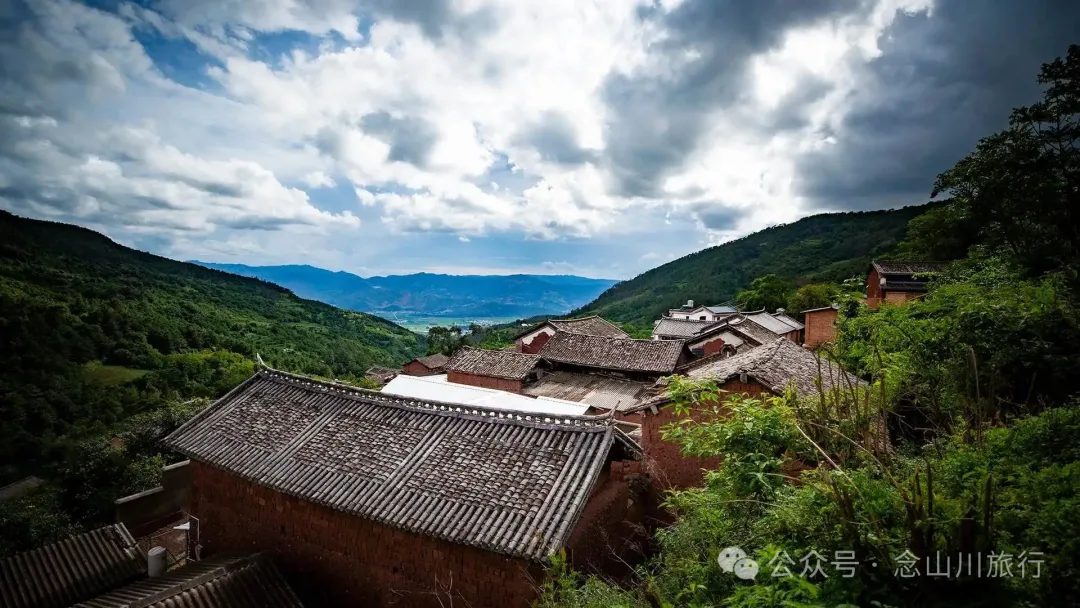
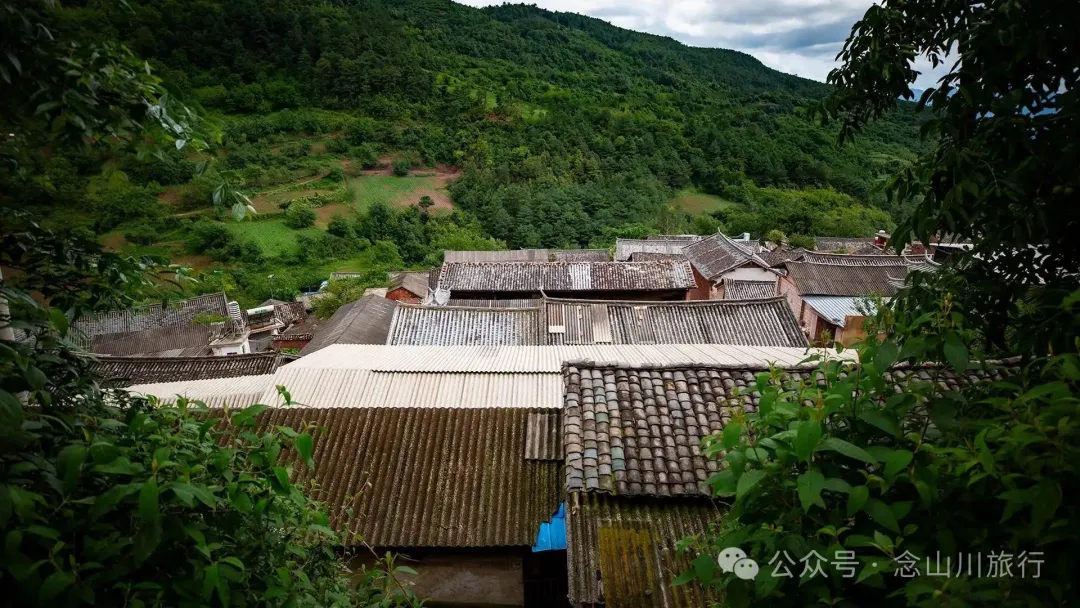
The dark-tiled roofs complement the green neighbors perfectly. The roof ridges, elegant like a mountain ridge, turn the small farmhouses into birds that have just folded their wings, perching in the dense thickets, huddling together safely through the chilly night. At dusk, the lively chirping of birds drifts through the woods beside the farmhouses. This crisp and pleasant twitter seems to come from the houses themselves, waiting for the day to end, after which they will fall completely silent.
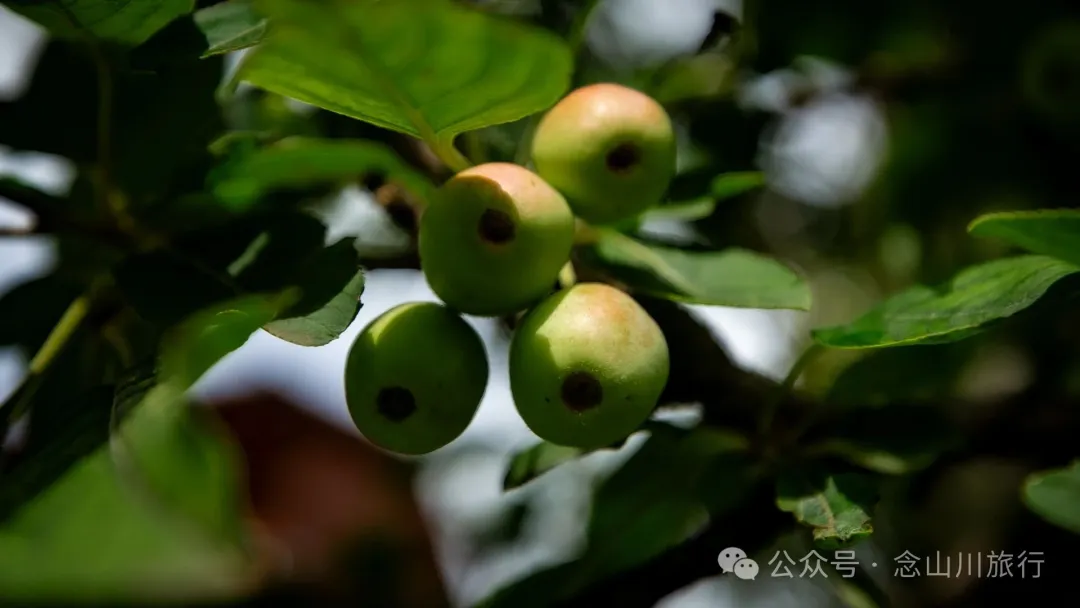
By the roadside, there is a fruit tree. We stared at the fruit for a long time, trying to identify it: Is it a pear tree or a jujube tree? It seems like neither; it should be a docynia delavayi (a type of crabapple). We asked how to eat it: Mix with chili, they said.
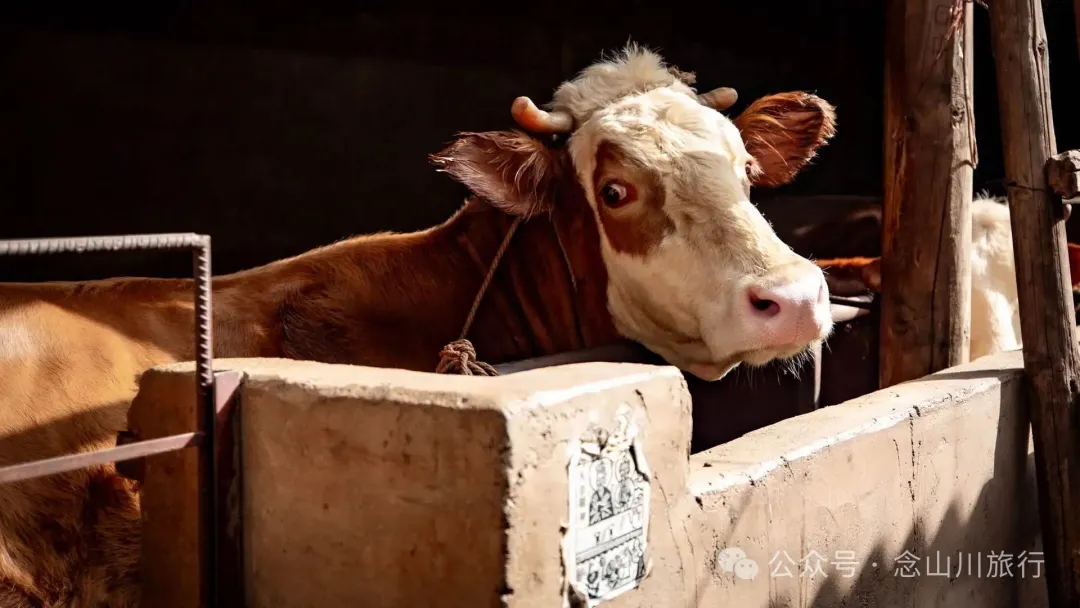
When the last ray of sunset fell on my friend's livestock pen, several yellow cattle in the pen looked at the strangers with serious or cute expressions, chewing a mouthful of feed continuously.
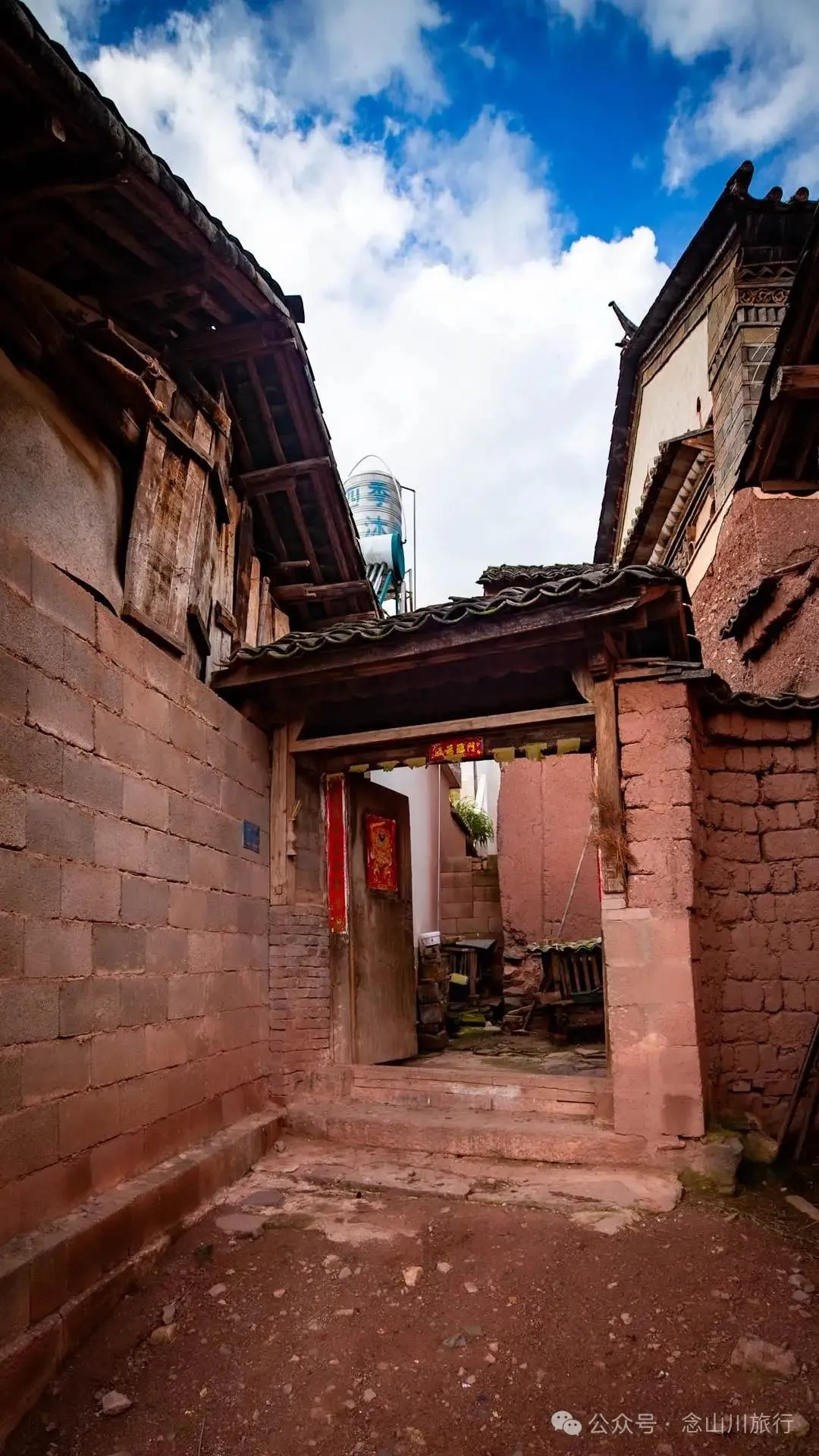
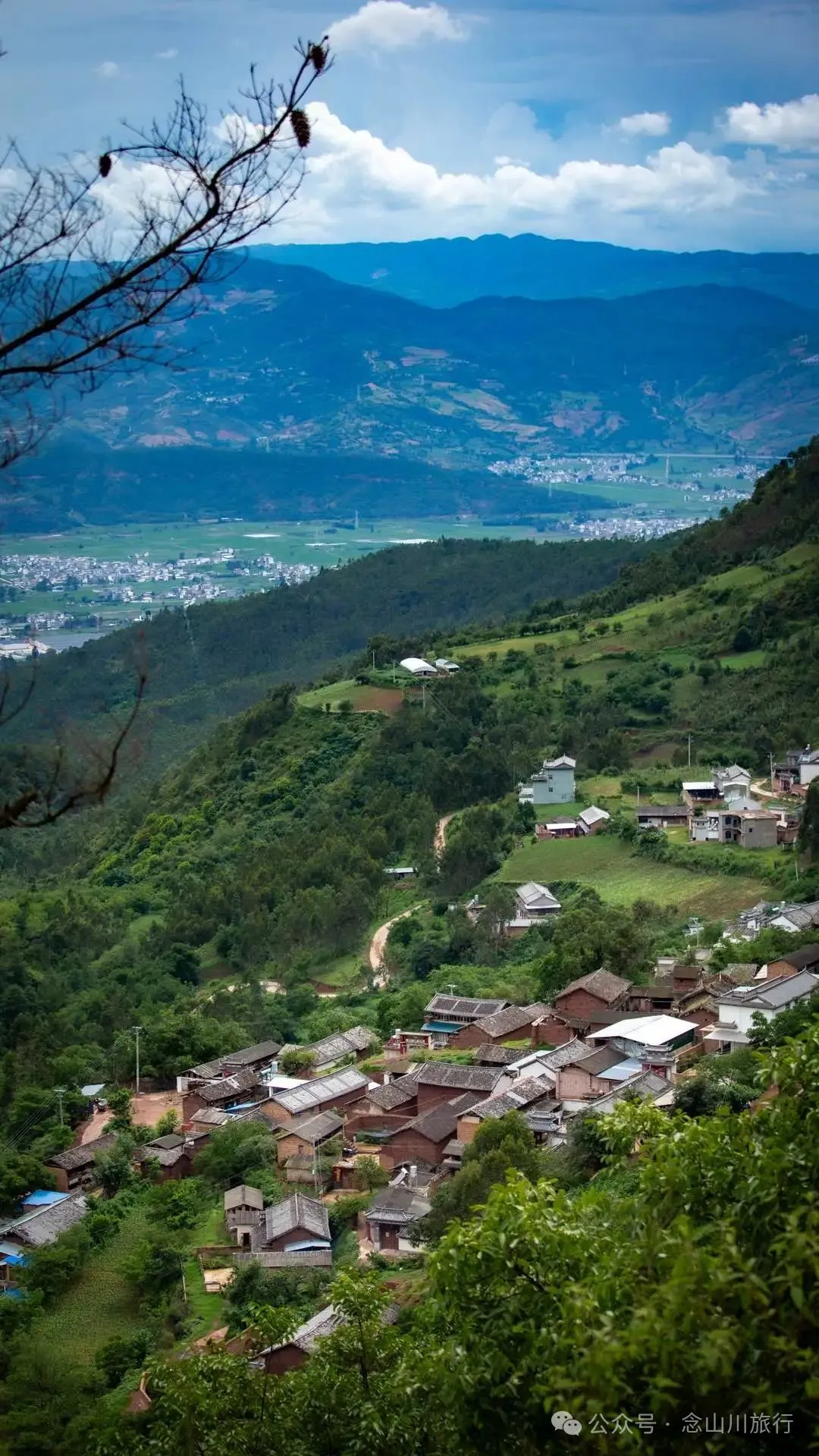
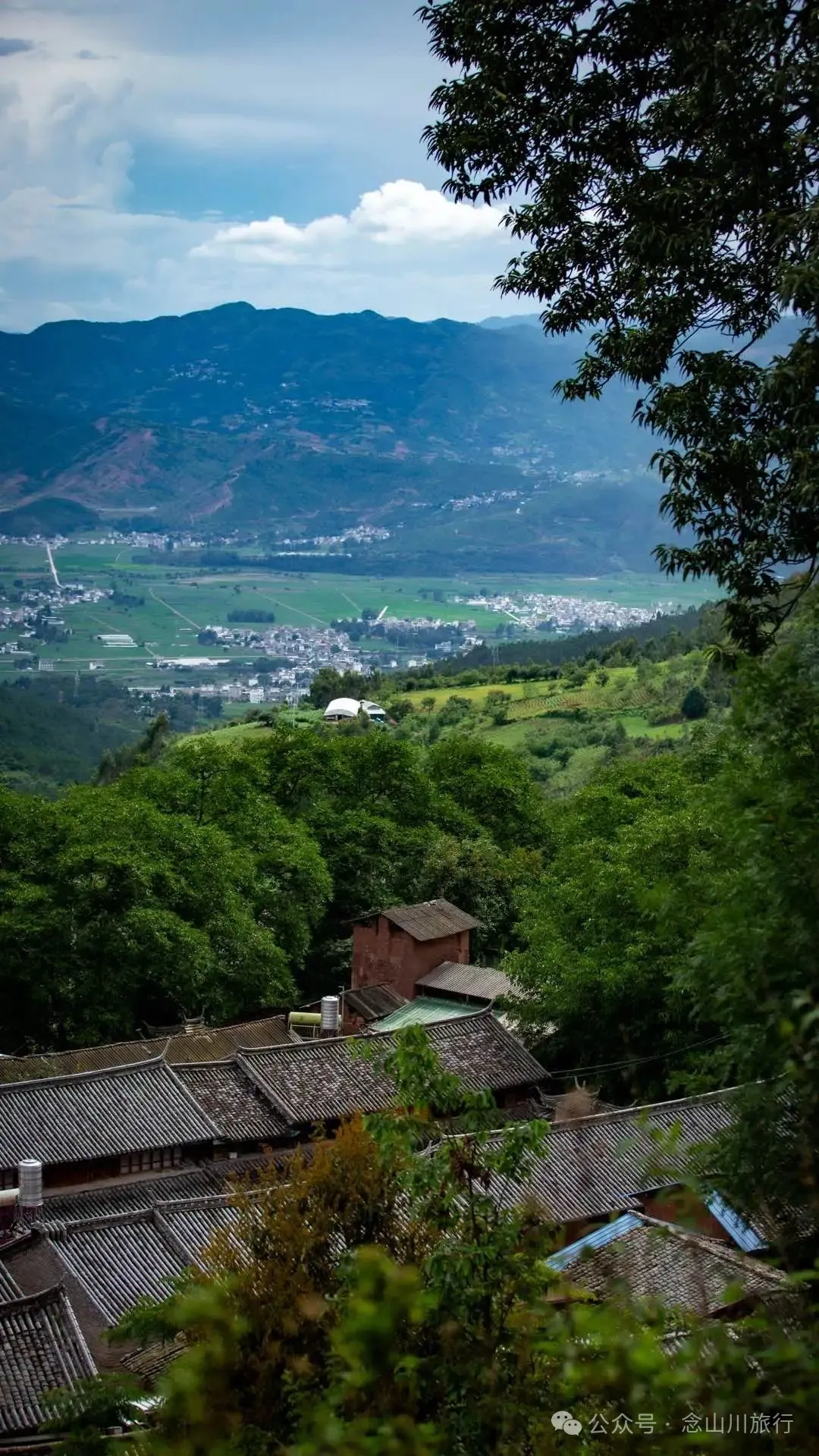
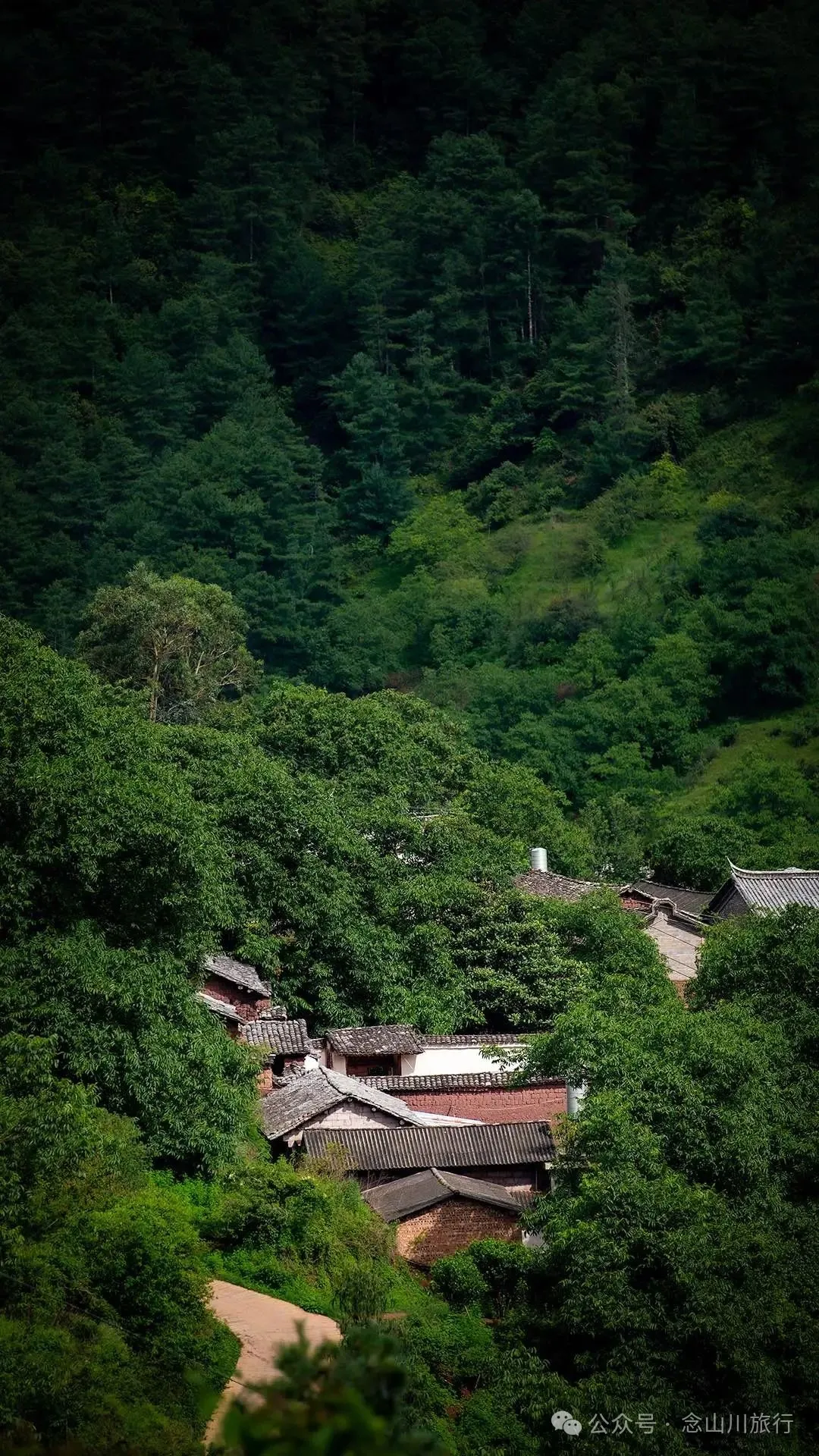
Under the setting sun, I climbed a high slope outside Fengshan Village, witnessing how the bright daylight of the village gradually peeled away—from the corner of the wall to the rooftop, from the mountainside to the mountain ridge. The daylight became fragile. As the sun sank, the clouds on the opposite ridge were dazzlingly white, but soon dimmed. On the mountain path behind, from time to time, a lead cow with a bell around its neck, driven by a herder, led the herd back to the village. They walked while nibbling on roadside grass, trying to fill their still-hollow stomachs.
On the winding village road below, a green passenger van carried a group of students out of the mountains, and another green van brought villagers back. One by one, faint cooking smoke rose from the village. A hungry white goose let out urgent cries for food. Some rooster, confused, mistook the dim sky for dawn and crowed urgently. A house by the road had its door wide open; a villager walked out of the yard and chatted with a passing farmer at the doorstep. In the cornfield on the opposite slope, the farmer who had been bending over to fertilize had also returned to the village at some point, quietly joining the serene evening scene of the village under the sunset.