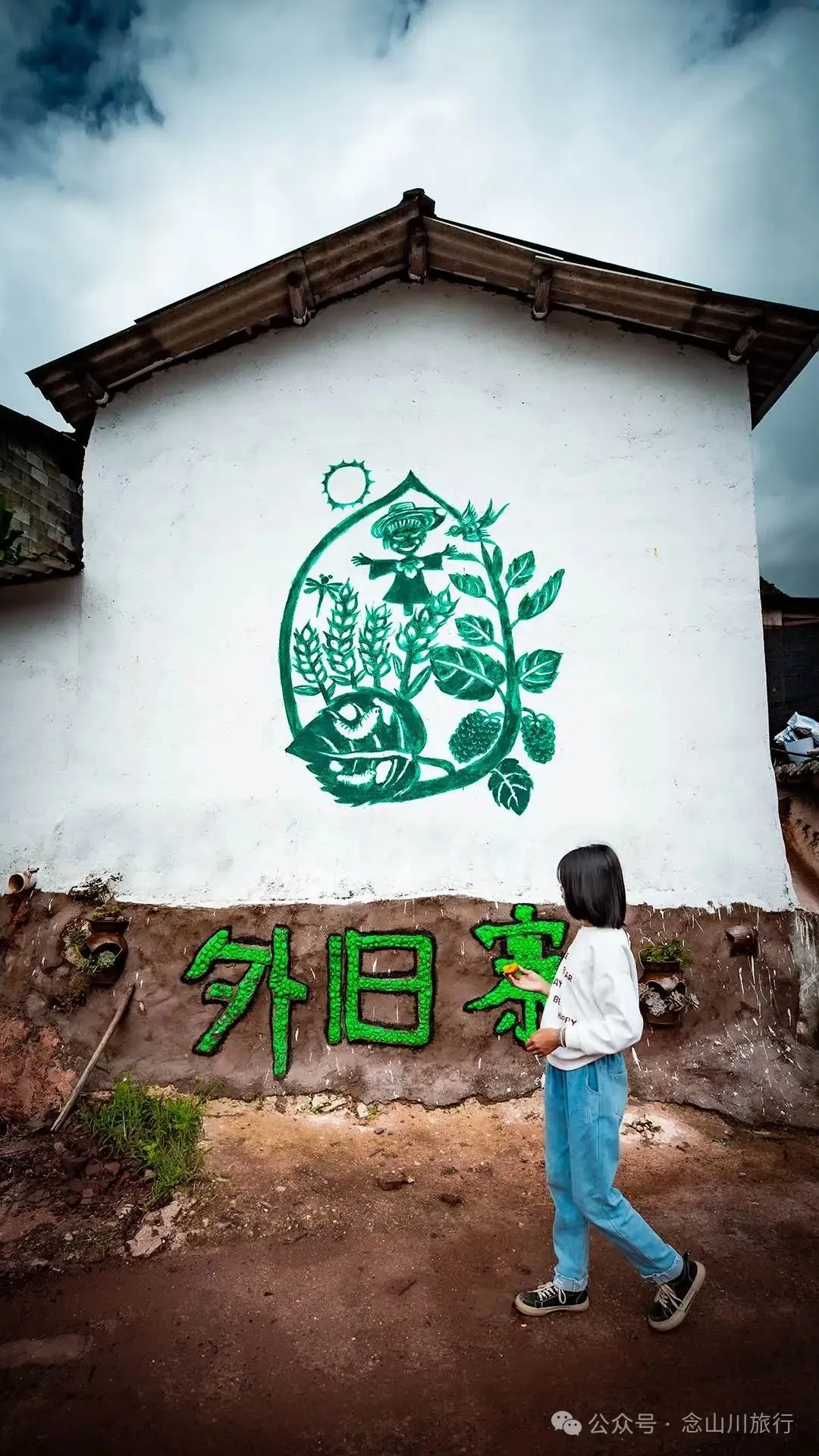

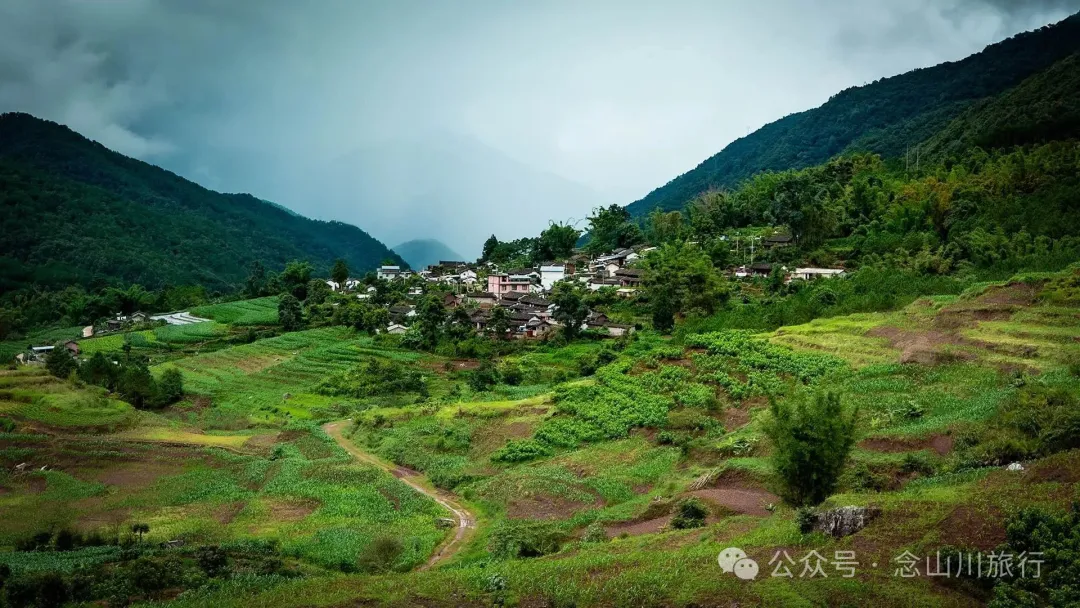
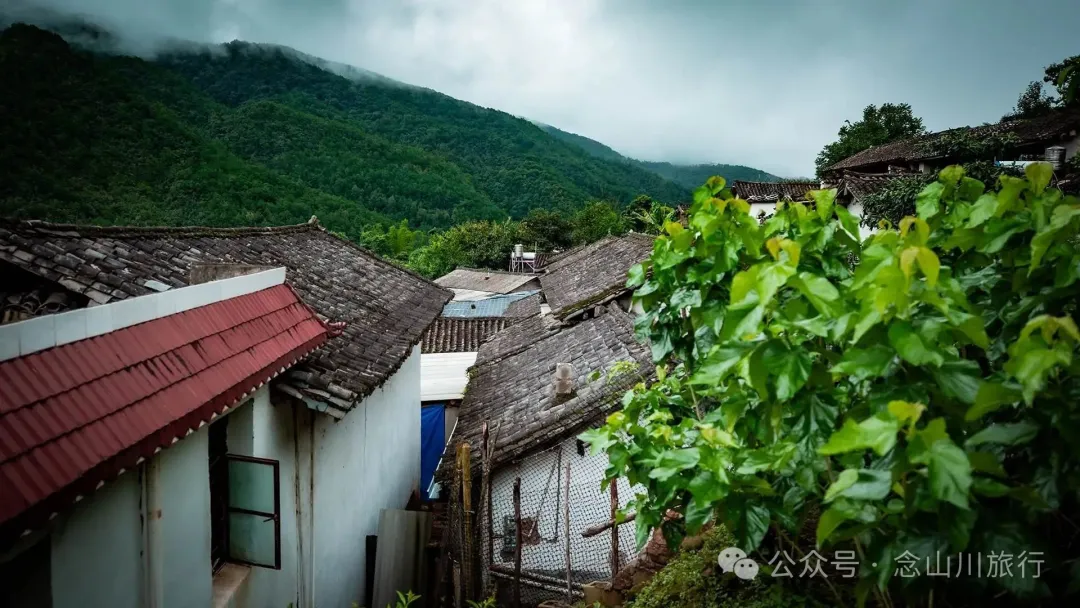
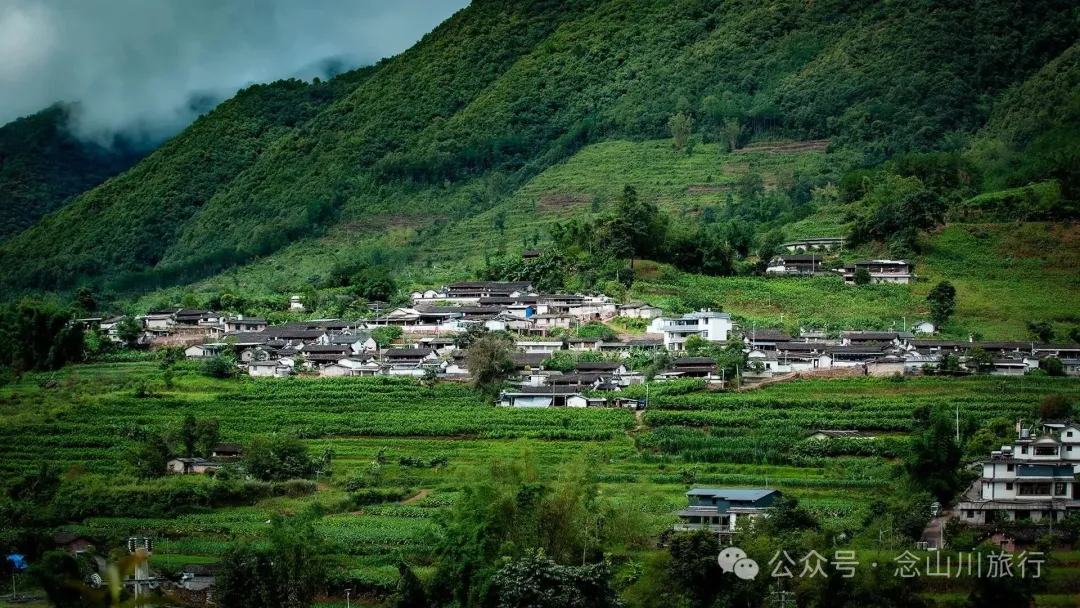
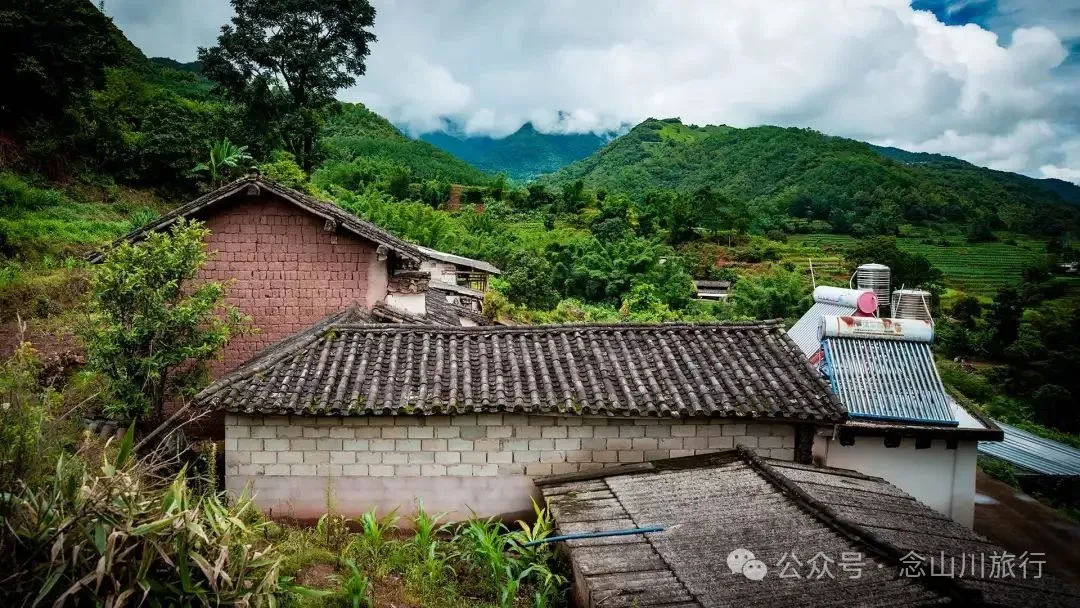
Passing through Enyong Village in De'an Township, Ning'er County, Pu'er City, we saw a quaint little village with white walls and gray tiles nestled on a hillside not far from the road. The village was marked as Jiuzhai on the map, so we followed a clear village path and stepped into the tranquil and self-sufficient Jiuzhai Village.
Jiuzhai Village is a village group under the Enyong Village Committee, collectively referred to as Jiuzhai, including Jiuzhai and Wai Jiuzhai village groups. It is located south of De'an Township, 1 kilometer from the Enyong Village Committee and 18 kilometers from De'an Township. The altitude here is about 1,300 meters, with an average annual temperature of around 14°C. The soil is fertile, water resources are abundant, and the ecological environment is suitable for growing crops such as rice and mulberry for sericulture.
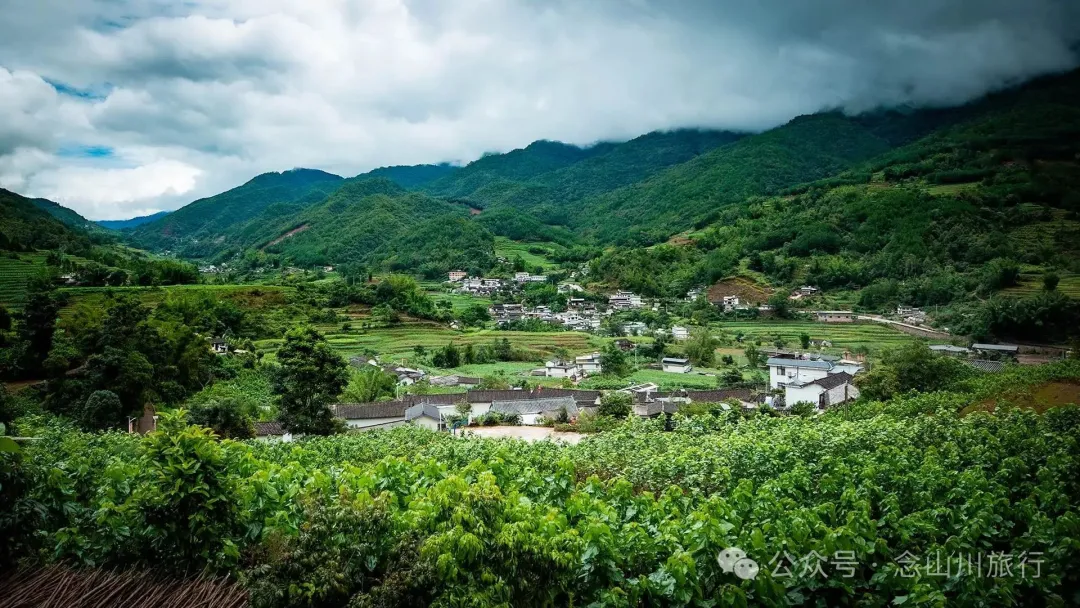
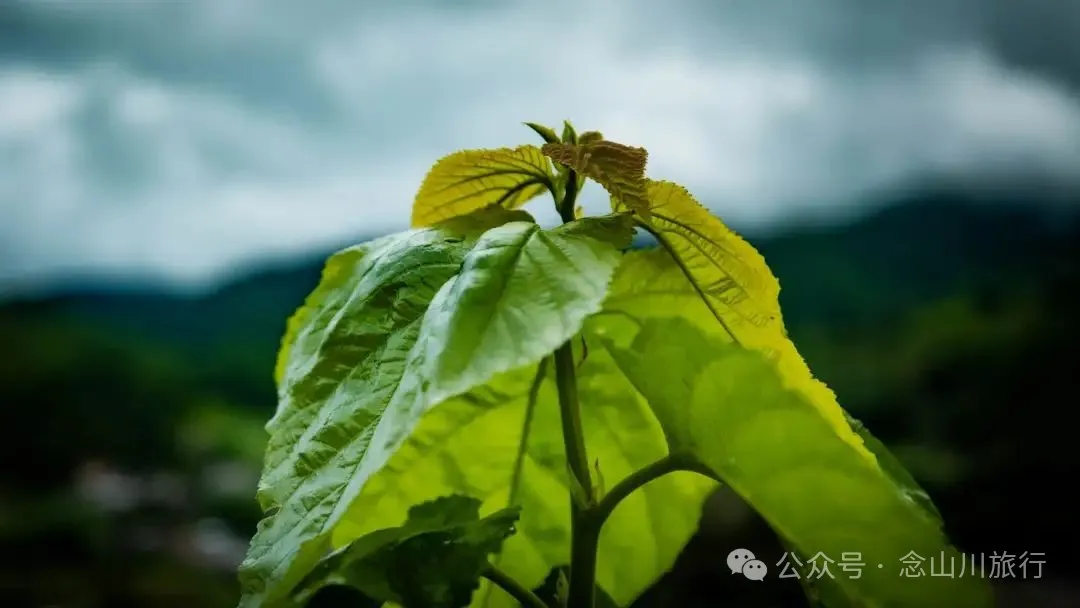
As soon as we entered the village, we were pleasantly surprised to find that the green plants surrounding the village were large-leaf mulberry trees, rarely seen by us. The mulberry trees covering the hillsides were about as tall as a person, with leaves much broader than those of the common mulberry trees that bear fruit along the roadsides. Asking a villager, we learned that these trees are specifically for silkworm raising. According to the villagers, Jiuzhai Village used to be no different from other villages, with most of the mountain land planted with tobacco. In recent years, they began to adapt to local conditions, learn sericulture techniques, and switch to planting mulberry trees (so the trees we saw were still young). Sericulture has become the main source of income for the villagers, leading the village onto a unique path to prosperity.
Sericulture has been a core component of China's agricultural civilization since ancient times, with a history of nearly 5,000 years. As early as the Shang and Zhou dynasties, specialized officials were appointed to guide sericulture production. However, with the changes of the times and the development of technology, sericulture has gradually withdrawn from the mainstream market of China's agricultural civilization, even becoming completely marginalized and almost disappearing. Among the more than 60 villages we visited in Yunnan over the past year, Jiuzhai Village is the only one we encountered that primarily relies on sericulture. Sericulture has run through China's journey from agricultural civilization to industrialization, and its rise and fall reflect the intertwined influences of technological change, economic policies, and international markets. The contemporary industry is reshaping its competitiveness through technological empowerment and ecological integration, safeguarding this 'Silk Road heritage.'
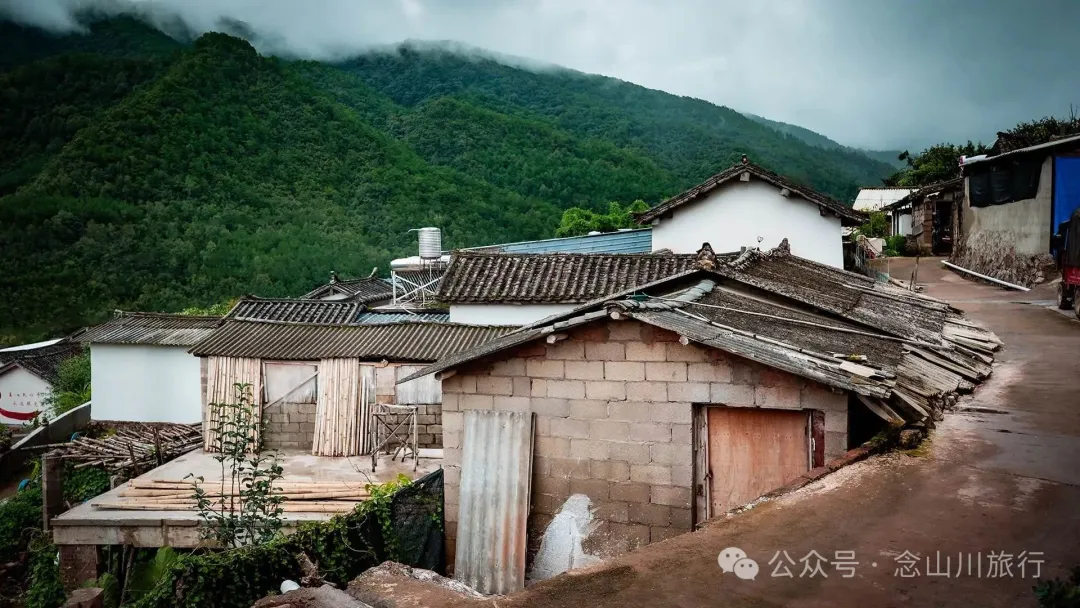
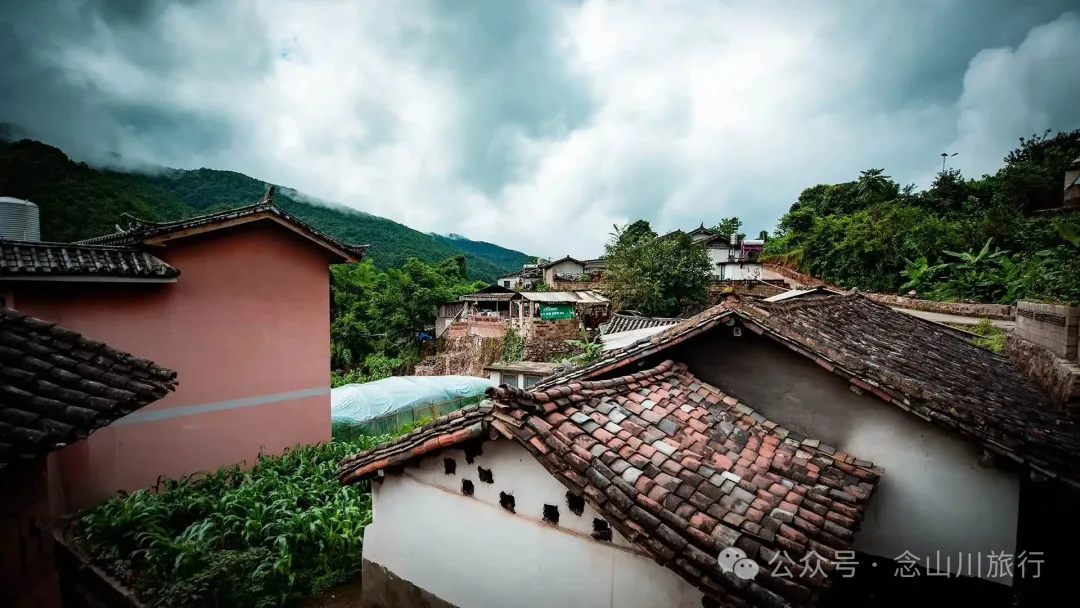
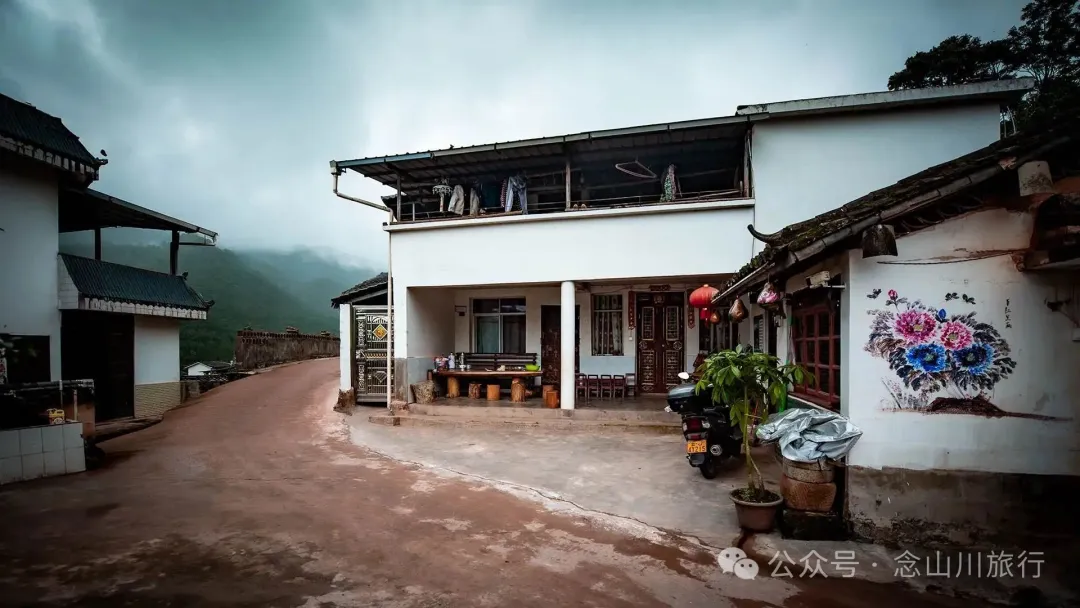
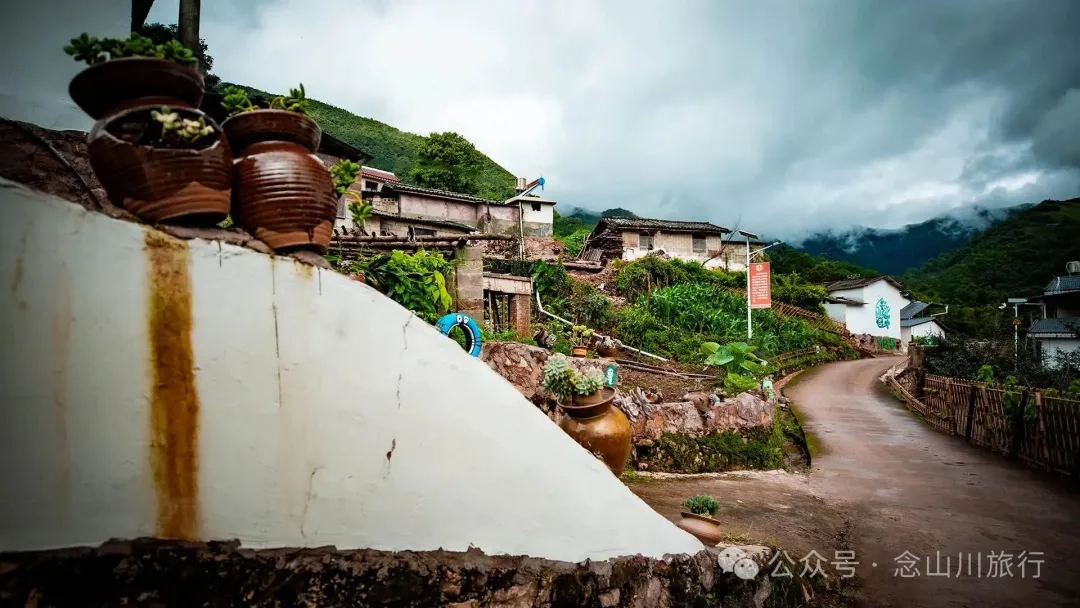
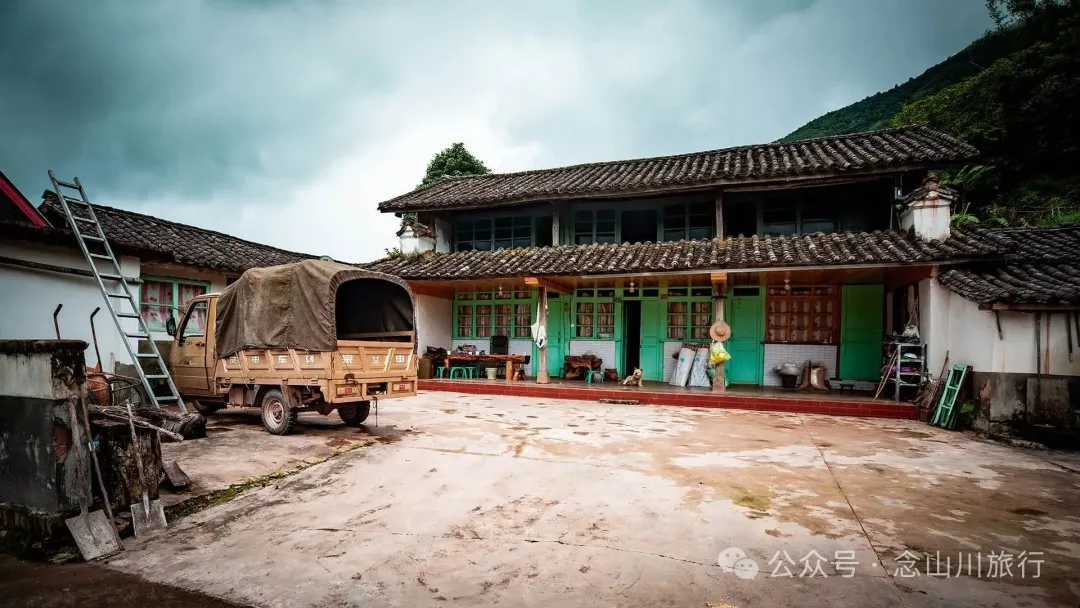
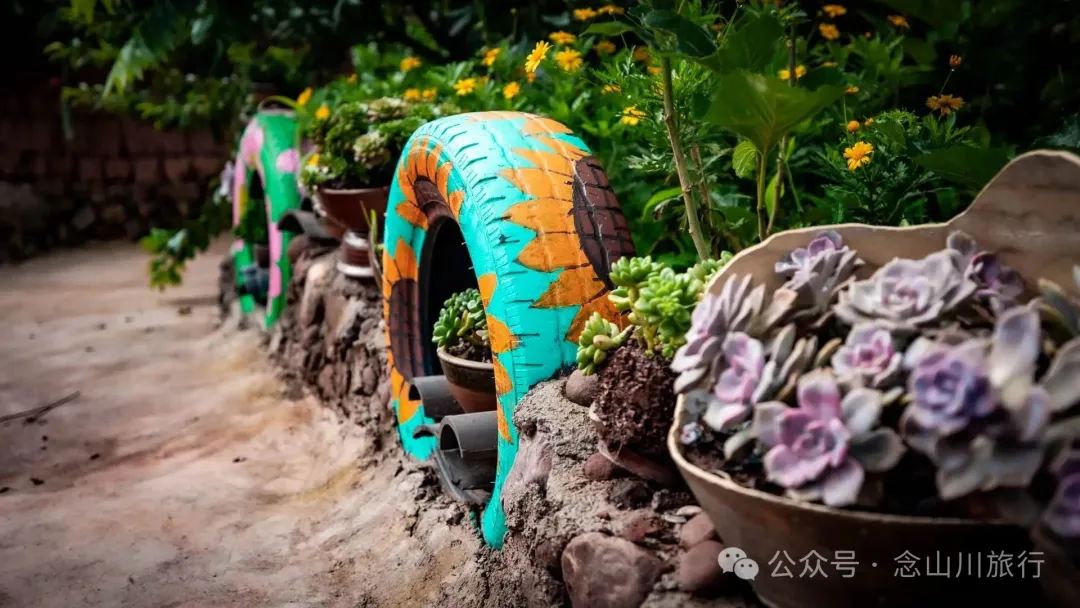
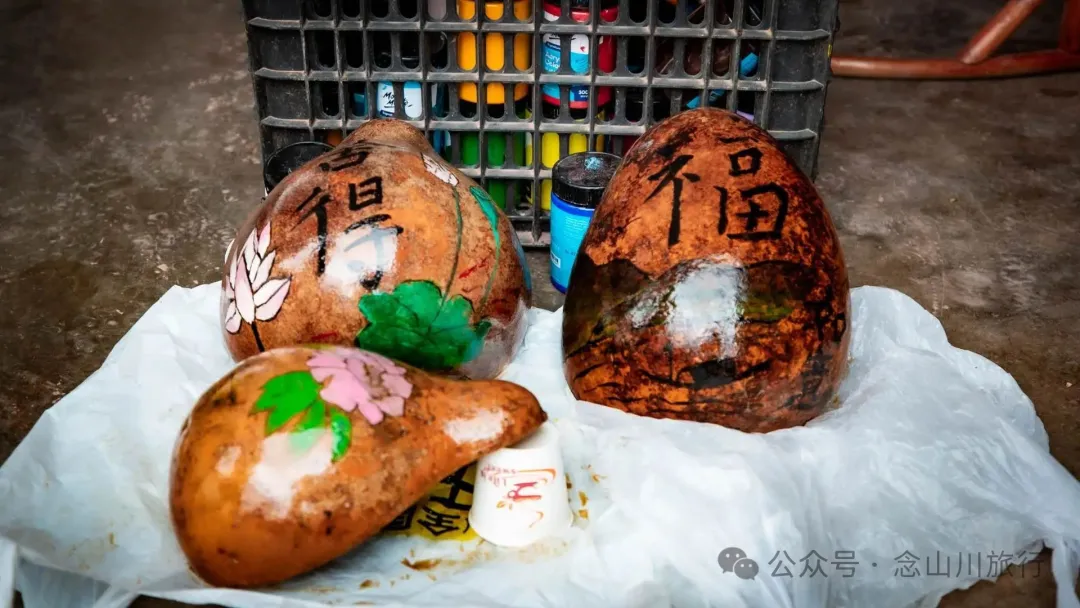
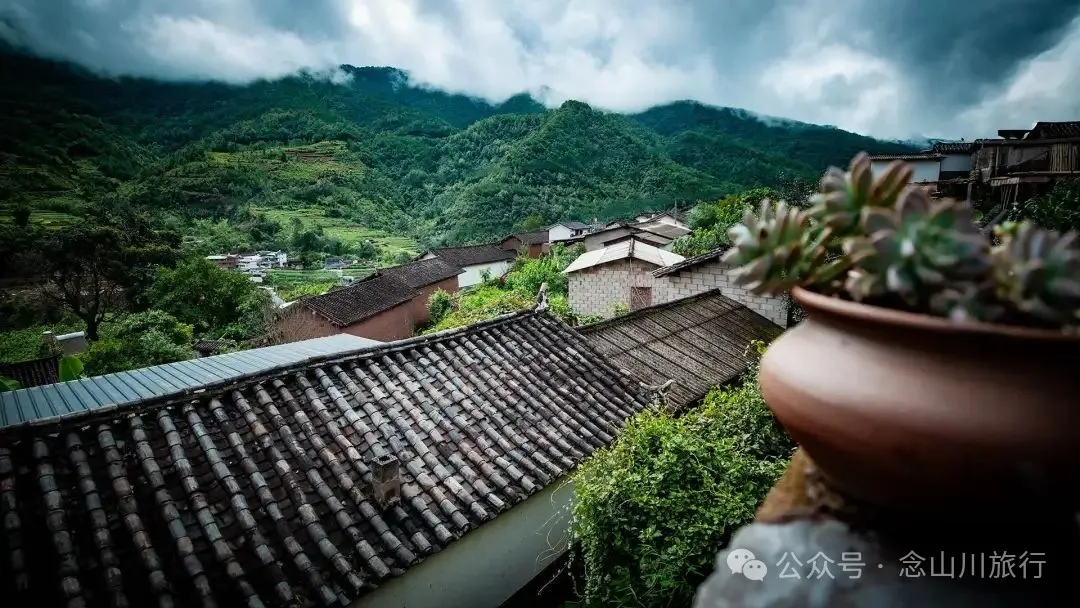
The roads in Jiuzhai Village are clean, and the farmhouses with white walls and gray tiles are square, restrained, and unassuming. The roadsides are even well-planned, decorated with attractive succulent potted plants. 'A homestead of five mu, planted with mulberry trees, and those aged fifty can be clothed in silk.' This saying by Mencius conveys the most simple and ideal pursuit of life for ordinary people. Walking through Jiuzhai Village, we can see that the villagers, relying on their hardworking hands, are striving to turn this simple ideal of life into reality in this rapidly changing era, an era where people are easily dissatisfied.
From the front to the back of the village, we wanted to find the beautiful pastoral poetry scene described in the 'Book of Songs: Bin Feng: July'—'In spring, the sun shines bright, orioles sing. Girls carry deep baskets, along the narrow paths, picking tender mulberry leaves.' We also wanted to witness the peace of 'watching silkworms grow under the sunny window,' but we were not able to fulfill these wishes, leaving regrets for our spontaneous trip to Jiuzhai.
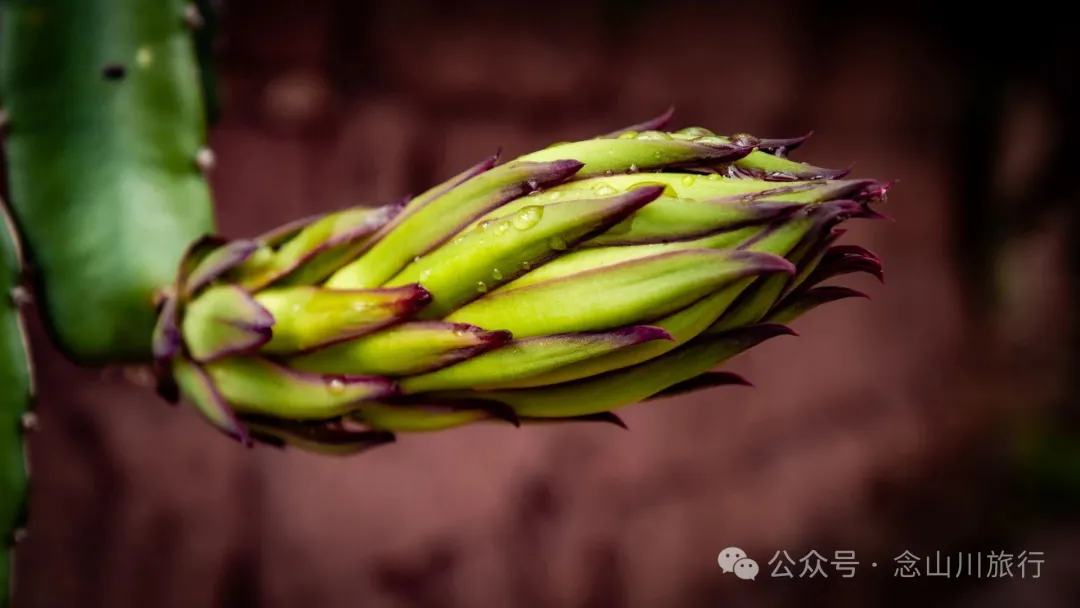
By the roadside, a dragon fruit bud not yet in bloom stretched out, shaped like a green flame, about to burst into a blaze of fiery red, igniting the ancient and quiet village. This beautiful green flame seemed to reflect the mulberry trees visible everywhere in the village, which will bring the villagers a prosperous future.
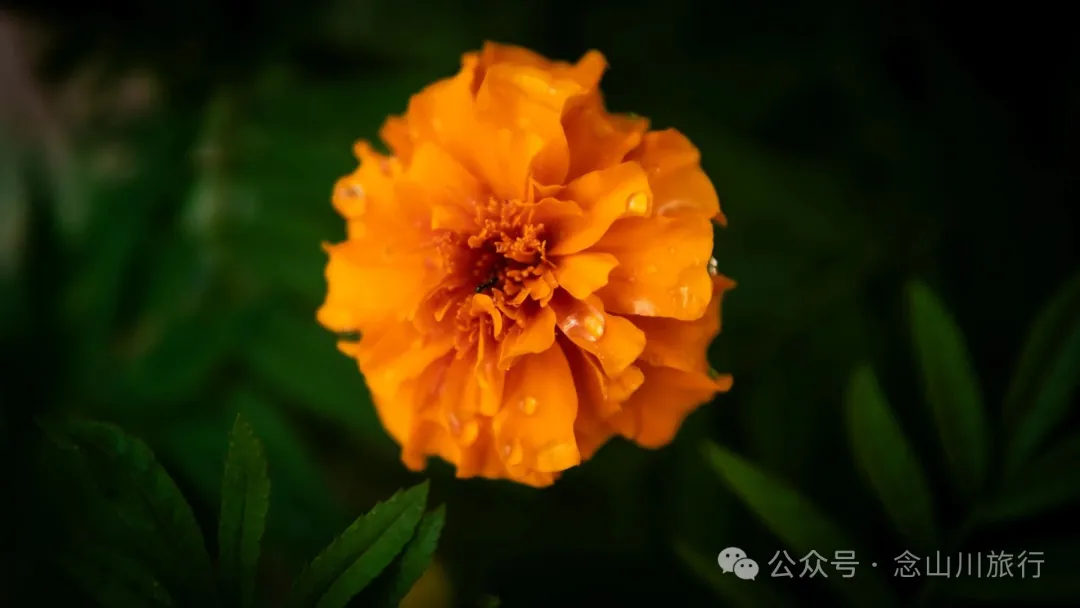
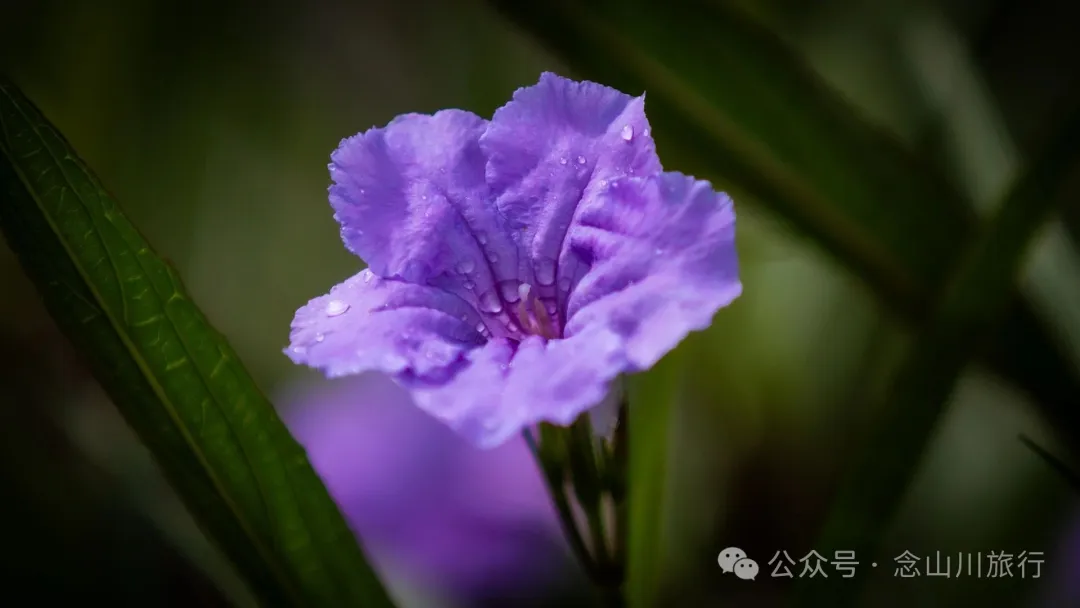
The beauty of ancient sericulture life stemmed from the unity of labor and poetry, livelihood and nature—when mulberry leaves are green, the sound of silkworms is like rain; when silk is made, clothes are woven from silk and hemp. Although the dangers of climbing cliffs as recorded in 'Picking Mulberry Records' and the rise and fall of modern Suichuan sericulture reveal its hardships, people prefer to capture that peace of 'watching silkworms grow under the sunny window,' preserving a spiritual paradise under the mulberry shade for future generations. Today, rereading these poems is not only a recollection of pastoral idylls but also a rediscovery of the ancient wisdom of circular economy and ecological harmony. If we could revive the prosperity of sericulture and restore the glory of the Eastern Silk Road, how exciting that would be.