
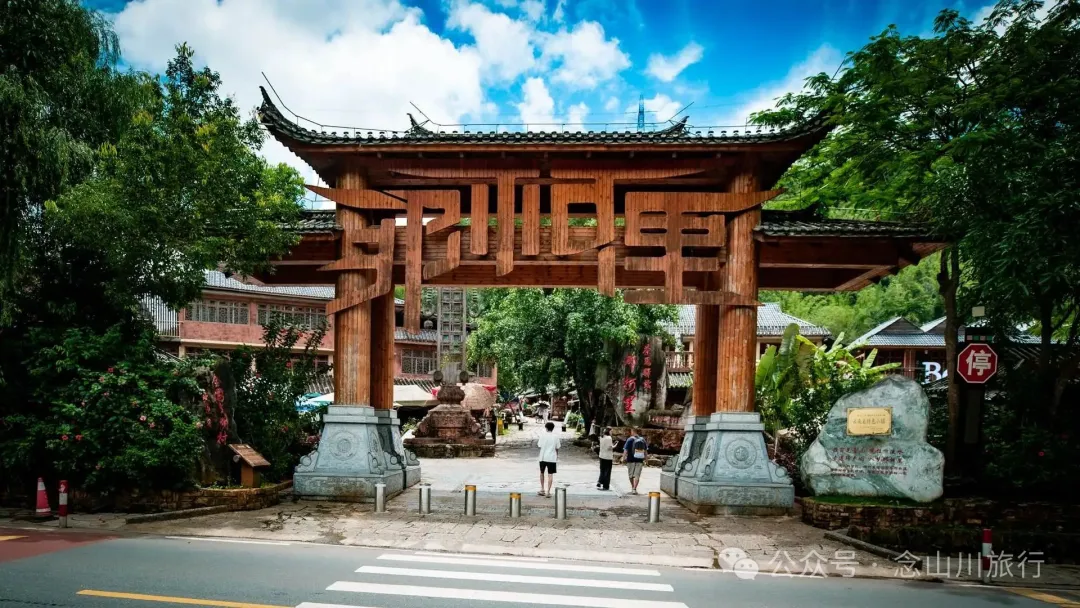
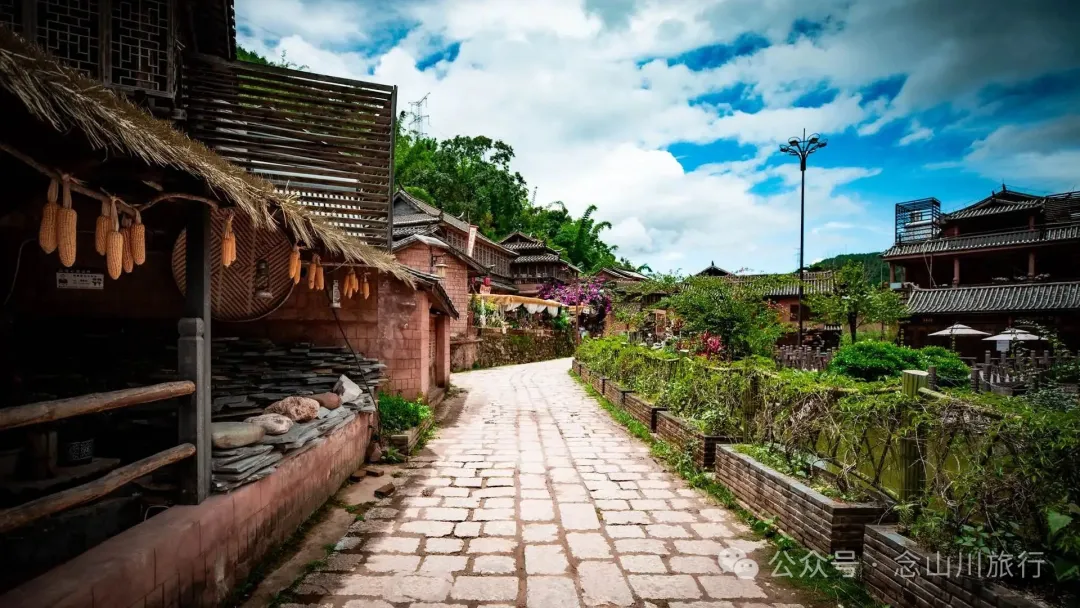
Among the rolling mountains of Pu'er, Yunnan, an ancient road paved with bluestone slabs winds and twists. This road stretches through towering peaks and snowy plateaus, once carrying merchants and horse caravans from north to south, bustling for a thousand years. This is the world-famous Tea Horse Road. At the junction of the ancient Pu'er Prefecture (now Ning'er County) and Simao, nestled in green mountains, lies a quaint village called Nakeli, shimmering with the luster of millennium-old tea horse culture.
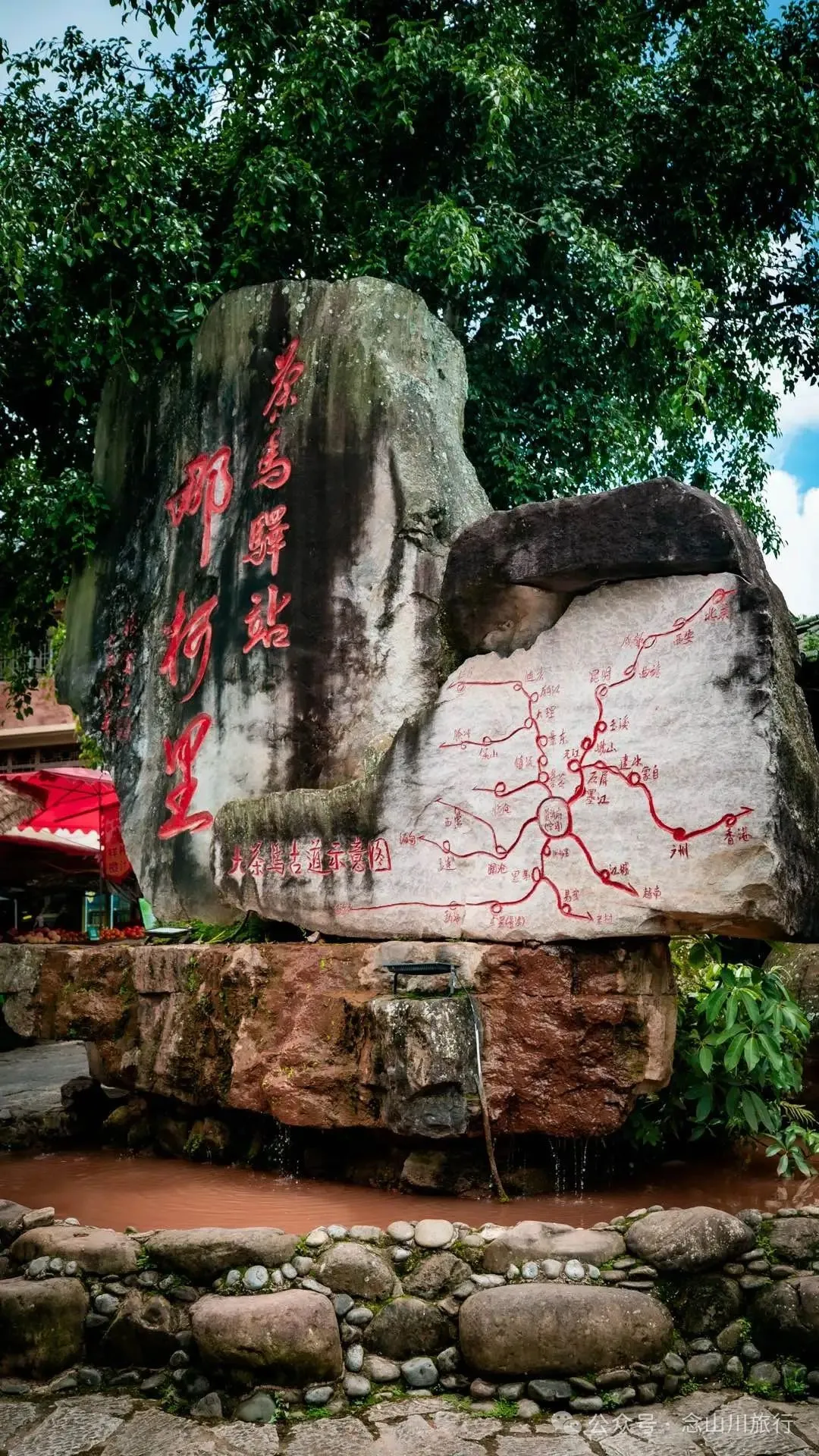
The name "Nakeli" holds deep meaning in the Dai language: "Na" means field, "Ke" means bridge, and "Li" means good, together forming an ideal of "small bridges, flowing water, fertile fields." At the village entrance, a large stone engraved with a "Map of the Great Tea Horse Road" stands silently, telling of its status as a necessary post station between Ning'er and Simao—heavily laden horse caravans traveled only about twenty kilometers a day, and Nakeli, twenty-three kilometers from Ning'er, became a warm resting place echoing with hoofbeats and bells. The legend of the village's name adds a touch of compassion. Originally called "Maku Li" (Horse Cry Village)—tired horses, arriving at the river, shed tears because they couldn't drink the cool water under heavy loads. The horse leaders, who loved horses dearly, petitioned repeatedly until the government built a covered bridge over twenty meters long. When horses' hooves lightly trod the wooden bridge, the sorrowful "Maku Li" was renamed the auspicious "Nakeli."
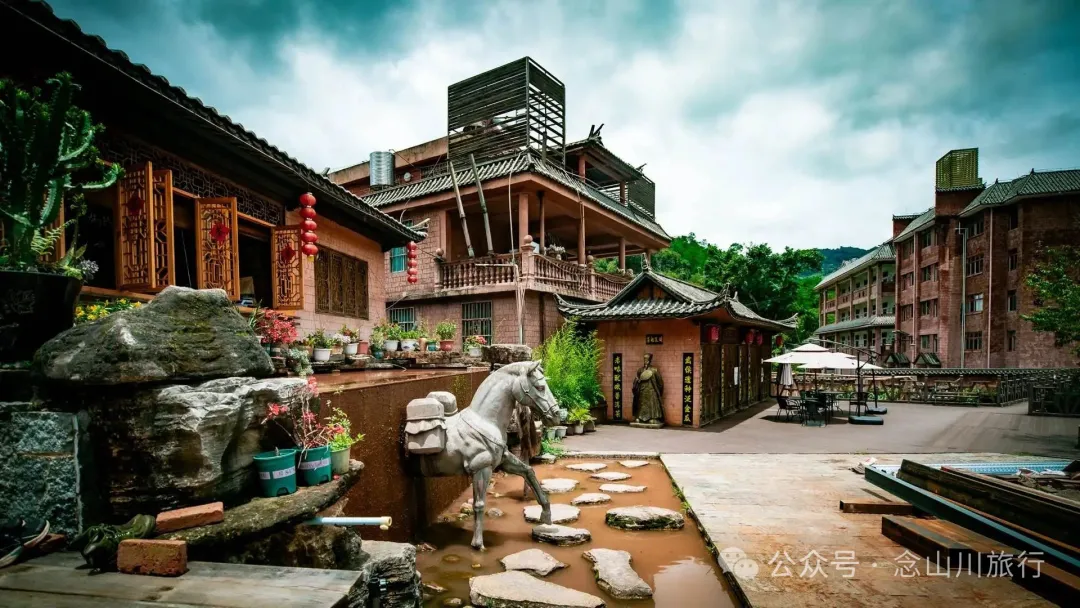
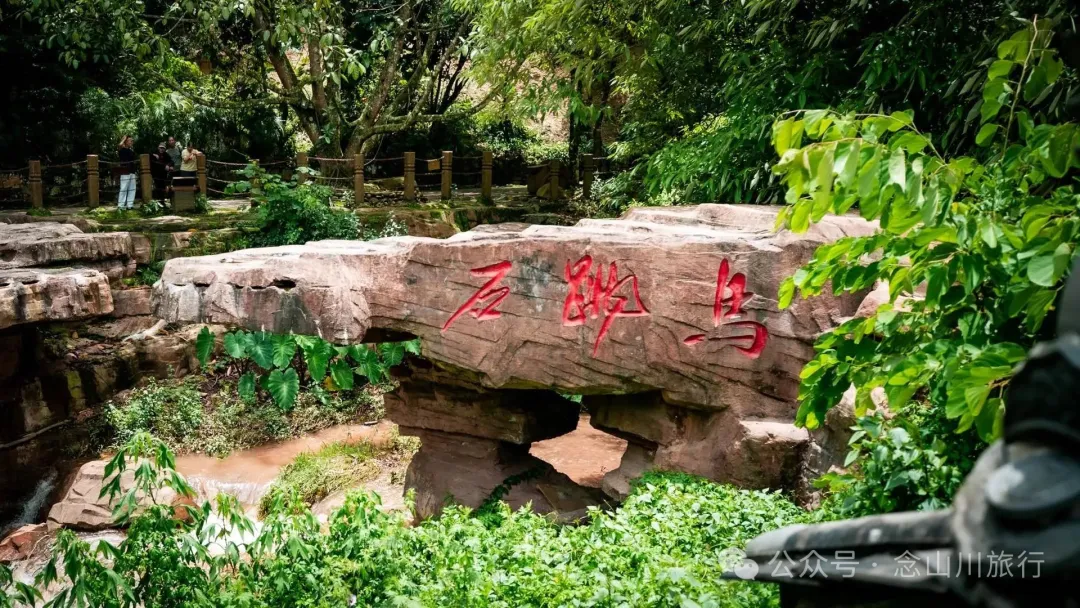
Matiaoshi Cliff is a historic site in Nakeli, where a legend tells of a divine horse saving its master—a swift deer-like horse carrying sisters fleeing from bandits leaped across the abyss, leaving hoofprints as eternal medals on the rock.
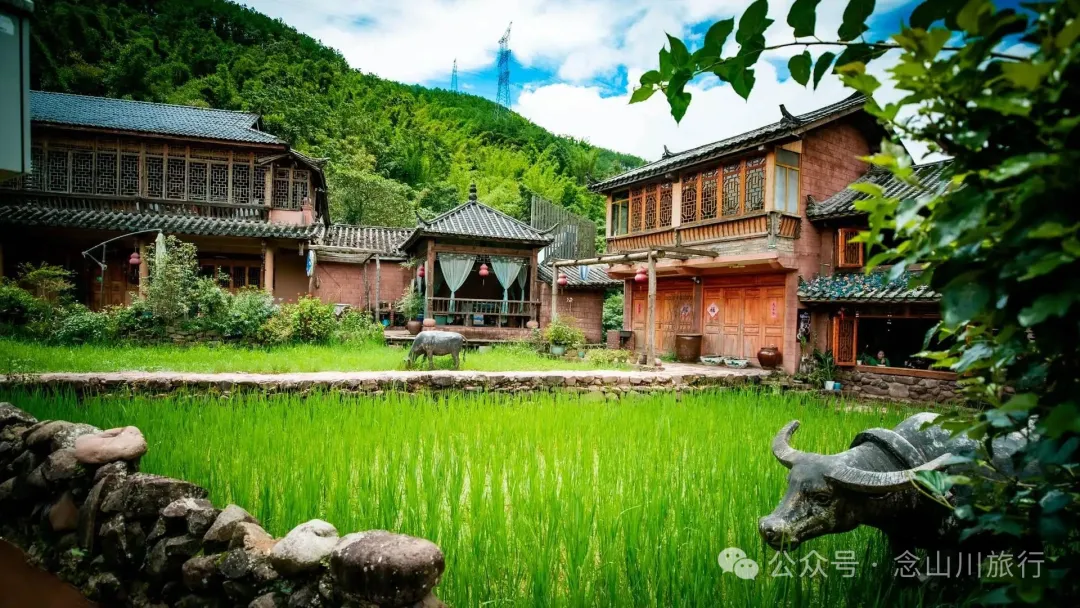
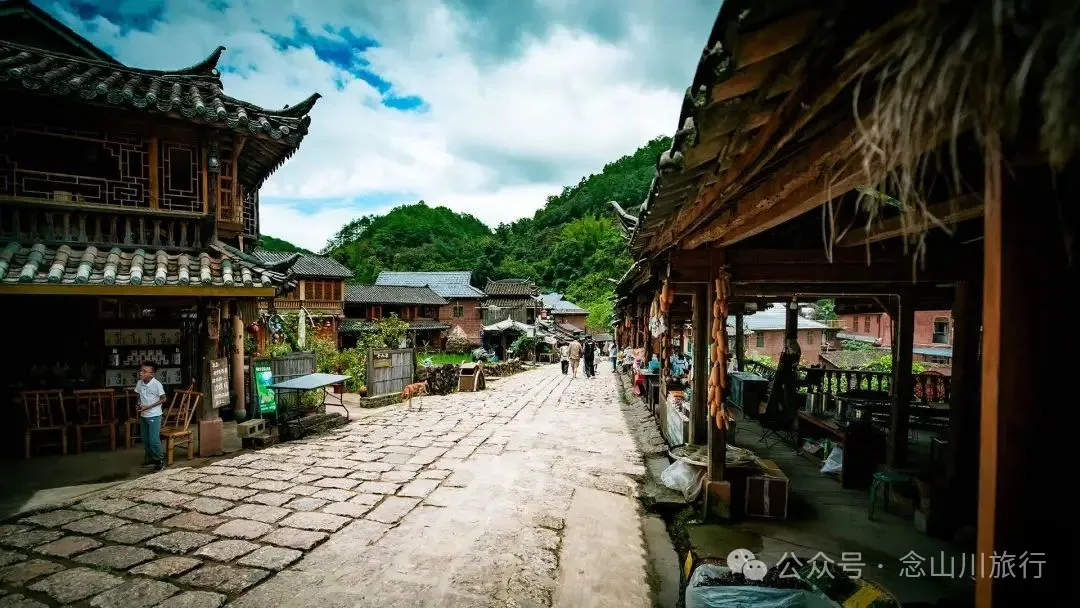
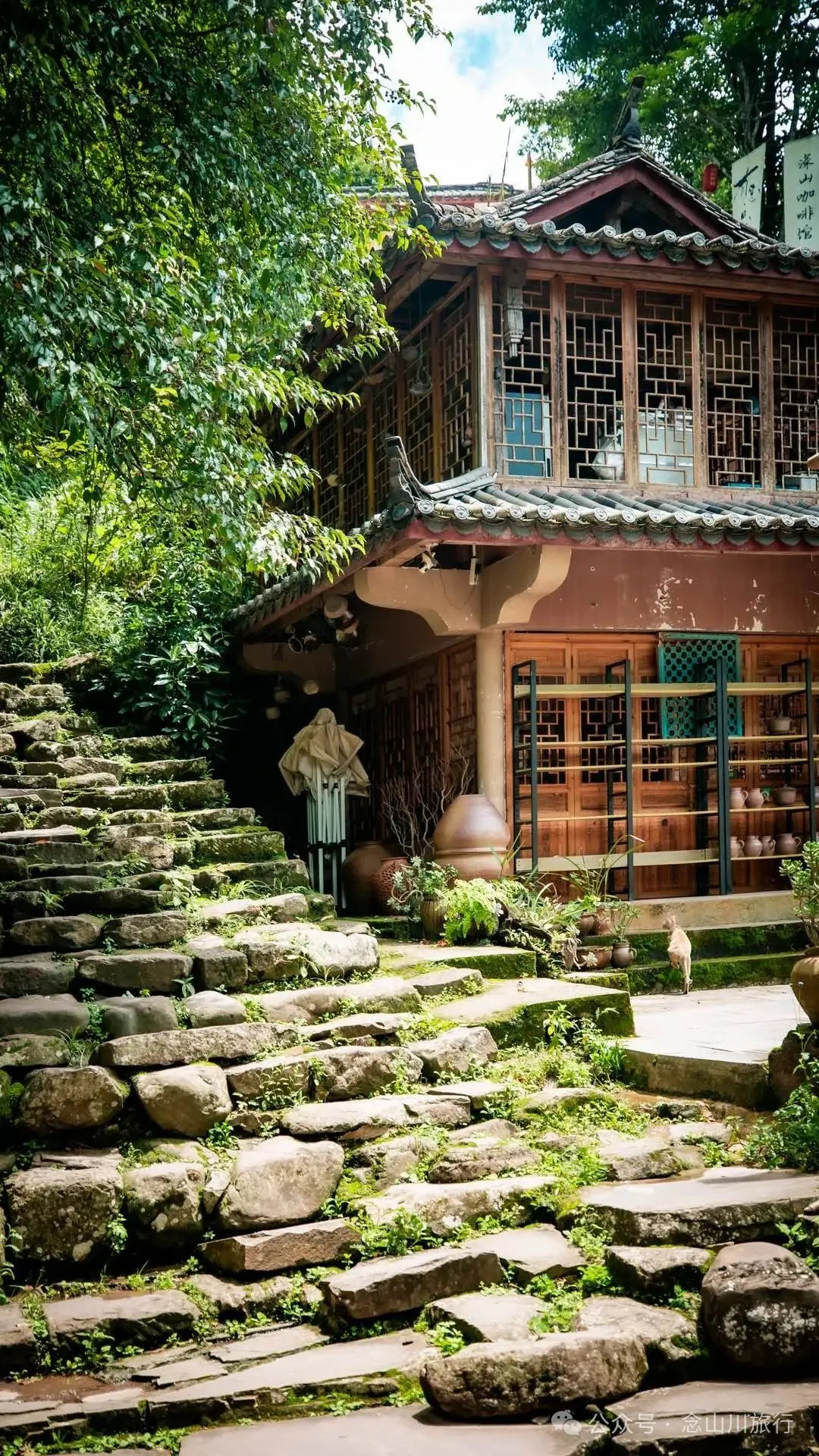
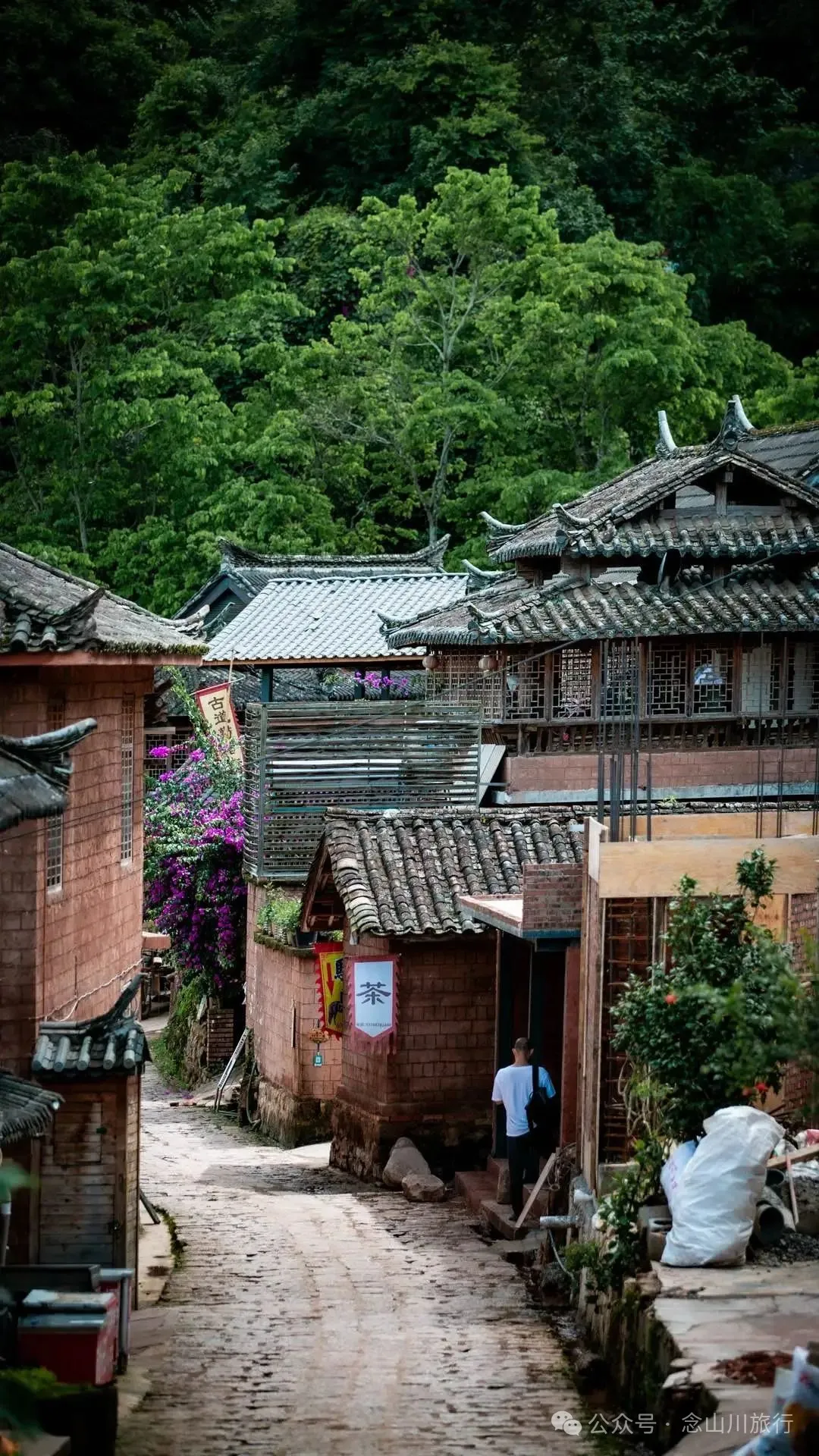
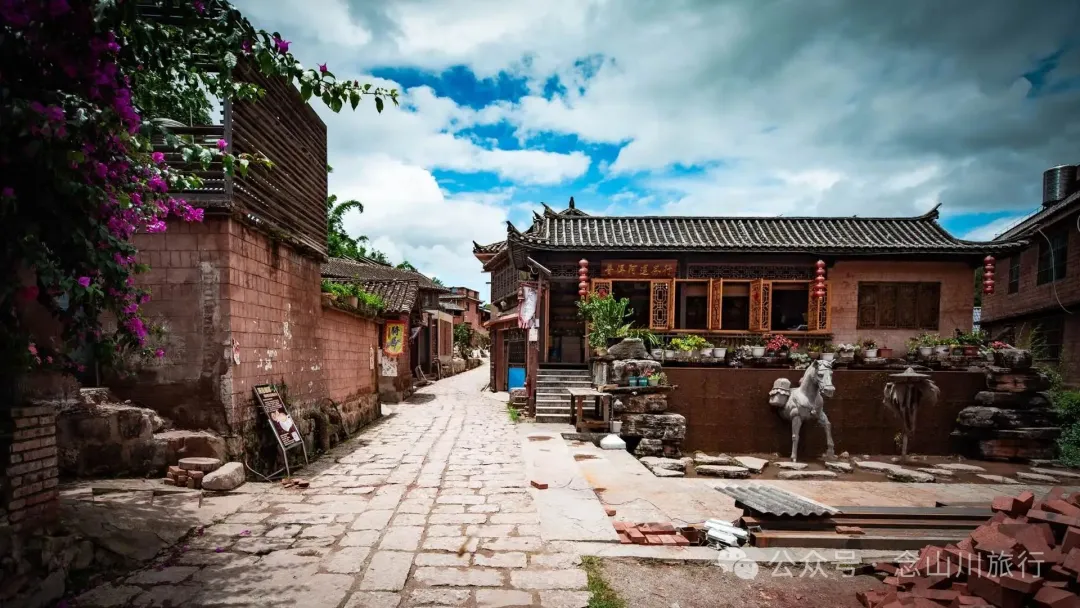
Once, Nakeli was home to six ethnic groups including Yi, Hani, Dai, and Han, with ethnic minorities making up over half the population. Multicultural streams converged, creating a unique tapestry of life: Hani elders leaning against doors smoking water pipes, bamboo pipes gurgling; cured meats hanging under eaves with an amber sheen; in courtyards, tea-drying women's fingers flying, tea fragrance wafting in the wind. Stepping onto the village's bluestone paths, one seems to hear echoes of history. These ancient roads, paved with carefully crafted flagstones and gravel, less than two meters wide, once accommodated two horses side by side. Steps are carved on steep slopes, and close inspection reveals hoofprint depressions on the stone surfaces—traces of countless caravans treading year after year, like hieroglyphs engraved on the earth. Today, the sound of horse hooves on the ancient road has vanished, and many outsiders have come to do business, along with tourists drawn by its fame.
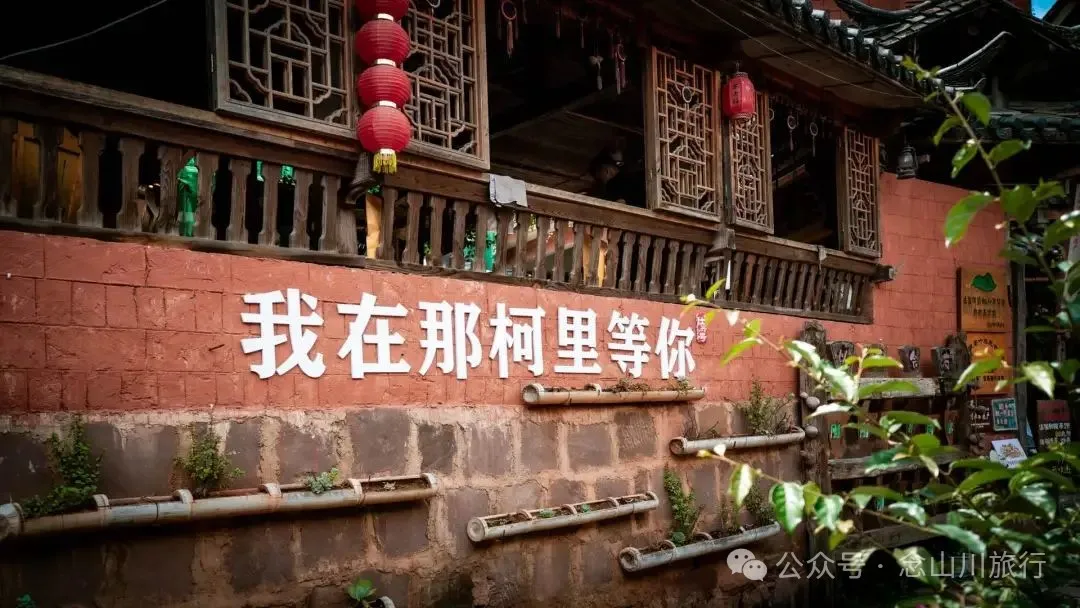
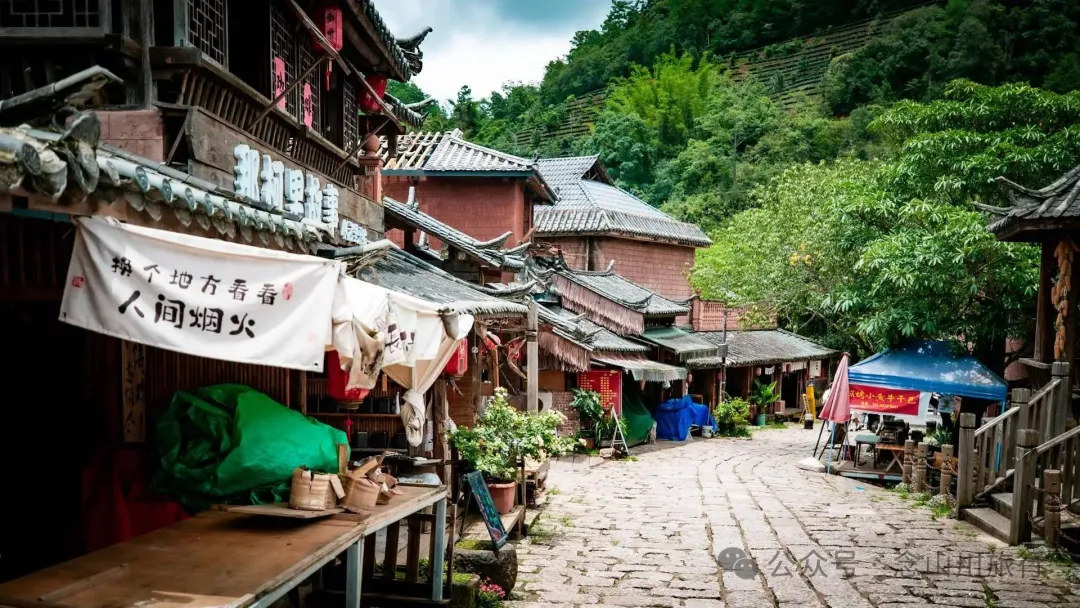
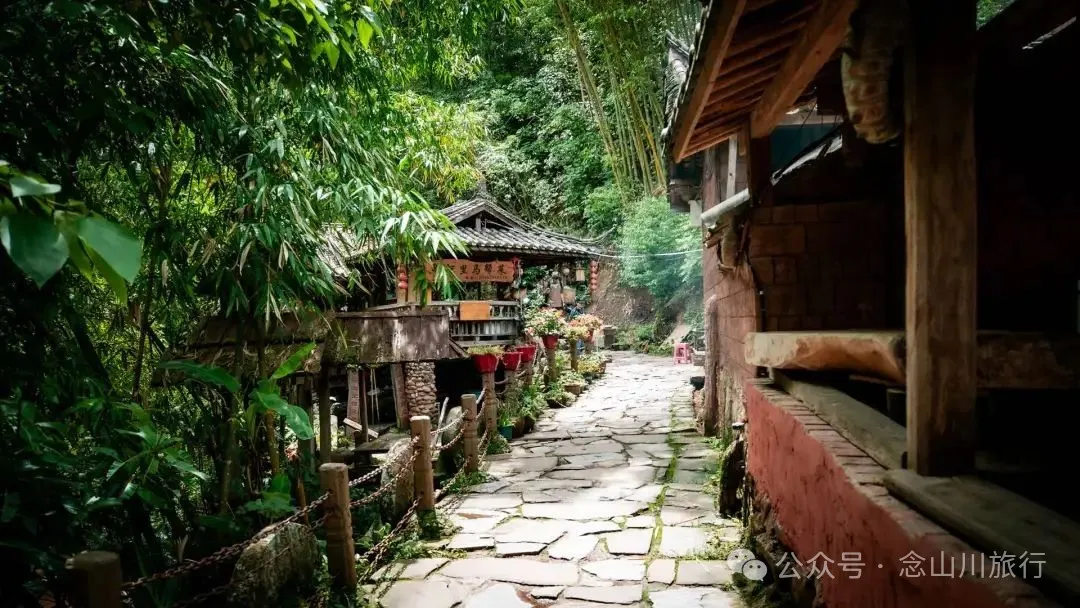
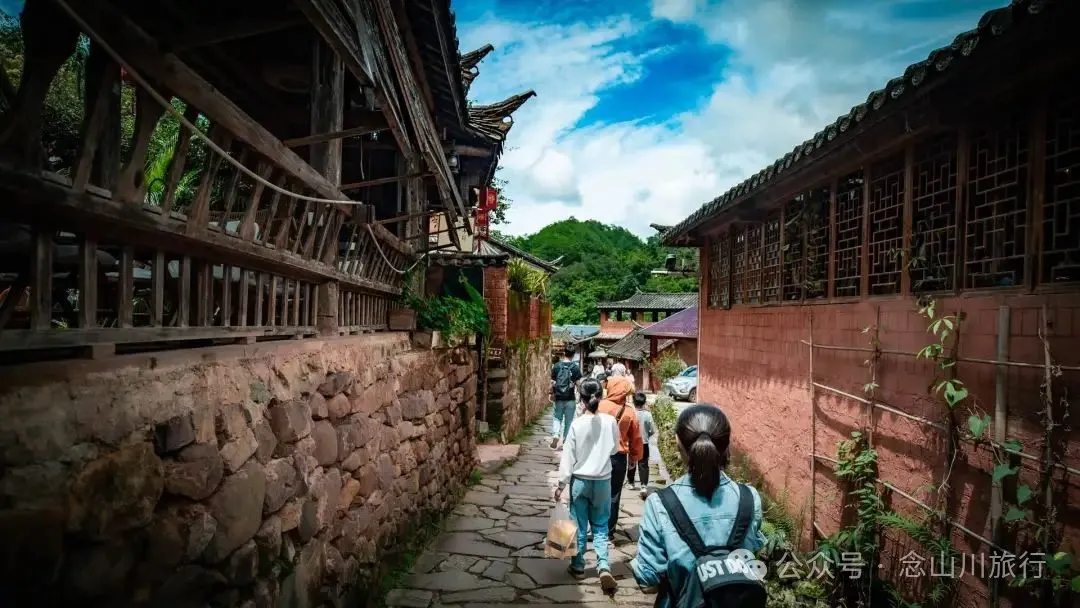
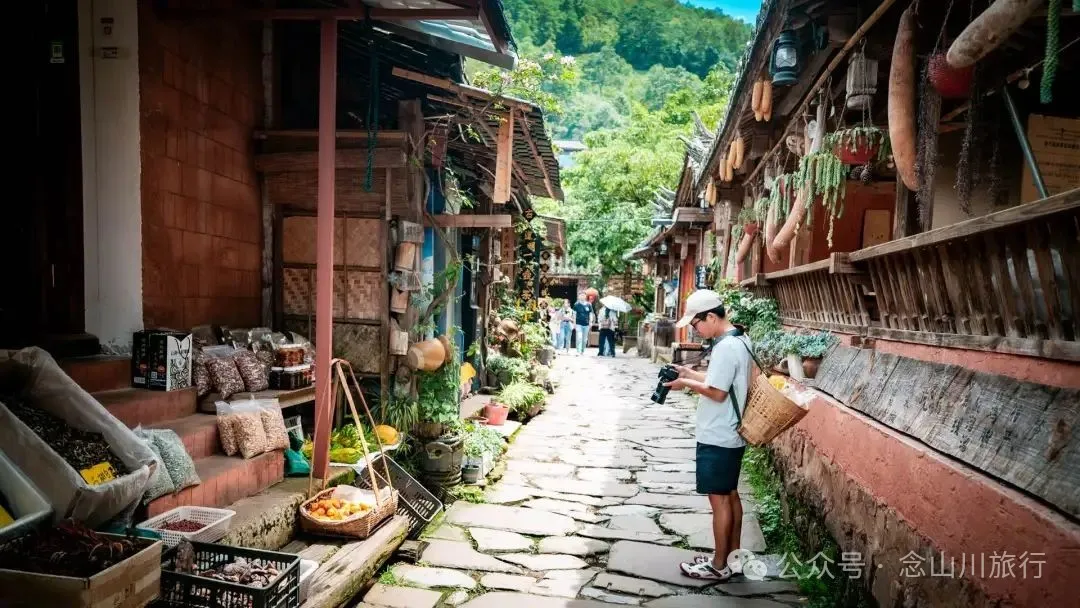
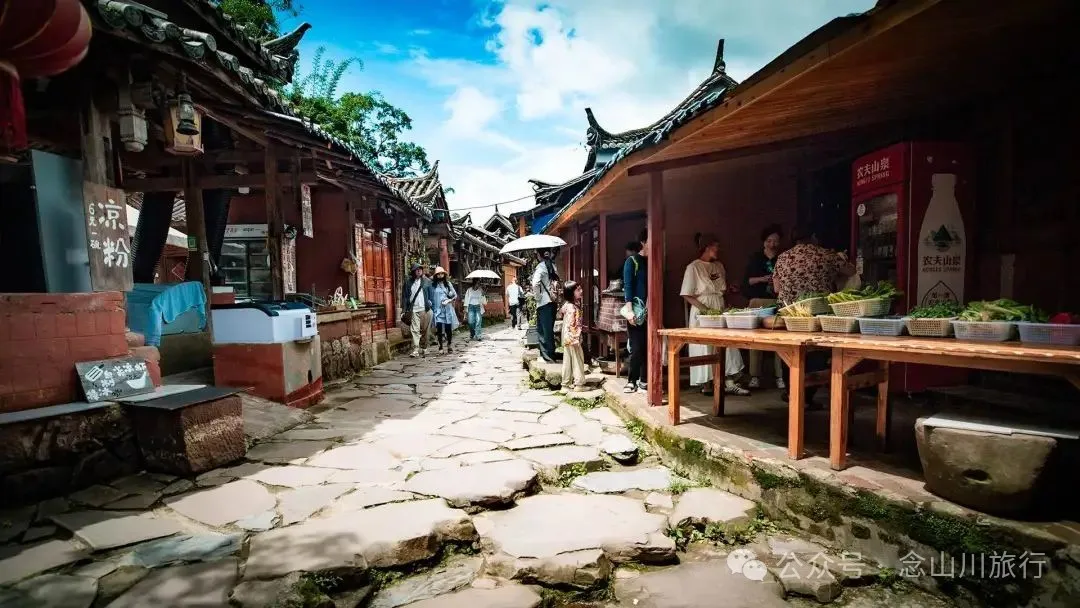
Nakeli has long lost its significance as a tea horse post station, once silent among the mountains. But its rich cultural heritage accumulated over history, beautiful natural environment, well-preserved ancient dwellings, and the leisurely life of its original inhabitants have brought back its former prosperity and glory. The ancient post station, now more composed, awaits every traveler who stops here. When night falls, people gather around bonfires singing the Yunnan folk song "Horse Caravan Love Song," known as the second "Little River Flows," and the ancient, melodious tune immerses one in that bygone era, lingering long after.
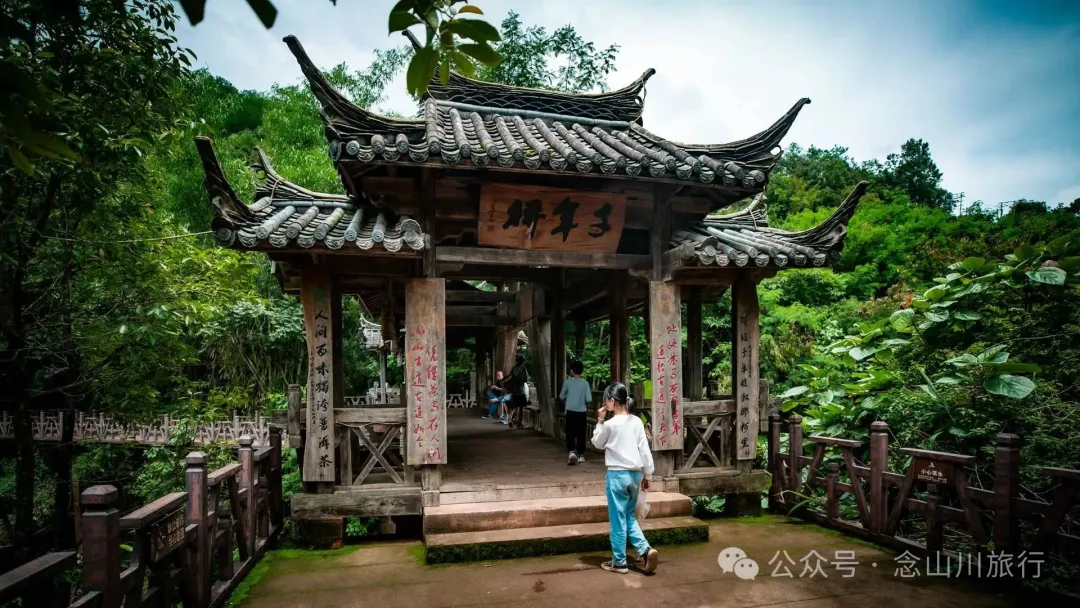
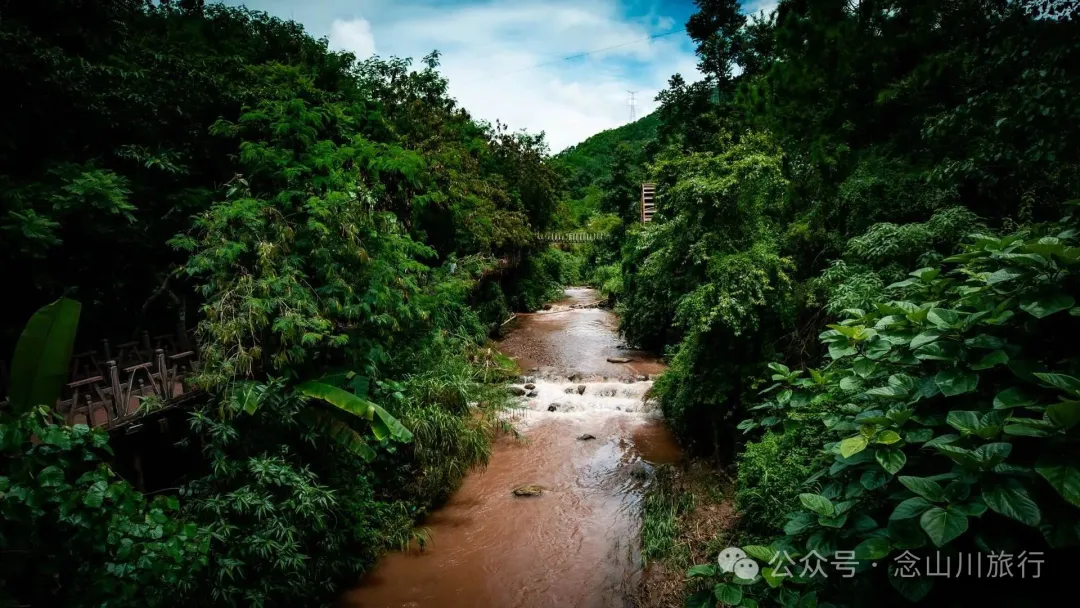
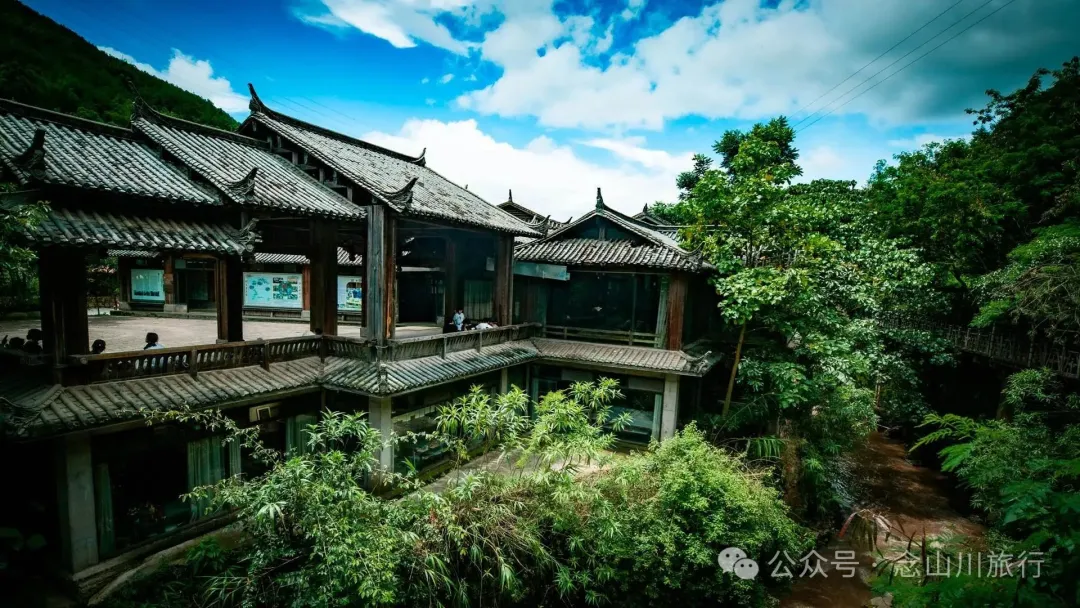
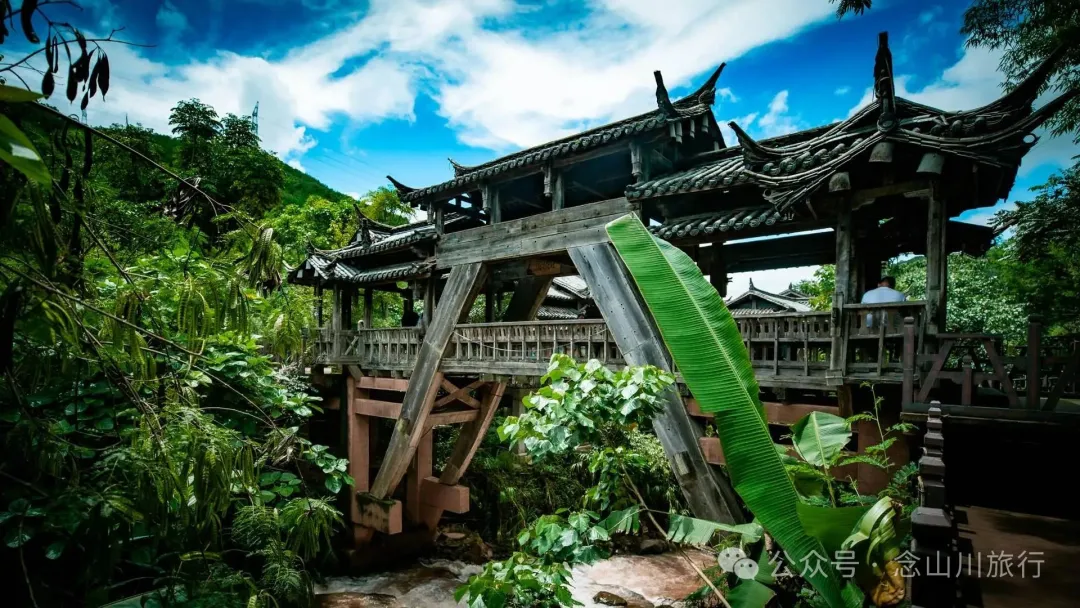
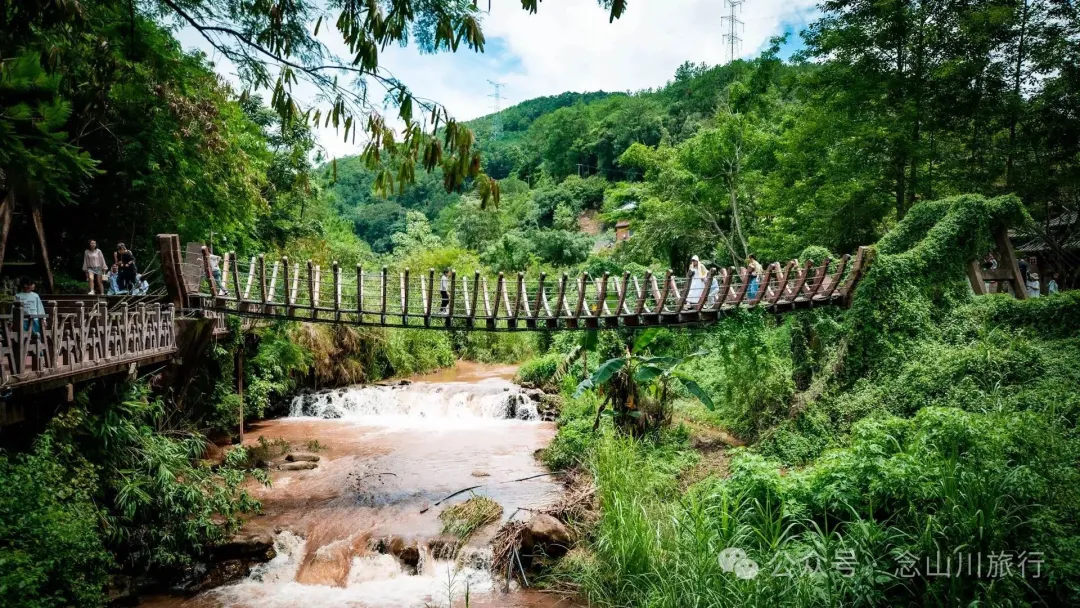
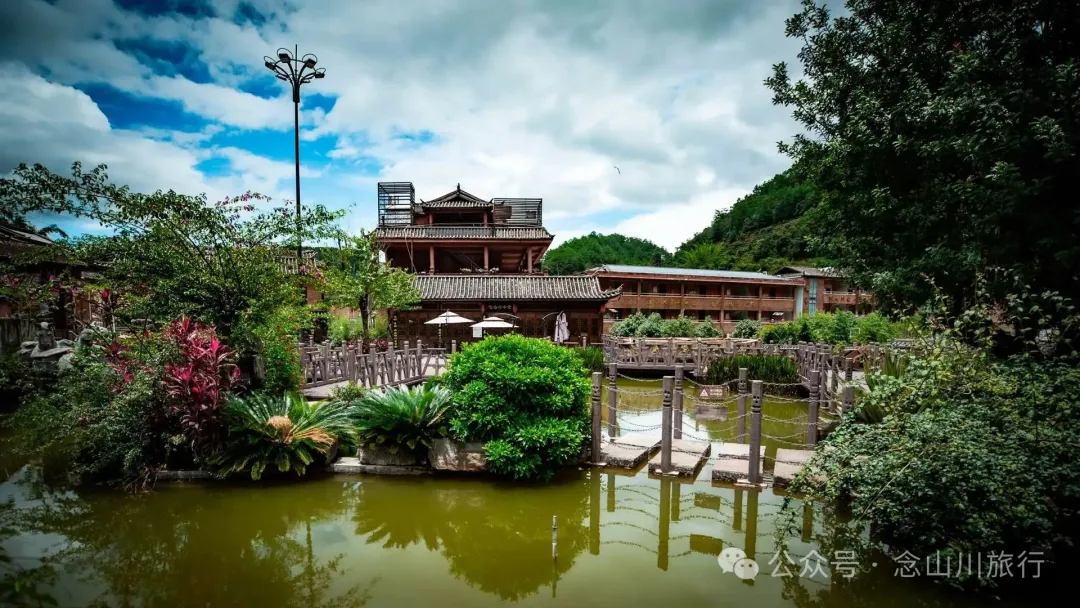
Nakeli is blessed by nature, with two clear streams like jade ribbons flowing through the village, converging at its heart. A covered bridge spans the water, a century-old Lianxin Bridge entwined with ancient trees, a saddle-shaped bridge true to its name, and a thousand-year-old stone bridge mottled with moss. Leaning on the railing, the murmuring water and birdsong blend into a melody, as if stepping into an ink painting of "small bridges, flowing water, and cottages."
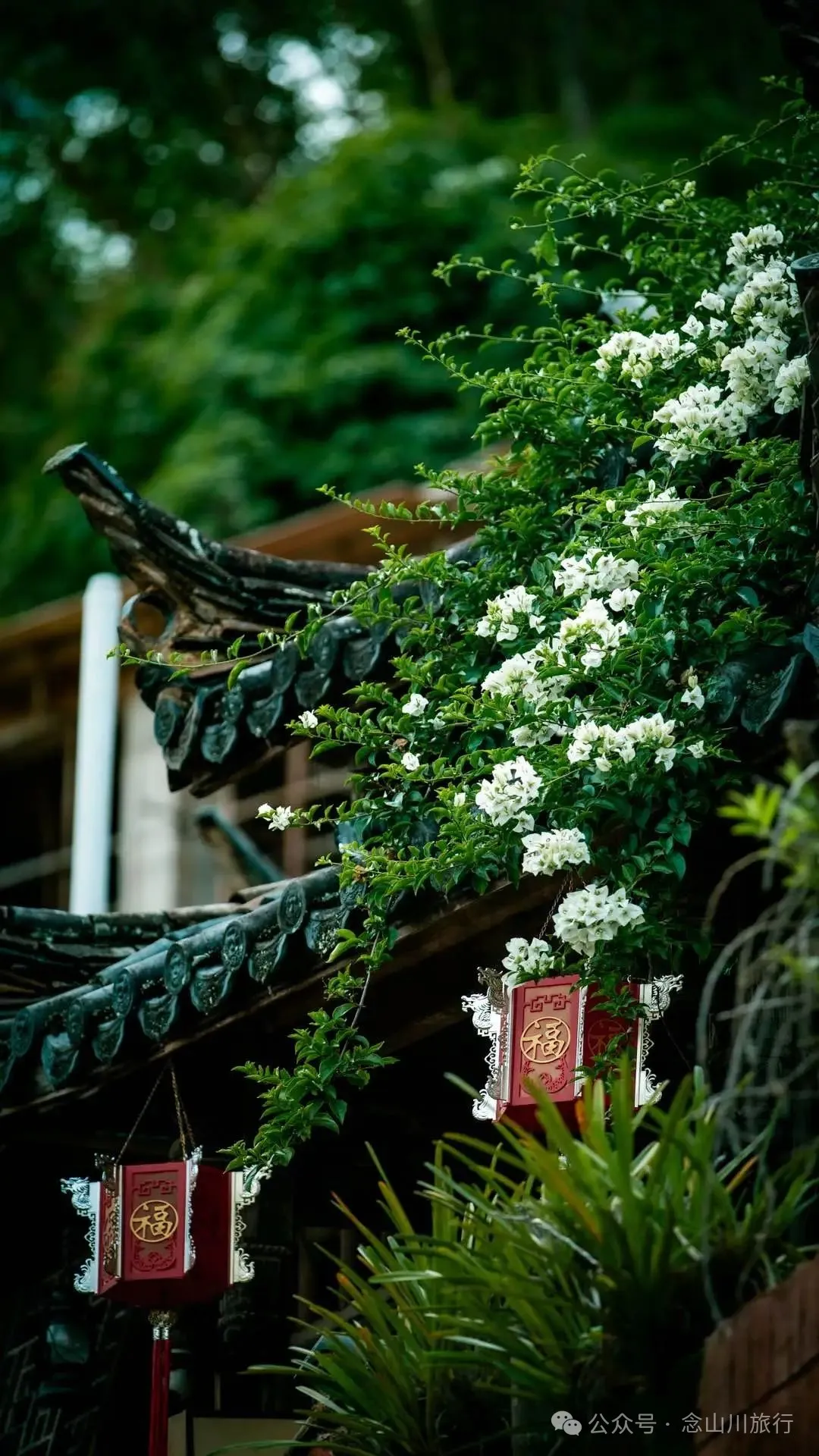
Outside the village, across the road, a babbling torrent flows through the mountains. In the rainy season, the muddy stream hides under the dense shade of lush forests, rushing onward while nourishing the fertile land below. The setting sun gilds the covered bridge with a golden edge, and elongated shadows on the bluestone slabs overlap with the hoofprints of caravans from a century ago. Today's Nakeli embodies both the tranquility of "opening windows to see green hills, leaning on rails to hear flowing water" and the weight of hoof-marked stones and historic shops. When tourists touch the lintel of a century-old horse shop, when tea makers knead freshly picked leaves—Nakeli is renewed in the perfect blend of history and modernity.