
When the last rays of sunset sink into the Ailao Mountains, lanterns light up one by one on the bluestone paths. A string of halos flows along the contours of upturned eaves, outlining the ancient buildings. The murmuring water reflects warm yellow light, and the entire town seems to slowly awaken from the depths of history—this is the prelude to the night in Pu'er Ancient Tea Horse Town. This ancient town, reconstructed based on the Qing Dynasty's "Pu'er Prefecture City Map," stands right in front of the Ancient Tea Horse Road Heritage Park, rekindling the commercial legends carved by horse caravans 1,400 years ago in the modern world.
In 1729, the Qing government established Pu'er Prefecture, governing areas including today's Simao, most of Xishuangbanna, and parts of Lincang, making it the "Ancient Capital of Pu'er Tea" on the southwestern frontier. At its peak, the city had over 70 buildings, including government offices, temples, pavilions, guild halls, and mansions. Horse caravans carrying tea cakes and salt blocks shuttled back and forth, creating a bustling scene of "markets open day and night, merchants gathering in crowds."
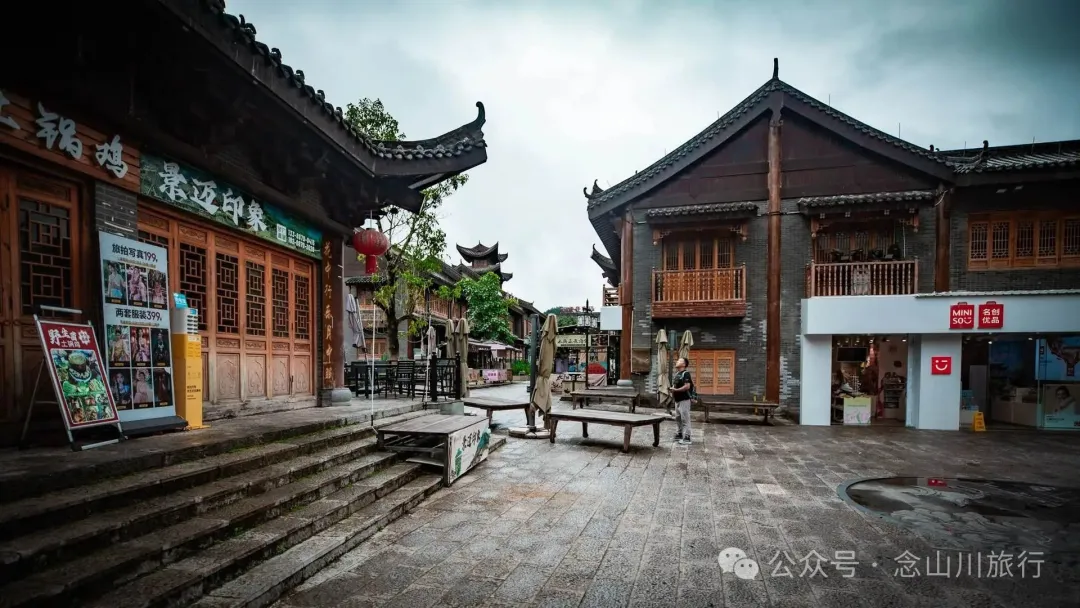
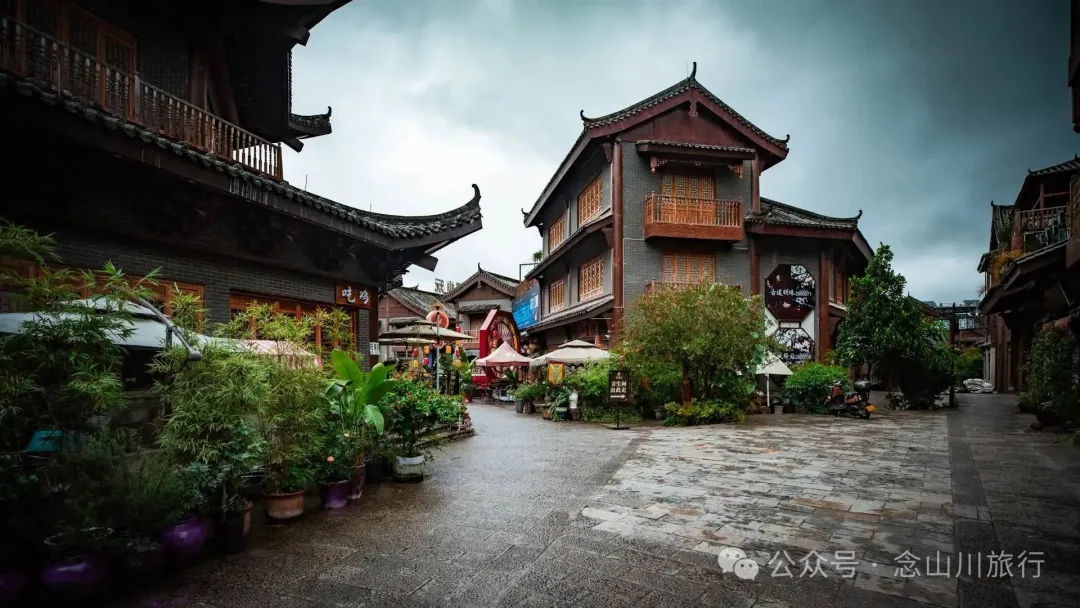
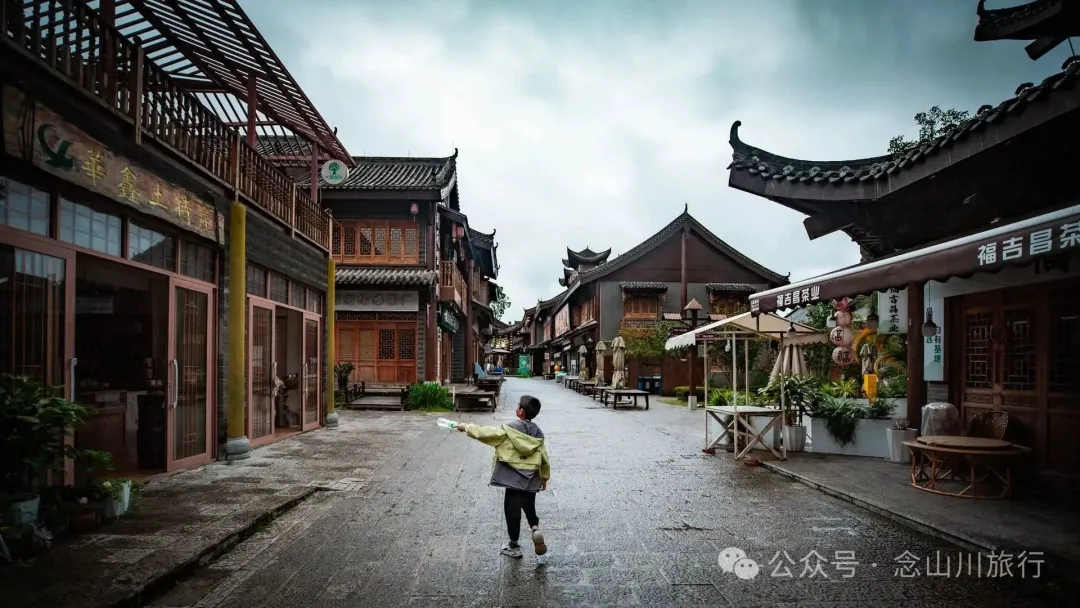
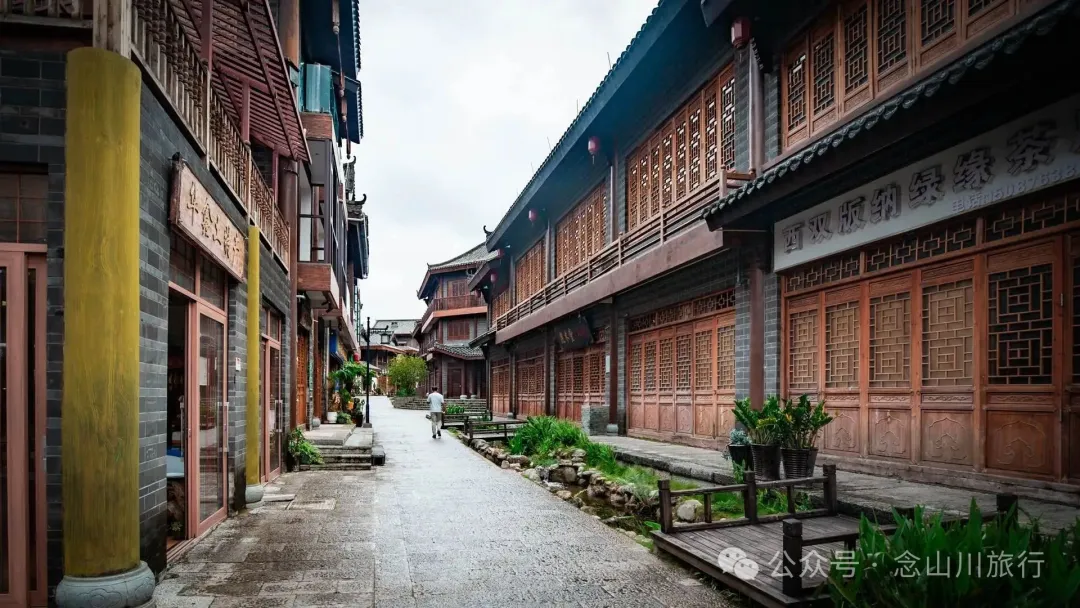
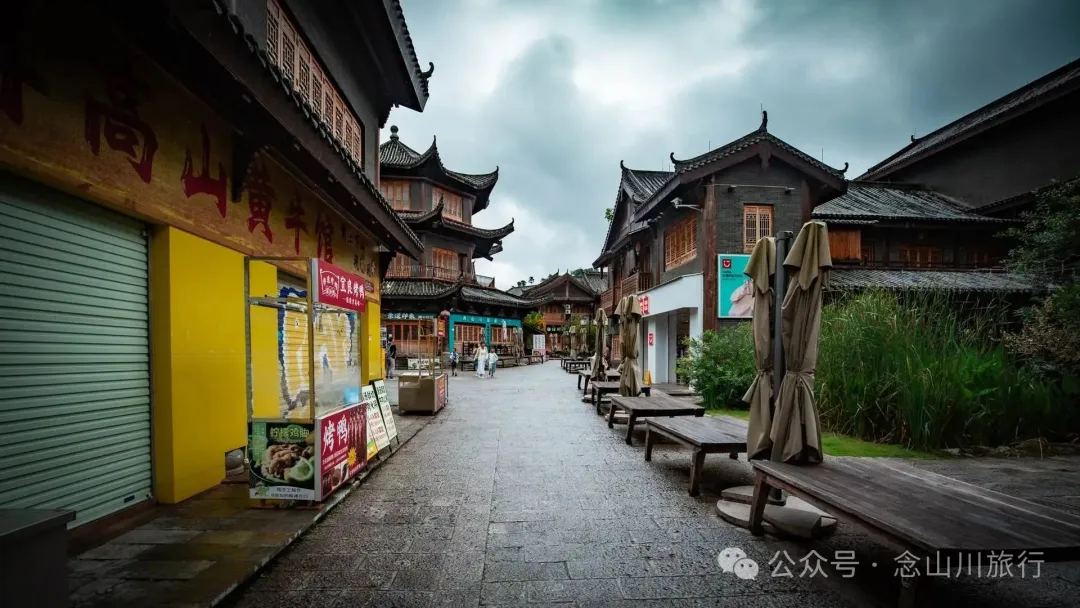
Now, stepping into the reconstructed ancient town feels like folding time and space: the 2-kilometer-long bluestone path reproduces hoof prints and stone troughs for carrying tea, extending from the Water Mirror Ancient Town to the Tea Horse Market. Every step echoes with history. Taking a 20-minute forest cable car ride, you glide over lush primeval forests and rolling tea plantations stretching for miles, with mist and clouds creating a painting-like scene. Visitors in Hanfu, holding umbrellas, walk through the intangible cultural heritage craft street, where rattan weaving and black pottery workshops sit alongside coffee shops wafting the aroma of Pu'er beans.
As dusk seeps into the eaves, the ancient town switches to "feast mode." The night market's 226 stalls open one after another, the air filled with charcoal smoke and tea fragrance: copper pot rice sizzles with cured meat and potatoes, forming golden crispy rice; tea-scented chicken, marinated in Pu'er tea broth and grilled over charcoal, has crispy skin and tender meat with a subtle aged aroma; black sugar and Pu'er tea tangyuan are sweet but not greasy; freshly baked tea pastries with a flaky crust and bitter-sweet tea filling pair perfectly with aged Pu'er; Dai-style spicy chicken feet are sour and refreshing; stuffed tofu sizzles on the iron plate; and a coconut-scented Paoluda drink finishes the meal—this revived ancient town returns to brief tranquility as night deepens.
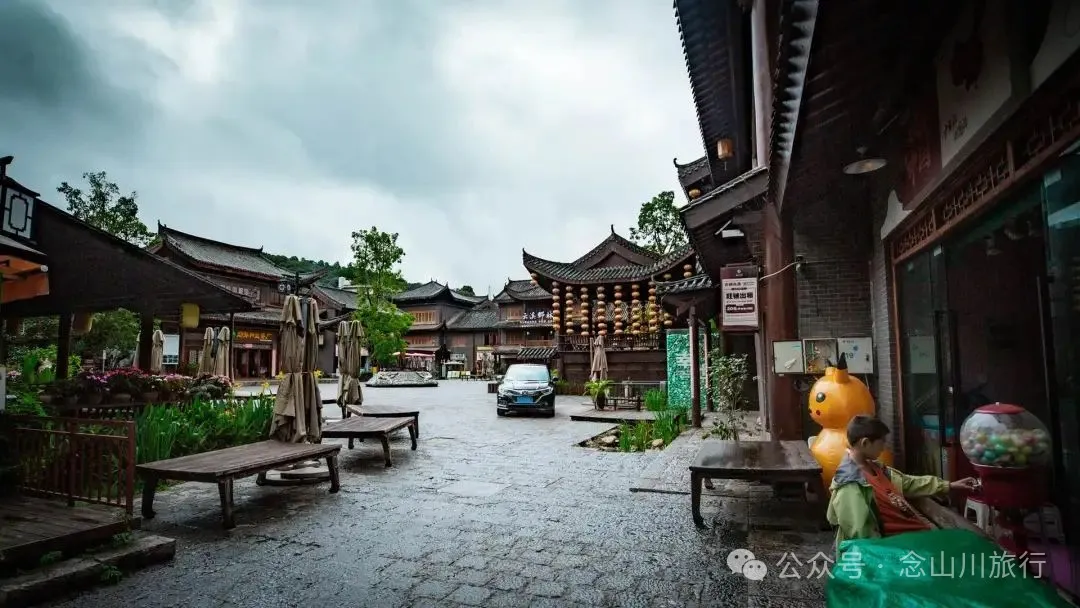
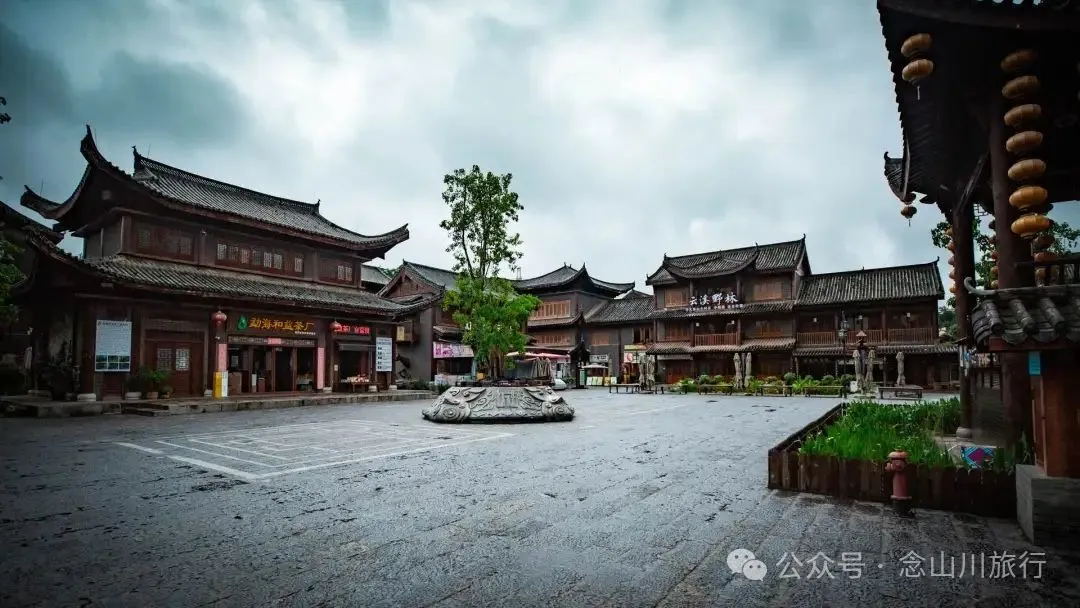
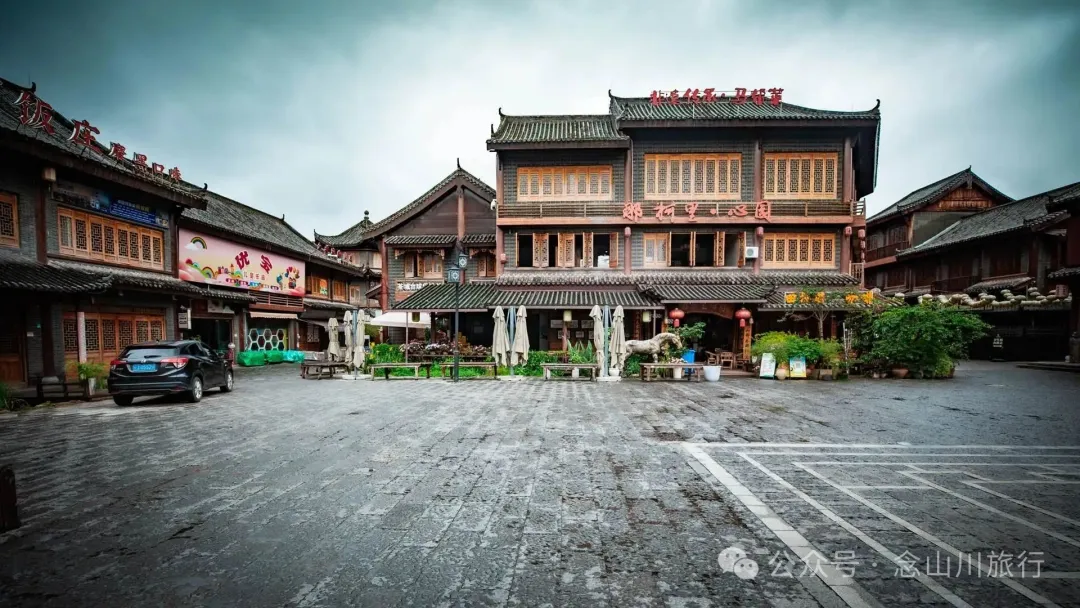
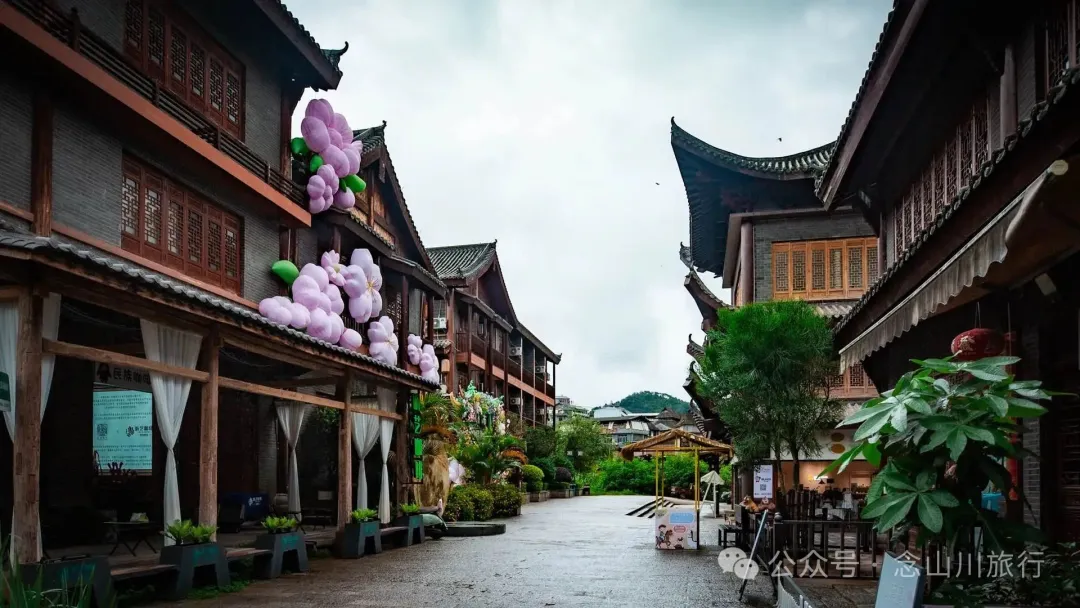
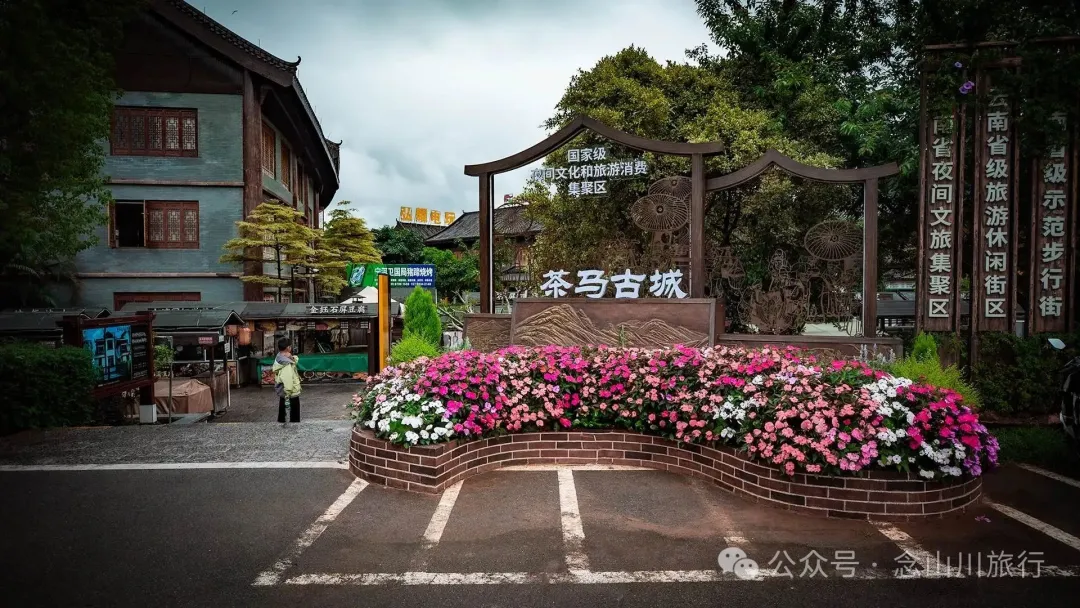
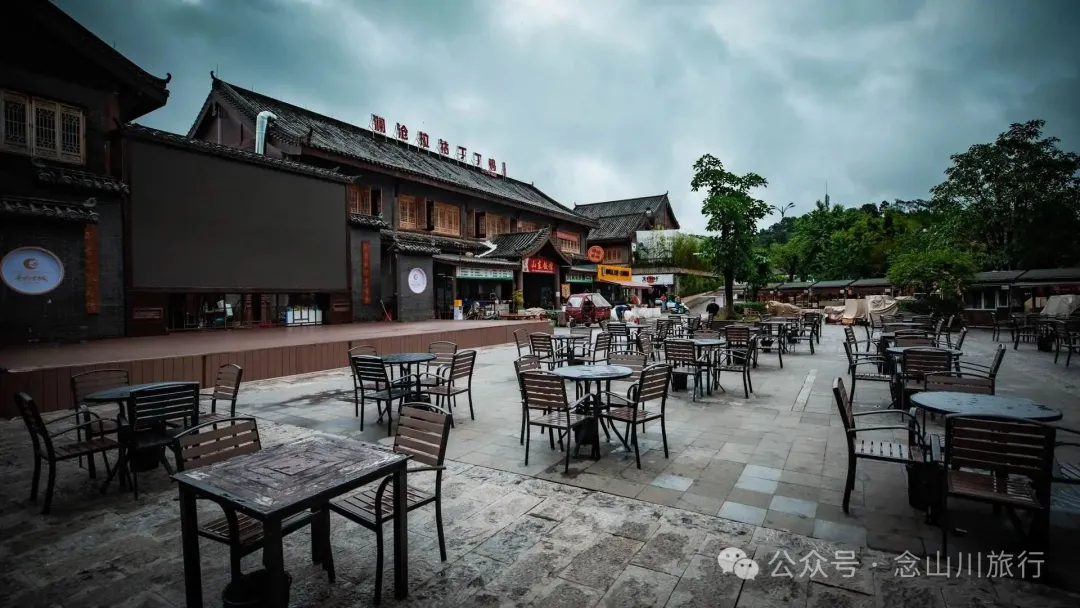
I arrived at this faithfully replicated ancient town on a rainy morning after the festivities had ended. The crowds had dispersed, and shops were still being renovated, with only a few scattered visitors, as if entering an empty city. That was fine—it allowed us to fully appreciate the architecture. Located in Simao District, Pu'er City, Yunnan Province, this antique architectural complex is meticulously reconstructed based on the original appearance of Pu'er Prefecture from the Qing Dynasty, freezing the vanished commercial prosperity in blue bricks and black tiles. The town strictly follows traditional settlement planning, with nine main streets connecting twelve performance nodes and three squares. The bluestone-paved streets wind like the ancient tea horse road, flanked by staggered residential buildings with wooden hanging windows, intricately carved brackets, and stone foundations, recreating the Jiangnan charm of "shops along the street, flowing water around the house."
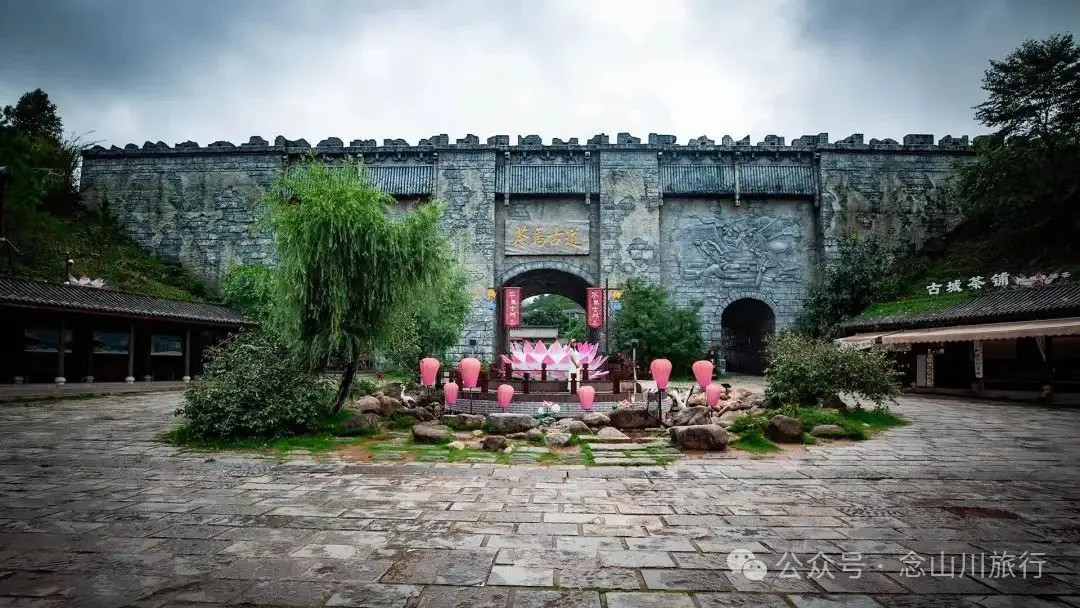
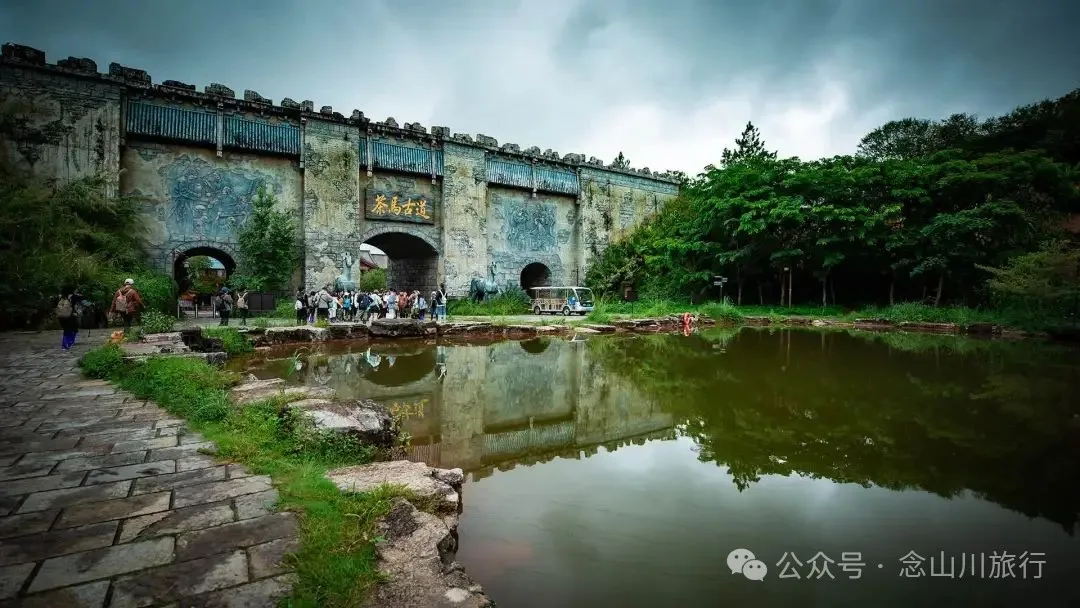
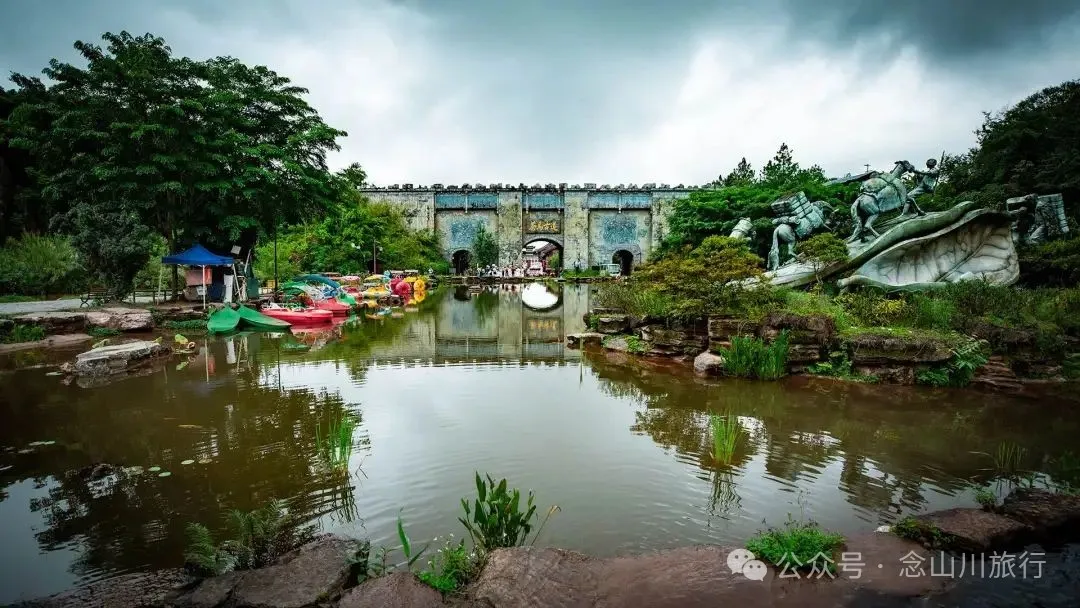
At the entrance of the Ancient Tea Horse Road Heritage Park stands a section of city wall, with a restored Qing Dynasty gate tower at its center. The multi-layered eaves and vermilion plaque bearing the golden characters "Tea Horse Ancient Town" form a visual axis with the continuous imitation ancient walls. The walls are built with specially made blue bricks 30 centimeters thick, their surfaces deliberately weathered, and the joints filled with glutinous rice and lime mortar, echoing ancient techniques.
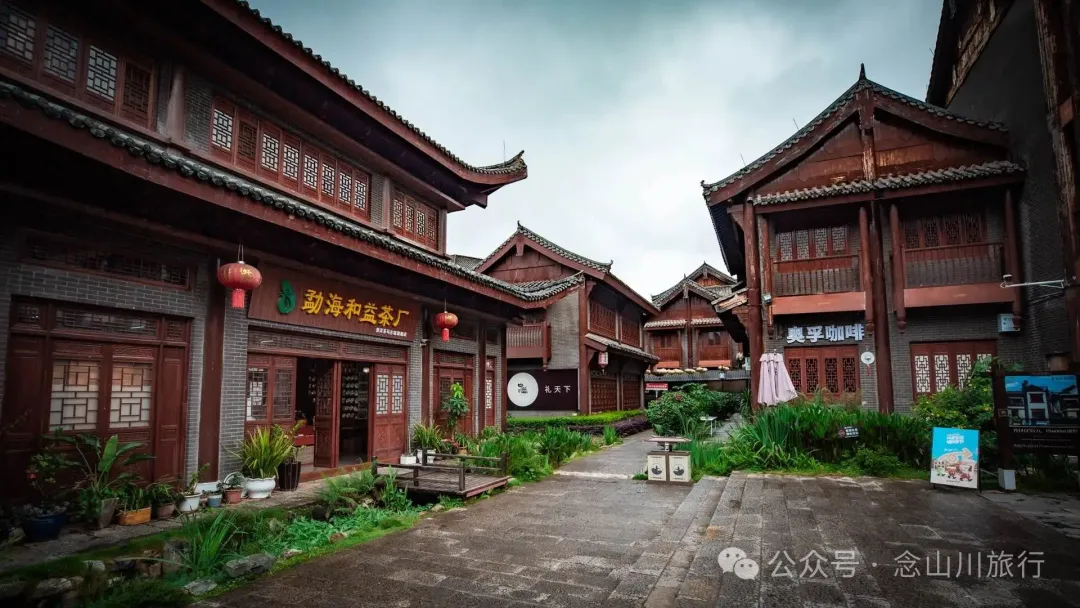
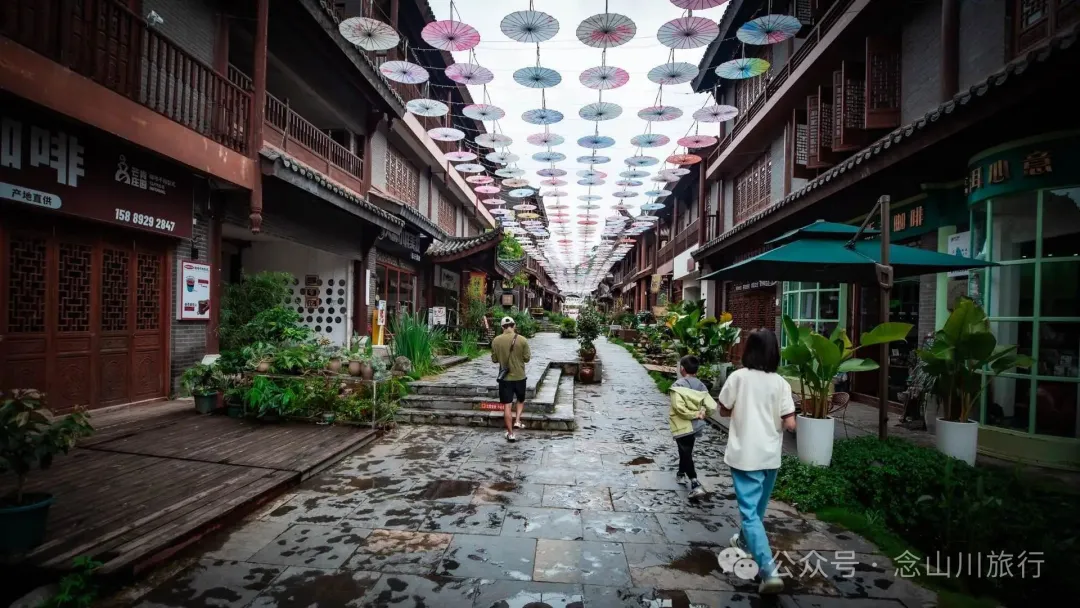
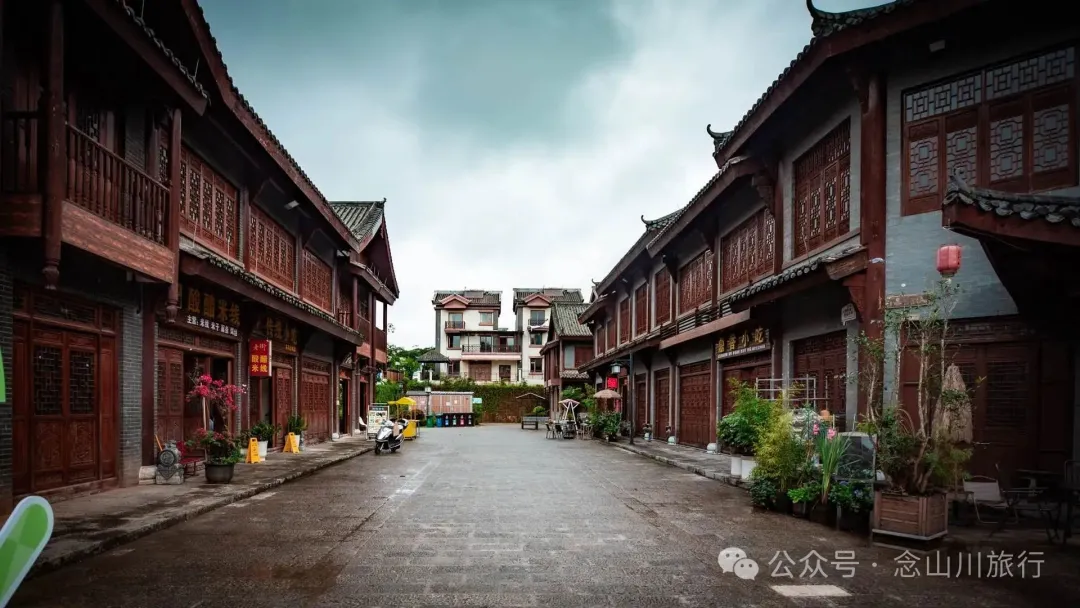
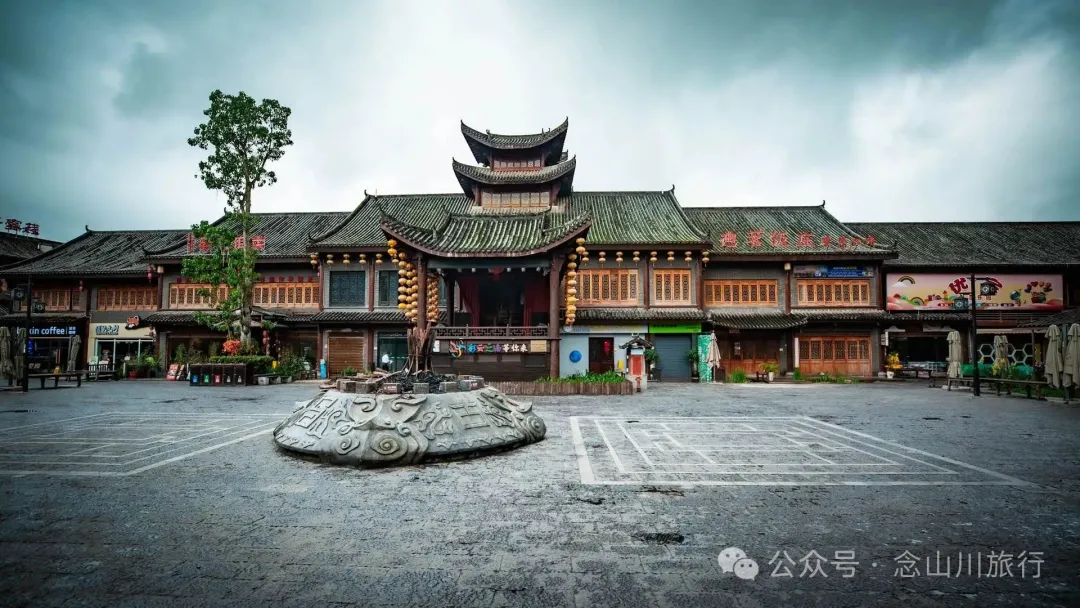
The architectural complex skillfully blends Han, Dai, Brown, and other ethnic elements—Dai stilted houses with raised ground floors serve as tea houses; Brown ethnic totem stone carvings are embedded in screen walls; Han horse-head walls interlace with minority painted eaves, creating a unique "one courtyard, multiple charms" style. Inside the courtyards, running water is channeled into streams, with stone arch bridges connecting tea pavilions; miniature gardens adorn the gable walls, with banana trees and green bamboo against white walls, embedding the classical garden philosophy of "changing views with every step" into commercial spaces. Traditional buildings are given new functions—the former escort agency becomes a Pu'er Tea Museum showcasing tea cake pressing techniques; the stable is transformed into an intangible cultural heritage workshop where rattan weavers demonstrate ancient crafts; and the courier station inn offers immersive accommodation with mountain views, achieving "ancient form, modern use" for living heritage.
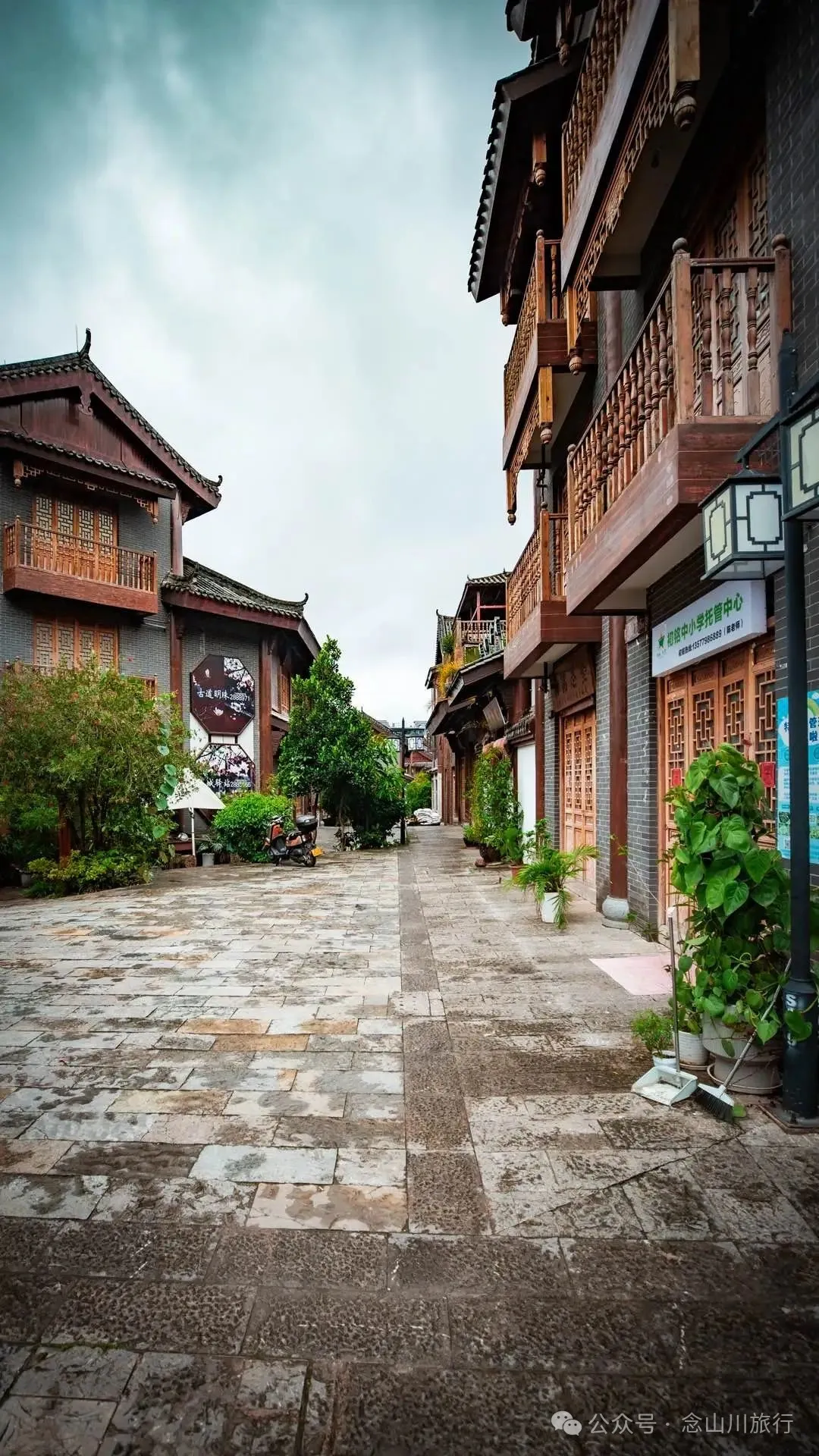
The varying depths of hoof print rubbings on the bluestone, the mottled paint on the city gate plaque, the clear sound of bronze bells swaying in the wind—the architecture of Tea Horse Ancient Town is not just a pile of bricks and wood but a three-dimensional epic of the Tea Horse Road, written with space as paper and light and shadow as ink. When visitors in Hanfu, holding umbrellas, walk across the stone bridge, the jingling of horse bells from the past and the laughter of the present merge, proclaiming that this "living" ancient town is continuing to write its legend for the next millennium.