
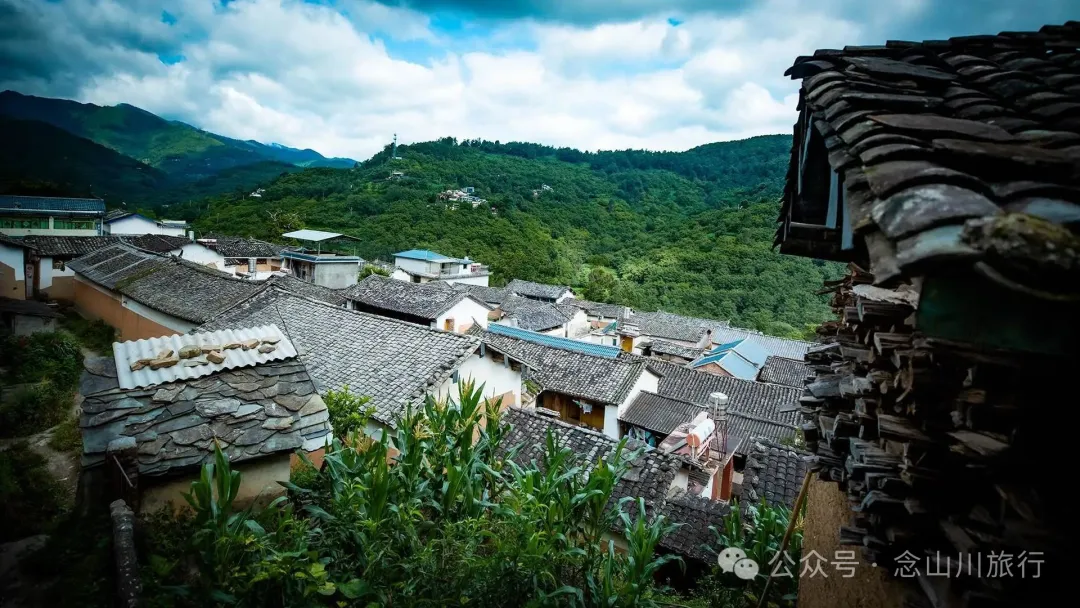
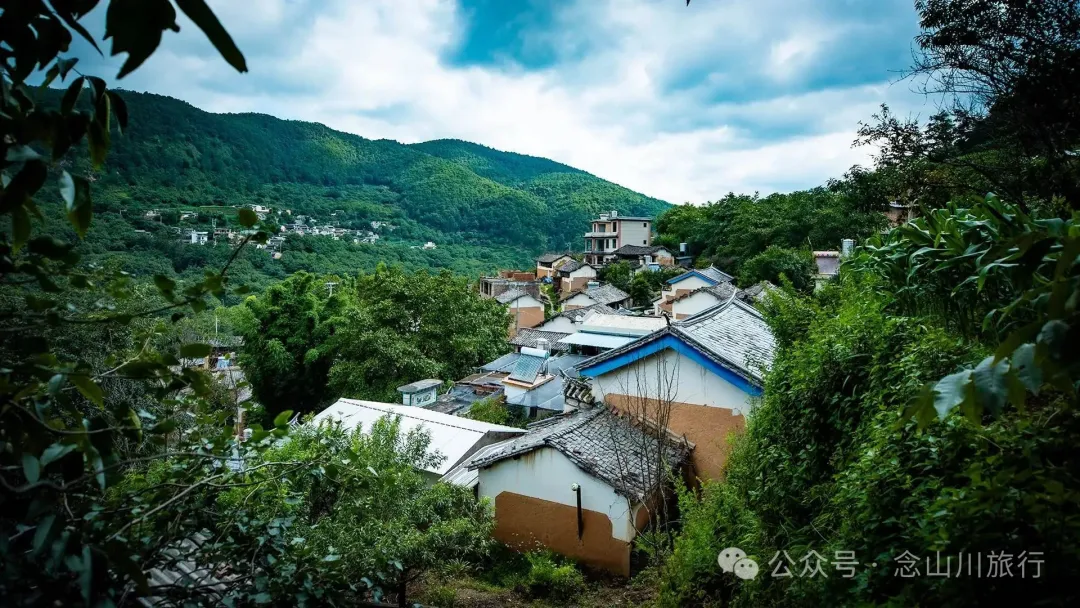
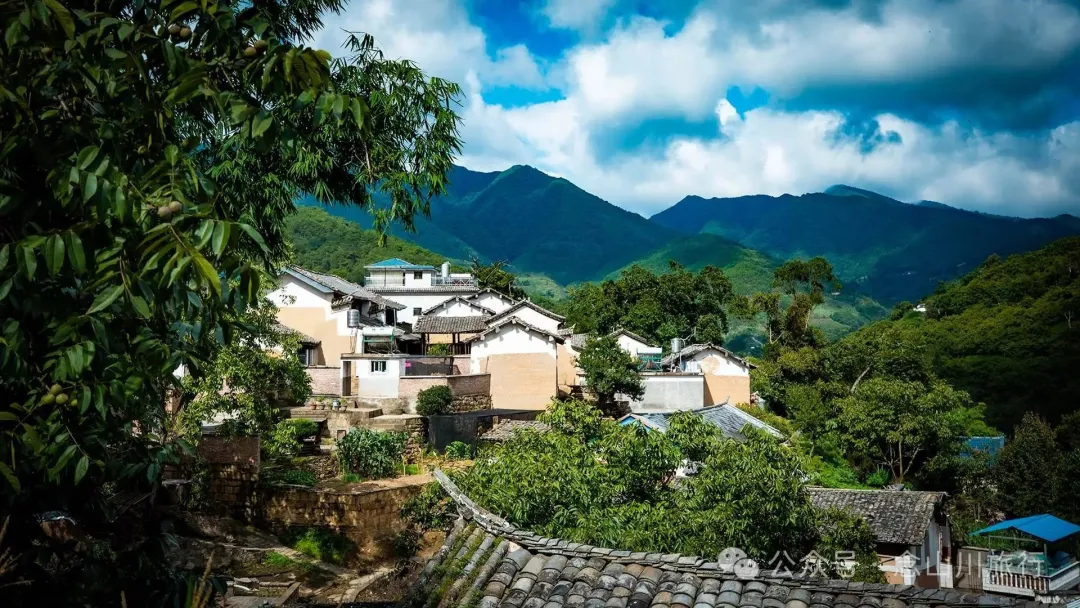
Walking up the narrow cement road of the village, threading through the mud-walled, tile-roofed houses in the wilderness, I recorded a sentence in my WeChat Moments with four photos of Raojia Village: "Passing through my village." The village where I was born is also called Raojia Village, a small hamlet by Poyang Lake. Relatives told me that only three or four people still live there now, overgrown with weeds, nearly abandoned.
I don't know if I can still make it back before the village completely disappears from the map to take a look, to seek the fading memories of my hometown in the river of time. But this strikingly different Raojia Village by the roadside not only stirred some distant memories of my own hometown but also sparked great interest in the history of how villages originally formed. This Raojia Village before me lies deep in the mountains of Baohua Town, Nanjian County, Dali, Yunnan Province, over two thousand kilometers from my birthplace. According to an elder in the village, Raojia has over 80 households, almost all surnamed Rao, Han Chinese, with only two or three families not named Rao.
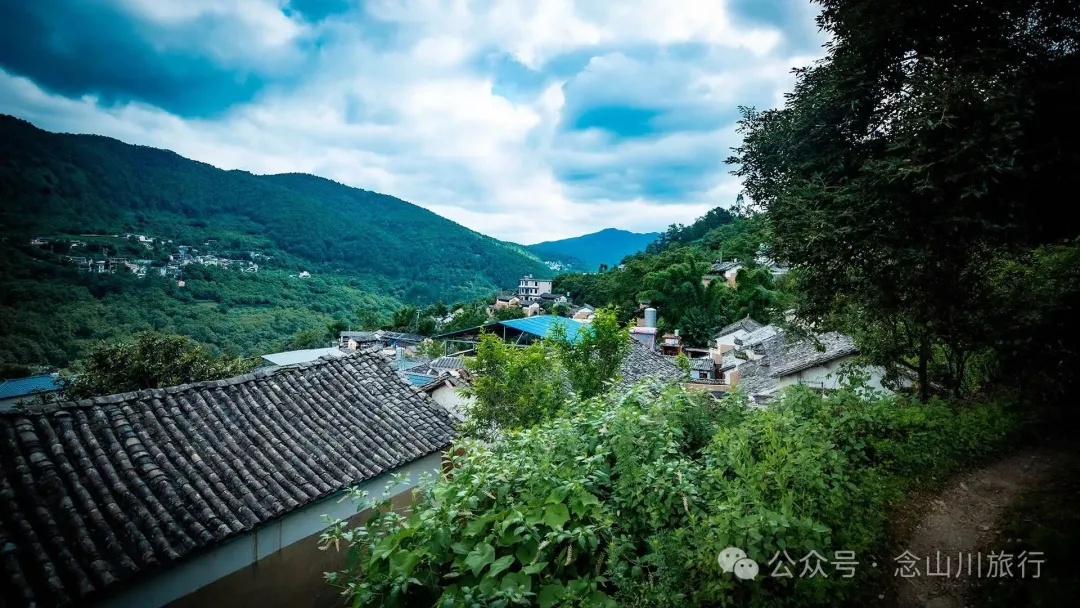
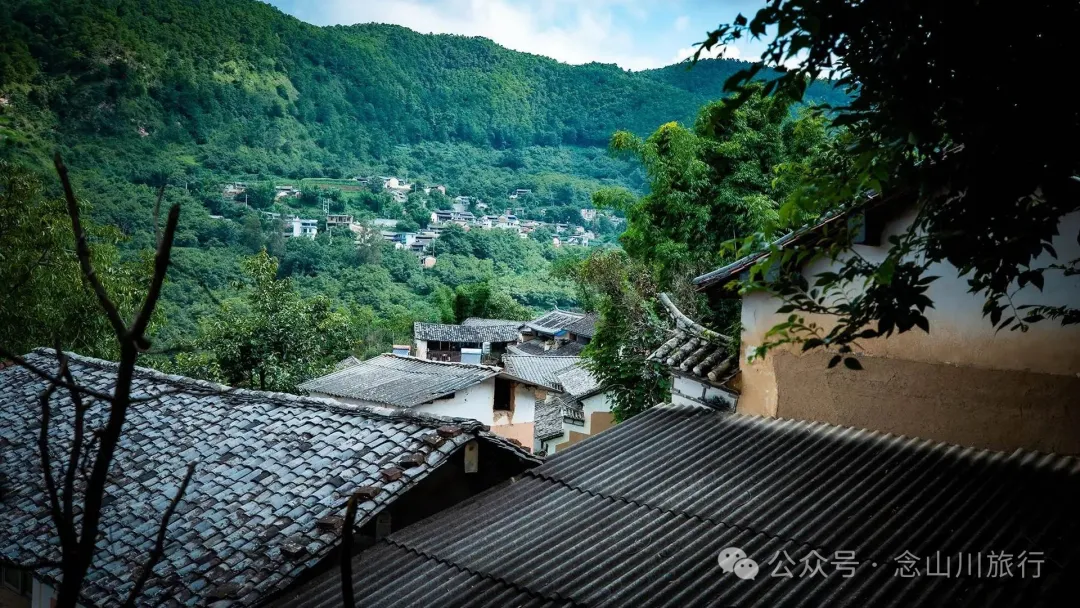
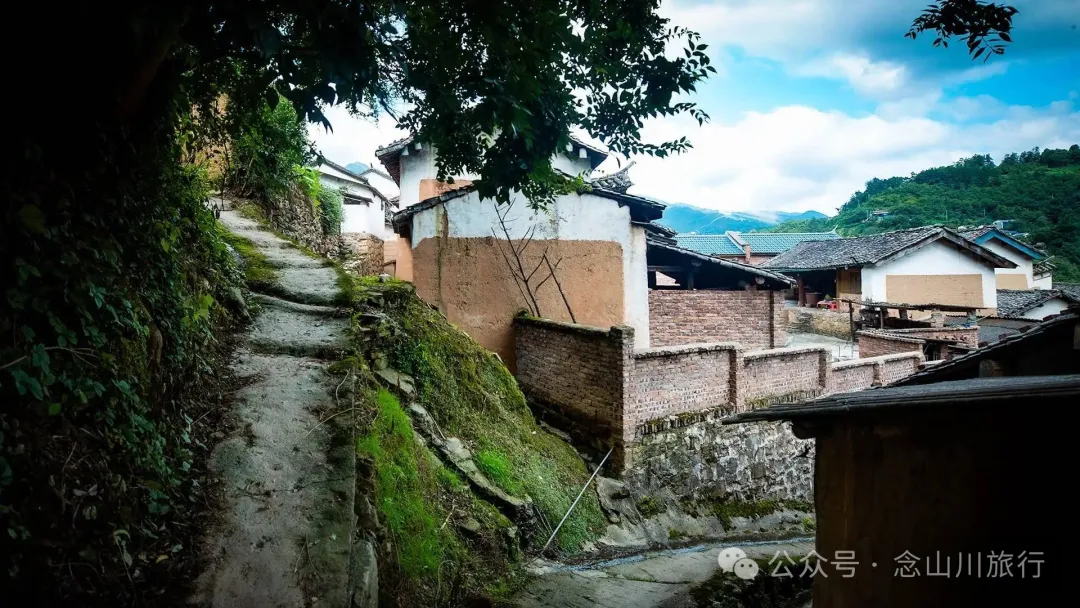
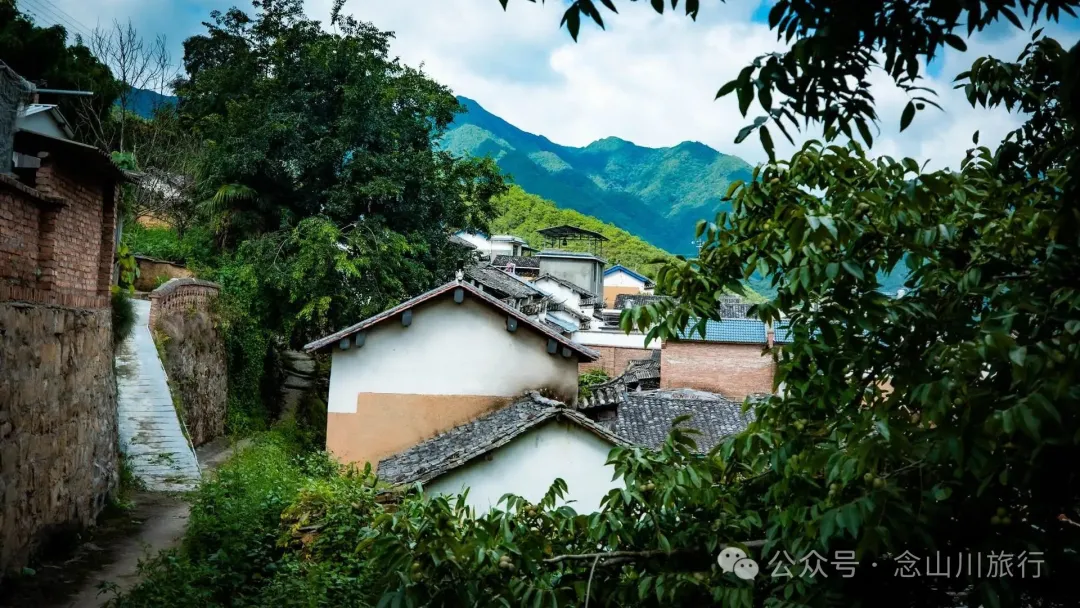
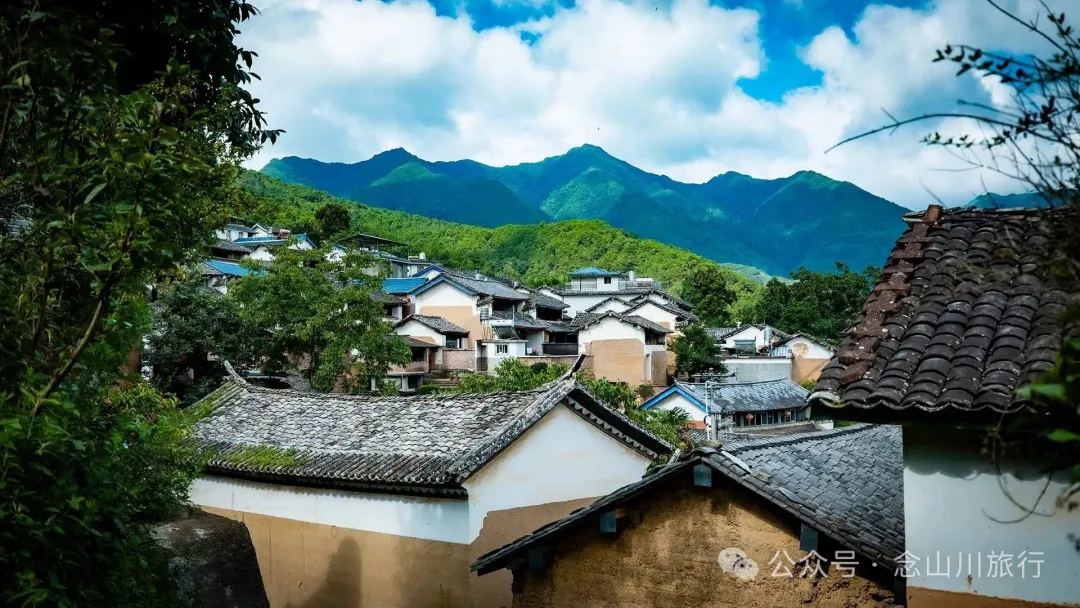
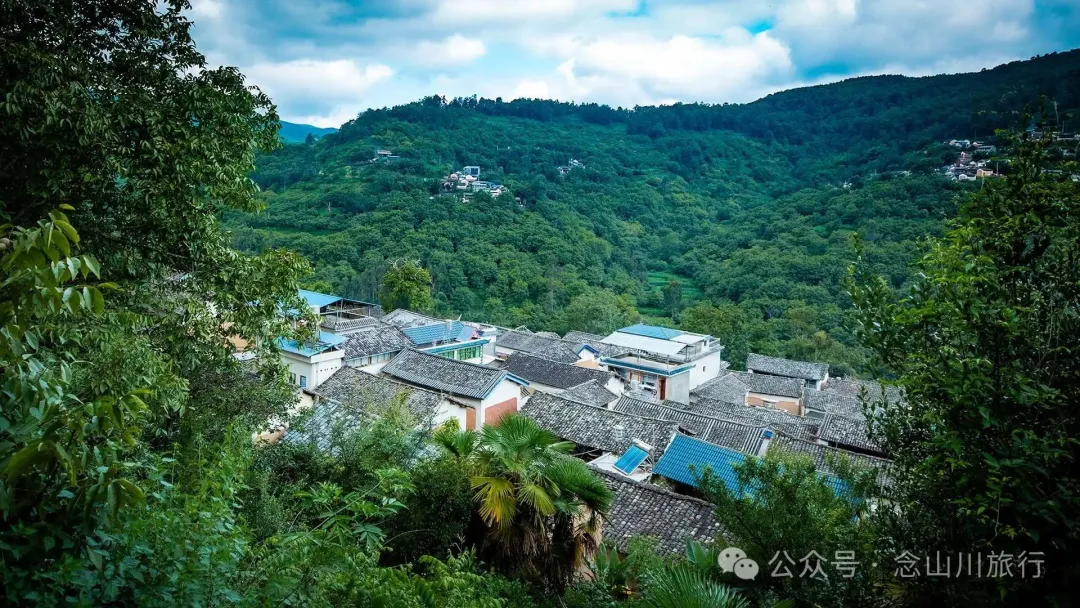
The ancient village stands amidst lush greenery, exuding a cool mountain air. Thick clouds cling to the ridges, constantly shifting shapes, casting huge shadows. The azure sky appears and disappears, clear as a shallow mountain stream. The village dwells within, tranquil and serene. The yellow-white mud walls and gray tile roofs blend with the surrounding wilderness: the mud walls are made from the earth and bear its color, while the tile roofs mimic the shape of the ridges. Each farmhouse resembles a quiet little hill. The village is like an aesthetically valuable artwork placed in a hall carefully designed by the Creator, with clouds and sky as faithful, adoring spectators.
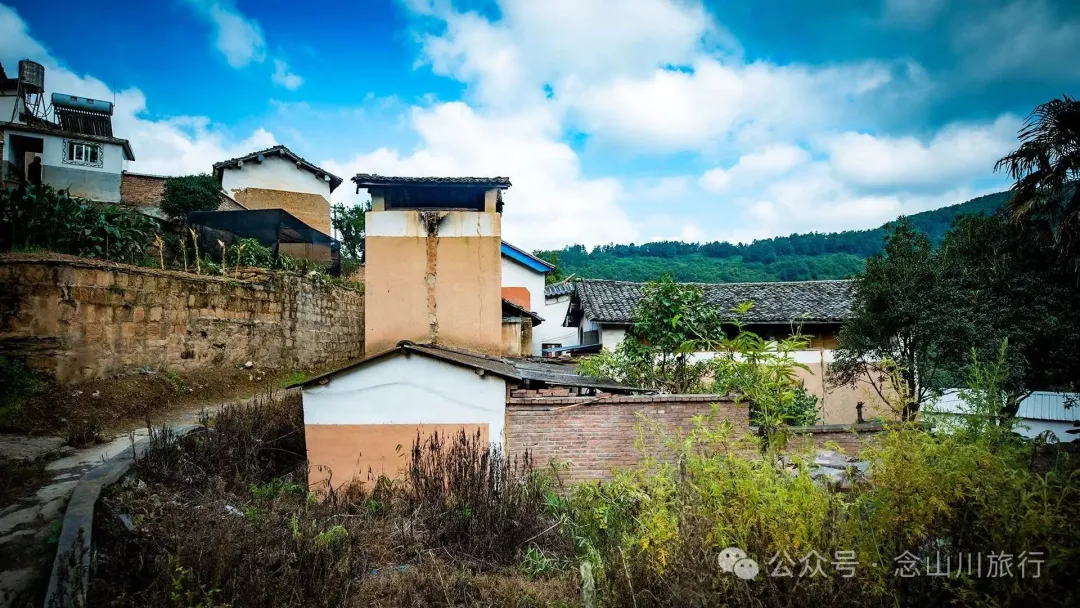
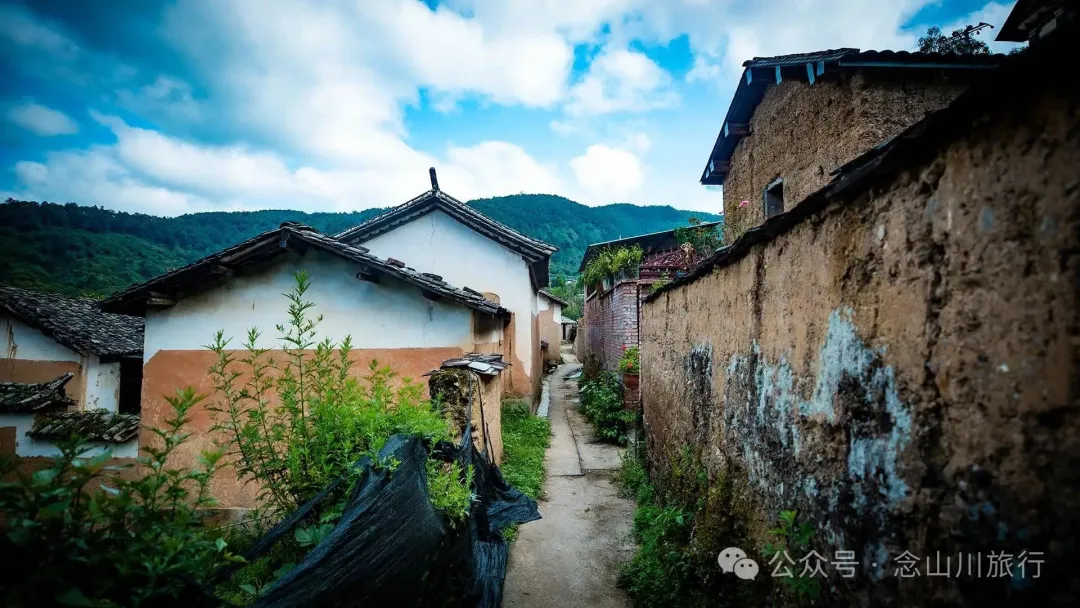
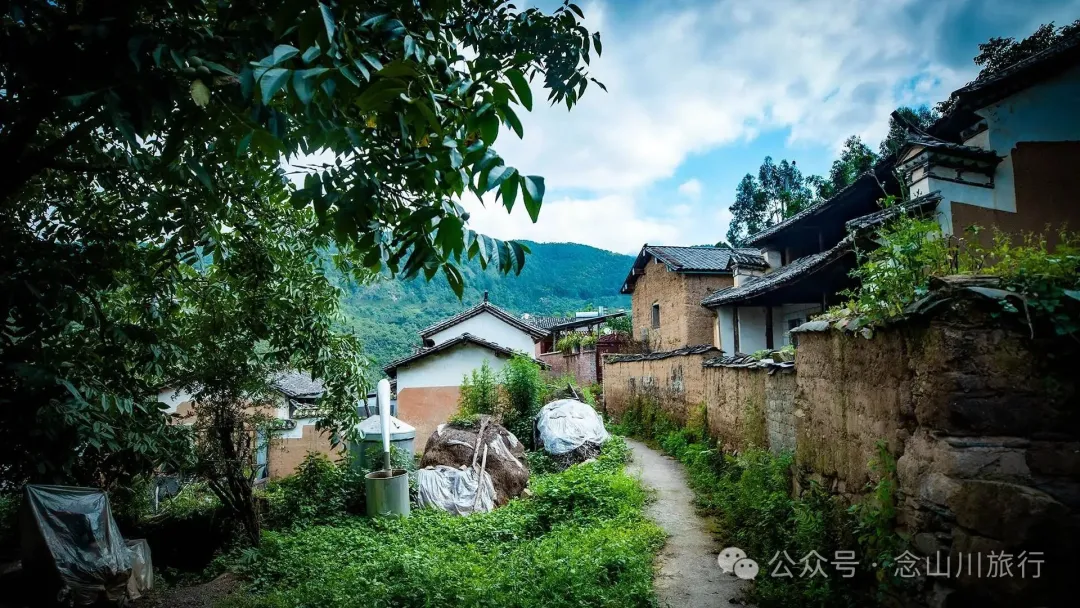
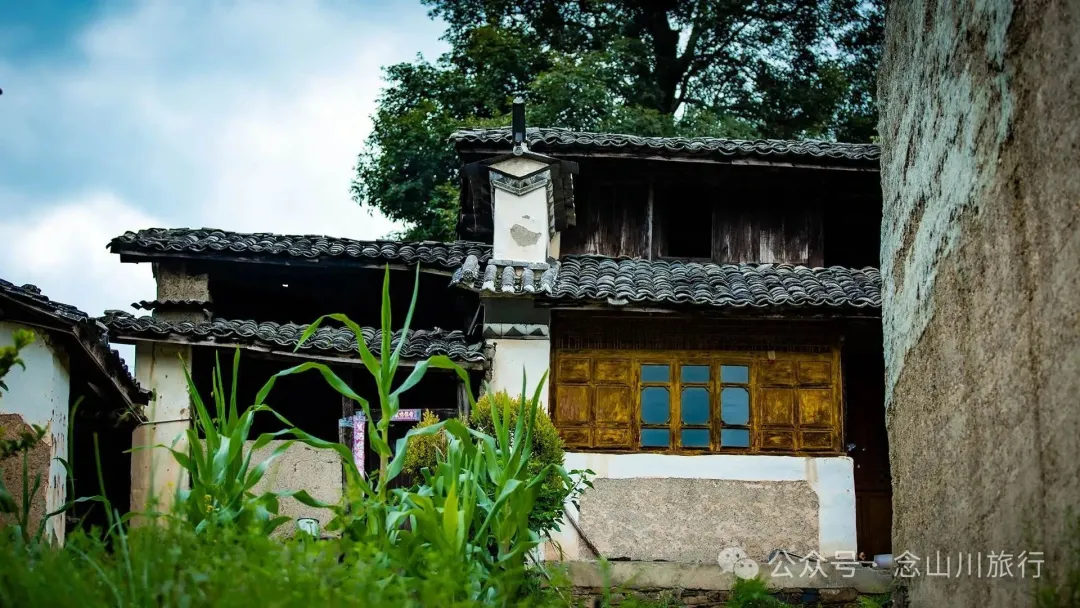
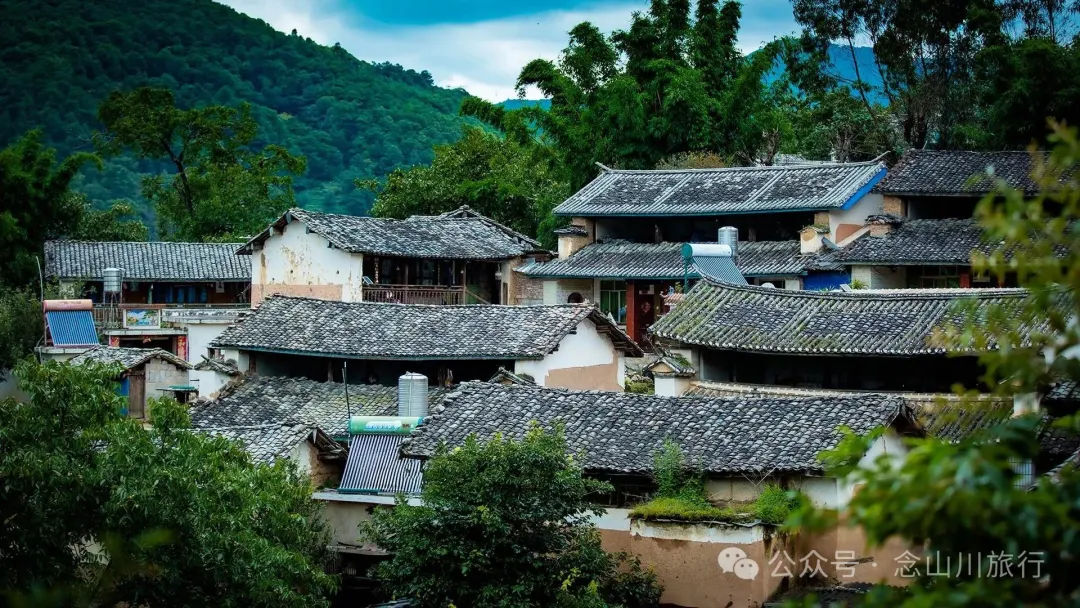
I hold a special feeling for Raojia Village, not only because walking through it, unfamiliar villagers happily recognize me as a fellow clansman, but also because their ancestors were from Jiangxi, specifically Shangrao, Jiangxi. For unknown reasons and in some distant era, they migrated thousands of miles to the mountains of Baohua Town, Nanjian. I don't know if we share the same lineage, but I'm glad to have encountered this village sharing my surname.
What interests me more is how their ancestors, hundreds of years ago, overcame hardships to reach Nanjian, how they chose a new home among the mountains, how they carved out a world in a strange land, established themselves, and took root for generations. We asked an elder in the village, who told us they have lived here for 17 generations, recorded in the family tree. As for the questions I care about, they themselves don't know. It's a pity there are no written records of that ordinary yet mysterious past; if there were, it would surely be a stirring history of migration.
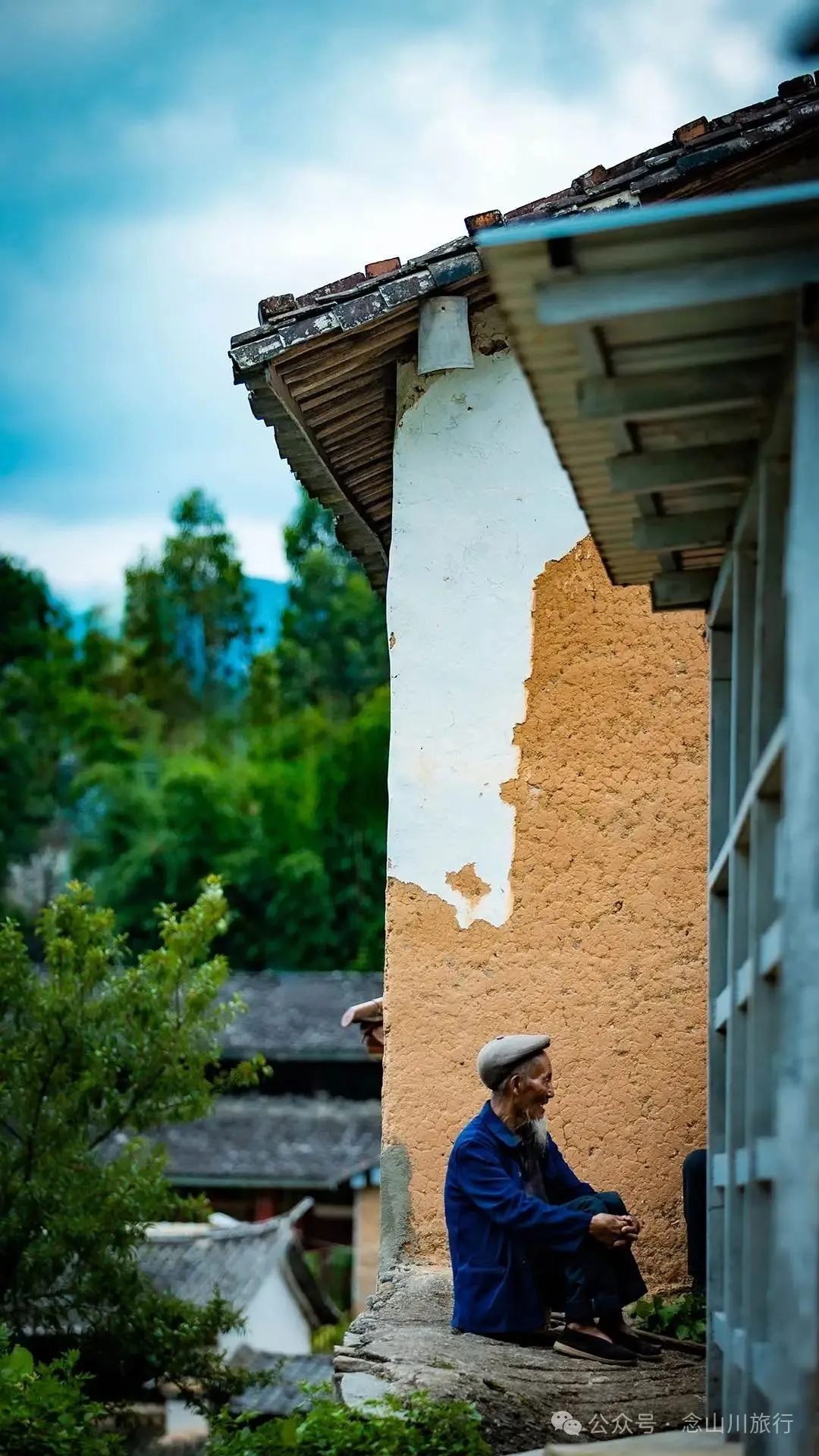
We walked back from behind the village and saw four elderly people sitting at the entrance of a house, chatting cheerfully. They had long lost their native accent and become true locals. The old folks were hale and hearty, sitting on low stools, talking animatedly with companions. Their bronze faces resembled a yellowed map, the area of which was Raojia Village, the hometown where they had lived for over eighty years.
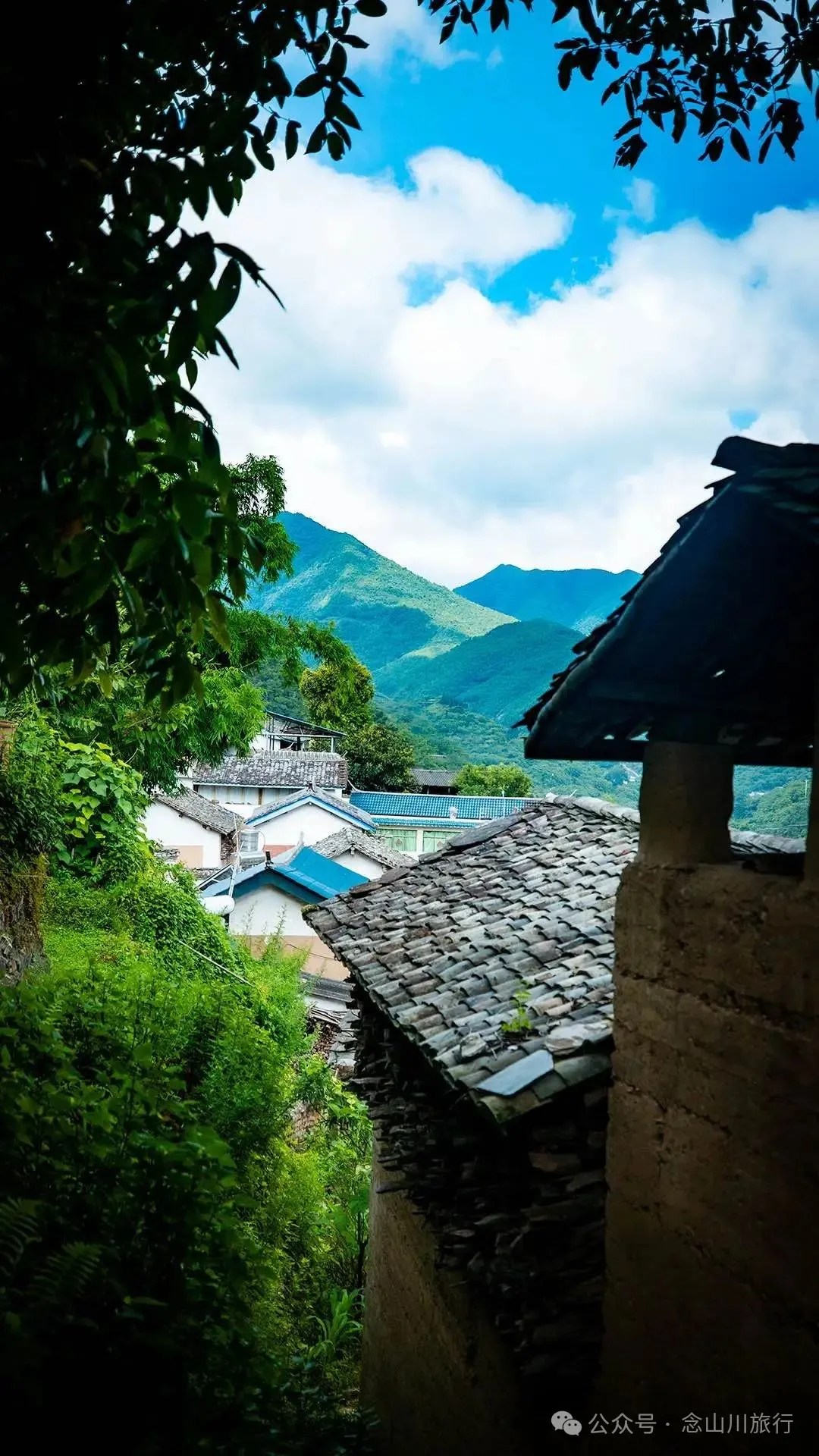
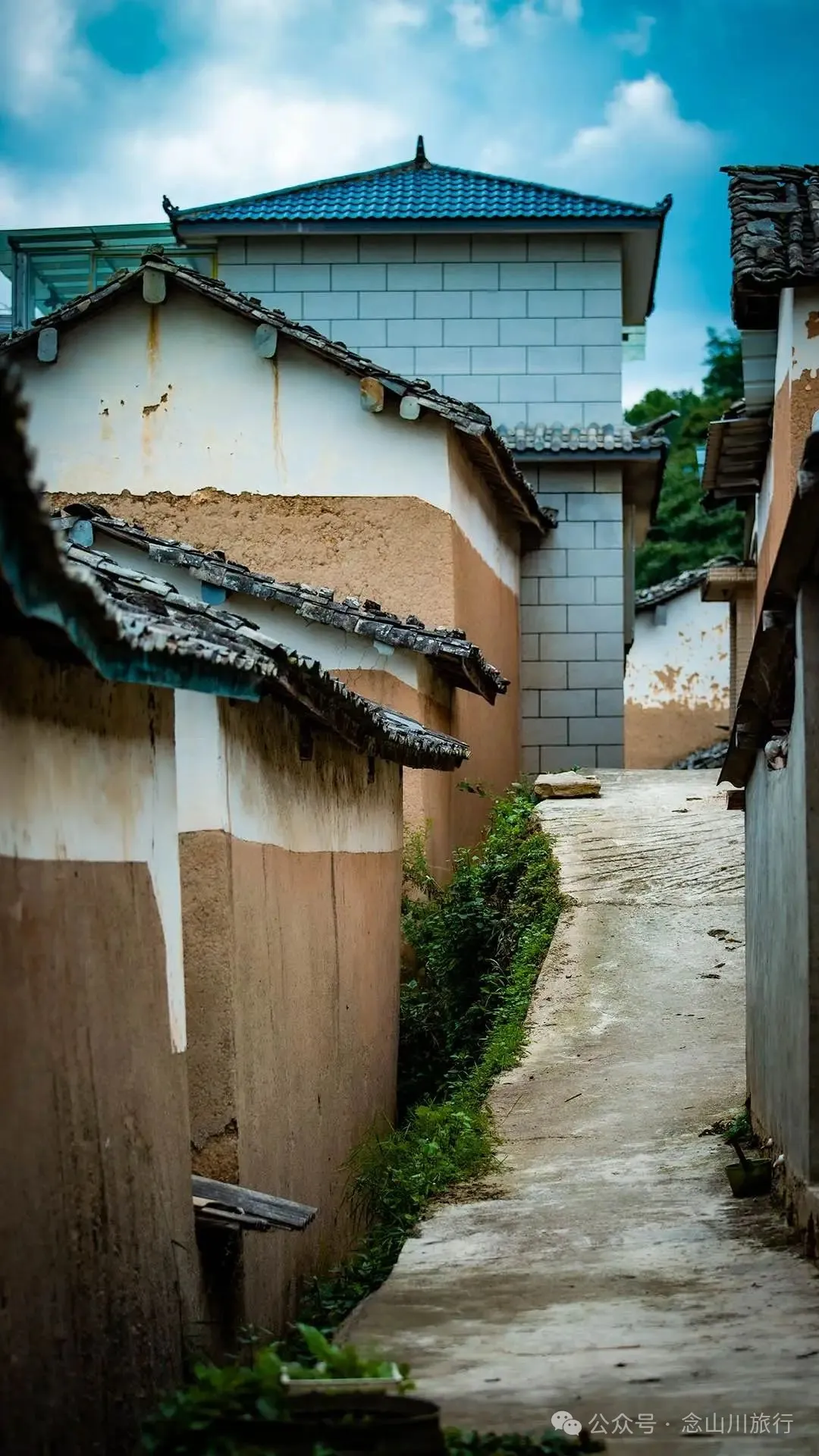
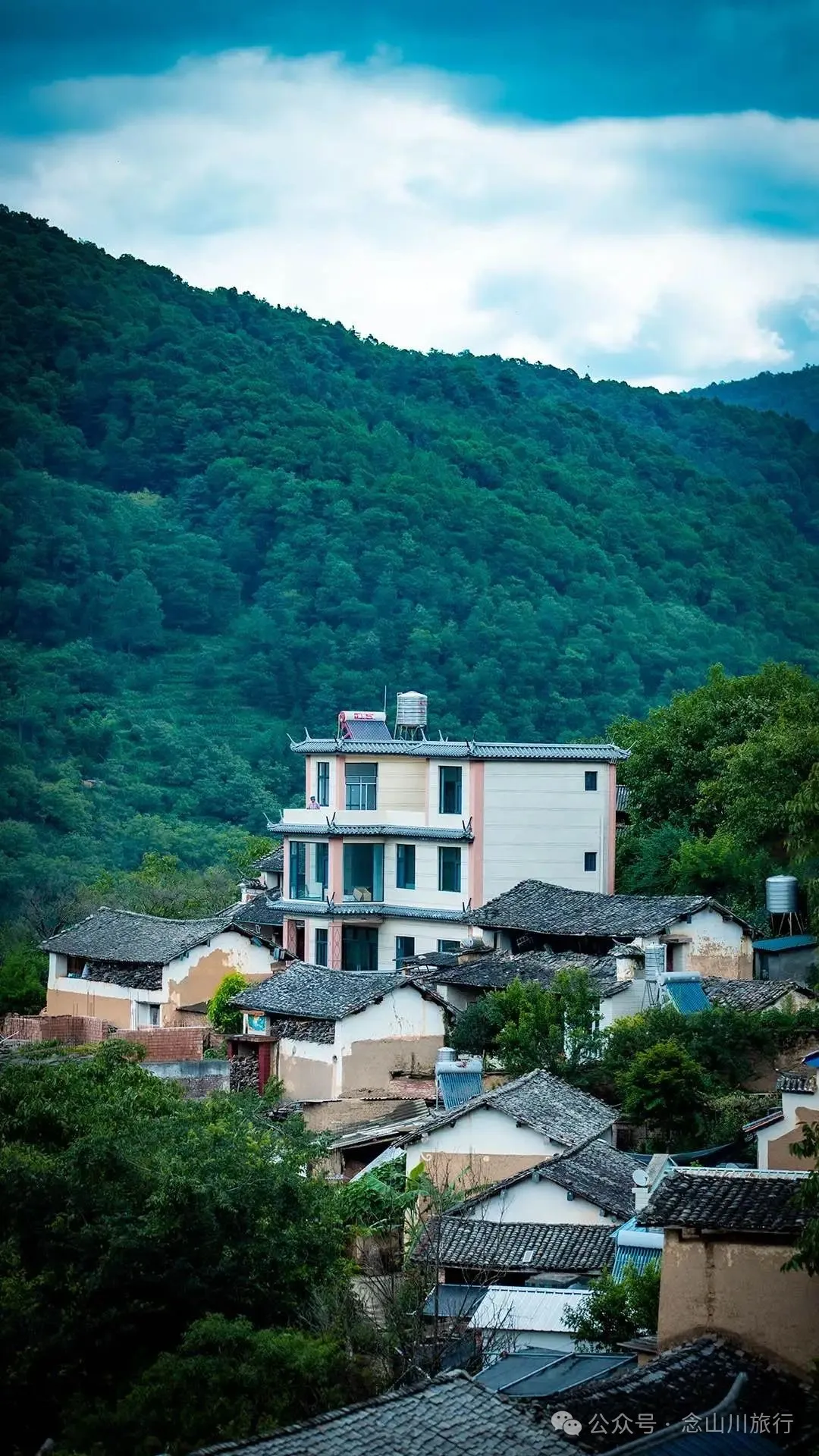
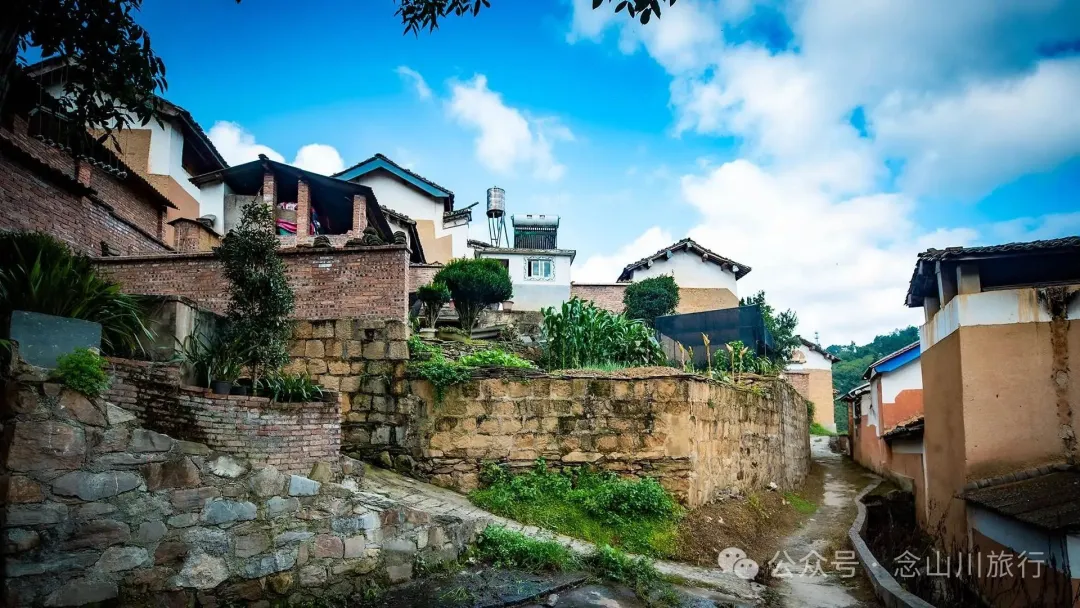
Most houses in Raojia Village are old structures with mud walls and black tiles, but there are also tall, bright new cement houses. The presence of new houses shows me the village's future. I know that some people will continue to live in the village, guarding its ordinariness. The village will not become desolate like the other Raojia Village two thousand miles away, at least not for now.
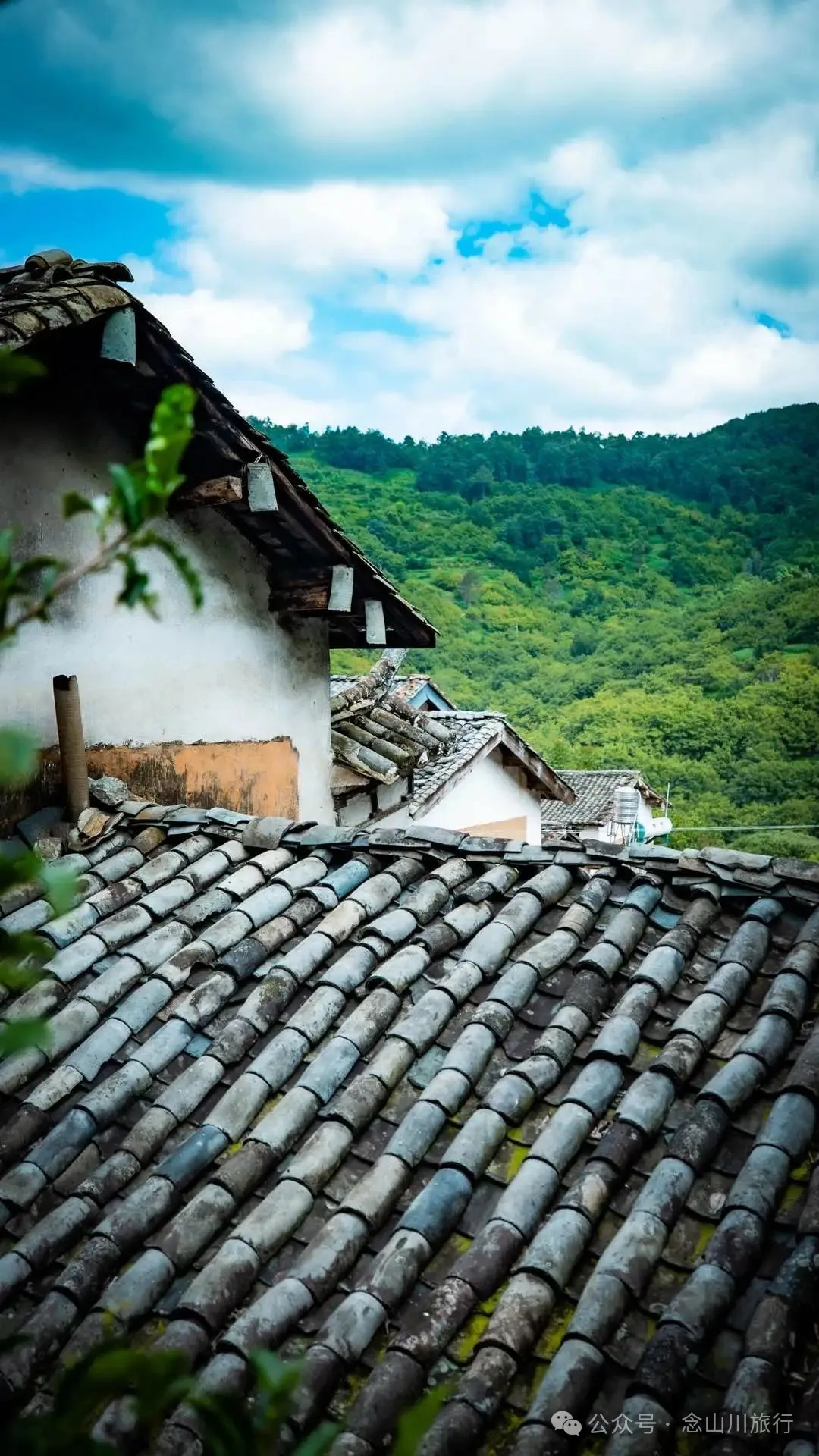
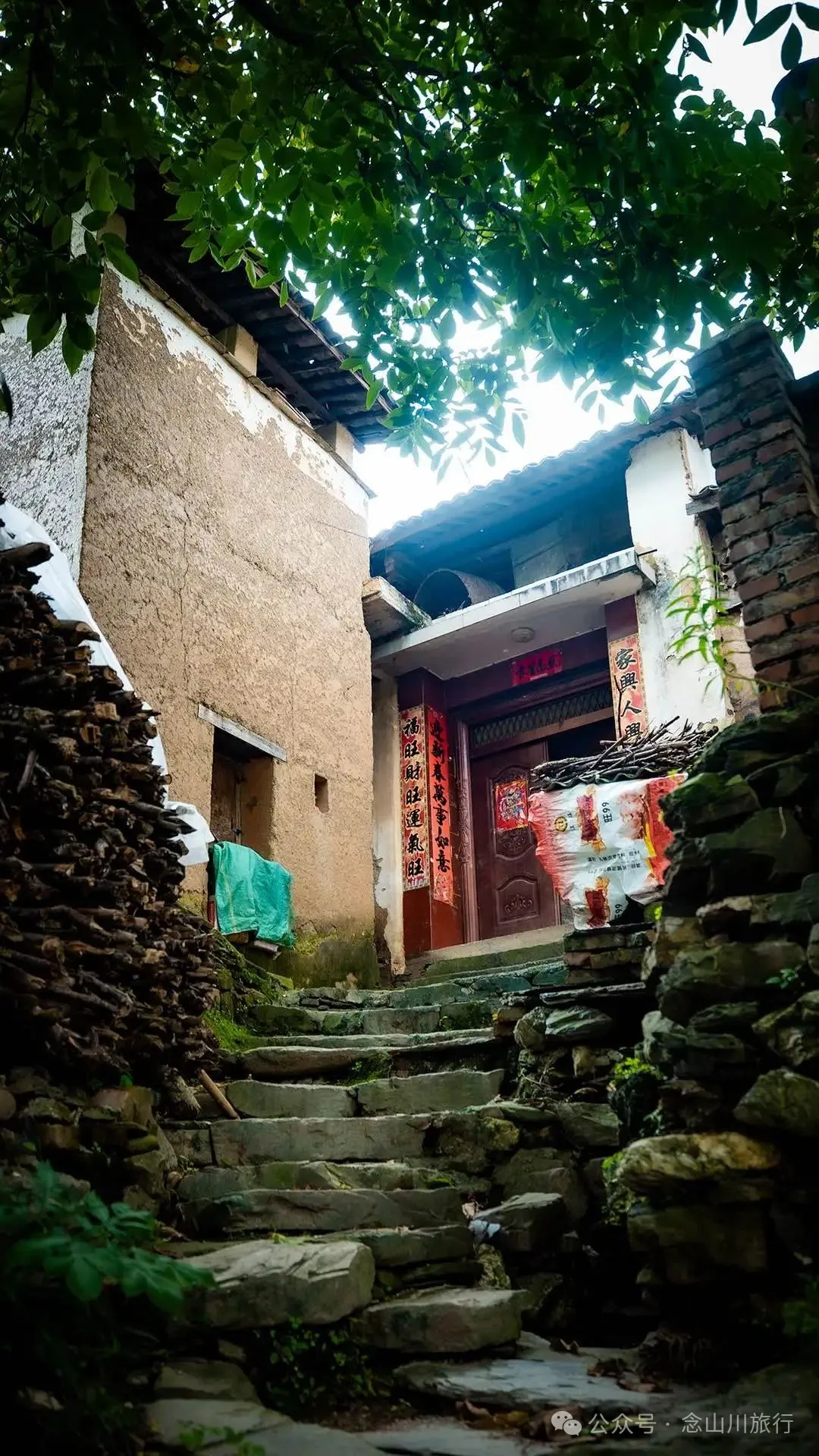
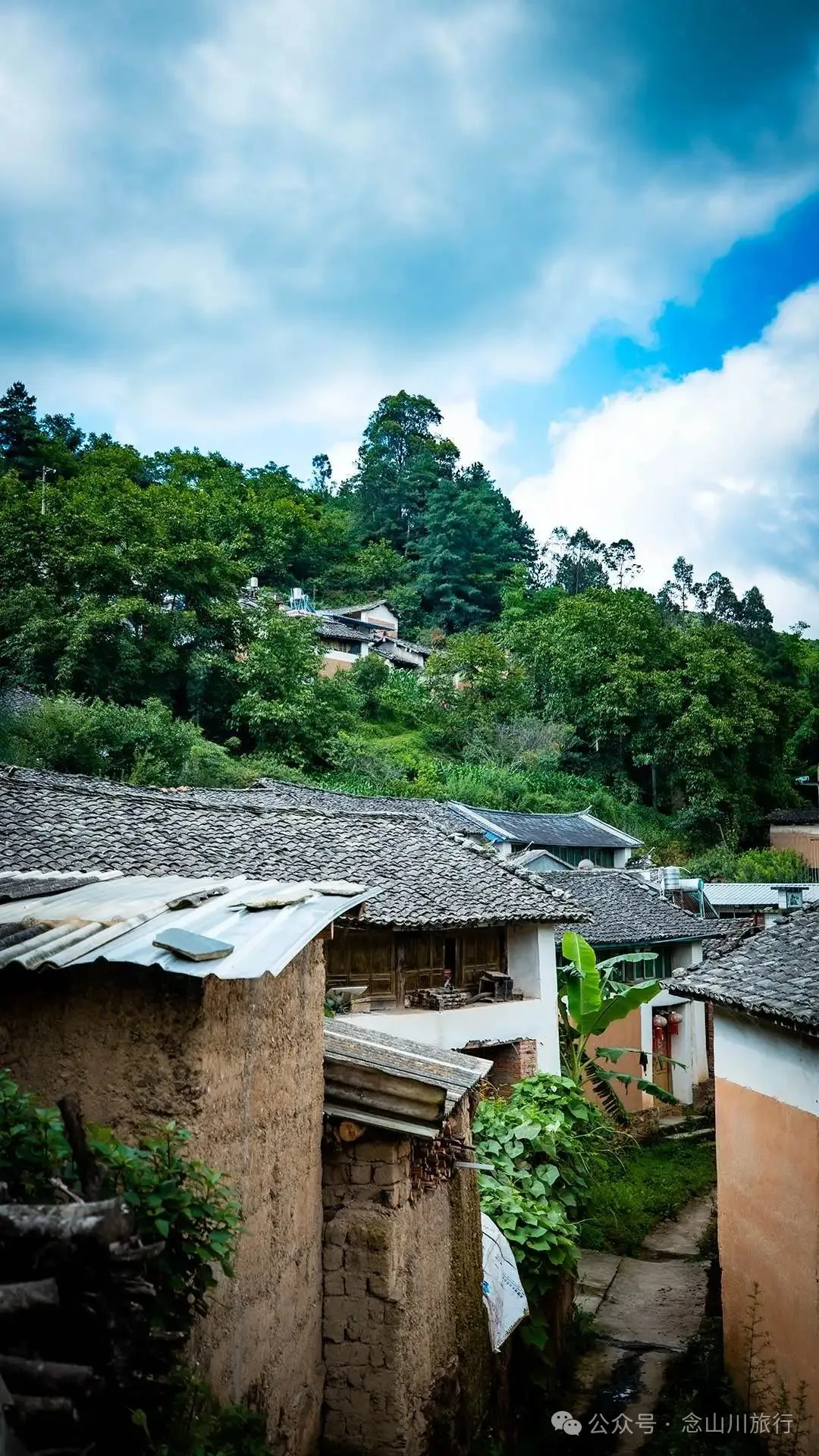
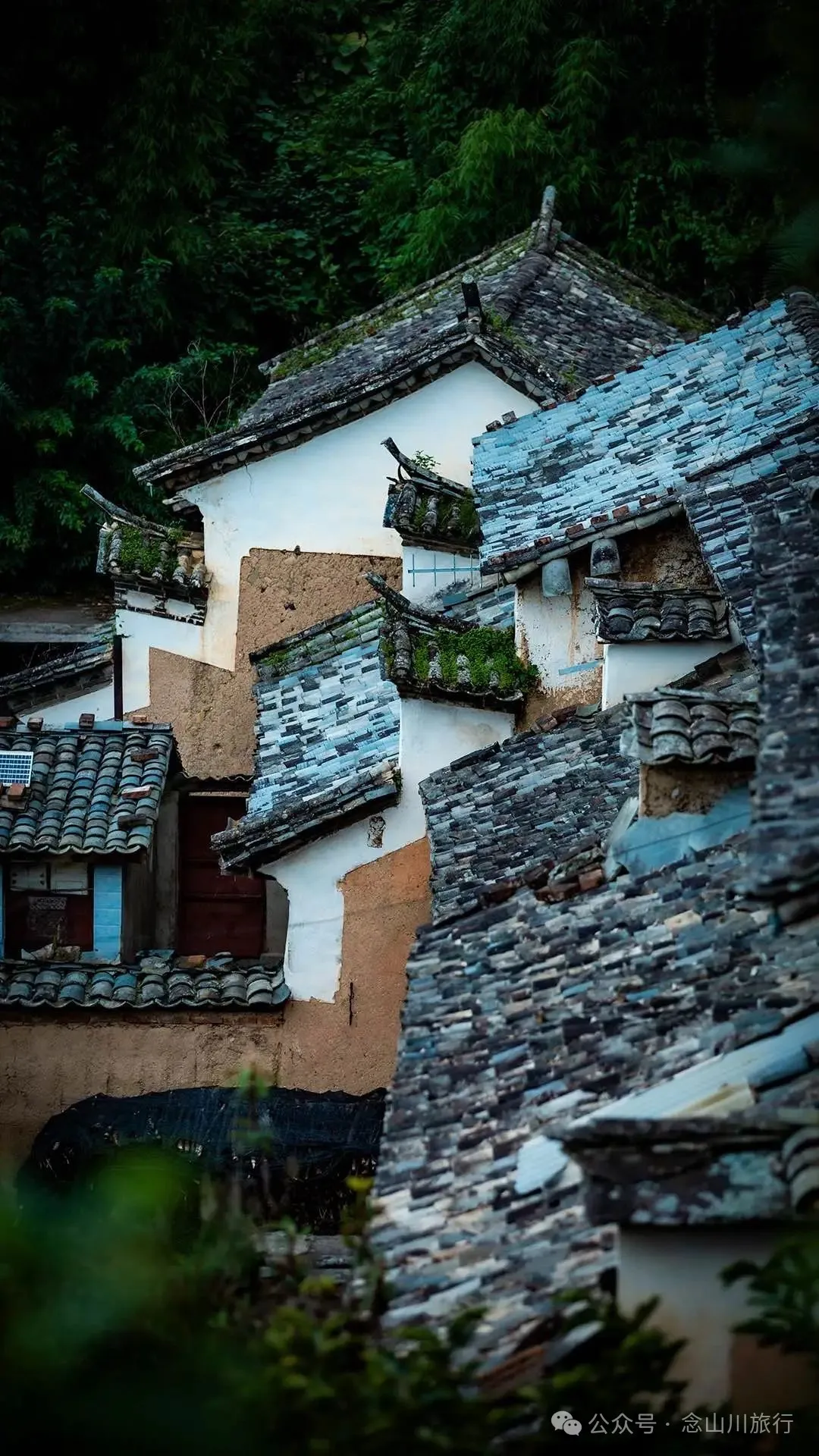
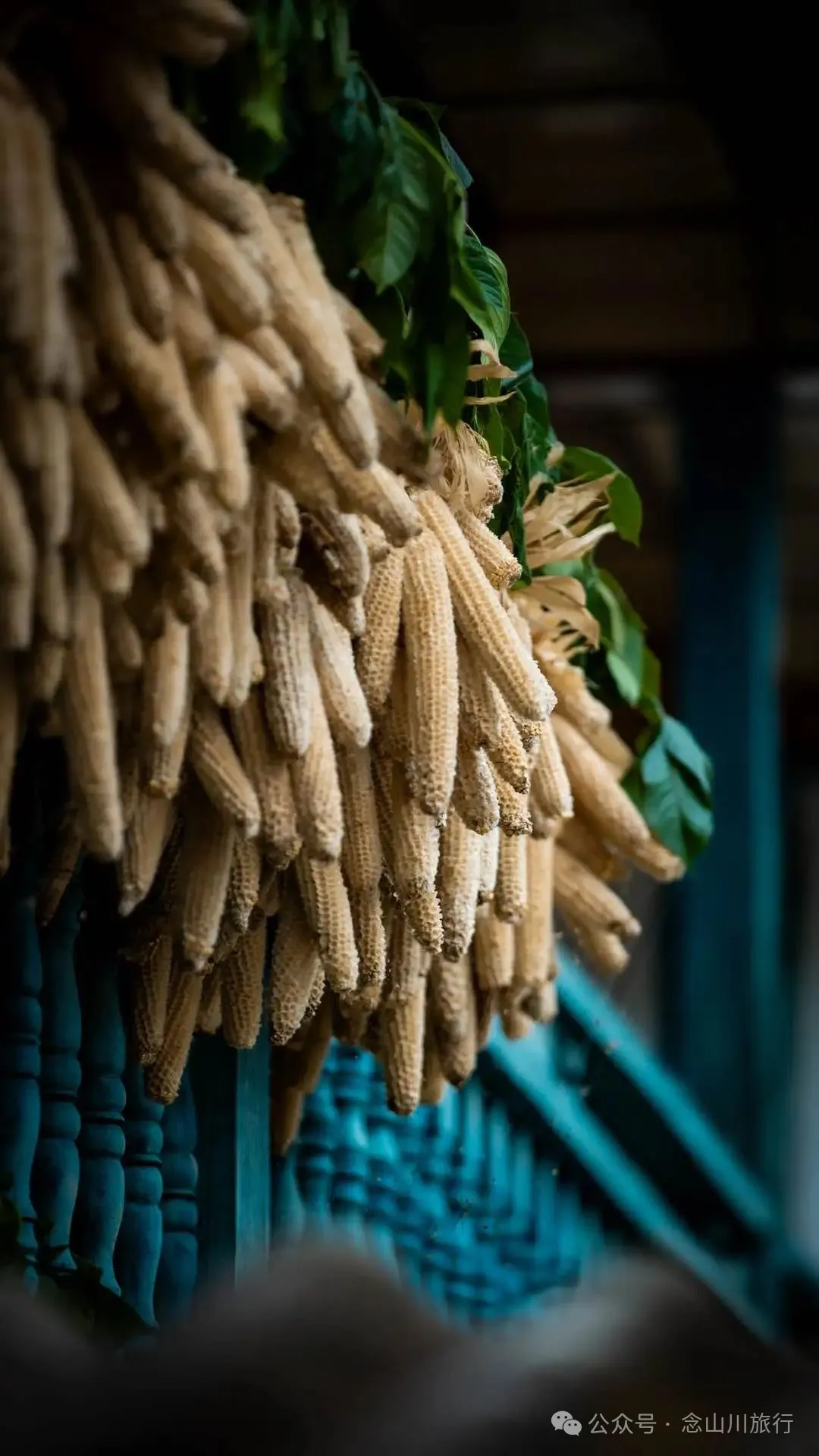
Walking through the village, I often felt a sense of déjà vu. The wooden doors and thresholds of a few houses were very similar to the wooden house I lived in before I was ten. A tall hibiscus flower also reminded me of the fence around my hometown's vegetable garden. Beyond that, I could find no other similarities. The farming life on the Jiangnan plain was clearly not suited to these mountains, and my clansmen had long adopted a pastoral mountain life.
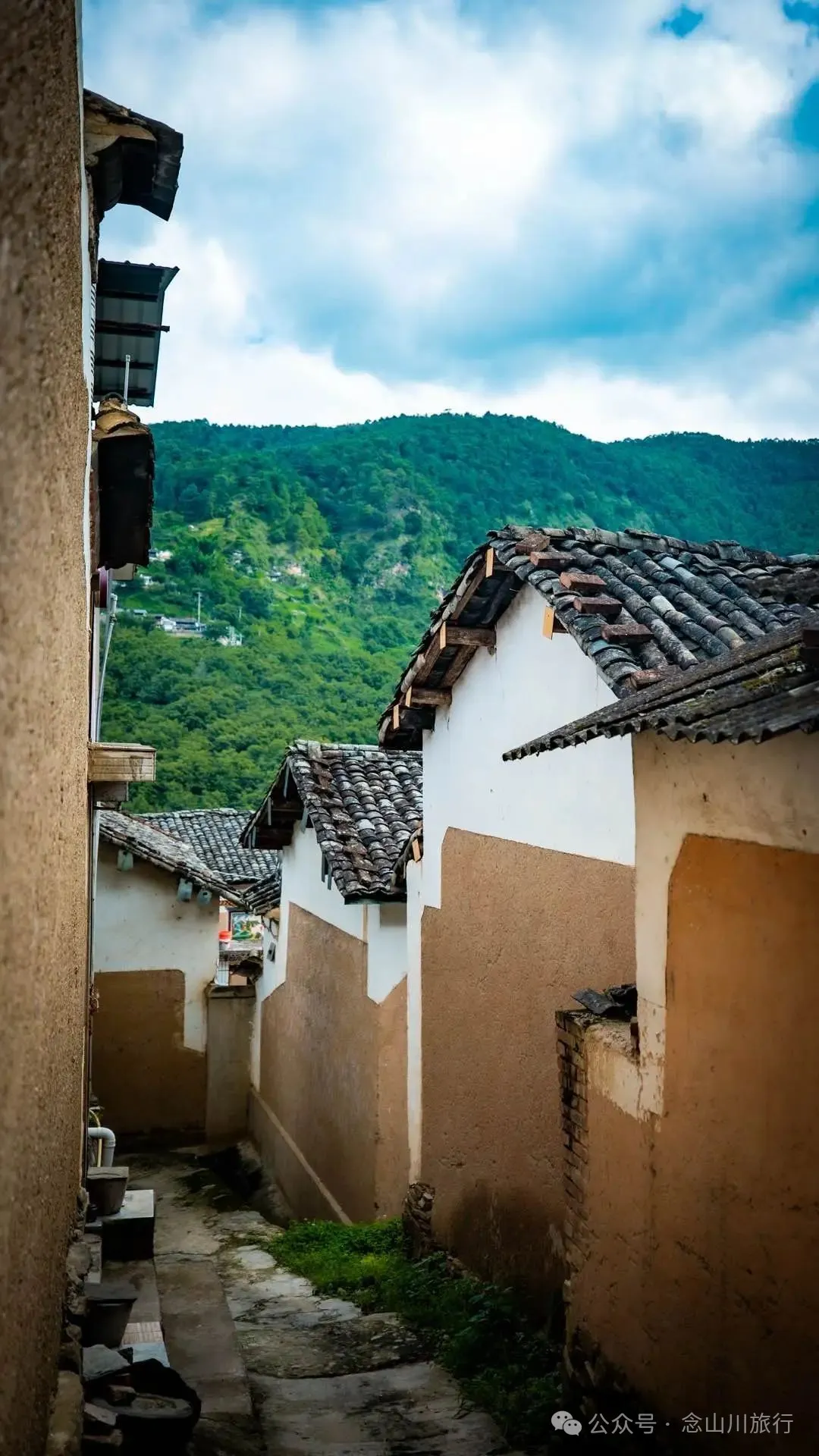
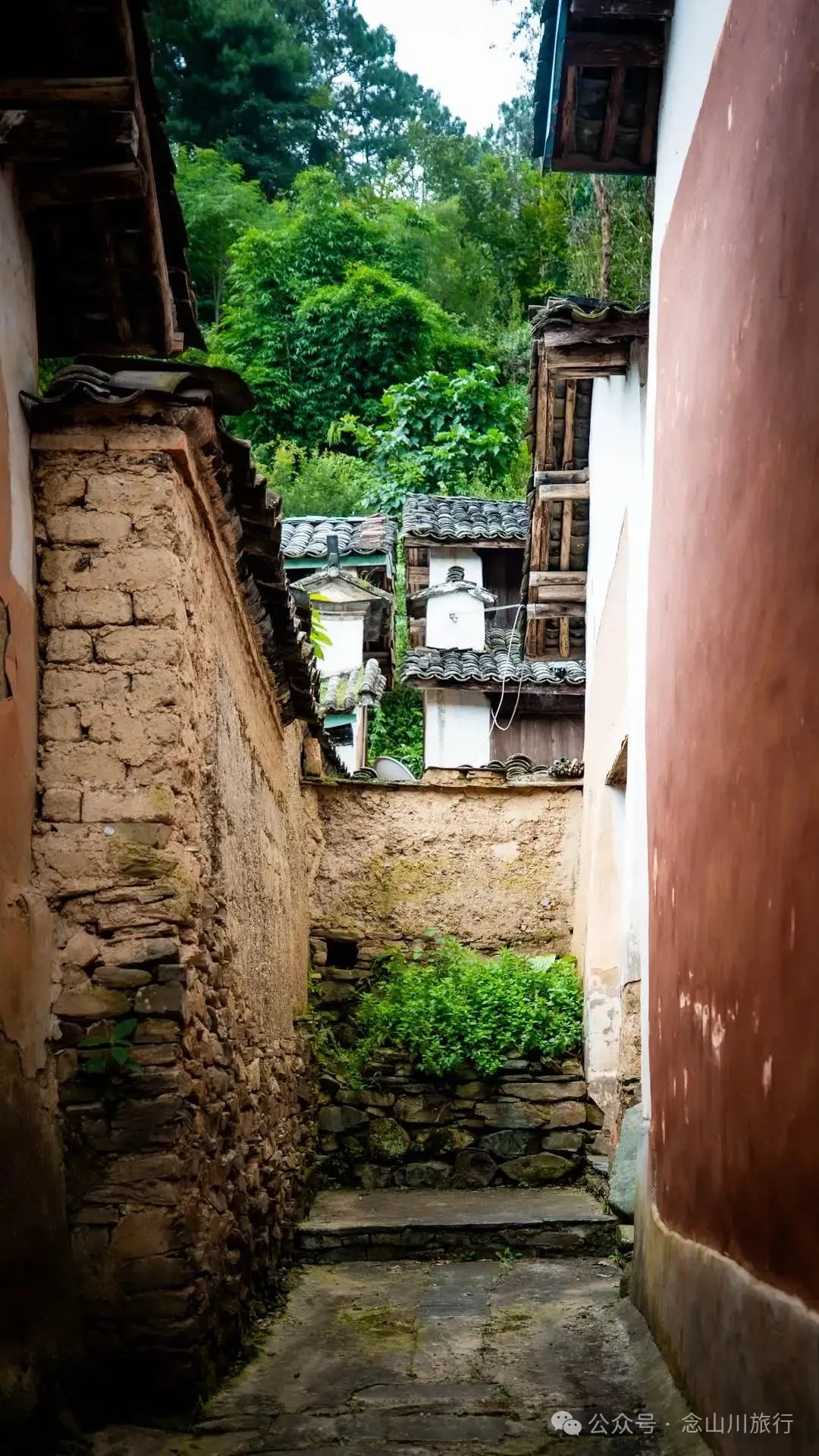
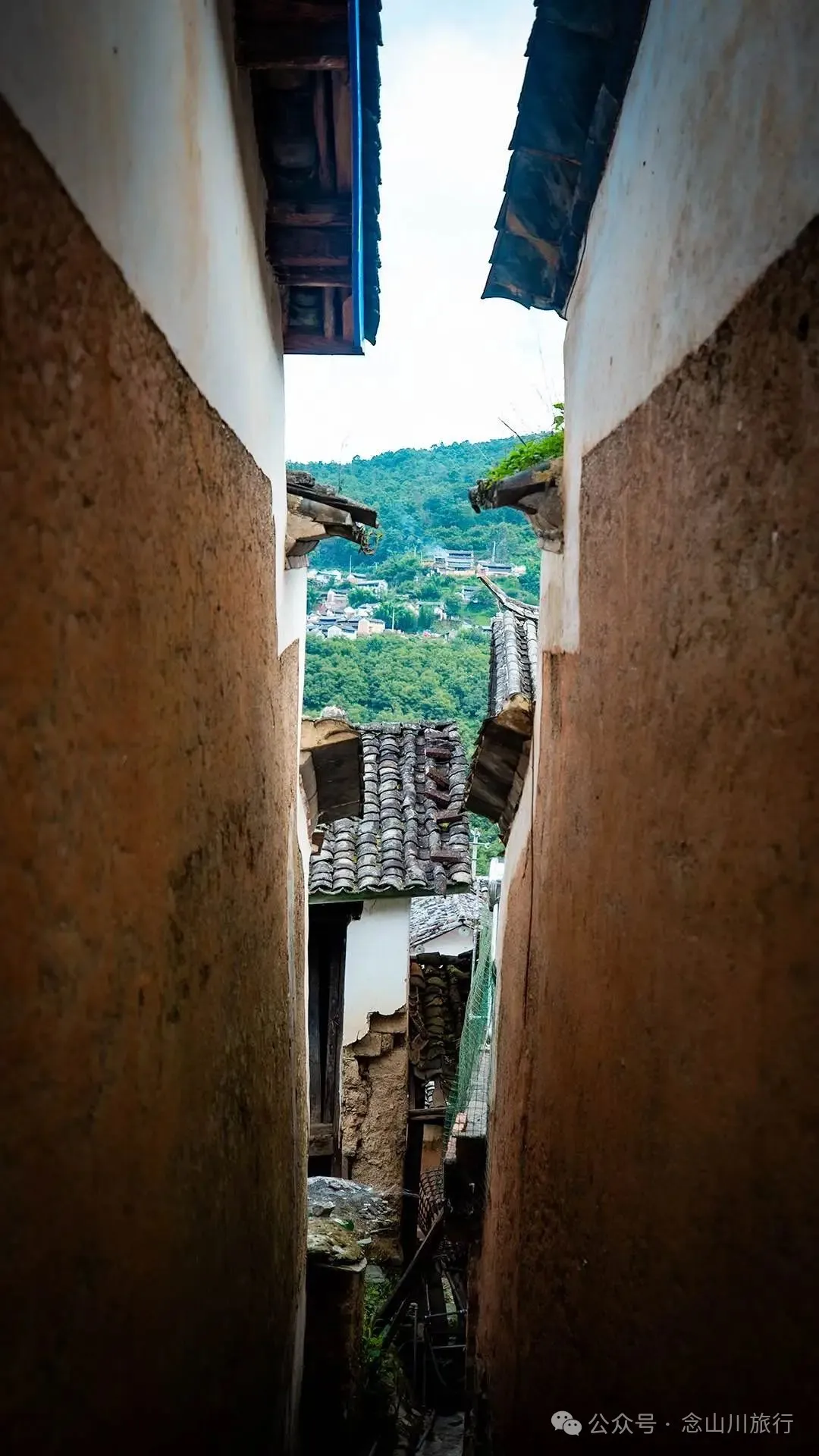
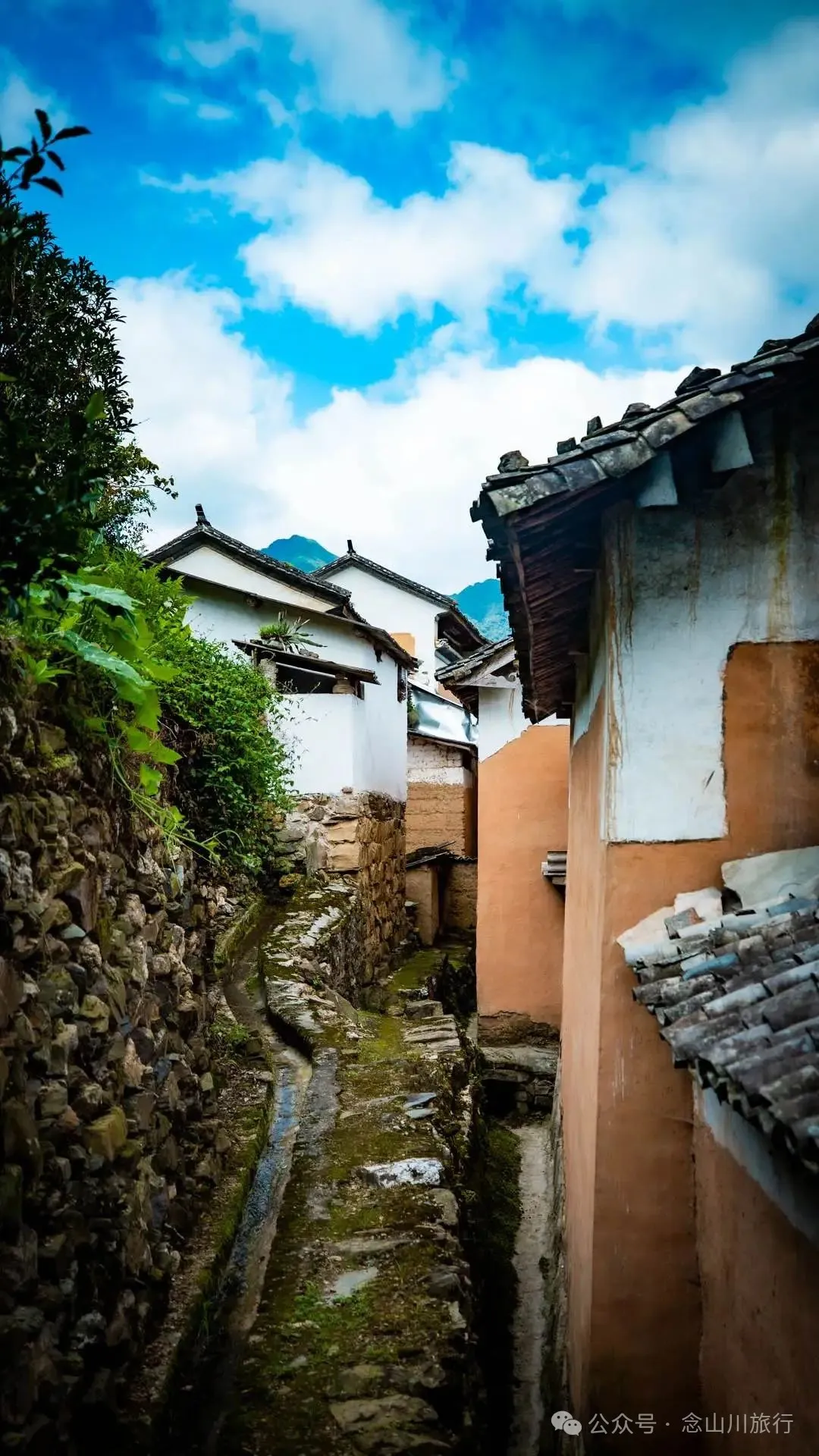
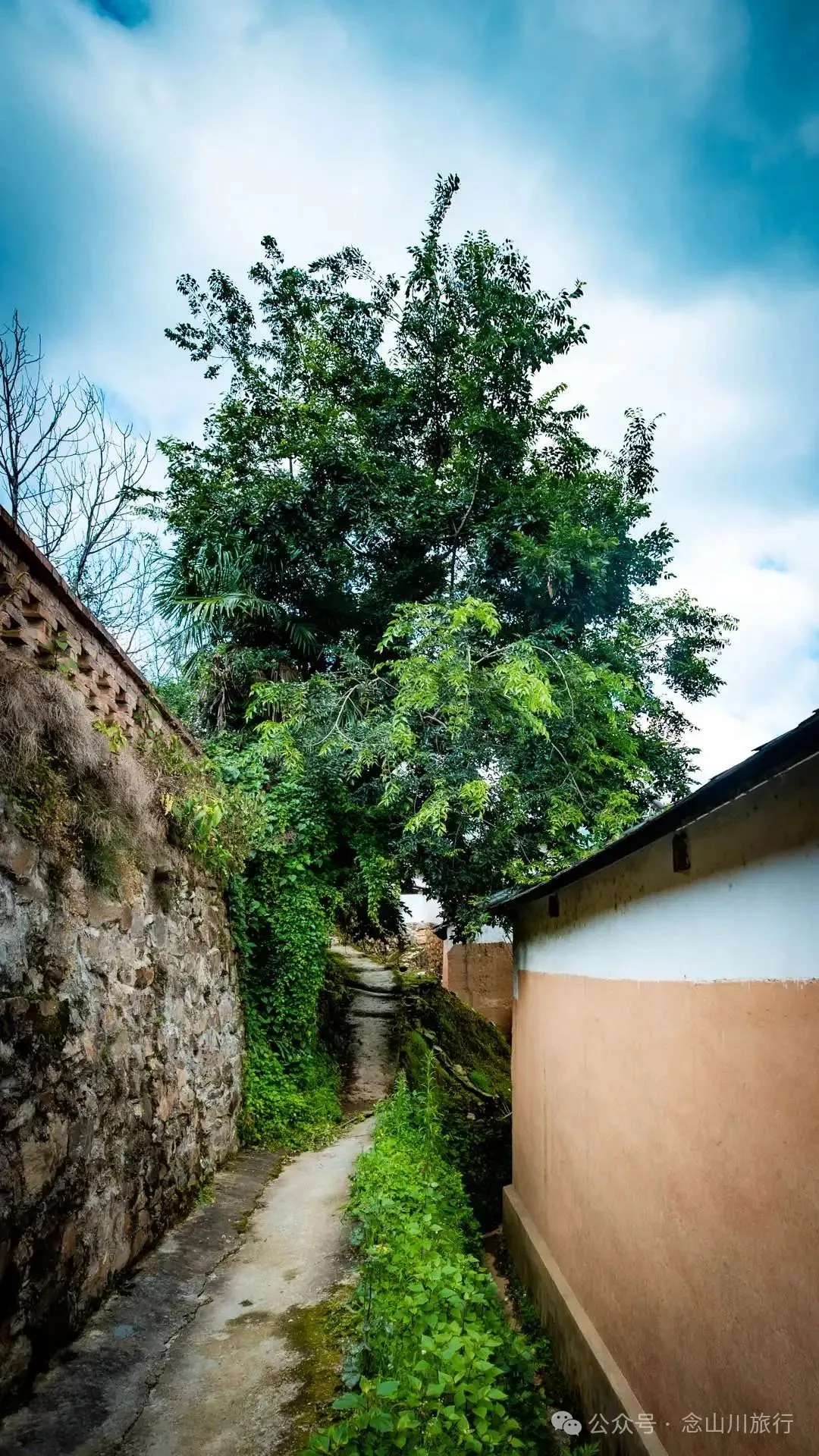
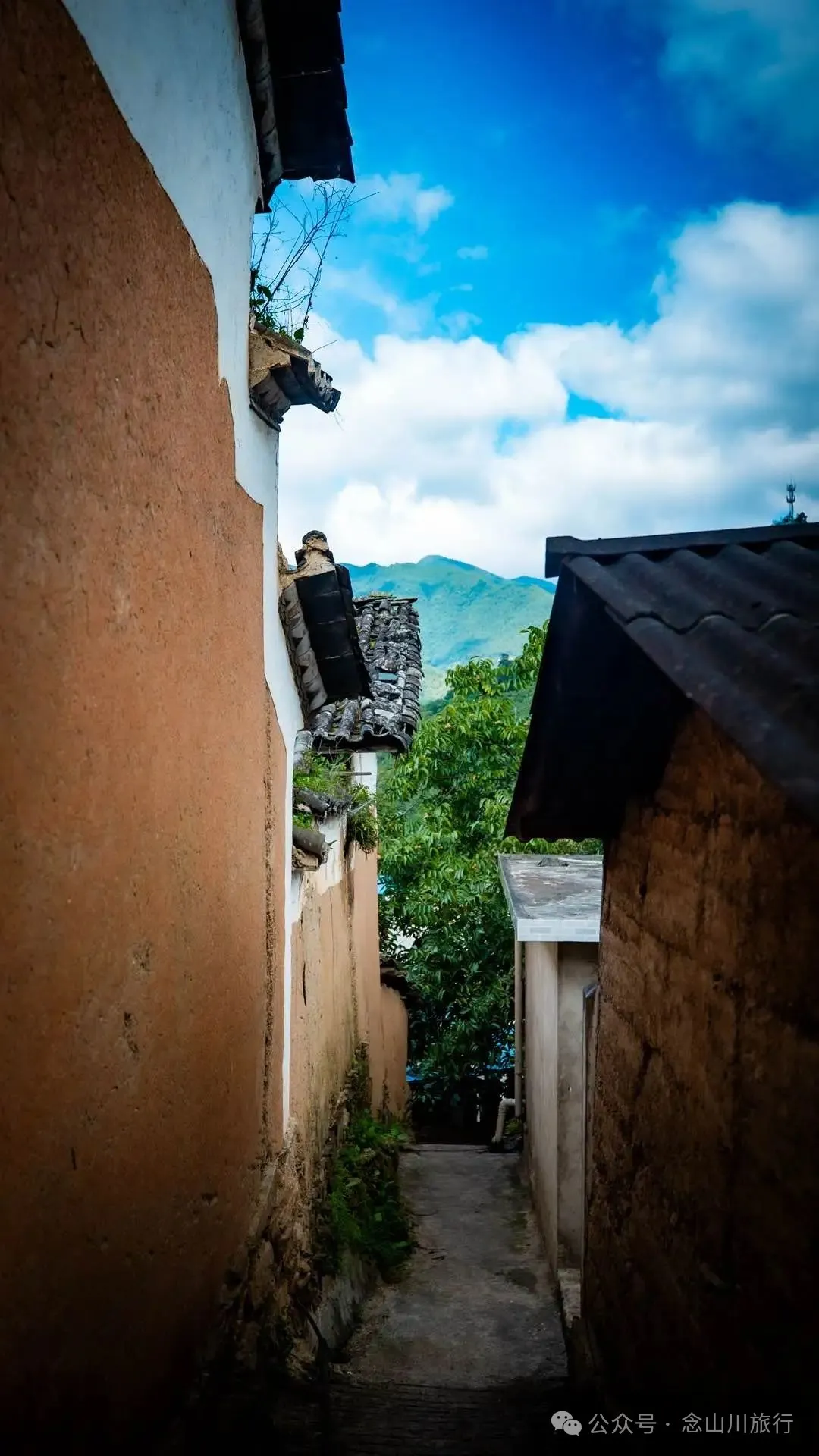
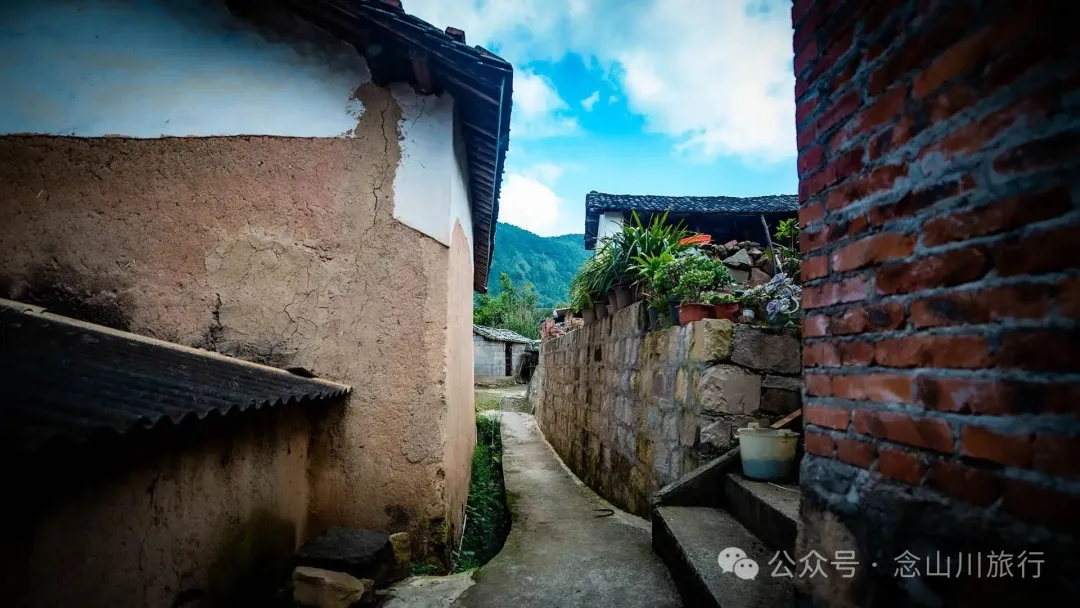
Through the deep alleys between houses and the tile roofs, a narrow strip of sky and mountain always remains, as if peeping or greeting the village's mysterious past, ordinary present, and unknown future. The village sits in silent watch, aging alone. After walking through Raojia Village, I once again completed a journey through a mountain village, yet I lingered long outside a chapter of the Rao family's migration history that I desperately wanted to unveil, unable to resolve the knot in my heart.
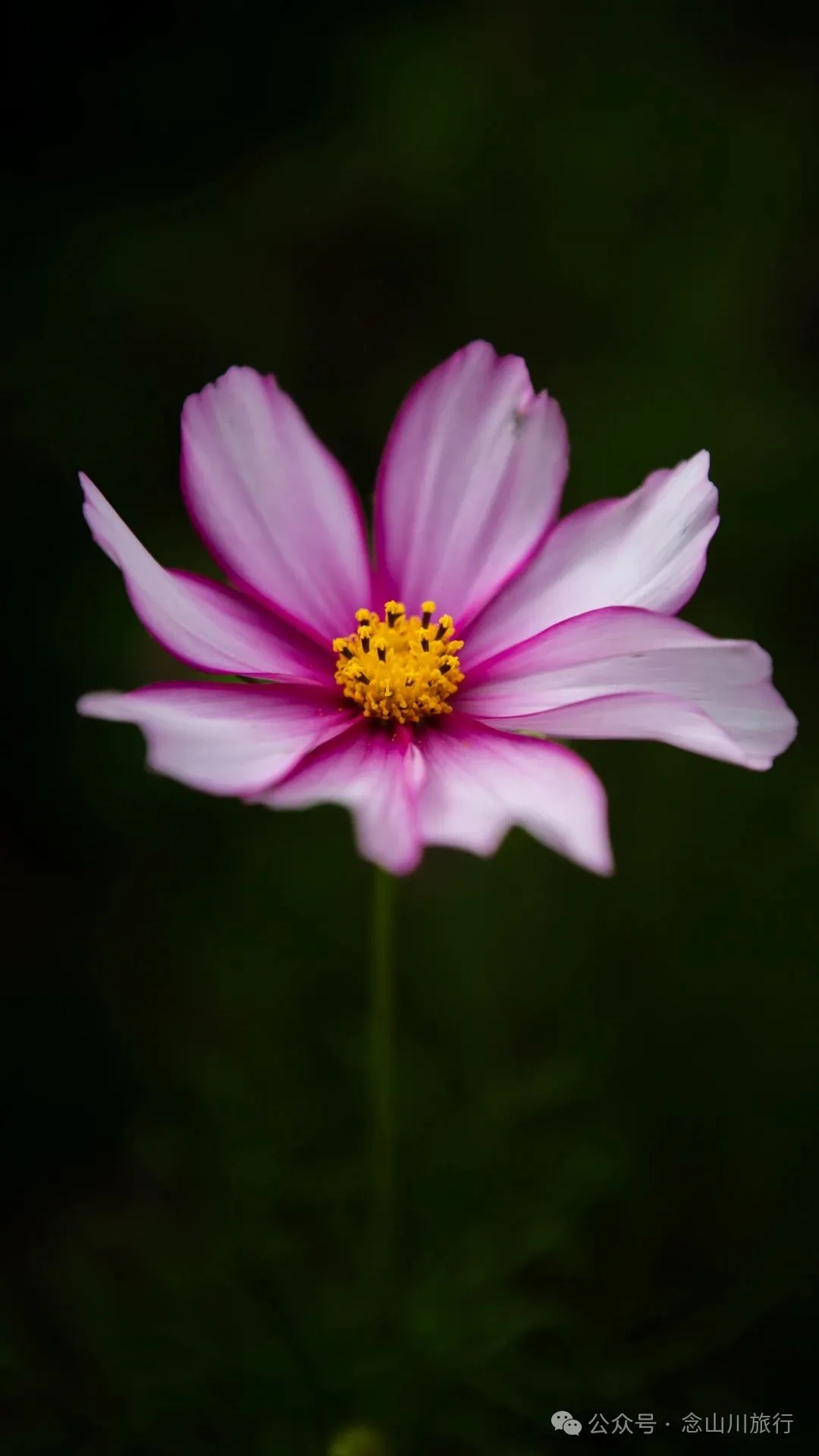
Ordinary little flowers grow freely in the soil by the roadside, or in neatly arranged pots on the stone steps in front of courtyards, blooming in the fresh summer. They are never discarded for being mediocre, always cheerfully blooming in silent corners, adorning the ancient village and the plain lives of its people, like a sudden splash of color in a black-and-white film, bringing joy to those who see them.