
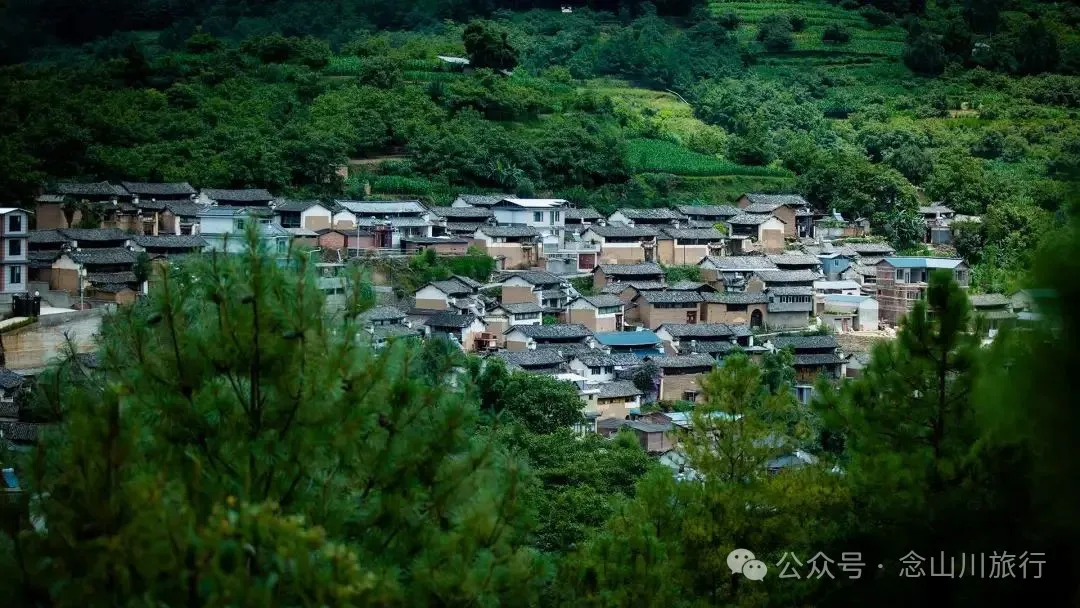
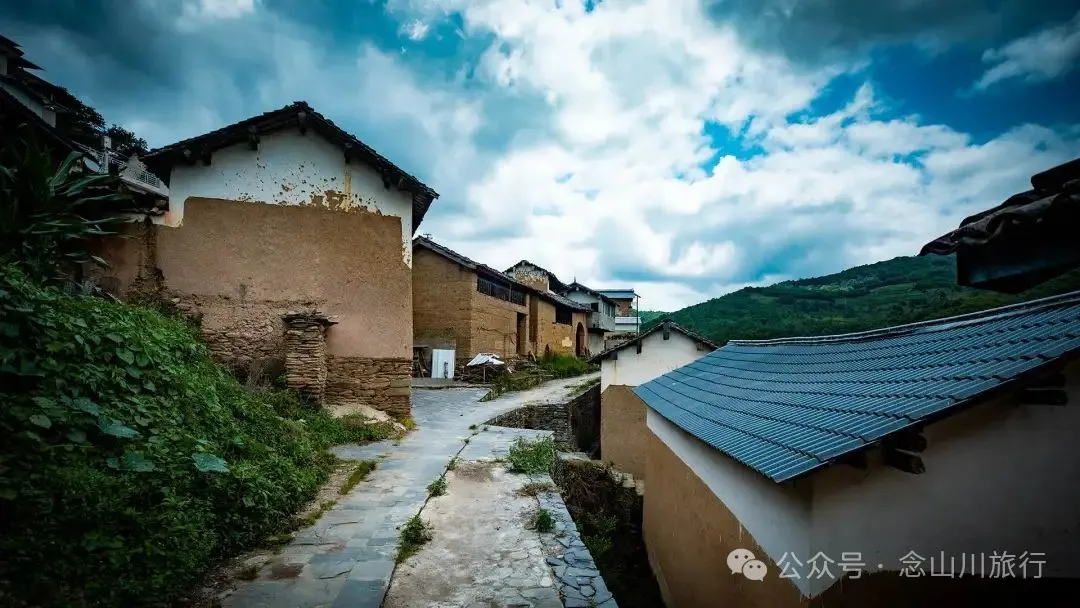
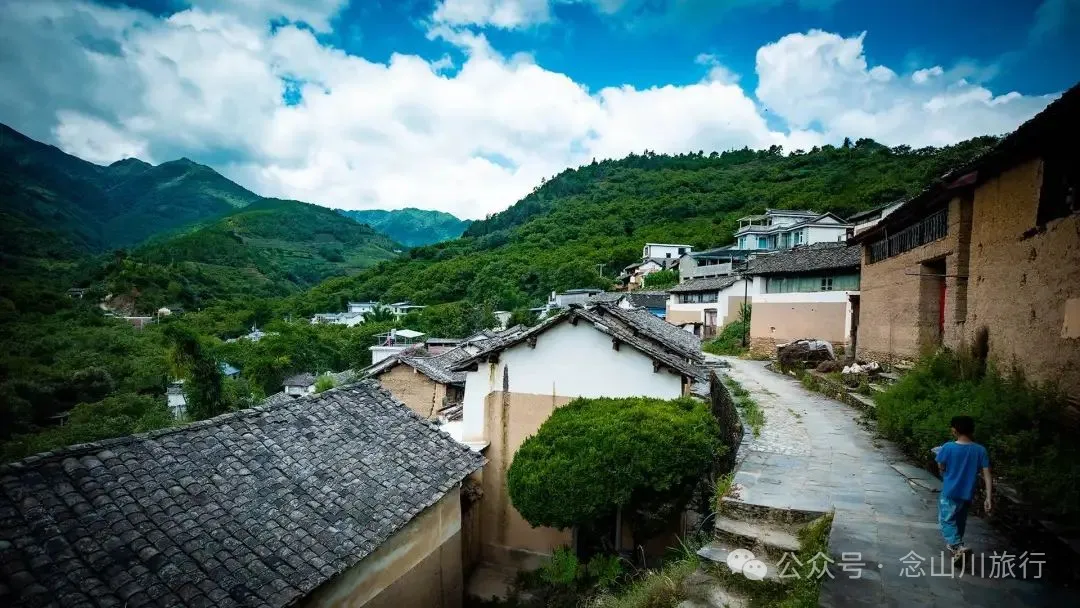
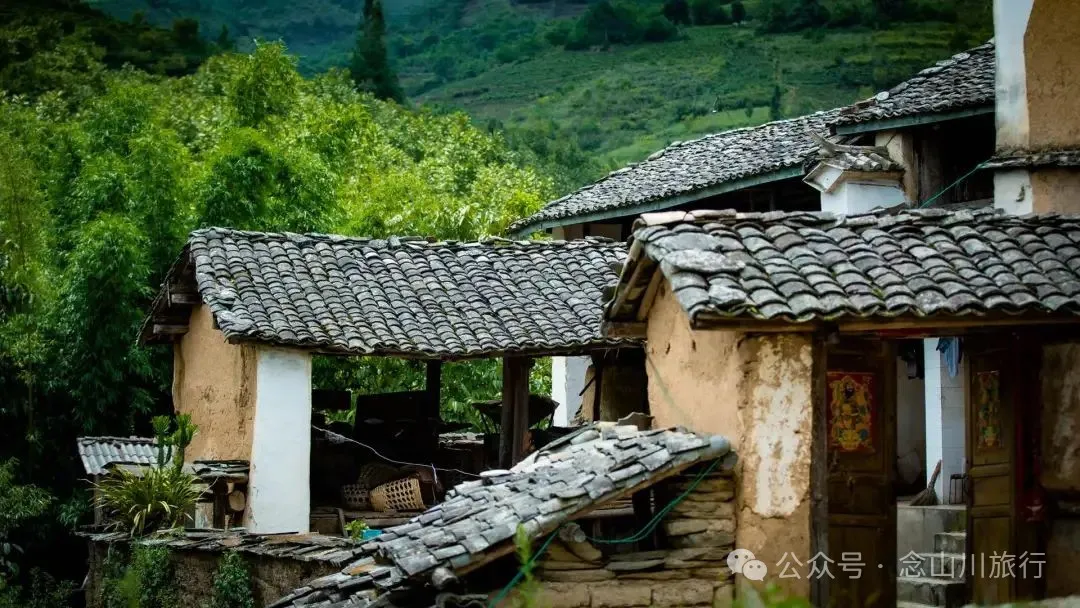
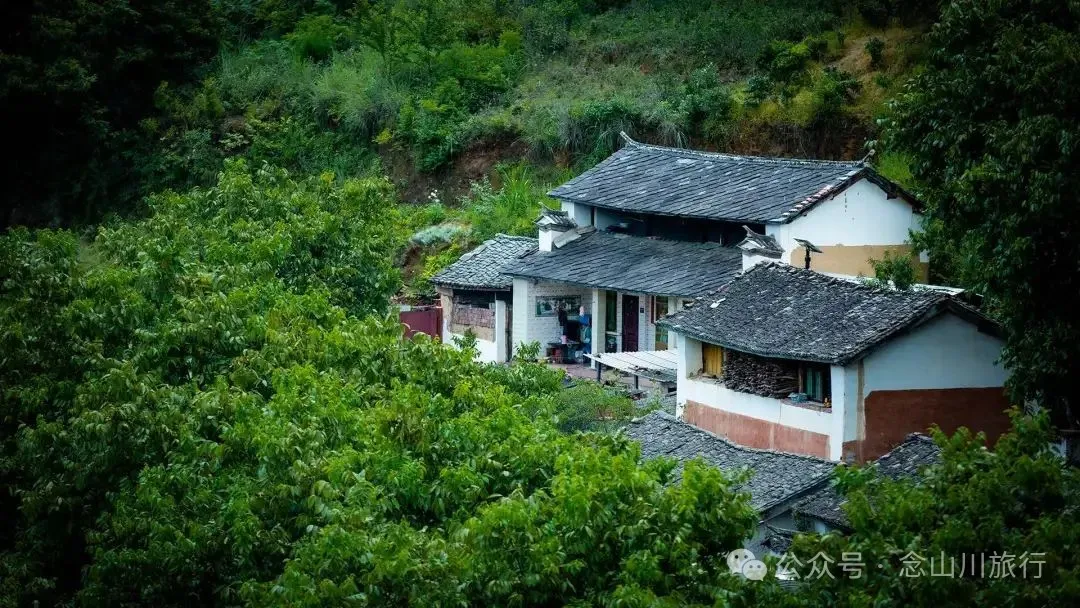
Villages deep in the mountains always possess a tranquil and timeless quality, like a squirrel perched under a tall, dense walnut tree, far from the hustle and bustle and unknown to the world. The villagers live in simplicity and contentment, adhering to a distant farming civilization that follows nature, relying on the land beneath their feet—a land that both makes them proud and confines them. Gezhila Village, just 1.5 kilometers from Raojia Village in Baohua Town, Nanjian, is one of the many ancient villages deep in the mountains. It naturally embodies these traits, flowing with a gentle and leisurely atmosphere unique to Gezhila in the ancient, peaceful passage of time.
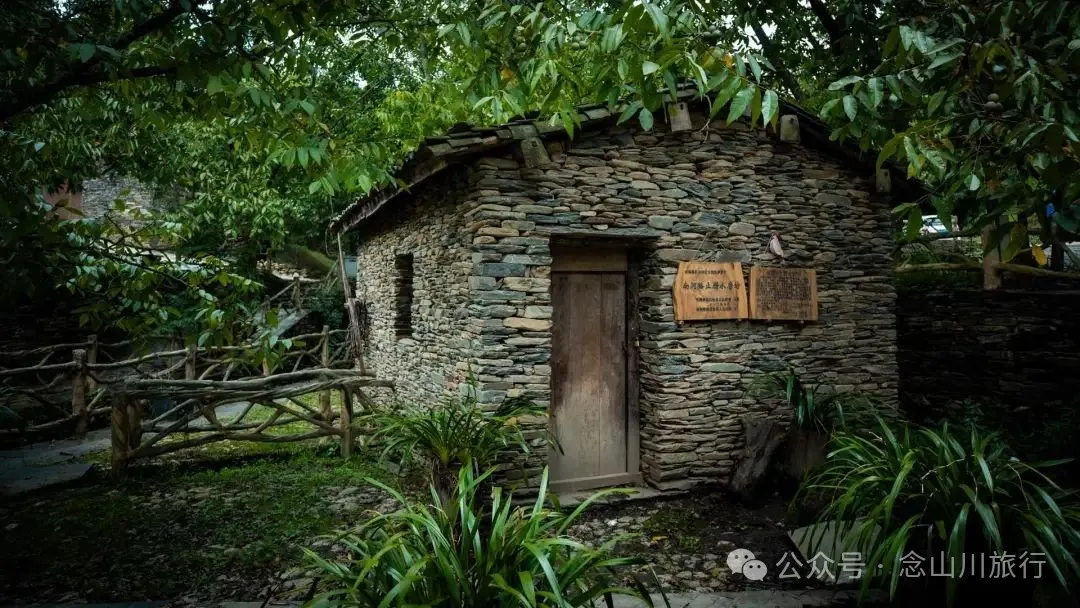
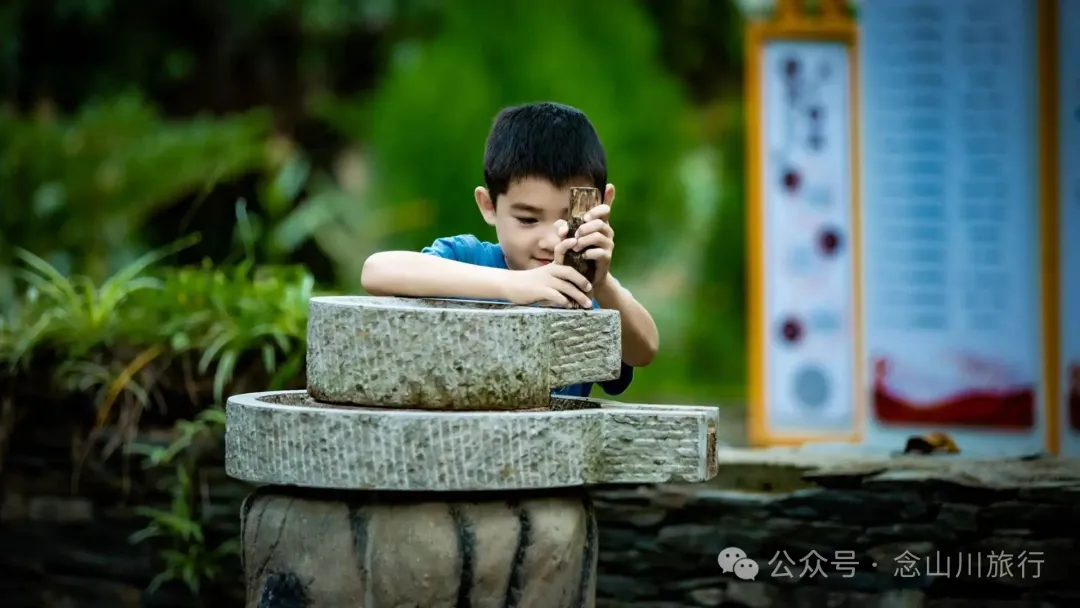
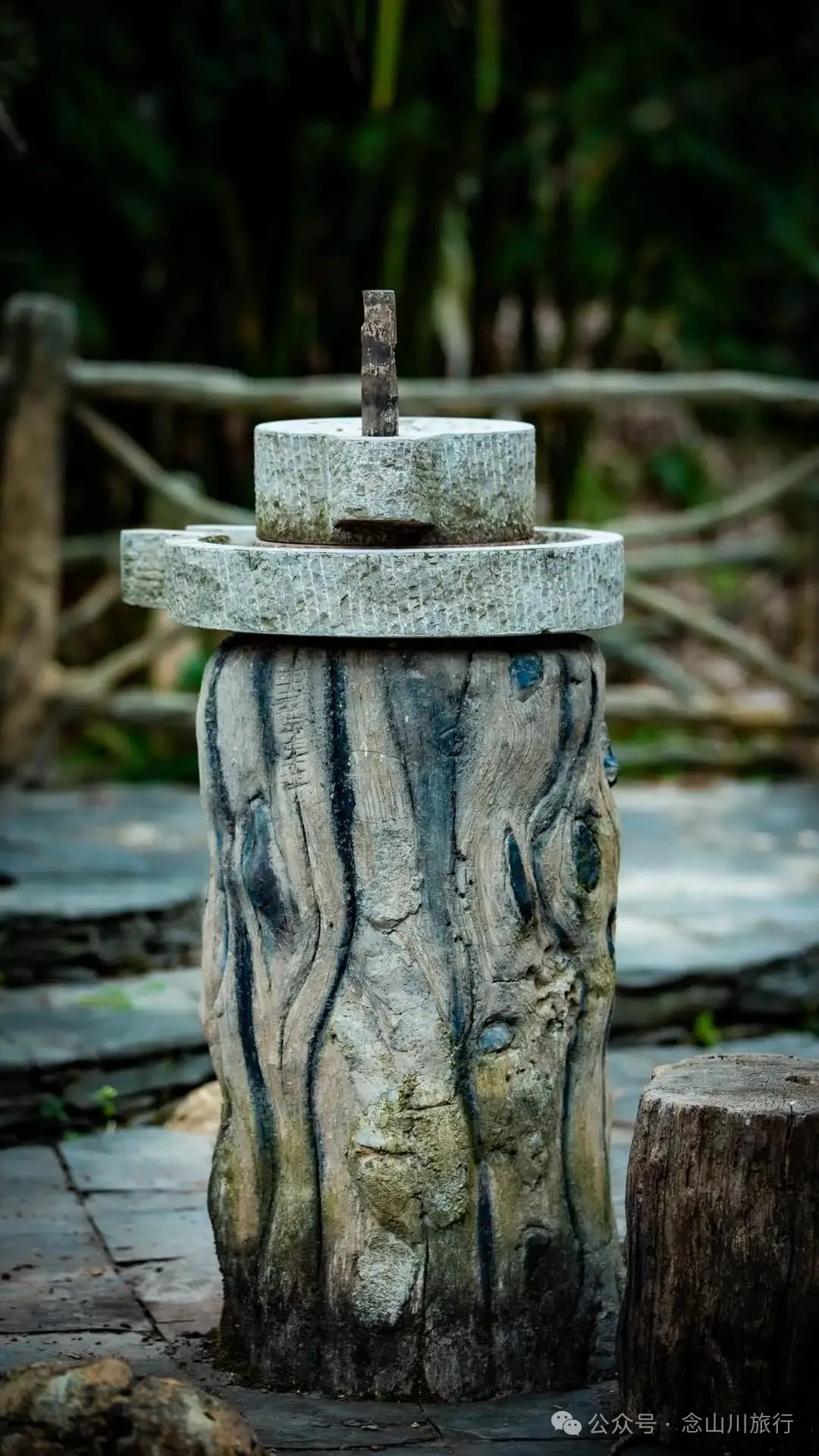
In Gezhila Village, there is a water mill built of stone (rare in the countryside), constructed on a small flat area beside a stream with a significant drop. The waterwheel has long since decayed into a pile of useless wood, placed by the ditch. The mill is empty, with only a huge millstone covered in thick dust. In today's highly developed technological society, this heavy millstone has lost its practical value, serving only as a relic for visitors to see.
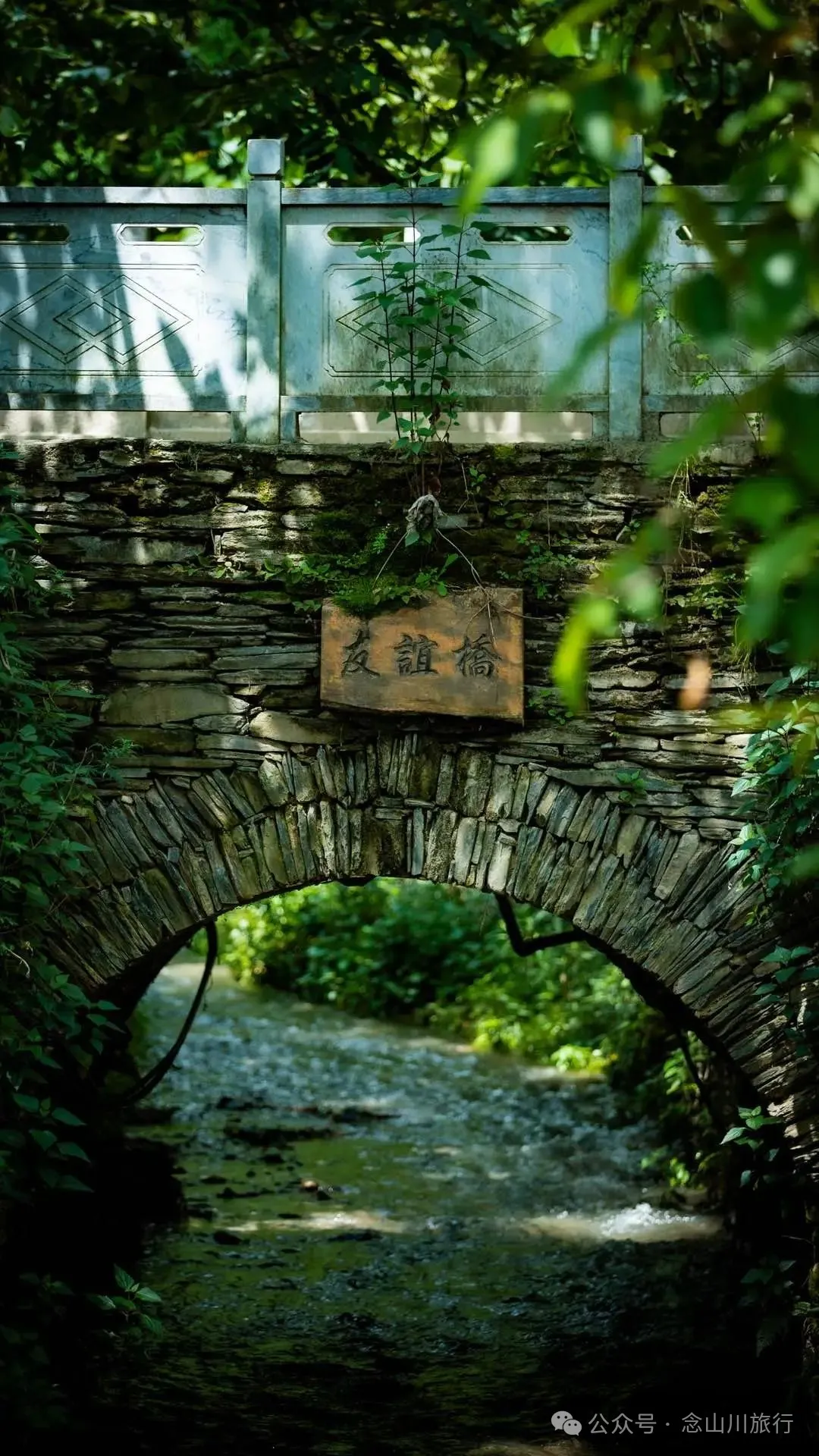
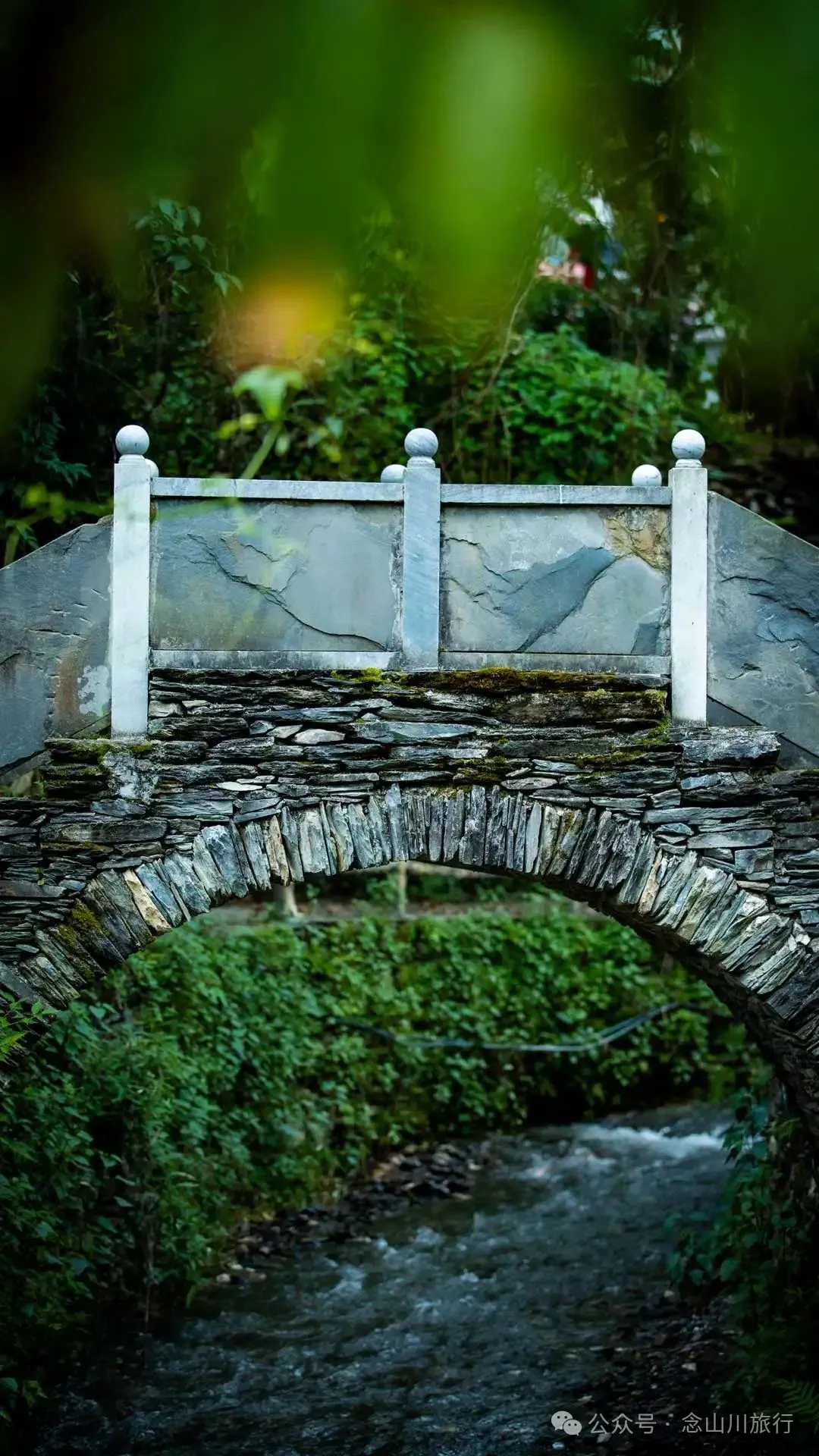
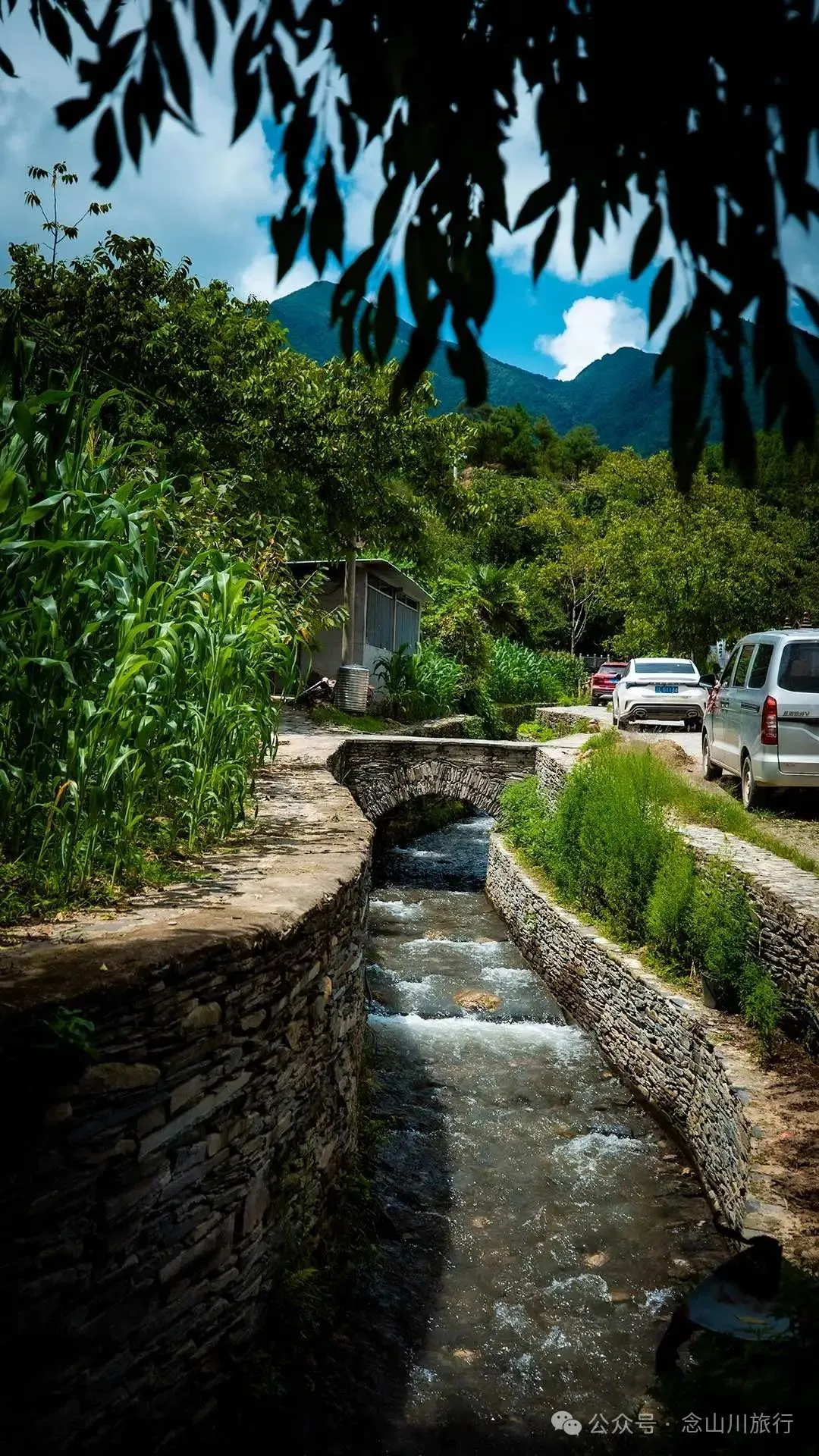
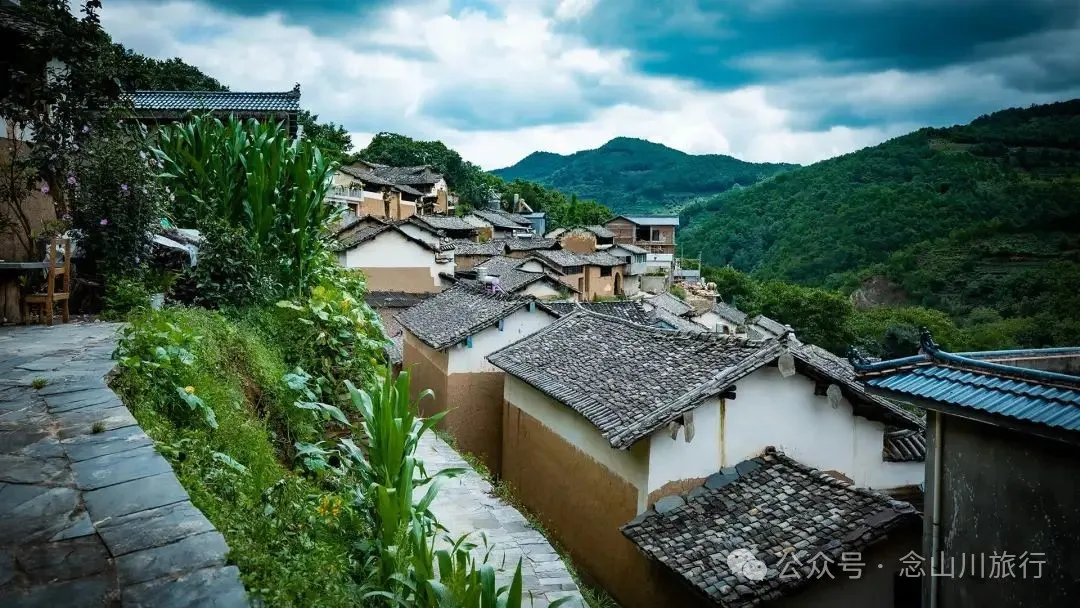
A shallow stream flows through the village from west to east, its gurgling sound rising under the tall walnut trees, never ceasing, like the invisible passage of time through the village. Sunlight flickers through the leaves like fluttering butterflies, falling into the clear stream. The water cascades down high cliffs and low slopes from an unseen deep ravine in the west, stirring a vibrant song of life in the village, then flows eastward into the distant layered mountains, disappearing from sight. The quiet stone bridge, the babbling brook, and the rows of rustic homes along both banks easily evoke images of Jiangnan, with its poetic charm of "small bridges, flowing water, and households."
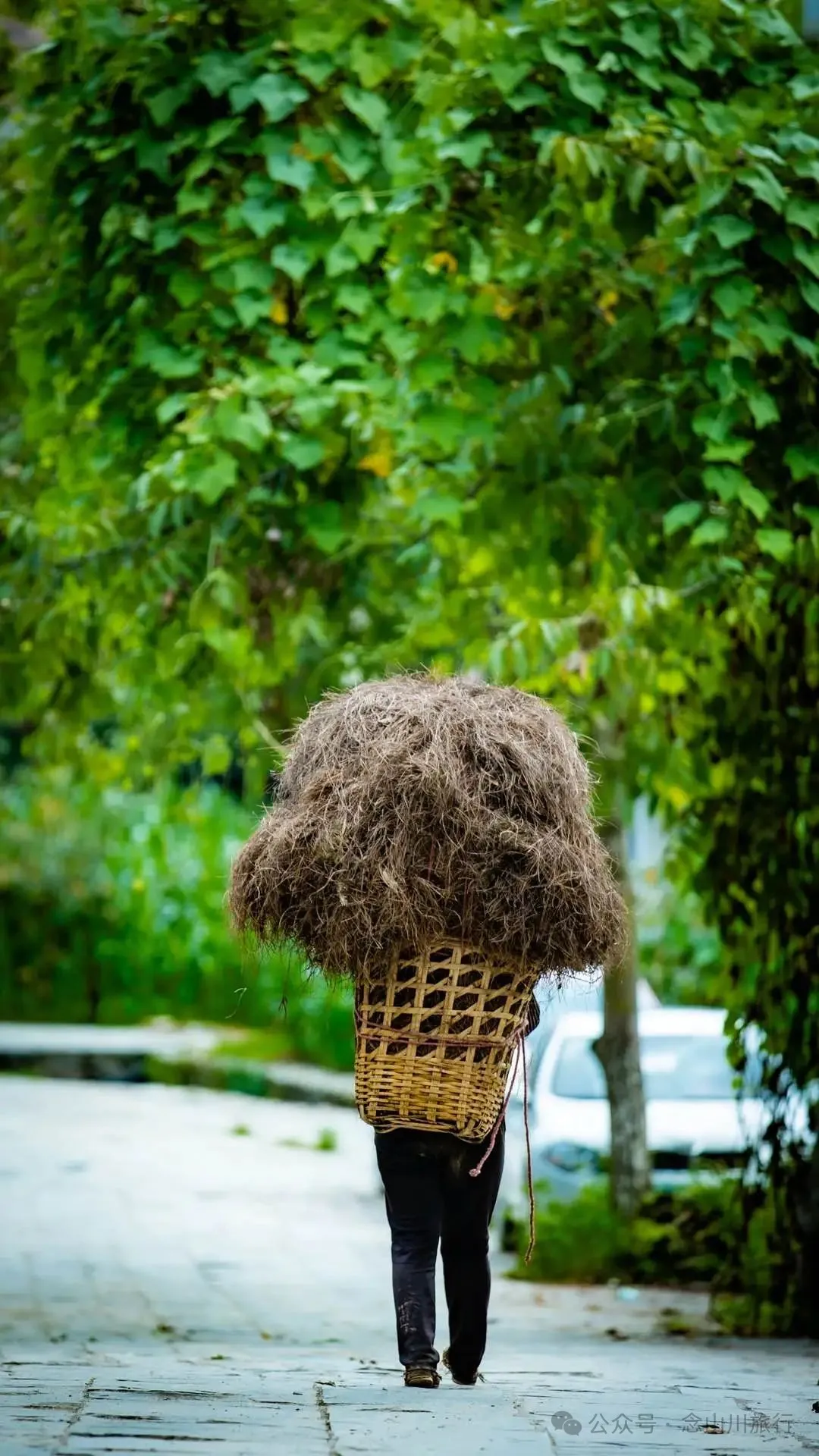
We fetched a bucket of mountain spring water from a farmer's house by the roadside and sat in the small square by the water mill to brew tea. Our ears were filled with the sound of rushing water and the faint rustle of leaves in the wind. A woman carrying a tall pile of pine needles on her back passed slowly by the roadside, silent. She emerged from a winding path in the west of the village, entered our view, and walked with her head down toward her home in the village.
I don't know which house she lives in, but I imagine that on this sunny morning, she spent a few hours in some dark pine forest in the western mountains, bending over to gather pine needles into her basket, piling them as high as possible, tying them with ropes, and carrying them home on her back to stack around her house. After stacking the pine needles, she might sit on the steps in her yard to rest for a while (perhaps we saw her on her second or third trip), then prepare a simple lunch, and after eating, continue with other chores. Like all who have lived long in the mountains, the mountains become almost invisible to her, devoid of poetry, just like the familiar village she has lived in for decades.
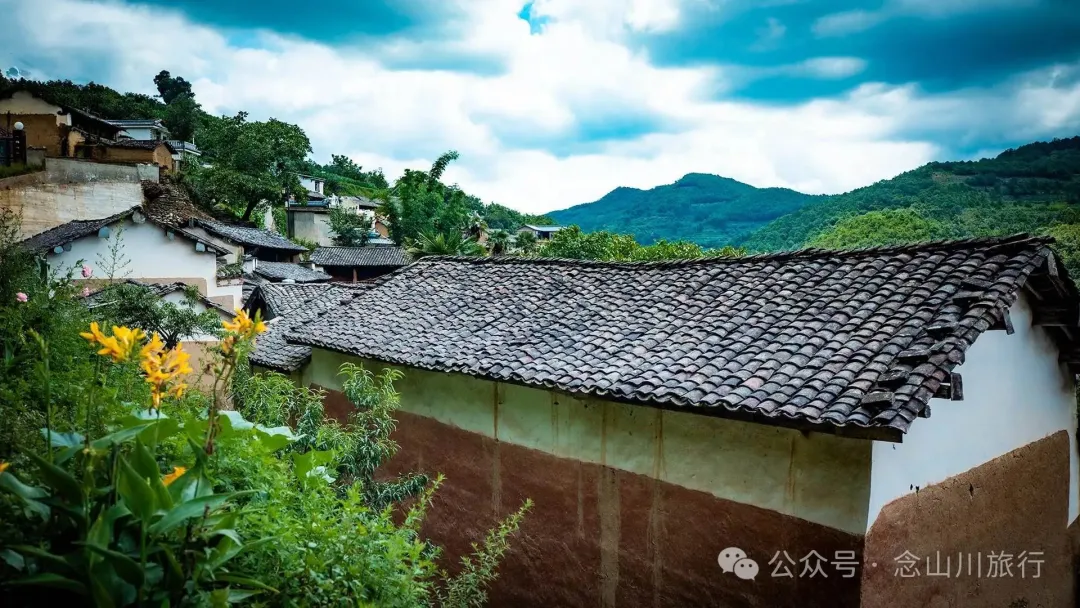
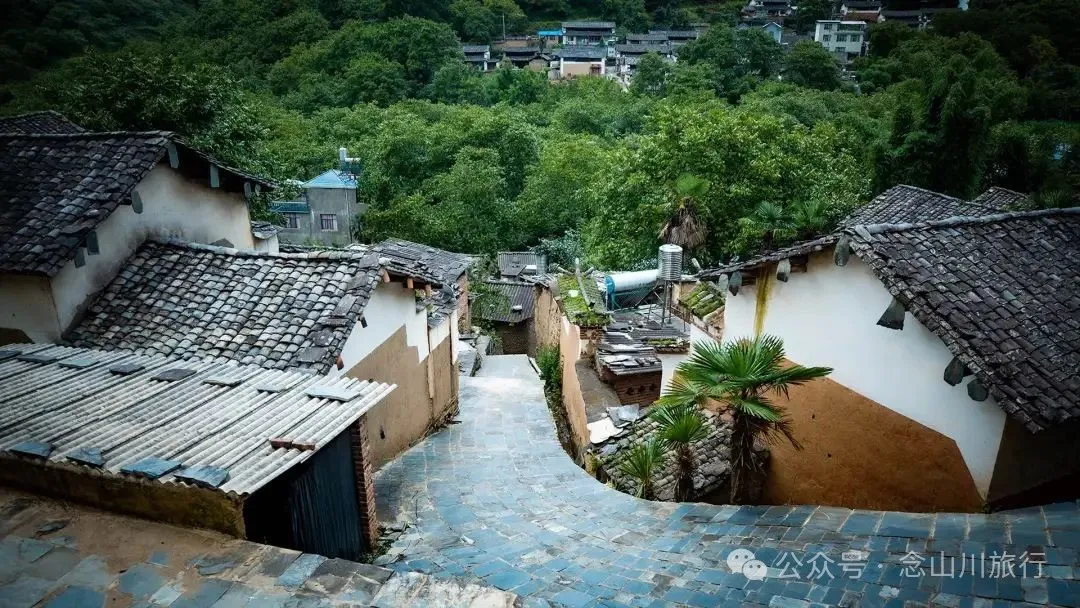
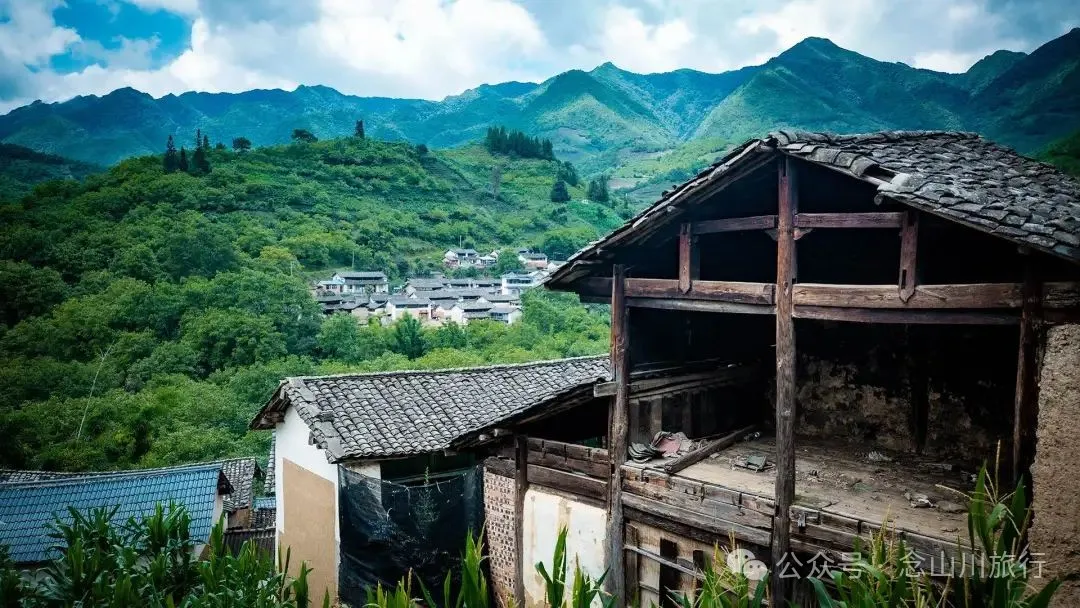
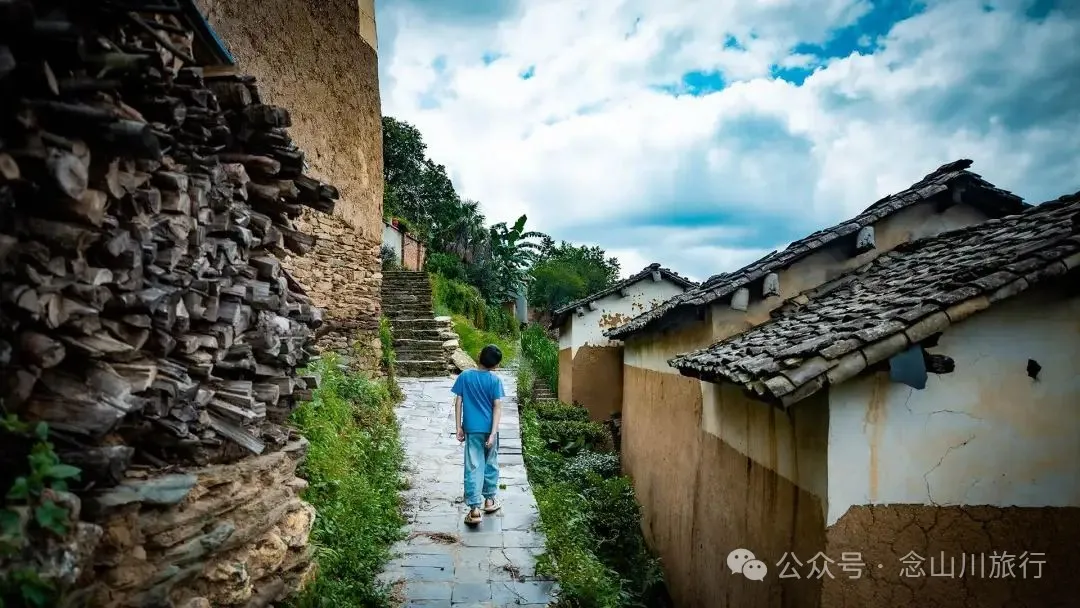
Only those like us, who are far from the village and cannot make a living there, can casually express a fondness for the village and the countryside. If we were to truly stay and spend days and nights in the village, how many of us could endure the loneliness and silence of the mountains, or withstand the hardship and toil of village life? We enter the village time and again, staying only an hour or two, skimming the surface like a dragonfly, stirring not a ripple. All we can do is capture the beautiful moments of the ancient village and satisfy ourselves with a fleeting visual pleasure.
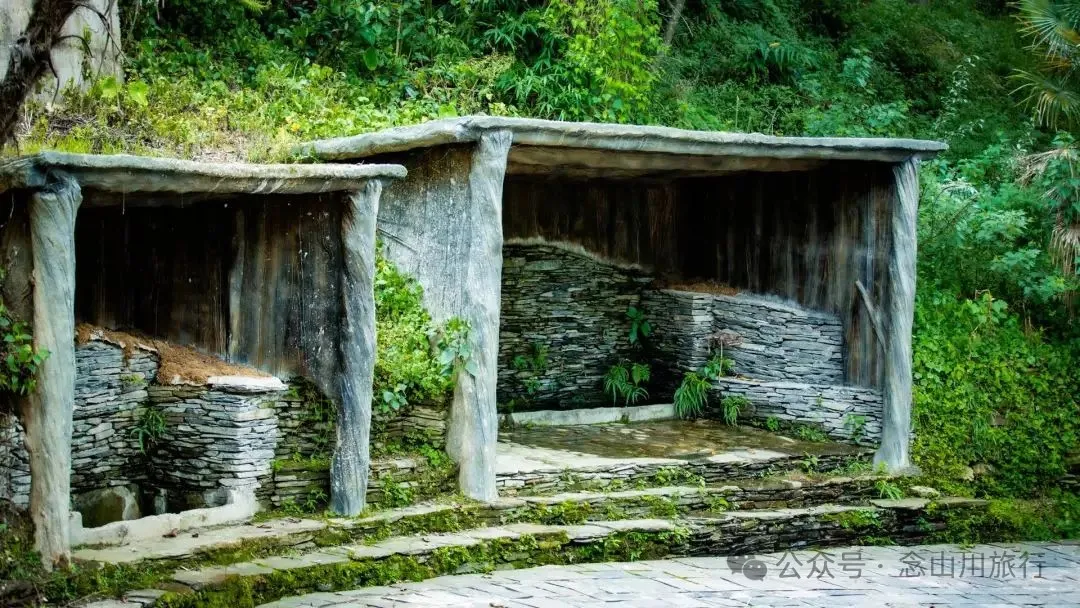
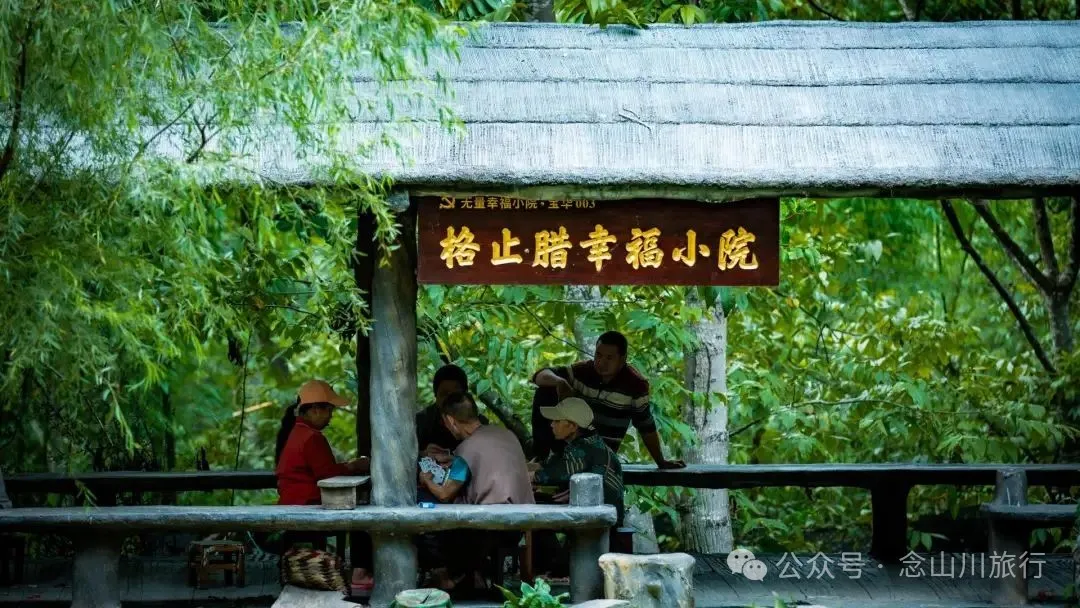
Although village life is plain and uneventful, the villagers find their own joy, always finding ways to spice up their simple farming life. The small square in the village provides them with convenience. When they have nothing to do, people like to gather under the veranda in the square to play cards and chat, letting the days pass happily.
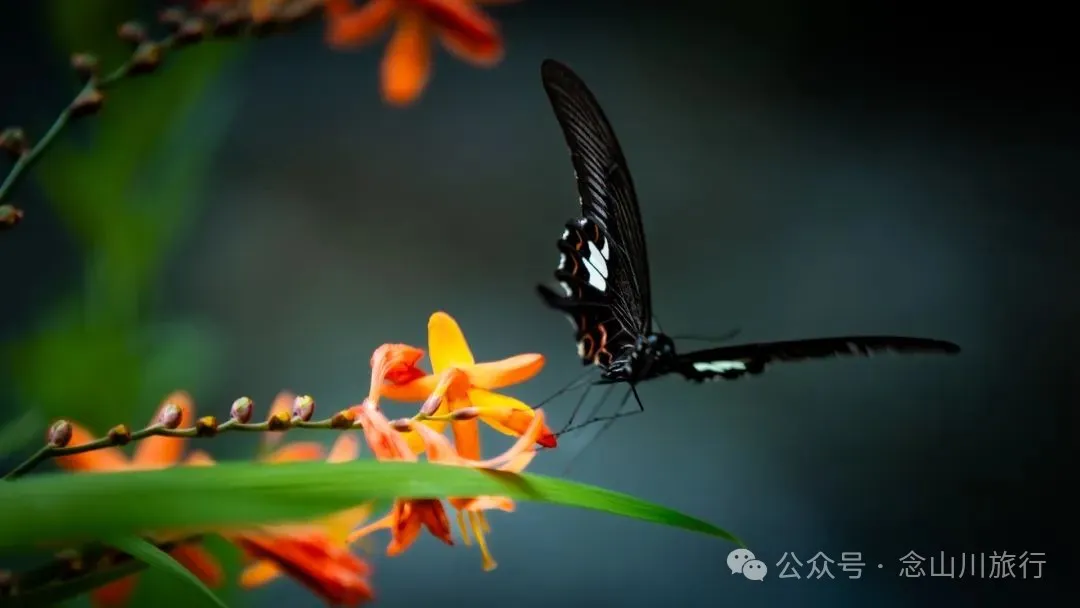
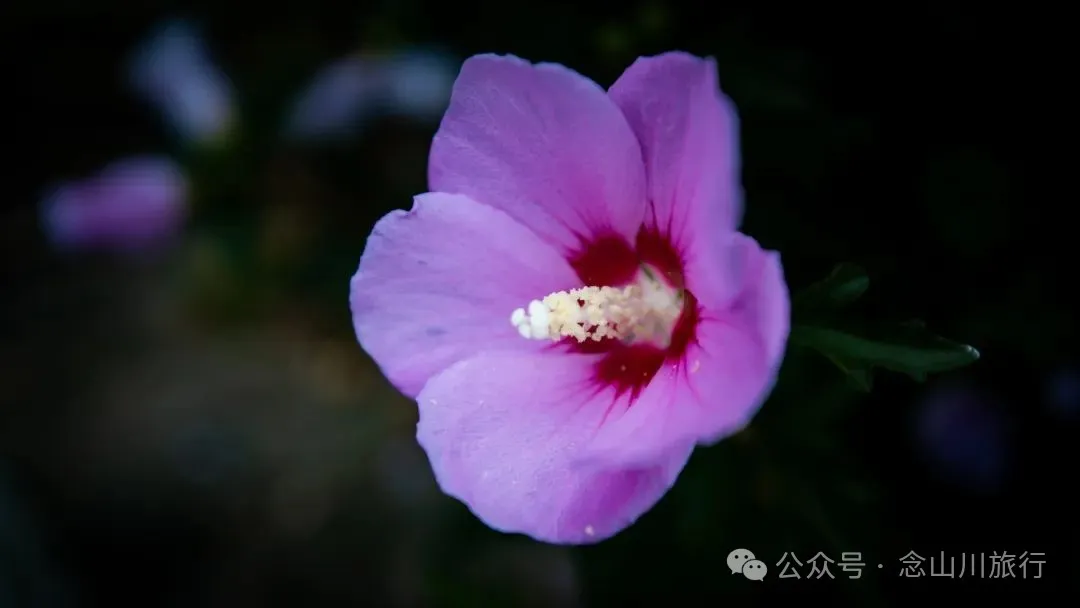
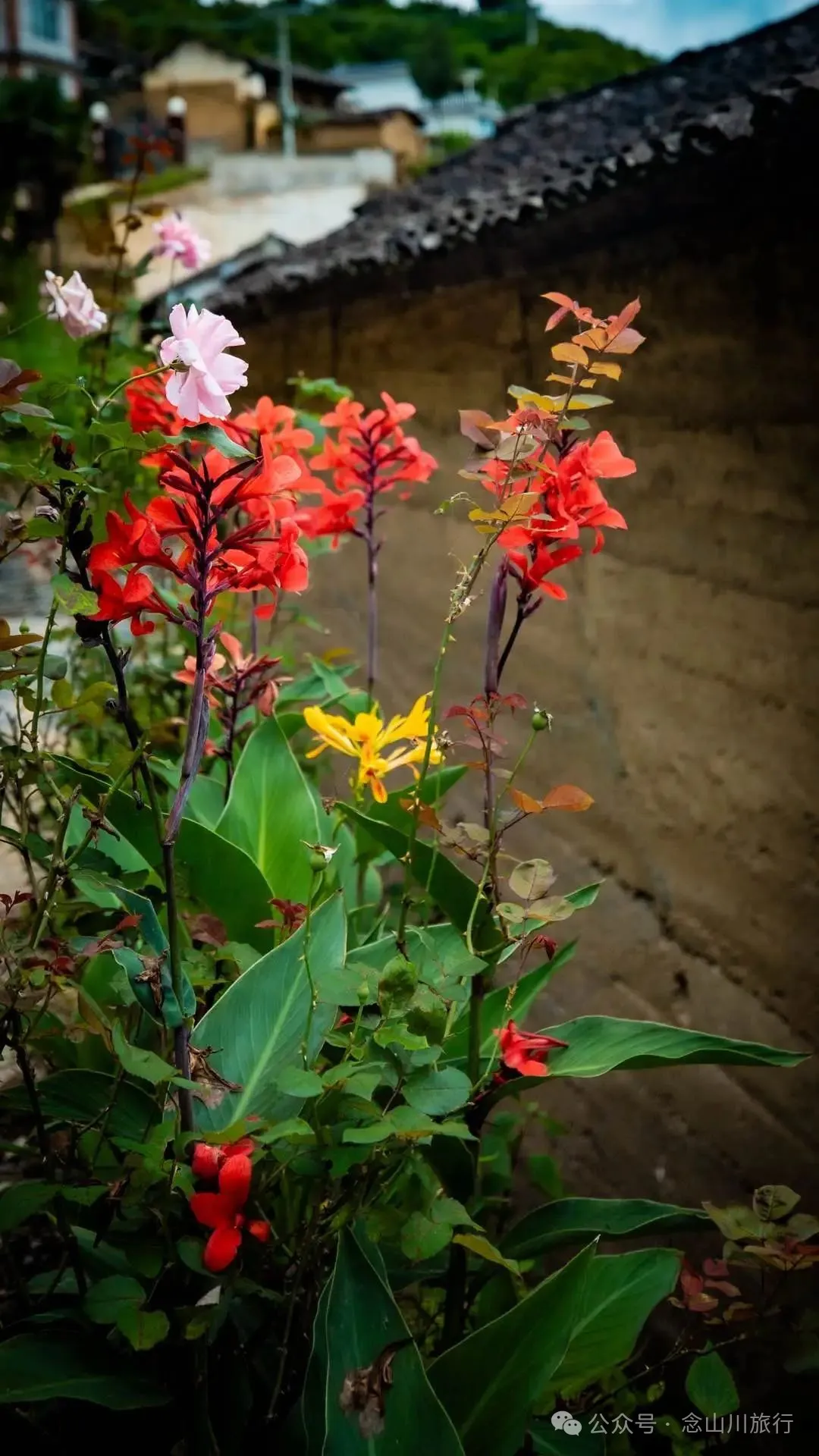
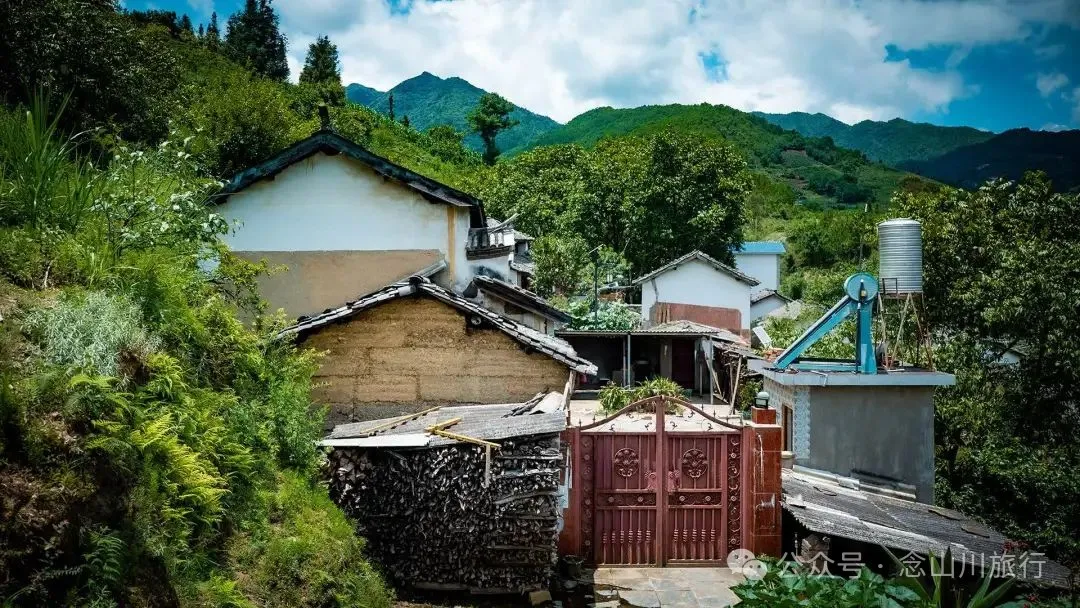
Even though the mountain village is never short of flowers and plants, the villagers still like to plant some easy-to-grow flowers in their front and back yards—hibiscus, morning glories, hollyhocks, roses, geraniums. These ordinary flowers bloom through the four seasons, so the village is never lacking in color.

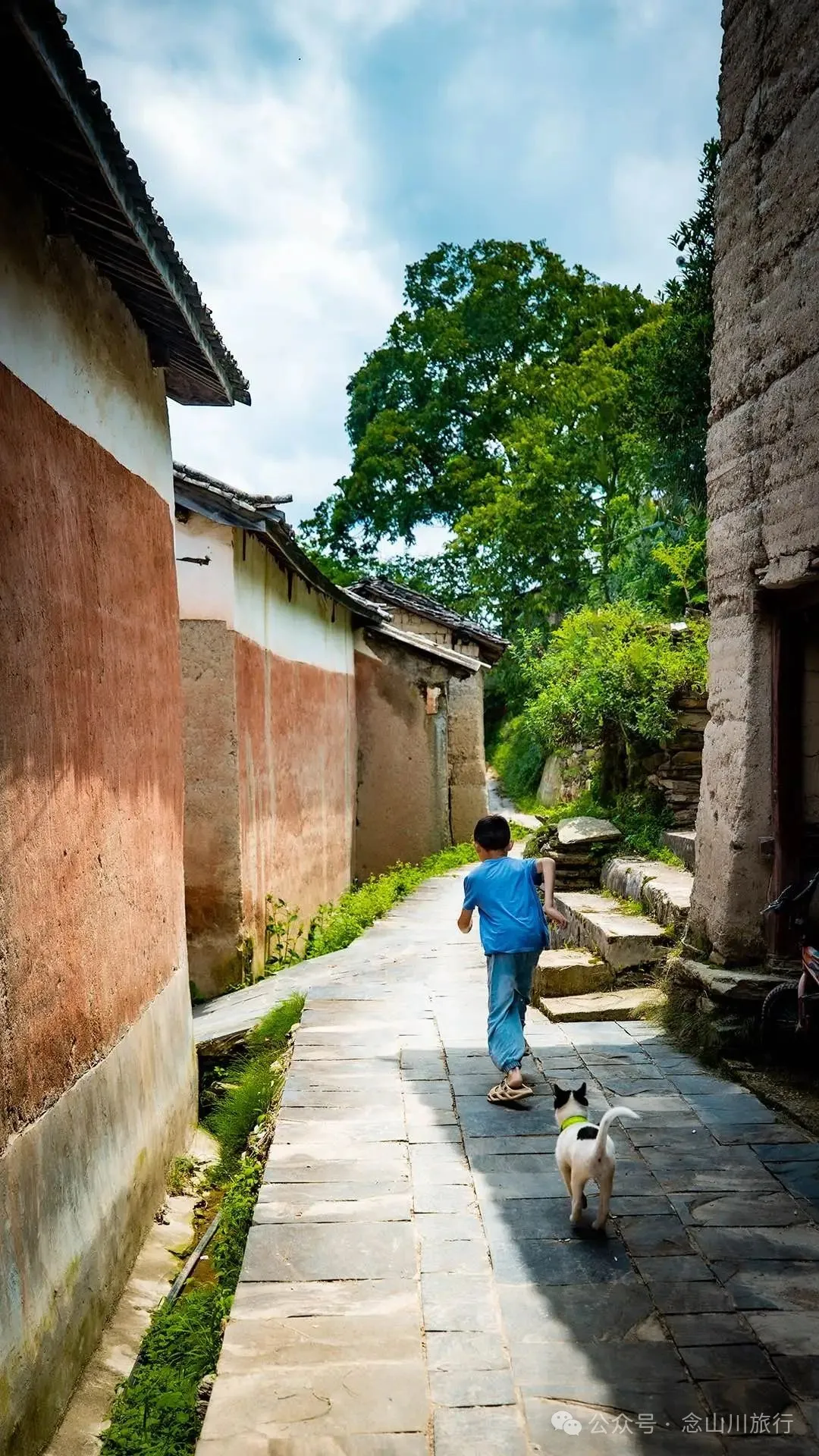
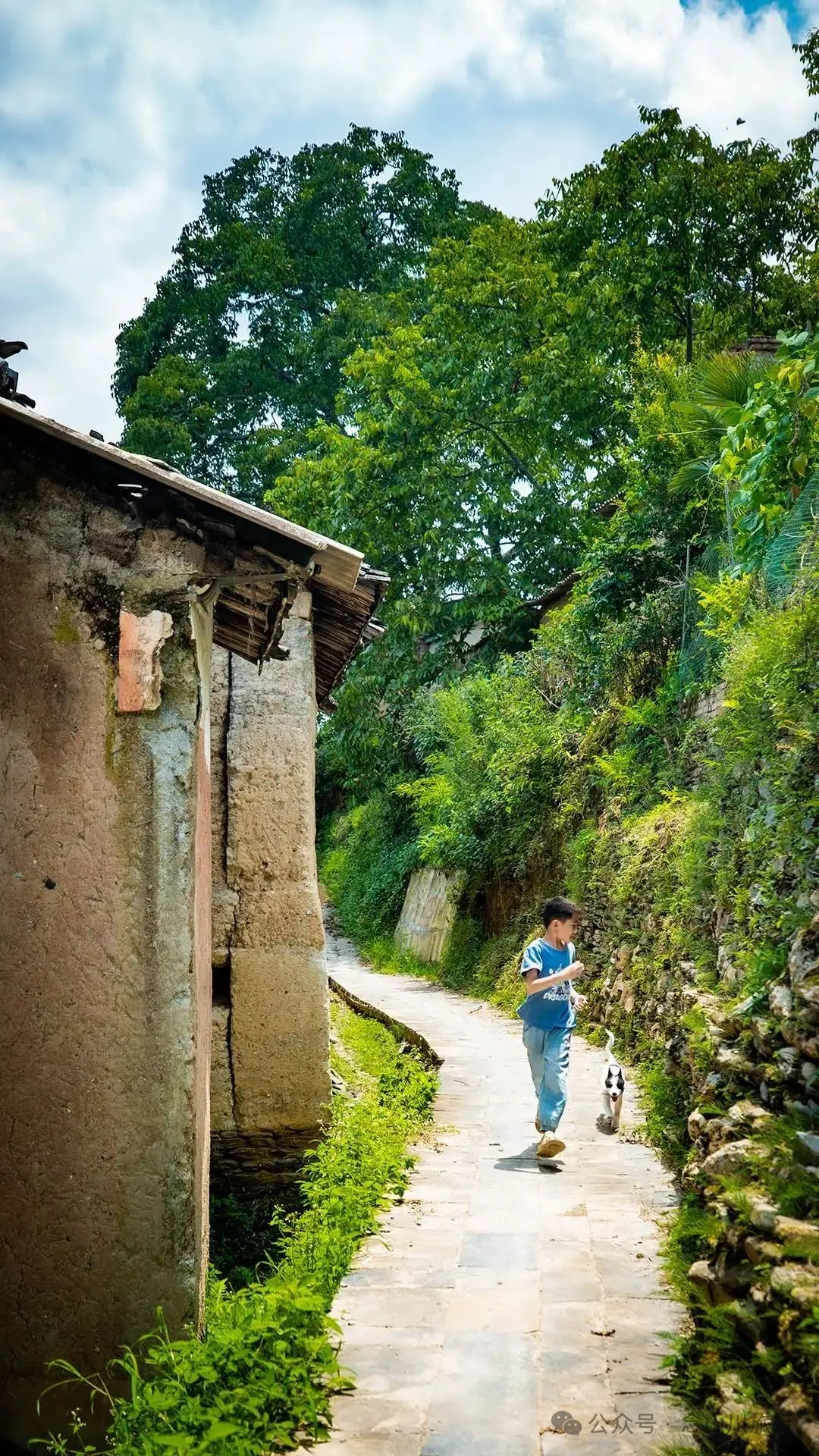
After taking photos in the north of the village, we walked back to the stream in the center and met a cute little puppy. It wagged its tail happily and followed us all the way, leading us to the south of the village, where there were another ten or twenty households. As the children walked ahead, it followed at varying distances, like an enthusiastic guide, until we got into the car to leave. Then it jumped into the yard next to its owner's house and played by itself.
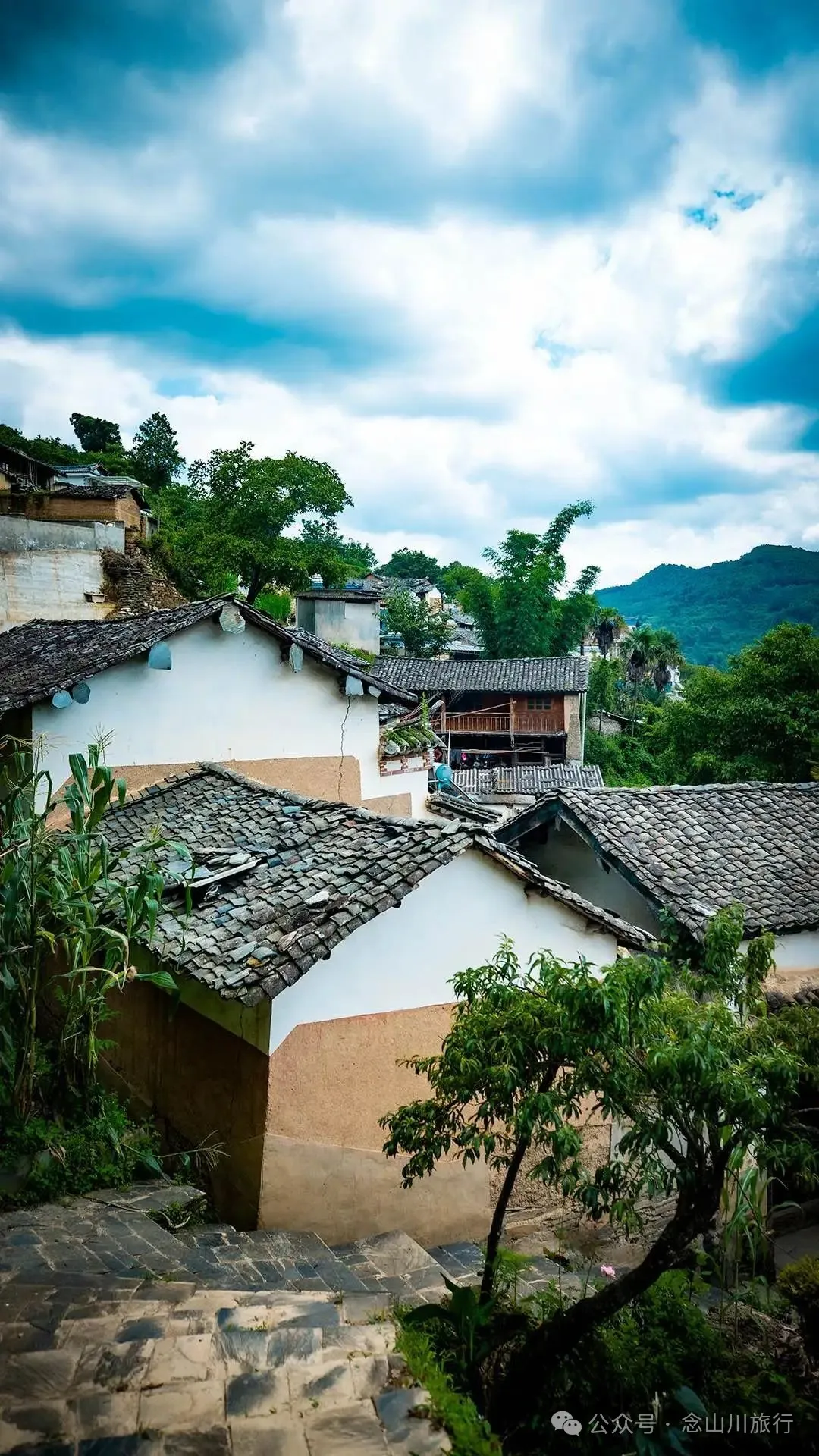
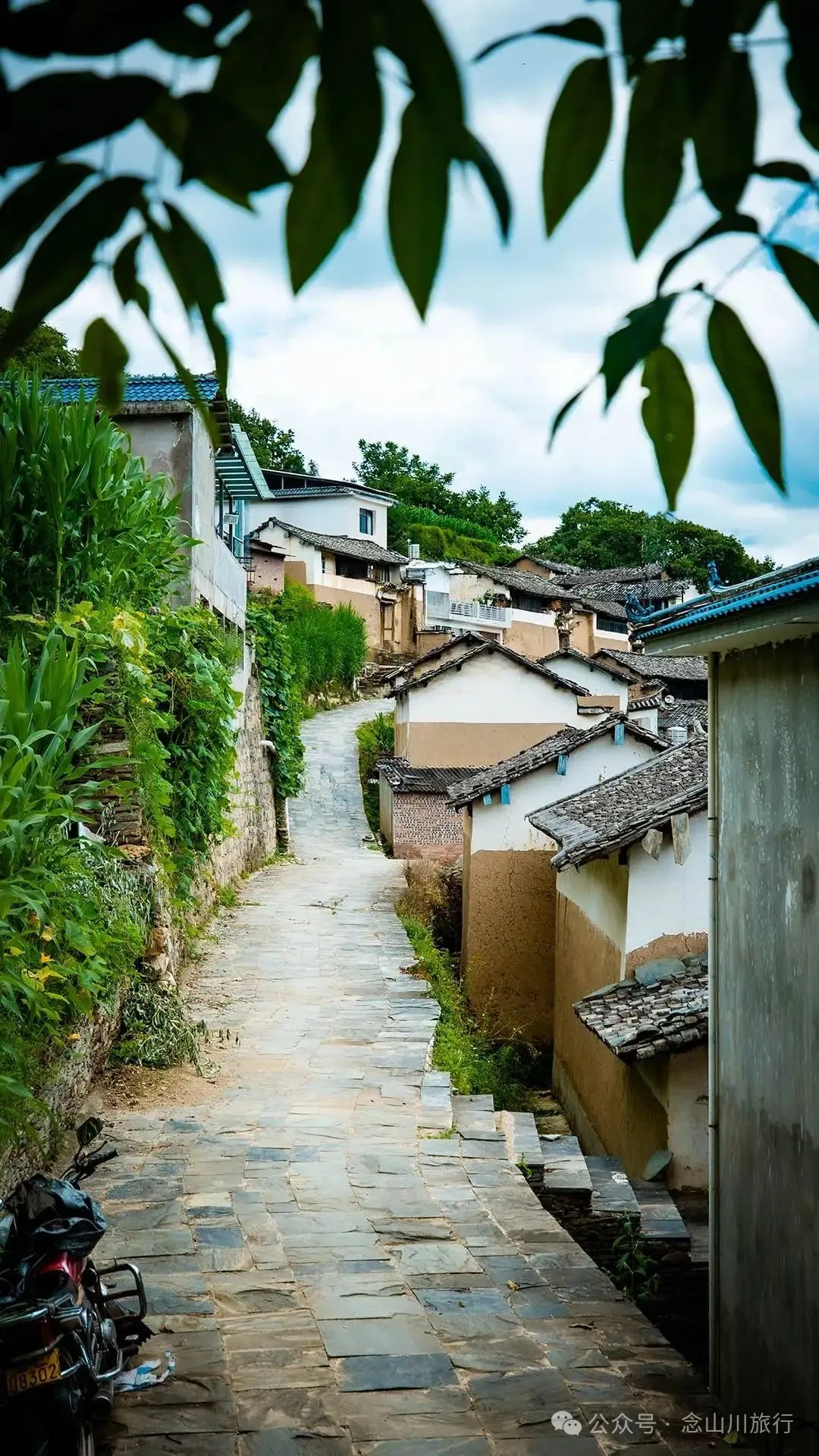
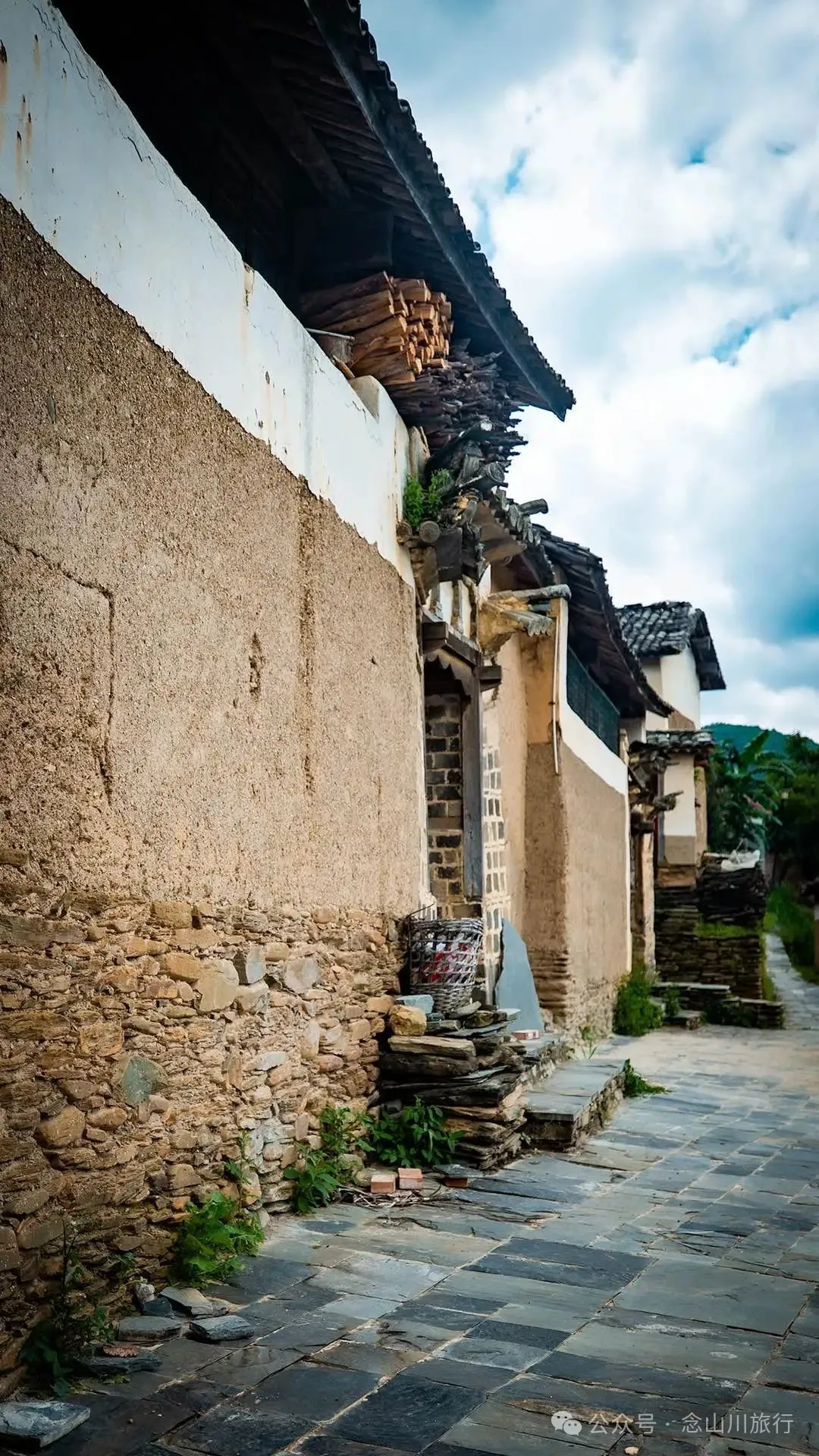
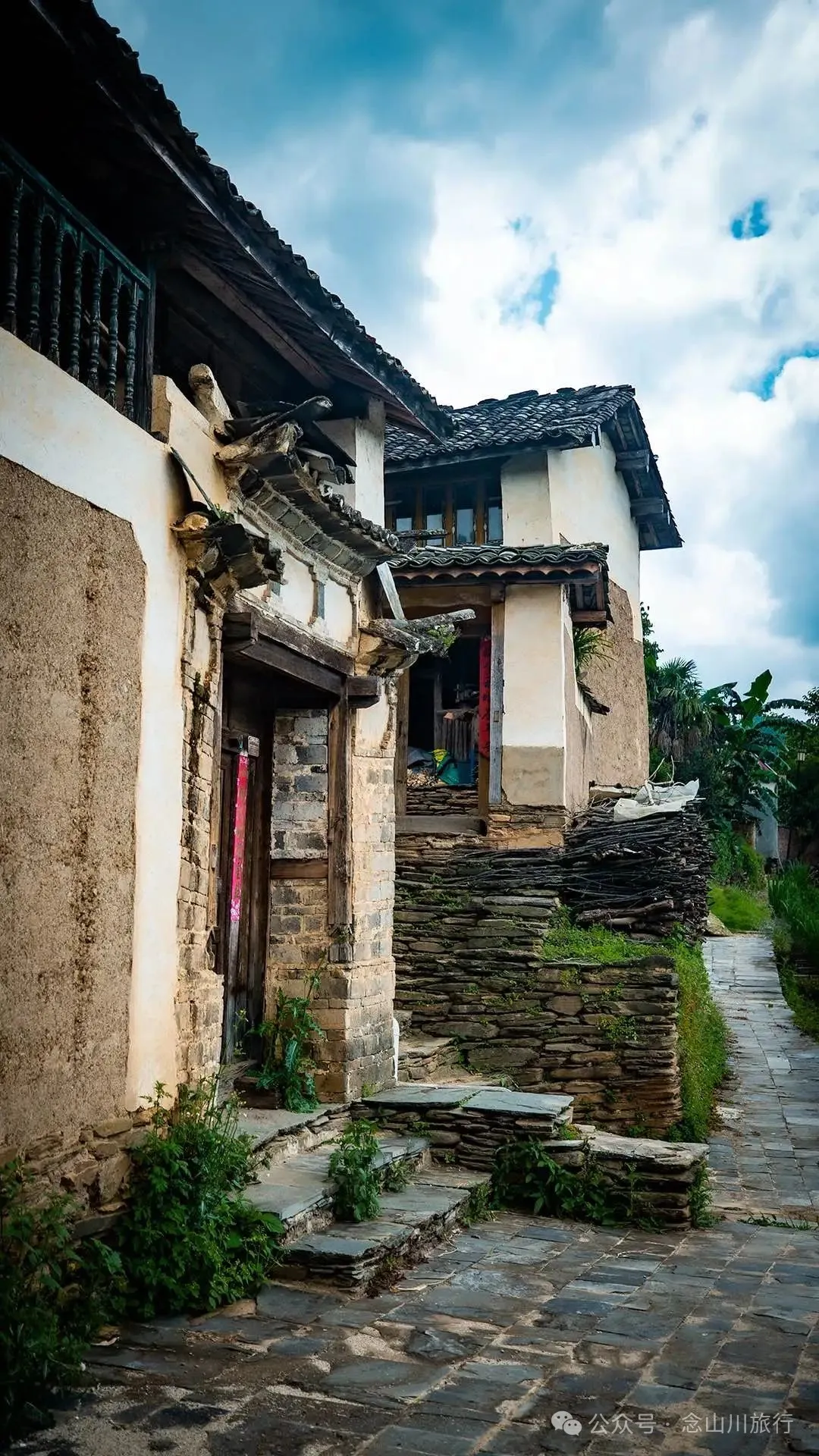
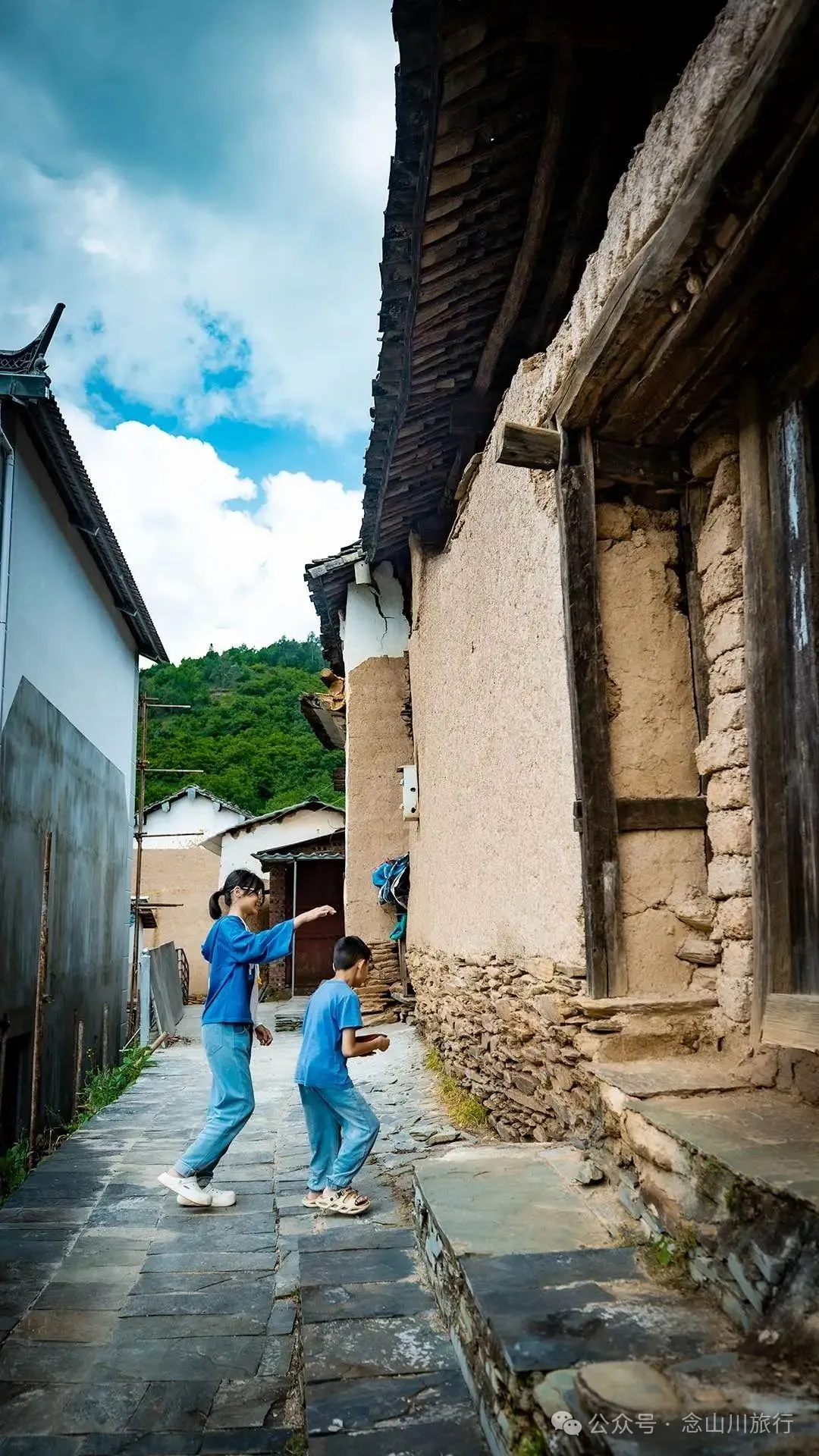
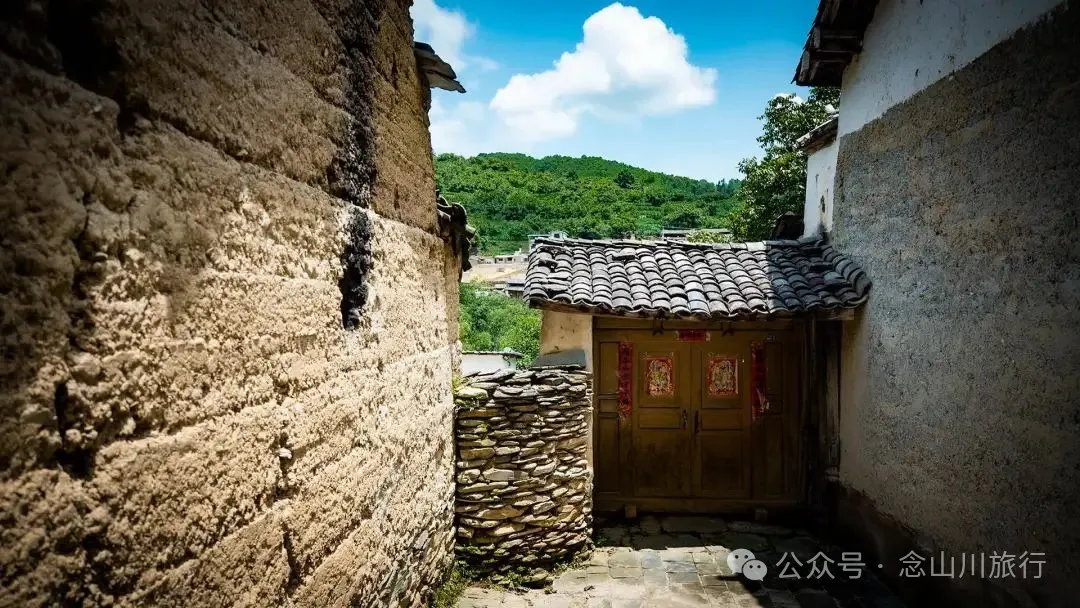
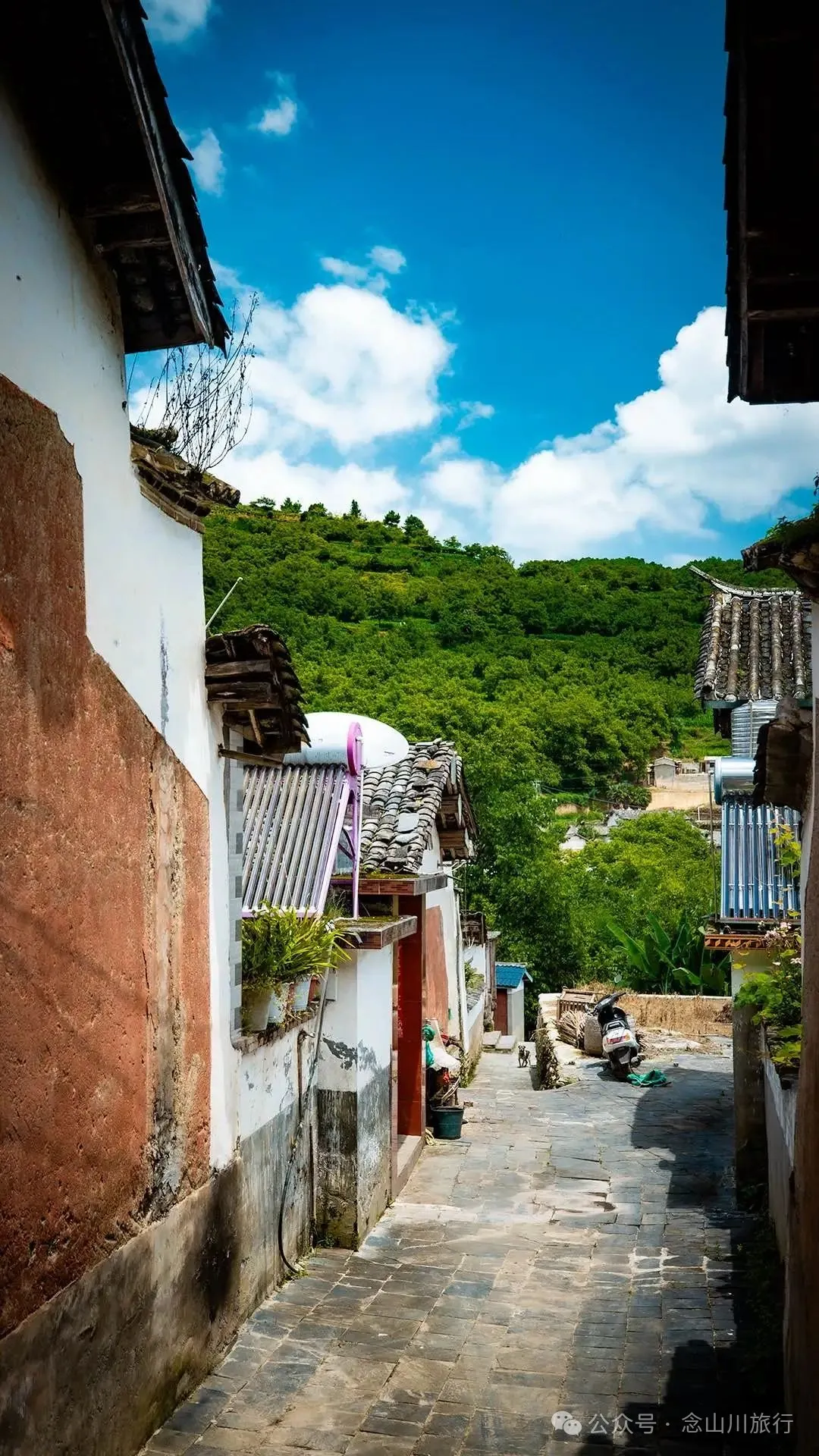
Narrow stone paths and green stone steps connect the village. We quietly passed by each house; some gates were locked or ajar, the owners likely busy in the fields, while others were open, revealing a glimpse of clean and tidy courtyards. The children laughed and played as they walked, as if entering their own village, leisurely and carefree.
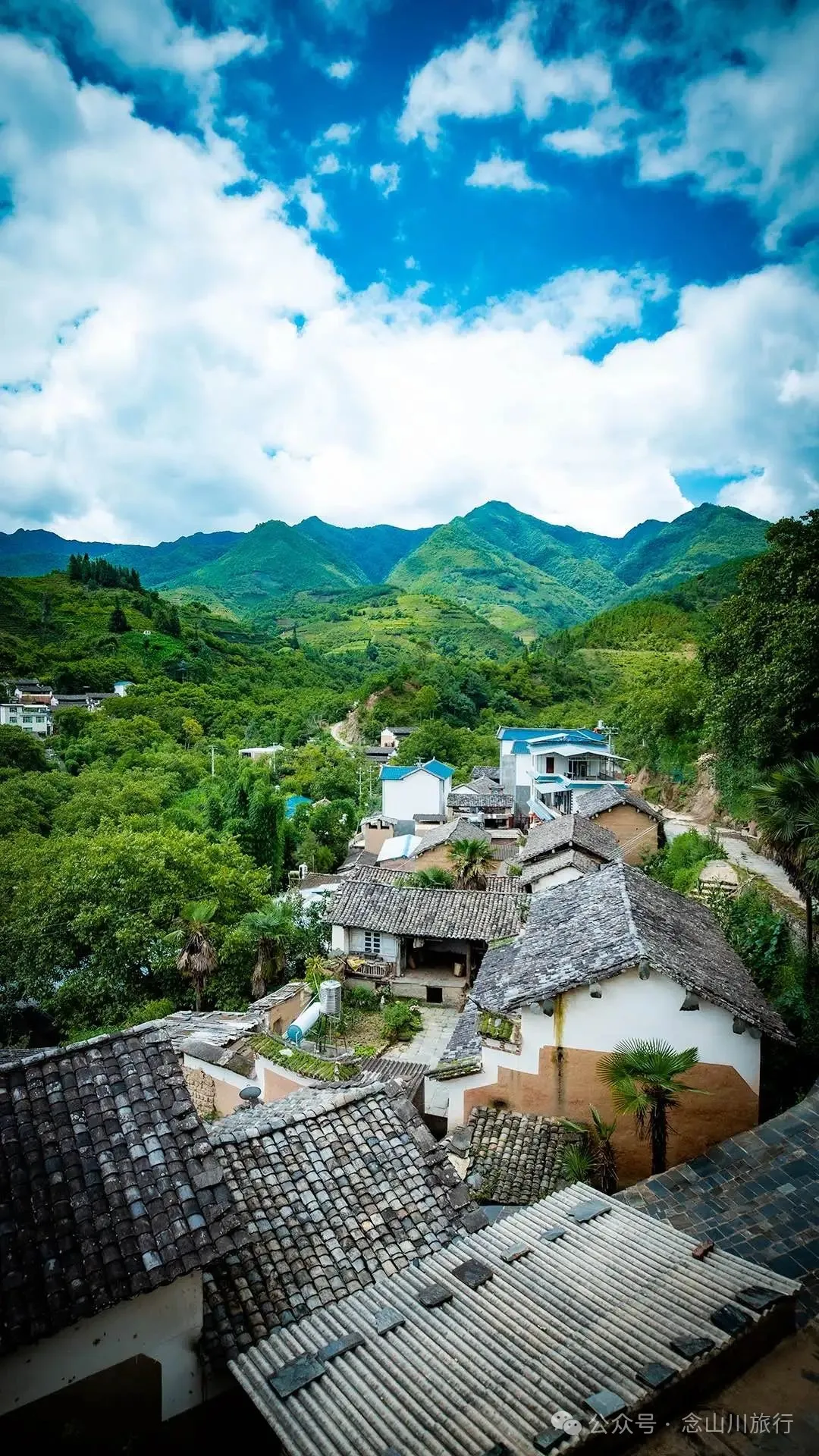
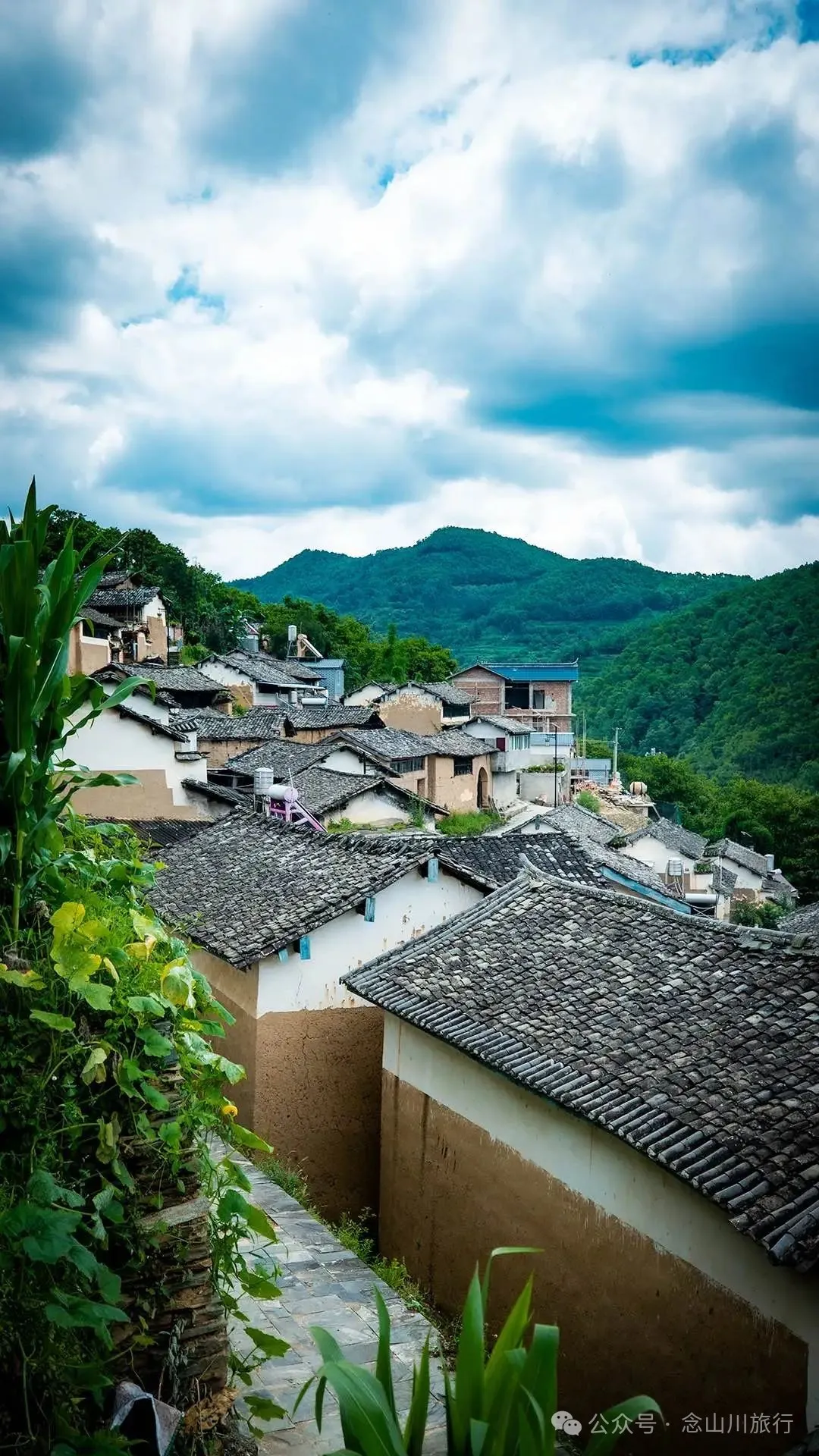
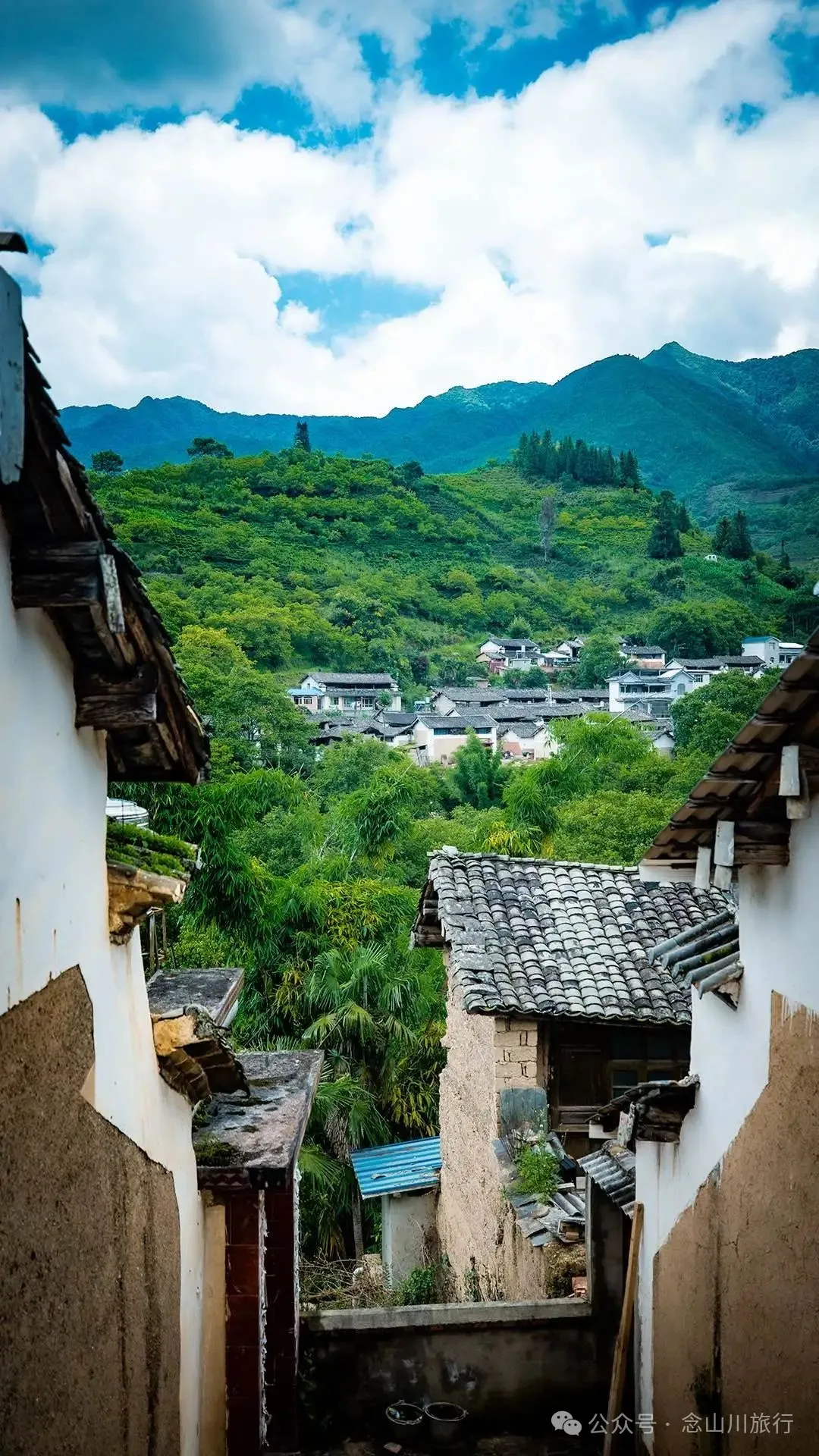
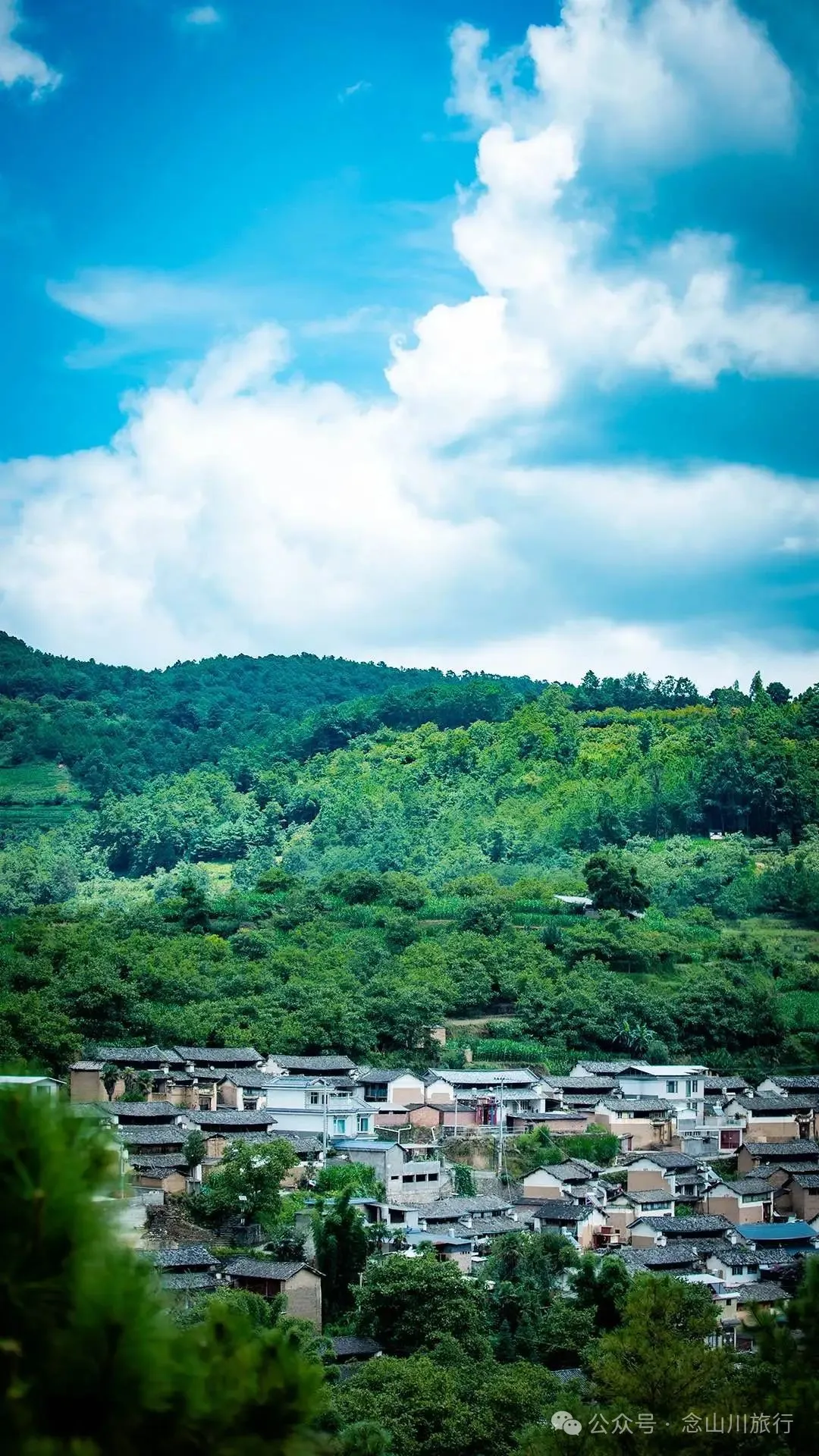
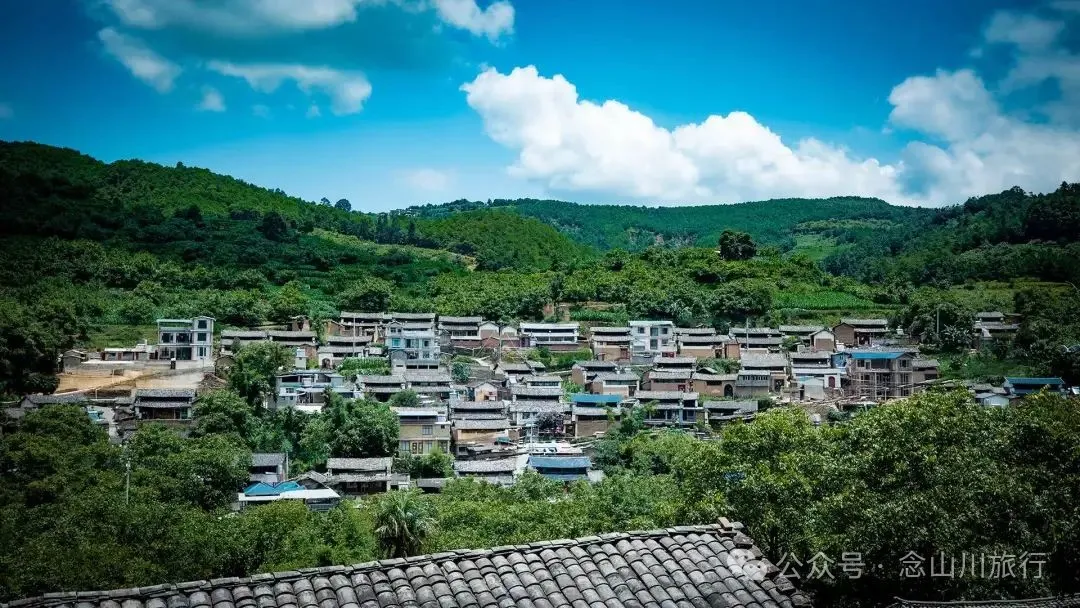
No matter where you walk in the village, you can always see the mountains waiting nearby, nodding with a smile.