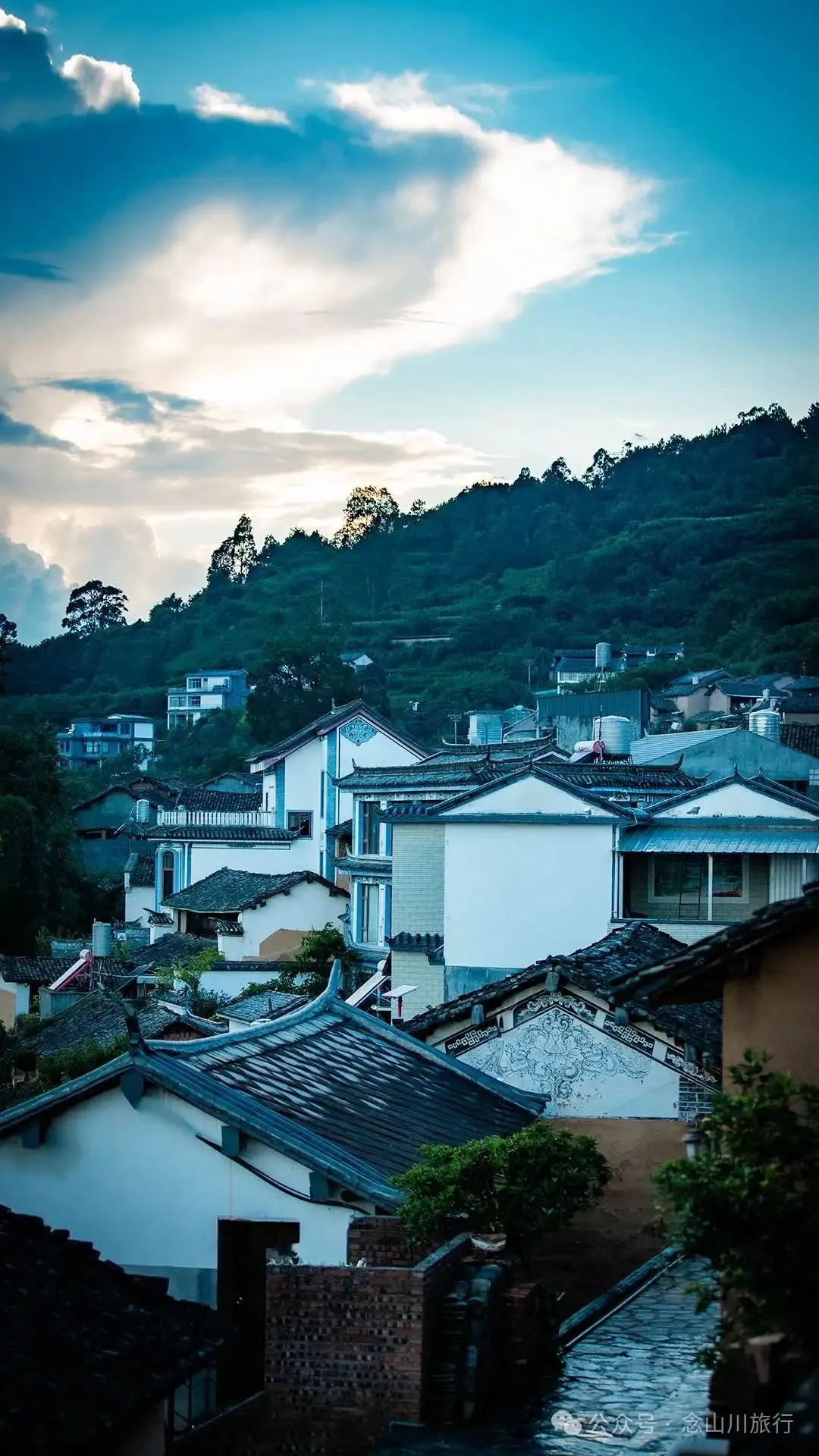

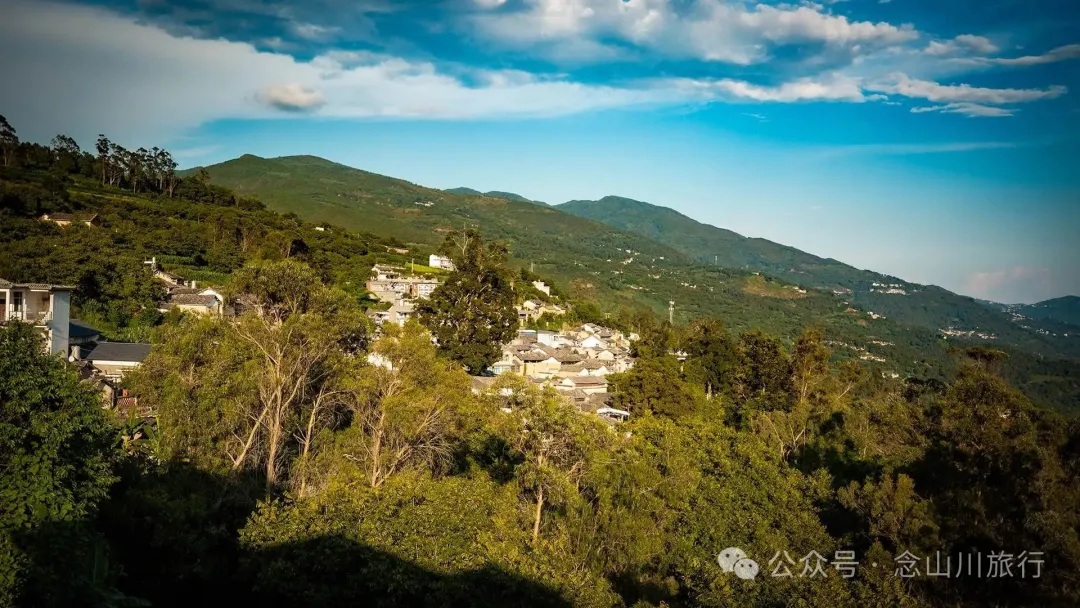
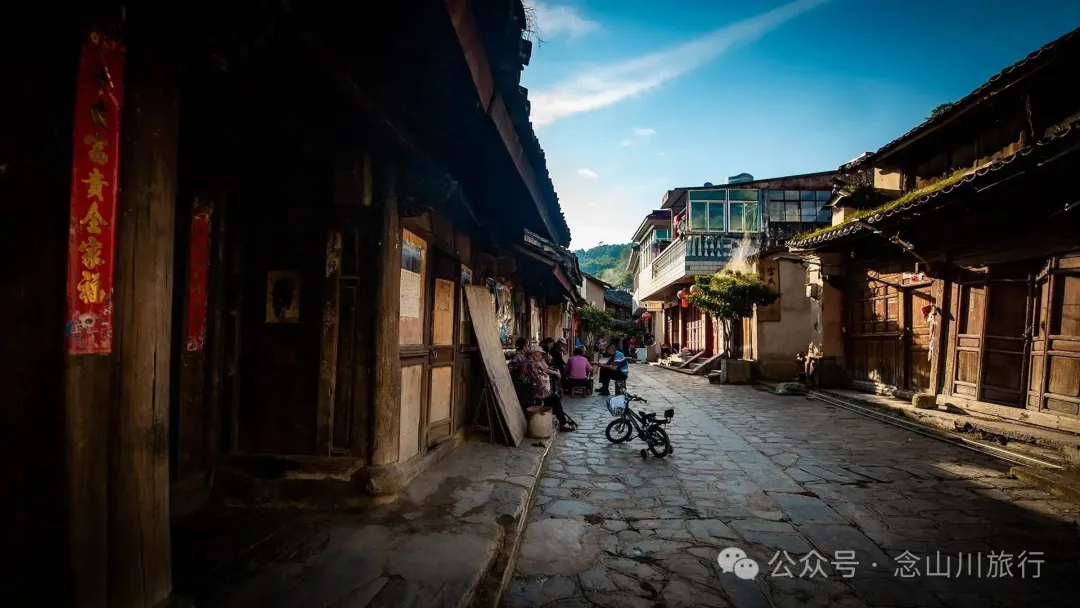
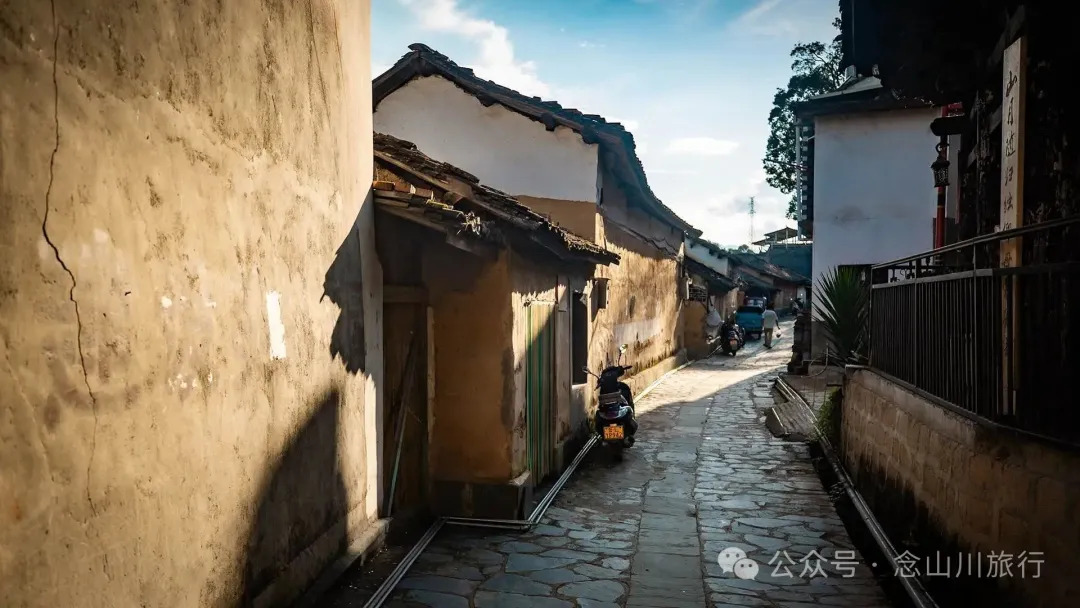
Hujie Village is a very special village, known locally as Cat Street. Locals know that there are many unique ancient buildings here and recommend it to outsiders. They also know that this village once had a glorious period as an important post station on the Ancient Tea Horse Road, bustling with activity. Today, Hujie is a large village with 237 households and nearly a thousand residents, but in the past, due to its prosperity and wealth, it was once a major trade town on the Tea Horse Road, one of the three important towns in the south of Menghua (now Weishan), alongside Nanjian and Gonglang.
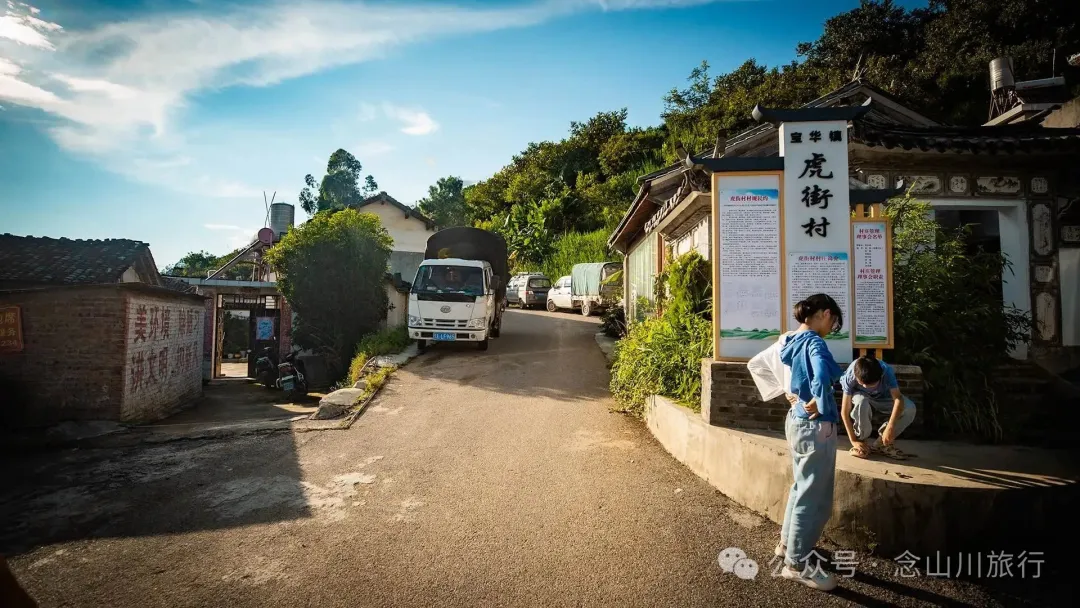
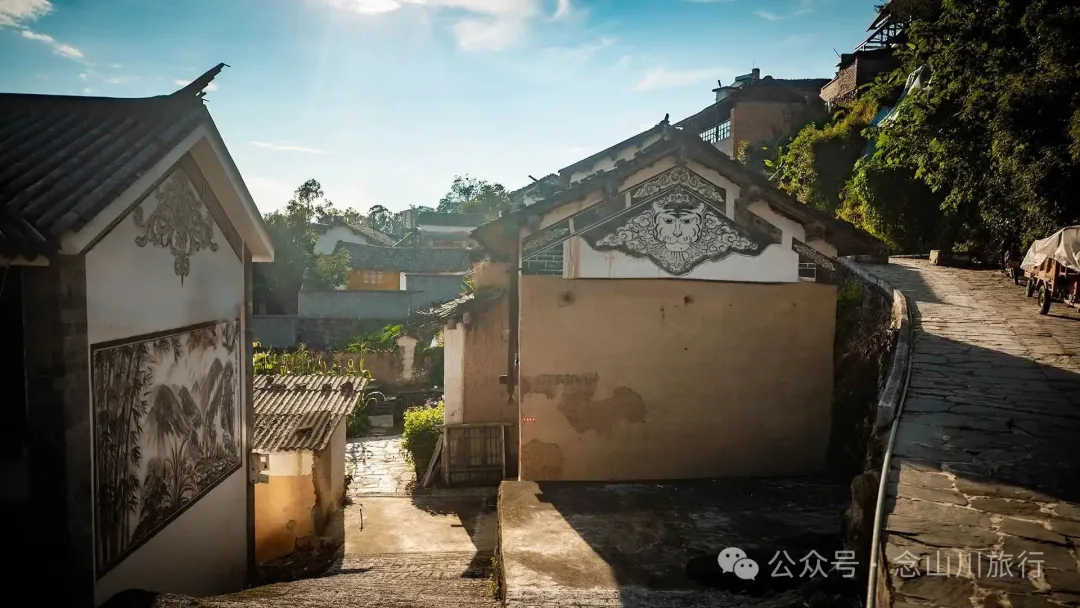
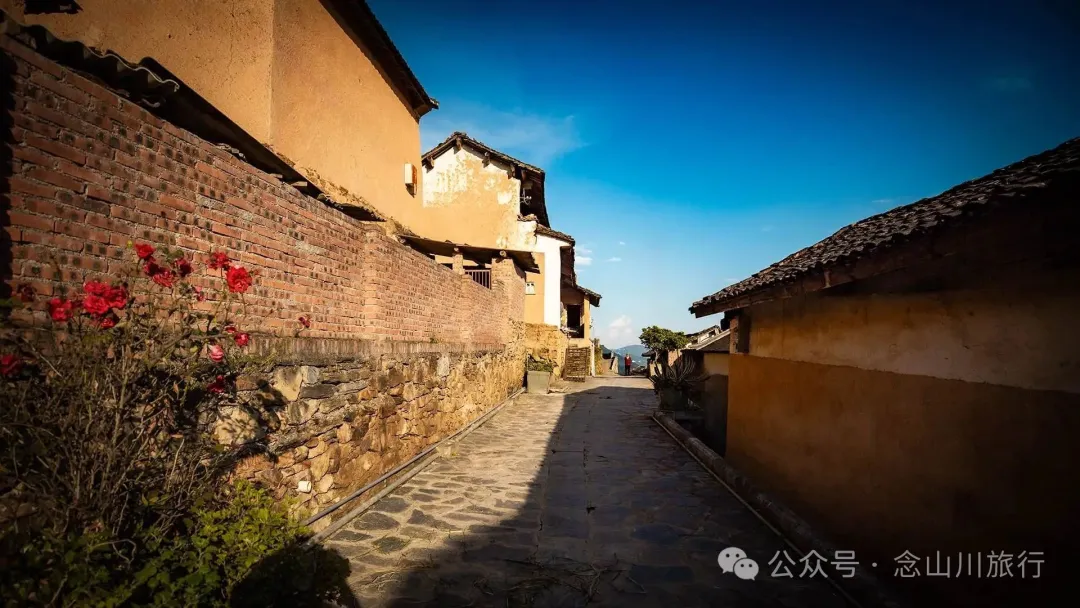
After a sudden rain, we arrived at Hujie Village from Baohua Town near dusk. Before we could step onto the winding bluestone path in the village, the slanting sunlight streamed from the other end of the street, gently sliding down the roofs of old houses along the street, casting a cool shadow on the bluestones. They are more familiar with this village than we are, familiar with this bluestone path, familiar with the old days taken away by the distant sound of horse hooves.
They have shone upon this long, narrow old street countless times, witnessing its prosperity and bustle, and naturally its desolation and loneliness. They have seen groups of jingling caravans crossing mountains to rest and trade here, raising thick dust, seeking shelter in the fading twilight; they have seen grand stockaded villages rise one after another, the small mountain village growing into a major tea horse town, only to decline centuries later due to changing times. The once imposing stockades now lean crookedly, huddled on both sides of the street, having lost their former glory.
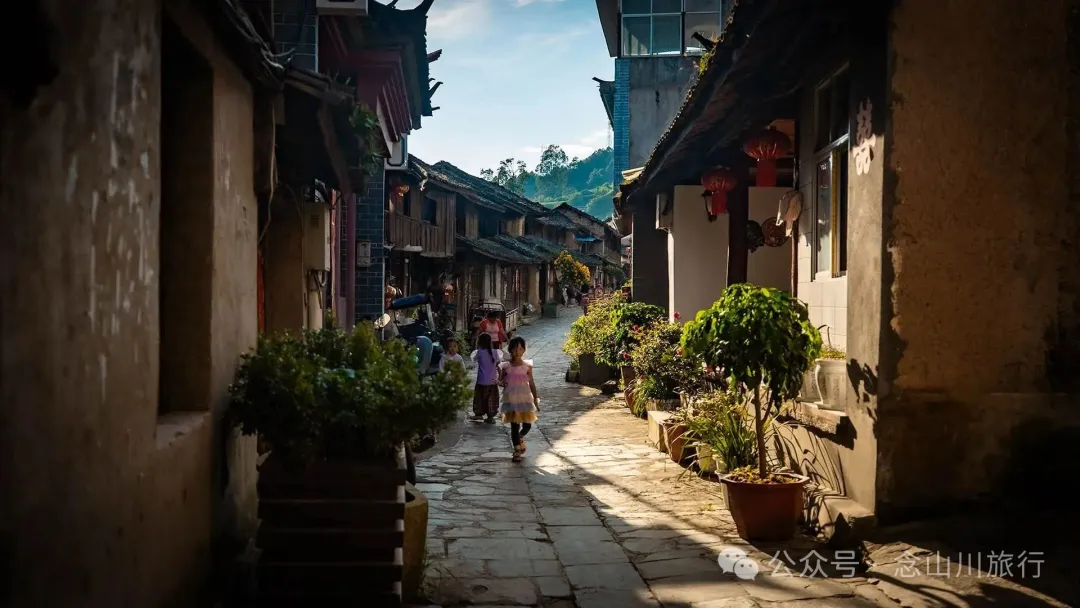
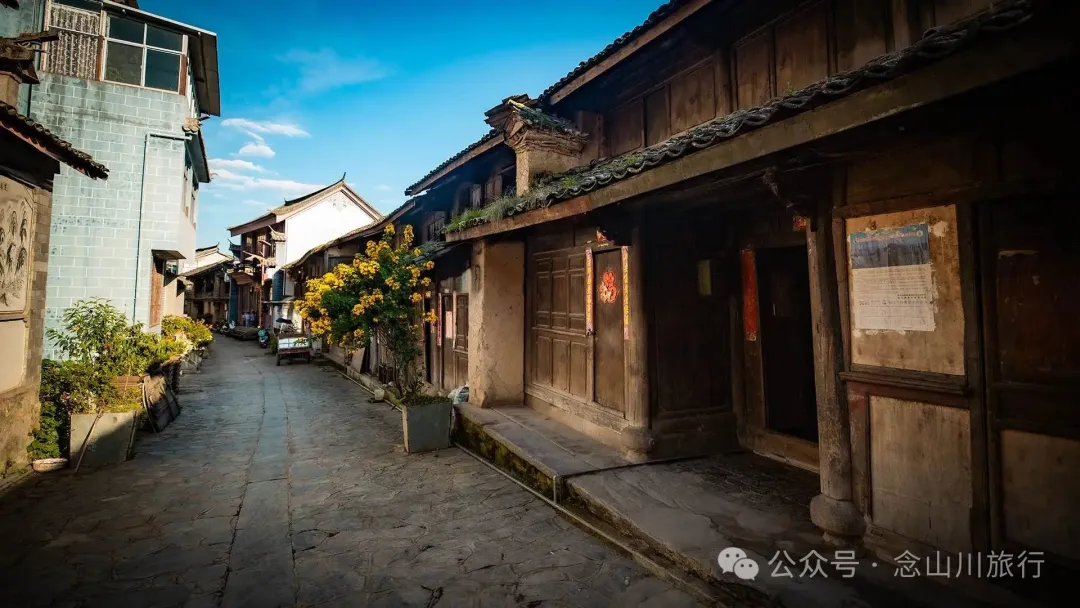
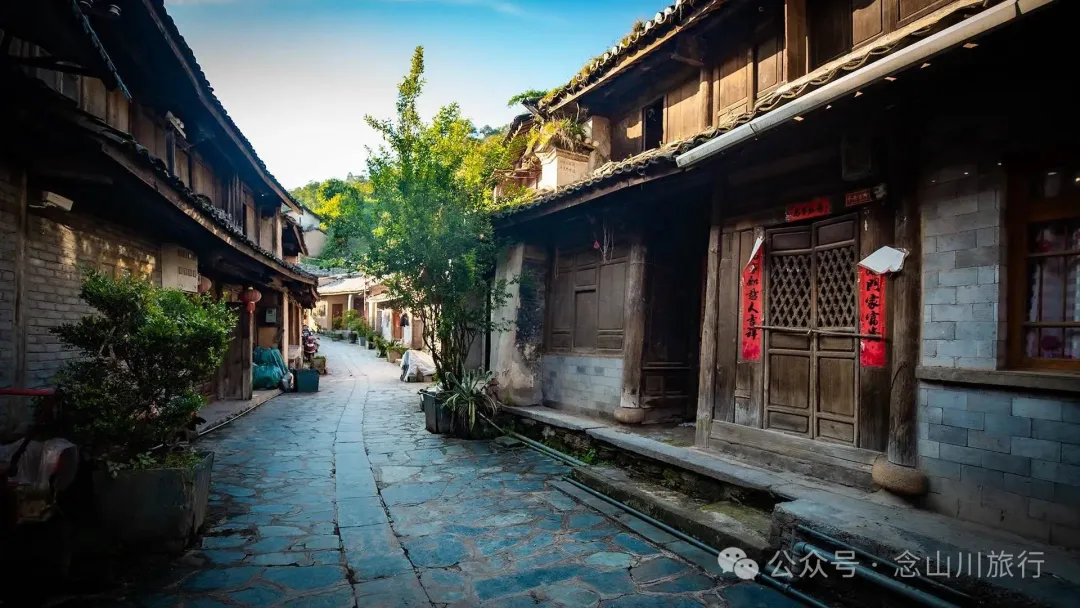
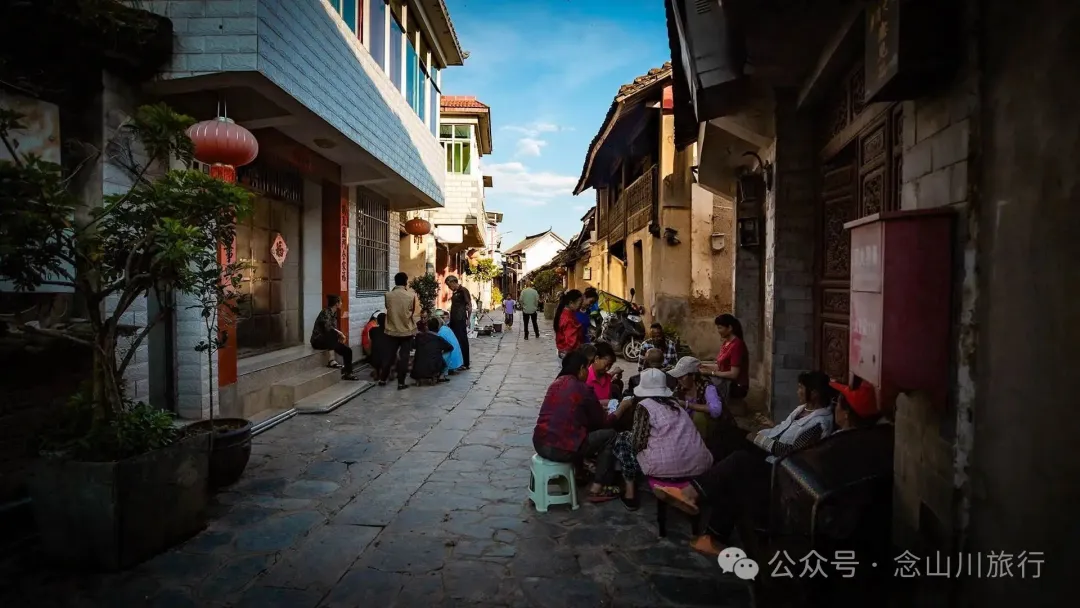
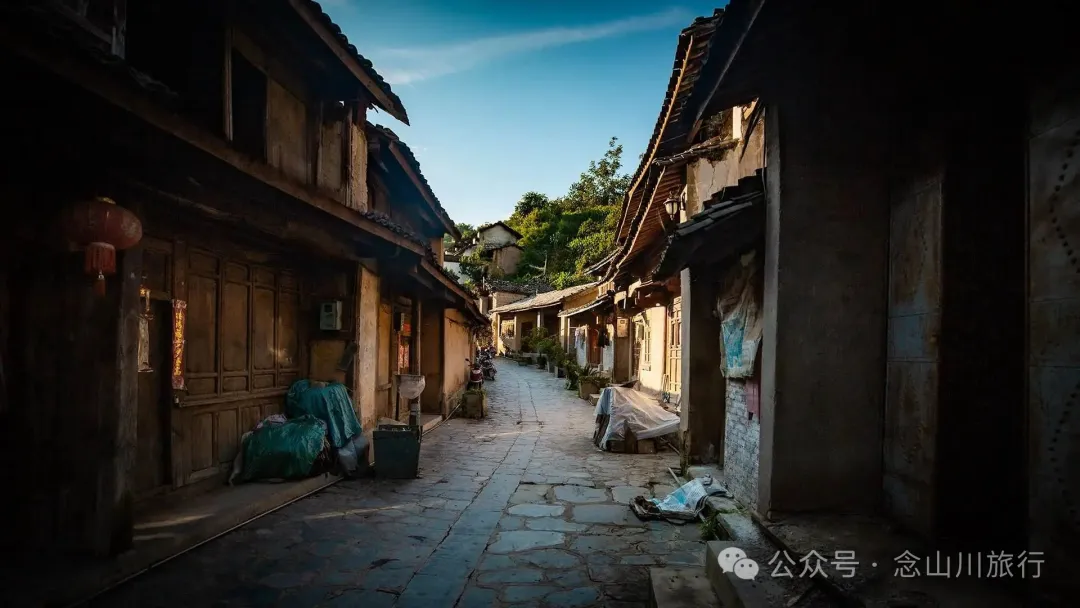
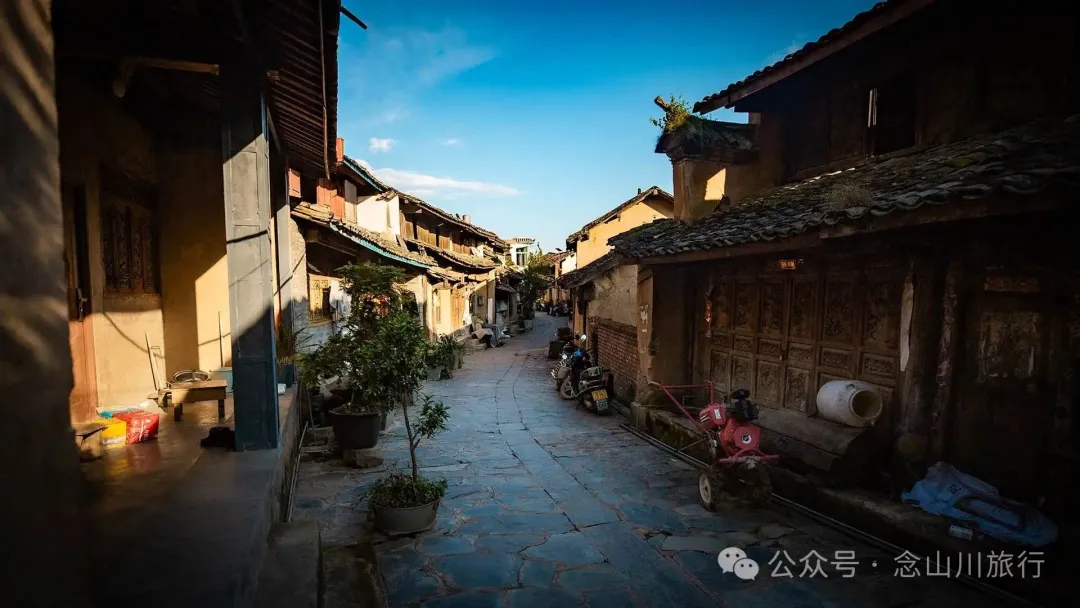
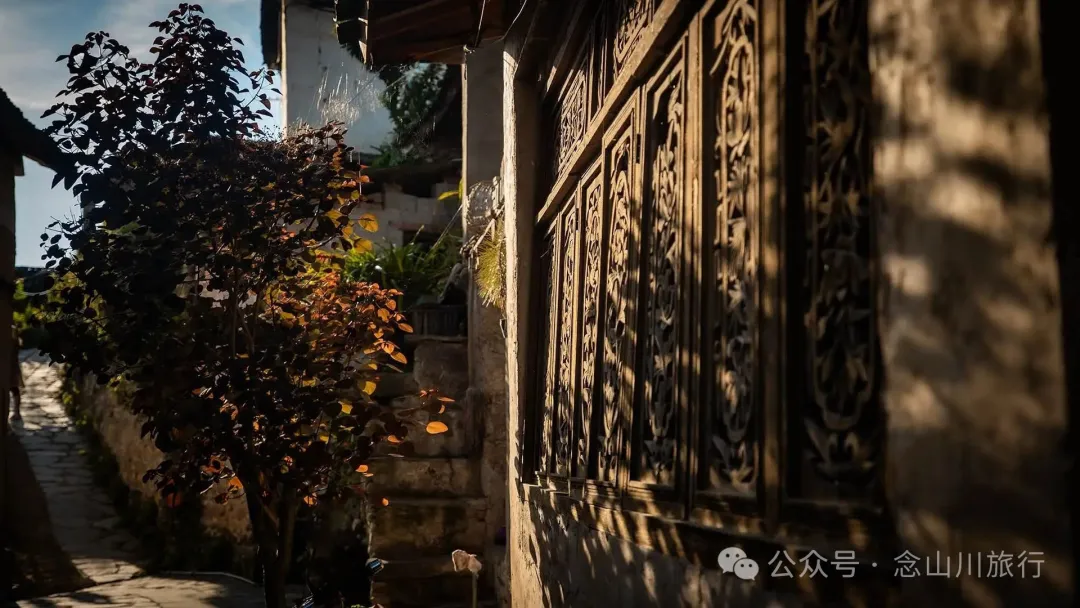
We walked into this old street of Hujie Village. In the shade by the roadside, many villagers gathered, chatting or playing cards, along with groups of children playing together. In other villages, it's often quiet, with only a few villagers occasionally seen, and children are even rarer. They ran happily along the old street, playing games appropriate for their age, with innocent expressions.
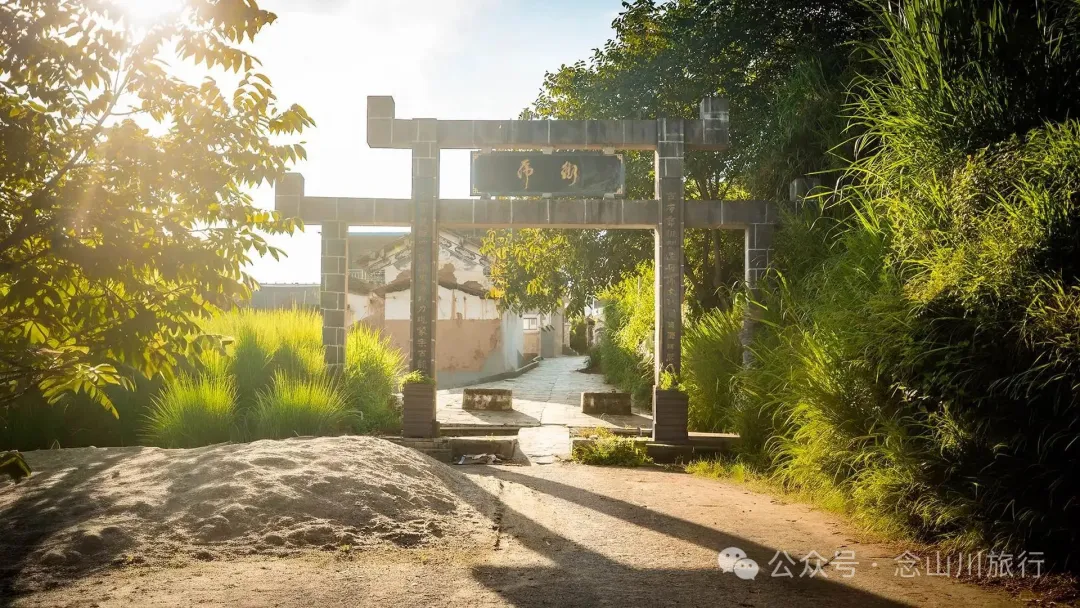
We arrived at the Tigress Calendar Stele Pavilion by the street. A village woman, seeing us carrying cameras, took out a key to unlock the fence and offered to lead us to the Tigress Inn. Eager to photograph the old buildings before sunset, we declined her kindness. When we later turned to the Tigress Inn, we found the gate locked and didn't know where to find the manager, so we missed the ancient artifacts displayed inside and the old buildings in the courtyard.
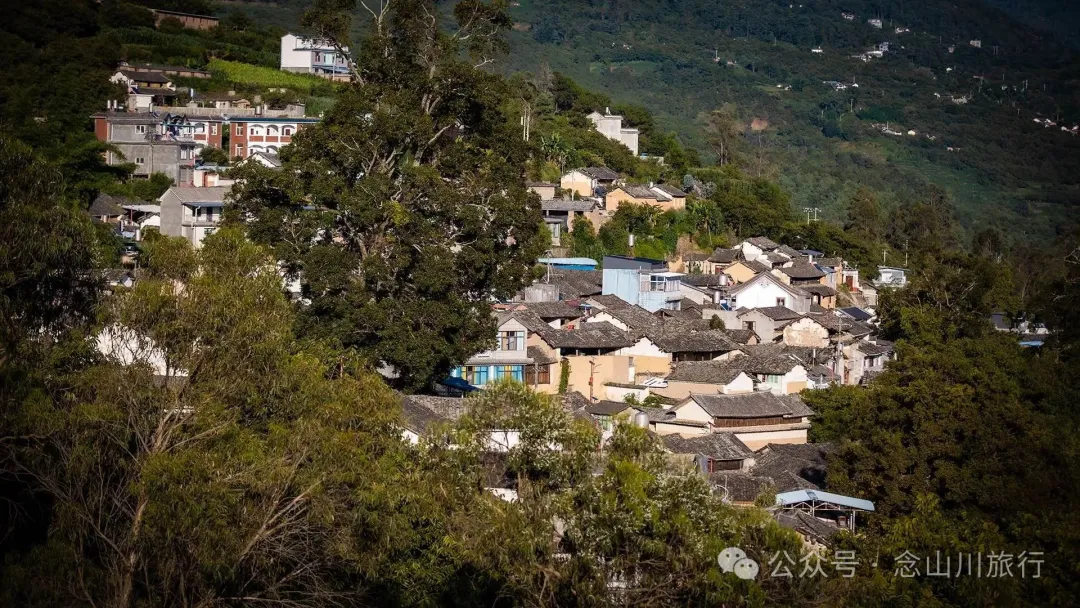
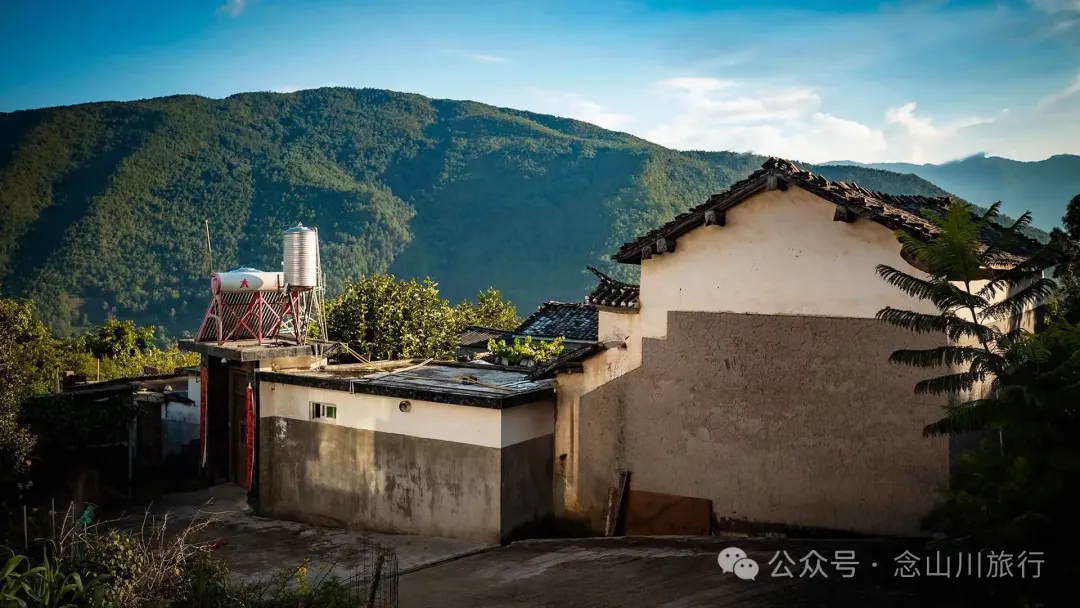
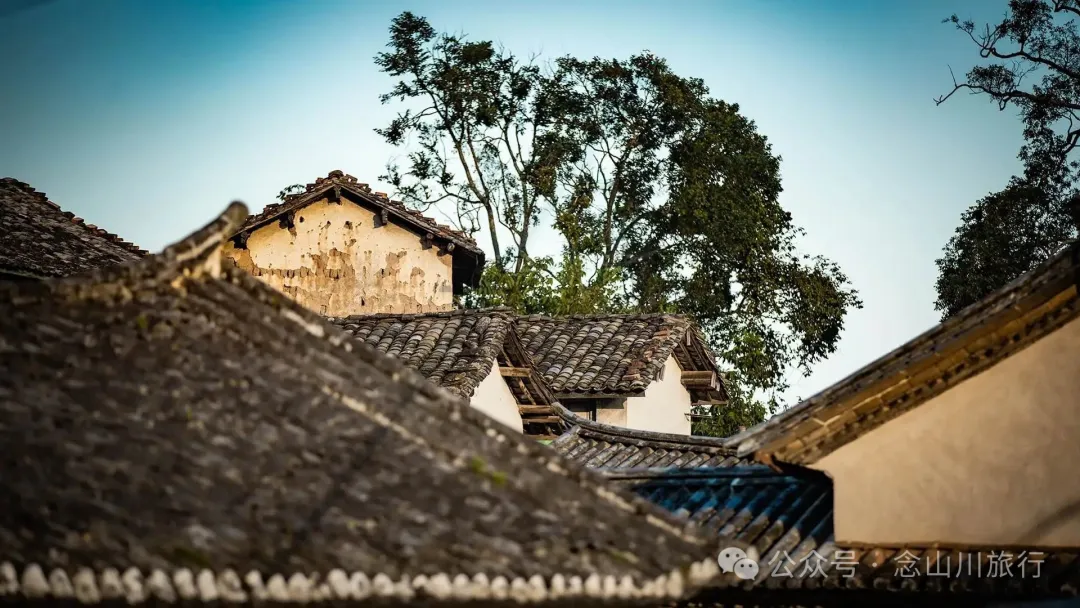
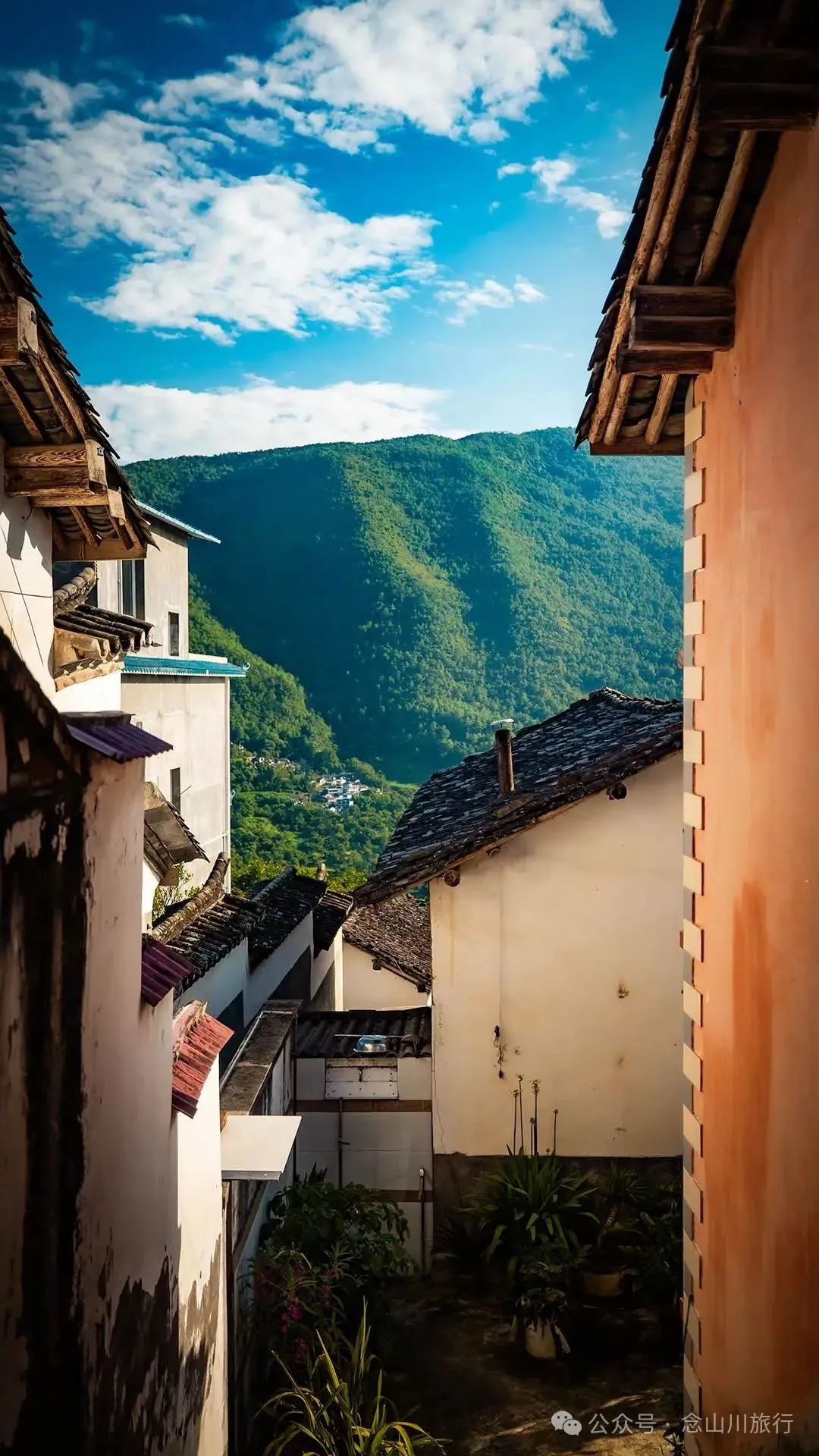
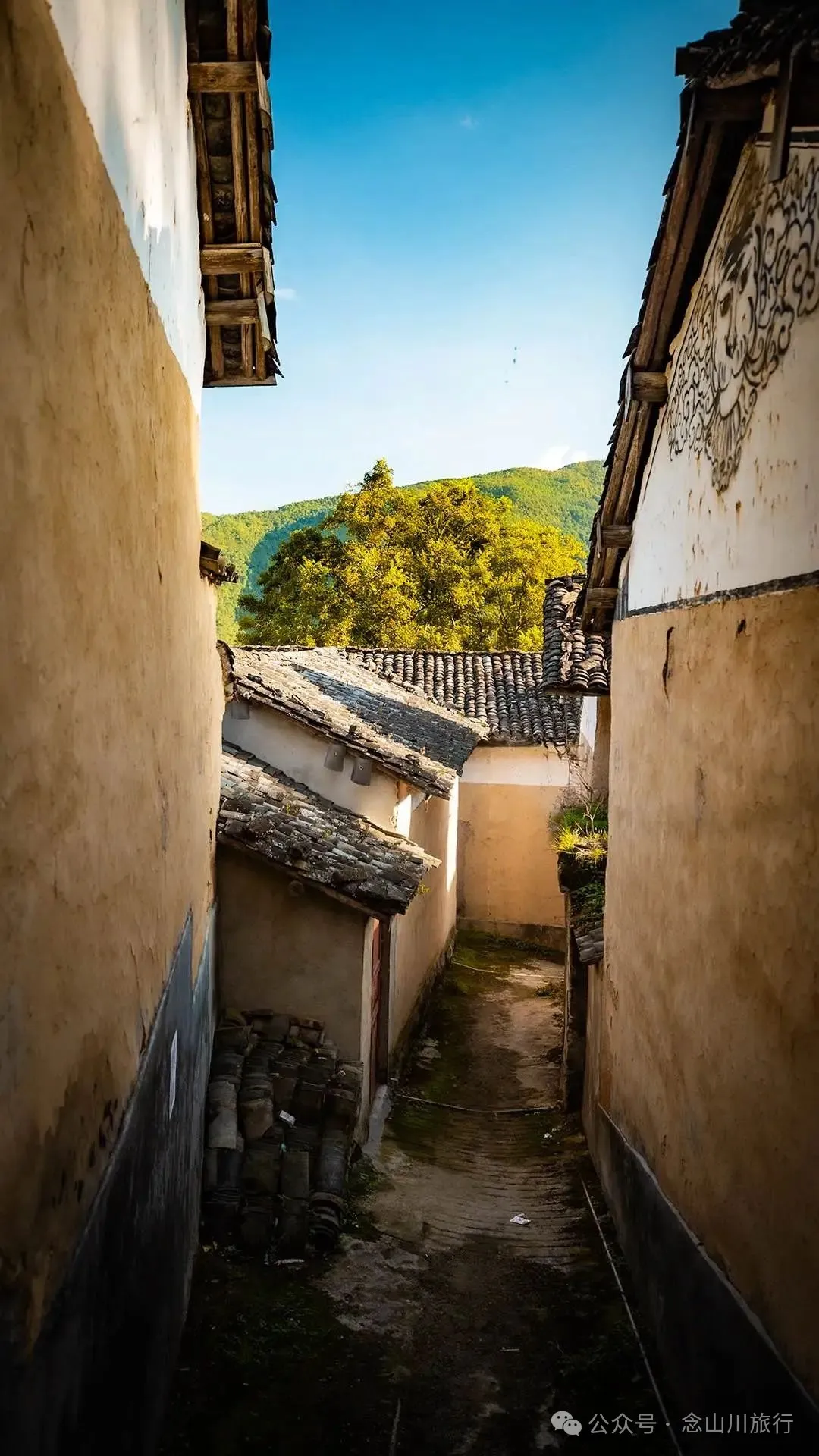
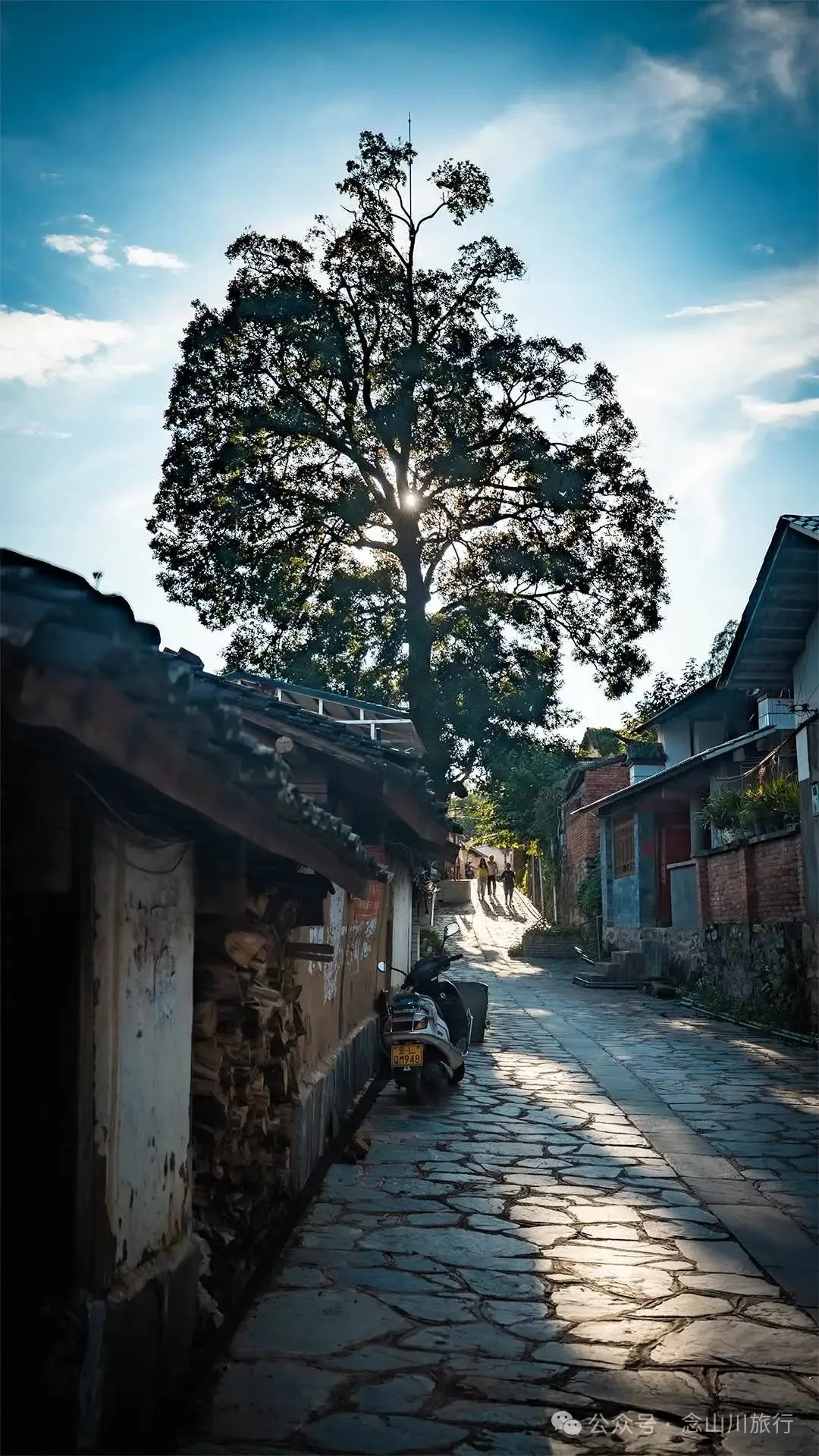
The village lies in the lush green mountains, bathed in gentle sunset. The laughter of children playing and the clamor of adults playing cards drifted in the air, slipping into the intangible light. Hurrying to the other end of the village, we met a villager in white. When asked where we could get a panoramic view of the village, he said impatiently, 'There's nothing to photograph.' We entered a newly built concrete house at the village entrance, owned by an elderly couple. They warmly led us to the rooftop on the third floor. From there, we saw the ancient village bathed in orange light, with a 520-year-old Yunnan hackberry standing tall by the old street, like an elder embracing everything here.
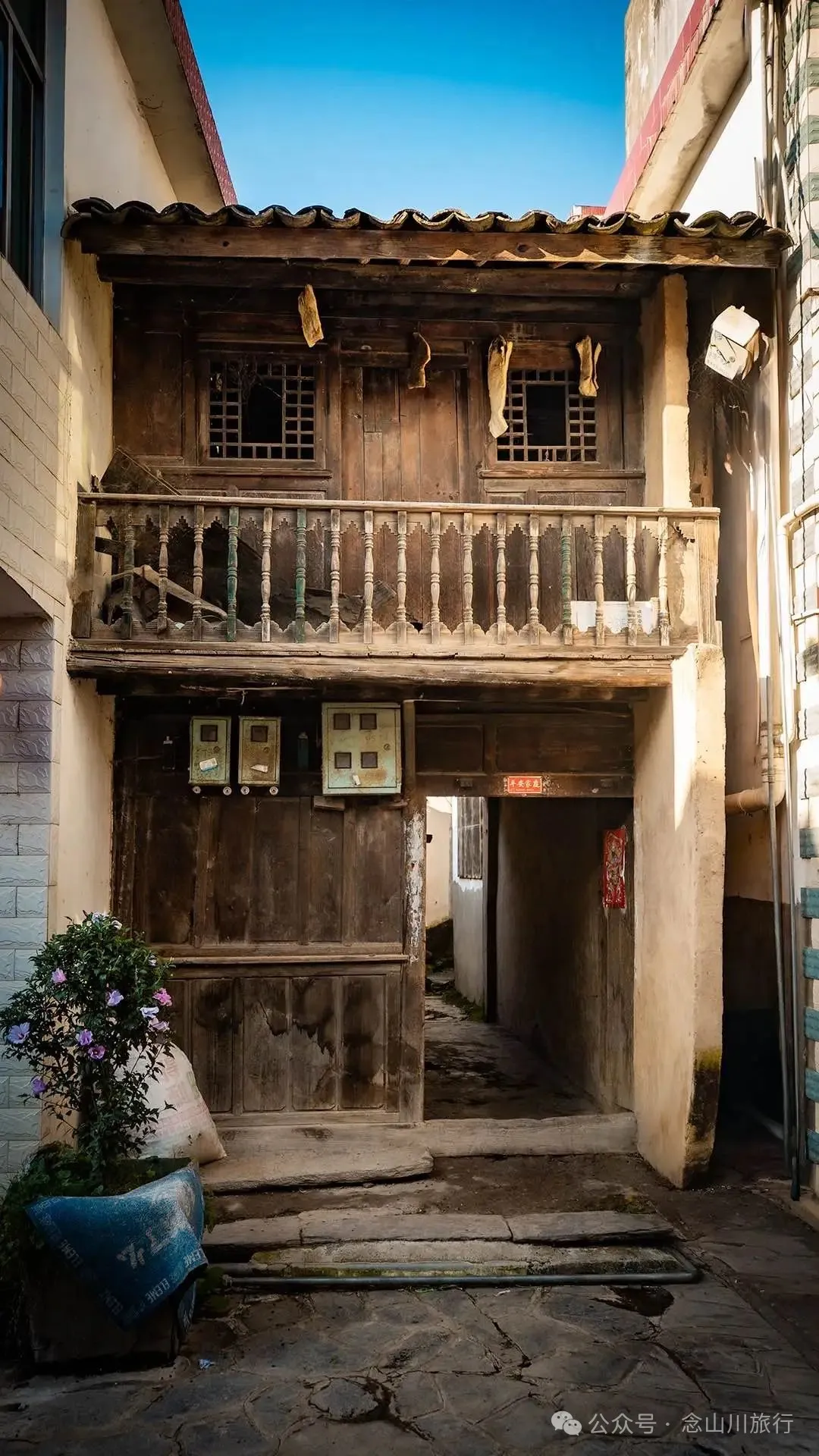
An old two-story wooden house was squeezed between two tall concrete houses, unable to move. It looked weak, small, and dusty, hardly noticeable.
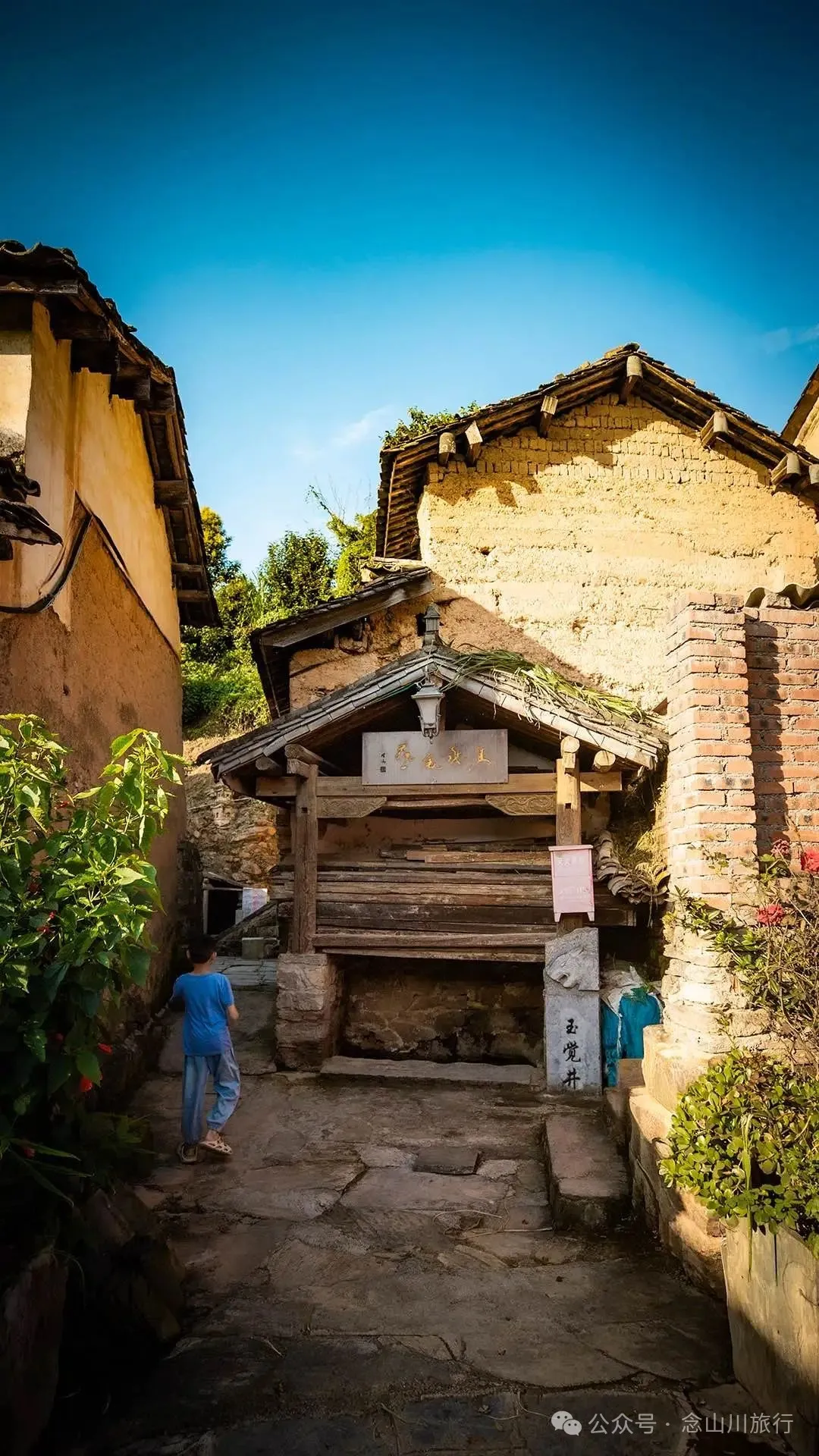
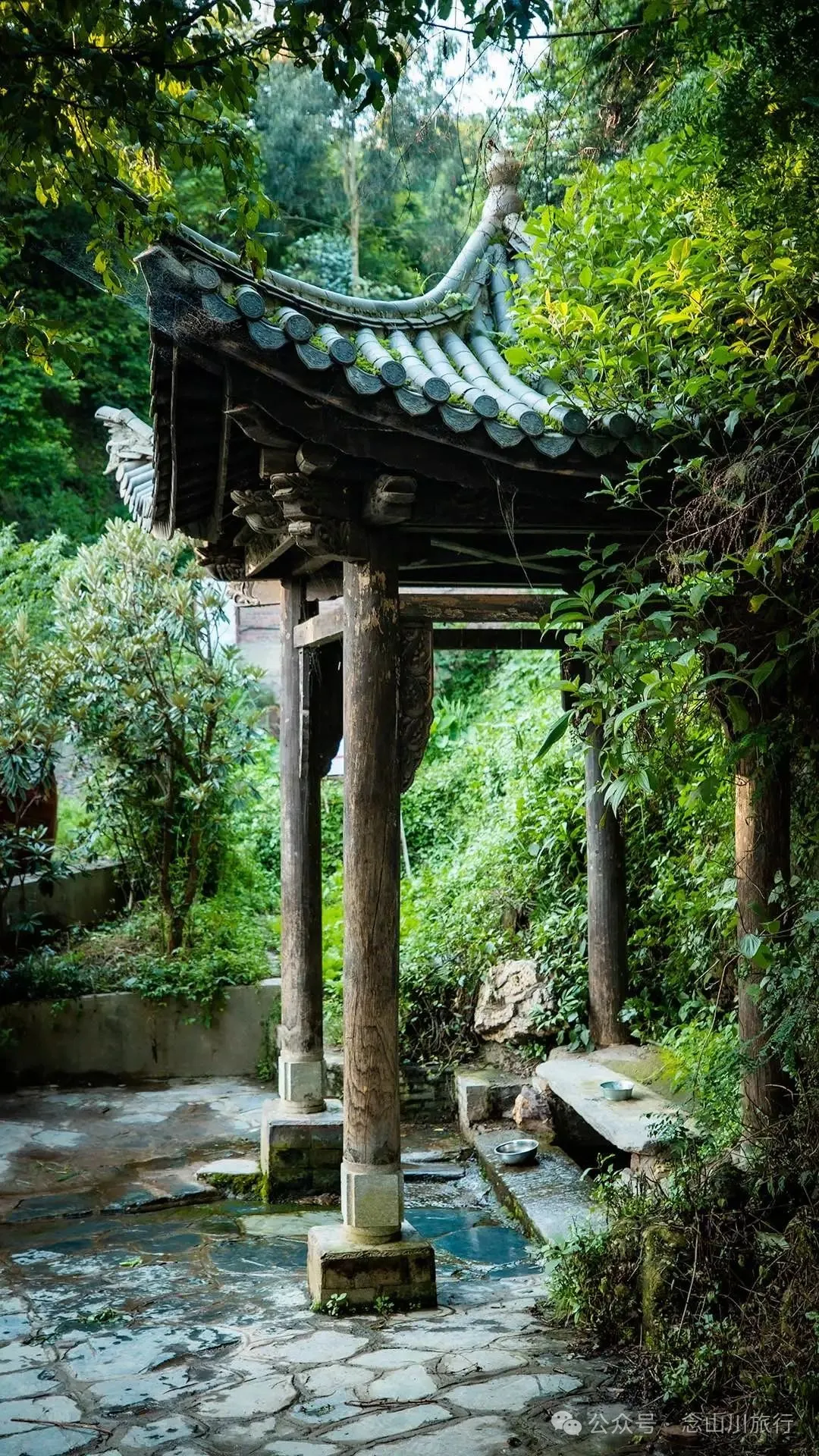
There are many wells in Hujie Village, which nourished the village during its prosperous times and the caravans from afar. The well water remains clear and sweet, continuing to nourish the village in the future.
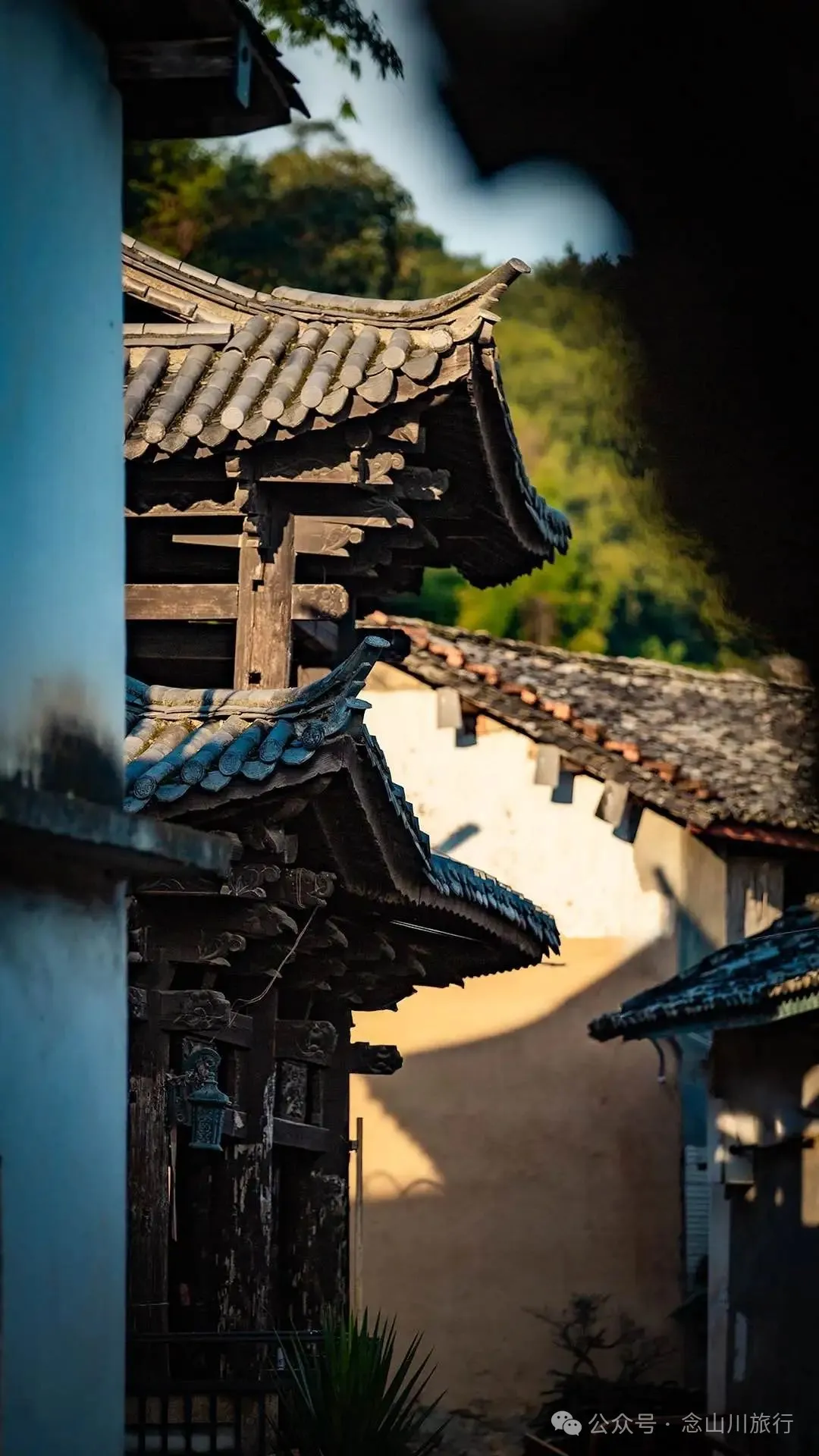
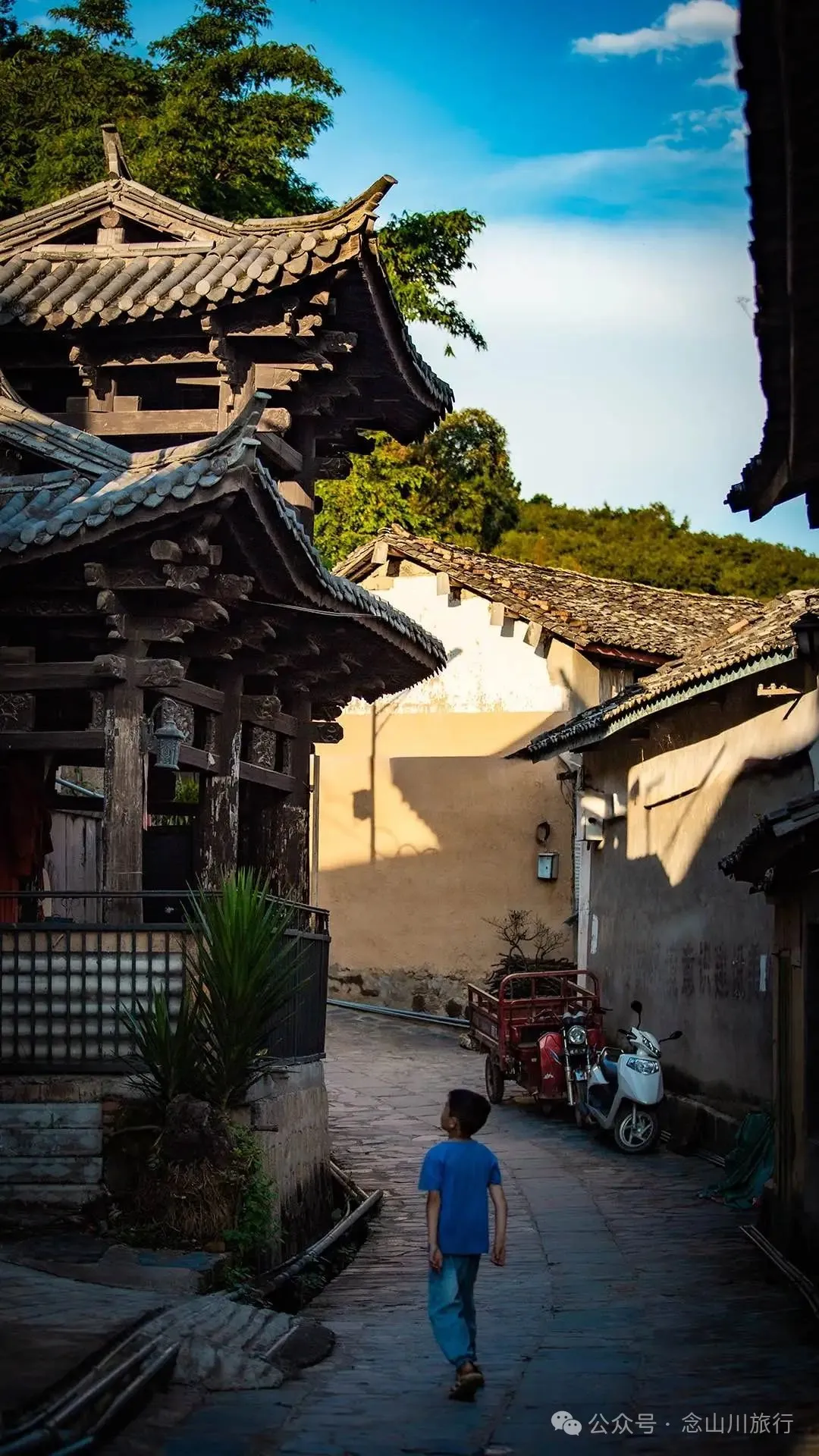
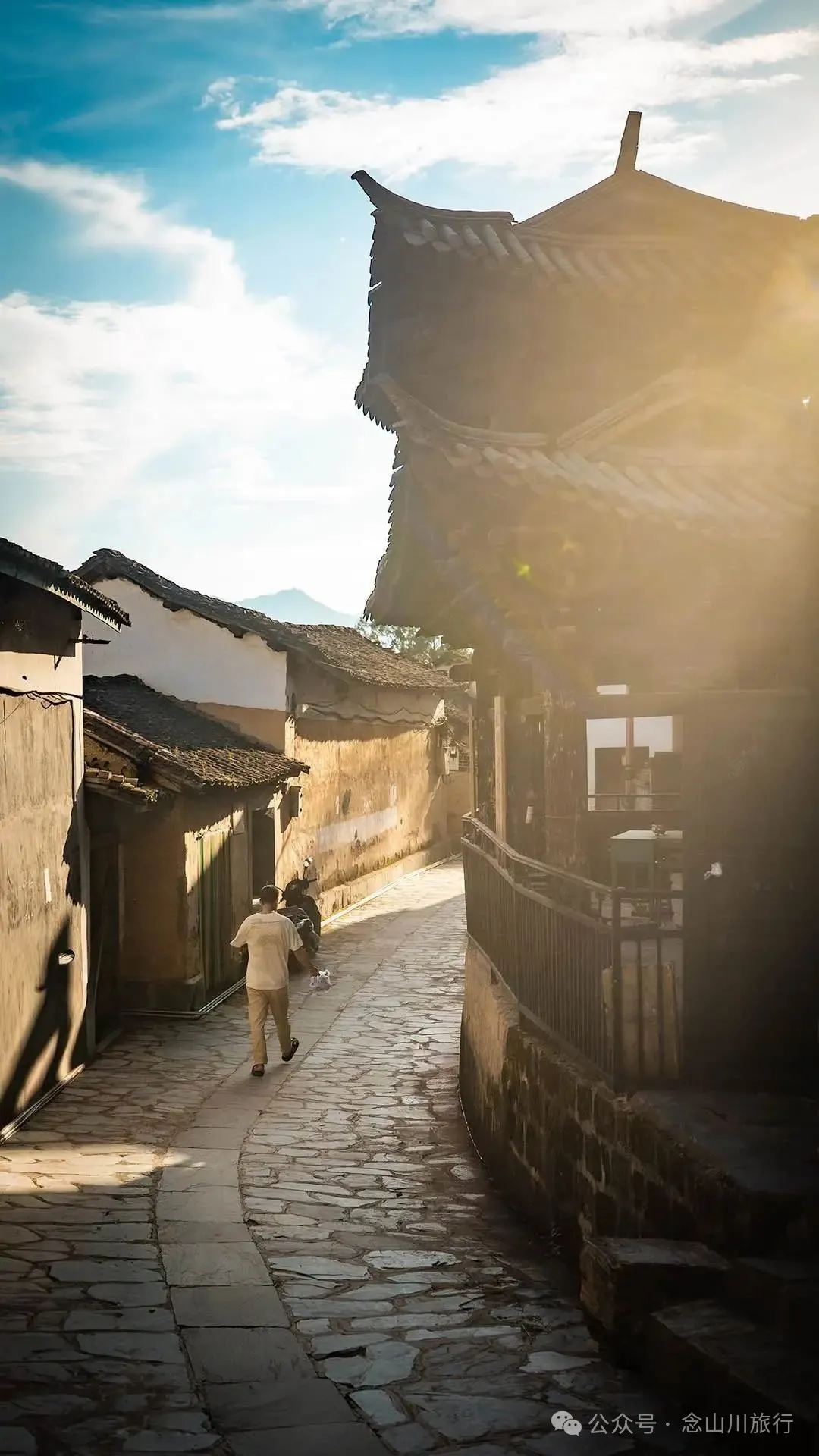
The Tigress Calendar Stele Pavilion still stands in the sunset, unmoved. It has weathered hundreds of years of wind and sun, displaying a little-known story of time in the dappled light.
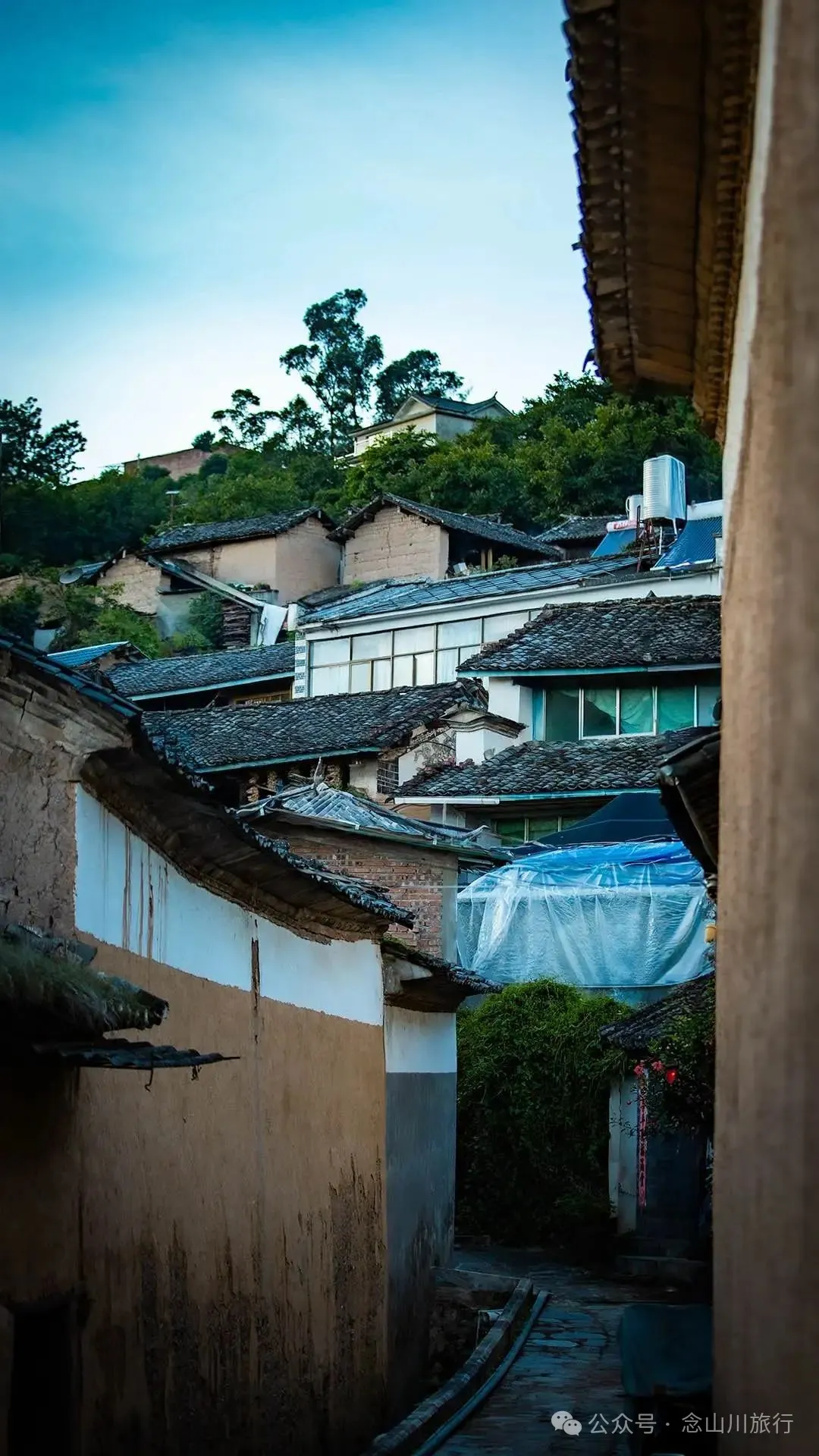
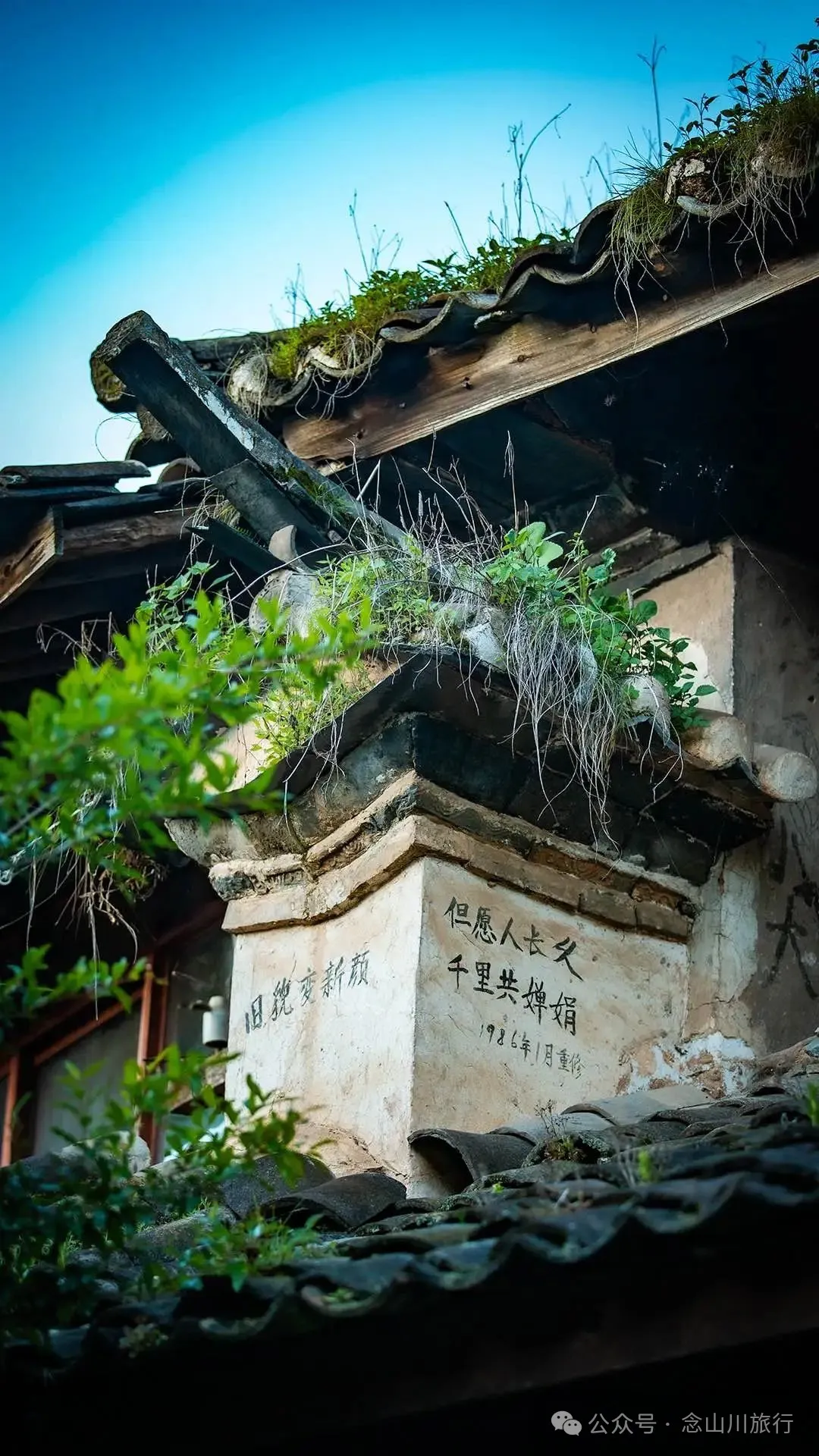
'May we live long and share the moonlight across a thousand miles. Renovated in January 1986.' We saw these commemorative words on the outer wall of a building's second floor. The owner who renovated the house back then is unknown now, and the renovated house has become simple, low, and faded.
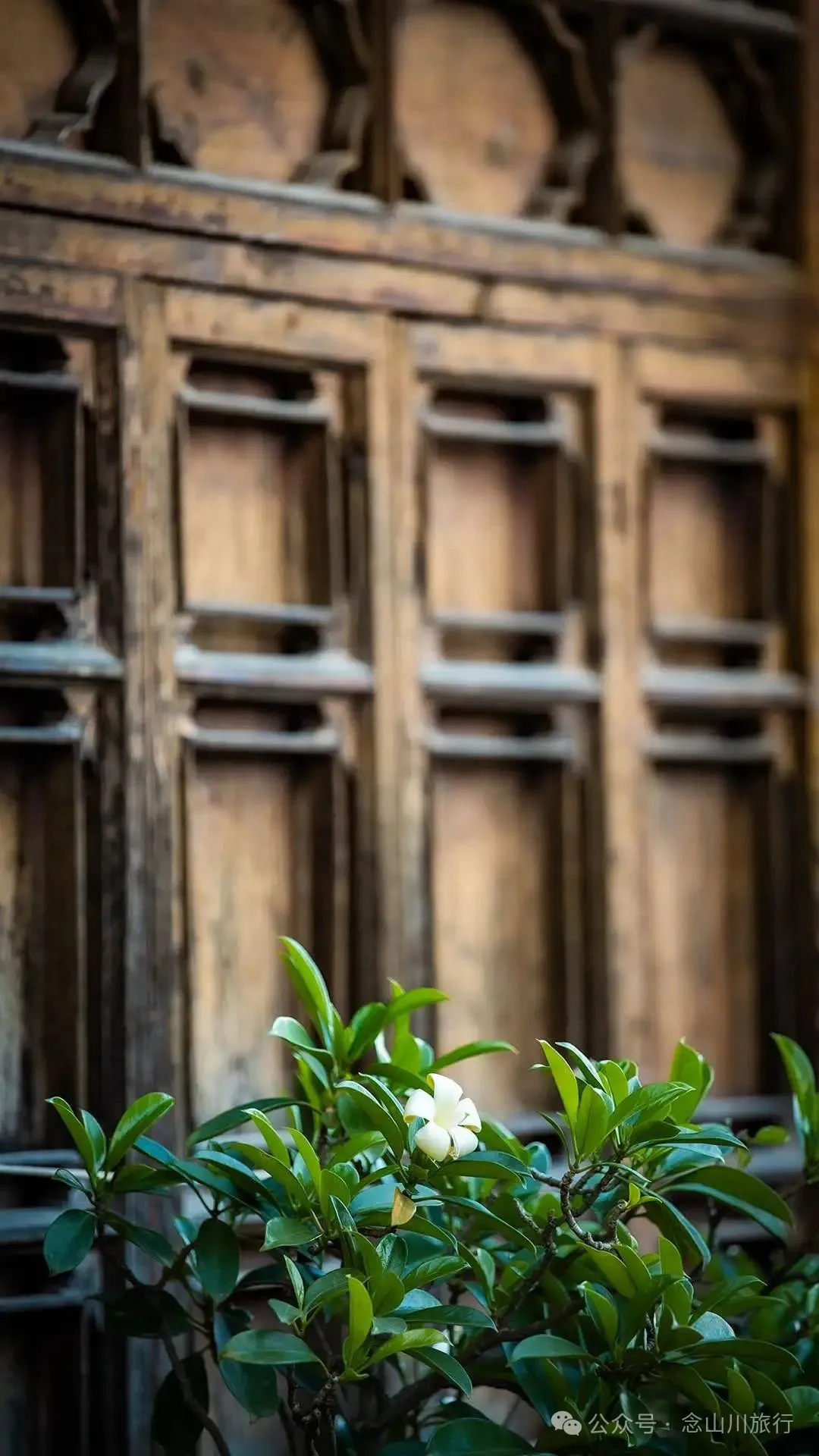
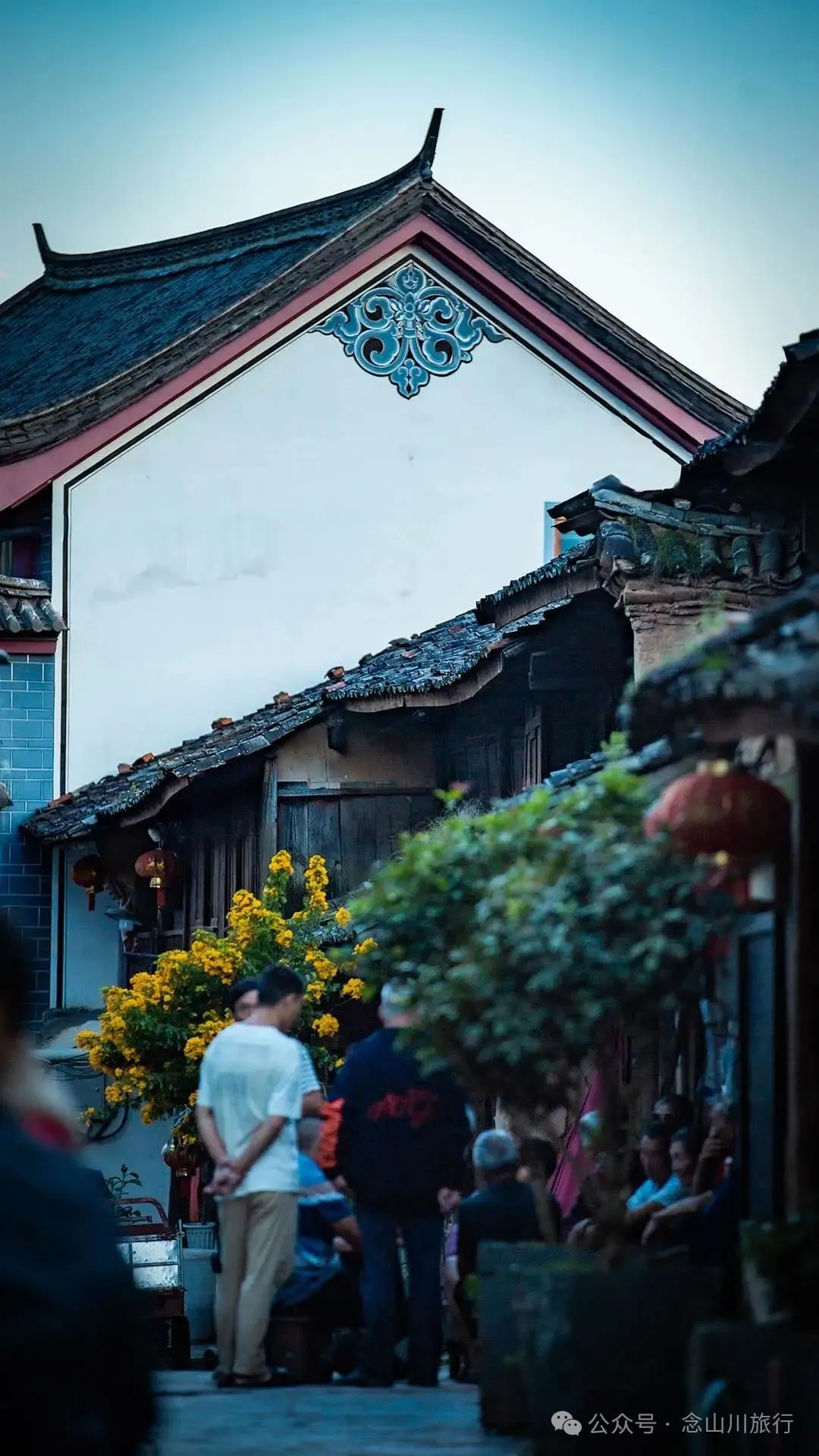
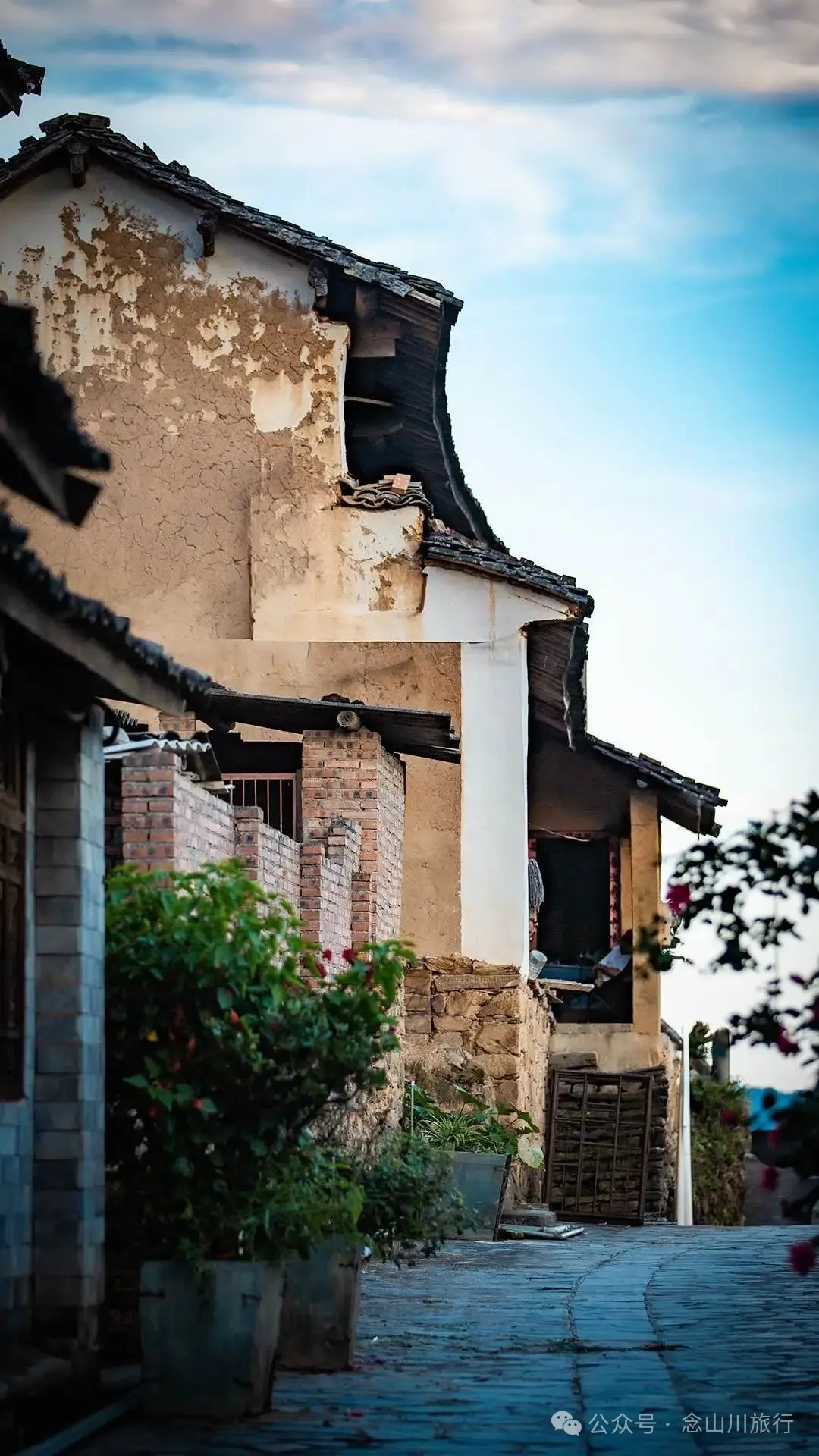
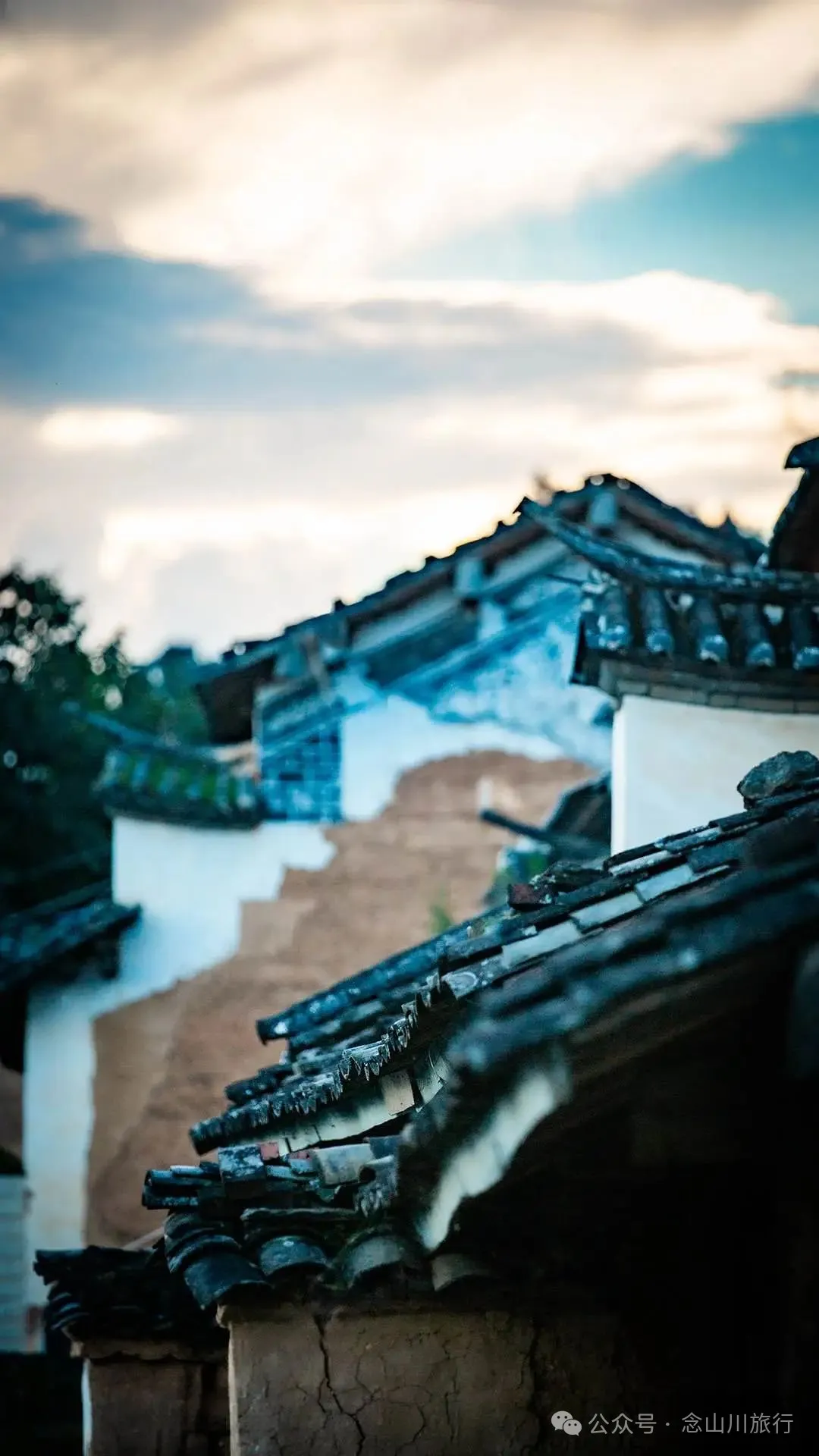
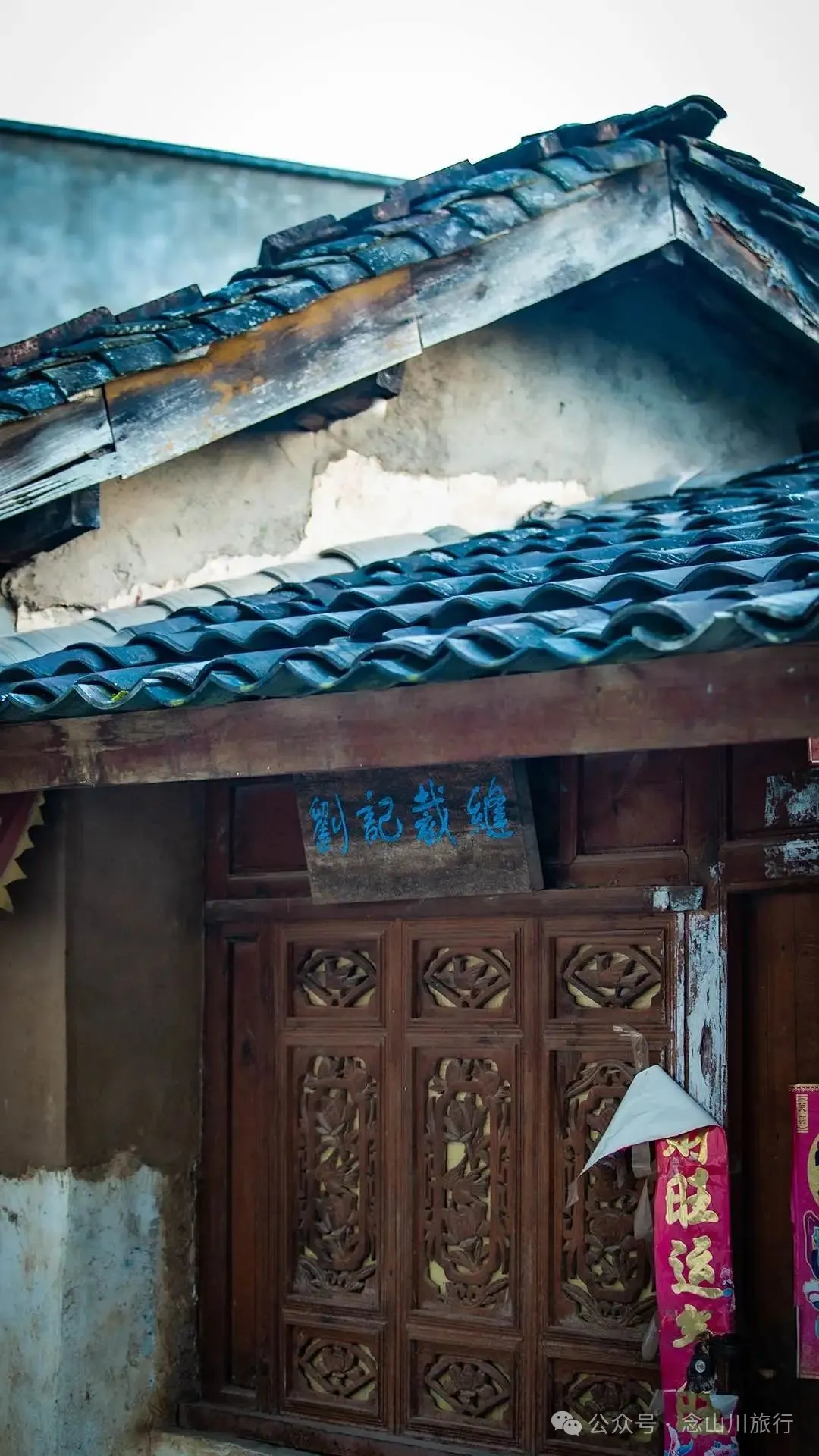
Walking on the ancient street of Hujie Village, many old wooden buildings have been replaced by hard, tall concrete brick houses, but some still resist the erosion of time, trembling and struggling. The remaining traces of the Tea Horse Road era can be found in these old wooden signs and the horse lanterns hanging outside wooden doors. But one day they will collapse and never reappear. That glorious period will eventually be covered in dust, exiting the historical stage without a trace, and future generations of the village will have to search for it in books.