
In the afternoon, light and pure white clouds were drifting over Aliwu Village. The sun was bright, flowing and scorching through the village. Cicadas hid in the lush shade, sucking sweet sap and enjoying the coolness. Such blistering heat was rare, so it was unusual to see cicadas idling in the shadows. Their annoying chirps echoed far and near in every corner of the village, incessant. Fortunately, the afternoon sun was so drowsy that even with cicadas buzzing close to their ears, villagers could treat it as a lullaby, leaning in the shade of their courtyards to take a nice nap.
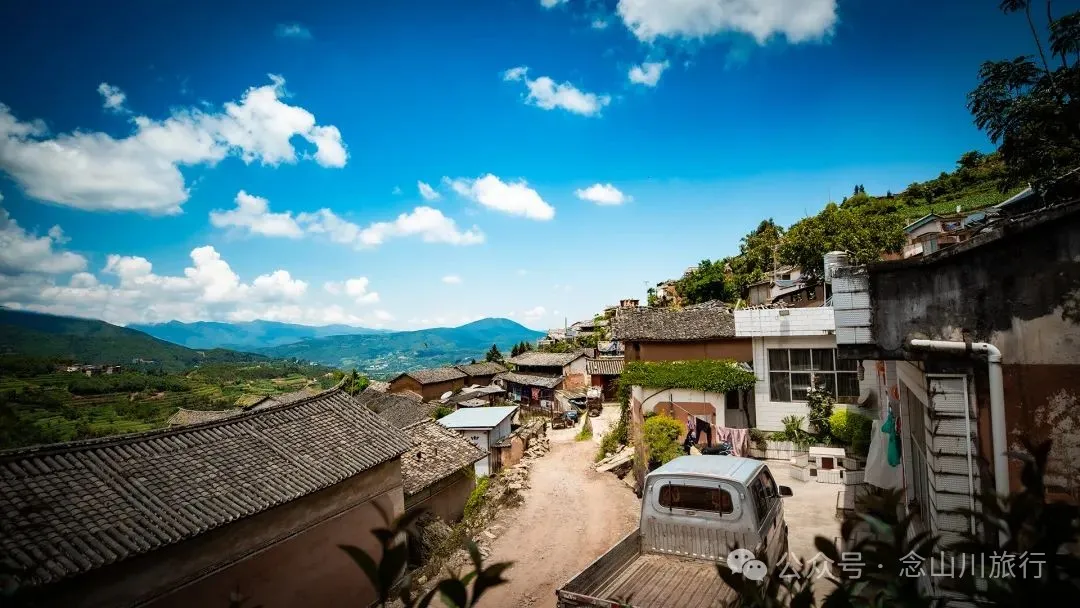
When we entered Aliwu Big Village, home to over 180 households, except for a few whispers near a large truck that had run off the road at the village entrance, everything was quiet. Even the mountain breeze dared not blow hard, only gently rustling a few leaves, skimming along the walls and through the narrow village paths. Everyone temporarily yielded this bright daylight to the rampant, intense afternoon glow, waiting until its arrogance waned before coming out.
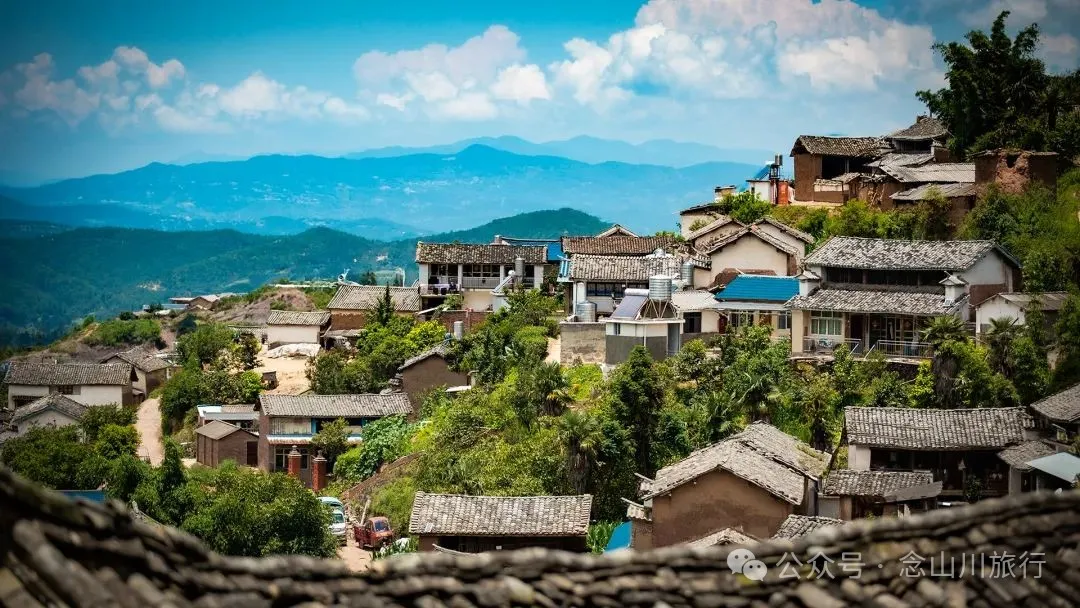
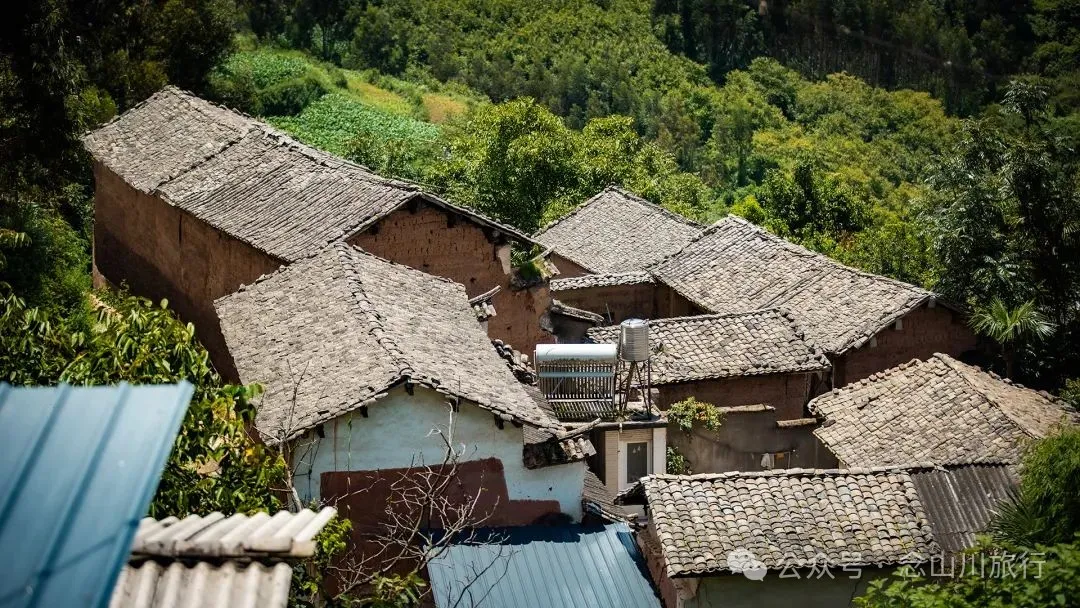
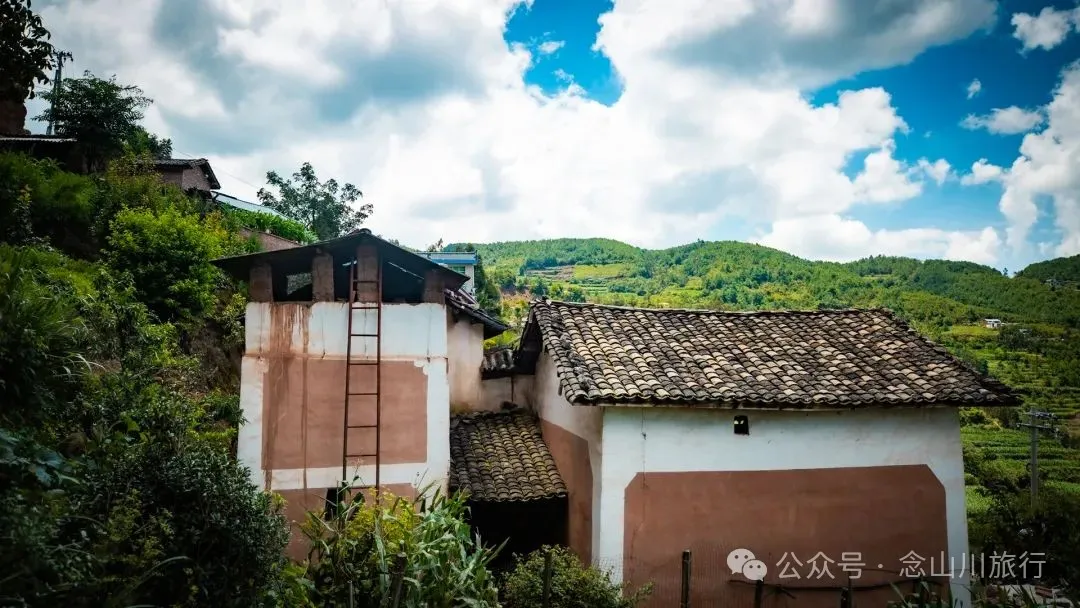
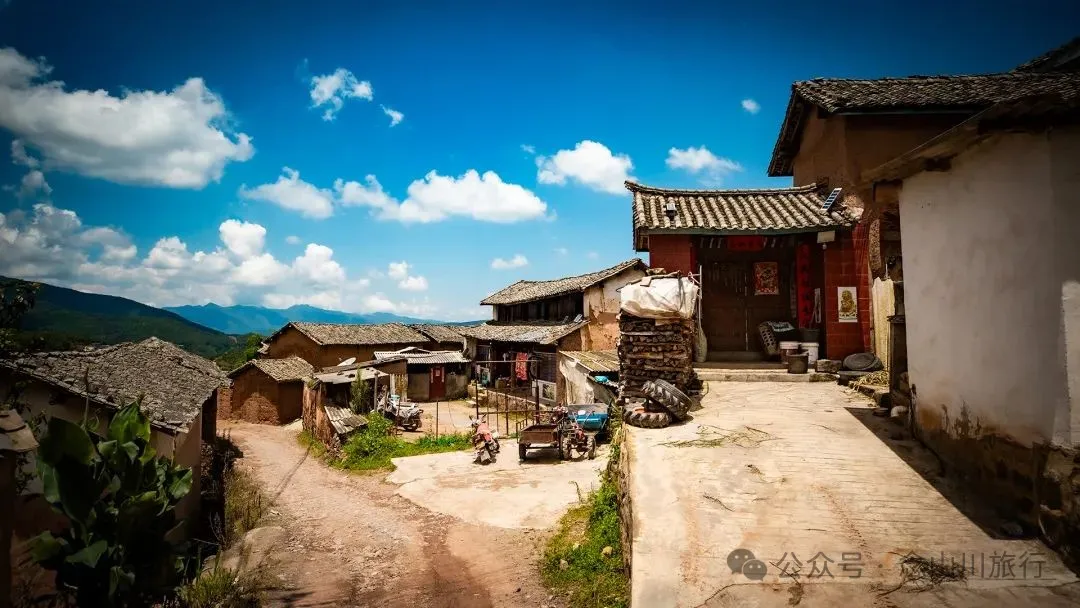
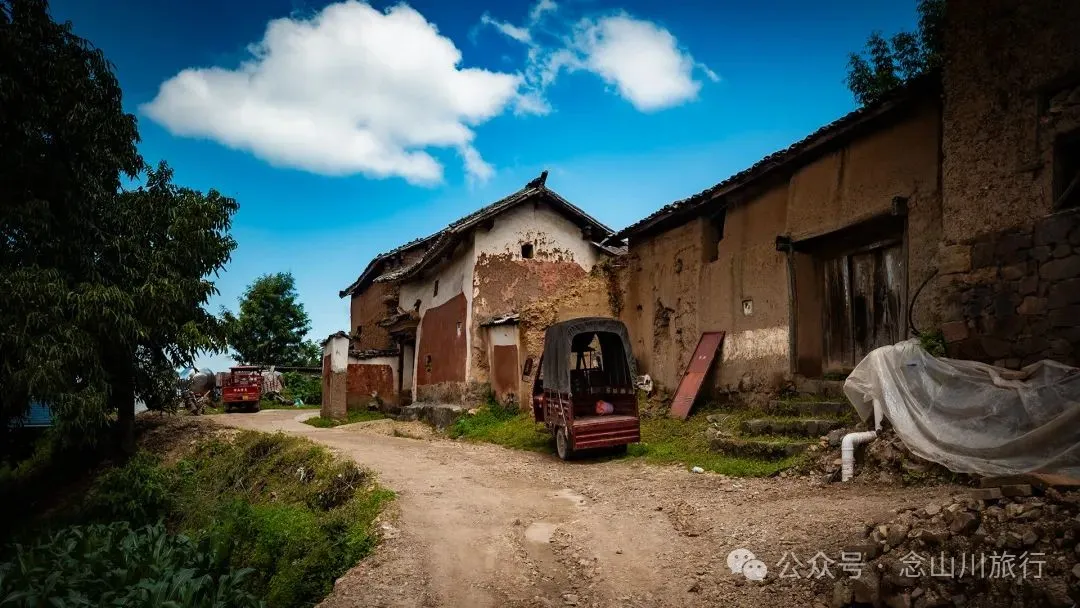
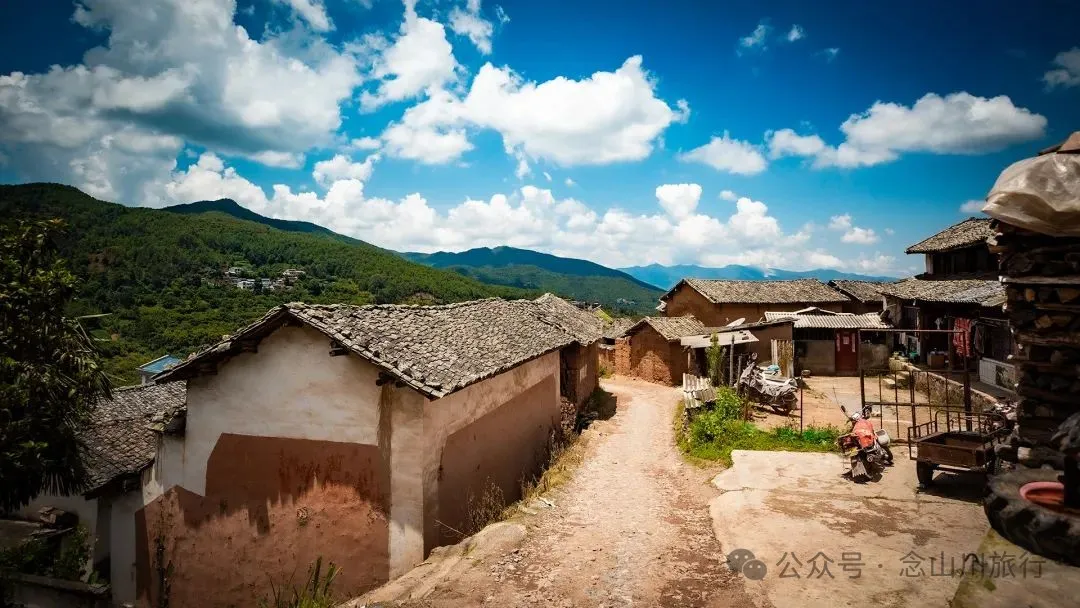
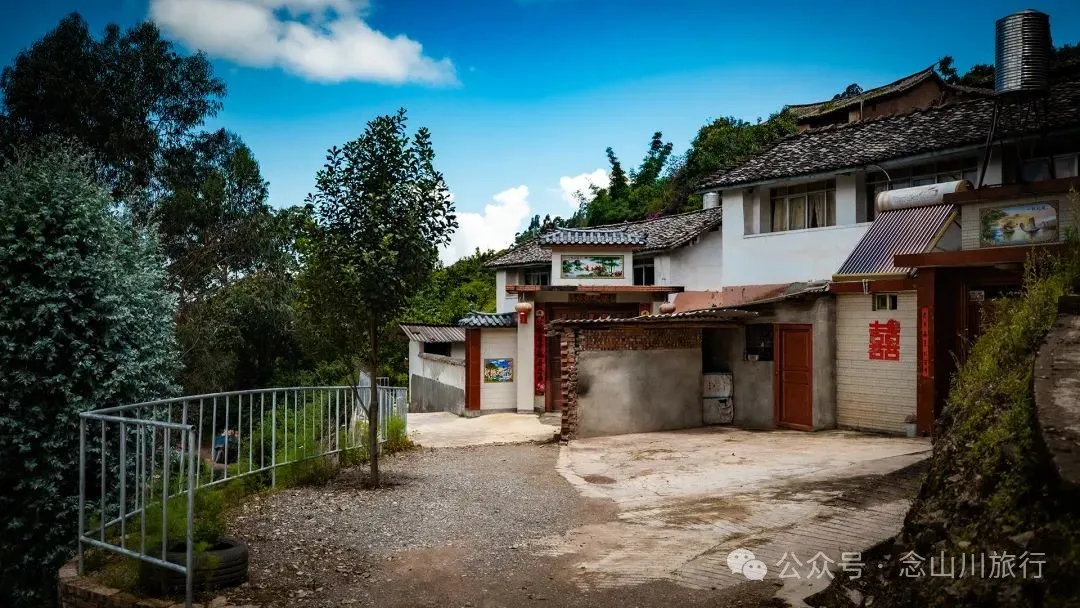
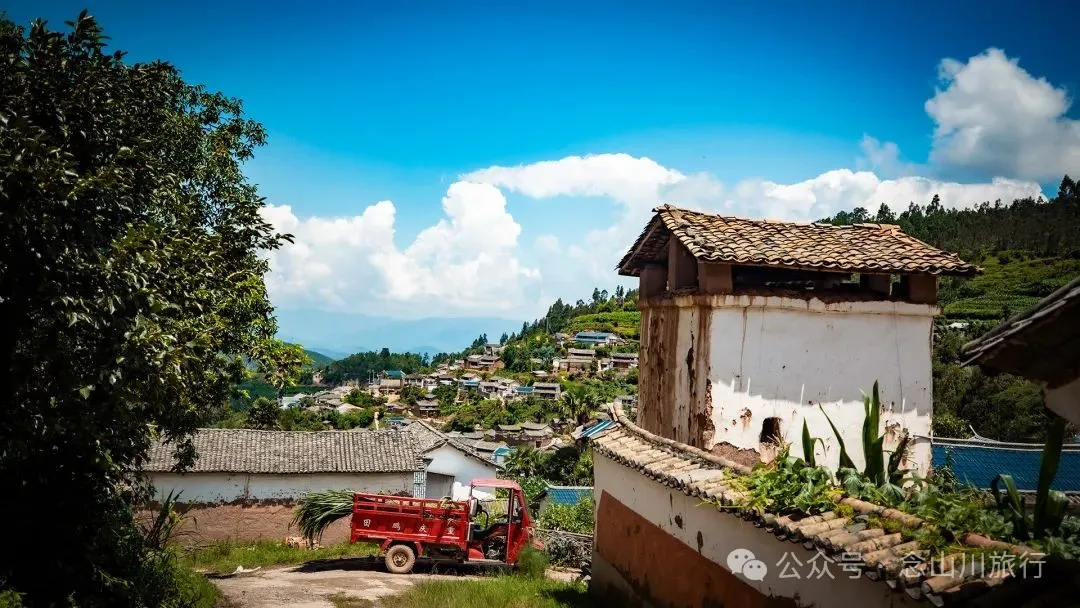
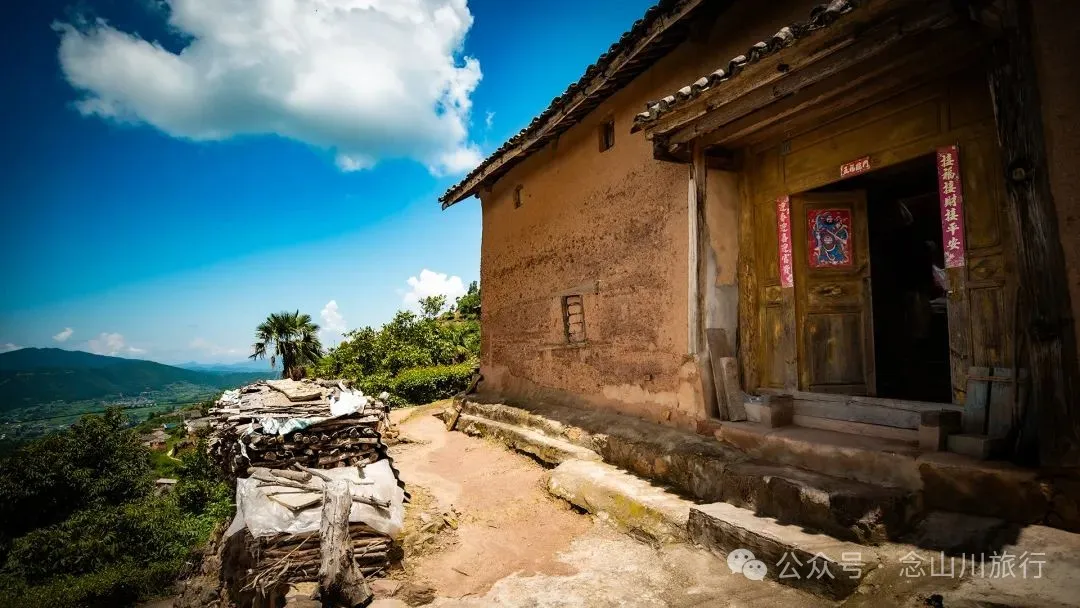
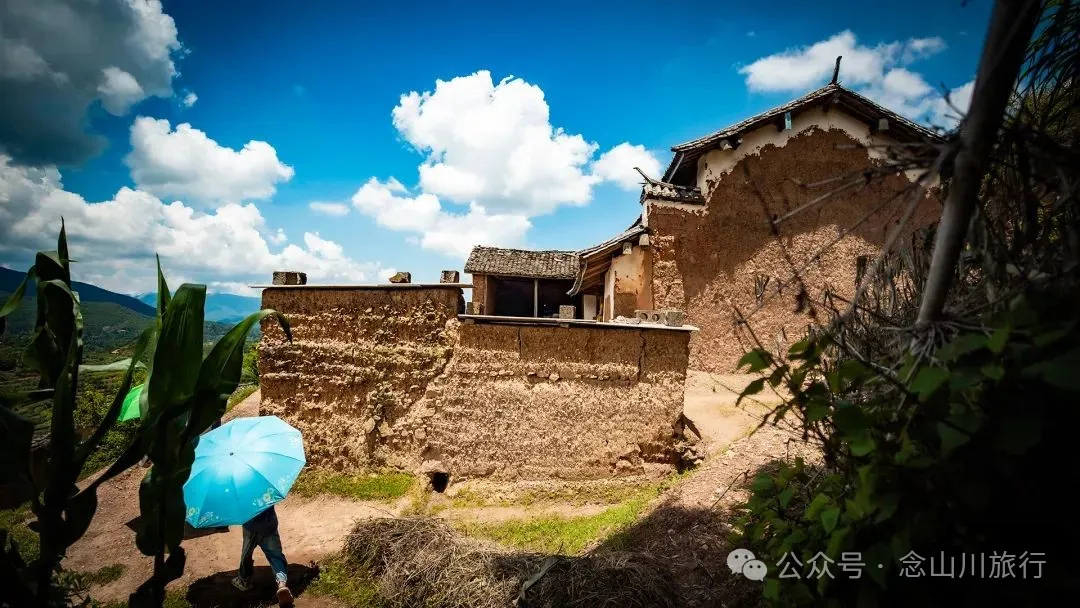
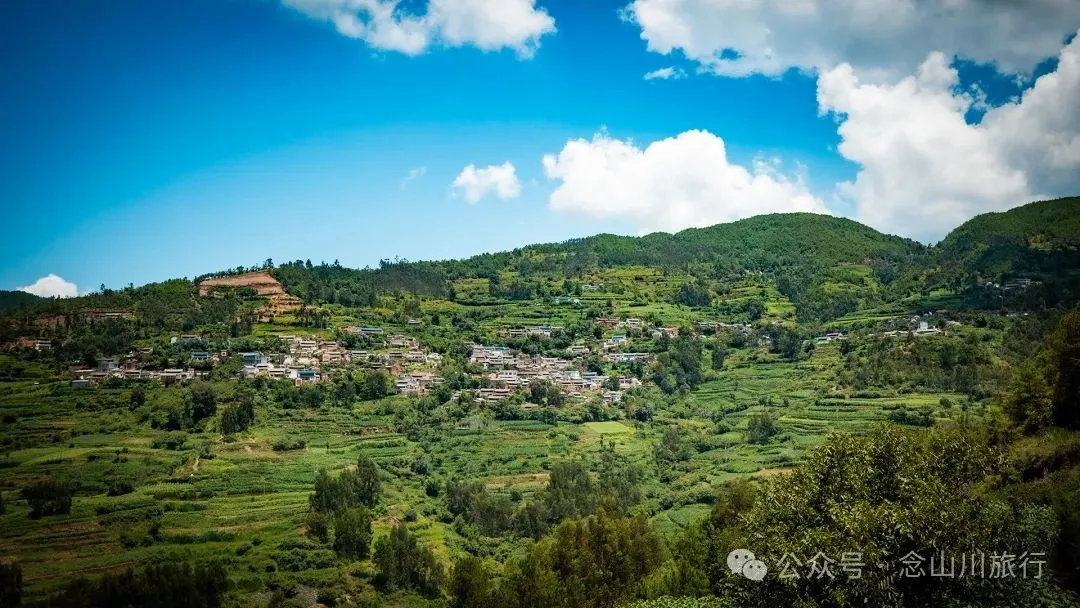
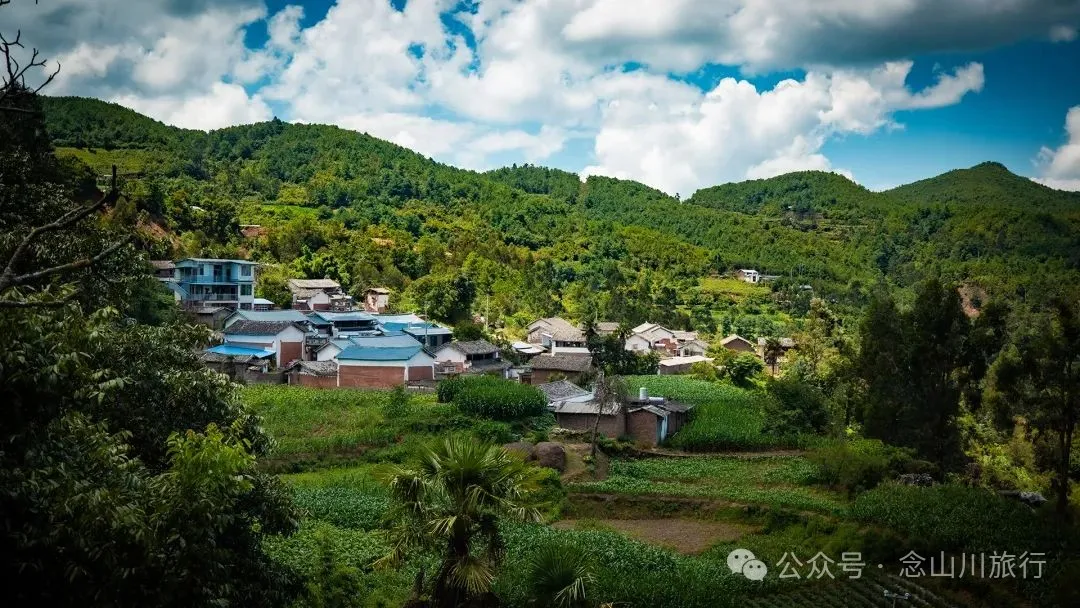
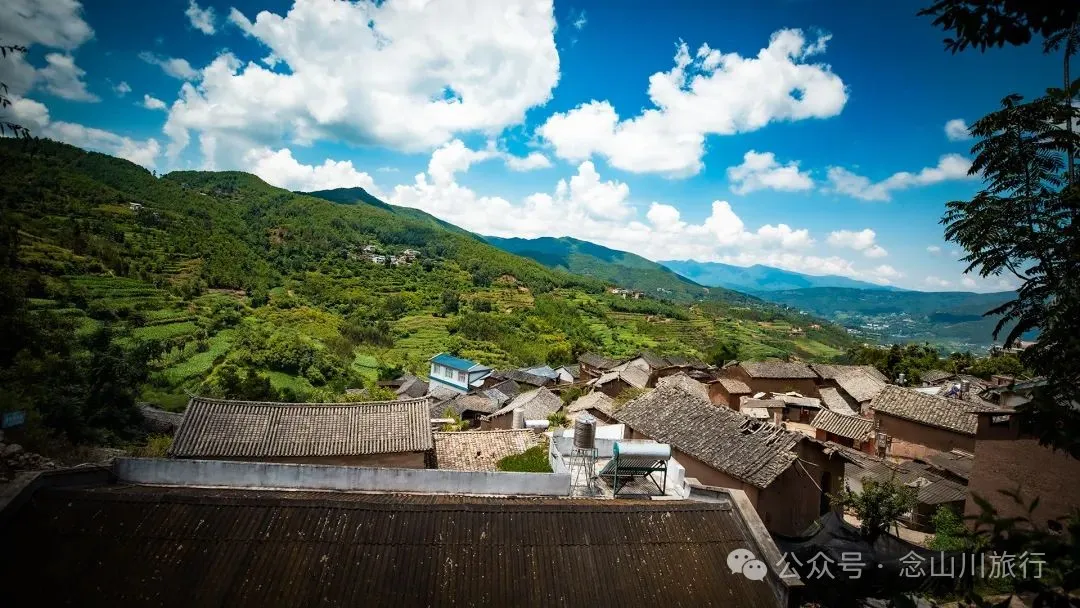
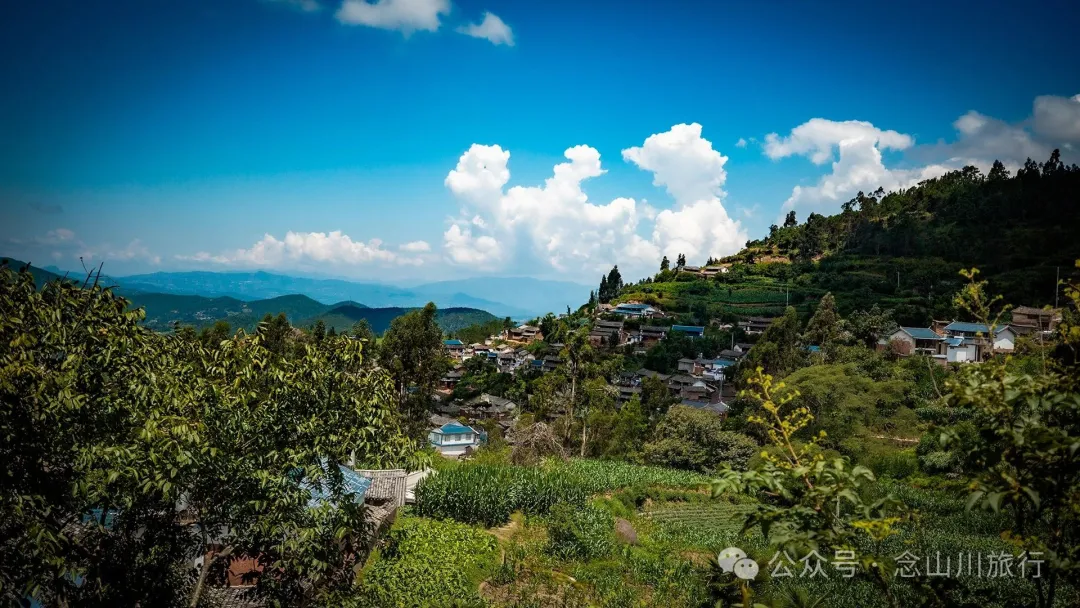
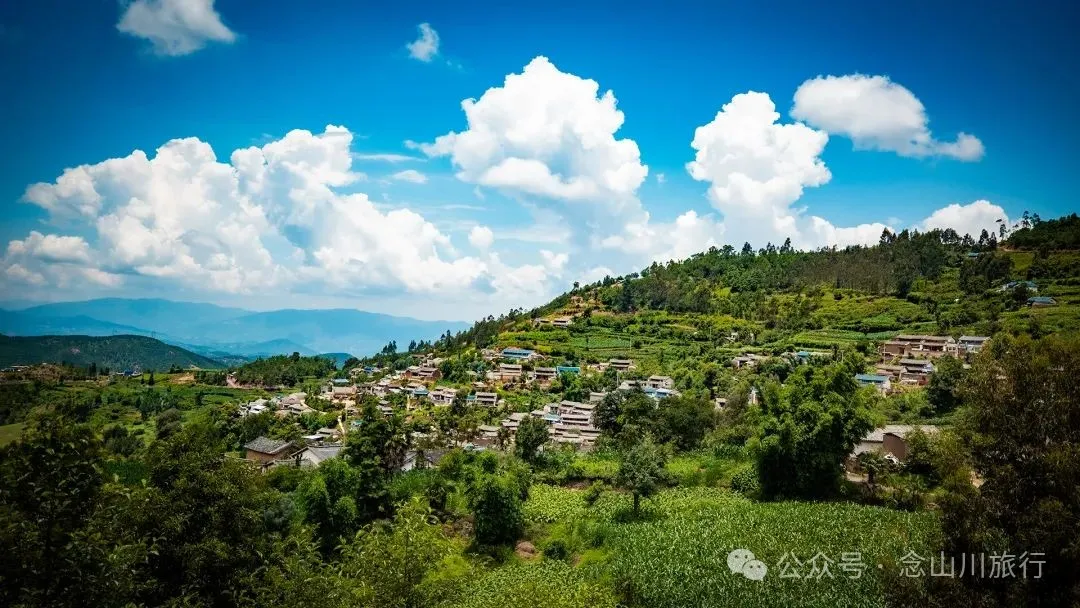
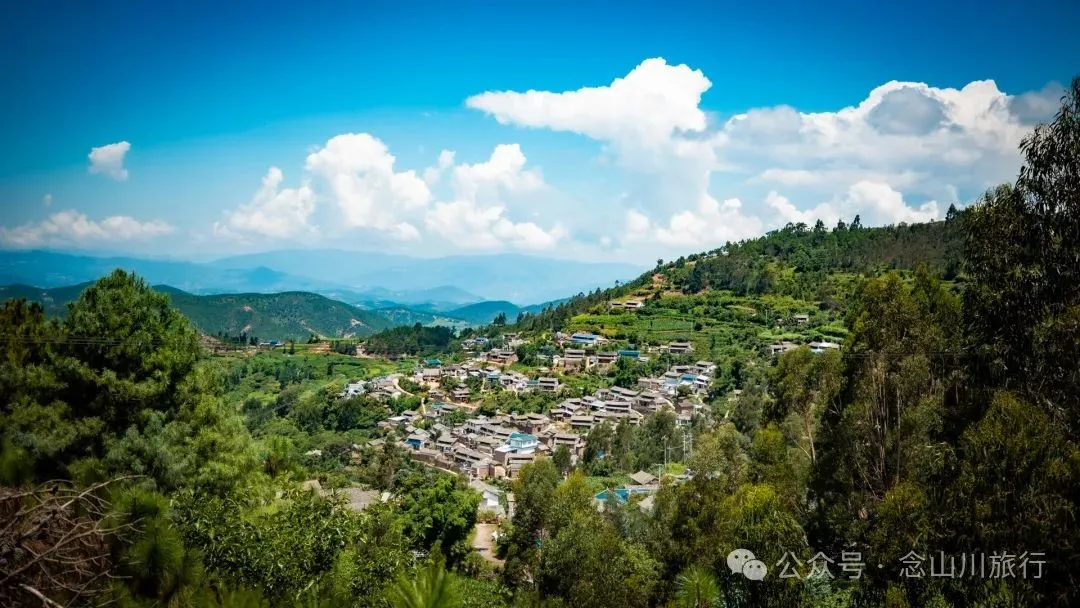
Thus, we saw Aliwu Big Village as quiet as deep night in broad daylight, and stepped into this stillness. Aliwu Big Village is located east of Baohua Town, Nanjian, Dali, less than 10 kilometers from Baohua Town. Nearby is Aliwu Small Village, probably named Aliwu Big Village because it has more households. There are also many old houses in the village. From the main road leading from Baohua Town to Wuliang Medicine Valley, we saw clusters of old houses in the distance and were drawn to them. Thick rammed-earth walls supported ridged tile roofs, standing straight on the slopes, houses tightly packed, leaving only narrow paths between them.
The older generation prefers earth-colored rammed-earth houses. The thick walls are pounded and compacted inch by inch by their hands. Rammed-earth houses are warm in winter and cool in summer, very comfortable. Most importantly, in these houses they can cook with firewood. A iron rack is placed in the fireplace, a pot for steaming rice, an iron wok for stir-frying, and a large aluminum pot for stewing soup. Smoke escapes through the large gaps between the walls and roof. They throw a few potatoes into the unburned embers, filling the air with fragrance—delicious even without any seasoning. A row of cured meat, prepared at the beginning of the year, hangs from the beam above the fireplace. After months of smoking, fat drips down drop by drop, tempting just to look at. Such cooking smoke is not suitable for new houses, as it would blacken them.
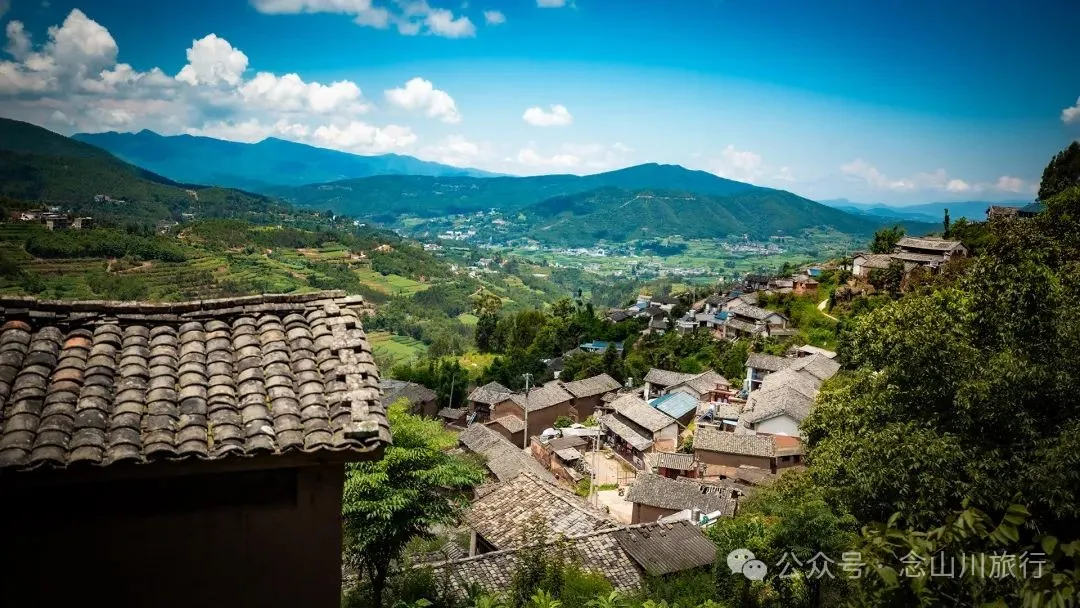
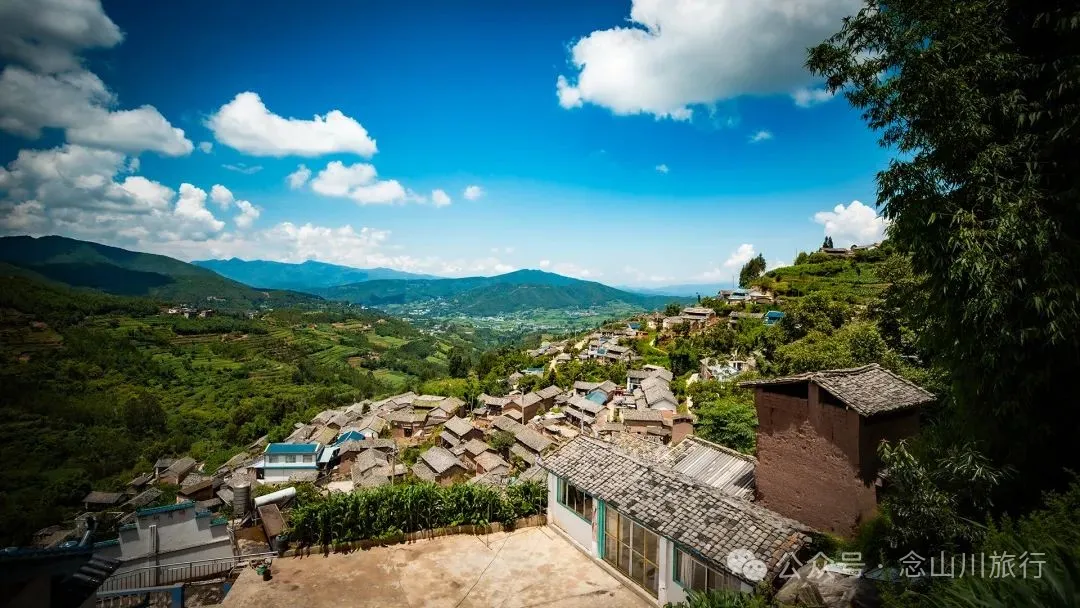
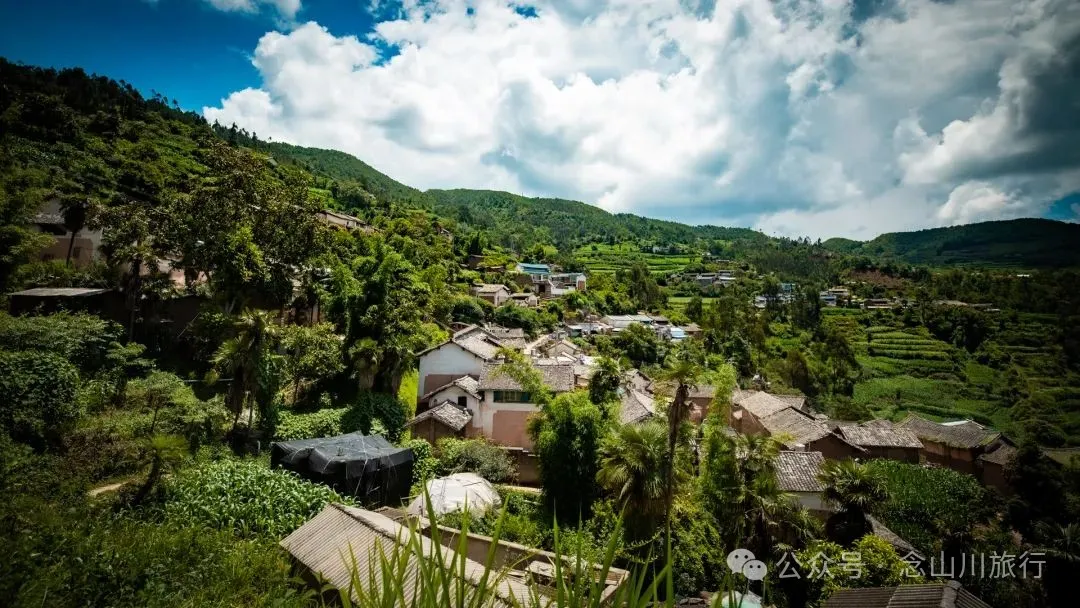
So, the older generation is not attached to old living conditions but to a way of life they prefer and find more comfortable. They are accustomed to facing flames and smoke, and find a simple sense of security and comfort in it, as if holding onto an unchanging, plain, and rough life. As for the young, though they admit how they miss the taste of potato rice cooked in a pot, other things matter more, forcing them to learn to let go. They not only abandon old houses; some even have to, or are willing to, leave the village to make a living in bustling places, embracing an urban life completely different from village life.
Thus, there are always people sitting on the doorstep, gazing at the nearby fields, at Baohua Town on the flatland not far away, and at the layered, undulating mountains in the distance. On the other side of those mountains that block their view, can they see the young people who left the village, sweating as they strive toward the beautiful life they seek?
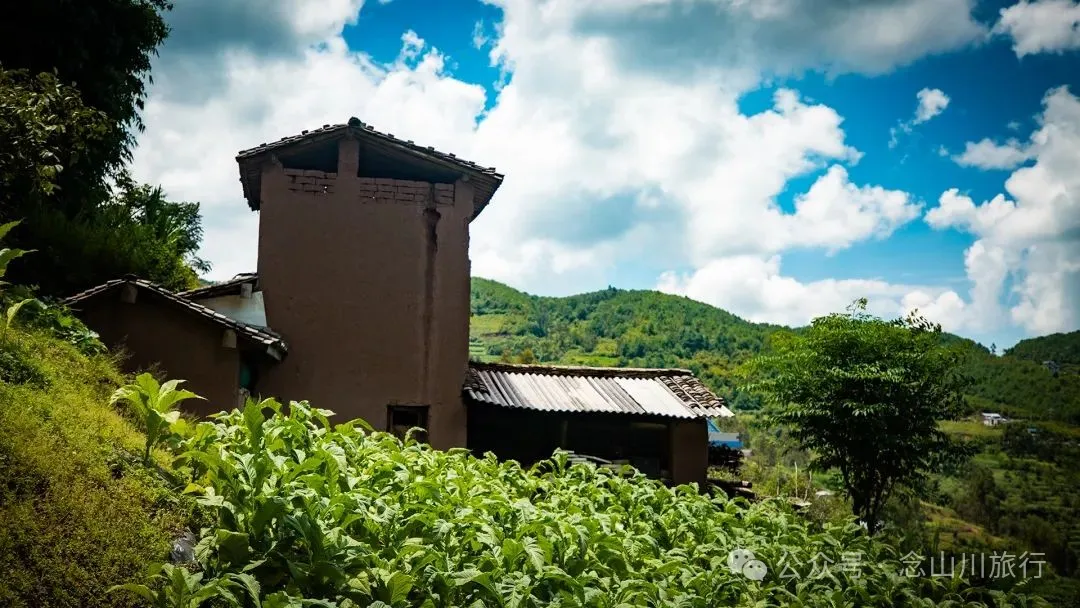
In Aliwu Big Village, there is a tobacco curing barn. On the vacant land next to it, tobacco leaves grow well, shimmering white under the bright strong light. This is probably the household with the shortest distance between tobacco leaves and the curing barn; the harvested leaves can be taken into the barn in just a few steps.
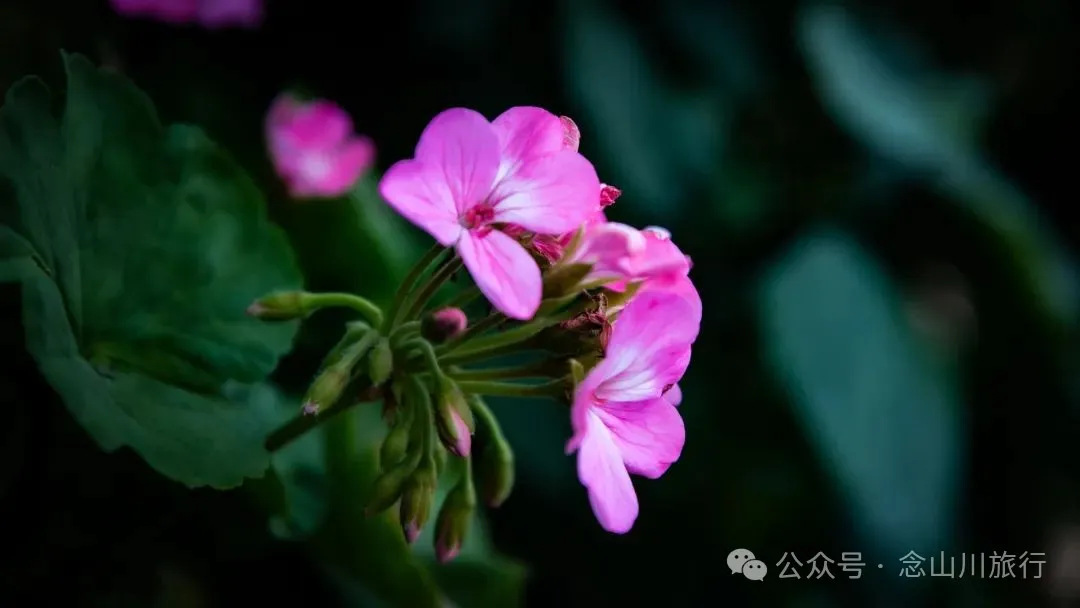
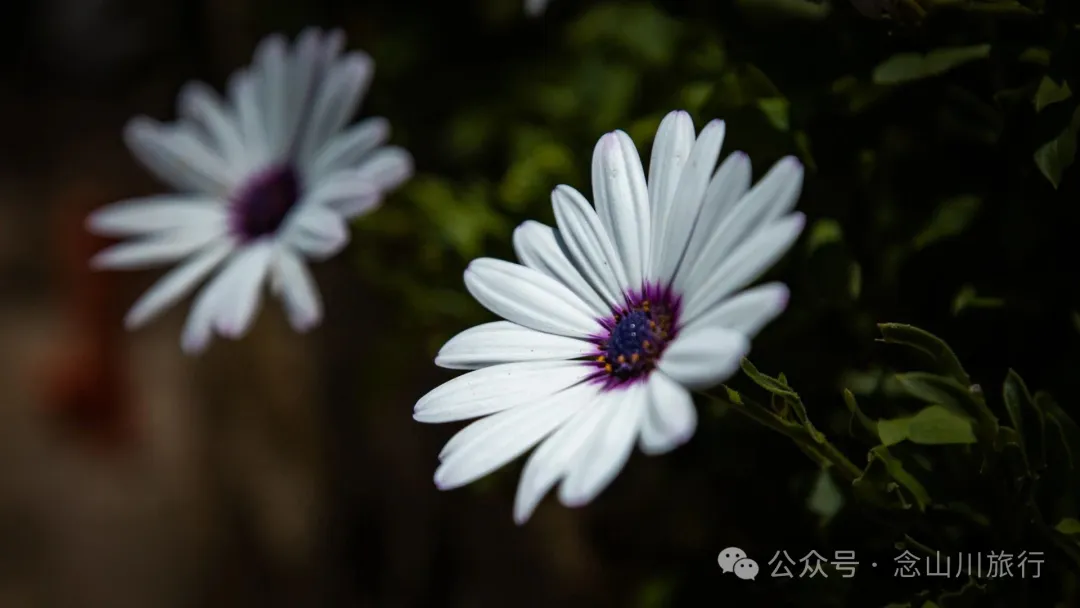
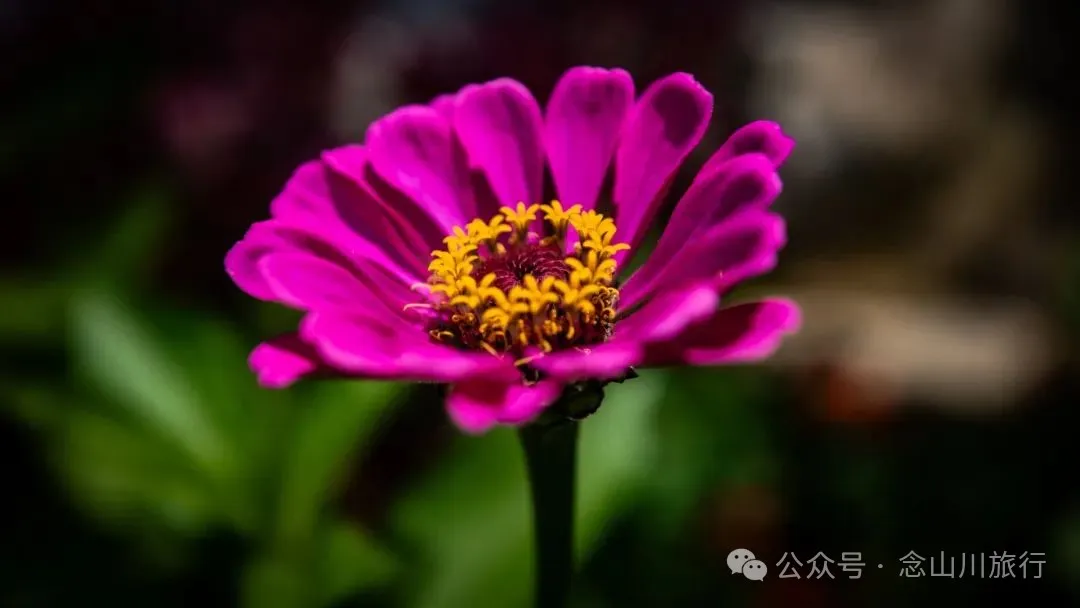
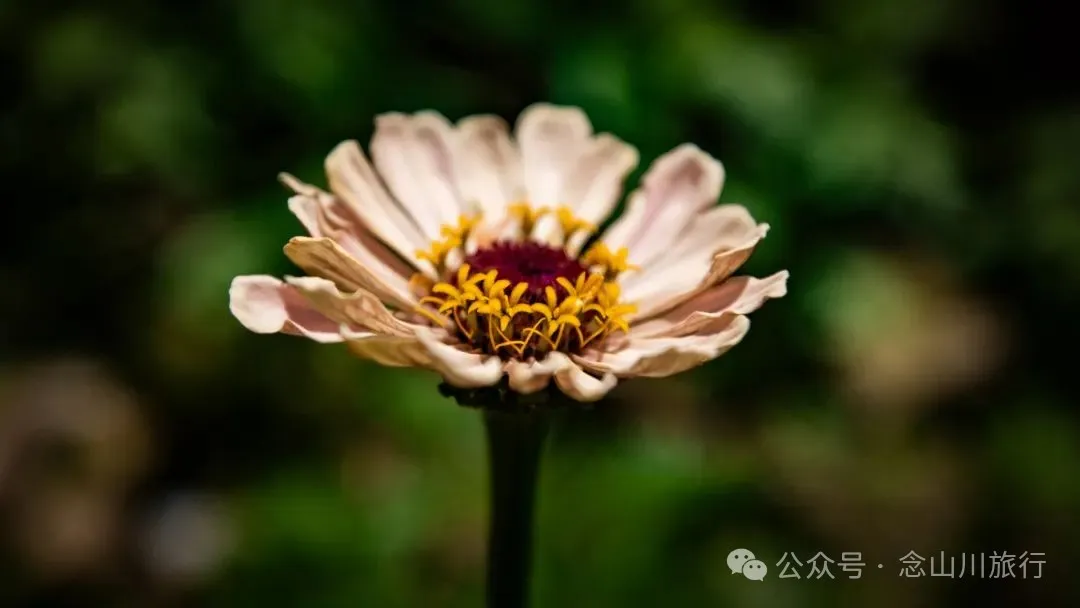
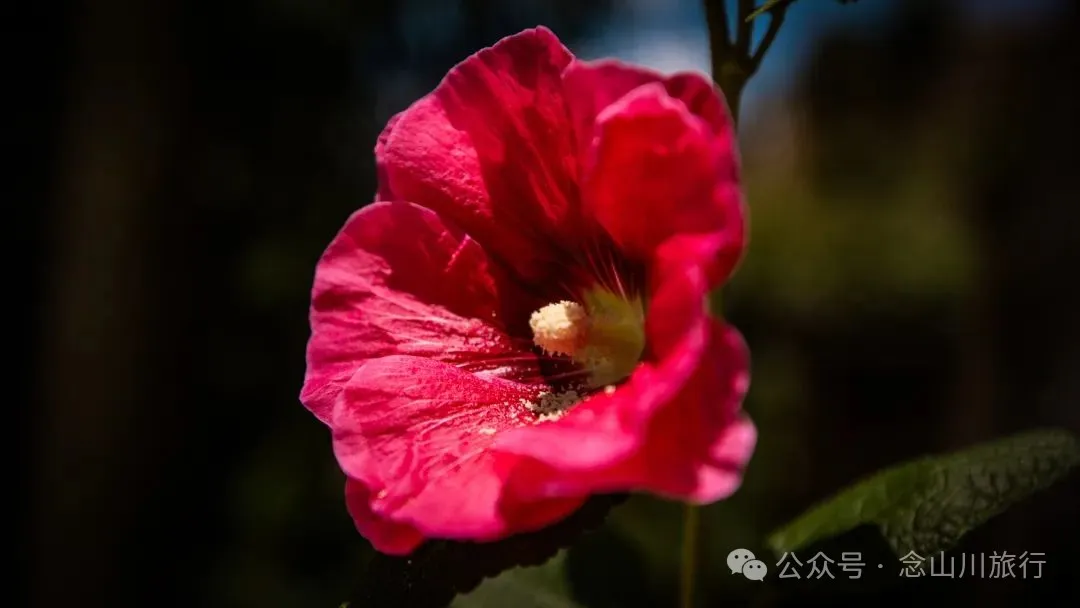
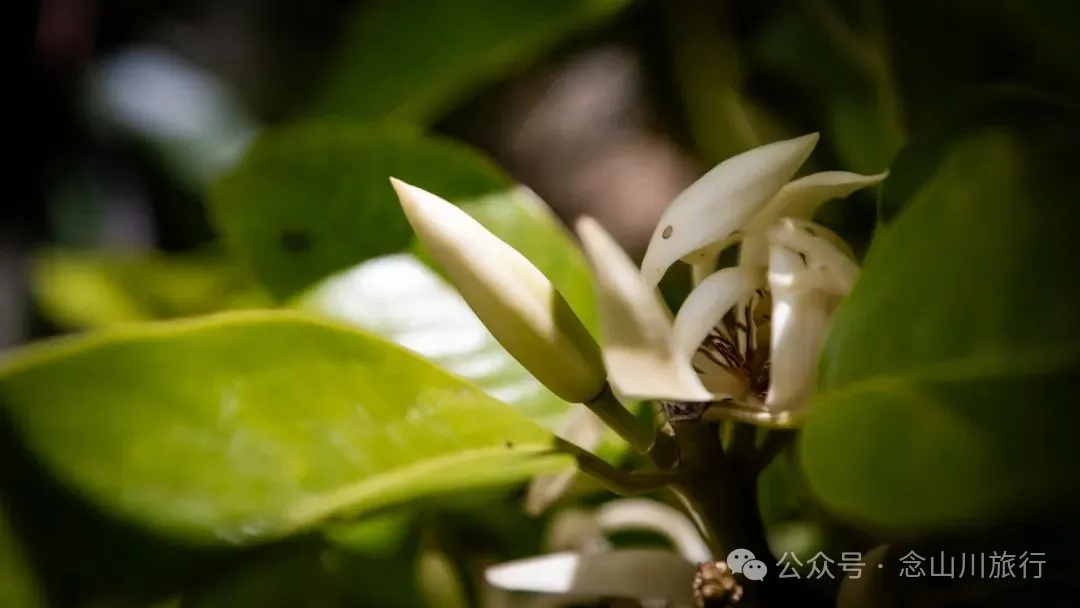
The flowers in the village bloom happily by the roadside or in corners of courtyards. Their owners hide in the shade, still napping in the afternoon, but the flowers find the sunlight not strong enough, stretching their bodies to absorb more light.
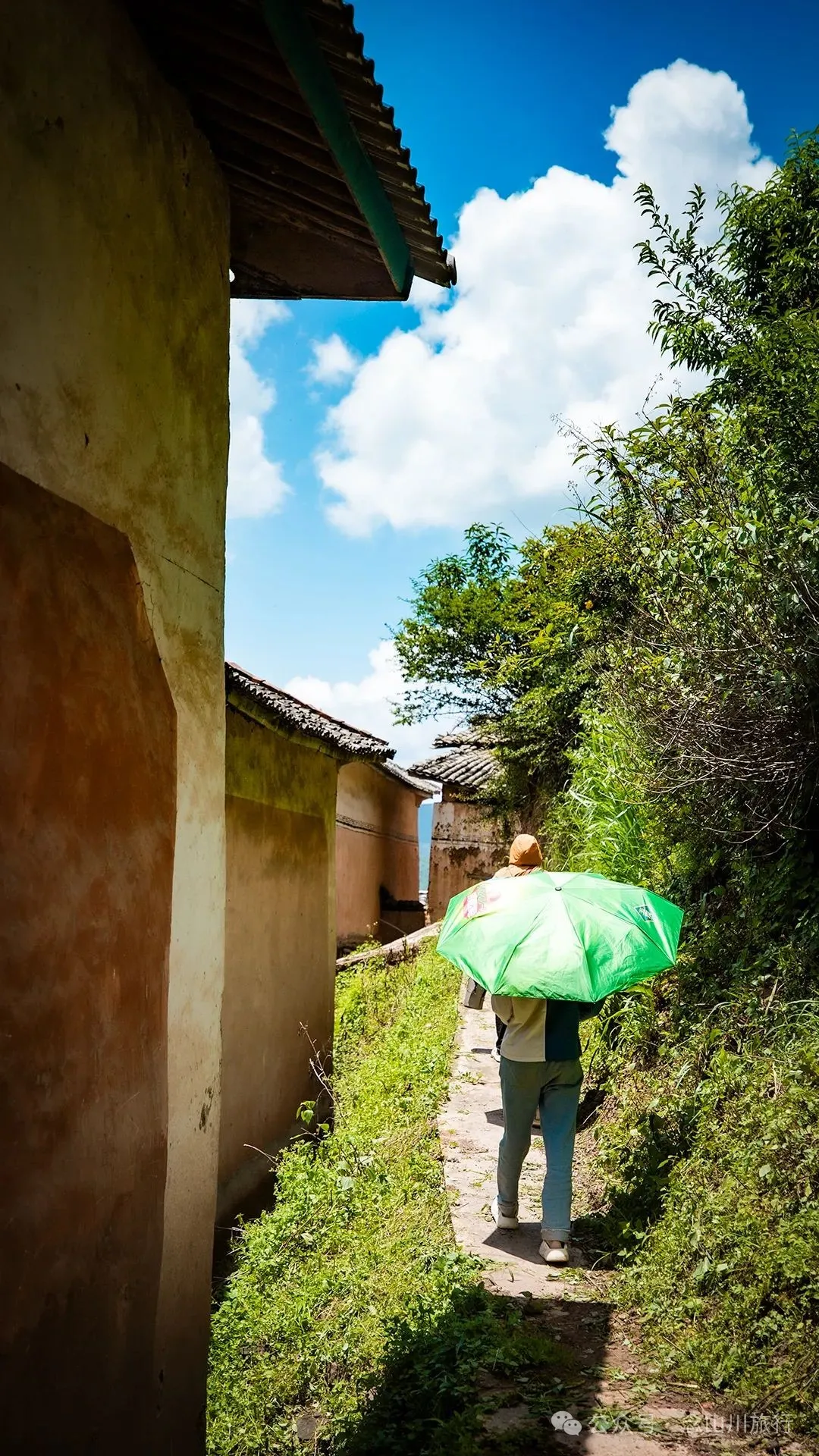
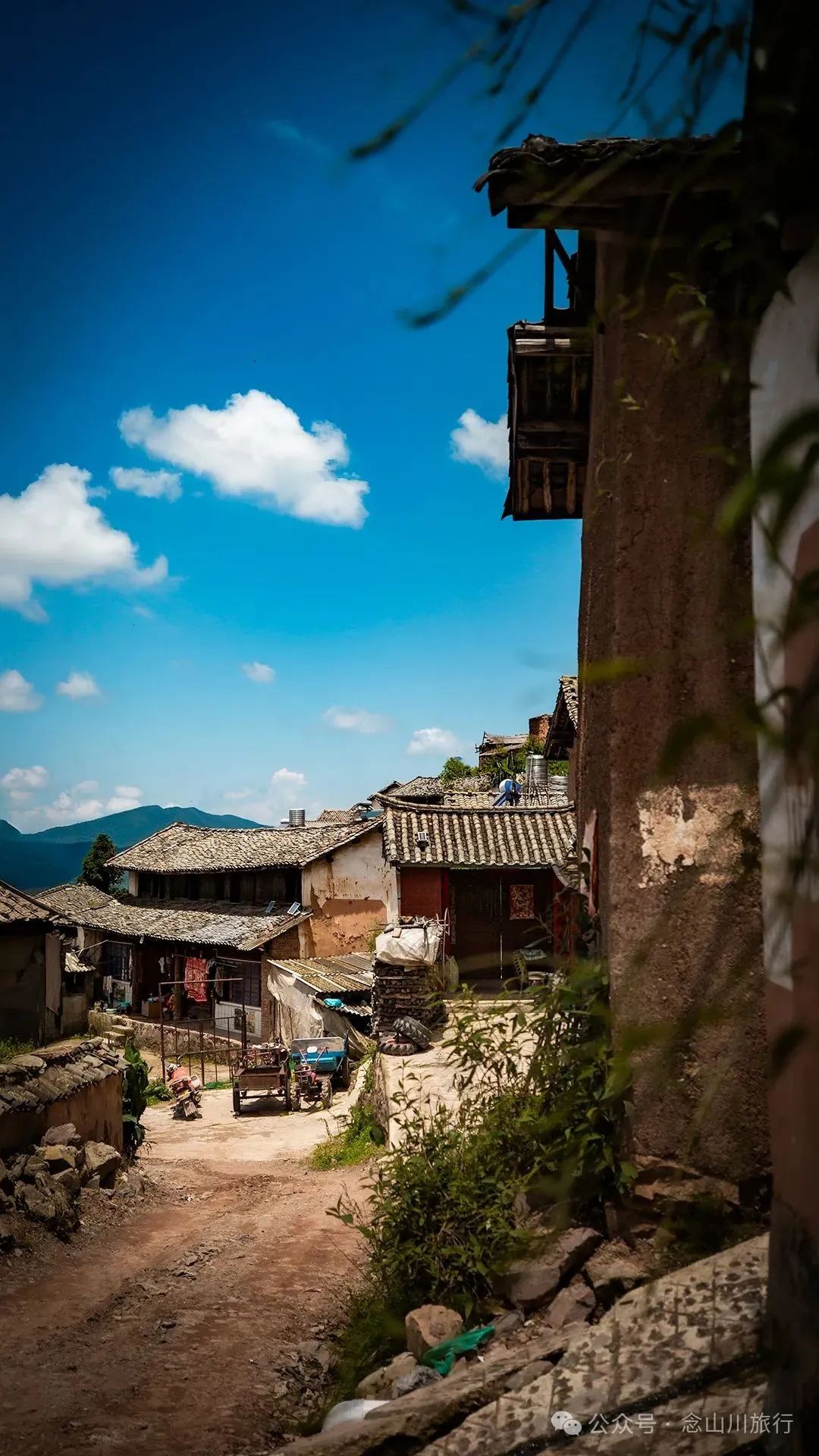
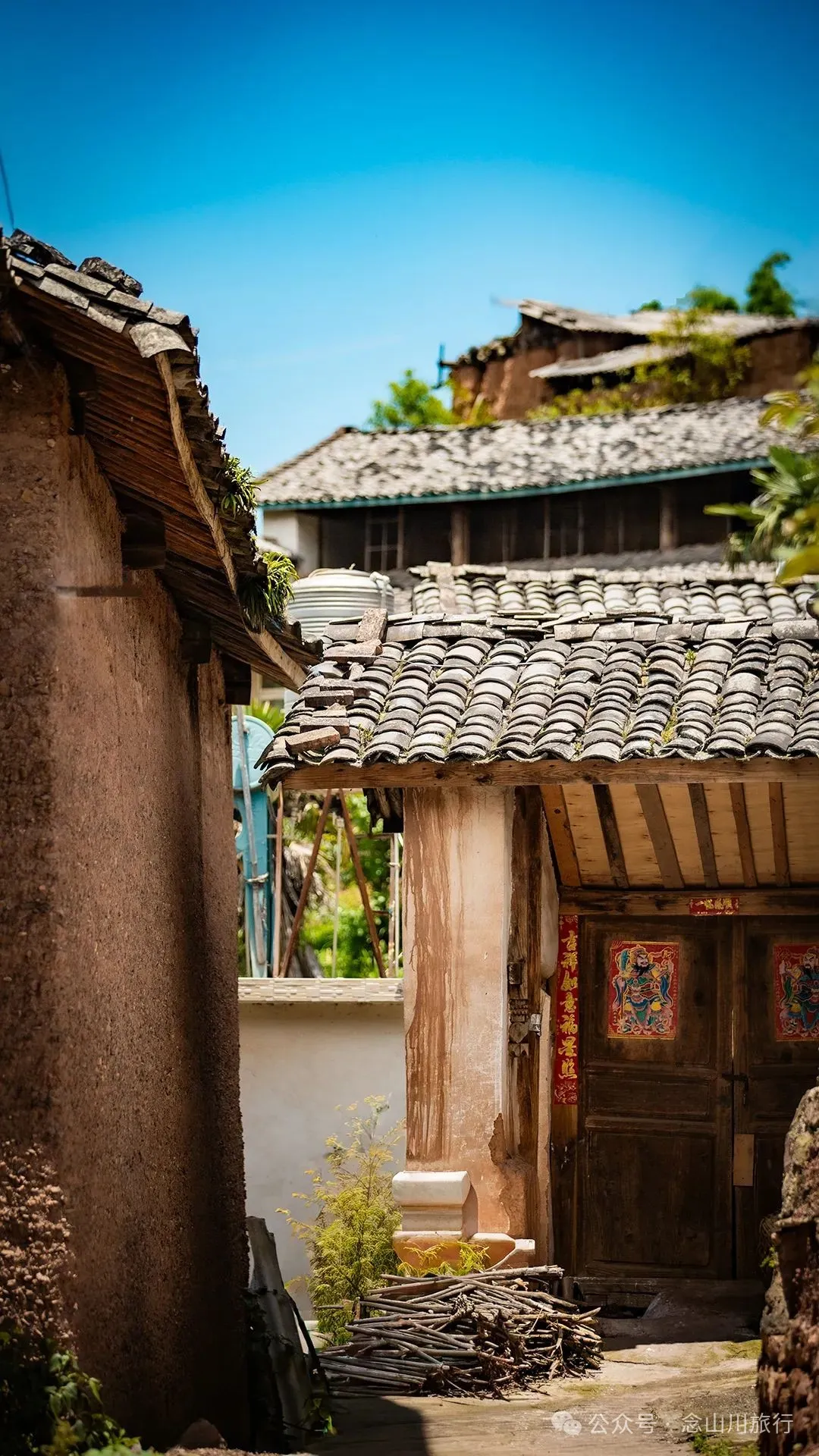
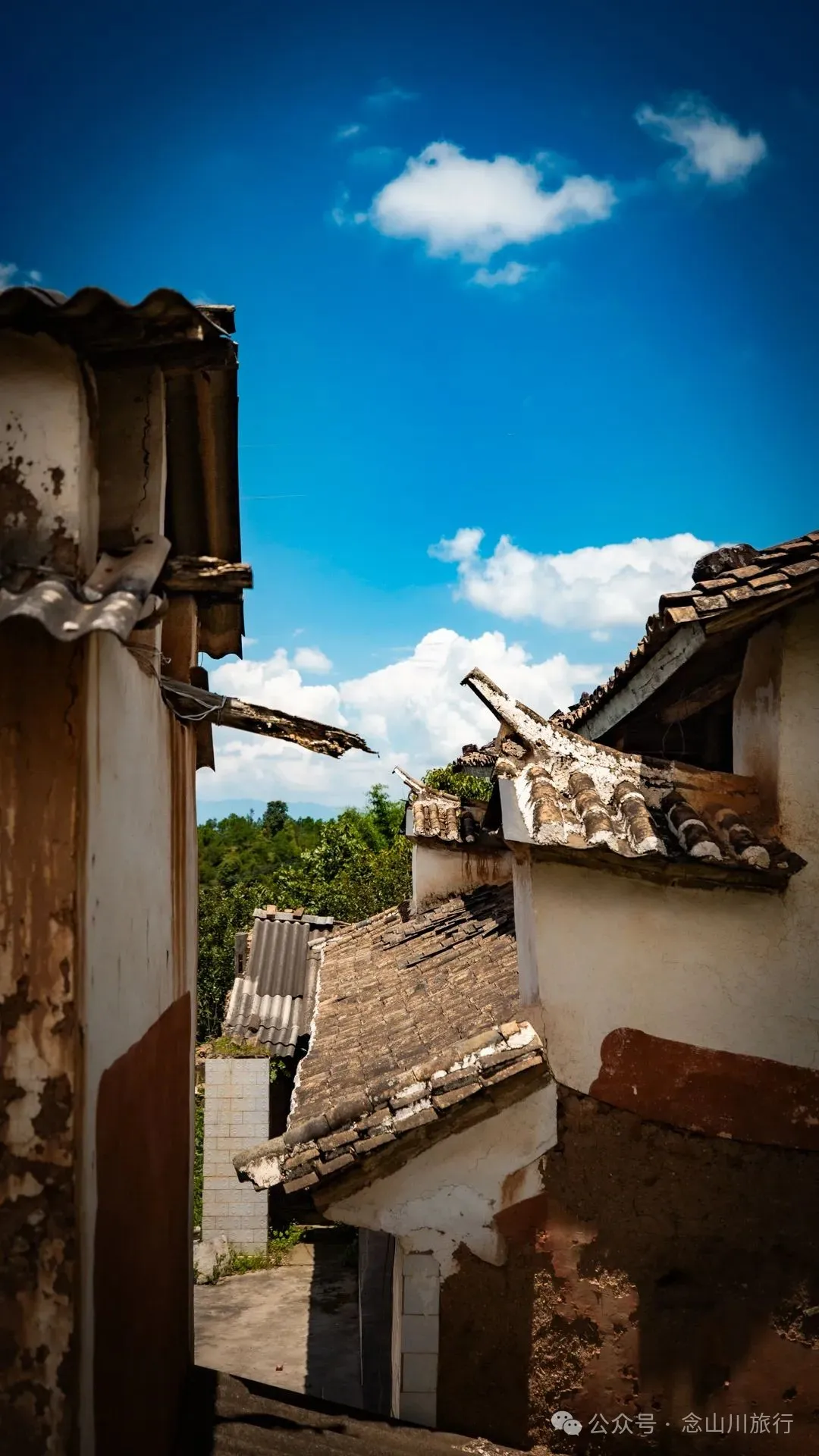
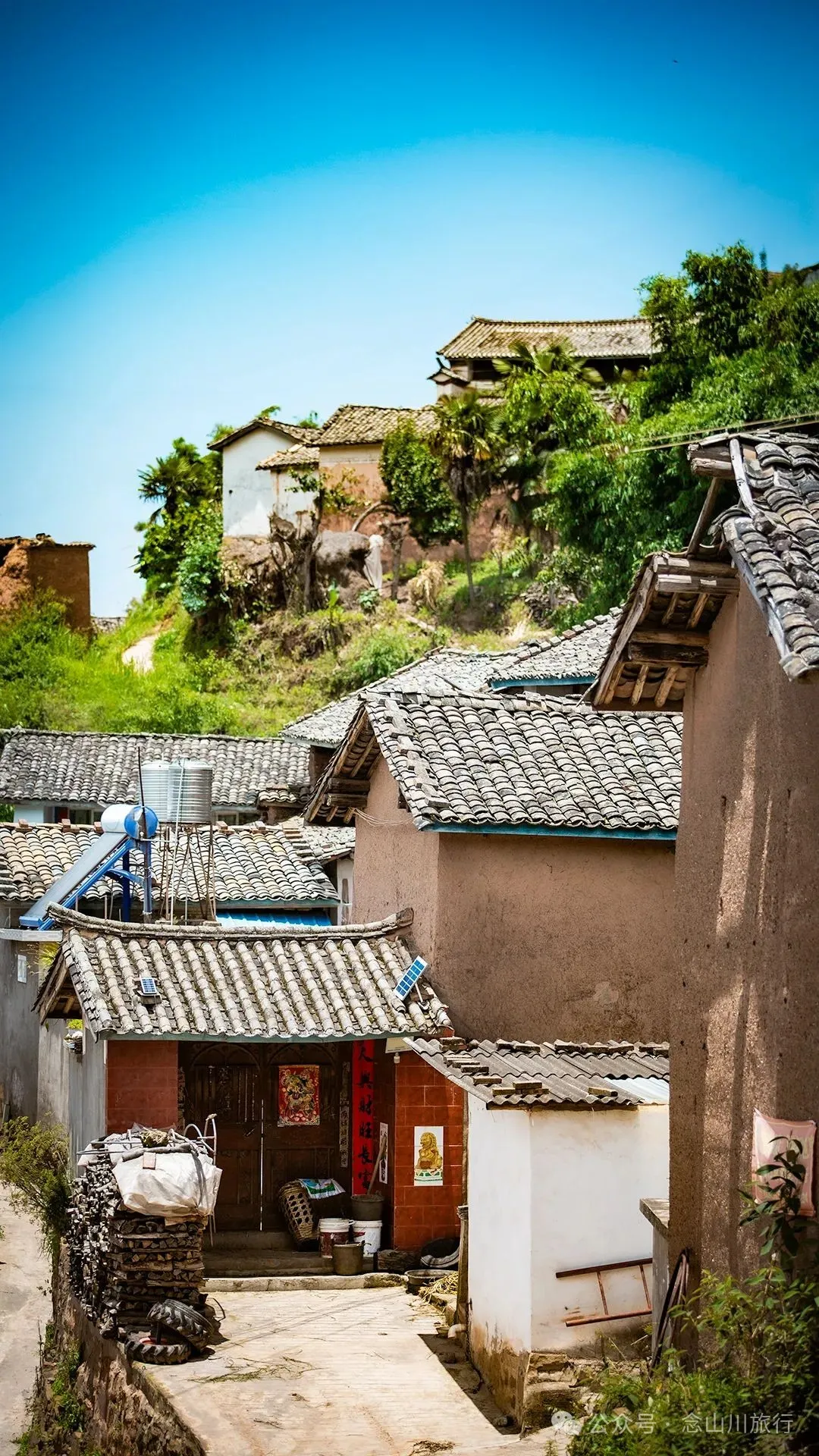
Walking past the tightly closed gates of houses in Aliwu Big Village, the door gods on the wooden doors hold broadswords and long swords, majestic and solemn, guarding the silent village.
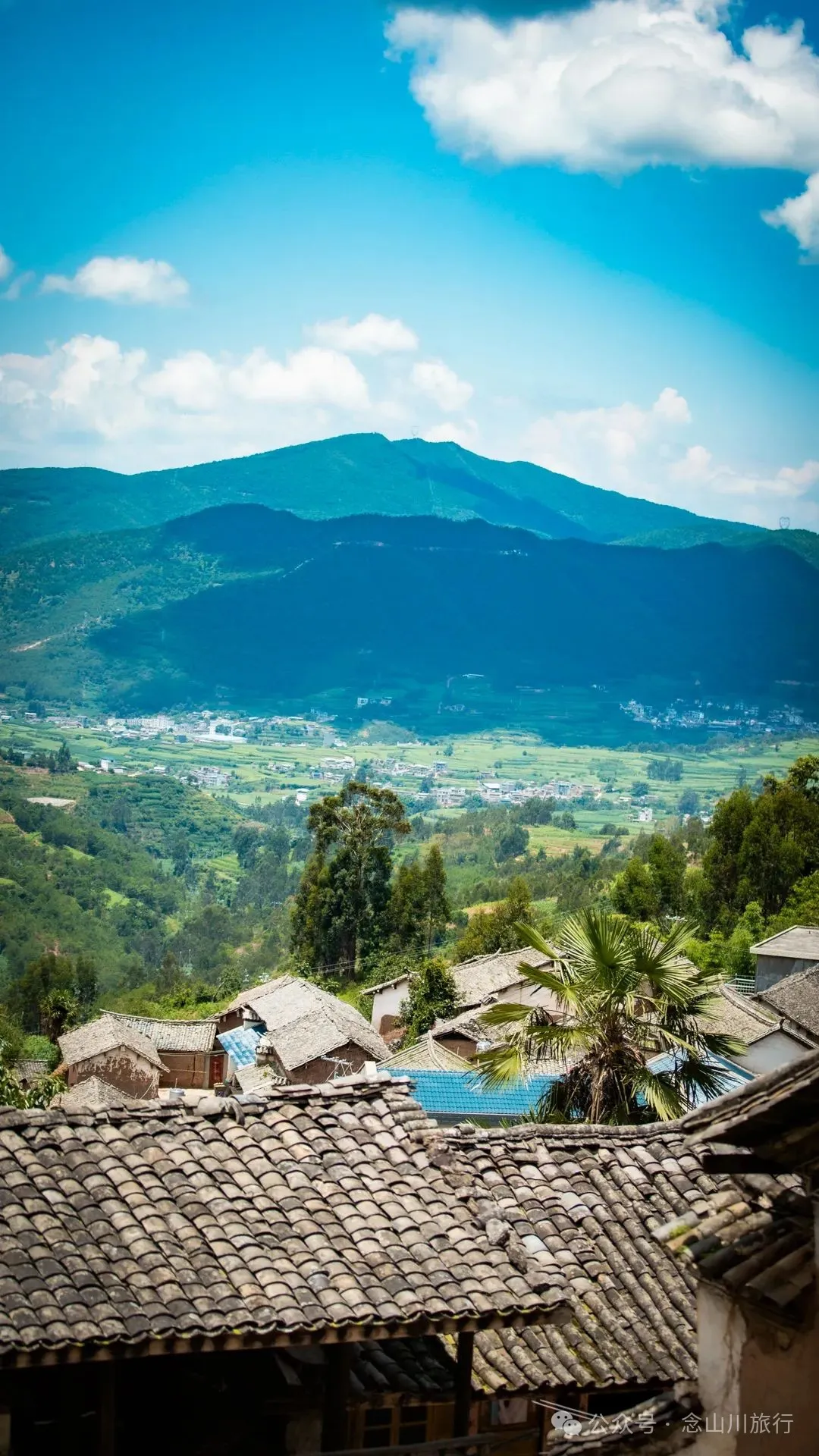
Soon, people will emerge from the stillness, heading to the fields and mountains, and the village will become lively again.