
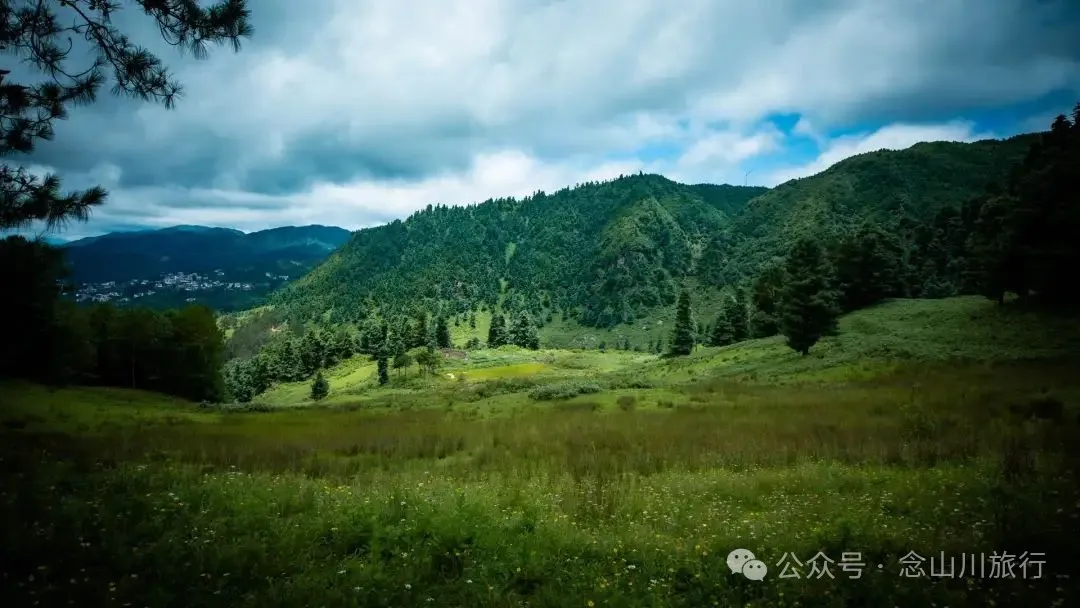
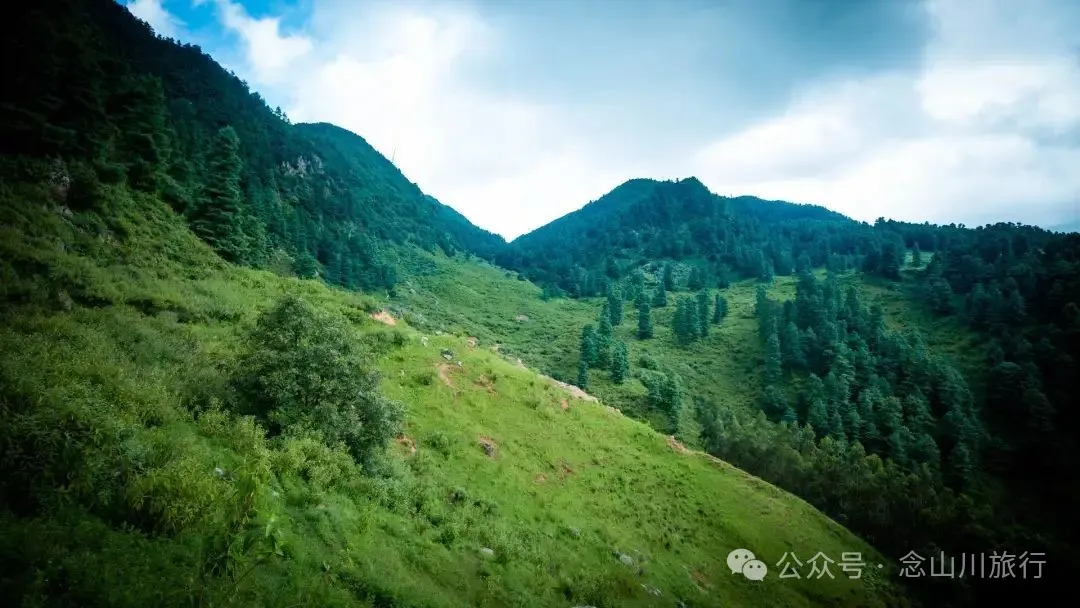
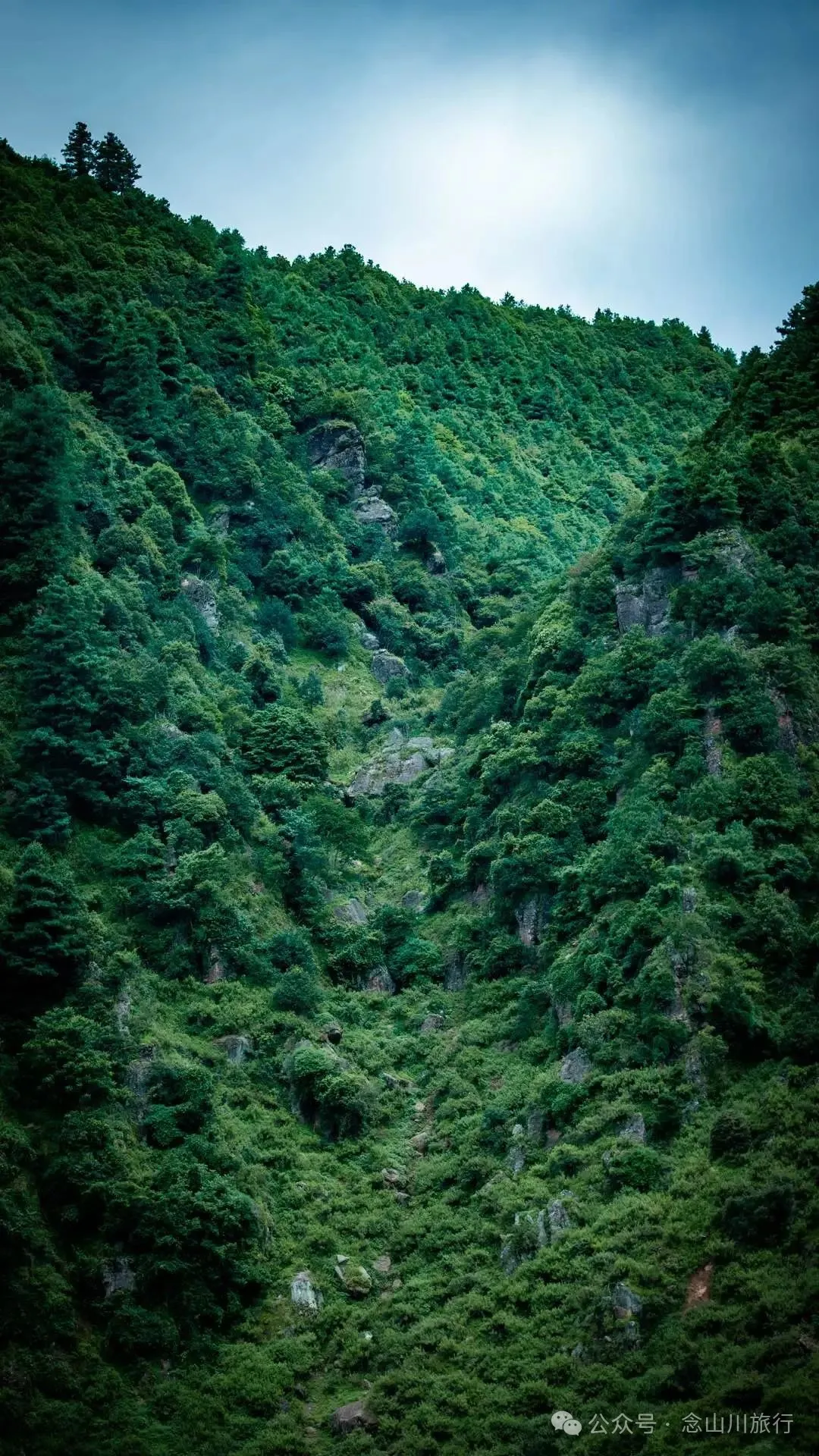
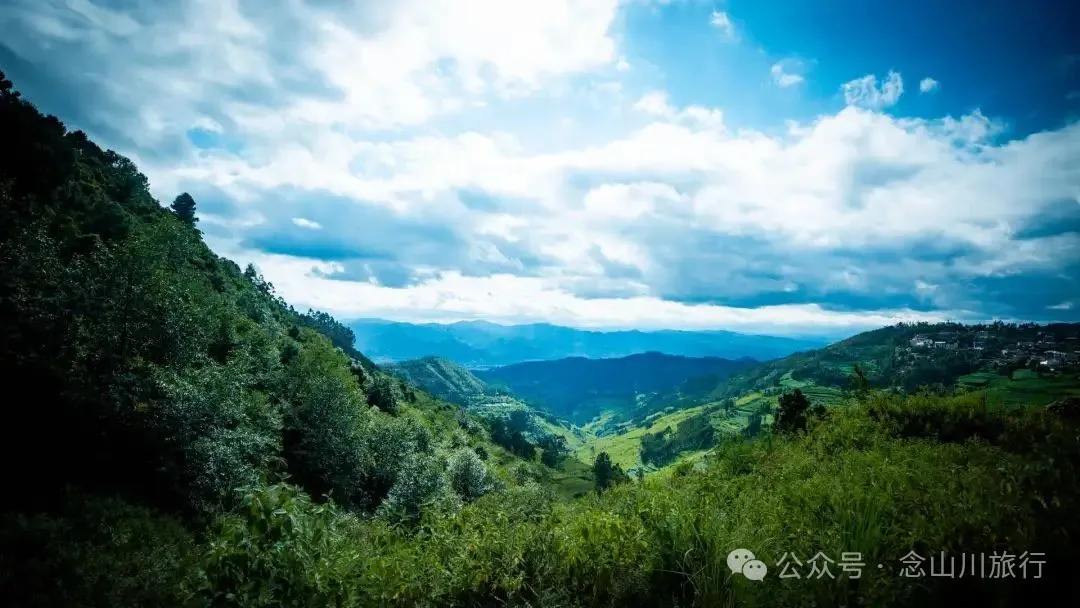
In "Lin Quan Gao Zhi" (The Lofty Principles of Forests and Streams), there is a passage: "The mist and haze of mountains differ with the four seasons: spring mountains are light and charming as if smiling, summer mountains are lush and verdant as if dripping, autumn mountains are bright and clear as if adorned, winter mountains are bleak and somber as if sleeping." In summer, the mountain scenery of Weishan not only possesses the lightness of spring mountains and the verdancy of summer mountains but also the brightness of autumn mountains and the richness of winter mountains. Summer here is mostly the rainy season, when the mountains are most luxuriant and verdant, with lush greenery flowing endlessly. The verdancy of summer mountains is the true color of the mountains.
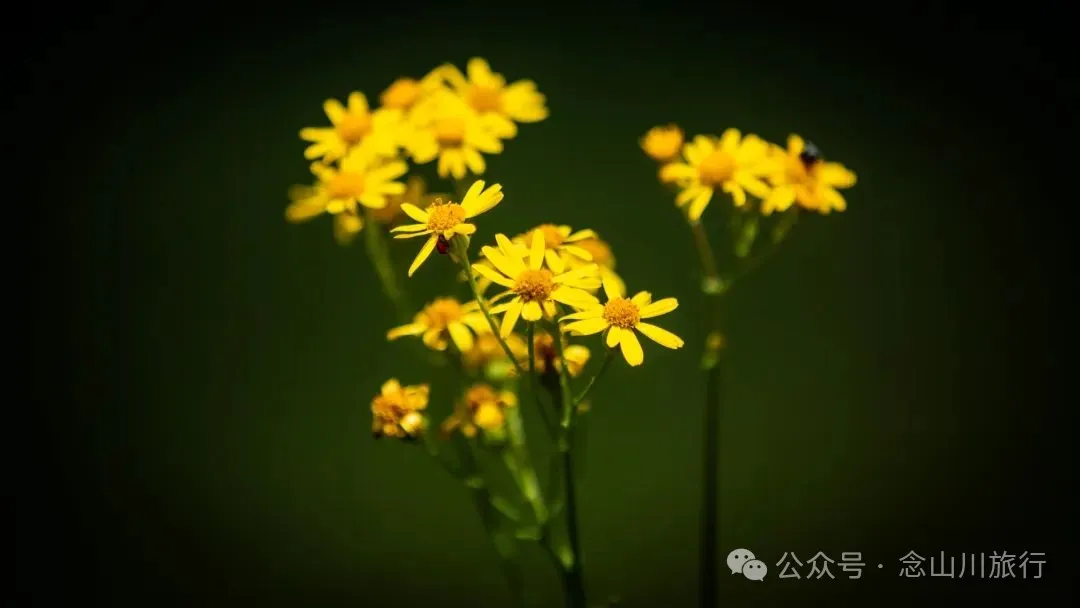
Walking onto the high-altitude meadows, the air is gentle and warm, and the lush green grass is dotted with colorful wildflowers, mostly yellow, delicate and lovely yet retaining their natural essence—this embodies the core element of spring mountains' lightness. If you walk into the mountains on a clear day after a heavy rain, the mountains become even cleaner and fresher, the air free of any dust, and even the clouds drift away from the mountains, floating high into the vast sky, temporarily disconnected from the peaks. The mountains stand aloof, clear and transparent like a mirror. If you venture deep into the dense forests that block out the sun, especially on rainy days when thick fog lingers, the wilderness, though not as bleak and desolate as in winter, is still very quiet, dim, and chilly.
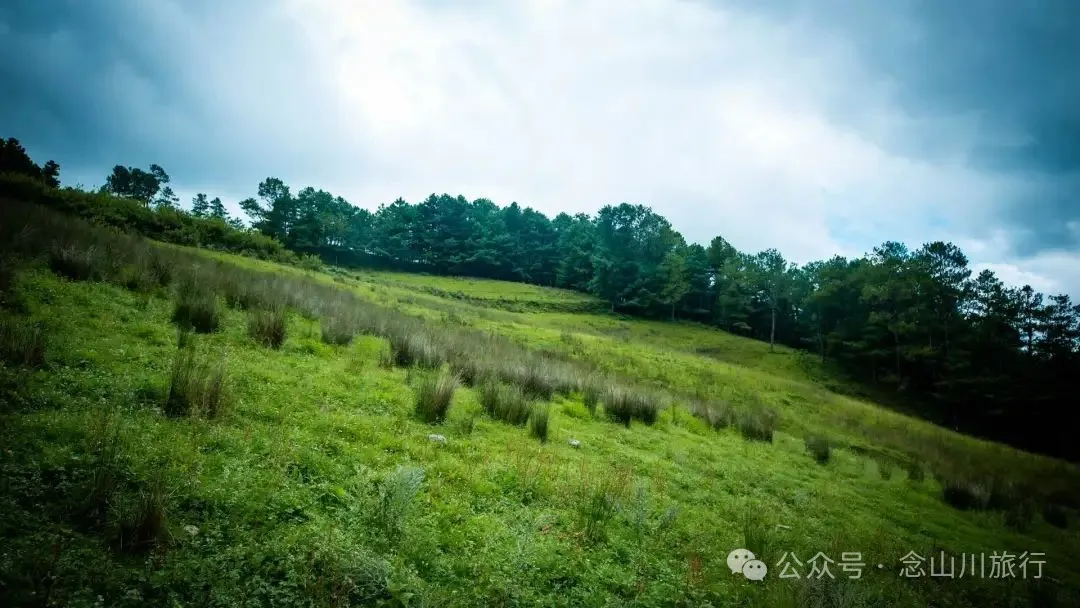
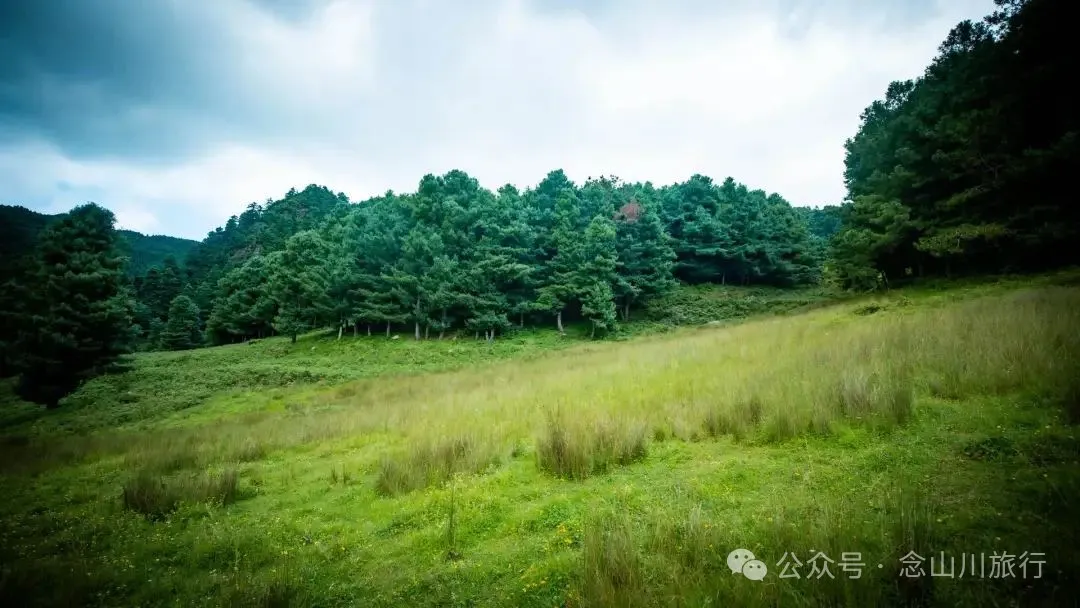
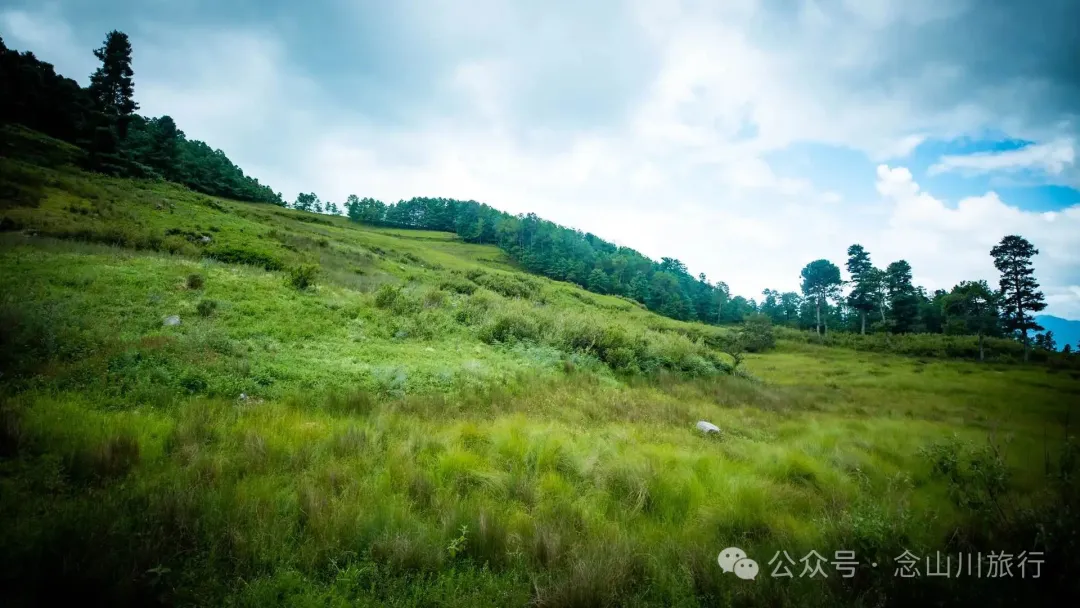
Going camping at Heilongtan (Black Dragon Pool) behind Xiaotangzi Village, we saw from afar the untouched wilderness between Xiaotangzi Village and Dahuangcaoba Village. Before leaving, Brother Long said he wanted to climb a mountain, so before crossing the mountain to camp at Heilongtan, we headed toward the vast wilderness in the southeast to see the summer meadows spread among the lush Huashan forests, docile like a kitten lying at its owner's feet. The eastern peak with wind turbines was only a few hundred meters high, rugged with rocks and steep slopes. We traversed through it but couldn't find a path to the top. We only heard goats bleating in the distance but never saw them or any shepherd. So we turned south toward the forests and meadows farther away, walking until we reached the highest narrow ridge at the end of our view to see what was there.
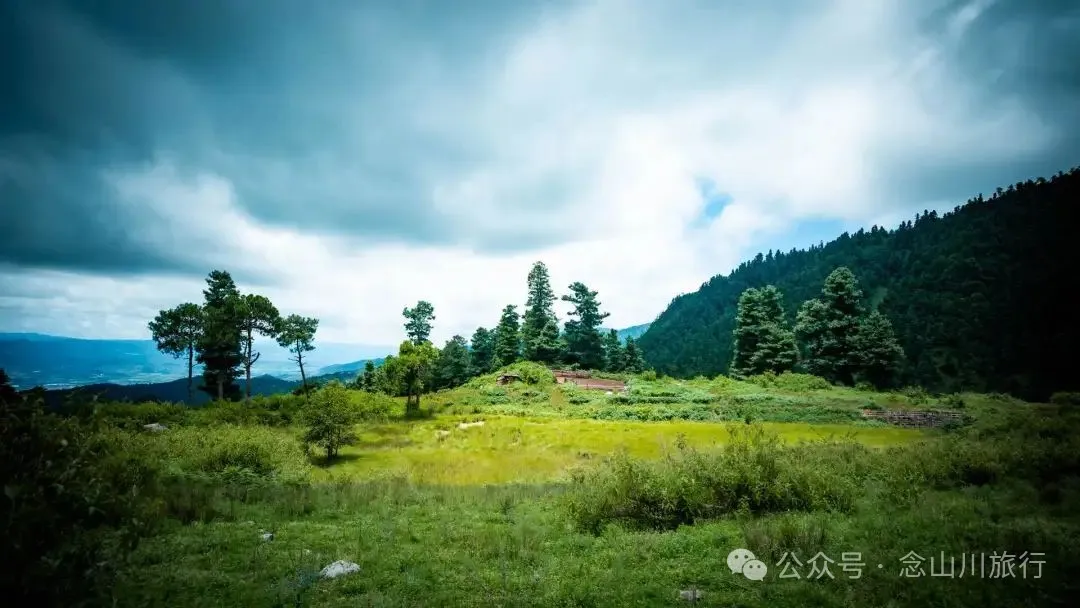
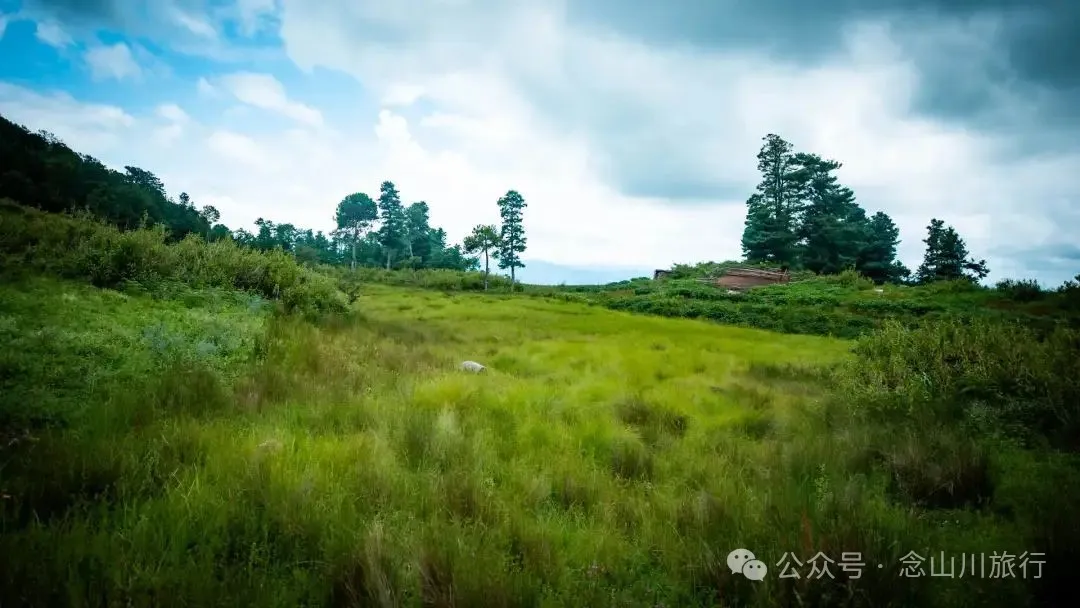
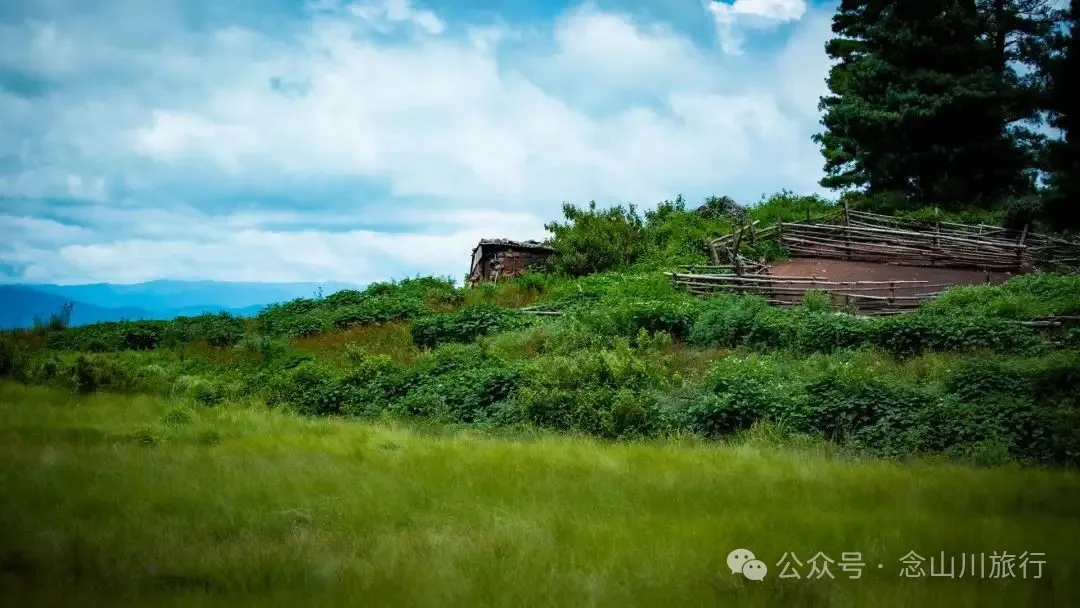
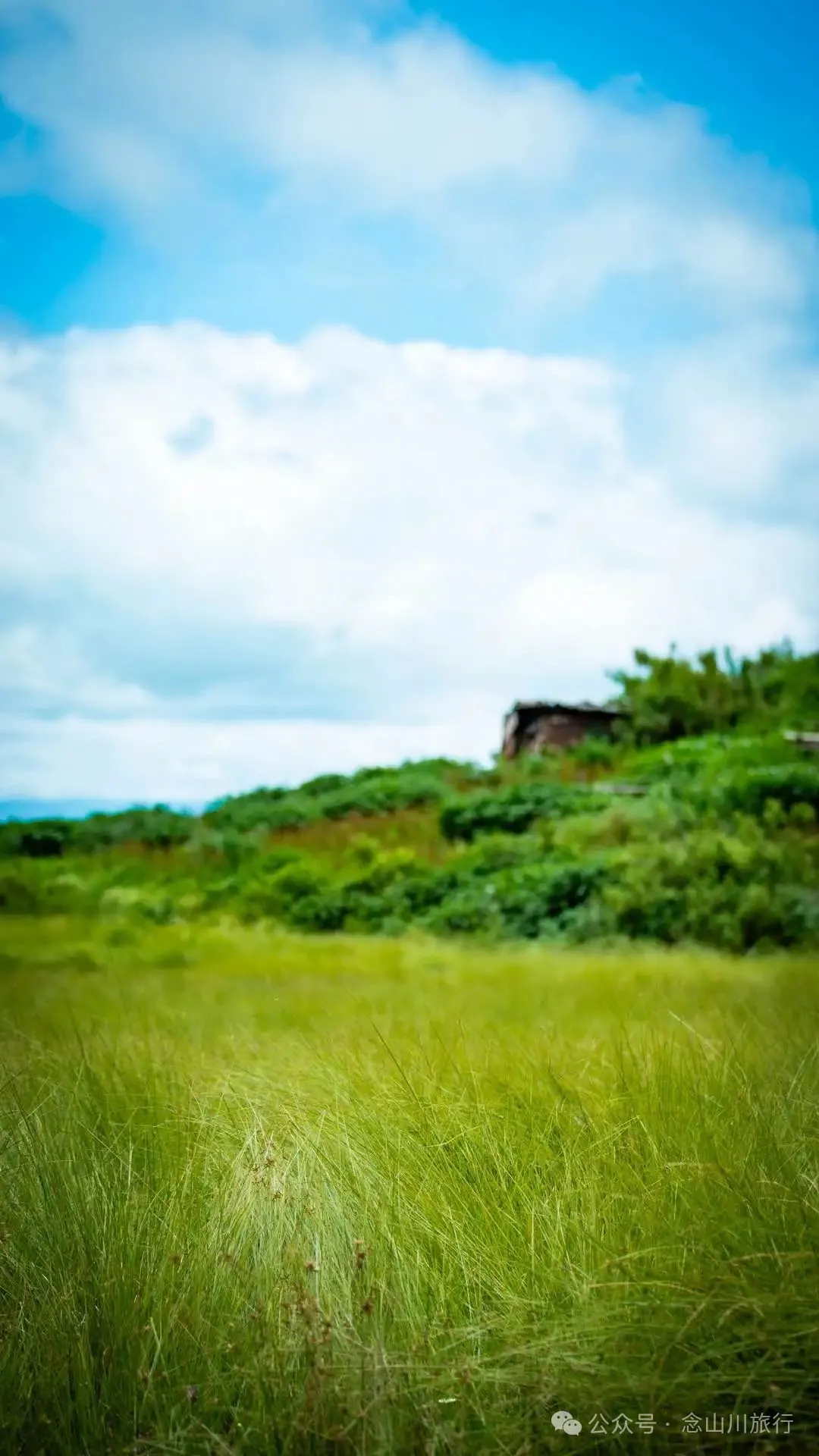
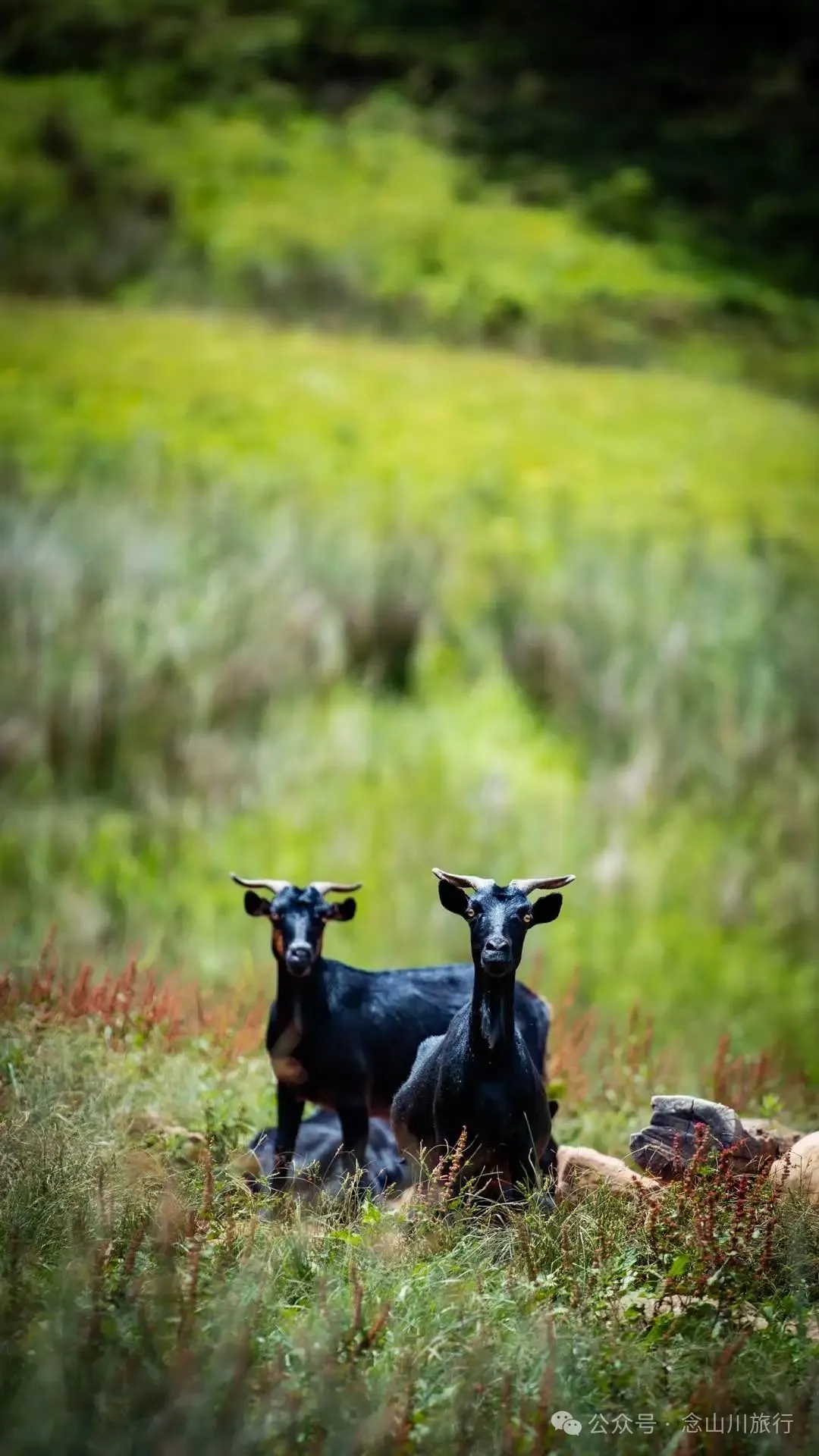
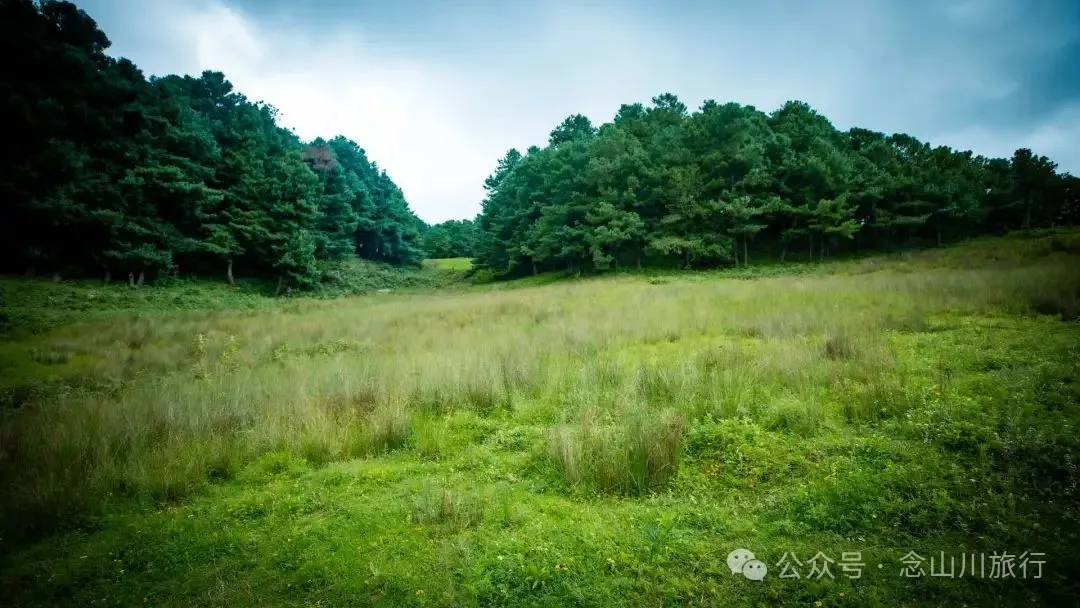
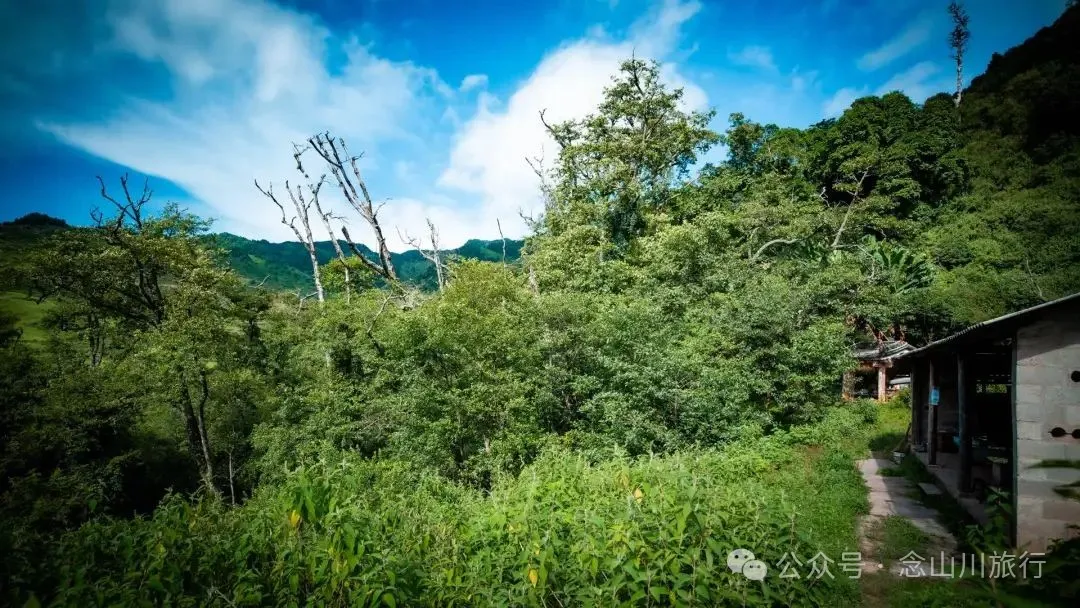
We accidentally stumbled into a depression covered with sedges. This low-lying area was hidden by a forest and not visible even from the eastern slope. It was a rectangular hollow, collecting spring water flowing from higher ground, with very soft ground. The lush green sedges grew densely, reaching above the knees, with occasional white and rose-red flowers peeking out. If we came in autumn when they turn yellow, wearing a red dress and standing among them, we could take a series of artistic photos, evoking the ancient charm of the "Book of Songs." On the slope beside the depression, there was a small wooden shed and an enclosure made of tree trunks, suggesting that herders kept livestock there. But the people were nowhere to be seen. On a nearby grassy mound, we spotted two or three black goats and several hollowed-out thick tree trunks placed horizontally as water troughs. By the time we climbed the farthest and highest slope and turned back to the main road, these goats had wandered off to the eastern rocks to forage.
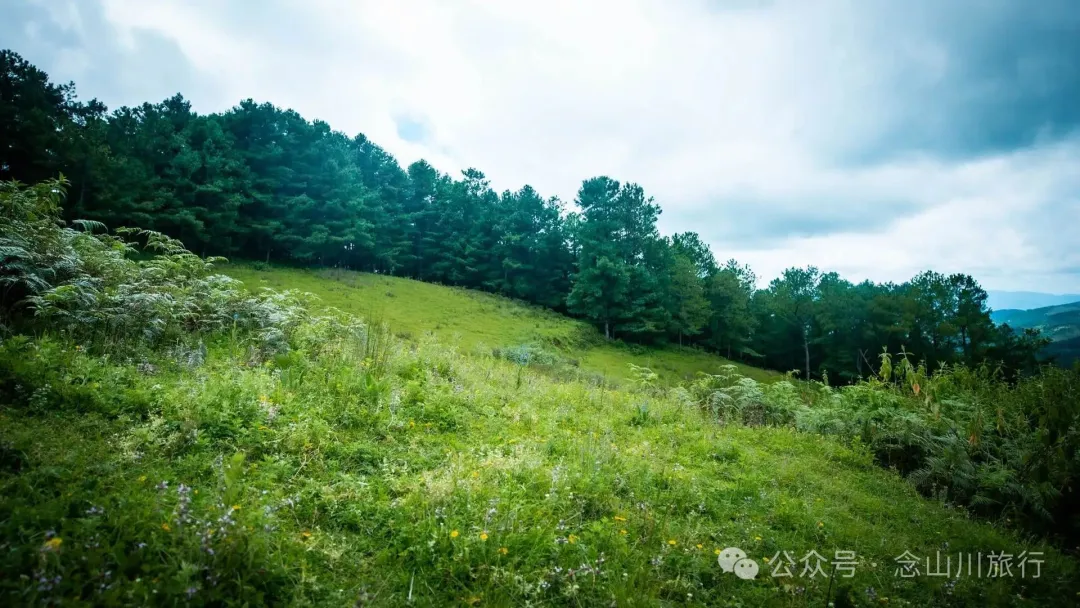
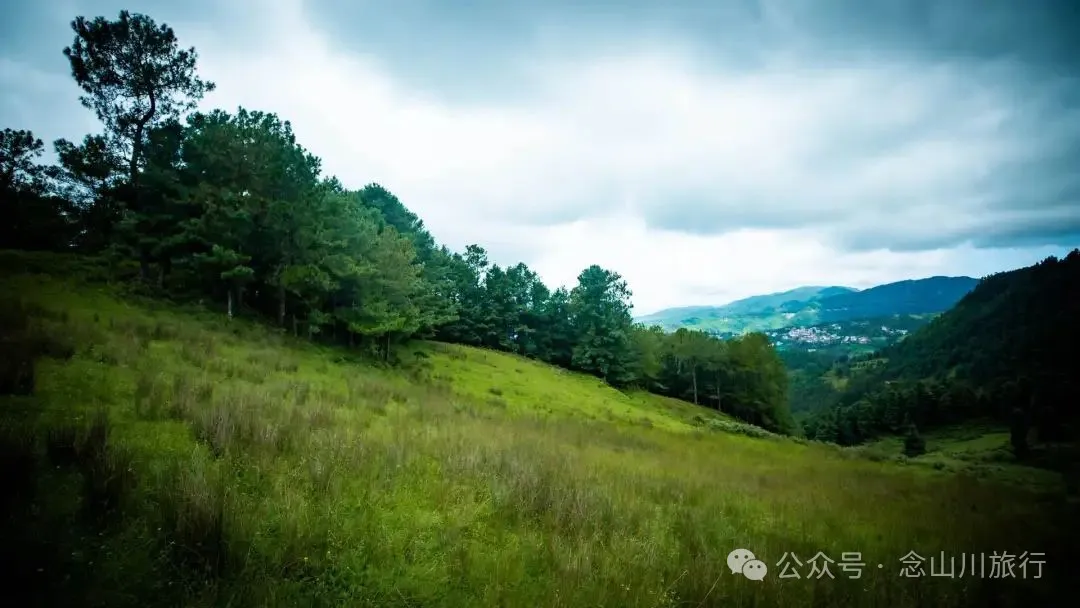
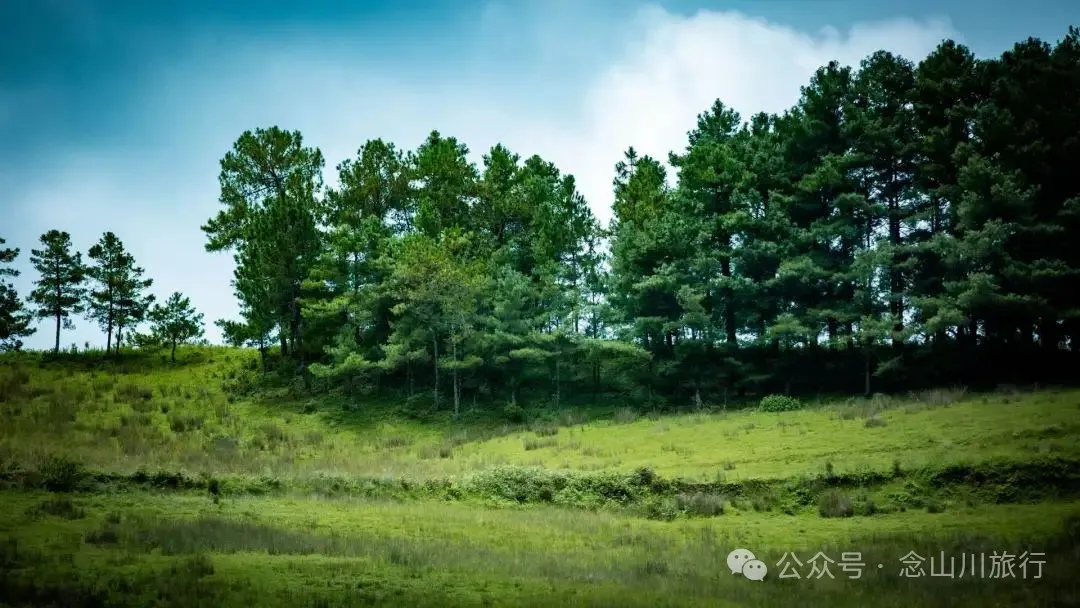
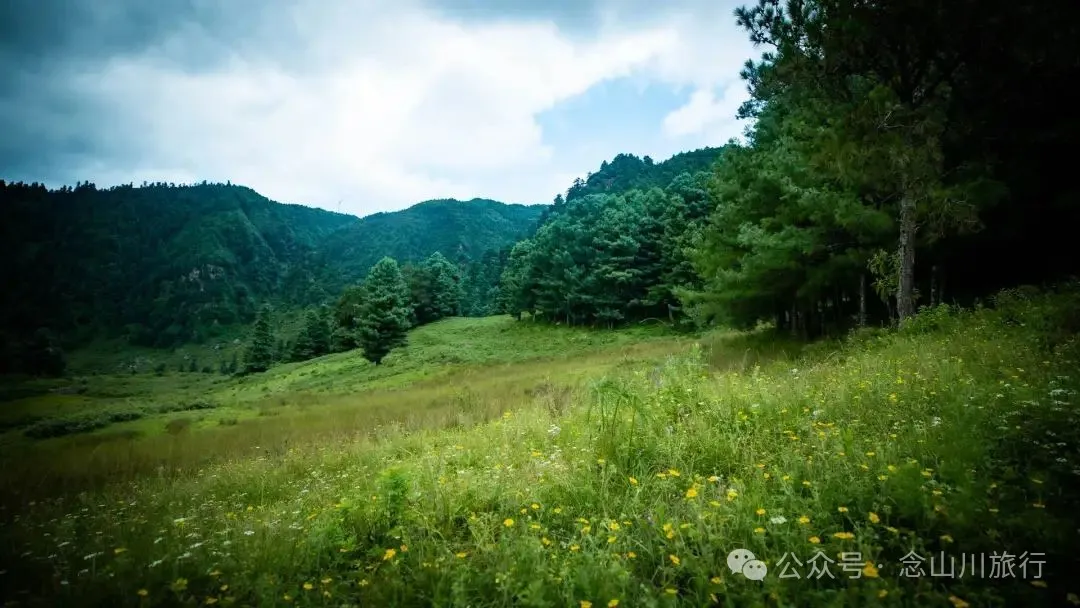
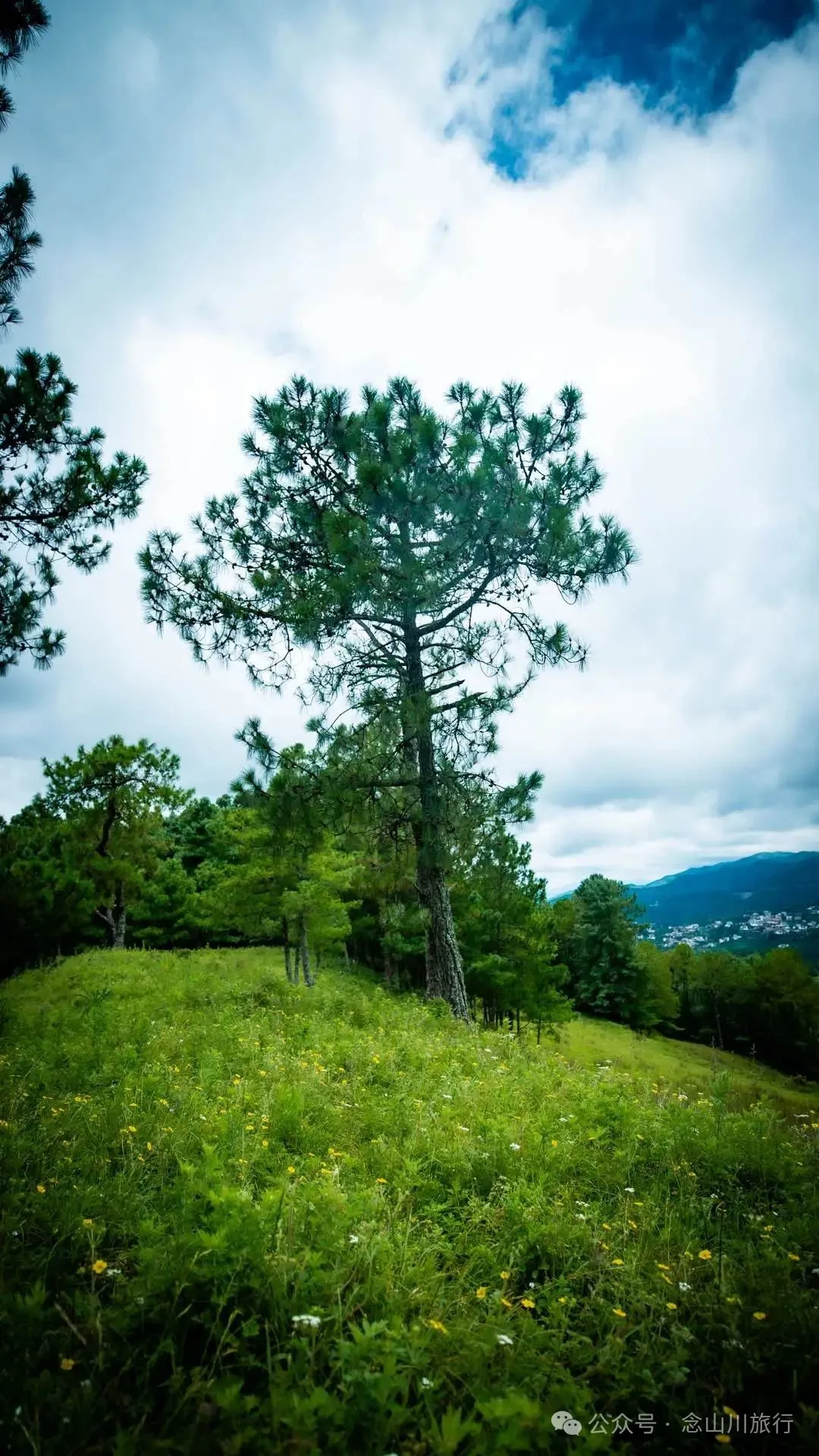
We were always some distance from the farthest ridge. We thought climbing the slope ahead would get us there, but we still had to go down a gentle slope and then climb a steeper one to finally reach it. Panting, we rushed to the highest point, looked around, and then sat down in the silent grass beneath our feet, gradually calming our breath, merging with the vast wilderness into boundless stillness. The mountains ahead became much lower, thick clouds clung to the gently undulating ridges, and the blue sky appeared faintly in the distance. The exuberant grass and wildflowers swayed and stretched toward the sun. In another direction, a narrow strip of grassland flowed like a stream out of the forest, rushing toward the foot of the mountain.
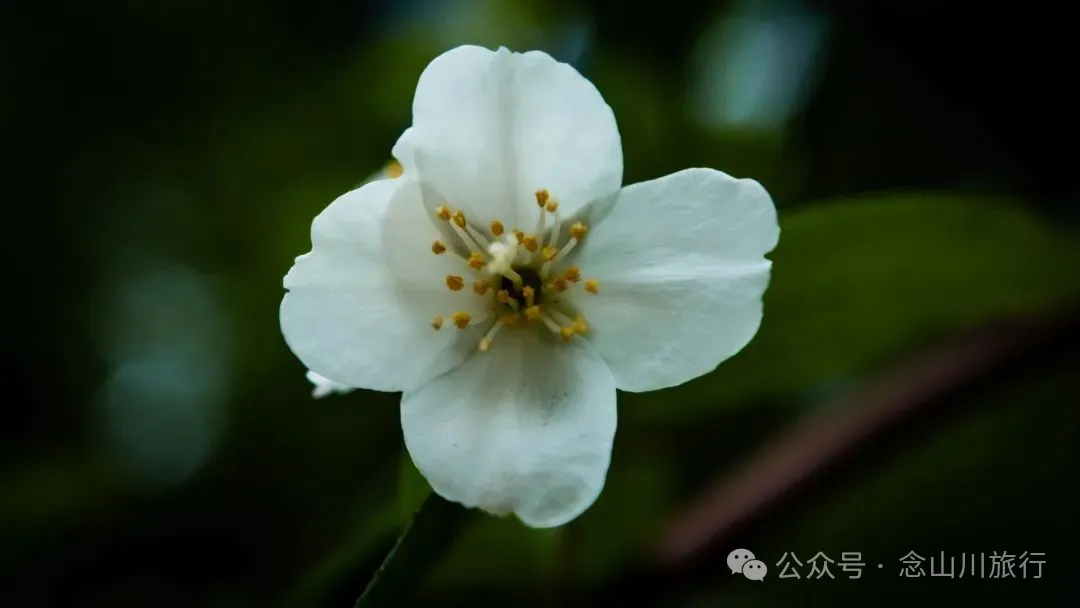
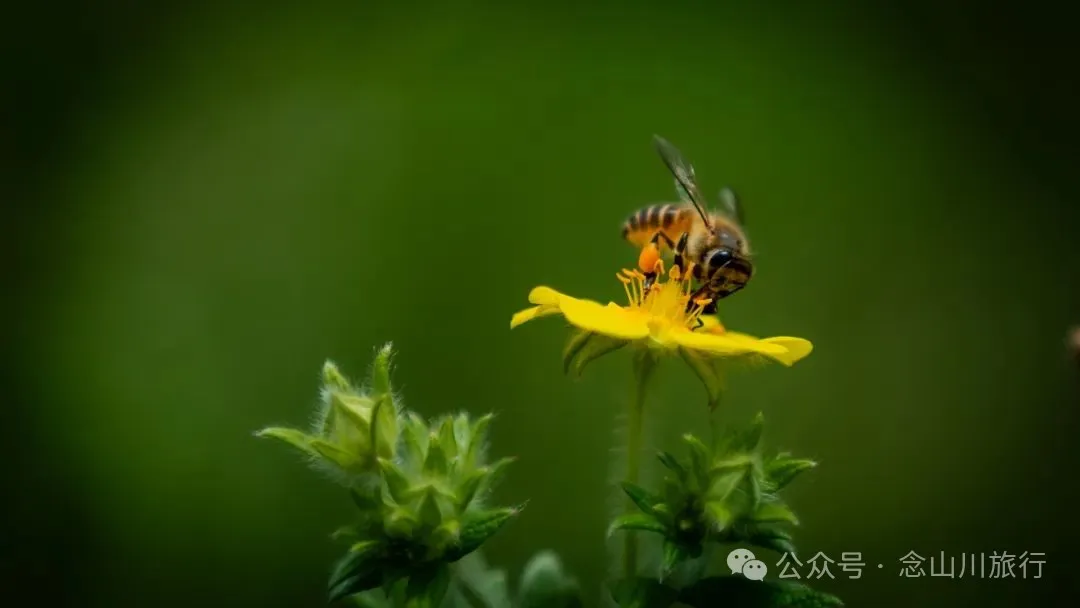
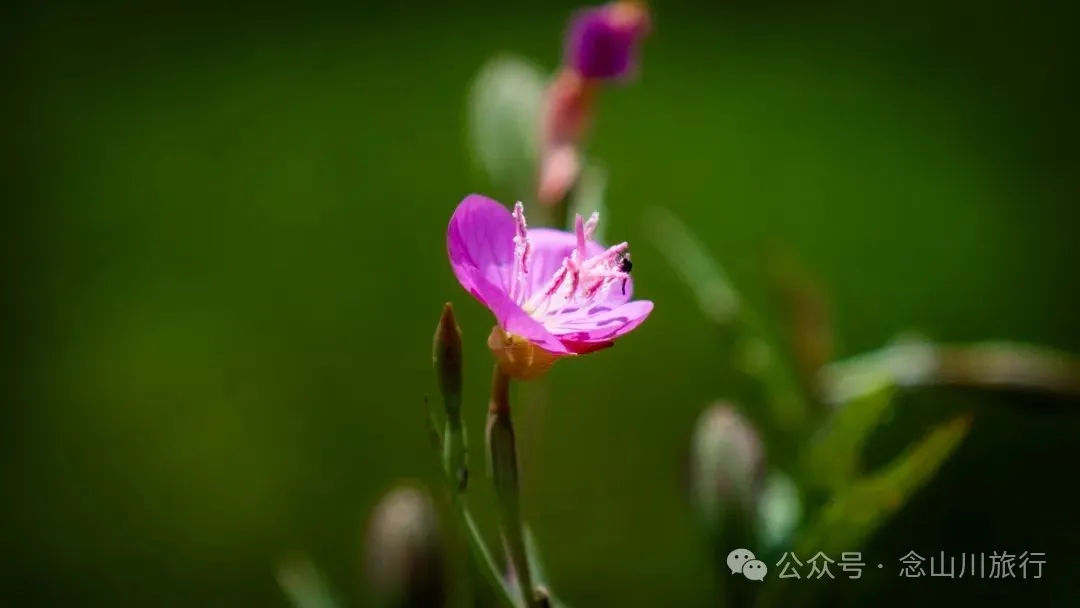
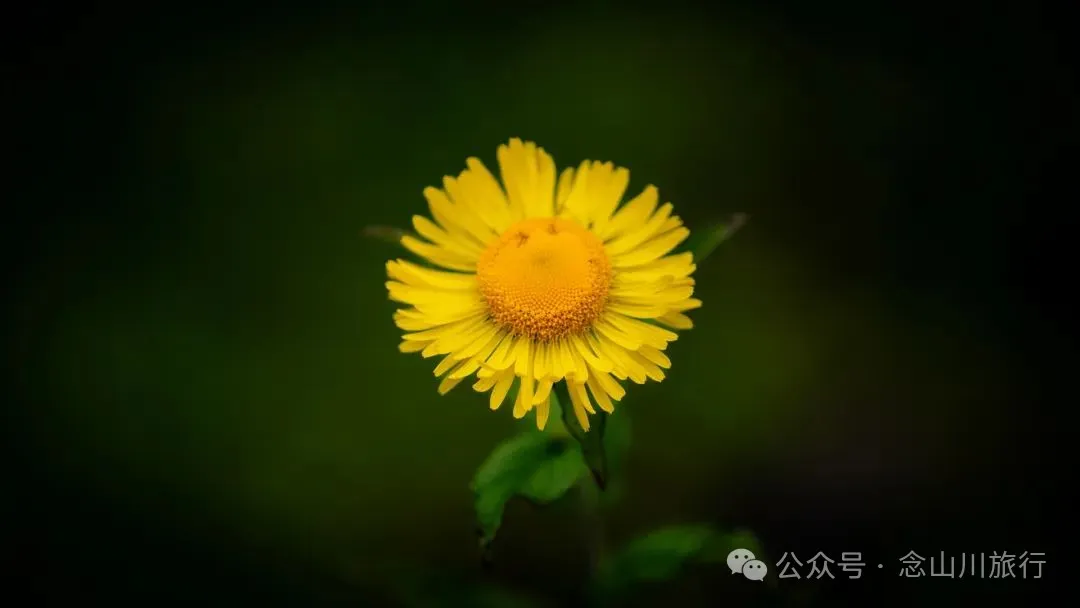
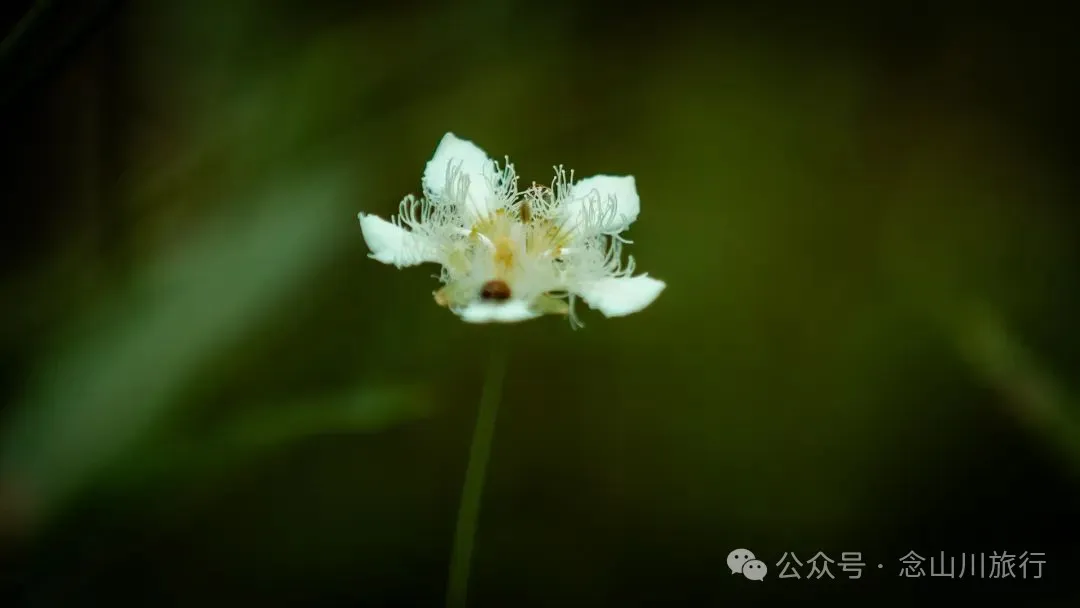
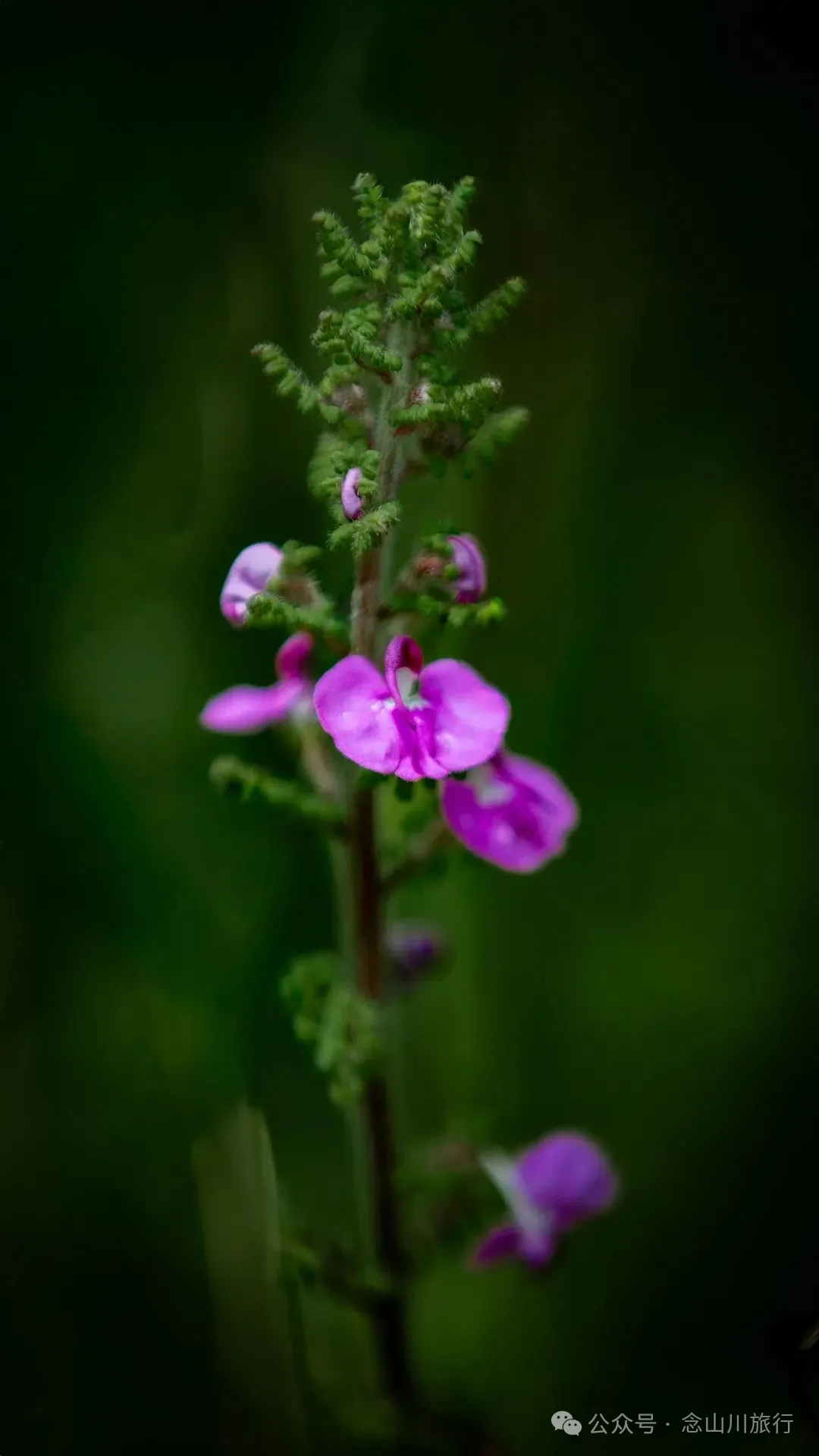
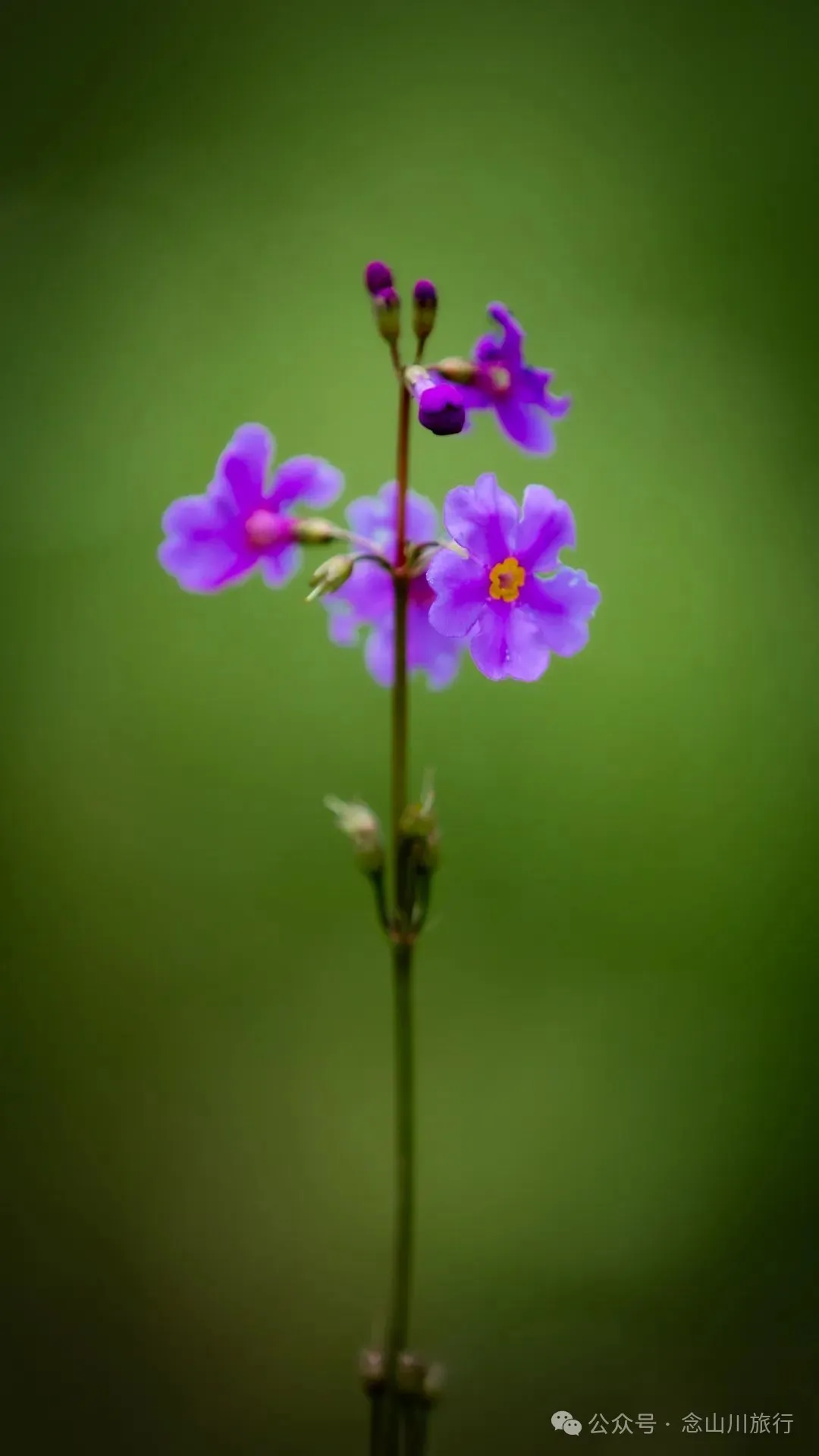
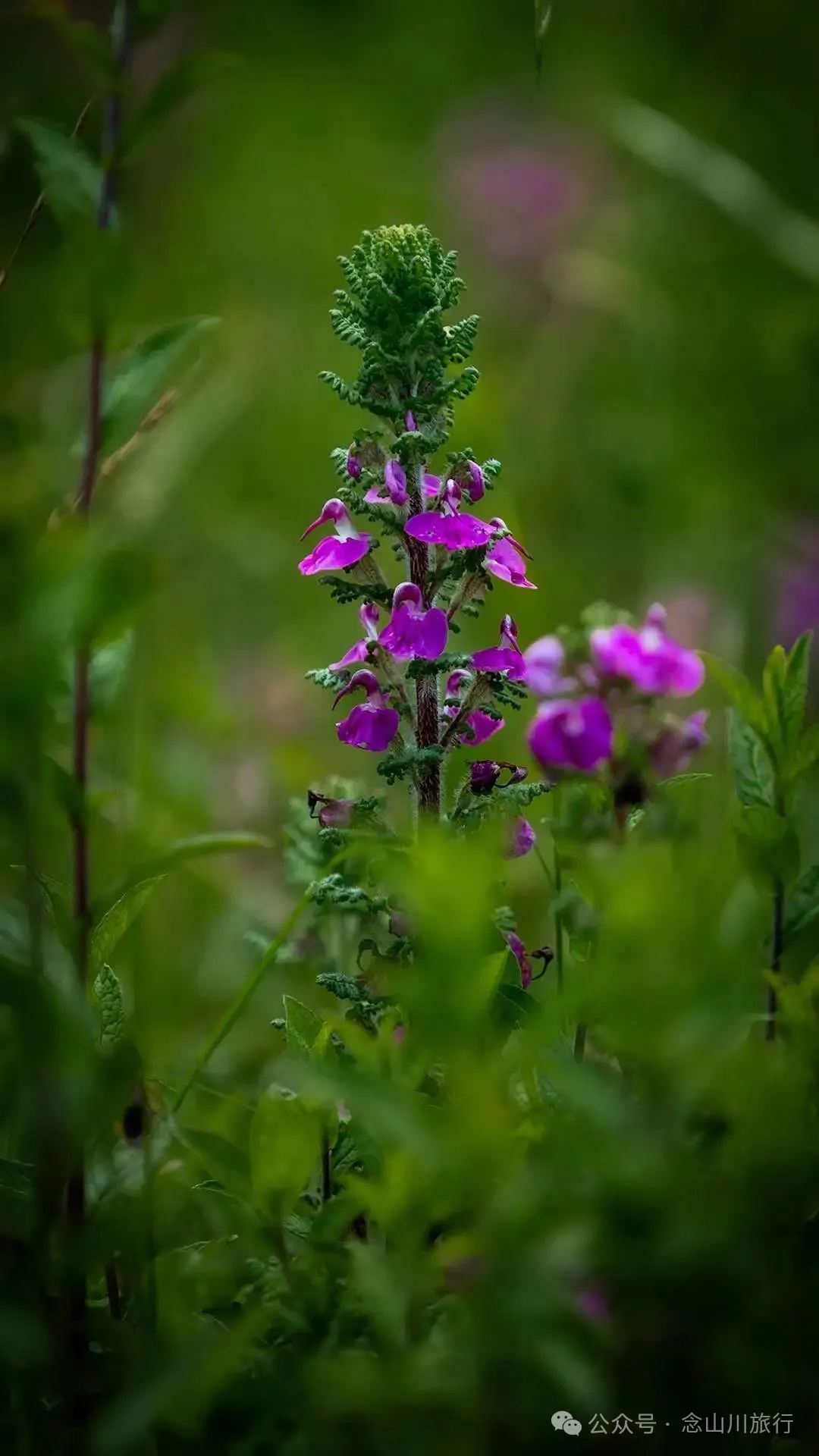
In this uninhabited summer wilderness, we encountered many wildflowers, some seen elsewhere, and two kinds we saw for the first time, whose names we didn't know.
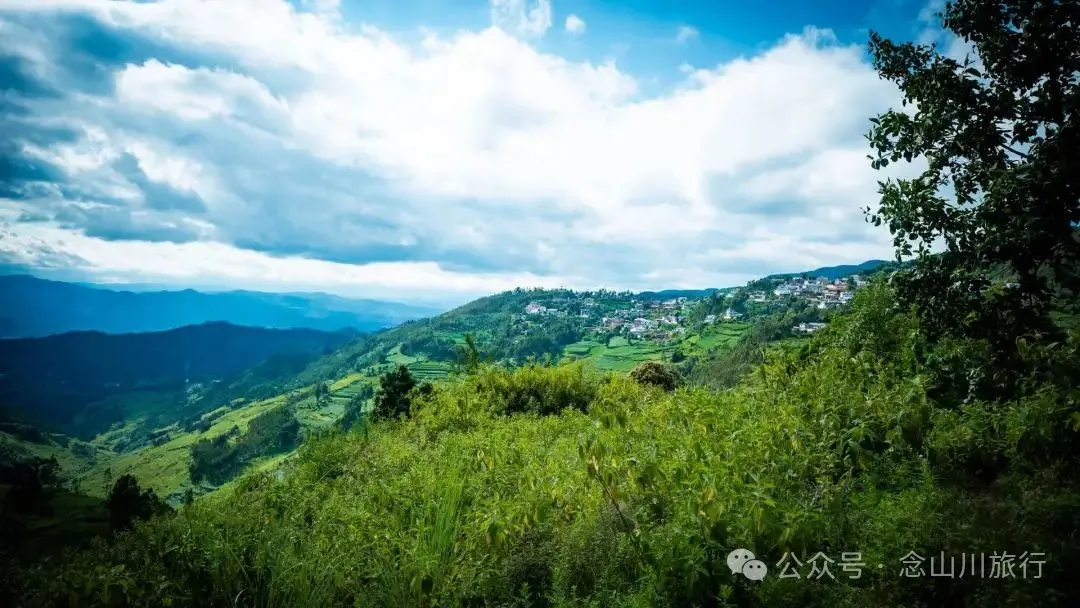
How many meadows were hidden in the forests? We didn't have time to measure. If we had charged straight north from the highest point where we stood, we would have encountered a long grassy slope leading to another lower mountain path, where there was a forest management station, and we could have walked back along the mountain road to where we got off. But we didn't go down; instead, we returned the same way, met up with the boy and girl who were lazing by the roadside, and then dragged the cart over the steep slope to Heilongtan. The vast mountain land opposite Duoyu Village had been bleak and dry all winter and early spring, dull and uninteresting, but now that wilderness was also surging with green, stirring the heart.