
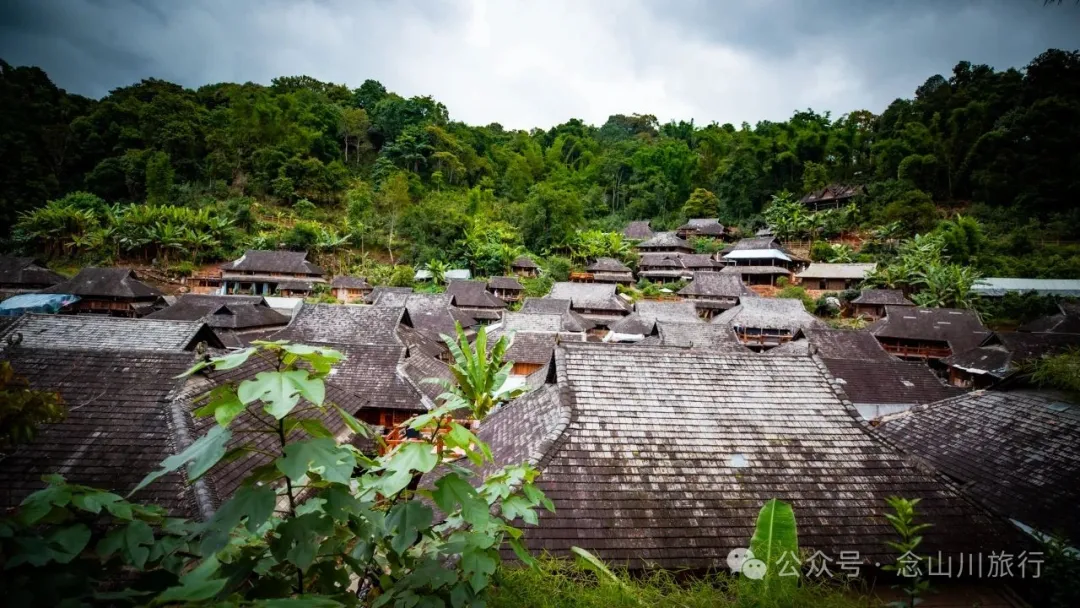
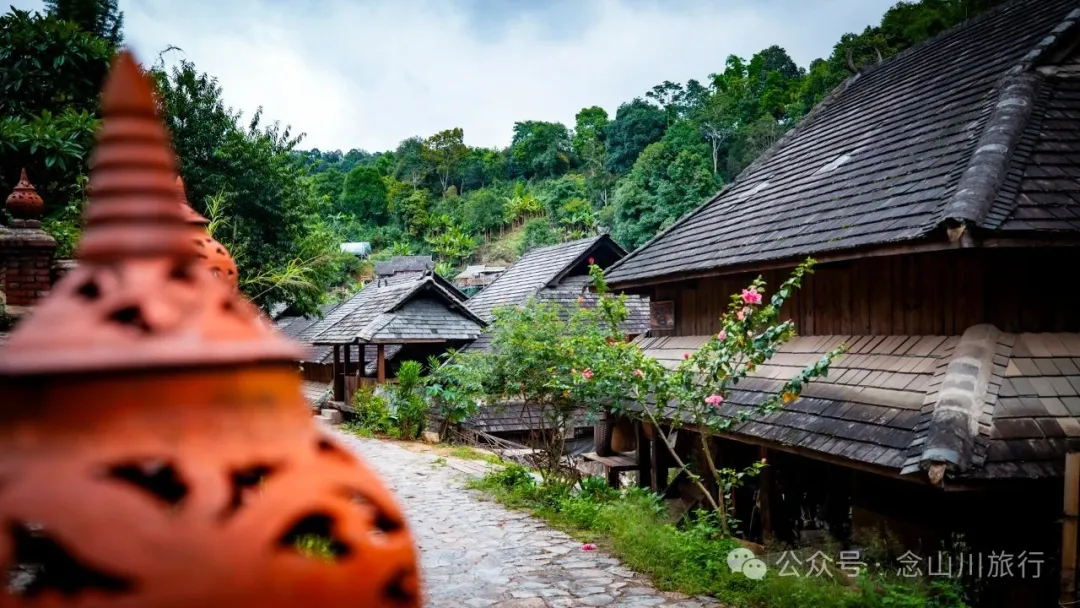
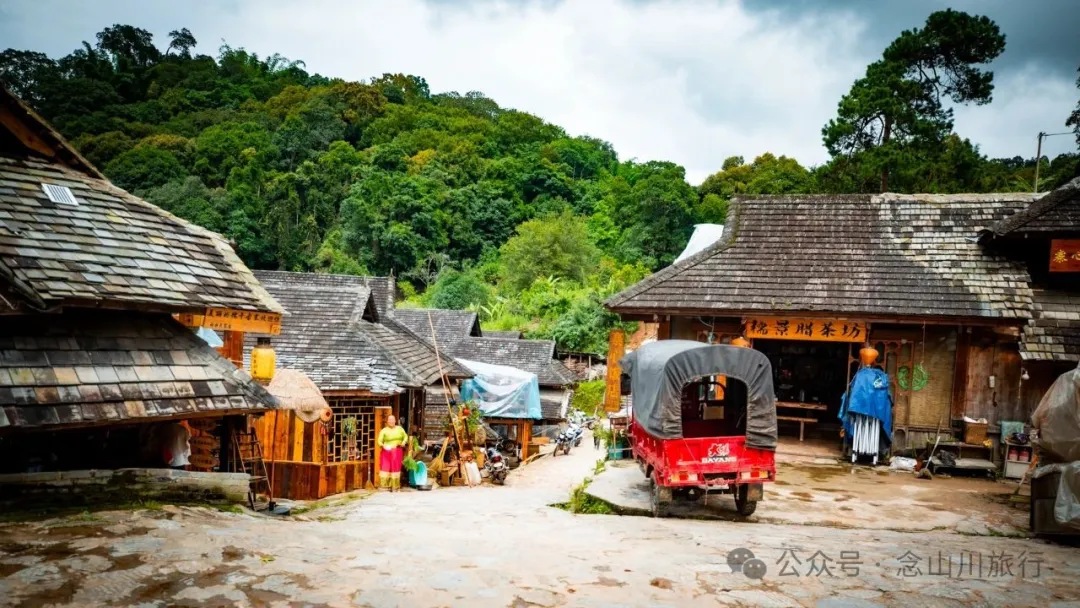
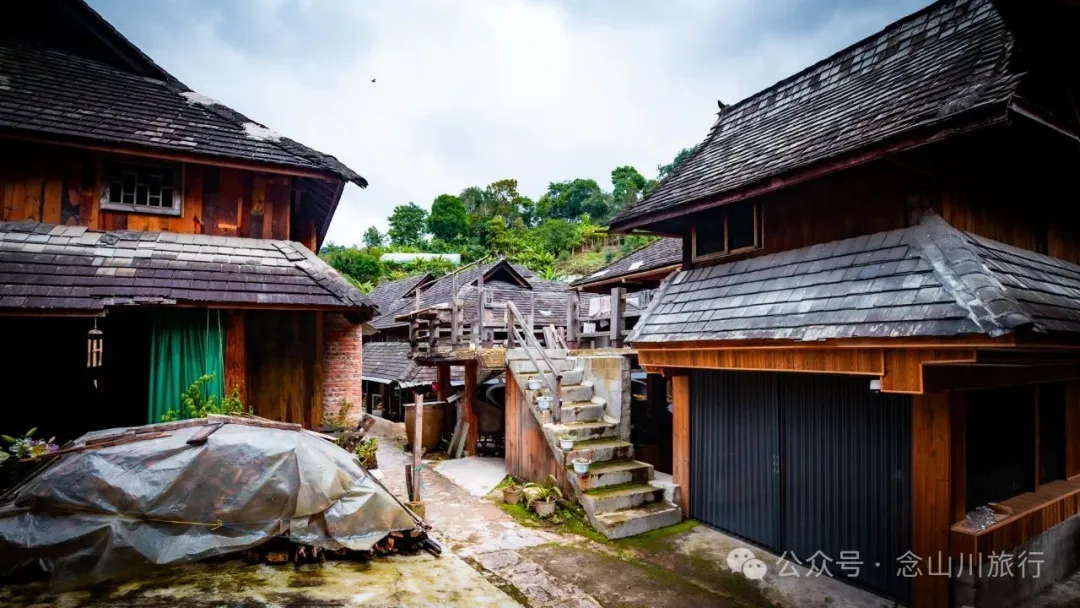
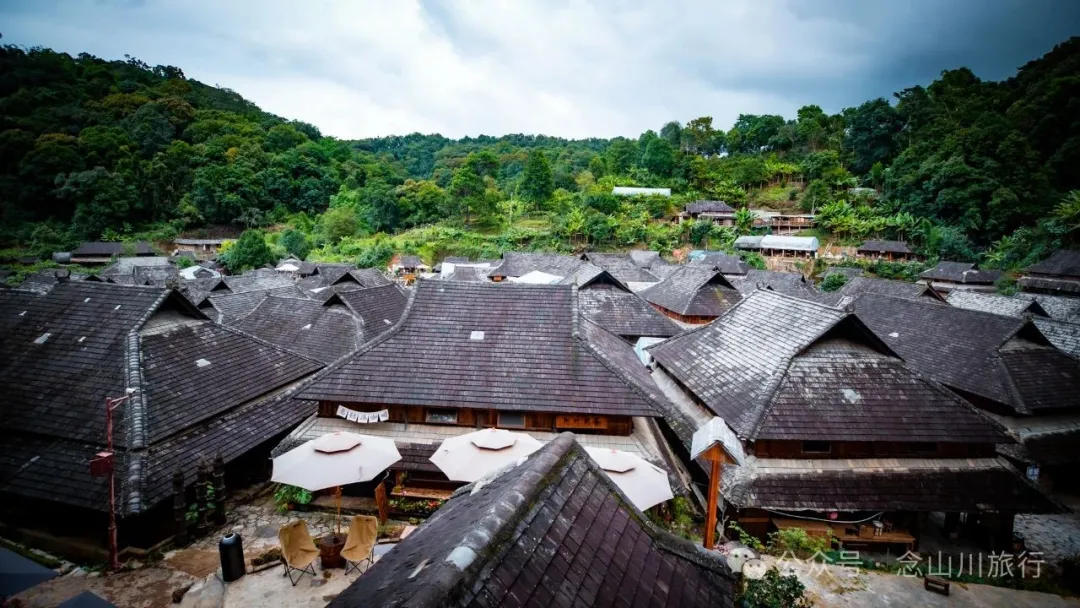
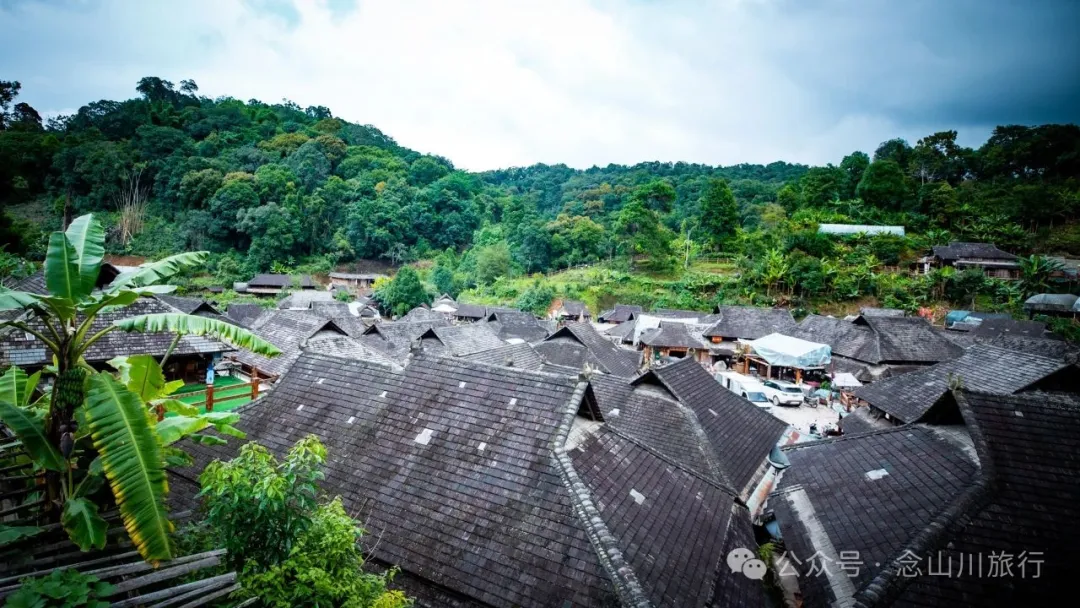
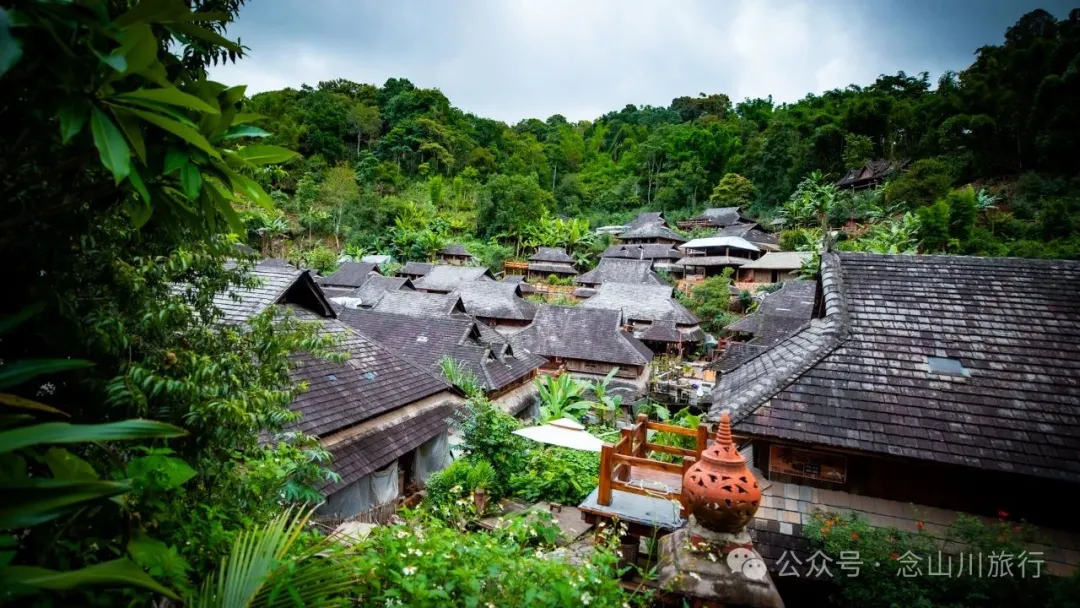
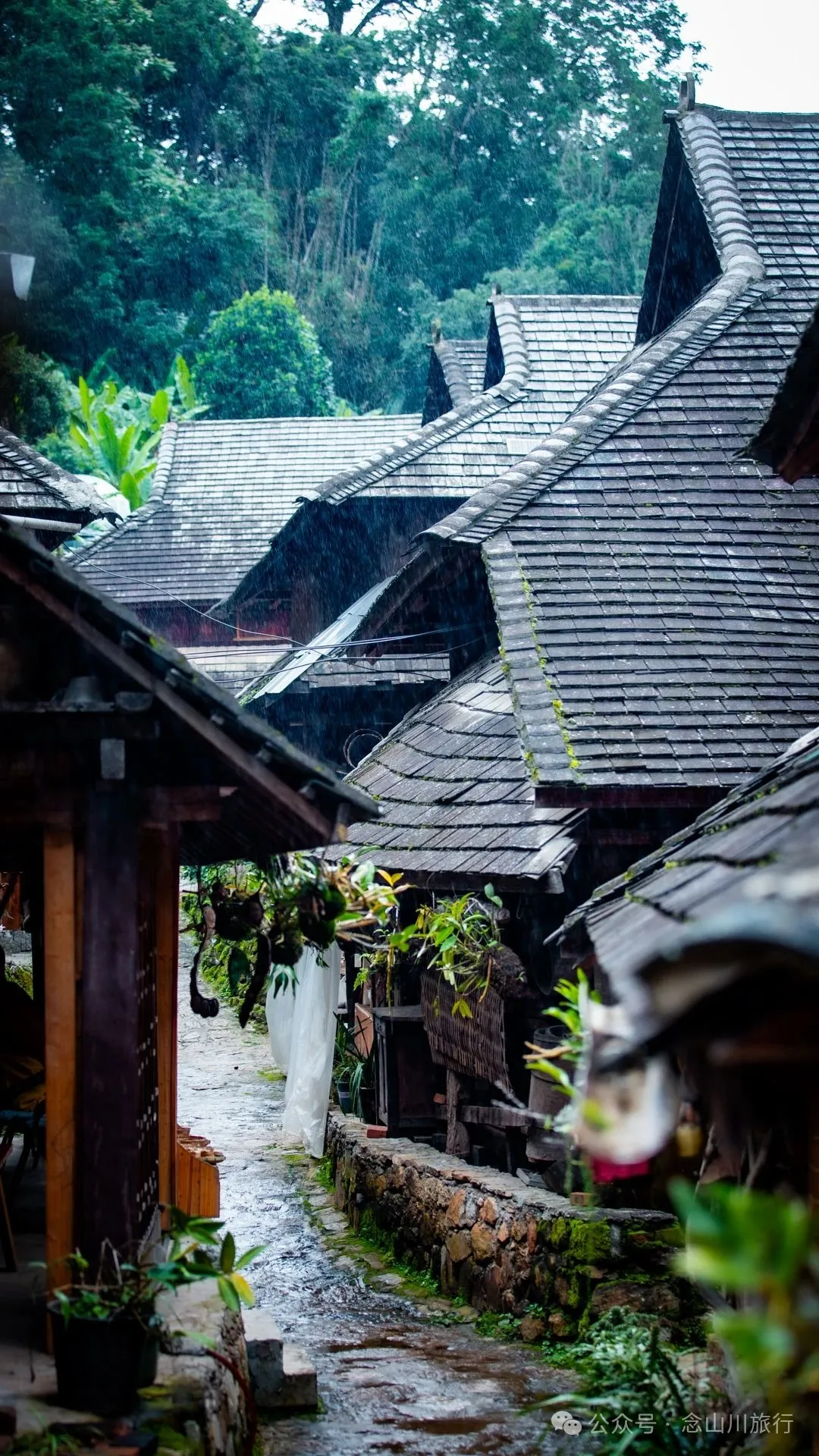
Nuogan Ancient Village is one of the more famous villages among the many on Jingmai Mountain. The well-preserved distinctive architecture is a major draw for tourists, and it was also our interest. This thousand-year-old Dai village still maintains its original architectural style and simplest way of life. Its buildings are living fossils of Dai architectural art—the entire village retains the traditional stilted bamboo-wood structure.
The ground floors of these houses are elevated for raising livestock and storing tools; the second floor is for living, with spacious corridors and balconies. The steep roofs are covered with traditional old small black tiles, with slightly upturned ridge ends, layered like thick dark clouds overhead. All buildings are arranged along the slope, creating a unique mountain settlement landscape.
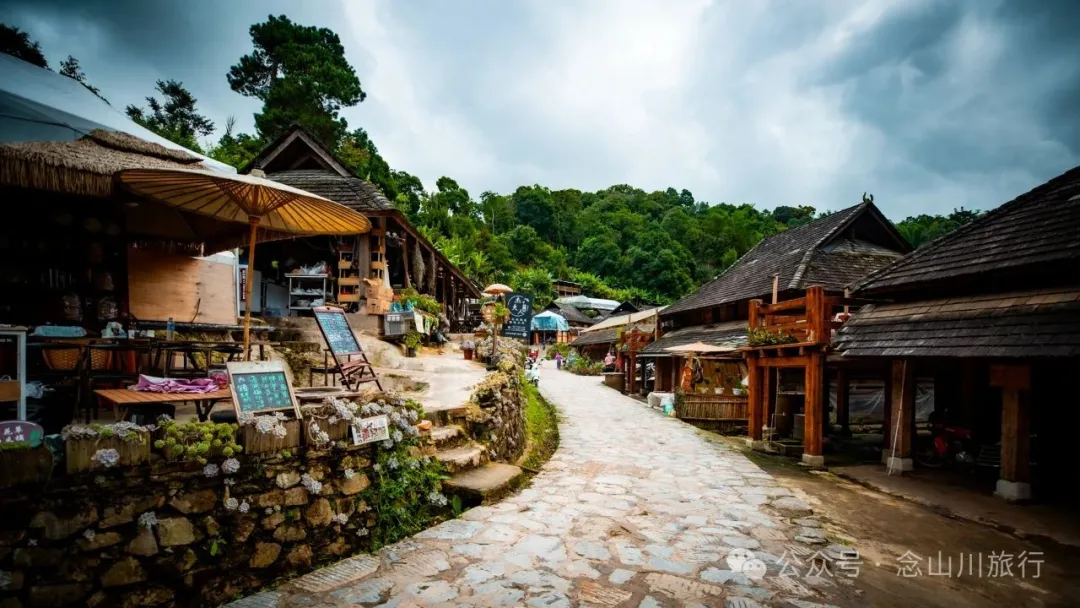
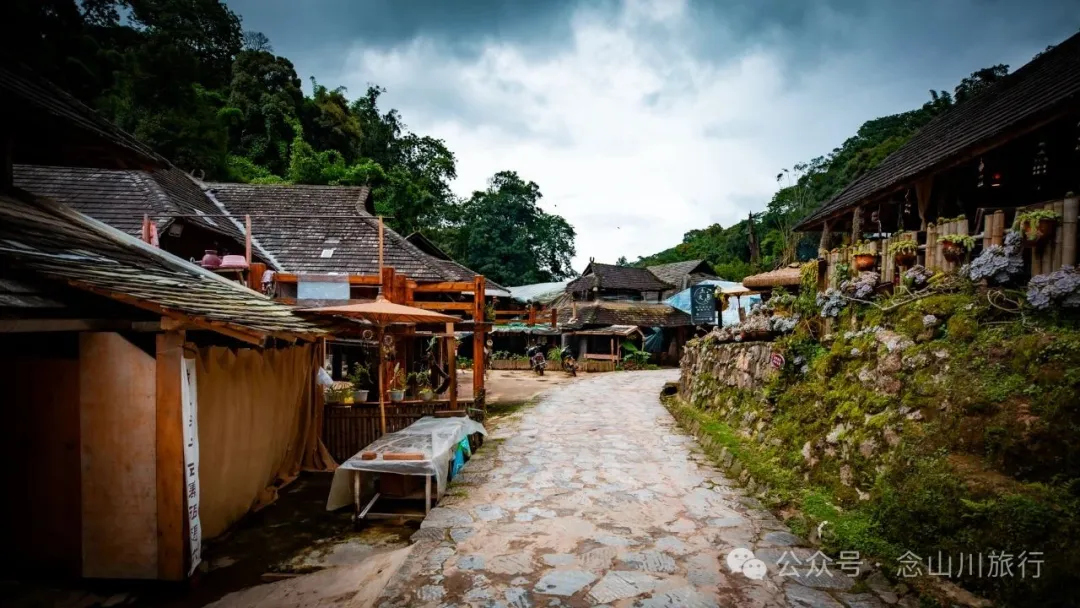
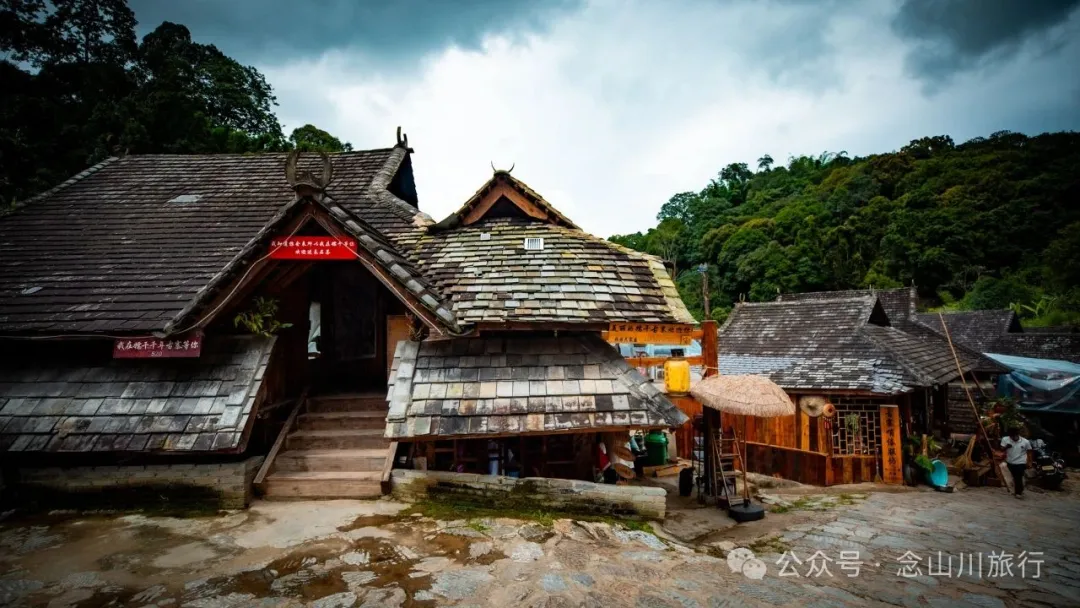
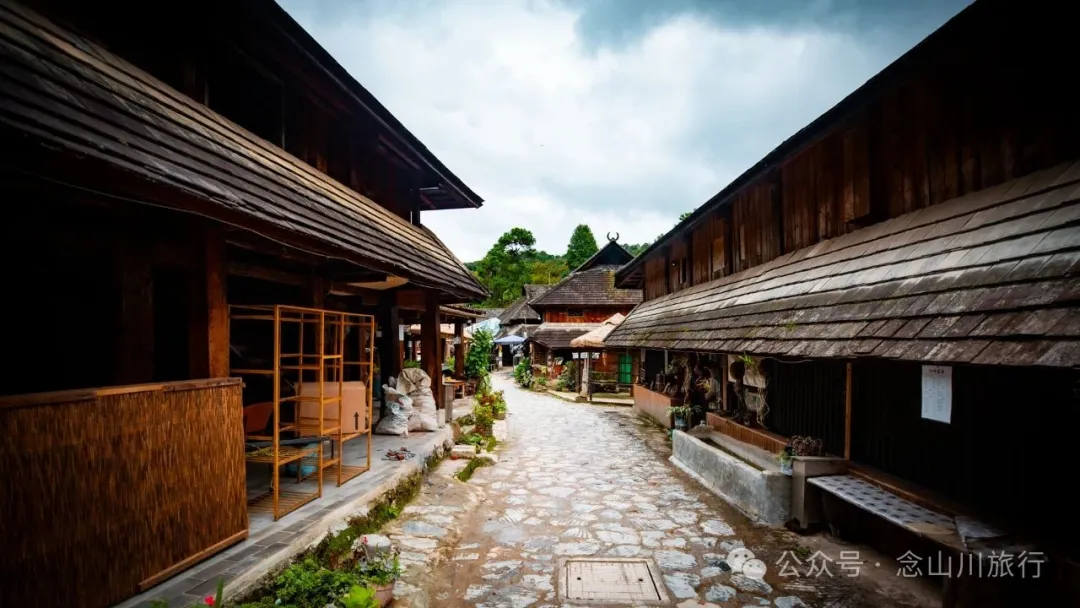
Most residents of Nuogan are Dai. Almost every household has its own ancient tea trees, and tea picking and processing are skills passed down through generations. In the afternoon, the aroma of roasted tea often wafts through the village, as families make Pu'er tea using traditional methods. Daily life in Nuogan follows the rhythm of nature. They observe the ancient Dai calendar and celebrate traditional festivals. During the Water Splashing Festival, the whole village becomes a sea of joy, with people splashing water to wash away the bad luck of the past year; the Closing Door Festival and Opening Door Festival mark the beginning and end of the farming cycle.
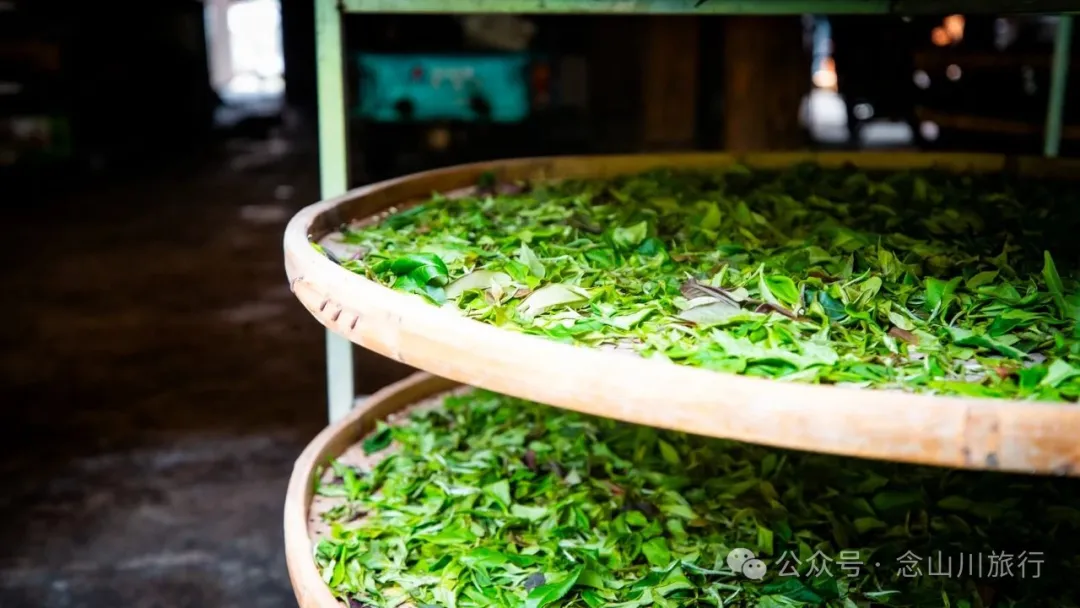
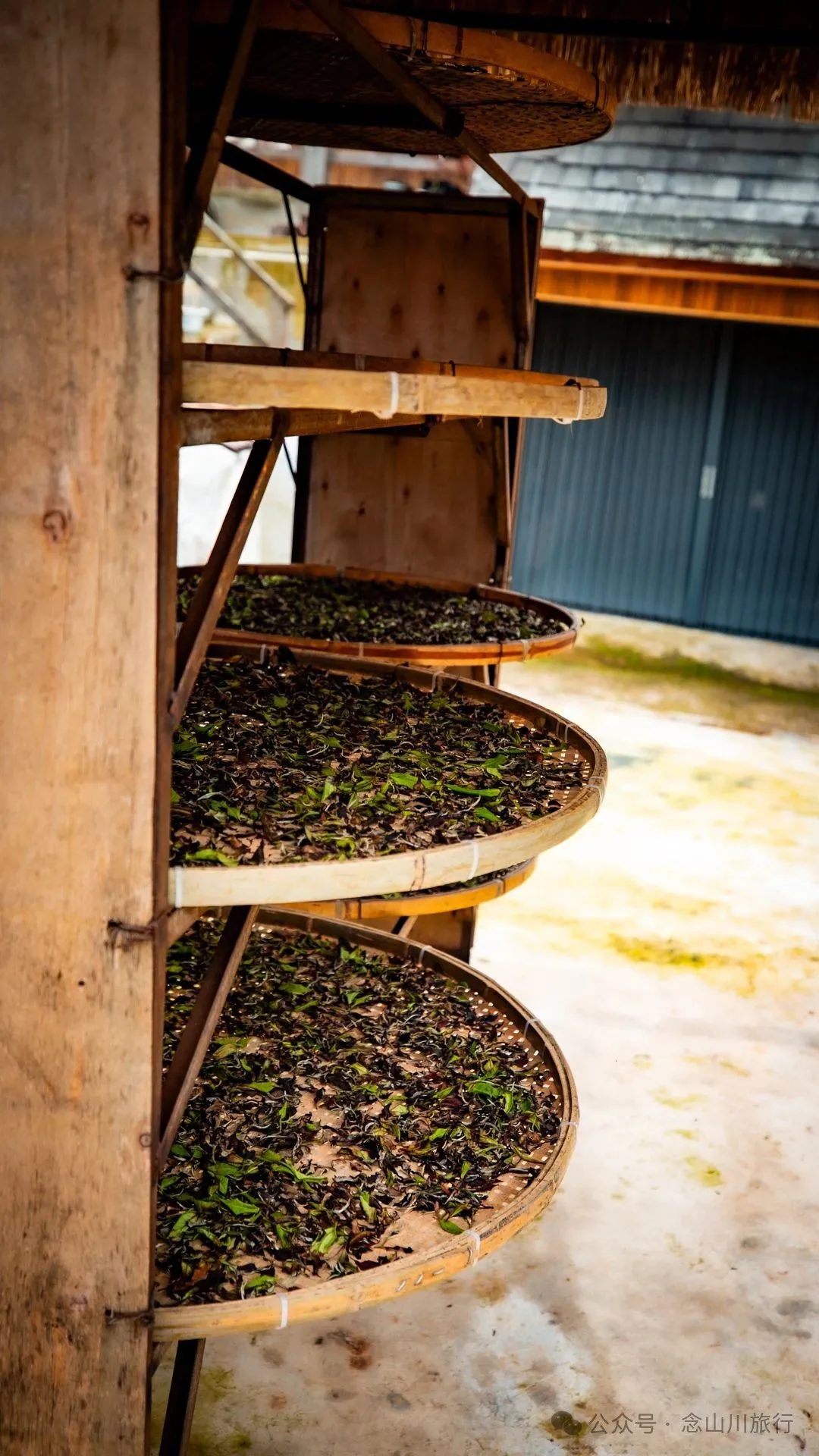
Walking through the village, you can see withering scenes everywhere. Freshly picked tea leaves are spread out on bamboo sieves, stacked layer by layer on wooden racks for drying. By the roadside, there are cement-built firewood stoves with two large pots embedded diagonally—this is where they process tea. During our visit, we didn't see any villagers making tea.
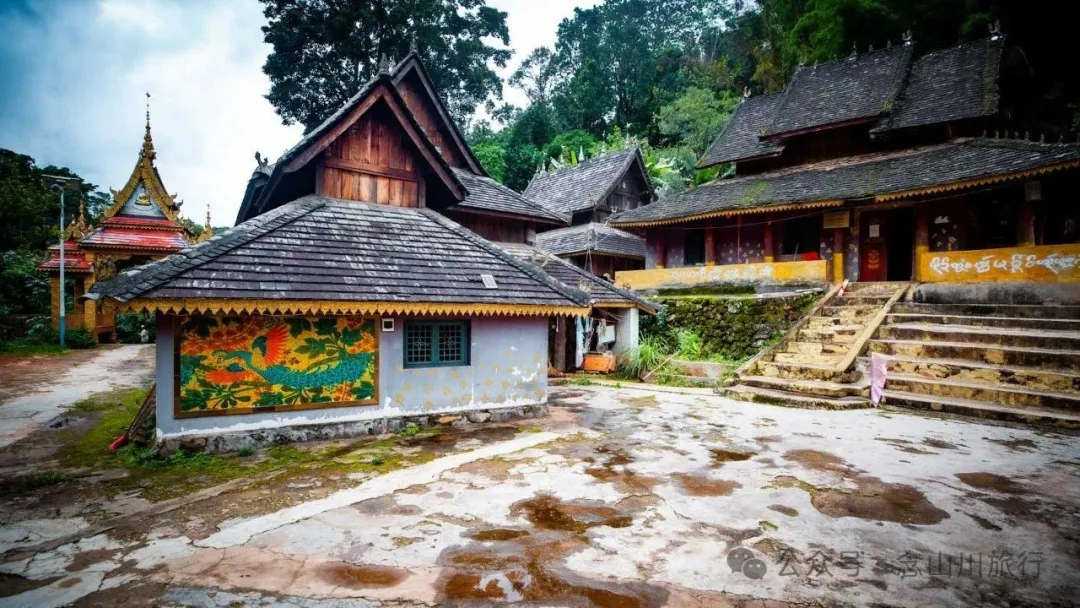
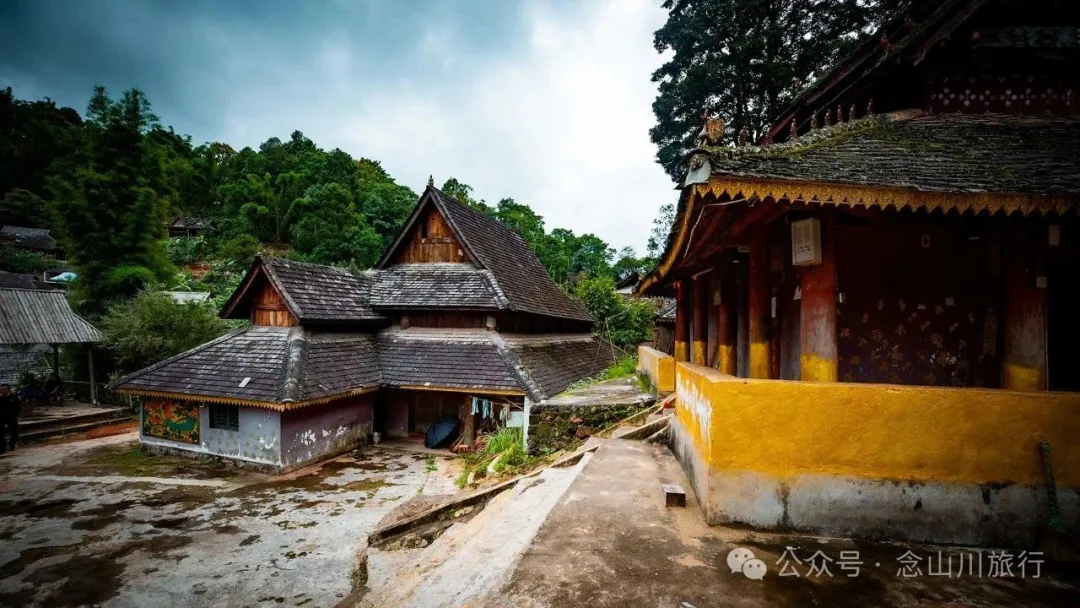
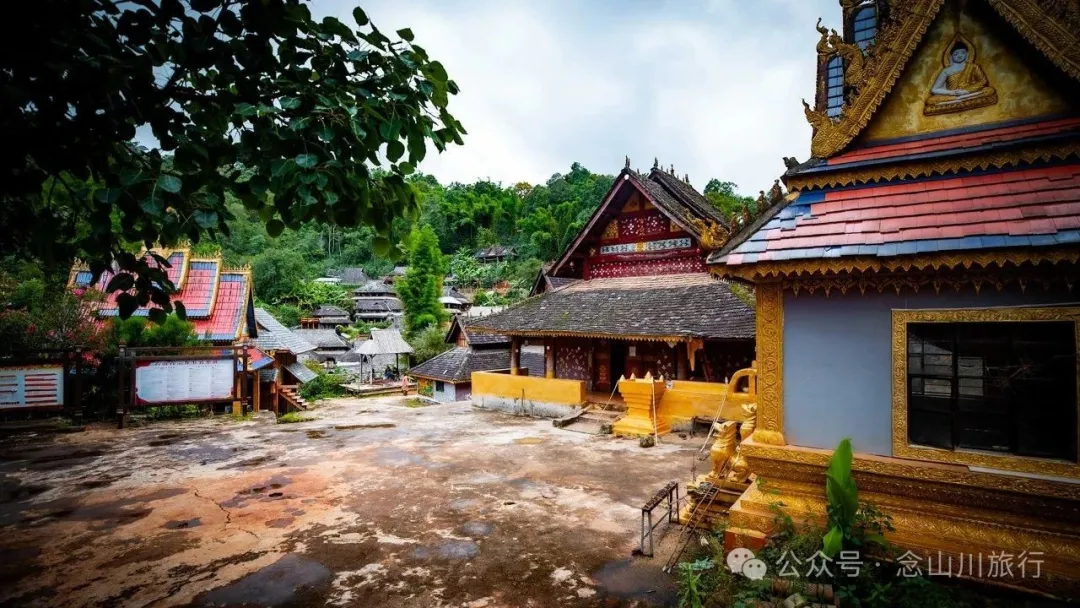
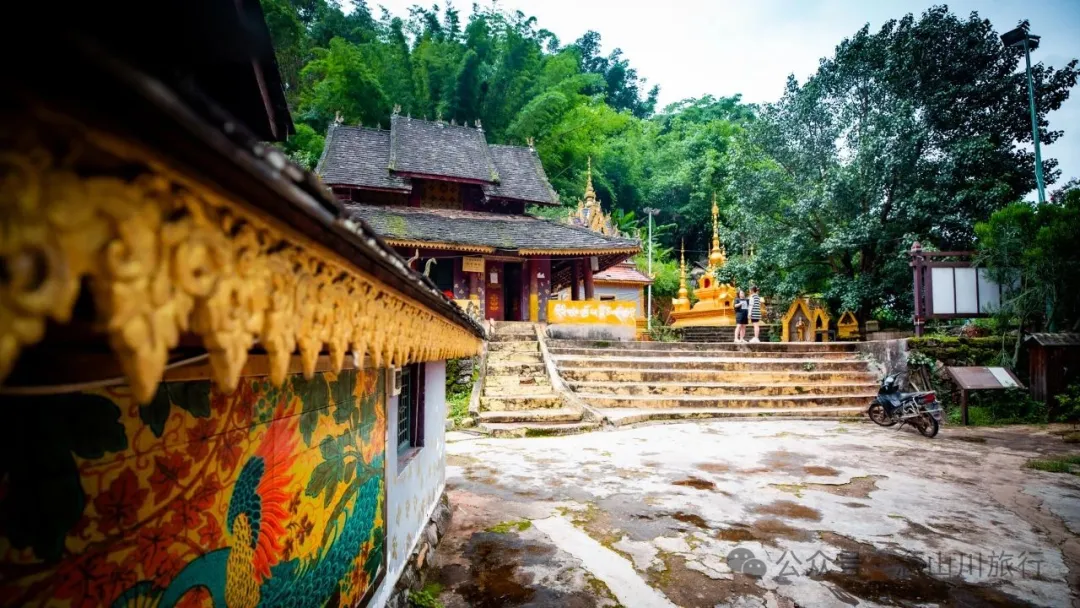
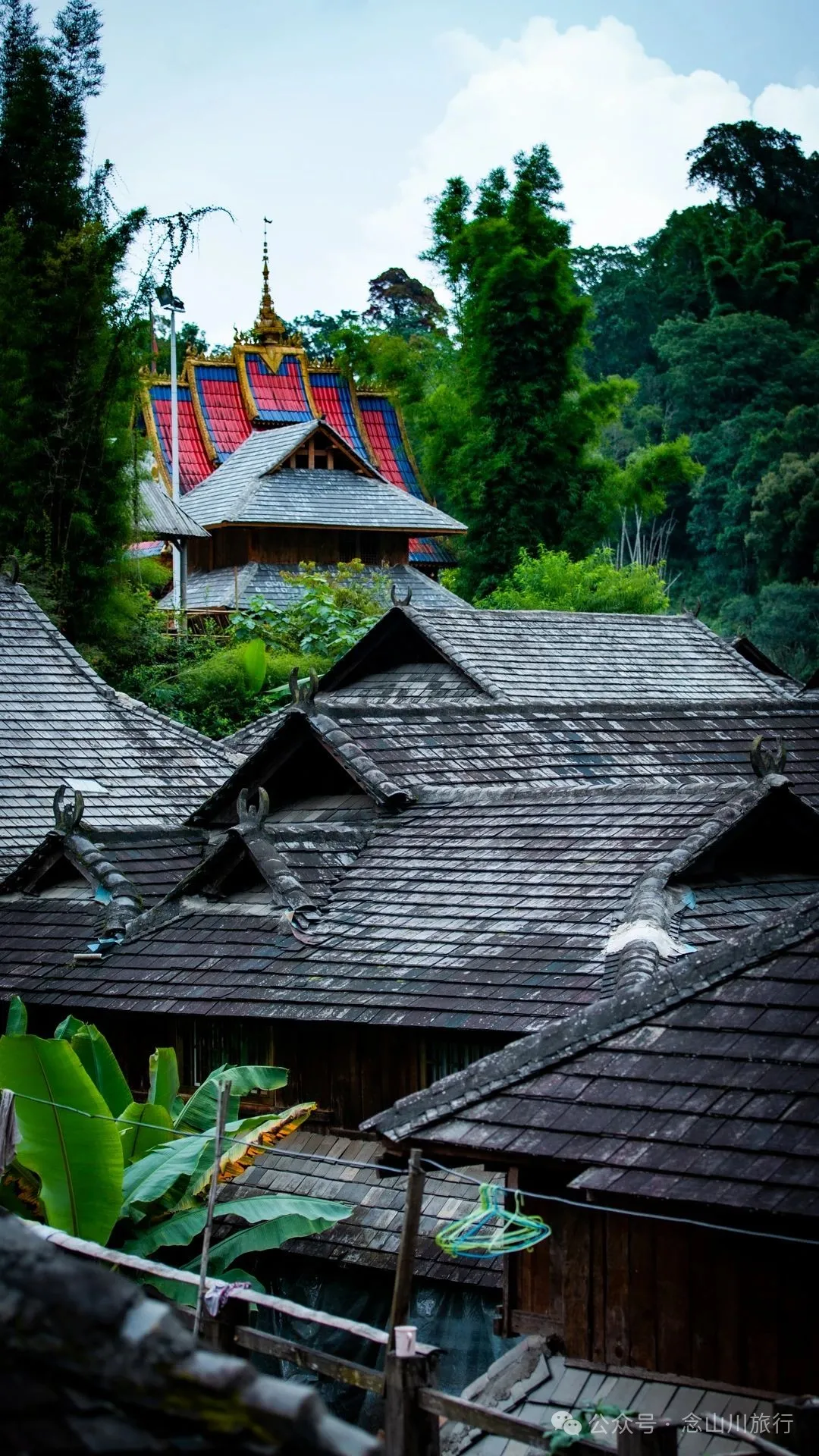
The Buddhist temple in Nuogan is not built in the center of the village but on the highest and most prominent slope at the edge. Though small, it is exquisite and typical. The main building is the hall with a double-eave hip-and-gable roof, layered and majestic. The ridge is decorated with auspicious patterns like flames and peacocks, and the eaves curve upward like birds in flight. Inside, a statue of Sakyamuni Buddha is enshrined, solemn and dignified, serving as the core for monks' chanting and believers' worship.
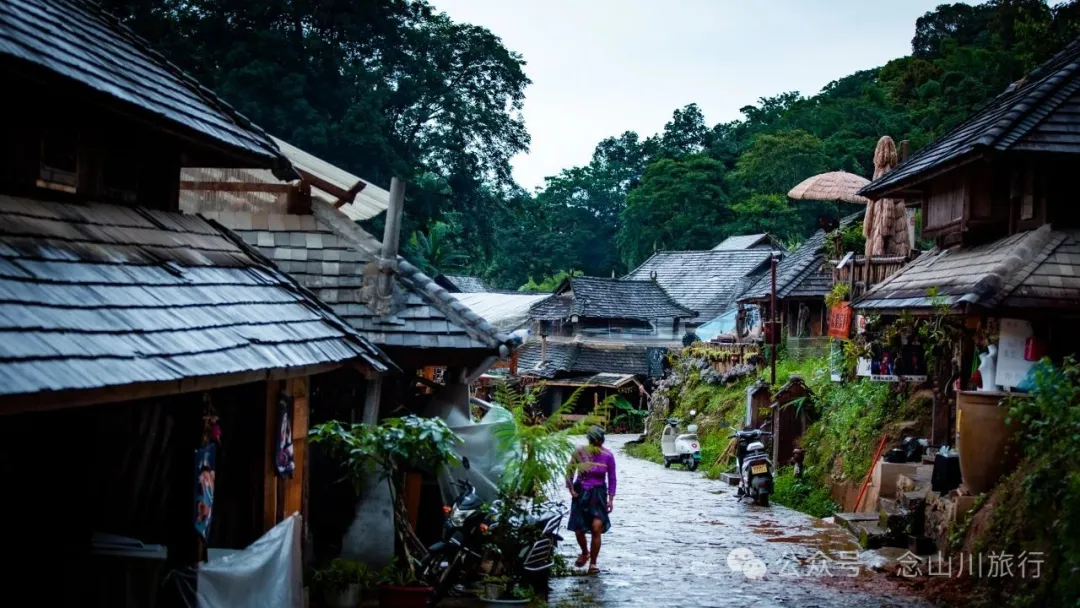
While preserving traditional farming life, many Nuogan residents have started businesses using their advantages. The first floor, once used for livestock, has now almost all become shops, mostly run by homeowners. In recent years, outsiders have also come to do business here. A sudden rain near dusk extended our stay, so we stepped into a roadside tea shop to take shelter. The landlady warmly invited us for tea, treating us to their unique sour tea. At first, it tasted strange, but after a few sips, we gradually got used to it.
The landlady is the homeowner; the house was built by her father. Although she runs a tea shop and a guesthouse, her parents still do farm work—plowing fields, growing tea, raising cattle, and feeding pigs. Pointing to the end of the road in the rain, she said her father had gone to feed the pigs outside the village. In the past, people and livestock lived under the same roof, but now, following policy, livestock have been moved outside, greatly improving the village environment.
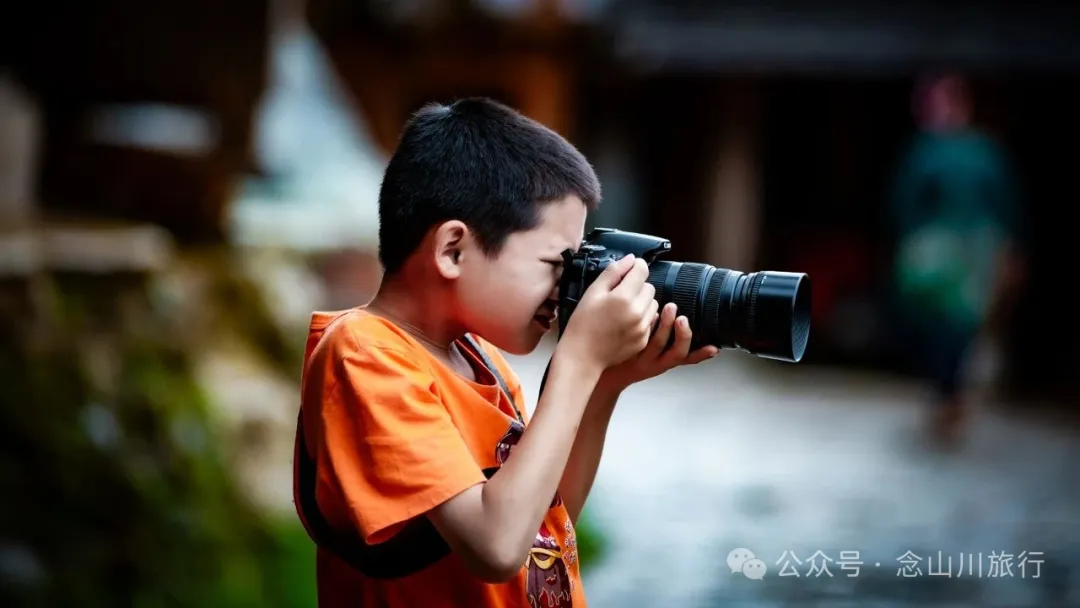
The little boy with the camera was interested in everything. Setting aside photography skills, his pose was quite impressive.
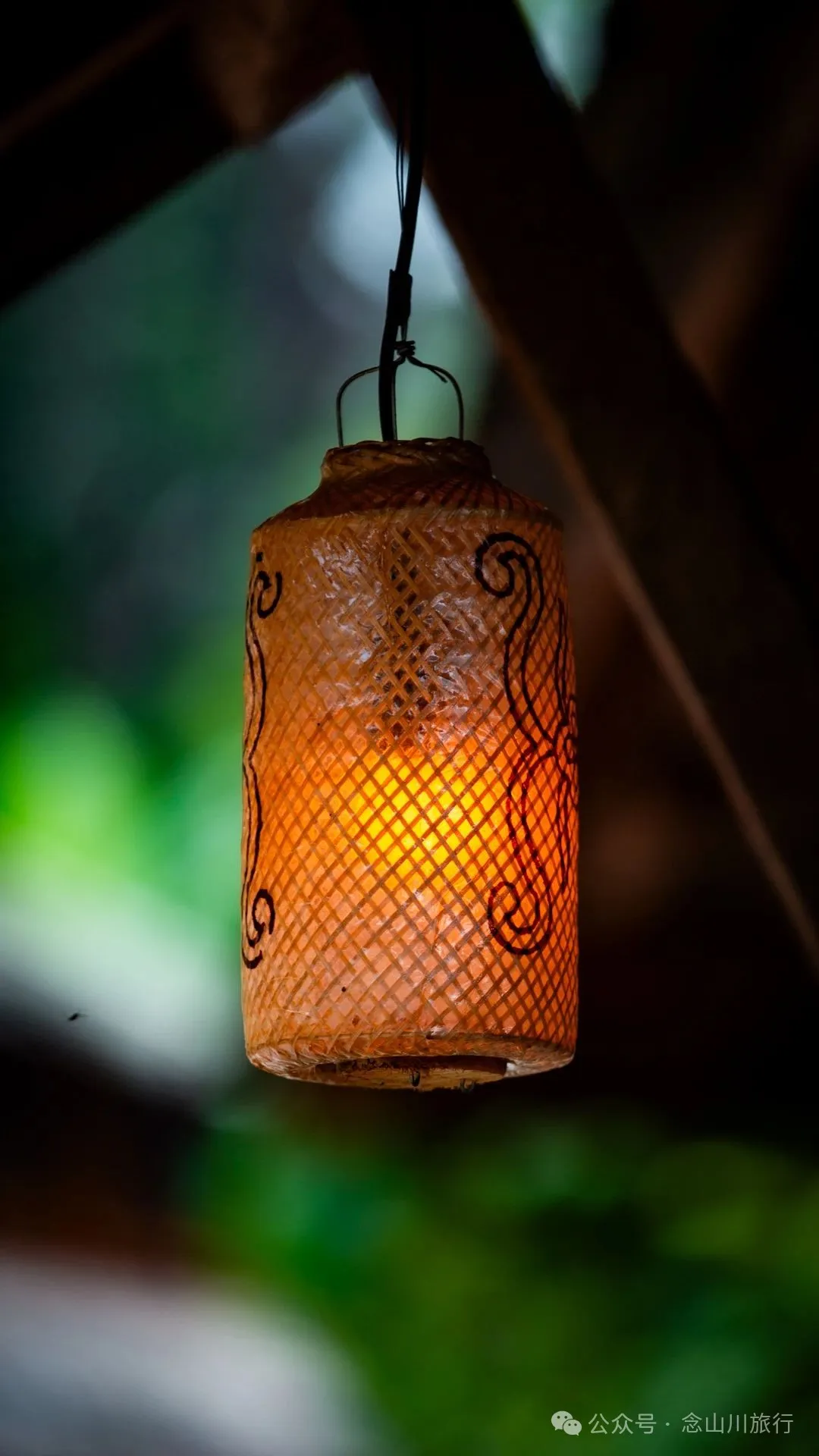
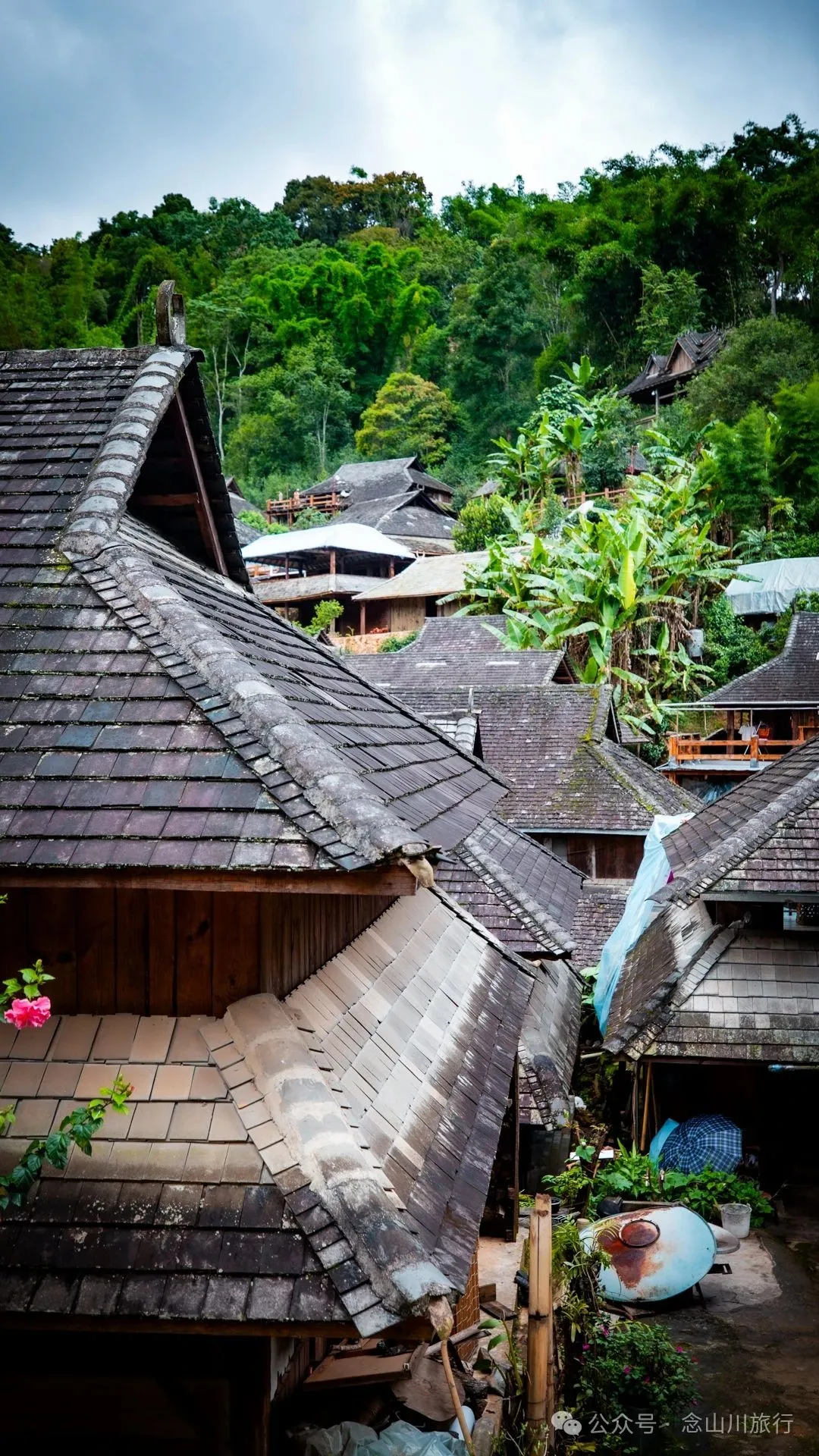
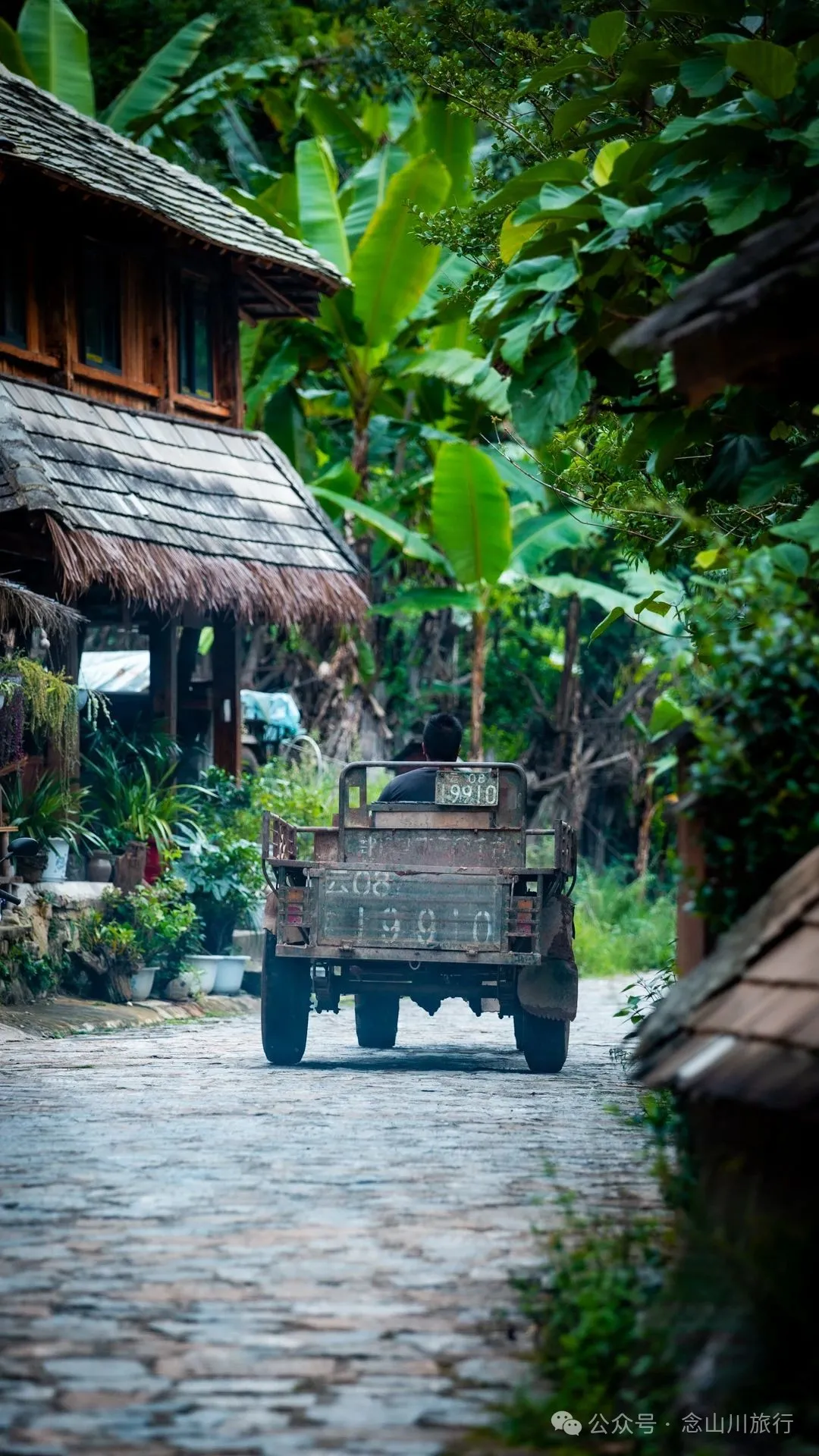
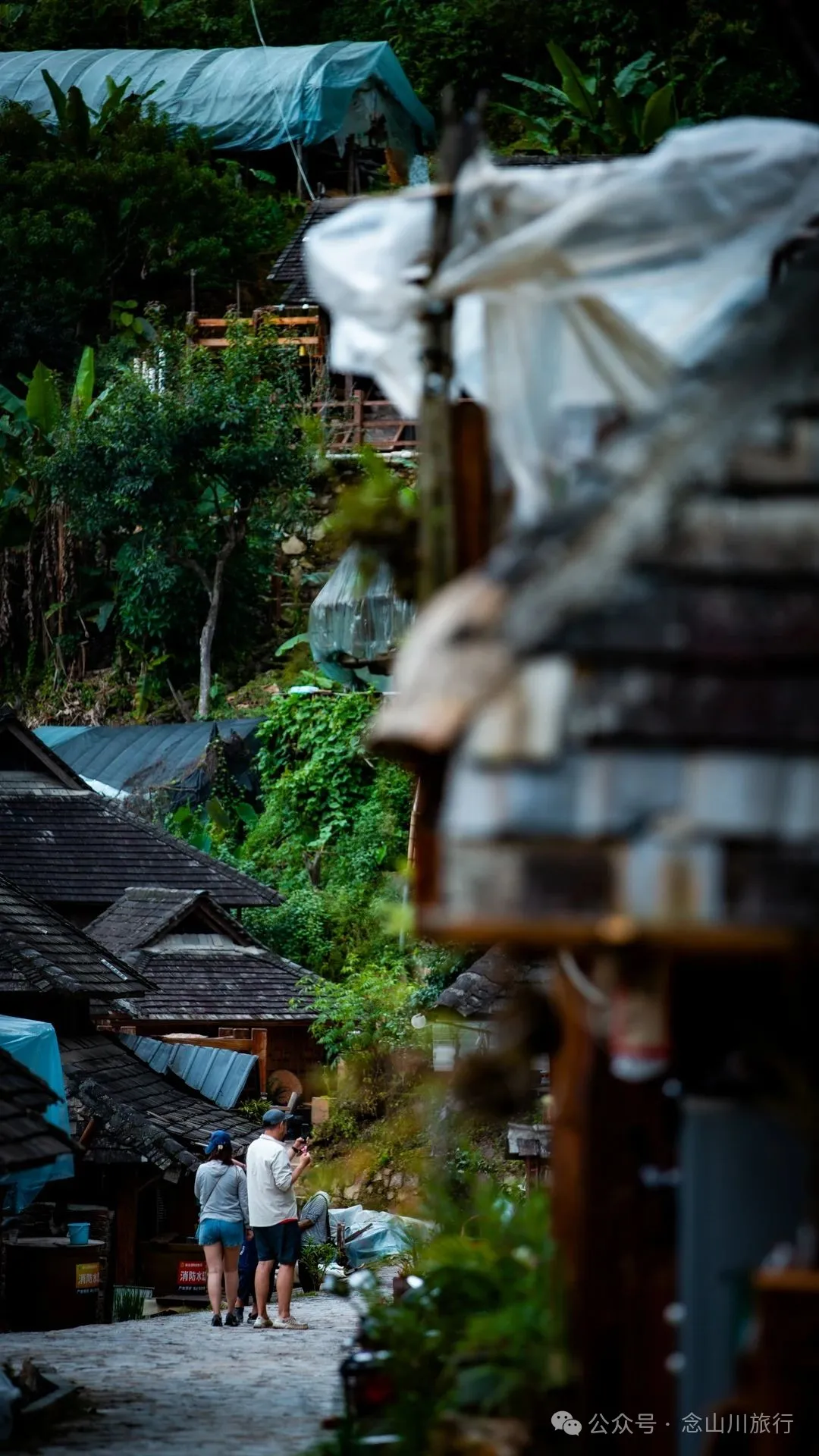
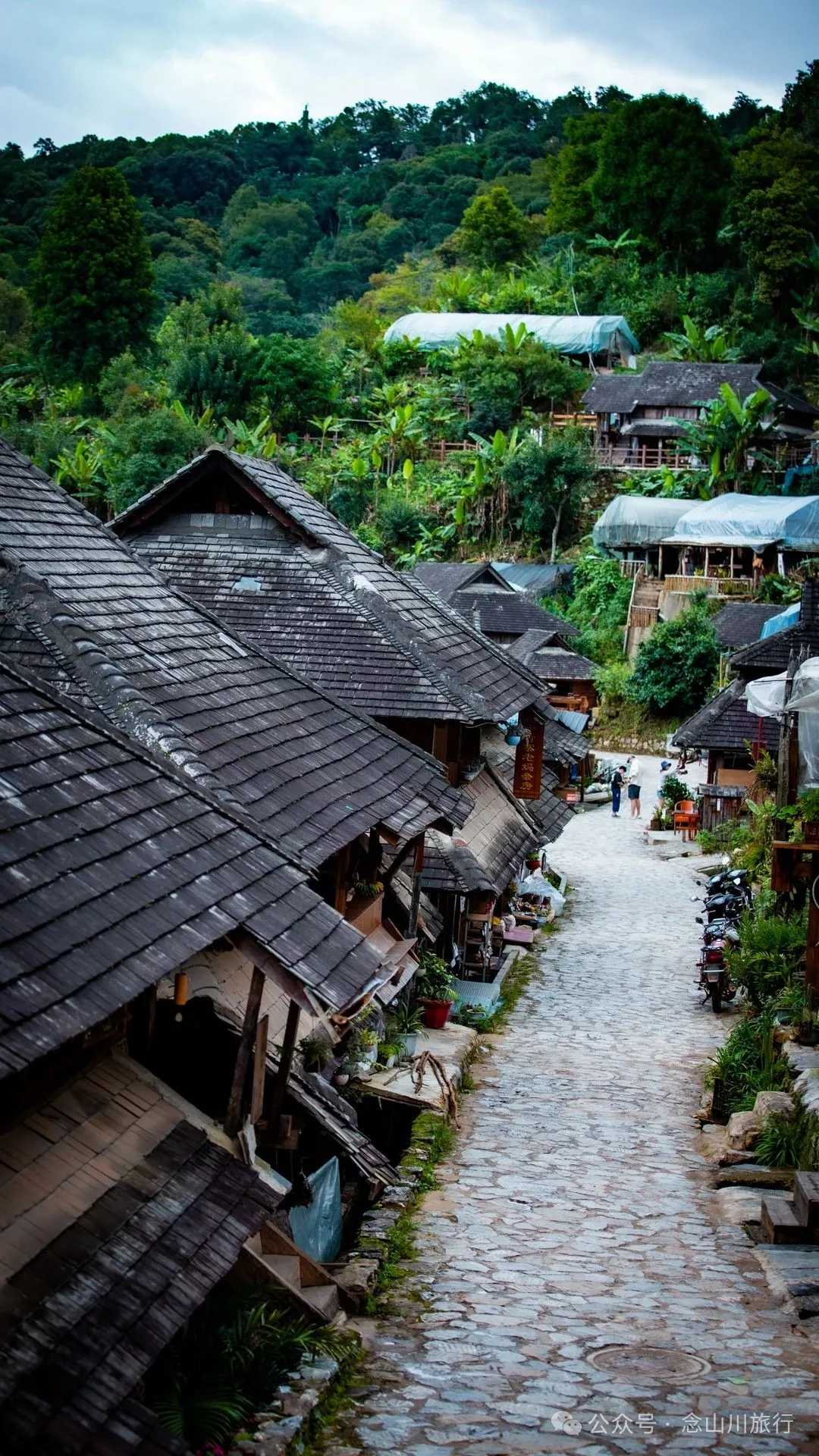
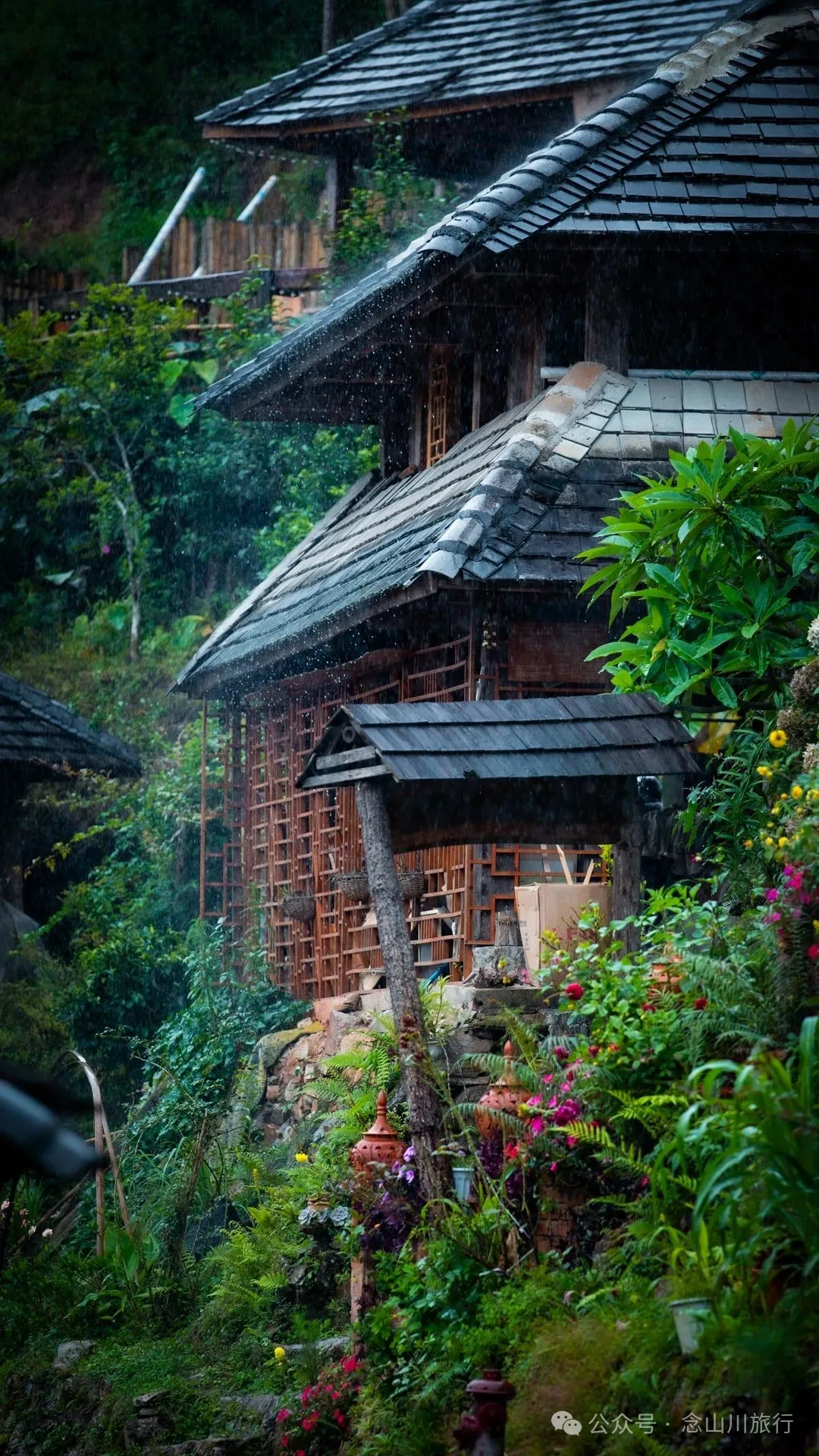
As we drank tea, we chatted with the landlady. Almost every household hangs a few pots of dendrobium under the eaves; locals call it orchid, simply because they like it, with no special meaning. I noticed one house with these "orchids" hanging under all four eaves, showing the owner's fondness. Some also hang dried sword beans under the eaves; the landlady said they symbolize peace and good luck, and also serve as decoration. Xiao Jiang, one of our companions, was interested in a bamboo item. The landlady explained it was a bamboo bell made by her father, once hung on water buffalo necks. Now that they no longer raise buffalo, the bamboo bell is used as decoration. Since it was the last bell her father made, decades old, she was reluctant to sell it.
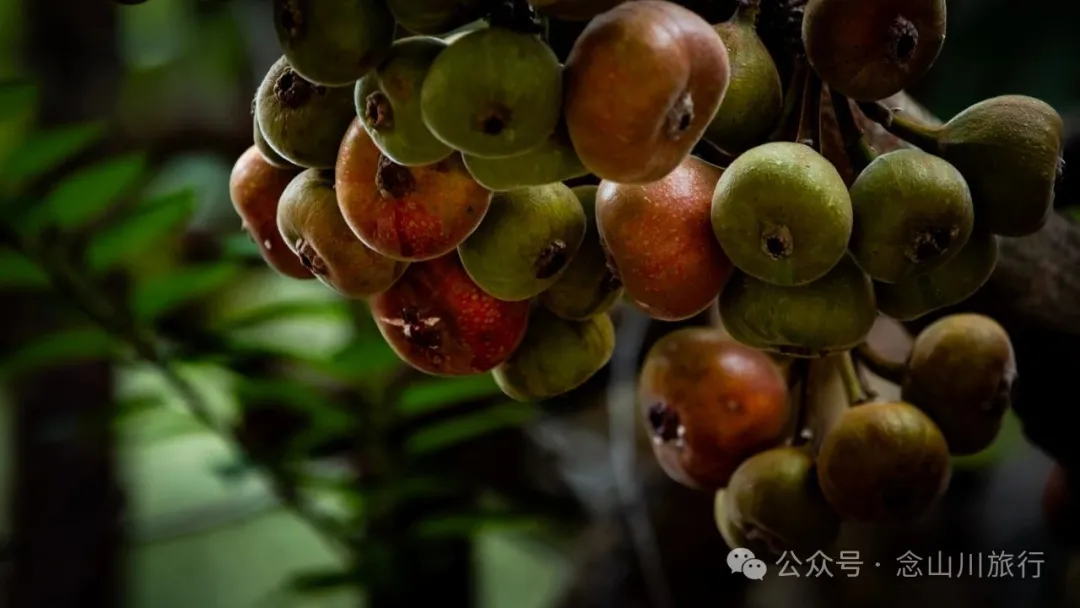
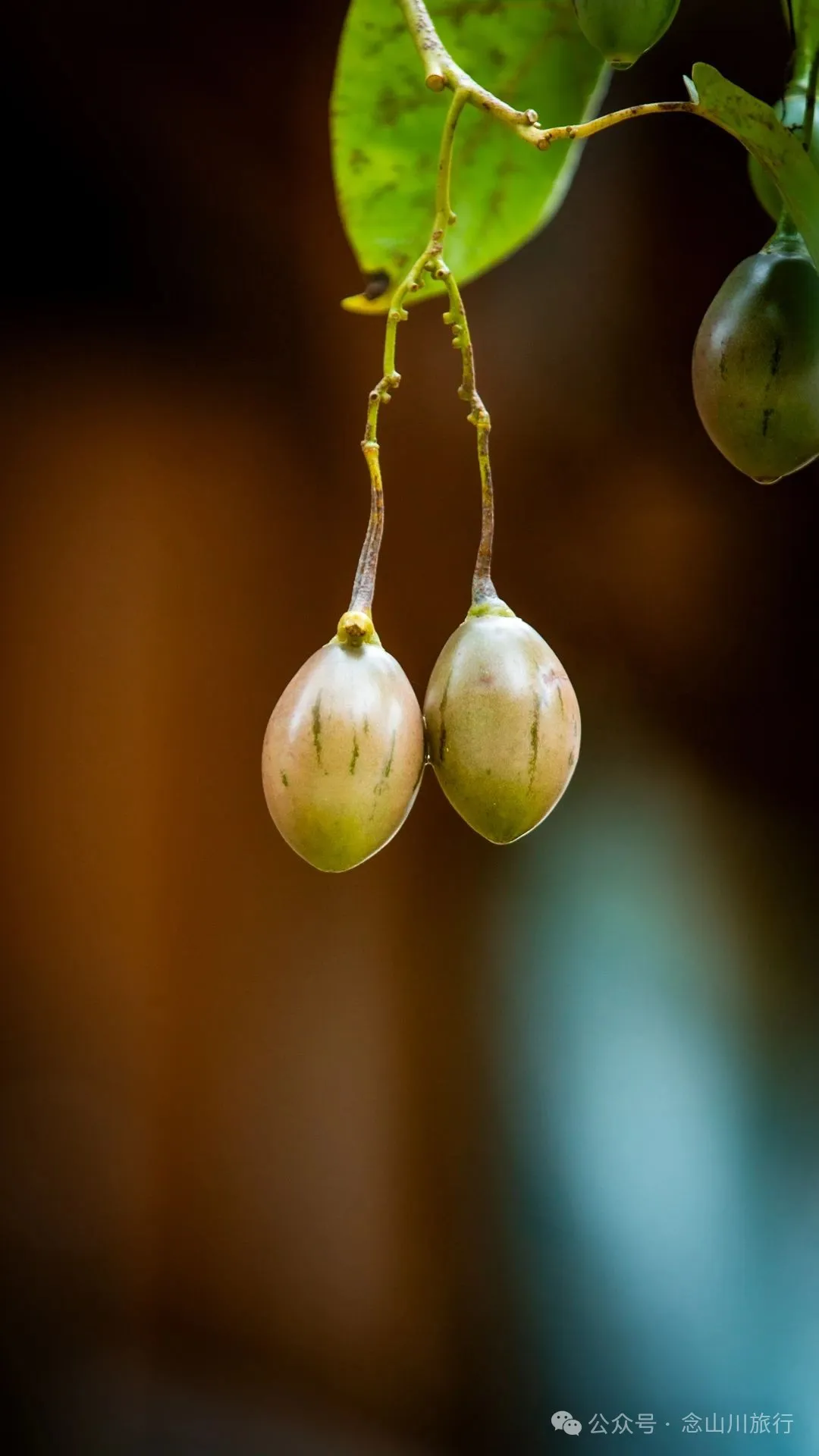
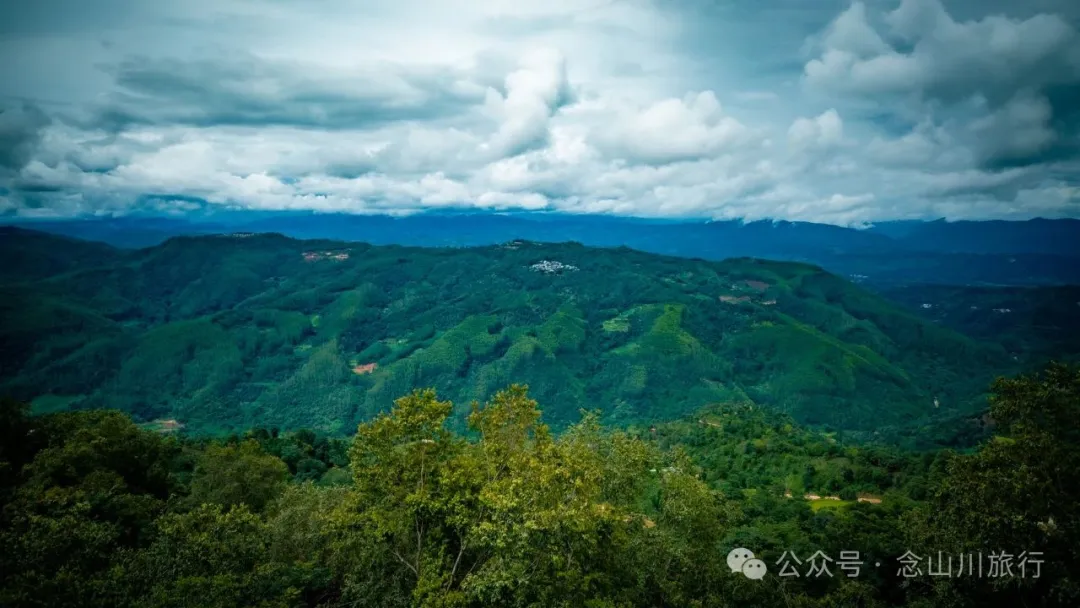
I always thought Dai areas were very hot, like typical Xishuangbanna, but summer here is quite cool, not as hot as I imagined. The landlady told us that summer here is actually comfortable, especially after rain when it's slightly cool. The hottest season is spring, though I forgot which month. The vegetation is lush, and we often saw large figs and tree tomatoes.