

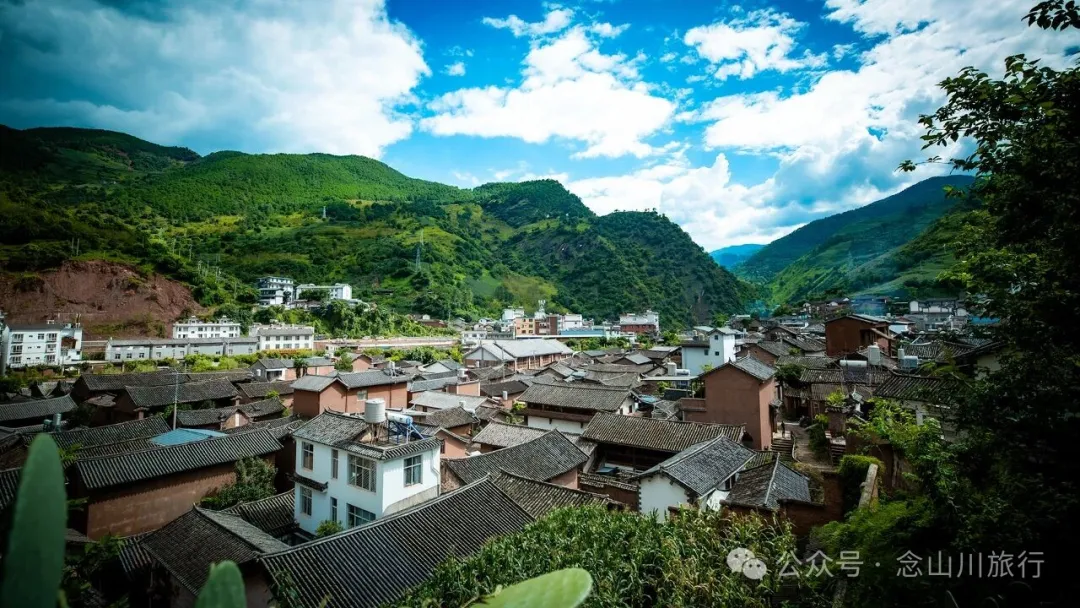
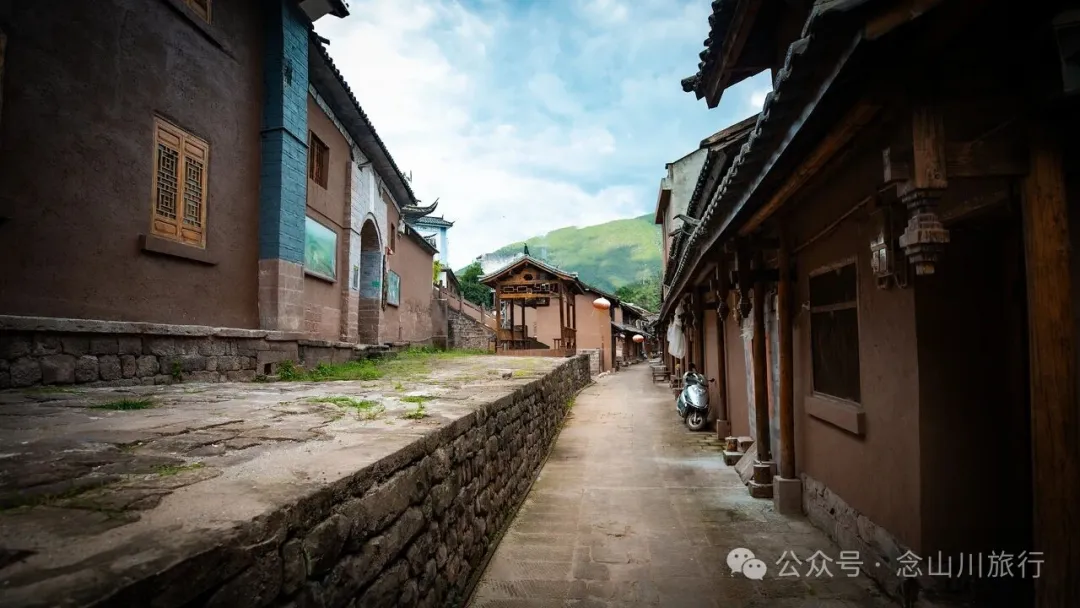
Like Heping Village in Nuodeng Town, Baofeng Ancient Town became an unexpected highlight of our trip due to its large collection of well-preserved ancient buildings. Crossing the Bijiang River into the main area of Baofeng Ancient Town, we walked through narrow, clean alleys, climbed up to the Sanchong Temple at the highest point, overlooked the entire town, then returned to the residential area with the densest concentration of ancient buildings. After traversing the long well-shaped lanes, we came back to the Bijiang River, completing our first visit to Baofeng Ancient Town.
Before this, we knew nothing about the history and culture of Baofeng Ancient Town. The sheer number of grand mansions in the town caught my attention, prompting me to search for relevant information. Only then did Baofeng Ancient Town slowly shake off its thick historical dust, revealing its once glorious and prosperous past. Baofeng's history can be traced back to the Han Dynasty, but its true prosperity began in the Ming Dynasty. In the 48th year of the Wanli era (1620 AD), the seat of Yunlong Prefecture was moved from Jiuzhou to Baofeng, starting a 305-year history as the prefectural seat. The development and prosperity of the salt industry were the main reasons Baofeng Ancient Town once became the economic and cultural center of western Yunnan.
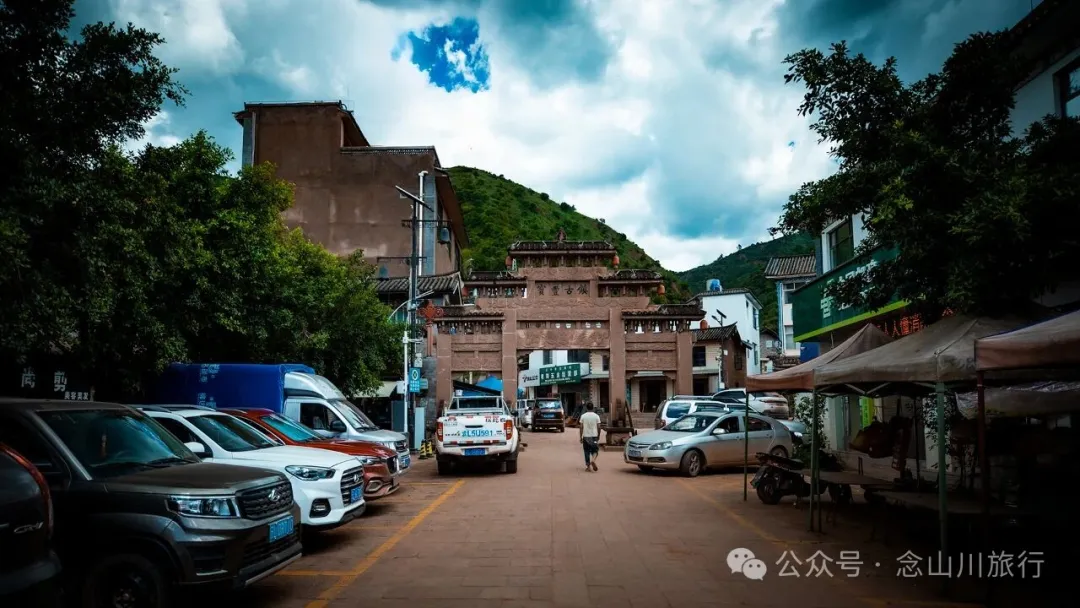
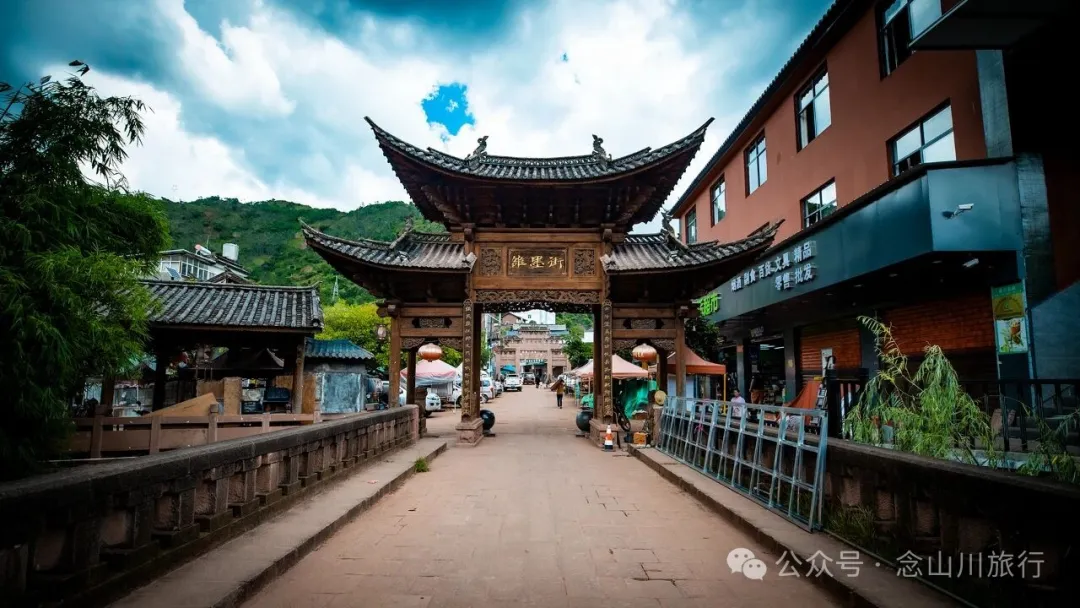
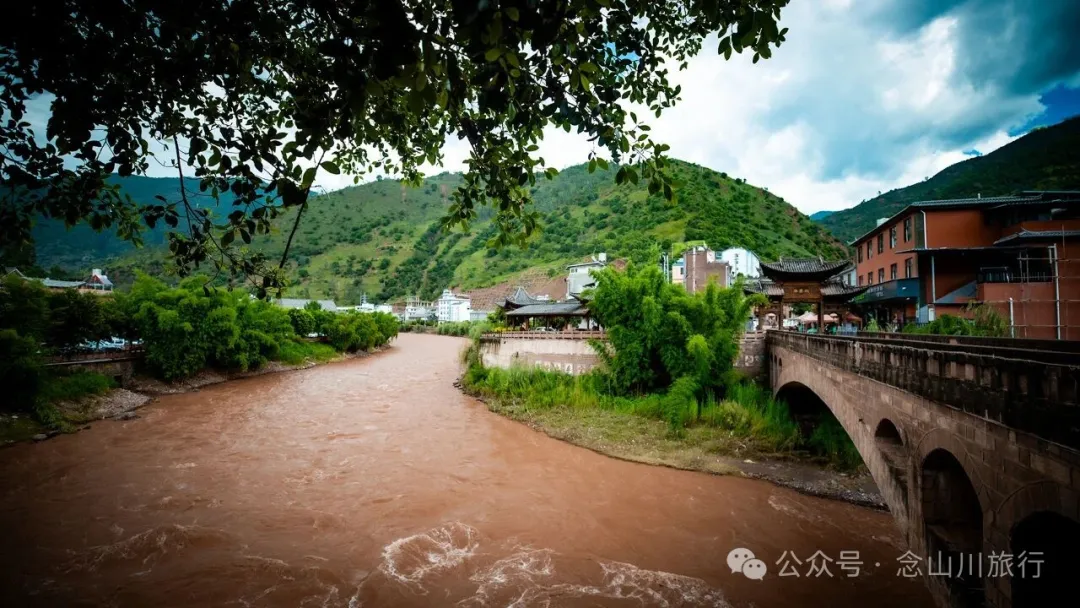
Baofeng Ancient Town is right next to the national highway, which was under construction, filling the air with dust and leaving a bad impression. Standing by the highway and looking at the town, the muddy, slurry-like Bijiang River outside the town surrounded it in chaos, making one hesitate. But after passing through the rolling dust under the scorching sun, as soon as we entered the narrow alleys of Baofeng's residential area, where the noisy Bijiang River during the rainy season was neither seen nor heard, the distant, peaceful, and tranquil Bai ethnic tunes slowly rippled through the air, revealing scenes of real life with their own warmth and coldness before us.
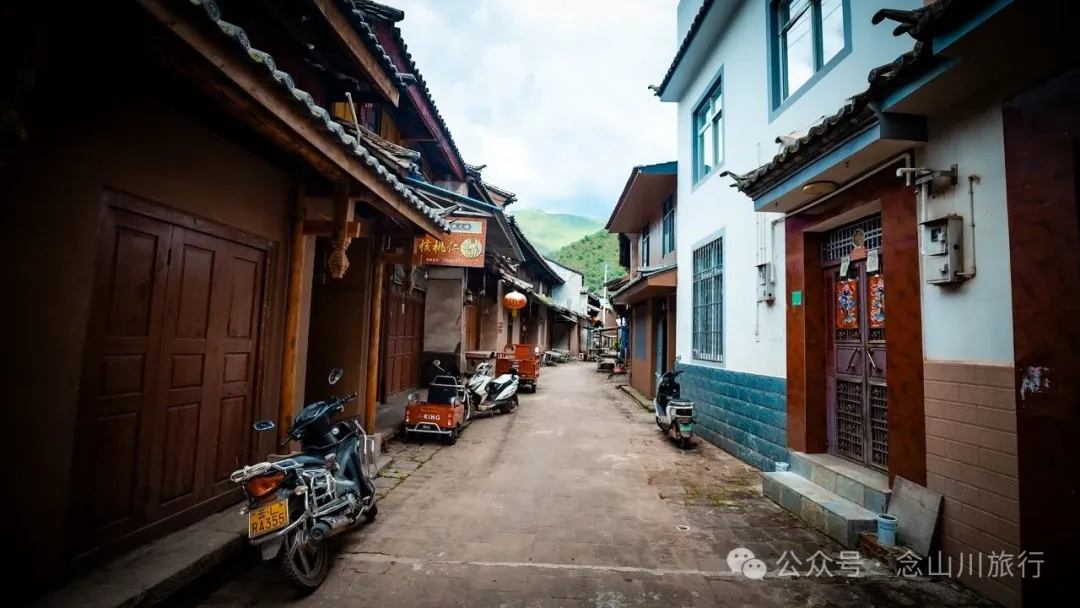
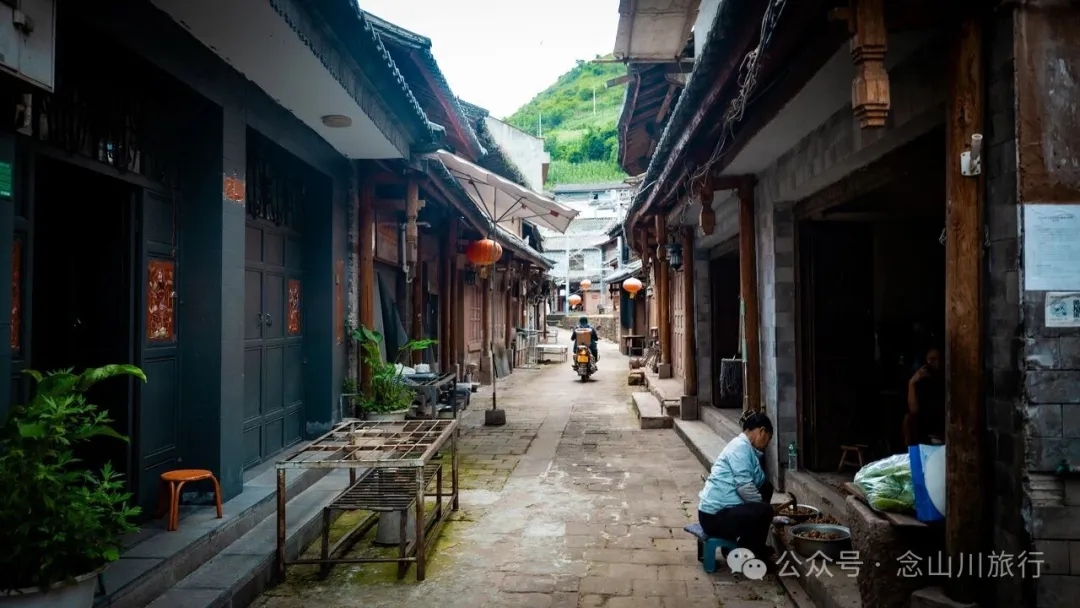
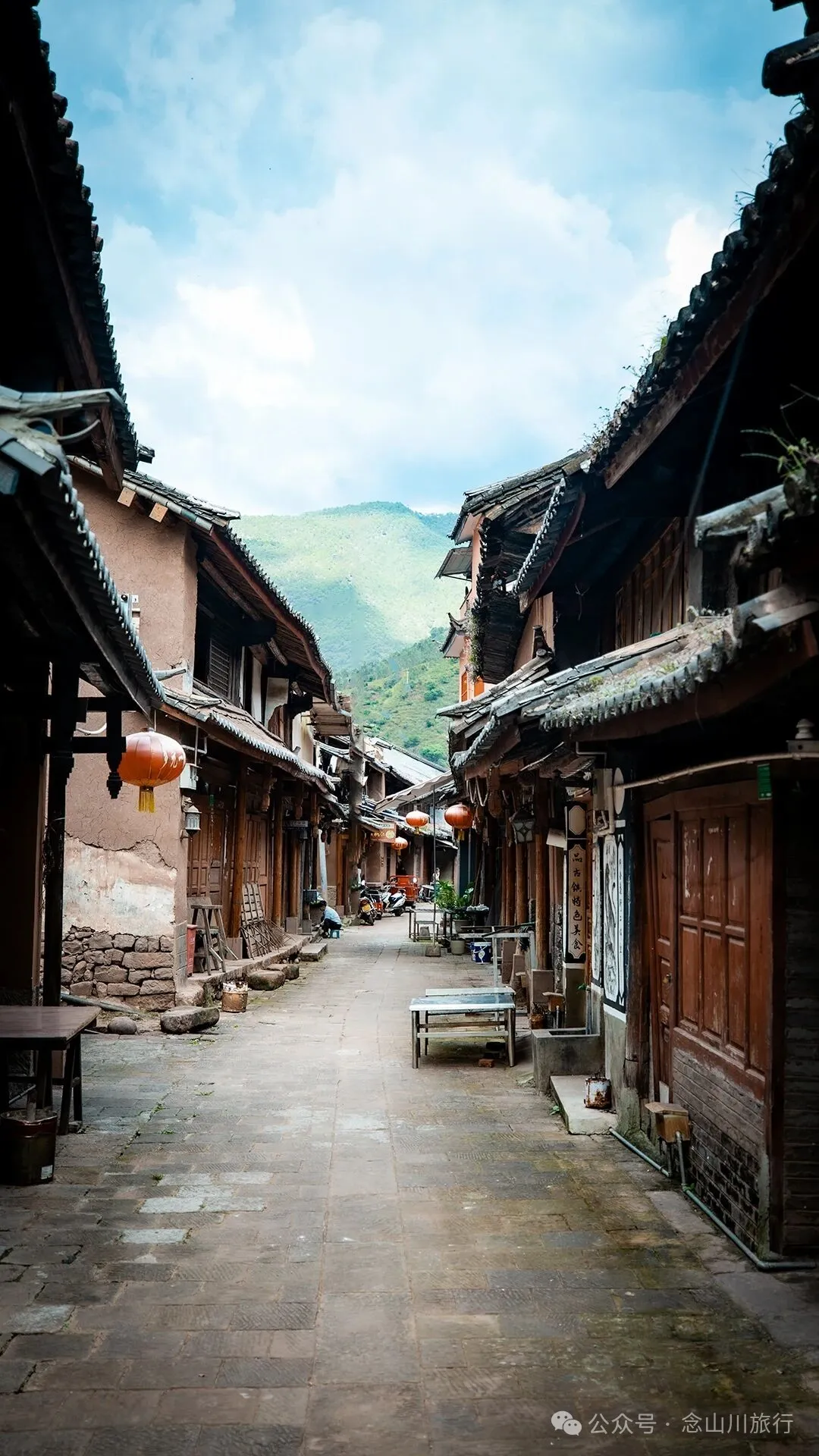
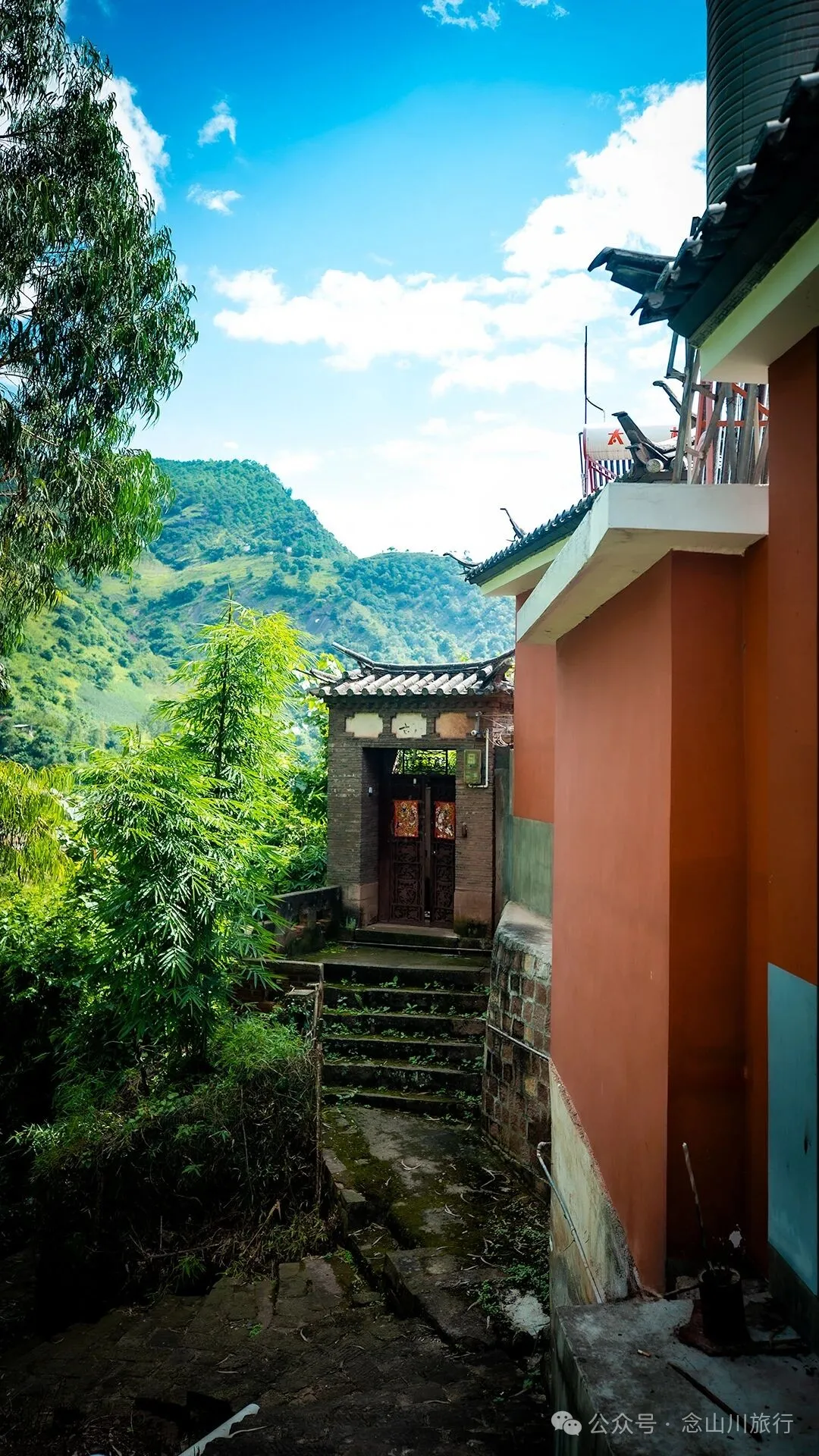
Many houses along the street also had shops, mostly selling local specialties. At a shop near a crossroads, several people were shelling walnuts, seemingly preparing to make mooncakes for the Mid-Autumn Festival. Perhaps we arrived too late; many shops were closed, the streets were empty, and people were nowhere to be seen. There were no tourists except for the four of us. Walking up to the higher part of the town, we even found an inn, but it was not open for business, and no voices were heard.
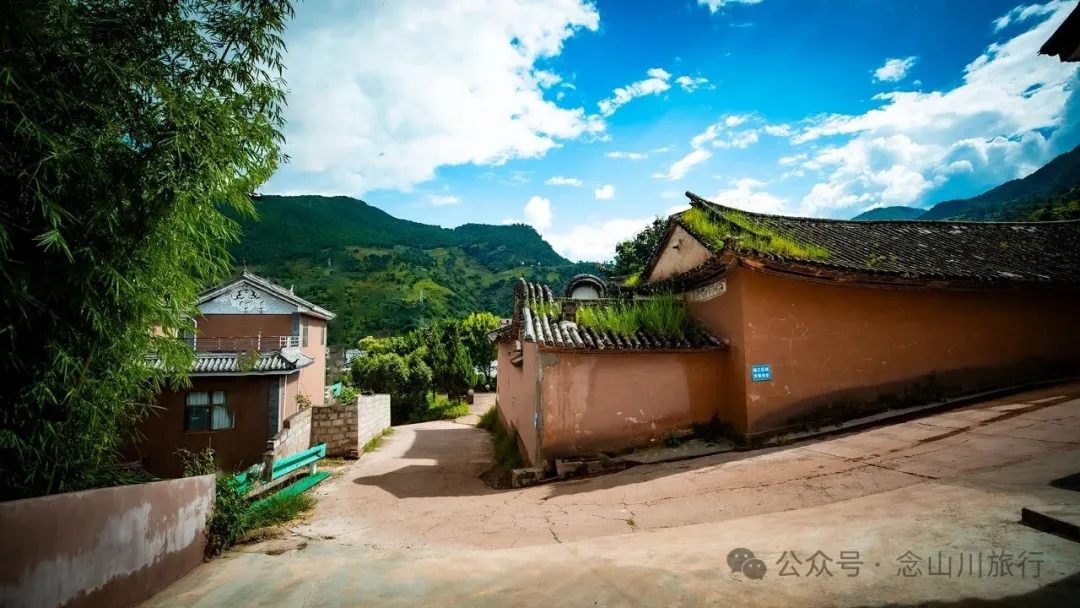
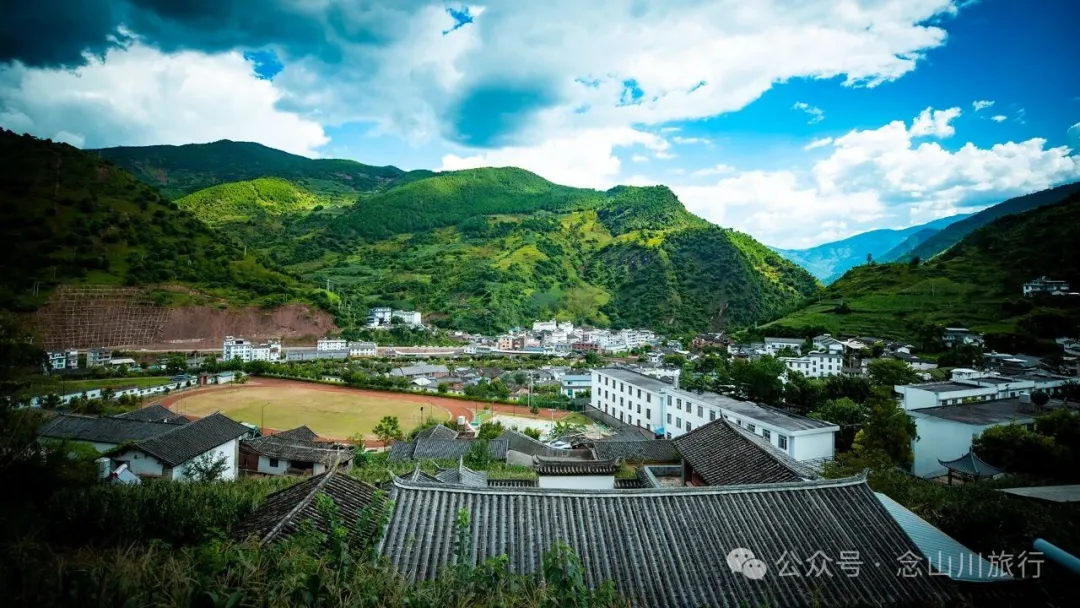
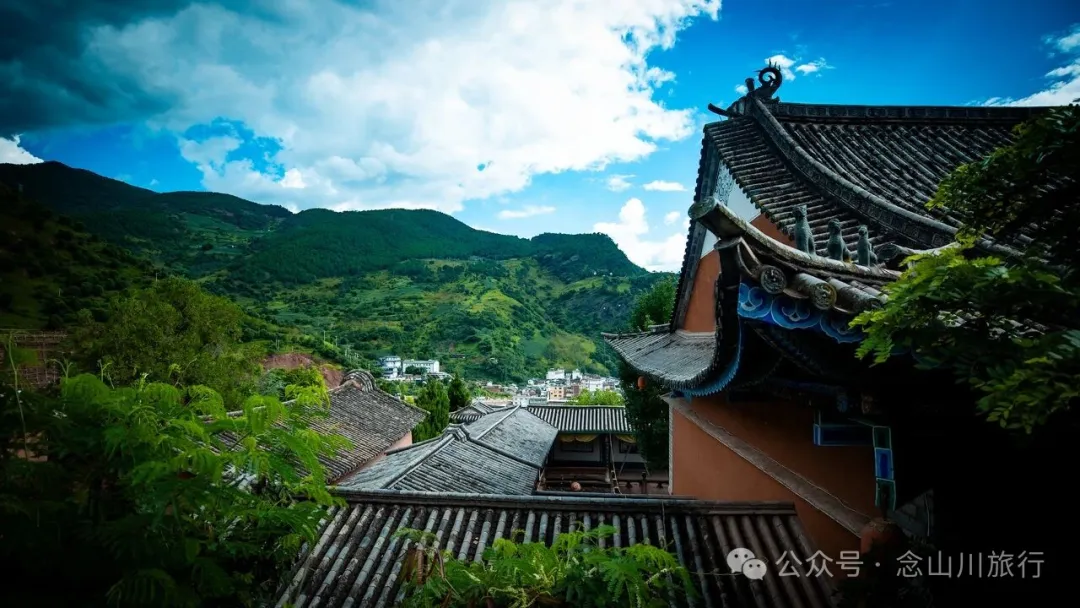
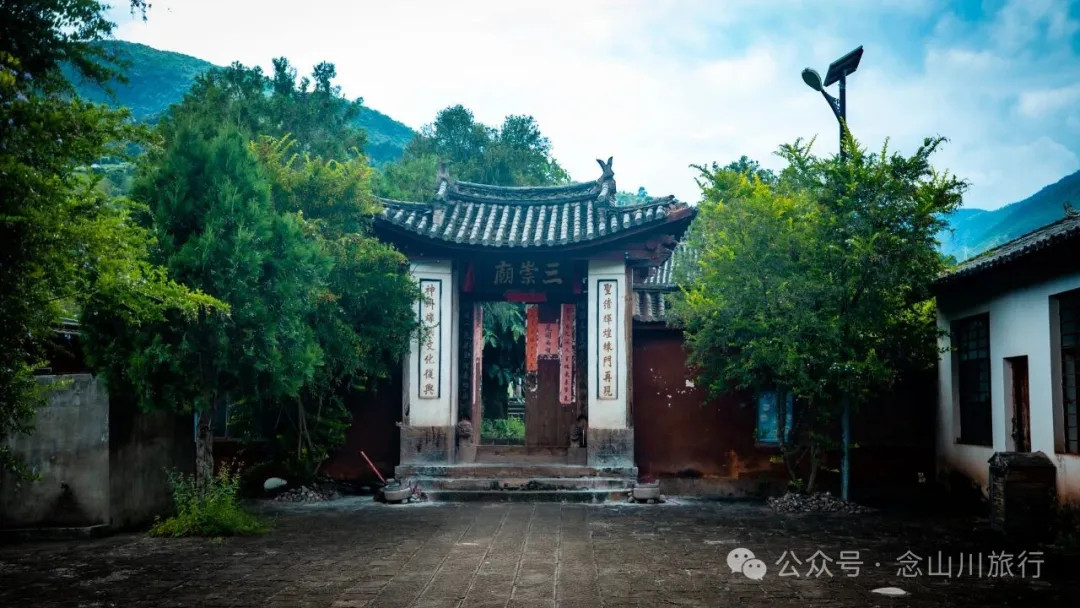
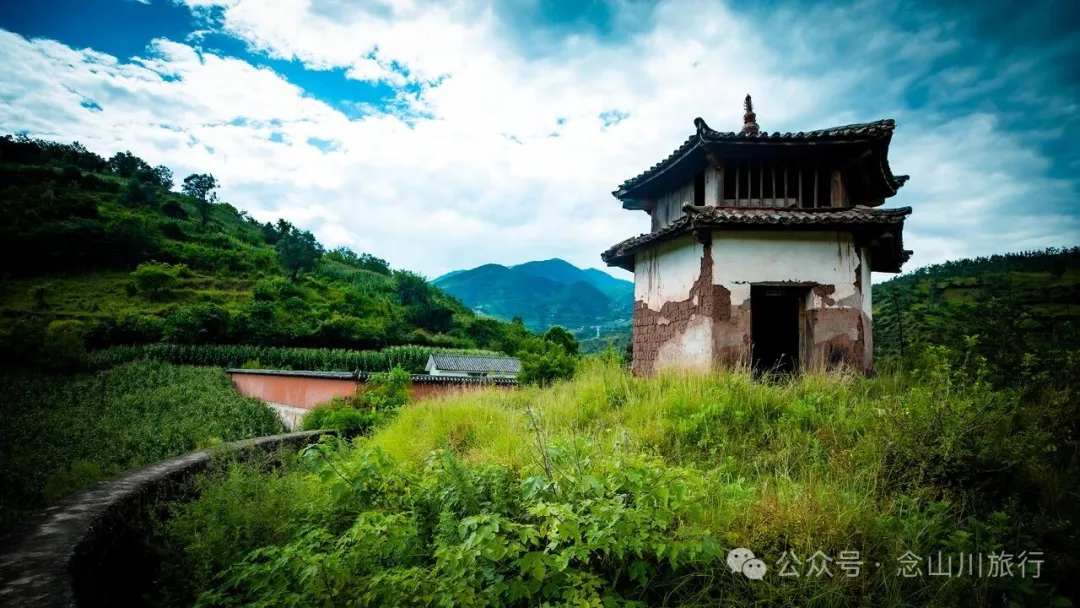
Climbing to the Sanchong Temple on the hilltop, we could almost take in the entire Baofeng Ancient Town in the river valley. The surrounding mountains were lush and green, with vibrant greenery surging under the blue sky, as if about to cascade into a waterfall chasing the drifting clouds. Inside the temple, residents were already conducting worship activities for the Ghost Festival, with incense smoke swirling around the mountain. The Sanchong Temple is dedicated to "Lord Sanchong," whose prototype is Wang Ji, the Minister of War of the Ming Dynasty. During the Zhengtong era of the Ming Dynasty, Wang Ji led three campaigns against Luchuan, pacifying rebellions on the western Yunnan border and achieving great military feats. Although he ultimately met a tragic end due to court suspicion, the Bai people believed he could ward off evil and protect the area, so they built a temple to worship him, keeping the incense burning continuously.
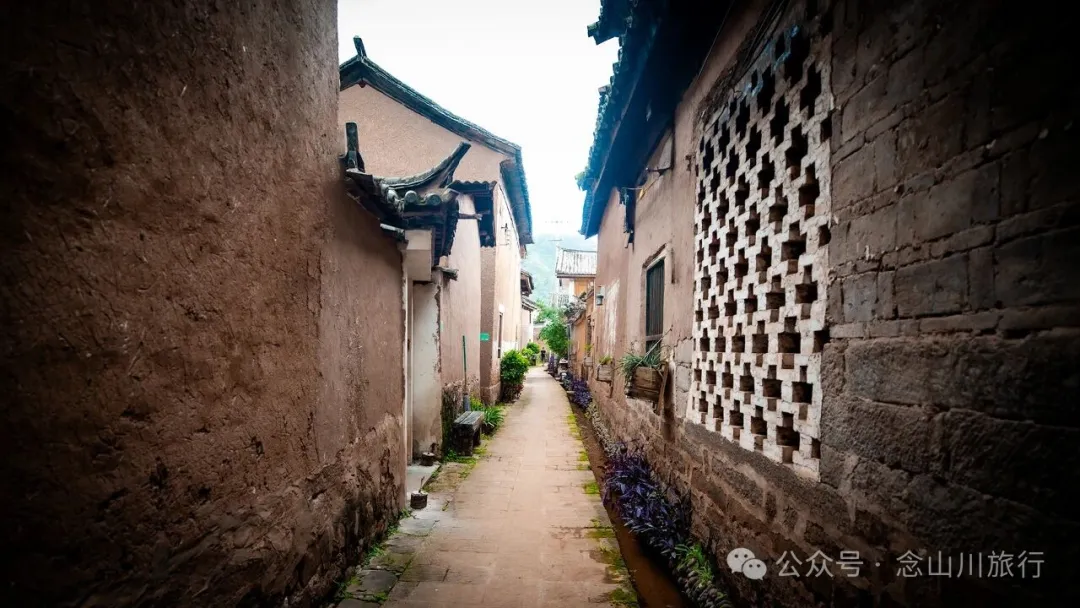
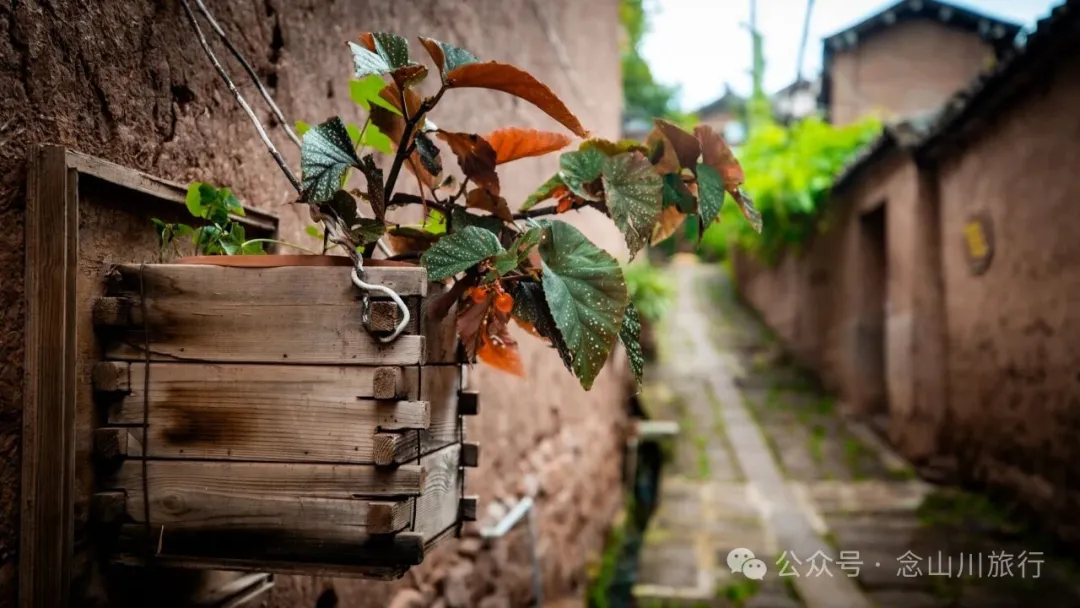

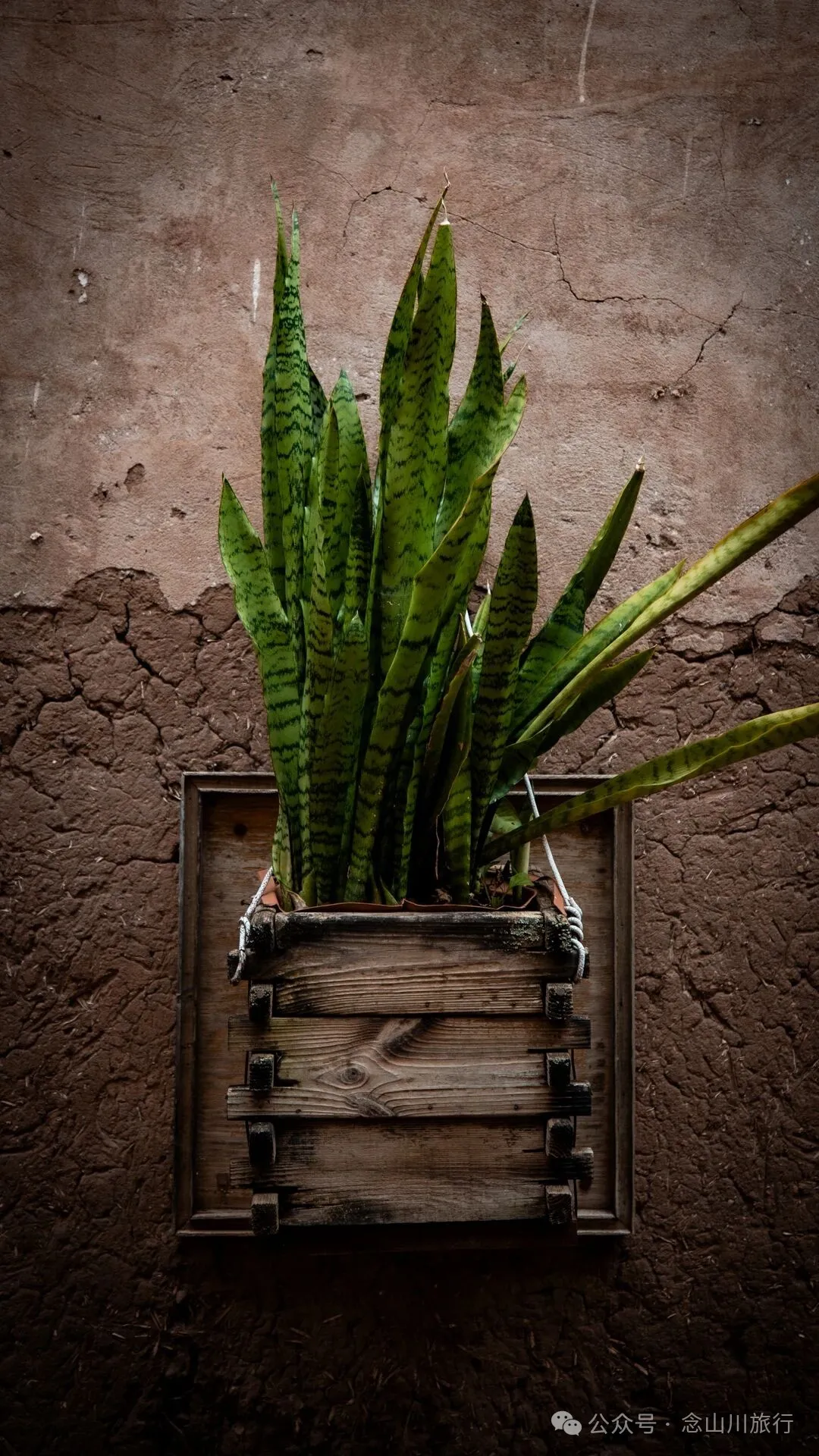
Returning to Baofeng Ancient Town, we delved into the residential area with clusters of ancient buildings. The alleys here were even more secluded and quiet, spotlessly clean. On the earthen walls of many homes hung wooden boxes containing ordinary potted plants, like a beam of light shining into the deep alley.
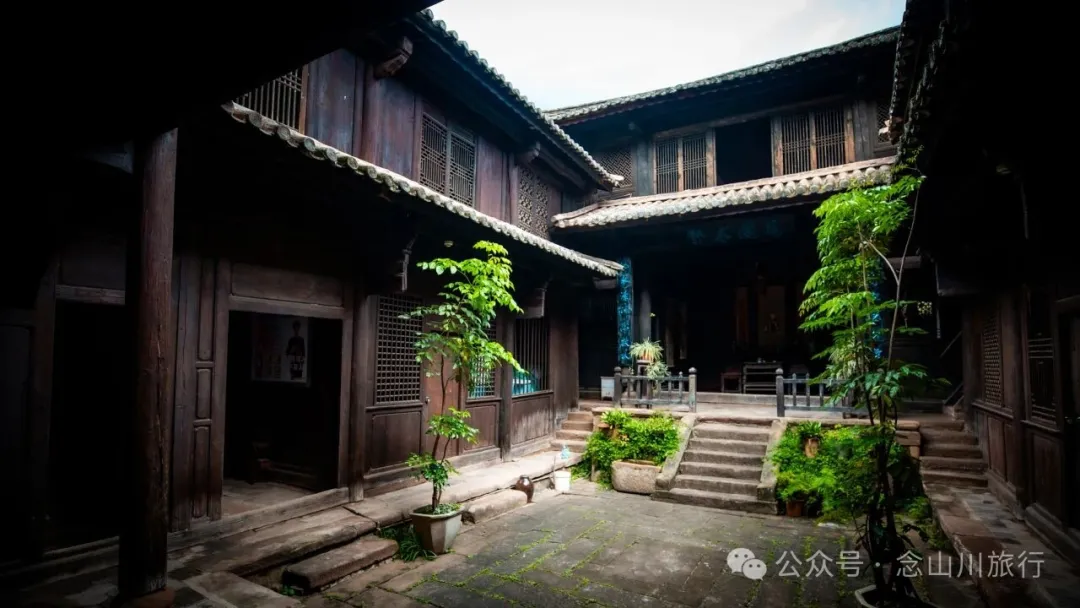
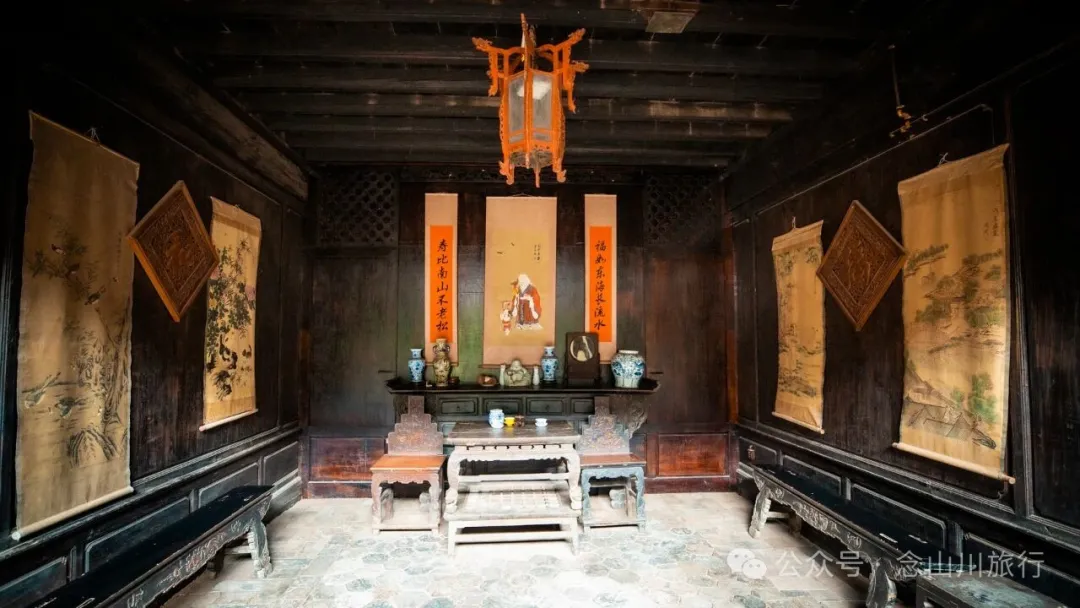
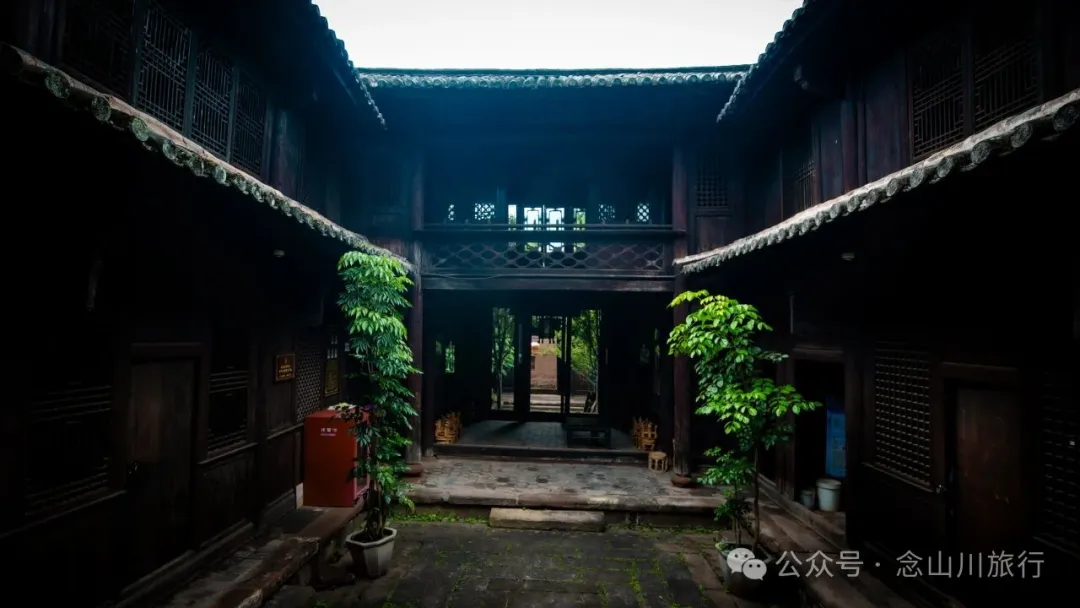
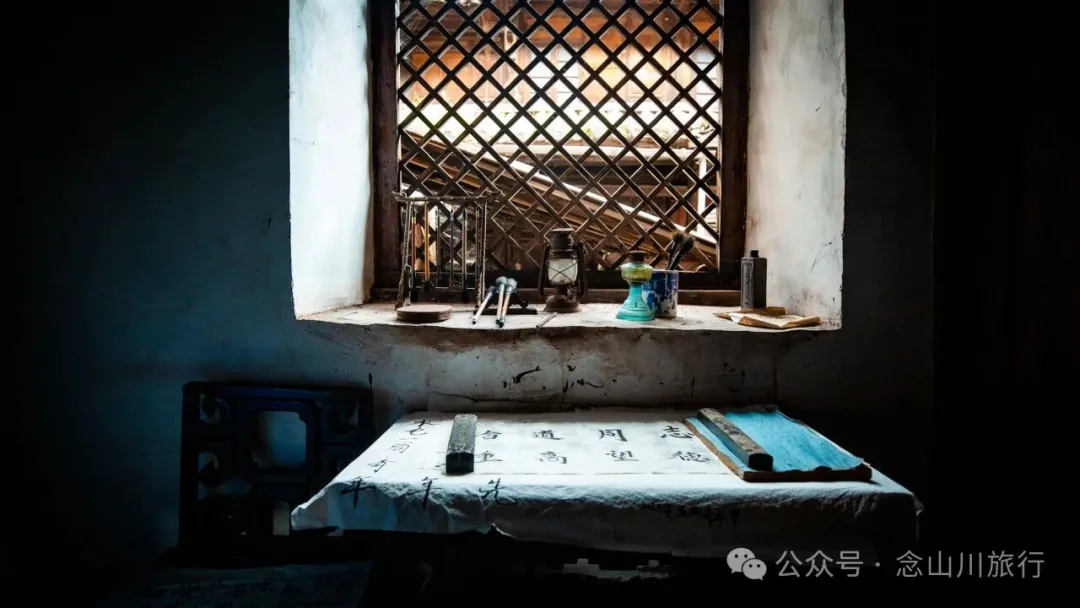
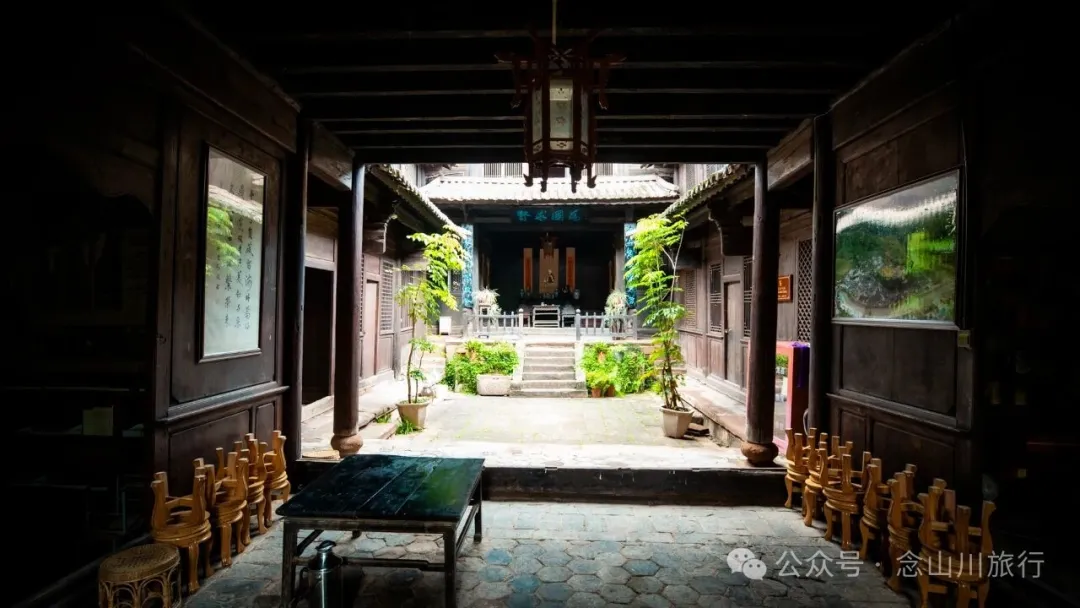
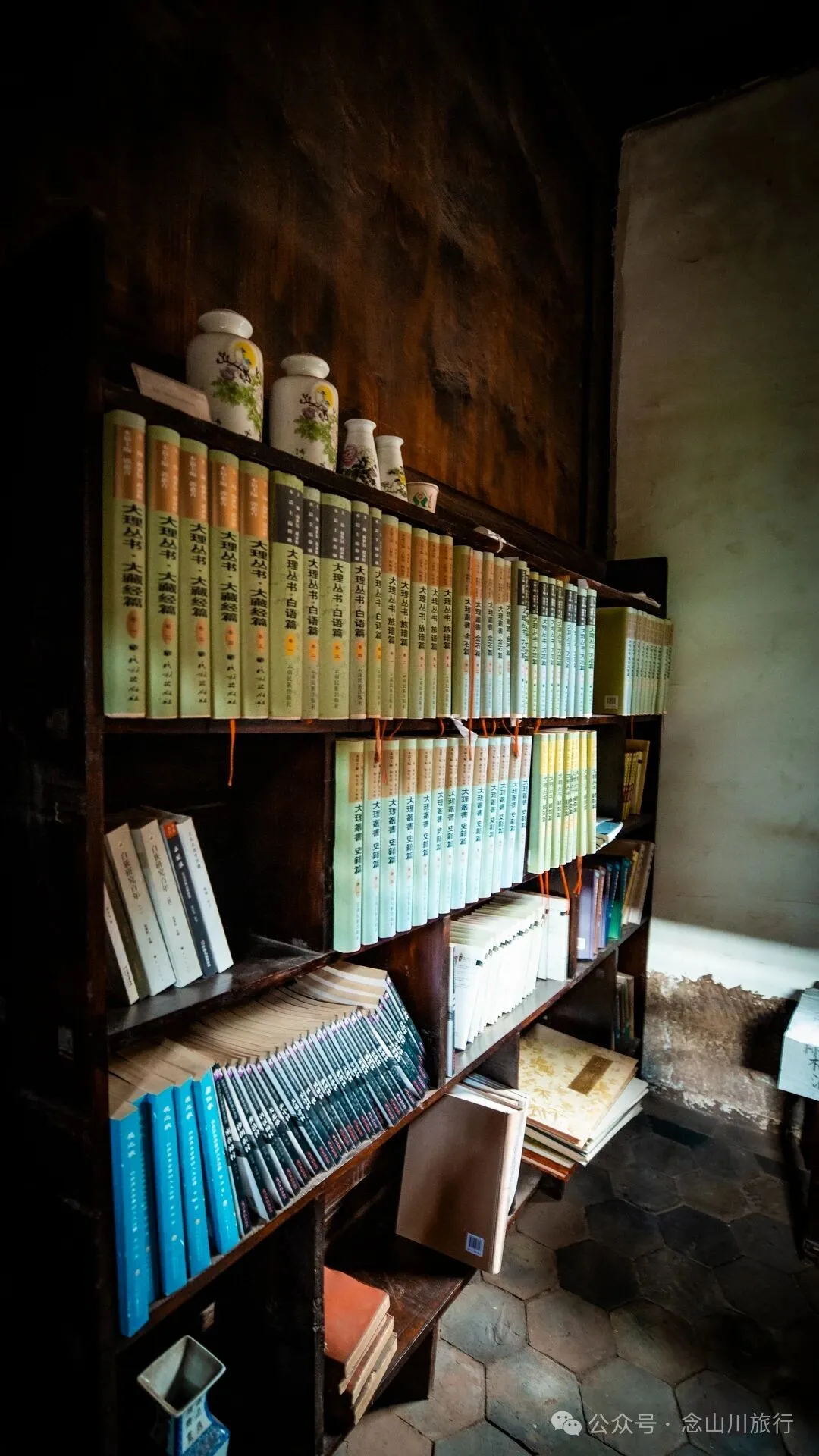
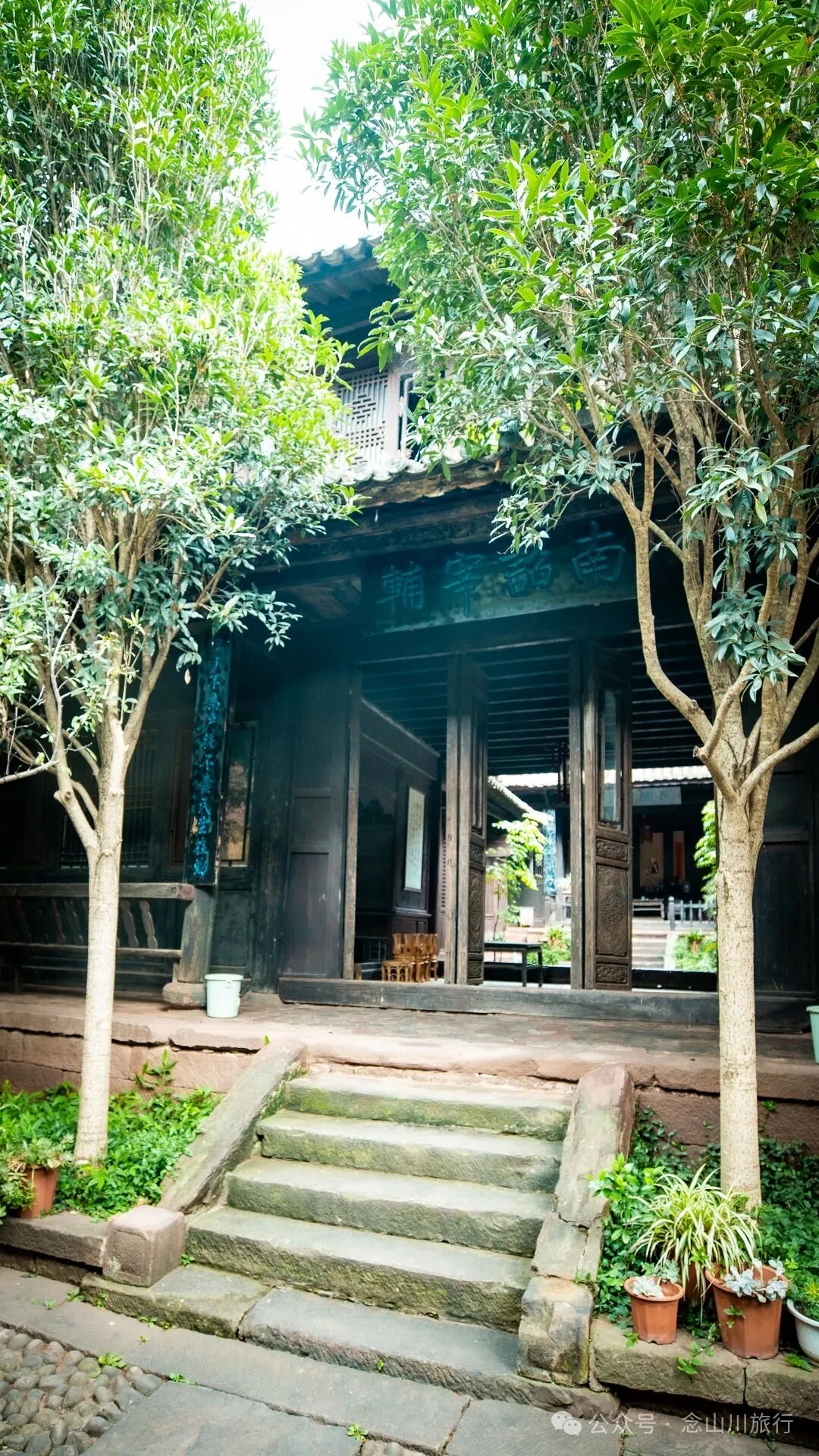
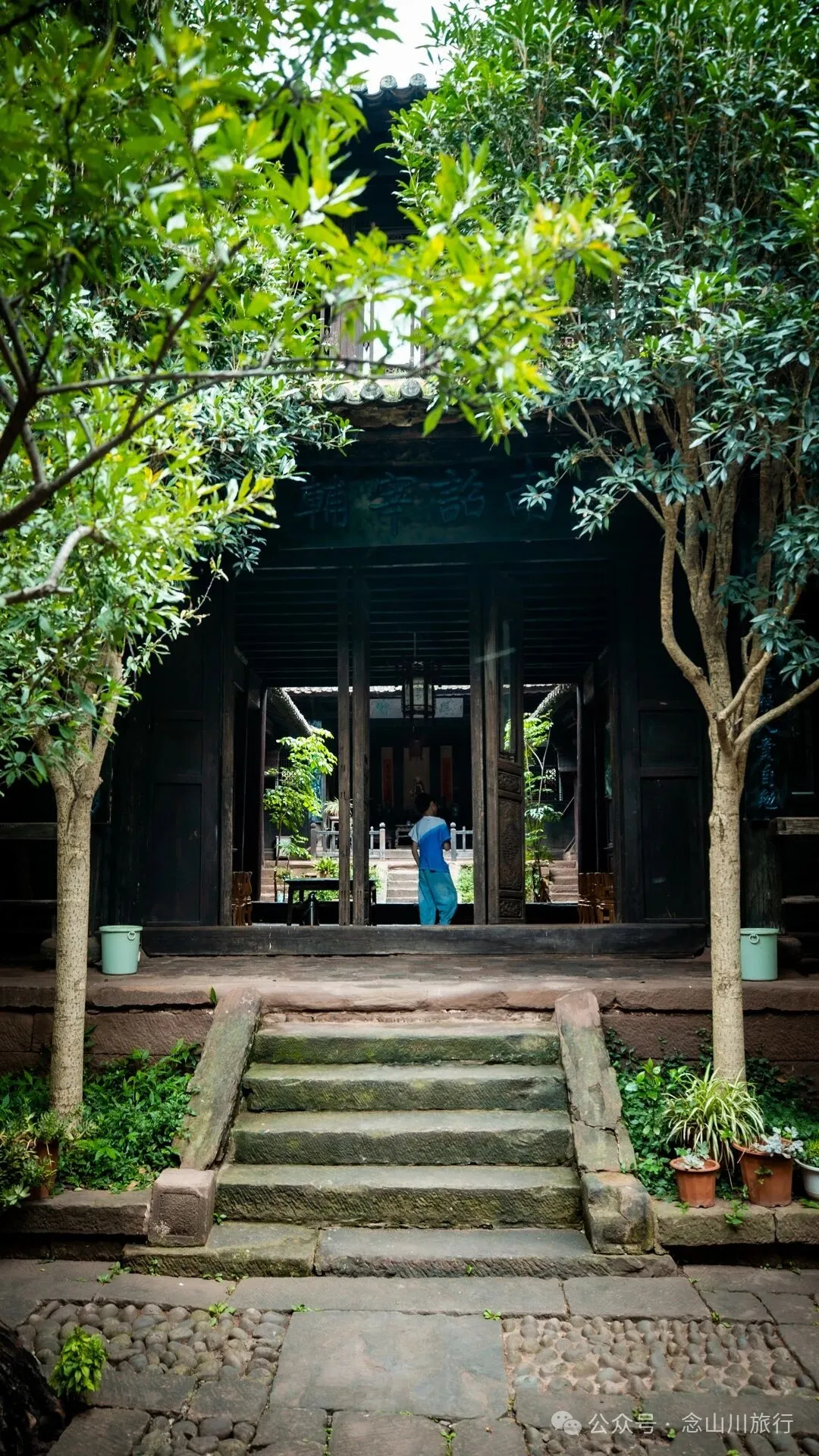
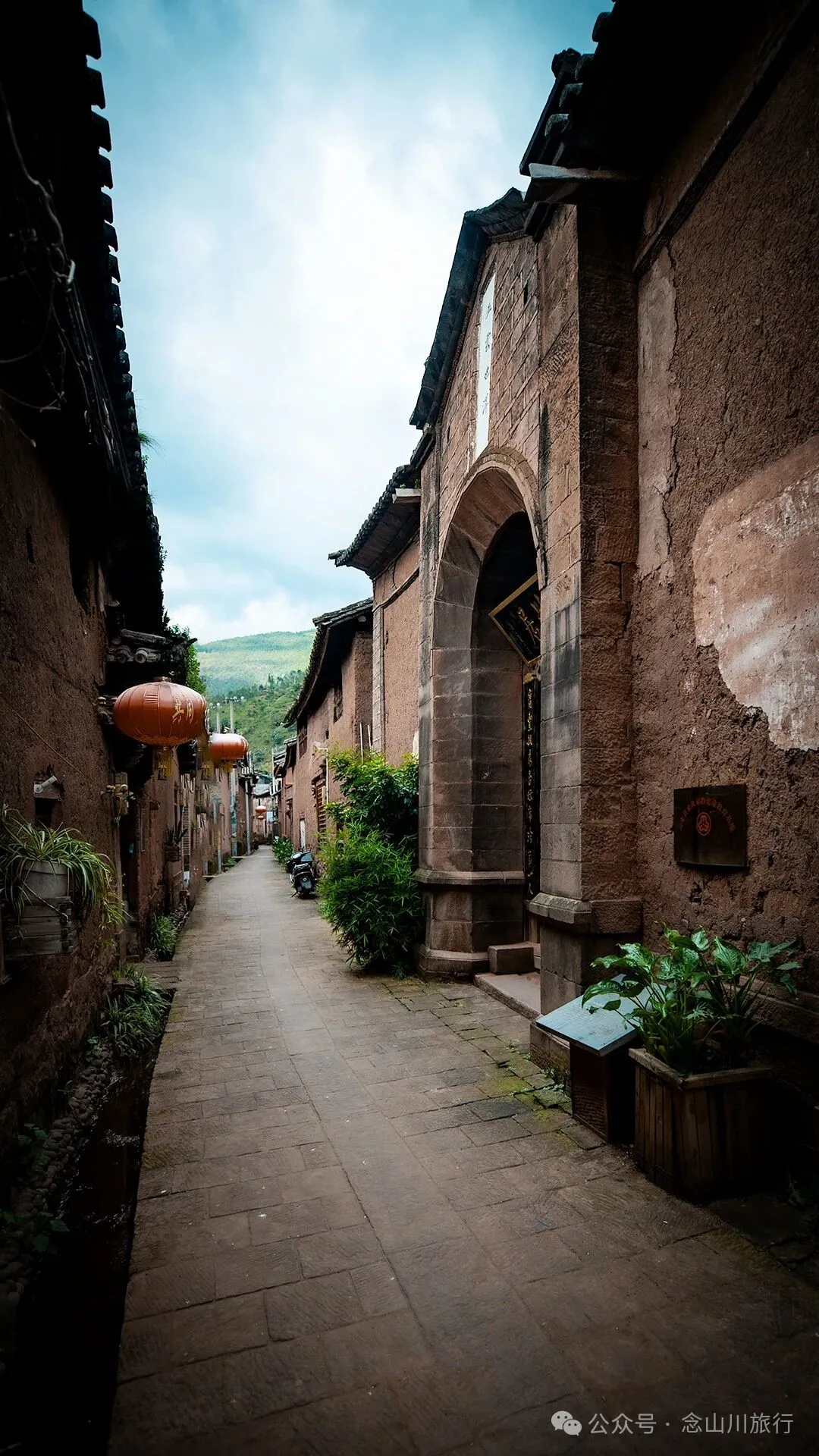
Many of these residences had cultural relic protection plaques hanging at their gates, bearing witness to the centuries of history of Baofeng Ancient Town. The only large mansion we passed with its gate open was the former residence of Dong Ze, a pioneer of education in Yunnan Province, one of the founders of Donglu University (now Yunnan University), and the first to be hailed as the "Father of Yunnan Higher Education." He was also a notable figure in Yunnan's modern history in education, finance, and aviation. This was the birthplace and childhood home of Dong Zesheng.
His former residence was built on the site of the old Dong family estate from the Ming Dynasty, undergoing continuous reconstruction and renovation during the late Qing and Republican periods to reach its current scale. The preserved buildings are essentially Qing Dynasty architectural styles. The residence faces east, consisting of five interconnected courtyards forming a five-entry residential complex, one of the largest courtyard houses among Bai ethnic dwellings. The first courtyard is a garden and reception area; the second is the main courtyard, with furnishings typical of Bai characteristics in the living room; the third courtyard houses younger family members; the fourth is for servants and laborers; and the fifth contains utility rooms and stables. The fourth and fifth courtyards have small side doors opening onto side alleys. The residence is surrounded by alleys, separating it from neighboring houses. The overall structure is rational and scientific, making it the largest Qing Dynasty wooden structure courtyard in Yunlong County.
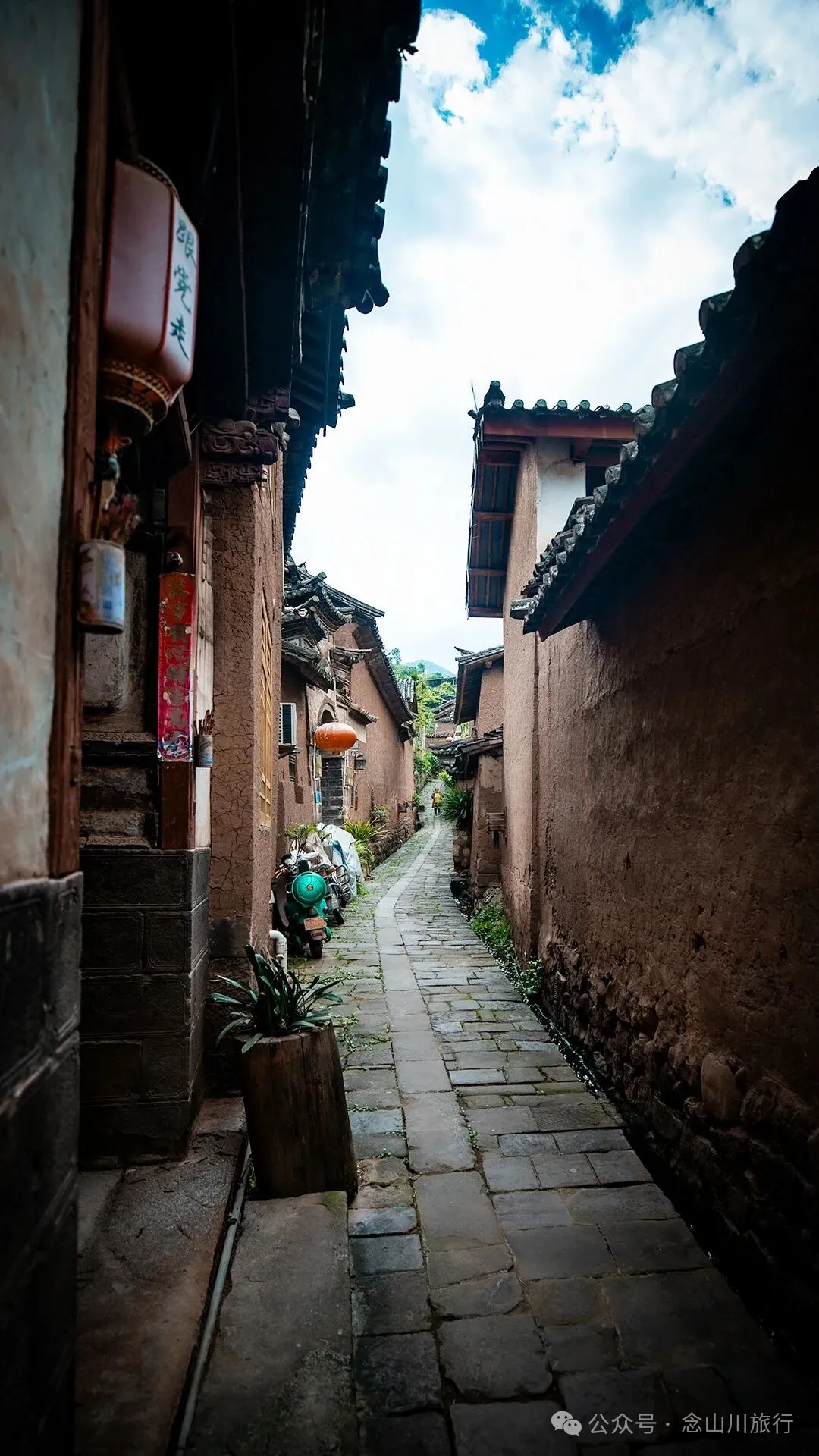
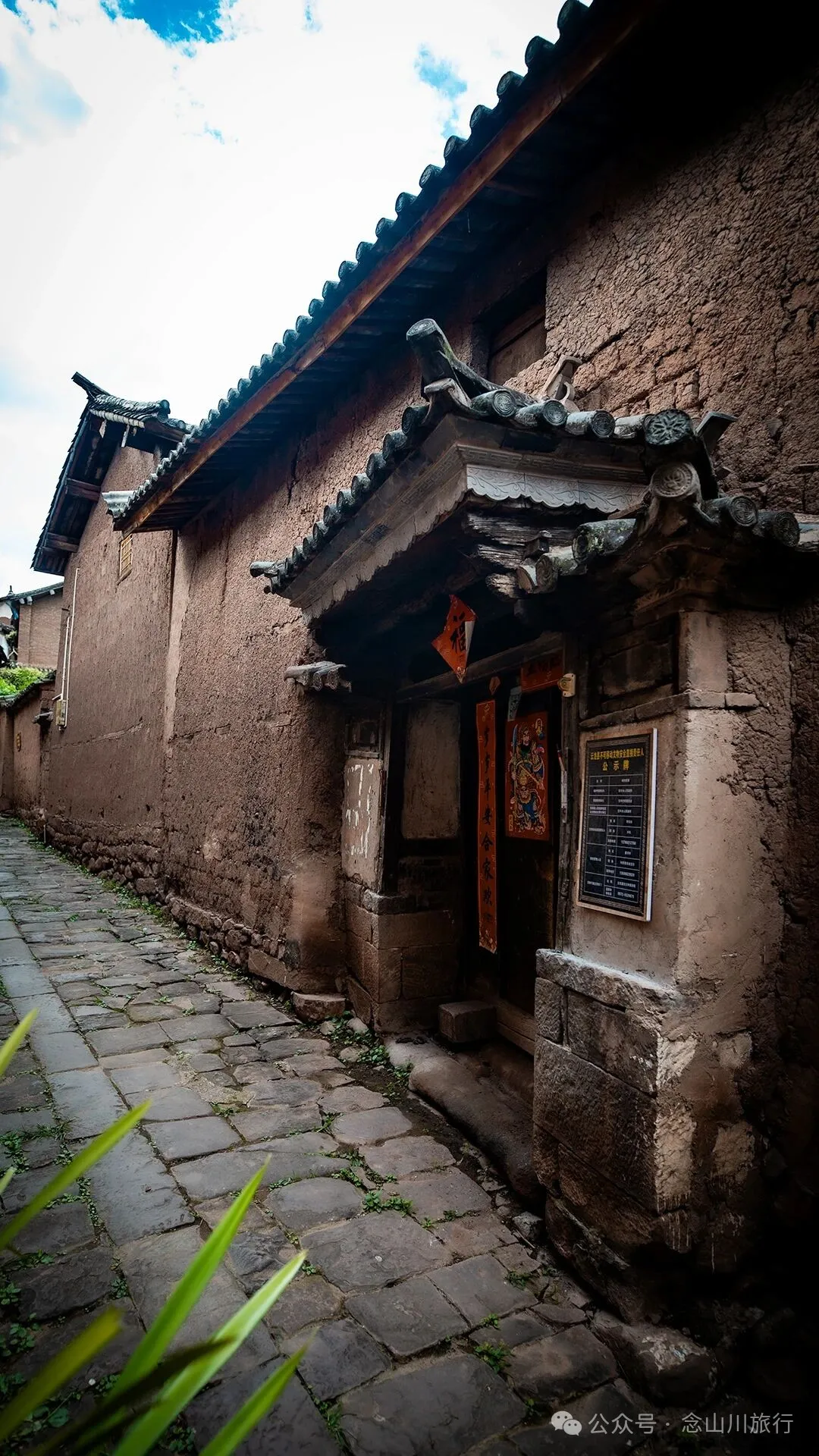
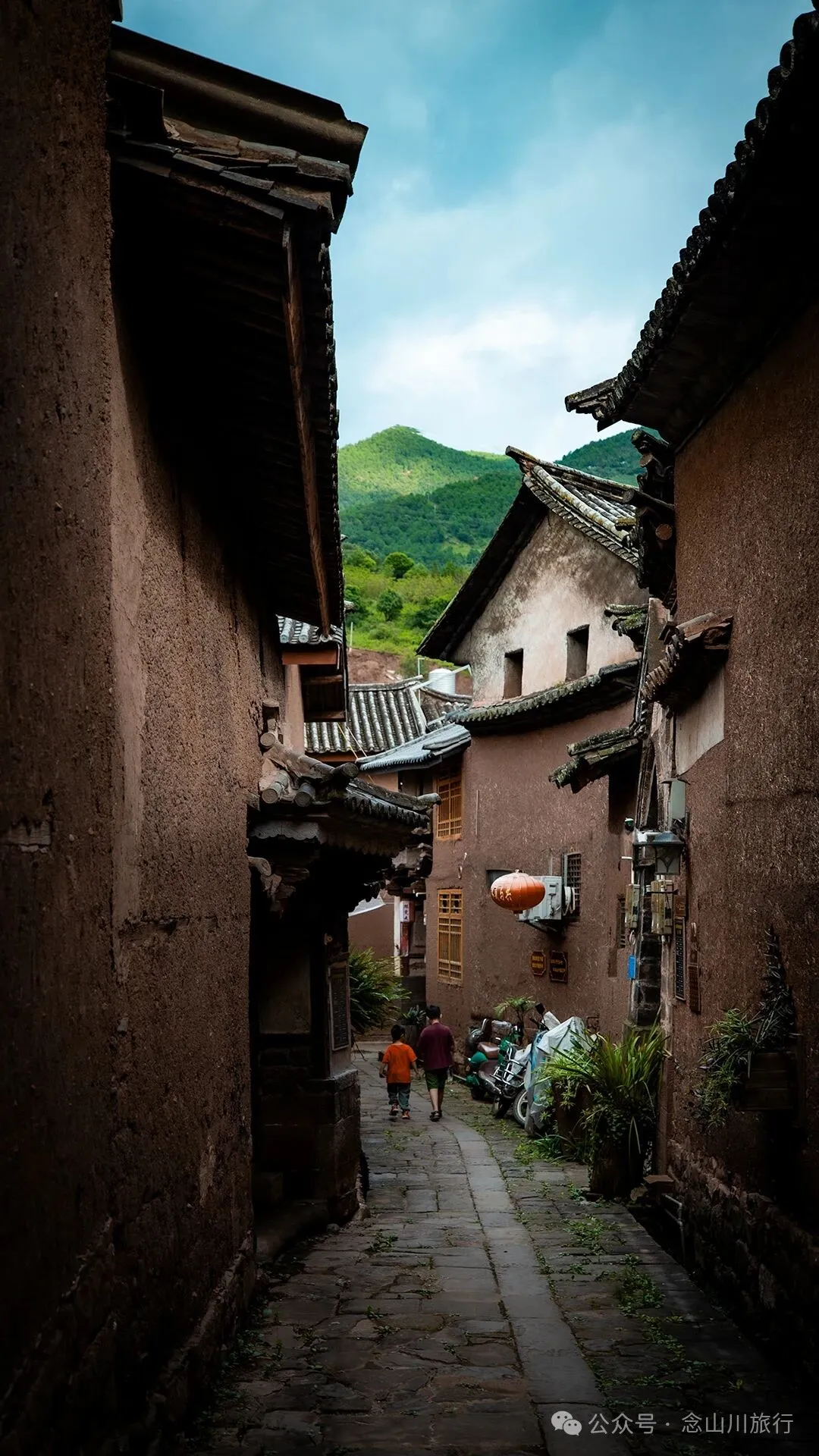
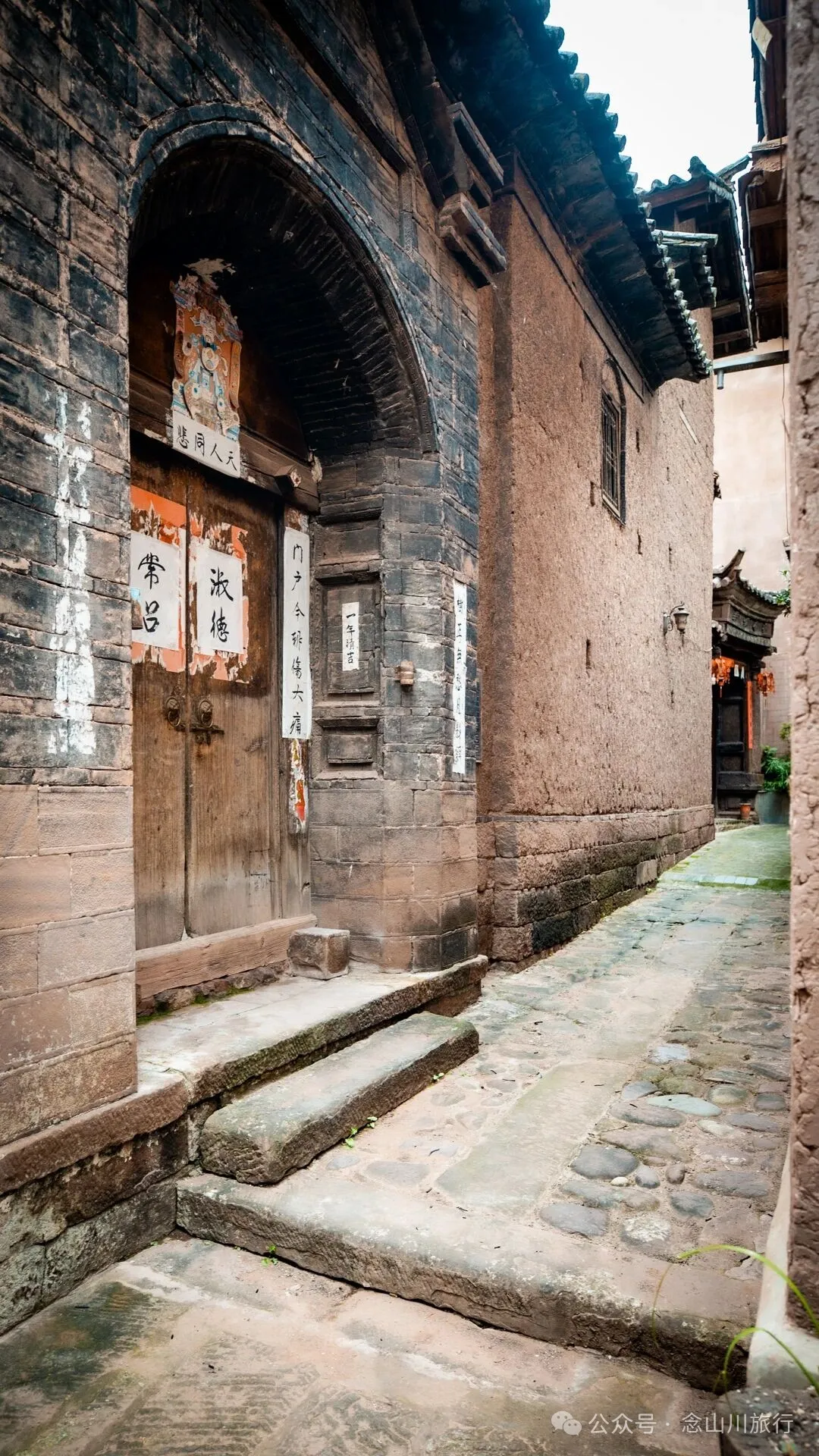
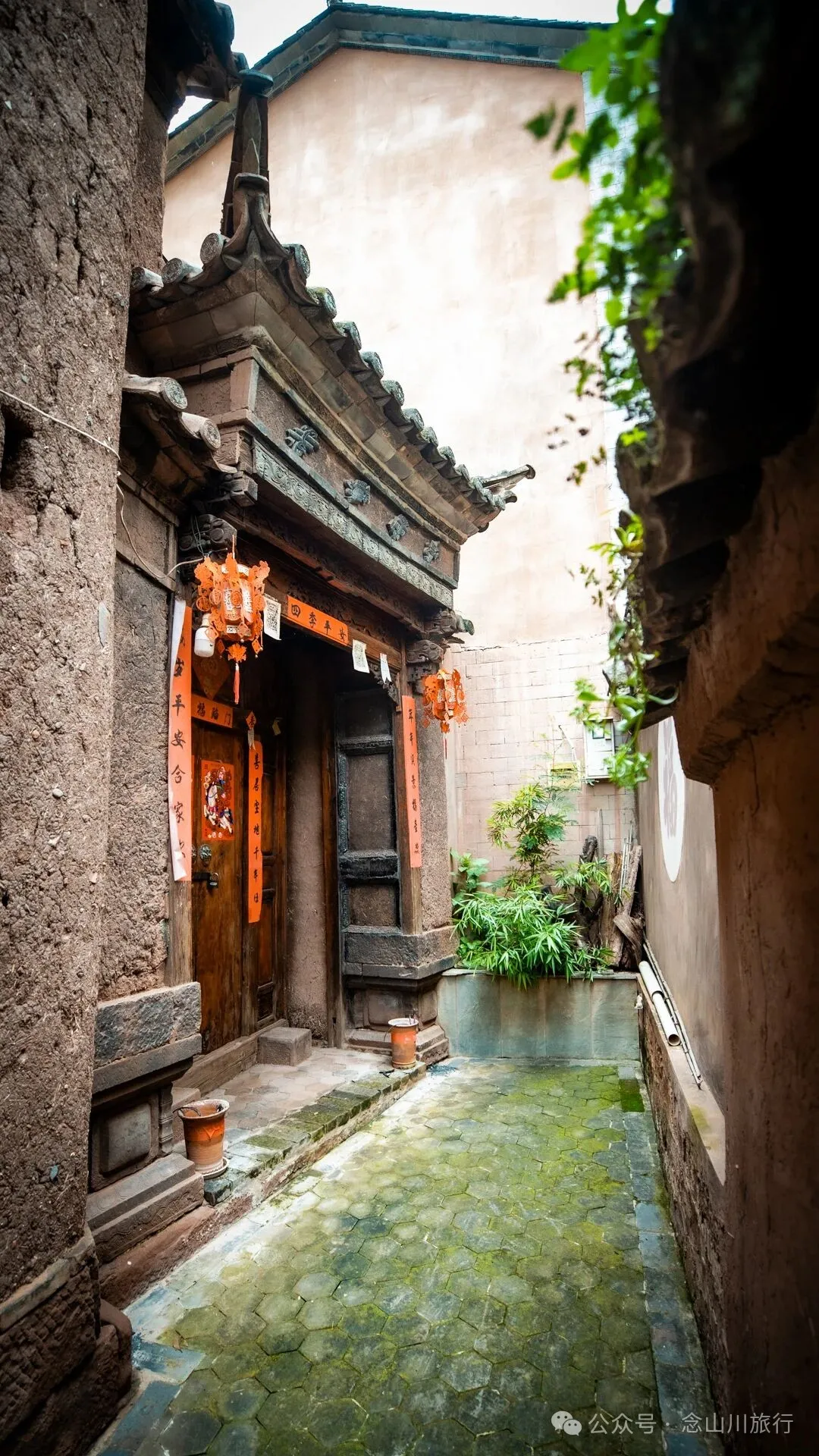
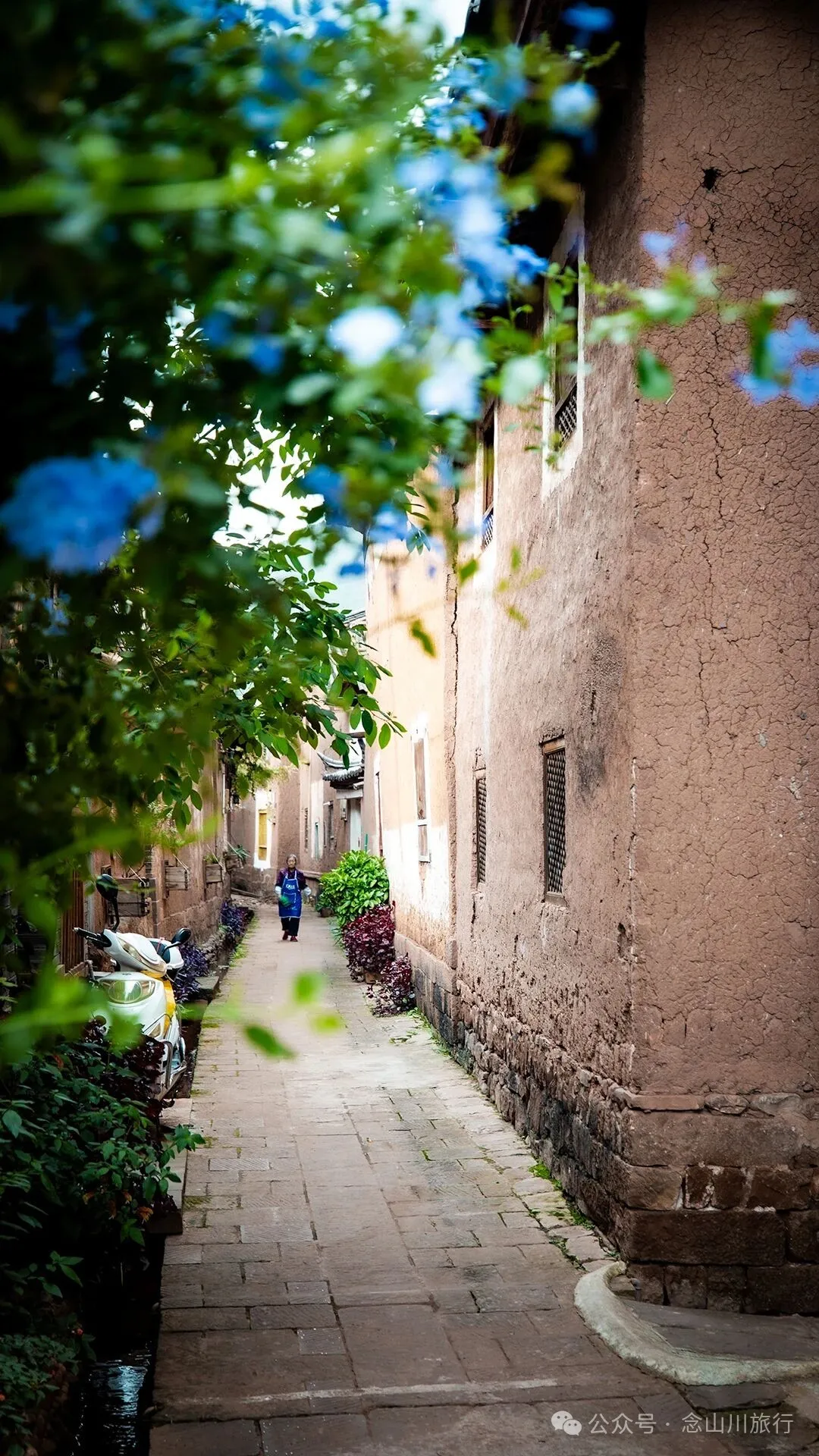
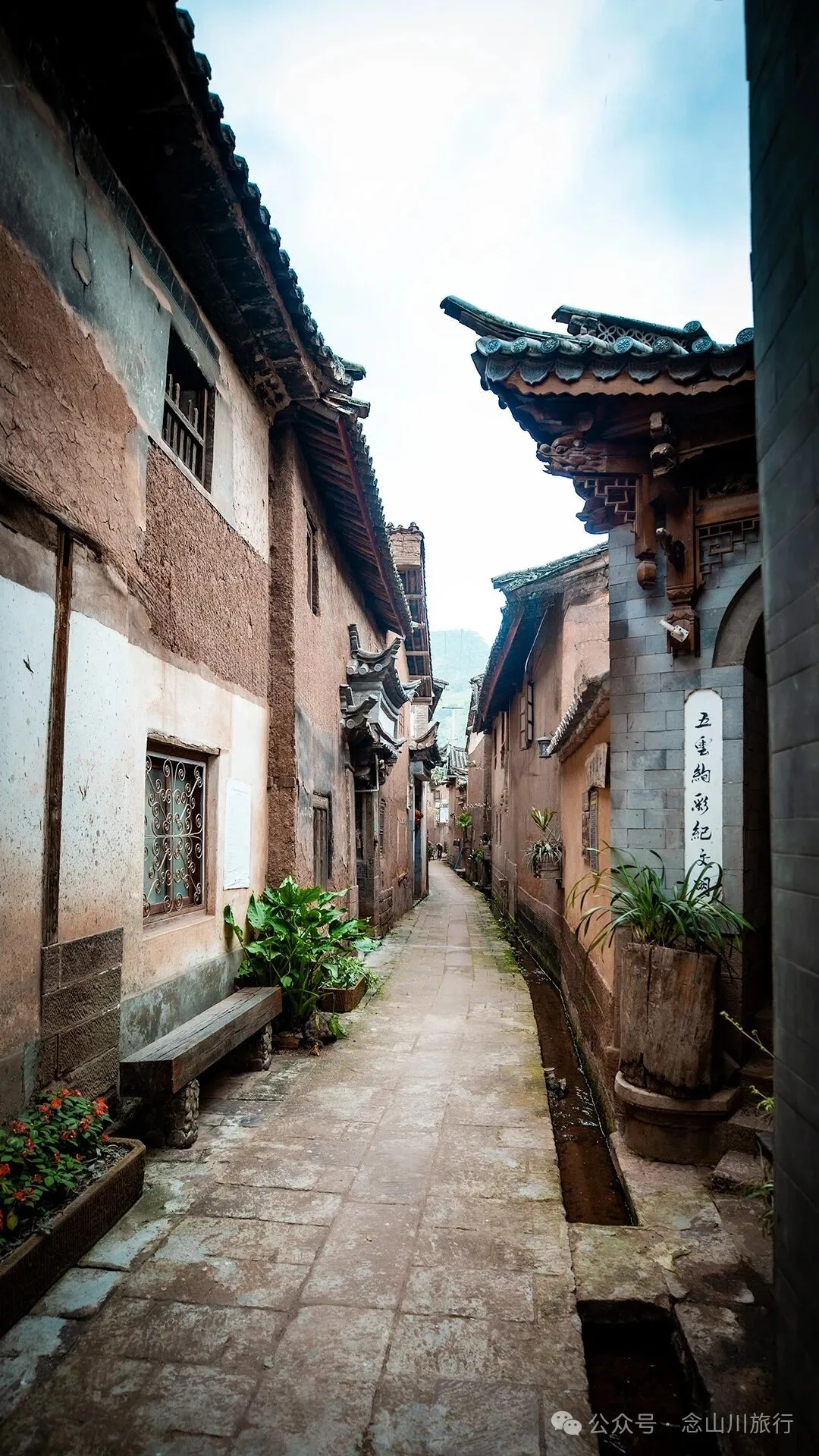
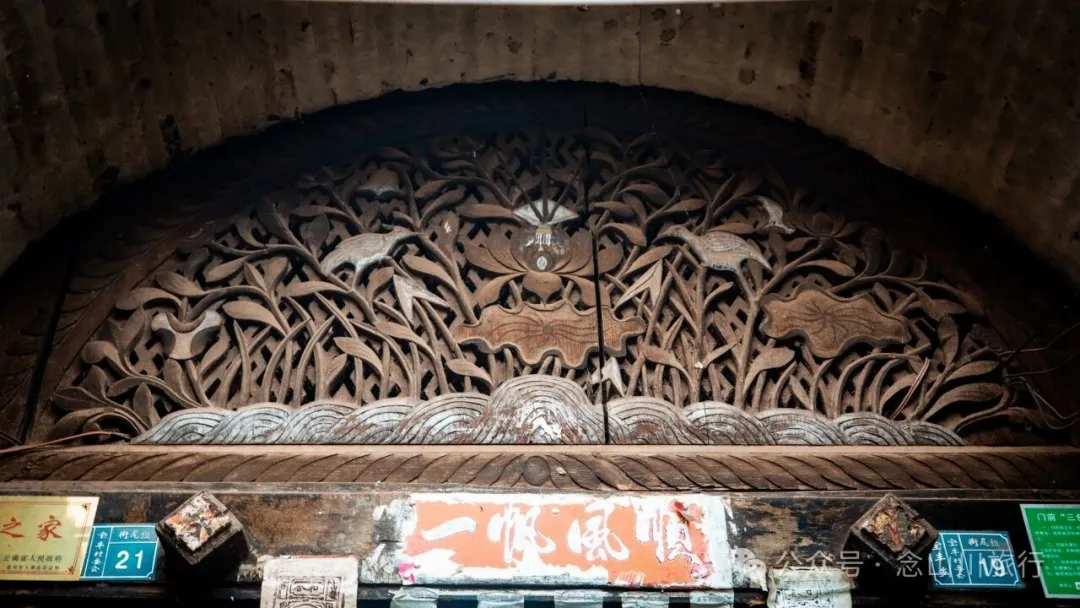
Emerging from the living fossil-like Dong Ze residence, we lingered in front of more ancient and solemn mansions in Baofeng Ancient Town. Their closed doors filled these houses with mystery; we could only read the mottled and weathered time etched into the finely carved lattice doors, stone window grilles, and murals on the outer walls. In the silent standing of the old houses, we heard their silent and tenacious watch.