

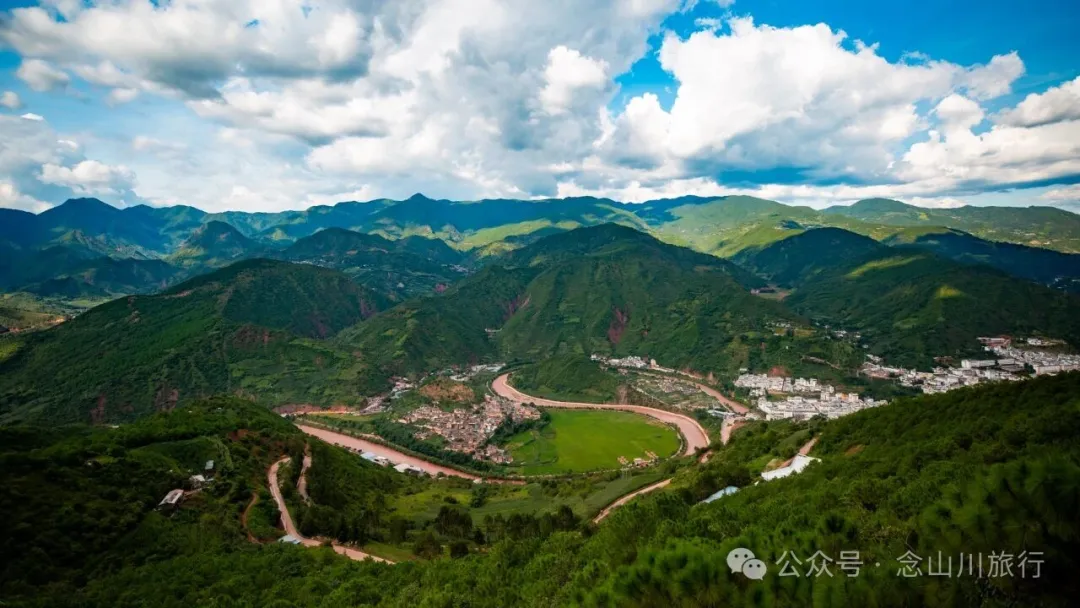
The Bi River, flowing through Yunlong County, is an important tributary of the Lancang River. It makes two large bends northwest of the county seat, forming a natural landscape resembling a Tai Chi diagram. From the viewing platform on the mountain, the shape of the Tai Chi diagram becomes even more apparent, breathtaking. The river is like a ribbon waved by a dancer, fluttering into the shape of two pockets.
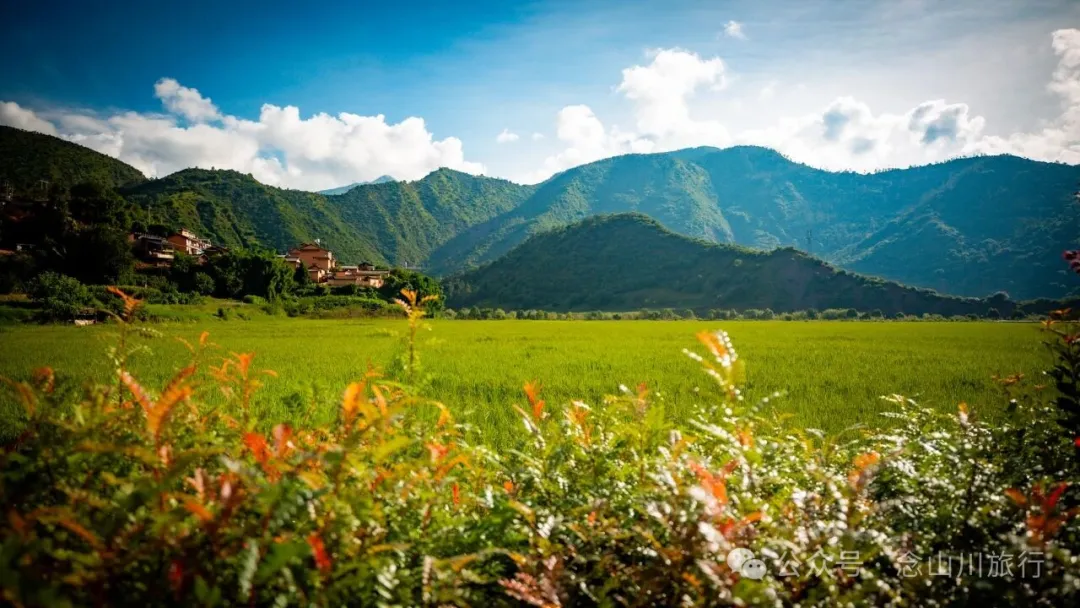
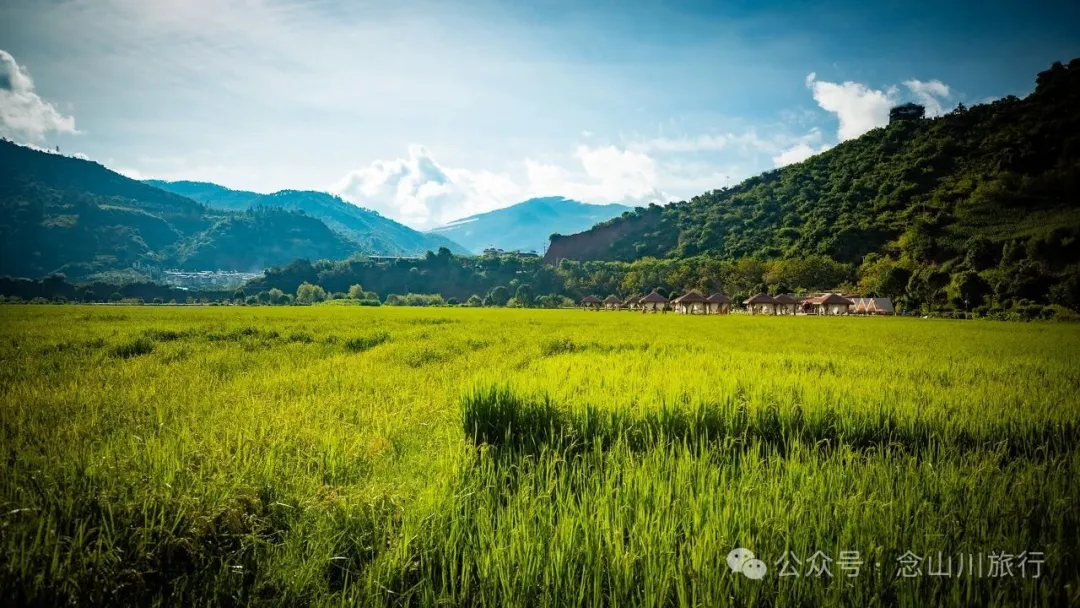
One pocket holds Zhuangping Village and a flat, open field in front of it, while the other inverted pocket firmly holds Lianjingping and a small hill. The small hill beside Lianjingping Village remains green all year round, but the rice fields in front of Zhuangping Village change with the seasons: fresh green in spring, lush green in summer, golden in autumn, and brownish ochre in winter. The yin and yang colors shift and change, creating a vivid, dynamic three-dimensional Tai Chi diagram, where you can see the breath of the earth, observable and traversable throughout the four seasons.
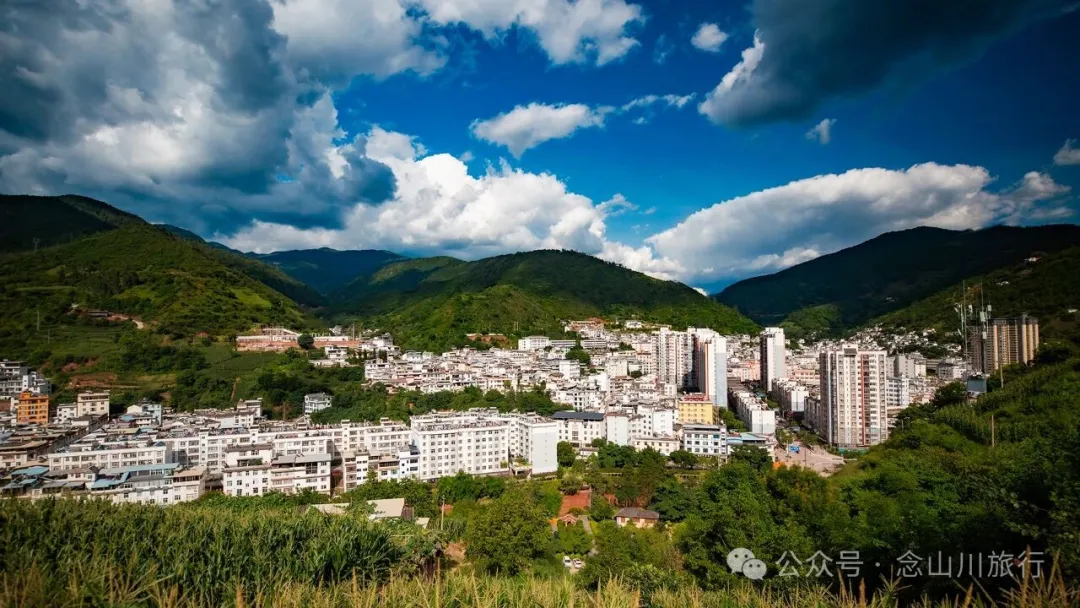
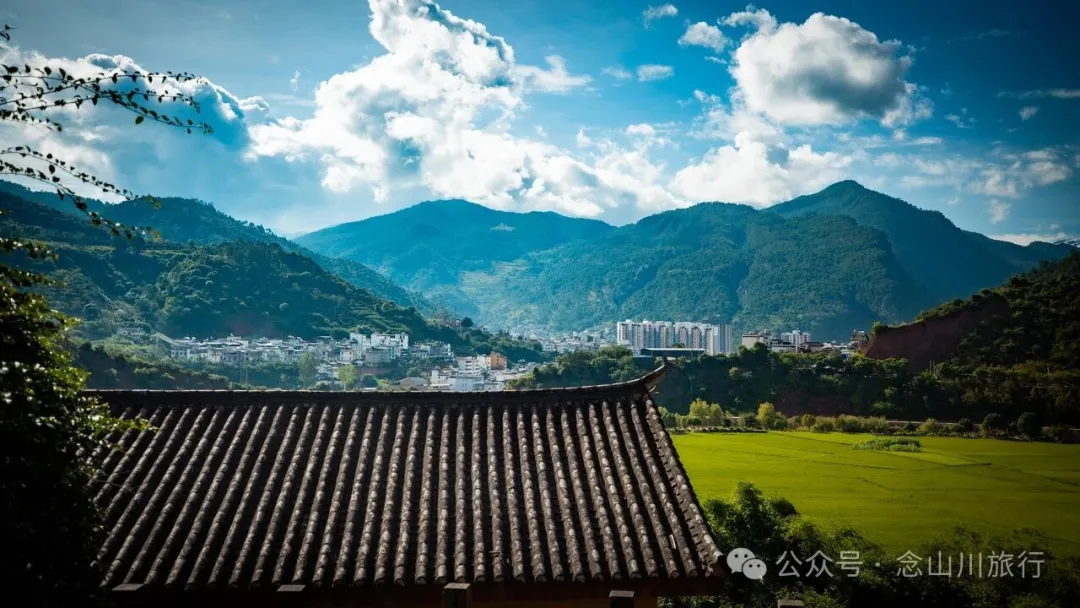
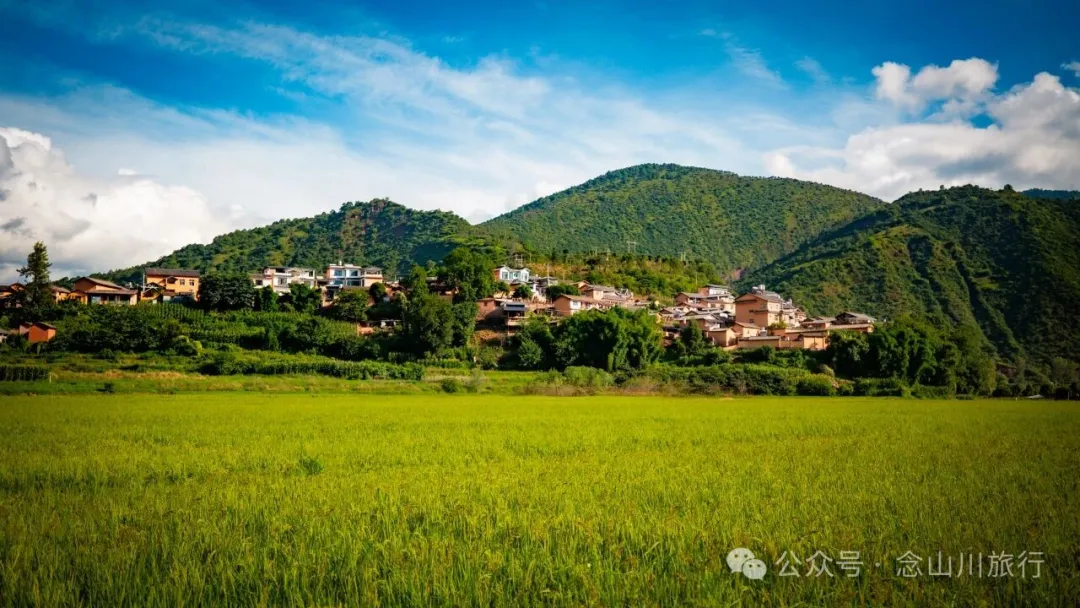
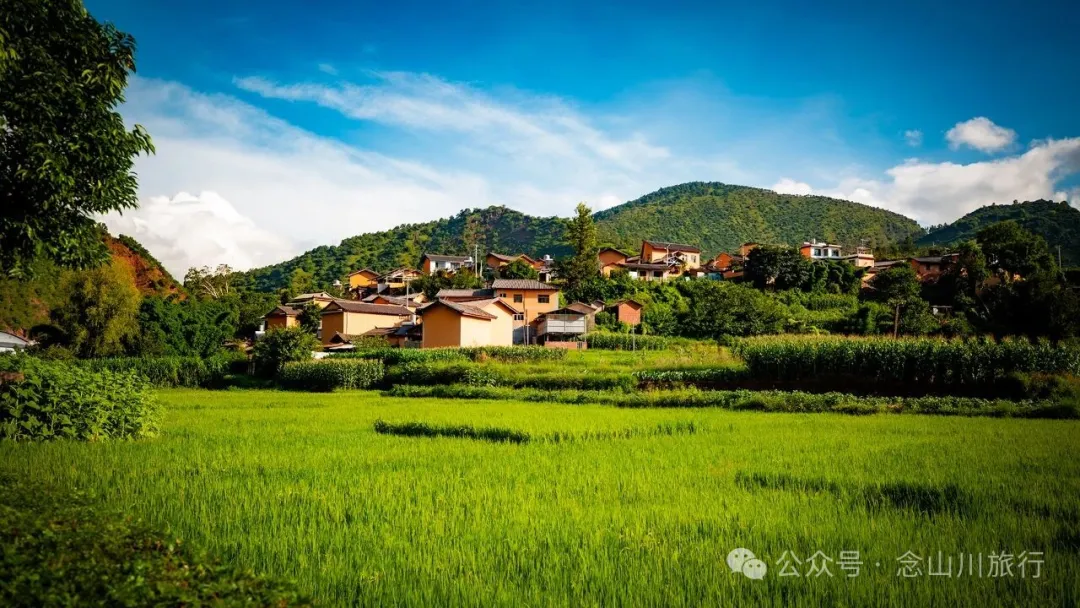
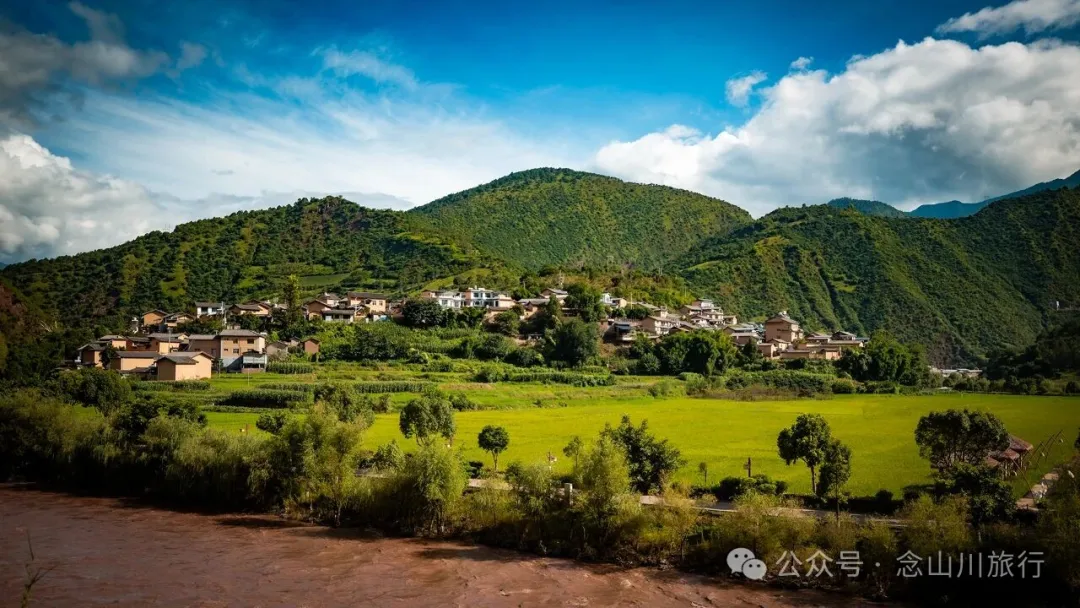
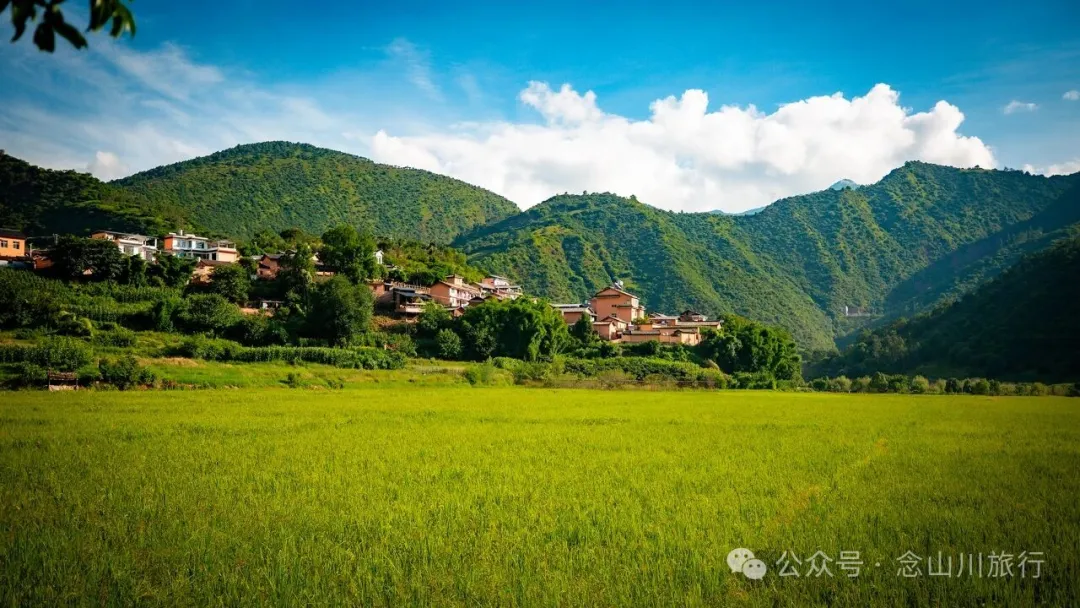
We visited Zhuangping Village, a village on the Tai Chi diagram with vast fields. The village is built on a gentle slope, arranged in a staggered pattern following the terrain. Standing on the outskirts of the village, you can see Yunlong County town not far away. Separated by two rivers from the dense urban landscape of Yunlong County, the hustle and bustle of the county town are naturally isolated from the village. Even though they are less than two kilometers apart, Zhuangping Village is completely immersed in a serene and idyllic pastoral atmosphere, with little worldly disturbance.
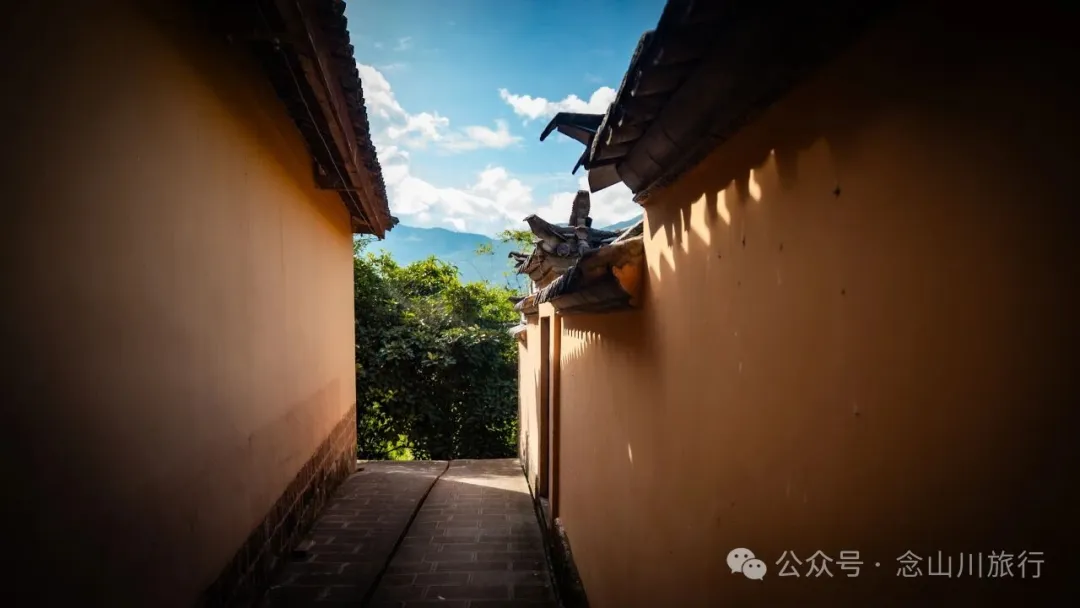
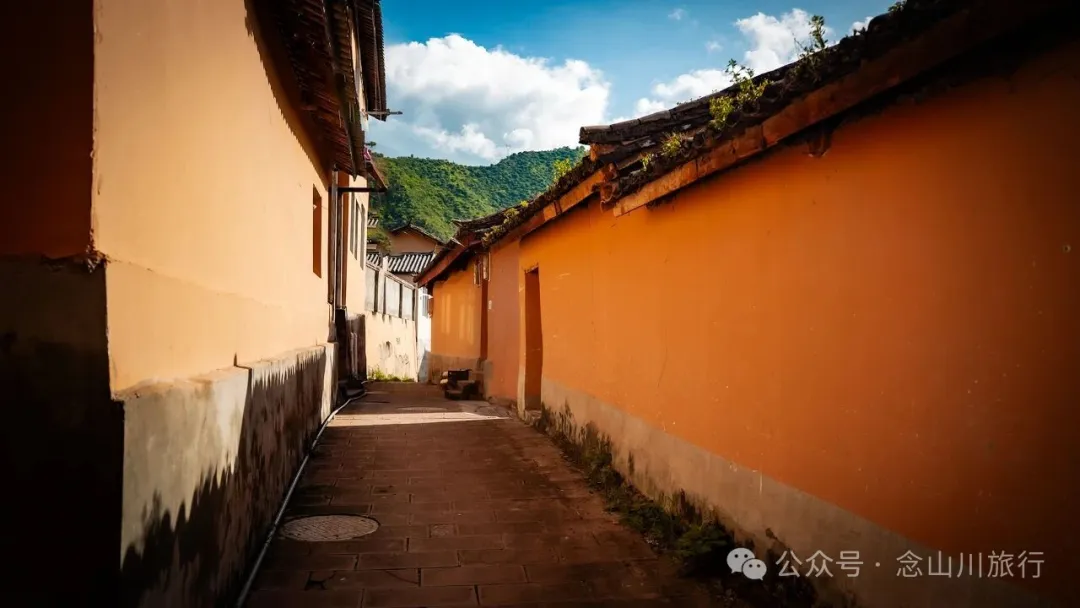
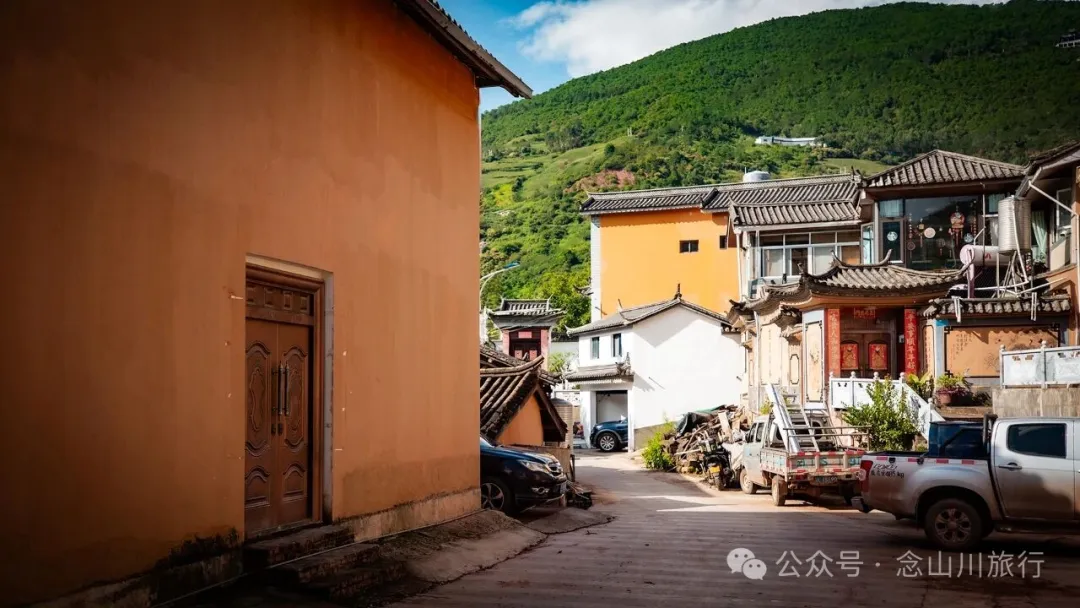
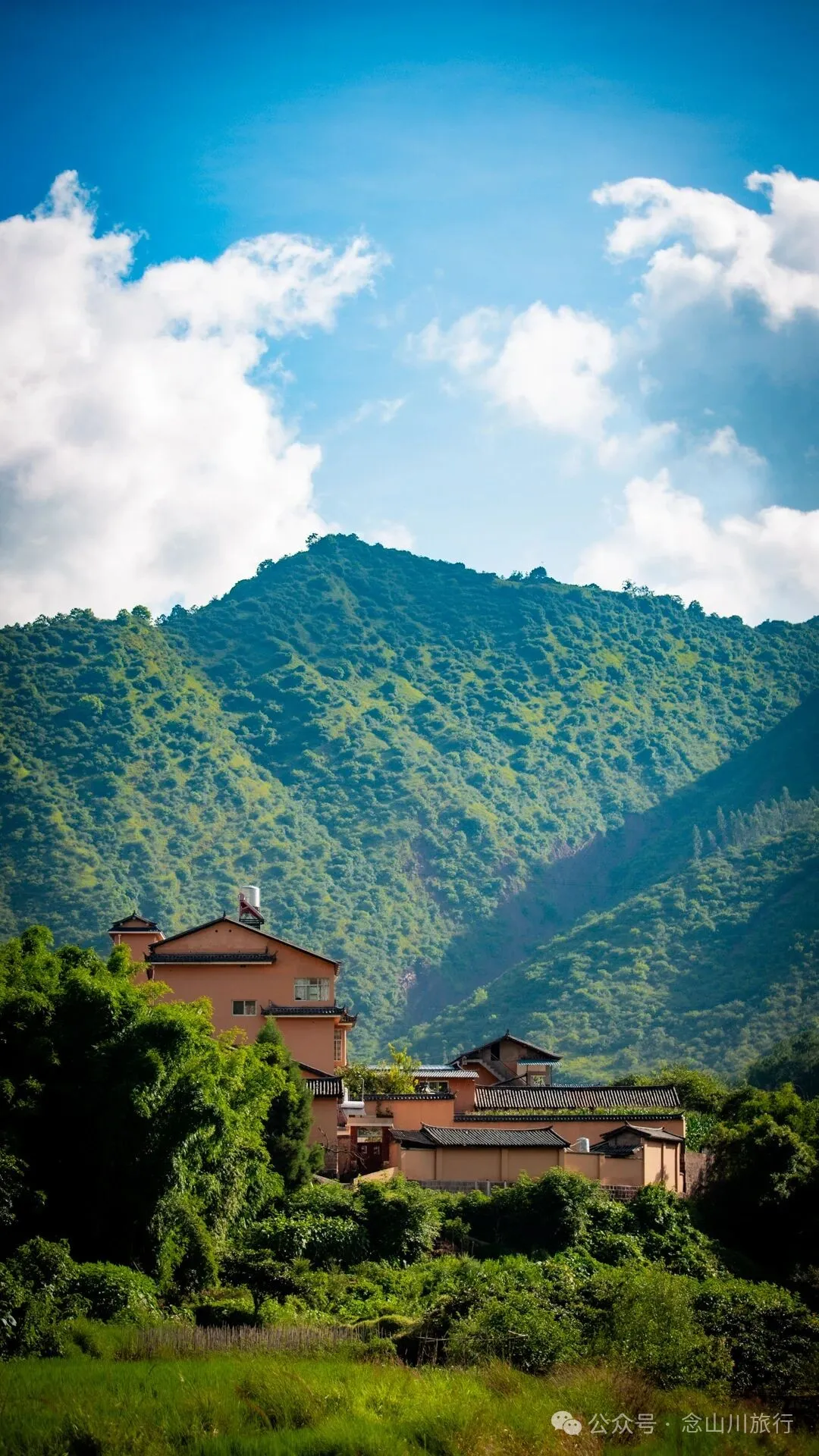
The exterior walls of the village houses are uniformly painted in earthy yellow, which matches well with the dark blue tile roofs, blending harmoniously into the surrounding natural landscape. When we entered Zhuangping Village, smoke was still rising from chimneys, and villagers were walking leisurely, each busy with their own chores: feeding livestock, repairing houses, or working in the fields. They walked calmly on this huge Tai Chi diagram.
Every household here has chicken coops outside their doors, either made of wire mesh or nailed wooden strips. Two or three chickens are confined in the coops, making clucking sounds as they peck at corn kernels in the trough. Even the roosters do not crow loudly. Probably to keep the village roads clean, the villagers keep the chickens in cages. The village lanes are indeed very clean and tidy, but the chickens seem restrained and not very comfortable.
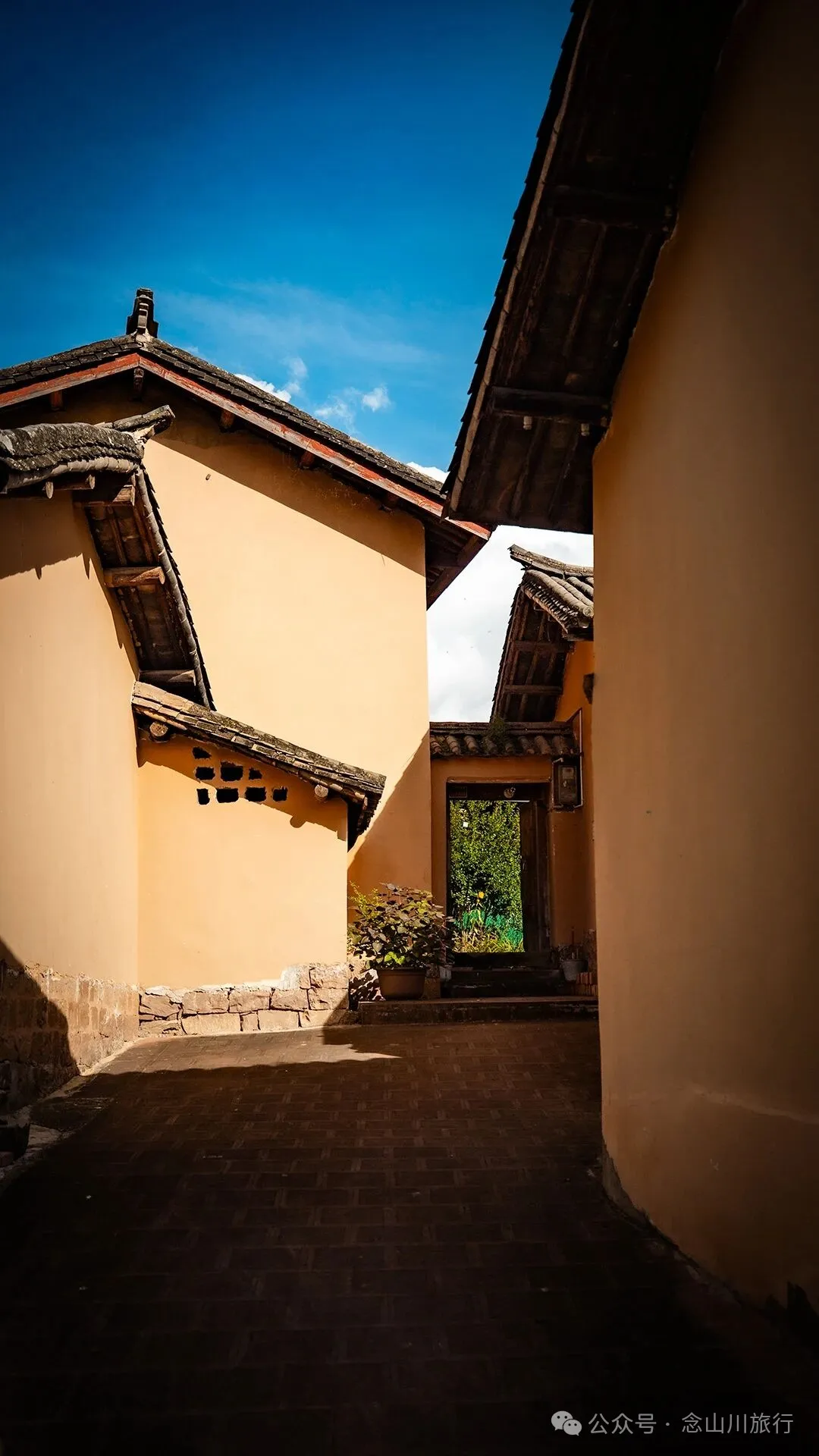
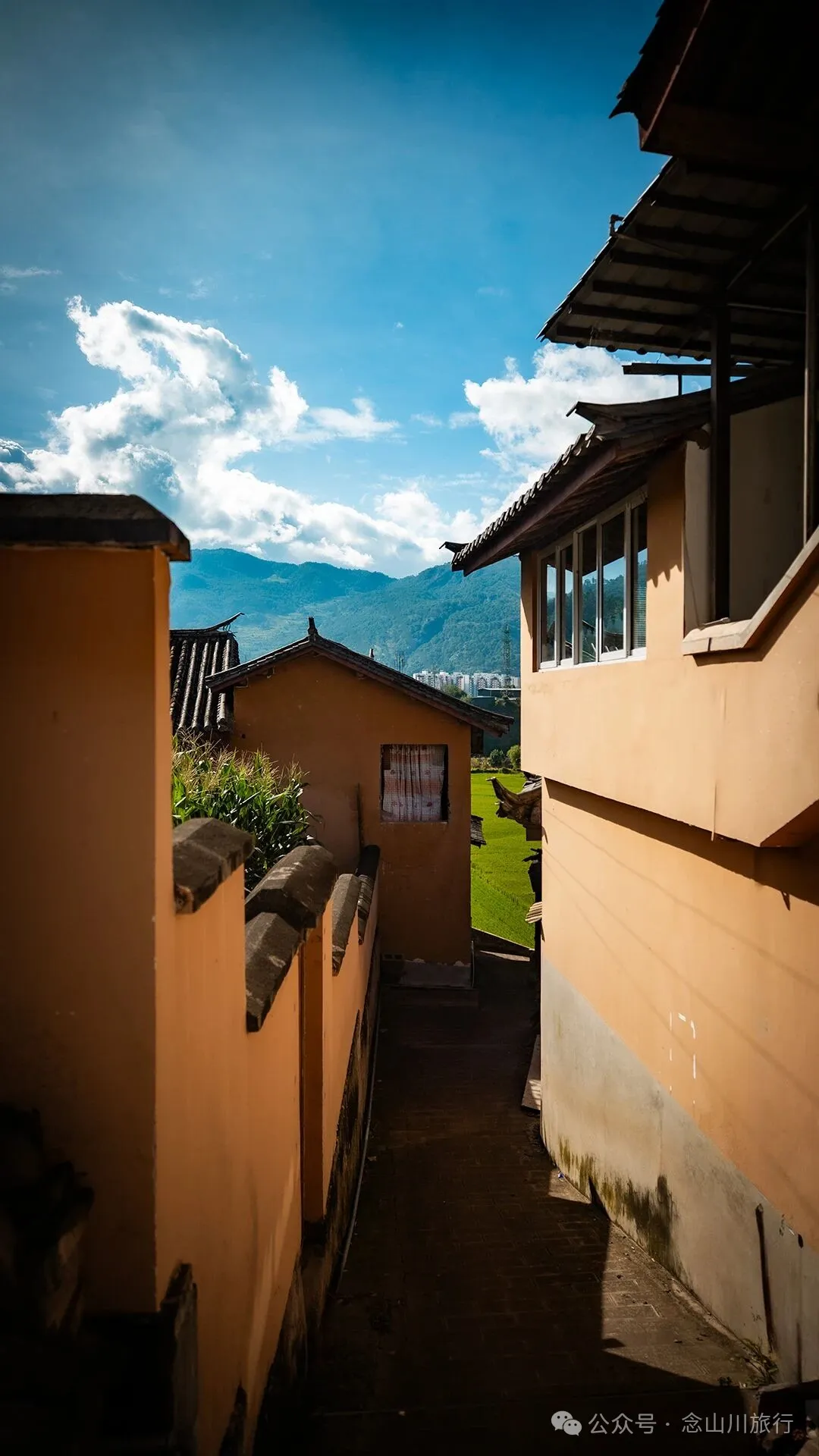
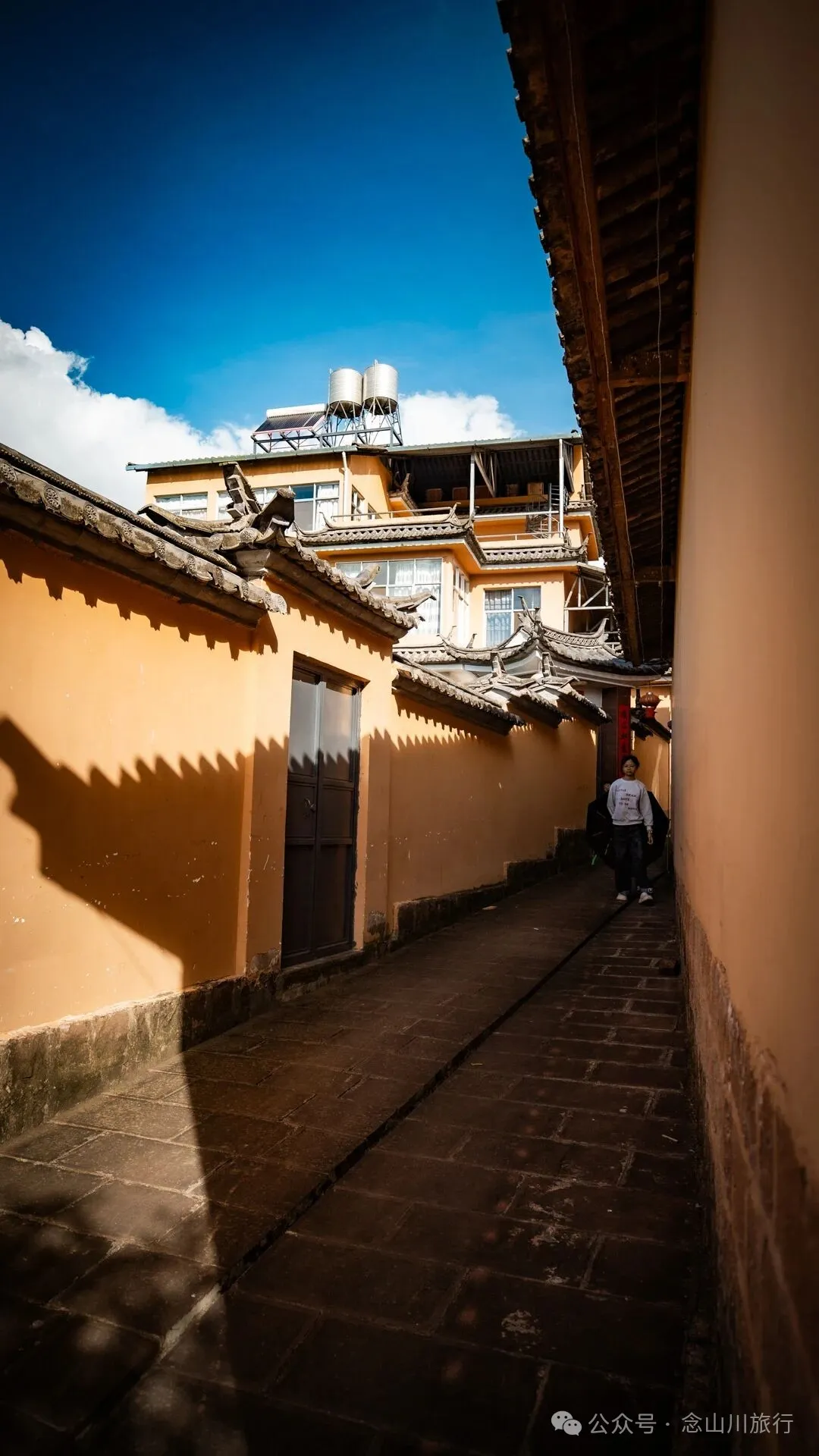
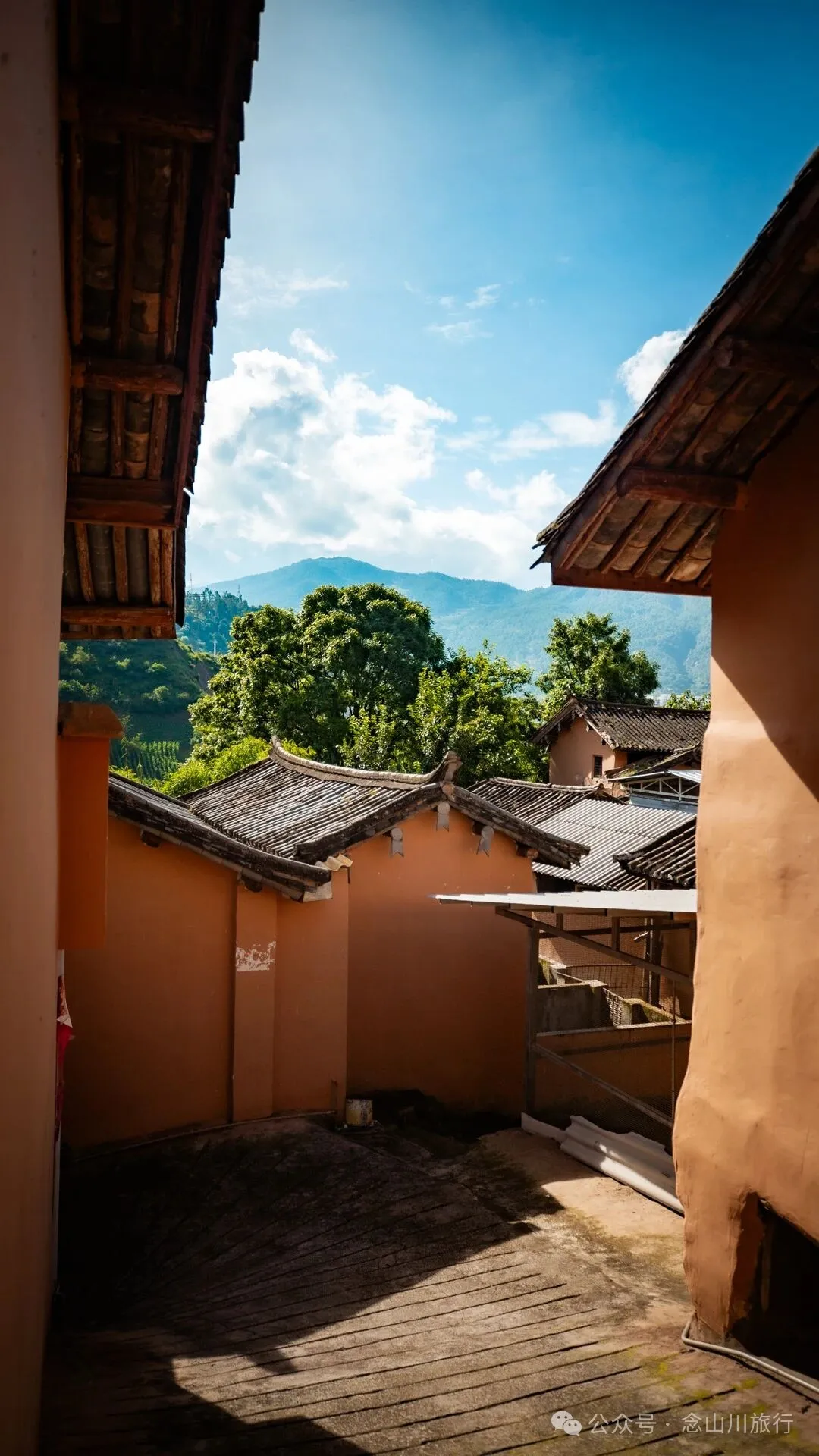
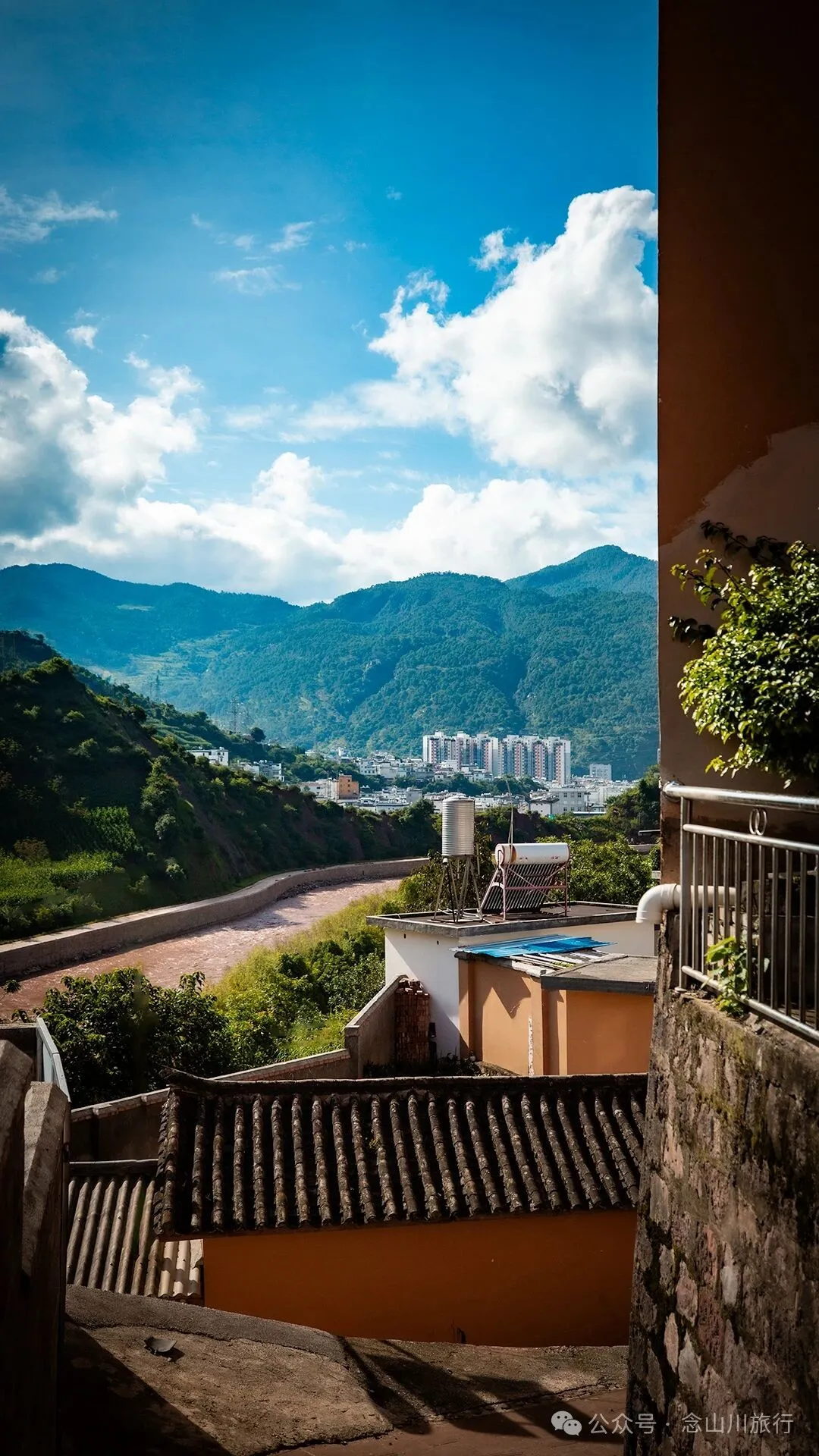
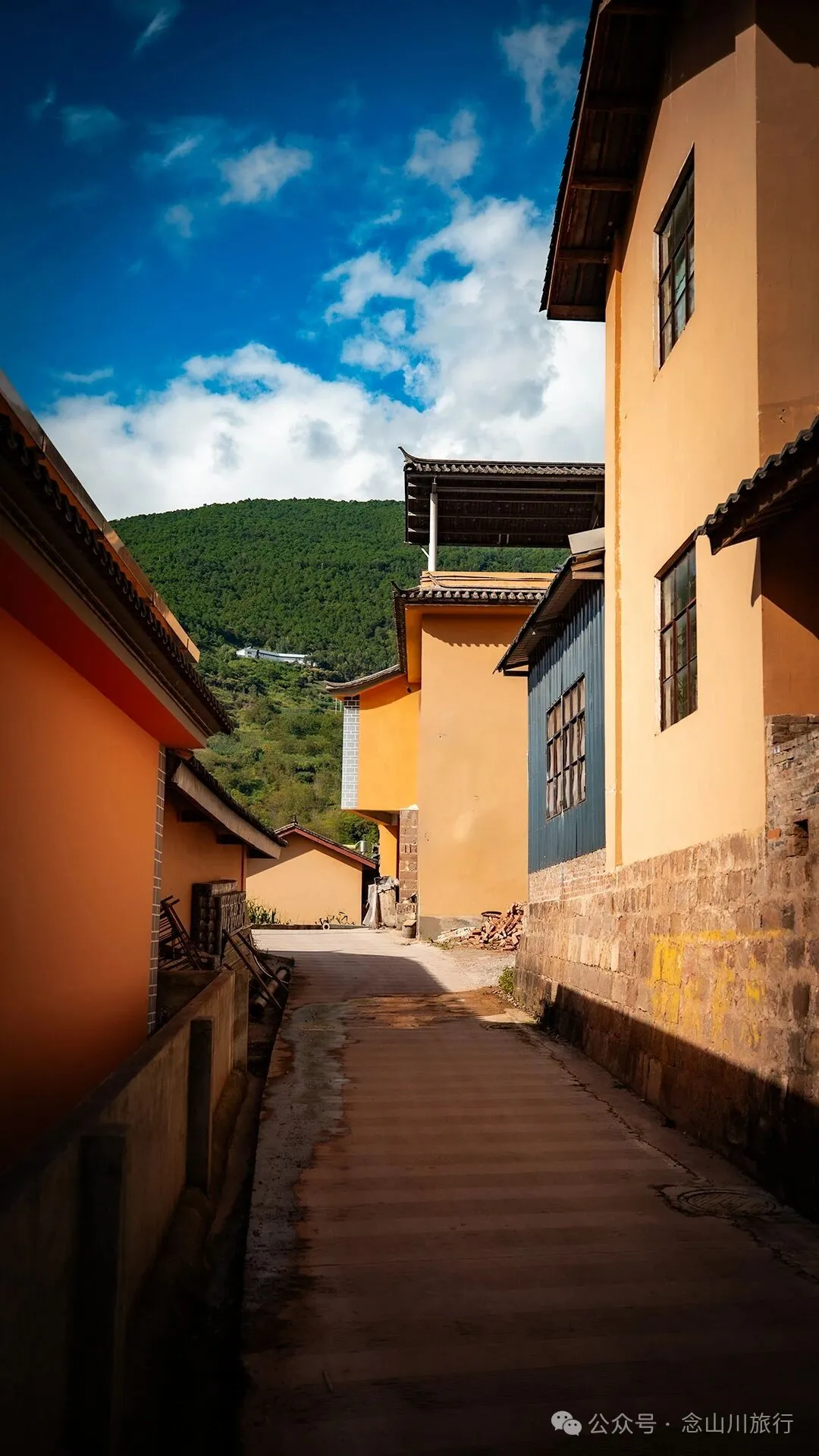
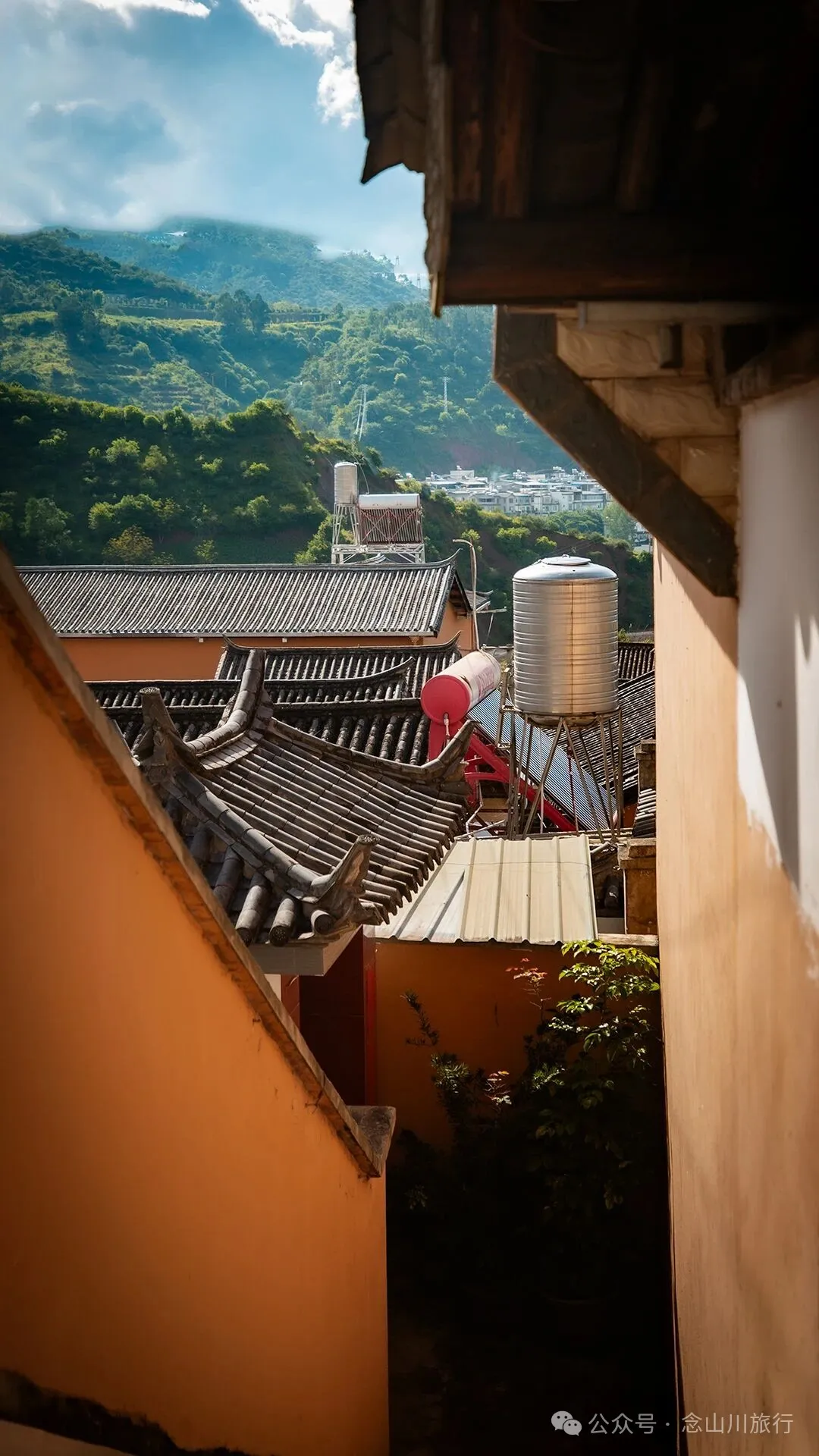
The sun gradually rose higher, casting light from the distant sky into the tall, narrow alleys, creating mottled shadows on the walls and ground. The blue sky, white clouds, and misty mountains were gazing at this uniquely located village; they were fortunate to visit often. Most houses in the village are new, tall, and spacious, and people enjoy living in them. There are also some low, old houses, which are quite old but not inhabited; they are mostly used to house cattle and goats.
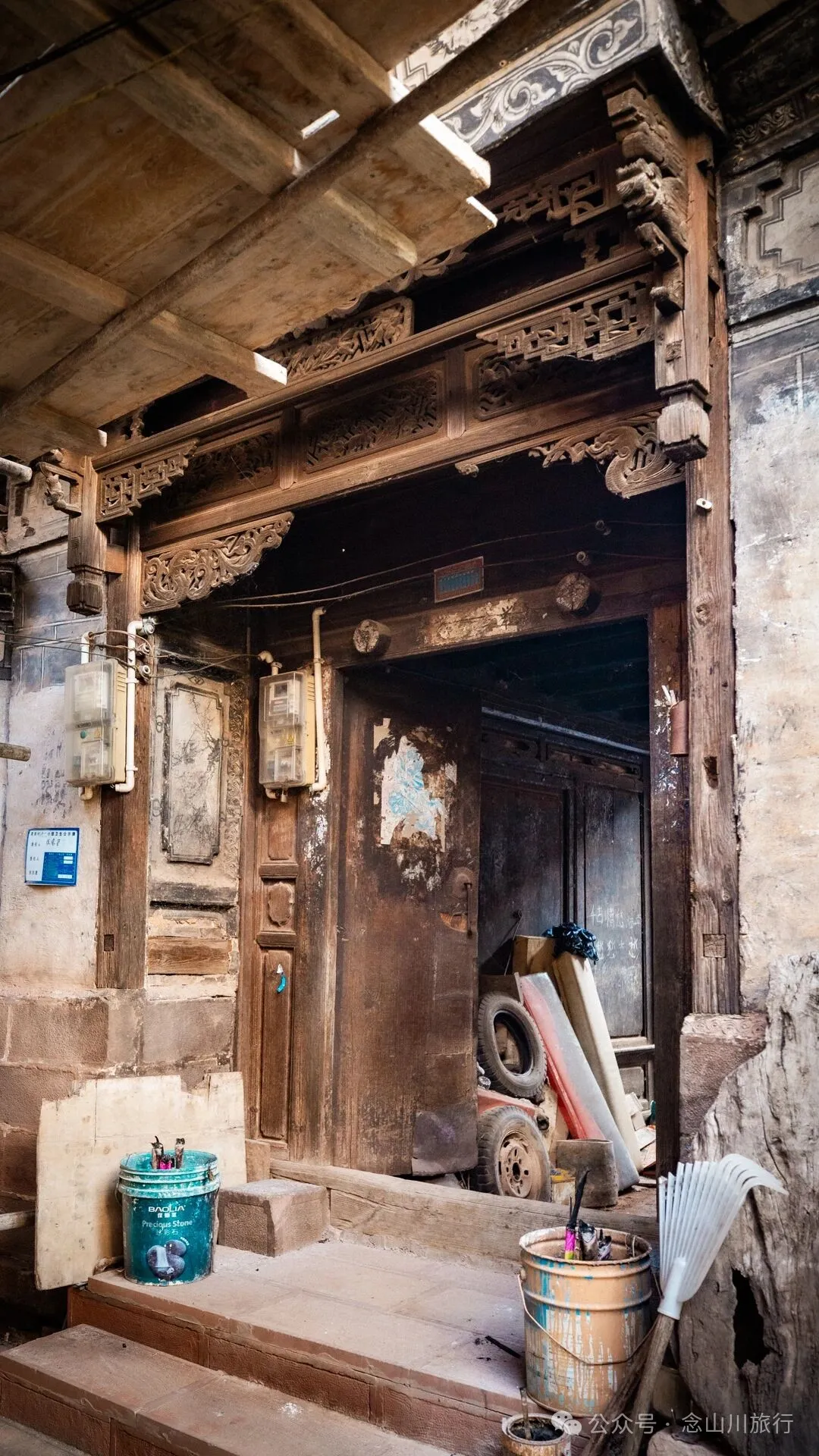
Venturing into a very narrow alley in the village, we saw a well-preserved old house. Some farm tools were placed at the entrance, and the owner was busy in the yard. We did not disturb them, only glanced at the exquisite wood carvings and murals at the door before leaving quickly.
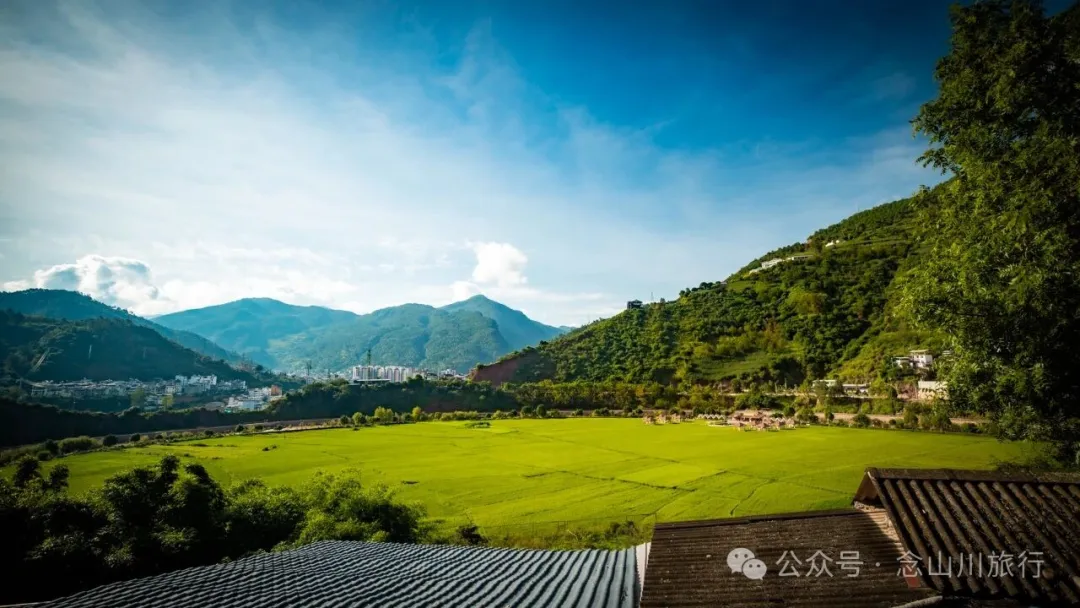
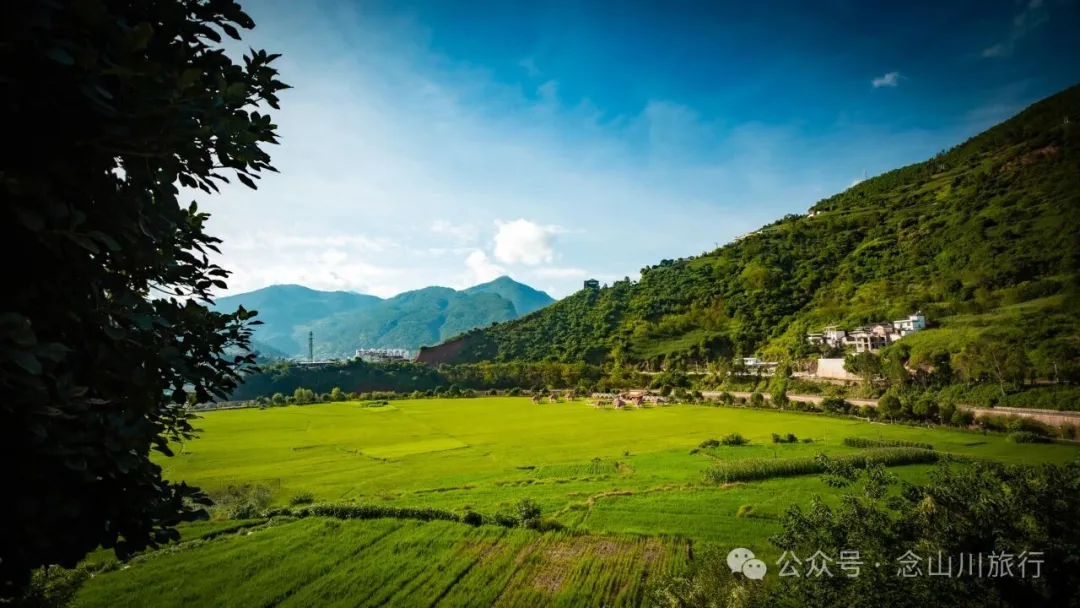
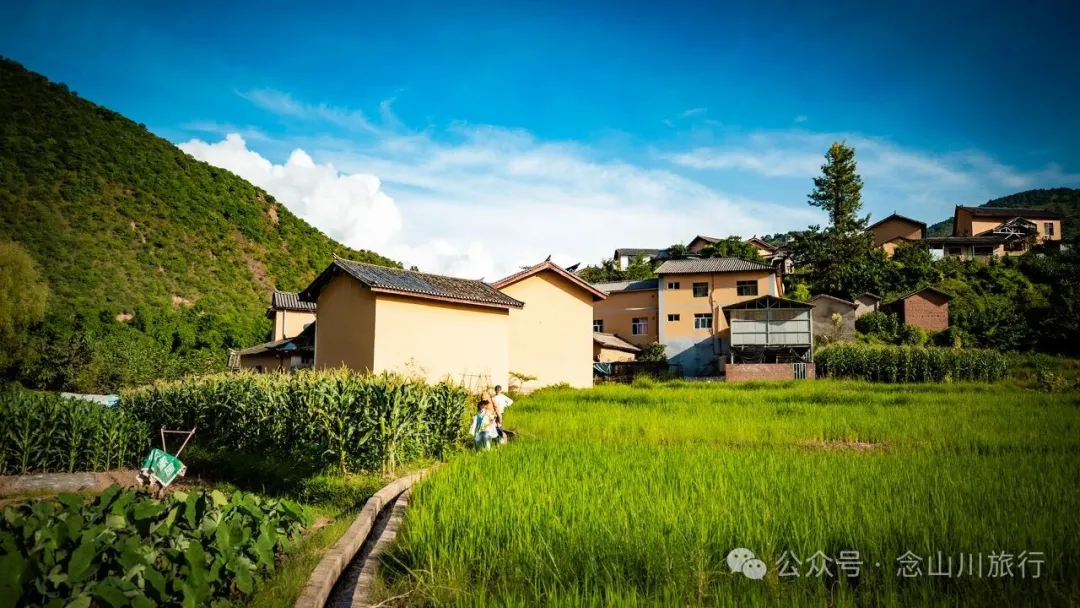
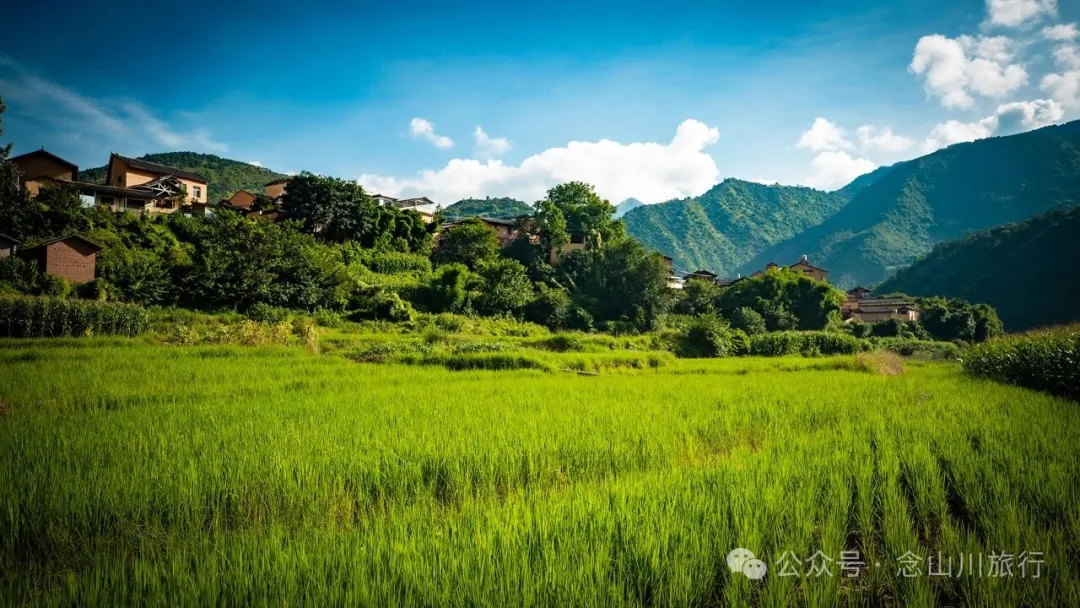
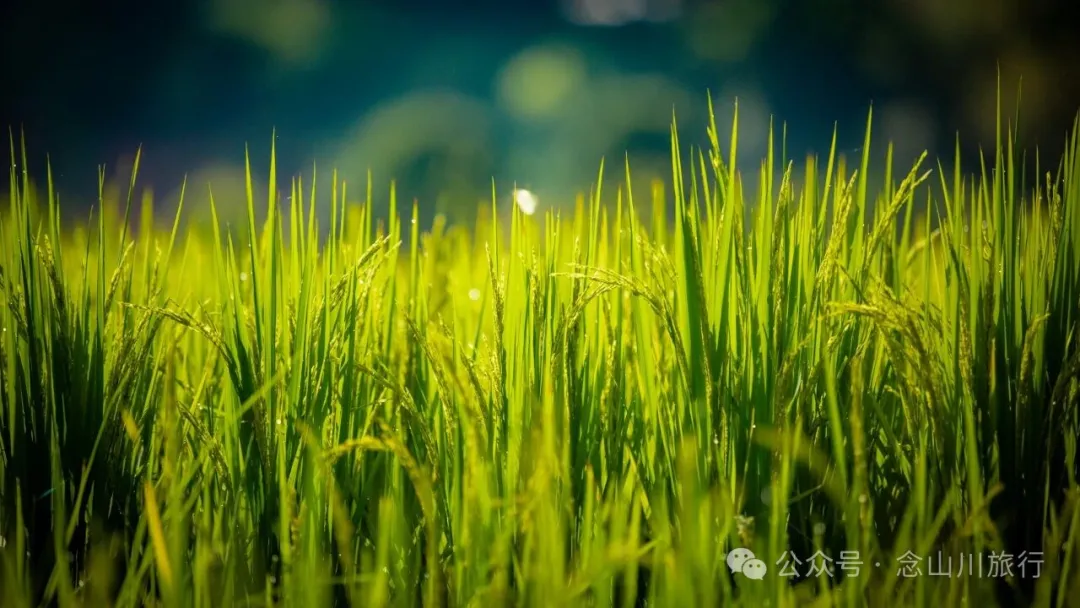
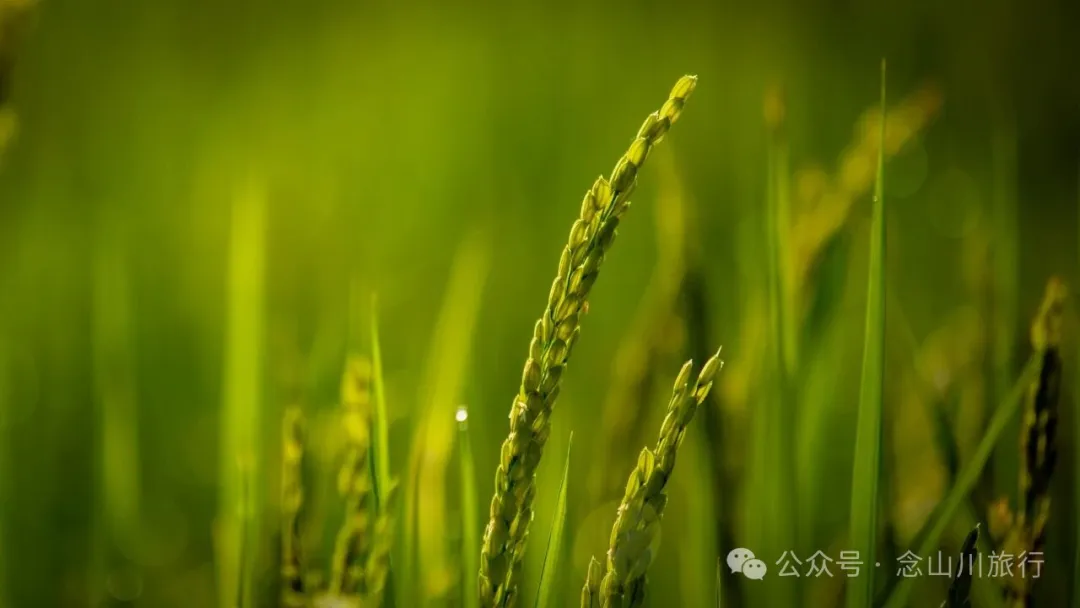
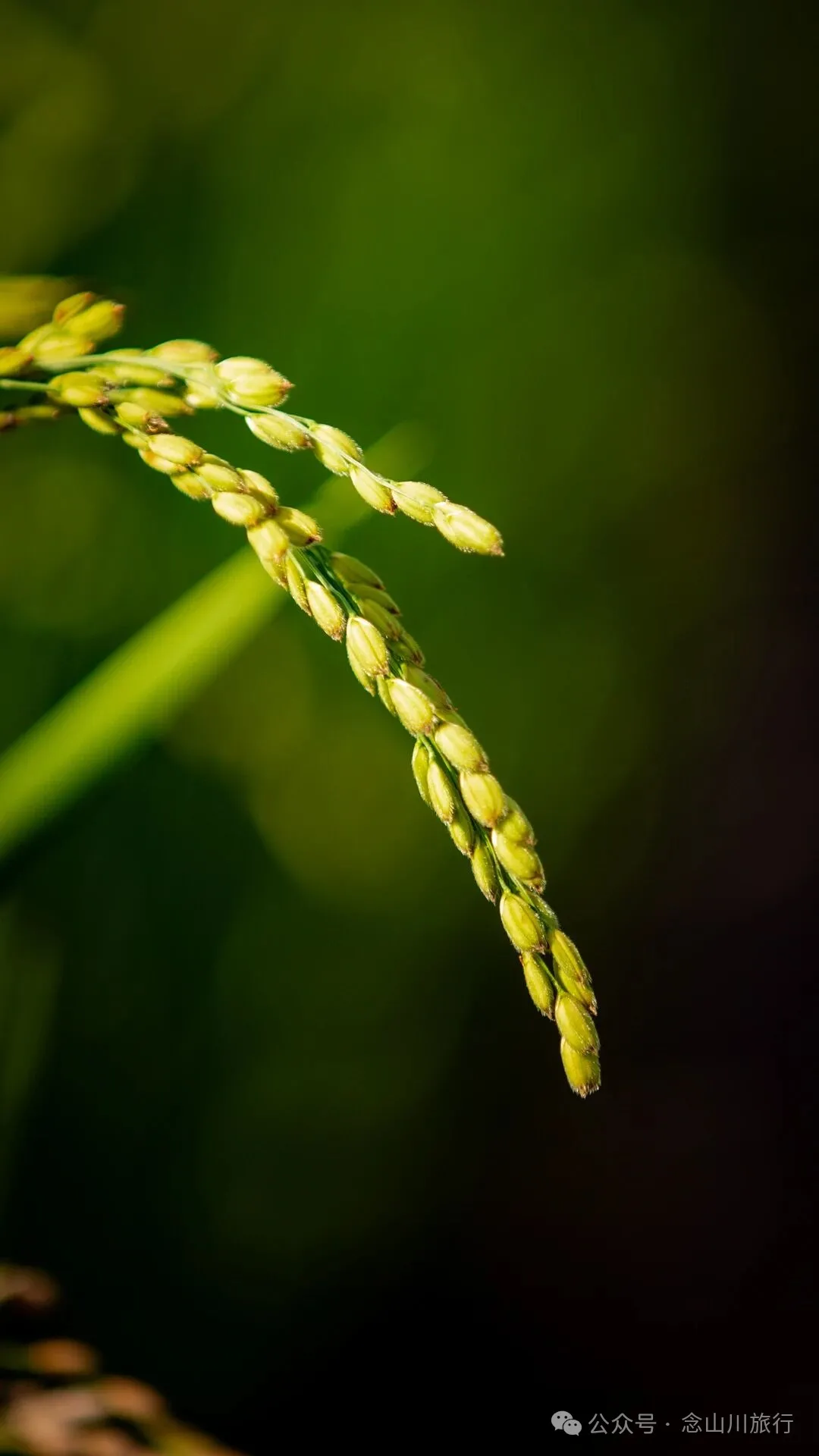
The fields outside the village were thriving under the abundant summer sunlight. We walked along a narrow concrete ditch into the fields, and the girl said she smelled a strong aroma of glutinous rice. The crops in the fields were in the magnificent grain-filling stage. The green husks of the rice ears were still sunken, not yet plump and round; they would need to wait patiently for a few more months.
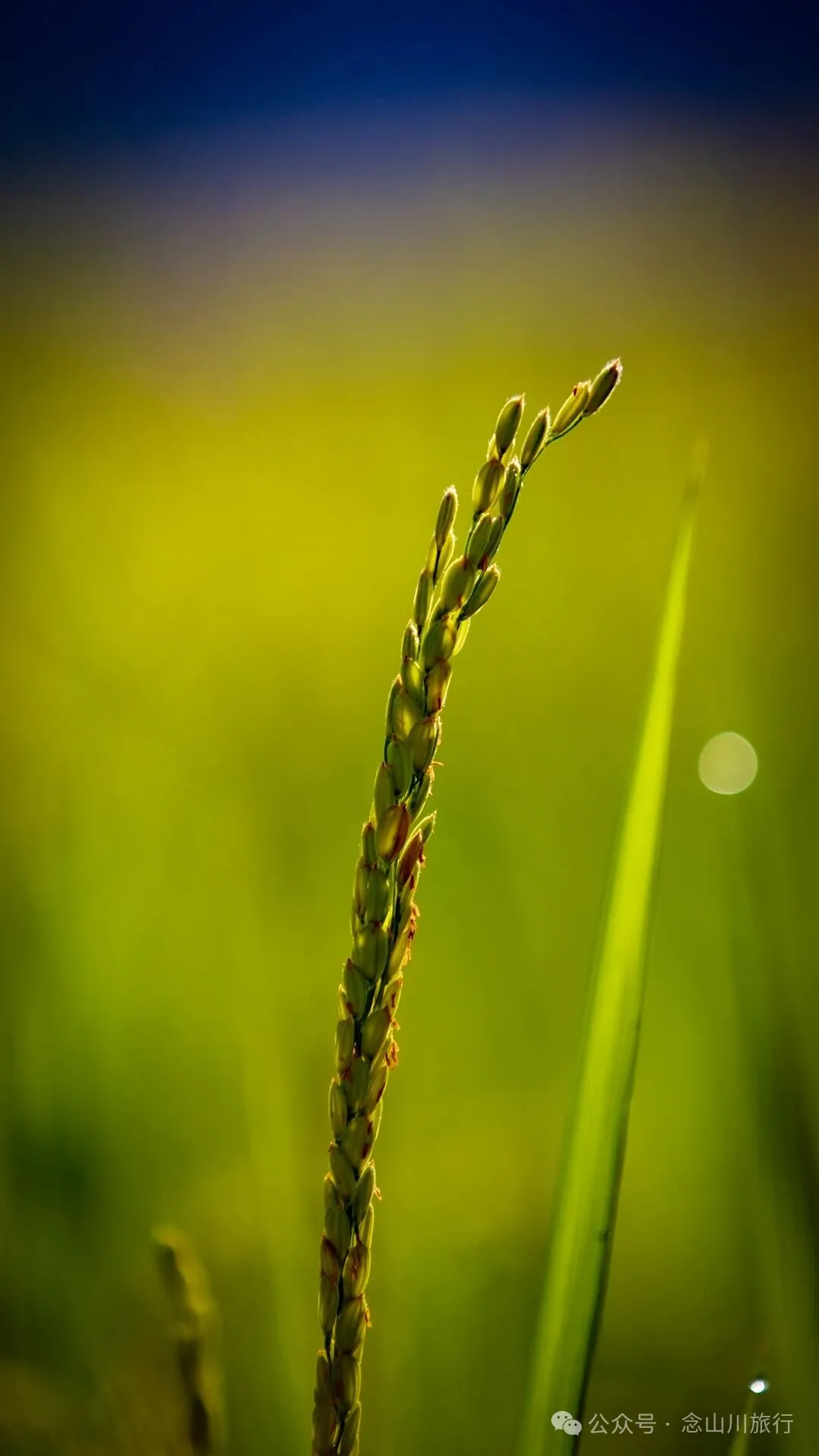
Sparrows seemed to sense the sweet aroma permeating the fields. They shot out from the deep trees by the roadside like arrows, about a hundred or two, landing densely in the same rice paddy to forage. When a pedestrian passed by, they would, like a well-trained army, evacuate the battlefield in unison and retreat to their tents. Once the pedestrian was far away, they would immediately swarm out again, returning to the battlefield to seize the spoils, swift and decisive. There were many sparrows, but we didn't see a single scarecrow.
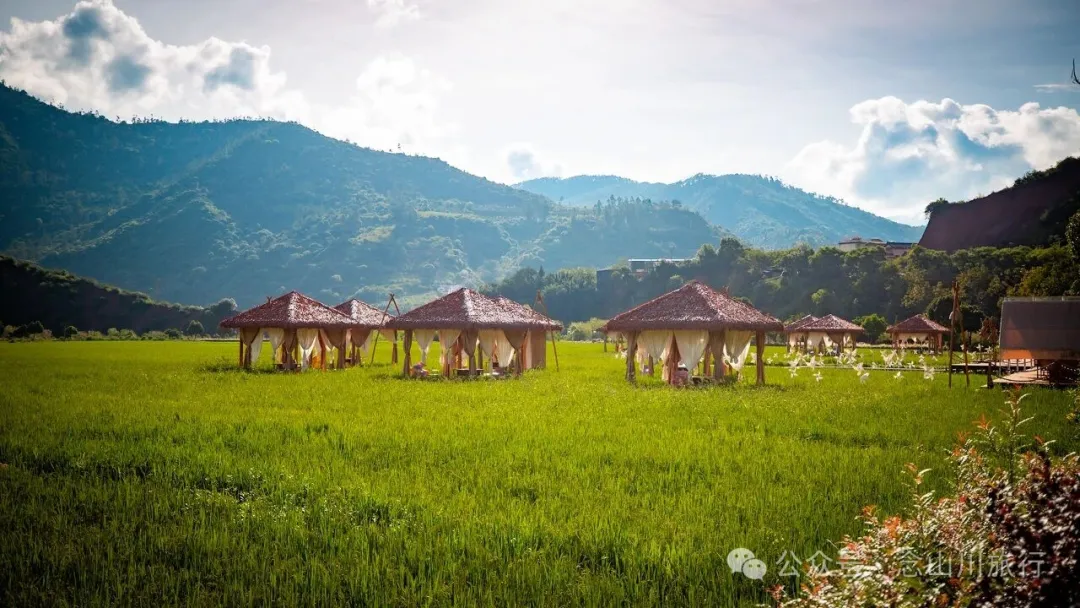
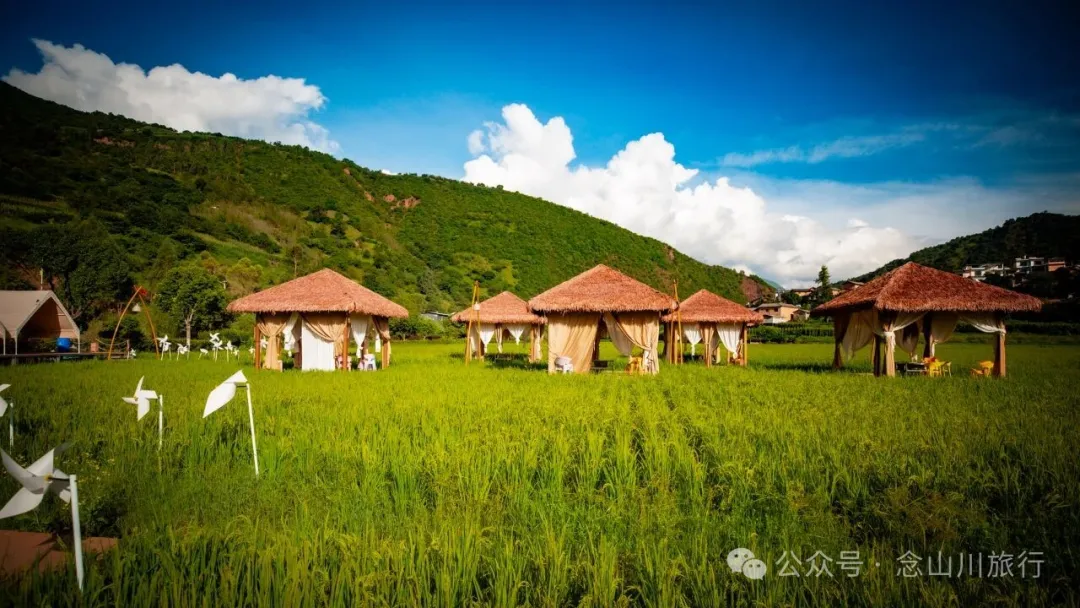
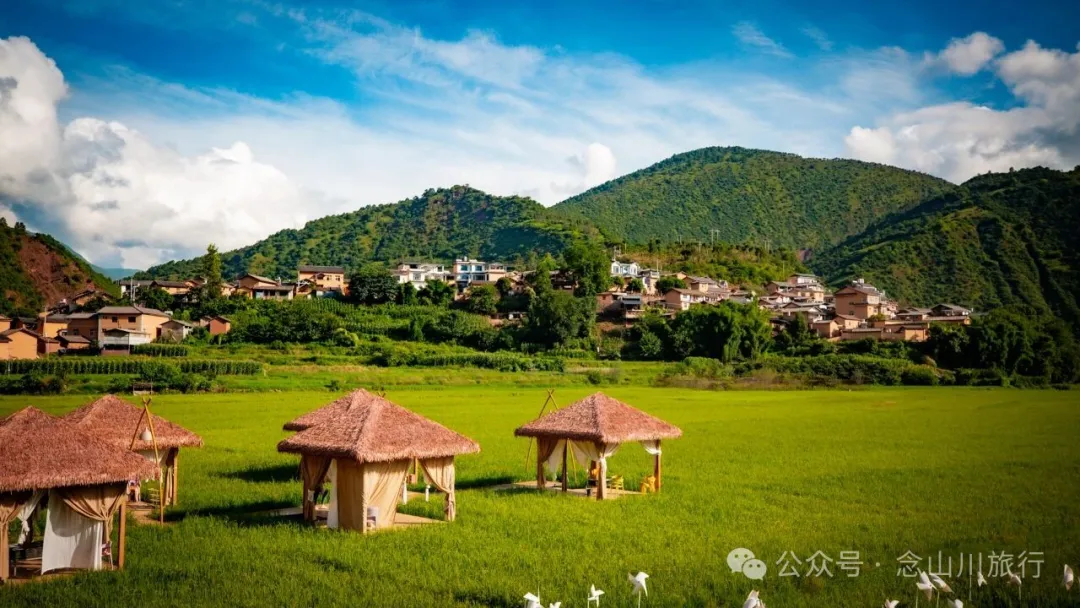
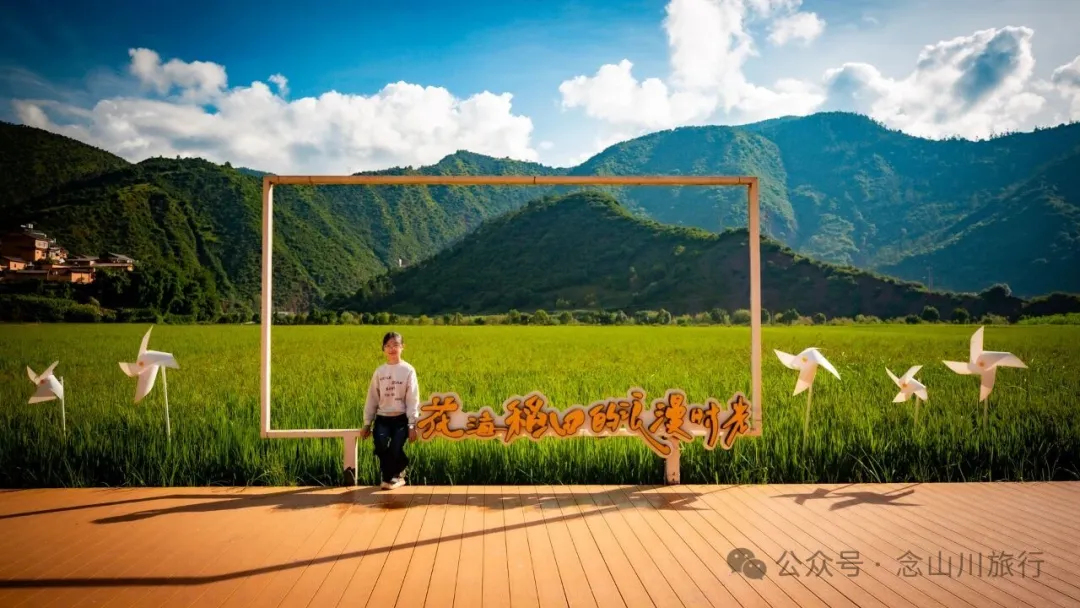
"Lonely little bridge, crossing with dreams, deep in the rice fields, grass insects chirp," "The east wind dyes three thousand acres, egrets come and find no place to stop." The southern agricultural civilization, extending for thousands of years, is deeply rooted in people's hearts. People's feelings for rice fields have long risen from the most primitive physiological needs to spiritual comfort. Times change, and people's lives gradually move away from farming, but that emotion originating from ancient times has not faded. The artistic conceptions described by ancient poets always soothe people's hearts. Sitting in this rice field camp, waiting for nightfall, darkness hides many traces of time, and the pleasant chirping of crickets rises from all around. I think this can probably give many modern people a pure dream, soothing their sense of loss.