
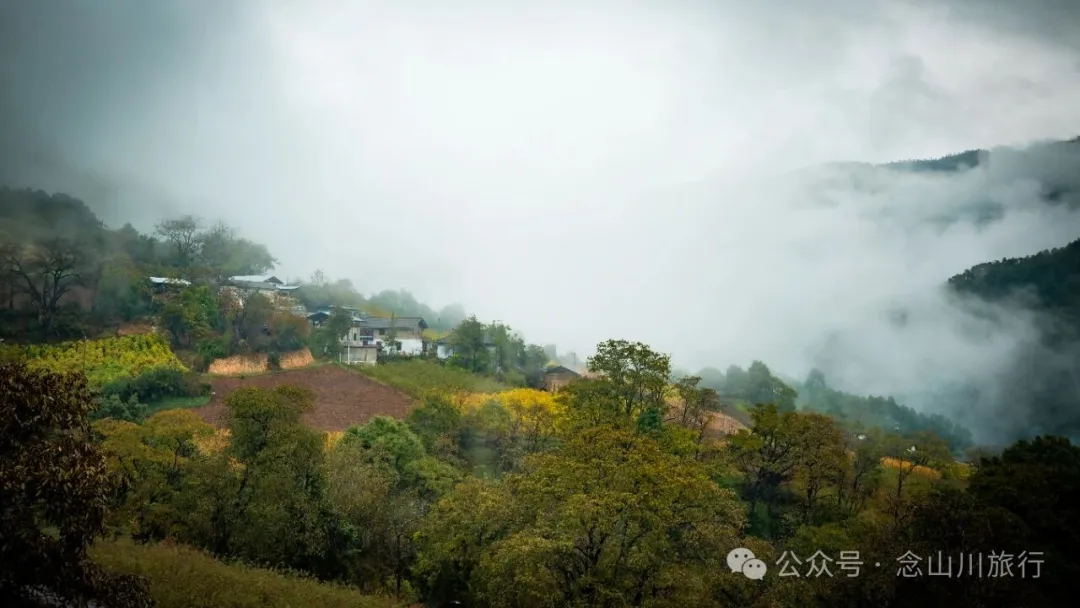
The late autumn rain has lingered in Bazhu Village for two full days. The rain falls now fast, now slow, drumming dully on the gray tile roofs and cement ground, tapping incessantly, pulling people from their morning dreams back to a hazy reality. Next door, a yellow ox with a neck bell is penned up, making occasional sounds at all hours. But as the rain continues, cold air seeps in from all sides, and the clear bell rarely rings—perhaps the ox is curled up in a dry corner, too lazy to move.
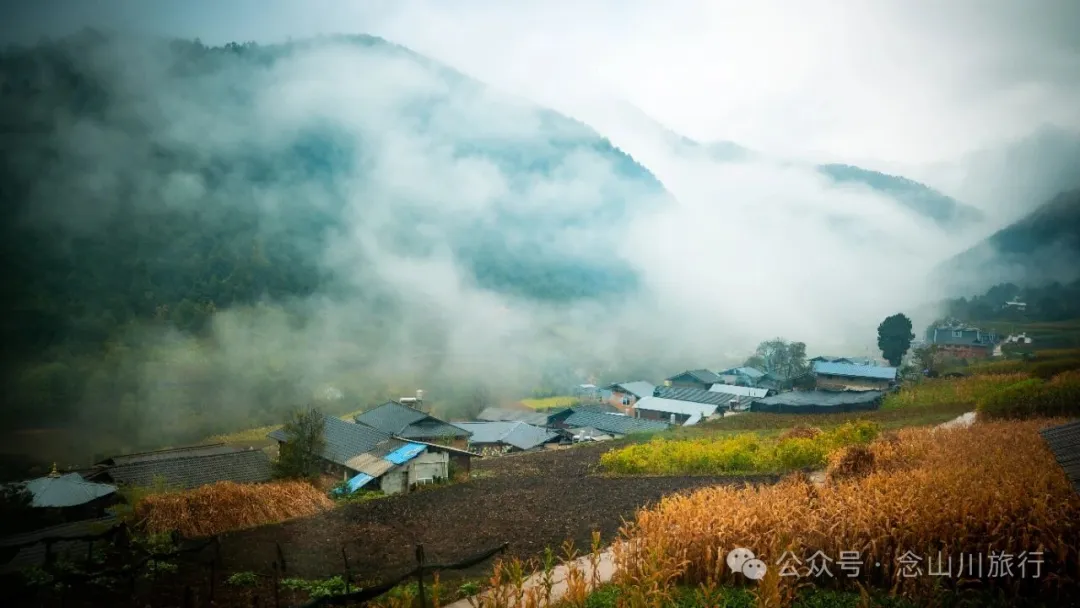
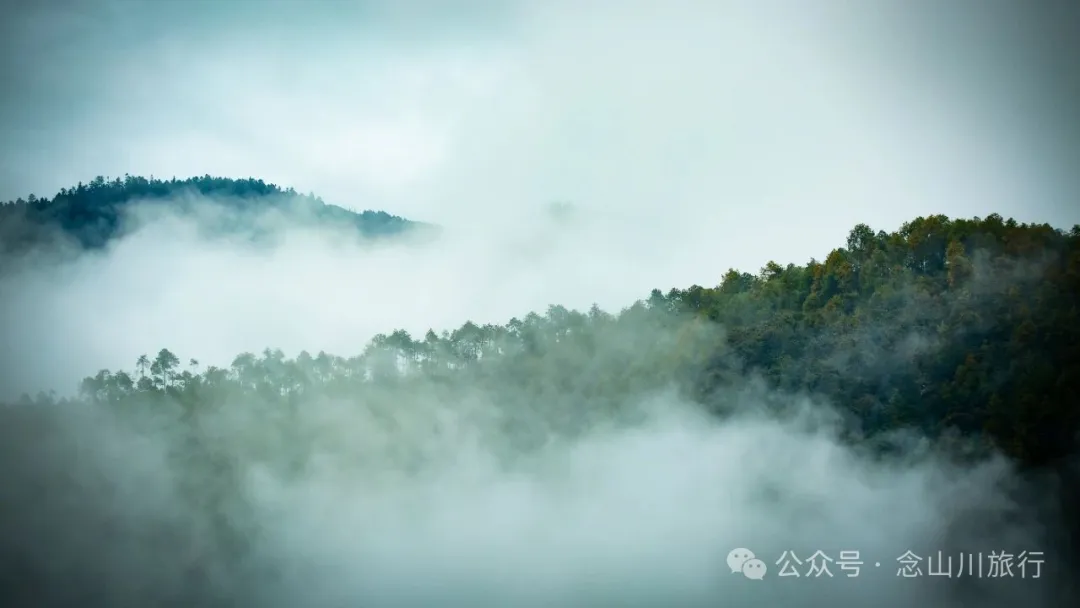
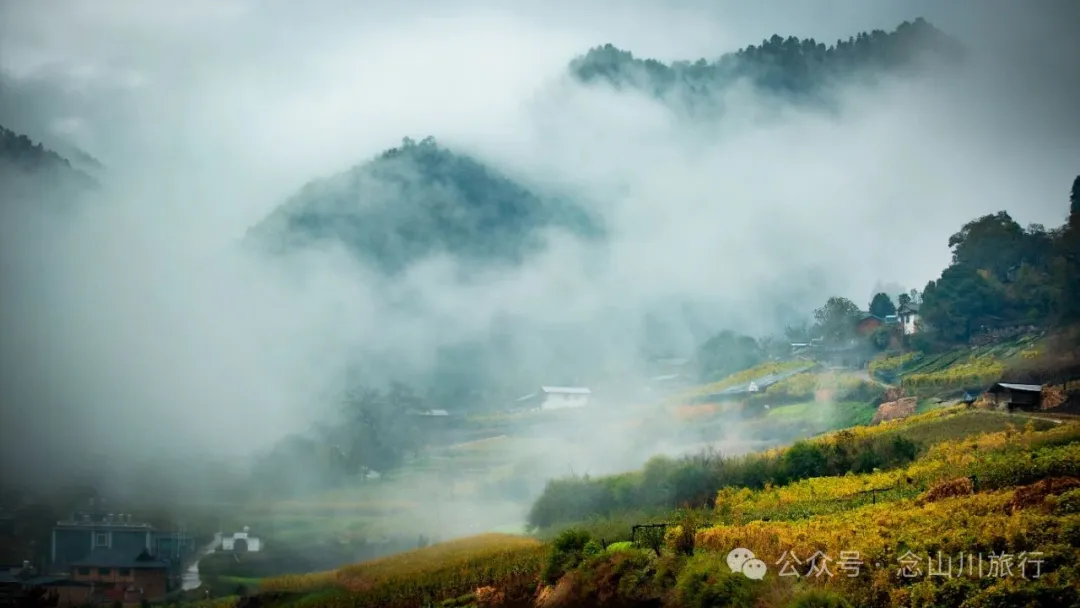
Beyond the curtain, clouds and mist drift slowly over the back mountain, hanging very low, obscuring the ridge and hiding part of the pine forest. Walking to the front porch and looking toward the distant valley, the valley has already turned into a surging sea of clouds, with scattered peaks emerging above the mist like isolated islands in the ocean, resembling a Penglai fairyland. The pines lined up along the ridge stand like spear-wielding guards, unwavering day and night atop the mountain. The evergreen pines in the mountains are blurred in the faint morning light, their dark hue still rich, but with the pervasive mist, the green seems to fade, presenting a black-and-white ink-wash tone.
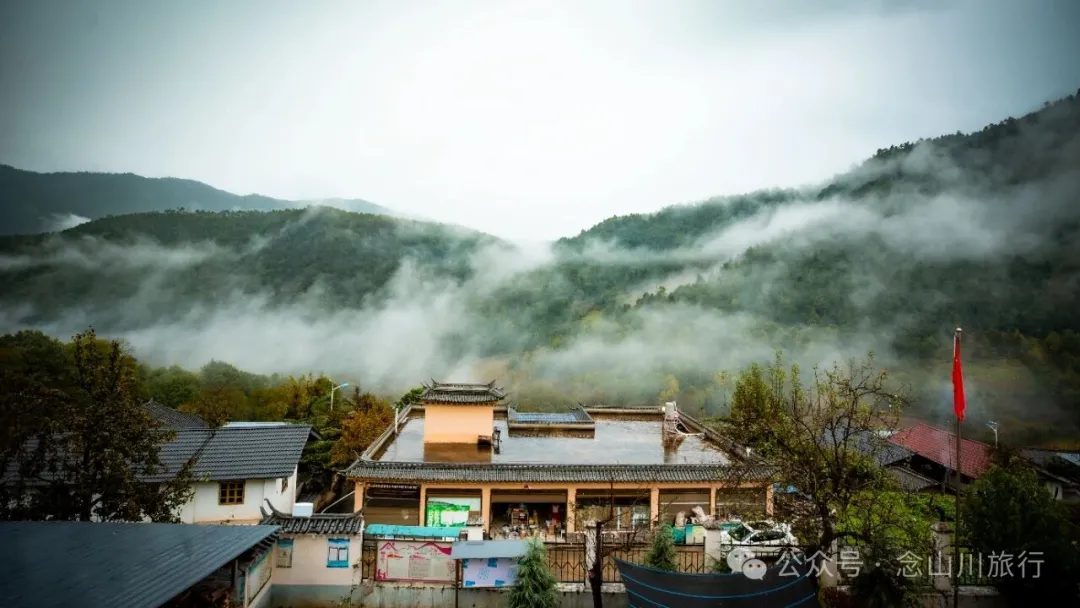
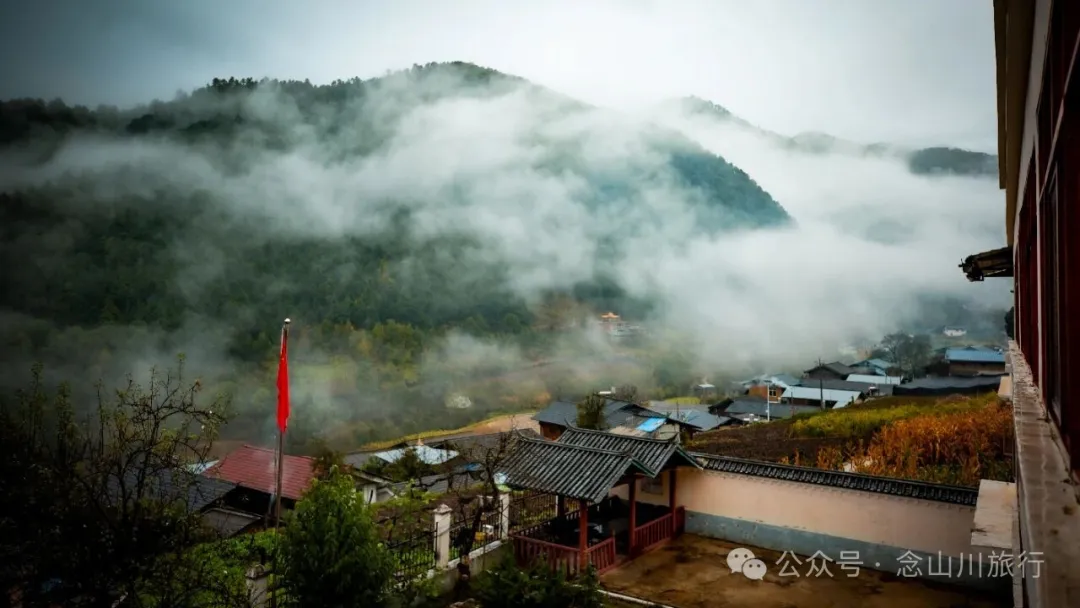
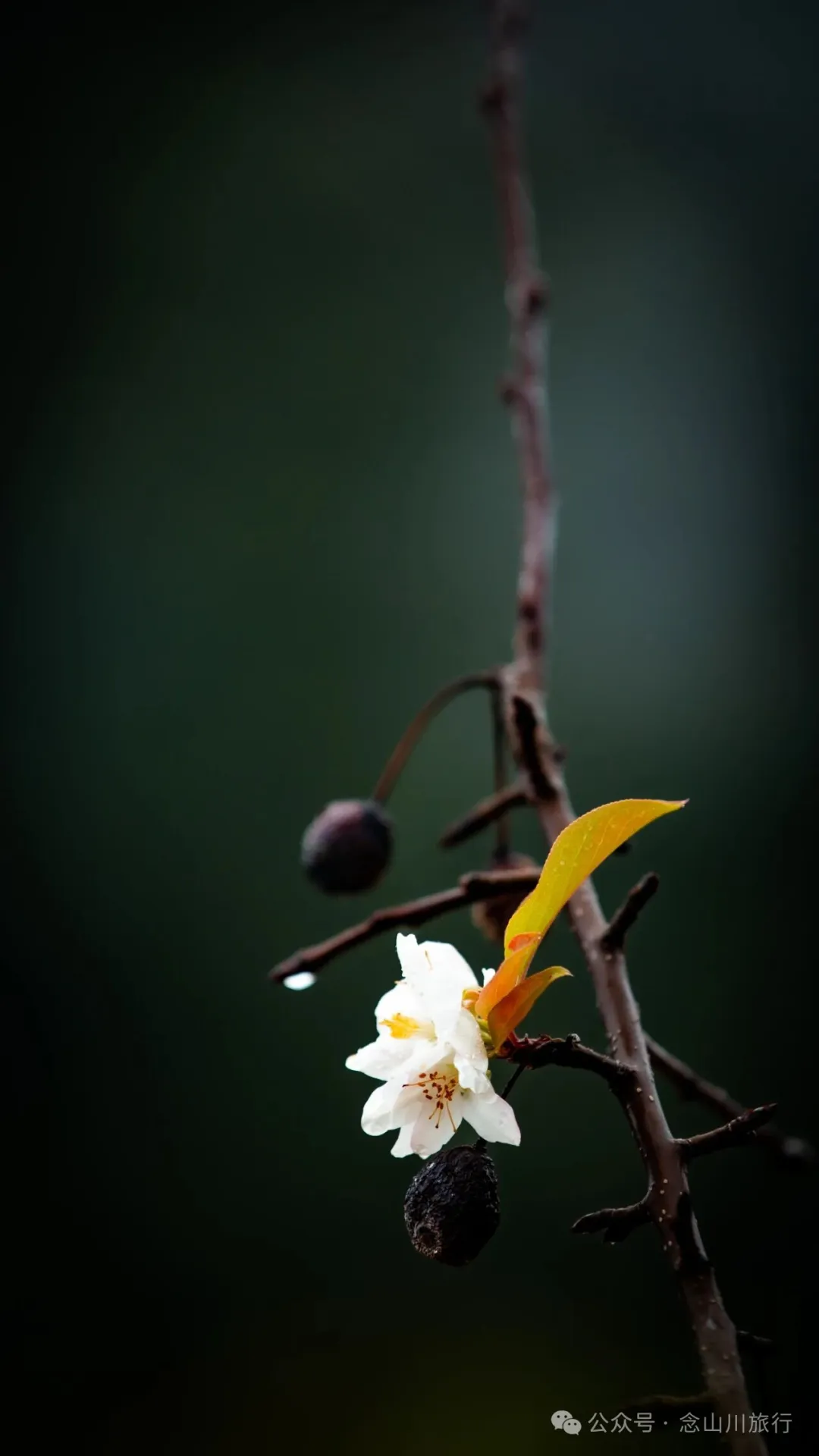
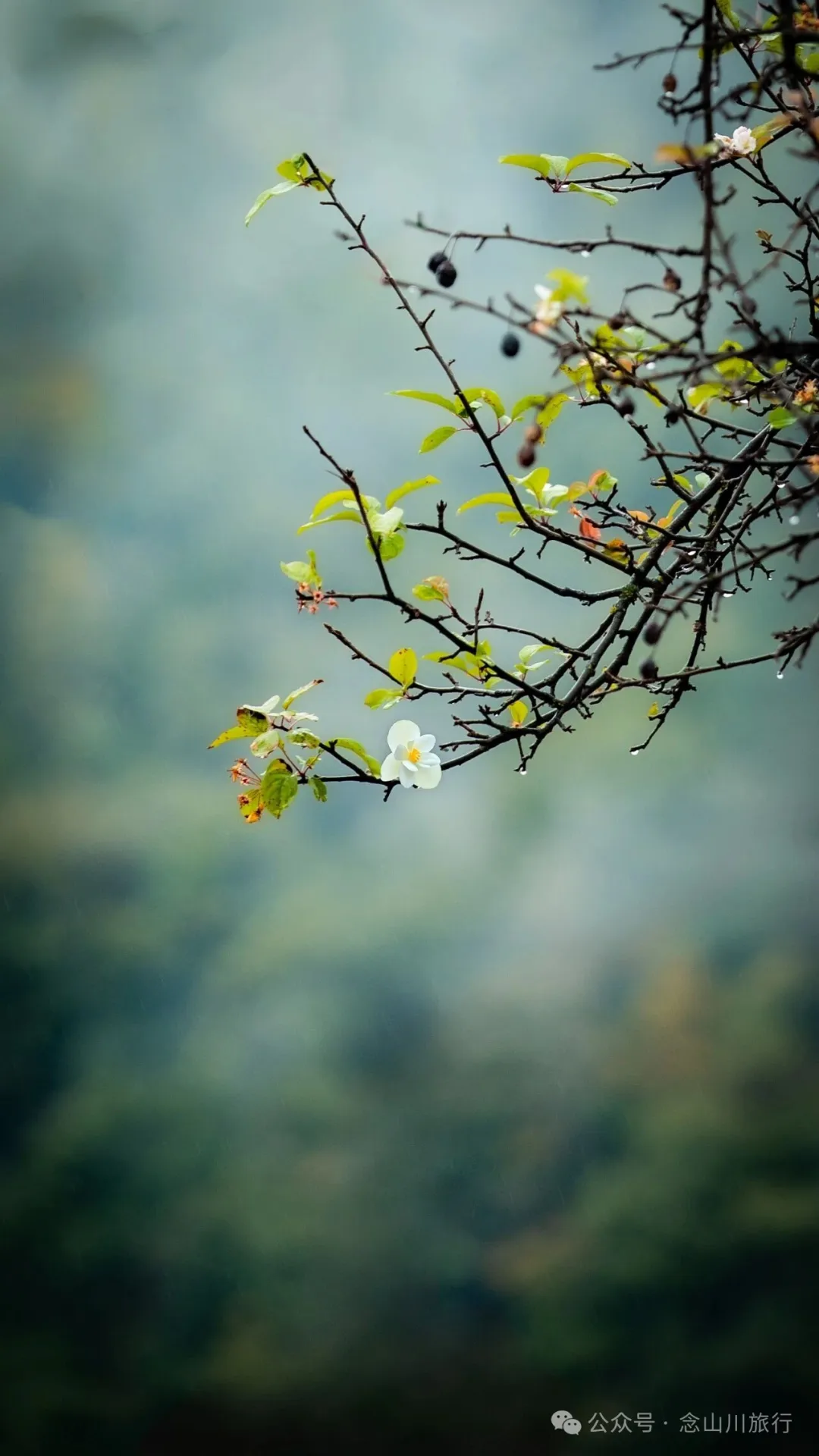
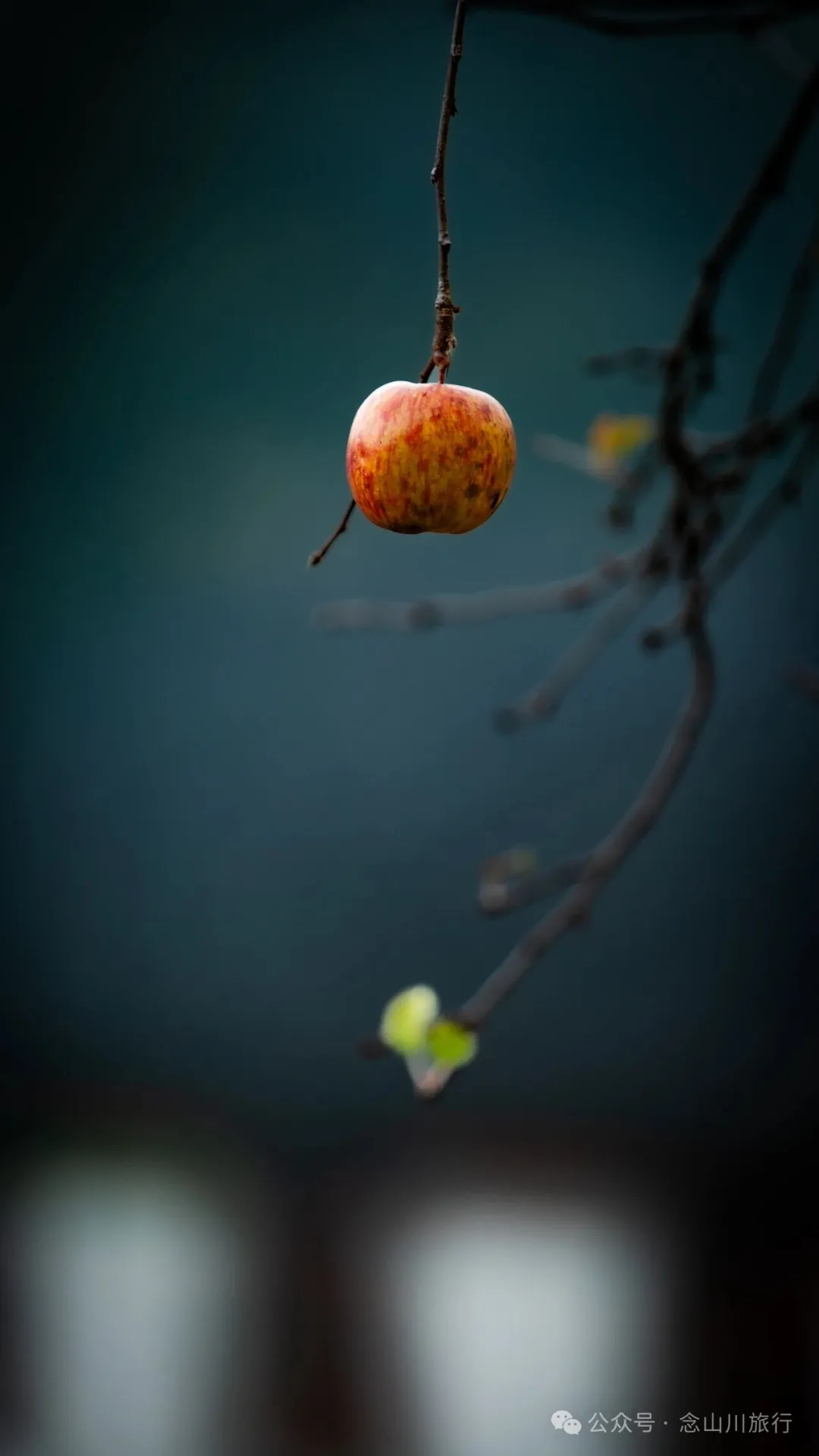
In the courtyard, a crabapple tree still holds a few white flowers on its branches, appearing even more gentle and charming in the rain. Round raindrops rest on the petals, gathering a faint glimmer, as if memories of bygone days are reflected in that light. Several green tits hop from one branch to another in pairs, calling to each other and chirping incessantly. They don't need to avoid the cold rain in the mountains, flitting about joyfully in the rain. The scene before me makes one mistakenly feel that spring is still here, bringing a cheerful mood. When the rain intensifies, the heavy curtains of rain carry a misty, hazy Jiangnan charm, quite different from the usual sunny days.
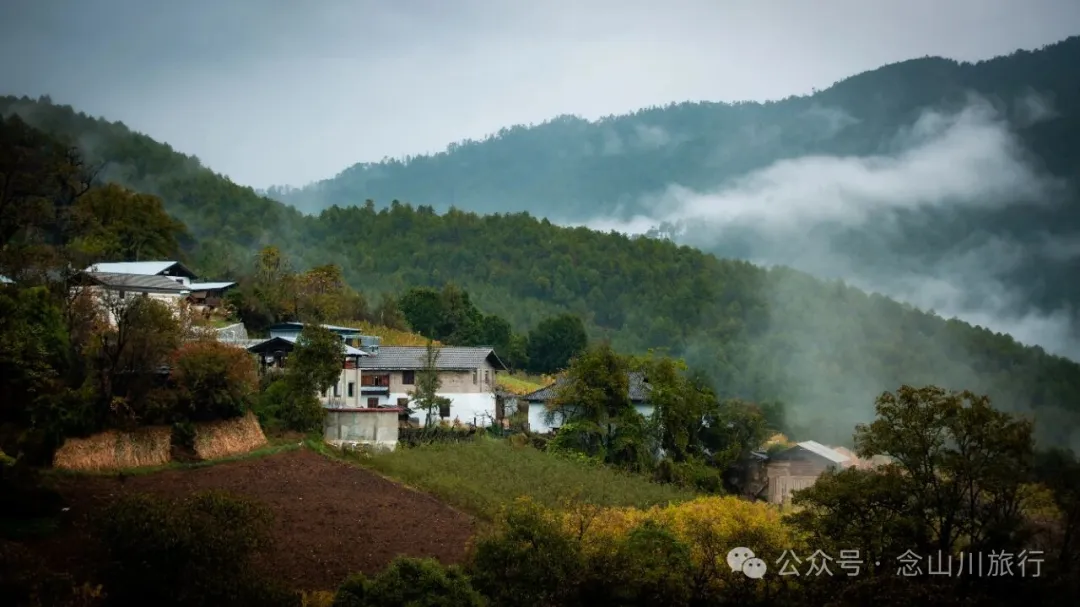
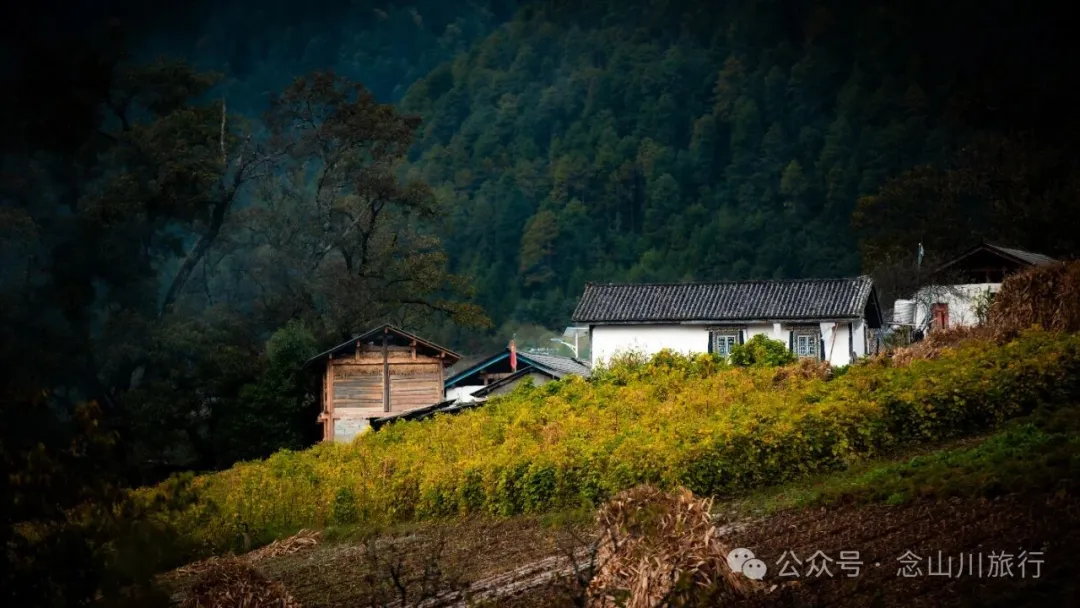
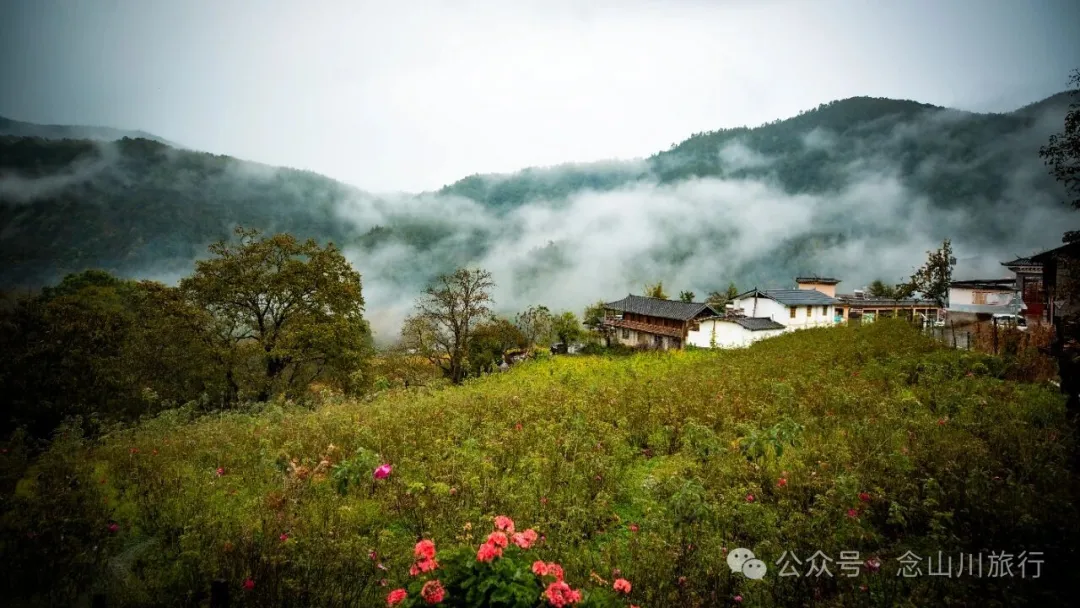
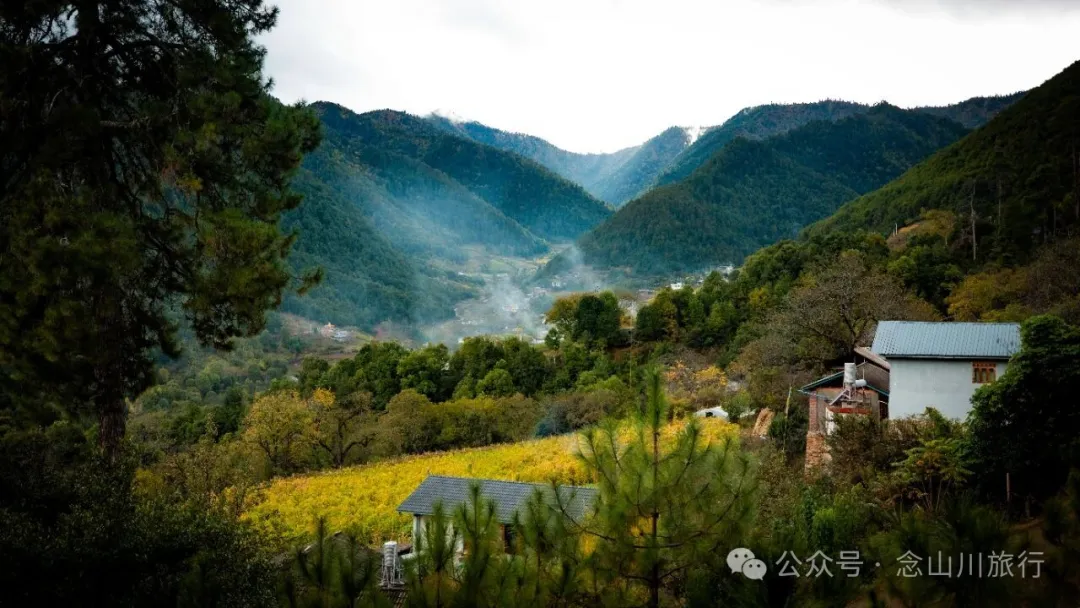
The village's silence deepens. A small patch of land between the back wall of a neighboring house and the cornfield is fenced with wire netting, housing a dozen chickens. Their crowing, perhaps muffled by layers of rain, reaches my ears not as bright and loud as on sunny days, but somewhat hoarse and dull. No farmers are seen busy in the fields; they are probably gathered around a stove in the corner of a living room, keeping warm. The continuous patter of rain eventually drowns out all other sounds—the stream's flow and the wind's whisper merge into the rain, making one forget their existence. Broken corn stalks in the field are piled by the roadside, their withered leaves, washed by the rain, shine with a painted bright yellow, even brighter than the yellow leaves in the wild.
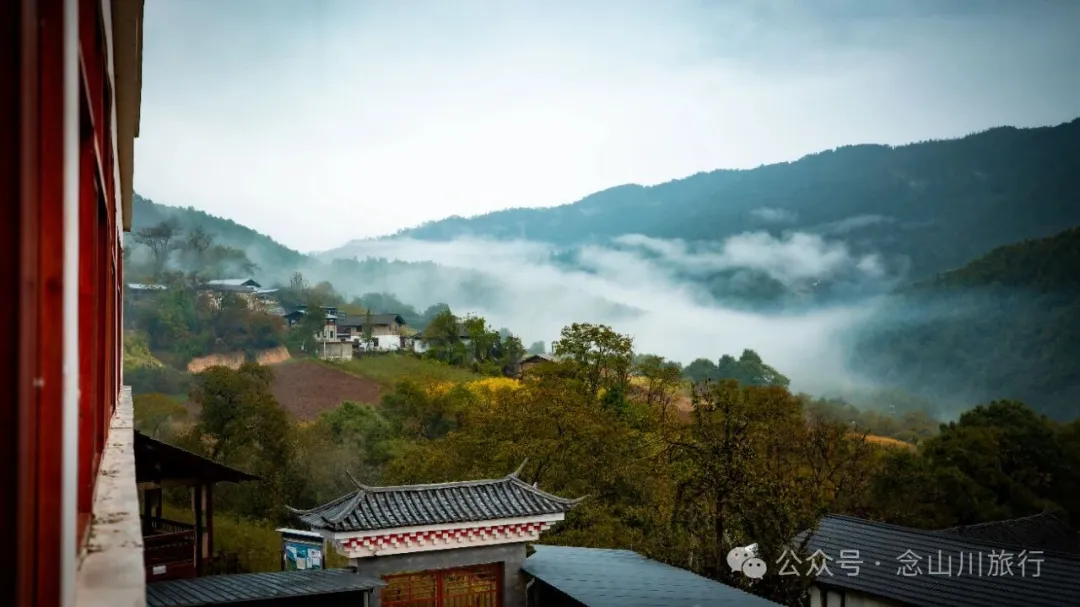
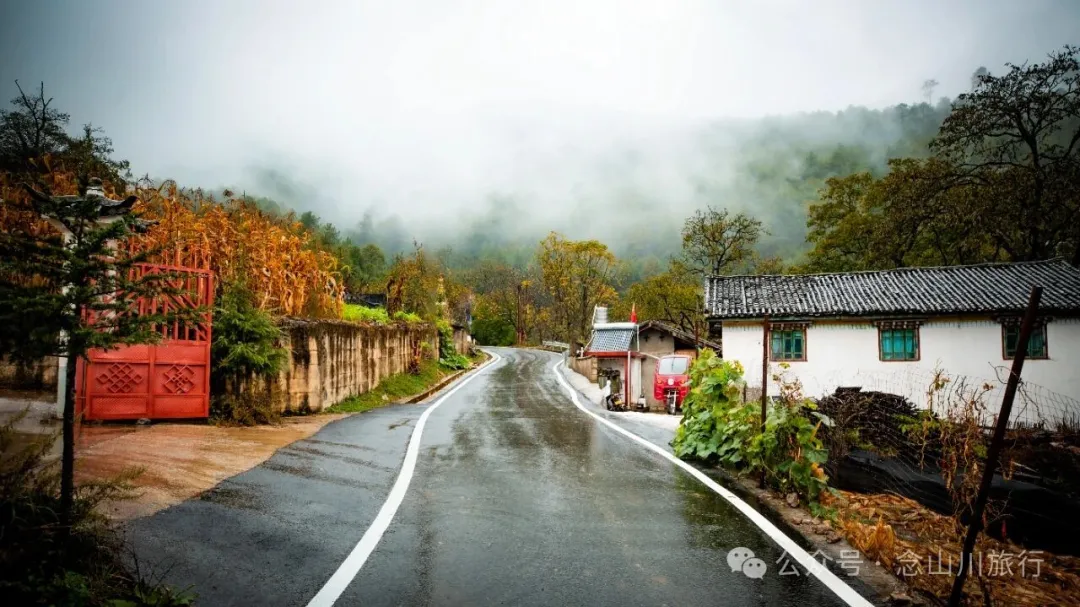
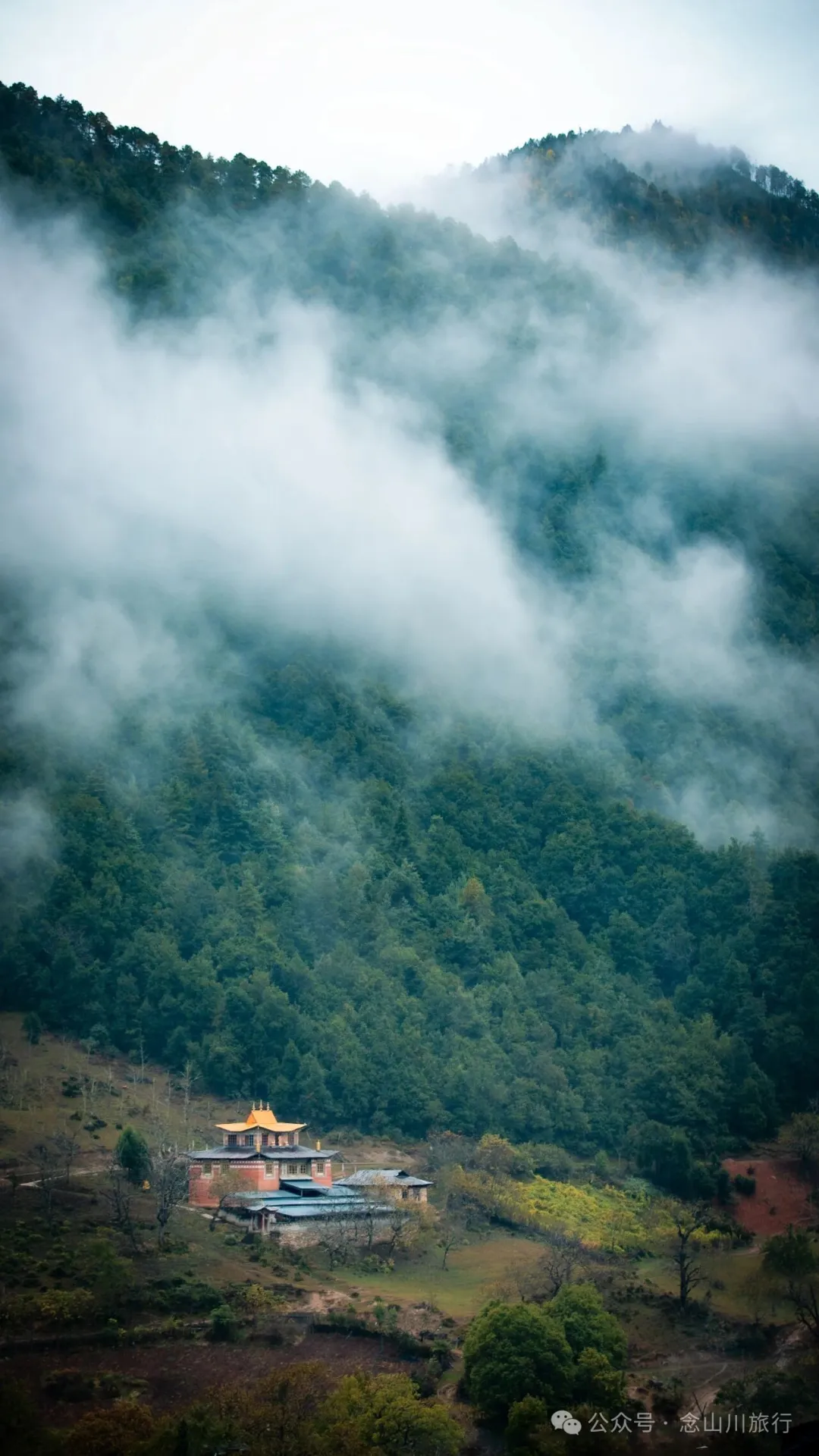
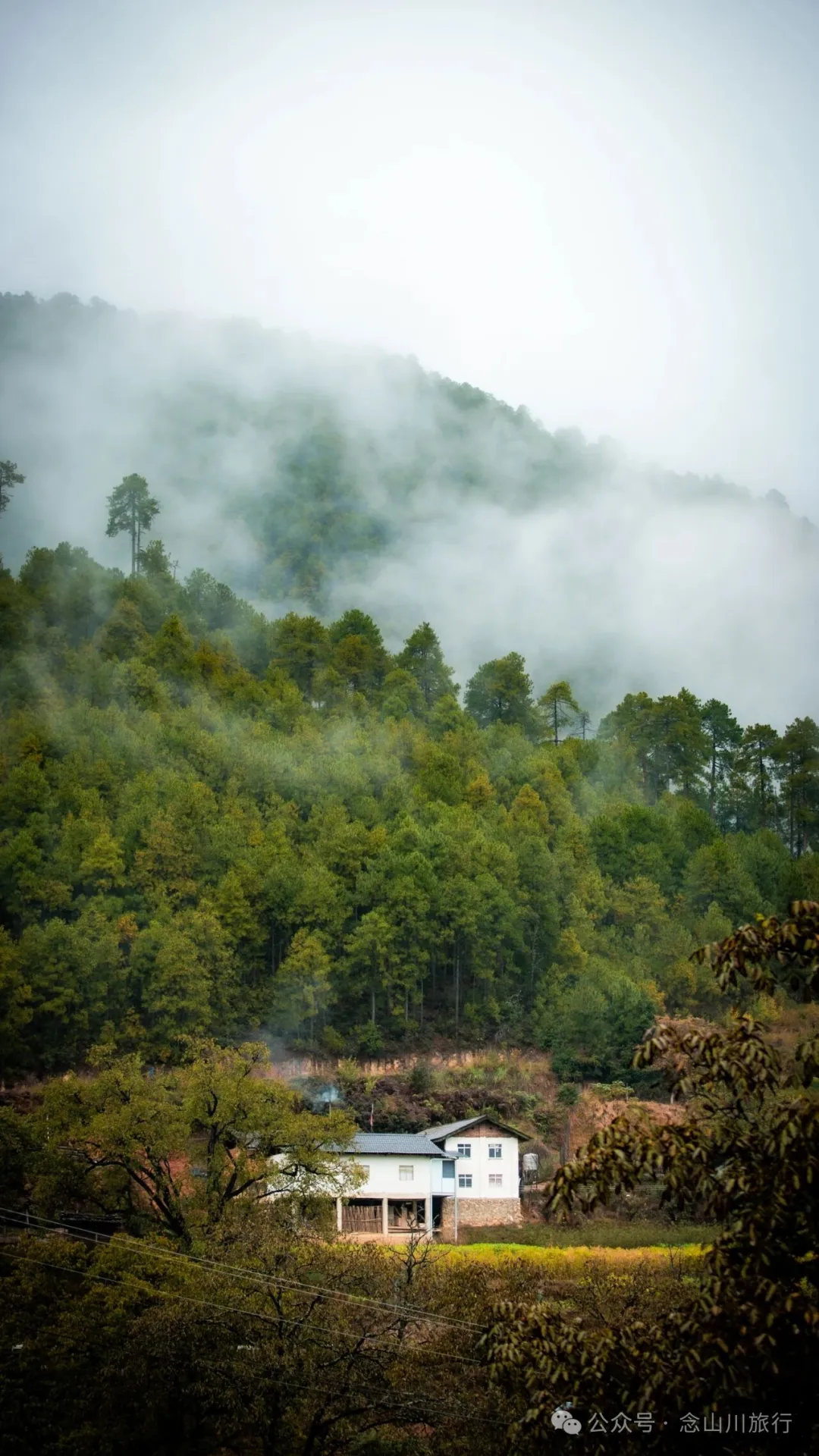
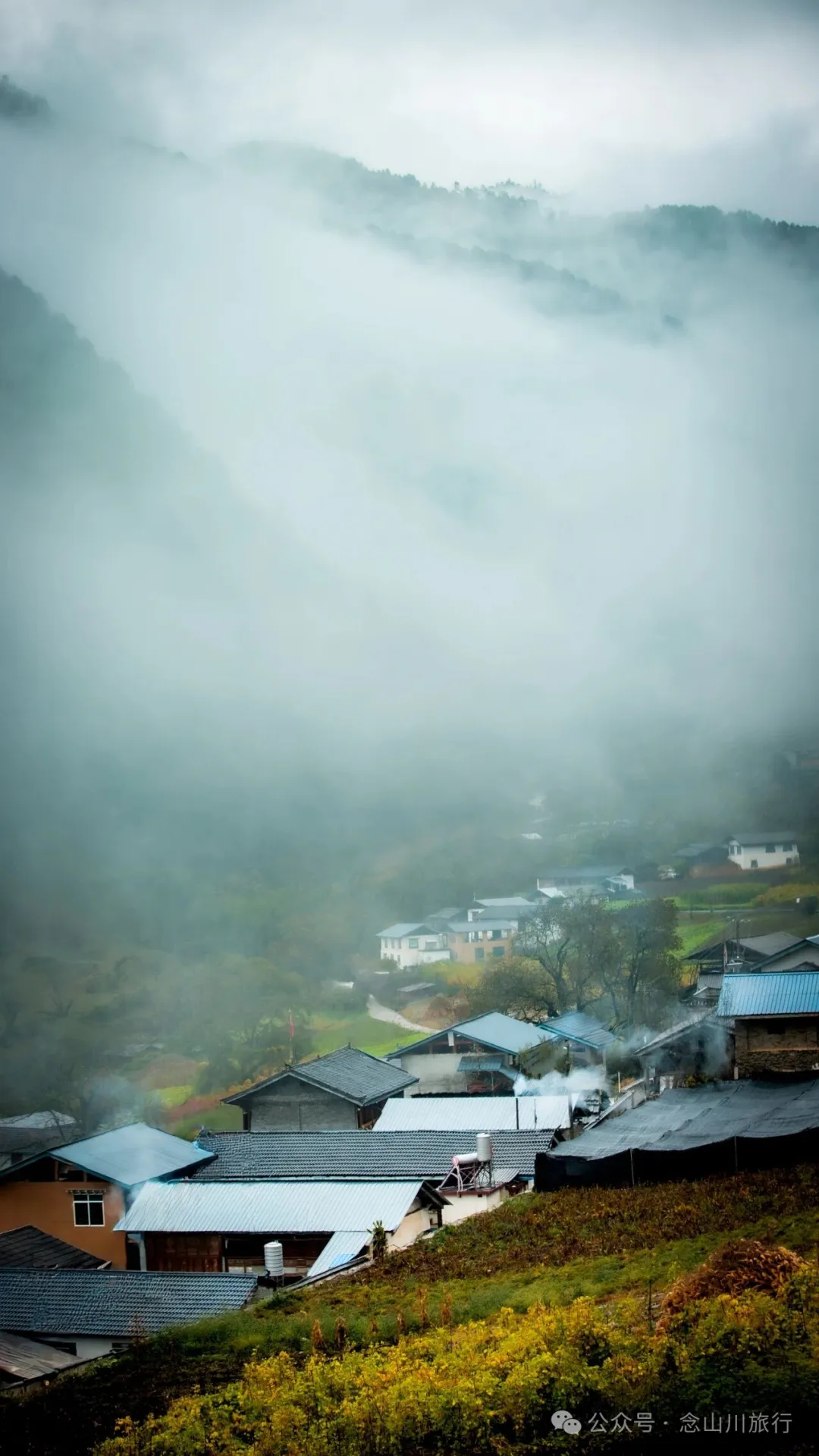
The clouds and mist in the valley are constantly drifting and dancing, as if on a market trip, wandering from the eastern peaks to the western col. Passing by the village, they can't resist teasing the smoke from the rooftops, easily whisking it away to another unseen wilderness. The tall trees on the distant slope have been hidden in the mist for hours; when the mist clears and they come back into view, they are tinged with deeper, richer autumn hues. The brilliant reds and yellows resemble ripe fruits of spring, carrying the fragrance of plants floating in the air.
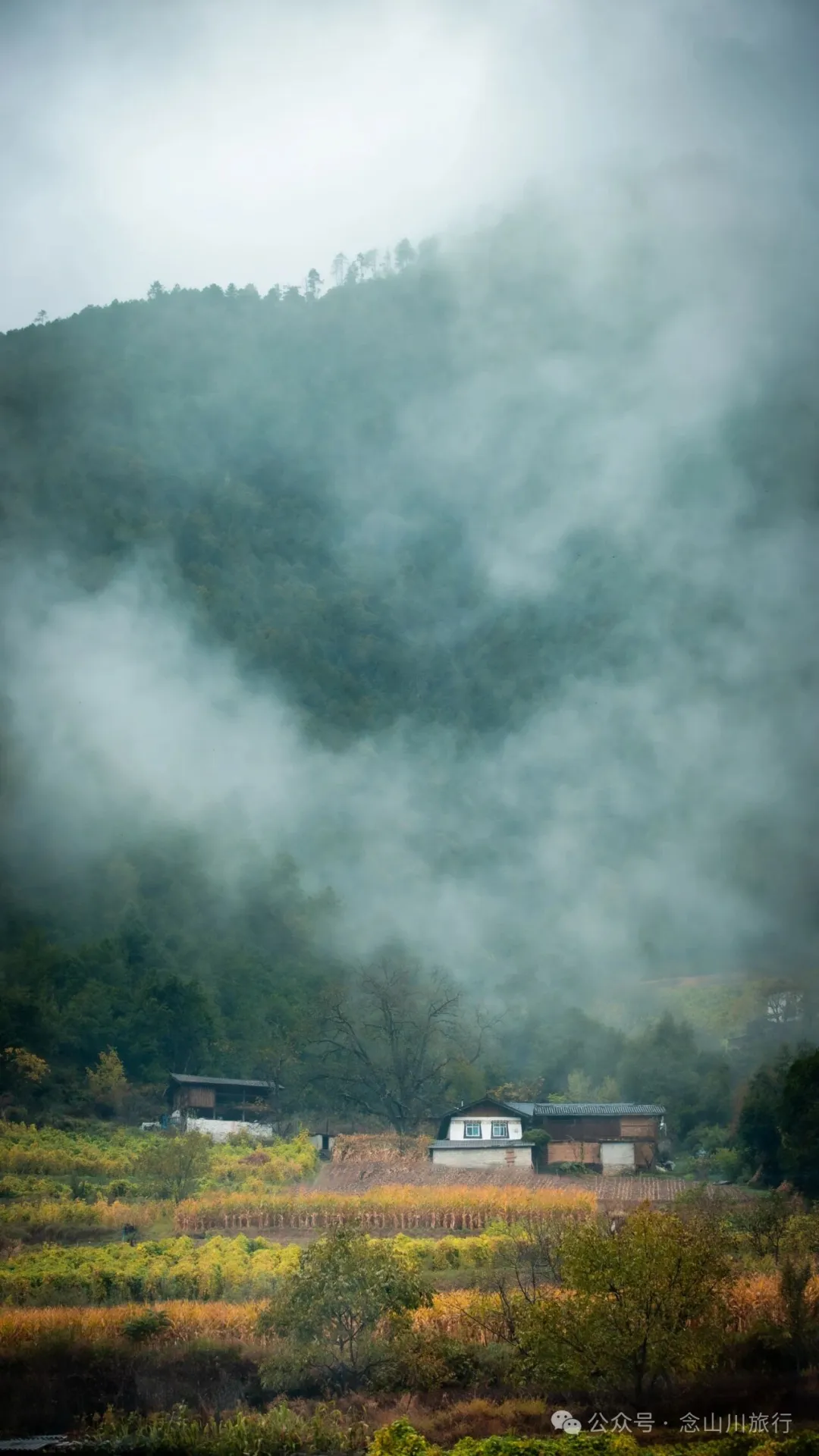
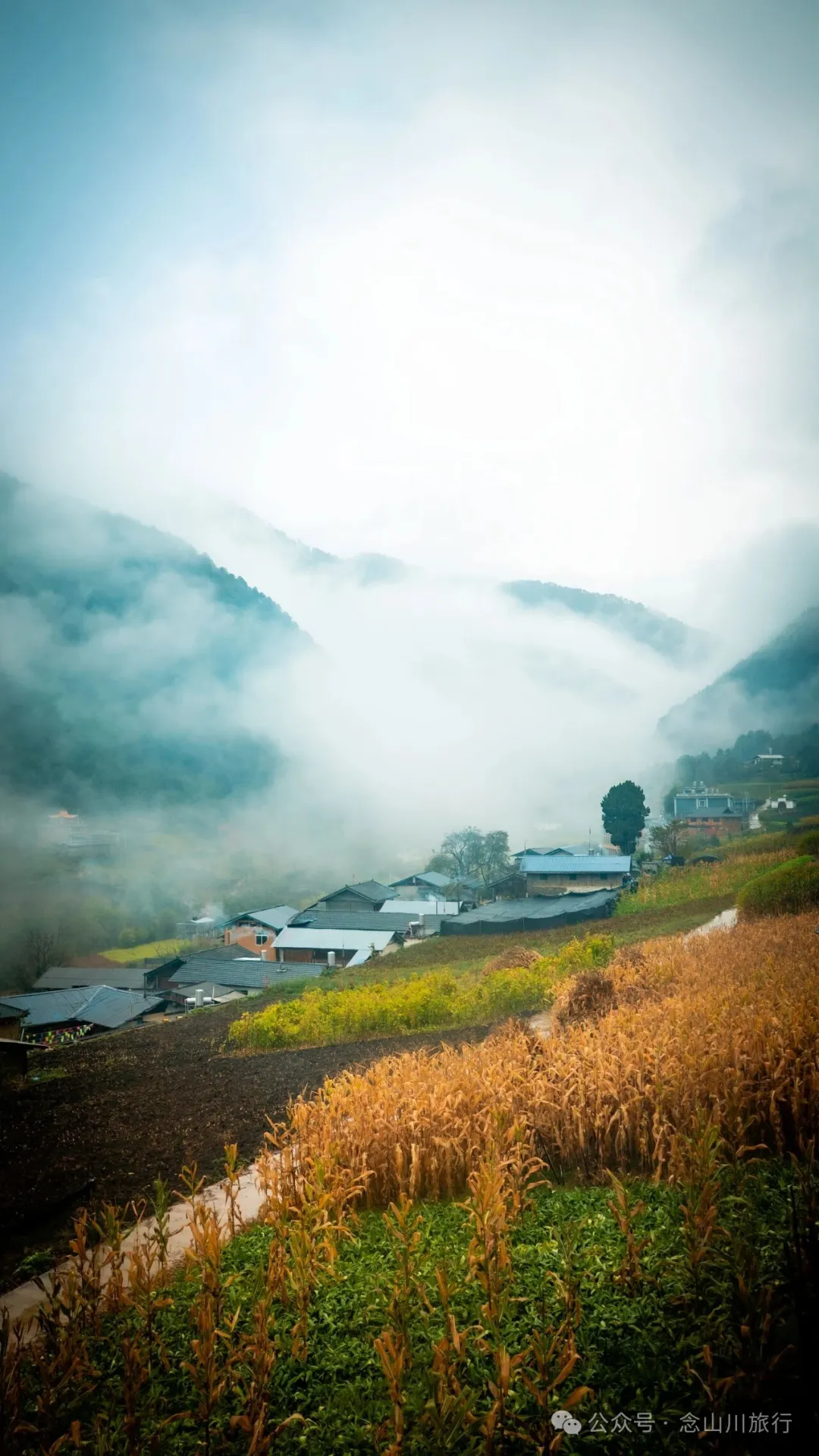
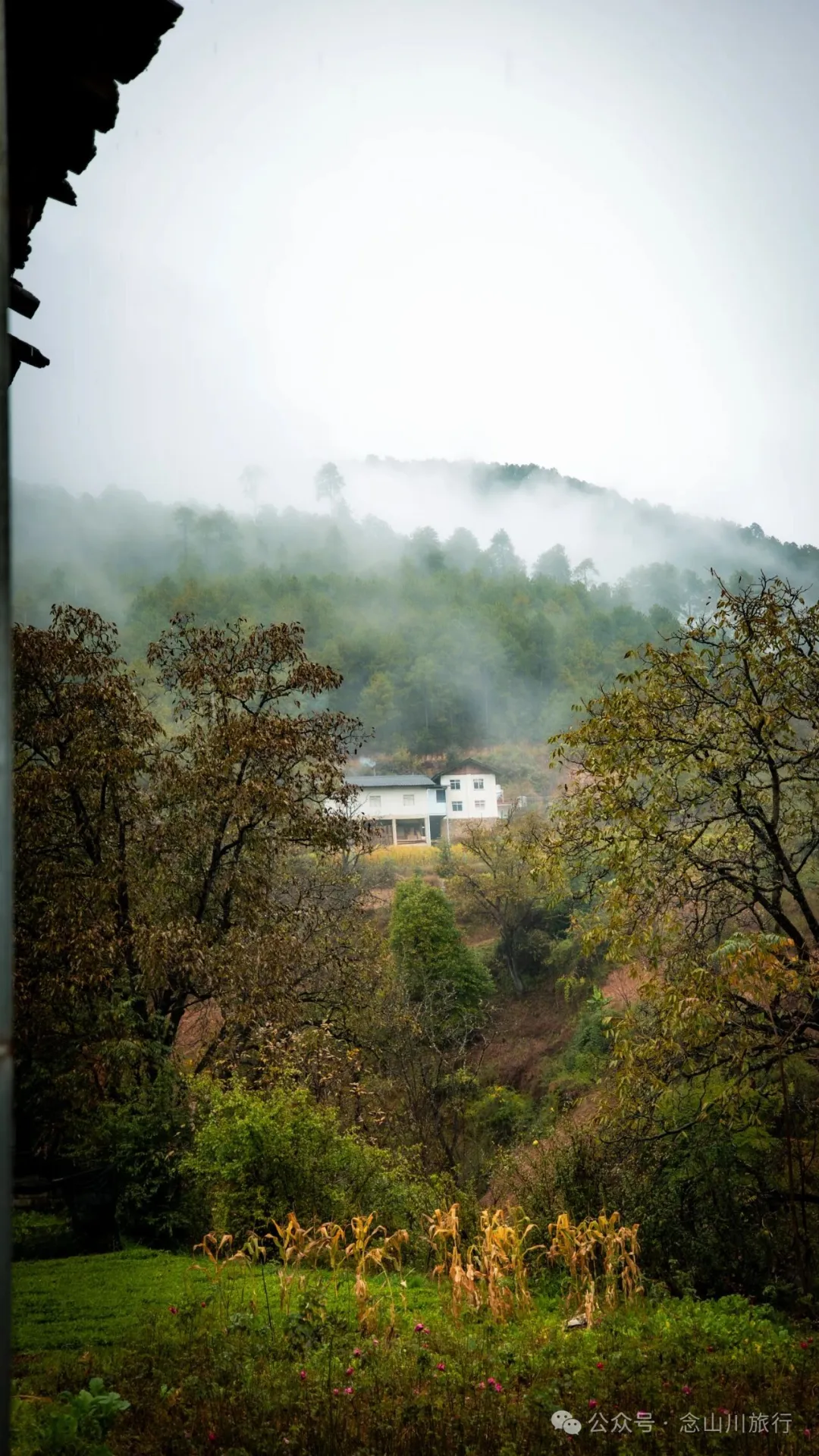
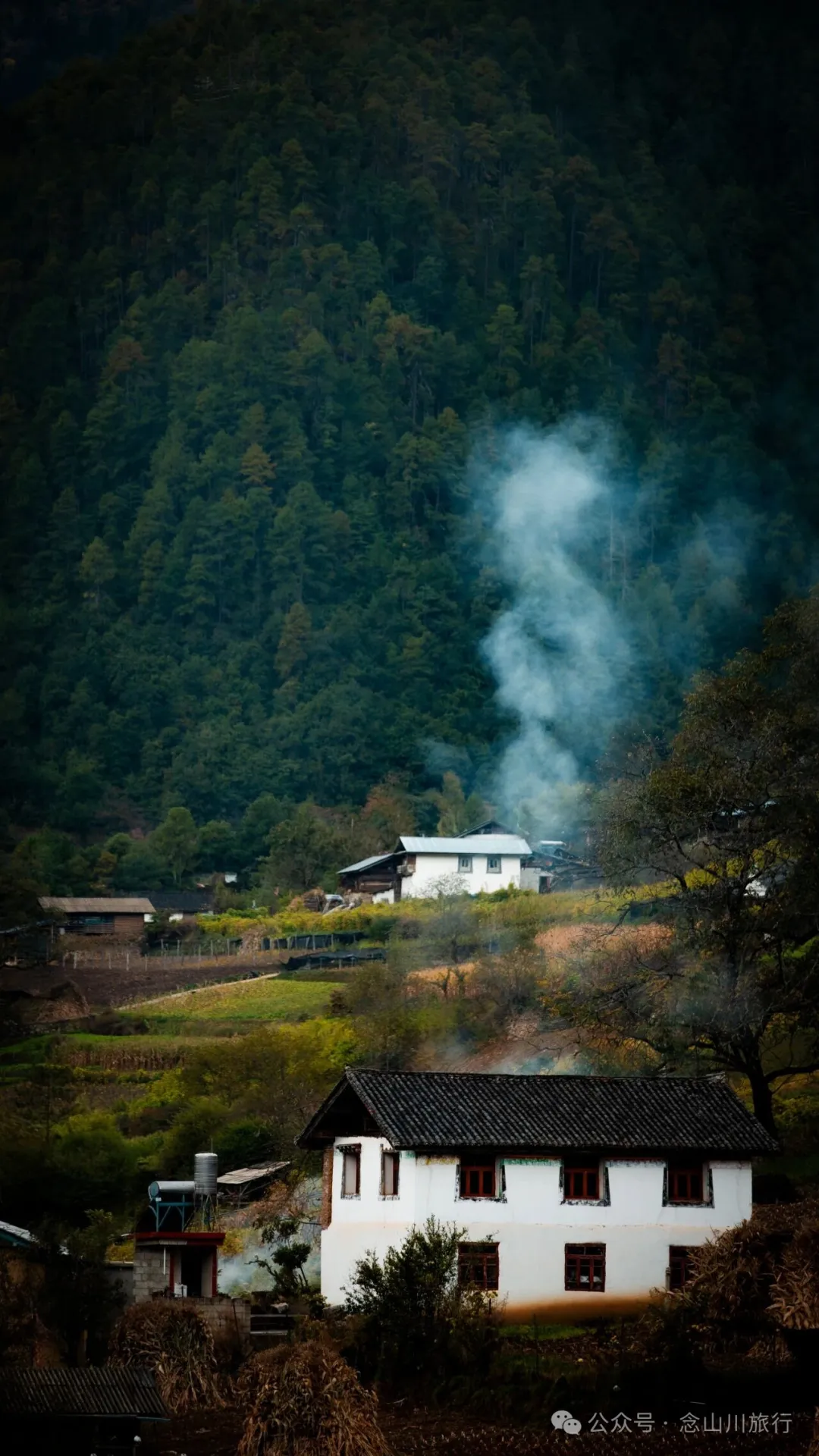
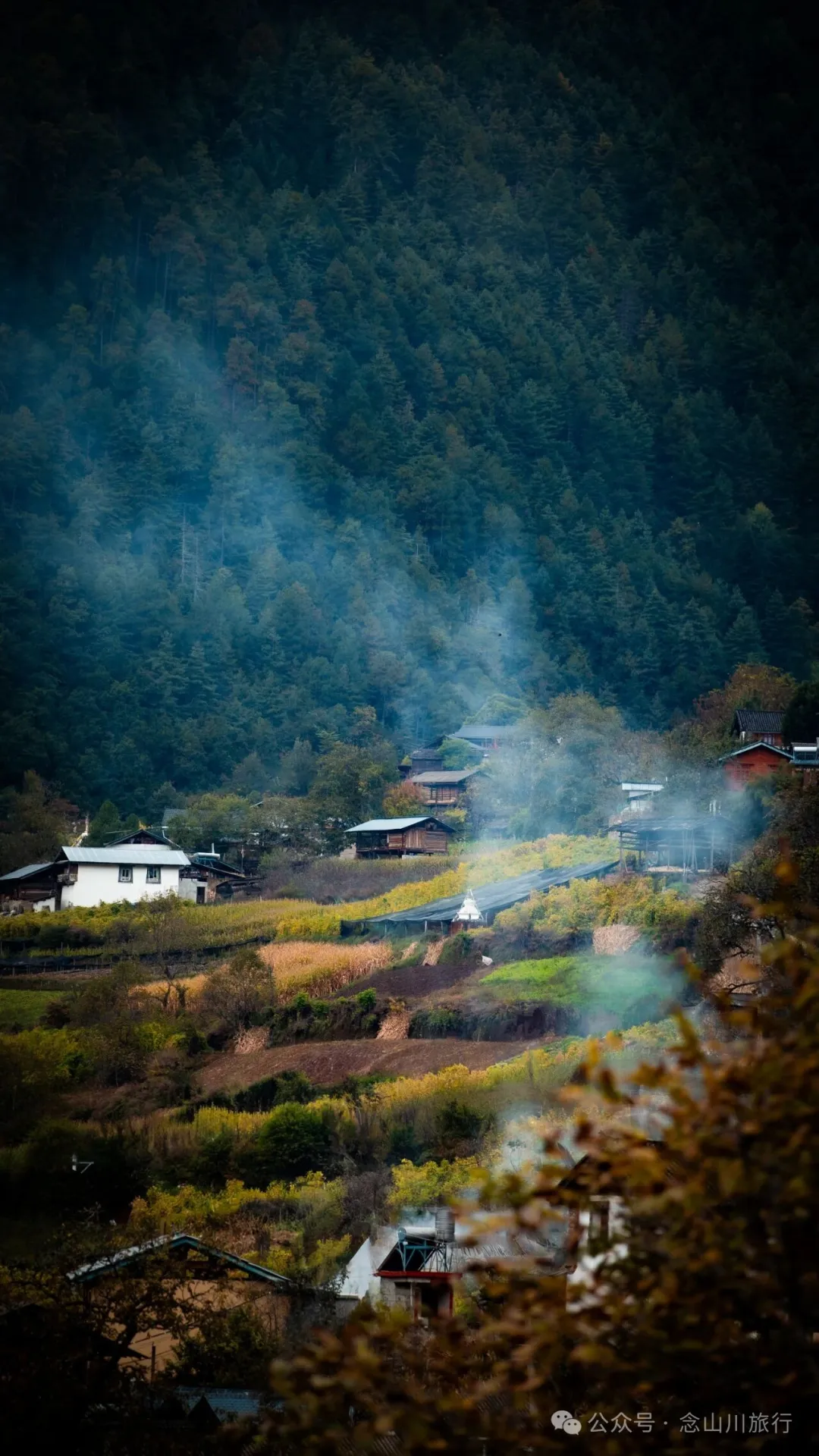
In the afternoon, the rain gradually thins, and sunlight falls intermittently on this remote mountain wilderness, as if trying to reclaim control over this silent place. The clouds and mist completely dissipate, and the gentle, subtle, hazy Jiangnan charm finally ends. Everything in the valley reveals its true face. Washed and soaked by the rain, the pine forest looks refreshed, as if returning to lushness, but ultimately cannot resist the strong momentum of the bleak winter. Many pine needles have lost their precarious green in the mist, turning completely withered and yellow. The village gradually emerges from the fog, bearing many heavy trusts. In the coldest and hardest time of the year, the village has long been prepared. Over the past ten months and three hundred days, from sunrise to sunset, people have plowed, sown, tended, and harvested. The earth has rewarded their hard work with abundant harvests, and people and livestock live in harmony. The mountains, too, have given them enough timber to get through the winter safely. At this season, the mountains and rivers are returning to a state of sincerity and clarity.