
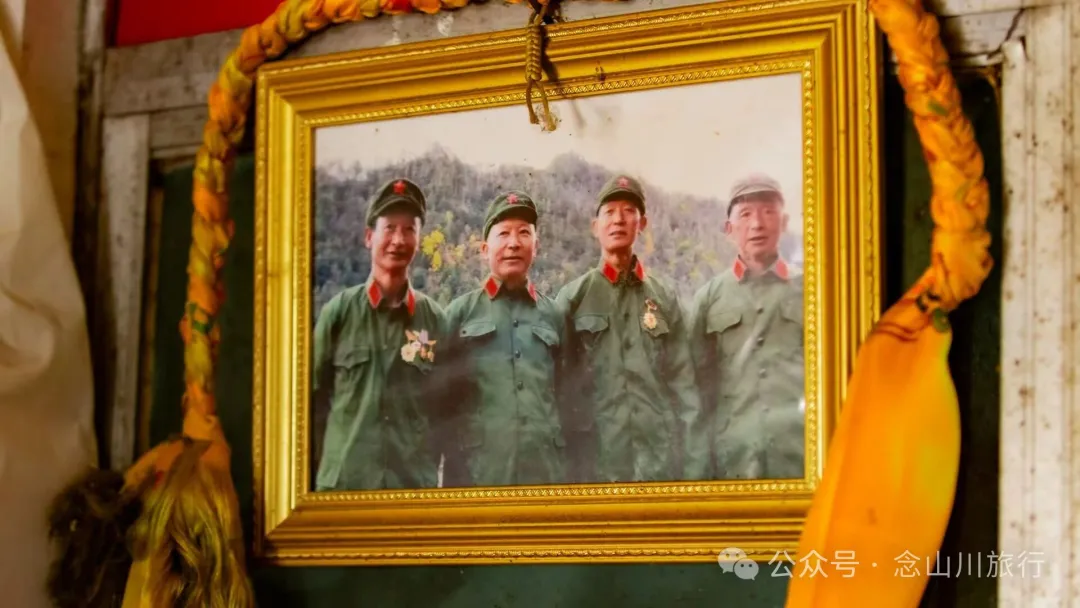
On the wall of He Qingwen, an inheritor of Changdu culture, hangs a military photo of four brothers, which instantly commands respect. The leftmost figure is the youngest of the four, also the protagonist of this article, Dingdu Cilin. He is a retired veteran who participated in two battles: the Sino-Vietnamese War and the Battle of Laoshan. A sharpshooter who rose from a remote mountain village to the battlefield and earned distinguished military honors, he is now a kind and loving grandfather to two little girls, an ordinary old farmer who has silently cultivated the fields in Bazhu Village for thirty years.
"During the four-plus months of the Laoshan campaign in 1984, he actively led his squad to resolutely complete all tasks, enduring hardships first and enjoying comforts last, obeying orders and commands, strictly managing the battlefield, and achieving outstanding results in combat support and other tasks." This is a passage from Dingdu Cilin's merit certificate. Sitting in the sunlight in his yard, I read out the entire commendation order, and then the old man slowly recounted his unforgettable experiences of seven years in the military as a young man and participation in two wars.
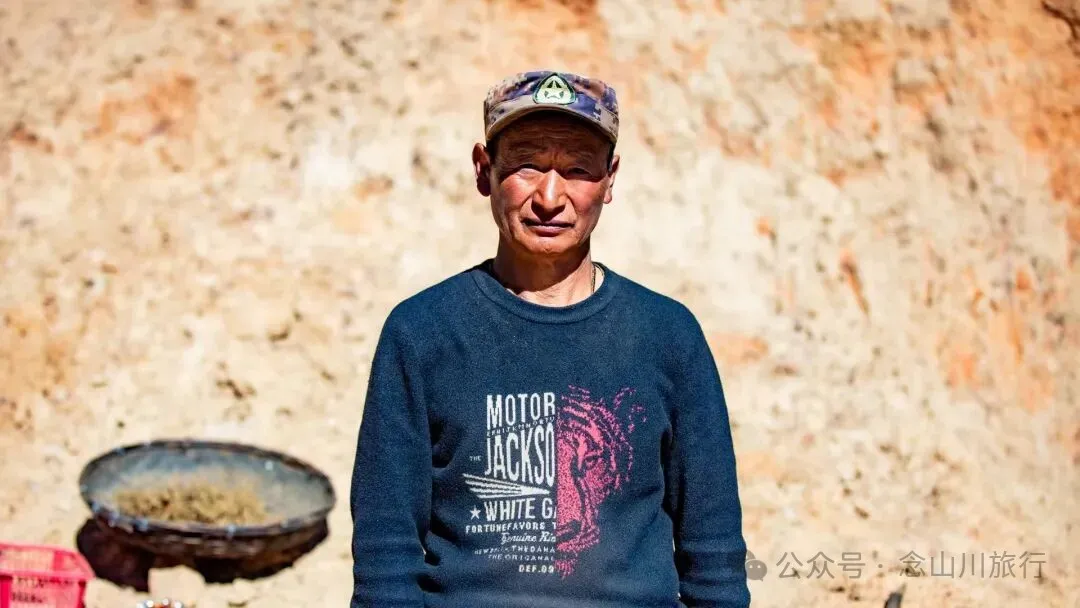
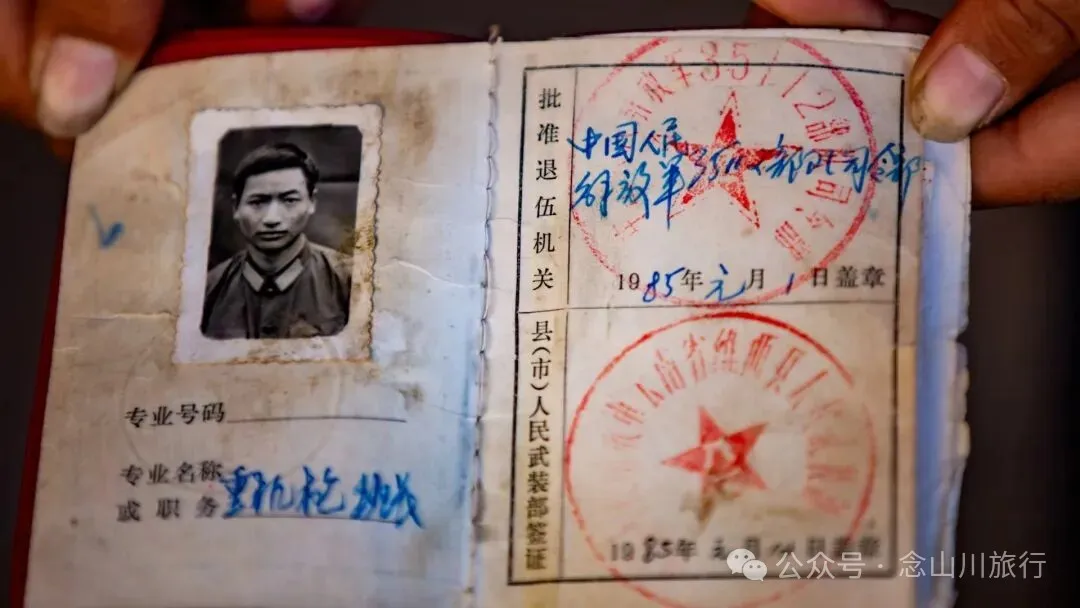
In December 1978, 19-year-old Dingdu Cilin was selected to join a machine gun company. After extremely brief training, he was sent to the Vietnam battlefield in February 1979, participating in 26 days of combat, primarily carrying ammunition. After the war ended, he returned to his unit and began professional training as a machine gunner. Before joining the army, around age 16, he had only hunted pheasants with a homemade gun in the mountains of Bazhu—perhaps even he didn't realize it was a talent. In 1984, Dingdu Cilin was promoted to squad leader of a machine gun squad, leading 12 men into the Laoshan battlefield. They fought for six months in damp, dark caves, shouldering machine guns day and night without a moment's neglect. During that exceptionally long and arduous period, the old man recalled eating compressed biscuits as daily rations, rationing two pounds of water for half a month, washing his face only once a month. The hardest part was that enemies lurked in the nearby jungle, and they could even hear the enemies talking. The machine gun seemed to grow into his body, never set down, causing unimaginable psychological pressure.
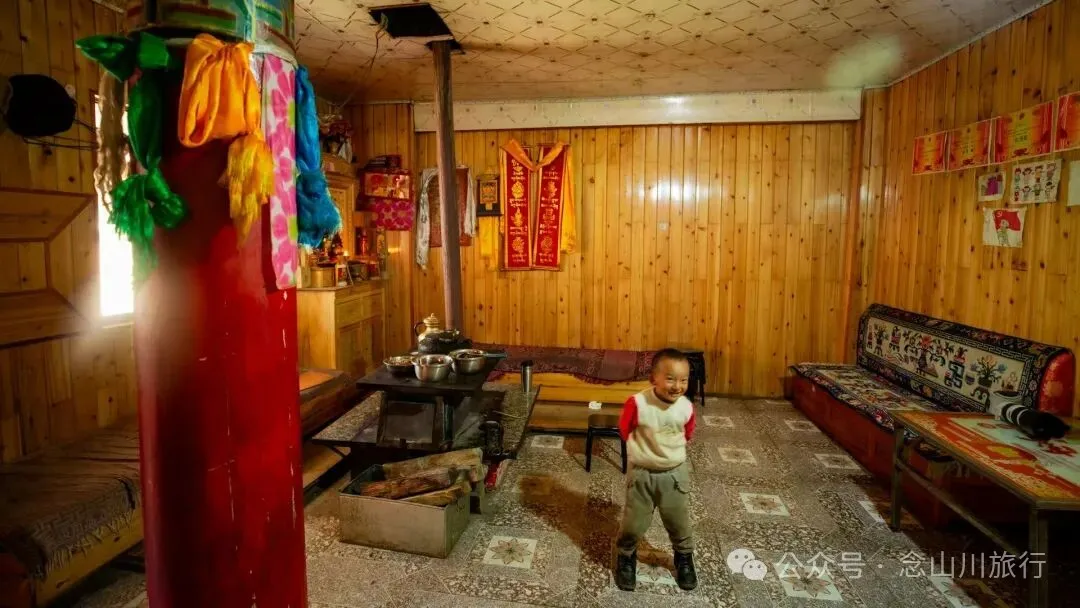
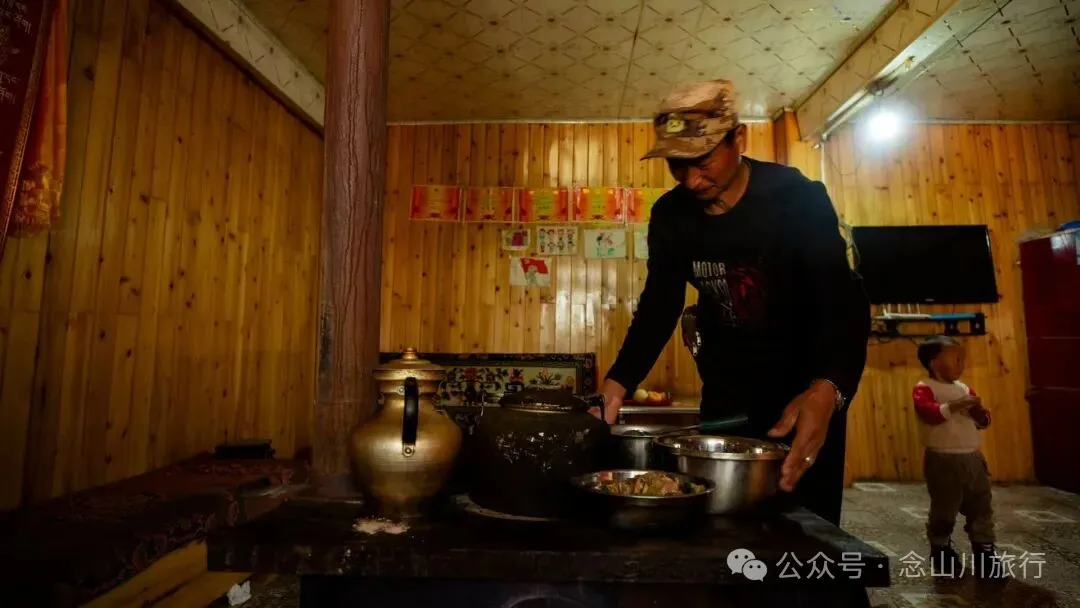
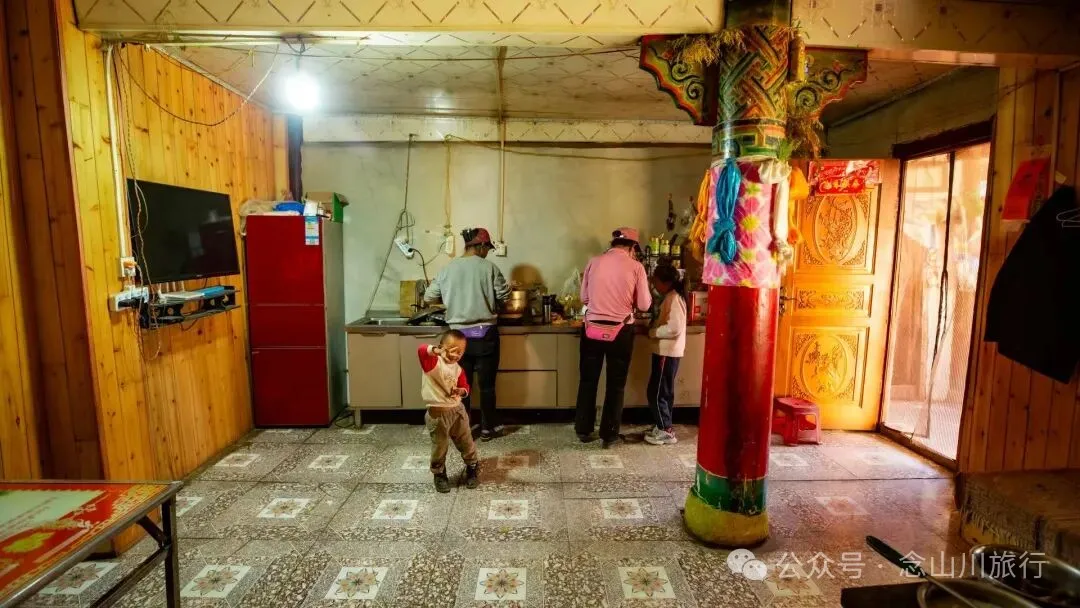
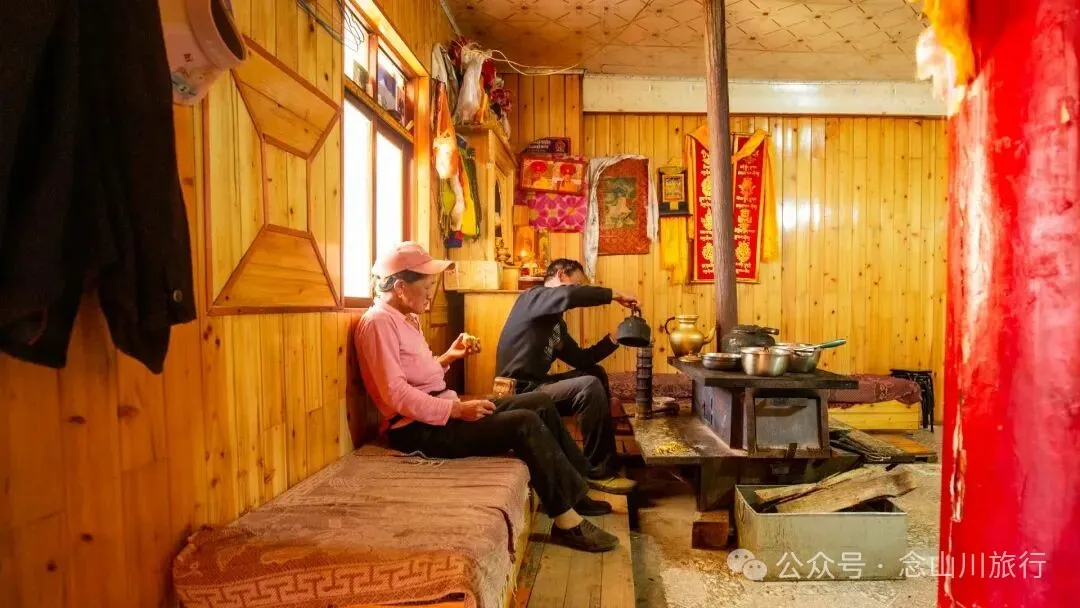
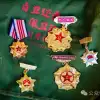
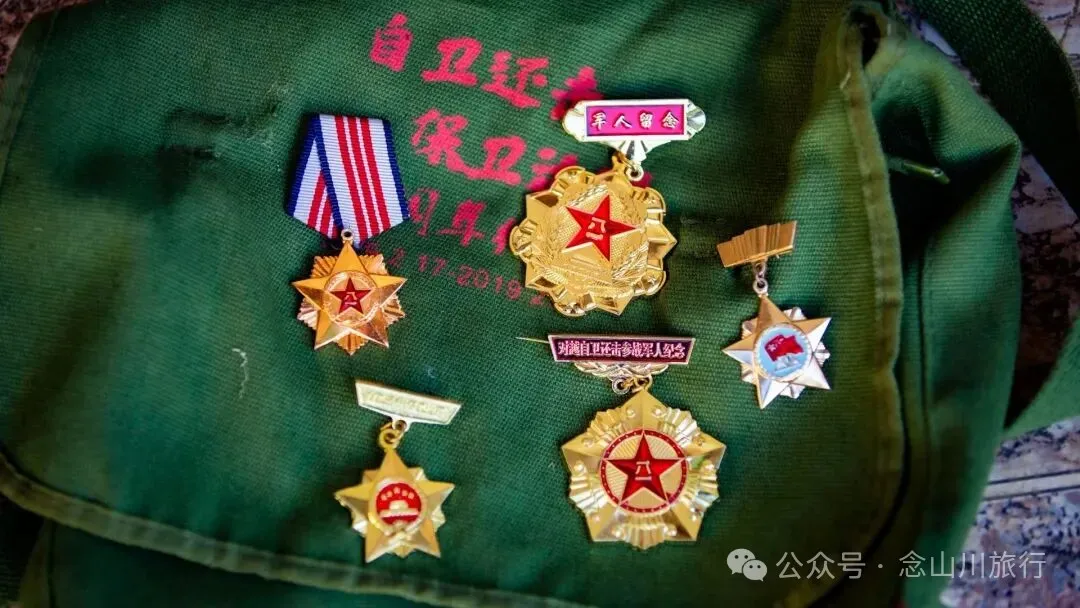
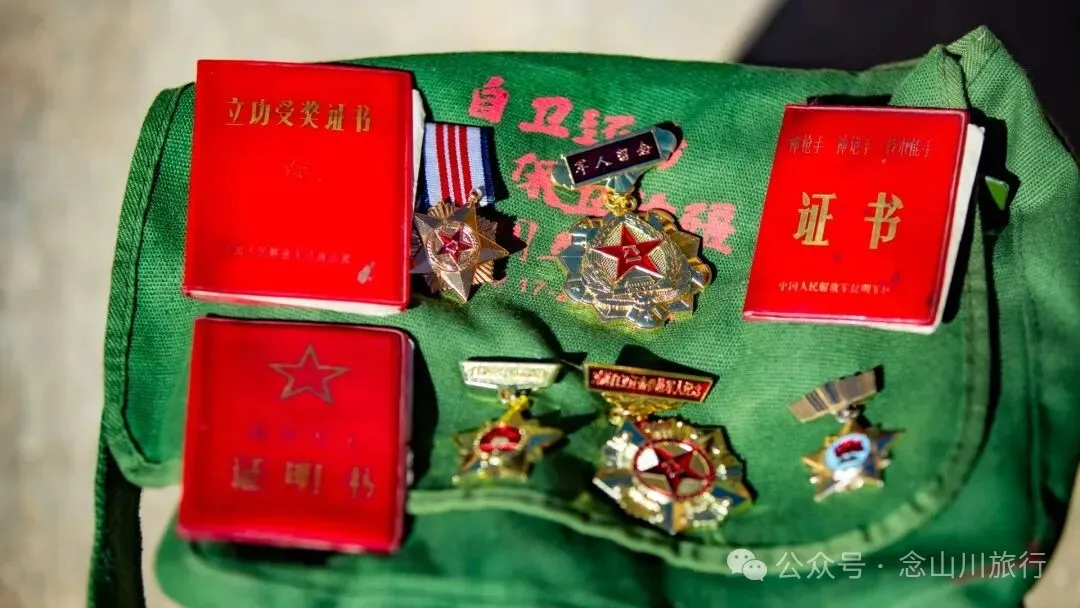
After recounting his two combat experiences, the old man's face remained calm, as if telling someone else's story. But did his heart stir? I didn't ask, and there was no need. He brought out his treasured medals: a Third Class Merit for the 1984 Laoshan campaign, a commemorative medal for the Self-Defense Counterattack, a victory medal for the Laoshan and Zheyinshan battles, and a 40th anniversary medal of the Self-Defense Counterattack. Behind these admirable honors lay countless harsh and brutal years, known only to him; others cannot truly empathize. The old man said that after retirement, his joints often ache, especially on rainy days. As for psychological effects, he waved his hand and said none—he works hard outside every day and has no time to dwell on these things.
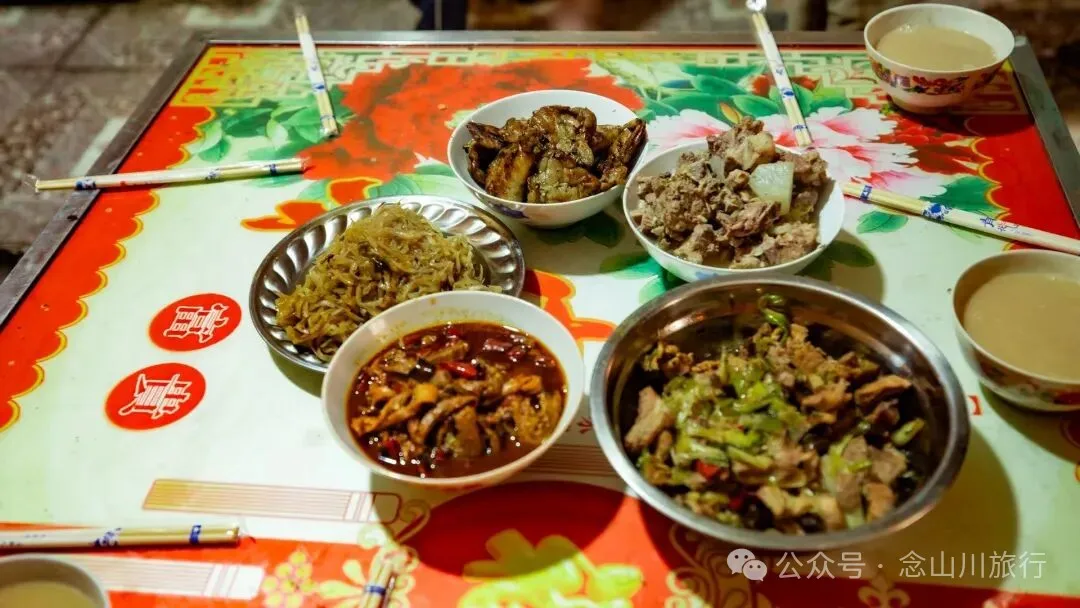
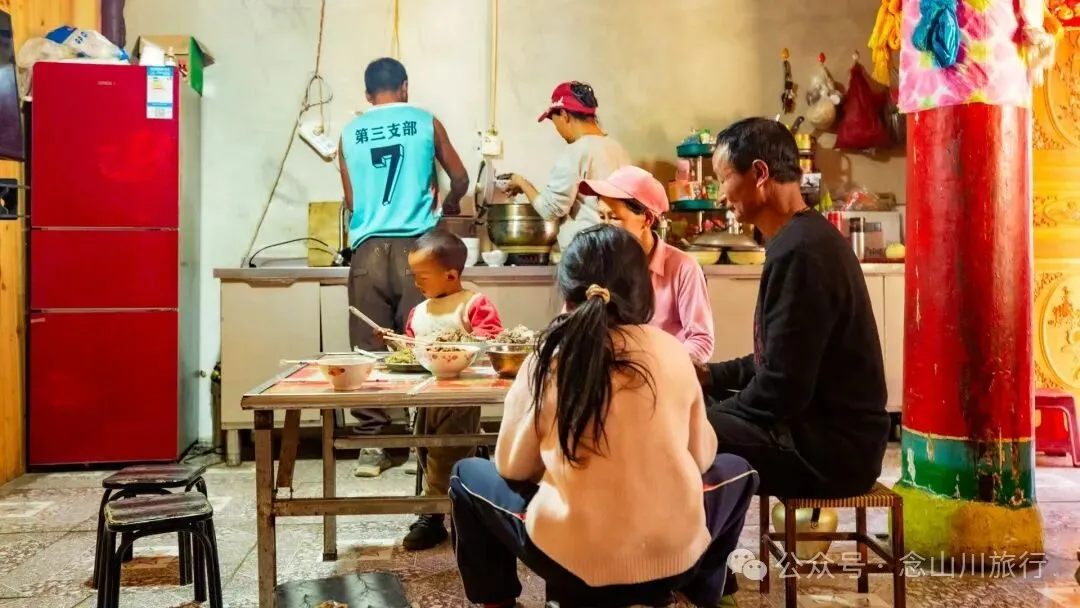
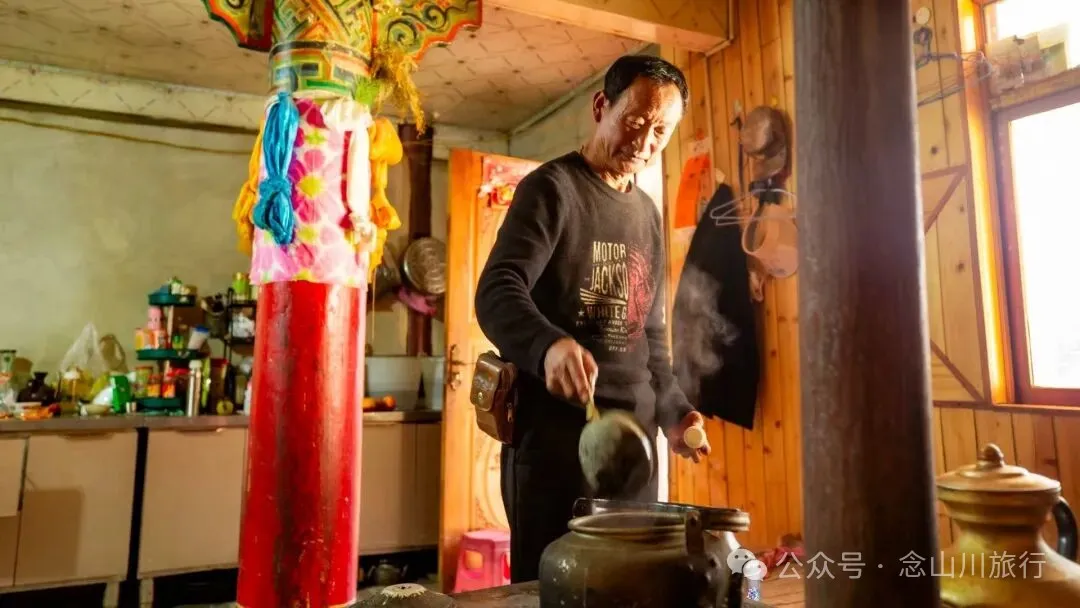
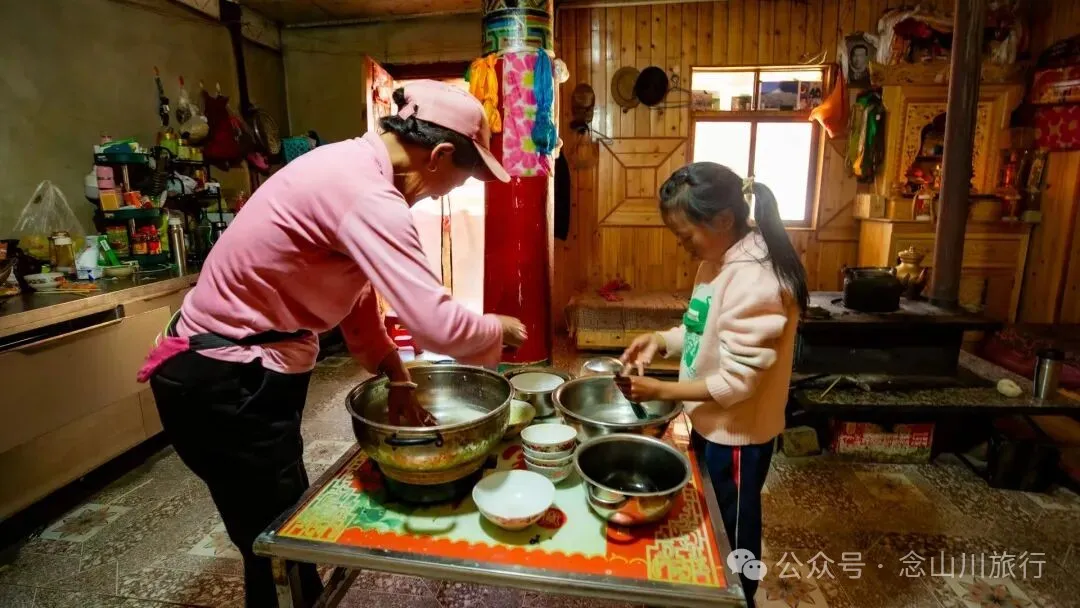
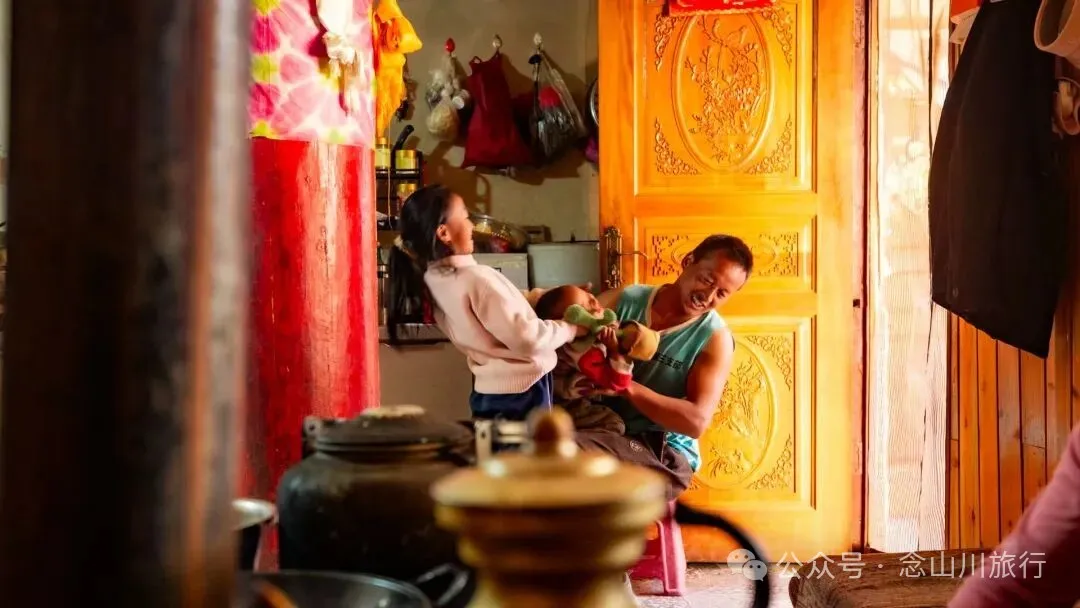
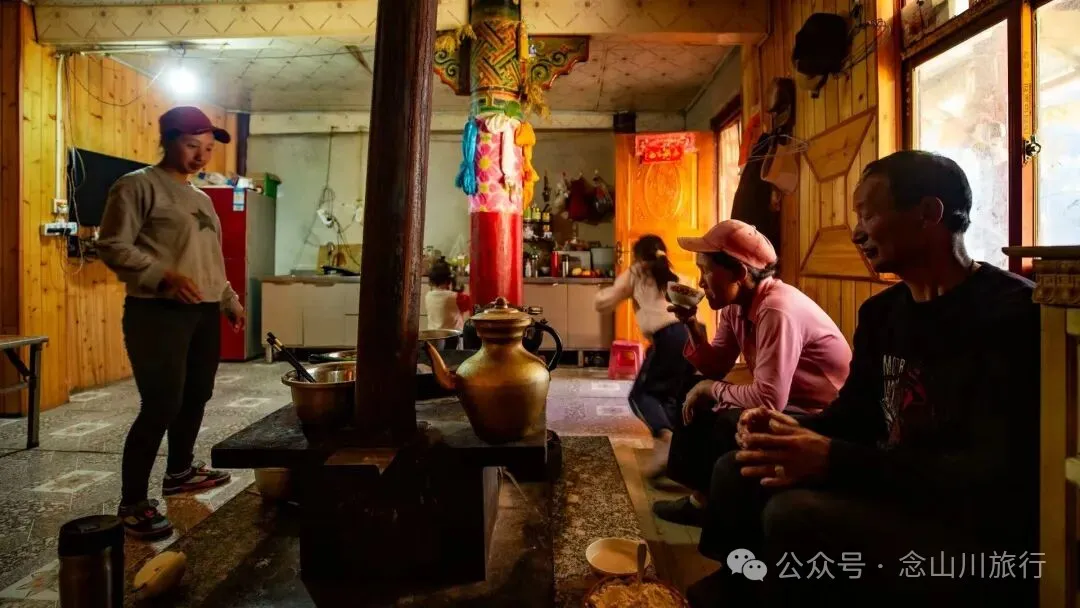
In 1985, Dingdu Cilin was discharged at age 26. He found a road construction job at the Weixi Transportation Bureau, later participated in building the Jinsha River Bridge at Qizong, and continued road work for many years after the bridge's completion. He didn't return to his hometown Bazhu Village to marry and farm until age 33—a rare phenomenon in that era, making him a genuine older single youth. We were still immersed in his memories when his wife and son's family returned from fieldwork to prepare lunch and rest. The whole family was extremely kind and warm. His two granddaughters, one sensible and one mischievous, gathered around him. The old man stopped talking about his extraordinary past and chatted about daily life. As an observer, I truly felt the harmonious family joy in this warm room.
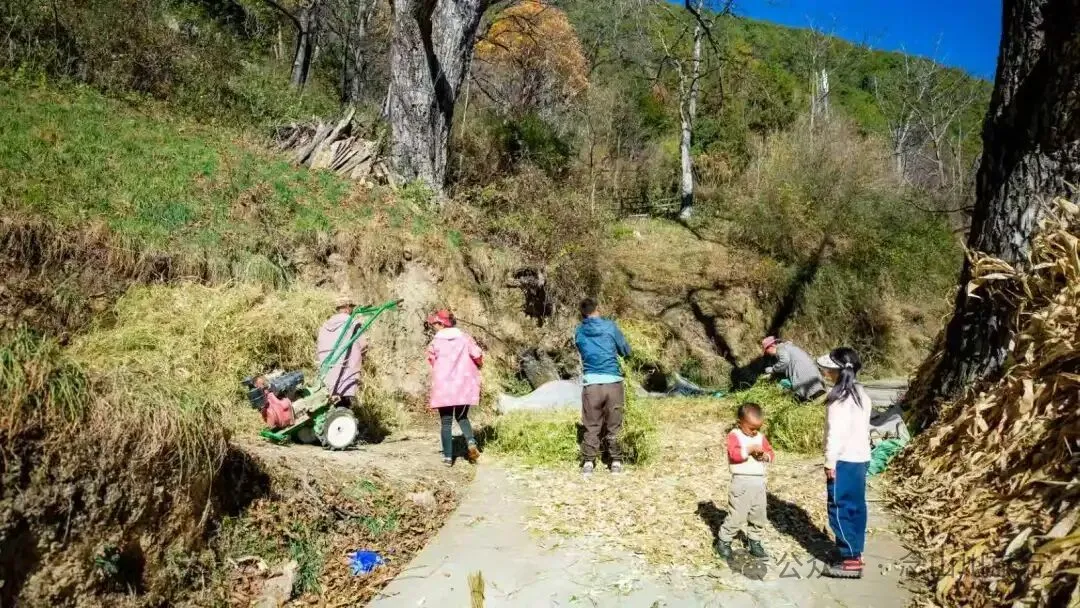
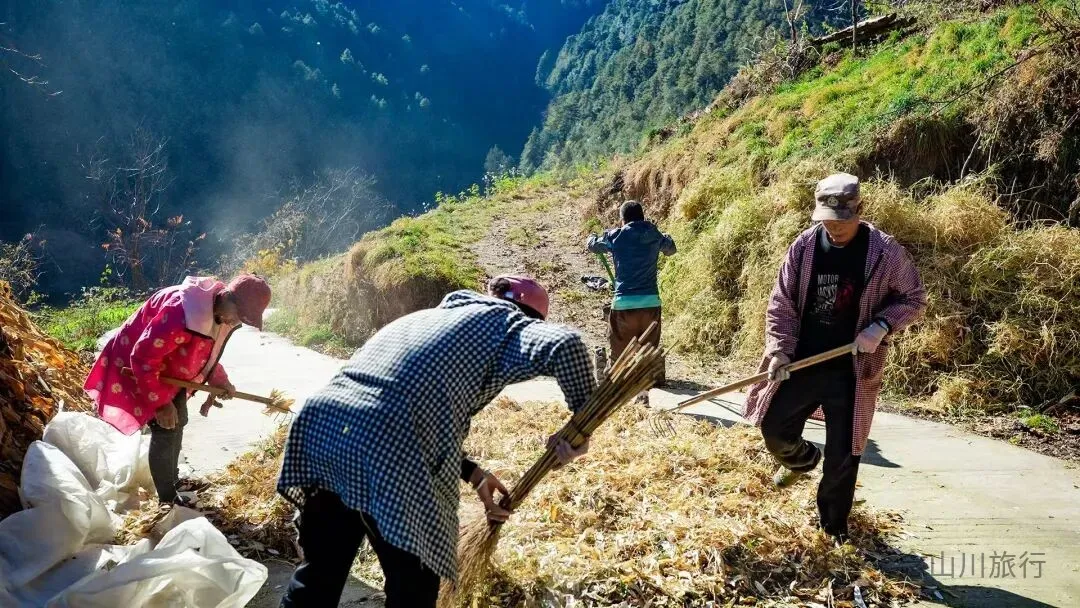
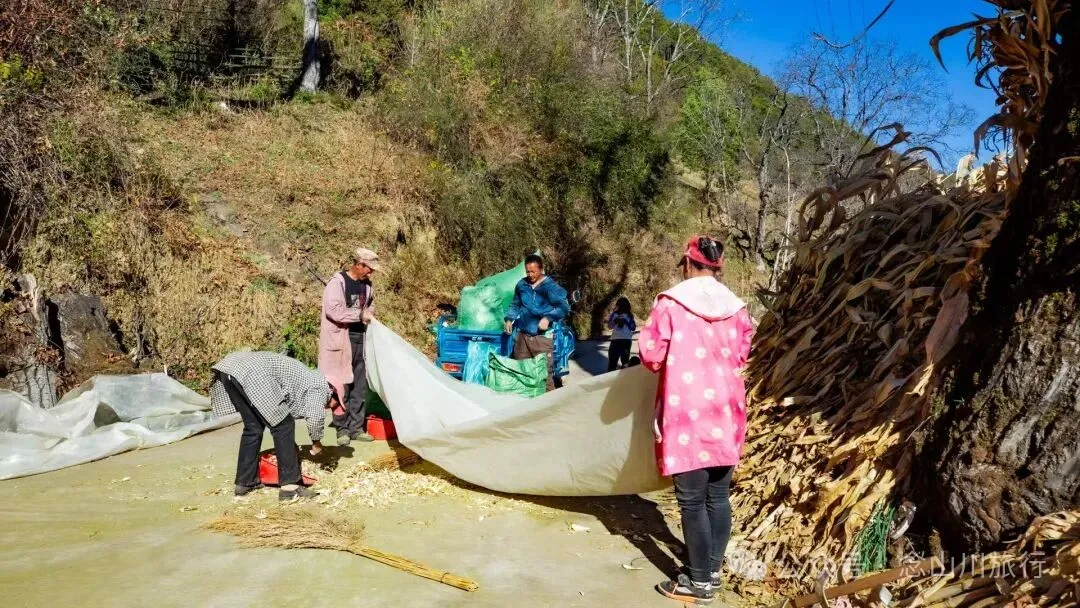
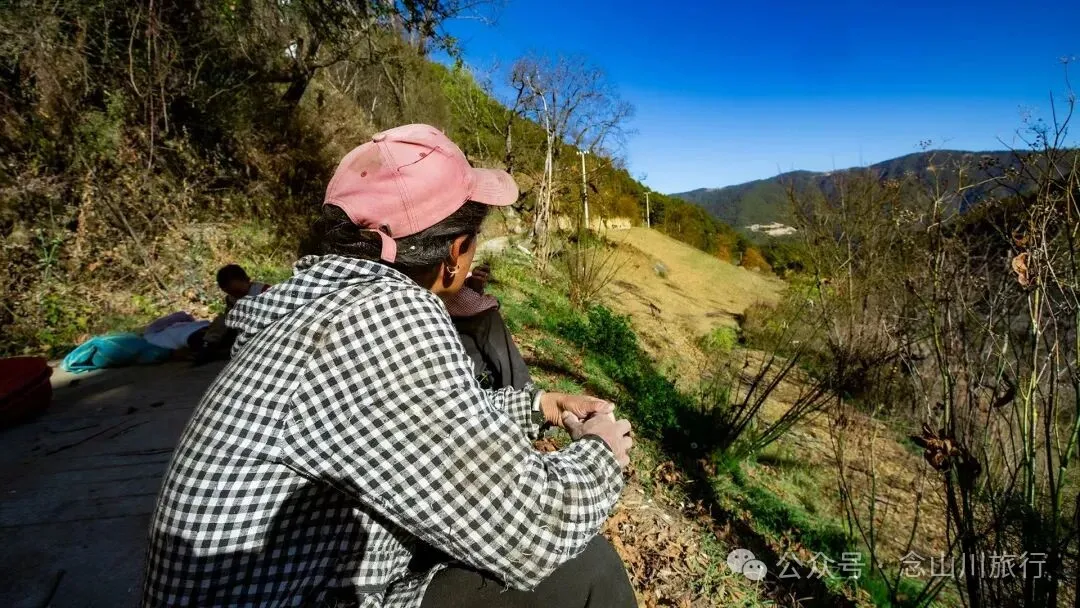
After lunch and a short rest, the whole family headed to the nearby fields. The white beans were ready for harvest. Everyone had a role: using a tiller to press down vines, picking off remaining pods, separating beans from shells, gathering the white beans, bagging them, and then searching the harvested field for any leftovers... The family worked together, even the older girl actively helping with力所能及 tasks. As for the mischievous little girl, she was only responsible for causing trouble, but she always brought laughter to everyone. At that moment, I saw an ordinary farmer who had worked the land all his life. I suddenly recalled the wish of two-year-old boy Renqing Duzhi: "May all people in the world be safe and healthy." Before hearing the old man's story, I thought this wish, like the six-syllable mantra, was just a prayer often spoken in their faith, somewhat distant from our lives. But the old man's experience made me realize the weight of those words. Only when all people in the world are safe and healthy, without conflict or war, can kind and simple people like the old man be spared the suffering of war and live a peaceful, ordinary, and warm life.