
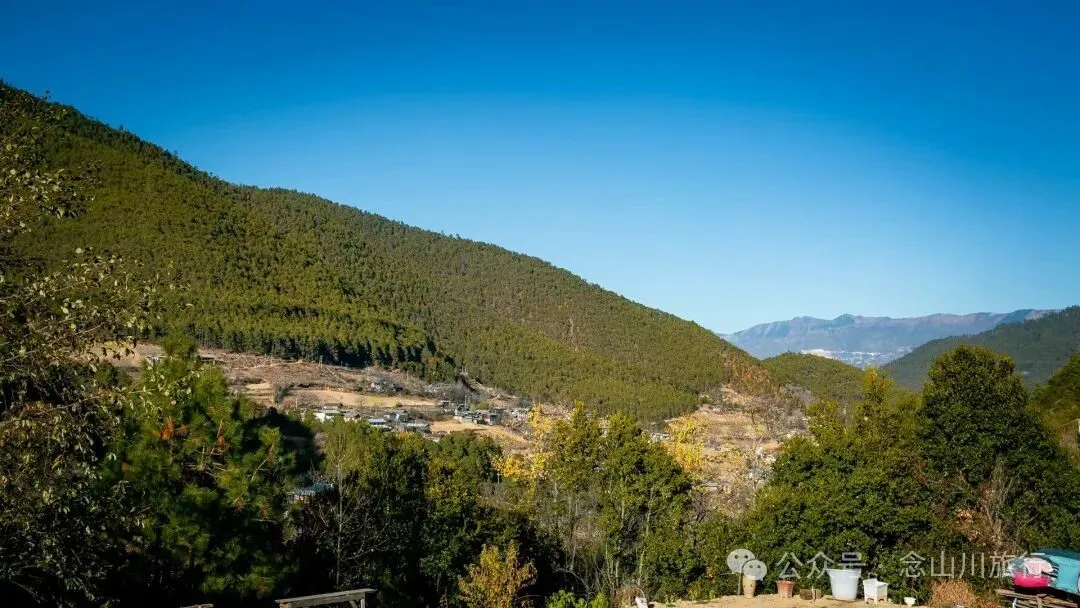
I first met Sister Zhuoma at a pig-slaughtering feast at her relative's house. She said she had read my articles and really liked them. After adding her on WeChat, I found out she was a loyal reader who had liked and recommended my articles early on. She warmly invited me to her home for a pig-slaughtering meal. "My house is just above the Xialongnong activity room," she said. I had passed by that area many times but never noticed a large, new Tibetan house by the roadside. I only remembered her happily saying that the gravel path was covered with fallen yellow birch leaves, which looked beautiful on the mountain road but might affect walking, so she was torn about whether to sweep them away.
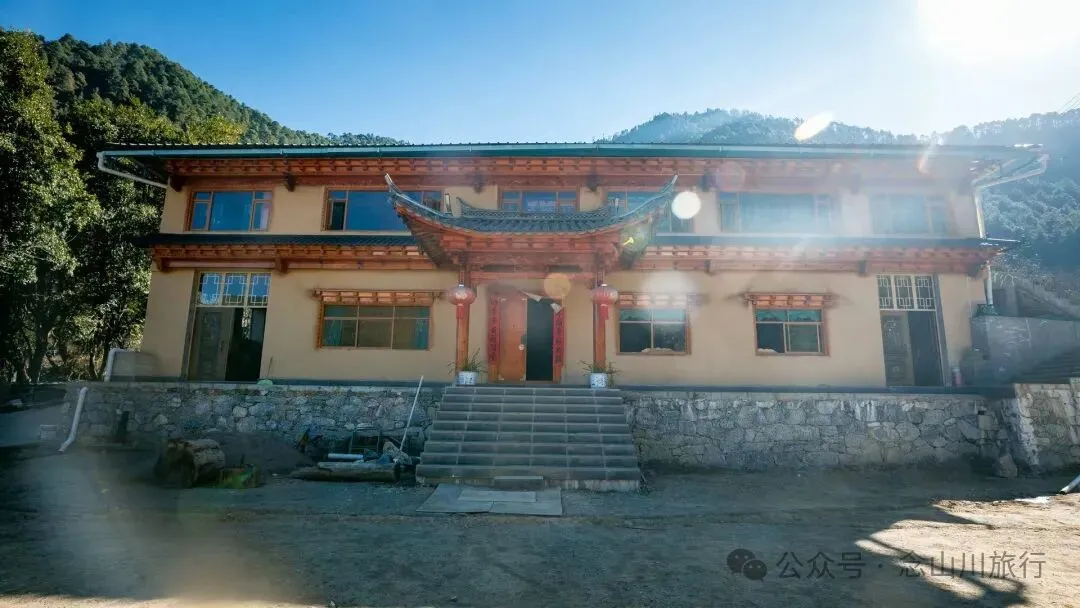
She loved to laugh. No matter what we talked about, her words were always interspersed with hearty laughter, sometimes even simultaneous with her speech. I was delayed by some matters and went to find her a day later. When I arrived at the Xialongnong activity room, I saw a gravel path on the left, still covered with beautiful fallen leaves. I was sure that following this path would lead me to Sister Zhuoma's house. Sure enough, after a turn, I saw the large Tibetan house built on a high foundation.
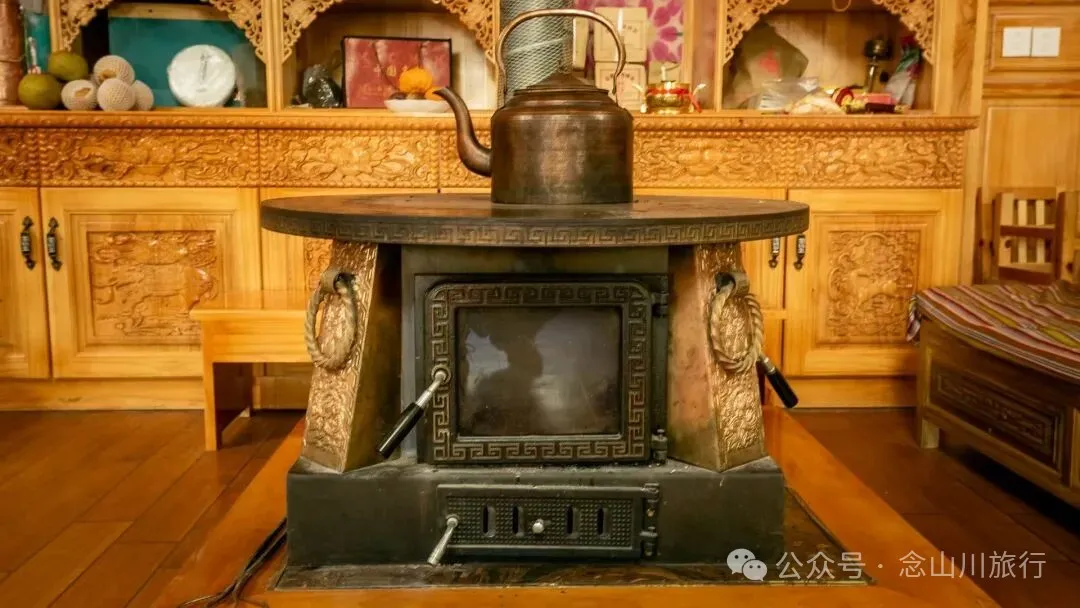
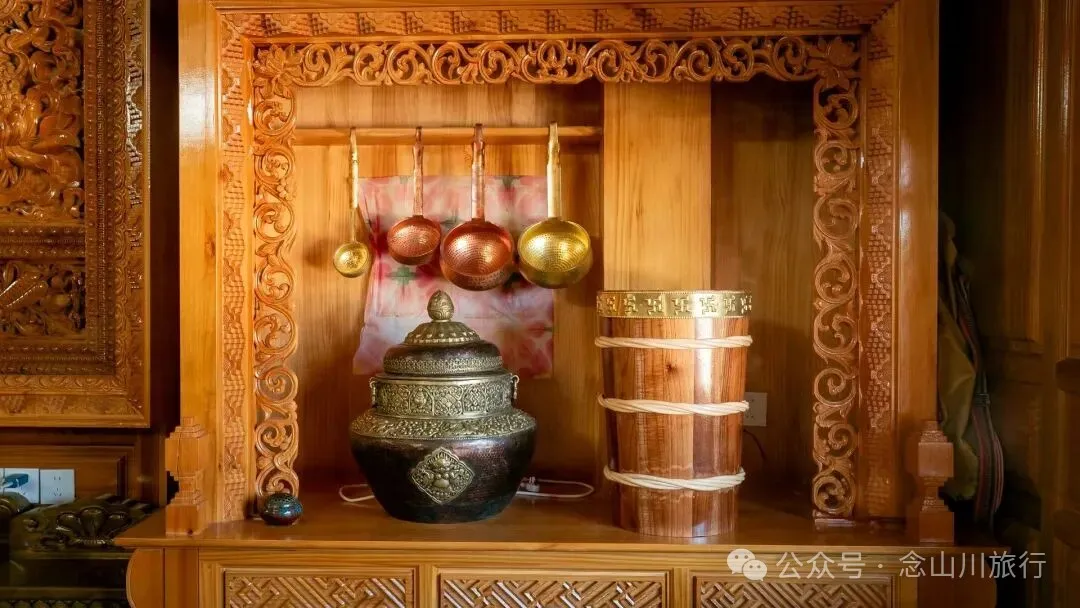
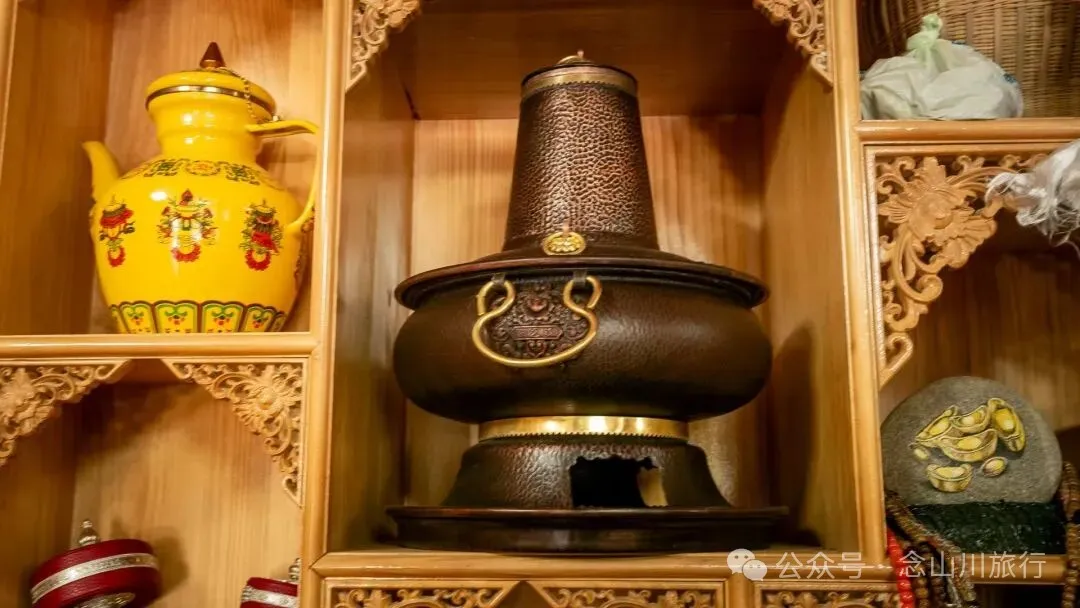
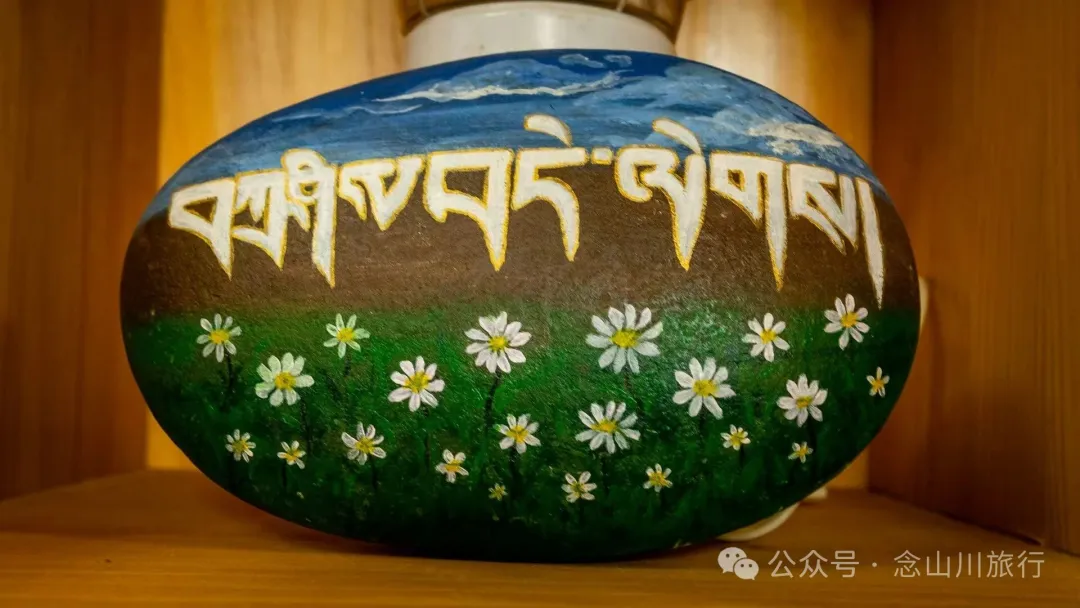
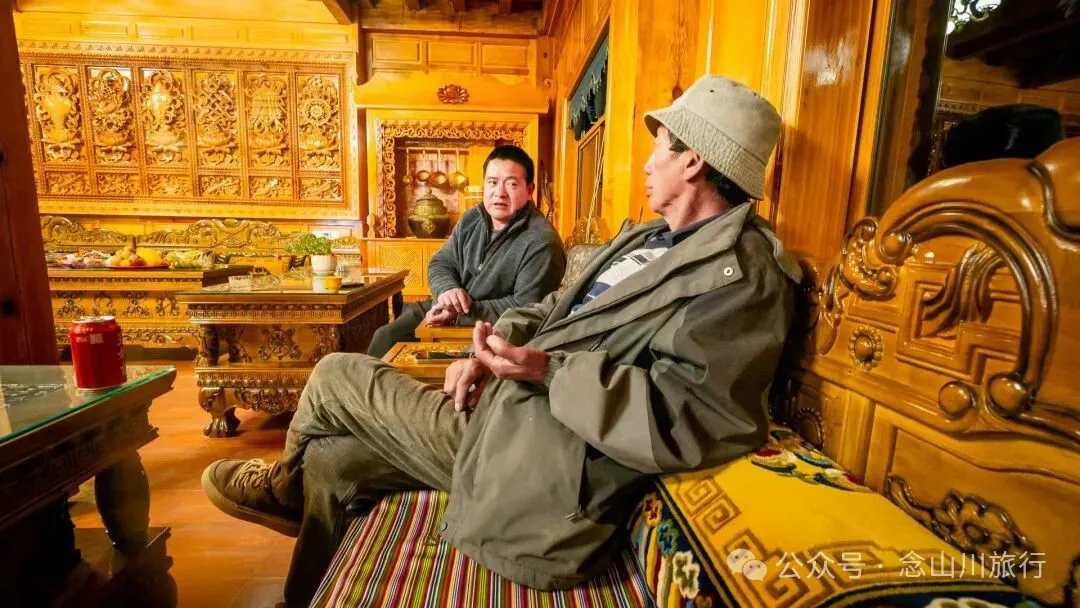
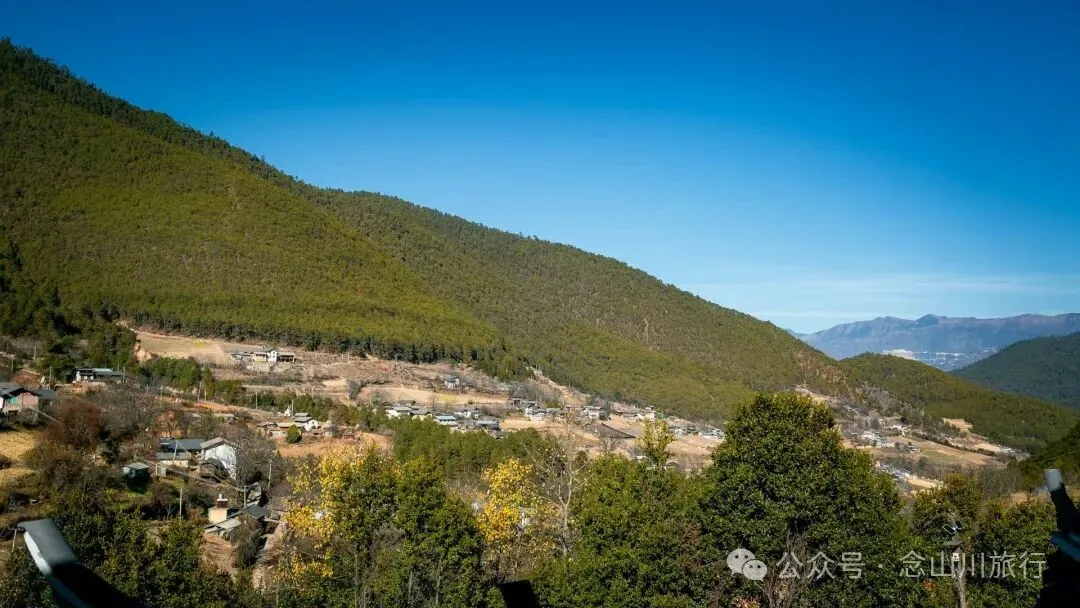
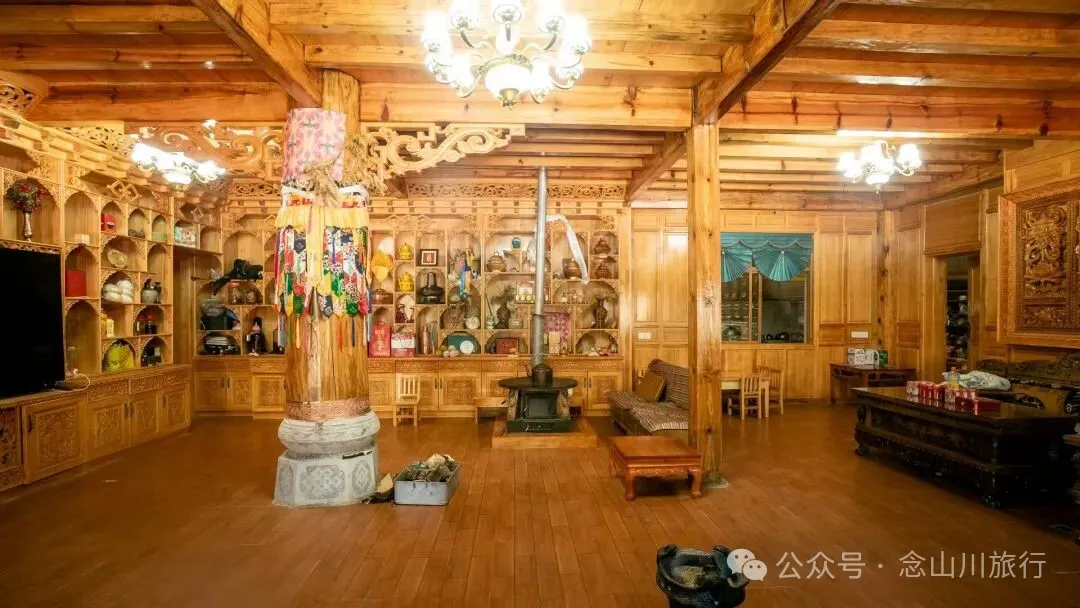
The gate was half open, but no one was in sight. I walked to the other side of the house and found Sister Zhuoma rendering lard over a wood-fired stove outside. The white smoke, illuminated by the afternoon sun, was more distinct, and a rich aroma wafted through the air. Seeing me, she put down her work and quickly invited me inside for tea. The first floor was a typical large Tibetan living room. In Bazhu Village, many families have such a spacious living room that can accommodate over a hundred people.
At first, I was amazed, but after attending two village weddings, I realized that such a spacious living room had nothing to do with false ostentation; it was practical. Whether it was the elderly villagers singing in the living room during weddings, inviting the elders to chant scriptures on the first and fifteenth of the lunar month or other days, or family gatherings during the pig-slaughtering season, this spacious living room was always full of people, bustling with joy and laughter. Sunshine, stove fire, unexpected warmth—this Tibetan house brought a sense of peace.
On winter nights, people like to sit around the warm stove, drinking butter tea or highland barley wine while chatting about daily life. The elderly focus on their prayer wheels and beads, occasionally joining the conversation. After dinner that day, I sat by a charcoal fire in the living room, listening to Sister Zhuoma's relatives tell the story of how Bazhu Village was founded by a family that fled an arranged marriage. The legend was so distant yet so captivating. The storyteller, like me now, had once sat by the stove listening to elders recount the unwritten origin tale of the village.
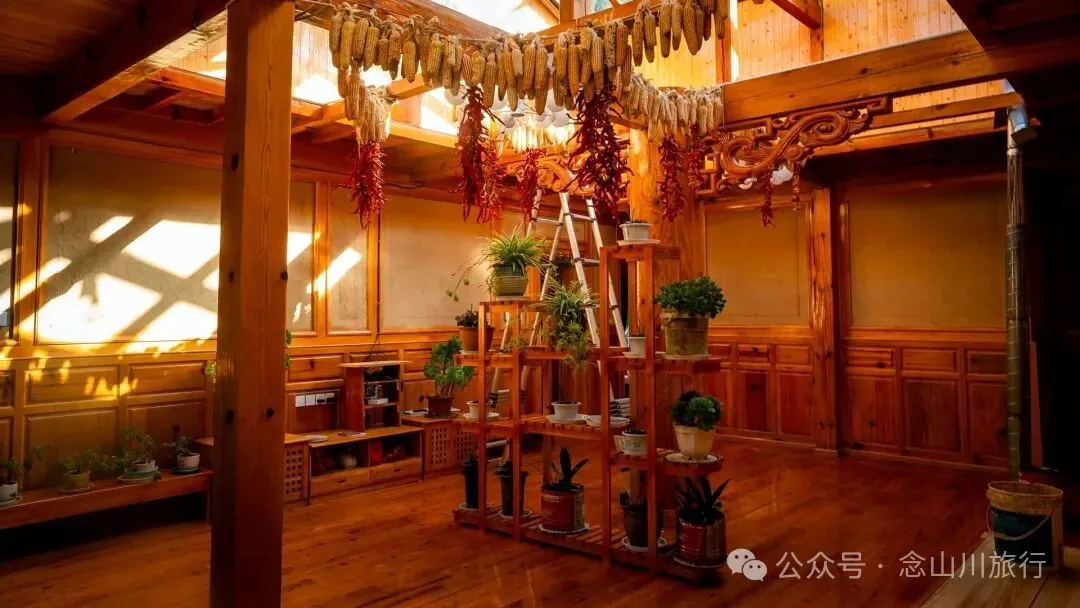
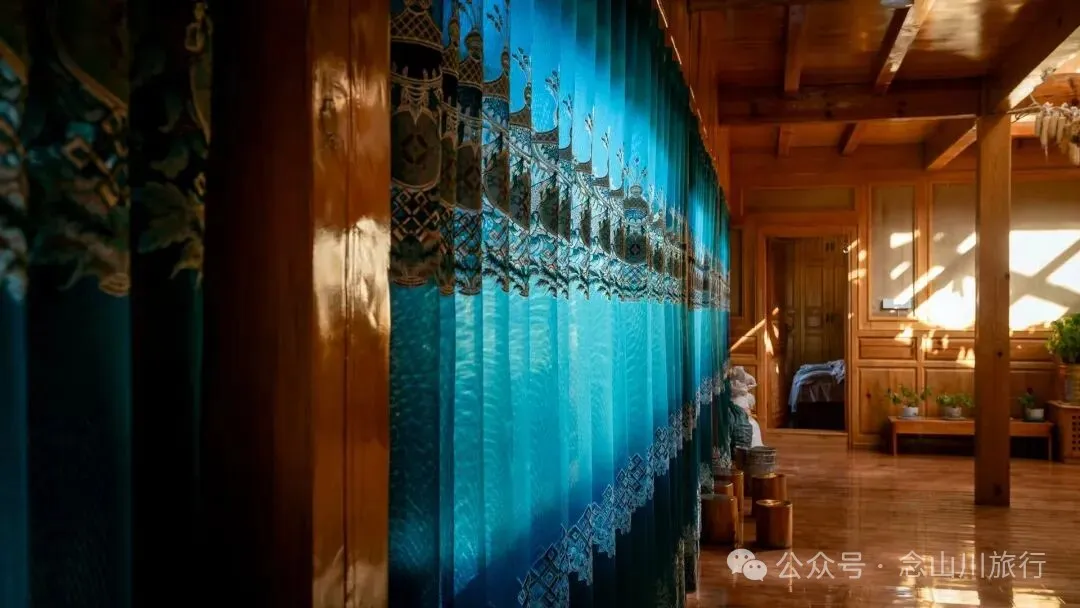
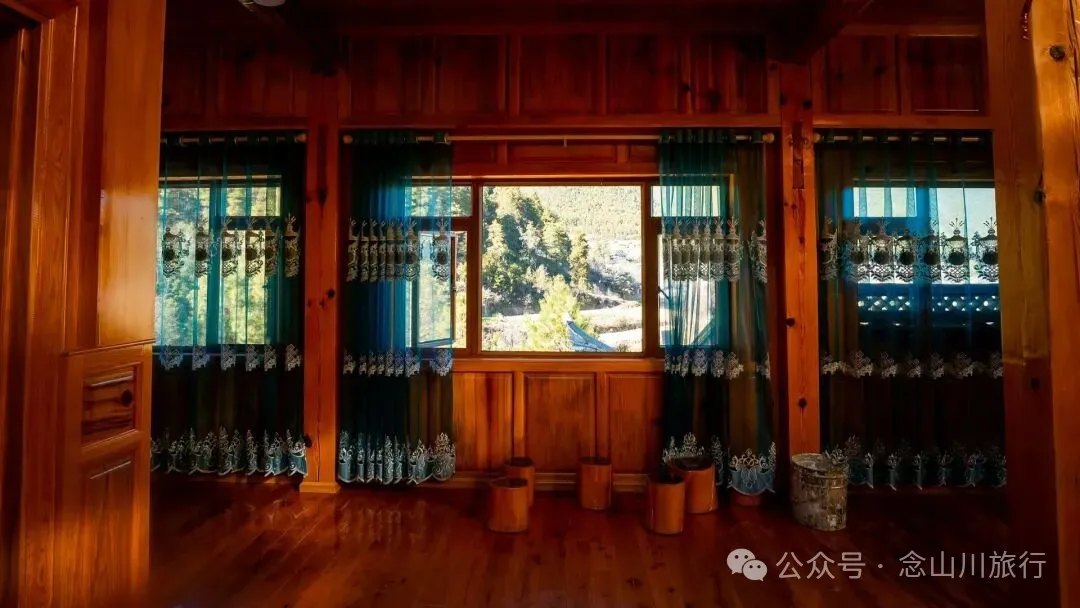
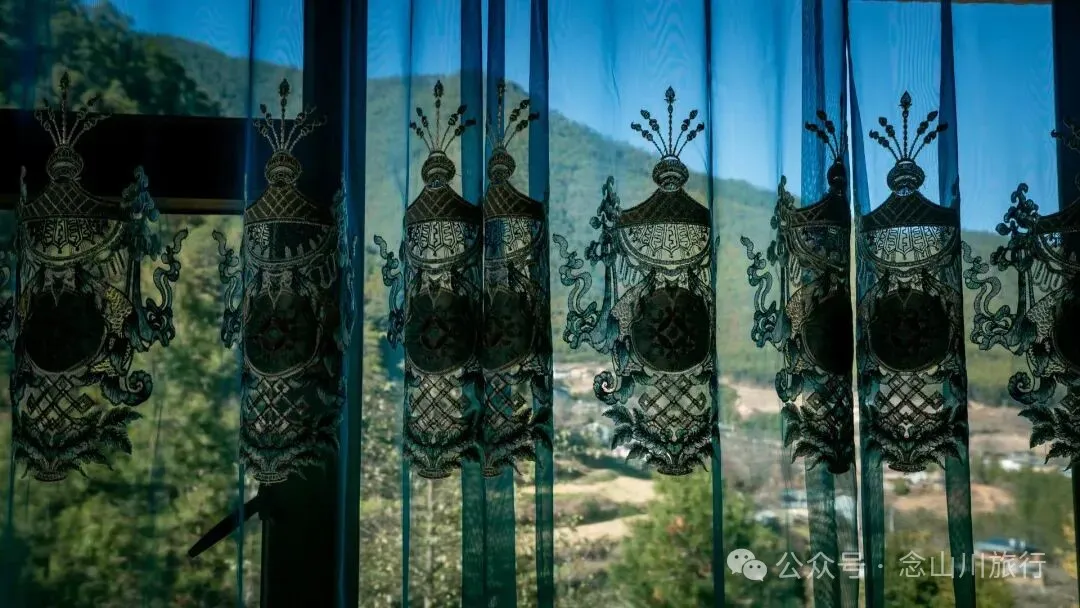
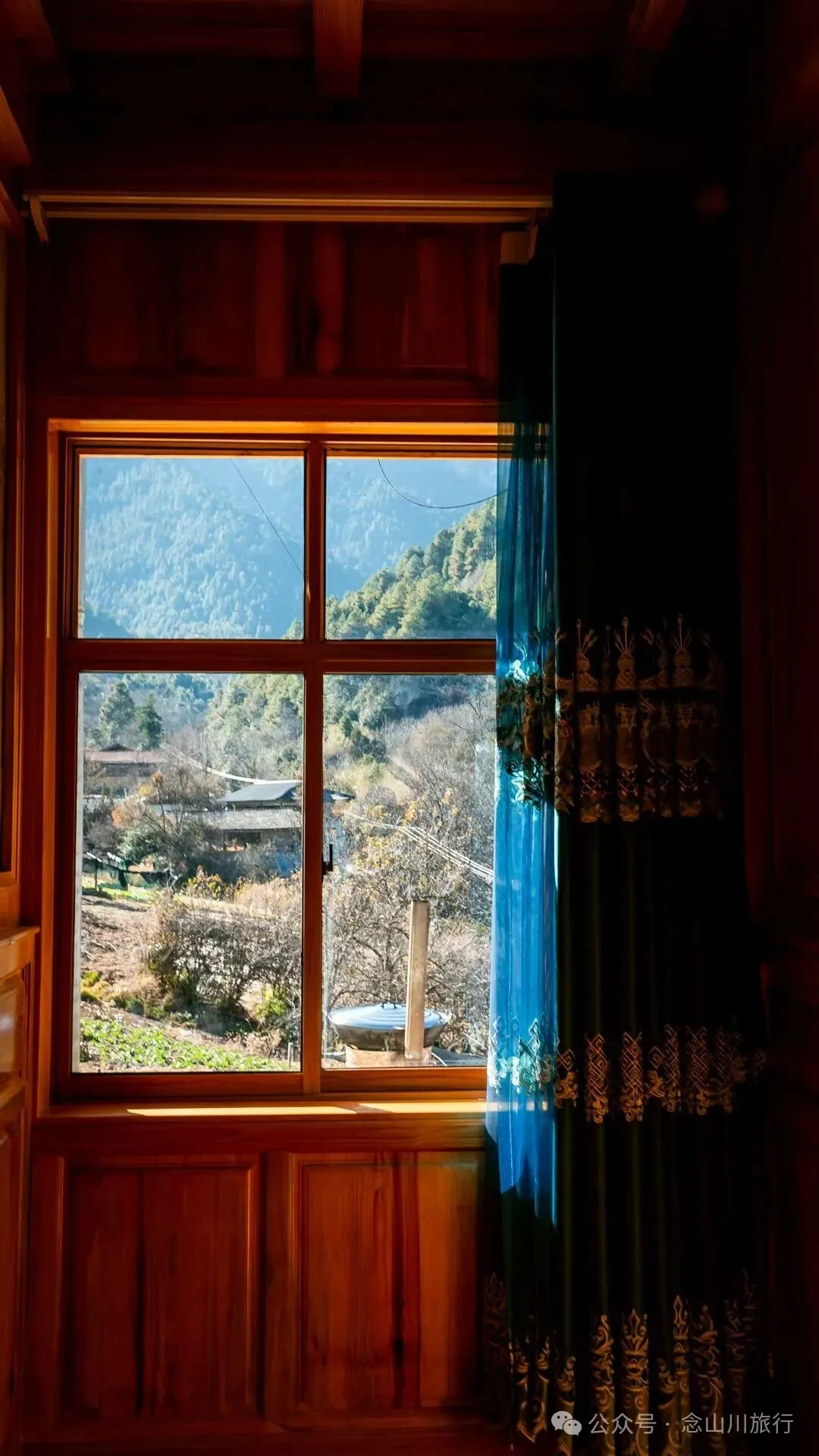
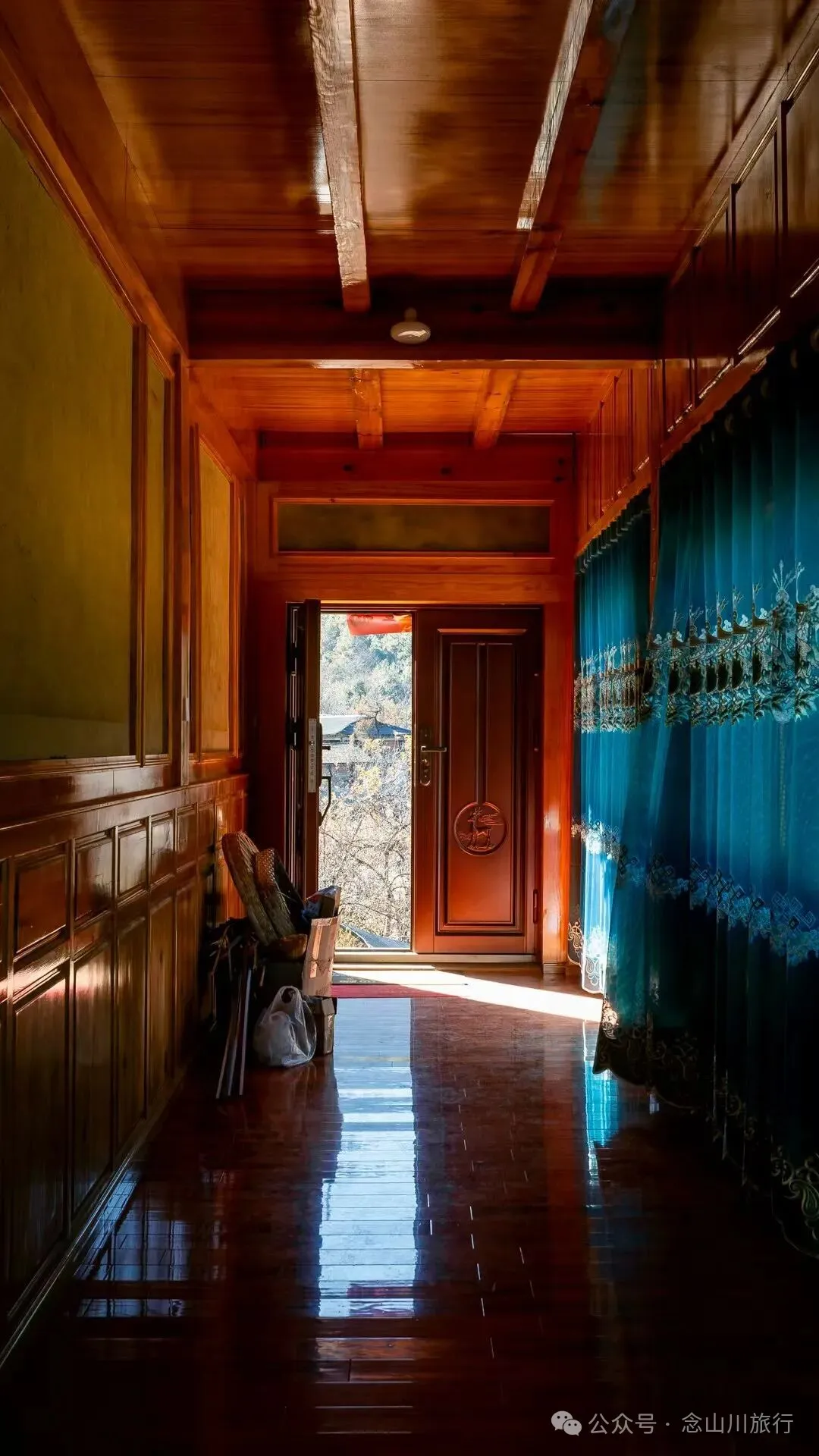
Sister Zhuoma took me to tour the second floor, where her family's bedrooms and several guest rooms were located. From every window or open side door, the mountains were close at hand, and a gentle breeze carrying the scent of wildflowers and pine resin brushed our faces. The blue curtains printed with the Eight Auspicious Symbols of Tibetan Buddhism were carefully chosen by Sister Zhuoma. Through the thin curtains, the mountain scenery was faintly visible. In the middle of the second floor was a smaller living room filled with many plants, and hanging from the beams were corn and dried chili peppers, giving a rustic farmhouse feel. There were several glass skylights overhead, and Sister Zhuoma said that at night, one could look up and see the clear starry sky.
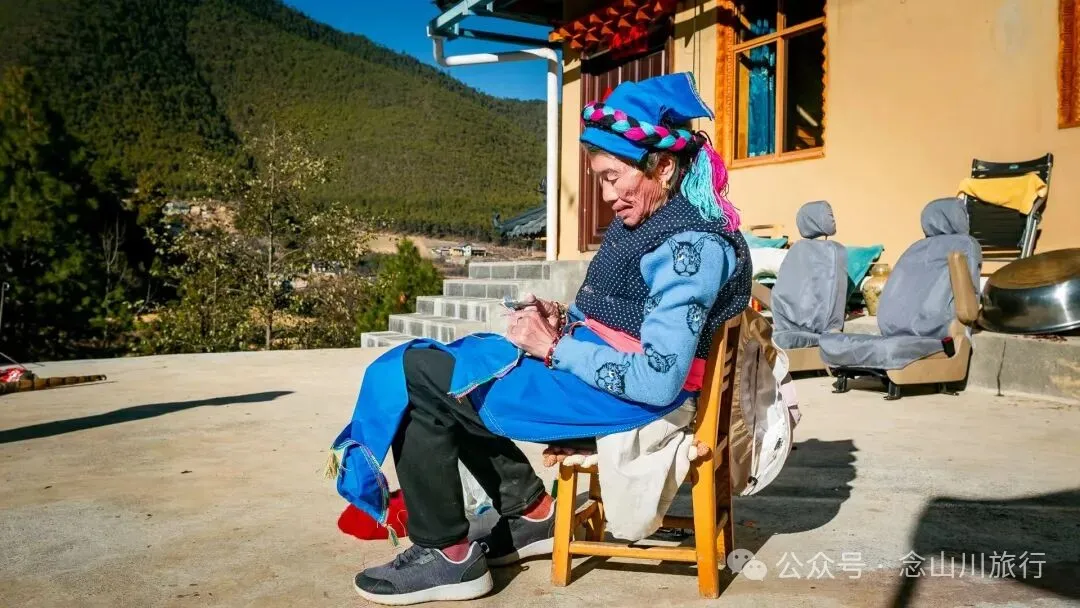
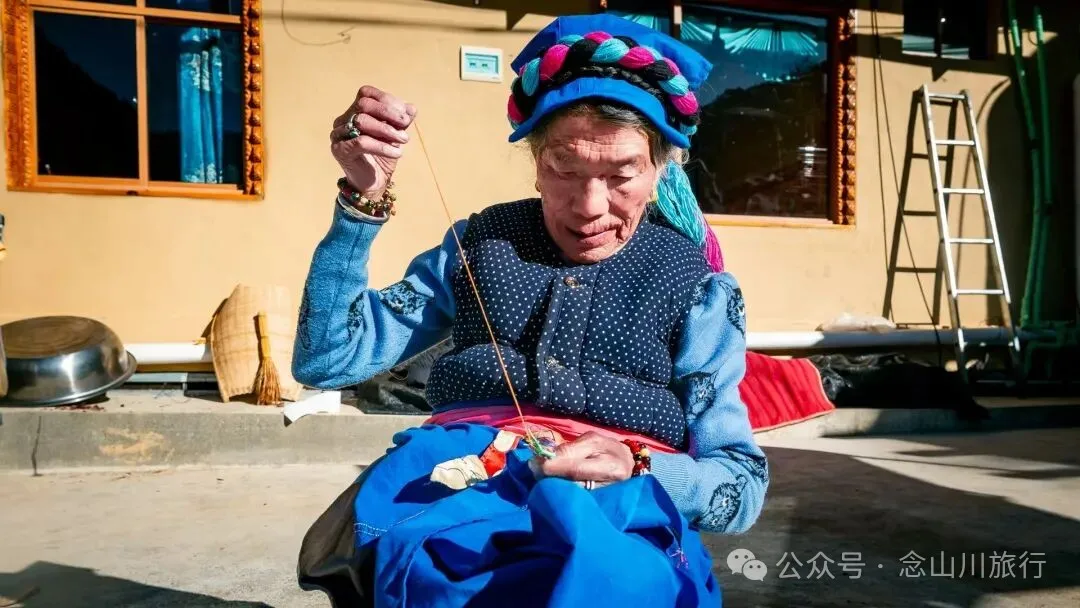
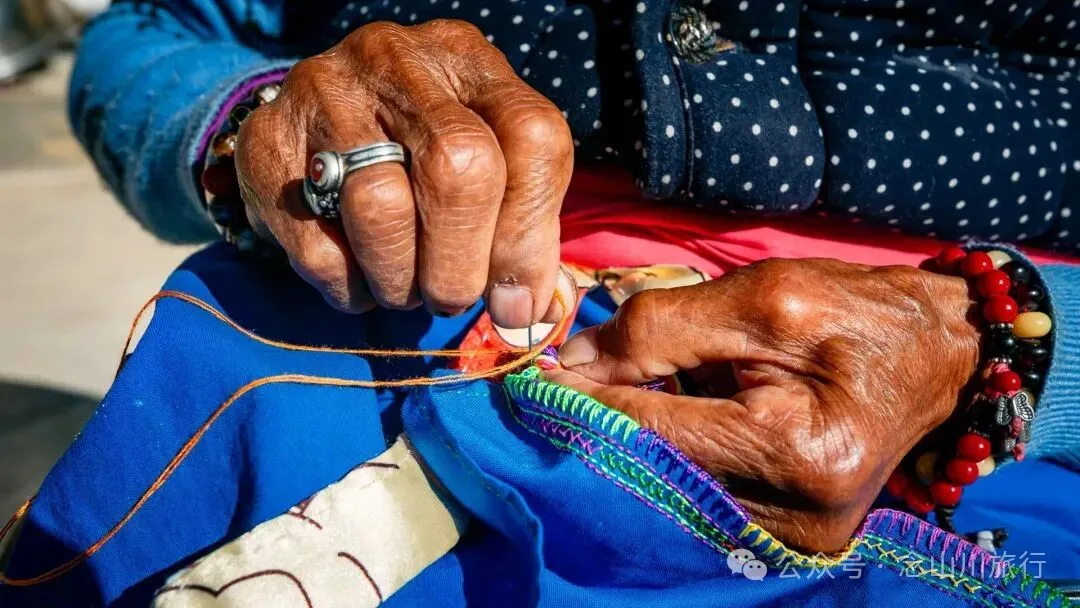
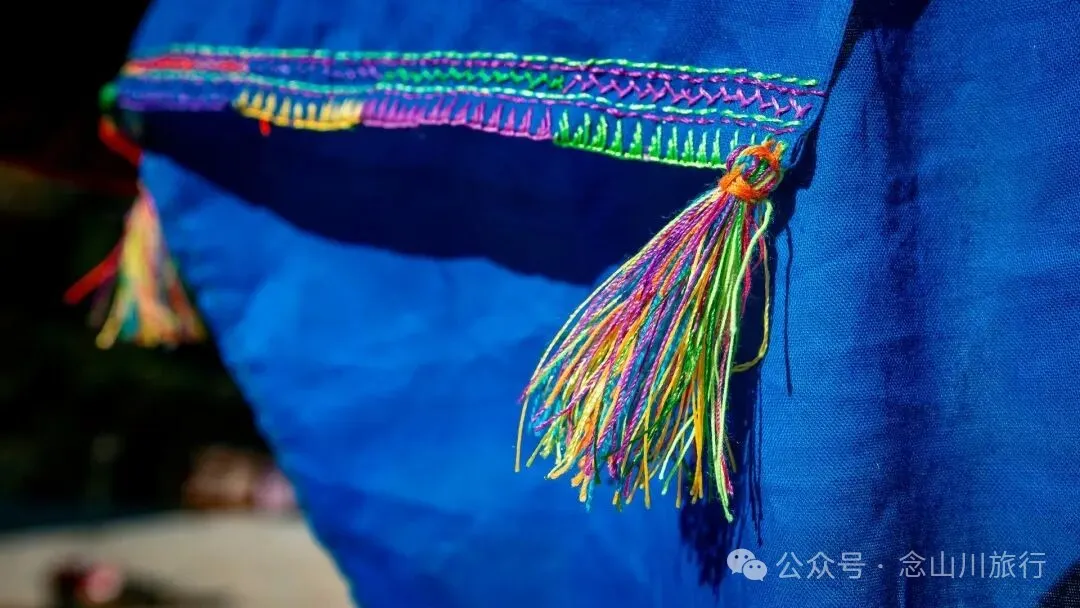
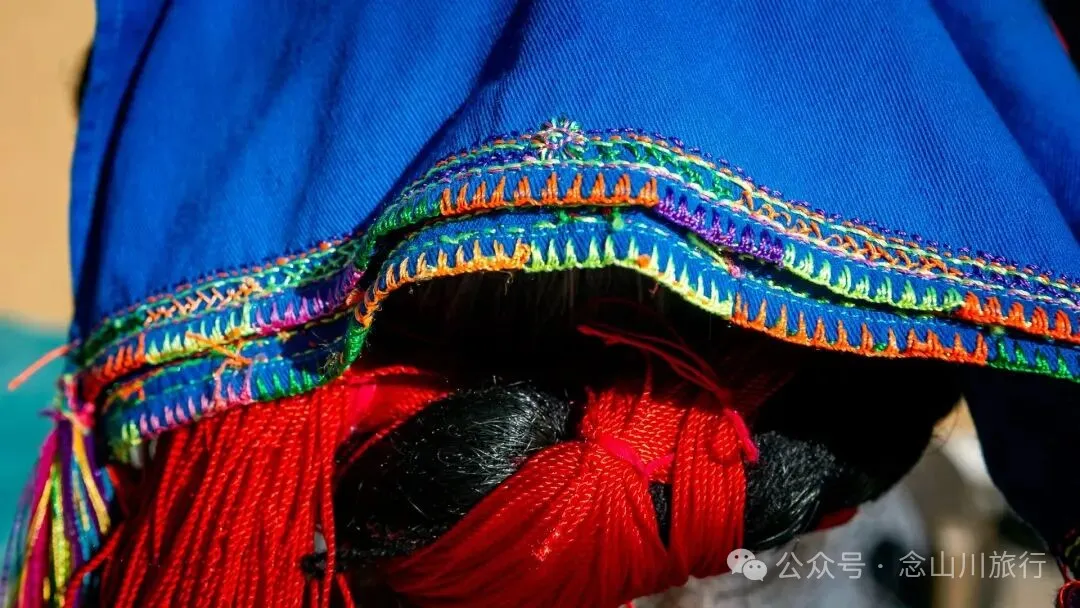
Outside on the concrete flat ground sat an 86-year-old woman, Sister Zhuoma's mother. The elderly woman, full of vitality, sat quietly in the sunshine doing needlework, sewing a blue headscarf. The rectangular headscarf had simple patterns stitched with colored threads on the two short sides, the stitches very even and neat, and in the middle, she had carefully embroidered a plum blossom pattern.
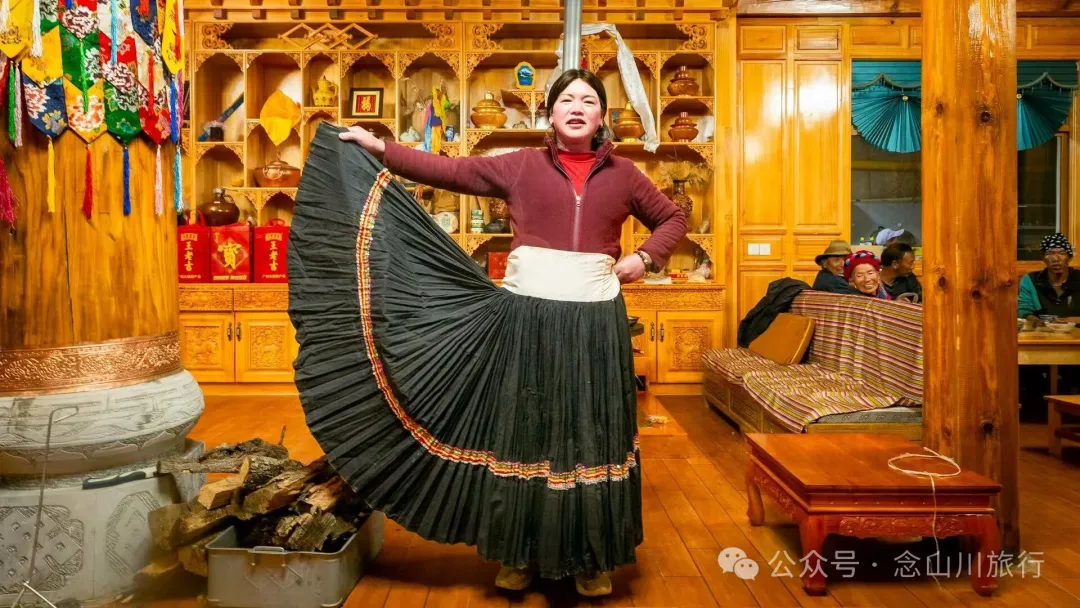
Sister Zhuoma said that the village's elderly association would soon hold a respect-the-elderly event at their home. Her mother had started sewing headscarves long ago and had already finished over twenty, which would be given to the village elders at the event. Besides sewing simple decorations like headscarves, the elderly woman also tailored Tibetan clothing and spun thread and wove cloth. In her youth, she had raised Sister Zhuoma and her siblings through needlework. She was a true inheritor of traditional craftsmanship and had been invited many times to participate in exhibitions elsewhere. Sister Zhuoma asked a relative to bring out a particularly precious pleated skirt for me to see. This was a special skirt worn for the Du dance. Sewn decades ago by the elderly woman, the heavy cotton skirt in my hands conveyed the full effort she had put into every stitch.
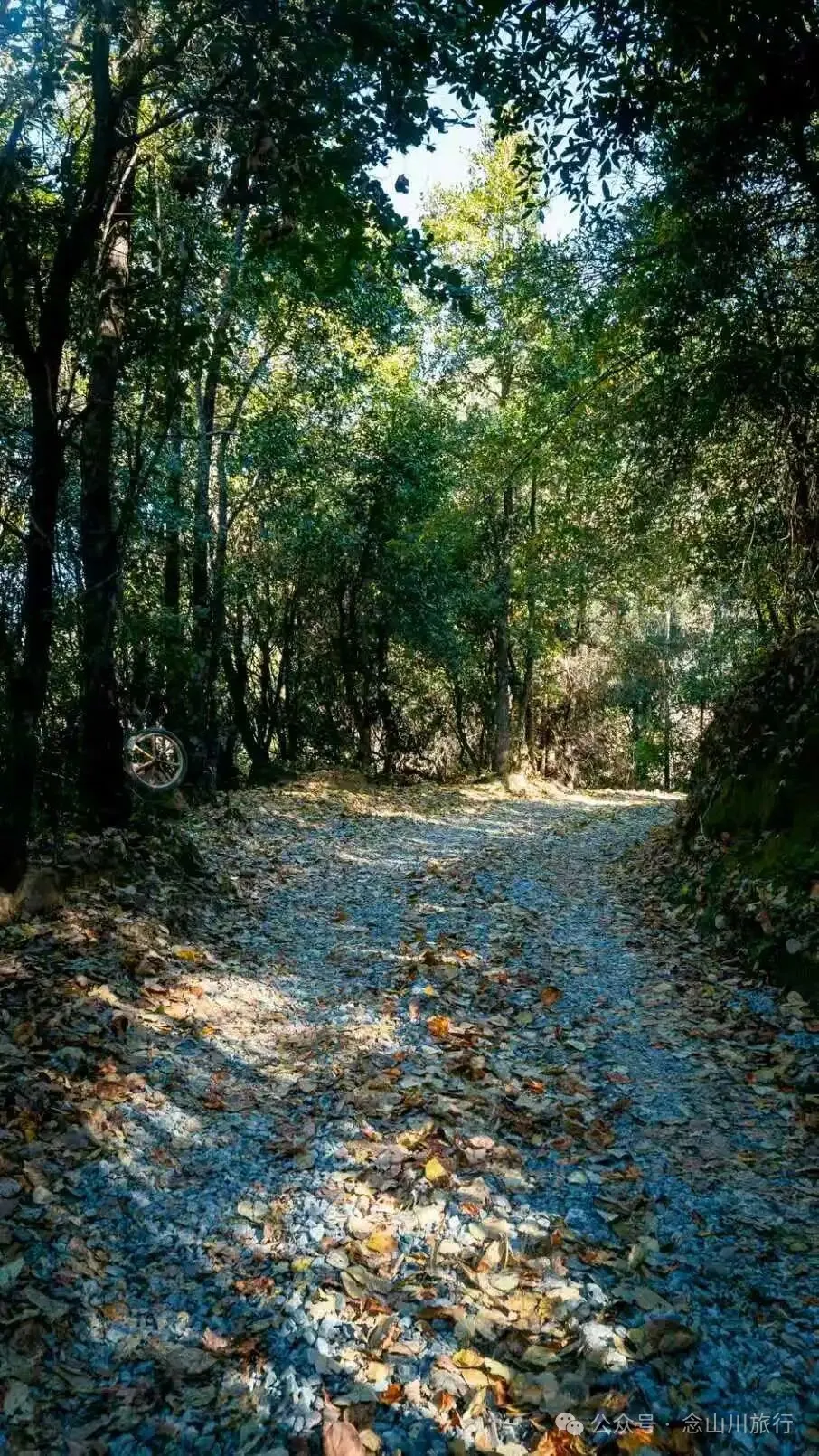
The setting sun cast dappled light on the mountain path, making the fallen leaves seem to come alive. Sister Zhuoma said that both sides of the gravel path were lined with all kinds of wildflowers. I thought that when spring came, these exotic flowers would bloom in succession, and this warm and beautiful Tibetan house would be surrounded by a sea of flowers, becoming even more enchanting.